

Targeted exercise against osteoporosis: A systematic review and meta-analysis for optimising bone strength throughout life
Open accessThe DOI matches its Crossref record; 75 of the 75 references it cites were found in a registry or an index.
Abstract
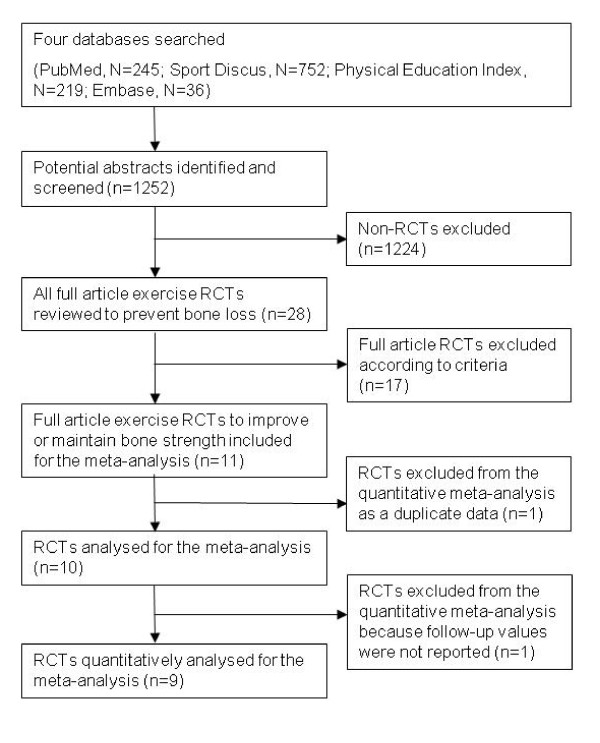
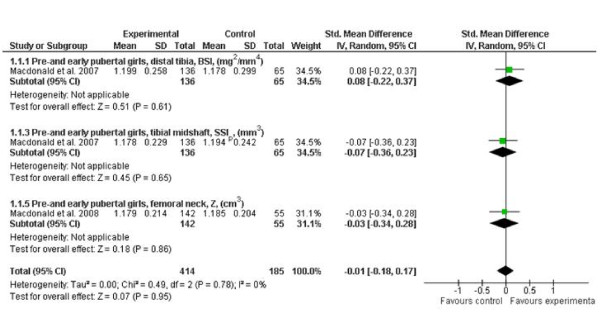
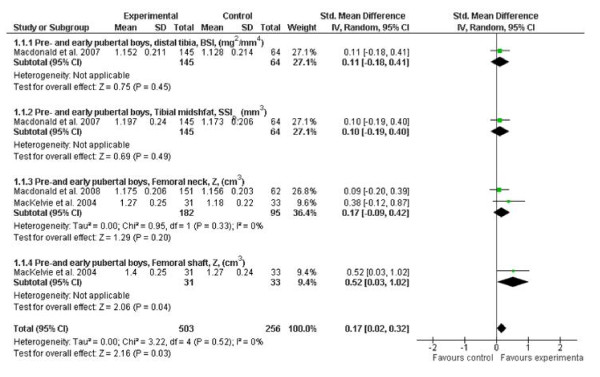
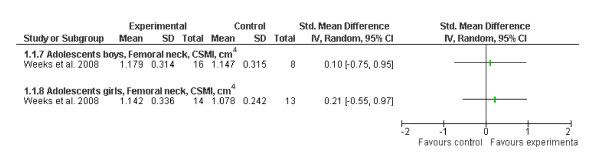
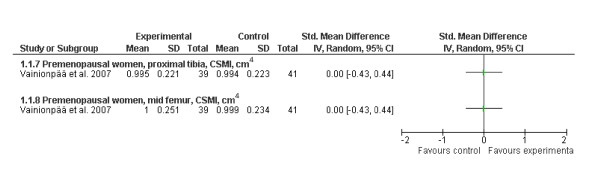
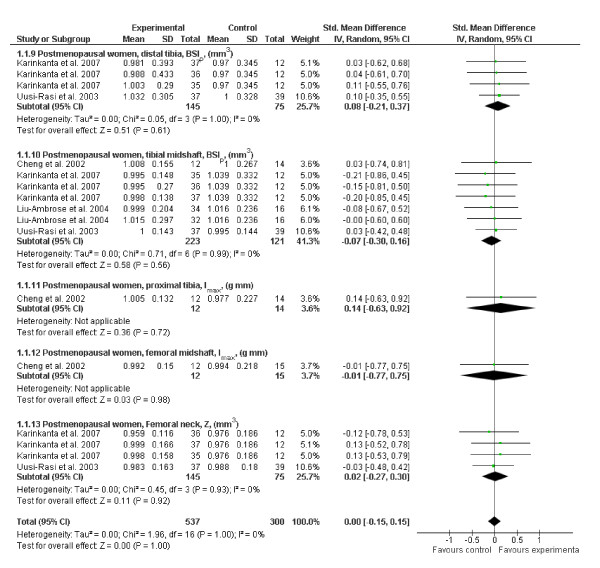
BACKGROUND: Exercise is widely recommended to reduce osteoporosis, falls and related fragility fractures, but its effect on whole bone strength has remained inconclusive. The primary purpose of this systematic review and meta-analysis was to evaluate the effects of long-term supervised exercise (> or =6 months) on estimates of lower-extremity bone strength from childhood to older age. METHODS: We searched four databases (PubMed, Sport Discus, Physical Education Index, and Embase) up to October 2009 and included 10 randomised controlled trials (RCTs) that assessed the effects of exercise training on whole bone strength. We analysed the results by age groups (childhood, adolescence, and young and older adulthood) and compared the changes to habitually active or sedentary controls. To calculate standardized mean differences (SMD; effect size), we used the follow-up values of bone strength measures adjusted for baseline bone values. An inverse variance-weighted random-effects model was used to pool the results across studies. RESULTS: Our quality analysis revealed that exercise regimens were heterogeneous; some trials were short in duration and small in sample size, and the weekly training doses varied considerably between trials. We found a small and significant exercise effect among pre- and early pubertal boys [SMD, effect size, 0.17 (95% CI, 0.02-0.32)], but not among pubertal girls [-0.01 (-0.18 to 0.17)], adolescent boys [0.10 (-0.75 to 0.95)], adolescent girls [0.21 (-0.53 to 0.97)], premenopausal women [0.00 (-0.43 to 0.44)] or postmenopausal women [0.00 (-0.15 to 0.15)]. Evidence based on per-protocol analyses of individual trials in children and adolescents indicated that programmes incorporating regular weight-bearing exercise can result in 1% to 8% improvements in bone strength at the loaded skeletal sites. In premenopausal women with high exercise compliance, improvements ranging from 0.5% to 2.5% have been reported. CONCLUSIONS: The findings from our meta-analysis of RCTs indicate that exercise can significantly enhance bone strength at loaded sites in children but not in adults. Since few RCTs were conducted to investigate exercise effects on bone strength, there is still a need for further well-designed, long-term RCTs with adequate sample sizes to quantify the effects of exercise on whole bone strength and its structural determinants throughout life.
Overview
The claims and statistics of this paper haven’t been checked yet.
Free: it reads the open-access text and checks the first 5 claims that cite a source we can check. Create a free account to check every claim.
Integrity signals
Registry
Cites
Statistics
Figures
Verification
Claims the paper makes
The claims and statistics of this paper haven’t been checked yet.
Free: it reads the open-access text and checks the first 5 claims that cite a source we can check. Create a free account to check every claim.
Claims other papers make about this one
Each is checked against this paper’s own text: does it say what the citing paper says it does?
In the citing paper
“It is also important in musculoskeletal health, maintaining bone and skeletal muscle mass as well as attenuating the major features of ageing.10,11”
From Reduced physical activity in young and older adults: Metabolic and musculoskeletal implications (2019) · cites this paper as [10]
In the citing paper
“The number of trials focusing on bone structure and strength among aging people is, however, limited, and studies have reported conflicting results,( 38 , 39 ) possibly owing to short training periods and/or less‐intensive training regimens.”
From Regular Strength and Sprint Training Counteracts Bone Aging: A 10‐Year Follow‐Up in Male Masters Athletes (2021) · cites this paper as [38]
Self-check
Percentages, sums and reported differences re-computed from the paper’s own numbers.
The self-check needs the paper’s full text.
Citations
Cites
Cochrane Handbook for Systematic Reviews of Interventions: Cochrane Book Series
(2008) · doi:10.1002/9780470712184 · Cited by 25,048
Epidemiology and outcomes of osteoporotic fractures
Cummings, S. R., & Melton, L. J. (2002) · The Lancet · doi:10.1016/s0140-6736(02)08657-9 · Cited by 3,821
Bone Quality — The Material and Structural Basis of Bone Strength and Fragility
Seeman, E., & Delmas, P. D. (2006) · New England Journal of Medicine · doi:10.1056/nejmra053077 · Cited by 2,080 · cited 1×
“Overall, it is clear from this review that further adequately powered and long-term (>2 years) intervention trials are needed, particularly in adults, because changes in bone structural properties are reportedly small throughout adult life [42].”
BackgroundA reference standard for the description of osteoporosis
Kanis, J. A., McCloskey, E. V., Johansson, H., Oden, A., Melton, L. J., & Khaltaev, N. (2008) · Bone · doi:10.1016/j.bone.2007.11.001 · Cited by 1,234 · cited 1×
“Despite reports that BMD is a good predictor of population fracture risk [6], current research indicates that up to 80% of all low-trauma fractures occur in individuals who are not osteoporotic but have normal or somewhat reduced BMD, i.”
BackgroundExercise for preventing and treating osteoporosis in postmenopausal women
Howe, T. E., Shea, B., Dawson, L. J., Downie, F., Murray, A., Ross, C., Harbour, R. T., Caldwell, L. M., & Creed, G. (2011) · Cochrane Database of Systematic Reviews · doi:10.1002/14651858.cd000333.pub2 · Cited by 1,083
Kannus, P., Haapasalo, H., Sankelo, M., Sievanen, H., Pasanen, M., Heinonen, A., Oja, P., & Vuori, I. (1995) · Annals of Internal Medicine · doi:10.7326/0003-4819-123-1-199507010-00003 · Cited by 757 · cited 2×
“We included studies from the prepubertal period (≥6 to 10 years of age) to older age (≥50) and analysed the results by age groups (childhood, adolescence, adulthood and older adulthood) to reduce the clinical heterogeneity since the effects of exercise on bone strength is an age- and maturity- dependent phenomenon [12…”
BackgroundSelf-citationWolff, I., van Croonenborg, J. J., Kemper, H. C. G., Kostense, P. J., & Twisk, J. W. R. (1999) · Osteoporosis International · doi:10.1007/s001980050109 · Cited by 589 · cited 3×
“In postmenopausal women, there are mixed results from several meta-analyses reviewing the effects of aerobic training, weight-bearing impact exercise, resistance training or their combination on BMD [26,28,29,31-36].”
BackgroundResultHind, K., & Burrows, M. (2007) · Bone · doi:10.1016/j.bone.2006.07.006 · Cited by 543
Haapasalo, H., Kontulainen, S., Sievänen, H., Kannus, P., Järvinen, M., & Vuori, I. (2000) · Bone · doi:10.1016/s8756-3282(00)00331-8 · Cited by 502 · cited 2×
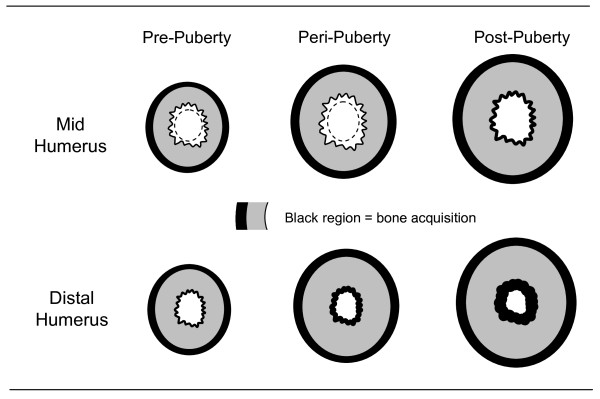
“For example, in the prepubertal players, loading resulted in increased expansion at the midhumerus but no change or endocortical apposition at the distal humerus [44-47].”
BackgroundSelf-citationWalking and Leisure-Time Activity and Risk of Hip Fracture in Postmenopausal Women
Feskanich, D. (2002) · JAMA · doi:10.1001/jama.288.18.2300 · Cited by 501 · cited 1×
“However, epidemiological evidence suggests that moderate to vigorous physical activity performed three to four times per week is associated with considerably lower incidence of fragility fractures in both women and men [70,71].”
Background
Research works printed but not linked: 1
- US Department of Health and Human Services Bone Health and Osteoporosis: A Report of the Surgeon General Rockville, MD, US Department of Health and Human Services, Office of the Surgeon General 2004
Cited by
Items 301–400 of 504
Osteoporosis: Exercise Programming Insight for the Sports Medicine Professional
Cheatham, S. W., Hanney, W. J., Kolber, M. J., & Salamh, P. A. (2017) · Strength and conditioning journal · doi:10.1519/ssc.0000000000000302 · Cited by 6
“Several systematic reviews and metaanalyses have evaluated the growing body of literature pertaining to resistance training interventions for individuals with reduced BMD (osteopenia or osteoporosis) (12,27,29,30,35,39,43,44).”
Protective Effect of Indian Herbs and Physical Exercise on Osteoporosis: A Review
Kaur, P., Bains, K., & Kaur, H. (2021) · Food Reviews International · doi:10.1080/87559129.2021.1926483 · Cited by 5
“Only walk is the most common form of physical activity in older adults,([79]) while walking is related with a scope of positive wellbeing results, its potential 720 P.”
BackgroundMaillane-Vanegas, S., Luiz-de-Marco, R., Narciso, P. H., Faustino-da-Silva, Y. D. S. V., Kemper, H. C. G., Agostinete, R. R., & Fernandes, R. A. (2021) · Journal of Clinical Densitometry · doi:10.1016/j.jocd.2021.07.001 · Cited by 7
Atthapreyangkul, A., Hoffman, M., Pearce, G., & Standard, O. (2022) · Journal of the mechanical behavior of biomedical materials/Journal of mechanical behavior of biomedical materials · doi:10.1016/j.jmbbm.2022.105578 · Cited by 6
Exercise Benefits and Considerations for Individuals With Systemic Lupus Erythematosus
Yuen, E. P., & Bagley, J. R. (2016) · Strength and conditioning journal · doi:10.1519/ssc.0000000000000261 · Cited by 5
“Additionally, exercise training can significantly improve bone mineral density and strength (19).”
BackgroundDual roles of QOA-8a in antiosteoporosis: a combination of bone anabolic and anti-resorptive effects
Wu, J., Shen, Q., Cui, W., Zhao, Y., Huai, Y., Zhang, Y., Bao, B., Liu, C., Jiang, Q. Y., & Li, J. (2017) · Acta Pharmacologica Sinica · doi:10.1038/aps.2017.63 · Cited by 5
Shimano, R. C., Yanagihara, G. R., Macedo, A. P., Yamanaka, J. S., Shimano, A. C., Tavares, J. M. R. S., & Issa, J. P. M. (2018) · Scandinavian Journal of Medicine and Science in Sports · doi:10.1111/sms.13058 · Cited by 5
Bone characteristics and physical fitness in children and adolescents with visual impairment
SZMODIS, M., KÄLBLI, K., Mónika, K. A. J., Kinga, K. A., ALMÁSI, G., & Csányi, T. (2022) · The Journal of Sports Medicine and Physical Fitness · doi:10.23736/s0022-4707.21.12078-x · Cited by 5
Kopiczko, A., Czapla, M., Kubielas, G., & Uchmanowicz, B. (2024) · Frontiers in Physiology · doi:10.3389/fphys.2024.1403102 · Cited by 8
“In several randomized controlled trials, targeted high-impact exercise resulted in increased bone mineral density and bone strength during the prepubertal and peripubertal stages (Ng et al., 2022; Nikander et al., 2010; Hind and Burrows, 2007).”
BackgroundKonola, V.-M., Parkkari, J. P., Multanen, J., Nikander, R., Rantalainen, T., Vesanto, J., Pekkala, S., Kalaja, M. K., Ihalainen, J. K., Waller, B., et al. (2025) · Trials · doi:10.1186/s13063-025-08928-1 · Cited by 4
Self-citationSui, J., Yin, H., Zhang, L., & Li, J. (2025) · Frontiers in Nutrition · doi:10.3389/fnut.2025.1609442 · Cited by 4
Guo, X., Wang, J., Wang, Y., & Sun, Q. (2026) · Osteoporosis International · doi:10.1007/s00198-026-07910-0 · Cited by 4
“It is estimated that 30–50% of women and 15–30% of men aged 50 and older will experience an osteoporotic fracture during their lifetime [10].”
Almohammadi, A. A. (2026) · International Journal of Orthopaedic Surgery · doi:10.4103/ijors.ijors_1_26 · Cited by 4
Haapala, E. A., Rantalainen, T., Hesketh, K. D., Rodda, C. P., & Duckham, R. L. (2022) · Jyväskylä University Digital Archive (University of Jyväskylä) · Cited by 8
Arab, H. A., Flammier, S., Espitalier, M., Bacchetta, J., & Fouillet-Desjonquères, M. (2025) · Orphanet Journal of Rare Diseases · doi:10.1186/s13023-025-03678-4 · Cited by 4
“For example, Van Brussel et al. observed a 12% improvement in muscle strength after a 12-week graduated exercise program [13], while another study reported enhanced mobility based on GMFM tests and the 1-min walk test after a whole-body vibration training program [12].”
Effects of explosive and impact exercises on gait parameters in elderly women
Villada, J. F. R., Cadena-Duarte, L. L., Gutiérrez-Galvis, A. R., Argothy, R. E., & Moreno, Y. (2019) · Revista de la Facultad de Medicina · doi:10.15446/revfacmed.v67n4.75051 · Cited by 4
“Considering that functional capacity in the elderly declines over time and that conditions associated with falls and fractures (1,2) such as reduced lower limb strength (70%), loss of neuromuscular coordination (90%), and reduced aerobic resistance (45%) (3) may arise, morbidity and mortality rates associated with fun…”
BackgroundThe utility of dried blood spot measurement of bone turnover markers in biological anthropology
Devlin, M. J., Eick, G. N., & Snodgrass, J. J. (2022) · American Journal of Human Biology · doi:10.1002/ajhb.23816 · Cited by 4
Bone bending strength and BMD of female athletes in volleyball, soccer, and long-distance running
Rocha-Rangel, J., Liang, M. T. C., Tsai, A. H.-T., Auslander, A. T., Robles, P., Kwoh, Y.-L., & Arnaud, S. B. (2023) · European Journal of Applied Physiology · doi:10.1007/s00421-023-05231-2 · Cited by 7
A Causal Inference Methodology to Support Research on Osteopenia for Breast Cancer Patients
Kiriakidou, N., Ballas, A., Hernándo, C., Miralles-Marco, A., Stamati, T., Anagnostopoulos, D., & Diou, C. (2024) · Applied Sciences · doi:10.3390/app14219700 · Cited by 4
Kwon, S., Baptista, F., Levy, S. M., Guha, I., Saha, P. K., & Janz, K. F. (2025) · International Journal of Environmental Research and Public Health · doi:10.3390/ijerph22030416 · Cited by 5
“…school (grades 9 to 12) interscholastic sport participation based on the mechanical loading of the axial (weight-bearing) skeleton, as studies [41,42] have suggested sport-specific associations with bone and muscle mass by mechanical loading levels, specifically that power movements are more…”
Innovatives Bewegungstraining bei Osteoporose
Winkelmann, A., Schilling, S., Neuerburg, C., Mutschler, W., Böcker, W., Felsenberg, D., & Stumpf, U. C. (2015) · Der Unfallchirurg · doi:10.1007/s00113-015-0080-1 · Cited by 6
Knochendichtemessung am wachsenden Skelett und klinische Konsequenzen
Pozza, S. B. (2011) · Zeitschrift für Rheumatologie · doi:10.1007/s00393-011-0803-9 · Cited by 7
Osteoporosis knowledge level of the women living in the city of kirikkale
Arslan, S. A., Daşkapan, A., Atalay, D. K., Tüzün, E. H., & Korkem, D. (2015) · Türk fizyoterapi ve rehabilitasyon dergisi · doi:10.7603/s40680-015-0019-z · Cited by 4
Shoepe, T. C., LaBrie, J. W., Mello, G. T., Leggett, A. G., & Almstedt, H. C. (2020) · BMC Musculoskeletal Disorders · doi:10.1186/s12891-020-03753-w · Cited by 4
Effect of resistance exercise on bone health of old aged individuals: Review
Khanna, A. (2022) · Science & Sports · doi:10.1016/j.scispo.2022.09.003 · Cited by 6
Korhonen, M. T., Kujala, U. M., Kettunen, J. A., Korhonen, O. V., Kaprio, J. A., Sarna, S. J., & Törmäkangas, T. (2020) · Journal of Bone and Mineral Research · doi:10.1002/jbmr.4624 · Cited by 3
“Evidence suggests that youth is the optimal time for intense exercise to improve peak bone mass,((7-9)) as well as balance and muscular strength,((10,11)) which are important synergistic predictors of future falls and fractures.”
BackgroundLindberg, P. W. S., Michelet, K. M., Alin, C. K., Andersson, E., Kronhed, A.-C. G., Magnusson, P., Nyrén, S., Lundin, H. R., Toth-Pal, E., Sääf, M., et al. (2026) · Archives of Osteoporosis · doi:10.1007/s11657-026-01679-9 · Cited by 3
“A meta-analysis including postmenopausal women with a median age of 60 years suggests that high-intensity exercise might be the most effective way of increasing lumbar spine BMD [41].”
Kenzhegazova, G. K., Baspakova, A. M., Suleimenova, R., Zare, A., Mussin, N. M., Zhilisbayeva, K. R., Sharoffidin, R. S., & Tamadon, A. (2026) · PeerJ · doi:10.7717/peerj.21023 · Cited by 3
“These issues contribute to psychological distress, anxiety, depression, and increased fear of falling, further limiting physical activity and hastening functional deterioration ( Nikander et al., 2010 ).”
The Impact of Physical Education Attendance and Diet on Bone Mineralization in Adolescents
Przytula, A., & Popiołek-Kalisz, J. (2025) · Nutrients · doi:10.3390/nu17183016 · Cited by 3
“Other studies also support a link between exercise and better bone development [24].”
Physical activity, exercise, and skeletal health
Kontulainen, S. A., & Johnston, J. D. (2020) · Elsevier eBooks · doi:10.1016/b978-0-12-813073-5.00022-8 · Cited by 5
Junno, J., Keisu, A., Niemelä, M., Julin, M. M., Korpelainen, R., Jämsä, T. J., Niinimäki, J. L., Lehenkari, P. P., & Oura, P. (2022) · BMC Musculoskeletal Disorders · doi:10.1186/s12891-022-05475-7 · Cited by 3
JAN, R., KHAN, F., AFRIDI, M., Ishaq, S., KHATTAK, H., & SHAH, S. (2023) · Biological and Clinical Sciences Research Journal · doi:10.54112/bcsrj.v2023i1.582 · Cited by 4
Pharmacologic treatment of osteoporosis – 2011
Lakatos, P. L. (2011) · Orvosi Hetilap · doi:10.1556/oh.2011.29111 · Cited by 6
Comparison of bone mineral density in adolescent male soccer and basketball players
Jallai, T., Maasalu, K., Kums, T., Ereline, J., Gapeyeva, H., & Pääsuke, M. (2016) · Sport Sciences for Health · doi:10.1007/s11332-016-0334-5 · Cited by 3
Analysis of Bone Mineral Density/Content of Paratroopers and Hoopsters
Luo, Y., Luo, C., Cai, Y., Jiang, T., Chen, T., Wenyue, X., Guo, J., & Fan, Y. (2018) · Journal of Healthcare Engineering · doi:10.1155/2018/6030624 · Cited by 3
“It was reported that physical exercise was usually a benefit to increase the bone mass and promote skeletal development [4].”
BackgroundSekiguchi, T., Hagiwara, Y., Yabe, Y., Sugawara, Y., Tsuji, I., & Itoi, E. (2021) · BMJ Open · doi:10.1136/bmjopen-2021-051751 · Cited by 4
A prescription for exercise in systemic lupus erythematosus
Molina, E., Petri, M., Manno, R., Williamson, L. D., Williamson, L., & Timlin, H. (2021) · Lupus · doi:10.1177/09612033211061060 · Cited by 4
Commentary: Evaluating the Role of Seagrass in Cenozoic CO2 Variations
Macreadie, P. I., Serrano, Ó., Duarte, C. M., Beardall, J., & Maher, D. T. (2017) · Frontiers in Environmental Science · doi:10.3389/fenvs.2017.00055 · Cited by 3
Physical Activity Interactions with Bone Accrual in Children and Adolescents
Izabella, A., & Klentrou, P. (2012) · InTech eBooks · doi:10.5772/30367 · Cited by 2
Altai, Z., Hollinger, D. S., Phillips, A., Moran, J., Zhai, X., Mei, Q., & Liew, B. X. W. (2026) · Journal of Biomechanics · doi:10.1101/2024.10.20.24315745 · Cited by 2
“It has been reported that normal walking 7 is not associated with bone mineral density (BMD) changes in the femoral neck whereas jogging combined with walking 8 , running, and jumping 9,10 were the most effective in improving BMD.”
BackgroundGuan, Q., Du, Y., Zou, J., & Zhang, L. E. (2026) · Sports Medicine · doi:10.1007/s40279-026-02393-9 · Cited by 2
Weightlifting from a Biophysical Perspective: Biomechanics, Performance, and Physiological Responses
Özbay, E., Örücü, S., Erdağı, K., Awad, A., & Işık, B. (2026) · Journal of Sport Science & Innovation · doi:10.65668/myfwzs79 · Cited by 2
Severity of menopausal disorders of patients with epilepsy
Абусуевна, А. З., Tetekaeva, A. M., Khashaeva, T. K., Гейбатовна, Г. Л., & Alieva, I. M. (2019) · Medical alphabet · doi:10.33667/2078-5631-2019-2-14(389)-45-46 · Cited by 2
Hansen, S., Lichtenstein, M. B., Johansen, K. K., & Støving, R. K. (2022) · Frontiers in Sports and Active Living · doi:10.3389/fspor.2022.1021442 · Cited by 2
Somma, T., Mastantuoni, C., Rispoli, R., Bove, I., Bocchino, A., Salcuni, A. S., Driul, L., Esposito, F., Cappabianca, P., Tessitore, E., et al. (2024) · Neurosurgical Review · doi:10.1007/s10143-024-03056-x · Cited by 2
“Other factors epidemiologically associated with PLAO include immobilization [2, 18], coagulation disorders [17, 25], congenital malformations, pregnancy-related conditions, endocrine disorders such as hypothyroidism, history of dental problems in childhood [24] and sedentary lifestyle [20].”
Osteoporosis and fracture risk: a practical guide for neurologists
Laskou, F., Curtis, E., Varatharaj, A., Dennison, E. M., & Harvey, N. C. (2025) · Practical Neurology · doi:10.1136/pn-2024-004257 · Cited by 3
“72 However, the variability in study designs and exercise characteristics prevents reliable recommendations for exercise protocols to reduce fractures in patients with neurological disease.”
The impact of physical activity on bone health
Pfeifer, M., & Kogoj, T. K. (2014) · Slovenian Medical Journal · Cited by 2
Context and Consequences of Delaying Hip Replacement Surgery: A Case Study
Camillo, P., Goodman, S. B., Thompson, P., & Imrie, S. (2012) · The Journal for Nurse Practitioners · doi:10.1016/j.nurpra.2011.12.016 · Cited by 2
Functioning of active postmenopausal women with osteoporosis
Binda, A. C., Fréz, A. R., Daniel, C. R., Bertolini, G. R. F., Ruaro, J. A., & Baroni, M. P. (2017) · Fisioterapia em Movimento · doi:10.1590/1980-5918.030.004.ao15 · Cited by 2
The long-term residual effects of low-magnitude mechanical stimulation therapy on skeletal health
Bodnyk, K. A., Kuchynsky, K., Balgemann, M., Stephens, B., & Hart, R. T. (2020) · Journal of Biological Engineering · doi:10.1186/s13036-020-0232-x · Cited by 2
“Strong bone can be built during the window of opportunity in development before growth plates fuse and longitudinal growth stops [32, 34].”
BackgroundAutio, E., Oura, P., Karppinen, J. I., Paananen, M., Junno, J., & Niinimäki, J. L. (2021) · Bone Reports · doi:10.1016/j.bonr.2021.101060 · Cited by 2
“had similar results in their study (Nikander et al., 2010).”
BackgroundResultInfluentialAbdelatief, E. E. M., & Fathy, K. A. (2021) · International Journal of Therapy and Rehabilitation · doi:10.12968/ijtr.2021.0053 · Cited by 2
Morancie, N. A., Ellis, C., Heinrich, A. E., & Lee, J. (2023) · Springer eBooks · doi:10.1007/978-3-031-29171-5_3 · Cited by 2
Physical Activity and Genetics as Determinants of Limb Bone Structure A Dissertation Presented
Wallace, I. J. (2013) · Academic Commons (Stony Brook University) · Cited by 2
Moraes, M. S., Fernandes, R. A., Moreno, Y. M. F., Pelegrini, A., & Silva, D. A. S. (2022) · The Journal of Strength and Conditioning Research · doi:10.1519/jsc.0000000000004132 · Cited by 1
“Although not new, the application of these levels of impact in research with athletes is recent and still limited (34), because most Address correspondence to Mikael S.”
BackgroundDIFFERENCES IN THE BODY COMPOSITION OF SELECTED JUDOKAS BASED ON WEIGHT CATEGORIES
Milošević, N., Stojanović, N., Paunović, M., Živković, M., Mekić, A., & Volaš, D. (2024) · Homosporticus · doi:10.61886/1840-4324.2024.26.1.12 · Cited by 1
“This increase in BMC may be attributed to the more significant mechanical loading experienced by heavier athletes, which stimulates bone density (Nikander et al., 2010).”
Vagenas, G., & Palaiothodorou, D. (2025) · European Journal of Applied Physiology · doi:10.1007/s00421-024-05681-2 · Cited by 1
“…valuable in optimizing bone growth during maturation (Kramer et al. 2017), in implementing proper exercise programs to reduce the risk of fractures in later life (Nikander et al. 2010), and in maximizing the portion of this bone growth that can be transferred into adulthood (Ireland et al. 2014).”
InfluentialBray, N. W., Pieruccini‐Faria, F., Witt, S. T., Bartha, R., Nagamatsu, L. S., Almeida, Q. J., Liu-Ambrose, T. Y. L., Middleton, L. E., Bherer, L., & Montero‐Odasso, M. (2025) · Medicine & Science in Sports & Exercise · doi:10.1249/mss.0000000000003829 · Cited by 2
Polat, C., Hastürk, G., Ertan, H., Pancar, Z., Padulo, J., & Russo, L. (2025) · British Medical Bulletin · doi:10.1093/bmb/ldaf011 · Cited by 1
ERLANDSON, M. C., Chapelski, M. S., Adam, M. E. K., Zaluski, A. J., & Baxter-Jones, A. D. G. (2025) · Frontiers in Endocrinology · doi:10.3389/fendo.2025.1598344 · Cited by 1
Jiang, H., Inoue, S., Hatakeyama, J., & Moriyama, H. (2026) · Redox Biology · doi:10.1016/j.redox.2026.104186 · Cited by 1
“Clinically, physical exercise has been demonstrated to ameliorate disuse-induced musculoskeletal decline [12], osteoarthritis progression [13], and osteoporosis [14], as well as to mitigate obesity-[15] and aging-related dysfunctions [16].”
Mehr Muskulatur – gesündere Knochen? Muskel und Knochen als funktionelle Einheit
Semler, O., Schöenau, E., & Hoyer‐Kuhn, H. (2013) · Osteologie/Osteology · doi:10.1055/s-0038-1630116 · Cited by 1
“Eine 2009 erhobene Metaanalyse, die zehn randomisierte, prospektive Studien beinhaltet, ergab, dass körperliches Training in Kindheit und Jugend geeignet ist, die Knochenflächendichte zu steigern (41).”
BackgroundOsteoporosis as a Geriatric Syndrome
Colon-Emeric, C. S. (2016) · Springer eBooks · doi:10.1007/978-3-319-25976-5_7 · Cited by 4
The Effect of Creatine Supplementation on Body Composition and Bone Health in the Elderly
Moon, A., & Cobbold, C. (2016) · Journal of Obesity & Weight loss Therapy · doi:10.4172/2165-7904.1000298 · Cited by 1
“There may be an explanation for this; exercise appears to be less effective at increasing bone mass in elderly women compared to younger subjects [51], an effect which may be replicated with creatine supplementation.”
BackgroundRittweger, J. (2016) · Springer eBooks · doi:10.1007/978-3-662-50335-5_21 · Cited by 1
Primärpräventiver Nutzen regelmäßiger körperlicher Aktivität
Samitz, G. (2016) · Springer eBooks · doi:10.1007/978-3-211-99716-1_2 · Cited by 1
“Die Frakturhäufigkeit konnte durch die Trainingsinterventionen nicht günstig beeinflusst werden.”
BackgroundInfluentialRehabilitation of Older Patients with Osteo-metabolic Disorders
Iolascon, G., Gimigliano, F., Moretti, A., Covella, E., & Gimigliano, R. (2017) · Practical issues in geriatrics · doi:10.1007/978-3-319-57406-6_27 · Cited by 1
Essa, M. M. M. M., Fawaz, H. E., Hamada, H. A., Ameer, M. A., & Elhafez, S. M. (2017) · International Journal of Physiotherapy and Research · doi:10.16965/ijpr.2017.209 · Cited by 2
“In weight bearing activities, the mechanical loads are transferred to the skeleton by gravitational forces and muscle pull where bone cells selectively react to mechanical stresses to decrease and increase BMD [15].”
BackgroundTjelesna aktivnost i osteoporoza
Grazio, S., & Balen, D. (2019) · Hrčak Portal of scientific journals of Croatia (University Computing Centre) · Cited by 3
Lee, L., Huang, S. ‐., Lai, P., & Huang, Y. (2020) · Journal of obstetrics and gynaecology research · doi:10.1111/jog.14346 · Cited by 1
“women with strong exercise compliance.(35) Accordingly, exercise or physical activity involving weightbearing and progressive resistance training was recently recommended for both the prevention and treatment of osteoporosis in elderly adults(33) and should also be recommended for breastfeeding women.”
BackgroundParathormone and Serum Calcium Response to Moderate Intensity Treadmill Exercise in Elderly
Mohamed, M., Keshak, W., Hosny, A., & Elsisi, H. F. E. M. (2021) · Egyptian Journal of Physical Therapy · doi:10.21608/ejpt.2021.93968.1058 · Cited by 2
“,(10) who found that In children, exercise can considerably improve bone density at loaded areas, but not in adults.”
BackgroundPrevention and Management of Osteoporosis Through Exercise
Forsyth, J. J., Rounds, A. D., & Zumwalt, M. A. (2023) · Springer eBooks · doi:10.1007/978-3-031-15485-0_17 · Cited by 1
Strässle, M., Grossmann, J., Eppenberger, P., Faas, A., Jerkovic, I., Floris, J., Öhrström, L. M., Akgül, G., Aldakak, L., Rühli, F. J., et al. (2023) · PeerJ · doi:10.7717/peerj.15205 · Cited by 1
“It is known that greater mechanical stress (with weight gain) on the bone can lead to an adaptation and increase in bone mass, as it has been shown for high-impact sports but less so for walking alone (van Santen et al., 2019; Hind & Burrows, 2007; Nikander et al., 2010; Heinonen et al., 2000; MacKelvie et al., 2002;…”
BackgroundPhysical Activity and Alterations of Bone Metabolism and Sarcopenia
Elvar, J. R. H. (2023) · Springer eBooks · doi:10.1007/978-3-031-26614-0_13 · Cited by 1
Guerriere, K. I., Hussian, I. M., Bartlett, P. M., Castellani, C. M., Walker, L. A., Taylor, K. M., Smith, N. I., Staab, J. S., Pasiakos, S. M., Gaffney‐Stomberg, E., et al. (2024) · Exercise Sport and Movement · doi:10.1249/esm.0000000000000026 · Cited by 1
Evaluating lower limits of body fat percentage in athletes using DXA
Hew‐Butler, T., Kerr, E., Perez, G. M., Sabourin, J., Smith‐Hale, V., & Mendoza, R. (2025) · Journal of Clinical Densitometry · doi:10.1016/j.jocd.2025.101564 · Cited by 2
A influência da Sarcopenia na densidade mineral óssea de homens idosos
Pereira, F. B. (2014) · RIUnB Institutional Repository (University of Brasília) · doi:10.26512/2014.12.t.18056 · Cited by 2
Risk factors for bone fragility and fracture in postmenopausal women
Svejme, O. (2013) · Lund University Publications (Lund University) · Cited by 2
Kawada, T. (2013) · Bone · doi:10.1016/j.bone.2013.01.035 · Cited by 1
The Role of Physical Activity as Prevention against Osteoporosis
Bjugstad, K. (2012) · NORA - Norwegian Open Research Archives · Cited by 1
Patel, H. (2020) · Open Access Victoria University of Wellington | Te Herenga Waka (Figshare) · doi:10.26686/wgtn.17150861.v1 · Cited by 2
Meigh, N. J., Keogh, J., & Hing, W. A. (2021) · medRxiv · doi:10.1101/2021.08.15.21261771 · Cited by 1
“Combined with other benefits of structured exercise, such as improved muscle function and balance, a 1-2% increase in BMD via an exercise prescription may reduce fracture risk by 510% (11) and reduce the incidence of fracture by up to 50% (12).”
BackgroundInfluentialHuang, T. M., Zhao, G., Guo, Z., Hua, W., Fu, J., Sun, S., Lv, W., He, Z., Hu, Q., & Quan, M. (2020) · Research Square · doi:10.21203/rs.3.rs-122533/v1 · Cited by 1
Mahgoub, A. A., & Mustafa, S. S. (2022) · Research Square · doi:10.21203/rs.3.rs-2061067/v1 · Cited by 2
Osteoporosis in Pediatric Patients and Its Clinical Management
Gonzalez, E. (2012) · InTech eBooks · doi:10.5772/29232
Macedo, A. R. (2014) · Digital Library of Theses and Dissertations (Universidade de São Paulo) · doi:10.11606/t.5.2014.tde-24022015-104459 · Cited by 3
de Medeiros, R. A. (2014) · Aleph UCLA Undergraduate Research Journal for the Humanities and Social Sciences
The Influence of Physical Activity on Musculoskeletal Characteristics and Fracture Risk at Growth
Detter, F. (2014) · Lund University Publications (Lund University)
Assessment of Men Before Androgen Deprivation Therapy
MARONI, P. D., & Crawford, E. D. (2011) · The Journal of Urology · doi:10.1016/j.juro.2011.05.007
Kettunen, J. A., Palmu, S. A., Tallroth, K., Nietosvaara, Y. A., & Lohman, M. (2014) · Advances in Orthopedic Surgery · doi:10.1155/2014/305247
Bone acquisition/pediatric bone: ASBMR 2012
Kontulainen, S. A., & Johnston, J. D. (2013) · IBMS BoneKEy · doi:10.1038/bonekey.2012.261
Exercise in Youth and Long-Term Effects on Bone and Joints
Tveit, M. (2013) · Lund University Publications (Lund University)
Physical interventions for preventing stress fractures of the lower limbs
Dubois, B., Frémont, P., Desmeules, F., & Njoya, M. M. (2012) · Cochrane Database of Systematic Reviews · doi:10.1002/14651858.cd009702
RetractedOsteoporosis in childhood: related factors and prevention
González‐Jiménez, E., & Álvarez-Ferre, J. (2011) · Colombia medica · doi:10.25100/cm.v42i1.758
Short- and long-term effects of a multi-component physical activity intervention in primary school
Meyer, U. (2012) · edoc (University of Basel) · doi:10.5451/unibas-006077544 · Cited by 3
Genetic and environmental contributions to bone structural strength in postmenopausal women
Mikkola, T. M. (2010) · Jyväskylä University Digital Archive (University of Jyväskylä) · Cited by 1
Bone mechanoadaptation and the influence of muscular action on bone across the lifespan
Ireland, A. (2026) · e-space (Manchester Metropolitan University) · doi:10.83056/mmu.32436561 · Cited by 1
Translational studies into the effects of exercise on estimated bone strength
Weatherholt, A. M. (2015) · IUScholarWorks (Indiana University) · doi:10.7912/c2/1391
Yamaguchi-Watanabe, A., Ayabe, M., Chiba, H., Kobayashi, N., Sakuma, I., & Ishii, K. (2014) · 体力科學 · doi:10.7600/jspfsm.63.305 · Cited by 3
Measurement of Bone Mineral Density in Male Detainees
Bakan, B., Sucaklı, M. H., Özer, A., Kalender, A. M., & Özkan, F. (2012) · Turkish Journal of Osteoporosis · doi:10.4274/tod.59672
“Çalışma dışı bırakılma kriterleri ve olgu sayıları şöyleydi; cezaevinde kalma süresi 1 yıldan az olan (19), kronik obstrüktif akciğer hastalığı (17), diyabetes mellitus (15), hipertiroidi (2), kronik böbrek yetmezliği (1), malignite (2), antiepileptik ilaç alan (2), romatoid artrit nedeni ile steroid kullanan (1), bif…”
Metadata
- Authors
- Nikander, R., Sievänen, H., Heinonen, A., Daly, R. M., Uusi-Rasi, K., & Kannus, P.
- Affiliations
- The University of Melbourne (AU)
- Tampere University Hospital (FI)
- University of Jyväskylä (FI)
- Tampere University (FI)
- Corresponding author
- Nikander, Riku
- Venue
- BMC Medicine
- Published
- 2010-07-21
- Volume
- 8
- Issue
- 1
- Pages
- 47-47
- ISSN
- 1741-7015 (ISSN-L)
- PMC
- PMC2918523
- OpenAlex
- W2159262419
- Cited by
- 479
- References
- 74
- Citations by year
- 2026: 19 · 2025: 23 · 2024: 18 · 2023: 29 · 2022: 30 · 2021: 32 · 2020: 40 · 2019: 31 · 2018: 30 · 2017: 43 · 2016: 25 · 2015: 23 · 2014: 29 · 2013: 33 · 2012: 29
- FWCI
- 5.41
- Type
- journal article
- Language
- en
- Open access
- gold
- doi.org
- Licence
- Locations
- BMC Medicine (publishedVersion, cc-by)
- PubMed Central (publishedVersion, cc-by)
- PubMed (publishedVersion)
- Tampere University Institutional Repository (Tampere University) (publishedVersion)
- Jyväskylä University Digital Archive (University of Jyväskylä) (acceptedVersion, cc-by)
- Minerva Access (University of Melbourne) (submittedVersion, cc-by)
- Tampere University Institutional Repository (Tampere University) (submittedVersion)
- DOAJ (DOAJ: Directory of Open Access Journals) (submittedVersion, cc-by-sa)
- Funders
- National Health and Medical Research Council (425849)
- Topics
- Health Sciences › Medicine › Orthopedics and Sports Medicine › Bone health and osteoporosis research
- Health Sciences › Medicine › Public Health, Environmental and Occupational Health › Physical Activity and Health
- Health Sciences › Health Professions › Physical Therapy, Sports Therapy and Rehabilitation › Balance, Gait, and Falls Prevention
- Keywords
- osteoporosis, exercise training, bone strength, weight-bearing exercise, lower extremity bones, children, adolescents, puberty, premenopausal women, postmenopausal women, fragility fractures, fall prevention, bone mineral density, exercise adherence, training dose, sex differences, age differences, sedentary lifestyle
- MeSH terms
- Bone and Bones, Exercise Therapy, Female, Humans, Male, Osteoporosis
About these checks
Registry, retraction, Cites and statistics results are computed, not judged, with one exception: a printed reference that no index lists is read once by a model before it counts as a citation error. Claims are extracted by a model and kept only when their quote appears verbatim in the text; each cited source is then checked, with a model’s help, for whether it says what the claim relies on. Those verdicts can be wrong — read the claim’s quote and the cited source before relying on one.
Statistics and arithmetic are recomputed, not judged.
Confidence bands are shown only for fields calibrated on our annotated test set. None is calibrated yet, so no band is shown.
What counts as a claim ›How we measure confidence ›How we check this ›
Are you an author, or do you see a problem with this page? Request a review
Data sources
Bibliographic data: Semantic Scholar, OpenAlex, Crossref.
Contains information from the Semantic Scholar Academic Graph Datasets, made available under the ODC Attribution License (ODC-BY 1.0).
Semantic Scholar’s data is described in: Kinney, R., et al. (2023). The Semantic Scholar Open Data Platform. arXiv:2301.10140.
