

Microglial p38α MAPK is a key regulator of proinflammatory cytokine up-regulation induced by toll-like receptor (TLR) ligands or beta-amyloid (Aβ)
Open accessThe DOI matches its Crossref record; 56 of the 56 references it cites were found in a registry or an index.
Abstract
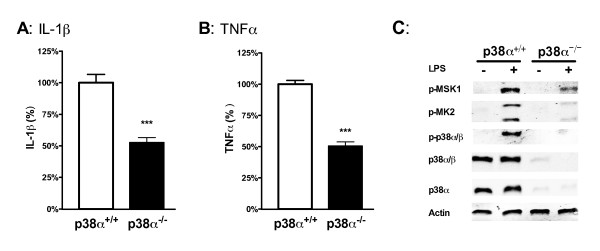
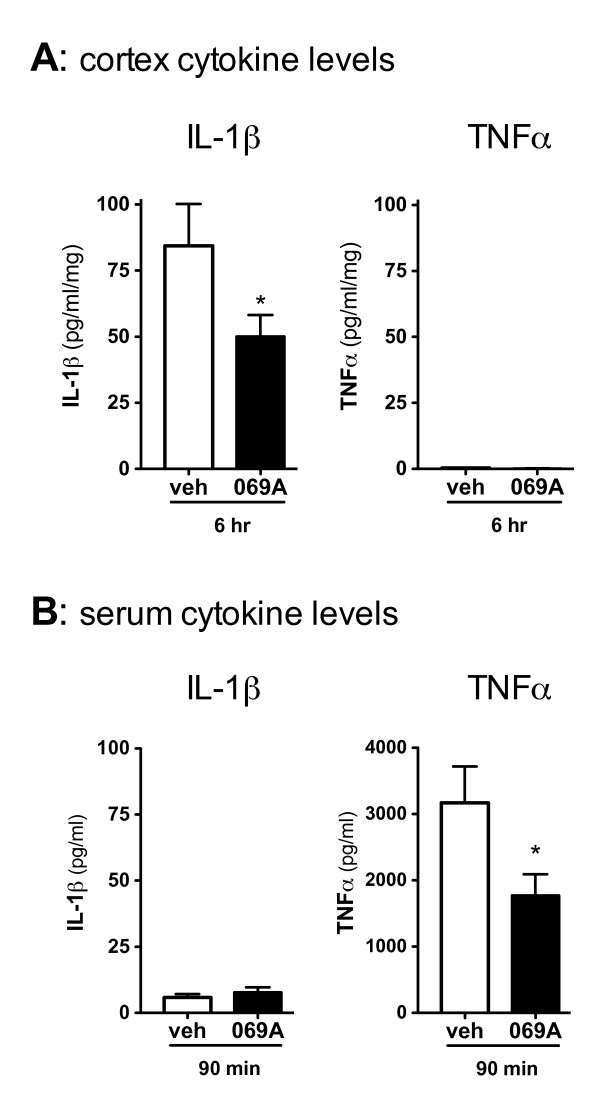
Background: Overproduction of proinflammatory cytokines from activated microglia has been implicated as an important contributor to pathophysiology progression in both acute and chronic neurodegenerative diseases. Therefore, it is critical to elucidate intracellular signaling pathways that are significant contributors to cytokine overproduction in microglia exposed to specific stressors, especially pathways amenable to drug interventions. The serine/threonine protein kinase p38α MAPK is a key enzyme in the parallel and convergent intracellular signaling pathways involved in stressor-induced production of IL-1β and TNFα in peripheral tissues, and is a drug development target for peripheral inflammatory diseases. However, much less is known about the quantitative importance of microglial p38α MAPK in stressor-induced cytokine overproduction, or the potential of microglial p38α MAPK to be a druggable target for CNS disorders. Therefore, we examined the contribution of microglial p38αMAPK to cytokine up-regulation, with a focus on the potential to suppress the cytokine increase by inhibition of the kinase with pharmacological or genetic approaches. Methods: The microglial cytokine response to TLR ligands 2/3/4/7/8/9 or to Aβ 1-42 was tested in the presence of a CNS-penetrant p38α MAPK inhibitor, MW01-2-069A-SRM. Primary microglia from mice genetically deficient in p38α MAPK were used to further establish a linkage between microglia p38α MAPK and cytokine overproduction. The in vivo significance was determined by p38α MAPK inhibitor treatment in a LPS-induced model of acute neuroinflammation. Results: Increased IL-1β and TNFα production by the BV-2 microglial cell line and by primary microglia cultures was inhibited in a concentration-dependent manner by the p38α MAPK-targeted inhibitor. Cellular target engagement was demonstrated by the accompanying decrease in the phosphorylation state of two p38α MAPK protein substrates, MK2 and MSK1. Consistent with the pharmacological findings, microglia from p38α-deficient mice showed a diminished cytokine response to LPS. Further, oral administration of the inhibitor blocked the increase of IL-1β in the cerebral cortex of mice stressed by intraperitoneal injection of LPS. Conclusion: The p38α MAPK pathway is an important contributor to the increased microglial production of proinflammatory cytokines induced by diverse stressors. The results also indicate the feasibility of targeting p38α MAPK to modulate CNS proinflammatory cytokine overproduction.
Overview
The claims and statistics of this paper haven’t been checked yet.
Free: it reads the open-access text and checks the first 5 claims that cite a source we can check. Create a free account to check every claim.
Integrity signals
Registry
Cites
Statistics
Figures
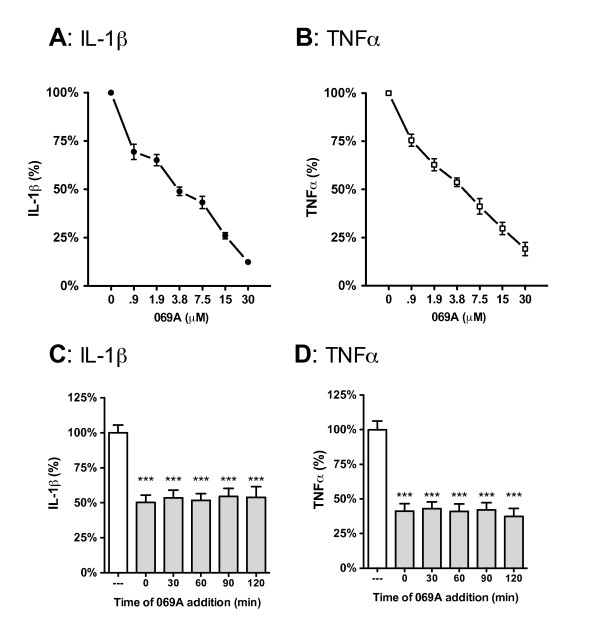
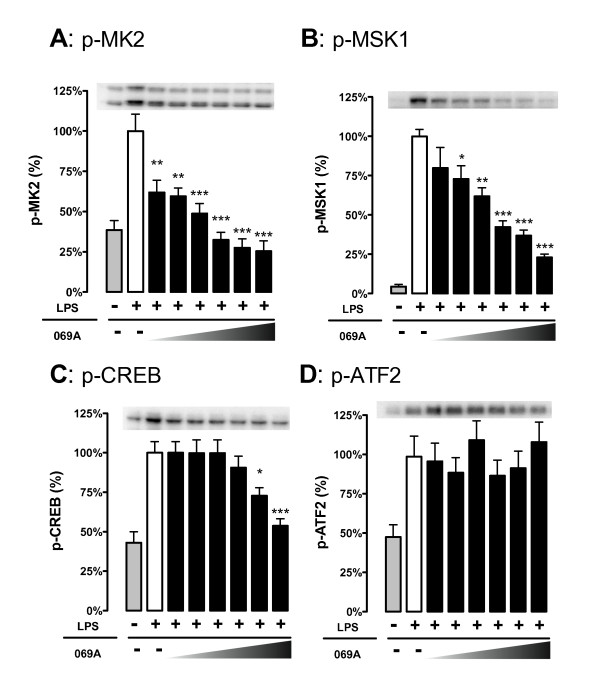
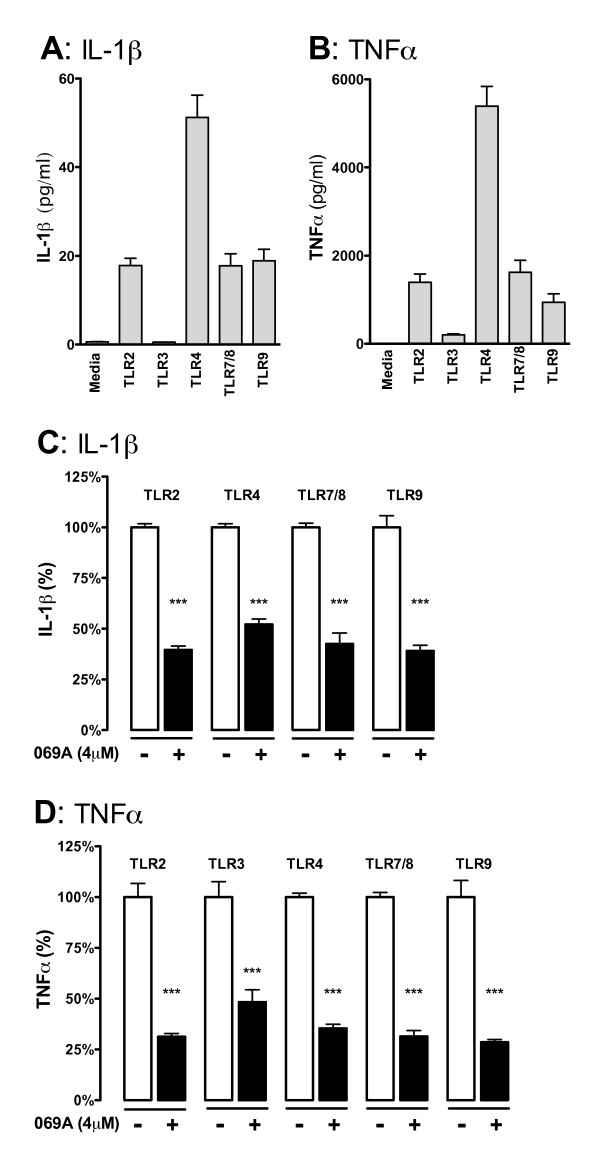
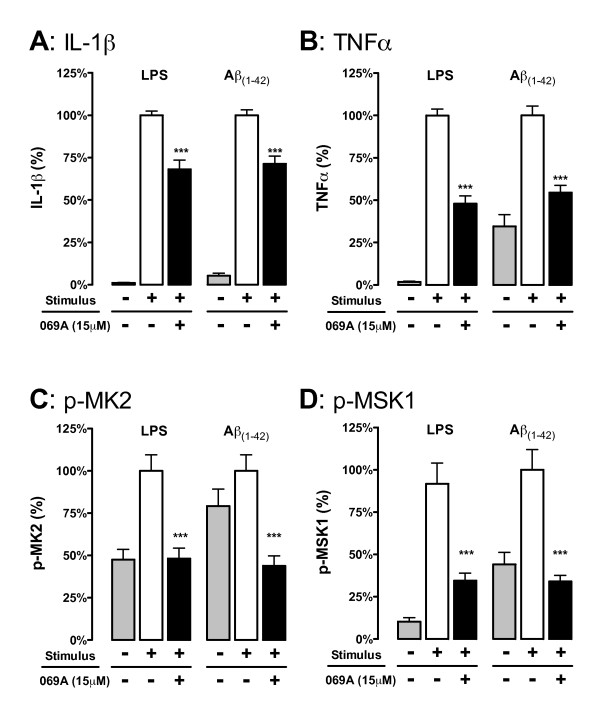
Verification
Claims the paper makes
The claims and statistics of this paper haven’t been checked yet.
Free: it reads the open-access text and checks the first 5 claims that cite a source we can check. Create a free account to check every claim.
Claims other papers make about this one
Each is checked against this paper’s own text: does it say what the citing paper says it does?
The source backs part of the claim, not all of it — or backs it for a different population, condition or comparison.
In the citing paper
“The p38α-mediated cytokine overproduction in microglia has been linked to inflammation-induced neurotoxicity in a variety of mouse models [22, 27–33].”
From Selective suppression of the α isoform of p38 MAPK rescues late-stage tau pathology (2016) · cites this paper as [29]
Experimental — accuracy not yet measuredThe source backs part of the claim, not all of it — or backs it for a different population, condition or comparison.
In the citing paper
“First, p38α MAPK has been shown to mediate Aβ-induced expression of various proinflammatory cytokines/chemokines from microglial cells that causes neuroinflammation [25, 26, 29, 35].”
From Selective suppression of the α isoform of p38 MAPK rescues late-stage tau pathology (2016) · cites this paper as [29]
Experimental — accuracy not yet measuredThe source backs part of the claim, not all of it — or backs it for a different population, condition or comparison.
In the citing paper
“Targeted inactivation of p38α MAPK with small molecule inhibitors prevents the production of proinflammatory cytokines, reduces neurodegeneration, and improves neuronal and cognitive functions in rodent models of amyloid pathology [25, 26, 29, 35].”
From Selective suppression of the α isoform of p38 MAPK rescues late-stage tau pathology (2016) · cites this paper as [29]
Experimental — accuracy not yet measuredThe check wasn’t confident either way, so it gives no verdict — never disputed.
In the citing paper
“Microglia from aged mice exhibit increased production of the proinflammatory cytokines IL-6, IL-1β, and TNF-α (48, 49), all of which are factors upregulated in senescent cells (9).”
From Cellular senescence in brain aging and neurodegenerative diseases: evidence and perspectives (2018) · cites this paper as [49]
Experimental — accuracy not yet measured
Self-check
Percentages, sums and reported differences re-computed from the paper’s own numbers.
The self-check needs the paper’s full text.
Citations
Cites
The role of pattern-recognition receptors in innate immunity: update on Toll-like receptors
Kawai, T., & Akira, S. (2010) · Nature Immunology · doi:10.1038/ni.1863 · Cited by 9,304 · cited 1×
“The inflammatory cytokine response to TLR ligands is typically through NF- B and MAPK signal transduction pathways [41].”
Resting microglial cells are highly dynamic surveillants of brain parenchyma in vivo
Nimmerjahn, A., Kirchhoff, F., & Helmchen, F. (2005) · Science · doi:10.1126/science.1110647 · Cited by 5,827 · cited 1×
“Microglia, the resident macrophages of the central nervous system (CNS), monitor their environment through a constant movement of their processes, and respond to local stressors and immune disturbances [1,2].”
ATP mediates rapid microglial response to local brain injury in vivo
Davalos, D., Grutzendler, J., Yang, G., Kim, J. V., Zuo, Y., Jung, S., Littman, D. R., Dustin, M. L., & Gan, W.-B. (2005) · Nature Neuroscience · doi:10.1038/nn1472 · Cited by 3,913 · cited 1×
“Microglia, the resident macrophages of the central nervous system (CNS), monitor their environment through a constant movement of their processes, and respond to local stressors and immune disturbances [1,2].”
Microglia: Active sensor and versatile effector cells in the normal and pathologic brain
Hanisch, U.-K., & Kettenmann, H. (2007) · Nature Neuroscience · doi:10.1038/nn1997 · Cited by 3,676
Mechanisms underlying inflammation in neurodegeneration
Glass, C. K., Saijo, K., Winner, B., Marchetto, M. C., & Gage, F. H. (2010) · Cell · doi:10.1016/j.cell.2010.02.016 · Cited by 3,580 · cited 1×
“However, clinical studies and preclinical animal models have implicated dysregulation and overproduction of proinflammatory cytokines from activated microglia in the CNS as a contributor to pathophysiology progression in both chronic neurodegenerative disorders such as Alzheimer’s disease (AD), Parkinson’s disease, an…”
Microglial physiology: unique stimuli, specialized responses
Ransohoff, R. M., & Perry, V. H. (2009) · Annual Review of Immunology · doi:10.1146/annurev.immunol.021908.132528 · Cited by 1,858
Immune modulation of learning, memory, neural plasticity and neurogenesis
Yirmiya, R., & Goshen, I. (2011) · Brain, Behavior, and Immunity · doi:10.1016/j.bbi.2010.10.015 · Cited by 1,483 · cited 1×
“Proinflammatory cytokines have many important physiological functions in the CNS, from protection against pathogens to acting as neuromodulators affecting cognition [10].”
Transcription Factor ATF2 Regulation by the JNK Signal Transduction Pathway
Gupta, S., Campbell, D., Dérijard, B., & Davis, R. J. (1995) · Science · doi:10.1126/science.7824938 · Cited by 1,438 · cited 2×
“ATF2 is a target of JNK [30] as well as p38 a / b [31,32], and 069A did not inhibit p-ATF2 levels (Figure 2D).”
p38 MAP-Kinases pathway regulation, function and role in human diseases
Cuenda, A., & Rousseau, S. (2007) · Biochimica et Biophysica Acta (BBA) - Molecular Cell Research · doi:10.1016/j.bbamcr.2007.03.010 · Cited by 1,400
Microglial Dysfunction and Defective β-Amyloid Clearance Pathways in Aging Alzheimer's Disease Mice
Hickman, S. E., Allison, E. K., & El Khoury, J. (2008) · The Journal of Neuroscience · doi:10.1523/jneurosci.0616-08.2008 · Cited by 1,329 · cited 1×
“The local environment, and possibly intrinsic changes to the microglia determine how the cells will respond to the activating signals [7,8].”
Immortalization of murine microglial cells by a v-raf / v-myc carrying retrovirus
Blasi, E., Barluzzi, R., Bocchini, V., Mazzolla, R., & Bistoni, F. (1990) · Journal of Neuroimmunology · doi:10.1016/0165-5728(90)90073-v · Cited by 1,053 · cited 1×
“The murine microglial BV-2 cell line [25] was cultured in DMEM/F12 (Mediatech; Cat no.”
Heterogeneity of Microglial Activation in the Innate Immune Response in the Brain
Colton, C. A. (2009) · Journal of Neuroimmune Pharmacology · doi:10.1007/s11481-009-9164-4 · Cited by 877 · cited 1×
“Like peripheral immune cells, microglia can adopt a number of activated phenotypes, and the functional outcome depends on a complex balance between beneficial protective responses and detrimental harmful responses [9].”
The myeloid cells of the central nervous system parenchyma
Ransohoff, R. M., & Cardona, A. E. (2010) · Nature · doi:10.1038/nature09615 · Cited by 804 · cited 1×
“The local environment, and possibly intrinsic changes to the microglia determine how the cells will respond to the activating signals [7,8].”
Rao, P., & Knaus, E. E. (2008) · Journal of Pharmacy & Pharmaceutical Sciences · doi:10.18433/j3t886 · Cited by 773 · cited 1×
“However, the NSAIDs require appropriate dosing for safe and effective use due to the fundamental importance of the widely distributed cyclooxgenase targets in physiological processes (e.g., [52,53]).”
Characterization of the Structure and Function of a New Mitogen-activated Protein Kinase (p38β)
Jiang, Y., Chen, C., Li, Z., Guo, W., Gegner, J. A., Lin, S., & Han, J. (1996) · Journal of Biological Chemistry · doi:10.1074/jbc.271.30.17920 · Cited by 746
TLR signaling tailors innate immune responses in human microglia and astrocytes
Jack, C. S., Arbour, N., Manusow, J., Montgrain, V., Blain, M., McCrea, E., Shapiro, A., & Antel, J. P. (2005) · The Journal of Immunology · doi:10.4049/jimmunol.175.7.4320 · Cited by 734 · cited 1×
“Second, microglia have been shown to express these receptors [34].”
Regulation of Tau Pathology by the Microglial Fractalkine Receptor
Bhaskar, K., Konerth, M., Kokiko-Cochran, O. N., Cardona, A., Ransohoff, R. M., & Lamb, B. T. (2010) · Neuron · doi:10.1016/j.neuron.2010.08.023 · Cited by 639 · cited 1×
“Blocking p38a MAPK in microglia, a principle source of inflammatory cytokines such as IL-1b, may ameliorate the detrimental sequelae of increases in neuronal tau phosphorylation, synaptic loss, or other cytokine-induced neuronal damage responses [42-45].”
Lehnardt, S. (2010) · Glia · doi:10.1002/glia.20928 · Cited by 597 · cited 1×
“A major class of PRRs includes the Toll-like receptors (TLRs) that play a pivotal role in host defense by regulating innate immunity and linking with adaptive immune responses (for reviews, see: [3,4]).”
Glia and their cytokines in progression of neurodegeneration
Mrak, R. E., & Griffin, W. S. T. (2005) · Neurobiology of Aging · doi:10.1016/j.neurobiolaging.2004.05.010 · Cited by 592 · cited 2×
“However, clinical studies and preclinical animal models have implicated dysregulation and overproduction of proinflammatory cytokines from activated microglia in the CNS as a contributor to pathophysiology progression in both chronic neurodegenerative disorders such as Alzheimer’s disease (AD), Parkinson’s disease, an…”
CD14 and Toll-Like Receptors 2 and 4 Are Required for Fibrillar Aβ-Stimulated Microglial Activation
Reed-Geaghan, E. G., Savage, J. C., Hise, A. G., & Landreth, G. E. (2009) · The Journal of Neuroscience · doi:10.1523/jneurosci.3158-09.2009 · Cited by 591 · cited 1×
“In AD-relevant models, TLR2 and TLR4 have been shown to be required for microglia cytokine response to fibrillar A b [38].”
Li, Y., Liu, L., Barger, S. W., & Griffin, W. S. T. (2003) · The Journal of Neuroscience · doi:10.1523/jneurosci.23-05-01605.2003 · Cited by 563 · cited 1×
“Moreover, pharmacological downregulation of IL-1b production may have important protective consequences, as IL-1b can induce the expression and activation of p38 MAPK in neurons, promoting tau phosphorylation and loss of the synaptic protein synaptophysin [19,20].”
Anti-Inflammatory Drugs in the 21st Century
Rainsford, K. D. (2007) · Subcellular Biochemistry · doi:10.1007/1-4020-5688-5_1 · Cited by 463 · cited 1×
“However, the NSAIDs require appropriate dosing for safe and effective use due to the fundamental importance of the widely distributed cyclooxgenase targets in physiological processes (e.g., [52,53]).”
Inflammation, microglia, and alzheimer's disease
Cameron, B., & Landreth, G. E. (2010) · Neurobiology of Disease · doi:10.1016/j.nbd.2009.10.006 · Cited by 444 · cited 1×
“While the role of TLRs in AD may be the best defined for any CNS disorder to date, the potentially neurotoxic role of TLRs is not limited to AD (for a recent review see: [39,40]).”
Aspirin Dose for the Prevention of Cardiovascular Disease: A Systematic Review
Campbell, C. L., Smyth, S., Montalescot, G., & Steinhubl, S. R. (2007) · JAMA · doi:10.1001/jama.297.18.2018 · Cited by 444 · cited 1×
“In the case of the NSAID drug aspirin, it can be administered daily at a very low-dose for cardiovascular disease modification or ‘as needed’ dosing at higher concentrations for CNS symptomatic effects (for reviews, see [54,55]).”
Assessing Activation States in Microglia
Colton, C. A., & Wilcock, D. M. (2010) · CNS & Neurological Disorders - Drug Targets · doi:10.2174/187152710791012053 · Cited by 420 · cited 1×
“It should be emphasized that microglia responses to stimuli can be neuroprotective and assist with phagocytosis or protein aggregate clearance, or can be detrimental and contribute to a progression of pathology [13,49-51].”
MAPKAP kinases — MKs — two's company, three's a crowd
Gaestel, M. (2006) · Nature Reviews Molecular Cell Biology · doi:10.1038/nrm1834 · Cited by 413 · cited 1×
“8 μM) of phosphorylated (p)-MK2, a kinase whose activity is dependent on activation by p38a [28].”
Preparing Synthetic Aβ in Different Aggregation States
Stine, W. B., Jungbauer, L., Yu, C., & LaDu, M. J. (2010) · Methods in Molecular Biology · doi:10.1007/978-1-60761-744-0_2 · Cited by 403
Neininger, A., Kontoyiannis, D., Kotlyarov, A., Winzen, R., Eckert, R., Volk, H.-D., Holtmann, H., Kollias, G., & Gaestel, M. (2002) · Journal of Biological Chemistry · doi:10.1074/jbc.c100685200 · Cited by 393 · cited 1×
“MK2 has also been reported to directly regulate TNFa at the 3’-untranslated region (UTR) of mRNA in the AU-rich elements [37], suggesting a potential mechanistic explanation for the action of 069A in suppression of cytokine production.”
Dilger, R. N., & Johnson, R. W. (2008) · Journal of Leukocyte Biology · doi:10.1189/jlb.0208108 · Cited by 391 · cited 1×
“Clinical studies and preclinical animal models have provided extensive evidence to support the hypothesis that overproduction of proinflammatory cytokines contributes to the progression of chronic neurodegenerative disorders (for review, see [11]), as well as to increased susceptibility to later-in-life disease or sec…”
Interleukin-1, neuroinflammation, and Alzheimer's disease
Mrak, R. (2001) · Neurobiology of Aging · doi:10.1016/s0197-4580(01)00287-1 · Cited by 356 · cited 1×
“Blocking p38a MAPK in microglia, a principle source of inflammatory cytokines such as IL-1b, may ameliorate the detrimental sequelae of increases in neuronal tau phosphorylation, synaptic loss, or other cytokine-induced neuronal damage responses [42-45].”
Microglia and Alzheimer's disease pathogenesis
Streit, W. J. (2004) · Journal of Neuroscience Research · doi:10.1002/jnr.20093 · Cited by 335 · cited 1×
“It should be emphasized that microglia responses to stimuli can be neuroprotective and assist with phagocytosis or protein aggregate clearance, or can be detrimental and contribute to a progression of pathology [13,49-51].”
Petrova, T. V., Akama, K. T., & Van Eldik, L. J. (1999) · Proceedings of the National Academy of Sciences · doi:10.1073/pnas.96.8.4668 · Cited by 314 · cited 1×
“Microglia were isolated from the mixed glial cultures by the shake-off procedure [ 24 ].”
The Biology of p38 Kinase: A Central Role in Inflammation
Schieven, G. (2005) · Current Topics in Medicinal Chemistry · doi:10.2174/1568026054985902 · Cited by 314 · cited 1×
“A major signaling pathway that contributes quantitatively to up-regulated cytokine production in peripheral inflammation is the p38 mitogen activated protein kinase (MAPK) pathway, especially the key regulatory enzyme p38a MAPK [14,15].”
Ferrer, I., Gomez-Isla, T., Puig, B., Freixes, M., Ribe, E., Dalfo, E., & Avila, J. (2005) · Current Alzheimer Research · doi:10.2174/1567205052772713 · Cited by 304 · cited 1×
“Particularly relevant to AD, for example, are reports showing that activation of neuronal p38 MAPK contributes to Ab-induced impairment of cortical LTP [46], and that p38 MAPK can phosphorylate tau in vitro at sites seen in AD brain [47,48].”
Targeting protein kinases in central nervous system disorders
Chico, L. K., Van Eldik, L. J., & Watterson, D. M. (2009) · Nature Reviews Drug Discovery · doi:10.1038/nrd2999 · Cited by 298 · cited 1×
“The field has been limited in its ability to pursue these questions because of the lack of selective p38a MAPK inhibitors with sufficient brain penetrance and metabolic stability for use in CNS disorders [17].”
Self-citationKim, C., Sano, Y., Todorova, K., Carlson, B. A., Arpa, L., Celada, A., Lawrence, T., Otsu, K., Brissette, J. L., Arthur, J. S. C., et al. (2008) · Nature Immunology · doi:10.1038/ni.1640 · Cited by 265 · cited 1×
“with the observation [ 36 ] that MK2 kinase activity is dependent on p38a MAPK for its phosphorylation and activation.”
Current Views of Toll-Like Receptor Signaling Pathways
Yamamoto, M., & Takeda, K. (2010) · Gastroenterology Research and Practice · doi:10.1155/2010/240365 · Cited by 238
Importance of MAPK pathways for microglial pro-inflammatory cytokine IL-1β production
Kim, S. H., Smith, C. J., & Van Eldik, L. J. (2004) · Neurobiology of Aging · doi:10.1016/s0197-4580(03)00126-x · Cited by 235 · cited 1×
“Mixed glial cultures were prepared from the cerebral cortex of 1-2 day old neonatal C57Bl/6 mice or Sprague-Dawley rats as previously described [23].”
Munoz, L., Ranaivo, H. R., Roy, S. M., Hu, W., Craft, J. M., McNamara, L. K., Chico, L. W., Van Eldik, L. J., & Watterson, D. M. (2007) · Journal of Neuroinflammation · doi:10.1186/1742-2094-4-21 · Cited by 224 · cited 4×
“Regardless, we previously reported [18] that oral administration of 069A attenuated excessive proinflammatory cytokine production in the brain of an AD-relevant mouse model stimulated centrally with a disease-relevant stressor (oligomeric Ab1-42).”
InfluentialSelf-citationDifferential effects of oligomeric and fibrillar amyloid-β1–42 on astrocyte-mediated inflammation
White, J. A., Manelli, A. M., Holmberg, K. H., Van Eldik, L. J., & LaDu, M. J. (2005) · Neurobiology of Disease · doi:10.1016/j.nbd.2004.12.013 · Cited by 221
Origlia, N., Righi, M., Capsoni, S., Cattaneo, A., Fang, F., Stern, D. M., Chen, J. X., Schmidt, A. M., Arancio, O., Yan, S. D., et al. (2008) · The Journal of Neuroscience · doi:10.1523/jneurosci.0204-08.2008 · Cited by 202 · cited 1×
“Particularly relevant to AD, for example, are reports showing that activation of neuronal p38 MAPK contributes to Ab-induced impairment of cortical LTP [46], and that p38 MAPK can phosphorylate tau in vitro at sites seen in AD brain [47,48].”
Morgan, D., Gordon, M. N., Tan, J., Wilcock, D., & Rojiani, A. M. (2005) · Journal of Neuropathology & Experimental Neurology · doi:10.1097/01.jnen.0000178444.33972.e0 · Cited by 178 · cited 1×
“It should be emphasized that microglia responses to stimuli can be neuroprotective and assist with phagocytosis or protein aggregate clearance, or can be detrimental and contribute to a progression of pathology [13,49-51].”
p38-2, a Novel Mitogen-activated Protein Kinase with Distinct Properties
Stein, B., Yang, M. X., Young, D. B., Janknecht, R., Hunter, T., Murray, B. W., & Barbosa, M. S. (1997) · Journal of Biological Chemistry · doi:10.1074/jbc.272.31.19509 · Cited by 176
Sheng, J. G., Jones, R. A., Zhou, X. Q., McGinness, J. M., Van Eldik, L. J., Mrak, R. E., & Griffin, W. S. T. (2001) · Neurochemistry International · doi:10.1016/s0197-0186(01)00041-9 · Cited by 176 · cited 1×
“Moreover, pharmacological downregulation of IL-1b production may have important protective consequences, as IL-1b can induce the expression and activation of p38 MAPK in neurons, promoting tau phosphorylation and loss of the synaptic protein synaptophysin [19,20].”
MSK activation and physiological roles
Arthur, J. S. (2008) · Frontiers in Bioscience · doi:10.2741/3122 · Cited by 165 · cited 2×
“MSK1 can be phosphorylated and activated by both p38a MAPK and ERK1/2 [29].”
Activated glia induce neuron death via MAP kinase signaling pathways involving JNK and p38
Xie, Z., Smith, C. J., & Van Eldik, L. J. (2004) · Glia · doi:10.1002/glia.10314 · Cited by 165 · cited 1×
“Western blotting analysis was performed as previously described [27].”
Macrophage Deletion of p38α Partially Impairs Lipopolysaccharide-Induced Cellular Activation
Kang, Y. J., Chen, J., Otsuka, M., Mols, J., Ren, S., Wang, Y., & Han, J. (2008) · The Journal of Immunology · doi:10.4049/jimmunol.180.7.5075 · Cited by 153 · cited 1×
“The p38a conditional knockout mice were generated as previously described [26].”
Eldik, L. J. V., Thompson, W. L., Ranaivo, H. R., Behanna, H. A., & Watterson, D. M. (2007) · International review of neurobiology · doi:10.1016/s0074-7742(07)82015-0 · Cited by 152 · cited 3×
“…microglia in the CNS as a contributor to pathophysiology progression in both chronic neurodegenerative disorders such as Alzheimer ’ s disease (AD), Parkinson ’ s disease, and multiple sclerosis, as well as acute neurodegenerative conditions such as traumatic brain injury and stroke [11-13].”
InfluentialSelf-citationAspirin: Promise and Resistance in the New Millennium
Patrono, C., & Rocca, B. (2008) · Arteriosclerosis Thrombosis and Vascular Biology · doi:10.1161/atvbaha.107.160481 · Cited by 126 · cited 1×
“In the case of the NSAID drug aspirin, it can be administered daily at a very low-dose for cardiovascular disease modification or ‘as needed’ dosing at higher concentrations for CNS symptomatic effects (for reviews, see [54,55]).”
WANG, X.-J., KONG, K.-M., QI, W.-L., YE, W.-L., & SONG, P.-S. (2005) · Acta Pharmacologica Sinica · doi:10.1111/j.1745-7254.2005.00152.x · Cited by 122 · cited 1×
“Blocking p38a MAPK in microglia, a principle source of inflammatory cytokines such as IL-1b, may ameliorate the detrimental sequelae of increases in neuronal tau phosphorylation, synaptic loss, or other cytokine-induced neuronal damage responses [42-45].”
Trudler, D., Farfara, D., & Frenkel, D. (2010) · Mediators of Inflammation · doi:10.1155/2010/497987 · Cited by 118 · cited 1×
“While the role of TLRs in AD may be the best defined for any CNS disorder to date, the potentially neurotoxic role of TLRs is not limited to AD (for a recent review see: [39,40]).”
Interactions Between the Immune and Neuroendocrine Systems
Rivest, S. (2010) · Progress in brain research · doi:10.1016/s0079-6123(08)81004-7 · Cited by 116 · cited 1×
“LPS administered ip will elicit a strong peripheral inflammatory response, which is then transduced to the brain via many pathways (for a recent review see: [56]).”
p38 MAP Kinase Inhibitors as Potential Therapeutic Drugs for Neural Diseases
Yasuda, S., Sugiura, H., Tanaka, H., Takigami, S., & Yamagata, K. (2011) · Central Nervous System Agents in Medicinal Chemistry · doi:10.2174/187152411794961040 · Cited by 115 · cited 1×
“There is increasing evidence that the p38 MAPK signaling cascade also contributes to CNS cytokine overproduction and neurodegenerative sequelae, and that it may be a good therapeutic target for CNS disorders characterized by increased proinflammatory cytokine production as a contributor to neurologic dysfunction or su…”
Sites of phosphorylation in tau and factors affecting their regulation
Anderton, B. H., Betts, J., Blackstock, W. P., Brion, J.-P., Chapman, S., Connell, J., Dayanandan, R., Gallo, J.-M., Gibb, G., Hanger, D. P., et al. (2001) · Biochemical Society Symposia · doi:10.1042/bss0670073 · Cited by 98 · cited 1×
“Particularly relevant to AD, for example, are reports showing that activation of neuronal p38 MAPK contributes to Ab-induced impairment of cortical LTP [46], and that p38 MAPK can phosphorylate tau in vitro at sites seen in AD brain [47,48].”
Frank, S., Copanaki, E., Burbach, G. J., Müller, U. C., & Deller, T. (2009) · Neuroscience Letters · doi:10.1016/j.neulet.2009.01.075 · Cited by 86 · cited 2×
“Microglia associated with senile plaques exhibit elevated levels of TLR2/4/5/7/9 [33].”
Chaparro-Huerta, V., Flores-Soto, M. E., Gudiño‐Cabrera, G., Rivera-Cervantes, M. C., Bitzer-Quintero, O. K., & Beas‐Zárate, C. (2008) · International Journal of Developmental Neuroscience · doi:10.1016/j.ijdevneu.2008.02.008 · Cited by 44 · cited 1×
“Blocking p38a MAPK in microglia, a principle source of inflammatory cytokines such as IL-1b, may ameliorate the detrimental sequelae of increases in neuronal tau phosphorylation, synaptic loss, or other cytokine-induced neuronal damage responses [ 42-45 ].”
Cited by
Neuroinflammation: The Devil Is in the Details
DiSabato, D. J., Quan, N., & Godbout, J. P. (2016) · Journal of Neurochemistry · doi:10.1111/jnc.13607 · Cited by 1,640
Microglia-mediated neuroinflammation in neurodegenerative diseases
Subhramanyam, C. S., Wang, C., Hu, Q., & Dheen, S. T. (2019) · Seminars in Cell & Developmental Biology · doi:10.1016/j.semcdb.2019.05.004 · Cited by 870
Astrocyte Senescence as a Component of Alzheimer’s Disease
Bhat, R., Crowe, E. P., Bitto, A., Moh, M., Katsetos, C. D., Garcia, F. U., Johnson, F. B., Trojanowski, J. Q., Sell, C., & Torres, C. (2012) · PLoS ONE · doi:10.1371/journal.pone.0045069 · Cited by 586
Microglia, neuroinflammation, and beta-amyloid protein in Alzheimer’s disease
Cai, Z., Hussain, M. D., & Yan, L.-J. (2014) · International Journal of Neuroscience · doi:10.3109/00207454.2013.833510 · Cited by 583
Amyloid-β-independent regulators of tau pathology in Alzheimer disease
van der Kant, R., Goldstein, L. S. B., & Ossenkoppele, R. (2020) · Nature reviews. Neuroscience · doi:10.1038/s41583-019-0240-3 · Cited by 580
Metadata
- Authors
- Bachstetter, A. D., Xing, B., de Almeida, L., Dimayuga, E. R., Watterson, D. M., & Van Eldik, L. J.
- Affiliations
- University of Kentucky (US)
- Northwestern University (US)
- Venue
- Journal of Neuroinflammation
- Published
- 2011-07-06
- Volume
- 8
- Issue
- 1
- Pages
- 79-79
- ISSN
- 1742-2094 (ISSN-L)
- PMC
- PMC3142505
- OpenAlex
- W2144628640
- Cited by
- 282
- References
- 56
- Citations by year
- 2026: 18 · 2025: 25 · 2024: 28 · 2023: 20 · 2022: 17 · 2021: 31 · 2020: 19 · 2019: 23 · 2018: 17 · 2017: 18 · 2016: 13 · 2015: 16 · 2014: 15 · 2013: 12 · 2012: 9
- FWCI
- 6.54
- Type
- journal article
- Language
- en
- Open access
- gold
- doi.org
- Licence
- cc-by
- Locations
- Journal of Neuroinflammation (publishedVersion, cc-by)
- Europe PMC (PubMed Central) (publishedVersion, cc-by)
- PubMed Central (publishedVersion, cc-by)
- PubMed (publishedVersion)
- UKnowledge (University of Kentucky) (submittedVersion, cc-by)
- DOAJ (DOAJ: Directory of Open Access Journals) (submittedVersion, cc-by-sa)
- Funders
- Alzheimer's Association
- Boehringer Ingelheim
- Alzheimer's Drug Discovery Foundation
- National Institutes of Health
- National Institute on Aging (R01AG031311, F32AG037280)
- National Institute of Neurological Disorders and Stroke (R01NS056051, R01NS064247)
- Topics
- Life Sciences › Neuroscience › Neurology › Neuroinflammation and Neurodegeneration Mechanisms
- Life Sciences › Immunology and Microbiology › Immunology › Immune Response and Inflammation
- Life Sciences › Biochemistry, Genetics and Molecular Biology › Molecular Biology › Inflammasome and immune disorders
- Keywords
- p38 MAPK inhibition, microglia, inflammatory cytokines, IL-1β, TNF-α, Toll-like receptor ligands, amyloid-beta, neuroinflammation, LPS-induced neuroinflammation, MAPKAPK2, MSK1
- MeSH terms
- Animals, Cell Line, Female, Ligands, Lipopolysaccharides, Male, Mice, Inbred C57BL, Peptide Fragments, Pyridazines, Pyrimidines, Tumor Necrosis Factor-alpha, Signal Transduction, Up-Regulation, Cytokines, Amyloid beta-Peptides, Rats, Sprague-Dawley, Microglia, Mice, Knockout, Mitogen-Activated Protein Kinase 14, Toll-Like Receptors, Mice, Rats, Interleukin-1beta
About these checks
Registry, retraction, Cites and statistics results are computed, not judged, with one exception: a printed reference that no index lists is read once by a model before it counts as a citation error. Claims are extracted by a model and kept only when their quote appears verbatim in the text; each cited source is then checked, with a model’s help, for whether it says what the claim relies on. Those verdicts can be wrong — read the claim’s quote and the cited source before relying on one.
Statistics and arithmetic are recomputed, not judged.
Confidence bands are shown only for fields calibrated on our annotated test set. None is calibrated yet, so no band is shown.
What counts as a claim ›How we measure confidence ›How we check this ›
Are you an author, or do you see a problem with this page? Request a review
Data sources
Bibliographic data: Semantic Scholar, OpenAlex, Crossref.
Contains information from the Semantic Scholar Academic Graph Datasets, made available under the ODC Attribution License (ODC-BY 1.0).
Semantic Scholar’s data is described in: Kinney, R., et al. (2023). The Semantic Scholar Open Data Platform. arXiv:2301.10140.
