

Effects of beta-hydroxy-beta-methylbutyrate (HMB) on exercise performance and body composition across varying levels of age, sex, and training experience: A review
Open accessThe DOI matches its Crossref record; 123 of the 123 references it cites were found in a registry or an index.
Abstract
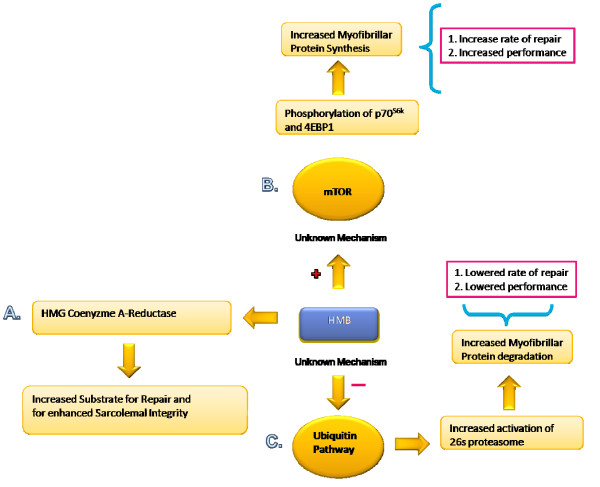
The leucine metabolite beta-hydroxy-beta-methylbutyrate (HMB) has been extensively used as an ergogenic aid; particularly among bodybuilders and strength/power athletes, who use it to promote exercise performance and skeletal muscle hypertrophy. While numerous studies have supported the efficacy of HMB in exercise and clinical conditions, there have been a number of conflicting results. Therefore, the first purpose of this paper will be to provide an in depth and objective analysis of HMB research. Special care is taken to present critical details of each study in an attempt to both examine the effectiveness of HMB as well as explain possible reasons for conflicting results seen in the literature. Within this analysis, moderator variables such as age, training experience, various states of muscle catabolism, and optimal dosages of HMB are discussed. The validity of dependent measurements, clustering of data, and a conflict of interest bias will also be analyzed. A second purpose of this paper is to provide a comprehensive discussion on possible mechanisms, which HMB may operate through. Currently, the most readily discussed mechanism has been attributed to HMB as a precursor to the rate limiting enzyme to cholesterol synthesis HMG-coenzyme A reductase. However, an increase in research has been directed towards possible proteolytic pathways HMB may operate through. Evidence from cachectic cancer studies suggests that HMB may inhibit the ubiquitin-proteasome proteolytic pathway responsible for the specific degradation of intracellular proteins. HMB may also directly stimulate protein synthesis, through an mTOR dependent mechanism. Finally, special care has been taken to provide future research implications.
Overview
The claims and statistics of this paper haven’t been checked yet.
Free: it reads the open-access text and checks the first 5 claims that cite a source we can check. Create a free account to check every claim.
Integrity signals
Registry
Cites
Statistics
Figures
Verification
Claims the paper makes
The claims and statistics of this paper haven’t been checked yet.
Free: it reads the open-access text and checks the first 5 claims that cite a source we can check. Create a free account to check every claim.
Claims other papers make about this one
Each is checked against this paper’s own text: does it say what the citing paper says it does?
The source backs part of the claim, not all of it — or backs it for a different population, condition or comparison.
In the citing paper
“It is well-documented that supplementing with 1.5 to 3 g/day of calcium HMB during resistance training can increase muscle mass (+ 0.5–1 kg greater than controls during 3–6 weeks of training) and strength particularly among untrained subjects initiating training [168–173] and the elderly [174].”
From ISSN exercise & sports nutrition review update: research & recommendations (2018) · cites this paper as [168]
Experimental — accuracy not yet measuredIn the citing paper
“The compound is also commonly used as a supplement by athletes to increase exercise-induced gains in muscle size, muscle strength, and lean body mass, reduce exercise-induced muscle damage, and speed recovery from highintensity exercise.[41]”
From The microbiome of professional athletes differs from that of more sedentary subjects in composition and particularly at the functional metabolic level (2018) · cites this paper as [41]
Self-check
Percentages, sums and reported differences re-computed from the paper’s own numbers.
The self-check needs the paper’s full text.
Citations
Cites
Statistical Power Analysis for the Behavioral Sciences
Muller, K. (1989) · Technometrics · doi:10.1080/00401706.1989.10488618 · Cited by 99,167
Statistical power analysis for the behavioral sciences
(1990) · Computers, Environment and Urban Systems · doi:10.1016/0198-9715(90)90050-4 · Cited by 65,269
The Ubiquitin-Proteasome Proteolytic Pathway: Destruction for the Sake of Construction
Glickman, M. H., & Ciechanover, A. (2002) · Physiological Reviews · doi:10.1152/physrev.00027.2001 · Cited by 4,237 · cited 2×
“Extra cellular proteins such as insulin receptors appear to be degraded through the lysosomal pathway [110], while the CAC system may have a role in the initial degradation of intracellular proteins [111].”
BackgroundIdentification of ubiquitin ligases required for skeletal muscle atrophy.
Bodine, S. C., Latres, E., Baumhueter, S., Lai, V. K.-M., Nunez, L., Clarke, B. A., Poueymirou, W. T., Panaro, F. J., Na, E., Dharmarajan, K., et al. (2001) · Science · doi:10.1126/science.1065874 · Cited by 3,521 · cited 1×
“Increased activity of the Ub-pathway is common in conditions which elicit increased muscular proteolysis [112,113] including: antigravity conditions [114,115], cancer [26,101], limb immobilization [75], starvation [112], denervation [116], lowering of activity [117], and a variety of exercise conditions [118,119].”
BackgroundThe statistical power of abnormal-social psychological research: A review.
Cohen, J. (1962) · The Journal of Abnormal and Social Psychology · doi:10.1037/h0045186 · Cited by 1,824 · cited 1×
“Scientists are also often limited to biased sampling, such as sampling by availability [77,78] and convenience [76].”
BackgroundFoundations of Sport and Exercise Psychology
Weinberg, R. S., & Gould, D. R. (1995) · Cited by 1,471
Designing Resistance Training Programs
Fleck, S. J., & Kraemer, W. J. (2014) · Human Kinetics eBooks · doi:10.5040/9781718225107 · Cited by 1,360
Branched-Chain Amino Acid Metabolism
Harper, A. E., Miller, R. H., & Block, K. P. (1984) · Annual Review of Nutrition · doi:10.1146/annurev.nu.04.070184.002205 · Cited by 1,009 · cited 1×
“Introduction The branched chain amino acids (BCAAs) leucine, isoleucine, and valine make up more than one third of muscle protein [1].”
BackgroundAdvanced Nutrition and Human Metabolism
Gropper, S. A. S., Smith, J. L., & Groff, J. L. (1990) · Cited by 947
Katsanos, C. S., Kobayashi, H., Sheffield-Moore, M., Aarsland, A., & Wolfe, R. R. (2006) · American Journal of Physiology-Endocrinology and Metabolism · doi:10.1152/ajpendo.00488.2005 · Cited by 923 · cited 1×
“Leucine appears to stimulate protein synthesis through activation of mammalian target of rapamysin (mTOR) [120-122], a protein kinase indicated to up-regulate protein synthesis at the level of translation initiation [121].”
Background
Research works printed but not linked: 17
- Van Koevering MT Gill DR Smith RA Owens FN Nissen S Ball RL Effect of β-hydroxy-β-methyl butyrate on the health and performance of shipping-stressed calves Oklahoma State Univ Res Rep 1993 312 31
- Nissen SL Panton L Wilhelm R Fuller JC Effect of β-hydroxy-β-methylbutyrate (HMB) supplementation on strength and body composition of trained and untrained males undergoing intense resistance training FASEB J 1996 10 287
- Baxter Jeffrey H 1 Mukerji Pradip 1 Voss Anne C 1 Tisdale Michael J 2 Wheeler Keith B Attenuating Protein Degradation and Enhancing Protein Synthesis in Skeletal Muscle in Stressed Animal Model Systems Medicine & Science in Sports & Exercise 2006 38 S550 S551 · DOI
- Thomson JS beta-Hydroxy-beta-Methylbutyrate (HMB) supplementation of resistance trained men Asia Pac J Clin Nutr 2004 13 S59
- Neighbors KL Ransone JW Jacobson BH LeFavi RG Effects of dietary β-hydroxy-β-methylbutyrate on body composition in collegiate football players Med & Sci in Sports & Exerc 2000 32 S60
- Rathmacher JA Zachwieja JJ Smith SR Lovejoy JL Bray GA The effect of the leucine metabolite β-hydroxy-β-methylbutyrate on lean body mass and muscle strength during prolonged bedrest FASEB J 1999 13 A909
- Cohen DD The effect of β-hydroxy-β-methylbutyrate (HMB) and resistance training on changes in body composition during positive and negative energy balance – a randomized double-blind study MSc Thesis 1997 St. Bartholomew's and Royal London School of Medicine and Dentistry – Queen Mary and Westfield College, University of London, London
- Cheng W Phillips B Abumrad N Beta-hydroxy-beta-methyl butyrate increases fatty acid oxidation by muscle cells FASEB J 1997 11 A381
- Ostaszewksi Grzelkowska PK Balasinska B Barej W Nissen S Effects of 3-hydroxy 3-methyl butyrate and 2-oxoisocaporate on body composition and cholesterol metabolism in rabbits VII Symposium on Protein Metabolism and Nutrition 1995 Vale de Santarim 162.
- Nissen SL Panton L Fuller J Rice D Ray M Sharp R Effect of feeding β-hydroxy-β-methylbutyrate (HMB) on body composition and strength of women FASEB J 1997 11 A150
- Wilson JM Hull's Quantitative Equation on Human Performance The Journal of Hyperplasia Research 2005 5
- Wilson J Wilson G The Specificity Hypothesis–A Critical Review The Journal of Hyperplasia Research 2005 5
- Rivenes R Sawyer D The specificity of motor performance: Reexamination of the Fleishman data Int Sports J 1999 3 22 29
- ISSA The Truth about HMB 2005
- Phillips B Sports Supplement Review 1997 Golden, CO: Mile High
- Nissen S Morrical D Fuller JC Jr The effects of the leucine catabolite β-hydroxy-β-methylbuyrate on the growth and health of growing lambs J Anim Sci 1994 77 243
- Anonymous Supplement Review – Calcium The Journal of Hyperplasia Research 2003 3
Cited by
ISSN exercise & sports nutrition review update: research & recommendations
Kerksick, C. M., Wilborn, C. D., Roberts, M. D., Smith-Ryan, A., Kleiner, S. M., Jäger, R., Collins, R., Cooke, M., Davis, J. N., Galvan, E., et al. (2018) · Journal of the International Society of Sports Nutrition · doi:10.1186/s12970-018-0242-y · Cited by 945
“β-hydroxy β-methylbutyrate (HMB) For several years, beta-hydroxy-beta-methyl-butyrate (HMB) has received interest for its ability to enhance training adaptations and performance while also delaying or preventing muscle damage [15, 168, 571].”
BackgroundBarton, W., Penney, N. C., Cronin, O., Garcia-Perez, I., Molloy, M. G., Holmes, E., Shanahan, F., Cotter, P. D., & O'Sullivan, O. (2018) · Gut · doi:10.1136/gutjnl-2016-313627 · Cited by 647
Skeletal Muscle Regulates Metabolism via Interorgan Crosstalk: Roles in Health and Disease
Argilés, J. M., Campos, N., Lopez-Pedrosa, J. M., Rueda, R., & Rodriguez-Mañas, L. (2016) · Journal of the American Medical Directors Association · doi:10.1016/j.jamda.2016.04.019 · Cited by 581
ISSN exercise & sport nutrition review: research & recommendations
Kreider, R. B., Wilborn, C. D., Taylor, L., Campbell, B., Almada, A. L., Collins, R., Cooke, M., Earnest, C. P., Greenwood, M., Kalman, D. S., et al. (2010) · Journal of the International Society of Sports Nutrition · doi:10.1186/1550-2783-7-7 · Cited by 428
“larly among untrained subjects initiating training [111-116] and the elderly [117].”
BackgroundThe role of leucine and its metabolites in protein and energy metabolism
Duan, Y., Li, F., Li, Y., Tang, Y., Kong, X., Feng, Z., Anthony, T. G., Watford, M., Hou, Y., Wu, G., et al. (2016) · Amino Acids · doi:10.1007/s00726-015-2067-1 · Cited by 350
Liao, C.-D., Tsauo, J.-Y., Wu, Y.-T., Cheng, C.-P., Chen, H.-C., Huang, Y.-C., Chen, H.-C., & Liou, T.-H. (2017) · The American Journal of Clinical Nutrition · doi:10.3945/ajcn.116.143594 · Cited by 317
“PS in 15 RCTs was performed with leucine, whey protein, casein, or other essential amino acids (13, 18–22, 25–27, 29–31, 33, 34, 37), whereas the other 2 RCTs (32, 49) used supplements containing b-hydroxy b-methylbutyrate, which may stimulate MPS during RET (50).”
MethodSarcopenia: assessment of disease burden and strategies to improve outcomes
Liguori, I., Russo, G., Aran, L., Bulli, G., Curcio, F., Della-Morte, D., Gargiulo, G., Testa, G., Cacciatore, F., Bonaduce, D., et al. (2018) · Clinical Interventions in Aging · doi:10.2147/cia.s149232 · Cited by 300
Deutz, N. E. P., Pereira, S. L., Hays, N. P., Oliver, J. S., Edens, N. K., Evans, C. M., & Wolfe, R. R. (2013) · Clinical Nutrition · doi:10.1016/j.clnu.2013.02.011 · Cited by 287
Helms, E. R., Aragon, A. A., & Fitschen, P. J. (2014) · Journal of the International Society of Sports Nutrition · doi:10.1186/1550-2783-11-20 · Cited by 178
Dietary implications on mechanisms of sarcopenia: roles of protein, amino acids and antioxidants
Kim, J.-S., Wilson, J. M., & Lee, S.-R. (2010) · The Journal of Nutritional Biochemistry · doi:10.1016/j.jnutbio.2009.06.014 · Cited by 222
Self-citationCurcumin: A natural modulator of immune cells in systemic lupus erythematosus
Momtazi-Borojeni, A. A., Haftcheshmeh, S. M., Esmaeili, S.-A., Johnston, T. P., Abdollahi, E., & Sahebkar, A. (2018) · Autoimmunity Reviews · doi:10.1016/j.autrev.2017.11.016 · Cited by 211
International Society of Sports Nutrition Position Stand: beta-hydroxy-beta-methylbutyrate (HMB)
Wilson, J. M., Fitschen, P. J., Campbell, B., Wilson, G. J., Zanchi, N., Taylor, L., Wilborn, C., Kalman, D. S., Stout, J. R., Hoffman, J. R., et al. (2013) · Journal of the International Society of Sports Nutrition · doi:10.1186/1550-2783-10-6 · Cited by 196
Self-citationThe Role of Dietary Protein Intake in the Prevention of Sarcopenia of Aging
Beasley, J. M., Shikany, J. M., & Thomson, C. A. (2013) · Nutrition in Clinical Practice · doi:10.1177/0884533613507607 · Cited by 191
Kornasio, R., Riederer, I., Butler-Browne, G., Mouly, V., Uni, Z., & Halevy, O. (2009) · Biochimica et Biophysica Acta (BBA) - Molecular Cell Research · doi:10.1016/j.bbamcr.2008.12.017 · Cited by 182
Bear, D. E., Langan, A., Dimidi, E., Wandrag, L., Harridge, S. D. R., Hart, N., Connolly, B., & Whelan, K. (2019) · The American Journal of Clinical Nutrition · doi:10.1093/ajcn/nqy373 · Cited by 166
CURRENT NUTRITIONAL RECOMMENDATIONS AND NOVEL DIETARY STRATEGIES TO MANAGE SARCOPENIA
CALVANI, R., MICCHELI, A., LANDI, F., BOSSOLA, M., CESARI, M., LEEUWENBURGH, C., SIEBER, C. C., BERNABEI, R., & MARZETTI, E. (2013) · Journal of Frailty & Aging · doi:10.14283/jfa.2013.7 · Cited by 163
Regulation of Satellite Cell Function in Sarcopenia
Alway, S. E., Myers, M. J., & Mohamed, J. S. (2014) · Frontiers in Aging Neuroscience · doi:10.3389/fnagi.2014.00246 · Cited by 158
“…(HMB) has been shown to improve satellite cell proliferation (Moore et al., 2005), reduce protein catabolism during disease, reduce muscle loss during disuse, and promote skeletal muscle hypertrophy in response to loading exercise (Wilson et al., 2008; Holecek et al., 2009; Aversa et al., 2011).”
BackgroundHMB supplementation: clinical and athletic performance-related effects and mechanisms of action
Zanchi, N. E., Gerlinger-Romero, F., Guimarães-Ferreira, L., de Siqueira Filho, M. A., Felitti, V., Lira, F. S., Seelaender, M., & Lancha, A. H. (2011) · Amino Acids · doi:10.1007/s00726-010-0678-0 · Cited by 151
“In a recent review, Wilson et al. (2008) pointed out that an individual would need to consume about 60 g of L-leucine to produce 3 g of HMB, the usual supplemented dose in studies concerning the effects of HMB (Wilson et al. 2008).”
BackgroundNutritional Supplements in Support of Resistance Exercise to Counter Age-Related Sarcopenia
Phillips, S. M. (2015) · Advances in Nutrition · doi:10.3945/an.115.008367 · Cited by 144
Muscle wasting and aging: Experimental models, fatty infiltrations, and prevention
Brioche, T., Pagano, A. F., Py, G., & Chopard, A. (2016) · Molecular Aspects of Medicine · doi:10.1016/j.mam.2016.04.006 · Cited by 129
“Since then, HMB has been studied under a variety of anaerobic and aerobic training and wasting conditions (Wilson et al., 2008; Wu et al., 2015).”
BackgroundKetogenic Diets for Adult Neurological Disorders
McDonald, T. J. W., & Cervenka, M. C. (2018) · Neurotherapeutics · doi:10.1007/s13311-018-0666-8 · Cited by 150
Hao, Y., Jackson, J. R., Wang, Y., Edens, N., Pereira, S. L., & Alway, S. E. (2011) · American Journal of Physiology-Regulatory, Integrative and Comparative Physiology · doi:10.1152/ajpregu.00840.2010 · Cited by 124
“HMB supplementation has been proposed to prevent muscle damage (41), lower protein degradation (77), and directly stimulate skeletal muscle protein synthesis (91).”
Stout, J. R., Smith-Ryan, A. E., Fukuda, D. H., Kendall, K. L., Moon, J. R., Hoffman, J. R., Wilson, J. M., Oliver, J. S., & Mustad, V. A. (2013) · Experimental Gerontology · doi:10.1016/j.exger.2013.08.007 · Cited by 123
“One of the primary mechanisms by which leucine prevents muscle wasting is by its conversion to β -hydroxy- β -methylbutyrate (HMB) (Wilson et al., 2008).”
BackgroundSelf-citationWilson, J. M., Lowery, R. P., Joy, J. M., Andersen, J. C., Wilson, S. M. C., Stout, J. R., Duncan, N., Fuller, J. C., Baier, S. M., Naimo, M. A., et al. (2014) · European Journal of Applied Physiology · doi:10.1007/s00421-014-2854-5 · Cited by 123
Self-citationThe association between metabolic syndrome components and the development of atherosclerosis
Aboonabi, A., Meyer, R. R., & Singh, I. (2019) · Journal of Human Hypertension · doi:10.1038/s41371-019-0273-0 · Cited by 139
Effects of Amino Acids Supplement on Physiological Adaptations to Resistance Training
KRAEMER, W. J., HATFIELD, D. L., VOLEK, J. S., FRAGALA, M. S., VINGREN, J. L., ANDERSON, J. M., SPIERING, B. A., THOMAS, G. A., HO, J. Y., QUANN, E. E., et al. (2009) · Medicine & Science in Sports & Exercise · doi:10.1249/mss.0b013e318194cc75 · Cited by 108
“Essential amino acids, particularly leucine, stimulate muscle anabolism by activating the mammalian target of rapamycin (mTOR) and subsequently p70 (3,16,27), and this has been shown in model systems for HMB as well (10,39).”
BackgroundMolfino, A., Gioia, G., Fanelli, F. R., & Muscaritoli, M. (2013) · Amino Acids · doi:10.1007/s00726-013-1592-z · Cited by 107
“…with long-lasting HMB supplementation; a longlasting HMB supplementation is able to counteract muscle loss in cachectic conditions as well as to prevent muscle damage and support muscular strength in trained and untrained individuals engaging in resistance-exercise training (Wilson et al. 2008).”
BackgroundEfficacy of β-hydroxy-β-methylbutyrate supplementation in elderly and clinical populations
Fitschen, P. J., Wilson, G. J., Wilson, J. M., & Wilund, K. R. (2013) · Nutrition · doi:10.1016/j.nut.2012.05.005 · Cited by 97
Self-citationHuman Skeletal Muscle Protein Metabolism Responses to Amino Acid Nutrition
Mitchell, W. K., Wilkinson, D. J., Phillips, B. E., Lund, J. N., Smith, K., & Atherton, P. J. (2016) · Advances in Nutrition · doi:10.3945/an.115.011650 · Cited by 117
“Although the vast majority of leucine catabolism follows this pathway, a small percentage (;5%) can be converted to the metabolite b-hydroxyl-b-methylbutyrate (HMB) (23), a metabolite primarily involved in cholesterol synthesis through the production of b-hydroxy-b-methylglutaryl coenzyme A (24).”
BackgroundMarimoutou, M., Sage, F. L., Smadja, J., d’Hellencourt, C. L., Gonthier, M., & Silva, C. R. D. (2015) · Journal of Inflammation · doi:10.1186/s12950-015-0055-6 · Cited by 117
Portal, S., Zadik, Z., Rabinowitz, J., Pilz-Burstein, R., Adler-Portal, D., Meckel, Y., Cooper, D. M., Eliakim, A., & Nemet, D. (2011) · European Journal of Applied Physiology · doi:10.1007/s00421-011-1855-x · Cited by 90
“…system, and upregulation of IGF-1 gene expression in the skeletal muscle, and the mTOR signaling pathway leading to protein synthesis (Wilson et al. 2008; Zanchi et al. 2010). b-Hydroxy-b-methylbutyric acid supplementation has been reported to promote significantly greater gains of…”
BackgroundPimentel, G. D., Rosa, J. C., Lira, F. S., Zanchi, N. E., Ropelle, E. R., Oyama, L. M., Oller do Nascimento, C. M., de Mello, M., Tufik, S., & Santos, R. V. (2011) · Nutrition & Metabolism · doi:10.1186/1743-7075-8-11 · Cited by 89
“Because leucine, like all essential amino acids, is not synthesised in the human body, HMb is produced from dietary protein [ 13 ].”
Efficacy and Safety of Leucine Supplementation in the Elderly
Borack, M. S., & Volpi, E. (2016) · Journal of Nutrition · doi:10.3945/jn.116.230771 · Cited by 104
Sarcopenia Associated with Chronic Obstructive Pulmonary Disease
Kim, S. H., Shin, M., Shin, Y. B., & Kim, K. U. (2019) · Journal of Bone Metabolism · doi:10.11005/jbm.2019.26.2.65 · Cited by 98
Nutritional Interventions in Cancer Cachexia: Evidence and Perspectives From Experimental Models
van de Worp, W. R. P. H., Schols, A. M. W. J., Theys, J., van Helvoort, A., & LANGEN, R. C. J. (2020) · Frontiers in Nutrition · doi:10.3389/fnut.2020.601329 · Cited by 113
Health benefits, extraction and development of functional foods with curcuminoids
Munekata, P. E. S., Pateiro, M., Zhang, W., Domínguez, R., Xing, L., Fierro, E. M., & Lorenzo, J. M. (2021) · Journal of Functional Foods · doi:10.1016/j.jff.2021.104392 · Cited by 103
Gerlinger-Romero, F., Guimarães-Ferreira, L., Giannocco, G., & Nunes, M. T. (2011) · Growth Hormone & IGF Research · doi:10.1016/j.ghir.2010.12.006 · Cited by 86
Muscaritoli (2011) · International Journal of Oncology · doi:10.3892/ijo.2010.885 · Cited by 86
Immunomodulatory role of branched-chain amino acids
Bonvini, A., Coqueiro, A. Y., Tirapegui, J., Calder, P. C., & Rogero, M. M. (2018) · Nutrition Reviews · doi:10.1093/nutrit/nuy037 · Cited by 89
Metabolomics Signatures of Aging: Recent Advances
Adav, S. S., & Wang, Y. (2021) · Aging and Disease · doi:10.14336/ad.2020.0909 · Cited by 110
“note that the HMB is a metabolite of leucine and also serves as a precursor for cholesterol synthesis in muscle tissue [84].”
BackgroundRuthenium-containing P450 inhibitors for dual enzyme inhibition and DNA damage
Zamora, A., Denning, C. A., Heidary, D. K., Wachter, E., Nease, L. A., Ruiz, J., & Glazer, E. C. (2017) · Dalton Transactions · doi:10.1039/c6dt04405k · Cited by 86
Oktaviana, J., Zanker, J., Vogrin, S., & Duque, G. (2019) · The Journal of nutrition, health and aging · doi:10.1007/s12603-018-1153-y · Cited by 83
Angelis, K. D., Senador, D., Mostarda, C. T., Irigoyen, M. C., & Morris, M. (2012) · American Journal of Physiology-Regulatory, Integrative and Comparative Physiology · doi:10.1152/ajpregu.00450.2011 · Cited by 87
Pinheiro, C. H. D. J., Gerlinger-Romero, F., Guimarães-Ferreira, L., de Souza-Jr, A. L., Vitzel, K. F., Nachbar, R. T., Nunes, M. T., & Curi, R. (2012) · European Journal of Applied Physiology · doi:10.1007/s00421-011-2224-5 · Cited by 77
“Part of the positive effects of leucine or KIC supplementation on performance and muscle hypertrophy possibly occurs through HMB (Slater and Jenkins 2000; Wilson et al. 2008).”
BackgroundVallianou, N. G., Evangelopoulos, A. A., Bountziouka, V., Vogiatzakis, E. D., Bonou, M. S., Barbetseas, J. D., Avgerinos, P. C., & Panagiotakos, D. B. (2013) · Diabetes/Metabolism Research and Reviews · doi:10.1002/dmrr.2369 · Cited by 89
Wilson, J. M., Lowery, R. P., Joy, J. M., Walters, J. A., Baier, S. M., Fuller, J. C., Stout, J. R., Norton, L. E., Sikorski, E. M., Wilson, S. M. C., et al. (2013) · British Journal of Nutrition · doi:10.1017/s0007114512005387 · Cited by 74
“This study was conducted using an untrained population and controversy exists over whether HMB is effective in highly trained individuals((17)).”
MethodSelf-citationDuan, Y., Zhong, Y., Xiao, H., Zheng, C., Song, B., Wang, W., Guo, Q., Li, Y., Han, H. L., Gao, J., et al. (2019) · The FASEB Journal · doi:10.1096/fj.201900665rr · Cited by 79
“More interestingly, there is quite an overlap between the leucine and HMB literature in their ability to promote protein metabolism and muscle health (29, 30).”
BackgroundKaczka, P., Michalczyk, M. M., Jastrząb, R., Gawełczyk, M., & Kubicka, K. (2019) · Journal of Human Kinetics · doi:10.2478/hukin-2019-0070 · Cited by 87
“sarcolemma, and reduce the efficiency of intracellular proteolytic pathways (Asadi et al., 2017; Nissen and Abumrad, 1997; Wilson et al., 2008).”
BackgroundEffects of alfa-hydroxy-isocaproic acid on body composition, DOMS and performance in athletes
Mero, A. A., Ojala, T., Hulmi, J. J., Puurtinen, R., Karila, T. A., & Seppälä, T. (2010) · Journal of the International Society of Sports Nutrition · doi:10.1186/1550-2783-7-1 · Cited by 73
Alway, S. E., Bennett, B. T., Wilson, J. C., Sperringer, J., Mohamed, J. S., Edens, N. K., & Pereira, S. L. (2015) · Journal of Applied Physiology · doi:10.1152/japplphysiol.00674.2014 · Cited by 73
Self-citation“Nutraceuticals” in relation to human skeletal muscle and exercise
Deane, C. S., Wilkinson, D. J., Phillips, B. E., Smith, K., Etheridge, T., & Atherton, P. J. (2017) · American Journal of Physiology-Endocrinology and Metabolism · doi:10.1152/ajpendo.00230.2016 · Cited by 73
“would have to consume 60g leucine (260).”
Insulin resistance: a risk marker for disease and disability in the older person
Krentz, A. J., Viljoen, A., & Sinclair, A. J. (2013) · Diabetic Medicine · doi:10.1111/dme.12063 · Cited by 82
Wilson, J. M., Kim, J.-S., Lee, S.-R., Rathmacher, J. A., Dalmau, B., Kingsley, J. D., Koch, H., Manninen, A. H., Saadat, R., & Panton, L. B. (2009) · Nutrition & Metabolism · doi:10.1186/1743-7075-6-6 · Cited by 72
“Specifically, HMB is converted to 3-hydroxy-3-methylglutarylcoenzyme A (HMG-CoA) with a subsequent increase in the activity of the rate limiting enzyme for cholesterol synthesis HMG-CoA reductase [3, 9 ].”
BackgroundInfluentialSelf-citationβ-Hydroxy-β-methylbutyrate, mitochondrial biogenesis, and skeletal muscle health
He, X., Duan, Y., Yao, K., Li, F., Hou, Y., Wu, G., & Yin, Y. (2016) · Amino Acids · doi:10.1007/s00726-015-2126-7 · Cited by 70
“HMB, which is commercially available, has been claimed to build skeletal muscle and strength in both exercise and clinical settings, while increasing fatty acid oxidation, a marker of mitochondrial function (Cheng et al. 1997, 1998; Slater and Jenkins 2000; Wilson et al. 2008).”
BackgroundConti, F. F., Brito, J. D. O., Bernardes, N., Dias, D. D. S., Malfitano, C., Morris, M., Llesuy, S., Irigoyen, M. C., & Angelis, K. D. (2015) · American Journal of Physiology-Regulatory, Integrative and Comparative Physiology · doi:10.1152/ajpregu.00076.2015 · Cited by 78
Damanti, S., Azzolino, D., Roncaglione, C., Arosio, B., Rossi, P. D., & Cesari, M. (2019) · Nutrients · doi:10.3390/nu11091991 · Cited by 91
“HMB also favors sarcolemmal integrity via its conversion into hydroxymethylglutaryl-CoA [97].”
BackgroundLowery, R. P., Joy, J. M., Rathmacher, J. A., Baier, S. M., Fuller, J. C., Shelley, M. C., Jäger, R., Purpura, M., Wilson, S. M. C., & Wilson, J. M. (2016) · Journal of Strength and Conditioning Research · doi:10.1519/jsc.0000000000000482 · Cited by 62
“The effects of HMB on indices of muscle mass have been studied for nearly 2 decades (19,30).”
BackgroundSelf-citationMcArdle, P. D., Greenfield, S. M., Rilstone, S. K., Narendran, P., Haque, M. S., & Gill, P. S. (2019) · Diabetic Medicine · doi:10.1111/dme.13862 · Cited by 60
Nutritional interventions in sarcopenia: a critical review
Hickson, M. (2015) · Proceedings of the Nutrition Society · doi:10.1017/s0029665115002049 · Cited by 60
Epigallocatechin-3-gallate improves plantaris muscle recovery after disuse in aged rats
Alway, S. E., Bennett, B. T., Wilson, J. C., Edens, N. K., & Pereira, S. L. (2014) · Experimental Gerontology · doi:10.1016/j.exger.2013.11.011 · Cited by 60
“Studies from our lab and others have demonstrated that HLS dramatically reduces skeletal muscle mass and force production in muscle from aged rats (Alway et al., 2001; Pistilli et al., 2007; Siu and Alway, 2006; Siu et al., 2005b, 2008; Wilson et al., 2008).”
BackgroundSelf-citationZhang, X., Qin, J., Zhao, Y., Shi, J., Lan, R. F., Gan, Y., Ren, H., Zhu, B., Qian, M., & Du, B. (2015) · Nutrition Research · doi:10.1016/j.nutres.2015.12.002 · Cited by 63
Olveira, G., Olveira, C., Doña, E., Palenque, F. J., Porras, N., Dorado, A., Godoy, A., Rubio-Martínez, E., Rojo‐Martínez, G., & Martín‐Valero, R. (2015) · Clinical Nutrition · doi:10.1016/j.clnu.2015.10.001 · Cited by 62
“Beneficial effects of HMB have also been reported in several conditions characterized by loss of muscle mass, including cancer cachexia, AIDS, sepsis and endotoxemia, COPD and aging [21,22].”
BackgroundResultOsuka, Y., Kojima, N., Sasai, H., Wakaba, K., Miyauchi, D., Tanaka, K., & Kim, H. (2021) · The American Journal of Clinical Nutrition · doi:10.1093/ajcn/nqab176 · Cited by 50
Aldrich, N. D., Reicks, M. M., Sibley, S. D., Redmon, J. B., Thomas, W., & Raatz, S. K. (2011) · Nutrition Research · doi:10.1016/j.nutres.2011.01.004 · Cited by 52
Wilson, J. M., Grant, S. C., Lee, S.-R., Masad, I. S., Park, Y.-M., Henning, P. C., Stout, J. R., Loenneke, J. P., Arjmandi, B. H., Panton, L. B., et al. (2012) · Journal of the International Society of Sports Nutrition · doi:10.1186/1550-2783-9-18 · Cited by 52
“One of reasons that leucine may attenuate muscle wasting comes from its conversion to betahydroxy-beta-methylbutyrate (HMB) [14].”
BackgroundSelf-citationMaykish, A., & Sikalidis, A. K. (2020) · Journal of Personalized Medicine · doi:10.3390/jpm10010019 · Cited by 58
“All of the aforementioned compounds extend anti-catabolic and anabolic stimuli for muscle synthesis, performance and immune system improvement [17,18].”
BackgroundSørensen, L. K., Rittig, N. F., Holmquist, E. F., Jørgensen, K. A., Jørgensen, J. O. L., Møller, N., & Johannsen, M. (2013) · Clinical Biochemistry · doi:10.1016/j.clinbiochem.2013.08.011 · Cited by 53
“Both human and animal studies have shown effects on protein synthesis, muscle hypertrophy, decreased muscle damage andmuscle soreness,modulation of the cholesterol profile and even improved emotional status [14,15].”
BackgroundKim, S. O., PARK, J. Y., Jeon, S. Y., YANG, C. H., & Kim, M.-R. (2015) · International Journal of Molecular Medicine · doi:10.3892/ijmm.2015.2093 · Cited by 48
Campbell, M. S., Berrones, A. J., Krishnakumar, I. M., Charnigo, R. J., Westgate, P. M., & Fleenor, B. S. (2016) · Journal of Functional Foods · doi:10.1016/j.jff.2016.12.013 · Cited by 48
Physical and Textural Properties of Mayonnaise Prepared Using Virgin Coconut Oil/Fish Oil Blend
Patil, U., & Benjakul, S. (2019) · Food Biophysics · doi:10.1007/s11483-019-09579-x · Cited by 58
Adult Weight Loss Diets: Metabolic Effects and Outcomes
Matarese, L. E., & Pories, W. J. (2014) · Nutrition in Clinical Practice · doi:10.1177/0884533614550251 · Cited by 60
(Anti)Fragility and Convex Responses in Medicine
Taleb, N. N. (2018) · Springer proceedings in complexity · doi:10.1007/978-3-319-96661-8_32 · Cited by 50
Portal, S., Eliakim, A., Nemet, D., Halevy, O., & Zadik, Z. (2010) · Journal of Pediatric Endocrinology and Metabolism · doi:10.1515/jpem.2010.23.7.641 · Cited by 46
Sanchez-Martinez, J., Santos-Lozano, A., Garcia-Hermoso, A., Sadarangani, K. P., & Cristi-Montero, C. (2018) · Journal of Science and Medicine in Sport · doi:10.1016/j.jsams.2017.11.003 · Cited by 45
Fernández-Landa, J., Fernández-Lázaro, D., Calleja-González, J., Caballero-García, A., Córdova Martínez, A., León-Guereño, P., & Mielgo-Ayuso, J. (2020) · Nutrients · doi:10.3390/nu12010193 · Cited by 44
“In addition, HMB may be applied to enhance the muscle mass and strength of skeletal muscles in physically active individuals who exercise [23], increasing muscle protein synthesis [24] by upregulation of mammalian target of rapamycin (mTOR) [7].”
BackgroundAdherence to Low-Carbohydrate Diets in Patients with Diabetes: A Narrative Review
Kumar, N. K., Merrill, J. D., Carlson, S., German, J., & Yancy, W. S., Jr. (2022) · Diabetes Metabolic Syndrome and Obesity · doi:10.2147/dmso.s292742 · Cited by 51
Robinson, E. H., Stout, J. R., Miramonti, A. A., Fukuda, D. H., Wang, R., Townsend, J. R., Mangine, G. T., Fragala, M. S., & Hoffman, J. R. (2014) · Journal of the International Society of Sports Nutrition · doi:10.1186/1550-2783-11-16 · Cited by 44
“Further, CaHMB supplementation may have enhanced the training stimulus of HIIT on VT and RCP by increasing mitochondrial biogenesis, thus improving oxidative energy capacity and efficiency [13,18,19].”
BackgroundŚwizdor, A., Panek, A., Milecka‐Tronina, N., & Kołek, T. (2012) · International Journal of Molecular Sciences · doi:10.3390/ijms131216514 · Cited by 43
Effectiveness of esterified whey proteins fractions against Egyptian Lethal Avian Influenza A (H5N1)
Taha, S. H., Mehrez, M. A., Sitohy, M. Z., Abou Dawood, A. G. I., Abd-El Hamid, M. M., & Kilany, W. H. (2010) · Virology Journal · doi:10.1186/1743-422x-7-330 · Cited by 41
Li, H., Liu, Y., bao, Y., Liu, X., & Zhang, H. (2012) · Journal of Food Science · doi:10.1111/j.1750-3841.2012.02723.x · Cited by 42
Rahimi, M. H., Mohammadi, H., Eshaghi, H., Askari, G., & Miraghajani, M. (2018) · Journal of the American College of Nutrition · doi:10.1080/07315724.2018.1451789 · Cited by 40
Fernández-Landa, J., Calleja-González, J., León-Guereño, P., Caballero-García, A., Córdova, A., & Mielgo-Ayuso, J. (2019) · Nutrients · doi:10.3390/nu11102528 · Cited by 40
Jiménez-Arellanes, M. A., Gutiérrez‐Rebolledo, G. A., Meckes-Fischer, M., & León-Díaz, R. (2016) · Asian Pacific Journal of Tropical Medicine · doi:10.1016/j.apjtm.2016.10.010 · Cited by 53
Animal models of maple syrup urine disease
Skvorak, K. J. (2009) · Journal of Inherited Metabolic Disease · doi:10.1007/s10545-009-1086-z · Cited by 39
Lattanzi, B., Bruni, A., Cola, S. D., Molfino, A., Santis, A. D., Muscaritoli, M., & Merli, M. (2021) · Nutrients · doi:10.3390/nu13072296 · Cited by 41
“Multiple pathways have been identified in which HMB plays a role in modulating skeletal muscle mass, both in vivo and in vitro [14,15].”
BackgroundAn overview of amines as nutritional supplements to counteract cancer cachexia
de Campos‐Ferraz, P. L., Andrade, I., das Neves, W., Hangai, I., Alves, C. R. R., & Lancha Jr, A. H. (2014) · Journal of Cachexia, Sarcopenia and Muscle · doi:10.1007/s13539-014-0138-x · Cited by 38
Kraemer, W. J., Hatfield, D. L., Comstock, B. A., Fragala, M. S., Davitt, P. M., Cortis, C., Wilson, J. M., Lee, E. C., Newton, R. U., Dunn-Lewis, C., et al. (2014) · Journal of the American College of Nutrition · doi:10.1080/07315724.2014.911669 · Cited by 37
Self-citationInduced and controlled dietary ketosis as a regulator of obesity and metabolic syndrome pathologies
Gibas, M. K., & Gibas, K. J. (2017) · Diabetes & Metabolic Syndrome Clinical Research & Reviews · doi:10.1016/j.dsx.2017.03.022 · Cited by 46
Lattanzi, B., Giusto, M., Albanese, C. V., Mennini, G., D’Ambrosio, D., Farcomeni, A., Corradini, S. G., Rossi, M., & Merli, M. (2019) · Nutrients · doi:10.3390/nu11092259 · Cited by 41
Frailty syndrome: A target for functional nutrients?
Davinelli, S., Corbi, G., & Scapagnini, G. (2021) · Mechanisms of Ageing and Development · doi:10.1016/j.mad.2021.111441 · Cited by 42
Ergogenic Aids and Supplements
Porrini, M., & Bo’, C. D. (2016) · Frontiers of hormone research · doi:10.1159/000445176 · Cited by 52
Duft, R. G., Castro, A., Bonfante, I. L. P., Lopes, W. A., da Silva, L. R., Chacon‐Mikahil, M. P. T., Leite, N., & Cavaglieri, C. R. (2020) · Scientific Reports · doi:10.1038/s41598-020-73943-y · Cited by 42
A quest for staunch effects of flavonoids: Utopian protection against hepatic ailments
Dhiman, A., Nanda, A., & Ahmad, S. (2012) · Arabian Journal of Chemistry · doi:10.1016/j.arabjc.2012.05.001 · Cited by 44
Equivalent Hypertrophy and Strength Gains in β-Hydroxy-β-Methylbutyrate- or Leucine-supplemented Men
JAKUBOWSKI, J. S., WONG, E. P. T., NUNES, E. A., NOGUCHI, K. S., VANDEWEERD, J. K., MURPHY, K. T., MORTON, R. W., MCGLORY, C., & PHILLIPS, S. M. (2019) · Medicine & Science in Sports & Exercise · doi:10.1249/mss.0000000000001752 · Cited by 34
Wang, Q.-Q., Jing, X.-M., Bi, Y., Cao, X., Wang, Y., Li, Y., Qiao, B., Chen, Y., Hao, Y., & Hu, J. (2018) · Medical Science Monitor · doi:10.12659/msm.913362 · Cited by 35
Global Perspective on Diabetic Foot Ulcerations
Dinh, T. (2011) · InTech eBooks · doi:10.5772/1173 · Cited by 39
Yonamine, C. Y., Teixeira, S. D. S., Campello, R. S., Gerlinger‐Romero, F., Rodrigues, C., Guimarães‐Ferreira, L., Machado, U. F., & Nunes, M. T. (2014) · Acta Physiologica · doi:10.1111/apha.12336 · Cited by 36
“2b), but seem not to be in agreement with reports showing that HMB increases muscle mass (Wilson et al. 2008).”
MethodResultKuriyan, R., Puttaswamy, D., Selvam, S., Jayakumar, J., Philip, M., Shreeram, S., & Kurpad, A. V. (2016) · Experimental Gerontology · doi:10.1016/j.exger.2016.04.013 · Cited by 42
Adherence to Low-Carbohydrate Diets in Patients with Diabetes: A Narrative Review
Kumar, N., Merrill, J. D., Carlson, S., German, J., & Yancy, W. S. (2022) · Dove Medical Press (Taylor and Francis Group) · Cited by 33
Flummer, C., & Theil, P. K. (2012) · Journal of Animal Science · doi:10.2527/jas.53971 · Cited by 33
“These fi ndings are in concordance with a proposed lipolytic effect of HMB, as discussed by Wilson et al. (2008).”
Background
Metadata
- Authors
- Wilson, G. J., Wilson, J. M., & Manninen, A. H.
- Affiliations
- University of Illinois Urbana-Champaign (US)
- Florida State University (US)
- Corresponding author
- Wilson, Gabriel J
- Venue
- Nutrition & Metabolism
- Published
- 2008-01-03
- Volume
- 5
- Issue
- 1
- Pages
- 1-1
- ISSN
- 1743-7075 (ISSN-L)
- PMC
- PMC2245953
- OpenAlex
- W2035119825
- Cited by
- 306
- References
- 123
- Citations by year
- 2026: 6 · 2025: 7 · 2024: 11 · 2023: 7 · 2022: 13 · 2021: 22 · 2020: 16 · 2019: 22 · 2018: 25 · 2017: 20 · 2016: 24 · 2015: 27 · 2014: 24 · 2013: 22 · 2012: 18
- FWCI
- 6.13
- Type
- journal article
- Language
- en
- Open access
- gold
- doi.org
- Licence
- cc-by
- creativecommons.org/licenses/by/2.0 (tdm)
- Locations
- Nutrition & Metabolism (publishedVersion, cc-by)
- PubMed Central (publishedVersion, cc-by)
- PubMed (publishedVersion)
- DOAJ (DOAJ: Directory of Open Access Journals) (submittedVersion)
- Topics
- Health Sciences › Nursing › Nutrition and Dietetics › Muscle metabolism and nutrition
- Health Sciences › Medicine › Orthopedics and Sports Medicine › Sports Performance and Training
- Life Sciences › Biochemistry, Genetics and Molecular Biology › Molecular Biology › Muscle Physiology and Disorders
- Keywords
- beta-hydroxy-beta-methylbutyrate, ergogenic aids, exercise performance, body composition, skeletal muscle hypertrophy, leucine metabolites, HMG-CoA reductase, ubiquitin-proteasome system, mTOR, protein synthesis, muscle catabolism, age and sex differences, training experience, cancer cachexia
About these checks
Registry, retraction, Cites and statistics results are computed, not judged, with one exception: a printed reference that no index lists is read once by a model before it counts as a citation error. Claims are extracted by a model and kept only when their quote appears verbatim in the text; each cited source is then checked, with a model’s help, for whether it says what the claim relies on. Those verdicts can be wrong — read the claim’s quote and the cited source before relying on one.
Statistics and arithmetic are recomputed, not judged.
Confidence bands are shown only for fields calibrated on our annotated test set. None is calibrated yet, so no band is shown.
What counts as a claim ›How we measure confidence ›How we check this ›
Are you an author, or do you see a problem with this page? Request a review
Data sources
Bibliographic data: Semantic Scholar, OpenAlex, Crossref.
Contains information from the Semantic Scholar Academic Graph Datasets, made available under the ODC Attribution License (ODC-BY 1.0).
Semantic Scholar’s data is described in: Kinney, R., et al. (2023). The Semantic Scholar Open Data Platform. arXiv:2301.10140.
