

Antipurinergic therapy corrects the autism-like features in the Fragile X (Fmr1 knockout) mouse model
Open accessThe DOI matches its Crossref record; 123 of the 123 references it cites were found in a registry or an index.
Abstract
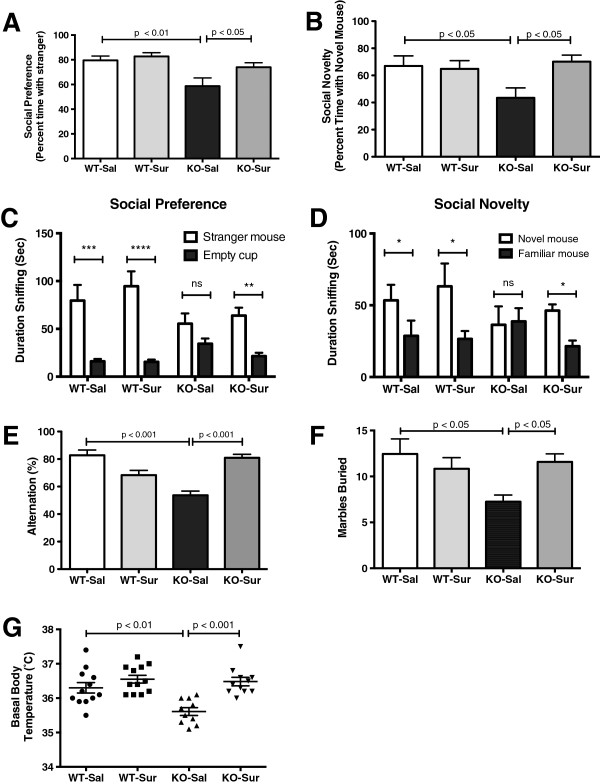
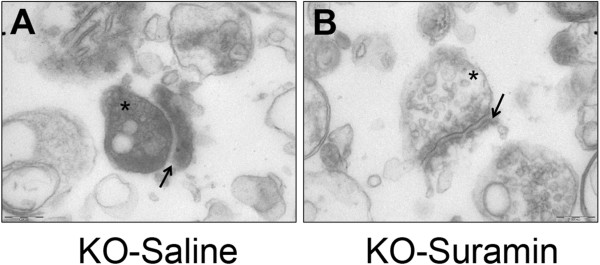
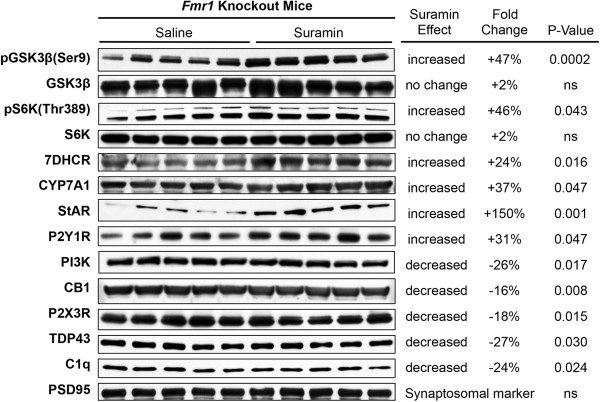
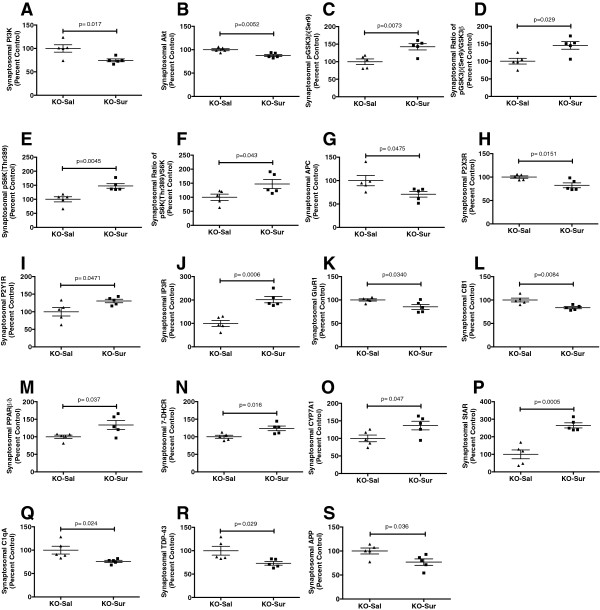
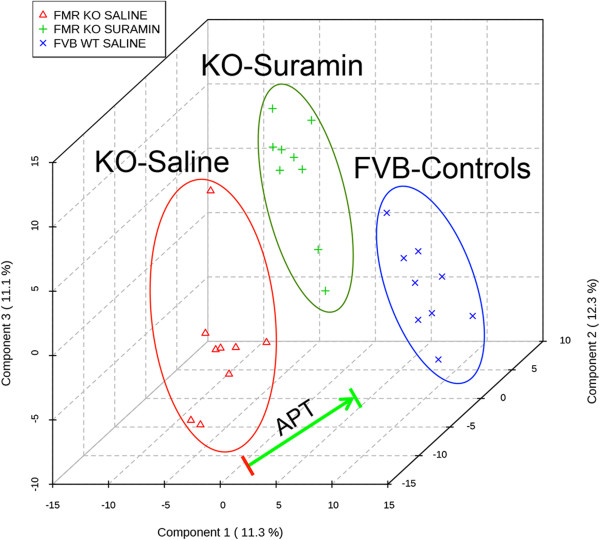
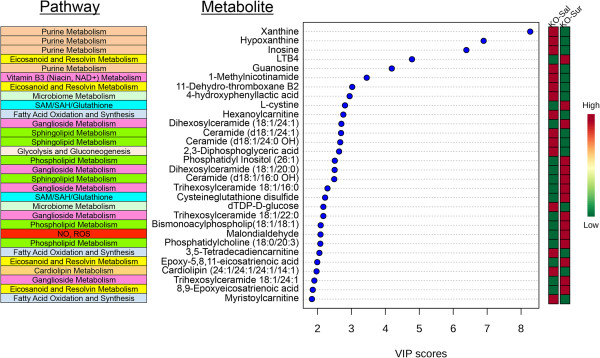
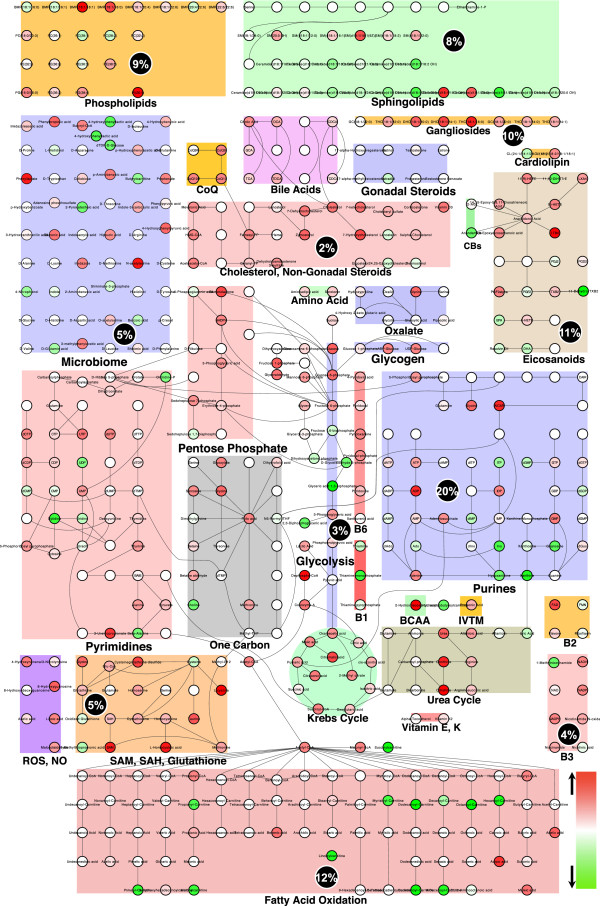
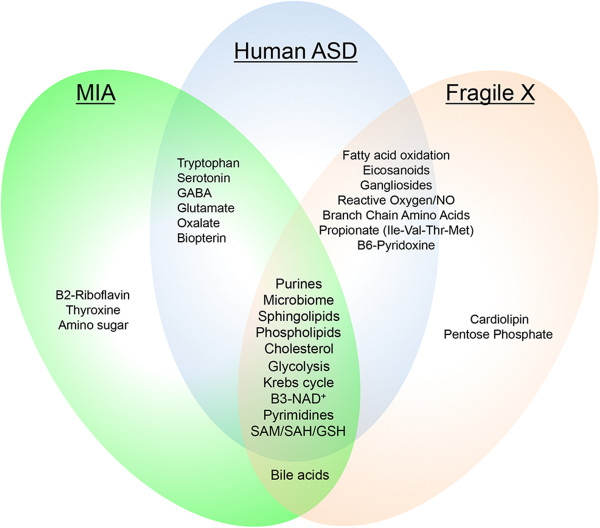
BACKGROUND: This study was designed to test a new approach to drug treatment of autism spectrum disorders (ASDs) in the Fragile X (Fmr1) knockout mouse model. METHODS: We used behavioral analysis, mass spectrometry, metabolomics, electron microscopy, and western analysis to test the hypothesis that the disturbances in social behavior, novelty preference, metabolism, and synapse structure are treatable with antipurinergic therapy (APT). RESULTS: Weekly treatment with the purinergic antagonist suramin (20 mg/kg intraperitoneally), started at 9 weeks of age, restored normal social behavior, and improved metabolism, and brain synaptosomal structure. Abnormalities in synaptosomal glutamate, endocannabinoid, purinergic, and IP3 receptor expression, complement C1q, TDP43, and amyloid β precursor protein (APP) were corrected. Comprehensive metabolomic analysis identified 20 biochemical pathways associated with symptom improvements. Seventeen pathways were shared with human ASD, and 11 were shared with the maternal immune activation (MIA) model of ASD. These metabolic pathways were previously identified as functionally related mediators of the evolutionarily conserved cell danger response (CDR). CONCLUSIONS: The data show that antipurinergic therapy improves the multisystem, ASD-like features of both the environmental MIA, and the genetic Fragile X models. These abnormalities appeared to be traceable to mitochondria and regulated by purinergic signaling.
Overview
The claims and statistics of this paper haven’t been checked yet.
Free: it reads the open-access text and checks the first 5 claims that cite a source we can check. Create a free account to check every claim.
Integrity signals
Registry
Cites
Statistics
Figures
Verification
Claims the paper makes
The claims and statistics of this paper haven’t been checked yet.
Free: it reads the open-access text and checks the first 5 claims that cite a source we can check. Create a free account to check every claim.
Claims other papers make about this one
Each is checked against this paper’s own text: does it say what the citing paper says it does?
The source backs part of the claim, not all of it — or backs it for a different population, condition or comparison.
In the citing paper
“several studies suggest that fever temporarily corrects chronic mitochondrial dysfunction — a frequently observed co-morbidity seen in ASD — through alterations in purinergic signalling247,248.”
From Immune mediators in the brain and peripheral tissues in autism spectrum disorder (2015) · cites this paper as [248]
Experimental — accuracy not yet measuredThe check wasn’t confident either way, so it gives no verdict — never disputed.
In the citing paper
“On the AQ, all but 6 participants scored ≥ 26, a cut-off which correctly categorises 83% of autistic individuals [70]; on average, autistic individuals tend to receive scores of approximately 35 [56], consistent with our groups.”
From A 'choice', an 'addiction', a way 'out of the lost': Exploring self-injury in autistic people without intellectual disability (2019) · cites this paper as [56]
Experimental — accuracy not yet measuredIn the citing paper
“A related concept here could also be to link such phenomena with what Naviaux et al.55, 94, 95 refer to as MIA eliciting a ‘cell danger response’.”
From Maternal immune activation dysregulation of the fetal brain transcriptome and relevance to the pathophysiology of autism spectrum disorder (2018) · cites this paper as [94]
Self-check
Percentages, sums and reported differences re-computed from the paper’s own numbers.
The self-check needs the paper’s full text.
Citations
Cites
Baio, J., Wiggins, L., Christensen, D. L., Maenner, M. J., Daniels, J., Warren, Z., Kurzius-Spencer, M., Zahorodny, W., Robinson, C., Rosenberg, et al. (2018) · MMWR. Surveillance Summaries · doi:10.15585/mmwr.ss6706a1 · Cited by 6,078
Neuroglial activation and neuroinflammation in the brain of patients with autism
Vargas, D. L., Nascimbene, C., Krishnan, C., Zimmerman, A. W., & Pardo, C. A. (2005) · Annals of Neurology · doi:10.1002/ana.20315 · Cited by 2,149 · cited 1×
“Activated complement proteins have also been found in the brains of children with autism [47].”
BackgroundFunctional impact of global rare copy number variation in autism spectrum disorders
Pinto, D., Pagnamenta, A. T., Klei, L., Anney, R., Merico, D., Regan, R., Conroy, J., Magalhaes, T. R., Correia, C., Abrahams, B. S., et al. (2010) · Nature · doi:10.1038/nature09146 · Cited by 2,013 · cited 1×
“Genetic [2-4], environmental [5,6], and metabolic [7] factors can contribute to the risk of ASD to different extents in each affected child.”
BackgroundGenetic Heritability and Shared Environmental Factors Among Twin Pairs With Autism
Hallmayer, J. (2011) · Archives of General Psychiatry · doi:10.1001/archgenpsychiatry.2011.76 · Cited by 1,970 · cited 1×
“Genetic [2-4], environmental [5,6], and metabolic [7] factors can contribute to the risk of ASD to different extents in each affected child.”
BackgroundMetaboAnalyst 2.0--a comprehensive server for metabolomic data analysis
Xia, J., Mandal, R., Sinelnikov, I. V., Broadhurst, D., & Wishart, D. S. (2012) · Nucleic Acids Research · doi:10.1093/nar/gks374 · Cited by 1,150 · cited 2×
“Xia J, Mandal R, Sinelnikov IV, Broadhurst D, Wishart DS. MetaboAnalyst 2.0–a comprehensive server for metabolomic data analysis.”
MethodInfluentialThe Complement System: An Unexpected Role in Synaptic Pruning During Development and Disease
Stephan, A. H., Barres, B. A., & Stevens, B. (2012) · Annual Review of Neuroscience · doi:10.1146/annurev-neuro-061010-113810 · Cited by 1,113 · cited 1×
“Recent studies have revealed an important role for complement proteins in tagging synapses during inflammation and remodeling [46].”
BackgroundFmr1 knockout mice: A model to study fragile X mental retardation
THEDUTCHBELGIANFRAGILEXCONSOR (1994) · Cell · doi:10.1016/0092-8674(94)90569-x · Cited by 1,035
Mouse behavioral tasks relevant to autism: Phenotypes of 10 inbred strains
MOY, S., NADLER, J., YOUNG, N., PEREZ, A., HOLLOWAY, L., BARBARO, R., BARBARO, J., WILSON, L., THREADGILL, D., & LAUDER, J. (2007) · Behavioural Brain Research · doi:10.1016/j.bbr.2006.07.030 · Cited by 776
Marble burying reflects a repetitive and perseverative behavior more than novelty-induced anxiety
Thomas, A., Burant, A., Bui, N., Graham, D., Yuva-Paylor, L. A., & Paylor, R. (2009) · Psychopharmacology · doi:10.1007/s00213-009-1466-y · Cited by 698 · cited 1×
“Marble burying has sometimes been considered a measure of anxiety, however, comprehensive genetic and behavioral studies have shown that marble burying is a normal mouse behavior that is genetically determined [20].”
BackgroundMetabolic rate depression in animals: transcriptional and translational controls
Storey, K. B., & Storey, J. M. (2004) · Biological Reviews · doi:10.1017/s1464793103006195 · Cited by 692 · cited 1×
“elegans [90], embryonic diapause in mammals [91], plant seed development [92], and stem cells that can be recruited back into cycle after stasis or injury [93].”
BackgroundCovalent modifications of histones during development and disease pathogenesis
Bhaumik, S. R., Smith, E., & Shilatifard, A. (2007) · Nature Structural & Molecular Biology · doi:10.1038/nsmb1337 · Cited by 681 · cited 1×
“These mismatches are coupled to mitochondrial oxygen consumption, electron flow, redox, and oxidative phosphorylation, and produce a sequence of graded metabolic responses that alter DNA methylation [106], histone modifications [107], and lead to new cellular states of gene expression and function [108].”
BackgroundMaternal metabolic conditions and risk for autism and other neurodevelopmental disorders
Krakowiak, P., Walker, C. K., Bremer, A. A., Baker, A. S., Ozonoff, S., Hansen, R. L., & Hertz-Picciotto, I. (2012) · PEDIATRICS · doi:10.1542/peds.2011-2583 · Cited by 675
Traffic-Related Air Pollution, Particulate Matter, and Autism
Volk, H. E., Lurmann, F., Penfold, B., Hertz-Picciotto, I., & McConnell, R. (2013) · JAMA Psychiatry · doi:10.1001/jamapsychiatry.2013.266 · Cited by 638 · cited 1×
“Genetic [2-4], environmental [5,6], and metabolic [7] factors can contribute to the risk of ASD to different extents in each affected child.”
Background(1994) · PubMed · Cited by 565
Williams, B. L., Hornig, M., Buie, T., Bauman, M. L., Cho Paik, M., Wick, I., Bennett, A., Jabado, O., Hirschberg, D. L., & Lipkin, W. I. (2011) · PLoS ONE · doi:10.1371/journal.pone.0024585 · Cited by 492 · cited 1×
“These include purine metabolism [15,66], fatty acid oxidation [69], microbiome [70,71], phospholipid [72], eicosanoid [73-75], cholesterol/sterol [76], sphingolipids and gangliosides [77,78], glycolysis, Krebs cycle and mitochondrial metabolism [79-81], nitric oxide and reactive oxygen metabolism [82], branched chain…”
BackgroundA rapid, simple, and humane method for submandibular bleeding of mice using a lancet
Golde, W. T., Gollobin, P., & Rodriguez, L. L. (2005) · Lab Animal · doi:10.1038/laban1005-39 · Cited by 466 · cited 1×
“Whole blood was collected 3 to 4 days after the last weekly dose of suramin (20 mg/kg ip) or saline (5 μL/g ip), after light anesthesia in an isoflurane (Med-Vet International, Mettawa, IL, USA, Cat# RXISO250) drop jar, into BD Microtainer tubes containing lithium heparin (Becton Dickinson, San Diego, CA, USA, Ref# 36…”
MethodMinocycline and Neurodegenerative Diseases
Kim, H.-S., & Suh, Y.-H. (2009) · Behavioural Brain Research · doi:10.1016/j.bbr.2008.09.040 · Cited by 447 · cited 1×
“Interestingly, many of the neuroprotective and anti-inflammatory effects of minocycline have been traced to its actions on mitochondrial function [63,64], and may also act to decrease hyperpurinergia by moderating mitochondrial ATP synthesis.”
BackgroundSuramin: a reversible P2‐purinoceptor antagonist in the mouse vas deferens
Dunn, P. M., & Blakeley, A. G. H. (1988) · British Journal of Pharmacology · doi:10.1111/j.1476-5381.1988.tb11427.x · Cited by 426 · cited 1×
“Its antipurinergic actions were discovered in 1988, after a search for inhibitors of ATP-mediated P2X and P2Y signaling [17].”
BackgroundMuddashetty, R. S., Kelić, S., Gross, C., Xu, M., & Bassell, G. J. (2007) · The Journal of Neuroscience · doi:10.1523/jneurosci.0937-07.2007 · Cited by 421 · cited 1×
“AMPA receptor (GluR1) mRNA transcription, translation, and receptor recycling are known to be pathologically dysregulated in the Fragile X model [37].”
BackgroundAutism Profiles of Males With Fragile X Syndrome
Harris, S. W., Hessl, D., Goodlin-Jones, B., Ferranti, J., Bacalman, S., Barbato, I., Tassone, F., Hagerman, P. J., Herman, K., & Hagerman, R. J. (2008) · American Journal on Mental Retardation · doi:10.1352/2008.113:427-438 · Cited by 396 · cited 1×
“At least 40% of the boys [55], and over 90% of the girls [56] with Fragile X syndrome do not meet the diagnostic criteria for ASD.”
BackgroundIndividual common variants exert weak effects on the risk for autism spectrum disorders
Anney, R., Klei, L., Pinto, D., Almeida, J., Bacchelli, E., Baird, G., Bolshakova, N., Bölte, S., Bolton, P. F., Bourgeron, T., et al. (2012) · Human Molecular Genetics · doi:10.1093/hmg/dds301 · Cited by 375 · cited 1×
“Genetic [2-4], environmental [5,6], and metabolic [7] factors can contribute to the risk of ASD to different extents in each affected child.”
BackgroundOxidative stress-related biomarkers in autism: Systematic review and meta-analyses
Frustaci, A., Neri, M., Cesario, A., Adams, J. B., Domenici, E., Dalla Bernardina, B., & Bonassi, S. (2012) · Free Radical Biology and Medicine · doi:10.1016/j.freeradbiomed.2012.03.011 · Cited by 365 · cited 1×
“These include purine metabolism [15,66], fatty acid oxidation [69], microbiome [70,71], phospholipid [72], eicosanoid [73-75], cholesterol/sterol [76], sphingolipids and gangliosides [77,78], glycolysis, Krebs cycle and mitochondrial metabolism [79-81], nitric oxide and reactive oxygen metabolism [82], branched chain…”
BackgroundAutistic behavior in children with fragile X syndrome: Prevalence, stability, and the impact of FMRP
Hatton, D. D., Sideris, J., Skinner, M., Mankowski, J., Bailey, D. B., Roberts, J., & Mirrett, P. (2006) · American Journal of Medical Genetics Part A · doi:10.1002/ajmg.a.31286 · Cited by 359 · cited 1×
“At least 40% of the boys [55], and over 90% of the girls [56] with Fragile X syndrome do not meet the diagnostic criteria for ASD.”
BackgroundWang, W., Li, L., Lin, W.-L., Dickson, D. W., Petrucelli, L., Zhang, T., & Wang, X. (2013) · Human Molecular Genetics · doi:10.1093/hmg/ddt319 · Cited by 338 · cited 2×
“Mutations in TDP43 are associated with genetic forms of amyotrophic lateral sclerosis (ALS) [49].”
BackgroundFunctions and regulation of the 70 kDa ribosomal S6 kinases
Fenton, T. R., & Gout, I. T. (2011) · The International Journal of Biochemistry & Cell Biology · doi:10.1016/j.biocel.2010.09.018 · Cited by 338 · cited 1×
“Phosphorylated p70 S6K is a negative regulator of insulin receptor substrate 1 (IRS1), and serves to oppose insulin stimulated cell growth, PI3K, and mTORC1 signaling [33].”
BackgroundFragile X syndrome: causes, diagnosis, mechanisms, and therapeutics
Bagni, C., Tassone, F., Neri, G., & Hagerman, R. (2012) · Journal of Clinical Investigation · doi:10.1172/jci63141 · Cited by 321 · cited 1×
“single-gene cause of intellectual disability [12].”
Mitochondrial Channels: Ion Fluxes and More
Szabo, I., & Zoratti, M. (2014) · Physiological Reviews · doi:10.1152/physrev.00021.2013 · Cited by 321 · cited 1×
“Danger has a chemical meaning in cells that equates to metabolic mismatches between substrate/product ratios and the gene-coded and allosterically regulated equilibrium constant (Keq) of each relevant enzyme located in mitochondria, and the conductances of transporters in and out of the organelles [105].”
BackgroundProgressive increase in mtDNA 3243A>G heteroplasmy causes abrupt transcriptional reprogramming
Picard, M., Zhang, J., Hancock, S., Derbeneva, O., Golhar, R., Golik, P., O’Hearn, S., Levy, S., Potluri, P., Lvova, M., et al. (2014) · Proceedings of the National Academy of Sciences · doi:10.1073/pnas.1414028111 · Cited by 315 · cited 1×
“These mismatches are coupled to mitochondrial oxygen consumption, electron flow, redox, and oxidative phosphorylation, and produce a sequence of graded metabolic responses that alter DNA methylation [106], histone modifications [107], and lead to new cellular states of gene expression and function [108].”
BackgroundLeigh, M. J. S., Nguyen, D. V., Mu, Y., Winarni, T. I., Schneider, A., Chechi, T., Polussa, J., Doucet, P., Tassone, F., Rivera, S. M., et al. (2013) · Journal of Developmental & Behavioral Pediatrics · doi:10.1097/dbp.0b013e318287cd17 · Cited by 298 · cited 1×
“Minocycline has also shown benefit in both human Fragile X syndrome [61] and mouse models [62].”
BackgroundRecent research on the biological activity of suramin.
Voogd, T. E., Vansterkenburg, E. L., Wilting, J., & Janssen, L. H. (1993) · Pharmacological Reviews · doi:10.1016/s0031-6997(25)00445-4 · Cited by 285
The Gut Microbiome: A New Frontier in Autism Research
Mulle, J. G., Sharp, W. G., & Cubells, J. F. (2013) · Current Psychiatry Reports · doi:10.1007/s11920-012-0337-0 · Cited by 262 · cited 1×
“These include purine metabolism [15,66], fatty acid oxidation [69], microbiome [70,71], phospholipid [72], eicosanoid [73-75], cholesterol/sterol [76], sphingolipids and gangliosides [77,78], glycolysis, Krebs cycle and mitochondrial metabolism [79-81], nitric oxide and reactive oxygen metabolism [82], branched chain…”
BackgroundWeylandt, K. H., Chiu, C.-Y., Gomolka, B., Waechter, S. F., & Wiedenmann, B. (2012) · Prostaglandins & Other Lipid Mediators · doi:10.1016/j.prostaglandins.2012.01.005 · Cited by 258 · cited 1×
“Eicosanoid metabolism plays a crucial role in regulating the balance of inflammation and anti-inflammation after acute injury, during chronic disease [95,96], and in the antiviral and antibacterial innate immune response [97].”
BackgroundAdriaan Bouwknecht, J., Olivier, B., & Paylor, R. E. (2007) · Neuroscience & Biobehavioral Reviews · doi:10.1016/j.neubiorev.2006.02.002 · Cited by 256 · cited 1×
“Care was taken to measure temperatures ≥2 days after cage bedding changes, and to avoid animal transport stress immediately prior to measurement in order to avoid stress-induced hyperthermia [23].”
Ved, R., Saha, S., Westlund, B., Perier, C., Burnam, L., Sluder, A., Hoener, M., Rodrigues, C. M. P., Alfonso, A., Steer, C., et al. (2005) · Journal of Biological Chemistry · doi:10.1074/jbc.m505910200 · Cited by 255 · cited 1×
“The function of bile salts in the brain is unknown, although their neuroprotective effects have been shown in several models [44,45].”
BackgroundFragile X Mental Retardation Protein Regulates Translation by Binding Directly to the Ribosome
Chen, E., Sharma, M. R., Shi, X., Agrawal, R. K., & Joseph, S. (2014) · Molecular Cell · doi:10.1016/j.molcel.2014.03.023 · Cited by 249 · cited 1×
“FMRP is an mRNA and ribosome [10] binding protein that inhibits the expression of several key inflammatory proteins and cytokines, and binds to several DNA repair proteins involved in cell stress and defense [11].”
BackgroundTargeting the endocannabinoid system in the treatment of fragile X syndrome
Busquets-Garcia, A., Gomis-González, M., Guegan, T., Agustín-Pavón, C., Pastor, A., Mato, S., Pérez-Samartín, A., Matute, C., de la Torre, R., Dierssen, M., et al. (2013) · Nature Medicine · doi:10.1038/nm.3127 · Cited by 241 · cited 2×
“Pharmacologic blockade with the CB1R antagonist rimonabant has been shown to improve several symptoms in the Fragile X model [41].”
BackgroundSocial approach and repetitive behavior in eleven inbred mouse strains
Moy, S. S., Nadler, J. J., Young, N. B., Nonneman, R. J., Segall, S. K., Andrade, G. M., Crawley, J. N., & Magnuson, T. R. (2008) · Behavioural Brain Research · doi:10.1016/j.bbr.2008.03.015 · Cited by 241 · cited 1×
“Social behavior was tested as social preference as previously described [9], with the addition of a third phase with a second novel mouse to interrogate social novelty [19].”
MethodFrye, R. E., Melnyk, S., & MacFabe, D. F. (2013) · Translational Psychiatry · doi:10.1038/tp.2012.143 · Cited by 236 · cited 2×
“These include purine metabolism [15,66], fatty acid oxidation [69], microbiome [70,71], phospholipid [72], eicosanoid [73-75], cholesterol/sterol [76], sphingolipids and gangliosides [77,78], glycolysis, Krebs cycle and mitochondrial metabolism [79-81], nitric oxide and reactive oxygen metabolism [82], branched chain…”
BackgroundMitochondrial Metabolism in Developing Embryos of Brassica napus
Schwender, J., Shachar-Hill, Y., & Ohlrogge, J. B. (2006) · Journal of Biological Chemistry · doi:10.1074/jbc.m606266200 · Cited by 235 · cited 1×
“elegans [90], embryonic diapause in mammals [91], plant seed development [92], and stem cells that can be recruited back into cycle after stasis or injury [93].”
BackgroundMetabolic features of the cell danger response
Naviaux, R. K. (2014) · Mitochondrion · doi:10.1016/j.mito.2013.08.006 · Cited by 232 · cited 8×
“These metabolic pathways were previously identified as functionally related mediators of the evolutionarily conserved cell danger response (CDR).”
BackgroundInfluentialSelf-citationCasey, J. P., Magalhaes, T., Conroy, J. M., Regan, R., Shah, N., Anney, R., Shields, D. C., Abrahams, B. S., Almeida, J., Bacchelli, E., et al. (2012) · Human Genetics · doi:10.1007/s00439-011-1094-6 · Cited by 200 · cited 1×
“Genetic [2-4], environmental [5,6], and metabolic [7] factors can contribute to the risk of ASD to different extents in each affected child.”
BackgroundLee, H. C. (2012) · Journal of Biological Chemistry · doi:10.1074/jbc.r112.349464 · Cited by 197 · cited 4×
“Intracellular adenine nucleotides like NAD/H, NADP/H, cyclic-ADP-ribose (cADPR), and nicotinic acid adenine dinucleotide phosphate (NAADP) are also traceable to mitochondria, are interconverted by the enzyme CD38 [114], and play important roles in a ‘short-path’ retrograde signaling circuit that regulates redox, calci…”
BackgroundInfluentialVerkhratsky, A., & Burnstock, G. (2014) · BioEssays · doi:10.1002/bies.201400024 · Cited by 182 · cited 1×
“Purinergic signaling begins with the regulated release of purine nucleotides like ATP, or pyrimidines like UTP, through channels in the cell membrane for autocrine and paracrine signaling, and by vesicular fusion during neurotransmission [102,103].”
BackgroundExploring the Relationship Between Anxiety and Insistence on Sameness in Autism Spectrum Disorders
Gotham, K., Bishop, S. L., Hus, V., Huerta, M., Lund, S., Buja, A., Krieger, A., & Lord, C. (2013) · Autism Research · doi:10.1002/aur.1263 · Cited by 176 · cited 1×
“The loss or suppression of novelty preference in children with ASD is associated with the phenomenon known as insistence on sameness [30].”
Background5-HT2A and 5-HT2C Receptors Exert Opposing Effects on Locomotor Activity in Mice
Halberstadt, A. L., van der Heijden, I., Ruderman, M. A., Risbrough, V. B., Gingrich, J. A., Geyer, M. A., & Powell, S. B. (2009) · Neuropsychopharmacology · doi:10.1038/npp.2009.29 · Cited by 176
Self-citationWhat Can We Learn about Autism from Studying Fragile X Syndrome?
Budimirovic, D. B., & Kaufmann, W. E. (2011) · Developmental Neuroscience · doi:10.1159/000330213 · Cited by 175 · cited 2×
“In the Fragile X knockout genetic model of autism, it has also proven to be one of the most reproducible paradigms across different studies reported in the literature [26].”
BackgroundAutism Associated With the Mitochondrial DNA G8363A Transfer RNALys Mutation
Graf, W. D., Marin-Garcia, J., Gao, H. G., Pizzo, S., Naviaux, R. K., Markusic, D., Barshop, B. A., Courchesne, E., & Haas, R. H. (2000) · Journal of Child Neurology · doi:10.1177/088307380001500601 · Cited by 173
Self-citationAntipurinergic Therapy Corrects the Autism-Like Features in the Poly(IC) Mouse Model
Naviaux, R. K., Zolkipli, Z., Wang, L., Nakayama, T., Naviaux, J. C., Le, T. P., Schuchbauer, M. A., Rogac, M., Tang, Q., Dugan, L. L., et al. (2013) · PLoS ONE · doi:10.1371/journal.pone.0057380 · Cited by 171 · cited 10×
“Cerebral samples were collected, homogenized, and synaptosomes isolated by discontinuous Percoll gradient centrifugation, drop dialyzed, glutaraldehyde fixed, post-fixed in osmium tetroxide, embedded, sectioned, and stained with uranyl acetate for transmission electron microscopy (TEM) as previously described [8].”
BackgroundMethodInfluentialSelf-citationLiao, L., Park, S. K., Xu, T., Vanderklish, P., & Yates, J. R. (2008) · Proceedings of the National Academy of Sciences · doi:10.1073/pnas.0804678105 · Cited by 170 · cited 1×
“APC is a tumor suppressor protein that is increased in the Fragile X knockout model [34].”
BackgroundRose, S., Frye, R. E., Slattery, J., Wynne, R., Tippett, M., Pavliv, O., Melnyk, S., & James, S. J. (2014) · PLoS ONE · doi:10.1371/journal.pone.0085436 · Cited by 168
Endocannabinoids and traumatic brain injury
Shohami, E., Cohen‐Yeshurun, A., Magid, L., Algali, M., & Mechoulam, R. (2011) · British Journal of Pharmacology · doi:10.1111/j.1476-5381.2011.01343.x · Cited by 168
Neotic preferences in laboratory rodents: Issues, assessment and substrates
Hughes, R. N. (2007) · Neuroscience & Biobehavioral Reviews · doi:10.1016/j.neubiorev.2006.11.004 · Cited by 165 · cited 1×
“Novelty preference is an innate feature of normal rodent [27] and human [28] behavior, and a predictor of socialization and communication growth in children with ASD [29].”
BackgroundAlpatov, R., Lesch, B. J., Nakamoto-Kinoshita, M., Blanco, A., Chen, S., Stützer, A., Armache, K. J., Simon, M. D., Xu, C., Ali, M., et al. (2014) · Cell · doi:10.1016/j.cell.2014.03.040 · Cited by 165 · cited 1×
“FMRP is an mRNA and ribosome [10] binding protein that inhibits the expression of several key inflammatory proteins and cytokines, and binds to several DNA repair proteins involved in cell stress and defense [11].”
BackgroundBrain Transcriptional and Epigenetic Associations with Autism
Ginsberg, M. R., Rubin, R. A., Falcone, T., Ting, A. H., & Natowicz, M. R. (2012) · PLoS ONE · doi:10.1371/journal.pone.0044736 · Cited by 164 · cited 1×
“Interestingly, brain purinergic signaling was recently identified as one of the top gene expression pathways correlated with abnormal behaviors in children with ASD [68].”
BackgroundOxidative Shielding or Oxidative Stress?
Naviaux, R. K. (2012) · Journal of Pharmacology and Experimental Therapeutics · doi:10.1124/jpet.112.192120 · Cited by 164 · cited 1×
“This extracellular purinergic signaling circuit is well known to regulate innate immunity, oxidative stress and shielding [110], inflammation, and cytokine production [104], sensory perception [111], in addition to sleep, cognition [112], and the autonomic nervous system [113].”
BackgroundSelf-citationIntroduction to Purinergic Signalling in the Brain
Burnstock, G. (2012) · Advances in experimental medicine and biology · doi:10.1007/978-94-007-4719-7_1 · Cited by 164 · cited 1×
“Purinergic signaling begins with the regulated release of purine nucleotides like ATP, or pyrimidines like UTP, through channels in the cell membrane for autocrine and paracrine signaling, and by vesicular fusion during neurotransmission [102,103].”
BackgroundAbnormalities of cholesterol metabolism in autism spectrum disorders
Tierney, E., Bukelis, I., Thompson, R. E., Ahmed, K., Aneja, A., Kratz, L., & Kelley, R. I. (2006) · American Journal of Medical Genetics Part B: Neuropsychiatric Genetics · doi:10.1002/ajmg.b.30368 · Cited by 163 · cited 1×
“These include purine metabolism [15,66], fatty acid oxidation [69], microbiome [70,71], phospholipid [72], eicosanoid [73-75], cholesterol/sterol [76], sphingolipids and gangliosides [77,78], glycolysis, Krebs cycle and mitochondrial metabolism [79-81], nitric oxide and reactive oxygen metabolism [82], branched chain…”
BackgroundPurinergic mechanisms and pain—An update
Burnstock, G. (2013) · European Journal of Pharmacology · doi:10.1016/j.ejphar.2013.01.078 · Cited by 149 · cited 1×
“This extracellular purinergic signaling circuit is well known to regulate innate immunity, oxidative stress and shielding [110], inflammation, and cytokine production [104], sensory perception [111], in addition to sleep, cognition [112], and the autonomic nervous system [113].”
BackgroundSuvrathan, A., Hoeffer, C. A., Wong, H., Klann, E., & Chattarji, S. (2010) · Proceedings of the National Academy of Sciences · doi:10.1073/pnas.1002262107 · Cited by 137 · cited 1×
“In the lateral amygdala, the Fragile X knockout results in enhanced internalization and increased internalized receptor pools, with decreased surface expression, such that the total mass of the AMPA receptor is unchanged from controls [38].”
BackgroundLambrecht, G., Braun, K., Damer, S., Ganso, M., Hildebrandt, C., Ullmann, H., Kassack, M., & Nickel, P. (2002) · Current Pharmaceutical Design · doi:10.2174/1381612023392973 · Cited by 136 · cited 1×
“An important pharmacologic mechanism of action of suramin is as a competitive antagonist of extracellular ATP and other nucleotides, acting at purinergic receptors [9,65].”
BackgroundNaviaux, J. C., Schuchbauer, M. A., Li, K., Wang, L., Risbrough, V. B., Powell, S. B., & Naviaux, R. K. (2014) · Translational Psychiatry · doi:10.1038/tp.2014.33 · Cited by 134
Self-citationNeurological Disorders of Purine and Pyrimidine Metabolism
Micheli, V., Camici, M., G. Tozzi, M., L. Ipata, P., Sestini, S., Bertelli, M., & Pompucci, G. (2011) · Current Topics in Medicinal Chemistry · doi:10.2174/156802611795347645 · Cited by 125 · cited 3×
“These include purine metabolism [15,66], fatty acid oxidation [69], microbiome [70,71], phospholipid [72], eicosanoid [73-75], cholesterol/sterol [76], sphingolipids and gangliosides [77,78], glycolysis, Krebs cycle and mitochondrial metabolism [79-81], nitric oxide and reactive oxygen metabolism [82], branched chain…”
BackgroundUrsocholanic acid rescues mitochondrial function in common forms of familial Parkinson’s disease
Mortiboys, H., Aasly, J., & Bandmann, O. (2013) · Brain · doi:10.1093/brain/awt224 · Cited by 124 · cited 1×
“The function of bile salts in the brain is unknown, although their neuroprotective effects have been shown in several models [44,45].”
BackgroundSiniscalco, D., Sapone, A., Giordano, C., Cirillo, A., de Magistris, L., Rossi, F., Fasano, A., Bradstreet, J. J., Maione, S., & Antonucci, N. (2013) · Journal of Autism and Developmental Disorders · doi:10.1007/s10803-013-1824-9 · Cited by 121 · cited 1×
“CB2 expression is increased in the peripheral blood monocytes of children with autism spectrum disorders [42].”
BackgroundSuramin: Clinical Uses and Structure-Activity Relationships
McGeary, R., Bennett, A., Tran, Q., Cosgrove, K., & Ross, B. (2008) · Mini-Reviews in Medicinal Chemistry · doi:10.2174/138955708786369573 · Cited by 119 · cited 2×
“Suramin has many other actions [18], however, metabolomic studies have shown that the expression of purinergic receptors is altered [8], and purine metabolism is the top ranked biochemical pathway that is changed by treatment in the MIA model of ASD [9].”
BackgroundJames, S. J., Melnyk, S., Jernigan, S., Hubanks, A., Rose, S., & Gaylor, D. W. (2008) · Journal of Autism and Developmental Disorders · doi:10.1007/s10803-008-0614-2 · Cited by 115
Martínez, E. M. G., Sanz‐Blasco, S., Karachitos, A., Bández, M. J., Fernández-Gómez, F.-J., Perez‐Alvarez, S., de Mera, R. M. M.-F., Jordán, M. J., Aguirre, N., Galindo, M. F., et al. (2009) · Biochemical Pharmacology · doi:10.1016/j.bcp.2009.07.028 · Cited by 114 · cited 1×
“Interestingly, many of the neuroprotective and anti-inflammatory effects of minocycline have been traced to its actions on mitochondrial function [63,64], and may also act to decrease hyperpurinergia by moderating mitochondrial ATP synthesis.”
BackgroundReversal of Fragile X Phenotypes by Manipulation of AβPP/Aβ Levels in Fmr1KO Mice
Westmark, C. J., Westmark, P. R., O'Riordan, K. J., Ray, B. C., Hervey, C. M., Salamat, M. S., Abozeid, S. H., Stein, K. M., Stodola, L. A., Tranfaglia, M., et al. (2011) · PLoS ONE · doi:10.1371/journal.pone.0026549 · Cited by 110
Pastural, É., Ritchie, S. A., Lu, Y., Jin, W., Kavianpour, A., Su-Myat, K. K., Heath, D., Wood, P. L., Fisk, M., & Goodenowe, D. B. (2009) · Prostaglandins Leukotrienes and Essential Fatty Acids · doi:10.1016/j.plefa.2009.06.003 · Cited by 110 · cited 1×
“These include purine metabolism [15,66], fatty acid oxidation [69], microbiome [70,71], phospholipid [72], eicosanoid [73-75], cholesterol/sterol [76], sphingolipids and gangliosides [77,78], glycolysis, Krebs cycle and mitochondrial metabolism [79-81], nitric oxide and reactive oxygen metabolism [82], branched chain…”
BackgroundFranklin, A. V., King, M. K., Palomo, V., Martinez, A., McMahon, L. L., & Jope, R. S. (2014) · Biological Psychiatry · doi:10.1016/j.biopsych.2013.08.003 · Cited by 110 · cited 7×
“APC forms a complex with, and is phosphorylated by, active GSK3β to inhibit microtubule assembly during undifferentiated cell growth of neuronal progenitors [35].”
BackgroundMethodInfluentialEsterified eicosanoids: Generation, characterization and function
Hammond, V. J., & O’Donnell, V. B. (2011) · Biochimica et Biophysica Acta (BBA) - Biomembranes · doi:10.1016/j.bbamem.2011.12.013 · Cited by 109 · cited 1×
“Eicosanoid metabolism plays a crucial role in regulating the balance of inflammation and anti-inflammation after acute injury, during chronic disease [95,96], and in the antiviral and antibacterial innate immune response [97].”
BackgroundBakker, C. E., Verheij, C., Willemsen, R., Helm, R. V. D., Oerlemans, F. T. J. J., Vermey, M., Bygrave, A. E., Hoogeveen, A. T., Oostra, B. A., Reyniers, E., et al. (1994) · Cited by 108
Feinmark, S. J., Begum, R., Tsvetkov, E., Goussakov, I., Funk, C. D., Siegelbaum, S. A., & Bolshakov, V. Y. (2003) · The Journal of Neuroscience · doi:10.1523/jneurosci.23-36-11427.2003 · Cited by 107 · cited 1×
“The predicted increase in hydroxyeicosatetraenoic acid (HETE) species would support mGluR5-mediated long-term depression (LTD) [98], which is a well-known problem in Fragile X syndrome [99].”
BackgroundLant, B., & Storey, K. B. (2010) · International Journal of Biological Sciences · doi:10.7150/ijbs.6.9 · Cited by 107 · cited 1×
“elegans [90], embryonic diapause in mammals [91], plant seed development [92], and stem cells that can be recruited back into cycle after stasis or injury [93].”
BackgroundRegulation of Ion Channels by Pyridine Nucleotides
Kilfoil, P. J., Tipparaju, S. M., Barski, O. A., & Bhatnagar, A. (2013) · Circulation Research · doi:10.1161/circresaha.111.247940 · Cited by 104
Torrioli, M. G., Vernacotola, S., Peruzzi, L., Tabolacci, E., Mila, M., Militerni, R., Musumeci, S., Ramos, F. J., Frontera, M., Sorge, G., et al. (2008) · American Journal of Medical Genetics Part A · doi:10.1002/ajmg.a.32268 · Cited by 100 · cited 1×
“These have included acetyl-L-carnitine [59], omega 3 fatty acid therapy [60], and inhibition of the metabolic control enzyme glycogen synthase kinase 3β (GSK3β) [32].”
MethodLong-lasting effects of minocycline on behavior in young but not adult Fragile X mice.
Dansie, L. E., Phommahaxay, K., Okusanya, A. G., Uwadia, J., Huang, M., Rotschafer, S. E., Razak, K. A., Ethell, D. W., & Ethell, I. M. (2013) · Neuroscience · doi:10.1016/j.neuroscience.2013.04.058 · Cited by 95 · cited 1×
“Minocycline has also shown benefit in both human Fragile X syndrome [61] and mouse models [62].”
BackgroundA new disorder of purine metabolism with behavioral manifestations
Nyhan, W. L., James, J. A., Teberg, A. J., Sweetman, L., & Nelson, L. G. (1969) · The Journal of Pediatrics · doi:10.1016/s0022-3476(69)80004-1 · Cited by 95 · cited 3×
“These include purine metabolism [15,66], fatty acid oxidation [69], microbiome [70,71], phospholipid [72], eicosanoid [73-75], cholesterol/sterol [76], sphingolipids and gangliosides [77,78], glycolysis, Krebs cycle and mitochondrial metabolism [79-81], nitric oxide and reactive oxygen metabolism [82], branched chain…”
BackgroundCYP2J2-Derived Epoxyeicosatrienoic Acids Suppress Endoplasmic Reticulum Stress in Heart Failure
Wang, X., Ni, L., Yang, L., Duan, Q., Chen, C., Edin, M. L., Zeldin, D. C., & Wang, D. W. (2013) · Molecular Pharmacology · doi:10.1124/mol.113.087122 · Cited by 94 · cited 1×
“These include a decrease in ER stress [100], an increase in AMPK activation, and an increase in autophagy [101].”
BackgroundEvidence of a role for cyclic ADP-ribose in long-term synaptic depression in hippocampus
Reyes-Harde, M., Empson, R., Potter, B. V. L., Galione, A., & Stanton, P. K. (1999) · Proceedings of the National Academy of Sciences · doi:10.1073/pnas.96.7.4061 · Cited by 94 · cited 1×
“Intracellular adenine nucleotides like NAD/H, NADP/H, cyclic-ADP-ribose (cADPR), and nicotinic acid adenine dinucleotide phosphate (NAADP) are also traceable to mitochondria, are interconverted by the enzyme CD38 [114], and play important roles in a ‘short-path’ retrograde signaling circuit that regulates redox, calci…”
BackgroundCD38 Controls the Innate Immune Response against Listeria monocytogenes
Lischke, T., Heesch, K., Schumacher, V., Schneider, M., Haag, F., Koch-Nolte, F., & Mittrücker, H.-W. (2013) · Infection and Immunity · doi:10.1128/iai.00340-13 · Cited by 92 · cited 1×
“Intracellular adenine nucleotides like NAD/H, NADP/H, cyclic-ADP-ribose (cADPR), and nicotinic acid adenine dinucleotide phosphate (NAADP) are also traceable to mitochondria, are interconverted by the enzyme CD38 [114], and play important roles in a ‘short-path’ retrograde signaling circuit that regulates redox, calci…”
BackgroundLeukotriene B4, an Endogenous Stimulator of the Innate Immune Response against Pathogens
Bel, M. L., Brunet, A., & Gosselin, J. (2013) · Journal of Innate Immunity · doi:10.1159/000353694 · Cited by 83 · cited 1×
“Eicosanoid metabolism plays a crucial role in regulating the balance of inflammation and anti-inflammation after acute injury, during chronic disease [95,96], and in the antiviral and antibacterial innate immune response [97].”
BackgroundAdams, J. B., George, F., & Audhya, T. (2006) · The Journal of Alternative and Complementary Medicine · doi:10.1089/acm.2006.12.59 · Cited by 82 · cited 1×
“These include purine metabolism [15,66], fatty acid oxidation [69], microbiome [70,71], phospholipid [72], eicosanoid [73-75], cholesterol/sterol [76], sphingolipids and gangliosides [77,78], glycolysis, Krebs cycle and mitochondrial metabolism [79-81], nitric oxide and reactive oxygen metabolism [82], branched chain…”
BackgroundTirouvanziam, R. M., Obukhanych, T. V., Laval, J., Aronov, P. A., Libove, R. A., Banerjee, A. G., Parker, K. J., O'Hara, R. M., Herzenberg, L. A., Herzenberg, L. A., et al. (2011) · Journal of Autism and Developmental Disorders · doi:10.1007/s10803-011-1314-x · Cited by 81 · cited 1×
“These include purine metabolism [15,66], fatty acid oxidation [69], microbiome [70,71], phospholipid [72], eicosanoid [73-75], cholesterol/sterol [76], sphingolipids and gangliosides [77,78], glycolysis, Krebs cycle and mitochondrial metabolism [79-81], nitric oxide and reactive oxygen metabolism [82], branched chain…”
BackgroundThe Neuroscience of Autism Spectrum Disorders
(2013) · Elsevier eBooks · doi:10.1016/c2011-0-04170-4 · Cited by 80
Lipid mediators in plasma of autism spectrum disorders
El-Ansary, A., & Al-Ayadhi, L. (2012) · Lipids in Health and Disease · doi:10.1186/1476-511x-11-160 · Cited by 79 · cited 1×
“These include purine metabolism [15,66], fatty acid oxidation [69], microbiome [70,71], phospholipid [72], eicosanoid [73-75], cholesterol/sterol [76], sphingolipids and gangliosides [77,78], glycolysis, Krebs cycle and mitochondrial metabolism [79-81], nitric oxide and reactive oxygen metabolism [82], branched chain…”
BackgroundRetained features of embryonic metabolism in the adult MRL mouse
Naviaux, R. K., Le, T. P., Bedelbaeva, K., Leferovich, J. M., Gourevitch, D., Sachadyn, P., Zhang, X., Clark, L. D., & Heber‐Katz, E. (2009) · Molecular Genetics and Metabolism · doi:10.1016/j.ymgme.2008.11.164 · Cited by 75 · cited 1×
“elegans [90], embryonic diapause in mammals [91], plant seed development [92], and stem cells that can be recruited back into cycle after stasis or injury [93].”
BackgroundSelf-citationPurinergic signalling in autonomic control
Gourine, A. V., Wood, J. D., & Burnstock, G. (2009) · Trends in Neurosciences · doi:10.1016/j.tins.2009.03.002 · Cited by 75 · cited 1×
“This extracellular purinergic signaling circuit is well known to regulate innate immunity, oxidative stress and shielding [110], inflammation, and cytokine production [104], sensory perception [111], in addition to sleep, cognition [112], and the autonomic nervous system [113].”
BackgroundAutism Spectrum Disorder in a Child with Propionic Acidemia
Al‐Owain, M. A., Kaya, N., Al-Shamrani, H., AlBakheet, A., Qari, A., Al-Muaigl, S., & Ghaziuddin, M. (2012) · JIMD Reports · doi:10.1007/8904_2012_143 · Cited by 70 · cited 2×
“These include purine metabolism [15,66], fatty acid oxidation [69], microbiome [70,71], phospholipid [72], eicosanoid [73-75], cholesterol/sterol [76], sphingolipids and gangliosides [77,78], glycolysis, Krebs cycle and mitochondrial metabolism [79-81], nitric oxide and reactive oxygen metabolism [82], branched chain…”
BackgroundPurine metabolism abnormalities in a hyperuricosuric subclass of autism
Page, T., & Coleman, M. (2000) · Biochimica et Biophysica Acta (BBA) - Molecular Basis of Disease · doi:10.1016/s0925-4439(99)00113-1 · Cited by 67 · cited 2×
“In addition, abnormalities in purine metabolism leading to hyperuricosuria in 20% of children with non-syndromic autism have been described [66].”
BackgroundMichalon, A., Bruns, A., Risterucci, C., Honer, M., Ballard, T. M., Ozmen, L., Jaeschke, G., Wettstein, J. G., von Kienlin, M., Künnecke, B., et al. (2014) · Biological Psychiatry · doi:10.1016/j.biopsych.2013.05.038 · Cited by 67 · cited 1×
“These have included drug inhibition of glutamatergic signaling with mGluR5 inhibitors [57], inhibition of endocannabinoid signaling [41], and genetic inhibition of amyloid β precursor protein (APP) [58].”
BackgroundSamokhvalov, V., Alsaleh, N. B., El-Sikhry, H. E., Jamieson, K. L., Chen, C. B., Lopaschuk, D. G., Carter, C., Light, P. E., Manne, R., Falck, J. R., et al. (2013) · Cell Death and Disease · doi:10.1038/cddis.2013.418 · Cited by 66 · cited 1×
“These include a decrease in ER stress [100], an increase in AMPK activation, and an increase in autophagy [101].”
BackgroundMUNSON, J., FAJA, S., MELTZOFF, A., ABBOTT, R., & DAWSON, G. (2008) · Journal of the International Neuropsychological Society · doi:10.1017/s1355617708081393 · Cited by 65 · cited 1×
“Novelty preference is an innate feature of normal rodent [27] and human [28] behavior, and a predictor of socialization and communication growth in children with ASD [29].”
BackgroundDietary supplementation of omega-3 fatty acids rescues fragile X phenotypes in Fmr1-Ko mice
Pietropaolo, S., Goubran, M., Joffre, C., Aubert, A., Lemaire-Mayo, V., Crusio, W. E., & Layé, S. (2014) · Psychoneuroendocrinology · doi:10.1016/j.psyneuen.2014.07.002 · Cited by 63 · cited 1×
“These have included acetyl-L-carnitine [59], omega 3 fatty acid therapy [60], and inhibition of the metabolic control enzyme glycogen synthase kinase 3β (GSK3β) [32].”
MethodGenome-Wide Profiling of the Activity-Dependent Hippocampal Transcriptome
Hermey, G., Mahlke, C., Gutzmann, J. J., Schreiber, J., Blüthgen, N., & Kuhl, D. (2013) · PLoS ONE · doi:10.1371/journal.pone.0076903 · Cited by 63 · cited 1×
“When cellular resources are redirected away from work, changes in activity-dependent gene expression result in a reduction in unused proteins [89].”
BackgroundAxonal growth: where neurotrophins meet Wnts
Arévalo, J. C., & Chao, M. V. (2005) · Current Opinion in Cell Biology · doi:10.1016/j.ceb.2005.01.004 · Cited by 62 · cited 1×
“APC forms a complex with, and is phosphorylated by, active GSK3β to inhibit microtubule assembly during undifferentiated cell growth of neuronal progenitors [35].”
BackgroundZeidán-Chuliá, F., de Oliveira, B.-H., Salmina, A. B., Casanova, M. F., Gelain, D. P., Noda, M., Verkhratsky, A., & Moreira, J. C. (2014) · Cell Death & Disease · doi:10.1038/cddis.2014.227 · Cited by 61 · cited 2×
“A number of recent papers have identified the upregulation of gene networks in ASD [51] and inborn errors of purine metabolism [52] that were formerly thought to be specific for Alzheimer’s and other neurodegenerative disorders.”
BackgroundMitochondrial control of epigenetics
Naviaux, R. K. (2008) · Cancer Biology & Therapy · doi:10.4161/cbt.7.8.6741 · Cited by 60 · cited 1×
“These mismatches are coupled to mitochondrial oxygen consumption, electron flow, redox, and oxidative phosphorylation, and produce a sequence of graded metabolic responses that alter DNA methylation [106], histone modifications [107], and lead to new cellular states of gene expression and function [108].”
BackgroundSelf-citationMitochondrial and ion channel gene alterations in autism
Smith, M., Flodman, P. L., Gargus, J. J., Simon, M. T., Verrell, K., Haas, R., Reiner, G., Naviaux, R. K., Osann, K., Spence, M. A., et al. (2012) · Biochimica et Biophysica Acta (BBA) - Bioenergetics · doi:10.1016/j.bbabio.2012.04.004 · Cited by 59 · cited 1×
“These include purine metabolism [15,66], fatty acid oxidation [69], microbiome [70,71], phospholipid [72], eicosanoid [73-75], cholesterol/sterol [76], sphingolipids and gangliosides [77,78], glycolysis, Krebs cycle and mitochondrial metabolism [79-81], nitric oxide and reactive oxygen metabolism [82], branched chain…”
BackgroundSelf-citationKang, T. H., Park, Y., Bader, J. S., & Friedmann, T. (2013) · PLoS ONE · doi:10.1371/journal.pone.0074967 · Cited by 59 · cited 1×
“A number of recent papers have identified the upregulation of gene networks in ASD [51] and inborn errors of purine metabolism [52] that were formerly thought to be specific for Alzheimer’s and other neurodegenerative disorders.”
BackgroundLocomotor activity, ultrasonic vocalization and oxytocin levels in infant CD38 knockout mice
Liu, H.-X., Lopatina, O., Higashida, C., Tsuji, T., Kato, I., Takasawa, S., Okamoto, H., Yokoyama, S., & Higashida, H. (2008) · Neuroscience Letters · doi:10.1016/j.neulet.2008.09.084 · Cited by 58 · cited 1×
“Intracellular adenine nucleotides like NAD/H, NADP/H, cyclic-ADP-ribose (cADPR), and nicotinic acid adenine dinucleotide phosphate (NAADP) are also traceable to mitochondria, are interconverted by the enzyme CD38 [114], and play important roles in a ‘short-path’ retrograde signaling circuit that regulates redox, calci…”
BackgroundThe biochemistry and cell biology of aging: metabolic regulation through mitochondrial signaling
Long, Y. C., Tan, T. M. C., Takao, I., & Tang, B. L. (2014) · American Journal of Physiology-Endocrinology and Metabolism · doi:10.1152/ajpendo.00665.2013 · Cited by 55 · cited 1×
“Mitochondria serve as the cellular translators of real-time metabolic information, integrating it with the genetics of the cell, and providing feedback in the form of retrograde signals to the nucleus [109] used to change gene expression.”
BackgroundEmerging roles of PPARδ in metabolism
Seedorf, U., & Aberle, J. (2007) · Biochimica et Biophysica Acta (BBA) - Molecular and Cell Biology of Lipids · doi:10.1016/j.bbalip.2007.04.017 · Cited by 55
Purinergic receptors activating rapid intracellular Ca2+ increases in microglia
LIGHT, A. R., WU, Y., HUGHEN, R. W., & GUTHRIE, P. B. (2006) · Neuron Glia Biology · doi:10.1017/s1740925x05000323 · Cited by 55 · cited 1×
“Suramin is a well-known and well-studied competitive inhibitor of purinergic signaling [16].”
BackgroundChen, T., Lu, J.-S., Song, Q., Liu, M.-G., Koga, K., Descalzi, G., Li, Y.-Q., & Zhuo, M. (2014) · Neuropsychopharmacology · doi:10.1038/npp.2014.44 · Cited by 54 · cited 1×
“The predicted increase in hydroxyeicosatetraenoic acid (HETE) species would support mGluR5-mediated long-term depression (LTD) [98], which is a well-known problem in Fragile X syndrome [99].”
BackgroundSasaki, S., Takeda, T., Shibata, N., & Kobayashi, M. (2010) · Neuroscience Letters · doi:10.1016/j.neulet.2010.04.068 · Cited by 54 · cited 1×
“Tar-DNA binding protein 43 (TDP43) is a single-strand DNA and RNA binding protein that disturbs mitochondrial transport and function under conditions of cell stress [48].”
BackgroundAsp, L., Holtze, M., Powell, S. B., Karlsson, H., & Erhardt, S. (2010) · The International Journal of Neuropsychopharmacology · doi:10.1017/s1461145709990253 · Cited by 53 · cited 1×
“Sensitivity to acoustic startle and prepulse inhibition of the startle reflex were measured by automated testing in commercial startle chambers as previously described [22].”
MethodSelf-citationVreken, P., van Lint, A. E. M., Bootsma, A. H., Overmars, H., Wanders, R. J. A., & Gennip, A. H. (2002) · Advances in experimental medicine and biology · doi:10.1007/0-306-46818-2_38 · Cited by 48 · cited 1×
“This is a hallmark of diminished mitochondrial fatty acid oxidation [94].”
BackgroundIncreased Anti-Phospholipid Antibodies in Autism Spectrum Disorders
Careaga, M., Hansen, R. L., Hertz-Piccotto, I., Van de Water, J., & Ashwood, P. (2013) · Mediators of Inflammation · doi:10.1155/2013/935608 · Cited by 44 · cited 1×
“Although elevations in plasma cardiolipin species have not yet been reported in children with autism, anti-cardiolipin antibodies have [88].”
BackgroundRegulation of innate immunity by extracellular nucleotides.
Gorini, S., Gatta, L., Pontecorvo, L., Vitiello, L., & la Sala, A. (2013) · Europe PMC (PubMed Central) · Cited by 41
Schengrund, C., Ali-Rahmani, F. G., & Ramer, J. C. (2012) · Neurochemical Research · doi:10.1007/s11064-011-0697-6 · Cited by 40 · cited 1×
“These include purine metabolism [15,66], fatty acid oxidation [69], microbiome [70,71], phospholipid [72], eicosanoid [73-75], cholesterol/sterol [76], sphingolipids and gangliosides [77,78], glycolysis, Krebs cycle and mitochondrial metabolism [79-81], nitric oxide and reactive oxygen metabolism [82], branched chain…”
BackgroundThalamocortical dynamics of sleep: Roles of purinergic neuromodulation
Halassa, M. M. (2011) · Seminars in Cell and Developmental Biology · doi:10.1016/j.semcdb.2011.02.008 · Cited by 38 · cited 1×
“This extracellular purinergic signaling circuit is well known to regulate innate immunity, oxidative stress and shielding [110], inflammation, and cytokine production [104], sensory perception [111], in addition to sleep, cognition [112], and the autonomic nervous system [113].”
BackgroundDiabetes associated metabolomic perturbations in NOD mice
Grapov, D., Fahrmann, J. F., Hwang, J. L., Poudel, A., Jo, J., Periwal, V., Fiehn, O., & Hara, M. (2014) · Metabolomics · doi:10.1007/s11306-014-0706-2 · Cited by 37 · cited 1×
“Larger sample sizes, usually ≥15 animals per group, are required for more comprehensive metabolomic statistical analysis [53].”
BackgroundRole of NAD+, Oxidative Stress, and Tryptophan Metabolism in Autism Spectrum Disorders
Essa, M. M., Subash, S., Braidy, N., Al-Adawi, S., Lim, C. K., Manivasagam, T., & Guillemin, G. J. (2013) · International Journal of Tryptophan Research · doi:10.4137/ijtr.s11355 · Cited by 36
Development of Spontaneous Alternation in Infancy
Vecera*, S. P., Rothbart, M. K., & Posner, M. I. (1991) · Journal of Cognitive Neuroscience · doi:10.1162/jocn.1991.3.4.351 · Cited by 35 · cited 1×
“Novelty preference is an innate feature of normal rodent [27] and human [28] behavior, and a predictor of socialization and communication growth in children with ASD [29].”
BackgroundTDP ‐43 pathology in polyglutamine diseases: With reference to amyotrphic lateral sclerosis
Toyoshima, Y., & Takahashi, H. (2013) · Neuropathology · doi:10.1111/neup.12053 · Cited by 35 · cited 1×
“and protein translation [50].”
Gorrindo, P., Lane, C. J., Lee, E. B., McLaughlin, B., & Levitt, P. (2013) · PLoS ONE · doi:10.1371/journal.pone.0068444 · Cited by 32 · cited 1×
“These include purine metabolism [15,66], fatty acid oxidation [69], microbiome [70,71], phospholipid [72], eicosanoid [73-75], cholesterol/sterol [76], sphingolipids and gangliosides [77,78], glycolysis, Krebs cycle and mitochondrial metabolism [79-81], nitric oxide and reactive oxygen metabolism [82], branched chain…”
BackgroundGangliosides in cerebrospinal fluid in children with autism spectrum disorders
Nordin, V., Lekman, A. Y., Johansson, M., Fredman, P., & Gillberg, C. (1998) · Developmental Medicine & Child Neurology · doi:10.1111/j.1469-8749.1998.tb15423.x · Cited by 27 · cited 1×
“These include purine metabolism [15,66], fatty acid oxidation [69], microbiome [70,71], phospholipid [72], eicosanoid [73-75], cholesterol/sterol [76], sphingolipids and gangliosides [77,78], glycolysis, Krebs cycle and mitochondrial metabolism [79-81], nitric oxide and reactive oxygen metabolism [82], branched chain…”
BackgroundCa2+ signals, NAADP and two‐pore channels: role in cellular differentiation
Parrington, J., & Tunn, R. (2014) · Acta Physiologica · doi:10.1111/apha.12298 · Cited by 23
Fmr1 deletion enhances and ultimately desensitizes CB1 signaling in autaptic hippocampal neurons
Straiker, A., Min, K.-T., & Mackie, K. (2013) · Neurobiology of Disease · doi:10.1016/j.nbd.2013.04.002 · Cited by 21 · cited 1×
“Cannabinoid signaling is pathologically increased in the Fmr1 knockout model [39].”
BackgroundAdenosine triphosphate (ATP) inhibits IP3-evoked Ca2+ release in smooth muscle via P2Y1 receptors
MacMillan, D., Kennedy, C., & McCarron, J. G. (2012) · Journal of Cell Science · doi:10.1242/jcs.108498 · Cited by 12 · cited 1×
“P2Y1 signaling is known to inhibit IP3 gated calcium release from the endoplasmic reticulum [36].”
BackgroundLinking the fragile X mental retardation protein to the lipoxygenase pathway
Beaulieu, M.-A. (2013) · Medical Hypotheses · doi:10.1016/j.mehy.2012.11.046 · Cited by 3 · cited 3×
“These include purine metabolism [15,66], fatty acid oxidation [69], microbiome [70,71], phospholipid [72], eicosanoid [73-75], cholesterol/sterol [76], sphingolipids and gangliosides [77,78], glycolysis, Krebs cycle and mitochondrial metabolism [79-81], nitric oxide and reactive oxygen metabolism [82], branched chain…”
Background
Cited by
Adults with Autism Spectrum Disorders
Howlin, P., & Moss, P. (2012) · The Canadian Journal of Psychiatry · doi:10.1177/070674371205700502 · Cited by 559
Neurodiversity at work: a biopsychosocial model and the impact on working adults
Doyle, N. (2020) · British Medical Bulletin · doi:10.1093/bmb/ldaa021 · Cited by 527
Immune mediators in the brain and peripheral tissues in autism spectrum disorder
Estes, M. L., & McAllister, A. K. (2015) · Nature Reviews Neuroscience · doi:10.1038/nrn3978 · Cited by 514
Autism spectrum disorder: outcomes in adulthood
Howlin, P., & Magiati, I. (2017) · Current Opinion in Psychiatry · doi:10.1097/yco.0000000000000308 · Cited by 457
Purinergic Signalling: Therapeutic Developments
Burnstock, G. (2017) · Frontiers in Pharmacology · doi:10.3389/fphar.2017.00661 · Cited by 398
“Adenosine in addition to suramin, a non-selective ATP antagonist, are reported to improve behaviour in autistic individuals (Masino et al., 2013; Naviaux et al., 2014, 2015; Hamidpour et al., 2016).”
Background
Metadata
- Authors
- Naviaux, J. C., Wang, L., Li, K., Bright, A., Alaynick, W. A., Williams, K. R., Powell, S. B., & Naviaux, R. K.
- Affiliations
- University of California San Diego (US)
- Corresponding author
- Naviaux, Jane C
- Wang, Lin
- Li, Kefeng
- Bright, A
- Alaynick, William A
- Williams, Kenneth R
- Powell, Susan B
- Naviaux, Robert K
- Venue
- Molecular Autism
- Published
- 2015
- Volume
- 6
- Issue
- 1
- Pages
- 1
- ISSN
- 2040-2392 (ISSN-L)
- PMC
- PMC4334917
- OpenAlex
- W2124120525
- Cited by
- 285
- References
- 123
- Citations by year
- 2026: 5 · 2025: 8 · 2024: 18 · 2023: 17 · 2022: 10 · 2021: 36 · 2020: 24 · 2019: 29 · 2018: 35 · 2017: 51 · 2016: 40 · 2015: 11
- FWCI
- 31.39
- Type
- journal article
- Language
- en
- Open access
- gold
- doi.org
- Locations
- Molecular Autism (publishedVersion)
- Europe PMC (PubMed Central) (publishedVersion, cc-by)
- PubMed Central (publishedVersion, cc-by)
- PubMed (publishedVersion)
- Funders
- Wright Family Foundation
- University of California, San Diego
- Topics
- Life Sciences › Biochemistry, Genetics and Molecular Biology › Genetics › Genetics and Neurodevelopmental Disorders
- Life Sciences › Neuroscience › Cognitive Neuroscience › Autism Spectrum Disorder Research
- Life Sciences › Neuroscience › Cellular and Molecular Neuroscience › Neuroscience and Neuropharmacology Research
- Keywords
- autism spectrum disorder, fragile X syndrome, Fmr1 knockout mice, suramin, purinergic signaling, social behavior, novelty preference, synaptic structure, metabolomics, maternal immune activation, mitochondria, endocannabinoid system, IP3 receptor, TDP-43, amyloid precursor protein, C1q, glutamate
About these checks
Registry, retraction, Cites and statistics results are computed, not judged, with one exception: a printed reference that no index lists is read once by a model before it counts as a citation error. Claims are extracted by a model and kept only when their quote appears verbatim in the text; each cited source is then checked, with a model’s help, for whether it says what the claim relies on. Those verdicts can be wrong — read the claim’s quote and the cited source before relying on one.
Statistics and arithmetic are recomputed, not judged.
Confidence bands are shown only for fields calibrated on our annotated test set. None is calibrated yet, so no band is shown.
What counts as a claim ›How we measure confidence ›How we check this ›
Are you an author, or do you see a problem with this page? Request a review
Data sources
Bibliographic data: Semantic Scholar, OpenAlex, Crossref.
Contains information from the Semantic Scholar Academic Graph Datasets, made available under the ODC Attribution License (ODC-BY 1.0).
Semantic Scholar’s data is described in: Kinney, R., et al. (2023). The Semantic Scholar Open Data Platform. arXiv:2301.10140.
