

Stool substitute transplant therapy for the eradication of Clostridium difficile infection: ‘RePOOPulating’ the gut
Open accessThe DOI matches its Crossref record; 27 of the 27 references it cites were found in a registry or an index.
Abstract
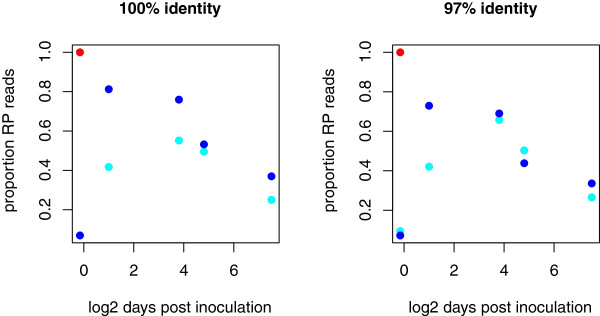
BACKGROUND: Fecal bacteriotherapy ('stool transplant') can be effective in treating recurrent Clostridium difficile infection, but concerns of donor infection transmission and patient acceptance limit its use. Here we describe the use of a stool substitute preparation, made from purified intestinal bacterial cultures derived from a single healthy donor, to treat recurrent C. difficile infection that had failed repeated standard antibiotics. Thirty-three isolates were recovered from a healthy donor stool sample. Two patients who had failed at least three courses of metronidazole or vancomycin underwent colonoscopy and the mixture was infused throughout the right and mid colon. Pre-treatment and post-treatment stool samples were analyzed by 16 S rRNA gene sequencing using the Ion Torrent platform. RESULTS: Both patients were infected with the hyper virulent C. difficile strain, ribotype 078. Following stool substitute treatment, each patient reverted to their normal bowel pattern within 2 to 3 days and remained symptom-free at 6 months. The analysis demonstrated that rRNA sequences found in the stool substitute were rare in the pre-treatment stool samples but constituted over 25% of the sequences up to 6 months after treatment. CONCLUSION: This proof-of-principle study demonstrates that a stool substitute mixture comprising a multi-species community of bacteria is capable of curing antibiotic-resistant C. difficile colitis. This benefit correlates with major changes in stool microbial profile and these changes reflect isolates from the synthetic mixture. CLINICAL TRIAL REGISTRATION NUMBER: CinicalTrials.gov NCT01372943.
Overview
The claims and statistics of this paper haven’t been checked yet.
Free: it reads the open-access text and checks the first 5 claims that cite a source we can check. Create a free account to check every claim.
Integrity signals
Registry
Cites
Statistics
Figures
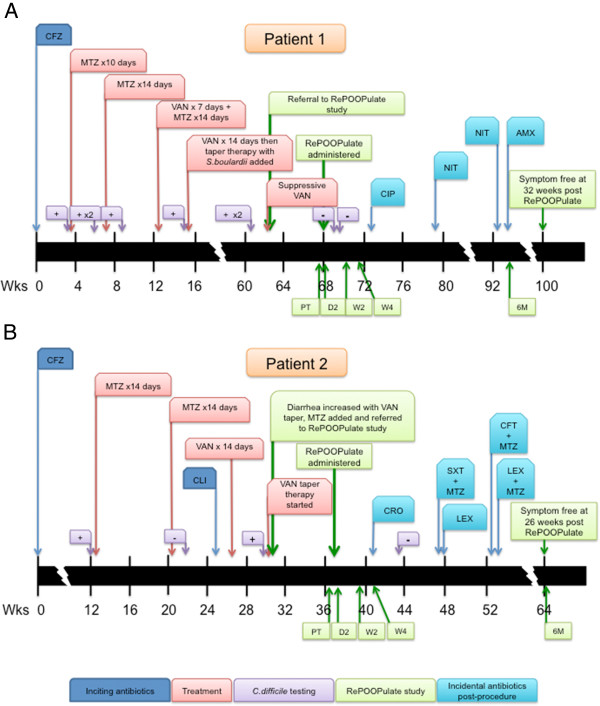
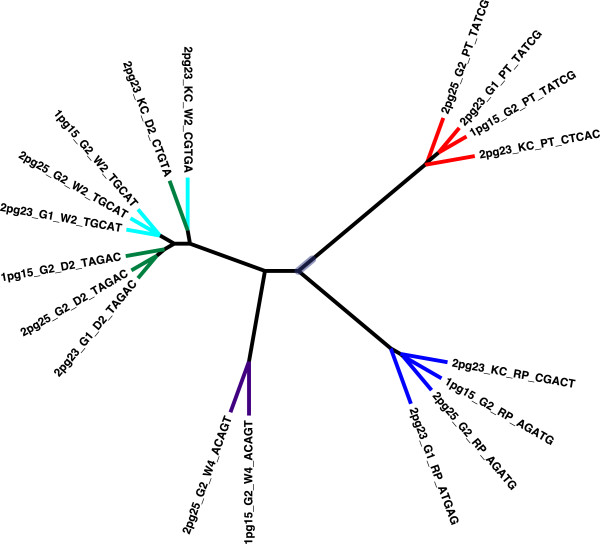
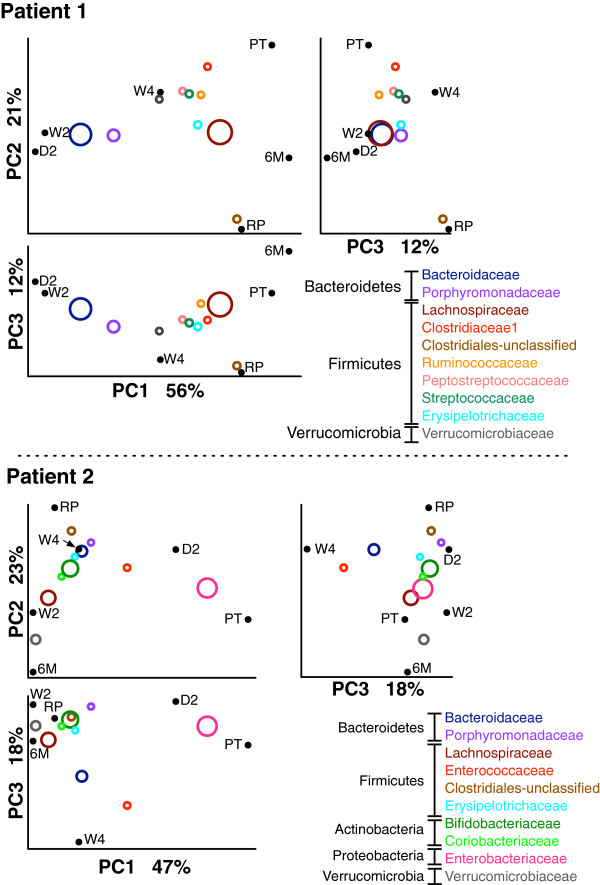
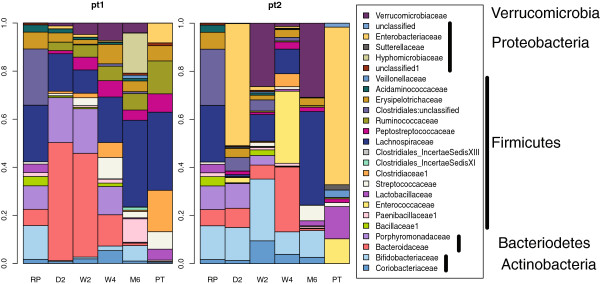
Verification
Claims the paper makes
The claims and statistics of this paper haven’t been checked yet.
Free: it reads the open-access text and checks the first 5 claims that cite a source we can check. Create a free account to check every claim.
Claims other papers make about this one
Each is checked against this paper’s own text: does it say what the citing paper says it does?
The source backs part of the claim, not all of it — or backs it for a different population, condition or comparison.
In the citing paper
“Microbial Ecosystem Therapeutic 4 (MET4) is an orally delivered defined mixture of pure live cultures of intestinal bacteria isolated from the stool of a healthy donor, purified and grown in conditions modeling those of the human distal gut.8”
From First-in-class Microbial Ecosystem Therapeutic 4 (MET4) in combination with immune checkpoint inhibitors in patients with advanced solid tumors (MET4-IO trial) (2023) · cites this paper as [8]
Experimental — accuracy not yet measuredThe check wasn’t confident either way, so it gives no verdict — never disputed.
In the citing paper
“In 2010, Russell et al. report the first pediatric patient treated with FMT via nasogastric tube.118”
From Update on Fecal Microbiota Transplantation 2015: Indications, Methodologies, Mechanisms, and Outlook (2015) · cites this paper as [118]
Experimental — accuracy not yet measuredIn the citing paper
“Microbial consortia (multi-species mixtures of cultivated microbes) represent an intermediate approach intended to balance the ecological and functional complexity of FMT and the practical advantages of cultivated microbes, and have been successfully used as alternatives to FMT for other indications such as Clostridioides difficile infection, 8,9”
In the citing paper
“In children with recurrent CDI and underlying IBD, the data the data is mixed, highlighting the difficulty in distinguishing a clinical response to an infection that may have the same symptoms as the underlying disease.118, 121, 124”
From Update on Fecal Microbiota Transplantation 2015: Indications, Methodologies, Mechanisms, and Outlook (2015) · cites this paper as [118]
In the citing paper
“The case involved a 2 year old child with recalcitrant CDI that had failed an exhaustive course, including probiotics, metronidazole, pulsed-dose vancomycin, rifaximin, and nitazoxanide, who experienced complete resolution of symptoms within 36 hours of FMT.”
From Update on Fecal Microbiota Transplantation 2015: Indications, Methodologies, Mechanisms, and Outlook (2015) · cites this paper as [118]
Self-check
Percentages, sums and reported differences re-computed from the paper’s own numbers.
The self-check needs the paper’s full text.
Citations
Cites
MUSCLE: multiple sequence alignment with high accuracy and high throughput
Edgar, R. C. (2004) · Nucleic Acids Research · doi:10.1093/nar/gkh340 · Cited by 44,662 · cited 1×
“Sequence alignments were built using Muscle [16] and a neighbor-joining tree was generated by ClustalW2 [17].”
MethodQIIME allows analysis of high-throughput community sequencing data
Caporaso, J. G., Kuczynski, J., Stombaugh, J., Bittinger, K., Bushman, F. D., Costello, E. K., Fierer, N., Peña, A. G., Goodrich, J. K., Gordon, J. I., et al. (2010) · Nature Methods · doi:10.1038/nmeth.f.303 · Cited by 34,887 · cited 1×
“0 [15] as follows.”
Clustal W and Clustal X version 2.0
Larkin, M. A., Blackshields, G., Brown, N. P., Chenna, R., McGettigan, P. A., McWilliam, H., Valentin, F., Wallace, I. M., Wilm, A., Lopez, R., et al. (2007) · Bioinformatics · doi:10.1093/bioinformatics/btm404 · Cited by 28,358
UCHIME improves sensitivity and speed of chimera detection
Edgar, R. C., Haas, B. J., Clemente, J. C., Quince, C., & Knight, R. (2011) · Bioinformatics · doi:10.1093/bioinformatics/btr381 · Cited by 15,114
Greengenes, a Chimera-Checked 16S rRNA Gene Database and Workbench Compatible with ARB
DeSantis, T. Z., Hugenholtz, P., Larsen, N., Rojas, M., Brodie, E. L., Keller, K., Huber, T., Dalevi, D., Hu, P., & Andersen, G. L. (2006) · Applied and Environmental Microbiology · doi:10.1128/aem.03006-05 · Cited by 10,891
UniFrac: a New Phylogenetic Method for Comparing Microbial Communities
Lozupone, C., & Knight, R. (2005) · Applied and Environmental Microbiology · doi:10.1128/aem.71.12.8228-8235.2005 · Cited by 8,227 · cited 1×
“Beta-diversity was calculated by the UniFrac algorithm [18].”
MethodEnterotypes of the human gut microbiome
MetaHIT Consortium (additional members), Arumugam, M., Raes, J., Pelletier, E., Le Paslier, D., Yamada, T., Mende, D. R., Fernandes, G. R., Tap, J., Bruls, T., et al. (2011) · Nature · doi:10.1038/nature09944 · Cited by 7,548 · cited 1×
“Similarly, the relevance of patient enterotype [24], which may turn out to be more important than age-matching, has not been fully explored.”
BackgroundCohen, S. H., Gerding, D. N., Johnson, S., Kelly, C. P., Loo, V. G., McDonald, L. C., Pepin, J., & Wilcox, M. H. (2010) · Infection Control & Hospital Epidemiology · doi:10.1086/651706 · Cited by 2,942
NAST: a multiple sequence alignment server for comparative analysis of 16S rRNA genes
DeSantis, T. Z., Hugenholtz, P., Keller, K., Brodie, E. L., Larsen, N., Piceno, Y. M., Phan, R., & Andersen, G. L. (2006) · Nucleic Acids Research · doi:10.1093/nar/gkl244 · Cited by 1,035
Decreased Diversity of the Fecal Microbiome in Recurrent Clostridium difficile–Associated Diarrhea
Chang, J. Y., Antonopoulos, D. A., Kalra, A., Tonelli, A., Khalife, W. T., Schmidt, T. M., & Young, V. B. (2008) · The Journal of Infectious Diseases · doi:10.1086/525047 · Cited by 1,010 · cited 2×
“An association has been made between recurrent disease and intestinal dysbiosis [4], and an inability of certain individuals to reestablish their normal intestinal bacteria is thought to play a leading role in recurrence.”
Background
Cited by
Items 301–400 of 746
Management of Clostridium difficile Infection.
Al-Jashaami, L., & DuPont, H. L. (2016) · PubMed Central · Cited by 49
Treatment of Recurrent and Severe Clostridium Difficile Infection
Keller, J. J., & Kuijper, E. J. (2015) · Annual Review of Medicine · doi:10.1146/annurev-med-070813-114317 · Cited by 35
Lofgren, E., Moehring, R. W., Anderson, D. J., Weber, D. J., & Fefferman, N. H. (2014) · Infection Control and Hospital Epidemiology · doi:10.1086/674394 · Cited by 44
Dysbiosis of human microbiome and infectious diseases
Gupta, A., Singh, V., & Mani, I. (2022) · Progress in molecular biology and translational science · doi:10.1016/bs.pmbts.2022.06.016 · Cited by 42
Microbiota-directed biotherapeutics: considerations for quality and functional assessment
Fekete, E. E. F., Figeys, D., & Zhang, X. (2023) · Gut Microbes · doi:10.1080/19490976.2023.2186671 · Cited by 39
“difficile induced colitis in two patients.(44) Further, Kao et al.”
BackgroundRecurrent Clostridium difficile infection and the microbiome
Almeida, R., Gerbaba, T. K., & Petrof, E. O. (2015) · Journal of Gastroenterology · doi:10.1007/s00535-015-1099-3 · Cited by 39
“bility and feasibility of this treatment modality [96].”
Self-citationHealthcare Workers’ Hand Microbiome May Mediate Carriage of Hospital Pathogens
Rosenthal, M., Aiello, A. E., Larson, E., Chenoweth, C., & Foxman, B. (2013) · Pathogens · doi:10.3390/pathogens3010001 · Cited by 40
Antibacterial soap use impacts skin microbial communities in rural Madagascar
Yu, J. J., Manus, M. B., Mueller, O., Windsor, S. C., Horvath, J. E., & Nunn, C. L. (2018) · PLoS ONE · doi:10.1371/journal.pone.0199899 · Cited by 40
Fecal microbial transplant for the treatment of pediatric inflammatory bowel disease
Wang, A. Y., Popov, J., & Pai, N. (2016) · World Journal of Gastroenterology · doi:10.3748/wjg.v22.i47.10304 · Cited by 38
Protease‐dependent excitation of nodose ganglion neurons by commensal gut bacteria
Pradhananga, S., Tashtush, A. A., Allen‐Vercoe, E., Petrof, E. O., & Lomax, A. E. (2020) · The Journal of Physiology · doi:10.1113/jp279075 · Cited by 35
“Bacterial cultures were formulated into a mixture at a predetermined ratio (Petrof et al. 2013), directly into filter sterilized F12 medium using microbiological loops to achieve 3.”
BackgroundMethodSelf-citationCruz, N., Abernathy, G. A., Dichosa, A. E. K., & Kumar, A. (2022) · Infection and Immunity · doi:10.1128/iai.00589-21 · Cited by 36
“The selection of microbes to include in consortia can be resource intensive and warrant metagenomics analyses, safety testing, and postengraftment evaluation to determine the efficacy of treatment (101).”
BackgroundProgress and opportunities in microbial community metabolomics
Bhosle, A., Wang, Y., Franzosa, E. A., & Huttenhower, C. (2022) · Current Opinion in Microbiology · doi:10.1016/j.mib.2022.102195 · Cited by 36
Metabolic engineering of human gut microbiome: Recent developments and future perspectives
Li, P., Roos, S., Luo, H., Ji, B., & Nielsen, J. (2023) · Metabolic Engineering · doi:10.1016/j.ymben.2023.06.006 · Cited by 37
Ruíz, L., Moles, L., Gueimonde, M., & Rodríguez, J. M. (2016) · Journal of Pediatric Gastroenterology and Nutrition · doi:10.1097/mpg.0000000000001196 · Cited by 44
“Moreover, such synthetic mixtures can be reproducibly manufactured (125) and their viability can be controlled and optimized.”
BackgroundAdvances in the Microbiome: Applications to Clostridium difficile Infection
Culligan, E. P., & Sleator, R. D. (2016) · Journal of Clinical Medicine · doi:10.3390/jcm5090083 · Cited by 40
Auchtung, J. M., Preisner, E. C., Collins, J., Lerma, A. I., & Britton, R. A. (2020) · mSphere · doi:10.1128/msphere.00387-20 · Cited by 37
“of 10 (36) or 33 (37) human fecal bacteria for treatment of rCDI.”
Translating Microbiome Research From and To the Clinic
Zhang, Z. J., Lehmann, C. J., Cole, C. G., & Pamer, E. G. (2022) · Annual Review of Microbiology · doi:10.1146/annurev-micro-041020-022206 · Cited by 33
Nigam, M., Panwar, A. S., & SINGH, R. K. (2022) · Frontiers in Medical Technology · doi:10.3389/fmedt.2022.961569 · Cited by 38
Spence, J. D., & Urquhart, B. L. (2022) · Current Neurology and Neuroscience Reports · doi:10.1007/s11910-022-01230-6 · Cited by 35
Kassam, Z., Lee, C., & Hunt, R. H. (2014) · Clinics in Laboratory Medicine · doi:10.1016/j.cll.2014.08.007 · Cited by 34
Interplay between engineered nanomaterials and microbiota
Zhang, Y., Mortimer, M., & Guo, L. (2020) · Environmental Science Nano · doi:10.1039/d0en00557f · Cited by 37
Putative Pathobionts in HLA-B27-Associated Spondyloarthropathy
Gill, T., & Rosenbaum, J. T. (2021) · Frontiers in Immunology · doi:10.3389/fimmu.2020.586494 · Cited by 34
Buckley, A. M., Moura, I. B., Arai, N., Spittal, W. D., Clark, E., Nishida, Y., Harris, H. C., Bentley, K., Davis, G. L., Wang, D., et al. (2021) · Frontiers in Cellular and Infection Microbiology · doi:10.3389/fcimb.2021.670935 · Cited by 35
“…the increased abundance of these bacterial species associated with CDI prevention in model T are less abundant in the faeces from CDI patients and have been attributed with protective effects in putative microbiome restoratives (Reeves et al., 2011; Petrof et al., 2013; Milani et al., 2016).”
BackgroundRooney, A. M., Raphenya, A. R., Melano, R. G., Seah, C., Yee, N., MacFadden, D. R., McArthur, A. G., Schneeberger, P. H. H., & Coburn, B. A. (2022) · mSystems · doi:10.1128/msystems.00022-22 · Cited by 33
Gut microbiota resilience and recovery after anticancer chemotherapy
Roggiani, S., Mengoli, M., Conti, G., Fabbrini, M., Brigidi, P., Barone, M., D'Amico, F., & Turroni, S. (2023) · Microbiome Research Reports · doi:10.20517/mrr.2022.23 · Cited by 31
Cammarota, G., Pecere, S., Ianiro, G., Masucci, L., & Currò, D. (2016) · Digestive Diseases · doi:10.1159/000443362 · Cited by 30
Brüssow, H. (2016) · Microbial Biotechnology · doi:10.1111/1751-7915.12391 · Cited by 33
“Positive clinical effects in CDI were recently also documented along this line with synthetic microbiomes consisting of 33 defined strains (Petrof et al., 2013) or an even larger, undefined set of gut commensals propagated in vitro (Jorup-R€onstr€om et al., 2012).”
BackgroundCrețoiu, D., Ionescu, R. F., Enache, R. M., Creţoiu, S. M., & Voinea, S. C. (2021) · Microorganisms · doi:10.3390/microorganisms9091913 · Cited by 34
“Studies have underlined the hypothesis that the intestinal microbiota is adjustable [66] and one can speculate that stool transplantation, already used in the treatment of Clostridium difficile infections, could be useful in the prevention of atherosclerosis.”
BackgroundA case for antibiotic perturbation of the microbiota leading to allergy development
Reynolds, L. A., & Finlay, B. B. (2013) · Expert Review of Clinical Immunology · doi:10.1586/1744666x.2013.851603 · Cited by 29
Chemostat culture systems support diverse bacteriophage communities from human feces
Santiago-Rodríguez, T. M., Ly, M., Daigneault, M. C., Brown, I. H., McDonald, J. A. K., Bonilla, N., Allen‐Vercoe, E., & Pride, D. T. (2015) · Microbiome · doi:10.1186/s40168-015-0124-3 · Cited by 36
Self-citationClostridium difficile infection in inflammatory bowel disease: challenges in diagnosis and treatment
Tang, Y. M., & Stone, C. D. (2017) · Clinical Journal of Gastroenterology · doi:10.1007/s12328-017-0719-2 · Cited by 33
“As an alternative to direct replacement of the microbiome using fresh donor feces, a ‘‘stool substitute’’ in the form of fecal bacterial spores contained within an orally ingestible capsule has been developed and reported to cure two patients with CDI [77].”
BackgroundMorton, E. R., Lynch, J., Froment, A., Lafosse, S., Heyer, É., Przeworski, M., Blekhman, R., & Ségurel, L. (2015) · bioRxiv (Cold Spring Harbor Laboratory) · doi:10.1101/016949 · Cited by 32
The Relationship Between the Microbiome and Antimicrobial Resistance
Nhu, N. T. Q., & Young, V. B. (2023) · Clinical Infectious Diseases · doi:10.1093/cid/ciad641 · Cited by 31
Pérez, M., Ntemiri, A., Tan, H., Harris, H. M. B., Roager, H. M., Ribière, C., & O’Toole, P. W. (2021) · Gut Microbes · doi:10.1080/19490976.2021.1919464 · Cited by 33
“Fecal transplants and artificial bacterial mixture transplants succeed in reestablishing a desirable microbiome configuration in recurrent CDI.12,15,16 However, fecal transfers are inefficient in irritable bowel syndrome,24 and have low success rates in other conditions such as inflammatory bowel disease.25 These find…”
BackgroundSelected commensals educate the intestinal vascular and immune system for immunocompetence
Romero, R., Zarzycka, A., Preußner, M., Fischer, F., Hain, T., Herrmann, J.-P., Roth, K. S., Keber, C. U., Suryamohan, K., Raifer, H., et al. (2022) · Microbiome · doi:10.1186/s40168-022-01353-5 · Cited by 32
“This may be of therapeutic use not only for treatment of asymptomatic carriers of enteropathogens [49] but also for providing an adequate immune response against various assaults [50] or for promoting immune-responsiveness in immunotherapy-refractory patients [51, 52].”
BackgroundBeyond traditional pharmacology: new tools and approaches
Gurevich, E. V., & Gurevich, V. V. (2015) · British Journal of Pharmacology · doi:10.1111/bph.13066 · Cited by 31
“The microbiota-based therapies using a culture-derived mixture of bacterial strains introduced via faecal transplants have been successfully employed to treat gastrointestinal infectious diseases (van Nood et al., 2013; Petrof et al., 2013).”
Dermatological Therapy by Topical Application of Non-Pathogenic Bacteria
Nakatsuji, T., & Gallo, R. L. (2013) · Journal of Investigative Dermatology · doi:10.1038/jid.2013.379 · Cited by 31
“For example, it has been demonstrated recently that transplantation of reconstruction of a healthy intestinal microbial ecosystem from purified bacterial cultures obtained from stool of healthy donors (RePOOPulate) is capable of curing colitis induced by antibiotic-resistant Clostridium difficile infection (Petrof et…”
BackgroundKoenigsknecht, M. J., & Young, V. B. (2013) · Current Opinion in Gastroenterology · doi:10.1097/mog.0b013e328365d326 · Cited by 36
Non-pathogenic microflora of a spring water with regenerative properties
Nicoletti, G. J., Corbella, M., JABER, O., Marone, P., Scevola, D., & Faga, A. (2015) · Biomedical Reports · doi:10.3892/br.2015.507 · Cited by 32
“…prebiotics, helminths or microbe-derived immunoregulatory substances has become a novel and valuable approach to disease prevention (20), and emerging clinical studies indicate that the supplementation and/or fecal microbial transplant (21) can improve bowel health and brain functions (22,23).”
Bugs as drugs: The role of microbiome in cancer focusing on immunotherapeutics
Araujo, D. V., Watson, G. A., Oliva, M., Heirali, A., Coburn, B., Spreafico, A., & Siu, L. L. (2021) · Cancer Treatment Reviews · doi:10.1016/j.ctrv.2020.102125 · Cited by 29
Microbiome Therapeutics: A Path Toward Sustainable Healthcare
Kumar, T., & Chauhan, N. S. (2020) · Elsevier eBooks · doi:10.1016/b978-0-12-819265-8.00010-3 · Cited by 30
Ramkumar, D. P., Marty, A. M., Ramkumar, J., Rosencranz, H., Vedantham, R., Goldman, M., Meyer, E., Steinmetz, J., Weckle, A. L., Bloedorn, K., et al. (2024) · One Health · doi:10.1016/j.onehlt.2024.100734 · Cited by 32
“…dangers, such as transmission of infectious pathogens and traits for conditions like obesity and depression, among others, recent research that has focused on the use of ‘synthetic ’ stool derived from cultures from the stool of healthy donors, seeks to overcome this obstacle [42,43].”
The role of faecal microbiota transplantation: looking beyond Clostridioides difficile infection
Goldenberg, S. D., & Merrick, B. (2021) · Therapeutic Advances in Infectious Disease · doi:10.1177/2049936120981526 · Cited by 36
The Roles of the Virome in Cancer
Broecker, F., & Moelling, K. (2021) · Microorganisms · doi:10.3390/microorganisms9122538 · Cited by 34
“FMT can also be applied in the form of gastric acid resistant pills [96], and selections of specific bacteria [97] as well as probiotic supplements [98] show some degree of efficacy against recurrent C.”
BackgroundQuaranta, G., Ianiro, G., Maio, F. D., Guarnaccia, A., Fancello, G., Agrillo, C., Iannarelli, F., Bibbò, S., Amedei, A., Sanguinetti, M., et al. (2022) · BioMed Research International · doi:10.1155/2022/5787373 · Cited by 30
How to Manipulate the Microbiota: Fecal Microbiota Transplantation
Fuentes, S., & de Vos, W. M. (2016) · Advances in experimental medicine and biology · doi:10.1007/978-3-319-31248-4_10 · Cited by 32
Intestinal microbiota as a tetrahydrobiopterin exogenous source in hph-1 mice
Belik, J., Shifrin, Y., Arning, E., Bottiglieri, T., Pan, J., Daigneault, M. C., & Allen-Vercoe, E. (2017) · Scientific Reports · doi:10.1038/srep39854 · Cited by 27
Self-citationZhang, Y., Fleur, A. S., & Feng, H. (2022) · Gut Microbes · doi:10.1080/19490976.2022.2052698 · Cited by 30
“Petrof and colleagues adopted a regimen possessing a broader spectrum of intestinal microbes (33 strains).(50) Unlike Tvede’s and Cammarota’s, the strains in Petrof’s study were prepared to mimic fecal microbiota.”
BackgroundHan, S. S., Shannahan, S. E., & Pellish, R. S. (2016) · Journal of Intensive Care Medicine · doi:10.1177/0885066615594344 · Cited by 34
“Alternatively, Petrof et al have prepared substitute stools, isolating 33 different colonies of bacteria from a healthy donor and successfully treated 2 patients with refractory CDI, which may further alleviate issues surrounding donor recruitment and need for expensive, multiple donor screenings.(95) With strict prot…”
BackgroundFaecal microbiota transplantation: from practice to legislation before considering industrialization
Lagier, J. (2014) · Clinical Microbiology and Infection · doi:10.1111/1469-0691.12795 · Cited by 35
“[37] used 33 isolates of bacterial species cultured from the human gut of one donor to demonstrate efficacy in two patients with infections caused by the virulent ribotype O78.”
MethodGosens, R., Hiemstra, P. S., Adcock, I. M., Bracke, K. R., Dickson, R. P., Hansbro, P. M., Krauss‐Etschmann, S., Smits, H. H., Stassen, F. R. M., & Bartel, S. (2020) · European Respiratory Journal · doi:10.1183/13993003.02320-2019 · Cited by 31
The Impact of Regulatory Policies on the Future of Fecal Microbiota Transplantation
Khoruts, A., Hoffmann, D. E., & Palumbo, F. B. (2019) · The Journal of Law Medicine & Ethics · doi:10.1177/1073110519897726 · Cited by 29
Defined gut microbial communities: promising tools to understand and combat disease
Bayer, G., Ganobis, C. M., Allen‐Vercoe, E., & Philpott, D. J. (2021) · Microbes and Infection · doi:10.1016/j.micinf.2021.104816 · Cited by 29
Self-citationSelf-tracking the microbiome: where do we go from here?
Gimbert, C., & Lapointe, F. (2015) · Microbiome · doi:10.1186/s40168-015-0138-x · Cited by 29
“Namely, the first microbiome cocktail for treating Clostridium difficile infections was developed based on a study involving n = 2 subjects [46].”
BackgroundRecent advances in pathogenesis, assessment, and treatment of atherosclerosis
Spence, J. D. (2016) · F1000Research · doi:10.12688/f1000research.8459.1 · Cited by 32
Clinical Review on the Utility of Fecal Microbiota Transplantation in Immunocompromised Patients
Abu‐Sbeih, H., Ali, F. S., & Wang, Y. (2019) · Current Gastroenterology Reports · doi:10.1007/s11894-019-0677-6 · Cited by 29
Consortium of Probiotics Attenuates Colonization of Clostridioides difficile
Li, X., Chu, Q., Huang, Y., Xiao, Y., Song, L., Zhu, S., Kang, Y., Lu, S., Xu, J., & Ren, Z. (2019) · Frontiers in Microbiology · doi:10.3389/fmicb.2019.02871 · Cited by 30
“Probiotics, defined as “live microorganisms that, when administered in adequate amounts, confer a health benefit on the host” (FAO and WHO, 2001), have been proposed to restore the modifications of gut microbiota caused by antibiotics or infections (Reid et al., 2011).”
BackgroundImpact of Technical Sources of Variation on the Hand Microbiome Dynamics of Healthcare Workers
Rosenthal, M., Aiello, A. E., Chenoweth, C., Goldberg, D. E., Larson, E., Gloor, G. B., & Foxman, B. (2014) · PLoS ONE · doi:10.1371/journal.pone.0088999 · Cited by 26
Self-citationA human gut ecosystem protects against C. difficile disease by targeting TcdA
Martz, S., Guzmán-Rodríguez, M., He, S.-M., Noordhof, C., Hurlbut, D. J., Gloor, G. B., Carlucci, C., Weese, J. S., Allen‐Vercoe, E., Sun, J., et al. (2016) · Journal of Gastroenterology · doi:10.1007/s00535-016-1232-y · Cited by 29
“Recently a defined microbial ecosystem (MET-1), derived from the feces of a healthy human volunteer, was successfully used to cure patients with rCDI [19].”
MethodSelf-citationKumar, V., & Fischer, M. (2019) · Expert Opinion on Biological Therapy · doi:10.1080/14712598.2020.1689952 · Cited by 28
“Development of specific stool microbial consortia and stool substitutes are under investigation [103].”
BackgroundBircher, L., Schwab, C., Geirnaert, A., Greppi, A., & Lacroix, C. (2020) · mSystems · doi:10.1128/msystems.00521-19 · Cited by 27
Monday, L., Tillotson, G., & Chopra, T. (2024) · Infection and Drug Resistance · doi:10.2147/idr.s419243 · Cited by 25
Fecal Microbiota Transplantation: Indications, Methods, and Challenges
Lee, J. Y., Kim, Y., Kim, J., & Kim, J. K. (2024) · The Journal of Microbiology · doi:10.1007/s12275-024-00184-3 · Cited by 27
MiMiC: a bioinformatic approach for generation of synthetic communities from metagenomes
Kumar, N., Hitch, T. C. A., Haller, D., Lagkouvardos, I., & Clavel, T. (2021) · Microbial Biotechnology · doi:10.1111/1751-7915.13845 · Cited by 25
“…Paredes et al ., 2018; Zhang et al ., 2019), soils (Kleyer et al ., 2017; Puentes-Tellez and Fal-cao Salles, 2018; Zhalnina et al ., 2018) and gastrointestinal tracts (Schaedler et al ., 1965; Becker et al ., 2011; Petrof et al ., 2013; Brugiroux et al ., 2016; Cala-tayud Arroyo et al ., 2018).”
BackgroundYan, R., Lu, Y., Wu, X., Yu, P., Lan, P., Wu, X., Jiang, Y., Li, Q., Pi, X., Liu, W., et al. (2021) · Frontiers in Cellular and Infection Microbiology · doi:10.3389/fcimb.2021.804253 · Cited by 29
“Using these methods, two patients with Clostridioides difficile infection were successfully treated with 33 commensal isolates (Petrof et al., 2013).”
MethodDiagnosis and Management of Clostridium difficile Infection
Korman, T. M. (2015) · Seminars in Respiratory and Critical Care Medicine · doi:10.1055/s-0034-1398741 · Cited by 35
Clostridium difficile Infection
Shin, J. H., Chaves‐Olarte, E., & Warren, C. A. (2016) · Microbiology Spectrum · doi:10.1128/microbiolspec.ei10-0007-2015 · Cited by 27
The art of targeting gut microbiota for tackling human obesity
Aguirre, M., & Venema, K. (2015) · Genes & Nutrition · doi:10.1007/s12263-015-0472-4 · Cited by 26
“The strains are grown in cultures (defined mixtures that aim to be representative to a native fecal microbiota) and are administered in a suspension to the recipient (Allen-Vercoe et al. 2012; Petrof et al. 2013a).”
BackgroundInfluentialTakáčová, M., Bomba, A., Tóthová, C., Micháľová, A., & Turňa, H. (2022) · Life · doi:10.3390/life12050723 · Cited by 29
“In 2013, the use of these stool-derived mixtures was described in a study in which the mixture of 33 strains was used with a successful effect in the treatment of CDI [172].”
BackgroundMethodBorody, T. J., Brandt, L. J., Paramsothy, S., & Agrawal, G. (2013) · Expert Review of Anti-infective Therapy · doi:10.1586/eri.13.26 · Cited by 24
Park, L., Mone, A., Price, J. C., Tzimas, D., Hirsh, J., Poles, M. A., Malter, L., & Chen, L. A. (2016) · Annals of Gastroenterology · doi:10.20524/aog.2016.0098 · Cited by 28
“Other studies in mice and humans have shown that treatment with a limited number of gut bacteria can also cure CDAD, suggesting that transplantation of certain microbial functions, rather than merely diversity, is important [20-22].”
BackgroundAmrane, S., Bachar, D., Lagier, J., & Raoult, D. (2018) · Journal of Clinical Microbiology · doi:10.1128/jcm.01663-17 · Cited by 25
“The mean PCR cycle threshold (CT) value for B toxin was 26.7 (information was available for 24/30 samples), which represents good clinical relevance for CDI diagnosis as described elsewhere (5).”
BackgroundInfluentialRetractedEngineering microbes for targeted strikes against human pathogens
Hwang, I. Y., Lee, H. L., Huang, J. G., Lim, Y. Y., Yew, W. S., Lee, Y. S., & Chang, M. W. (2018) · Cellular and Molecular Life Sciences · doi:10.1007/s00018-018-2827-7 · Cited by 25
Microbial therapeutic interventions
Grady, N., Petrof, E. O., & Claud, E. C. (2016) · Seminars in Fetal and Neonatal Medicine · doi:10.1016/j.siny.2016.04.005 · Cited by 28
“Two studies have employed this method of transfaunation in the treatment of CDI, developing communities of 10 or 33 bacterial strains [77,78].”
MethodSelf-citationMoving Fecal Microbiota Transplantation Into the Mainstream
Orenstein, R., Griesbach, C. L., & DiBaise, J. K. (2013) · Nutrition in Clinical Practice · doi:10.1177/0884533613497516 · Cited by 27
Carlucci, C., Jones, C. S., Oliphant, K., Yen, S., Daigneault, M. C., Carriero, C., Robinson, A. V., Petrof, E. O., Weese, J. S., & Allen‐Vercoe, E. (2019) · Scientific Reports · doi:10.1038/s41598-018-37547-x · Cited by 27
Self-citationNext Generation Fecal Microbiota Transplantation
Gweon, T., & Na, S. (2021) · Clinical Endoscopy · doi:10.5946/ce.2021.053 · Cited by 24
“isolated 33 commensal bacterial species that are sensitive to antimicrobials.(19) Each of the isolated microbes was cultured on anaerobic agar individually.”
BackgroundBarone, M., D’Amico, F., Fabbrini, M., Rampelli, S., Brigidi, P., & Turroni, S. (2021) · World Journal of Gastroenterology · doi:10.3748/wjg.v27.i41.7041 · Cited by 25
Jennings, S. A. V., & Clavel, T. (2023) · Annual Review of Animal Biosciences · doi:10.1146/annurev-animal-021022-025552 · Cited by 27
Media Discourse on the Social Acceptability of Fecal Transplants
Chuong, K. H., O’Doherty, K. C., & Secko, D. M. (2015) · Qualitative Health Research · doi:10.1177/1049732314568199 · Cited by 24
“One of the most challenging aspects of managing CDI is its recurrence after initial antibiotic treatment with vancomycin or metronidazole.”
BackgroundInfluentialFaecal transplantation for the treatment of Clostridium difficile infection: a review
McCune, V. L., Struthers, J. K., & Hawkey, P. M. (2013) · International Journal of Antimicrobial Agents · doi:10.1016/j.ijantimicag.2013.10.009 · Cited by 29
Microbiome in Human Health and Disease
Madupu, R., Szpakowski, S., & Nelson, K. E. (2013) · Science Progress · doi:10.3184/003685013x13683759820813 · Cited by 24
Brace, C., Gloor, G. B., Ropeleski, M. J., Allen‐Vercoe, E., & Petrof, E. O. (2014) · Journal of Crohn s and Colitis · doi:10.1016/j.crohns.2014.01.020 · Cited by 27
Self-citationKumar, R., Maynard, C. L., Eipers, P. G., Goldsmith, K. T., Ptacek, T., Grubbs, J. A., Dixon, P. B., Howard, D., Crossman, D. K., Crowley, M. R., et al. (2016) · BMC Microbiology · doi:10.1186/s12866-015-0622-2 · Cited by 27
Bunte, S., Grone, R., Keller, B., Keller, C., Gálvez, E. J. C., Strowig, T., Kamphues, J., & Hankel, J. (2020) · Microorganisms · doi:10.3390/microorganisms8050638 · Cited by 25
“Nowadays, faecal microbiota transplantation has been effective in treating recurrent Clostridium difficile infection with success in humans [26], but it has to be cautiously noted that bacteria may not be the only player in donor faeces that affects the recipient’s biology [27] and that faecal transplants might cause…”
BackgroundRoot-Bernstein, R. S. (2016) · BioEssays · doi:10.1002/bies.201600083 · Cited by 25
“Reconstituting a healthy microbiome by fecal transplant often restores the health of the holobiont as is does in cases of inflammatory bowel disease [114, 115].”
BackgroundThe Gut-Microbiota-Brain Axis in Autism Spectrum Disorder
Wong, G. C., Montgomery, J. M., & Taylor, M. W. (2021) · Exon Publications eBooks · doi:10.36255/exonpublications.autismspectrumdisorders.2021.gutmicrobiota · Cited by 34
Control points for design of taxonomic composition in synthetic human gut communities
Connors, B., Thompson, J. C., Sarah, E., Clark, R. L., Pfleger, B. F., & Venturelli, O. S. (2023) · Cell Systems · doi:10.1016/j.cels.2023.11.007 · Cited by 24
Pakyz, A. L., Moczygemba, L. R., VanderWielen, L. M., & Edmond, M. B. (2016) · American Journal of Infection Control · doi:10.1016/j.ajic.2016.01.018 · Cited by 24
Brandt, L. J. (2015) · Journal of Clinical Gastroenterology · doi:10.1097/mcg.0000000000000346 · Cited by 24
A Review of Experimental and Off-Label Therapies for Clostridium difficile Infection
Fehér, C., Soriano, À., & Mensa, J. (2016) · Infectious Diseases and Therapy · doi:10.1007/s40121-016-0140-z · Cited by 24
“Two patients with recurrent CDI who were treated with this product experienced clinical cure in 2–3 days and remained recurrence free for the 6 following months [224].”
BackgroundEngineering microbial communities using thermodynamic principles and electrical interfaces
Zerfaß, C., Chen, J., & Soyer, O. S. (2017) · Current Opinion in Biotechnology · doi:10.1016/j.copbio.2017.12.004 · Cited by 23
Therapeutic Opportunities in the Vaginal Microbiome
Reid, G. (2017) · Microbiology Spectrum · doi:10.1128/microbiolspec.bad-0001-2016 · Cited by 21
Use of Changestat for Growth Rate Studies of Gut Microbiota
Adamberg, K., Raba, G., & Adamberg, S. (2020) · Frontiers in Bioengineering and Biotechnology · doi:10.3389/fbioe.2020.00024 · Cited by 23
The Human Microbiota: Composition, Functions, and Therapeutic Potential
Conrad, R., & Vlassov, A. V. (2015) · Medical Science Review · doi:10.12659/msrev.895154 · Cited by 27
Bang, B. W., Park, J.-S., Kim, H. K., Shin, Y. W., Kwon, K. S., Kwon, H. Y., Baek, J. H., & Lee, J. S. (2017) · Korean Journal of Gastroenterology · doi:10.4166/kjg.2017.69.4.226 · Cited by 23
“Moreover, synthetic stool called RePOOPulate, made from purified intestinal bacterial culture, was introduced and used to treat two CDI patients successfully.(20) The exact bacterial composition is controlled, eliminating the risk of transmitting infectious diseases.”
BackgroundMethodZoumpourtikoudi, V., Πυργέλης, Ν., Chatzigrigoriou, M., Tasakis, R. N., & Touraki, M. (2018) · Microbial Pathogenesis · doi:10.1016/j.micpath.2018.10.022 · Cited by 22
Munoz, S., Guzmán-Rodríguez, M., Sun, J., Zhang, Y., Noordhof, C., He, S.-M., Allen‐Vercoe, E., Claud, E. C., & Petrof, E. O. (2016) · Gut Microbes · doi:10.1080/19490976.2016.1188248 · Cited by 21
“Treatment with MET-1 stimulated expansion of Lachnospiraceae in both patients that were treated for CDI, suggesting the MET-1 community created a positive environment for these beneficial bacteria.(8) More specifically, the organism Faecalibacterium prausnitzii, which we consider to be an integral member of MET-1, has…”
BackgroundMethodInfluentialSelf-citationWoloszynek, S., Pastor, S. J., Mell, J. C., Nandi, N., Sokhansanj, B. A., & ROSEN, G. L. (2016) · International review of cytology · doi:10.1016/bs.ircmb.2016.01.003 · Cited by 26
Wongkuna, S., Ambat, A., Ghimire, S., Mattiello, S. P., Maji, A., Kumar, R., Antony, L., Chankhamhaengdecha, S., Janvilisri, T., Nelson, E. A., et al. (2024) · Microbiology Spectrum · doi:10.1128/spectrum.01621-23 · Cited by 23
“defined bacterial consortium as a unit that could ameliorate disease[12, 43] [24].”
Background
Metadata
- Authors
- Petrof, E. O., Gloor, G. B., Vanner, S. J., Weese, S. J., Carter, D., Daigneault, M. C., Brown, E. M., Schroeter, K., & Allen-Vercoe, E.
- Affiliations
- Queen's University (CA)
- Western University (CA)
- University of Guelph (CA)
- Robarts Research Institute (CA)
- Corresponding author
- Petrof, Elaine O
- Venue
- Microbiome
- Published
- 2013-01-09
- Volume
- 1
- Issue
- 1
- Pages
- 3-3
- ISSN
- 2049-2618 (ISSN-L)
- PMC
- PMC3869191
- OpenAlex
- W2140714996
- Cited by
- 731
- References
- 27
- Citations by year
- 2026: 16 · 2025: 19 · 2024: 25 · 2023: 37 · 2022: 40 · 2021: 52 · 2020: 60 · 2019: 63 · 2018: 58 · 2017: 69 · 2016: 87 · 2015: 73 · 2014: 74 · 2013: 56
- FWCI
- 70.52
- Type
- journal article
- Language
- en
- Open access
- gold
- doi.org
- Licence
- cc-by
- creativecommons.org/licenses/by/2.0 (tdm)
- Locations
- Microbiome (publishedVersion, cc-by)
- Europe PMC (PubMed Central) (publishedVersion, cc-by)
- PubMed Central (publishedVersion, cc-by)
- PubMed (publishedVersion)
- Funders
- Physicians' Services Incorporated Foundation
- Canadian Institutes of Health Research
- Topics
- Health Sciences › Medicine › Infectious Diseases › Clostridium difficile and Clostridium perfringens research
- Life Sciences › Biochemistry, Genetics and Molecular Biology › Molecular Biology › Gut microbiota and health
- Health Sciences › Medicine › Gastroenterology › Gastrointestinal motility and disorders
- Keywords
- Clostridium difficile infection, fecal microbiota transplantation, recurrent Clostridium difficile infection, hypervirulent strains, ribotype 078, gut microbiota, metronidazole, vancomycin, 16S rRNA gene sequencing
About these checks
Registry, retraction, Cites and statistics results are computed, not judged, with one exception: a printed reference that no index lists is read once by a model before it counts as a citation error. Claims are extracted by a model and kept only when their quote appears verbatim in the text; each cited source is then checked, with a model’s help, for whether it says what the claim relies on. Those verdicts can be wrong — read the claim’s quote and the cited source before relying on one.
Statistics and arithmetic are recomputed, not judged.
Confidence bands are shown only for fields calibrated on our annotated test set. None is calibrated yet, so no band is shown.
What counts as a claim ›How we measure confidence ›How we check this ›
Are you an author, or do you see a problem with this page? Request a review
Data sources
Bibliographic data: Semantic Scholar, OpenAlex, Crossref.
Contains information from the Semantic Scholar Academic Graph Datasets, made available under the ODC Attribution License (ODC-BY 1.0).
Semantic Scholar’s data is described in: Kinney, R., et al. (2023). The Semantic Scholar Open Data Platform. arXiv:2301.10140.
