

Stool substitute transplant therapy for the eradication of Clostridium difficile infection: ‘RePOOPulating’ the gut
Open accessThe DOI matches its Crossref record; 27 of the 27 references it cites were found in a registry or an index.
Abstract
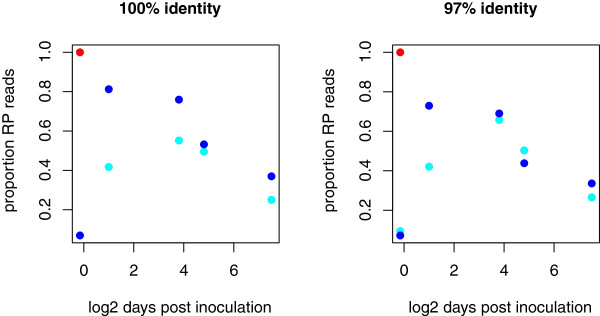
BACKGROUND: Fecal bacteriotherapy ('stool transplant') can be effective in treating recurrent Clostridium difficile infection, but concerns of donor infection transmission and patient acceptance limit its use. Here we describe the use of a stool substitute preparation, made from purified intestinal bacterial cultures derived from a single healthy donor, to treat recurrent C. difficile infection that had failed repeated standard antibiotics. Thirty-three isolates were recovered from a healthy donor stool sample. Two patients who had failed at least three courses of metronidazole or vancomycin underwent colonoscopy and the mixture was infused throughout the right and mid colon. Pre-treatment and post-treatment stool samples were analyzed by 16 S rRNA gene sequencing using the Ion Torrent platform. RESULTS: Both patients were infected with the hyper virulent C. difficile strain, ribotype 078. Following stool substitute treatment, each patient reverted to their normal bowel pattern within 2 to 3 days and remained symptom-free at 6 months. The analysis demonstrated that rRNA sequences found in the stool substitute were rare in the pre-treatment stool samples but constituted over 25% of the sequences up to 6 months after treatment. CONCLUSION: This proof-of-principle study demonstrates that a stool substitute mixture comprising a multi-species community of bacteria is capable of curing antibiotic-resistant C. difficile colitis. This benefit correlates with major changes in stool microbial profile and these changes reflect isolates from the synthetic mixture. CLINICAL TRIAL REGISTRATION NUMBER: CinicalTrials.gov NCT01372943.
Overview
The claims and statistics of this paper haven’t been checked yet.
Free: it reads the open-access text and checks the first 5 claims that cite a source we can check. Create a free account to check every claim.
Integrity signals
Registry
Cites
Statistics
Figures
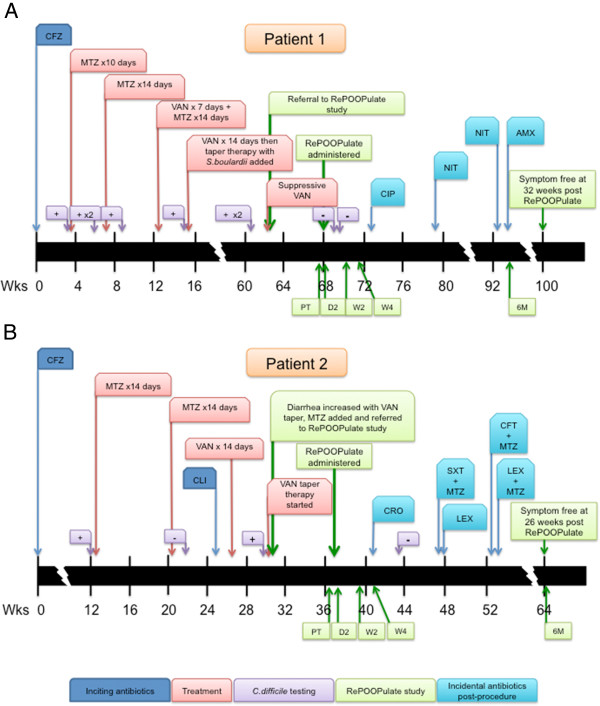
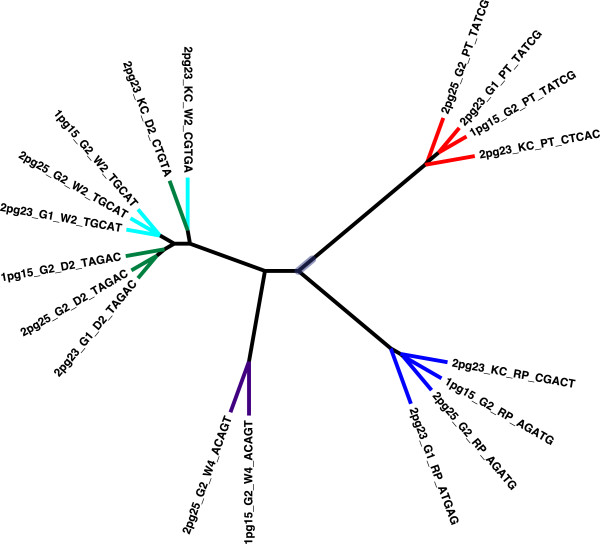
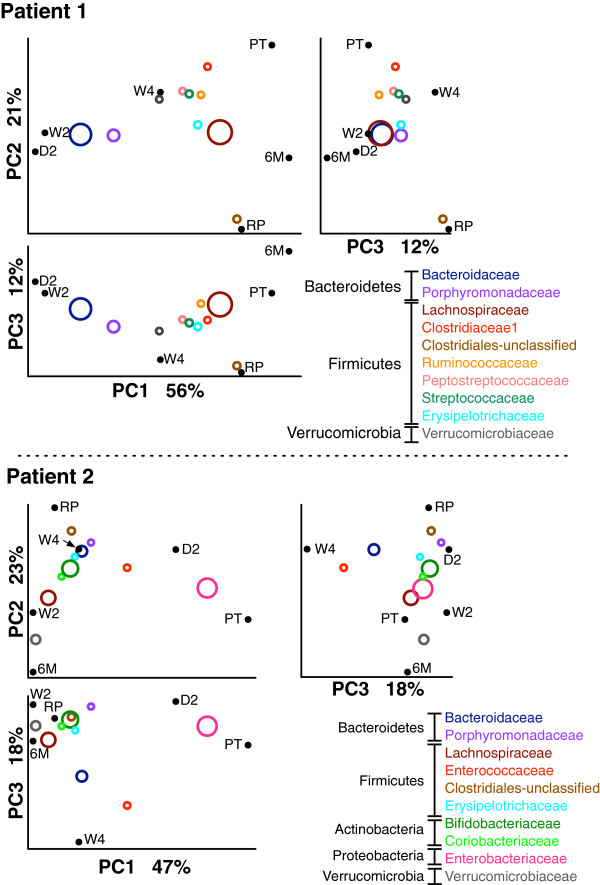
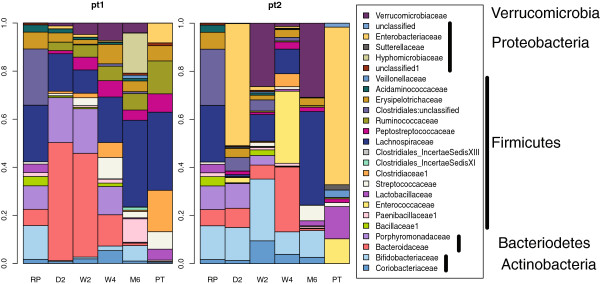
Verification
Claims the paper makes
The claims and statistics of this paper haven’t been checked yet.
Free: it reads the open-access text and checks the first 5 claims that cite a source we can check. Create a free account to check every claim.
Claims other papers make about this one
Each is checked against this paper’s own text: does it say what the citing paper says it does?
The source backs part of the claim, not all of it — or backs it for a different population, condition or comparison.
In the citing paper
“Microbial Ecosystem Therapeutic 4 (MET4) is an orally delivered defined mixture of pure live cultures of intestinal bacteria isolated from the stool of a healthy donor, purified and grown in conditions modeling those of the human distal gut.8”
From First-in-class Microbial Ecosystem Therapeutic 4 (MET4) in combination with immune checkpoint inhibitors in patients with advanced solid tumors (MET4-IO trial) (2023) · cites this paper as [8]
Experimental — accuracy not yet measuredThe check wasn’t confident either way, so it gives no verdict — never disputed.
In the citing paper
“In 2010, Russell et al. report the first pediatric patient treated with FMT via nasogastric tube.118”
From Update on Fecal Microbiota Transplantation 2015: Indications, Methodologies, Mechanisms, and Outlook (2015) · cites this paper as [118]
Experimental — accuracy not yet measuredIn the citing paper
“Microbial consortia (multi-species mixtures of cultivated microbes) represent an intermediate approach intended to balance the ecological and functional complexity of FMT and the practical advantages of cultivated microbes, and have been successfully used as alternatives to FMT for other indications such as Clostridioides difficile infection, 8,9”
In the citing paper
“In children with recurrent CDI and underlying IBD, the data the data is mixed, highlighting the difficulty in distinguishing a clinical response to an infection that may have the same symptoms as the underlying disease.118, 121, 124”
From Update on Fecal Microbiota Transplantation 2015: Indications, Methodologies, Mechanisms, and Outlook (2015) · cites this paper as [118]
In the citing paper
“The case involved a 2 year old child with recalcitrant CDI that had failed an exhaustive course, including probiotics, metronidazole, pulsed-dose vancomycin, rifaximin, and nitazoxanide, who experienced complete resolution of symptoms within 36 hours of FMT.”
From Update on Fecal Microbiota Transplantation 2015: Indications, Methodologies, Mechanisms, and Outlook (2015) · cites this paper as [118]
Self-check
Percentages, sums and reported differences re-computed from the paper’s own numbers.
The self-check needs the paper’s full text.
Citations
Cites
MUSCLE: multiple sequence alignment with high accuracy and high throughput
Edgar, R. C. (2004) · Nucleic Acids Research · doi:10.1093/nar/gkh340 · Cited by 44,662 · cited 1×
“Sequence alignments were built using Muscle [16] and a neighbor-joining tree was generated by ClustalW2 [17].”
MethodQIIME allows analysis of high-throughput community sequencing data
Caporaso, J. G., Kuczynski, J., Stombaugh, J., Bittinger, K., Bushman, F. D., Costello, E. K., Fierer, N., Peña, A. G., Goodrich, J. K., Gordon, J. I., et al. (2010) · Nature Methods · doi:10.1038/nmeth.f.303 · Cited by 34,887 · cited 1×
“0 [15] as follows.”
Clustal W and Clustal X version 2.0
Larkin, M. A., Blackshields, G., Brown, N. P., Chenna, R., McGettigan, P. A., McWilliam, H., Valentin, F., Wallace, I. M., Wilm, A., Lopez, R., et al. (2007) · Bioinformatics · doi:10.1093/bioinformatics/btm404 · Cited by 28,358
UCHIME improves sensitivity and speed of chimera detection
Edgar, R. C., Haas, B. J., Clemente, J. C., Quince, C., & Knight, R. (2011) · Bioinformatics · doi:10.1093/bioinformatics/btr381 · Cited by 15,114
Greengenes, a Chimera-Checked 16S rRNA Gene Database and Workbench Compatible with ARB
DeSantis, T. Z., Hugenholtz, P., Larsen, N., Rojas, M., Brodie, E. L., Keller, K., Huber, T., Dalevi, D., Hu, P., & Andersen, G. L. (2006) · Applied and Environmental Microbiology · doi:10.1128/aem.03006-05 · Cited by 10,891
UniFrac: a New Phylogenetic Method for Comparing Microbial Communities
Lozupone, C., & Knight, R. (2005) · Applied and Environmental Microbiology · doi:10.1128/aem.71.12.8228-8235.2005 · Cited by 8,227 · cited 1×
“Beta-diversity was calculated by the UniFrac algorithm [18].”
MethodEnterotypes of the human gut microbiome
MetaHIT Consortium (additional members), Arumugam, M., Raes, J., Pelletier, E., Le Paslier, D., Yamada, T., Mende, D. R., Fernandes, G. R., Tap, J., Bruls, T., et al. (2011) · Nature · doi:10.1038/nature09944 · Cited by 7,548 · cited 1×
“Similarly, the relevance of patient enterotype [24], which may turn out to be more important than age-matching, has not been fully explored.”
BackgroundCohen, S. H., Gerding, D. N., Johnson, S., Kelly, C. P., Loo, V. G., McDonald, L. C., Pepin, J., & Wilcox, M. H. (2010) · Infection Control & Hospital Epidemiology · doi:10.1086/651706 · Cited by 2,942
NAST: a multiple sequence alignment server for comparative analysis of 16S rRNA genes
DeSantis, T. Z., Hugenholtz, P., Keller, K., Brodie, E. L., Larsen, N., Piceno, Y. M., Phan, R., & Andersen, G. L. (2006) · Nucleic Acids Research · doi:10.1093/nar/gkl244 · Cited by 1,035
Decreased Diversity of the Fecal Microbiome in Recurrent Clostridium difficile–Associated Diarrhea
Chang, J. Y., Antonopoulos, D. A., Kalra, A., Tonelli, A., Khalife, W. T., Schmidt, T. M., & Young, V. B. (2008) · The Journal of Infectious Diseases · doi:10.1086/525047 · Cited by 1,010 · cited 2×
“An association has been made between recurrent disease and intestinal dysbiosis [4], and an inability of certain individuals to reestablish their normal intestinal bacteria is thought to play a leading role in recurrence.”
Background
Cited by
Items 101–200 of 746
Microbiota, NASH, HCC and the potential role of probiotics
Brandi, G., De Lorenzo, S., Candela, M., Pantaleo, M. A., Bellentani, S., Tovoli, F., Saccoccio, G., & Biasco, G. (2017) · Carcinogenesis · doi:10.1093/carcin/bgx007 · Cited by 142
Policy: how to regulate faecal transplants
Smith, M. B., Kelly, C., & Alm, E. J. (2014) · Nature · doi:10.1038/506290a · Cited by 140
Tong, L., Hao, H., Zhang, X., Zhang, Z., Lv, Y., Zhang, L., & Yi, H. (2020) · Molecular Nutrition & Food Research · doi:10.1002/mnfr.201901251 · Cited by 162
Wang, Z.-K. (2014) · World Journal of Gastroenterology · doi:10.3748/wjg.v20.i40.14805 · Cited by 133
The path towards microbiome-based metabolite treatment
Suez, J., & Elinav, E. (2017) · Nature Microbiology · doi:10.1038/nmicrobiol.2017.75 · Cited by 140
Synthetic microbial communities (SynComs) of the human gut: design, assembly, and applications
van Leeuwen, P. T., Brul, S., Zhang, J., & Wortel, M. T. (2023) · FEMS Microbiology Reviews · doi:10.1093/femsre/fuad012 · Cited by 125
Clavel, T., Gomes‐Neto, J. C., Lagkouvardos, I., & Ramer‐Tait, A. E. (2017) · Immunological Reviews · doi:10.1111/imr.12578 · Cited by 123
Ma, H., Zhang, B., Hu, Y., Wang, J., Liu, J., Qin, R., Lv, S., & Wang, S. (2019) · Journal of Agricultural and Food Chemistry · doi:10.1021/acs.jafc.9b02211 · Cited by 134
Fecal Microbiota Transplantation: Screening and Selection to Choose the Optimal Donor
Bibbò, S., Settanni, C. R., Porcari, S., Bocchino, E., Ianiro, G., Cammarota, G., & Gasbarrini, A. (2020) · Journal of Clinical Medicine · doi:10.3390/jcm9061757 · Cited by 142
Cusumano, G., Flores, G. A., Venanzoni, R., & Angelini, P. (2025) · Antibiotics · doi:10.3390/antibiotics14040371 · Cited by 151
“For instance, Petrof et al. [87] demonstrated the efficacy of a defined microbial ecosystem (RePOOPulate) in resolving recurrent C. difficile infection, offering a safer alternative to fecal microbiota transplantation.”
A Wake-Up Call: We Need Phage Therapy Now
Moelling, K., Broecker, F., & Willy, C. (2018) · Viruses · doi:10.3390/v10120688 · Cited by 126
“In the future, FMT may be replaced by microbiota-targeting therapies using defined combinations of microorganisms instead of complex and poorly defined donor stool specimens [47].”
BackgroundMicrobial ecosystems therapeutics: a new paradigm in medicine?
Petrof, E. O., Claud, E. C., Gloor, G. B., & Allen-Vercoe, E. (2013) · Beneficial Microbes · doi:10.3920/bm2012.0039 · Cited by 123
Self-citationThe gut microbiota, environmental factors, and links to the development of food allergy
Lee, K. H., Song, Y., Wu, W., Yu, K., & Zhang, G. (2020) · Clinical and Molecular Allergy · doi:10.1186/s12948-020-00120-x · Cited by 142
The ecosystem services of animal microbiomes
McKenney, E. A., Koelle, K., Dunn, R. R., & Yoder, A. D. (2018) · Molecular Ecology · doi:10.1111/mec.14532 · Cited by 131
New insights into therapeutic strategies for gut microbiota modulation in inflammatory diseases
Vieira, A. T., Fukumori, C., & Ferreira, C. M. (2016) · Clinical & Translational Immunology · doi:10.1038/cti.2016.38 · Cited by 121
Microbiomes in respiratory health and disease: An Asia‐Pacific perspective
Chotirmall, S. H., Gellatly, S. L., Budden, K. F., Aogáin, M. M., Shukla, S. D., Wood, D., Hugenholtz, P., Pethe, K., & Hansbro, P. M. (2017) · Respirology · doi:10.1111/resp.12971 · Cited by 127
Comparative Analysis of Intestinal Tract Models
Williams, C. F., Walton, G., Jiang, L., Plummer, S. F., Garaiová, I., & Gibson, G. R. (2015) · Annual Review of Food Science and Technology · doi:10.1146/annurev-food-022814-015429 · Cited by 138
“Although none of these models can be used as a complete replacement of human trials, they do provide powerful tools for proof of concept studies, before in vivo validation (Petrof et al. 2013).”
BackgroundNg, S. C., Kamm, M. A., Yeoh, Y. K., Chan, P. K. S., Zuo, T., Tang, W., Sood, A., Andoh, A., Ohmiya, N., Zhou, Y., et al. (2020) · Gut · doi:10.1136/gutjnl-2019-319407 · Cited by 120
Natividad, J. M., Pinto-Sanchez, M. I., Galipeau, H. J., Jury, J., Jordana, M., Reinisch, W., Collins, S. M., Bercik, P., Surette, M. G., Allen-Vercoe, E., et al. (2015) · Inflammatory Bowel Diseases · doi:10.1097/mib.0000000000000422 · Cited by 118
“From a second healthy donor, 33 bacterial culture isolates were obtained (Healthycultured); this synthetic ecosystem was successfully used to treat recurrent Clostridium difficile infection.(15) Fecal samples from 2 patients with active UC (UC1stool, UC2stool) were also collected.”
MethodSelf-citationRelationship between gut microbiota and development of T cell associated disease
Kosiewicz, M. M., Dryden, G. W., Chhabra, A., & Alard, P. (2014) · FEBS Letters · doi:10.1016/j.febslet.2014.03.019 · Cited by 117
Precision Medicine Goes Microscopic: Engineering the Microbiome to Improve Drug Outcomes
Lam, K. N., Alexander, M., & Turnbaugh, P. J. (2019) · Cell Host & Microbe · doi:10.1016/j.chom.2019.06.011 · Cited by 126
“…a defined bacterial cocktail for use in treating C. difficile infection or other gastrointestinal infections or disorders (Munoz et al., 2016; Petrof et al., 2013) signifies progress toward increased standardization, enabling improvements in precision and control as well as the ability to…”
Infant Early Gut Colonization by Lachnospiraceae: High Frequency of Ruminococcus gnavus
Sagheddu, V., Patrone, V., Miragoli, F., Puglisi, E., & Morelli, L. (2016) · Frontiers in Pediatrics · doi:10.3389/fped.2016.00057 · Cited by 115
From next-generation sequencing to systematic modeling of the gut microbiome
Ji, B., & Nielsen, J. (2015) · Frontiers in Genetics · doi:10.3389/fgene.2015.00219 · Cited by 114
“For example, two patients with recurrent C. difficile infection that was unresponsive to conventional therapy, were cured by transplantation of a synthetic microbiota composing of 33 bacterial cultures isolated from the feces of a healthy donor (Petrof et al., 2013).”
Understanding the Intestinal Microbiome in Health and Disease
Costa, M., & Weese, J. S. (2018) · Veterinary Clinics of North America Equine Practice · doi:10.1016/j.cveq.2017.11.005 · Cited by 133
Torres, P. J., Ho, B., Arroyo, P., Sau, L., Chen, A., Kelley, S. T., & Thackray, V. G. (2019) · Endocrinology · doi:10.1210/en.2019-00050 · Cited by 121
The Gut Microbiome as Therapeutic Target in Central Nervous System Diseases: Implications for Stroke
Winek, K., Dirnagl, U., & Meisel, A. (2016) · Neurotherapeutics · doi:10.1007/s13311-016-0475-x · Cited by 108
Staley, C., Kaiser, T., Vaughn, B. P., Graiziger, C. T., Hamilton, M. J., Rehman, T. U., Song, K., Khoruts, A., & Sadowsky, M. J. (2018) · Microbiome · doi:10.1186/s40168-018-0549-6 · Cited by 106
Jalanka, J., Mattila, E., Jouhten, H., Hartman, J., de Vos, W. M., Arkkila, P., & Satokari, R. (2016) · BMC Medicine · doi:10.1186/s12916-016-0698-z · Cited by 104
“More recently, bacterial mixtures comprising over 30 strains were shown to resolve rCDI in two patients [23].”
Shankar, V., Hamilton, M. J., Khoruts, A., Kilburn, A., Unno, T., Paliy, O., & Sadowsky, M. J. (2014) · Microbiome · doi:10.1186/2049-2618-2-13 · Cited by 106
“While several previous reports have evaluated microbiota alterations following FMT therapy in human patients [7-9,23,24], the genus and species level changes were explored only in few studies [25].”
The Use of Defined Microbial Communities To Model Host-Microbe Interactions in the Human Gut
Elzinga, J., John van der, O. O. S. T., de Vos, W. M., & Smidt, H. (2019) · Microbiology and Molecular Biology Reviews · doi:10.1128/mmbr.00054-18 · Cited by 111
Optimization and standardization of the culturomics technique for human microbiome exploration
Diakite, A., Dubourg, G., Dione, N., Afouda, P., Bellali, S., Ngom, I. I., Valles, C., Tall, M. L., Lagier, J., & Raoult, D. (2020) · Scientific Reports · doi:10.1038/s41598-020-66738-8 · Cited by 120
Bespoke microbiome therapy to manage plant diseases
Gopal, M., Gupta, A., & THOMAS, G. V. (2013) · Frontiers in Microbiology · doi:10.3389/fmicb.2013.00355 · Cited by 124
“Two recent studies (Petrof et al., 2013a; Ridaura et al., 2013) have found a way to overcome “stool transplant therapy” by using “stool substitute” in which a culturable consortium representing core microbiome is transferred and found to transmit the phenotype expression aimed for.”
BackgroundInfluentialMicrobial community design: methods, applications, and opportunities
Eng, A., & Borenstein, E. (2019) · Current Opinion in Biotechnology · doi:10.1016/j.copbio.2019.03.002 · Cited by 113
Horrocks, V., King, O. G., Yip, A. Y. G., Marques, I. M., & McDonald, J. A. K. (2023) · Microbiology · doi:10.1099/mic.0.001377 · Cited by 104
“difficile in two patients previously treated with multiple rounds of antibiotics, although there were differences in which commensal strains persisted in the faeces of the two patients following treatment [112].”
BackgroundRole of the gastrointestinal microbiota in small animal health and disease
Redfern, A., Suchodolski, J. S., & Jergens, A. E. (2017) · Veterinary Record · doi:10.1136/vr.103826 · Cited by 114
Roslund, M. I., Puhakka, R., Nurminen, N., Oikarinen, S., Siter, N., Grönroos, M., Cinek, O., Kramná, L., Jumpponen, A., Laitinen, O. H., et al. (2021) · Environment International · doi:10.1016/j.envint.2021.106811 · Cited by 93
Expansion of Microbial Forensics
Schmedes, S. E., Sajantila, A., & Budowle, B. (2016) · Journal of Clinical Microbiology · doi:10.1128/jcm.00046-16 · Cited by 109
He, R., Li, P., Wang, J., Cui, B., Zhang, F., & Zhao, F. (2022) · Gut Microbes · doi:10.1080/19490976.2022.2100197 · Cited by 98
Recurrent Clostridium difficile infection: From colonization to cure
Shields, K., Araujo-Castillo, R. V., Theethira, T. G., Alonso, C. D., & Kelly, C. P. (2015) · Anaerobe · doi:10.1016/j.anaerobe.2015.04.012 · Cited by 93
Emergent Biosynthetic Capacity in Simple Microbial Communities
Chiu, H.-C., Levy, R., & Borenstein, E. (2014) · PLoS Computational Biology · doi:10.1371/journal.pcbi.1003695 · Cited by 107
“Such transplantation efforts currently utilize complete microbiome transfers from healthy donors or simple synthetic microbiomes constructed from a small collection of carefully handpicked strains [19,21,22].”
BackgroundSpreafico, A., Heirali, A. A., Araujo, D. V., Tan, T. J., Oliva, M., Schneeberger, P. H. H., Chen, B., Wong, M. K., Stayner, L.-A., Hansen, A. R., et al. (2023) · Annals of Oncology · doi:10.1016/j.annonc.2023.02.011 · Cited by 96
Self-citationEthical Issues in Fecal Microbiota Transplantation in Practice
Ma, Y., Liu, J., Rhodes, C., Nie, Y., & Zhang, F. (2017) · The American Journal of Bioethics · doi:10.1080/15265161.2017.1299240 · Cited by 91
“Derivatives have been developed, including attempts to use a group of strains derived from a portion of the whole fecal microbiota, which is claimed to be safe and reproducible, and to substitute the uncharacterized microbiota that differ between individuals and between samples (Petrof et al. 2013).”
BackgroundPinn, D. M., Aroniadis, O. C., & Brandt, L. J. (2015) · Neurogastroenterology & Motility · doi:10.1111/nmo.12479 · Cited by 91
Jenior, M. L., Leslie, J. L., Young, V. B., & Schloss, P. D. (2018) · mSphere · doi:10.1128/msphere.00261-18 · Cited by 95
The gut microbiome and microbial translocation in multiple sclerosis
Mirza, A., & Mao‐Draayer, Y. (2017) · Clinical Immunology · doi:10.1016/j.clim.2017.03.001 · Cited by 99
Microbiome mediation of infections in the cancer setting
Taur, Y., & Pamer, E. G. (2016) · Genome Medicine · doi:10.1186/s13073-016-0306-z · Cited by 89
The Gut Microbiota in Inflammatory Bowel Disease
Sheehan, D., & Shanahan, F. (2017) · Gastroenterology Clinics of North America · doi:10.1016/j.gtc.2016.09.011 · Cited by 103
Sui, H., Weil, A. A., Nuwagira, E., Qadri, F., Ryan, E. T., Mezzari, M. P., Phipatanakul, W., & Lai, P. S. (2020) · Frontiers in Microbiology · doi:10.3389/fmicb.2020.00953 · Cited by 94
Wu, J., Singleton, S. S., Bhuiyan, U., Krammer, L., & Mazumder, R. (2024) · Frontiers in Molecular Biosciences · doi:10.3389/fmolb.2023.1337373 · Cited by 97
Design of synthetic microbial consortia for gut microbiota modulation
Vázquez-Castellanos, J. F., Biclot, A., Vrancken, G., Huys, G. R. B., & Raes, J. (2019) · Current Opinion in Pharmacology · doi:10.1016/j.coph.2019.07.005 · Cited by 87
Biofilms harbour Clostridioides difficile, serving as a reservoir for recurrent infection
Normington, C., Moura, I. B., Bryant, J. A., Ewin, D. J., Clark, E., Kettle, M. J., Harris, H. C., Spittal, W. D., Davis, G. L., Henn, M. R., et al. (2021) · npj Biofilms and Microbiomes · doi:10.1038/s41522-021-00184-w · Cited by 85
Microbiota therapeutics for inflammatory bowel disease: the way forward
Bethlehem, L., Estevinho, M. M., Grinspan, A. M., Magro, F., Faith, J. J., & Colombel, J. (2024) · The Lancet. Gastroenterology & hepatology · doi:10.1016/s2468-1253(23)00441-7 · Cited by 91
Colonization Resistance of the Gut Microbiota against Clostridium difficile
Pérez-Cobas, A., Moya, A., Gosalbes, M., & Latorre, A. (2015) · Antibiotics · doi:10.3390/antibiotics4030337 · Cited by 83
“For instance, a recent research showed that 33 strains of a healthy donor were able to cure two patients with recurrent CDI, 11 strains being from the Lachnospiraceae family [115].”
BackgroundIntestinal parasitic infection alters bacterial gut microbiota in children
Toro-Londoño, M., Bedoya-Urrego, K., García-Montoya, G., Galván-Díaz, A. L., & Álzate, J. F. (2019) · PeerJ · doi:10.7717/peerj.6200 · Cited by 92
Manor, O., Levy, R., & Borenstein, E. (2014) · Cell Metabolism · doi:10.1016/j.cmet.2014.07.021 · Cited by 81
“Studying simple synthetic or naturally occurring communities, both in vitro (Kim et al., 2008; Kolenbrander, 2011; McDonald et al., 2013; Park et al., 2011; Petrof et al., 2013; Rakoff-Nahoum et al., 2014; Trosvik et al., 2010) and in vivo (e.”
de Vos, W. M. (2013) · Microbial Biotechnology · doi:10.1111/1751-7915.12047 · Cited by 80
“Similarly, the practice itself enjoys over a dozen of terms, the most recent one being 'repoopulate' (Petrof et al., 2013).”
BackgroundNeto, M. P. C., Aquino, J. D. S., da Silva, L. D. F. R., Silva, R. D. O., Guimarães, K. S. D. L., de Oliveira, Y., de Souza, E. L., Magnani, M., Vidal, H., & Alves, J. L. D. B. (2018) · Pharmacological Research · doi:10.1016/j.phrs.2018.01.020 · Cited by 90
Theriot, C. M., & Young, V. B. (2014) · Gut Microbes · doi:10.4161/gmic.27131 · Cited by 80
“used a synthetically prepared stool transplant comprised of 33 bacterial isolates from a healthy donor stool.(100) This cocktail, consisting of a community of bacteria, was able to treat two patients for up to 6 mo post-transplant at which point they were symptom free.”
MethodUnraveling the Functions of the Macroalgal Microbiome
Singh, R. P., & Reddy, C. R. K. (2016) · Frontiers in Microbiology · doi:10.3389/fmicb.2015.01488 · Cited by 90
“…of bacterial species representing the beneficial gut microbiome of a healthy person when transferred into the gut of infected mice results in reestablishment of normal microflora and leads to mitigation of the gastro-intestinal diseased condition (Petrof et al., 2013; Narushima et al., 2014).”
BackgroundThe role of the microbiome in gastrointestinal inflammation
Sanders, D. J., Inniss, S., Sebepos‐Rogers, G., Rahman, F. Z., & Smith, A. M. (2021) · Bioscience Reports · doi:10.1042/bsr20203850 · Cited by 91
Kao, D., Wong, K., Franz, R., Cochrane, K., Sherriff, K., Chui, L., Lloyd, C., Roach, B., Bai, A. D., Petrof, E. O., et al. (2021) · The Lancet Gastroenterology & Hepatology · doi:10.1016/s2468-1253(21)00007-8 · Cited by 81
Self-citationMicrobiologic factors affecting Clostridium difficile recurrence
Chilton, C. H., Pickering, D. S., & Freeman, J. (2017) · Clinical Microbiology and Infection · doi:10.1016/j.cmi.2017.11.017 · Cited by 85
The Human Gut Microbial Metabolome Modulates Fungal Growth via the TOR Signaling Pathway
García, C., Tebbji, F., Daigneault, M., Liu, N.-N., Köhler, J. R., Allen-Vercoe, E., & Sellam, A. (2017) · mSphere · doi:10.1128/msphere.00555-17 · Cited by 77
“To identify the microbial species that produce an antifungal molecule(s), individual isolates from a continuous-culture bioreactor supporting the defined community MET-1 derived from donor 1 were screened for their abilities to inhibit growth of C. albicans.”
BackgroundSelf-citationThe Sporobiota of the Human Gut
Egan, M., Dempsey, E. M., Ryan, C. A., Ross, R. P., & Stanton, C. (2021) · Gut Microbes · doi:10.1080/19490976.2020.1863134 · Cited by 90
Mullish, B. H., Quraishi, M. N., Segal, J. P., McCune, V. L., Baxter, M., Marsden, G. L., Moore, D., Colville, A., Bhala, N., Iqbal, T. H., et al. (2018) · Journal of Hospital Infection · doi:10.1016/j.jhin.2018.07.037 · Cited by 79
“Previous research has demonstrated that commensal bacteria cultured from the stool of healthy donors [22], sterile faecal filtrate [23], and/or spores of Firmicutes derived from ethanol-treated stool from healthy donors [24] may have similar efficacy to conventional FMT in treating CDI, although results of the latter…”
ResultHuman intestinal metagenomics: state of the art and future
Blottière, H. M., de Vos, W. M., Ehrlich, S. D., & Dore, J. M. (2013) · Current Opinion in Microbiology · doi:10.1016/j.mib.2013.06.006 · Cited by 93
“Instead of using stools from healthy donors, cultured strain mix has been proposed as an alternative [70].”
BackgroundAndermann, T. M., Rezvani, A. R., & Bhatt, A. S. (2016) · Current Hematologic Malignancy Reports · doi:10.1007/s11899-016-0302-9 · Cited by 82
Gut microbiota-mediated protection against diarrheal infections
Vogt, S. L., & Finlay, B. B. (2017) · Journal of Travel Medicine · doi:10.1093/jtm/taw086 · Cited by 89
The interplay between microbes and the immune response in inflammatory bowel disease
Goethel, A., Croitoru, K., & Philpott, D. J. (2018) · The Journal of Physiology · doi:10.1113/jp275396 · Cited by 83
“Some researchers are developing new ways to culture commensal bacteria in physiologically relevant conditions and in ways that attempt to address the community structure, including invention of the “robogut” and other novel culturing techniques (Petrof et al. 2013; Lau et al. 2016).”
BackgroundCarlucci, C., Petrof, E. O., & Allen-Vercoe, E. (2016) · EBioMedicine · doi:10.1016/j.ebiom.2016.09.029 · Cited by 77
Self-citationFocus on the gut-brain axis: Multiple sclerosis, the intestinal barrier and the microbiome
Camara-Lemarroy, C. R., Metz, L. M., & Yong, V. W. (2018) · World Journal of Gastroenterology · doi:10.3748/wjg.v24.i37.4217 · Cited by 82
Antimicrobial Use, Human Gut Microbiota and Clostridium difficile Colonization and Infection
Vincent, C., & Manges, A. R. (2015) · Antibiotics · doi:10.3390/antibiotics4030230 · Cited by 82
Probiotic Bacteria for Healthier Aging: Immunomodulation and Metabolism of Phytoestrogens
Landete, J. M., Gaya, P., Rodríguez, E., Langa, S., Peirotén, Á., Medina, M., & Arqués, J. L. (2017) · BioMed Research International · doi:10.1155/2017/5939818 · Cited by 76
Early-Life Immune System Maturation in Chickens Using a Synthetic Community of Cultured Gut Bacteria
Zenner, C., Hitch, T. C. A., Riedel, T., Wortmann, E., Tiede, S., Buhl, E. M., Abt, B., Neuhaus, K., Velge, P., Overmann, J., et al. (2021) · mSystems · doi:10.1128/msystems.01300-20 · Cited by 84
Yen, S., McDonald, J. A. K., Schroeter, K., Oliphant, K., Sokolenko, S., Blondeel, E. J. M., Allen‐Vercoe, E., & Aucoin, M. G. (2015) · Journal of Proteome Research · doi:10.1021/pr5011247 · Cited by 87
Self-citationHudson, L. E., Anderson, S. E., Corbett, A. H., & Lamb, T. J. (2016) · Clinical Microbiology Reviews · doi:10.1128/cmr.00049-16 · Cited by 88
“fecal bacterial strains to treat recurrent CDI (97).”
BackgroundRahat-Rozenbloom, S., Fernandes, J., Cheng, J., Gloor, G. B., & Wolever, T. M. S. (2017) · European Journal of Clinical Nutrition · doi:10.1038/ejcn.2016.248 · Cited by 71
Self-citationDysbiosis in Functional Bowel Disorders
Enck, P., & Mazurak, N. (2018) · Annals of Nutrition and Metabolism · doi:10.1159/000488773 · Cited by 68
Age-associated changes of the intestinal epithelial barrier: local and systemic implications
Nicoletti, C. (2015) · Expert Review of Gastroenterology & Hepatology · doi:10.1586/17474124.2015.1092872 · Cited by 71
“Importantly, the interest raised by FMT has recently led to significant improvements in the way fecal material or ‘stool substitute’ [16] could be effectively delivered in the near future by ‘bacterial pills’ in an easier, safer, and more acceptable way as recently suggested [17].”
BackgroundHerzog, M. K.-M., Cazzaniga, M., Peters, A., Shayya, N. W., Beldi, L., Hapfelmeier, S., Heimesaat, M. M., Bereswill, S., Frankel, G. M., Gahan, C. G. M., et al. (2023) · Gut Microbes · doi:10.1080/19490976.2023.2172667 · Cited by 81
Bella, S. D., Gouliouris, T., & Petrosillo, N. (2015) · Journal of Infection and Chemotherapy · doi:10.1016/j.jiac.2015.01.011 · Cited by 77
Impact of dietary fiber/starch ratio in shaping caecal microbiota in rabbits
Zhu, Y., Wang, C., & Li, F. (2015) · Canadian Journal of Microbiology · doi:10.1139/cjm-2015-0201 · Cited by 81
Ghimire, S., Roy, C., Wongkuna, S., Antony, L., Fenske, G. J., Maji, A., Keena, M. C., Foley, A., & Scaria, J. (2020) · mSystems · doi:10.1128/msystems.00620-19 · Cited by 80
Kumar, R., Yi, N., Zhi, D., Eipers, P., Goldsmith, K. T., Dixon, P., Crossman, D. K., Crowley, M. R., Lefkowitz, E. J., Rodriguez, J. M., et al. (2017) · npj Biofilms and Microbiomes · doi:10.1038/s41522-017-0020-7 · Cited by 72
Modulating Composition and Metabolic Activity of the Gut Microbiota in IBD Patients
Matijašić, M., Meštrović, T., Perić, M., Paljetak, H. Č., Panek, M., Bender, D. V., Kelečić, D. L., Krznarić, Ž., & Verbanac, D. (2016) · International Journal of Molecular Sciences · doi:10.3390/ijms17040578 · Cited by 77
Fecal microbiota transplantation: a practical update for the infectious disease specialist
Moore, T., Rodriguez, A., & Bakken, J. S. (2014) · Clinical Infectious Diseases · doi:10.1093/cid/cit950 · Cited by 69
“case series [9, 12] in patients with recurrent CDI resulting in superior cure rates compared to previously reported cure rates with standard therapy.”
BackgroundResultQian, Y., Lan, F., & Venturelli, O. S. (2021) · Current Opinion in Microbiology · doi:10.1016/j.mib.2021.05.003 · Cited by 71
Emanuelsson, F., Claesson, B. E. B., Ljungström, L., Tvede, M., & Ung, K.-A. (2014) · Scandinavian Journal of Infectious Diseases · doi:10.3109/00365548.2013.858181 · Cited by 68
Hartl, W. H., & Jauch, K. (2013) · Nutrition · doi:10.1016/j.nut.2013.07.019 · Cited by 79
Brown, E., Arrieta, M., & Finlay, B. B. (2013) · Seminars in Immunology · doi:10.1016/j.smim.2013.09.003 · Cited by 76
Self-citationAmrane, S., Hocquart, M., Afouda, P., Kuete, E., Pham, T.-P.-T., Dione, N., Ngom, I. I., Valles, C., Bachar, D., Raoult, D., et al. (2019) · Scientific Reports · doi:10.1038/s41598-019-49189-8 · Cited by 73
Towards a bacterial treatment for armpit malodour
Callewaert, C., Lambert, J., & Van de Wiele, T. (2017) · Experimental Dermatology · doi:10.1111/exd.13259 · Cited by 64
Biodiversity of protists and nematodes in the wild nonhuman primate gut
Mann, A. E., Mazel, F., Lemay, M. A., Morien, E., Billy, V., Kowalewski, M. M., Fiore, A. D., Link, A., Goldberg, T. L., Tecot, S. R., et al. (2019) · The ISME Journal · doi:10.1038/s41396-019-0551-4 · Cited by 70
De Wolfe, T. J., Eggers, S., Barker, A. K., Kates, A. E., Dill-McFarland, K. A., Suen, G., & Safdar, N. (2018) · PLOS ONE · doi:10.1371/journal.pone.0204253 · Cited by 65
Equine faecal microbiota transplant: Current knowledge, proposed guidelines and future directions
Mullen, K. R., Yasuda, K., Divers, T. J., & Weese, J. S. (2016) · Equine Veterinary Education · doi:10.1111/eve.12559 · Cited by 72
Nanosilver-Mediated Change in Human Intestinal Microbiota
McDonald, P. D. J. A. (2014) · Journal of Nanomedicine & Nanotechnology · doi:10.4172/2157-7439.1000235 · Cited by 67
Martínez-Gili, L., McDonald, J. A. K., Liu, Z., Kao, D. H., Allegretti, J. R., Monaghan, T. M., Barker, G. F., Blanco, J. M., Williams, H. R. T., Holmes, E. C., et al. (2020) · Gut Microbes · doi:10.1080/19490976.2020.1810531 · Cited by 73
Diagnosis and Management of Clostridium difficile Infection
DuPont, H. L. (2013) · Clinical Gastroenterology and Hepatology · doi:10.1016/j.cgh.2013.03.016 · Cited by 72
Clinical update for the diagnosis and treatment ofClostridium difficileinfection
Oldfield, E. C. (2014) · World Journal of Gastrointestinal Pharmacology and Therapeutics · doi:10.4292/wjgpt.v5.i1.1 · Cited by 69
Probiotics: a proactive approach to health. A symposium report
Thomas, L. V., Suzuki, K., & Zhao, J. (2015) · British Journal of Nutrition · doi:10.1017/s0007114515004043 · Cited by 59
Metadata
- Authors
- Petrof, E. O., Gloor, G. B., Vanner, S. J., Weese, S. J., Carter, D., Daigneault, M. C., Brown, E. M., Schroeter, K., & Allen-Vercoe, E.
- Affiliations
- Queen's University (CA)
- Western University (CA)
- University of Guelph (CA)
- Robarts Research Institute (CA)
- Corresponding author
- Petrof, Elaine O
- Venue
- Microbiome
- Published
- 2013-01-09
- Volume
- 1
- Issue
- 1
- Pages
- 3-3
- ISSN
- 2049-2618 (ISSN-L)
- PMC
- PMC3869191
- OpenAlex
- W2140714996
- Cited by
- 731
- References
- 27
- Citations by year
- 2026: 16 · 2025: 19 · 2024: 25 · 2023: 37 · 2022: 40 · 2021: 52 · 2020: 60 · 2019: 63 · 2018: 58 · 2017: 69 · 2016: 87 · 2015: 73 · 2014: 74 · 2013: 56
- FWCI
- 70.52
- Type
- journal article
- Language
- en
- Open access
- gold
- doi.org
- Licence
- cc-by
- creativecommons.org/licenses/by/2.0 (tdm)
- Locations
- Microbiome (publishedVersion, cc-by)
- Europe PMC (PubMed Central) (publishedVersion, cc-by)
- PubMed Central (publishedVersion, cc-by)
- PubMed (publishedVersion)
- Funders
- Physicians' Services Incorporated Foundation
- Canadian Institutes of Health Research
- Topics
- Health Sciences › Medicine › Infectious Diseases › Clostridium difficile and Clostridium perfringens research
- Life Sciences › Biochemistry, Genetics and Molecular Biology › Molecular Biology › Gut microbiota and health
- Health Sciences › Medicine › Gastroenterology › Gastrointestinal motility and disorders
- Keywords
- Clostridium difficile infection, fecal microbiota transplantation, recurrent Clostridium difficile infection, hypervirulent strains, ribotype 078, gut microbiota, metronidazole, vancomycin, 16S rRNA gene sequencing
About these checks
Registry, retraction, Cites and statistics results are computed, not judged, with one exception: a printed reference that no index lists is read once by a model before it counts as a citation error. Claims are extracted by a model and kept only when their quote appears verbatim in the text; each cited source is then checked, with a model’s help, for whether it says what the claim relies on. Those verdicts can be wrong — read the claim’s quote and the cited source before relying on one.
Statistics and arithmetic are recomputed, not judged.
Confidence bands are shown only for fields calibrated on our annotated test set. None is calibrated yet, so no band is shown.
What counts as a claim ›How we measure confidence ›How we check this ›
Are you an author, or do you see a problem with this page? Request a review
Data sources
Bibliographic data: Semantic Scholar, OpenAlex, Crossref.
Contains information from the Semantic Scholar Academic Graph Datasets, made available under the ODC Attribution License (ODC-BY 1.0).
Semantic Scholar’s data is described in: Kinney, R., et al. (2023). The Semantic Scholar Open Data Platform. arXiv:2301.10140.
