

Stool substitute transplant therapy for the eradication of Clostridium difficile infection: ‘RePOOPulating’ the gut
Open accessThe DOI matches its Crossref record; 27 of the 27 references it cites were found in a registry or an index.
Abstract
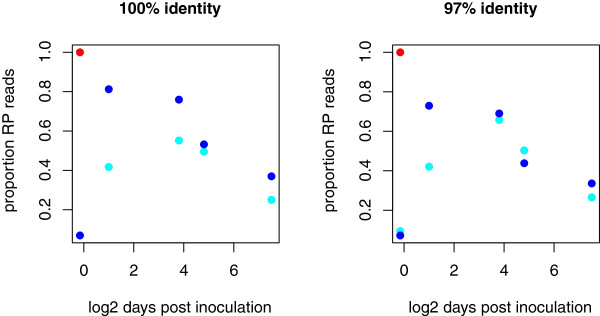
BACKGROUND: Fecal bacteriotherapy ('stool transplant') can be effective in treating recurrent Clostridium difficile infection, but concerns of donor infection transmission and patient acceptance limit its use. Here we describe the use of a stool substitute preparation, made from purified intestinal bacterial cultures derived from a single healthy donor, to treat recurrent C. difficile infection that had failed repeated standard antibiotics. Thirty-three isolates were recovered from a healthy donor stool sample. Two patients who had failed at least three courses of metronidazole or vancomycin underwent colonoscopy and the mixture was infused throughout the right and mid colon. Pre-treatment and post-treatment stool samples were analyzed by 16 S rRNA gene sequencing using the Ion Torrent platform. RESULTS: Both patients were infected with the hyper virulent C. difficile strain, ribotype 078. Following stool substitute treatment, each patient reverted to their normal bowel pattern within 2 to 3 days and remained symptom-free at 6 months. The analysis demonstrated that rRNA sequences found in the stool substitute were rare in the pre-treatment stool samples but constituted over 25% of the sequences up to 6 months after treatment. CONCLUSION: This proof-of-principle study demonstrates that a stool substitute mixture comprising a multi-species community of bacteria is capable of curing antibiotic-resistant C. difficile colitis. This benefit correlates with major changes in stool microbial profile and these changes reflect isolates from the synthetic mixture. CLINICAL TRIAL REGISTRATION NUMBER: CinicalTrials.gov NCT01372943.
Overview
The claims and statistics of this paper haven’t been checked yet.
Free: it reads the open-access text and checks the first 5 claims that cite a source we can check. Create a free account to check every claim.
Integrity signals
Registry
Cites
Statistics
Figures
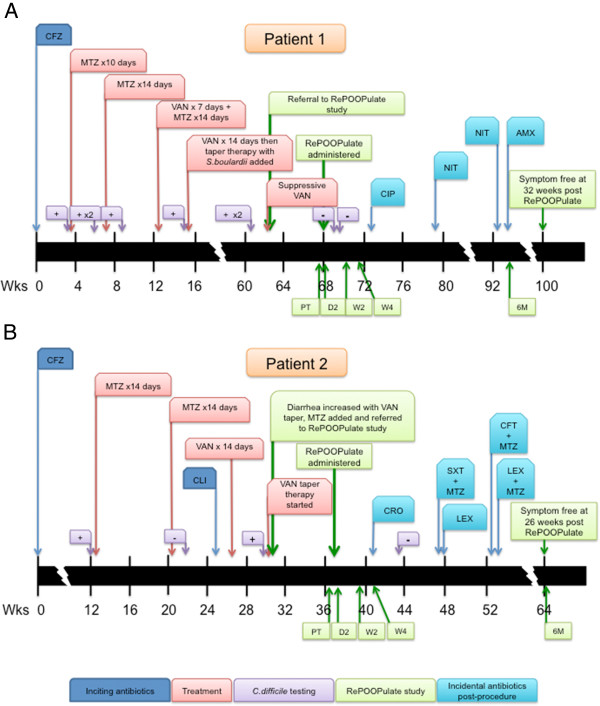
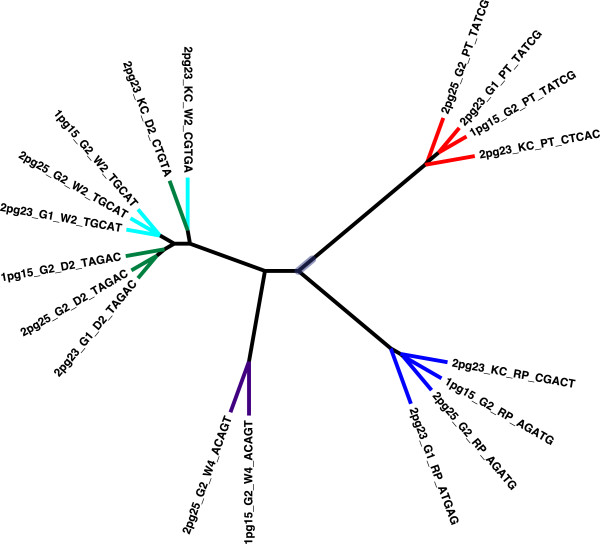
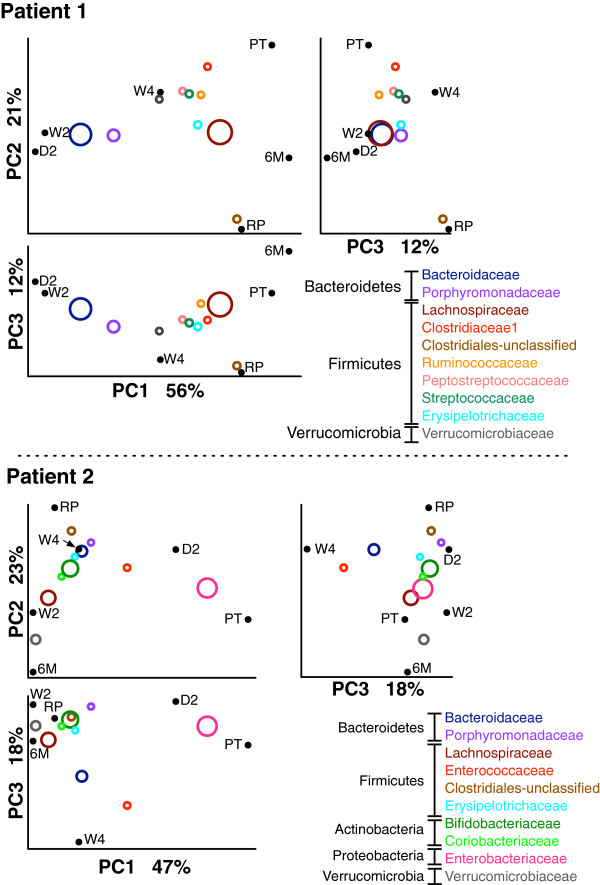
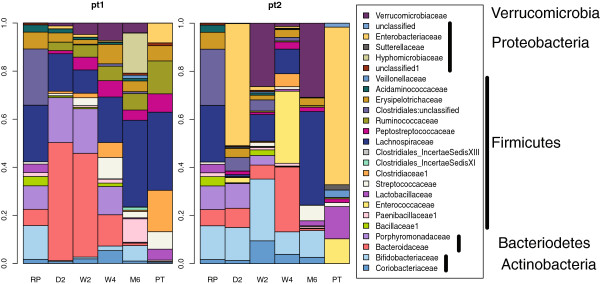
Verification
Claims the paper makes
The claims and statistics of this paper haven’t been checked yet.
Free: it reads the open-access text and checks the first 5 claims that cite a source we can check. Create a free account to check every claim.
Claims other papers make about this one
Each is checked against this paper’s own text: does it say what the citing paper says it does?
The source backs part of the claim, not all of it — or backs it for a different population, condition or comparison.
In the citing paper
“Microbial Ecosystem Therapeutic 4 (MET4) is an orally delivered defined mixture of pure live cultures of intestinal bacteria isolated from the stool of a healthy donor, purified and grown in conditions modeling those of the human distal gut.8”
From First-in-class Microbial Ecosystem Therapeutic 4 (MET4) in combination with immune checkpoint inhibitors in patients with advanced solid tumors (MET4-IO trial) (2023) · cites this paper as [8]
Experimental — accuracy not yet measuredThe check wasn’t confident either way, so it gives no verdict — never disputed.
In the citing paper
“In 2010, Russell et al. report the first pediatric patient treated with FMT via nasogastric tube.118”
From Update on Fecal Microbiota Transplantation 2015: Indications, Methodologies, Mechanisms, and Outlook (2015) · cites this paper as [118]
Experimental — accuracy not yet measuredIn the citing paper
“Microbial consortia (multi-species mixtures of cultivated microbes) represent an intermediate approach intended to balance the ecological and functional complexity of FMT and the practical advantages of cultivated microbes, and have been successfully used as alternatives to FMT for other indications such as Clostridioides difficile infection, 8,9”
In the citing paper
“In children with recurrent CDI and underlying IBD, the data the data is mixed, highlighting the difficulty in distinguishing a clinical response to an infection that may have the same symptoms as the underlying disease.118, 121, 124”
From Update on Fecal Microbiota Transplantation 2015: Indications, Methodologies, Mechanisms, and Outlook (2015) · cites this paper as [118]
In the citing paper
“The case involved a 2 year old child with recalcitrant CDI that had failed an exhaustive course, including probiotics, metronidazole, pulsed-dose vancomycin, rifaximin, and nitazoxanide, who experienced complete resolution of symptoms within 36 hours of FMT.”
From Update on Fecal Microbiota Transplantation 2015: Indications, Methodologies, Mechanisms, and Outlook (2015) · cites this paper as [118]
Self-check
Percentages, sums and reported differences re-computed from the paper’s own numbers.
The self-check needs the paper’s full text.
Citations
Cites
MUSCLE: multiple sequence alignment with high accuracy and high throughput
Edgar, R. C. (2004) · Nucleic Acids Research · doi:10.1093/nar/gkh340 · Cited by 44,662 · cited 1×
“Sequence alignments were built using Muscle [16] and a neighbor-joining tree was generated by ClustalW2 [17].”
MethodQIIME allows analysis of high-throughput community sequencing data
Caporaso, J. G., Kuczynski, J., Stombaugh, J., Bittinger, K., Bushman, F. D., Costello, E. K., Fierer, N., Peña, A. G., Goodrich, J. K., Gordon, J. I., et al. (2010) · Nature Methods · doi:10.1038/nmeth.f.303 · Cited by 34,887 · cited 1×
“0 [15] as follows.”
Clustal W and Clustal X version 2.0
Larkin, M. A., Blackshields, G., Brown, N. P., Chenna, R., McGettigan, P. A., McWilliam, H., Valentin, F., Wallace, I. M., Wilm, A., Lopez, R., et al. (2007) · Bioinformatics · doi:10.1093/bioinformatics/btm404 · Cited by 28,358
UCHIME improves sensitivity and speed of chimera detection
Edgar, R. C., Haas, B. J., Clemente, J. C., Quince, C., & Knight, R. (2011) · Bioinformatics · doi:10.1093/bioinformatics/btr381 · Cited by 15,114
Greengenes, a Chimera-Checked 16S rRNA Gene Database and Workbench Compatible with ARB
DeSantis, T. Z., Hugenholtz, P., Larsen, N., Rojas, M., Brodie, E. L., Keller, K., Huber, T., Dalevi, D., Hu, P., & Andersen, G. L. (2006) · Applied and Environmental Microbiology · doi:10.1128/aem.03006-05 · Cited by 10,891
UniFrac: a New Phylogenetic Method for Comparing Microbial Communities
Lozupone, C., & Knight, R. (2005) · Applied and Environmental Microbiology · doi:10.1128/aem.71.12.8228-8235.2005 · Cited by 8,227 · cited 1×
“Beta-diversity was calculated by the UniFrac algorithm [18].”
MethodEnterotypes of the human gut microbiome
MetaHIT Consortium (additional members), Arumugam, M., Raes, J., Pelletier, E., Le Paslier, D., Yamada, T., Mende, D. R., Fernandes, G. R., Tap, J., Bruls, T., et al. (2011) · Nature · doi:10.1038/nature09944 · Cited by 7,548 · cited 1×
“Similarly, the relevance of patient enterotype [24], which may turn out to be more important than age-matching, has not been fully explored.”
BackgroundCohen, S. H., Gerding, D. N., Johnson, S., Kelly, C. P., Loo, V. G., McDonald, L. C., Pepin, J., & Wilcox, M. H. (2010) · Infection Control & Hospital Epidemiology · doi:10.1086/651706 · Cited by 2,942
NAST: a multiple sequence alignment server for comparative analysis of 16S rRNA genes
DeSantis, T. Z., Hugenholtz, P., Keller, K., Brodie, E. L., Larsen, N., Piceno, Y. M., Phan, R., & Andersen, G. L. (2006) · Nucleic Acids Research · doi:10.1093/nar/gkl244 · Cited by 1,035
Decreased Diversity of the Fecal Microbiome in Recurrent Clostridium difficile–Associated Diarrhea
Chang, J. Y., Antonopoulos, D. A., Kalra, A., Tonelli, A., Khalife, W. T., Schmidt, T. M., & Young, V. B. (2008) · The Journal of Infectious Diseases · doi:10.1086/525047 · Cited by 1,010 · cited 2×
“An association has been made between recurrent disease and intestinal dysbiosis [4], and an inability of certain individuals to reestablish their normal intestinal bacteria is thought to play a leading role in recurrence.”
Background
Cited by
Items 201–300 of 746
Drewes, J. L., Corona, A., Sanchez, U., Fan, Y., Hourigan, S. K., Weidner, M., Sidhu, S. D., Simner, P. J., Wang, H., Timp, W., et al. (2019) · JCI Insight · doi:10.1172/jci.insight.130848 · Cited by 64
The contribution of bile acid metabolism to the pathogenesis of Clostridioides difficile infection
Mullish, B. H., & Allegretti, J. R. (2021) · Therapeutic Advances in Gastroenterology · doi:10.1177/17562848211017725 · Cited by 61
McDonald, J. A. K., Fuentes, S., Schroeter, K., Jong, I. H., Khursigara, C. M., de Vos, W. M., & Allen‐Vercoe, E. (2014) · Journal of Microbiological Methods · doi:10.1016/j.mimet.2014.11.007 · Cited by 67
Self-citationSieving through gut models of colonization resistance
Mullineaux-Sanders, C., Suez, J., Elinav, E., & Frankel, G. M. (2018) · Nature Microbiology · doi:10.1038/s41564-017-0095-1 · Cited by 66
Chemoprevention in Gastrointestinal Physiology and Disease. Natural products and microbiome
Greiner, A. K., Papineni, R. V. L., & Umar, S. (2014) · American Journal of Physiology-Gastrointestinal and Liver Physiology · doi:10.1152/ajpgi.00044.2014 · Cited by 62
“The limited literature on FMT suggests that the procedure is successful 90% of the time (58, 84, 99, 111).”
BackgroundInterplay of Human Gut Microbiome in Health and Wellness
Singhvi, N., Gupta, V., Gaur, M., Sharma, V., Puri, A., Singh, Y. P., Dubey, G. P., & Lal, R. (2019) · Indian Journal of Microbiology · doi:10.1007/s12088-019-00825-x · Cited by 66
Human microbiome science: vision for the future, Bethesda, MD, July 24 to 26, 2013
Ravel, J., Blaser, M. J., Braun, J., Brown, E., Bushman, F. D., Chang, E. B., Davies, J., Dewey, K. G., Dinan, T., Dominguez-Bello, M., et al. (2014) · Microbiome · doi:10.1186/2049-2618-2-16 · Cited by 49
“She described the successful treatment of two CDI patients using a defined synthetic stool comprising 33 bacterial isolates [51].”
BackgroundSelf-citationPignanelli, M., Bogiatzi, C., Gloor, G. B., Allen‐Vercoe, E., Reid, G., Urquhart, B. L., Ruetz, K. N., Velenosi, T. J., & Spence, J. D. (2018) · Journal of Renal Nutrition · doi:10.1053/j.jrn.2018.05.007 · Cited by 60
Self-citationProtease-Mediated Suppression of DRG Neuron Excitability by Commensal Bacteria
Sessenwein, J. L., Baker, C. C., Pradhananga, S., Maitland, M. E., Petrof, E. O., Allen-Vercoe, E., Noordhof, C., Reed, D. E., Vanner, S. J., & Lomax, A. E. (2017) · The Journal of Neuroscience · doi:10.1523/jneurosci.1672-17.2017 · Cited by 58
“Biomass, in the appropriate proportions (Table 1), was scraped directly into filtersterilized F12 medium using microbiological loops to achieve 3.5 10 9 CFU/ml (Petrof et al., 2013).”
BackgroundMethodSelf-citationNegative interactions determine Clostridioides difficile growth in synthetic human gut communities
Hromada, S. E., Qian, Y., Jacobson, T. B., Clark, R. L., Watson, L., Safdar, N., Amador‐Noguez, D., & Venturelli, O. S. (2021) · Molecular Systems Biology · doi:10.15252/msb.202110355 · Cited by 64
“Multiple synthetic communities that inhibit C. difficile either in vitro or in vivo using murine models have been identified (Tvede & Rask-Madsen, 1989; Lawley et al, 2012; Petrof et al, 2013; Buffie et al, 2014; Ghimire et al, 2020; Pereira et al, 2020).”
Anti-inflammatory effect of microbial consortia during the utilization of dietary polysaccharides
Thomson, P., Medina, D. A., Ortúzar, V., Gotteland, M., & Garrido, D. A. (2018) · Food Research International · doi:10.1016/j.foodres.2018.04.008 · Cited by 57
Taur, Y., & Pamer, E. G. (2014) · Nature Medicine · doi:10.1038/nm.3492 · Cited by 56
Development of Fecal Microbiota Transplantation Suitable for Mainstream Medicine
Khoruts, A., Sadowsky, M. J., & Hamilton, M. J. (2014) · Clinical Gastroenterology and Hepatology · doi:10.1016/j.cgh.2014.11.014 · Cited by 59
Satokari, R. M., Fuentes, S., Mattila, E. J., Jalanka, J., de Vos, W. M., & Arkkila, P. E. T. (2014) · Case Reports in Medicine · doi:10.1155/2014/913867 · Cited by 64
“The first two cases on the use of an “artificial stool” consisting of pure cultures of intestinal bacterial have shown promising results in the treatment of recurrent CDI [17].”
An algorithm for designing minimal microbial communities with desired metabolic capacities
Eng, A., & Borenstein, E. (2016) · Bioinformatics · doi:10.1093/bioinformatics/btw107 · Cited by 56
Treatment of recurrent Clostridium difficile colitis: a narrative review
Hopkins, R. J., & Wilson, R. B. (2017) · Gastroenterology report · doi:10.1093/gastro/gox041 · Cited by 63
“reported that one MET preparation, derived from the faeces of a healthy human volunteer, was successfully used to cure patients with recurrent CDI [72].”
Goldenberg, S. D., Batra, R., Beales, I., Digby-Bell, J. L., Irving, P. M., Kellingray, L., Narbad, A., & Franslem-Elumogo, N. (2018) · Infectious Diseases and Therapy · doi:10.1007/s40121-018-0189-y · Cited by 56
The chemistry of gut microbiome in health and diseases
Lau, A., Tan, L. T., Mutalib, N. A., Wong, S. H., Letchumanan, V., & Lee, L. (2021) · Progress In Microbes & Molecular Biology · doi:10.36877/pmmb.a0000175 · Cited by 59
“Thus, a regulated protocol on FMT should be detailed enough to maximize reproducible outcomes and minimize adverse events to patients([334]).”
BackgroundSynthetic gut microbiome: Advances and challenges
Mabwi, H. A., Kim, E., Song, D., Yoon, H. S., Pan, C., Komba, E. V. G., Ko, G., & Cha, K. H. (2020) · Computational and Structural Biotechnology Journal · doi:10.1016/j.csbj.2020.12.029 · Cited by 59
“Their research shows that a synthetic microbial environment is capable of curing antibiotic-resistant Clostridium difficile colitis [22].”
BackgroundReprogrammable microbial cell-based therapeutics against antibiotic-resistant bacteria
Hwang, I. Y., Koh, E., Kim, H. R., Yew, W. S., & Chang, M. W. (2016) · Drug Resistance Updates · doi:10.1016/j.drup.2016.06.002 · Cited by 57
“difficile in a murine infection model (Buffie et al., 2014; de os, 2013; Petrof et al., 2013).”
Probiotic and synbiotic therapy in the critically ill: State of the art
Davison, J. M., & Wischmeyer, P. E. (2018) · Nutrition · doi:10.1016/j.nut.2018.07.017 · Cited by 60
Fecal transplant policy and legislation
Vyas, D. (2015) · World Journal of Gastroenterology · doi:10.3748/wjg.v21.i1.6 · Cited by 51
Impact of the Microbiota on Bacterial Infections during Cancer Treatment
Galloway-Peña, J., Brumlow, C., & Shelburne, S. A. (2017) · Trends in Microbiology · doi:10.1016/j.tim.2017.06.006 · Cited by 59
Gut microbiome and multiple sclerosis: New insights and perspective
Amini, M. E., Shomali, N., Bakhshi, A., Rezaei, S., Hemmatzadeh, M., Hosseinzadeh, R., Eslami, S., Babaie, F., Aslani, S., Torkamandi, S., et al. (2020) · International Immunopharmacology · doi:10.1016/j.intimp.2020.107024 · Cited by 54
Rode, A. A., Chehri, M., Krogsgaard, L. R., Heno, K. K., Svendsen, A. T., Ribberholt, I., Helms, M., Engberg, J., Schønning, K., Tvede, M., et al. (2021) · Alimentary Pharmacology & Therapeutics · doi:10.1111/apt.16309 · Cited by 60
A proposed definition of microbiota transplantation for regulatory purposes
Hoffmann, D. E., Palumbo, F. B., Ravel, J., Rowthorn, V., & von Rosenvinge, E. (2017) · Gut Microbes · doi:10.1080/19490976.2017.1293223 · Cited by 51
“”(9) Similarly, researchers in Canada have developed a “microbial assemblage” derived from stool and grown in culture called RePOOPulate to treat recurrent CDI made from purified intestinal bacterial cultures derived from a single healthy donor and grown in a laboratory.(12)”
BackgroundRecurrentClostridium difficileinfections: The importance of the intestinal microbiota
Terrier, M.-C. Z., Simonet, M. L., Bichard, P., & Frossard, J. (2014) · World Journal of Gastroenterology · doi:10.3748/wjg.v20.i23.7416 · Cited by 64
Drivers of human gut microbial community assembly: coadaptation, determinism and stochasticity
Oliphant, K., Parreira, V. R., Cochrane, K., & Allen‐Vercoe, E. (2019) · The ISME Journal · doi:10.1038/s41396-019-0498-5 · Cited by 58
Self-citationAhmed, S., & Spence, J. D. (2021) · Biology of Sex Differences · doi:10.1186/s13293-021-00378-z · Cited by 54
“A now widely applied example of this approach is replacement of the intestinal microbiome by fecal microbial transplantation [9], and more recently, with capsules of ecosystems of cultured bacteria [14].”
BackgroundOliveira, R. A., & Pamer, E. G. (2023) · Cell Host & Microbe · doi:10.1016/j.chom.2023.03.002 · Cited by 52
Tvede, M., Tinggaard, M., & Helms, M. (2014) · Clinical Microbiology and Infection · doi:10.1016/j.cmi.2014.07.003 · Cited by 54
“0 One concern with FMT is the risk of tranfer of pathogens in spite of careful donor screening [17,30], and the risk of donor faeces containing multiresistant strains and transferable resistant factors.”
BackgroundNovel Microbiome-Based Therapeutics for Chronic Rhinosinusitis
Cope, E. K., & Lynch, S. V. (2015) · Current Allergy and Asthma Reports · doi:10.1007/s11882-014-0504-y · Cited by 56
The Challenge and Potential of Metagenomics in the Clinic
Mulcahy, H., & Workentine, M. L. (2016) · Frontiers in Immunology · doi:10.3389/fimmu.2016.00029 · Cited by 58
Kelly, B. J., & Tebas, P. (2017) · CHEST Journal · doi:10.1016/j.chest.2017.09.002 · Cited by 54
“An IND application is required if FMT is to be performed for any indication other than CDI, and such treatment should be performed only in the setting of a clinical trial.(39,40) In March 2016, the FDA announced an intention to revise its FMT oversight, with specific consideration given to IND application requirements…”
MethodSegal, J. P., Mullish, B. H., Quraishi, M. N., Iqbal, T. H., Marchesi, J. R., & Sokol, H. (2020) · Therapeutic Advances in Gastroenterology · doi:10.1177/1756284820946904 · Cited by 51
The Microbiome and Cancer: Creating Friendly Neighborhoods and Removing the Foes Within
Parida, S., & Sharma, D. (2021) · Cancer Research · doi:10.1158/0008-5472.can-20-2629 · Cited by 59
An update on fecal microbiota transplantation for the treatment of gastrointestinal diseases
Waller, K. M. J., Leong, R. W. L., & Paramsothy, S. (2021) · Journal of Gastroenterology and Hepatology · doi:10.1111/jgh.15731 · Cited by 56
Human microbiome restoration and safety
Daliri, E. B.-M., Tango, C. N., Lee, B. H., & Oh, D.-H. (2018) · International Journal of Medical Microbiology · doi:10.1016/j.ijmm.2018.05.002 · Cited by 48
Midbiotics: conjugative plasmids for genetic engineering of natural gut flora
Ruotsalainen, P., Penttinen, R. K., Mattila, S., & Jalasvuori, M. (2019) · Gut Microbes · doi:10.1080/19490976.2019.1591136 · Cited by 50
“This has led many teams to compile bacterial cocktails that would establish a more stable population within the gut.(3) Also, the nearcomplete replacement of gut flora has been used to revert dysbiosis.”
BackgroundShi, H. Y., Zhu, X., Li, W. L., Mak, J. W. Y., Wong, S. H., Zhu, S. T., Guo, S. L., Chan, F. K. L., Zhang, S. T., & Ng, S. C. (2021) · European Journal of Nutrition · doi:10.1007/s00394-021-02519-x · Cited by 54
“developed a stool substitute consisting of 33 different purified intestinal bacteria isolated from a healthy donor, and successfully treated patients with antibiotic-resistant Clostridium difficile colitis [95].”
BackgroundImpact of diet on the human intestinal microbiota
Tan, H., & O’Toole, P. W. (2015) · Current Opinion in Food Science · doi:10.1016/j.cofs.2015.01.005 · Cited by 55
Pathogen-associated gene discovery workflows for novel antivirulence therapeutic development
Lau, W. Y. V., Taylor, P. K., Brinkman, F. S. L., & Lee, A. H. (2023) · EBioMedicine · doi:10.1016/j.ebiom.2022.104429 · Cited by 49
Fermentation models of dietary fibre in vitro and in vivo - A review
Kang, J., Yin, S., Liu, J., Li, C., Wang, N., Sun, J., Li, W., He, J., Guo, Q. M., & Cui, S. W. (2022) · Food Hydrocolloids · doi:10.1016/j.foodhyd.2022.107685 · Cited by 51
Khoruts, A., & Weingarden, A. R. (2014) · Immunology Letters · doi:10.1016/j.imlet.2014.07.016 · Cited by 47
“Similarly, defined microbial communities capable of abrogating the cycle of CDI recurrence in patients were described by Tvede and colleagues in the late 1980s [48], as well as more recently [49].”
BackgroundFecal microbiota transplantation: current clinical efficacy and future prospects
Surawicz, C. M., Bowman, K. A., & Broussard, E. K. (2015) · Clinical and Experimental Gastroenterology · doi:10.2147/ceg.s61305 · Cited by 54
“There is some evidence to suggest that a larger volume of infused stool promotes more effective treatment for RCDI.”
InfluentialNovel Probiotics and Prebiotics: How Can They Help in Human Gut Microbiota Dysbiosis?
Gómez-Gallego, C., & Salminen, S. (2016) · UTUPub (University of Turku) · Cited by 48
BaiCD gene cluster abundance is negatively correlated with Clostridium difficile infection
Solbach, P., Chhatwal, P., Woltemate, S., Tacconelli, E., Buhl, M., Gerhard, M., Thoeringer, C. K., Vehreschild, M. J. G. T., Jazmati, N., Rupp, J., et al. (2018) · PLOS ONE · doi:10.1371/journal.pone.0196977 · Cited by 46
Pignanelli, M., Just, C., Bogiatzi, C., Dinculescu, V., Gloor, G. B., Allen‐Vercoe, E., Reid, G., Urquhart, B. L., Ruetz, K. N., Velenosi, T. J., et al. (2018) · Nutrients · doi:10.3390/nu10060779 · Cited by 53
Self-citationZipursky, J. S., Sidorsky, T., Freedman, C., Sidorsky, M. N., & Kirkland, K. B. (2014) · Canadian Journal of Gastroenterology and Hepatology · doi:10.1155/2014/403828 · Cited by 51
“Moreover, innovations in preparation of fecal material or even synthetic stool (25) may improve the aesthetics of the procedure and, thus, its acceptance.”
BackgroundTian, S., Kim, M. S., Zhao, J., Heber, K., Hao, F., Koslicki, D., Tian, S., Singh, V., Patterson, A. D., & Bisanz, J. E. (2025) · Cell Host & Microbe · doi:10.1016/j.chom.2025.02.007 · Cited by 50
Human Microbiome as an Immunoregulatory Axis: Mechanisms, Dysbiosis, and Therapeutic Modulation
Cortes, M., Olate, P., Rodríguez, R., Díaz, R., Martínez, A., Hernández, G., Sepúlveda, N., Paz, E. A., & Quiñones, J. (2025) · Microorganisms · doi:10.3390/microorganisms13092147 · Cited by 55
“…patients have consistently identified alterations in gut microbiome composition, including a reduction in SCFA-producing bacteria such as Faecalibacterium prausnitzii and an increase in pro-inflammatory taxa such as Akkermansia muciniphila, Methanobrevibacter smithii, and Desulfovibrio [103,121].”
Role of Gut Microbiota in Combating Oxidative Stress
Dam, B., Misra, A., & Banerjee, S. (2019) · Springer eBooks · doi:10.1007/978-981-13-8763-0_4 · Cited by 49
Zhuang, X., Tian, Z., Feng, R., Li, M., Li, T., Zhou, G., Qiu, Y., Chen, B., He, Y., Chen, M., et al. (2020) · Inflammatory Bowel Diseases · doi:10.1093/ibd/izaa253 · Cited by 52
Systems and synthetic biology-driven engineering of live bacterial therapeutics
Kim, K., Kang, M., & Cho, B. (2023) · Frontiers in Bioengineering and Biotechnology · doi:10.3389/fbioe.2023.1267378 · Cited by 56
Verbeke, K., Boesmans, L., & Boets, E. (2014) · Proceedings of The Nutrition Society · doi:10.1017/s0029665114000639 · Cited by 52
The intestinal microbiome in human disease and how it relates to arthritis and spondyloarthritis
Costello, M., Robinson, P. C., Benham, H., & Brown, M. A. (2015) · Best Practice & Research Clinical Rheumatology · doi:10.1016/j.berh.2015.08.001 · Cited by 51
Microbiota-Based Therapies for Clostridium difficile and Antibiotic-Resistant Enteric Infections
Lewis, B. B., & Pamer, E. G. (2017) · Annual Review of Microbiology · doi:10.1146/annurev-micro-090816-093549 · Cited by 51
Cairns, J., Jokela, R., Hultman, J., Tamminen, M. V., Virta, M., & Hiltunen, T. (2018) · Frontiers in Genetics · doi:10.3389/fgene.2018.00312 · Cited by 55
Wong, G. C., Montgomery, J. M., & Taylor, M. W. (2021) · Exon Publications eBooks · doi:10.36255/exonpublications.autismspectrumdisorders.2021 · Cited by 48
The intestinal microbiota: from health to disease, and back
Nathan, N., Philpott, D. J., & Girardin, S. E. (2021) · Microbes and Infection · doi:10.1016/j.micinf.2021.104849 · Cited by 53
Fecal microbiota transplantation in gastrointestinal disease: 2015 update and the road ahead
Borody, T. J., Fischer, M., Mitchell, S., & Campbell, J. (2015) · Expert Review of Gastroenterology & Hepatology · doi:10.1586/17474124.2015.1086267 · Cited by 47
“to successfully treat two patients with relapsing CDI [82].”
BackgroundMethodAdministration of defined microbiota is protective in a murine Salmonella infection model
Martz, S.-L. E., McDonald, J. A. K., Sun, J., Zhang, Y.-G., Gloor, G. B., Noordhof, C., He, S.-M., Gerbaba, T. K., Blennerhassett, M., Hurlbut, D. J., et al. (2015) · Scientific Reports · doi:10.1038/srep16094 · Cited by 43
Self-citationThe emerging metabolic view of Clostridium difficile pathogenesis
Hryckowian, A. J., Pruss, K. M., & Sonnenburg, J. L. (2016) · Current Opinion in Microbiology · doi:10.1016/j.mib.2016.11.006 · Cited by 47
Wang, C., Zhu, Y., Li, F., & Huang, L. (2017) · Journal of Animal Physiology and Animal Nutrition · doi:10.1111/jpn.12629 · Cited by 53
“In previous studies, supplementation of E. faecium increased bodyweight in broilers (Samli et al., 2007) but not in sows and piglets (Strompfova et al., 2006; Taras et al., 2006).”
ResultAdvanced In Vitro Testing Strategies and Models of the Intestine for Nanosafety Research
Kämpfer, A. A. M., Busch, M., & Schins, R. P. F. (2020) · Chemical Research in Toxicology · doi:10.1021/acs.chemrestox.0c00079 · Cited by 47
(2014) · PubMed Central · Cited by 45
Microbiome sequencing: challenges and opportunities for molecular medicine
Clavel, T., Lagkouvardos, I., & Hiergeist, A. (2016) · Expert Review of Molecular Diagnostics · doi:10.1080/14737159.2016.1184574 · Cited by 46
“Both FMT and the transfer of defined bacterial mixtures are very efficient for the treatment of recurrent Clostridium difficile infection [18,19].”
BackgroundThiemann, S., Smit, N., & Strowig, T. (2016) · Current topics in microbiology and immunology · doi:10.1007/82_2016_504 · Cited by 47
“This is supported by studies, which showed that species of a mixture of donor bacteria are lost over time or do not fully colonize (Lawley et al. 2012; Petrof et al. 2013), alteration through addition of microbes increase the S.”
BackgroundMining the fecal proteome: from biomarkers to personalised medicine
Jin, P., Wang, K., Huang, C., & Nice, E. C. (2017) · Expert Review of Proteomics · doi:10.1080/14789450.2017.1314786 · Cited by 49
“used in the indication of CDI and has now been trialed on more than 500 patients [135], with a remarkable success rate of around 90% [136,137], and shows vast superiority over”
MethodClostridium difficile Infection
Gerding, D. N., & Young, V. B. (2015) · Elsevier eBooks · doi:10.1016/b978-1-4557-4801-3.00245-9 · Cited by 45
Rural and urban microbiota: To be or not to be?
Tyakht, A. V., Alexeev, D. G., Popenko, A. S., Kostryukova, E. S., & Govorun, V. M. (2014) · Gut Microbes · doi:10.4161/gmic.28685 · Cited by 43
Designs and methodologies to recreate in vitro human gut microbiota models
Biagini, F., Daddi, C., Calvigioni, M., Maria, C. D., Zhang, Y. S., Ghelardi, E., & Vozzi, G. (2022) · Bio-Design and Manufacturing · doi:10.1007/s42242-022-00210-6 · Cited by 45
Broecker, F., Klumpp, J., & Moelling, K. (2016) · Annals of the New York Academy of Sciences · doi:10.1111/nyas.13100 · Cited by 48
Basic pathogenic mechanisms of atherosclerosis
Alfarisi, H. A. H., Mohamed, Z. B. H., & Ibrahim, M. (2020) · Egyptian Journal of Basic and Applied Sciences · doi:10.1080/2314808x.2020.1769913 · Cited by 55
Ghani, R., Mullish, B. H., Roberts, L. A., Davies, F., & Marchesi, J. R. (2022) · Gut Microbes · doi:10.1080/19490976.2022.2038856 · Cited by 44
Toh, M. C. W., Goodyear, M. C., Daigneault, M. C., Allen‐Vercoe, E., & Raay, T. J. V. (2013) · Zebrafish · doi:10.1089/zeb.2012.0814 · Cited by 43
“Environmental exposure (also termed static immersion) has been previously described;(15) briefly, the defined community was assembled from individual bacterial cultures grown on fastidious anaerobe agar media [FAA (Lab 90)] supplemented with 5% defibrinated sheep blood (Hemostat Laboratories, Dixon, CA) as described.(…”
Self-citationDavidovics, Z. H., Vance, K., Etienne, N., & Hyams, J. S. (2017) · Journal of Parenteral and Enteral Nutrition · doi:10.1177/0148607115619931 · Cited by 40
Spinler, J. K., Ross, C. L., & Savidge, T. (2016) · Anaerobe · doi:10.1016/j.anaerobe.2016.05.007 · Cited by 46
Microbiota and pathogen ‘pas de deux’: setting up and breaking down barriers to intestinal infection
McKenney, E. S., & Kendall, M. M. (2016) · Pathogens and Disease · doi:10.1093/femspd/ftw051 · Cited by 44
“peutic (MET-1) composed of 33 bacteria cultured from a healthy human volunteer not only cured recurrent CDI in humans (Petrof et al. 2013), but was also protective against Salmonella”
BackgroundArnold, J. W., Simpson, J. B., Roach, J., Kwintkiewicz, J., & Azcarate-Peril, M. A. (2018) · Frontiers in Microbiology · doi:10.3389/fmicb.2018.00242 · Cited by 40
“Conversely, modulation of the gut microbiota can alleviate or even eliminate disorders like Clostridium difficile infections (Petrof et al., 2013; Allegretti et al., 2014), inflammatory bowel disease (D’Haens et al., 2014), and lactose intolerance (Azcarate-Peril et al., 2017).”
BackgroundBaunwall, S. M. D., Dahlerup, J. F., Engberg, J., Erikstrup, C., Helms, M., Juel, M. A., Kjeldsen, J., Nielsen, H. L., Nilsson, A. C., Rode, A. A., et al. (2021) · Scandinavian Journal of Gastroenterology · doi:10.1080/00365521.2021.1922749 · Cited by 45
“study, two patients with rCDI were treated successfully [61].”
BackgroundBacteriotherapy for the treatment of intestinal dysbiosis caused by Clostridium difficile infection
Adamu, B. O., & Lawley, T. D. (2013) · Current Opinion in Microbiology · doi:10.1016/j.mib.2013.06.009 · Cited by 48
Dassi, E., Ballarini, A., Covello, G., Quattrone, A., Jousson, O., Sanctis, V. D., Bertorelli, R., Denti, M. A., & Segata, N. (2014) · Journal of Biotechnology · doi:10.1016/j.jbiotec.2014.03.024 · Cited by 41
Microbiome as mediator: Do systemic infections start in the gut?
Latorre, M. (2015) · World Journal of Gastroenterology · doi:10.3748/wjg.v21.i37.10487 · Cited by 41
Clinical Practice Guidelines for Fecal Microbiota Transplantation in Korea
Gweon, T., Lee, Y. J., Kim, K. O., Yim, S. K., Soh, J. S., Kim, S. Y., Park, J. J., Shin, S. Y., Lee, T. H., Choi, C. H., et al. (2022) · Journal of Neurogastroenterology and Motility · doi:10.5056/jnm21221 · Cited by 42
The role of diet in triggering human inflammatory disorders in the modern age
Huang, E. Y., Devkota, S., Moscoso, D. I., Chang, E. B., & Leone, V. (2013) · Microbes and Infection · doi:10.1016/j.micinf.2013.07.004 · Cited by 46
Engineering chemical interactions in microbial communities
Kenny, D. J., & Balskus, E. P. (2018) · Chemical Society Reviews · doi:10.1039/c7cs00664k · Cited by 42
Bacteriotherapy for inflammatory bowel disease
Yoshimatsu, Y., Mikami, Y., & Kanai∥, T. (2021) · Inflammation and Regeneration · doi:10.1186/s41232-020-00153-4 · Cited by 44
Immunological consequences of microbiome-based therapeutics
Alam, M. Z., Maslanka, J. R., & Abt, M. C. (2023) · Frontiers in Immunology · doi:10.3389/fimmu.2022.1046472 · Cited by 43
Eshar, D., & Weese, J. S. (2014) · BMC Veterinary Research · doi:10.1186/1746-6148-10-62 · Cited by 42
“Those two families are receiving increasing attention in various species as potentially key components of the ‘beneficial’ microbiota [23,25,26].”
BackgroundLee, W. J., Lattimer, L., Stephen, S., Borum, M. L., & Doman, D. B. (2015) · PubMed Central · Cited by 47
The potential for emerging therapeutic options forClostridium difficileinfection
Mathur, H., Rea, M. C., Cotter, P. D., Ross, R. P., & Hill, C. (2014) · Gut Microbes · doi:10.4161/19490976.2014.983768 · Cited by 43
“A mix of 33 different bacteria from healthy stool samples was effective in treating CDI in 2 patients, in another recent study.(110) Most recently, a retrospective assessment of 31 patients treated with either FMT or rectal bacteriotherapy (RBT) was conducted by Emanuelsson et al.”
The remedy within: will the microbiome fulfill its therapeutic promise?
Thaiss, C. A., & Elinav, E. (2017) · Journal of Molecular Medicine · doi:10.1007/s00109-017-1563-z · Cited by 42
Control of Clostridium difficile Infection by Defined Microbial Communities
Collins, J., & Auchtung, J. M. (2017) · Microbiology Spectrum · doi:10.1128/microbiolspec.bad-0009-2016 · Cited by 44
Reconstructing functional networks in the human intestinal tract using synthetic microbiomes
Shetty, S. A., Smidt, H., & de Vos, W. M. (2019) · Current Opinion in Biotechnology · doi:10.1016/j.copbio.2019.03.009 · Cited by 44
Circadian influence on the microbiome improves heart failure outcomes
Mistry, P., Reitz, C. J., Khatua, T. N., Rasouli, M., Oliphant, K., Young, M. E., Allen‐Vercoe, E., & Martino, T. A. (2020) · Journal of Molecular and Cellular Cardiology · doi:10.1016/j.yjmcc.2020.09.006 · Cited by 39
Self-citationFecal microbiota transplantation for recurrent Clostridioides difficile , safety, and pitfalls
Sandhu, A., & Chopra, T. (2021) · Therapeutic Advances in Gastroenterology · doi:10.1177/17562848211053105 · Cited by 41
Pathogenesis of Clostridium difficile Infection and Its Potential Role in Inflammatory Bowel Disease
Monaghan, T. M., Cockayne, A., & Mahida, Y. R. (2015) · Inflammatory Bowel Diseases · doi:10.1097/mib.0000000000000461 · Cited by 38
“A study in mice has demonstrated the ability of a mixture of 6 phylogenetically diverse intestinal bacteria, to clear C. difficile.135 Administration of a mixture of 10 different facultatively aerobic and anaerobic bacteria to 5 patients has previously been reported to eradicate C. difficile and led to bowel colonizat…”
BackgroundInfluentialBasson, A. R., Lam, M. C., & Cominelli, F. (2017) · Gastroenterology Clinics of North America · doi:10.1016/j.gtc.2017.08.002 · Cited by 43
Members of Lachnospiraceae produce valerate and caproate in response to short-chain fatty acids
Fitzgerald, B. G., Govind, M., Firth, I. J., Herold, L., Froment, J., Vancuren, S. J., Allen‐Vercoe, E., Kimber, M. S., & Sorbara, M. T. (2025) · Microbiome · doi:10.1186/s40168-025-02220-9 · Cited by 41
“Roseburia spp. strains and strains included in the donor-derived defined community were previously isolated and reported in [35].”
InfluentialSelf-citation
Metadata
- Authors
- Petrof, E. O., Gloor, G. B., Vanner, S. J., Weese, S. J., Carter, D., Daigneault, M. C., Brown, E. M., Schroeter, K., & Allen-Vercoe, E.
- Affiliations
- Queen's University (CA)
- Western University (CA)
- University of Guelph (CA)
- Robarts Research Institute (CA)
- Corresponding author
- Petrof, Elaine O
- Venue
- Microbiome
- Published
- 2013-01-09
- Volume
- 1
- Issue
- 1
- Pages
- 3-3
- ISSN
- 2049-2618 (ISSN-L)
- PMC
- PMC3869191
- OpenAlex
- W2140714996
- Cited by
- 731
- References
- 27
- Citations by year
- 2026: 16 · 2025: 19 · 2024: 25 · 2023: 37 · 2022: 40 · 2021: 52 · 2020: 60 · 2019: 63 · 2018: 58 · 2017: 69 · 2016: 87 · 2015: 73 · 2014: 74 · 2013: 56
- FWCI
- 70.52
- Type
- journal article
- Language
- en
- Open access
- gold
- doi.org
- Licence
- cc-by
- creativecommons.org/licenses/by/2.0 (tdm)
- Locations
- Microbiome (publishedVersion, cc-by)
- Europe PMC (PubMed Central) (publishedVersion, cc-by)
- PubMed Central (publishedVersion, cc-by)
- PubMed (publishedVersion)
- Funders
- Physicians' Services Incorporated Foundation
- Canadian Institutes of Health Research
- Topics
- Health Sciences › Medicine › Infectious Diseases › Clostridium difficile and Clostridium perfringens research
- Life Sciences › Biochemistry, Genetics and Molecular Biology › Molecular Biology › Gut microbiota and health
- Health Sciences › Medicine › Gastroenterology › Gastrointestinal motility and disorders
- Keywords
- Clostridium difficile infection, fecal microbiota transplantation, recurrent Clostridium difficile infection, hypervirulent strains, ribotype 078, gut microbiota, metronidazole, vancomycin, 16S rRNA gene sequencing
About these checks
Registry, retraction, Cites and statistics results are computed, not judged, with one exception: a printed reference that no index lists is read once by a model before it counts as a citation error. Claims are extracted by a model and kept only when their quote appears verbatim in the text; each cited source is then checked, with a model’s help, for whether it says what the claim relies on. Those verdicts can be wrong — read the claim’s quote and the cited source before relying on one.
Statistics and arithmetic are recomputed, not judged.
Confidence bands are shown only for fields calibrated on our annotated test set. None is calibrated yet, so no band is shown.
What counts as a claim ›How we measure confidence ›How we check this ›
Are you an author, or do you see a problem with this page? Request a review
Data sources
Bibliographic data: Semantic Scholar, OpenAlex, Crossref.
Contains information from the Semantic Scholar Academic Graph Datasets, made available under the ODC Attribution License (ODC-BY 1.0).
Semantic Scholar’s data is described in: Kinney, R., et al. (2023). The Semantic Scholar Open Data Platform. arXiv:2301.10140.
