

Stool substitute transplant therapy for the eradication of Clostridium difficile infection: ‘RePOOPulating’ the gut
Open accessThe DOI matches its Crossref record; 27 of the 27 references it cites were found in a registry or an index.
Abstract
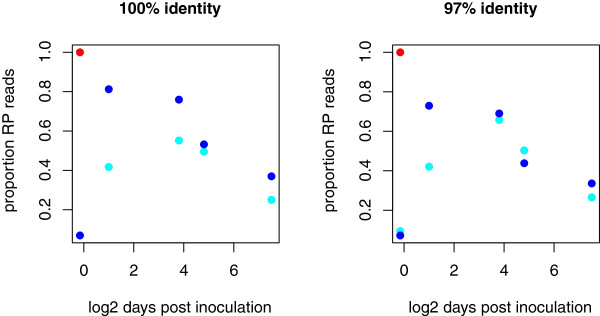
BACKGROUND: Fecal bacteriotherapy ('stool transplant') can be effective in treating recurrent Clostridium difficile infection, but concerns of donor infection transmission and patient acceptance limit its use. Here we describe the use of a stool substitute preparation, made from purified intestinal bacterial cultures derived from a single healthy donor, to treat recurrent C. difficile infection that had failed repeated standard antibiotics. Thirty-three isolates were recovered from a healthy donor stool sample. Two patients who had failed at least three courses of metronidazole or vancomycin underwent colonoscopy and the mixture was infused throughout the right and mid colon. Pre-treatment and post-treatment stool samples were analyzed by 16 S rRNA gene sequencing using the Ion Torrent platform. RESULTS: Both patients were infected with the hyper virulent C. difficile strain, ribotype 078. Following stool substitute treatment, each patient reverted to their normal bowel pattern within 2 to 3 days and remained symptom-free at 6 months. The analysis demonstrated that rRNA sequences found in the stool substitute were rare in the pre-treatment stool samples but constituted over 25% of the sequences up to 6 months after treatment. CONCLUSION: This proof-of-principle study demonstrates that a stool substitute mixture comprising a multi-species community of bacteria is capable of curing antibiotic-resistant C. difficile colitis. This benefit correlates with major changes in stool microbial profile and these changes reflect isolates from the synthetic mixture. CLINICAL TRIAL REGISTRATION NUMBER: CinicalTrials.gov NCT01372943.
Overview
The claims and statistics of this paper haven’t been checked yet.
Free: it reads the open-access text and checks the first 5 claims that cite a source we can check. Create a free account to check every claim.
Integrity signals
Registry
Cites
Statistics
Figures
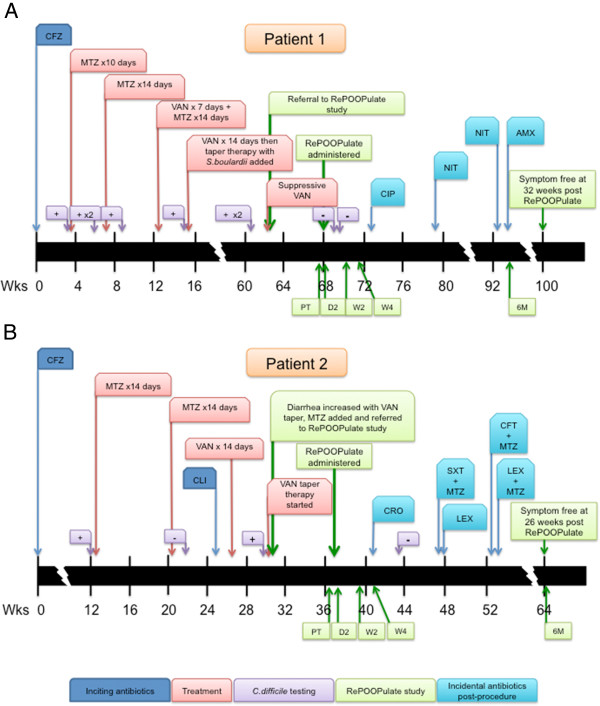
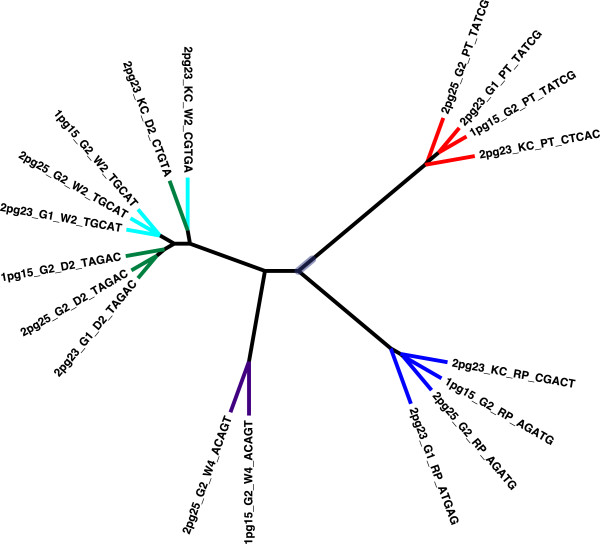
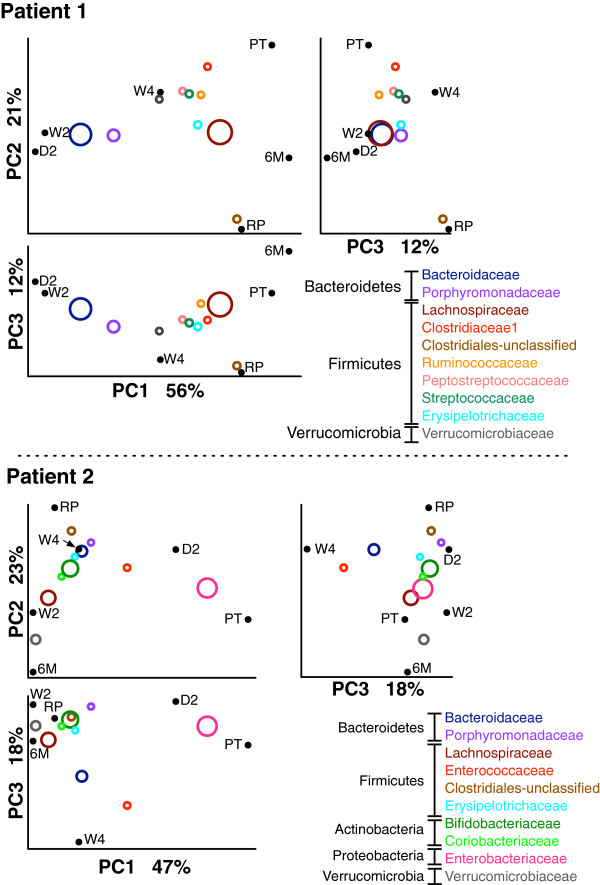
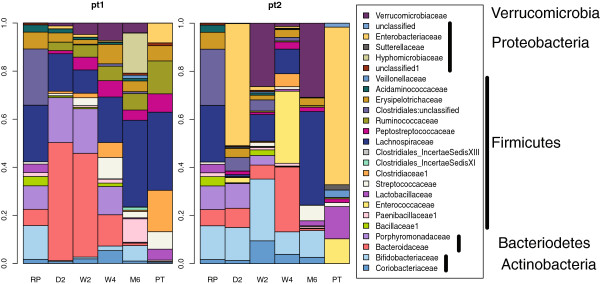
Verification
Claims the paper makes
The claims and statistics of this paper haven’t been checked yet.
Free: it reads the open-access text and checks the first 5 claims that cite a source we can check. Create a free account to check every claim.
Claims other papers make about this one
Each is checked against this paper’s own text: does it say what the citing paper says it does?
The source backs part of the claim, not all of it — or backs it for a different population, condition or comparison.
In the citing paper
“Microbial Ecosystem Therapeutic 4 (MET4) is an orally delivered defined mixture of pure live cultures of intestinal bacteria isolated from the stool of a healthy donor, purified and grown in conditions modeling those of the human distal gut.8”
From First-in-class Microbial Ecosystem Therapeutic 4 (MET4) in combination with immune checkpoint inhibitors in patients with advanced solid tumors (MET4-IO trial) (2023) · cites this paper as [8]
Experimental — accuracy not yet measuredThe check wasn’t confident either way, so it gives no verdict — never disputed.
In the citing paper
“In 2010, Russell et al. report the first pediatric patient treated with FMT via nasogastric tube.118”
From Update on Fecal Microbiota Transplantation 2015: Indications, Methodologies, Mechanisms, and Outlook (2015) · cites this paper as [118]
Experimental — accuracy not yet measuredIn the citing paper
“Microbial consortia (multi-species mixtures of cultivated microbes) represent an intermediate approach intended to balance the ecological and functional complexity of FMT and the practical advantages of cultivated microbes, and have been successfully used as alternatives to FMT for other indications such as Clostridioides difficile infection, 8,9”
In the citing paper
“In children with recurrent CDI and underlying IBD, the data the data is mixed, highlighting the difficulty in distinguishing a clinical response to an infection that may have the same symptoms as the underlying disease.118, 121, 124”
From Update on Fecal Microbiota Transplantation 2015: Indications, Methodologies, Mechanisms, and Outlook (2015) · cites this paper as [118]
In the citing paper
“The case involved a 2 year old child with recalcitrant CDI that had failed an exhaustive course, including probiotics, metronidazole, pulsed-dose vancomycin, rifaximin, and nitazoxanide, who experienced complete resolution of symptoms within 36 hours of FMT.”
From Update on Fecal Microbiota Transplantation 2015: Indications, Methodologies, Mechanisms, and Outlook (2015) · cites this paper as [118]
Self-check
Percentages, sums and reported differences re-computed from the paper’s own numbers.
The self-check needs the paper’s full text.
Citations
Cites
MUSCLE: multiple sequence alignment with high accuracy and high throughput
Edgar, R. C. (2004) · Nucleic Acids Research · doi:10.1093/nar/gkh340 · Cited by 44,662 · cited 1×
“Sequence alignments were built using Muscle [16] and a neighbor-joining tree was generated by ClustalW2 [17].”
MethodQIIME allows analysis of high-throughput community sequencing data
Caporaso, J. G., Kuczynski, J., Stombaugh, J., Bittinger, K., Bushman, F. D., Costello, E. K., Fierer, N., Peña, A. G., Goodrich, J. K., Gordon, J. I., et al. (2010) · Nature Methods · doi:10.1038/nmeth.f.303 · Cited by 34,887 · cited 1×
“0 [15] as follows.”
Clustal W and Clustal X version 2.0
Larkin, M. A., Blackshields, G., Brown, N. P., Chenna, R., McGettigan, P. A., McWilliam, H., Valentin, F., Wallace, I. M., Wilm, A., Lopez, R., et al. (2007) · Bioinformatics · doi:10.1093/bioinformatics/btm404 · Cited by 28,358
UCHIME improves sensitivity and speed of chimera detection
Edgar, R. C., Haas, B. J., Clemente, J. C., Quince, C., & Knight, R. (2011) · Bioinformatics · doi:10.1093/bioinformatics/btr381 · Cited by 15,114
Greengenes, a Chimera-Checked 16S rRNA Gene Database and Workbench Compatible with ARB
DeSantis, T. Z., Hugenholtz, P., Larsen, N., Rojas, M., Brodie, E. L., Keller, K., Huber, T., Dalevi, D., Hu, P., & Andersen, G. L. (2006) · Applied and Environmental Microbiology · doi:10.1128/aem.03006-05 · Cited by 10,891
UniFrac: a New Phylogenetic Method for Comparing Microbial Communities
Lozupone, C., & Knight, R. (2005) · Applied and Environmental Microbiology · doi:10.1128/aem.71.12.8228-8235.2005 · Cited by 8,227 · cited 1×
“Beta-diversity was calculated by the UniFrac algorithm [18].”
MethodEnterotypes of the human gut microbiome
MetaHIT Consortium (additional members), Arumugam, M., Raes, J., Pelletier, E., Le Paslier, D., Yamada, T., Mende, D. R., Fernandes, G. R., Tap, J., Bruls, T., et al. (2011) · Nature · doi:10.1038/nature09944 · Cited by 7,548 · cited 1×
“Similarly, the relevance of patient enterotype [24], which may turn out to be more important than age-matching, has not been fully explored.”
BackgroundCohen, S. H., Gerding, D. N., Johnson, S., Kelly, C. P., Loo, V. G., McDonald, L. C., Pepin, J., & Wilcox, M. H. (2010) · Infection Control & Hospital Epidemiology · doi:10.1086/651706 · Cited by 2,942
NAST: a multiple sequence alignment server for comparative analysis of 16S rRNA genes
DeSantis, T. Z., Hugenholtz, P., Keller, K., Brodie, E. L., Larsen, N., Piceno, Y. M., Phan, R., & Andersen, G. L. (2006) · Nucleic Acids Research · doi:10.1093/nar/gkl244 · Cited by 1,035
Decreased Diversity of the Fecal Microbiome in Recurrent Clostridium difficile–Associated Diarrhea
Chang, J. Y., Antonopoulos, D. A., Kalra, A., Tonelli, A., Khalife, W. T., Schmidt, T. M., & Young, V. B. (2008) · The Journal of Infectious Diseases · doi:10.1086/525047 · Cited by 1,010 · cited 2×
“An association has been made between recurrent disease and intestinal dysbiosis [4], and an inability of certain individuals to reestablish their normal intestinal bacteria is thought to play a leading role in recurrence.”
Background
Cited by
Items 401–500 of 746
The spatiotemporal system dynamics of acquired resistance in an engineered microecology
Datla, U. S., Mather, W., Chen, S., Shoultz, I. W., Täuber, U. C., Jones, C. N., & Butzin, N. C. (2017) · Scientific Reports · doi:10.1038/s41598-017-16176-w · Cited by 20
Koch Postulate: Why Should we Grow Bacteria?
Lagier, J., Dubourg, G., Amrane, S., & Raoult, D. (2017) · Archives of Medical Research · doi:10.1016/j.arcmed.2018.02.003 · Cited by 22
The Effect of Maternal Postpartum Practices on Infant Gut Microbiota: A Chinese Cohort Study
Wang, Y., Liu, Y., Bai, J., & Chen, X. (2019) · Microorganisms · doi:10.3390/microorganisms7110511 · Cited by 21
“difficile infections [38] and obesity [39].”
Intervention strategies for microbial therapeutics in cancer immunotherapy
Gopalakrishnan, V., Weiner, B. J., Ford, C. B., Sellman, B. R., Hammond, S. A., Freeman, D. J., Dennis, P. A., Soria, J., Wortman, J. R., & Henn, M. R. (2020) · Immuno-Oncology Technology · doi:10.1016/j.iotech.2020.05.001 · Cited by 22
“difficile.(66,67) However, the use of tailored microbial consortia in ICI-treated patients is complicated by the lack of a universal signature associated with a beneficial treatment response, underlining the importance of continued validation in independent cohorts.”
BackgroundBjörkqvist, O., Rangel, I., Serrander, L., Magnusson, C., Halfvarson, J., Norén, T., & Jungeström, M. B. (2021) · PLoS ONE · doi:10.1371/journal.pone.0249861 · Cited by 20
Liu, Y., McDaniel, J. R., Khan, S., Campisi, P., Propst, E. J., Holler, T., Grunebaum, E., Georgiou, G., Ippolito, G. C., & Ehrhardt, G. R. A. (2018) · The Journal of Immunology · doi:10.4049/jimmunol.1701549 · Cited by 20
“bacteria used to simulate the commensal microbiome (41).”
BackgroundClostridium Difficile Infection: Risk Factors, Diagnosis and Management
Surawicz, C. M. (2015) · Current Treatment Options in Gastroenterology · doi:10.1007/s11938-014-0038-3 · Cited by 21
Optimizing the Laboratory Diagnosis of Clostridium difficile Infection
Gilligan, P. H. (2015) · Clinics in Laboratory Medicine · doi:10.1016/j.cll.2015.02.003 · Cited by 21
Manipulation of Microbiome, a Promising Therapy for Inflammatory Bowel Diseases
Zhang, D. J. H. (2014) · Journal of Clinical & Cellular Immunology · doi:10.4172/2155-9899.1000234 · Cited by 20
Cryopreservation of the human gut microbiota: Current state and perspectives
Smirnova, D. V., Заломова, Л. В., Zagaynova, A. V., Makarov, V. V., Mezhevikina, L. M., Fesenko, E. E., & Yudin, S. M. (2019) · International Journal of Medical Microbiology · doi:10.1016/j.ijmm.2019.06.001 · Cited by 21
Lee, A. A., Rao, K. K., Limsrivilai, J., Gillilland, M. G., Malamet, B. J., Briggs, E., Young, V. B., & Higgins, P. (2020) · Inflammatory Bowel Diseases · doi:10.1093/ibd/izz335 · Cited by 21
Diversity-Function Relationships in Natural, Applied, and Engineered Microbial Ecosystems
Free, A., McDonald, M. A., & Pagaling, E. (2018) · Advances in applied microbiology · doi:10.1016/bs.aambs.2018.07.002 · Cited by 19
“caused by CDI could be eradicated upon transplant of a synthetic community of 33 gut isolates from a healthy donor into the right and mid colon (Petrof et al., 2013).”
BackgroundEmerging drugs for the treatment of clostridium difficile
Cammarota, G., Gallo, A., Ianiro, G., & Montalto, M. (2019) · Expert Opinion on Emerging Drugs · doi:10.1080/14728214.2019.1591371 · Cited by 21
“Finally, in a small case series from Canada, Elaine Petrof and colleagues experienced a microbial mixture of 33 bacteria derived from healthy donor stools by culturing in two patients with multiple recurrent CDI, who were both successfully treated [100].”
BackgroundThe role of gut microbiota in infectious diseases
Cai, Y., Chen, L., Zhang, S., Zeng, L., & Zeng, G. (2022) · WIREs Mechanisms of Disease · doi:10.1002/wsbm.1551 · Cited by 19
Fecal microbiota transplantation for Clostridium difficile infection: back to the future
Borgia, G., Maraolo, A. E., Foggia, M., Buonomo, A. R., & Gentile, I. (2015) · Expert Opinion on Biological Therapy · doi:10.1517/14712598.2015.1045872 · Cited by 22
“In fact, in 2013, in a proof-of-principle study, two patients infected with the hypervirulent strain NAP1/BI/027 were successfully treated with a mixture consisting of 33 non-pathogenic isolates (recovered from a healthy donor stool sample and selected for presumed safety, taxonomic diversity, and antibiotic sensitivi…”
BackgroundBeyi, A. F., Wannemuehler, M. J., & Plummer, P. J. (2022) · Antibiotics · doi:10.3390/antibiotics11081093 · Cited by 19
Faecal microbiota transplantation: A sui generis biological drug, not a tissue
Megerlin, F., Fouassier, É., Lopert, R., & Bourlioux, P. (2014) · Annales Pharmaceutiques Françaises · doi:10.1016/j.pharma.2014.04.008 · Cited by 19
From Culture to High-Throughput Sequencing and Beyond
O’Toole, P. W., & Flemer, B. (2017) · Gastroenterology Clinics of North America · doi:10.1016/j.gtc.2016.09.003 · Cited by 20
“Other studies have pragmatically focused on culturing of sufficient microbiota diversity to allow laboratory isolates to be blended in an artificial stool cocktail that effectively replaced whole feces in fecal microbiota transplantation (FMT) to successfully treat CDAD.16 Bacteriologic culture of fastidious anaerobic…”
BackgroundAmato, K. R., Maurice, C. F., Guillemin, K. J., & Giles‐Vernick, T. (2019) · BioEssays · doi:10.1002/bies.201900007 · Cited by 19
“Several in vitro systems currently exist, from large- and medium-volume bioreactors to smaller nano-reactors [30,31], which maintain complex microbial communities in a chemostat with a continuous flow of nutrients and conditions mimicking the gastrointestinal tract (temperature, anaerobicity, pH, and mixing).”
BackgroundCabezas‐Cruz, A., & Bermúdez‐Humarán, L. G. (2023) · Computational and Structural Biotechnology Journal · doi:10.1016/j.csbj.2023.11.027 · Cited by 22
“Defined microbial ecosystems, known as microbial ecosystem therapeutics (MET), aim to reintroduce beneficial microbes or microbial communities to treat dysbiosis by promoting a more balanced and diverse ecosystem [99], [100].”
BackgroundDaisley, B. A., & Allen‐Vercoe, E. (2024) · Annals of the New York Academy of Sciences · doi:10.1111/nyas.15237 · Cited by 20
Self-citationLaboratory handling practice for faecal microbiota transplantation
Quaranta, G., Fancello, G., Ianiro, G., Graffeo, R., Gasbarrini, A., Cammarota, G., Sanguinetti, M., & Masucci, L. (2019) · Journal of Applied Microbiology · doi:10.1111/jam.14522 · Cited by 19
“The composition in terms of bacterial species of the faecal suspension infused is a fundamental point for the effectiveness of the procedure (Petrof et al. 2013; Niccolai et al. 2019).”
BackgroundOliphant, K., Cochrane, K., Schroeter, K., Daigneault, M. C., Yen, S., Verdu, E. F., & Allen‐Vercoe, E. (2020) · mSystems · doi:10.1128/msystems.00404-19 · Cited by 20
Self-citationYadav, D., & Khanna, S. (2021) · Therapeutic Advances in Gastroenterology · doi:10.1177/17562848211009694 · Cited by 18
The potential of microbiome replacement therapies for Clostridium difficile infection
Buckley, A. M., Moura, I. B., & Wilcox, M. H. (2021) · Current Opinion in Gastroenterology · doi:10.1097/mog.0000000000000800 · Cited by 17
“Similarly, inclusion of 33 bacterial isolates from a stool sample were developed as a ‘proof-of-concept’ microbiome therapy that successfully treated two patients who had previously failed multiple rounds of antibiotic chemotherapy; this microbial mixture successfully resolved recurrent CDI in both patients [43].”
BackgroundDeveloping human gut microbiota as a class of therapeutics
Khoruts, A. (2013) · Nature Reviews Gastroenterology & Hepatology · doi:10.1038/nrgastro.2013.231 · Cited by 18
Ishida, R. K., Faintuch, J., Safatle‐Ribeiro, A. V., Ribeiro, U., & Cecconello, I. (2014) · Obesity Surgery · doi:10.1007/s11695-014-1277-z · Cited by 17
Gut Microbiota in Health and Disease
Ishiguro, E. E., Haskey, N., & Campbell, K. (2018) · Elsevier eBooks · doi:10.1016/b978-0-12-810541-2.00004-x · Cited by 20
Jukes, C., Ijaz, U. Z., Buckley, A. M., Spencer, J., Irvine, J. J., Candlish, D., Li, J. V., Marchesi, J. R., & Douce, G. R. (2019) · Gut Microbes · doi:10.1080/19490976.2019.1678996 · Cited by 19
Alcohol pretreatment of stools effect on culturomics
Afouda, P., Hocquart, M., Pham, T.-P.-T., Kuete, E., Ngom, I. I., Dione, N., Valles, C., Bellali, S., Lagier, J., Dubourg, G., et al. (2020) · Scientific Reports · doi:10.1038/s41598-020-62068-x · Cited by 18
Faecal microbiota transplantation for Clostridium difficile infection in the United Kingdom
Porter, R. J., & Fogg, C. (2015) · Clinical Microbiology and Infection · doi:10.1016/j.cmi.2015.01.020 · Cited by 17
“The development of artificial faecal solution [16] and neater delivery methods are already in development, but in the interim, carefully screened donor faeces appears safe in the short term [11].”
BackgroundHow Can Nutrition Help with Gastrointestinal Tract–Based Issues?
Hesta, M., & Costa, M. (2021) · Veterinary Clinics of North America Equine Practice · doi:10.1016/j.cveq.2020.12.007 · Cited by 20
Attai, H., Wilde, J., Liu, R., Chopyk, J., Garcia, A. G., Allen‐Vercoe, E., & Pride, D. T. (2022) · Microbiology Spectrum · doi:10.1128/spectrum.01135-22 · Cited by 17
“bacterial communities isolated from feces (19) nor the use of chemostat bioreactors to model gut microbiomes (20, 21) are novel approaches in microbiome experiments, but their use in tandem presents a new venue for gut phage-bacteria research.”
BackgroundMethodSelf-citationHepatocellular carcinoma and microbiota: Implications for clinical management and treatment
Spanu, D., Pretta, A., Lai, E., Persano, M., Donisi, C., Mariani, S., Dubois, M., Migliari, M., Saba, G., Ziranu, P., et al. (2022) · World Journal of Hepatology · doi:10.4254/wjh.v14.i7.1319 · Cited by 17
Is there a role for microbiome-based approach in common variable immunodeficiency?
Poto, R., Ianiro, G., de Paulis, A., Spadaro, G., Marone, G., Gasbarrini, A., & Varricchi, G. (2023) · Clinical and Experimental Medicine · doi:10.1007/s10238-023-01006-3 · Cited by 18
Novel opportunities for the exploitation of host–microbiome interactions in the intestine
Claes, I. J. J., Garcia, C. V., & Lebeer, S. (2014) · Current Opinion in Biotechnology · doi:10.1016/j.copbio.2014.10.008 · Cited by 17
Taking the technical microbiome into the next decade
Vrieze, J. D., Boon, N., & Verstraete, W. (2018) · Environmental Microbiology · doi:10.1111/1462-2920.14269 · Cited by 19
Vogt, S. L., Serapio-Palacios, A., Woodward, S. E., Santos, A. S., de Vries, S. P. W., Daigneault, M. C., Brandmeier, L. V., Grant, A. J., Maskell, D. J., Allen‐Vercoe, E., et al. (2023) · Gut Microbes · doi:10.1080/19490976.2023.2190303 · Cited by 16
Self-citationA clinical primer of the role of gut microbiome in health and disease
Yang, A. L., & Kashyap, P. (2015) · Tropical Gastroenterology · doi:10.7869/tg.238 · Cited by 19
“The first involves transplantation of an entire microbial community from donor stool.(84,85) Role of gut microbiome 5”
BackgroundAllen‐Vercoe, E., & Petrof, E. O. (2013) · Expert Review of Gastroenterology & Hepatology · doi:10.1586/egh.13.16 · Cited by 17
Self-citationThe Microbiome in Infectious Diseases
Mitreva, M. (2016) · Elsevier eBooks · doi:10.1016/b978-0-7020-6285-8.00008-3 · Cited by 20
Seth, A. K., Rawal, P., Bagga, R., & Jain, P. (2016) · Indian Journal of Gastroenterology · doi:10.1007/s12664-016-0696-2 · Cited by 18
Antibiotic resistance, the 3As and the road ahead
Antão, E.-M., Vincze, S., Hanke, R., Klimmek, L., Suchecka, K., Lübke‐Becker, A., & Wieler, L. H. (2018) · Gut Pathogens · doi:10.1186/s13099-018-0280-7 · Cited by 16
Fecal microbiota transplantation for antibiotic resistant bacteria decolonization
Amrane, S., & Lagier, J. (2020) · Human Microbiome Journal · doi:10.1016/j.humic.2020.100071 · Cited by 16
Colenutt, C., & Cutting, S. M. (2014) · FEMS Microbiology Letters · doi:10.1111/1574-6968.12468 · Cited by 19
“More recently, ‘synthetic stools’ have been developed (Lawley et al., 2012; Petrof et al., 2013), selecting particular microorganisms that are able to resolve infections through rebuilding the microbial communities in the gut without the unpleasant and uncertain aspect of faecal transplants.”
BackgroundAfter Eating: Metabolizing the Arts
Kelley, L. (2023) · The MIT Press eBooks · doi:10.7551/mitpress/14255.001.0001 · Cited by 16
Hanifeh, M., Scarsella, E., Rojas, C. A., Ganz, H. H., Huhtinen, M. K., Laine, T., & Spillmann, T. (2024) · Veterinary Sciences · doi:10.3390/vetsci11090439 · Cited by 15
“…the feasibility and methodology of using freeze-dried oral FMT capsules in dogs with TRE, and it will shed light on future clinical trials with larger sample sizes to make more robust conclusions regarding the long-term efficacy and safety of FMT in canine patients with different CE subtypes.”
BackgroundMethodFecal microbiota transplantation in treating C lostridium difficile infection
Brown, W. R. (2014) · Journal of Digestive Diseases · doi:10.1111/1751-2980.12160 · Cited by 19
Meyyappan, A. C., & Milev, R. V. (2020) · JMIR Research Protocols · doi:10.2196/17223 · Cited by 15
“Given that stool contains a highly complex and dense community of microbes, including bacteria, fungi, and viruses, many of which have not been fully characterized, the product focus of MET-2 is on defined mixtures of isolated strains of intestinal bacteria as the treatment [31].”
Fecal Microbiota Transplantation and Emerging Treatments for Clostridium difficile Infection
Gens, K. D., Elshaboury, R. H., & Holt, J. (2013) · Journal of Pharmacy Practice · doi:10.1177/0897190013499527 · Cited by 19
“The proposed benefits of a synthetic stool mixture are the ability to control the composition of bacteria and the need to screen for viruses or other pathogens.(32) Ultimately, it is foreseeable that this method may replace the need for fecal donors.”
BackgroundMicrobiota as Therapeutic Targets
Xavier, R. J. (2016) · Digestive Diseases · doi:10.1159/000445263 · Cited by 15
Handbook of Immunosenescence: Basic Understanding and Clinical Implications
Nicoletti, C., & Gulisano, M. (2017) · Springer eBooks · doi:10.1007/978-3-319-64597-1 · Cited by 15
Walia, R., Kunde, S. S., & Mahajan, L. A. (2014) · Current Opinion in Pediatrics · doi:10.1097/mop.0000000000000127 · Cited by 16
Chanyi, R. M., Craven, L. J., Harvey, B., Reid, G., Silverman, M., & Burton, J. P. (2017) · SAGE Open Medicine · doi:10.1177/2050312117708712 · Cited by 15
Rooney, A. M., Cochrane, K., Fedsin, S., Yao, S., Anwer, S., Dehmiwal, S., Hota, S. S., Poutanen, S. M., Allen‐Vercoe, E., Coburn, B. A., et al. (2023) · mBio · doi:10.1128/mbio.03482-22 · Cited by 16
Self-citationSchenck, L. P., Beck, P. L., & MacDonald, J. A. (2015) · World Journal of Gastrointestinal Pathophysiology · doi:10.4291/wjgp.v6.i4.169 · Cited by 22
Microbiome Regulation of Autoimmune, Gut and Liver Associated Diseases
Singh, B., Qin, N., & Reid, G. (2016) · Inflammation & Allergy - Drug Targets · doi:10.2174/1871528114666160128150747 · Cited by 13
Correlating the Gut Microbiome to Health and Disease
Marques, T. M., Holster, S., Wall, R., König, J., Brummer, R. J., & de Vos, W. M. (2016) · Elsevier eBooks · doi:10.1016/b978-0-12-802304-4.00012-8 · Cited by 16
Wei, S., Jespersen, M. L., Baunwall, S. M. D., Myers, P. N., Smith, E. M., Dahlerup, J. F., Rasmussen, S., Nielsen, H. B., Licht, T. R., Bahl, M. I., et al. (2022) · Microbiome · doi:10.1186/s40168-022-01394-w · Cited by 14
Model-based media selection to minimize the cost of metabolic cooperation in microbial ecosystems
Zampieri, M., & Sauer, U. (2016) · Bioinformatics · doi:10.1093/bioinformatics/btw062 · Cited by 13
“In parallel, several microbial communities have been engineered for bioremediation (Pawelczyk et al., 2008), metabolic engineering (Masset et al., 2012) and biomedical utilization (Petrof et al., 2013).”
BackgroundFecal Microbiota Therapy With a Focus on Clostridium difficile Infection
Brandt, L. J. (2017) · Psychosomatic Medicine · doi:10.1097/psy.0000000000000511 · Cited by 14
“In a clinical study, a stool substitute consisting of 33 isolates obtained from intestinal bacterial cultures derived from a single healthy donor cured R-CDI in two patients in whom repeated standard antibiotics had failed (49).”
BackgroundMéndez–García, C., Barbas, C., Ferrer, M., & Rojo, D. (2017) · Journal of Bacteriology · doi:10.1128/jb.00376-17 · Cited by 13
“THE IMPACT OF DISEASES AS SEEN BY METABOLITE FINGERPRINT The metabolites are the final outputs of the functional hierarchy of the “omics” cascade (Fig.”
Prospects and challenges for intestinal microbiome therapy in pediatric gastrointestinal disorders
Kellermayer, R. (2013) · World Journal of Gastrointestinal Pathophysiology · doi:10.4291/wjgp.v4.i4.91 · Cited by 14
Zatorski, H., & Nakov, R. (2020) · Current Drug Targets · doi:10.2174/1389450121666200602125507 · Cited by 13
Clostridium difficile: biological therapies
Martin, J. S. H., Mawer, D. P. C., & Wilcox, M. H. (2013) · Current Opinion in Infectious Diseases · doi:10.1097/01.qco.0000433319.82618.8f · Cited by 13
“[65] performed a proof of method study using a mixture of 33 bacteria (from a healthy human donor), with sustained cure in two of two patients.”
Drapkina, O. M., & Kaburova, A. N. (2020) · Rational Pharmacotherapy in Cardiology · doi:10.20996/1819-6446-2020-04-02 · Cited by 14
“Врачи изобрели новый вариант искусственной фекальной микробиоты, назвав эту стратегию «Re-POOPulate» [66].”
Circadian clock-controlled gene expression in co-cultured, mat-forming cyanobacteria
Hörnlein, C., Confurius-Guns, V., Grego, M., Stal, L. J., & Bolhuis, H. (2020) · Scientific Reports · doi:10.1038/s41598-020-69294-3 · Cited by 14
Wu, W., Shen, N., Luo, L., Deng, Z., Chen, J., Tao, Y., Mo, X., & Cao, Q. (2020) · Pediatrics & Neonatology · doi:10.1016/j.pedneo.2020.11.003 · Cited by 13
Somily, A. M., Khan, M. A., & Morshed, M. G. (2021) · The Journal of Infection in Developing Countries · doi:10.3855/jidc.13217 · Cited by 14
Challenges and opportunities for faecal microbiota transplantation therapy
Rogers, G. B., & Bruce, K. D. (2013) · Epidemiology and Infection · doi:10.1017/s0950268813001362 · Cited by 14
“ventional therapy in two patients [50].”
Clostridioides (Clostridium) Difficile Infection: Current and Alternative Therapeutic Strategies
Gil, F., Calderón, I. L., Fuentes, J. A., & Paredes‐Sabja, D. (2018) · Future Microbiology · doi:10.2217/fmb-2017-0203 · Cited by 13
Gnanasekaran, T., Geraldo, J. A., Ahrenkiel, D. W., Silva, M. C. A., Saenz, C., Khan, A. A., Hanteer, O., Gunalan, V., Trôst, K., Möritz, T., et al. (2021) · mSystems · doi:10.1128/msystems.00232-21 · Cited by 12
Li, M., Li, Z., Shu, W., Liu, Y., Wang, Y., & Tang, L. (2016) · Future Microbiology · doi:10.2217/fmb-2015-0002 · Cited by 13
Cross-kingdom-mediated detection of intestinal protozoa through NLRP6
Winsor, N. J., Bayer, G., Singh, O., Chan, J. K., Li, L. Y., Lieng, B. Y., Foerster, E. G., Popovic, A., Tsankov, B. K., Maughan, H., et al. (2025) · Cell Host & Microbe · doi:10.1016/j.chom.2025.02.008 · Cited by 11
Goldenberg, S. D. (2015) · Journal of Hospital Infection · doi:10.1016/j.jhin.2015.12.004 · Cited by 11
Strain specificity in fusobacterial co-aggregation with colorectal cancer-relevant species
Robinson, A. V., & Allen‐Vercoe, E. (2023) · Anaerobe · doi:10.1016/j.anaerobe.2023.102758 · Cited by 11
Self-citationIf microbial ecosystem therapy can change your life, what's the problem?
Ettinger, G., Burton, J. P., & Reid, G. (2013) · BioEssays · doi:10.1002/bies.201300015 · Cited by 12
Ince, M. N., Blazar, B. R., Edmond, M. B., Tricot, G. J. K., & Wannemuehler, M. J. (2015) · Inflammatory Bowel Diseases · doi:10.1097/mib.0000000000000599 · Cited by 11
“Both patients were cured.(88) It is anticipated that synthetic stool substitutes may ultimately replace FMT.”
BackgroundPauer, H., Teixeira, F. L., Robinson, A. V., Parente, T. E., de Melo, M. A. F., Lobo, L. A., Domingues, R. M. C. P., Allen‐Vercoe, E., Ferreira, R. B. R., & Antunes, L. C. M. (2021) · Gut Microbes · doi:10.1080/19490976.2021.1918993 · Cited by 11
“A 124-strain, 69-species community was cultured in vitro within a continuously fed bioreactor and was compiled from a collection of previouslyisolated strains originating from a stool sample of a 41-year-old female.(22) Strains were routinely grown on Fastidious Anaerobe Agar (Neogen) supplemented with 5% v/v defibrin…”
MethodSelf-citationInfluence of free and immobilized chitosan on a defined human gut microbial ecosystem
Ruiz‐Rico, M., Renwick, S., Vancuren, S. J., Robinson, A. V., Gianetto-Hill, C., Allen‐Vercoe, E., & Baviera, J. M. B. (2022) · Food Research International · doi:10.1016/j.foodres.2022.111890 · Cited by 11
Self-citationSystematic discovery of probiotics
Forster, S. C., & Lawley, T. D. (2015) · Nature Biotechnology · doi:10.1038/nbt.3111 · Cited by 11
Gallardo-Navarro, Ó. A., & Santillán, M. (2019) · Frontiers in Microbiology · doi:10.3389/fmicb.2019.02555 · Cited by 11
“Bacterial communities also interact symbiotically with higher organisms (Fisher and Long, 1992; Currie, 2001; Anand and Sripathi, 2004; Turnbaugh et al., 2007), and destabilization of these communities causes diseases (Turnbaugh et al., 2007; Petrof et al., 2013; Ofosu, 2016).”
BackgroundStatistical design of a synthetic microbiome that suppresses diverse gut pathogensPreprint
Oliveira, R. A., McSpadden, E., Pandey, B., Lee, K. K., Yousef, M., Chen, R. Y., Triebold, C., Haro, F., Aksianiuk, V., Patel, R., et al. (2024) · bioRxiv (Cold Spring Harbor Laboratory) · doi:10.1101/2024.02.28.582635 · Cited by 11
Design and application of synthetic human gut microbial communities
Kim, M. S., & Bisanz, J. E. (2025) · Gut Microbes · doi:10.1080/19490976.2025.2575923 · Cited by 10
“46 RePOOPulate was developed by untargeted culture of strains from the fecal material of a healthy female donor.”
Global trends in gut microbiota and clostridioides difficile infection research: A visualized study
Li, Z., Ke, H., Lin, Q., Shen, Z., & Chen, Y. (2022) · Journal of Infection and Public Health · doi:10.1016/j.jiph.2022.06.011 · Cited by 11
Alam, M. Z., Markantonis, J., & Fallon, J. T. (2023) · Tropical Medicine and Infectious Disease · doi:10.3390/tropicalmed8120506 · Cited by 11
“…a purified mixture of isolated gut bacteria derived from healthy donors, referred to as ‘defined gut microbial ecosystem components,’ effectively eradicated C. difficile in patients who had previously failed to clear the pathogen through multiple rounds of conventional antibiotic therapy [99,100].”
BackgroundJouhten, H., Ronkainen, A., Aakko, J., Salminen, S., Mattila, E. J., Arkkila, P., & Satokari, R. M. (2020) · Frontiers in Microbiology · doi:10.3389/fmicb.2020.01663 · Cited by 10
“In fact, strains of Bifidobacterium have already been included in a bacterial mix that was used to treat successfully two rCDI patients (Petrof et al., 2013).”
BackgroundRuiz‐Rico, M., Renwick, S., Allen‐Vercoe, E., & Baviera, J. M. B. (2022) · Food Chemistry · doi:10.1016/j.foodchem.2022.132136 · Cited by 10
Self-citationRuiz‐Rico, M., Renwick, S., Vancuren, S. J., Robinson, A. V., Gianetto-Hill, C., Allen‐Vercoe, E., & Baviera, J. M. B. (2022) · Food Chemistry · doi:10.1016/j.foodchem.2022.134363 · Cited by 10
Self-citationFaecal microbiota transplantation: Key points to consider
Bourlioux, P. (2015) · Annales Pharmaceutiques Françaises · doi:10.1016/j.pharma.2015.02.001 · Cited by 11
Immune cell type ‘fingerprints’ at the basis of outcome diversity of human infection
Hen‐Avivi, S., & Avraham, R. (2017) · Current Opinion in Microbiology · doi:10.1016/j.mib.2017.09.012 · Cited by 11
Clostridium difficile in paediatric populations
Upton, D. A., & Canadian Paediatric Society (2014) · Paediatrics & Child Health · doi:10.1093/pch/19.1.43 · Cited by 12
“[74] A recent proofof-principle study demonstrated that a stool substitute mixture comprising multiple species of bacteria showed promise in the treatment of antibiotic-resistant C difficile colitis.[76] Further research is warranted on these approaches to treatment.”
BackgroundDouchant, K., He, S.-M., Noordhof, C., Greenlaw, J., Vancuren, S. J., Schroeter, K., Allen‐Vercoe, E., Sjaarda, C. P., Vanner, S. J., Petrof, E. O., et al. (2024) · Communications Biology · doi:10.1038/s42003-024-05778-6 · Cited by 9
Self-citationBrittnacher, M., Heltshe, S. L., Hayden, H. S., Radey, M. C., Weiss, E. J., Damman, C. J., Zisman, T. L., Suskind, D. L., & Miller, S. I. (2016) · PLoS ONE · doi:10.1371/journal.pone.0158897 · Cited by 9
Goux, H. J., Chavan, D., Crum, M., Kourentzi, K. D., & Willson, R. C. (2018) · Frontiers in Cellular and Infection Microbiology · doi:10.3389/fcimb.2018.00237 · Cited by 10
“The use of proor prebiotics or fecal microbiota transplantation have been shown to alter the microbial profile of the gut, in some cases improving health (Muegge, 2011; Petrof et al., 2013; Colman and Rubin, 2014; Cui et al., 2015; Plovier et al., 2016; Routy et al., 2018).”
BackgroundWong, M., Barbulescu, P., Coburn, B. A., & Reguera-Nuñez, E. (2021) · Microbes and Infection · doi:10.1016/j.micinf.2021.104804 · Cited by 9
Correlating the Gut Microbiome to Health and Disease
Marques, T. M., Mall, J. G., Forsgård, R. A., Wall, R., Brummer, R. J., & de Vos, W. M. (2024) · Elsevier eBooks · doi:10.1016/b978-0-323-99971-7.00010-2 · Cited by 13
Le transfert de microbiote intestinal à finalité thérapeutique : quel droit applicable en France ?
Megerlin, F., & Fouassier, É. (2014) · Annales Pharmaceutiques Françaises · doi:10.1016/j.pharma.2014.04.003 · Cited by 9
McGrath, C. J., Arndt, M. B., & Walson, J. L. (2017) · Hormone Research in Paediatrics · doi:10.1159/000471875 · Cited by 9
Taco-Masias, A. A., Fernandez-Aristi, A. R., Cornejo‐Tapia, A., Aguilar-Luis, M. Á., del Valle, L. J., Silva-Caso, W. G., Zavaleta-Gavidia, V., Weilg, P., Cornejo-Pacherres, H., Bazán-Mayra, J. E., et al. (2020) · PeerJ · doi:10.7717/peerj.9964 · Cited by 11
“…the host strengthening gut integrity, protecting against potential pathogens and regulating host immunity (Van den Elsen et al., 2017; Goulet, 2015; Petrof et al., 2013; Munoz et al., 2013; Human Microbiome Project C, 2012;Martz et al., 2014; Tremaroli & Bäckhed, 2012; Schippa Taco-Masias et al.…”
Background
Metadata
- Authors
- Petrof, E. O., Gloor, G. B., Vanner, S. J., Weese, S. J., Carter, D., Daigneault, M. C., Brown, E. M., Schroeter, K., & Allen-Vercoe, E.
- Affiliations
- Queen's University (CA)
- Western University (CA)
- University of Guelph (CA)
- Robarts Research Institute (CA)
- Corresponding author
- Petrof, Elaine O
- Venue
- Microbiome
- Published
- 2013-01-09
- Volume
- 1
- Issue
- 1
- Pages
- 3-3
- ISSN
- 2049-2618 (ISSN-L)
- PMC
- PMC3869191
- OpenAlex
- W2140714996
- Cited by
- 731
- References
- 27
- Citations by year
- 2026: 16 · 2025: 19 · 2024: 25 · 2023: 37 · 2022: 40 · 2021: 52 · 2020: 60 · 2019: 63 · 2018: 58 · 2017: 69 · 2016: 87 · 2015: 73 · 2014: 74 · 2013: 56
- FWCI
- 70.52
- Type
- journal article
- Language
- en
- Open access
- gold
- doi.org
- Licence
- cc-by
- creativecommons.org/licenses/by/2.0 (tdm)
- Locations
- Microbiome (publishedVersion, cc-by)
- Europe PMC (PubMed Central) (publishedVersion, cc-by)
- PubMed Central (publishedVersion, cc-by)
- PubMed (publishedVersion)
- Funders
- Physicians' Services Incorporated Foundation
- Canadian Institutes of Health Research
- Topics
- Health Sciences › Medicine › Infectious Diseases › Clostridium difficile and Clostridium perfringens research
- Life Sciences › Biochemistry, Genetics and Molecular Biology › Molecular Biology › Gut microbiota and health
- Health Sciences › Medicine › Gastroenterology › Gastrointestinal motility and disorders
- Keywords
- Clostridium difficile infection, fecal microbiota transplantation, recurrent Clostridium difficile infection, hypervirulent strains, ribotype 078, gut microbiota, metronidazole, vancomycin, 16S rRNA gene sequencing
About these checks
Registry, retraction, Cites and statistics results are computed, not judged, with one exception: a printed reference that no index lists is read once by a model before it counts as a citation error. Claims are extracted by a model and kept only when their quote appears verbatim in the text; each cited source is then checked, with a model’s help, for whether it says what the claim relies on. Those verdicts can be wrong — read the claim’s quote and the cited source before relying on one.
Statistics and arithmetic are recomputed, not judged.
Confidence bands are shown only for fields calibrated on our annotated test set. None is calibrated yet, so no band is shown.
What counts as a claim ›How we measure confidence ›How we check this ›
Are you an author, or do you see a problem with this page? Request a review
Data sources
Bibliographic data: Semantic Scholar, OpenAlex, Crossref.
Contains information from the Semantic Scholar Academic Graph Datasets, made available under the ODC Attribution License (ODC-BY 1.0).
Semantic Scholar’s data is described in: Kinney, R., et al. (2023). The Semantic Scholar Open Data Platform. arXiv:2301.10140.
