

Stool substitute transplant therapy for the eradication of Clostridium difficile infection: ‘RePOOPulating’ the gut
Open accessThe DOI matches its Crossref record; 27 of the 27 references it cites were found in a registry or an index.
Abstract
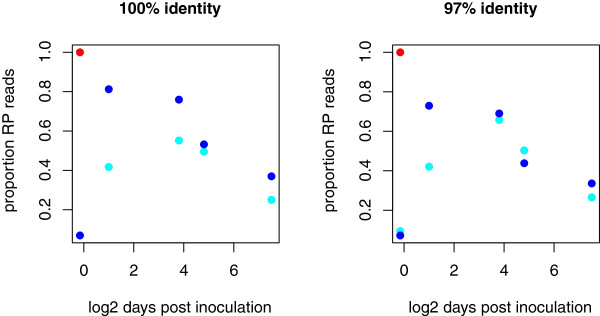
BACKGROUND: Fecal bacteriotherapy ('stool transplant') can be effective in treating recurrent Clostridium difficile infection, but concerns of donor infection transmission and patient acceptance limit its use. Here we describe the use of a stool substitute preparation, made from purified intestinal bacterial cultures derived from a single healthy donor, to treat recurrent C. difficile infection that had failed repeated standard antibiotics. Thirty-three isolates were recovered from a healthy donor stool sample. Two patients who had failed at least three courses of metronidazole or vancomycin underwent colonoscopy and the mixture was infused throughout the right and mid colon. Pre-treatment and post-treatment stool samples were analyzed by 16 S rRNA gene sequencing using the Ion Torrent platform. RESULTS: Both patients were infected with the hyper virulent C. difficile strain, ribotype 078. Following stool substitute treatment, each patient reverted to their normal bowel pattern within 2 to 3 days and remained symptom-free at 6 months. The analysis demonstrated that rRNA sequences found in the stool substitute were rare in the pre-treatment stool samples but constituted over 25% of the sequences up to 6 months after treatment. CONCLUSION: This proof-of-principle study demonstrates that a stool substitute mixture comprising a multi-species community of bacteria is capable of curing antibiotic-resistant C. difficile colitis. This benefit correlates with major changes in stool microbial profile and these changes reflect isolates from the synthetic mixture. CLINICAL TRIAL REGISTRATION NUMBER: CinicalTrials.gov NCT01372943.
Overview
The claims and statistics of this paper haven’t been checked yet.
Free: it reads the open-access text and checks the first 5 claims that cite a source we can check. Create a free account to check every claim.
Integrity signals
Registry
Cites
Statistics
Figures
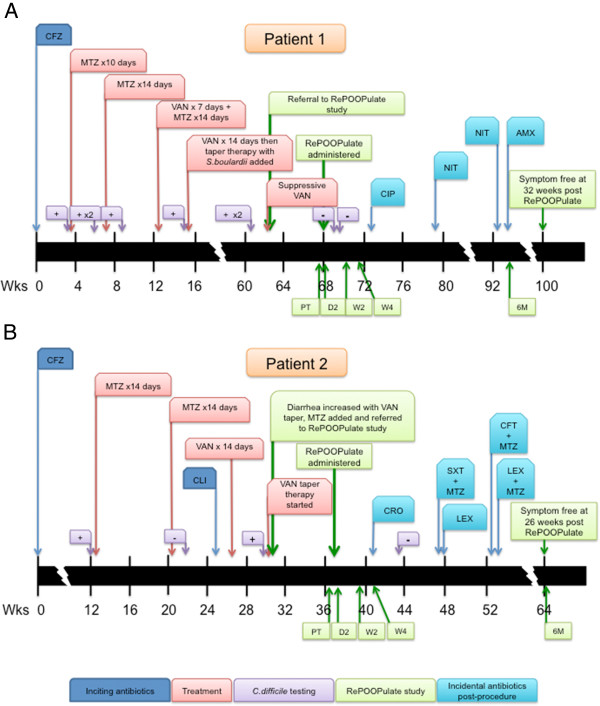
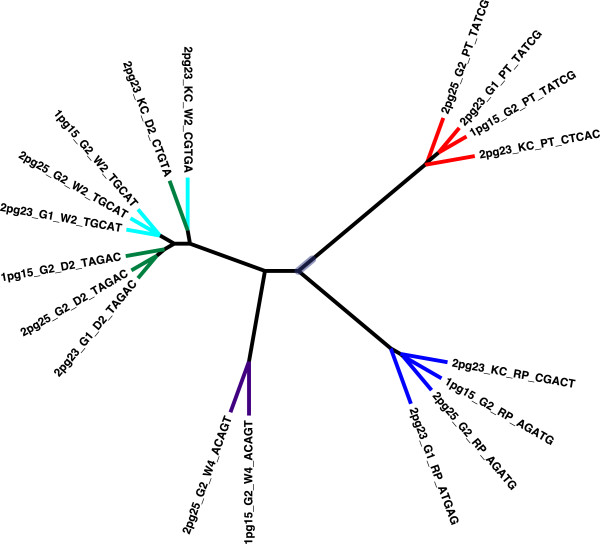
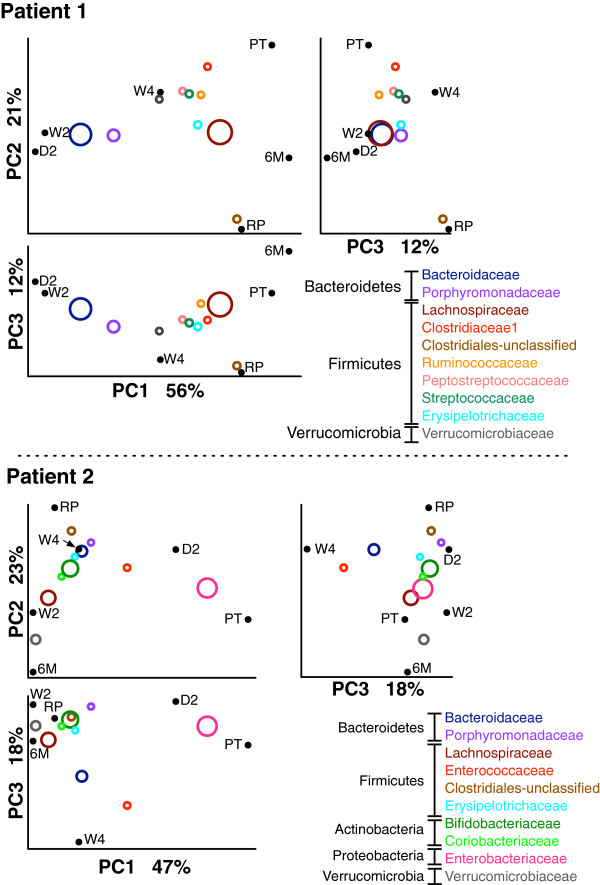
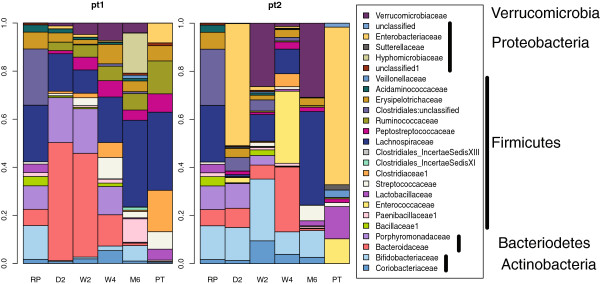
Verification
Claims the paper makes
The claims and statistics of this paper haven’t been checked yet.
Free: it reads the open-access text and checks the first 5 claims that cite a source we can check. Create a free account to check every claim.
Claims other papers make about this one
Each is checked against this paper’s own text: does it say what the citing paper says it does?
The source backs part of the claim, not all of it — or backs it for a different population, condition or comparison.
In the citing paper
“Microbial Ecosystem Therapeutic 4 (MET4) is an orally delivered defined mixture of pure live cultures of intestinal bacteria isolated from the stool of a healthy donor, purified and grown in conditions modeling those of the human distal gut.8”
From First-in-class Microbial Ecosystem Therapeutic 4 (MET4) in combination with immune checkpoint inhibitors in patients with advanced solid tumors (MET4-IO trial) (2023) · cites this paper as [8]
Experimental — accuracy not yet measuredThe check wasn’t confident either way, so it gives no verdict — never disputed.
In the citing paper
“In 2010, Russell et al. report the first pediatric patient treated with FMT via nasogastric tube.118”
From Update on Fecal Microbiota Transplantation 2015: Indications, Methodologies, Mechanisms, and Outlook (2015) · cites this paper as [118]
Experimental — accuracy not yet measuredIn the citing paper
“Microbial consortia (multi-species mixtures of cultivated microbes) represent an intermediate approach intended to balance the ecological and functional complexity of FMT and the practical advantages of cultivated microbes, and have been successfully used as alternatives to FMT for other indications such as Clostridioides difficile infection, 8,9”
In the citing paper
“In children with recurrent CDI and underlying IBD, the data the data is mixed, highlighting the difficulty in distinguishing a clinical response to an infection that may have the same symptoms as the underlying disease.118, 121, 124”
From Update on Fecal Microbiota Transplantation 2015: Indications, Methodologies, Mechanisms, and Outlook (2015) · cites this paper as [118]
In the citing paper
“The case involved a 2 year old child with recalcitrant CDI that had failed an exhaustive course, including probiotics, metronidazole, pulsed-dose vancomycin, rifaximin, and nitazoxanide, who experienced complete resolution of symptoms within 36 hours of FMT.”
From Update on Fecal Microbiota Transplantation 2015: Indications, Methodologies, Mechanisms, and Outlook (2015) · cites this paper as [118]
Self-check
Percentages, sums and reported differences re-computed from the paper’s own numbers.
The self-check needs the paper’s full text.
Citations
Cites
MUSCLE: multiple sequence alignment with high accuracy and high throughput
Edgar, R. C. (2004) · Nucleic Acids Research · doi:10.1093/nar/gkh340 · Cited by 44,662 · cited 1×
“Sequence alignments were built using Muscle [16] and a neighbor-joining tree was generated by ClustalW2 [17].”
MethodQIIME allows analysis of high-throughput community sequencing data
Caporaso, J. G., Kuczynski, J., Stombaugh, J., Bittinger, K., Bushman, F. D., Costello, E. K., Fierer, N., Peña, A. G., Goodrich, J. K., Gordon, J. I., et al. (2010) · Nature Methods · doi:10.1038/nmeth.f.303 · Cited by 34,887 · cited 1×
“0 [15] as follows.”
Clustal W and Clustal X version 2.0
Larkin, M. A., Blackshields, G., Brown, N. P., Chenna, R., McGettigan, P. A., McWilliam, H., Valentin, F., Wallace, I. M., Wilm, A., Lopez, R., et al. (2007) · Bioinformatics · doi:10.1093/bioinformatics/btm404 · Cited by 28,358
UCHIME improves sensitivity and speed of chimera detection
Edgar, R. C., Haas, B. J., Clemente, J. C., Quince, C., & Knight, R. (2011) · Bioinformatics · doi:10.1093/bioinformatics/btr381 · Cited by 15,114
Greengenes, a Chimera-Checked 16S rRNA Gene Database and Workbench Compatible with ARB
DeSantis, T. Z., Hugenholtz, P., Larsen, N., Rojas, M., Brodie, E. L., Keller, K., Huber, T., Dalevi, D., Hu, P., & Andersen, G. L. (2006) · Applied and Environmental Microbiology · doi:10.1128/aem.03006-05 · Cited by 10,891
UniFrac: a New Phylogenetic Method for Comparing Microbial Communities
Lozupone, C., & Knight, R. (2005) · Applied and Environmental Microbiology · doi:10.1128/aem.71.12.8228-8235.2005 · Cited by 8,227 · cited 1×
“Beta-diversity was calculated by the UniFrac algorithm [18].”
MethodEnterotypes of the human gut microbiome
MetaHIT Consortium (additional members), Arumugam, M., Raes, J., Pelletier, E., Le Paslier, D., Yamada, T., Mende, D. R., Fernandes, G. R., Tap, J., Bruls, T., et al. (2011) · Nature · doi:10.1038/nature09944 · Cited by 7,548 · cited 1×
“Similarly, the relevance of patient enterotype [24], which may turn out to be more important than age-matching, has not been fully explored.”
BackgroundCohen, S. H., Gerding, D. N., Johnson, S., Kelly, C. P., Loo, V. G., McDonald, L. C., Pepin, J., & Wilcox, M. H. (2010) · Infection Control & Hospital Epidemiology · doi:10.1086/651706 · Cited by 2,942
NAST: a multiple sequence alignment server for comparative analysis of 16S rRNA genes
DeSantis, T. Z., Hugenholtz, P., Keller, K., Brodie, E. L., Larsen, N., Piceno, Y. M., Phan, R., & Andersen, G. L. (2006) · Nucleic Acids Research · doi:10.1093/nar/gkl244 · Cited by 1,035
Decreased Diversity of the Fecal Microbiome in Recurrent Clostridium difficile–Associated Diarrhea
Chang, J. Y., Antonopoulos, D. A., Kalra, A., Tonelli, A., Khalife, W. T., Schmidt, T. M., & Young, V. B. (2008) · The Journal of Infectious Diseases · doi:10.1086/525047 · Cited by 1,010 · cited 2×
“An association has been made between recurrent disease and intestinal dysbiosis [4], and an inability of certain individuals to reestablish their normal intestinal bacteria is thought to play a leading role in recurrence.”
Background
Cited by
Items 501–600 of 746
Interaction between a Broad-spectrum Antibiotic and Silver Nanoparticles in a Human Gut Ecosystem
Das, P., Saulnier, E., Carlucci, C., Allen Vercoe, E., Shah, V., & Vk, W. (2016) · Journal of Nanomedicine & Nanotechnology · doi:10.4172/2157-7439.1000408 · Cited by 8
“A defined experimental community prepared with a total of 60 different bacterial isolates, designated as DEC-60, was cultured as described using an Infors Multifors bioreactor system (Infors, Switzerland) converted into a chemostat for continuous culture [21].”
BackgroundMethodInfluentialDirect Modulation of the Gut Microbiota as a Therapeutic Approach for Alzheimer’s Disease
Wang, Y., & Dykes, G. A. (2021) · CNS & Neurological Disorders - Drug Targets · doi:10.2174/1871527320666210806165751 · Cited by 8
Onifade, I. A., Sunbare-Funto, O. J., Mbah, C. G., Ajibade, O. A., Oyawoye, O. M., Aborode, A. T., Ogunleye, S. C., Jamiu, A. T., Bolarinwa, B., Abanikannda, M. F., et al. (2024) · Advances in Biomarker Sciences and Technology · doi:10.1016/j.abst.2024.02.001 · Cited by 10
Reproducible chemostat cultures to minimize eukaryotic viruses from fecal transplant material
Adamberg, S., Rasmussen, T. S., Larsen, S. B., Mao, X., Nielsen, D. S., & Adamberg, K. (2024) · iScience · doi:10.1016/j.isci.2024.110460 · Cited by 10
Las bacterias anaerobias 150años después de su descubrimiento por Pasteur
García‐Sánchez, J. E., García-Sánchez, E., Martín-del-Rey, Á., & García-Merino, E. (2013) · Enfermedades Infecciosas y Microbiología Clínica · doi:10.1016/j.eimc.2013.03.012 · Cited by 10
Faeces-filled pill stops gut infection
Zhang, S. (2013) · Nature · doi:10.1038/nature.2013.13885 · Cited by 8
The Phylogenetic LASSO and the MicrobiomePreprint
Rush, S. T. A., Lee, C., Mio, W., & Kim, P. T. (2016) · arXiv (Cornell University) · doi:10.48550/arxiv.1607.08877 · Cited by 11
“Thus one could strategically pool samples to achieve a desired composition, to supplement stool with specific microorganisms or to be able to prepare recipient-specific synthetic stool as per the RePOOPulate project, [16].”
BackgroundFeces transplantation for recurrentClostridium difficileinfection: US experience and recommendations
Bakken, J. (2015) · Microbial Ecology in Health and Disease · doi:10.3402/mehd.v26.27657 · Cited by 8
“More recently well-defined suspensions of enteric bacteria have also been utilized with a high degree of success (8, 9).”
BackgroundEvolutionary Insights Into Microbiota Transplantation in Inflammatory Bowel Disease
Wang, X., Zhao, J., Feng, Y., Feng, Z., Ye, Y., Liu, L., Kang, G., & Cao, X. (2022) · Frontiers in Cellular and Infection Microbiology · doi:10.3389/fcimb.2022.916543 · Cited by 8
Bacteria co-colonizing with Clostridioides difficile in two asymptomatic patients
Hong, W., Yang, J., Cheng, Y., Huang, X., Rao, F., Zhang, T., Wang, P., Liao, J., Qi, X., Guan, Z., et al. (2019) · Open Life Sciences · doi:10.1515/biol-2019-0071 · Cited by 7
Fecal Microbiota Transplantation
Borody, T. J. (2019) · Elsevier eBooks · doi:10.1016/b978-0-323-54843-4.00018-0 · Cited by 7
Therapeutic Potential of the Human Gastrointestinal Microbiome
Borody, T. J., Peattie, D. A., & Campbell, J. (2013) · Drug Development Research · doi:10.1002/ddr.21093 · Cited by 8
“This approach cured CDI in the two patients treated, although only 25–36% of the implanted donor strains remained after six months [Petrof et al., 2013].”
BackgroundGu, B., Bo, G. Z., & Cheng, K. (2018) · Transplantation Proceedings · doi:10.1016/j.transproceed.2018.03.013 · Cited by 7
Beneficial Microbes: Roles in the Era of Antimicrobial Resistance
Afolayan, A. O., Adetoye, A., & Ayeni, F. A. (2019) · IntechOpen eBooks · doi:10.5772/intechopen.79635 · Cited by 7
“Gut microbes that pass the screening test will then be recombined into a microbial ecosystem where their combined efforts and synergistic relationships will be more effective in tackling invasive enteropathogens and opportunistic pathogens such as Clostridium difficile [68].”
Récidives d’infection à [i]Clostridium difficile[/i] : l’importance du microbiote intestinal
Terrier, M.-C. Z., Simonet, M. L., & Frossard, J. (2013) · JMIG · doi:10.53738/revmed.2013.9.402.1898 · Cited by 10
de Groen, P., Blok, L. C. H. M., Snethlage, C. M. F., Hanssen, N. M. J., Rampanelli, E., & Nieuwdorp, M. (2025) · International Journal of Molecular Sciences · doi:10.3390/ijms262110788 · Cited by 6
“Synthetic stool, for example, has a precisely known composition, is free from viruses and other pathogens, and was demonstrated to be a safe and reproducible alternative in a small proof-of-principle study for antibiotic-resistant C. difficile infection [145].”
Lewandowski, R. (2026) · FEMS Microbiology Letters · doi:10.1093/femsle/fnag035 · Cited by 8
Meeting update: faecal microbiota transplantation––bench, bedside, courtroom?
Ding, N. S., Mullish, B. H., McLaughlin, J. T., Hart, A. L., & Marchesi, J. R. (2016) · Frontline Gastroenterology · doi:10.1136/flgastro-2016-100752 · Cited by 6
“…’ of 33 pure bacterial strains of commensals isolated from the stool of a healthy person may have similar efficacy in treating CDI as a full FMT. 18 As the mechanisms underlying the efficacy of FMT continue to emerge, future directions may include yet further refinement, perhaps even to a…”
BackgroundPrinciples, Tools, and Applications of Synthetic Consortia Toward Microbiome Engineering
Atkinson, E., Boo, A., Peng, H., Stan, G.-B. V., & Ledesma‐Amaro, R. (2022) · Wiley eBooks · doi:10.1002/9783527825462.ch7 · Cited by 6
Wang, Q., Ji, J., Xiao, S., Wang, J., Yan, X., & Fang, L. (2025) · Journal of Inflammation Research · doi:10.2147/jir.s487916 · Cited by 6
Bethlehem, L., Bartu, L., Marke, G., Mar, P., Feldman, S., Eggers, J., Ruprecht, C., Britton, G. J., Aggarwala, V., Bongers, G., et al. (2026) · Nature Medicine · doi:10.1038/s41591-026-04442-2 · Cited by 7
Forensic Microbiology, an Important Tool in Crime Investigation
Elshafei, A. M. (2020) · South Asian Journal of Research in Microbiology · doi:10.9734/sajrm/2020/v6i230147 · Cited by 6
Rahman, R., Fouhse, J. M., Prisnee, T. L., Ju, T., Diether, N. E., & Willing, B. P. (2023) · FEMS Microbiology Ecology · doi:10.1093/femsec/fiad068 · Cited by 8
The Human Microbiome in Health and Disease
Hill, C. J., Ross, R. P., Stanton, C., & O’Toole, P. W. (2016) · Wiley eBooks · doi:10.1002/9783527682386.ch4 · Cited by 7
Newman, K. M., & Vaughn, B. P. (2020) · Minerva Gastroenterologica e Dietologica · doi:10.23736/s1121-421x.19.02610-2 · Cited by 6
Deane, J., Rea, M. C., Fouhy, F., Stanton, C., Ross, R. P., & Plant, B. J. (2016) · Elsevier eBooks · doi:10.1016/b978-0-12-802304-4.00011-6 · Cited by 7
“These include fecal microbial transplant (FMT), which is an alternative therapy at conceptual stage with early pioneering case studies showing considerable success in patients with reoccurring symptomatic C. difficile (Petrof et al., 2013; Koenigsknecht and Young, 2013).”
Masucci, L., Quaranta, G., Nagel, D., Primus, S., Romano, L., Graffeo, R., Ianiro, G., Gasbarrini, A., Cammarota, G., & Sanguinetti, M. (2017) · Microbiologia medica · doi:10.4081/mm.2017.6510 · Cited by 6
Lesniak, N. A., Tomkovich, S., Henry, A., Taylor, A., Colovas, J., Bishop, L., McBride, K., & Schloss, P. D. (2022) · mBio · doi:10.1128/mbio.01364-22 · Cited by 7
Kenna, T., Hanson, A., Costello, M., & Brown, M. A. (2016) · Current Rheumatology Reports · doi:10.1007/s11926-016-0612-x · Cited by 8
Mo, J., Ding, Y., Yang, J., Zheng, Z., Lu, J., Luo, H., Wang, J., Lin, F., Chen, J., Li, Q., et al. (2025) · Molecular Nutrition & Food Research · doi:10.1002/mnfr.70026 · Cited by 5
“A study showed that Lachnospiraceae can maintain intestinal health, ameliorate malnutrition, and prevent Clostridioides difficile infection and obesity in mice [65].”
Jankowski, W., Mizielińska, M., & Nawrotek, P. (2025) · Applied Sciences · doi:10.3390/app15105330 · Cited by 6
“…lab-cultured bacterial formulations that consisted of dozens of artificially selected strains of microbes; these preparations lack any perceived resemblance to faeces, potentially reducing the psychological discomfort of patients, and offer supreme control over their final composition [72].”
Alexander, J. L., Mullish, B. H., Thomas, L., Weersma, R. K., Sokol, H., Roberts, L. A., Edwards, L. A., Emmanuel, A. V., Gerasimidis, K., Hall, L. J., et al. (2026) · Gut · doi:10.1136/gutjnl-2026-338252 · Cited by 6
“208 An alternative approach is selecting out gut bacteria from large culture libraries, using model systems to establish potential efficacy, before combination into a product.”
Shapovalov, V., Шаповалова, В., Осинцева, А., & Шаповалов, В. В. (2026) · Drugs and Drug Candidates · doi:10.3390/ddc5030037 · Cited by 7
“Such therapeutic approaches include fecal microbiota transplantation (FMT) [6–8], as well as live biotherapeutic products (LBPs) containing specially selected microorganisms for therapeutic purposes [9,10].”
Emerging alternatives against Clostridioides difficile infection
Romero-Rodríguez, A., de la Peña, C. M., Troncoso-Cotal, S., Guzmán, C., & Sánchez, S. (2022) · Anaerobe · doi:10.1016/j.anaerobe.2022.102638 · Cited by 5
Next -generation probiotics as potential therapeutic supplement for gastrointestinal infections
Gupta, N., Kachhawaha, K., Behera, D. K., & Verma, V. K. (2023) · Pharmacological Research - Reports · doi:10.1016/j.prerep.2024.100002 · Cited by 5
Clostridium difficile infection: current, forgotten and emerging treatment options
Drekonja, D. M. (2014) · Journal of Comparative Effectiveness Research · doi:10.2217/cer.14.36 · Cited by 5
Fecal transplantation: re-discovering the value of stool
Davidovics, Z. H., & Hyams, J. S. (2013) · Current Opinion in Pediatrics · doi:10.1097/mop.0b013e328363ed66 · Cited by 5
Treatment ofClostridium difficileinfection: recent trial results
Lewis, S. S., & Anderson, D. J. (2013) · Clinical Investigation · doi:10.4155/cli.13.72 · Cited by 6
Varshney, N., Saini, V., & Jha, H. C. (2024) · Springer eBooks · doi:10.1007/978-981-97-1912-9_6 · Cited by 5
Cruz, R., Monrroy, H., Flandez, J., Pérez, C. M., Álvarez-Lobos, M., & Hernández-Rocha, C. (2018) · Revista chilena de infectología · doi:10.4067/s0716-10182018000500566 · Cited by 8
Towards a rational design of faecal transplant analogues
Larsen, O. F. A., Koning, A. H. J., van der Spek, P. J., & Claassen, E. (2019) · Scientific Reports · doi:10.1038/s41598-019-42043-x · Cited by 5
Pediatric Fecal Microbiota Transplantation in Recurrent Clostridioides Difficile
Parnell, J. M., Nicholson, M. R., Kellermayer, R., & Kahn, S. A. (2021) · Pediatric Annals · doi:10.3928/19382359-20211111-01 · Cited by 5
Emerging Therapeutic Approaches for Modulating the Intestinal Microbiota
Cosimato, I., Brescia, A., Franci, G., Casolaro, V., & Folliero, V. (2026) · Pharmaceutics · doi:10.3390/pharmaceutics18020197 · Cited by 4
“This strategy paves the way for more standardized and safer interventions than conventional FMT, with potential applicability in other infectious gastrointestinal diseases [144].”
Pinton, P. (2026) · Biomedicines · doi:10.3390/biomedicines14050969 · Cited by 4
Exploring ways to improve CDI outcomes
Galpérine, T., & Guery, B. P. (2018) · Médecine et Maladies Infectieuses · doi:10.1016/j.medmal.2017.10.009 · Cited by 4
Assessing live microbial therapeutic transmission
Faith, J. J. (2025) · Gut Microbes · doi:10.1080/19490976.2024.2447836 · Cited by 4
Meyyappan, A. C., Sgarbossa, C., Bromley, H., Forth, E., Müller, D. J., Vázquez, G. H., Cabrera, C., & Milev, R. V. (2025) · The Canadian Journal of Psychiatry · doi:10.1177/07067437251328270 · Cited by 4
Promises and Prospects of Microbiome Studies
Rivera, M. C., & Izard, J. (2014) · Elsevier eBooks · doi:10.1016/b978-0-12-410472-3.00010-5 · Cited by 4
The Equine Intestinal Microbiota
Weese, J. S. (2017) · Wiley eBooks · doi:10.1002/9781119063254.ch7 · Cited by 5
Fecal Microbiota Transplantation: An Interview with Alexander Khoruts
Lebeau, S., & Khoruts, A. (2014) · Global Advances in Health and Medicine · doi:10.7453/gahmj.2014.020 · Cited by 4
THE POWER OF POOP: FECAL MICROBIOTA TRANSPLANTATION FOR CLOSTRIDIUM DIFFICILE INFECTION.
Edmond, M. B. (2016) · PubMed Central · Cited by 5
Walton, J., Burns, D., & Gaehle, K. E. (2017) · Gastroenterology Nursing · doi:10.1097/sga.0000000000000233 · Cited by 7
The microbiome: what it means for medicine
Allen‐Vercoe, E., & Petrof, E. O. (2014) · British Journal of General Practice · doi:10.3399/bjgp14x677374 · Cited by 4
Self-citationZhao, B., Zhou, B., Li, Q., Su, C., Ma, J., & Yang, L. (2024) · MedComm – Future Medicine · doi:10.1002/mef2.70006 · Cited by 3
Adhesion of Bacteroides vulgatus and Fusobacterium varium to the Colonic Mucosa of Healthy Beagles
Hanifeh, M., Huhtinen, M. K., Sclivagnotis, Y. S., Lyhs, U., Grönthal, T. S. C., & Spillmann, T. (2024) · Veterinary Sciences · doi:10.3390/vetsci11070319 · Cited by 3
“The reintroduction of a balanced community of obligate anaerobic bacteria using fecal microbiota transplantation (FMT) [15] or manufactured multi-species gut colonizers [16] can restore the microbial function in the intestine of humans.”
BackgroundMetaproteomics Reveals Community Coalescence Outcomes in Co‐Cultured Human Gut Microbiota
Sun, B., Yuan, J., Zhang, X., Ma, X., Hao, Z., Wang, L., Li, Y., Zhang, L., & Li, L. (2025) · PROTEOMICS · doi:10.1002/pmic.70009 · Cited by 3
“These results are consistent with previous studies demonstrating that microbial communities often compete for resources [42–44], and one community may outcompete the other under certain environmental conditions [45–47].”
Fecal Microbiota Transplantation as Therapy for Inflammatory Bowel Disease
Schneider, A., & Maric, L. V. (2018) · Elsevier eBooks · doi:10.1016/b978-0-12-811388-2.00028-2 · Cited by 4
Using bugs as drugs: Microbial ecosystem therapeutics
Allen‐Vercoe, E., & Petrof, E. (2015) · Canada Communicable Disease Report · doi:10.14745/ccdr.v41is5a01 · Cited by 3
Self-citationGut Homeostasis; Microbial Cross Talks in Health and Disease Management
Khatri, G. S., Kurian, C., Anand, A., & Paari, K. A. (2021) · Current Research in Nutrition and Food Science Journal · doi:10.12944/crnfsj.9.3.28 · Cited by 3
Plitt, T., & Faith, J. J. (2023) · Seminars in Immunology · doi:10.1016/j.smim.2023.101735 · Cited by 3
Bomba, A., & Haranta, M. (2024) · IntechOpen eBooks · doi:10.5772/intechopen.110046 · Cited by 4
StrainR2 accurately deconvolutes strain-level abundances in synthetic microbial communities
Heber, K., Tian, S., Betancurt-Anzola, D., Koo, H., & Bisanz, J. E. (2025) · Bioinformatics · doi:10.1093/bioinformatics/btaf440 · Cited by 3
“They are providing important answers to biological questions on the role of microbes including in physiological development (Slezak et al. 2014), aging (Perez et al. 2021), immune function (Atarashi et al. 2011, 2013, Tanoue et al. 2019, Nagashima et al. 2023), response to drugs (Garcia-Santamarina et al. 2024), synth…”
InfluentialSomething Old, Something New, Something Borrowed…
Valiquette, L., & Laupland, K. B. (2013) · Canadian Journal of Infectious Diseases and Medical Microbiology · doi:10.1155/2013/514130 · Cited by 4
Flint, H. J. (2020) · Fascinating life sciences · doi:10.1007/978-3-030-43246-1_12 · Cited by 3
Koch, T., Siu, K. K., Falkinham, J. O., & Honda, J. R. (2026) · Critical Reviews in Microbiology · doi:10.1080/1040841x.2025.2610213 · Cited by 2
“Similar to the concept of “repopulating” (bacteriother-apy) the gut to replace pathogenic Clostridium difficile with healthy intestinal microbiota (Petrof et al. 2013) would it be possible to alter the home microbiome to make it healthier for people with NtM lD and other similar environmentally…”
Pharmaco-microdynamics (PMD): Redefining dose, exposure, and control for living drug carriers
Abdullah, M., Jayadevan, K., Therayil, A., Kumaraguruparan, N., Kavyasree, P. K. V., Dilna, P., & Faiza, A. (2026) · Annales Pharmaceutiques Françaises · doi:10.1016/j.pharma.2026.06.002 · Cited by 2
The Therapeutic Potential of the “Yin-Yang” Garden in Our Gut
Srikumar, S., & Fanning, S. (2019) · IntechOpen eBooks · doi:10.5772/intechopen.80881 · Cited by 2
Composition of “gold juice” using an ancient method based on intestinal microecology
Li, Q., Guo, L., Wang, L., Miao, J., Cui, H., Li, L., Geng, K., Zhao, L., Sun, X., Jia, J., et al. (2020) · Journal of International Medical Research · doi:10.1177/0300060520931288 · Cited by 2
“In a previous study, Petrof et al.(41) isolated 33 types of bacteria from the feces of healthy people, which they used to culture a complex bacterial mixture.”
MethodFecal transplantation: clinical realities and prospects in the treatment of metabolic syndrome
Sas, E. I., Grinevich, V. B., & Barnakova, V. A. (2020) · Экспериментальная и клиническая гастроэнтерология · doi:10.31146/1682-8658-ecg-183-11-102-112 · Cited by 2
Keathley, J., White, J., & Reid, G. (2023) · Life · doi:10.3390/life13051124 · Cited by 2
“Furthermore, probiotic organisms with specific traits have so far not been added to FMTs for the purposes of improving health outcomes; this is an area that warrants future investigation.”
BackgroundInfluentialNon-LAB Bacterial Probiotics: Next-generation Probiotic, Bacillus spp., Clostridium Butyricum
Khomeiri, M., Taheri, S., & Nasrollahzadeh, A. (2023) · Springer eBooks · doi:10.1007/978-3-031-28109-9_42 · Cited by 2
Li, Y., Yang, Y., Yang, N., Wu, Q., Yang, J., Guo, J., & Zhang, H. (2024) · Frontiers in Microbiomes · doi:10.3389/frmbi.2024.1409967 · Cited by 4
Hong, S. P., Lim, M. Y., Chung, W., Shin, J., & Nam, Y. (2025) · BMC Biology · doi:10.1186/s12915-025-02291-y · Cited by 3
“Similarly, a 33-member consortium (MET-1), derived from a healthy donor, has exhibited anti-inflammatory effects in CDI treatment [20, 21].”
Clostridium difficile Infection: Current and Emerging Therapeutics
Jarrad, A. M., Blaskovich, M. A. T., Lyras, D., & Cooper, M. A. (2015) · Current treatment options in infectious diseases/Current treatment options in infectious disease · doi:10.1007/s40506-015-0062-4 · Cited by 2
Pediatric Fecal Microbiota Transplantation
Mir, S. A. V., Kellermayer, R., & Gulati, A. (2014) · Current Pediatrics Reports · doi:10.1007/s40124-014-0049-5 · Cited by 2
Chemoprophylaxis of Clostridium difficile Infections in High-Risk Hospitalized Patients
DuPont, H. L. (2014) · Clinical Gastroenterology and Hepatology · doi:10.1016/j.cgh.2014.04.019 · Cited by 2
“In this issue of Clinical Gastroenterology and Hepatology,2 Cleveland Clinic investigators studied the occurrence of CDI after administration of broadspectrum antibiotics, looking back to see if earlier receipt of metronidazole may have influenced the rate of later CDI.”
InfluentialChallenges and opportunities in the management ofClostridium difficileinfection
DuPont, H. L. (2014) · Expert Review of Gastroenterology & Hepatology · doi:10.1586/17474124.2014.939630 · Cited by 2
Real or fake—faecal matter does the trick for recurrent CDI
Leake, I. (2013) · Nature Reviews Gastroenterology & Hepatology · doi:10.1038/nrgastro.2013.16 · Cited by 2
The Human Microbiota and Pathogen Interactions
Walker, A. W. (2014) · Elsevier eBooks · doi:10.1016/b978-0-12-397169-2.00019-6 · Cited by 3
Topological Data Analysis of Clostridioides difficile Infection and Fecal Microbiota Transplantation
Petrov, P., Rush, S. T. A., Pinder, S., Lee, C., Kim, P. T., & Heo, G. (2020) · Emerging topics in statistics and biostatistics · doi:10.1007/978-3-030-42196-0_18 · Cited by 3
Fecal Microbiota Transplants: Current Knowledge and Future Directions
Chis, R., Sheth, P. M., & Petrof, E. O. (2018) · Springer eBooks · doi:10.1007/978-1-4939-7534-1_11 · Cited by 2
Self-citationFecal Microbiota Transfer and Inflammatory Bowel Disease
Newman, K. M., Moscoso, C. G., & Vaughn, B. P. (2019) · Elsevier eBooks · doi:10.1016/b978-0-12-815249-2.00045-2 · Cited by 2
Gut Microbiota and Healthy Aging
Siegwald, L., & Brüssow, H. (2019) · Elsevier eBooks · doi:10.1016/b978-0-12-801238-3.62168-2 · Cited by 2
Haque, M. M., & Mande, S. S. (2019) · Journal of Biosciences · doi:10.1007/s12038-019-9932-0 · Cited by 2
Beneficial Modulation of the Gut Microbiome: Probiotics and Prebiotics
Azcárate-Peril, M. A. (2019) · Springer eBooks · doi:10.1007/978-3-030-28737-5_13 · Cited by 5
Core microbiomes: Characterization and identification
Parray, J. A., & Shameem, N. (2020) · Elsevier eBooks · doi:10.1016/b978-0-12-817109-7.00002-x · Cited by 2
Microbial Ecosystem and Its Impact on Solving the Environmental Problems: A Molecular Approach
Ali, M. K., & Mir, S. H. (2020) · Environmental chemistry for a sustainable world · doi:10.1007/978-3-030-38192-9_2 · Cited by 2
Approach to the Diagnosis and Management of Gastrointestinal Tract Infections
Yi, J., & Shane, A. L. (2017) · Elsevier eBooks · doi:10.1016/b978-0-323-40181-4.00055-4 · Cited by 2
Gholam-Mostafaei, F. S., Yadegar, A., Aghdaei, H. A., Shahrokh, S., Daryani, N. E., & Zali, M. R. (2021) · Acta Microbiologica et Immunologica Hungarica · doi:10.1556/030.2021.01498 · Cited by 4
Clostridium difficile Infection
Shin, J. H., Chaves‐Olarte, E., & Warren, C. A. (2016) · ASM Press eBooks · doi:10.1128/9781555819453.ch15 · Cited by 3
Therapeutic Opportunities in the Vaginal Microbiome
Reid, G. (2018) · ASM Press eBooks · doi:10.1128/9781555819705.ch6 · Cited by 2
Modulation of human microbiome and drug metabolism
Shahid, A., Hayat, S., Munir, S., Ashfaq, U. A., Khan, A. A., Bilal, M., Shaukat, I., & Khurshid, M. (2022) · Elsevier eBooks · doi:10.1016/b978-0-323-95120-3.00012-9 · Cited by 2
Editors’ pick: re-‘colon’-ization of healthy microbiota after recurrent C. difficile infection
Budowle, B. (2013) · Investigative Genetics · doi:10.1186/2041-2223-4-28 · Cited by 2
The Phylogenetic LASSO and the Microbiome: Metagenomic modeling in fecal microbiota transplantation
Rush, S. T. A. (2017) · The Atrium (University of Guelph) · Cited by 2
Ross, A. A. (2017) · UWSpace (University of Waterloo) · Cited by 2
Jenior, M. L., Leslie, J. L., Young, V. B., & Schloss, P. D. (2017) · bioRxiv (Cold Spring Harbor Laboratory) · doi:10.1101/211516 · Cited by 2
Browne, H. (2018) · LSHTM Research Online (London School of Hygiene and Tropical Medicine) · doi:10.17037/pubs.04647551 · Cited by 4
Gut Microbiome in Microbial Pathogenicity
Misra, P., & Singh, S. (2020) · Springer eBooks · doi:10.1007/978-981-15-8562-3_1 · Cited by 1
Colic in horses: Effects of dietary factors
Evci, Ş. (2024) · Turkish Journal of Agriculture - Food Science and Technology · doi:10.24925/turjaf.v12i6.1088-1092.6674 · Cited by 1
“Although commensal Clostridia sp. , which predominate in the cecum microbiota of horses, are used to correct dysbiosis in humans and dogs, prophylactic use of Clostridium spp has not been reported in horses (Petrof et al., 2013; Blake et al., 2019).”
BackgroundBeneficial microbes for One Health in Canada: a review of evidence and a policy proposal
Reid, G., Allen‐Vercoe, E., Al, K. F., Burton, J. P., Daisley, B. A., Dixon, B., Mousavi, H., Sølberg, S. Ø., Peixoto, R. S., Silverman, M., et al. (2025) · FACETS · doi:10.1139/facets-2024-0182 · Cited by 1
Self-citation
Metadata
- Authors
- Petrof, E. O., Gloor, G. B., Vanner, S. J., Weese, S. J., Carter, D., Daigneault, M. C., Brown, E. M., Schroeter, K., & Allen-Vercoe, E.
- Affiliations
- Queen's University (CA)
- Western University (CA)
- University of Guelph (CA)
- Robarts Research Institute (CA)
- Corresponding author
- Petrof, Elaine O
- Venue
- Microbiome
- Published
- 2013-01-09
- Volume
- 1
- Issue
- 1
- Pages
- 3-3
- ISSN
- 2049-2618 (ISSN-L)
- PMC
- PMC3869191
- OpenAlex
- W2140714996
- Cited by
- 731
- References
- 27
- Citations by year
- 2026: 16 · 2025: 19 · 2024: 25 · 2023: 37 · 2022: 40 · 2021: 52 · 2020: 60 · 2019: 63 · 2018: 58 · 2017: 69 · 2016: 87 · 2015: 73 · 2014: 74 · 2013: 56
- FWCI
- 70.52
- Type
- journal article
- Language
- en
- Open access
- gold
- doi.org
- Licence
- cc-by
- creativecommons.org/licenses/by/2.0 (tdm)
- Locations
- Microbiome (publishedVersion, cc-by)
- Europe PMC (PubMed Central) (publishedVersion, cc-by)
- PubMed Central (publishedVersion, cc-by)
- PubMed (publishedVersion)
- Funders
- Physicians' Services Incorporated Foundation
- Canadian Institutes of Health Research
- Topics
- Health Sciences › Medicine › Infectious Diseases › Clostridium difficile and Clostridium perfringens research
- Life Sciences › Biochemistry, Genetics and Molecular Biology › Molecular Biology › Gut microbiota and health
- Health Sciences › Medicine › Gastroenterology › Gastrointestinal motility and disorders
- Keywords
- Clostridium difficile infection, fecal microbiota transplantation, recurrent Clostridium difficile infection, hypervirulent strains, ribotype 078, gut microbiota, metronidazole, vancomycin, 16S rRNA gene sequencing
About these checks
Registry, retraction, Cites and statistics results are computed, not judged, with one exception: a printed reference that no index lists is read once by a model before it counts as a citation error. Claims are extracted by a model and kept only when their quote appears verbatim in the text; each cited source is then checked, with a model’s help, for whether it says what the claim relies on. Those verdicts can be wrong — read the claim’s quote and the cited source before relying on one.
Statistics and arithmetic are recomputed, not judged.
Confidence bands are shown only for fields calibrated on our annotated test set. None is calibrated yet, so no band is shown.
What counts as a claim ›How we measure confidence ›How we check this ›
Are you an author, or do you see a problem with this page? Request a review
Data sources
Bibliographic data: Semantic Scholar, OpenAlex, Crossref.
Contains information from the Semantic Scholar Academic Graph Datasets, made available under the ODC Attribution License (ODC-BY 1.0).
Semantic Scholar’s data is described in: Kinney, R., et al. (2023). The Semantic Scholar Open Data Platform. arXiv:2301.10140.
