

The DOI matches its Crossref record; 102 of the 133 references it cites were found in a registry or an index.
Photodegradation and photostabilization of polymers, especially polystyrene: review
Open accessAbstract
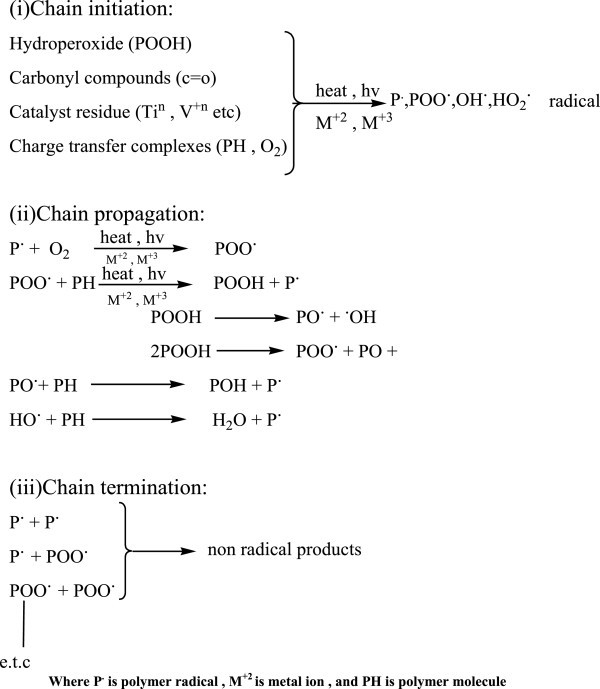
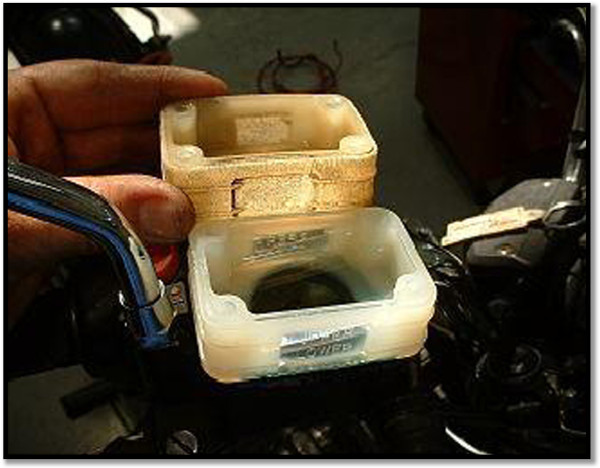
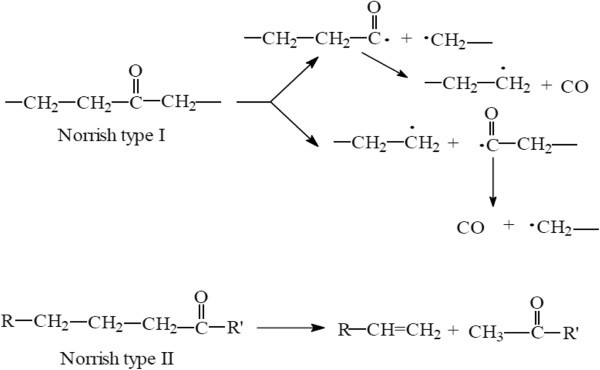
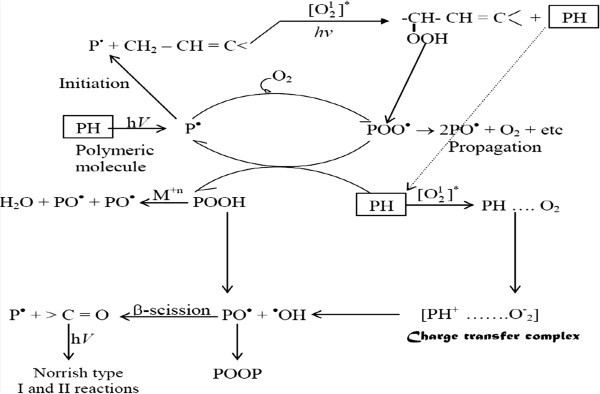
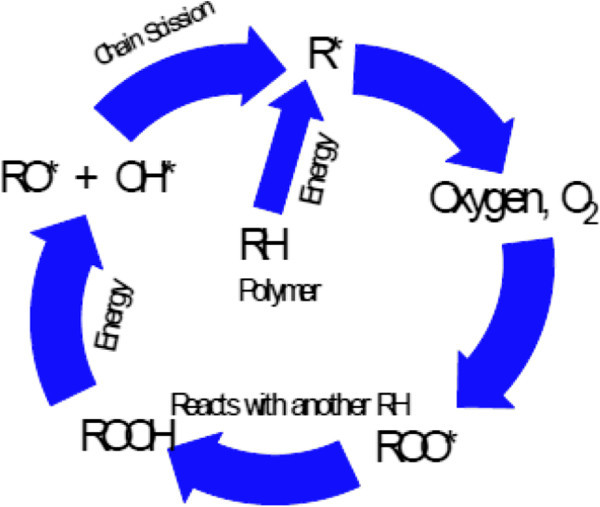
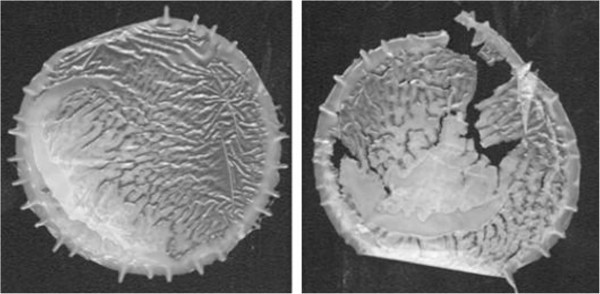
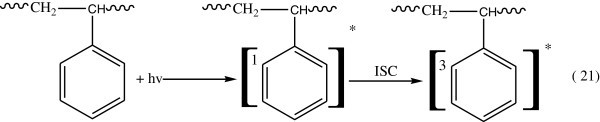
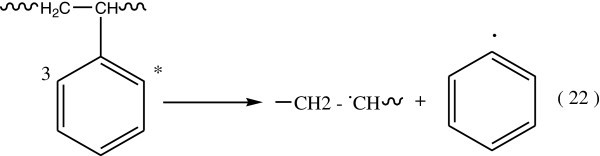
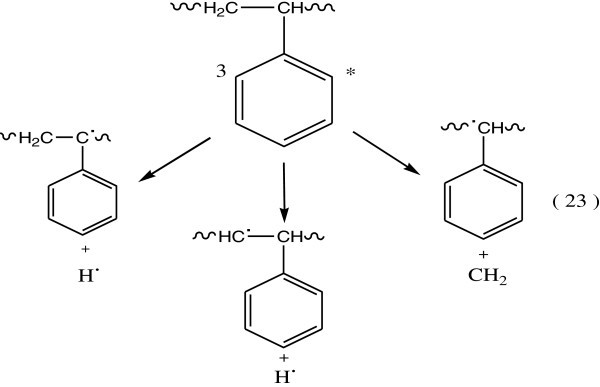
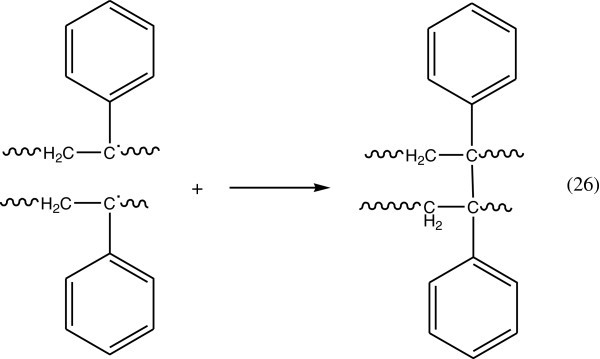
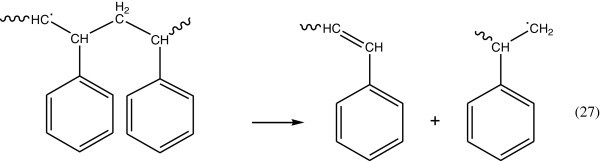
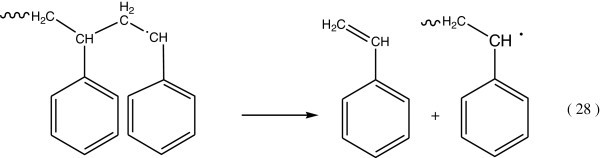
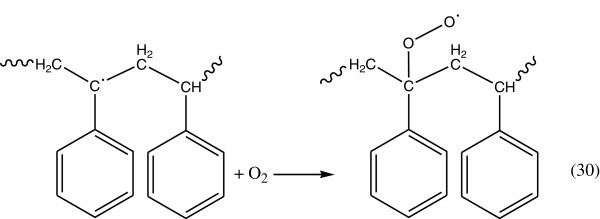
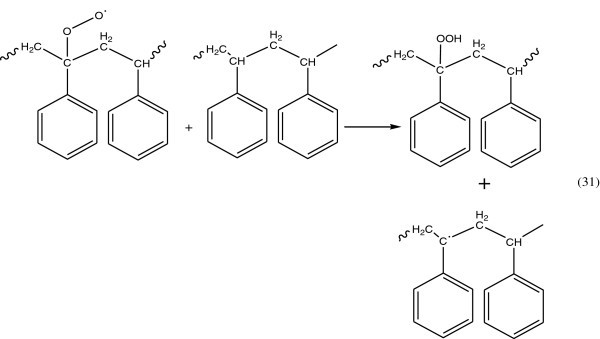
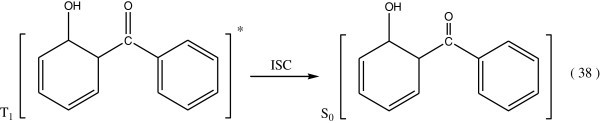
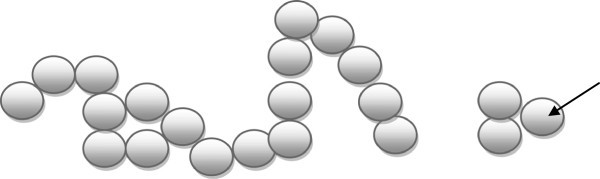
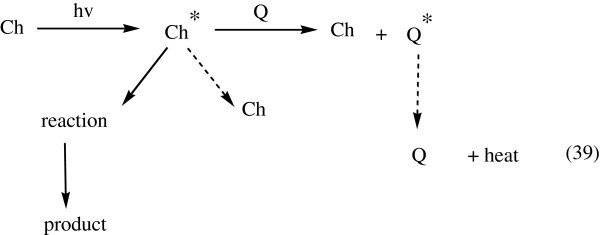
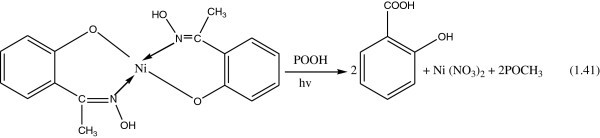
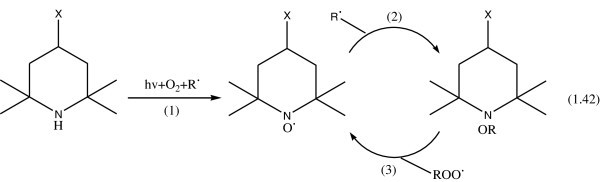
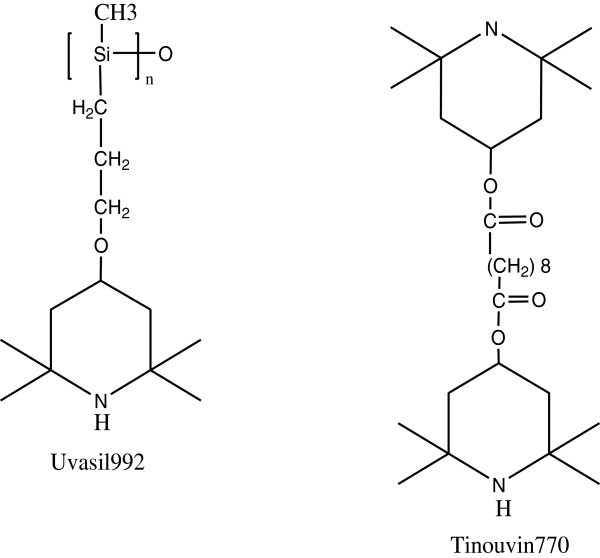
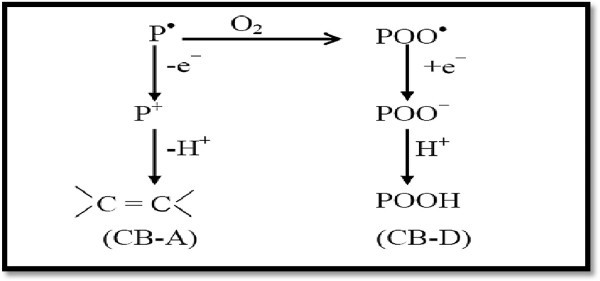
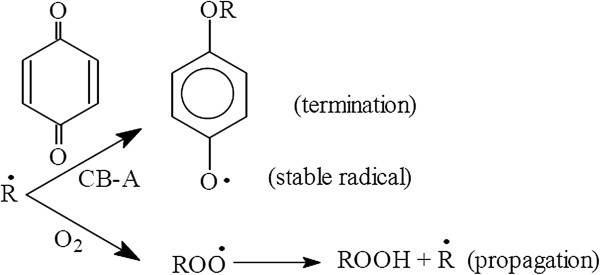
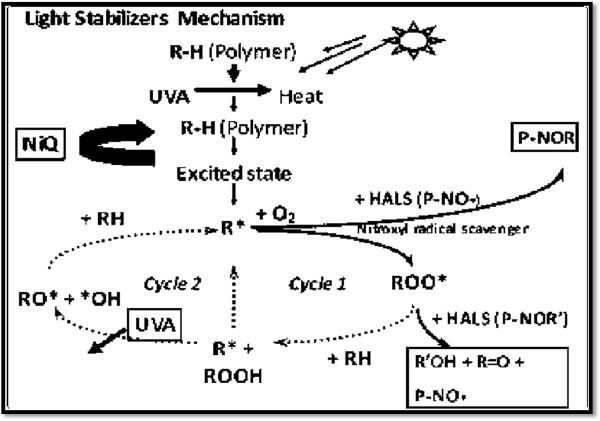
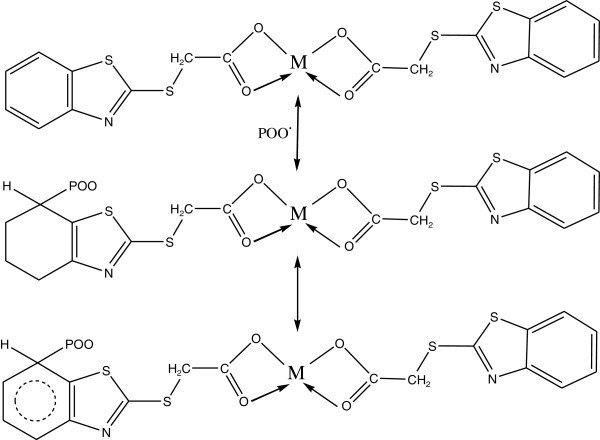
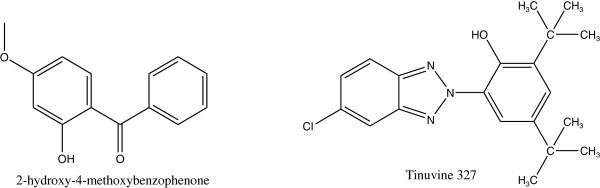
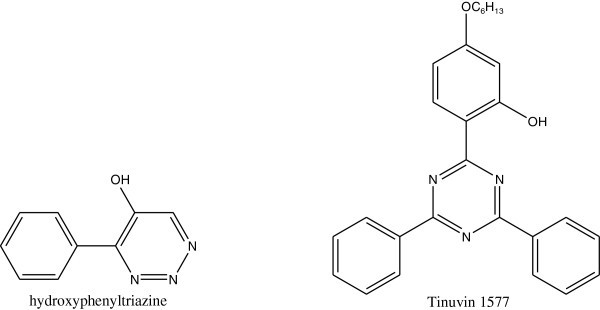
Exposure to ultraviolet (UV) radiation may cause the significant degradation of many materials. UV radiation causes photooxidative degradation which results in breaking of the polymer chains, produces free radical and reduces the molecular weight, causing deterioration of mechanical properties and leading to useless materials, after an unpredictable time. Polystyrene (PS), one of the most important material in the modern plastic industry, has been used all over the world, due to its excellent physical properties and low-cost. When polystyrene is subjected to UV irradiation in the presence of air, it undergoes a rapid yellowing and a gradual embrittlement. The mechanism of PS photolysis in the solid state (film) depends on the mobility of free radicals in the polymer matrix and their bimolecular recombination. Free hydrogen radicals diffuse very easily through the polymer matrix and combine in pairs or abstract hydrogen atoms from polymer molecule. Phenyl radical has limited mobility. They may abstract hydrogen from the near surrounding or combine with a polymer radical or with hydrogen radicals. Almost all synthetic polymers require stabilization against adverse environmental effects. It is necessary to find a means to reduce or prevent damage induced by environmental components such as heat, light or oxygen. The photostabilization of polymers may be achieved in many ways. The following stabilizing systems have been developed, which depend on the action of stabilizer: (1) light screeners, (2) UV absorbers, (3) excited-state quenchers, (4) peroxide decomposers, and (5) free radical scavengers; of these, it is generally believed that excited-state quenchers, peroxide decomposers, and free radical scavengers are the most effective. Research into degradation and ageing of polymers is extremely intensive and new materials are being synthesized with a pre-programmed lifetime. New stabilizers are becoming commercially available although their modes of action are sometimes not thoroughly elucidated. They target the many possible ways of polymer degradation: thermolysis, thermooxidation, photolysis, photooxidation, radiolysis etc. With the goal to increase lifetime of a particular polymeric material, two aspects of degradation are of particular importance: Storage conditions, and Addition of appropriate stabilizers. A profound knowledge of degradation mechanisms is needed to achieve the goal.
Overview
The claims and statistics of this paper haven’t been checked yet.
Run the check — free, no account needed. It reads the open-access text and checks the sources it cites.
Integrity signals
Registry
Cites
Statistics
Figures

Verification
Claims the paper makes
The claims and statistics of this paper haven’t been checked yet.
Run the check — free, no account needed. It reads the open-access text and checks the sources it cites.
Claims other papers make about this one
Each is checked against this paper’s own text: does it say what the citing paper says it does?
The source backs part of the claim, not all of it — or backs it for a different population, condition or comparison.
In the citing paper
“Physical and chemical changes in polymers can be caused by environmental factors including light (photo-oxidation), heat (photothermal oxidation), mechanical abrasion, moisture, chemical conditions or biological activity (fungi, bacteria, yeasts, algae, and their enzymes) 24,37,38 .”
From Environmental Deterioration of Biodegradable, Oxo-biodegradable, Compostable, and Conventional Plastic Carrier Bags in the Sea, Soil, and Open-Air Over a 3-Year Period (2019) · cites this paper as [38]
Experimental — accuracy not yet measured
Self-check
Percentages, sums and reported differences re-computed from the paper’s own numbers.
The self-check needs the paper’s full text.
Citations
Cites
MacKnight, W. (1976) · Science · doi:10.1126/science.191.4233.1260-a · Cited by 9,566 · cited 1×
“…degradation of polymers, which include processes such as chain scission, crosslinking and secondary oxidative reactions, and takes place via radical processes , similar to thermal oxidation reactions (Ranby and Rabek 1981; Carlsson et al. 1976; Mc Kellar & Allen 1979; Rnby and Lucki 1980).”
Comprehensive Chemical Kinetics
Bamford, C., & Tipper, C. F. H. (1976) · doi:10.1016/s0069-8040(03)80001-8 · Cited by 1,705 · cited 1×
“Photooxidative degradation includes the following steps: (Rabek 1994; Rabek 1974; Guillet 1972a, 1972b).”
Physical properties of polymers handbook
Mark, J. (2007) · Springer eBooks · doi:10.1007/978-0-387-69002-5 · Cited by 1,670
Mechanistic implications of plastic degradation
Singh, B., & Sharma, N. (2008) · Polymer Degradation and Stability · doi:10.1016/j.polymdegradstab.2007.11.008 · Cited by 1,569 · cited 1×
“Its hardness, hydrophobic nature and chemical composition cause it to persist in nature without any decomposition for long period of time thus cause environmental pollution Singh and Sharma (2008).”
Thermal characterization of polymeric materials
Turi, E. (1981) · Choice Reviews Online · doi:10.5860/choice.35-0290 · Cited by 1,472 · cited 4×
“from electronically excited carbonyl group to dissolved molecular oxygen Heskins and Guillet (1968). The quenching of [(1)O2] is also necessary for effective stabilization. Nickel chelates have been proven to be very effective quenchers for the excited state of [(1)O2] Schmitt and Hirt (1963).”
InfluentialPolymer Science and Technology
Fried, J. (1995) · Chemistry International · doi:10.1515/ci.2010.32.3.32a · Cited by 1,105
Physical properties of polymers handbook
(1996) · Choice Reviews Online · doi:10.5860/choice.34-2186 · Cited by 1,056 · cited 2×
“The decomposition of hydroperoxide in polymer to non radical derivatives was first demonstrated Carlsson and Wiles (1974). Many metal complexes of sulphur containing ligands such as dialkylthiocarbonate and dialkylthiophosphate not only decompose hydroxide in PE film but are also effective in UV stabilization (as UV a…”
Polymer Degradation and Stability
Peacock, A. J., & Calhoun, A. (2006) · doi:10.3139/9783446433434.009 · Cited by 607 · cited 1×
“Industrially, the yellow discoloration is an important adverse effect of the ageing of polystyrene, e.g. during exposure outdoors (Geuskens et al. 1978a, 1978b; Weir 1978; Lucki and Rnby 1979; Rnby and Lucki 1980).”
Synthesis and Characterization
Behrens, S., Bönnemann, H., Modrow, H., Kempter, V., Riehemann, W., Wiedenmann, A., Odenbach, S., Will, S., Thrams, L., Hergt, R., et al. (2009) · doi:10.1007/978-3-540-85387-9_1 · Cited by 555
Polymer Degradation and Stabilization
Hawkins, W. (1984) · Der Umweltschutz · doi:10.1007/978-3-642-69376-2 · Cited by 492
Research works printed but not linked: 49
- Abd MA, Abdul Zahra AAI, Shenta AA: Photostabilization of polystyrene films by anthraquinones derivatives and their complexes with copper (II), oxovanadium (IV) and nickel (II) ions. Journal of Basrah Researches 2009, 35(3):81-97.
- Aliwi SM: Photostabilization of low density polyethylene for green house application. Nat J chem 2001, 2: 280-302.
- Aliwi SM, AL-Ani RR, Awad DAJ: Photostabilization of polystyrene films by Nickel and Copper tetradentate Shiff base complexes. Iraqi journal polymer 2001, 5(1):15-30.
- Andrady AL: Advance Polymer Science.. 1997, 128: 49-94.
- Baloglu R, Fisch M: Polymer Degradation Stabilization. 1994, 45: 30-35.
- Beavan SW, Phillips D: Photostabilizing of macromolecule by excited state qyencher. Journal Photochem 1974, 3: 3149363. · DOI
- Bottino FA, Bottino G d P, Antonino P, Antonino R: Surface photostabilization of polystyrene by Tinuvin 1577. J of Appl Polym Sci 1999, 69(6):1251-1256. · DOI
- Bottino FA, Cinquegrani AR, Di Pasquale G, Leonardi L, Pollicino A: Chemical modification, mechanical properties and surface photooxidation of films of polystyrene. polymer testing. 2003, 12: 405-411.
- Bottino FA, Cinquegrani AR, Giovanna DD, Leonardi L, Antnino PA: Study on chemical modification, mechanical properties and surface photooxidation of films of polystyrene stabilized by hinderd amines (HAS), polymer testing. 2004, 23: 779-789.
- Cheremision NP: Hand Book of Engineering Polymeric Materials, chapter 8. New York; 1997. · DOI
- Dan E, Somersall AC, Guillet JE: Macromolecules, New York. 1973, 6: 228-230.
- Galdi A, Foltis P, Shah A: UV protecting composition and methods of use. Application: US patent; 2010:2010-118415.
- Geuskens G, David C: Polymer photodegradation: mechanisms and experimental methods. Pure Appl Chem 1979b, 51: 233-240. · DOI
- Gugumus F: Development in Polymer Stabilization-1. Edited by: Scott G. London: Applied Science Publishers Ltd; 1979:261.
- Gugumus F, Gachter R, Muller H (Eds): Plastics Additives. 2nd edition. Munich: Hanser; 1987:97-185.
- Guillet JE: Polymer photodegradation: mechanisms and experimental methods. Pure and ppl Chem 1972, 30: 135-144. · DOI
- Guillet J: Polymer Photophysics and Photochemistry. Cambridge University Press; 1985.
- Heller HJ: Photochemistry of dyed and pigmented polymers. Eurp Polymer J Supplement 1969, 99-105.
- Klopffer W: Polymer photodegradation: mechanisms and experimental methods. Eurpolym J 1975, 11: 203.
- Lamolla AA: Energy Transfer and Organic Photochemistry, chapter 2. In Technique of Organic Chemistry. Edited by: Lamolla AA, Turro NJ. New York: Wiley; 1969.
- Lawrence JB, Weir NA: Polymer photodegradation: mechanisms and experimental methods. J Polym Sci Al 1973, 11: 105-431.
- Mc Kellar JF, Allen NS: Photochemistry of Man-Made Polymers, Ltd. London 306 S: Applied Science Published; 1979:138.
- Mill TR, Richarason H, Mayo FR: J. Polym. Sci. Al. 1978, 11: 2899-2908.
- Patel P: Additive primer, blown films, cast films and extraction coating, PLACK conference. 2007, 16-20.
- Pospisil J, Habicher W, Zweifel H, Pilar J, Nespurek S, Piringer O: Polymer and polymer composites. AAA 2002, 10: 37-42.
- Potts JE: Plastic environmentally degradation, The Kirk-Othmer Encyclopedia of Chemical Technology. 3rd edition. 1991. Supp. Vol
- Rabek JF: Mechanism of Photophysical Process and Photochemical Reaction in polymers. New York: John Wiley and Sons; 1987.
- Rabek JF: Polymer photodegradation–mechanism and experimental methods. London: Chapman and Haal; 1993.
- Rabek JF: Polymer Degradation Mechanisms and experimental methods. Stocholm: Springer; 1994.
- Rabek JF: Polymer photodegradation-mechanisms and experimental methods. Cambridge: Chapman Hall; 1995. · DOI
- Rabek JF: Polymer photodegradation of polymers: physical characteristic and applications. Beelin: Springer- verlag; 1996. · DOI
- Rabek JF, Ranby B: Polymer photophysics and photochemistry: an introduction to the study of Photoprocess of macromolecules. J Polym Sci Al 1974, 12: 273-281.
- Rabek JF, Ranby B: Photodegradation, photooxidation and Photostabilization of Polymers. New York: John Wiley; 1975.
- Rabie ST, Mahran AM, Kamel EM, Abdel Hamid NH: Photodegradation of polystyrene stabilized with uracil derivative. Journal of applied sciences research 2008, 4(12):2015-2026.
- Ranby BG, Rabek JF: Photodegradation, Photooxidation and Photostabilization of Polymers. London: John Wiley & Sons; 1975:101-102.
- Ranby B, Rabek JF: Photodegradation, Photooxidation and Photostabilization of Polymers. Wiley periodicals, Inc; 1975b:165-184.
- Ruoko : Uv light induced degradation of polyethylene and polystyrene – spectroscopic and DSC study. Msc thesis: Tampere University of Technology; 2012.
- Safy Eldin NM, El-laithy SA: Photooxidative degradation of polystyrene of cover signals lamp of some automobile. Journal of applied polymer science 1994, 55: 47-54.
- Sastre R, Catalina F, Mateo JL, Claremunt R, Santa-Maria MD, Catalan J: Mechanism of photostabilization of polystyrene film by dihydroxypirazoles. J of Polym Sci Part A: Polym Chem 2003, 28(13):3661-3668. · DOI
- Schnabel W: Polymer Degradation: Principle and Practical Applications. Chapter 14. München: Hanser Int; 1981.
- Senna M, Hamid H, Hussein M: Nuclear instrument methods. Phys Res Section B 2002, 187: 48-55.
- Strlic M, Kolar J: Aging and stabilization of papers. Turjaška 1, 1000 Slovenia: Distributed by the National and university Library; 2005.
- Trozzolo AM, Winslow FH: Macromolecules. American chemical society publishing 1968., 98:
- Watson WF: Principles of polymer engineering rheology. Trans IRI 1953, 29: 29-32.
- Willis PB: Investigation of test method material properties and processes for solar cell in capsulation, eighth annual report. 1984.
- Wypych G: Handbook of material weathering. 4th edition. Toronto: Chemtec Publishing; 2008.
- Yousif E: Photostabilization of PVC by inorganic complexes. LAP LAMBERT academic publishing; 2010.
- Yousif E: Photostabilization of thermoplastic polymers. Germany: Lambert Academic Publishing; 2012.
- Yousif E, Salimon J, Salih N: Photostability of poly (vinyl chloride). VDM Verlag: Dr. Muller publisher; 2011b. B
Cited by
Sorted by citations
Items 301–400 of 1,001
Carbon Dot-Triggered Photocatalytic Degradation of Cellulose Acetate
Yadav, N., Adolfsson, K. H., & Hakkarainen, M. (2021) · Biomacromolecules · doi:10.1021/acs.biomac.1c00273 · Cited by 49
Development of Weather-Resistant 3D Printed Structures by Multi-Material Additive Manufacturing
Afshar, A., & Wood, R. (2020) · Journal of Composites Science · doi:10.3390/jcs4030094 · Cited by 42
Lozano, L. M., Hong, S.-D., Huang, Y., Zandavi, H., Aoud, Y. A. E., Tsurimaki, Y., Zhou, J.-W., Xu, Y.-F., Osgood, R., Chen, G., et al. (2019) · Optical Materials Express · doi:10.1364/ome.9.001990 · Cited by 42
van Driel, B., Wezendonk, T., van den Berg, K. J., Kooyman, P., Gascon, J., & Dik, J. (2017) · Spectrochimica Acta Part A - Molecular and Biomolecular Spectroscopy · doi:10.1016/j.saa.2016.04.026 · Cited by 42
A Multivariate Stochastic Degradation Model for Dependent Performance Characteristics
Zhai, Q., & Ye, Z.-S. (2022) · Technometrics · doi:10.1080/00401706.2022.2157881 · Cited by 41
“Please go to www.tandfonline.com/r/TECH. and introduce useless chemicals (Yousif and Haddad 2013).”
BackgroundDevelopments in advanced oxidation processes for removal of microplastics from aqueous matrices
Rızwan, K., & Bilal, M. (2022) · Environmental Science and Pollution Research · doi:10.1007/s11356-022-23545-0 · Cited by 53
“During photodegradation phenomena, chromophoric moieties of microplastics absorb the energy of UV light to develop into an excited singlet state, which is further converted into an excited triplet state through intersystem crossing (Yousif and Haddad 2013).”
BackgroundYamamoto, T., Kato, S., Aoki, D., & Otsuka, H. (2020) · Angewandte Chemie · doi:10.1002/anie.202013180 · Cited by 41
Lim, M., Patureau, D., Héran, M., Lesage, G., & Kim, J. (2020) · doi:10.1039/c9ew01058k · Cited by 41
Okshevsky, M., Gautier, E., Farner, J. M., Schreiber, L., & Tufenkji, N. (2020) · Environmental Microbiology Reports · doi:10.1111/1758-2229.12824 · Cited by 57
Investigation of accelerated aging of lignin-containing polymer materials.
Goliszek, M., Podkościelna, B., Sevastyanova, O., Fila, K., Chabros, A., & Pączkowski, P. (2019) · International Journal of Biological Macromolecules · doi:10.1016/j.ijbiomac.2018.11.141 · Cited by 41
UVA-induced weathering of microplastics in seawater: surface property transformations and kinetics
Gao, L., Su, Y., Mehmood, T., Wang, Z., Peng, L., & Zhang, N. (2025) · Frontiers in Marine Science · doi:10.3389/fmars.2025.1519668 · Cited by 39
Adam, H., Yousfi, M., Maazouz, A., & Lamnawar, K. (2025) · Macromolecular Materials and Engineering · doi:10.1002/mame.202400414 · Cited by 47
Towards sustainable solutions: A review of polystyrene upcycling and degradation techniques
Gautam, B., Tsai, T.-H., & Chen, J. (2024) · Polymer Degradation and Stability · doi:10.1016/j.polymdegradstab.2024.110779 · Cited by 54
Plastic pollution and degradation pathways: A review on the treatment technologies
Zaini, N., Kasmuri, N., Mojiri, A., Kindaichi, T., & Nayono, S. E. (2024) · Heliyon · doi:10.1016/j.heliyon.2024.e28849 · Cited by 45
“This phenomenon leads to the fragmentation of polymer chains, the generation of free radicals, and a subsequent reduction in molecular weight, ultimately resulting in plastic degradation [36].”
BackgroundAntunes, A. P. M., Popelka, A., Aljarod, O., Hassan, M. K., Kasák, P., & Luyt, A. S. (2020) · Polymers · doi:10.3390/polym12081743 · Cited by 52
Costa, P. F. R., Ribeiro, S., Botelho, G., Machado, A. V., & Lanceros-Méndez, S. (2015) · Polymer Testing · doi:10.1016/j.polymertesting.2015.02.002 · Cited by 43
Hasnan, N. S. N., Nordin, N. A., & Mohamed, M. A. (2024) · Journal of Materials Chemistry A · doi:10.1039/d4ta03977g · Cited by 52
Aljabali, A. A. A., Alkaraki, A. K., Gammoh, O., Qnais, E. Y., Alqudah, A. M., Mishra, V. K., Mishra, Y., & El‐Tanani, M. (2025) · RSC Advances · doi:10.1039/d5ra04634c · Cited by 56
Degradation Characteristics of Cellulose Acetate in Different Aqueous Conditions
Tan, J., Liang, Y., Sun, L., Yang, Z., Xu, J., Dong, D., & Liu, H. (2023) · Polymers · doi:10.3390/polym15234505 · Cited by 42
Metal Oxides‐Based Nano/Microstructures for Photodegradation of Microplastics
Kumar, R. (2023) · Advanced Sustainable Systems · doi:10.1002/adsu.202300033 · Cited by 52
Chen, J., Wan, N., Li, K., Hu, A., He, H., Wang, D., & Zhang, W. (2023) · Journal of Hazardous Materials · doi:10.1016/j.jhazmat.2022.130718 · Cited by 45
The Influence of UV Radiation on the Degradation of Pharmaceutical Formulations Containing Quercetin
Golonka, I., Wilk, S., & Musiał, W. (2020) · Molecules · doi:10.3390/molecules25225454 · Cited by 46
Pagnin, L., Calvini, R., Wiesinger, R., Weber, J., & Schreiner, M. (2020) · Frontiers in Materials · doi:10.3389/fmats.2020.600887 · Cited by 39
Salehi, M., Jafvert, C., Howarter, J., & Whelton, A. (2018) · Journal of Hazardous Materials · doi:10.1016/j.jhazmat.2017.12.066 · Cited by 39
Recent advances in corrosion resistant superhydrophobic coatings
Radwan, A. B., Abdullah, A., & Alnuaimi, N. A. (2017) · doi:10.1515/corrrev-2017-0012 · Cited by 39
“The generated radicals resulted from the photooxidative degradation process due to an exposure to UV irradiation, which interacted with oxygen to produce hydroperoxides and consequently decrease the surface wettability of the super water-repellent coating (Yousif & Haddad, 2013).”
BackgroundUreña, M., Phùng, T., Gerometta, M., Oliveira, L. D. S., Chanut, J., Domenek, S., Dole, P., Roudaut, G., Lagorce-Tachon, A., & Karbowiak, T. (2023) · Food Hydrocolloids · doi:10.1016/j.foodhyd.2023.108955 · Cited by 34
Enrichment of native plastic‐associated biofilm communities to enhance polyester degrading activity
Howard, S. A., Carr, C. M., Sbahtu, H. I., Onwukwe, U., López, M. J., Dobson, A. D. W., & McCarthy, R. R. (2023) · Environmental Microbiology · doi:10.1111/1462-2920.16466 · Cited by 40
“Presence at the air-water interface would also expose the EPS to more photo-oxidation, which may promote degradation of the plastic and aid bacterial growth (Ward et al., 2019; Yousif & Haddad, 2013).”
BackgroundAccelerated photodegradation of polystyrene by TiO2-polyaniline photocatalyst under UV radiation
lal, S. D., Jose, T. S., Rajesh, C., Puthukkara, P. A. R., Unnikrishnan, K. S., & Arun, K. (2021) · European Polymer Journal · doi:10.1016/j.eurpolymj.2021.110493 · Cited by 44
Kim, H. S., Lee, Y. J., Koo, Y.-J., Pack, E. C., Lim, K.-M., & Choi, D. (2021) · Food Control · doi:10.1016/j.foodcont.2021.107981 · Cited by 38
Assaf, Y., & Kietzig, A. (2018) · doi:10.1016/j.mtcomm.2018.01.008 · Cited by 38
Decol, M., Pachekoski, W. M., & Becker, D. (2018) · Journal of Applied Polymer Science · doi:10.1002/app.45813 · Cited by 38
Lewańska, M., & Barczyńska, R. (2025) · Polymers · doi:10.3390/polym17212923 · Cited by 42
“Hydrolysis and subsequent oxidation also play a significant role [83].”
Using Insect Larvae and Their Microbiota for Plastic Degradation
Vilchis, I. V., & Karunakaran, E. (2025) · Insects · doi:10.3390/insects16020165 · Cited by 34
“In Of all the mechanisms described above, one of the most important mechanisms photodegradation [34] photodegradation, high-energy ultraviolet (UV) irradiation UV-B (290–315 nm) and medium-energy UV-A (315–400 nm) initiate radical-mediated plastic degradation [34,50,51].”
Sørensen, L., Gerace, M. H., & Booth, A. M. (2024) · Cambridge Prisms Plastics · doi:10.1017/plc.2024.13 · Cited by 44
“The irradiation causes photocatalysed oxidative degradation, resulting in broken polymer chains and a reduction in the molecular weight of the particles (Yousif and Haddad, 2013).”
BackgroundPeriyasamy, A. P. (2023) · Toxics · doi:10.3390/toxics11070575 · Cited by 50
“Enzymes such as cellulases, proteases, lipases, and amylases were added to detergents to improve stain removal and shorten the time it takes to wash laundry [53].”
BackgroundVegetable Tannin as a Sustainable UV Stabilizer for Polyurethane Foams
Oliviero, M., Stanzione, M., D'Auria, M., Sorrentino, L., Iannace, S., & Verdolotti, L. (2019) · Polymers · doi:10.3390/polym11030480 · Cited by 37
Lankone, R. S., Challis, K., Bi, Y., Hanigan, D. J., Reed, R. B., Zaikova, T. O., Hutchison, J. E., Westerhoff, P. K., Ranville, J. F., Fairbrother, D. H., et al. (2017) · Environmental Science Nano · doi:10.1039/c7en00410a · Cited by 44
Hadiyanto, H., Khoironi, A., Dianratri, I., Huda, K., Suherman, S., & Muhammad, F. (2022) · Environmental Pollutants and Bioavailability · doi:10.1080/26395940.2022.2128884 · Cited by 39
“This process aims to provide an early stage of damage to the HDPE surface so it can be more easily degraded biotically [45].”
BackgroundRadioluminescent nanoparticles for radiation-controlled release of drugs
Misra, R. D., Sarkar, K., Lee, J., Pizzuti, V. J., Lee, D. S., Currie, M. P., Torregrosa‐Allen, S. E., Long, D. E., Durm, G. A., Langer, M., et al. (2019) · Journal of Controlled Release · doi:10.1016/j.jconrel.2019.04.033 · Cited by 38
Ahmadi, P., Doyle, D., Mojarad, N., Taherkhani, S., Janzadeh, A., Honardoost, M., & Gholami, M. (2025) · Toxicology Mechanisms and Methods · doi:10.1080/15376516.2025.2500546 · Cited by 39
“Their binding with organic materials relies primarily on van der waals forces, hydrophobic interactions, π–π stacking (in the case of PS with aromatic compounds), and weak dispersion forces (Yousif and Haddad 2013; Cortés-Arriagada et al. 2023).”
Synthesis and properties of biodegradable PBAT prepared from PBT chemically recycled resources
Jiang, Z.-L., Hou, F., Chen, J.-P., Wang, B.-X., Song, S., Li, J., Huang, L., Wang, C.-S., & Wang, H.-P. (2024) · Polymer · doi:10.1016/j.polymer.2024.127326 · Cited by 35
Hasan, M., Hossain, M. S., Islam, M. D., Rahman, M. M., Ratna, A. S., & Mukhopadhyay, S. (2023) · ACS Applied Materials and Interfaces · doi:10.1021/acsami.3c05659 · Cited by 35
Liang, J., Wu, J., Zeng, Z., Li, M., Liu, W., & Zhang, T. (2023) · Environmental Science and Pollution Research · doi:10.1007/s11356-023-26390-x · Cited by 37
“Peroxyl radicals can take up hydrogen atoms from their surroundings, creating hydrogen peroxide groups (COOH), which then break down further to generate additional functional groups (C = O, C–OH) (Yousif and Haddad 2013).”
BackgroundInfluence of ultraviolet radiation on polystyrene
Monsores, K. G. D. C., da Silva, A. O., Oliveira, S. D. S. A., Weber, R. P., Feliciano, P., & Monteiro, S. (2021) · Journal of Materials Research and Technology · doi:10.1016/j.jmrt.2021.04.035 · Cited by 35
PLA/Coffee Grounds Composites: A Study of Photodegradation and Biodegradation in Soil
da Silva, A. P., Pereira, M. D. P., Passador, F. R., & Montagna, L. S. (2020) · Macromolecular Symposia · doi:10.1002/masy.202000091 · Cited by 39
Park, J.-A., Yang, B., Jang, M., Kim, J.-H., Kim, S.-B., Park, H., Park, H.-M., Lee, S.-H., & Choi, J. (2019) · Chemical Engineering Journal · doi:10.1016/j.cej.2019.02.101 · Cited by 36
Pseudomonas isolates degrade and form biofilms on polyethylene terephthalate (PET) plasticPreprint
Vague, M., Chan, G., Roberts, C. G., Swartz, N. A., & Mellies, J. L. (2019) · bioRxiv (Cold Spring Harbor Laboratory) · doi:10.1101/647321 · Cited by 38
Stability testing of silver nanodisc suspensions for solar applications
Taylor, R. A., Hjerrild, N. E., Duhaini, N., Pickford, M., & Mesgari, S. (2018) · Applications of Surface Science · doi:10.1016/j.apsusc.2018.05.201 · Cited by 35
Li, H., Bai, L., Liang, S., Chen, X., Gu, X., Wang, C., & Gu, C. Z. (2025) · Eco-Environment & Health · doi:10.1016/j.eehl.2025.100138 · Cited by 41
“Moreover, surface oxidation and microcrack formation are common outcomes of the natural aging process, which signi fi cantly in fl uence the adsorption behavior of MNPs [48, 49].”
Ghanadi, M., & Padhye, L. P. (2024) · Journal of Hazardous Materials · doi:10.1016/j.jhazmat.2024.133509 · Cited by 53
Photocatalytic degradation of polyethylene and polystyrene microplastics by α-Fe2O3/g-C3N4
Chai, C., Hao, L., Yao, R., Wang, F., Song, N., Wu, J., & Li, Y. (2023) · Environmental Science and Pollution Research · doi:10.1007/s11356-023-31000-x · Cited by 43
“The benzene ring on the PS surface becomes excited and the excitation energy transfers to the nearest C-H bonds, resulting in the formation of free radicals and chain cleavage (Yousif and Haddad 2013).”
Kusworo, T., Yulfarida, M., Kumoro, A. C., Sumardiono, S., Djaeni, M., Kurniawan, T. A., Othman, M. H., & Budiyono, B. (2023) · Journal of Environmental Chemical Engineering · doi:10.1016/j.jece.2023.109583 · Cited by 34
Almajed, A., Lemboye, K., & Moghal, A. (2022) · Polymers · doi:10.3390/polym14225004 · Cited by 34
Yin, L., Wu, N., Qu, R.-J., Zhu, F., Ajarem, J., Allam, A., Wang, Z.-Y., & Huo, Z. (2022) · Journal of Hazardous Materials · doi:10.1016/j.jhazmat.2022.130475 · Cited by 34
Herath, A., & Salehi, M. (2022) · Environmental Pollution · doi:10.1016/j.envpol.2022.119628 · Cited by 43
Khotbehsara, M. M., Manalo, A., Aravinthan, T., Ferdous, W., Benmokrane, B., & Nguyen, K. T. Q. (2021) · doi:10.1016/j.conbuildmat.2021.122336 · Cited by 34
Majka, T., Leszczyńska, A., Kandola, B., Pornwannachai, W., & Pielichowski, K. (2017) · doi:10.1016/j.clay.2017.01.012 · Cited by 34
“Such groups form new PO● radicals that catalyse the recombination of H● radicals and sweep OH● radicals resulting from the dissolution of the polymer hydroperoxide (Davis et al., 2003; Grand and Wilkie, 2000; Kashiwagi et al., 2004; Majka et al., 2016; Song et al., 2004; Yousif and Haddad, 2013).”
BackgroundNagare, S. M., Hakami, A., Biswas, P. K., Stefanakos, E., & Srinivasan, S. S. (2024) · Journal of Coatings Technology and Research · doi:10.1007/s11998-024-00982-9 · Cited by 33
Ng, J., Tan, N., Chung, W. H., Golovanevskiy, V., Farhat, H., & Pojtanabuntoeng, T. (2024) · Polymer degradation and stability · doi:10.1016/j.polymdegradstab.2024.110930 · Cited by 33
Yan, Z., Zhao, H., Zhu, P., Wang, Y., Hou, J., Lu, G., & He, C. H. (2024) · Journal of Hazardous Materials · doi:10.1016/j.jhazmat.2024.134179 · Cited by 39
Boronat, C., Correcher, V., García-Guinea, J., & Bravo-Yagüe, J. C. (2024) · Polymer degradation and stability · doi:10.1016/j.polymdegradstab.2024.110700 · Cited by 33
Hamza, A., Ijaz, M. U., Ehsan, N., Khan, H. A., Alkahtani, S. H., & Atique, U. (2023) · Journal of Functional Foods · doi:10.1016/j.jff.2023.105771 · Cited by 38
Lange, K., Furén, R., Österlund, H., Winston, R., Tirpak, R. A., Nordqvist, K., Smith, J. S., Dorsey, J., Viklander, M., & Blecken, G. (2023) · Chemosphere · doi:10.2139/ssrn.4191046 · Cited by 33
“Oxidation due to UV radiation, which may take place at the filter surface, results in reduced elasticity and makes plastic brittle and breakable (Song et al., 2017; Yousif and Haddad, 2013).”
BackgroundAlbergamo, V., Wohlleben, W., & Plata, D. L. (2023) · Environmental Science Processes & Impacts · doi:10.1039/d2em00415a · Cited by 48
“8 † ), a strong indicator of photo-oxidation; 9,19,49 the increasing and broadening 3200 – 3600 cm − 1 wavenumber region in all PU microplastics (Fig.”
BackgroundInfluentialSamanta, A., Huang, W., Parveg, A. S. M. S., Kotak, P., Auyeung, R., Charipar, N., Shaw, S., Ratner, A., Lamuta, C., & Ding, H.-T. (2021) · ACS Applied Materials and Interfaces · doi:10.1021/acsami.1c09144 · Cited by 33
Recent advances in photoluminescent polymer optical fibers
Jakubowski, K., Huang, C., Boesel, L. F., Hufenus, R., & Heuberger, M. P. (2021) · Current Opinion in Solid State and Materials Science · doi:10.1016/j.cossms.2021.100912 · Cited by 39
On the Stability of Polymeric Nanoparticles Fabricated through Rapid Solvent Mixing
Morozova, T. I., Lee, V. E., Panagiotopoulos, A. Z., Prud’homme, R. K., Priestley, R. D., & Nikoubashman, A. (2018) · Langmuir · doi:10.1021/acs.langmuir.8b03399 · Cited by 35
Dynamic properties of ultraviolet-exposed polyurea
Youssef, G., & Whitten, I. (2017) · doi:10.1007/s11043-016-9333-9 · Cited by 33
Bajracharya, R. M., Manalo, A., Karunasena, W., & Lau, K. (2017) · doi:10.1016/j.compositesb.2017.02.027 · Cited by 33
Lignin as an Additive for Advanced Composites
Polat, Y., Stojanovska, E., Negawo, T. A., Doner, E., & Kiliç, A. (2017) · doi:10.1007/978-3-319-46610-1_4 · Cited by 33
Aging and Degradation of Printed Materials
Izdebska, J. (2016) · Elsevier eBooks · doi:10.1016/b978-0-323-37468-2.00022-1 · Cited by 33
Ou, Q., Xu, Y., Wang, X., van der Hoek, J. P., Yu, G. Q., & Liu, G. (2024) · Environmental Science & Technology · doi:10.1021/acs.est.4c03831 · Cited by 20
Hanachi, P., Karbalaei, S., & Yu, S. (2021) · Environmental Science and Pollution Research · doi:10.1007/s11356-021-15536-4 · Cited by 44
Vaimakis-Tsogkas, D. Τ., Bekas, D., Giannakopoulou, T., Todorova, N., Paipetis, A., & Barkoula, N. (2019) · Materials Chemistry and Physics · doi:10.1016/j.matchemphys.2018.11.011 · Cited by 32
Romo‐Uribe, A., Meneses‐Acosta, A., & Domínguez‐Díaz, M. (2017) · Materials Science and Engineering C · doi:10.1016/j.msec.2017.07.045 · Cited by 32
Pittol, M., Tomacheski, D., Simões, D., Ribeiro, V., & Santana, R. (2017) · doi:10.1590/1980-5373-mr-2017-0137 · Cited by 32
Photostability of plasma polymerized γ-terpinene thin films for encapsulation of OPV
Bazaka, K., Ahmad, J., Oelgemöller, M., Uddin, A., & Jacob, M. (2017) · Scientific Reports · doi:10.1038/srep45599 · Cited by 32
Akram, Z., Kausar, A., & Siddiq, M. (2015) · Polymer-Plastics Technology and Engineering · doi:10.1080/03602559.2015.1098696 · Cited by 29
“quickly, which gives them favorable properties of high melting temperature, and chemical resistance([110]).”
BackgroundMicroplastics in ecosystems: ecotoxicological threats and strategies for mitigation and governance
Das, B. K., Das, S., Kumar, V., Roy, S., Mitra, A., & Mandal, B. (2025) · Frontiers in Marine Science · doi:10.3389/fmars.2025.1672484 · Cited by 33
Effect of UV-C Radiation on 3D Printed ABS-PC Polymers
Amza, C. G., Zapciu, A., Baciu, F., & Radu, C. (2023) · Polymers · doi:10.3390/polym15081966 · Cited by 37
Application of Photo-Fenton-Membrane Technology in Wastewater Treatment: A Review
Liang, L.-H., Ji, L., Ma, Z., Ren, Y., Zhou, S., Long, X., & Cao, C. (2023) · Membranes · doi:10.3390/membranes13040369 · Cited by 31
Singh, N., Mann, B., Sharma, R., Verma, A., Raju, P. N., & Gandhi, K. (2022) · Social Science Research Network · doi:10.2139/ssrn.4118156 · Cited by 31
Taghavi, N., Zhuang, W., & Baroutian, S. (2021) · Journal of environmental chemical engineering · doi:10.1016/j.jece.2021.107033 · Cited by 36
Sharaf, O. Z., Rizk, N., Munro, C. J., Joshi, C. P., Anjum, D., Abu-Nada, E., Martin, M. N., & Alazzam, A. (2021) · doi:10.1016/j.solmat.2021.111115 · Cited by 31
Spin-trapping analysis for thermal degradation of poly(vinyl alcohol)
Hayashi, T., Kinashi, K., Sakai, W., Tsutsumi, N., Fujii, A., Inada, S., & Yamamoto, H. (2021) · Polymer · doi:10.1016/j.polymer.2021.123416 · Cited by 33
Quantifying Photochemical Transformations of Poly(butylene adipate- co -terephthalate) Films
Maurer‐Jones, M. A., & Monzo, E. M. (2021) · ACS Applied Polymer Materials · doi:10.1021/acsapm.0c01283 · Cited by 37
Yousif, E., Ahmed, D., El-Hiti, G., Alotaibi, M., Hashim, H., Hameed, A., & Ahmed, A. (2018) · Polymers · doi:10.3390/polym10111185 · Cited by 31
Self-citationEffects of UV radiation on the friction behavior of thermoplastic polyurethanes
Theiler, G., Wachtendorf, V., Elert, A. M., & Weidner, S. M. (2018) · Polymer Testing · doi:10.1016/j.polymertesting.2018.08.006 · Cited by 39
Mohammed, R., El-Hiti, G., Ahmed, A., & Yousif, E. (2017) · doi:10.1007/s13369-016-2323-z · Cited by 31
Self-citationDar, M. A., Xie, R., Zabed, H. M., Pawar, K. D., Dhole, N. P., & Sun, J. (2024) · Insect Science · doi:10.1111/1744-7917.13417 · Cited by 32
“The production of carbonyl groups is a well-known primary indicator for the breakdown of PS and other plastics (Yousif & Haddad, 2013).”
Shi, X.-G., Cui, W., Xu, T., Qi, X., Miao, Z.-R., & Xu, S.-W. (2021) · doi:10.21203/rs.3.rs-1100694/v1 · Cited by 30
Suraci, S., Fabiani, D., Roland, S., & Colin, X. (2021) · Polymer testing · doi:10.1016/j.polymertesting.2021.107352 · Cited by 30
Najmeddine, A., Xu, Z., Liu, G., Croft, Z. L., Liu, G., Esker, A. R., & Shakiba, M. (2022) · International Journal of Solids and Structures · doi:10.1016/j.ijsolstr.2022.111427 · Cited by 26
Synthesis of modified carbon dots with performance of ultraviolet absorption used in sunscreen.
Hu, G., Lei, B., Jiao, X.-F., Wu, S., Zhang, X.-J., Zhuang, J., Liu, X.-T., Hu, C.-F., & Liu, Y.-L. (2019) · Optics Express · doi:10.1364/oe.27.007629 · Cited by 30
Das, M., Kumar, S., & Das, J. (2018) · Energy Ecology and Environment · doi:10.1007/s40974-018-0085-z · Cited by 30
Lestari, P., Trihadiningrum, Y., & Warmadewanthi, I. (2022) · Journal of environmental chemical engineering · doi:10.1016/j.jece.2022.107553 · Cited by 41
Self-Standing Lignin-Containing Willow Bark Nanocellulose Films for Oxygen Blocking and UV Shielding
Dou, J., Vuorinen, T., Koivula, H. M., Forsman, N., Sipponen, M. H., & Hietala, S. (2021) · ACS Applied Nano Materials · doi:10.1021/acsanm.1c00071 · Cited by 36
Ahmed, A. A., Ahmed, D., El-Hiti, G., Alotaibi, M., Hashim, H., & Yousif, E. (2019) · Applied Petrochemical Research · doi:10.1007/s13203-019-00235-6 · Cited by 29
Self-citationLi, K., Li, L., Qin, J., & Liu, X.-Y. (2016) · doi:10.1016/j.polymdegradstab.2016.03.033 · Cited by 29
Pereira-Pinto, E., Scott, J., Hess, K. Z., Paredes, E., Bellas, J., González-Estrella, J., & Minghetti, M. (2024) · Environmental Science and Pollution Research · doi:10.1007/s11356-024-34301-x · Cited by 32
“…induces chemical reactions that expose polymers to hydroxide (OH − ) and hydroperoxyl (HO 2 ) radicals, modifies surface charge, and releases plastic impurities such as trace metals, additives, or solvents (Yousif and Haddad 2013; Amelia et al. 2021; Di Natale et al. 2022; El Hayek et al. 2023).”
Background
Metadata
- Authors
- Yousif, E., & Haddad, R.
- Affiliations
- Nahrain University (IQ)
- Corresponding author
- Yousif, Emad
- ORCID
- Yousif, Emad
- Venue
- SpringerPlus
- Published
- 2013-08-23
- Volume
- 2
- Issue
- 1
- Pages
- 398-398
- ISSN
- 2193-1801 (ISSN-L)
- PMC
- PMC4320144
- OpenAlex
- W2122404351
- Cited by
- 1,503
- References
- 133
- Citations by year
- 2026: 182 · 2025: 215 · 2024: 211 · 2023: 192 · 2022: 157 · 2021: 162 · 2020: 131 · 2019: 95 · 2018: 60 · 2017: 43 · 2016: 31 · 2015: 15 · 2014: 8 · 2013: 1
- FWCI
- 1.54
- Type
- journal article
- Language
- en
- Open access
- diamond
- doi.org
- Licence
- Locations
- SpringerPlus (publishedVersion, cc-by)
- Europe PMC (PubMed Central) (publishedVersion, cc-by)
- PubMed Central (publishedVersion, cc-by)
- PubMed (publishedVersion)
- Funders
- Al-Nahrain University
- Topics
- Physical Sciences › Materials Science › Polymers and Plastics › Polymer Science and PVC
- Physical Sciences › Chemistry › Organic Chemistry › Photopolymerization techniques and applications
- Physical Sciences › Chemistry › Organic Chemistry › Free Radicals and Antioxidants
- Keywords
- photodegradation, photostabilization, polystyrene, ultraviolet radiation, photooxidation, free radicals, yellowing, embrittlement, photolysis mechanism, polymer stabilizers, UV absorbers, radical scavengers, polymer aging, storage conditions
About these checks
Registry, retraction, Cites and statistics results are computed, not judged, with one exception: a printed reference that no index lists is read once by a model before it counts as a citation error. Claims are extracted by a model and kept only when their quote appears verbatim in the text; each cited source is then checked, with a model’s help, for whether it says what the claim relies on. Those verdicts can be wrong — read the claim’s quote and the cited source before relying on one.
Statistics and arithmetic are recomputed, not judged.
Confidence bands are shown only for fields calibrated on our annotated test set. None is calibrated yet, so no band is shown.
What counts as a claim ›How we measure confidence ›How we check this ›
Are you an author, or do you see a problem with this page? Request a review
