

The DOI matches its Crossref record; 102 of the 133 references it cites were found in a registry or an index.
Photodegradation and photostabilization of polymers, especially polystyrene: review
Open accessAbstract
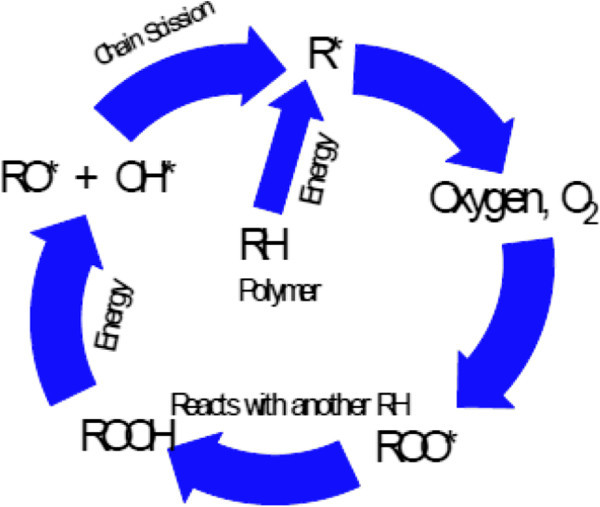
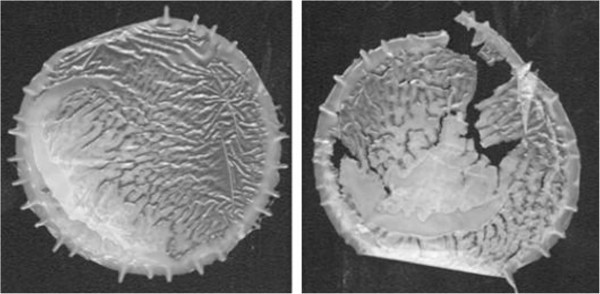
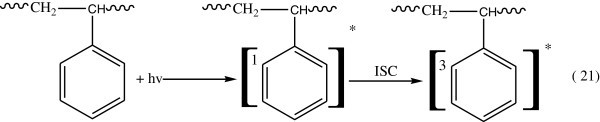
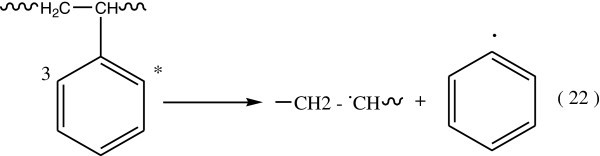
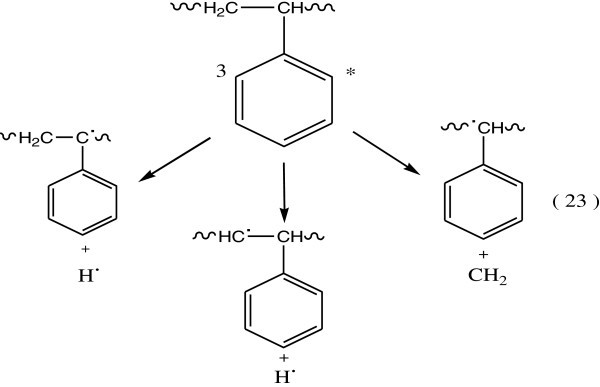
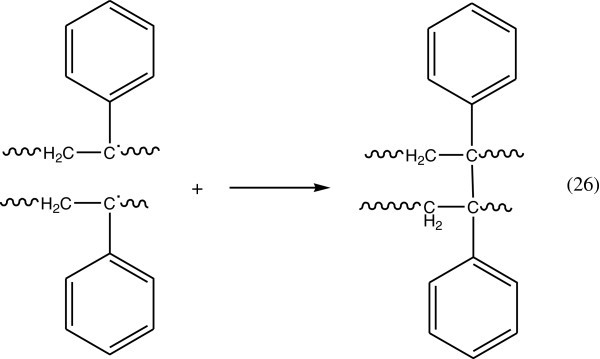
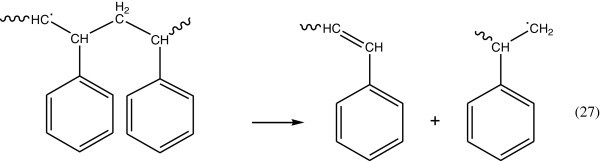
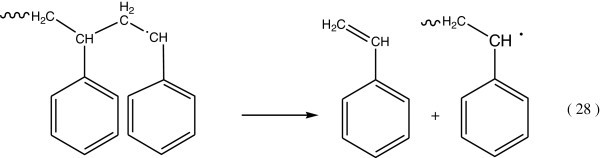
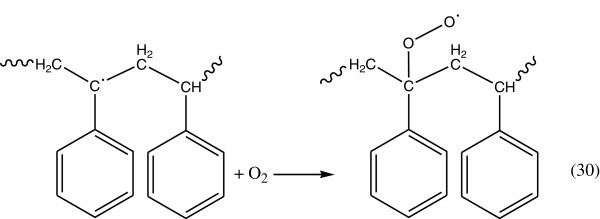
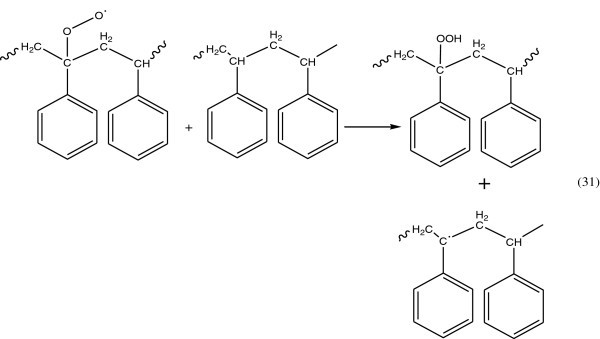
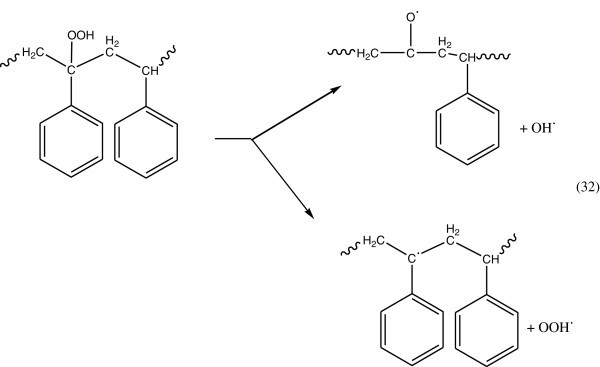
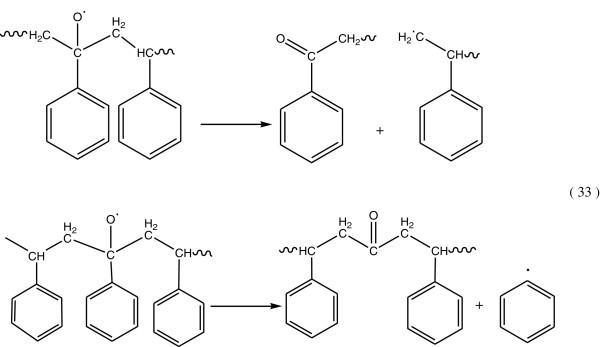
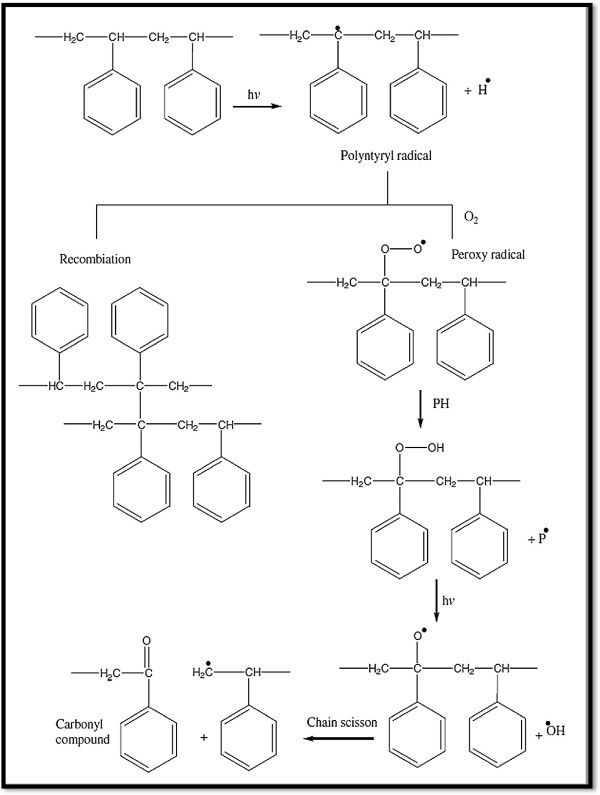
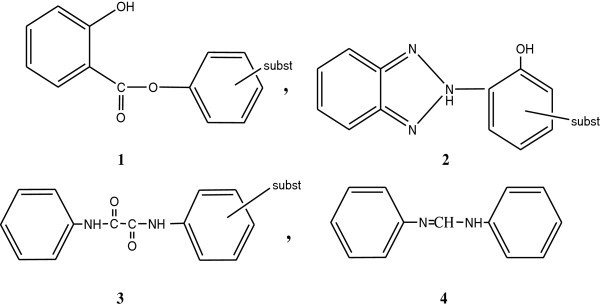
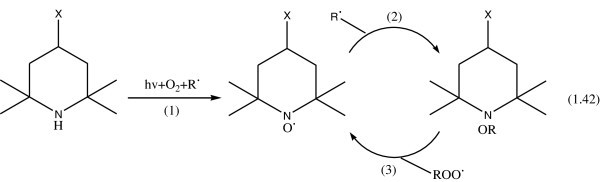
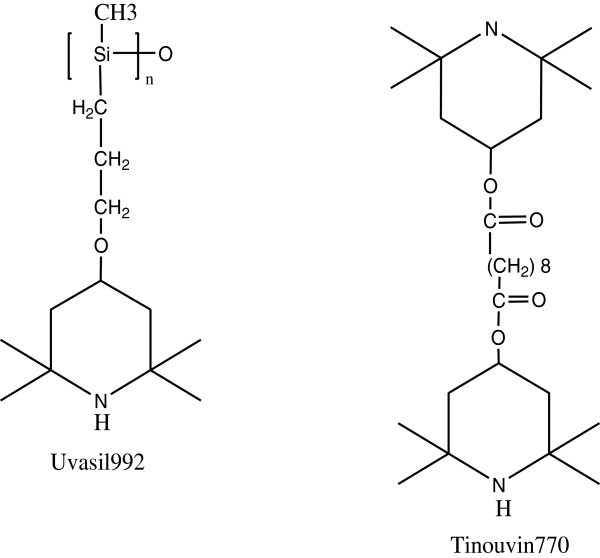
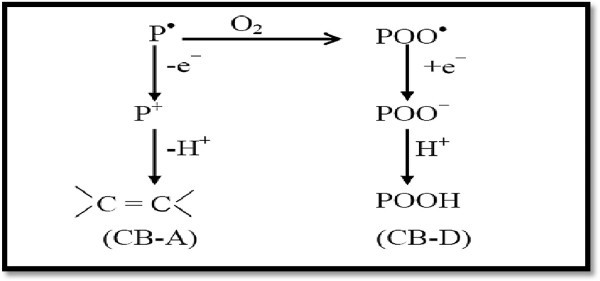
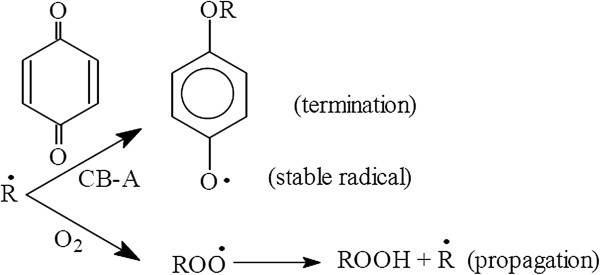
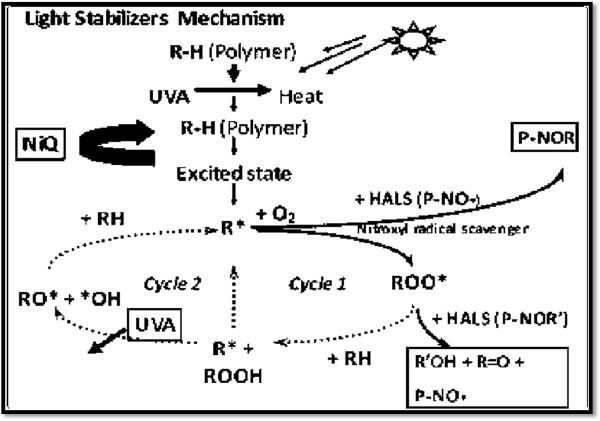
Exposure to ultraviolet (UV) radiation may cause the significant degradation of many materials. UV radiation causes photooxidative degradation which results in breaking of the polymer chains, produces free radical and reduces the molecular weight, causing deterioration of mechanical properties and leading to useless materials, after an unpredictable time. Polystyrene (PS), one of the most important material in the modern plastic industry, has been used all over the world, due to its excellent physical properties and low-cost. When polystyrene is subjected to UV irradiation in the presence of air, it undergoes a rapid yellowing and a gradual embrittlement. The mechanism of PS photolysis in the solid state (film) depends on the mobility of free radicals in the polymer matrix and their bimolecular recombination. Free hydrogen radicals diffuse very easily through the polymer matrix and combine in pairs or abstract hydrogen atoms from polymer molecule. Phenyl radical has limited mobility. They may abstract hydrogen from the near surrounding or combine with a polymer radical or with hydrogen radicals. Almost all synthetic polymers require stabilization against adverse environmental effects. It is necessary to find a means to reduce or prevent damage induced by environmental components such as heat, light or oxygen. The photostabilization of polymers may be achieved in many ways. The following stabilizing systems have been developed, which depend on the action of stabilizer: (1) light screeners, (2) UV absorbers, (3) excited-state quenchers, (4) peroxide decomposers, and (5) free radical scavengers; of these, it is generally believed that excited-state quenchers, peroxide decomposers, and free radical scavengers are the most effective. Research into degradation and ageing of polymers is extremely intensive and new materials are being synthesized with a pre-programmed lifetime. New stabilizers are becoming commercially available although their modes of action are sometimes not thoroughly elucidated. They target the many possible ways of polymer degradation: thermolysis, thermooxidation, photolysis, photooxidation, radiolysis etc. With the goal to increase lifetime of a particular polymeric material, two aspects of degradation are of particular importance: Storage conditions, and Addition of appropriate stabilizers. A profound knowledge of degradation mechanisms is needed to achieve the goal.
Overview
The claims and statistics of this paper haven’t been checked yet.
Run the check — free, no account needed. It reads the open-access text and checks the sources it cites.
Integrity signals
Registry
Cites
Statistics
Figures

Verification
Claims the paper makes
The claims and statistics of this paper haven’t been checked yet.
Run the check — free, no account needed. It reads the open-access text and checks the sources it cites.
Claims other papers make about this one
Each is checked against this paper’s own text: does it say what the citing paper says it does?
The source backs part of the claim, not all of it — or backs it for a different population, condition or comparison.
In the citing paper
“Physical and chemical changes in polymers can be caused by environmental factors including light (photo-oxidation), heat (photothermal oxidation), mechanical abrasion, moisture, chemical conditions or biological activity (fungi, bacteria, yeasts, algae, and their enzymes) 24,37,38 .”
From Environmental Deterioration of Biodegradable, Oxo-biodegradable, Compostable, and Conventional Plastic Carrier Bags in the Sea, Soil, and Open-Air Over a 3-Year Period (2019) · cites this paper as [38]
Experimental — accuracy not yet measured
Self-check
Percentages, sums and reported differences re-computed from the paper’s own numbers.
The self-check needs the paper’s full text.
Citations
Cites
MacKnight, W. (1976) · Science · doi:10.1126/science.191.4233.1260-a · Cited by 9,566 · cited 1×
“…degradation of polymers, which include processes such as chain scission, crosslinking and secondary oxidative reactions, and takes place via radical processes , similar to thermal oxidation reactions (Ranby and Rabek 1981; Carlsson et al. 1976; Mc Kellar & Allen 1979; Rnby and Lucki 1980).”
Comprehensive Chemical Kinetics
Bamford, C., & Tipper, C. F. H. (1976) · doi:10.1016/s0069-8040(03)80001-8 · Cited by 1,705 · cited 1×
“Photooxidative degradation includes the following steps: (Rabek 1994; Rabek 1974; Guillet 1972a, 1972b).”
Physical properties of polymers handbook
Mark, J. (2007) · Springer eBooks · doi:10.1007/978-0-387-69002-5 · Cited by 1,670
Mechanistic implications of plastic degradation
Singh, B., & Sharma, N. (2008) · Polymer Degradation and Stability · doi:10.1016/j.polymdegradstab.2007.11.008 · Cited by 1,569 · cited 1×
“Its hardness, hydrophobic nature and chemical composition cause it to persist in nature without any decomposition for long period of time thus cause environmental pollution Singh and Sharma (2008).”
Thermal characterization of polymeric materials
Turi, E. (1981) · Choice Reviews Online · doi:10.5860/choice.35-0290 · Cited by 1,472 · cited 4×
“from electronically excited carbonyl group to dissolved molecular oxygen Heskins and Guillet (1968). The quenching of [(1)O2] is also necessary for effective stabilization. Nickel chelates have been proven to be very effective quenchers for the excited state of [(1)O2] Schmitt and Hirt (1963).”
InfluentialPolymer Science and Technology
Fried, J. (1995) · Chemistry International · doi:10.1515/ci.2010.32.3.32a · Cited by 1,105
Physical properties of polymers handbook
(1996) · Choice Reviews Online · doi:10.5860/choice.34-2186 · Cited by 1,056 · cited 2×
“The decomposition of hydroperoxide in polymer to non radical derivatives was first demonstrated Carlsson and Wiles (1974). Many metal complexes of sulphur containing ligands such as dialkylthiocarbonate and dialkylthiophosphate not only decompose hydroxide in PE film but are also effective in UV stabilization (as UV a…”
Polymer Degradation and Stability
Peacock, A. J., & Calhoun, A. (2006) · doi:10.3139/9783446433434.009 · Cited by 607 · cited 1×
“Industrially, the yellow discoloration is an important adverse effect of the ageing of polystyrene, e.g. during exposure outdoors (Geuskens et al. 1978a, 1978b; Weir 1978; Lucki and Rnby 1979; Rnby and Lucki 1980).”
Synthesis and Characterization
Behrens, S., Bönnemann, H., Modrow, H., Kempter, V., Riehemann, W., Wiedenmann, A., Odenbach, S., Will, S., Thrams, L., Hergt, R., et al. (2009) · doi:10.1007/978-3-540-85387-9_1 · Cited by 555
Polymer Degradation and Stabilization
Hawkins, W. (1984) · Der Umweltschutz · doi:10.1007/978-3-642-69376-2 · Cited by 492
Research works printed but not linked: 49
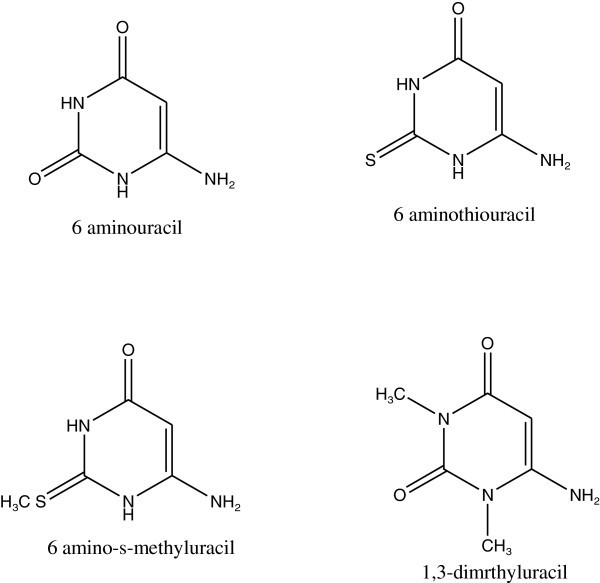
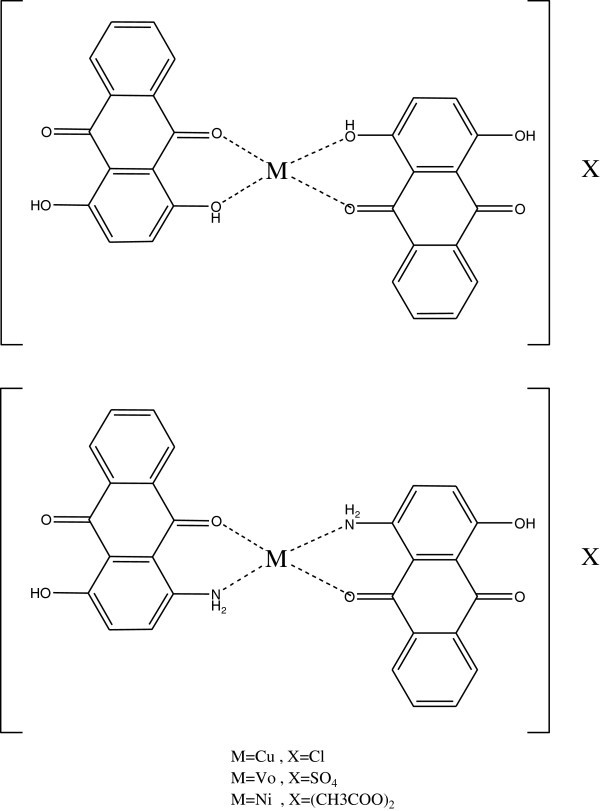
- Abd MA, Abdul Zahra AAI, Shenta AA: Photostabilization of polystyrene films by anthraquinones derivatives and their complexes with copper (II), oxovanadium (IV) and nickel (II) ions. Journal of Basrah Researches 2009, 35(3):81-97.
- Aliwi SM: Photostabilization of low density polyethylene for green house application. Nat J chem 2001, 2: 280-302.
- Aliwi SM, AL-Ani RR, Awad DAJ: Photostabilization of polystyrene films by Nickel and Copper tetradentate Shiff base complexes. Iraqi journal polymer 2001, 5(1):15-30.
- Andrady AL: Advance Polymer Science.. 1997, 128: 49-94.
- Baloglu R, Fisch M: Polymer Degradation Stabilization. 1994, 45: 30-35.
- Beavan SW, Phillips D: Photostabilizing of macromolecule by excited state qyencher. Journal Photochem 1974, 3: 3149363. · DOI
- Bottino FA, Bottino G d P, Antonino P, Antonino R: Surface photostabilization of polystyrene by Tinuvin 1577. J of Appl Polym Sci 1999, 69(6):1251-1256. · DOI
- Bottino FA, Cinquegrani AR, Di Pasquale G, Leonardi L, Pollicino A: Chemical modification, mechanical properties and surface photooxidation of films of polystyrene. polymer testing. 2003, 12: 405-411.
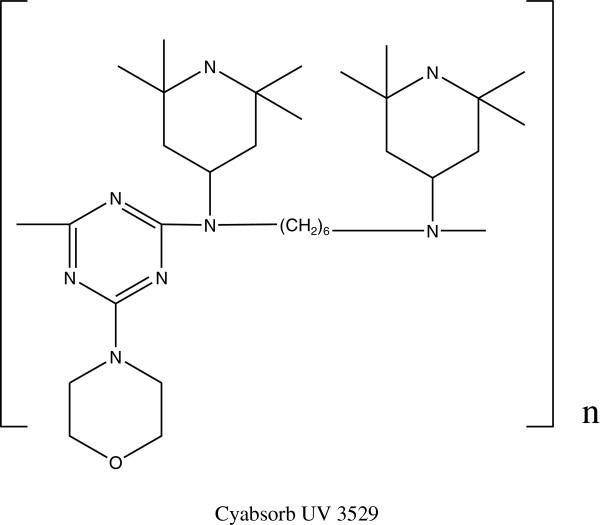
- Bottino FA, Cinquegrani AR, Giovanna DD, Leonardi L, Antnino PA: Study on chemical modification, mechanical properties and surface photooxidation of films of polystyrene stabilized by hinderd amines (HAS), polymer testing. 2004, 23: 779-789.
- Cheremision NP: Hand Book of Engineering Polymeric Materials, chapter 8. New York; 1997. · DOI
- Dan E, Somersall AC, Guillet JE: Macromolecules, New York. 1973, 6: 228-230.
- Galdi A, Foltis P, Shah A: UV protecting composition and methods of use. Application: US patent; 2010:2010-118415.
- Geuskens G, David C: Polymer photodegradation: mechanisms and experimental methods. Pure Appl Chem 1979b, 51: 233-240. · DOI
- Gugumus F: Development in Polymer Stabilization-1. Edited by: Scott G. London: Applied Science Publishers Ltd; 1979:261.
- Gugumus F, Gachter R, Muller H (Eds): Plastics Additives. 2nd edition. Munich: Hanser; 1987:97-185.
- Guillet JE: Polymer photodegradation: mechanisms and experimental methods. Pure and ppl Chem 1972, 30: 135-144. · DOI
- Guillet J: Polymer Photophysics and Photochemistry. Cambridge University Press; 1985.
- Heller HJ: Photochemistry of dyed and pigmented polymers. Eurp Polymer J Supplement 1969, 99-105.
- Klopffer W: Polymer photodegradation: mechanisms and experimental methods. Eurpolym J 1975, 11: 203.
- Lamolla AA: Energy Transfer and Organic Photochemistry, chapter 2. In Technique of Organic Chemistry. Edited by: Lamolla AA, Turro NJ. New York: Wiley; 1969.
- Lawrence JB, Weir NA: Polymer photodegradation: mechanisms and experimental methods. J Polym Sci Al 1973, 11: 105-431.
- Mc Kellar JF, Allen NS: Photochemistry of Man-Made Polymers, Ltd. London 306 S: Applied Science Published; 1979:138.
- Mill TR, Richarason H, Mayo FR: J. Polym. Sci. Al. 1978, 11: 2899-2908.
- Patel P: Additive primer, blown films, cast films and extraction coating, PLACK conference. 2007, 16-20.
- Pospisil J, Habicher W, Zweifel H, Pilar J, Nespurek S, Piringer O: Polymer and polymer composites. AAA 2002, 10: 37-42.
- Potts JE: Plastic environmentally degradation, The Kirk-Othmer Encyclopedia of Chemical Technology. 3rd edition. 1991. Supp. Vol
- Rabek JF: Mechanism of Photophysical Process and Photochemical Reaction in polymers. New York: John Wiley and Sons; 1987.
- Rabek JF: Polymer photodegradation–mechanism and experimental methods. London: Chapman and Haal; 1993.
- Rabek JF: Polymer Degradation Mechanisms and experimental methods. Stocholm: Springer; 1994.
- Rabek JF: Polymer photodegradation-mechanisms and experimental methods. Cambridge: Chapman Hall; 1995. · DOI
- Rabek JF: Polymer photodegradation of polymers: physical characteristic and applications. Beelin: Springer- verlag; 1996. · DOI
- Rabek JF, Ranby B: Polymer photophysics and photochemistry: an introduction to the study of Photoprocess of macromolecules. J Polym Sci Al 1974, 12: 273-281.
- Rabek JF, Ranby B: Photodegradation, photooxidation and Photostabilization of Polymers. New York: John Wiley; 1975.
- Rabie ST, Mahran AM, Kamel EM, Abdel Hamid NH: Photodegradation of polystyrene stabilized with uracil derivative. Journal of applied sciences research 2008, 4(12):2015-2026.
- Ranby BG, Rabek JF: Photodegradation, Photooxidation and Photostabilization of Polymers. London: John Wiley & Sons; 1975:101-102.
- Ranby B, Rabek JF: Photodegradation, Photooxidation and Photostabilization of Polymers. Wiley periodicals, Inc; 1975b:165-184.
- Ruoko : Uv light induced degradation of polyethylene and polystyrene – spectroscopic and DSC study. Msc thesis: Tampere University of Technology; 2012.
- Safy Eldin NM, El-laithy SA: Photooxidative degradation of polystyrene of cover signals lamp of some automobile. Journal of applied polymer science 1994, 55: 47-54.
- Sastre R, Catalina F, Mateo JL, Claremunt R, Santa-Maria MD, Catalan J: Mechanism of photostabilization of polystyrene film by dihydroxypirazoles. J of Polym Sci Part A: Polym Chem 2003, 28(13):3661-3668. · DOI
- Schnabel W: Polymer Degradation: Principle and Practical Applications. Chapter 14. München: Hanser Int; 1981.
- Senna M, Hamid H, Hussein M: Nuclear instrument methods. Phys Res Section B 2002, 187: 48-55.
- Strlic M, Kolar J: Aging and stabilization of papers. Turjaška 1, 1000 Slovenia: Distributed by the National and university Library; 2005.
- Trozzolo AM, Winslow FH: Macromolecules. American chemical society publishing 1968., 98:
- Watson WF: Principles of polymer engineering rheology. Trans IRI 1953, 29: 29-32.
- Willis PB: Investigation of test method material properties and processes for solar cell in capsulation, eighth annual report. 1984.
- Wypych G: Handbook of material weathering. 4th edition. Toronto: Chemtec Publishing; 2008.
- Yousif E: Photostabilization of PVC by inorganic complexes. LAP LAMBERT academic publishing; 2010.
- Yousif E: Photostabilization of thermoplastic polymers. Germany: Lambert Academic Publishing; 2012.
- Yousif E, Salimon J, Salih N: Photostability of poly (vinyl chloride). VDM Verlag: Dr. Muller publisher; 2011b. B
Cited by
Sorted by citations
Items 201–300 of 1,001
Geremia, E., Tomajoli, M. T. M., Murano, C., Petito, A., & Fasciolo, G. (2023) · Environments · doi:10.3390/environments10090161 · Cited by 92
Kovach, C. R., Taneli, Y., Neiman, T. J., Dyer, E. M., Arzaga, A. J. A., & Kelber, S. T. (2017) · BMC Infectious Diseases · doi:10.1186/s12879-017-2275-2 · Cited by 79
“It is worth noting that UV-C light exposure contributes to degradation and more rapid aging of plastics, and other nonmetal objects [33].”
BackgroundCurrent state of marine plastic pollution and its technology for more eminent evidence: A review
Kurniawan, S. B., Abdullah, S. R. S., Imron, M. F., & Ismail, N. ‘. (2020) · Journal of Cleaner Production · doi:10.1016/j.jclepro.2020.123537 · Cited by 98
Aging microplastics enhances the adsorption of pharmaceuticals in freshwater
Moura, D. S., Pestana, C. J., Moffat, C. F., Gkoulemani, N., Hui, J., Irvine, J. T. S., & Lawton, L. A. (2023) · The Science of The Total Environment · doi:10.1016/j.scitotenv.2023.169467 · Cited by 76
“The exposure of polymers to UV radiation causes photo-oxidative degradation which results in the breaking of the polymer chains which, in turn, can lead to the production of free radicals (Yousif and Haddad, 2013).”
BackgroundFinnerty, J., Rowe, S., Howard, T., Connolly, S., Doran, C., Devine, D. M., Gately, N. M., Chyzna, V., Portela, A., Bezerra, G. S. N., et al. (2023) · Journal of Composites Science · doi:10.3390/jcs7040141 · Cited by 66
Polyurethanes and Their Biomedical Applications
Azarmgin, S., Torabinejad, B., Kalantarzadeh, R., García, H., Velazquez, C. A., Lopez, G., Vazquez, M., Rosales, G., Heidari, B. S., & Davachi, S. M. (2024) · ACS Biomaterials Science & Engineering · doi:10.1021/acsbiomaterials.4c01352 · Cited by 80
Roshanzadeh, A., Oyunbaatar, N., Ganjbakhsh, S. E., Park, S., Kim, D., Kanade, P. P., Lee, S., Lee, D., & Kim, E. (2021) · Biomaterials · doi:10.1016/j.biomaterials.2021.121175 · Cited by 84
Pourhashem, S., Duan, J., Guan, F., Wang, N., Gao, Y., & Hou, B. (2020) · Journal of Molecular Liquids · doi:10.1016/j.molliq.2020.114214 · Cited by 74
What are the drivers of tetracycline photolysis induced by polystyrene microplastic?
Ding, R., Ouyang, Z., Bai, L., Zuo, X., Xiao, C., & Guo, X. (2022) · Chemical Engineering Journal · doi:10.1016/j.cej.2022.134827 · Cited by 81
Fate and environmental behaviors of microplastics through the lens of free radical
Qiu, Y., Zhang, T., & Zhang, P. (2023) · Journal of Hazardous Materials · doi:10.1016/j.jhazmat.2023.131401 · Cited by 69
Jeong, Y., Gong, G., Lee, H.-J., Seong, J., Hong, S. W., & Lee, C. (2022) · Journal of Hazardous Materials · doi:10.1016/j.jhazmat.2022.130313 · Cited by 86
Environmental Disinfection of a Dental Clinic during the Covid‐19 Pandemic: A Narrative Insight
Scarano, A., Inchingolo, F., & Lorusso, F. (2020) · BioMed Research International · doi:10.1155/2020/8896812 · Cited by 49
“However, UV radiation may cause a significant degradation of synthetic polymers such as polystyrene which results in breaking the polymer chains [54].”
BackgroundInfluentialPhotostability Issues in Pharmaceutical Dosage Forms and Photostabilization
Janga, K. Y., King, T. I., Ji, N., Sarabu, S., Shadambikar, G., Sawant, S., Xu, P., Repka, M. A., & Murthy, S. N. (2017) · AAPS PharmSciTech · doi:10.1208/s12249-017-0869-z · Cited by 68
Vázquez, O. A., & Rahman, M. S. (2021) · Environmental Toxicology and Pharmacology · doi:10.1016/j.etap.2021.103615 · Cited by 92
Enhanced biodegradation of non-biodegradable plastics by UV radiation: Part 1
Taghavi, N., Zhuang, W., & Baroutian, S. (2021) · Journal of environmental chemical engineering · doi:10.1016/j.jece.2021.106464 · Cited by 75
Li, C.-Y., Zhang, C.-C., Zhao, H., Zhang, H., Wang, X., & Han, B.-Z. (2021) · doi:10.1016/j.polymdegradstab.2021.109498 · Cited by 61
A Review on Graphene’s Light Stabilizing Effects for Reduced Photodegradation of Polymers
Karimi, S., Helal, E., Gutiérrez, G., Moghimian, N., Madinehei, M., David, É., Samara, M., & Demarquette, N. R. (2020) · Crystals · doi:10.3390/cryst11010003 · Cited by 70
Controlled biodegradation of polymers using nanoparticles and its application
Kumar, S., & Maiti, P. (2016) · RSC Advances · doi:10.1039/c6ra08641a · Cited by 99
Dong, S., Yan, X., Yue, Y., Li, W., Luo, W., Wang, Y., Sun, J., Li, Y., Liu, M., & Fan, M. (2022) · Journal of Cleaner Production · doi:10.1016/j.jclepro.2022.135046 · Cited by 71
Biodegradable Plastic Mulch Films for Sustainable Specialty Crop Production
Hayes, D. G., Anunciado, M. B., DeBruyn, J. M., Bandopadhyay, S., Schaeffer, S. M., English, M., Ghimire, S., Miles, C. A., Markus Flury, A., & Sintim, H. Y. (2019) · Springer eBooks · doi:10.1007/978-3-030-19416-1_11 · Cited by 80
Shanti, R., Hadi, A. N., Salim, Y. S., Chee, S. Y., Ramesh, S., & Ramesh, K. (2016) · RSC Advances · doi:10.1039/c6ra25313j · Cited by 79
Biopolymers: An inclusive review
Edo, G. I., Ndudi, W., Ali, A. B. M., Yousif, E., Jikah, A. N., Isoje, E. F., Igbuku, U. A., Mafe, A. N., Opiti, R. A., Madueke, C. J., et al. (2025) · Hybrid Advances · doi:10.1016/j.hybadv.2025.100418 · Cited by 88
Self-citationOh, S., & Stache, E. E. (2023) · ACS Catalysis · doi:10.1021/acscatal.3c02516 · Cited by 91
Biodegradable Polymers—a Review on Properties, Processing, and Degradation Mechanism
Cakmak, O. K. (2023) · Circular Economy and Sustainability · doi:10.1007/s43615-023-00277-y · Cited by 76
“According to certain research, photodegradation is a chain process that can continue in ground-level polymers following UV light exposure [145] Thermooxidative degradation is restricted in deeper soil areas by anaerobic conditions [146]”
Zafar, R., Park, S. Y., & Kim, C. G. (2020) · Environmental Engineering Research · doi:10.4491/eer.2020.412 · Cited by 74
“Till date, several 7 studies have been conducted to determine the changes in physicochemical properties occurred as 8 a result of physical, chemical [13, 14] and biological processes [14], moreover the requirement 9 for the detailed research is obligatory.”
BackgroundTayouri, M. I., Estaji, S., Mousavi, S. R., Khasraghi, S. S., Jahanmardi, R., Nouranian, S., Arjmand, M., & Khonakdar, H. A. (2022) · Polymer Degradation and Stability · doi:10.1016/j.polymdegradstab.2022.110179 · Cited by 66
de Lima, L. D. P. F. C., Santana, R. M. C., & Rodríguez, C. D. C. (2020) · Polymers · doi:10.3390/polym12040929 · Cited by 60
Xu, M., Yi, J.-Y., Pei, Z.-S., Feng, D., Huang, Y.-D., & Yang, Y. (2017) · doi:10.1016/j.mtcomm.2017.07.006 · Cited by 58
Mineralization of polystyrene nanoplastics in water by photo-Fenton oxidation
di Luca, C., Garcia, J., Ortiz, D., Munoz, M., Carbajo, J., de Pedro, Z. D., & Casas, J. (2023) · Journal of Environmental Chemical Engineering · doi:10.1016/j.jece.2023.110755 · Cited by 57
Eronen‐Rasimus, E., Näkki, P., & Kaartokallio, H. (2022) · Environmental Science & Technology · doi:10.1021/acs.est.2c06280 · Cited by 75
Photocatalytic degradation of polystyrene nanoplastics in water. A methodological study
García‐Muñoz, P., Allé, P. H., Bertoloni, C., Torres, Á. D. M., de la Orden, M. U., Urreaga, J. M., Dziurla, M.-A., Fresno, F., Robert, D., & Keller, N. (2022) · Journal of environmental chemical engineering · doi:10.1016/j.jece.2022.108195 · Cited by 64
Photocatalytic membranes: a new perspective for persistent organic pollutants removal
Subramaniam, M. N., Goh, P. S., Kanakaraju, D., Lim, J. W., Lau, W. J., & Ismail, A. F. (2021) · Environmental Science and Pollution Research · doi:10.1007/s11356-021-14676-x · Cited by 68
Kacem, I., Daoudi, M., Dridi, W., Sellemi, H., Harzli, K., Izzara, G. D., Geslot, B., Guermazi, H., Blaise, P., Hosni, F., et al. (2019) · Applied Physics A · doi:10.1007/s00339-019-3065-z · Cited by 57
Hossain, S., Shukri, Z. N. A., Waiho, K., Ibrahim, Y. S., Kamaruzzan, A. S., Rahim, A. I. A., Draman, A. S., Wahab, W., Khatoon, H., & Kasan, N. A. (2024) · Environmental Science and Pollution Research · doi:10.1007/s11356-024-33337-3 · Cited by 63
“…secondary pollution through NO x emissions, generate intermediary toxic chemicals, cause erosion of MPs through thermal processes, yield more harmful byproducts, and are environmentally unfriendly (Anand et al. 2023; Kasar et al. 2020; Okan et al. 2019; Willoughby 1978; Yousif & Haddad 2013).”
Liu, H., Li, Y., Xu, S., Zhou, Y., & Li, Z. (2021) · Advanced Functional Materials · doi:10.1002/adfm.202106735 · Cited by 74
Liao, Y., Jiang, X., Xiao, Y., & Li, M. (2020) · Aquatic Toxicology · doi:10.1016/j.aquatox.2020.105650 · Cited by 73
Ghobashy, M. M., Alshangiti, D. M., Alkhursani, S. A., Al-Gahtany, S. A., Shokr, F. S., & Madani, M. (2020) · ACS Omega · doi:10.1021/acsomega.0c01910 · Cited by 62
Nanoscale analysis of the photodegradation of polyester fibers by AFM-IR
Nguyen‐Tri, P., & Prud'homme, R. E. (2018) · Journal of Photochemistry and Photobiology A Chemistry · doi:10.1016/j.jphotochem.2018.11.017 · Cited by 61
Nandi, S., Kumar, R. N., Dhandapani, A., & Iqbal, J. (2024) · Environmental Pollution · doi:10.1016/j.envpol.2024.123543 · Cited by 73
Interplay of plastic pollution with algae and plants: hidden danger or a blessing?
Karalija, E., Carbó, M. T. D., Coppi, A., Colzi, I., Dainelli, M., Gašparović, M., Grebenc, T., Gonnelli, C., Papadakis, V. M., Pilić, S., et al. (2022) · Journal of Hazardous Materials · doi:10.1016/j.jhazmat.2022.129450 · Cited by 69
“The most common process is light-induced photodegradation (Ultraviolet – UV radiation; Yousif and Haddad, 2013), but it can also include mechanical, thermal, and biological degradation (Lambert and Wagner, 2016).”
Wang, H., Lin, H. H., Hsieh, M.-C., & Lin, A. Y. (2021) · Chemosphere · doi:10.1016/j.chemosphere.2021.133352 · Cited by 66
Yousif, E. A., Hasan, A., & El-Hiti, G. A.-R. (2016) · Polymers · doi:10.3390/polym8060204 · Cited by 49
Self-citationQiu, Y., Niu, J., Zhang, C., Chen, L., Su, B., & Zhou, S. (2025) · Water Research · doi:10.1016/j.watres.2025.123129 · Cited by 54
Hamza, A., Ijaz, M. U., & Anwar, H. (2023) · Human and Experimental Toxicology · doi:10.1177/09603271231173378 · Cited by 54
Mostafa, M., Kandile, N., Mahmoud, M. K., & Ibrahim, H. (2022) · Heliyon · doi:10.1016/j.heliyon.2022.e08772 · Cited by 54
Accelerated Aging Effect on Mechanical Properties of Common 3D-Printing Polymers
Amza, C. G., Zapciu, A., Baciu, F., Vasile, M. I., & Nicoară, A. I. (2021) · Polymers · doi:10.3390/polym13234132 · Cited by 60
Ainali, N. M., Bikiaris, D. Ν., & Lambropoulou, D. A. (2024) · Polymer Degradation and Stability · doi:10.1016/j.polymdegradstab.2024.110692 · Cited by 63
Li, X., Ji, S., He, E., Peijnenburg, W. J. G. M., Cao, X., Zhao, L., Xu, X., Zhang, P., & Qiu, H. (2022) · Journal of Hazardous Materials · doi:10.1016/j.jhazmat.2022.128790 · Cited by 58
Nzimande, M. C., Mtibe, A., Tichapondwa, S. M., & John, M. J. (2024) · Polymers · doi:10.3390/polym16081103 · Cited by 63
“Photodegradation results in a decrease in the performance of materials, altering their physical and optical characteristics, including changes in molecular weight, the deterioration of mechanical properties, loss of colour and surface finish, as well as changes in mechanical properties [7].”
BackgroundInvestigation of microplastics release behavior from ozone-exposed plastic pipe materials
Zhang, X., Lin, T., & Wang, X. (2021) · Environmental Pollution · doi:10.1016/j.envpol.2021.118758 · Cited by 61
Degradable Self‐healable Networks for Use in Biomedical Applications
Grosjean, M., Gangolphe, L., & Nottelet, B. (2023) · Advanced Functional Materials · doi:10.1002/adfm.202205315 · Cited by 71
Yang, W.-S., Gao, Y., Zuo, C., Deng, Y.-L., & Dai, H.-Q. (2019) · Carbohydrate Polymers · doi:10.1016/j.carbpol.2019.115050 · Cited by 51
Aging of 3D Printed Polymers under Sterilizing UV-C Radiation
Amza, C. G., Zapciu, A., Baciu, F., Vasile, M. I., & Popescu, D. (2021) · Polymers · doi:10.3390/polym13244467 · Cited by 59
Ali, G. Q., El-Hiti, G., Tomi, I. H. R., Haddad, R. A., Al-Qaisi, A., & Yousif, E. (2016) · Molecules · doi:10.3390/molecules21121699 · Cited by 50
Self-citationYousif, E., El-Hiti, G., Hussain, Z., & Altaie, A. (2015) · doi:10.3390/polym7111508 · Cited by 50
Self-citationYousif, E., El-Hiti, G., Haddad, R. A., & Balakit, A. (2015) · doi:10.3390/polym7061005 · Cited by 50
“Various stabilizing systems have been developed that depend on the stabilizer action, such as excited state quenchers, light screeners, peroxide decomposers, radical scavengers, UV absorbers and luminescent shifters [6–14].”
BackgroundSelf-citationXie, Z., Men, C., Yuan, X., Sun, M., Sun, Q., Hu, J., Zhang, Y., Liu, Y., & Zuo, J. (2023) · Journal of Hazardous Materials · doi:10.1016/j.jhazmat.2023.132318 · Cited by 51
Lin, P., Wu, I.-H., Tsai, C.-Y., Kirankumar, R., & Hsieh, S. (2022) · Analytica Chimica Acta · doi:10.1016/j.aca.2022.339516 · Cited by 56
Hedir, A., Moudoud, M., Lamrous, O., Rondot, S., Jbara, O., & Dony, P. (2020) · Journal of Applied Polymer Science · doi:10.1002/app.48575 · Cited by 49
Durability Evaluation of Heat-Reflective Coatings for Road Surfaces: A Systematic Review
Rahman, T., Suhendri, Tajudin, A., Suwarto, F., Sudigdo, P., & Thom, N. (2024) · Sustainable cities and society · doi:10.1016/j.scs.2024.105625 · Cited by 48
Vecchiotti, G., Colafarina, S., Aloisi, M., Zarivi, O., Carlo, P. D., & Poma, A. M. G. (2021) · PLoS ONE · doi:10.1371/journal.pone.0255120 · Cited by 58
Stimuli-Responsive Shape Changing Commodity Polymer Composites and Bilayers
Verpaalen, R. C. P., Engels, T. A. P., Schenning, A. P. H. J., & Debije, M. G. (2020) · ACS Applied Materials & Interfaces · doi:10.1021/acsami.0c10802 · Cited by 58
Kuka, E., Cīrule, D., Andersone, I., Vasiljevs, L. O., Merna, J., Šarakovskis, A., Kurnosova, N., Sansonetti, E., Vēvere, L., & Andersons, B. (2024) · Polymer Degradation and Stability · doi:10.1016/j.polymdegradstab.2024.110967 · Cited by 48
Microbial abilities to degrade global environmental plastic polymer waste are overstated
Lear, G., Maday, S. D. M., Gambarini, V. M. D. O., Northcott, G. L., Abbel, R., Kingsbury, J. M., Weaver, L., Wallbank, J. A., & Pantos, O. (2022) · Environmental Research Letters · doi:10.1088/1748-9326/ac59a7 · Cited by 66
Ahmed, Y. H., El‐Naggar, M. E., Rashad, M. M., Youssef, A. M., Galal, M. K., & Bashir, D. W. (2022) · Cell and Tissue Research · doi:10.1007/s00441-022-03581-5 · Cited by 50
“…Giza, Egypt 4 PackingandPackaging Materials Department, National Research Center, Dokki, Giza, Egypt 1 3 nanoplastics (NPs) (diameter, < 100 nm), which are produced through physical and biological degradation of microplastics by UV degradation (Yousif and Haddad 2013; Lambert and Wagner 2016).”
BackgroundRelease of microplastics from typical rainwater facilities during aging process
Zhang, X., Liu, C., Liu, J., Zhang, Z., Gong, Y., & Li, H. (2021) · The Science of The Total Environment · doi:10.1016/j.scitotenv.2021.152674 · Cited by 62
Cheng, F., Zhang, T., Liu, Y., Zhang, Y., & Qu, J. (2021) · Journal of Xenobiotics · doi:10.3390/jox12010001 · Cited by 63
Coexistence and Adsorption Properties of Heavy Metals by Polypropylene Microplastics
Fan, T., Zhao, J., Chen, Y., Wang, M., Wang, X.-M., Wang, S., Chen, X.-Y., Lu, A., & Zha, S.-J. (2021) · Adsorption Science & Technology · doi:10.1155/2021/4938749 · Cited by 47
“The global consumption of plastics is estimated to reach 348 million tons in 2018 [7].”
BackgroundVega, G. C., Gross, A., & Birkved, M. (2021) · Sustainable Production and Consumption · doi:10.1016/j.spc.2021.07.008 · Cited by 54
Guo, J., Bui, H. V., Valdesueiro, D., Yuan, S., Liang, B., & van Ommen, J. V. (2018) · Nanomaterials · doi:10.3390/nano8020061 · Cited by 47
“For instance, photocatalytic reactions can either promote polymerization of the organic binder, creating cross-linking that leads to embrittlement [4], or decompose the binder into volatile organic components, resulting”
BackgroundDominguez, B. C., Gröls, J. R., Alkandari, S., Perge, L., Sierra, C. A., Ramírez, H. C., Fontes, M. D. L., Yamada, C., Lazarini, S. C., Silva, J. M., et al. (2025) · Biotechnology for Sustainable Materials · doi:10.1186/s44316-025-00029-y · Cited by 58
“In addition, the secondary photoproducts formed from the reaction between the phenol and photo-oxidized polymer species were also able to protect PLA against pho-tooxidation, likely due to the UV screening effect of the formed chromophores [155, 156].”
Xiao, Y., Tian, Y., Xu, W., & Zhu, J. (2024) · Materials · doi:10.3390/ma17112755 · Cited by 59
Recent progress on the toxic effects of microplastics on Chlorella sp. in aquatic environments
Barari, F., Gabrabad, M. E., & Bonyadi, Z. (2024) · Heliyon · doi:10.1016/j.heliyon.2024.e32881 · Cited by 50
“This is primarily due to its exceptional physical properties, affordability, abundance, and commercial feasibility [65,99].”
BackgroundValero, L., Gainche, M., Esparcieux, C., Delor‐Jestin, F., & Askanian, H. (2024) · ACS Omega · doi:10.1021/acsomega.3c07236 · Cited by 36
Nanoplastics as an Invisible Threat to Humans and the Environment
Joksimović, N., Selaković, D., Jovicic, N. U., Janković, N., Pradeepkumar, P., Eftekhari, A., & Rosic, G. L. (2022) · Journal of Nanomaterials · doi:10.1155/2022/6707819 · Cited by 61
“This peculiarity was accounted for by utilizing a wide cluster of model frameworks, from mammalian cell lines to marine invertebrates and living fish models [134, 138].”
BackgroundMalinowska, K., Bukowska, B., Krokosz, A., & Sicińska, P. (2021) · International Journal of Molecular Sciences · doi:10.3390/ijms22094406 · Cited by 56
Wu, P., Zhang, H., Singh, N., Tang, Y., & Cai, Z. (2022) · Chemical Engineering Journal · doi:10.1016/j.cej.2021.132351 · Cited by 45
Wang, Z., He, H., Zhai, Y., Chen, Y., Xu, Z., & Wang, W. (2024) · Journal of Cleaner Production · doi:10.1016/j.jclepro.2024.142783 · Cited by 49
UV Light Causes Structural Changes in Microplastics Exposed in Bio-Solids
Petroody, S. S. A., Hashemi, S. H., Škrlep, L., Mušič, B., van Gestel, C. A. M., & Škapin, A. S. (2023) · Polymers · doi:10.3390/polym15214322 · Cited by 52
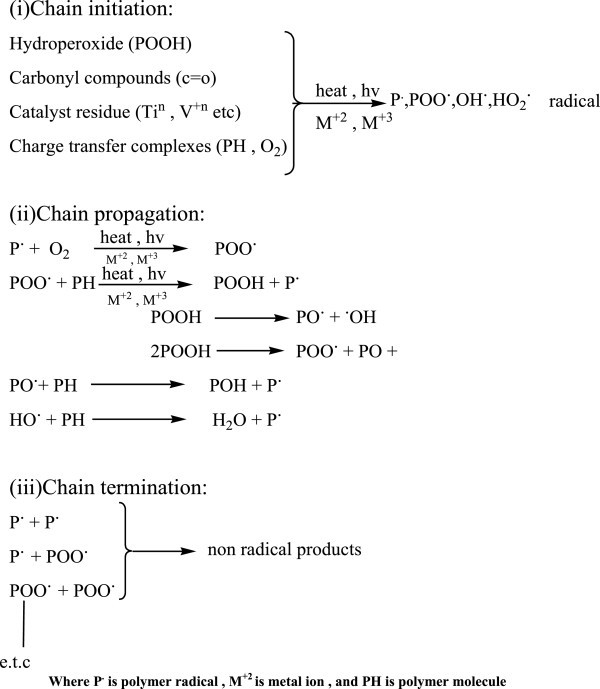
“In general, the factors that cause the photodegradation of polymeric materials can be divided into two categories [52]: Internal impurities (i.e., hydroperoxide, carbonyl, unsaturated bonds, catalyst residues); 2.”
BackgroundInfluentialHe, J., Han, L.-F., Ma, W., Chen, L., Ma, C., Xu, C., & Yang, Z. (2023) · iScience · doi:10.1016/j.isci.2023.106833 · Cited by 45
“Meanwhile, the intensities of the C=C and C–H bands decreased as the reaction time increased, implying the chain secession of PS-MPs.(54) The carbonyl index (CI), which is a crucial parameter that is commonly used to evaluate MPs degradation,(55) was determined from the ratio of the C=O band at 1728 cm 1 to the symmet…”
BackgroundInfluentialChen, M., Yang, D., Guo, F., Deng, R., Nie, W.-B., Li, L., Yang, X., Liu, S., & Chen, Y. (2022) · Journal of Hazardous Materials · doi:10.1016/j.jhazmat.2022.130310 · Cited by 43
Cao, R., Liu, X., Duan, J., Gao, B., He, X., Bolan, N. S., & Li, Y. (2022) · Environmental Pollution · doi:10.1016/j.envpol.2022.120304 · Cited by 55
Khairudin, K., Bakar, N. F. A., & Osman, M. S. (2022) · Journal of environmental chemical engineering · doi:10.1016/j.jece.2022.108275 · Cited by 67
Surface Reactions in Selective Modification: The Prerequisite for Plastic Flotation
Jiang, H., Zhang, Y., & Wang, H. (2020) · Environmental Science & Technology · doi:10.1021/acs.est.9b07861 · Cited by 58
Hayashi, S., Yamamoto, S.-I., & Koizumi, T. (2017) · Scientific Reports · doi:10.1038/s41598-017-01132-5 · Cited by 45
Burrows, S., Colwell, J., Costanzo, S., Kaserzon, S., Okoffo, E., Ribeiro, F., O'Brien, S., Toapanta, T., Rauert, C., Thomas, K. V., et al. (2024) · Journal of Hazardous Materials Advances · doi:10.1016/j.hazadv.2024.100428 · Cited by 44
Zhang, Z., Zou, S., & Li, P. (2023) · Environmental Pollution · doi:10.1016/j.envpol.2023.122926 · Cited by 51
Biodegradation of plastics at home composting conditions
Solano, G., Rojas‐Gätjens, D., Rojas-Jiménez, K., Chavarría, M., & Romero, R. M. (2022) · Environmental Challenges · doi:10.1016/j.envc.2022.100500 · Cited by 50
Surface Engineering with Polymer Brush Photolithography
Fromel, M., Li, M., & Pester, C. W. (2020) · Macromolecular Rapid Communications · doi:10.1002/marc.202000177 · Cited by 58
de Oliveira, T. T. S., Andreu, I., Machado, M. C., Vimbela, G. V., Tripathi, A., & Bose, A. (2020) · Langmuir · doi:10.1021/acs.langmuir.9b03644 · Cited by 54
Pietra, A. L., Fasciolo, G., Lucariello, D., Motta, C. M., Venditti, P., & Ferrandino, I. (2024) · Environmental Toxicology and Pharmacology · doi:10.1016/j.etap.2024.104371 · Cited by 43
Ijaz, M. U., Najam, S., Hamza, A., Azmat, R., Ashraf, A., Unuofin, J. O., Lebelo, S. L., & Simal‐Gándara, J. (2023) · Biomedicine & Pharmacotherapy · doi:10.1016/j.biopha.2023.114686 · Cited by 48
Oliveira, J., Almeida, P. L., Sobral, R. G., Lourenço, N. D., & Gaudêncio, S. P. (2022) · Marine Drugs · doi:10.3390/md20120760 · Cited by 63
Wax-wetting sponges for oil droplets recovery from frigid waters
Cherukupally, P., Sun, W., Williams, D., Ozin, G., & Bilton, A. (2021) · Science Advances · doi:10.1126/sciadv.abc7926 · Cited by 43
Side-chain fluorotelomer-based polymers in children car seats
Wu, Y., Miller, G. Z., Gearhart, J., Peaslee, G. F., & Venier, M. (2020) · Environmental Pollution · doi:10.1016/j.envpol.2020.115477 · Cited by 48
Assessment of tetrabromobisphenol-A (TBBPA) content in plastic waste recovered from WEEE
Kousaiti, A., Hahladakis, J. Ν., Savvilotidou, V., Pivnenko, K., Tyrovola, K., Xekoukoulotakis, N. P., Astrup, T. F., & Gidarakos, E. (2019) · Journal of Hazardous Materials · doi:10.1016/j.jhazmat.2019.121641 · Cited by 44
“The samples were, in turn, stored in the dark at a temperature of 25 ± 2 °C to prevent any degradation phenomena (Yousif and Haddad, 2013).”
BackgroundPhotolithography with polymethyl methacrylate (PMMA)
Carbaugh, D. J., Wright, J. T., Parthiban, R., & Rahman, F. (2016) · Semiconductor Science and Technology · doi:10.1088/0268-1242/31/2/025010 · Cited by 43
Adsorbing Volatile Organic Compounds within Bitumen Improves Colloidal Stability and Air Quality
Mousavi, M., Aldagari, S., & Fini, E. H. (2023) · ACS Sustainable Chemistry & Engineering · doi:10.1021/acssuschemeng.3c00539 · Cited by 44
Xu, S., Cui, W., Xu, T., Qi, X., Xu, S., & Xu, S. (2022) · The Science of The Total Environment · doi:10.1016/j.scitotenv.2022.160861 · Cited by 82
Lizcano, M., Williams, T. S., Shin, E., Santiago, D., & Nguyen, B. N. (2022) · Materials · doi:10.3390/ma15228121 · Cited by 42
Metadata
- Authors
- Yousif, E., & Haddad, R.
- Affiliations
- Nahrain University (IQ)
- Corresponding author
- Yousif, Emad
- ORCID
- Yousif, Emad
- Venue
- SpringerPlus
- Published
- 2013-08-23
- Volume
- 2
- Issue
- 1
- Pages
- 398-398
- ISSN
- 2193-1801 (ISSN-L)
- PMC
- PMC4320144
- OpenAlex
- W2122404351
- Cited by
- 1,503
- References
- 133
- Citations by year
- 2026: 182 · 2025: 215 · 2024: 211 · 2023: 192 · 2022: 157 · 2021: 162 · 2020: 131 · 2019: 95 · 2018: 60 · 2017: 43 · 2016: 31 · 2015: 15 · 2014: 8 · 2013: 1
- FWCI
- 1.54
- Type
- journal article
- Language
- en
- Open access
- diamond
- doi.org
- Licence
- Locations
- SpringerPlus (publishedVersion, cc-by)
- Europe PMC (PubMed Central) (publishedVersion, cc-by)
- PubMed Central (publishedVersion, cc-by)
- PubMed (publishedVersion)
- Funders
- Al-Nahrain University
- Topics
- Physical Sciences › Materials Science › Polymers and Plastics › Polymer Science and PVC
- Physical Sciences › Chemistry › Organic Chemistry › Photopolymerization techniques and applications
- Physical Sciences › Chemistry › Organic Chemistry › Free Radicals and Antioxidants
- Keywords
- photodegradation, photostabilization, polystyrene, ultraviolet radiation, photooxidation, free radicals, yellowing, embrittlement, photolysis mechanism, polymer stabilizers, UV absorbers, radical scavengers, polymer aging, storage conditions
About these checks
Registry, retraction, Cites and statistics results are computed, not judged, with one exception: a printed reference that no index lists is read once by a model before it counts as a citation error. Claims are extracted by a model and kept only when their quote appears verbatim in the text; each cited source is then checked, with a model’s help, for whether it says what the claim relies on. Those verdicts can be wrong — read the claim’s quote and the cited source before relying on one.
Statistics and arithmetic are recomputed, not judged.
Confidence bands are shown only for fields calibrated on our annotated test set. None is calibrated yet, so no band is shown.
What counts as a claim ›How we measure confidence ›How we check this ›
Are you an author, or do you see a problem with this page? Request a review
