

The DOI matches its Crossref record; 102 of the 133 references it cites were found in a registry or an index.
Photodegradation and photostabilization of polymers, especially polystyrene: review
Open accessAbstract
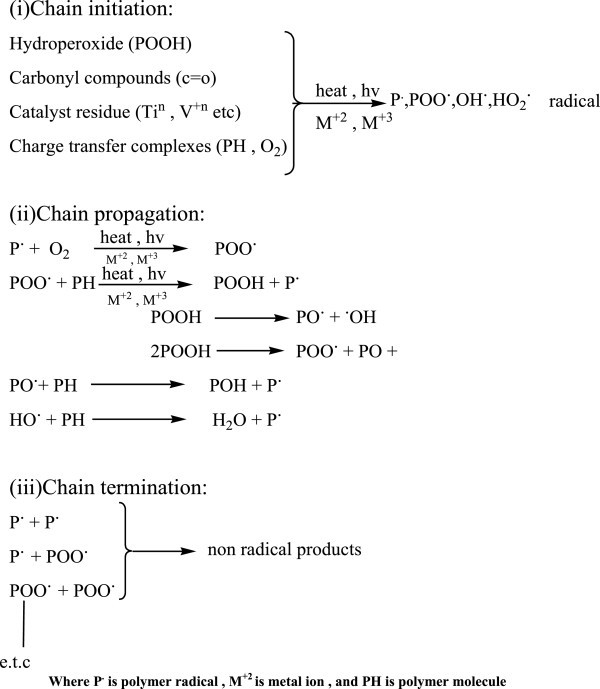
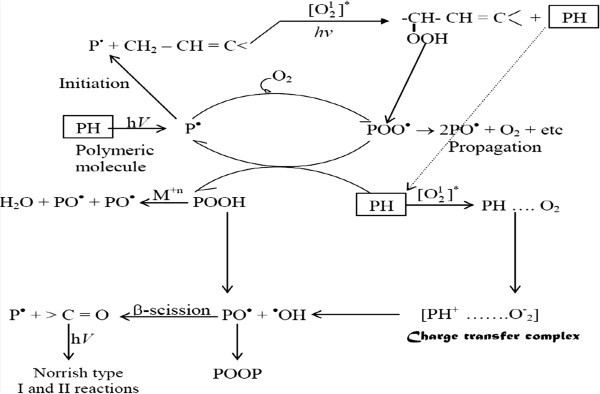
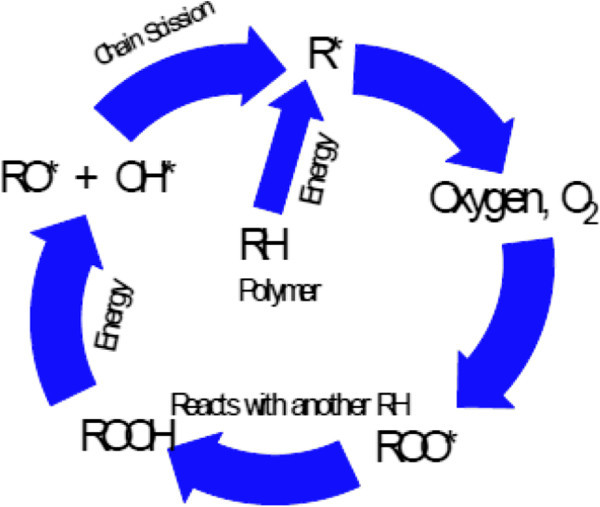
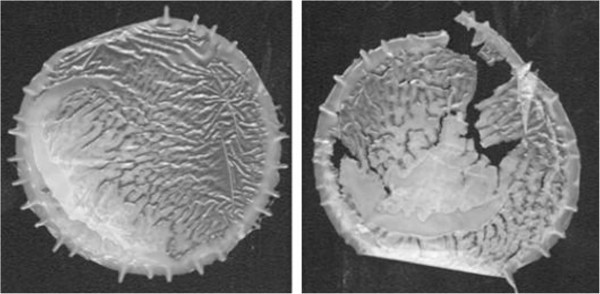
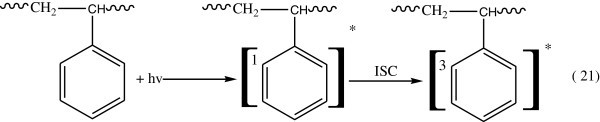
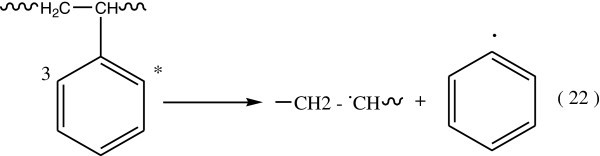
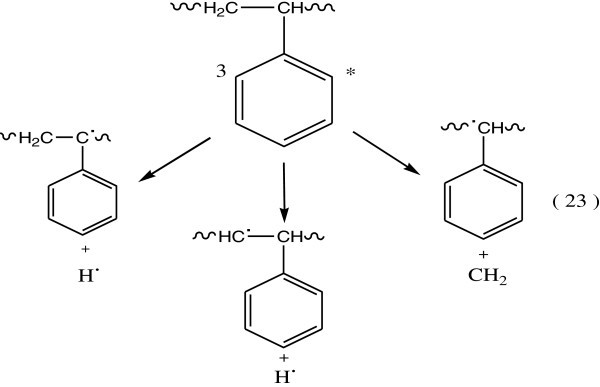
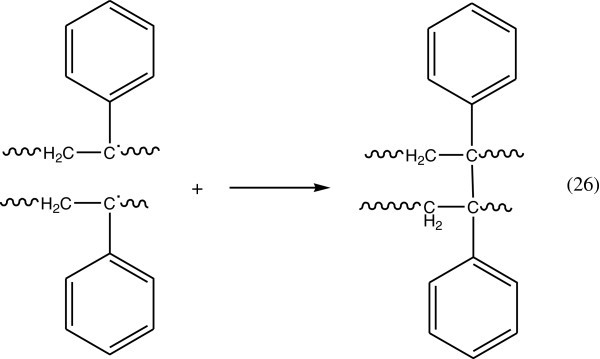
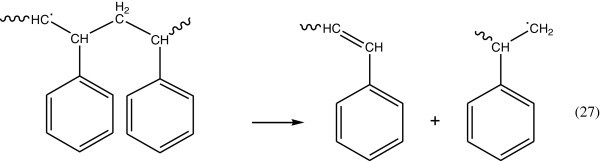
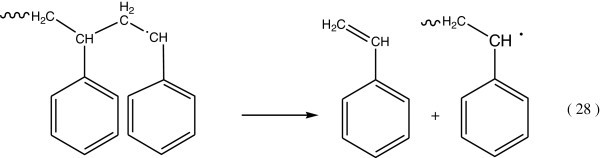
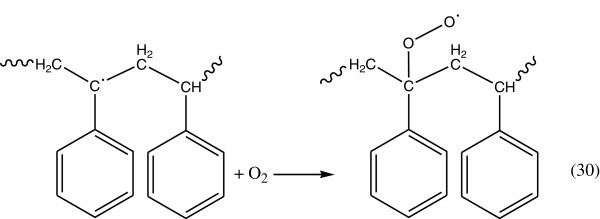
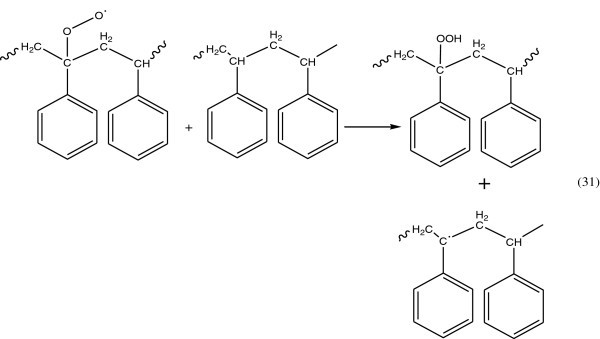
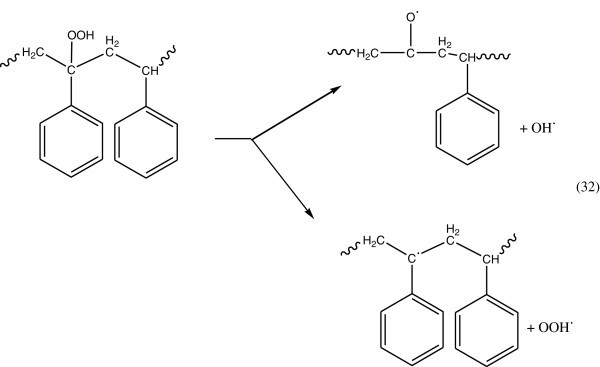
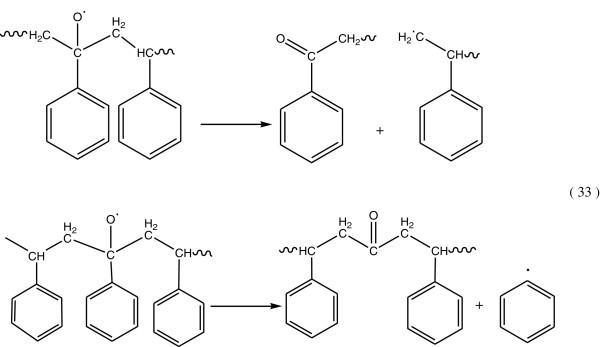
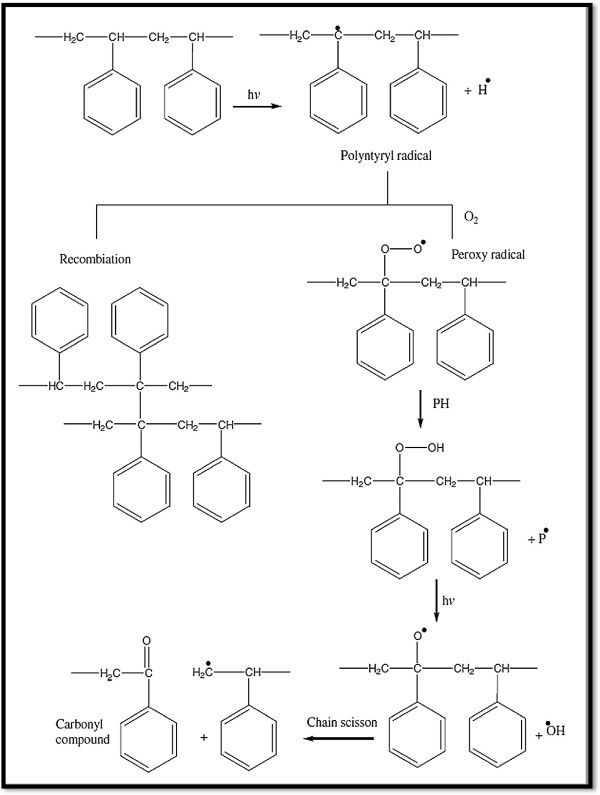
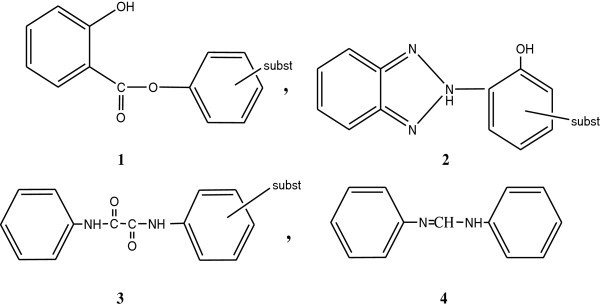
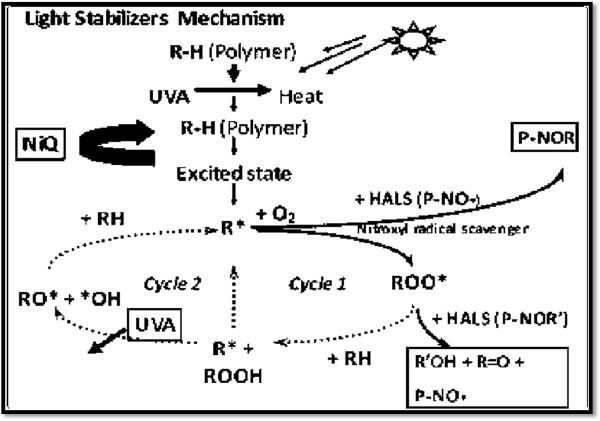
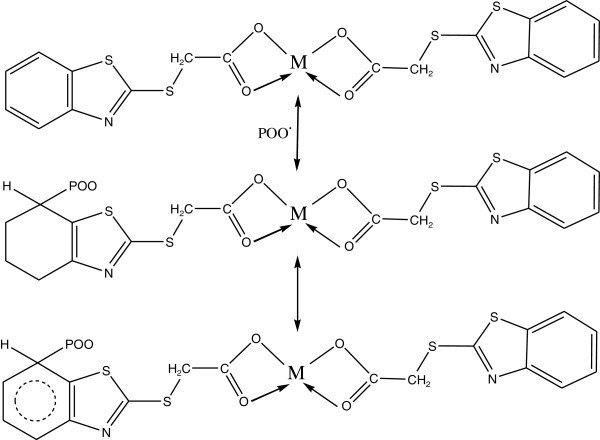
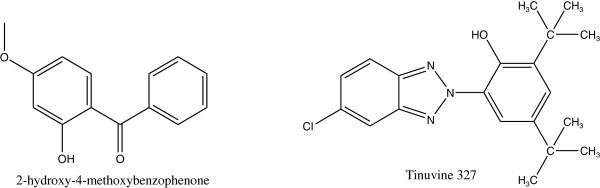
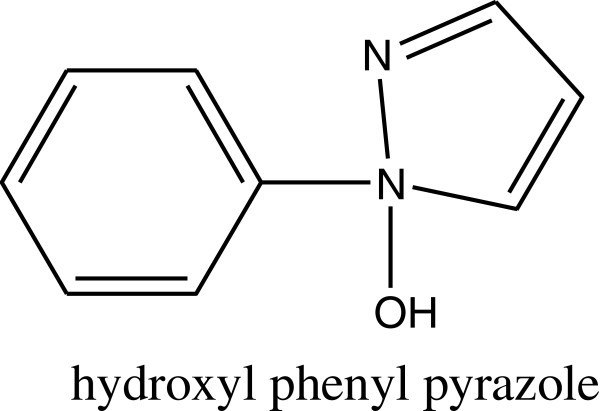
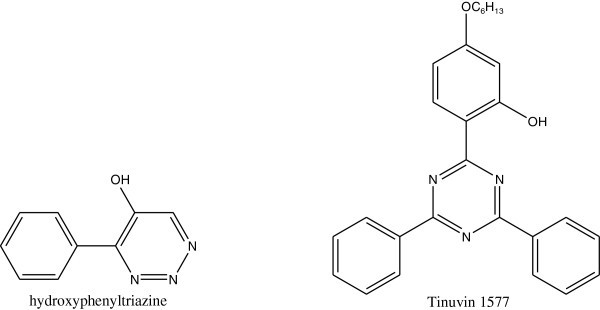
Exposure to ultraviolet (UV) radiation may cause the significant degradation of many materials. UV radiation causes photooxidative degradation which results in breaking of the polymer chains, produces free radical and reduces the molecular weight, causing deterioration of mechanical properties and leading to useless materials, after an unpredictable time. Polystyrene (PS), one of the most important material in the modern plastic industry, has been used all over the world, due to its excellent physical properties and low-cost. When polystyrene is subjected to UV irradiation in the presence of air, it undergoes a rapid yellowing and a gradual embrittlement. The mechanism of PS photolysis in the solid state (film) depends on the mobility of free radicals in the polymer matrix and their bimolecular recombination. Free hydrogen radicals diffuse very easily through the polymer matrix and combine in pairs or abstract hydrogen atoms from polymer molecule. Phenyl radical has limited mobility. They may abstract hydrogen from the near surrounding or combine with a polymer radical or with hydrogen radicals. Almost all synthetic polymers require stabilization against adverse environmental effects. It is necessary to find a means to reduce or prevent damage induced by environmental components such as heat, light or oxygen. The photostabilization of polymers may be achieved in many ways. The following stabilizing systems have been developed, which depend on the action of stabilizer: (1) light screeners, (2) UV absorbers, (3) excited-state quenchers, (4) peroxide decomposers, and (5) free radical scavengers; of these, it is generally believed that excited-state quenchers, peroxide decomposers, and free radical scavengers are the most effective. Research into degradation and ageing of polymers is extremely intensive and new materials are being synthesized with a pre-programmed lifetime. New stabilizers are becoming commercially available although their modes of action are sometimes not thoroughly elucidated. They target the many possible ways of polymer degradation: thermolysis, thermooxidation, photolysis, photooxidation, radiolysis etc. With the goal to increase lifetime of a particular polymeric material, two aspects of degradation are of particular importance: Storage conditions, and Addition of appropriate stabilizers. A profound knowledge of degradation mechanisms is needed to achieve the goal.
Overview
The claims and statistics of this paper haven’t been checked yet.
Run the check — free, no account needed. It reads the open-access text and checks the sources it cites.
Integrity signals
Registry
Cites
Statistics
Figures

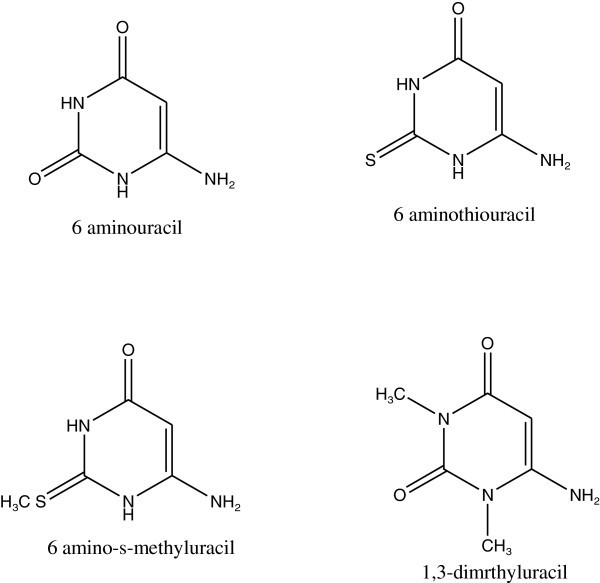
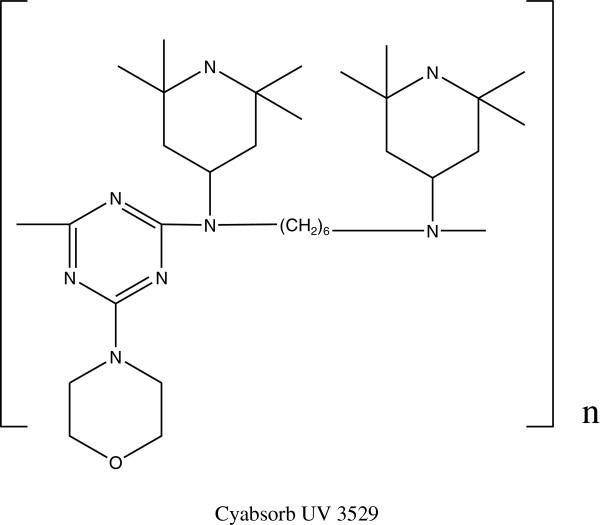
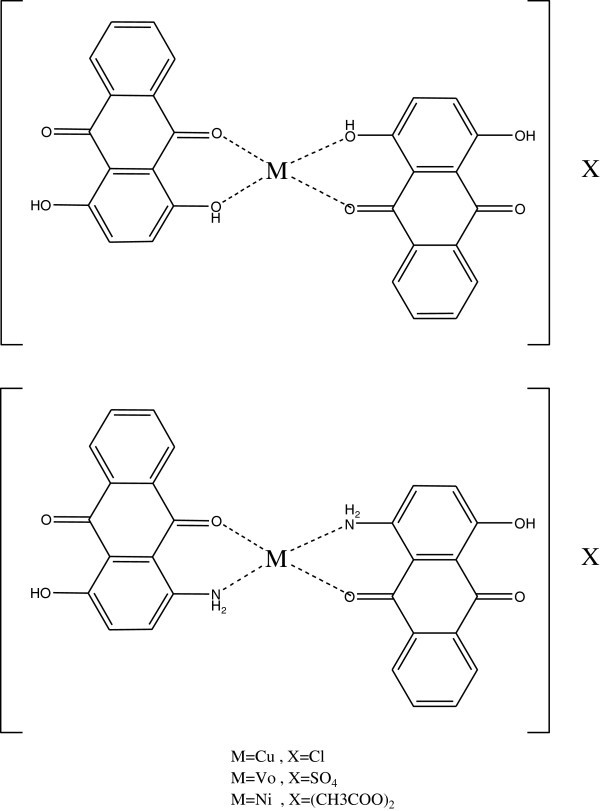
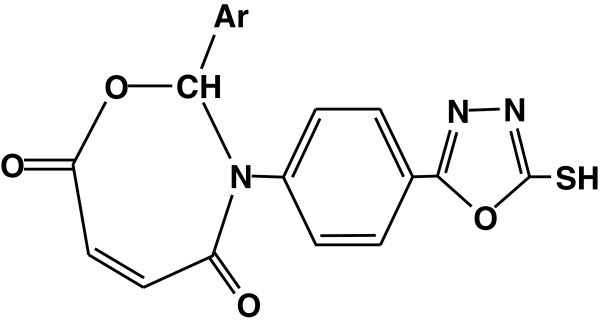
Verification
Claims the paper makes
The claims and statistics of this paper haven’t been checked yet.
Run the check — free, no account needed. It reads the open-access text and checks the sources it cites.
Claims other papers make about this one
Each is checked against this paper’s own text: does it say what the citing paper says it does?
The source backs part of the claim, not all of it — or backs it for a different population, condition or comparison.
In the citing paper
“Physical and chemical changes in polymers can be caused by environmental factors including light (photo-oxidation), heat (photothermal oxidation), mechanical abrasion, moisture, chemical conditions or biological activity (fungi, bacteria, yeasts, algae, and their enzymes) 24,37,38 .”
From Environmental Deterioration of Biodegradable, Oxo-biodegradable, Compostable, and Conventional Plastic Carrier Bags in the Sea, Soil, and Open-Air Over a 3-Year Period (2019) · cites this paper as [38]
Experimental — accuracy not yet measured
Self-check
Percentages, sums and reported differences re-computed from the paper’s own numbers.
The self-check needs the paper’s full text.
Citations
Cites
MacKnight, W. (1976) · Science · doi:10.1126/science.191.4233.1260-a · Cited by 9,566 · cited 1×
“…degradation of polymers, which include processes such as chain scission, crosslinking and secondary oxidative reactions, and takes place via radical processes , similar to thermal oxidation reactions (Ranby and Rabek 1981; Carlsson et al. 1976; Mc Kellar & Allen 1979; Rnby and Lucki 1980).”
Comprehensive Chemical Kinetics
Bamford, C., & Tipper, C. F. H. (1976) · doi:10.1016/s0069-8040(03)80001-8 · Cited by 1,705 · cited 1×
“Photooxidative degradation includes the following steps: (Rabek 1994; Rabek 1974; Guillet 1972a, 1972b).”
Physical properties of polymers handbook
Mark, J. (2007) · Springer eBooks · doi:10.1007/978-0-387-69002-5 · Cited by 1,670
Mechanistic implications of plastic degradation
Singh, B., & Sharma, N. (2008) · Polymer Degradation and Stability · doi:10.1016/j.polymdegradstab.2007.11.008 · Cited by 1,569 · cited 1×
“Its hardness, hydrophobic nature and chemical composition cause it to persist in nature without any decomposition for long period of time thus cause environmental pollution Singh and Sharma (2008).”
Thermal characterization of polymeric materials
Turi, E. (1981) · Choice Reviews Online · doi:10.5860/choice.35-0290 · Cited by 1,472 · cited 4×
“from electronically excited carbonyl group to dissolved molecular oxygen Heskins and Guillet (1968). The quenching of [(1)O2] is also necessary for effective stabilization. Nickel chelates have been proven to be very effective quenchers for the excited state of [(1)O2] Schmitt and Hirt (1963).”
InfluentialPolymer Science and Technology
Fried, J. (1995) · Chemistry International · doi:10.1515/ci.2010.32.3.32a · Cited by 1,105
Physical properties of polymers handbook
(1996) · Choice Reviews Online · doi:10.5860/choice.34-2186 · Cited by 1,056 · cited 2×
“The decomposition of hydroperoxide in polymer to non radical derivatives was first demonstrated Carlsson and Wiles (1974). Many metal complexes of sulphur containing ligands such as dialkylthiocarbonate and dialkylthiophosphate not only decompose hydroxide in PE film but are also effective in UV stabilization (as UV a…”
Polymer Degradation and Stability
Peacock, A. J., & Calhoun, A. (2006) · doi:10.3139/9783446433434.009 · Cited by 607 · cited 1×
“Industrially, the yellow discoloration is an important adverse effect of the ageing of polystyrene, e.g. during exposure outdoors (Geuskens et al. 1978a, 1978b; Weir 1978; Lucki and Rnby 1979; Rnby and Lucki 1980).”
Synthesis and Characterization
Behrens, S., Bönnemann, H., Modrow, H., Kempter, V., Riehemann, W., Wiedenmann, A., Odenbach, S., Will, S., Thrams, L., Hergt, R., et al. (2009) · doi:10.1007/978-3-540-85387-9_1 · Cited by 555
Polymer Degradation and Stabilization
Hawkins, W. (1984) · Der Umweltschutz · doi:10.1007/978-3-642-69376-2 · Cited by 492
Research works printed but not linked: 49
- Abd MA, Abdul Zahra AAI, Shenta AA: Photostabilization of polystyrene films by anthraquinones derivatives and their complexes with copper (II), oxovanadium (IV) and nickel (II) ions. Journal of Basrah Researches 2009, 35(3):81-97.
- Aliwi SM: Photostabilization of low density polyethylene for green house application. Nat J chem 2001, 2: 280-302.
- Aliwi SM, AL-Ani RR, Awad DAJ: Photostabilization of polystyrene films by Nickel and Copper tetradentate Shiff base complexes. Iraqi journal polymer 2001, 5(1):15-30.
- Andrady AL: Advance Polymer Science.. 1997, 128: 49-94.
- Baloglu R, Fisch M: Polymer Degradation Stabilization. 1994, 45: 30-35.
- Beavan SW, Phillips D: Photostabilizing of macromolecule by excited state qyencher. Journal Photochem 1974, 3: 3149363. · DOI
- Bottino FA, Bottino G d P, Antonino P, Antonino R: Surface photostabilization of polystyrene by Tinuvin 1577. J of Appl Polym Sci 1999, 69(6):1251-1256. · DOI
- Bottino FA, Cinquegrani AR, Di Pasquale G, Leonardi L, Pollicino A: Chemical modification, mechanical properties and surface photooxidation of films of polystyrene. polymer testing. 2003, 12: 405-411.
- Bottino FA, Cinquegrani AR, Giovanna DD, Leonardi L, Antnino PA: Study on chemical modification, mechanical properties and surface photooxidation of films of polystyrene stabilized by hinderd amines (HAS), polymer testing. 2004, 23: 779-789.
- Cheremision NP: Hand Book of Engineering Polymeric Materials, chapter 8. New York; 1997. · DOI
- Dan E, Somersall AC, Guillet JE: Macromolecules, New York. 1973, 6: 228-230.
- Galdi A, Foltis P, Shah A: UV protecting composition and methods of use. Application: US patent; 2010:2010-118415.
- Geuskens G, David C: Polymer photodegradation: mechanisms and experimental methods. Pure Appl Chem 1979b, 51: 233-240. · DOI
- Gugumus F: Development in Polymer Stabilization-1. Edited by: Scott G. London: Applied Science Publishers Ltd; 1979:261.
- Gugumus F, Gachter R, Muller H (Eds): Plastics Additives. 2nd edition. Munich: Hanser; 1987:97-185.
- Guillet JE: Polymer photodegradation: mechanisms and experimental methods. Pure and ppl Chem 1972, 30: 135-144. · DOI
- Guillet J: Polymer Photophysics and Photochemistry. Cambridge University Press; 1985.
- Heller HJ: Photochemistry of dyed and pigmented polymers. Eurp Polymer J Supplement 1969, 99-105.
- Klopffer W: Polymer photodegradation: mechanisms and experimental methods. Eurpolym J 1975, 11: 203.
- Lamolla AA: Energy Transfer and Organic Photochemistry, chapter 2. In Technique of Organic Chemistry. Edited by: Lamolla AA, Turro NJ. New York: Wiley; 1969.
- Lawrence JB, Weir NA: Polymer photodegradation: mechanisms and experimental methods. J Polym Sci Al 1973, 11: 105-431.
- Mc Kellar JF, Allen NS: Photochemistry of Man-Made Polymers, Ltd. London 306 S: Applied Science Published; 1979:138.
- Mill TR, Richarason H, Mayo FR: J. Polym. Sci. Al. 1978, 11: 2899-2908.
- Patel P: Additive primer, blown films, cast films and extraction coating, PLACK conference. 2007, 16-20.
- Pospisil J, Habicher W, Zweifel H, Pilar J, Nespurek S, Piringer O: Polymer and polymer composites. AAA 2002, 10: 37-42.
- Potts JE: Plastic environmentally degradation, The Kirk-Othmer Encyclopedia of Chemical Technology. 3rd edition. 1991. Supp. Vol
- Rabek JF: Mechanism of Photophysical Process and Photochemical Reaction in polymers. New York: John Wiley and Sons; 1987.
- Rabek JF: Polymer photodegradation–mechanism and experimental methods. London: Chapman and Haal; 1993.
- Rabek JF: Polymer Degradation Mechanisms and experimental methods. Stocholm: Springer; 1994.
- Rabek JF: Polymer photodegradation-mechanisms and experimental methods. Cambridge: Chapman Hall; 1995. · DOI
- Rabek JF: Polymer photodegradation of polymers: physical characteristic and applications. Beelin: Springer- verlag; 1996. · DOI
- Rabek JF, Ranby B: Polymer photophysics and photochemistry: an introduction to the study of Photoprocess of macromolecules. J Polym Sci Al 1974, 12: 273-281.
- Rabek JF, Ranby B: Photodegradation, photooxidation and Photostabilization of Polymers. New York: John Wiley; 1975.
- Rabie ST, Mahran AM, Kamel EM, Abdel Hamid NH: Photodegradation of polystyrene stabilized with uracil derivative. Journal of applied sciences research 2008, 4(12):2015-2026.
- Ranby BG, Rabek JF: Photodegradation, Photooxidation and Photostabilization of Polymers. London: John Wiley & Sons; 1975:101-102.
- Ranby B, Rabek JF: Photodegradation, Photooxidation and Photostabilization of Polymers. Wiley periodicals, Inc; 1975b:165-184.
- Ruoko : Uv light induced degradation of polyethylene and polystyrene – spectroscopic and DSC study. Msc thesis: Tampere University of Technology; 2012.
- Safy Eldin NM, El-laithy SA: Photooxidative degradation of polystyrene of cover signals lamp of some automobile. Journal of applied polymer science 1994, 55: 47-54.
- Sastre R, Catalina F, Mateo JL, Claremunt R, Santa-Maria MD, Catalan J: Mechanism of photostabilization of polystyrene film by dihydroxypirazoles. J of Polym Sci Part A: Polym Chem 2003, 28(13):3661-3668. · DOI
- Schnabel W: Polymer Degradation: Principle and Practical Applications. Chapter 14. München: Hanser Int; 1981.
- Senna M, Hamid H, Hussein M: Nuclear instrument methods. Phys Res Section B 2002, 187: 48-55.
- Strlic M, Kolar J: Aging and stabilization of papers. Turjaška 1, 1000 Slovenia: Distributed by the National and university Library; 2005.
- Trozzolo AM, Winslow FH: Macromolecules. American chemical society publishing 1968., 98:
- Watson WF: Principles of polymer engineering rheology. Trans IRI 1953, 29: 29-32.
- Willis PB: Investigation of test method material properties and processes for solar cell in capsulation, eighth annual report. 1984.
- Wypych G: Handbook of material weathering. 4th edition. Toronto: Chemtec Publishing; 2008.
- Yousif E: Photostabilization of PVC by inorganic complexes. LAP LAMBERT academic publishing; 2010.
- Yousif E: Photostabilization of thermoplastic polymers. Germany: Lambert Academic Publishing; 2012.
- Yousif E, Salimon J, Salih N: Photostability of poly (vinyl chloride). VDM Verlag: Dr. Muller publisher; 2011b. B
Cited by
Sorted by citations
Items 501–600 of 1,001
Anwer, M. B., Al-Mashhadani, M., Alsayed, R., Mohammed, A. H., Alshareef, S., Alhuwaymil, Z., Alyami, M. S. S., & Yousif, E. (2024) · Journal of Vinyl and Additive Technology · doi:10.1002/vnl.22172 · Cited by 20
“34,35 Finally, fullerenes, in addition to other form of carbon NPs, demonstrated a UV absorption ability and a potential as photo stabilizer.”
Self-citationJiang, X., Gallager, S. M., Pedrosa‐Pamies, R., Ruff, S. E., & Liu, Z. (2024) · Environmental Science & Technology · doi:10.1021/acs.est.3c09891 · Cited by 21
“The unstable peroxy radicals can be decomposed by hydrogen abstraction from the water to form aldehyde and hydroxyl radical 48,49 (Figure 4, reaction ④ ) or from the”
Gale, M., Nguyen, P. M., & Gilliard‐AbdulAziz, K. L. (2022) · ACS Omega · doi:10.1021/acsomega.2c04815 · Cited by 24
Formation of craze-like pattern in polypropylene UV-induced surface cracking
de Freitas, A. D. S. M., Rodrigues, J. S., Botaro, V., Lemes, A. P., Cruz, S., & Waldman, W. (2022) · Journal of polymer research · doi:10.1007/s10965-022-03357-z · Cited by 20
Mousavi-Fakhrabadi, S. H., Ahmadi, S., & Arabi, H. (2022) · Polymer degradation and stability · doi:10.1016/j.polymdegradstab.2022.109882 · Cited by 20
Systems Based on Biobased Thermoplastics: From Bioresources to Biodegradable Packaging Applications
Morinval, A., & Avérous, L. (2021) · Journal of macromolecular science. Part C, Reviews in macromolecular chemistry and physics/Journal of macromolecular science. Reviews in macromolecular chemistry and physics · doi:10.1080/15583724.2021.2012802 · Cited by 27
Firmansyah, Y. W., Fuadi, M., Ramadhansyah, M., Farida Sugiester, S., Widyantoro, W., Lewinsca, M. Y., Diyana, S., Marliana, N., Arumdani, I. S., Pratama, A. Y., et al. (2021) · Jurnal Serambi Engineering · doi:10.32672/jse.v6i4.3471 · Cited by 20
“mekanik hendak membuat dimensi makroplastik jadi mikroplastik dengan dimensi yang lebih kecil [6].”
BackgroundInvestigating the effect of the aging process on LDPE composites with UV protective additives
Ovalı, S., & Sancak, E. (2020) · Journal of Thermoplastic Composite Materials · doi:10.1177/0892705720941908 · Cited by 20
“It has been reported that besides organic materials such as plastic, manmade fibers, elastomers, adhesives, and oils have protective effects especially on color change, they also have effects on the polymer structures such as polyethylene, polypropylene, and polybutene.(26) Whenwe compare the effect of the additives o…”
BackgroundMethodBiodegradation of Green Polymeric Composites Materials
Karthika, M., Shaji, N., Johnson, A., Neelakandan, M. S., Gopakumar, D. A., & Thomas, S. (2019) · Wiley eBooks · doi:10.1002/9781119301714.ch7 · Cited by 33
Polyethylene plastic degradation: The dual pathways from macroplastics to nanoplastics
Kharraf, A. E., Rabiller‐Baudry, M., Real, A., Sandt, C., Wiesner, M. R., Németh, G., Bavay, D., Ku, S. P., Bossa, N., & Davranche, M. (2025) · Journal of Hazardous Materials · doi:10.1016/j.jhazmat.2025.140200 · Cited by 25
Zhao, Z., Feng, D., Zhang, X., & Feng, Y. (2025) · Energy & environment materials · doi:10.1002/eem2.70042 · Cited by 19
Dimitrellou, S., Strantzali, E., & Iakovidis, I. (2025) · Sustainable Futures · doi:10.1016/j.sftr.2025.100640 · Cited by 17
Pathak, R., Punetha, V. D., Bhatt, S., & Punetha, M. (2024) · Journal of Materials Science · doi:10.1007/s10853-024-10158-w · Cited by 23
Boronat, C., Correcher, V., Benavente, J. F., & Bravo, J. C. (2024) · Spectrochimica Acta Part A Molecular and Biomolecular Spectroscopy · doi:10.1016/j.saa.2024.124882 · Cited by 20
Chokejaroenrat, C., Watcharatharapong, T., T‐Thienprasert, J., Angkaew, A., Poompoung, T., Chinwong, C., Chirasatienpon, T., & Sakulthaew, C. (2024) · Marine Pollution Bulletin · doi:10.1016/j.marpolbul.2024.116205 · Cited by 19
Sathish, N., & Patterson, J. (2023) · The Science of The Total Environment · doi:10.1016/j.scitotenv.2023.164904 · Cited by 23
Madhi, A. (2023) · Journal of composite materials · doi:10.1177/00219983231173480 · Cited by 19
“During the past decades, usage of polymer substances has been rapidly increased, however it has been well proven that the fast optical degradation of these substances is possible when exposed to the natural air admission.(17,18) UV radiation could create photo-oxidative degradation to the effect that it causes breaks…”
BackgroundCalovi, M., & Rossi, S. (2023) · Industrial crops and products (Print) · doi:10.1016/j.indcrop.2023.116326 · Cited by 19
Bringing Quantum Mechanics to Coarse-Grained Soft Materials Modeling
Wang, C.-I., & Jackson, N. E. (2023) · Chemistry of Materials · doi:10.1021/acs.chemmater.2c03712 · Cited by 23
Nude and Modified Electrospun Nanofibers, Application to Air Purification
Espinoza-Montero, P. J., Montero-Jiménez, M., Rojas-Quishpe, S., Alcívar-León, C. D., Heredia‐Moya, J., Rosero-Chanalata, A., Orbea-Hinojosa, C., & Piñeiros, J. L. (2023) · Nanomaterials · doi:10.3390/nano13030593 · Cited by 23
Homkhiew, C., Srivabut, C., Rawangwong, S., & Boonchouytan, W. (2022) · Fibers And Polymers · doi:10.1007/s12221-022-0014-9 · Cited by 19
Curing of Cellulose Hydrogels by UV Radiation for Mechanical Reinforcement
Cruz-Medina, R., Ayala-Hernández, D. A., Vega‐Ríos, A., López‐Martínez, E. I., Mendoza-Duarte, M. E., Estrada‐Monje, A., & Zaragoza‐Contreras, E. A. (2021) · Polymers · doi:10.3390/polym13142342 · Cited by 25
PVC Films Performance Stabilized By Dibutyltin (IV) Complex For Sustainable Environment
Khalaf, M. S., Fadhil, Z., Al-Mashhadani, M. H., Abdallh, M., Bufaroosha, M. S., Majeed, A. A., Salih, N. A., & Yousif, E. A. (2020) · Journal of Physics Conference Series · doi:10.1088/1742-6596/1664/1/012072 · Cited by 21
Self-citationYang, H., He, P., Cheng, H.-L., & Shentu, B. (2019) · Industrial & Engineering Chemistry Research · doi:10.1021/acs.iecr.9b00681 · Cited by 19
Comics’ VOC-abulary: Study of the ageing of comic books in archival bags through VOCs profiling
Nasa, J. L., Mattonai, M., Modugno, F., Degano, I., & Ribechini, E. (2019) · Polymer degradation and stability · doi:10.1016/j.polymdegradstab.2019.01.001 · Cited by 19
Plasma-potentiated small molecules—possible alternative to antibiotics?
Bazaka, K., Bazaka, O., Levchenko, I., Xu, S., Ivanova, E. P., Keidar, M., & Ostrikov, K. (2017) · Nano Futures · doi:10.1088/2399-1984/aa80d3 · Cited by 18
A novel approach to the assessment of aerospace coatings degradation: The HyperTest
Moghim, T. B., Abel, M.-L., & Watts, J. (2017) · doi:10.1016/j.porgcoat.2016.11.008 · Cited by 19
What We Talk About When We Talk About Light
Forbes, M. D. E. (2015) · ACS Central Science · doi:10.1021/acscentsci.5b00261 · Cited by 20
Degradation reactions during sulphonation of poly(styrene-co-acrylic acid) used as membranes
Melo, L., Benavides, R., Martínez, G., da Silva, L. D., & Paula, M. (2014) · doi:10.1016/j.polymdegradstab.2014.06.002 · Cited by 19
Tanks, J. D., & Naito, K. (2022) · Journal of Building Engineering · doi:10.1016/j.jobe.2021.103922 · Cited by 19
Toxicological effects of micro/nano-plastics on human reproductive health: A review
Talaie, A., Alaee, S., Hosseini, E., Rezania, S., & Tamadon, A. (2025) · Toxicology Letters · doi:10.1016/j.toxlet.2025.06.021 · Cited by 21
Choudhary, A., George, L., Mandal, A., Biswas, A., Ganie, Z. A., & Darbha, G. K. (2025) · Marine Pollution Bulletin · doi:10.1016/j.marpolbul.2025.117560 · Cited by 19
Jia, T., Liang, X., Zhao, K., Guo, Q., Zhang, Y., Zeng, L., Yang, L., Othman, S. I., Allam, A. A., Rudayni, H. A., et al. (2024) · Journal of environmental chemical engineering · doi:10.1016/j.jece.2024.113482 · Cited by 24
di Luca, C., García, J., Munoz, M., Fasce, L., de Pedro, Z. D., & Casas, J. A. (2024) · Applied Catalysis B: Environment and Energy · doi:10.1016/j.apcatb.2024.124751 · Cited by 18
Dhaundiyal, A., & Mittal, A. (2024) · Water Air & Soil Pollution · doi:10.1007/s11270-024-07506-6 · Cited by 25
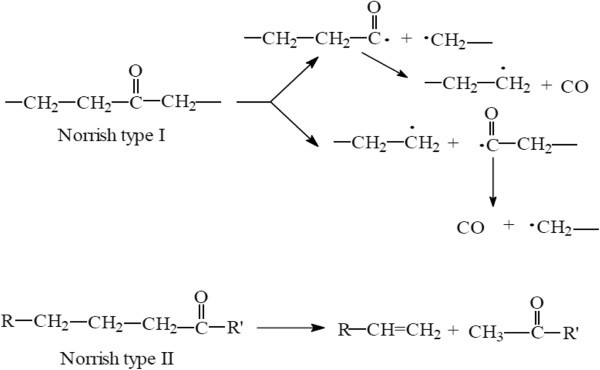
“These radicals then interact with surrounding oxygen, creating peroxyl radicals that further degrade the polymer through Norrish type I and Norrish type II reactions, ultimately yielding monomers and oligomers containing keto, aldehydes, and carboxylic functional groups (Yousif & Haddad, 2013).”
Hajjar, C., Bulle, C., & Boulay, A. (2023) · The International Journal of Life Cycle Assessment · doi:10.1007/s11367-023-02212-7 · Cited by 20
“This process, referred to as fragmentation (Andrady 2011), irreversibly changes the shape of plastics and breaks them down into smaller polymers (Yousif and Haddad 2013).”
He, S., Wang, J.-R., Zhou, L., Mao, Z., Zhang, X., Cai, J., & Huang, P.-L. (2023) · Journal of Environmental Science · doi:10.2139/ssrn.4250860 · Cited by 18
Li, F., Zhai, X., Yao, M., & Bai, X. (2022) · Environmental Pollution · doi:10.1016/j.envpol.2022.120307 · Cited by 22
Effect of Ultraviolet Irradiation on Polystyrene Containing Cephalexin Schiff Bases
Yaseen, A. A., Al-Tikrity, E. T., Yousif, E., Ahmed, D., Kariuki, B., & El-Hiti, G. (2021) · Polymers · doi:10.3390/polym13172982 · Cited by 18
Self-citationMohamed, S. H., Hameed, A., El-Hiti, G., Ahmed, D., Kadhom, M., Baashen, M. A., Bufaroosha, M. S., Ahmed, A., & Yousif, E. (2021) · Processes · doi:10.3390/pr9010091 · Cited by 18
“) [49] to produce stable complexes (Figure 5b).”
BackgroundSelf-citationAccelerated Aging of Starch-Gelatin Films with Enzymatic Treatment
Rosseto, M., Rigueto, C., Krein, D. D. C., Massuda, L. A., Ostwald, B., Colla, L., & Dettmer, A. (2020) · Journal of Polymers and the Environment · doi:10.1007/s10924-020-01938-x · Cited by 18
Wagner, F., Peeters, J., Ramon, H., de Keyzer, J., Duflou, J., & Dewulf, W. (2020) · Resources Conservation and Recycling · doi:10.1016/j.resconrec.2020.104801 · Cited by 18
Damage to Common Healthcare Polymer Surfaces from UV Exposure
Teska, P., Dayton, R., Li, X.-B., Lamb, J., & Strader, P. (2020) · doi:10.1142/s1793984420500014 · Cited by 18
Influence of UV stabilizers on the weathering of PETG and PCTT films
Arangdad, K., Yıldırım, E., Detwiler, A. T., Cleven, C., Burk, C., Shamey, R., Pasquinelli, M., Freeman, H., & El-Shafei, A. (2019) · Journal of Applied Polymer Science · doi:10.1002/app.48198 · Cited by 18
Yang, H., Zhang, H., Cheng, H.-L., & Shentu, B. (2018) · Polymer degradation and stability · doi:10.1016/j.polymdegradstab.2018.07.007 · Cited by 18
Rao, A. N. S., & Venkatarangaiah, V. T. (2018) · Environmental science and pollution research international · doi:10.1007/s11356-017-1179-4 · Cited by 18
“…active chlorine species, and peroxyl radicals produced by O2 on reaction organic radicals and subsequent photochemical reactions in presence of UV radiation are responsible for the significant enhancement in the COD removal under PEO (Egerton 1949; Emad and Raghad 2013; Anantha et al. 2017).”
BackgroundGrist, S., Oyunerdene, N., Flueckiger, J., Kim, J., Wong, P. C., Chrostowski, L., & Cheung, K. C. (2014) · In Analysis · doi:10.1039/c4an00765d · Cited by 18
Ambrogi, V., Carfagna, C., Cerruti, P., & Marturano, V. (2017) · Elsevier eBooks · doi:10.1016/b978-0-323-44353-1.00004-x · Cited by 18
Amoke, A., & Kalu, I. E. (2026) · Next research. · doi:10.1016/j.nexres.2026.101501 · Cited by 19
Physio-chemical degradation of single-use plastics in natural weather and marine environments
Shashoua, Y., Peydaei, A., Mortensen, M. N., Kanstrup, A., & Gregory, D. (2024) · Environmental Pollution · doi:10.1016/j.envpol.2024.124414 · Cited by 18
Micro and nanoplastics pollution: A review on global concern and its impacts on ecosystems
Sharma, S., Barman, T., Mishra, G., & Kumar, A. (2024) · Land Degradation and Development · doi:10.1002/ldr.5115 · Cited by 24
“UV radiation from sunlight can initiate photodegradation, breaking down plastic polymers into smaller fragments (Yousif & Haddad, 2013).”
BackgroundInorganic Fillers and Their Effects on the Properties of Flax/PLA Composites after UV Degradation
Sit, M., Dashatan, S., Zhang, Z.-Y., Dhakal, H., Khalfallah, M., Gamer, N., & Ling, J. (2023) · Polymers · doi:10.3390/polym15153221 · Cited by 17
Stapleton, M. J., Ansari, A. J., Ahmed, A., & Hai, F. I. (2023) · Environmental Pollution · doi:10.1016/j.envpol.2023.122226 · Cited by 27
Plota, A., & Masek, A. (2023) · Polymer · doi:10.1016/j.polymer.2023.125879 · Cited by 17
Abdel-Maksoud, G., Sobh, R., & Tarek, A. (2022) · Journal of Cultural Heritage · doi:10.1016/j.culher.2022.08.013 · Cited by 17
Ullah, I., Akbar, M., & Khan, H. A. (2022) · Materials Chemistry and Physics · doi:10.1016/j.matchemphys.2022.125972 · Cited by 17
Hadi, A. G., Baqir, S., Ahmed, D., El-Hiti, G. A., Hashim, H., Ahmed, A., Kariuki, B., & Yousif, E. (2021) · Polymers · doi:10.3390/polym13223946 · Cited by 17
Self-citationNotes on Common Misconceptions in Microplastics Removal from Water
Krystyník, P., Struňáková, K., Šyc, M., & Klusoň, P. (2021) · Applied Sciences · doi:10.3390/app11135833 · Cited by 20
Ibrahim, S., Othman, N., & Yusof, N. H. (2020) · Polymer Bulletin · doi:10.1007/s00289-019-03030-4 · Cited by 17
“1 3 In the photodegradation, there are several reactions that could occur concurrently, such as (1) decomposition of NR by absorption of photon from UV, (2) oxidation of C=C by hydrogen peroxide, (3) decomposition of hydrogen peroxide to form hydroxyl radicals, which then attacks the CH2–CH2 bonds, (4) chain propagati…”
BackgroundBuch, A., Belmahdi, I., Szopa, C., Freissinet, C., GLAVIN, D. P., Millan, M., Summons, R. E., Coscia, D., Teinturier, S., Bonnet, J.-Y., et al. (2019) · Journal of Geophysical Research Planets · doi:10.1029/2019je005973 · Cited by 22
“With O2, peroxyl radicals formed (Figure 16a), which supported the propagation of polymer degradation (Figure 16b) (Ilie & Senetscu, 2009; Yousif & Haddad, 2013).”
BackgroundFabrications of PS/TiO2 nanocomposite for solar cells applications
Hamzah, M. Q., Jabbar, A., Mezan, S., Tuama, A. M., & Agam, M. (2019) · Nanoscience and Nanotechnology · doi:10.1063/1.5124641 · Cited by 17
Demonstration of Polymer Photodegradation Using a Simple Apparatus
Cacuro, T. A., Freitas, A., & Waldman, W. (2018) · Journal of Chemical Education · doi:10.1021/acs.jchemed.7b00836 · Cited by 17
Dhiman, V., Singh, D., Ladumor, M. K., & Singh, S. (2017) · Journal of Separation Science · doi:10.1002/jssc.201700904 · Cited by 17
Spectral response and quantum efficiency evaluation of solar cells: a review
Khaleda, M. Z. F., Vengadaesvaran, B., & Rahim, N. A. (2021) · Energy Materials · doi:10.1016/b978-0-12-823710-6.00014-5 · Cited by 17
Dobrotă, D., Bărbușiu, A.-M., Sava, G.-A., & Oleksik, V. S. (2025) · Polymers · doi:10.3390/polym17172328 · Cited by 21
Kumari, S., Begum, M. Y., Chinglenthoiba, C., Aran, K. R., Panda, S. P., Abomughaid, M. M., Lakhanpal, S., Avinash, D., Jha, N. K., & Gupta, R. V. (2025) · Molecular Neurobiology · doi:10.1007/s12035-025-05174-z · Cited by 14
“Studies have concluded that ultraviolet (UV) exposure induces photo-oxidation and produces free radicals through cross-linking reactions or the removal of hydrogen atoms from polymer chains [70].”
Shahid, F., Alam, M., Park, J.-Y., Choi, Y. C., Park, C.-J., Park, H.-K., & Yi, C. (2025) · Biomimetics · doi:10.3390/biomimetics10070427 · Cited by 21
Exposure routes induce differential intestinal damage in zebrafish from polystyrene microplastics
Yan, Z.-H., Yang, Y.-Q., Xiang, J., Chen, Y.-F., Zhu, P.-Y., Yuan, S., Huang, R., Hu, X.-D., & Ma, Y. (2025) · Chemical engineering research & design · doi:10.1016/j.psep.2025.107020 · Cited by 16
Polyurethane Materials for Fire Retardancy: Synthesis, Structure, Properties, and Applications
Zhang, J.-M., Yeoh, G., & Kabir, I. (2025) · Fire · doi:10.3390/fire8020064 · Cited by 16
Wu, H.-L., Sun, H., Oerlemans, R. A. J. F., Li, S., Shao, J.-X., Wang, J.-H., Joosten, R. R. M., Lou, X., Luo, Y.-T., Zheng, H., et al. (2024) · Advances in Materials · doi:10.1002/adma.202402987 · Cited by 16
Interfacial Reactions in Chemical Recycling and Upcycling of Plastics
Ong, A., Teo, J. Y. Q., & Lim, J. Y. C. (2024) · ACS Applied Materials & Interfaces · doi:10.1021/acsami.4c09315 · Cited by 20
Microplastic (MP) Pollution: Environmental Fate, Eco-toxicity and Sustainable Remediation
Rehman, M. U., Nabi, S. U., Yatoo, A. M., Ali, S., Raina, A. A., Hussain, I., Rashid, S., Mushtaq, S., & Masoodi, M. H. (2024) · Water Air & Soil Pollution · doi:10.1007/s11270-024-07160-y · Cited by 18
“Photo degradation of plastics occurs either due to singlet oxygen induced oxidation (Singh & Sharma, 2008; Yousif & Haddad, 2013) or due to oxidation caused by free radicals.”
Nejad, S. A. T., Amanian, S., Alibakhshi, E., Hajisoltani, M., Haddadi, S., Arjmand, M., Ramezanzadeh, B., & Mahdavian, M. (2024) · Progress in Organic Coatings · doi:10.1016/j.porgcoat.2023.108195 · Cited by 16
Akbar, A., & Ijaz, M. U. (2024) · Environmental Science and Pollution Research · doi:10.1007/s11356-023-31662-7 · Cited by 28
“Polystyrene microplastics (PSMPs) is a type of microplastics that is extensively used in various products owing to their exceptional physical properties (Yousif and Haddad 2013).”
Nwachukwu, O., Kniazev, K., Abarca-Pérez, A., Kuno, M. K., & Doudrick, K. (2024) · Environmental Science & Technology · doi:10.1021/acs.est.3c06498 · Cited by 20
Ijaz, M. U., Khalil, M., Hamza, A., & Khatoon, A. (2023) · Cell Biochemistry and Function · doi:10.1002/cbf.3885 · Cited by 14
UV Dosage Unveils Toxic Properties of Weathered Commercial Bioplastic Bags
Quade, J., López‐Ibáñez, S., & Beiras, R. (2023) · Environmental Science & Technology · doi:10.1021/acs.est.3c02193 · Cited by 18
Ren, Z., Gui, X., Xu, X., Zhao, L., Qiu, H., Wang, X., & Cao, X. (2022) · Journal of Hazardous Materials · doi:10.1016/j.jhazmat.2022.129850 · Cited by 19
DMA Analysis of Plasma Modified PVC Films and the Nature of Initiated Surface Changes
Janík, R., Kohutiar, M., Dubec, A., Eckert, M., Moricová, K., Pajtášová, M., Ondrušová, D., & Krbaťa, M. (2022) · Materials · doi:10.3390/ma15134658 · Cited by 16
Anti-aging characteristics of RTV-SiR aided HV insulator coatings: Impact of DC polarity and fillers
Ullah, I., & Akbar, M. (2021) · Materials Chemistry and Physics · doi:10.1016/j.matchemphys.2021.125634 · Cited by 16
Zafar, R., Park, S.-Y., & Kim, C. (2021) · doi:10.4491/eer.2021.028 · Cited by 16
“These ROS are responsible for the formation of carbon radicals through the abstraction of hydrogen atoms from the polymeric chain [16], eventually combining with the generated ROS to form OH groups.”
BackgroundLe, N. X. T., Trinh, K. T. L., & Lee, N. (2021) · Materials Science and Engineering C: Materials for Biological Applications · doi:10.1016/j.msec.2021.111874 · Cited by 16
Tasnim, F., Singh, N. H., Tan, E. K. F., Xing, J., Li, H., Hissette, S., Manesh, S., Fulwood, J., Gupta, K., Ng, C. W., et al. (2020) · Scientific Reports · doi:10.1038/s41598-020-61699-4 · Cited by 19
Wei, X.-H., Wei, M., & Zhang, S.-F. (2019) · RSC Advances · doi:10.1039/c9ra02108f · Cited by 16
Gomez, N., Maruyama, S. A., Leuteritz, A., & Wypych, F. (2019) · Polymer Bulletin · doi:10.1007/s00289-019-02742-x · Cited by 16
“With low oxygen presence, other termination reactions take place and polymer radicals can couple mutually to form cross-links with polymer peroxy radicals [4].”
BackgroundInfluentialAlleviating Distortion and Improving the Young’s Modulus in Two-Photon Polymerization Fabrications
Shin, C., Li, T., & Lin, C.-L. (2018) · Micromachines · doi:10.3390/mi9120615 · Cited by 16
Photodegradation of Polymer Materials Used for Film Coatings of Controlled‐Release Fertilizers
Ling, Y., An, D., Wang, T.-J., Kan, C., & Jin, Y. J. (2017) · Chemical Engineering & Technology · doi:10.1002/ceat.201600120 · Cited by 20
Exploring the Use of Unprocessed Waste Chicken Eggshells for UV-Protective Applications
Fecheyr-Lippens, D., Nallapaneni, A., & Shawkey, M. D. (2017) · Sustainability · doi:10.3390/su9020232 · Cited by 20
Rahman, T., Meadows, D. A., Zhan, K., Kumar, H. K. S., Smith, M., Davis, V. A., Beckingham, B. S., Peng, Y., & Davis, E. W. (2026) · RSC Applied Polymers · doi:10.1039/d5lp00329f · Cited by 16
Fulke, A. B., Bhanushali, S., & Jadhav, H. S. (2025) · Continental Shelf Research · doi:10.1016/j.csr.2025.105578 · Cited by 18
Galea, J., Anastasi, A. A., Vella, D. A., & Briffa, S. M. (2025) · ACS Omega · doi:10.1021/acsomega.5c03491 · Cited by 15
Smith, T., Gujarati, T. P., Motta, M., Link, B., Liepuoniute, I., Friedhoff, T., Nishimura, H., Nguyen, N., Williams, K. S., Moreno, J. R., et al. (2025) · doi:10.48550/arxiv.2508.08229 · Cited by 15
“This process is a multi-step chain reaction [61], described in detail in Appendix E, comprising a propagation phase in which a radical from the environment abstracts a hydrogen from a primary methyl group on the DGEBA subunit.”
Yin, Y., Li, Z., Li, R., Yang, B., Huang, T., & Tang, H. (2025) · The Science of The Total Environment · doi:10.1016/j.scitotenv.2025.179307 · Cited by 17
Du, F., Hou, M., Lu, S., Ding, X., Zhang, L., Du, Y., An, Z., Cai, W., Zhao, L., Wu, W., et al. (2025) · Environment International · doi:10.1016/j.envint.2025.109358 · Cited by 17
Kamel, N. F., Bashir, D. W., Elleithy, E. M. M., Tohamy, A. F., Rashad, M. M., Ali, G. E., & El-Saba, A. (2025) · Naunyn-Schmiedeberg s Archives of Pharmacology · doi:10.1007/s00210-025-03867-9 · Cited by 18
“…et al. 2016), gather in the surrounding environment as a consequence of plastic deterioration by ultraviolet (UV) sunlight and microbial organisms (Yousif and Haddad 2013; Song et al. 2017; Wilkinson et al. 2017), and release directly from electronic items, food containers (Eleftheriadou et al.…”
Çelikçi, N., Zıba, C., Dolaz, M., & Tümer, M. (2024) · International Journal of Biological Macromolecules · doi:10.1016/j.ijbiomac.2024.136057 · Cited by 15
The interaction between sludge and microplastics during thermal hydrolysis of sludge.
Han, W., Liu, X., Wang, Y.-X., Zhang, S., Huang, C., & Yang, Q.-J. (2024) · Journal of Hazardous Materials · doi:10.1016/j.jhazmat.2024.135816 · Cited by 15
A General Approach for Photo‐Oxidative Degradation of Various Polymers
Michelas, M., Wimberger, L., & Boyer, C. A. (2024) · Macromolecular Rapid Communications · doi:10.1002/marc.202400358 · Cited by 16
Human exposure to micro(nano)plastics: Health risks and analysis methods
Chen, G., Li, X., Wang, Z., Lu, R., Wang, W., Lu, R., Wang, S., Li, Q., Hu, Z., Wu, Y., et al. (2024) · TrAC Trends in Analytical Chemistry · doi:10.1016/j.trac.2024.117835 · Cited by 16
Thuc, D. Q., Mai, Q., Nguyễn, S. A., Nguyen, H., Pham, A.-T., & Le, A.-T. (2024) · ACS Applied Polymer Materials · doi:10.1021/acsapm.3c02958 · Cited by 15
Metadata
- Authors
- Yousif, E., & Haddad, R.
- Affiliations
- Nahrain University (IQ)
- Corresponding author
- Yousif, Emad
- ORCID
- Yousif, Emad
- Venue
- SpringerPlus
- Published
- 2013-08-23
- Volume
- 2
- Issue
- 1
- Pages
- 398-398
- ISSN
- 2193-1801 (ISSN-L)
- PMC
- PMC4320144
- OpenAlex
- W2122404351
- Cited by
- 1,503
- References
- 133
- Citations by year
- 2026: 182 · 2025: 215 · 2024: 211 · 2023: 192 · 2022: 157 · 2021: 162 · 2020: 131 · 2019: 95 · 2018: 60 · 2017: 43 · 2016: 31 · 2015: 15 · 2014: 8 · 2013: 1
- FWCI
- 1.54
- Type
- journal article
- Language
- en
- Open access
- diamond
- doi.org
- Licence
- Locations
- SpringerPlus (publishedVersion, cc-by)
- Europe PMC (PubMed Central) (publishedVersion, cc-by)
- PubMed Central (publishedVersion, cc-by)
- PubMed (publishedVersion)
- Funders
- Al-Nahrain University
- Topics
- Physical Sciences › Materials Science › Polymers and Plastics › Polymer Science and PVC
- Physical Sciences › Chemistry › Organic Chemistry › Photopolymerization techniques and applications
- Physical Sciences › Chemistry › Organic Chemistry › Free Radicals and Antioxidants
- Keywords
- photodegradation, photostabilization, polystyrene, ultraviolet radiation, photooxidation, free radicals, yellowing, embrittlement, photolysis mechanism, polymer stabilizers, UV absorbers, radical scavengers, polymer aging, storage conditions
About these checks
Registry, retraction, Cites and statistics results are computed, not judged, with one exception: a printed reference that no index lists is read once by a model before it counts as a citation error. Claims are extracted by a model and kept only when their quote appears verbatim in the text; each cited source is then checked, with a model’s help, for whether it says what the claim relies on. Those verdicts can be wrong — read the claim’s quote and the cited source before relying on one.
Statistics and arithmetic are recomputed, not judged.
Confidence bands are shown only for fields calibrated on our annotated test set. None is calibrated yet, so no band is shown.
What counts as a claim ›How we measure confidence ›How we check this ›
Are you an author, or do you see a problem with this page? Request a review
