

The DOI matches its Crossref record; 102 of the 133 references it cites were found in a registry or an index.
Photodegradation and photostabilization of polymers, especially polystyrene: review
Open accessAbstract
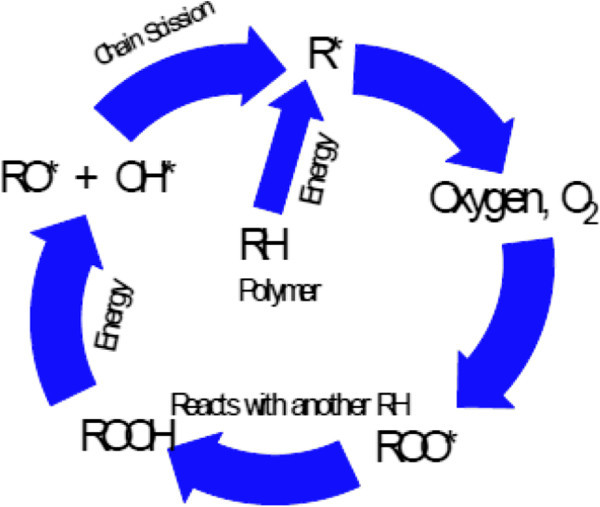
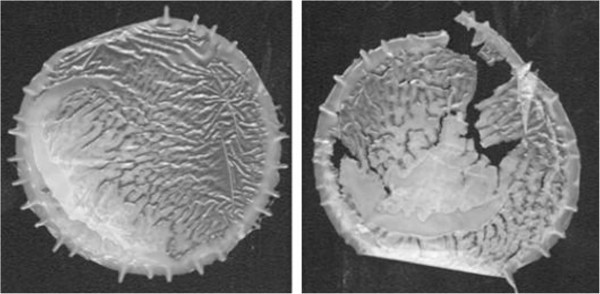
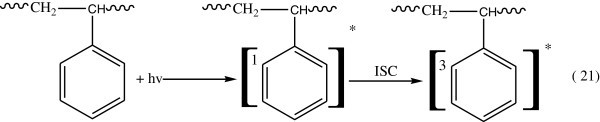
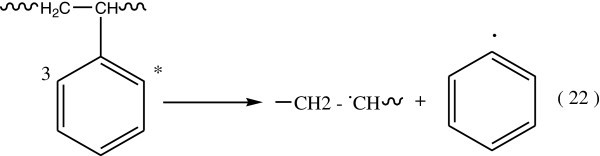
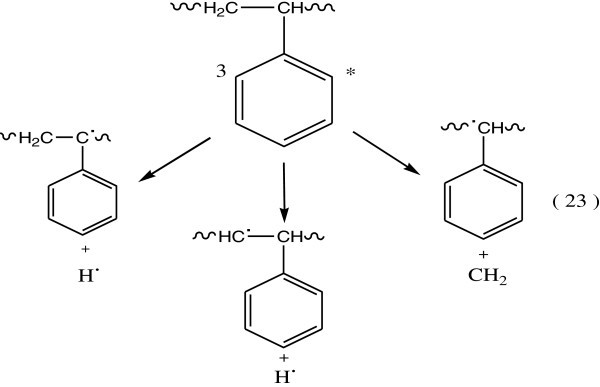
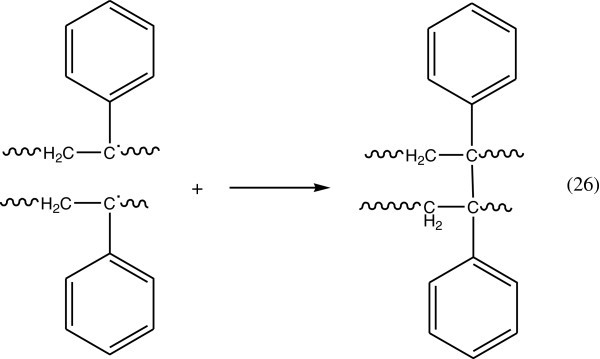
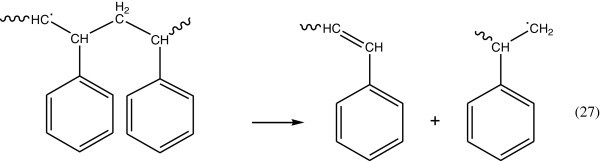
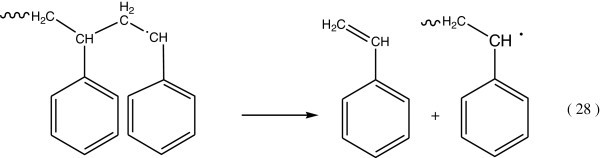
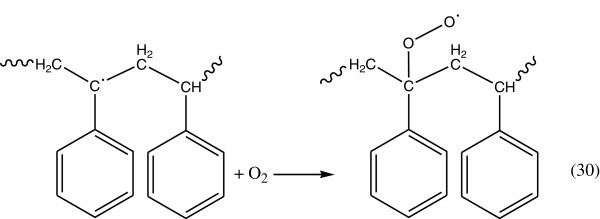
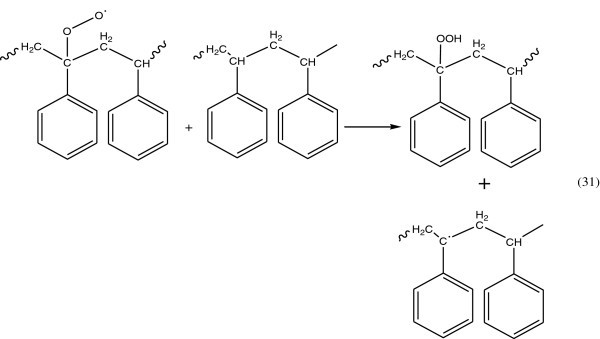
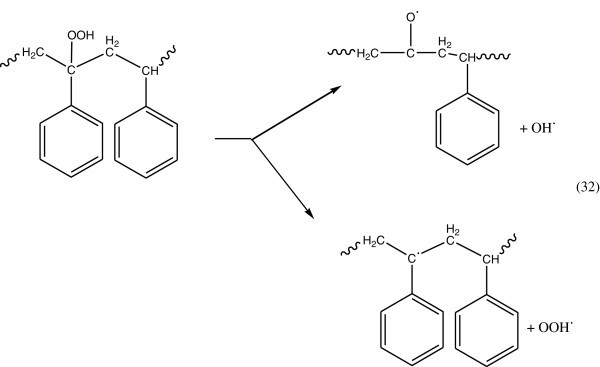
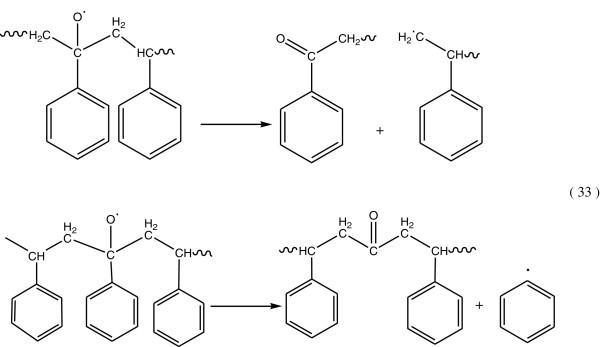
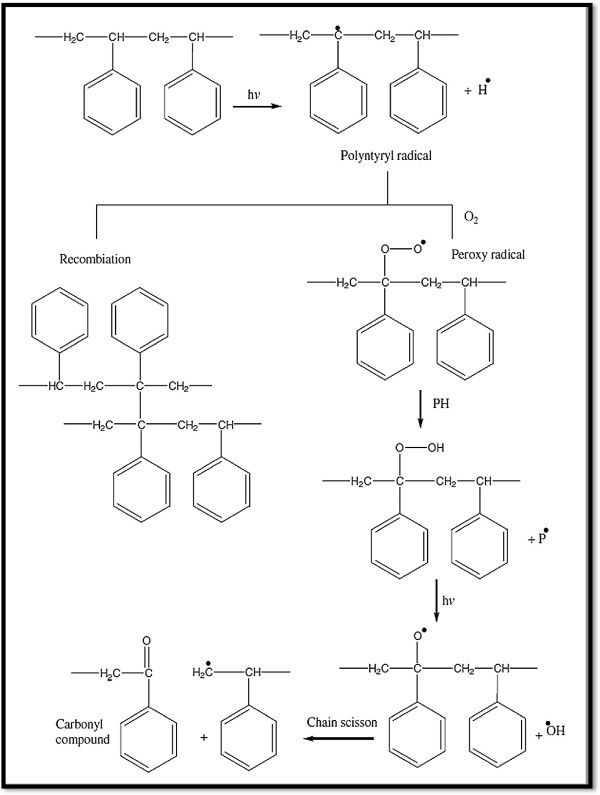
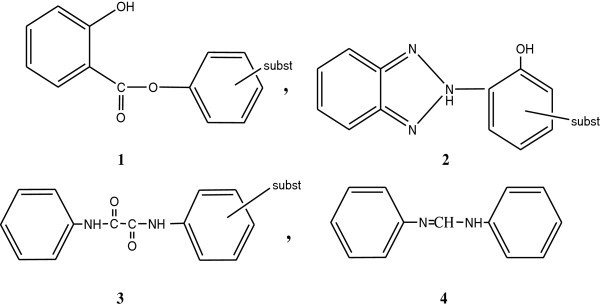
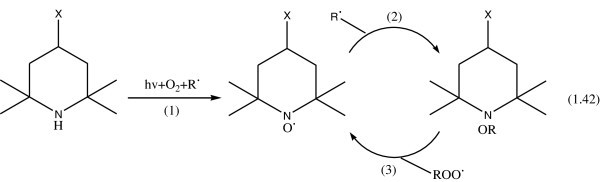
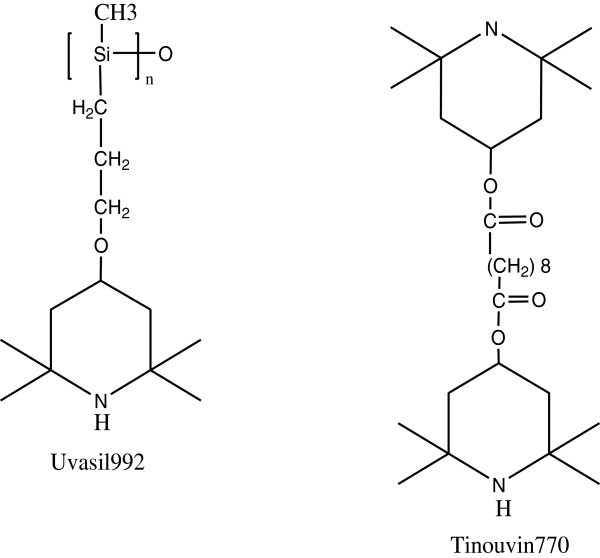
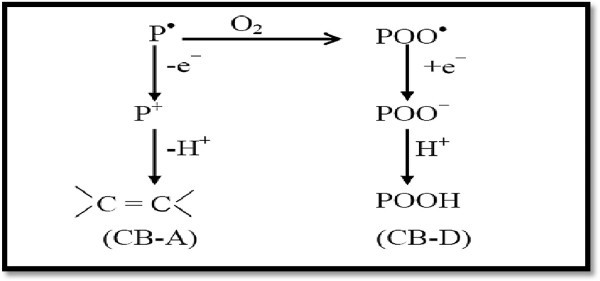
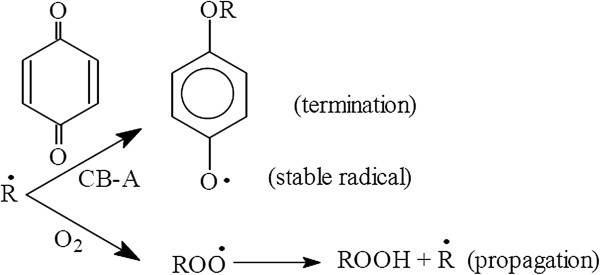
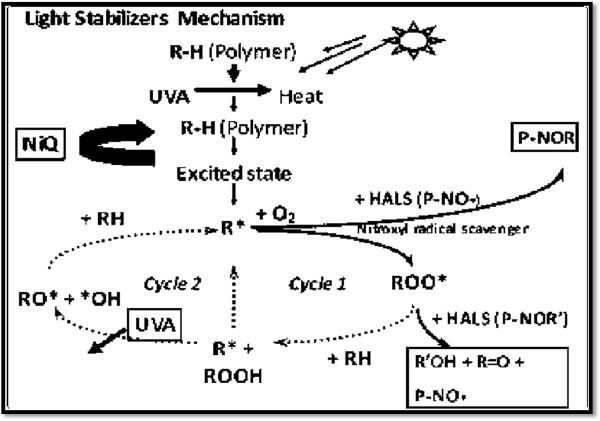
Exposure to ultraviolet (UV) radiation may cause the significant degradation of many materials. UV radiation causes photooxidative degradation which results in breaking of the polymer chains, produces free radical and reduces the molecular weight, causing deterioration of mechanical properties and leading to useless materials, after an unpredictable time. Polystyrene (PS), one of the most important material in the modern plastic industry, has been used all over the world, due to its excellent physical properties and low-cost. When polystyrene is subjected to UV irradiation in the presence of air, it undergoes a rapid yellowing and a gradual embrittlement. The mechanism of PS photolysis in the solid state (film) depends on the mobility of free radicals in the polymer matrix and their bimolecular recombination. Free hydrogen radicals diffuse very easily through the polymer matrix and combine in pairs or abstract hydrogen atoms from polymer molecule. Phenyl radical has limited mobility. They may abstract hydrogen from the near surrounding or combine with a polymer radical or with hydrogen radicals. Almost all synthetic polymers require stabilization against adverse environmental effects. It is necessary to find a means to reduce or prevent damage induced by environmental components such as heat, light or oxygen. The photostabilization of polymers may be achieved in many ways. The following stabilizing systems have been developed, which depend on the action of stabilizer: (1) light screeners, (2) UV absorbers, (3) excited-state quenchers, (4) peroxide decomposers, and (5) free radical scavengers; of these, it is generally believed that excited-state quenchers, peroxide decomposers, and free radical scavengers are the most effective. Research into degradation and ageing of polymers is extremely intensive and new materials are being synthesized with a pre-programmed lifetime. New stabilizers are becoming commercially available although their modes of action are sometimes not thoroughly elucidated. They target the many possible ways of polymer degradation: thermolysis, thermooxidation, photolysis, photooxidation, radiolysis etc. With the goal to increase lifetime of a particular polymeric material, two aspects of degradation are of particular importance: Storage conditions, and Addition of appropriate stabilizers. A profound knowledge of degradation mechanisms is needed to achieve the goal.
Overview
The claims and statistics of this paper haven’t been checked yet.
Run the check — free, no account needed. It reads the open-access text and checks the sources it cites.
Integrity signals
Registry
Cites
Statistics
Figures

Verification
Claims the paper makes
The claims and statistics of this paper haven’t been checked yet.
Run the check — free, no account needed. It reads the open-access text and checks the sources it cites.
Claims other papers make about this one
Each is checked against this paper’s own text: does it say what the citing paper says it does?
The source backs part of the claim, not all of it — or backs it for a different population, condition or comparison.
In the citing paper
“Physical and chemical changes in polymers can be caused by environmental factors including light (photo-oxidation), heat (photothermal oxidation), mechanical abrasion, moisture, chemical conditions or biological activity (fungi, bacteria, yeasts, algae, and their enzymes) 24,37,38 .”
From Environmental Deterioration of Biodegradable, Oxo-biodegradable, Compostable, and Conventional Plastic Carrier Bags in the Sea, Soil, and Open-Air Over a 3-Year Period (2019) · cites this paper as [38]
Experimental — accuracy not yet measured
Self-check
Percentages, sums and reported differences re-computed from the paper’s own numbers.
The self-check needs the paper’s full text.
Citations
Cites
MacKnight, W. (1976) · Science · doi:10.1126/science.191.4233.1260-a · Cited by 9,566 · cited 1×
“…degradation of polymers, which include processes such as chain scission, crosslinking and secondary oxidative reactions, and takes place via radical processes , similar to thermal oxidation reactions (Ranby and Rabek 1981; Carlsson et al. 1976; Mc Kellar & Allen 1979; Rnby and Lucki 1980).”
Comprehensive Chemical Kinetics
Bamford, C., & Tipper, C. F. H. (1976) · doi:10.1016/s0069-8040(03)80001-8 · Cited by 1,705 · cited 1×
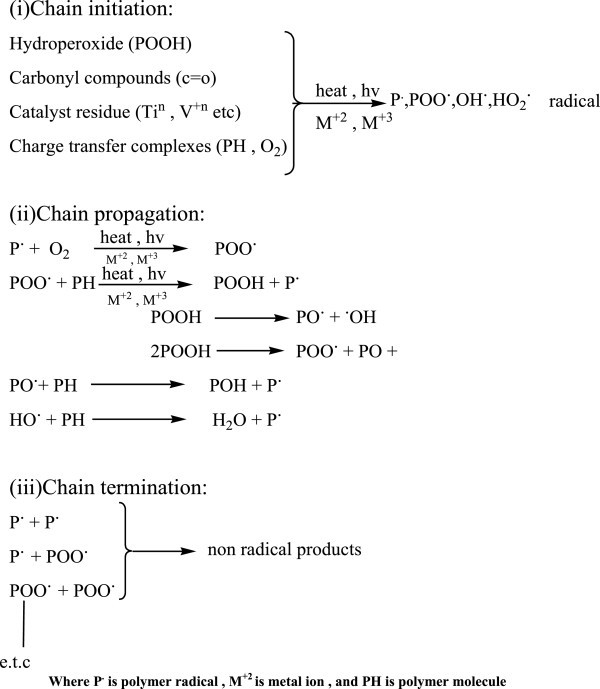
“Photooxidative degradation includes the following steps: (Rabek 1994; Rabek 1974; Guillet 1972a, 1972b).”
Physical properties of polymers handbook
Mark, J. (2007) · Springer eBooks · doi:10.1007/978-0-387-69002-5 · Cited by 1,670
Mechanistic implications of plastic degradation
Singh, B., & Sharma, N. (2008) · Polymer Degradation and Stability · doi:10.1016/j.polymdegradstab.2007.11.008 · Cited by 1,569 · cited 1×
“Its hardness, hydrophobic nature and chemical composition cause it to persist in nature without any decomposition for long period of time thus cause environmental pollution Singh and Sharma (2008).”
Thermal characterization of polymeric materials
Turi, E. (1981) · Choice Reviews Online · doi:10.5860/choice.35-0290 · Cited by 1,472 · cited 4×
“from electronically excited carbonyl group to dissolved molecular oxygen Heskins and Guillet (1968). The quenching of [(1)O2] is also necessary for effective stabilization. Nickel chelates have been proven to be very effective quenchers for the excited state of [(1)O2] Schmitt and Hirt (1963).”
InfluentialPolymer Science and Technology
Fried, J. (1995) · Chemistry International · doi:10.1515/ci.2010.32.3.32a · Cited by 1,105
Physical properties of polymers handbook
(1996) · Choice Reviews Online · doi:10.5860/choice.34-2186 · Cited by 1,056 · cited 2×
“The decomposition of hydroperoxide in polymer to non radical derivatives was first demonstrated Carlsson and Wiles (1974). Many metal complexes of sulphur containing ligands such as dialkylthiocarbonate and dialkylthiophosphate not only decompose hydroxide in PE film but are also effective in UV stabilization (as UV a…”
Polymer Degradation and Stability
Peacock, A. J., & Calhoun, A. (2006) · doi:10.3139/9783446433434.009 · Cited by 607 · cited 1×
“Industrially, the yellow discoloration is an important adverse effect of the ageing of polystyrene, e.g. during exposure outdoors (Geuskens et al. 1978a, 1978b; Weir 1978; Lucki and Rnby 1979; Rnby and Lucki 1980).”
Synthesis and Characterization
Behrens, S., Bönnemann, H., Modrow, H., Kempter, V., Riehemann, W., Wiedenmann, A., Odenbach, S., Will, S., Thrams, L., Hergt, R., et al. (2009) · doi:10.1007/978-3-540-85387-9_1 · Cited by 555
Polymer Degradation and Stabilization
Hawkins, W. (1984) · Der Umweltschutz · doi:10.1007/978-3-642-69376-2 · Cited by 492
Research works printed but not linked: 49
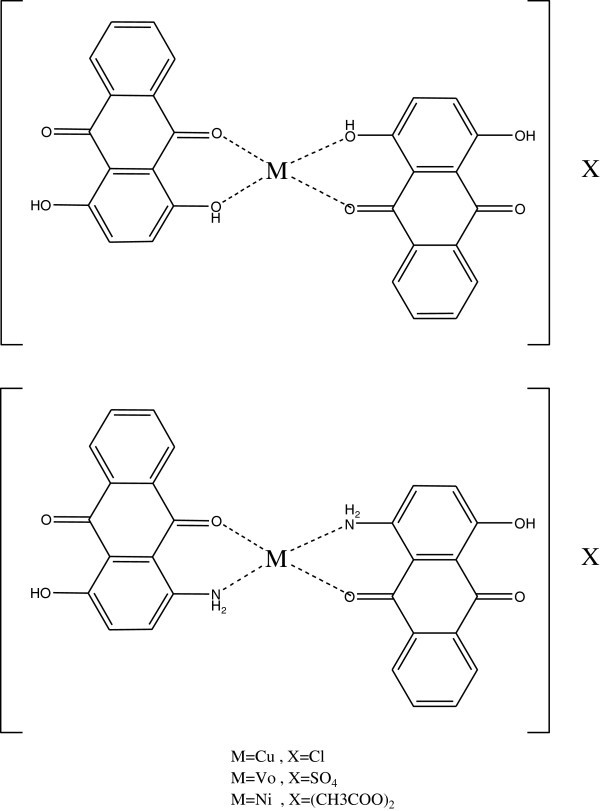
- Abd MA, Abdul Zahra AAI, Shenta AA: Photostabilization of polystyrene films by anthraquinones derivatives and their complexes with copper (II), oxovanadium (IV) and nickel (II) ions. Journal of Basrah Researches 2009, 35(3):81-97.
- Aliwi SM: Photostabilization of low density polyethylene for green house application. Nat J chem 2001, 2: 280-302.
- Aliwi SM, AL-Ani RR, Awad DAJ: Photostabilization of polystyrene films by Nickel and Copper tetradentate Shiff base complexes. Iraqi journal polymer 2001, 5(1):15-30.
- Andrady AL: Advance Polymer Science.. 1997, 128: 49-94.
- Baloglu R, Fisch M: Polymer Degradation Stabilization. 1994, 45: 30-35.
- Beavan SW, Phillips D: Photostabilizing of macromolecule by excited state qyencher. Journal Photochem 1974, 3: 3149363. · DOI
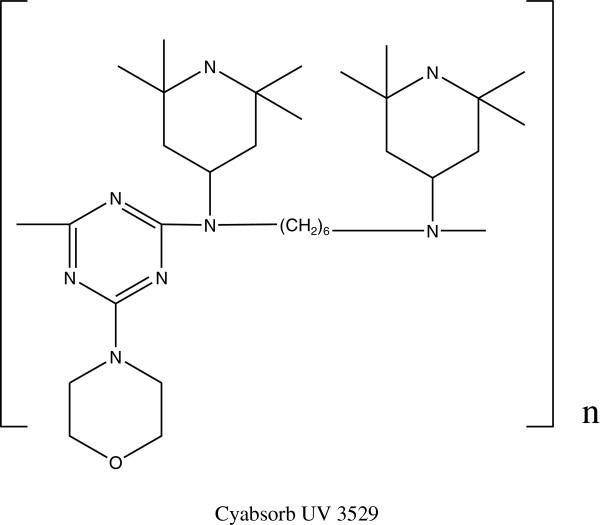
- Bottino FA, Bottino G d P, Antonino P, Antonino R: Surface photostabilization of polystyrene by Tinuvin 1577. J of Appl Polym Sci 1999, 69(6):1251-1256. · DOI
- Bottino FA, Cinquegrani AR, Di Pasquale G, Leonardi L, Pollicino A: Chemical modification, mechanical properties and surface photooxidation of films of polystyrene. polymer testing. 2003, 12: 405-411.
- Bottino FA, Cinquegrani AR, Giovanna DD, Leonardi L, Antnino PA: Study on chemical modification, mechanical properties and surface photooxidation of films of polystyrene stabilized by hinderd amines (HAS), polymer testing. 2004, 23: 779-789.
- Cheremision NP: Hand Book of Engineering Polymeric Materials, chapter 8. New York; 1997. · DOI
- Dan E, Somersall AC, Guillet JE: Macromolecules, New York. 1973, 6: 228-230.
- Galdi A, Foltis P, Shah A: UV protecting composition and methods of use. Application: US patent; 2010:2010-118415.
- Geuskens G, David C: Polymer photodegradation: mechanisms and experimental methods. Pure Appl Chem 1979b, 51: 233-240. · DOI
- Gugumus F: Development in Polymer Stabilization-1. Edited by: Scott G. London: Applied Science Publishers Ltd; 1979:261.
- Gugumus F, Gachter R, Muller H (Eds): Plastics Additives. 2nd edition. Munich: Hanser; 1987:97-185.
- Guillet JE: Polymer photodegradation: mechanisms and experimental methods. Pure and ppl Chem 1972, 30: 135-144. · DOI
- Guillet J: Polymer Photophysics and Photochemistry. Cambridge University Press; 1985.
- Heller HJ: Photochemistry of dyed and pigmented polymers. Eurp Polymer J Supplement 1969, 99-105.
- Klopffer W: Polymer photodegradation: mechanisms and experimental methods. Eurpolym J 1975, 11: 203.
- Lamolla AA: Energy Transfer and Organic Photochemistry, chapter 2. In Technique of Organic Chemistry. Edited by: Lamolla AA, Turro NJ. New York: Wiley; 1969.
- Lawrence JB, Weir NA: Polymer photodegradation: mechanisms and experimental methods. J Polym Sci Al 1973, 11: 105-431.
- Mc Kellar JF, Allen NS: Photochemistry of Man-Made Polymers, Ltd. London 306 S: Applied Science Published; 1979:138.
- Mill TR, Richarason H, Mayo FR: J. Polym. Sci. Al. 1978, 11: 2899-2908.
- Patel P: Additive primer, blown films, cast films and extraction coating, PLACK conference. 2007, 16-20.
- Pospisil J, Habicher W, Zweifel H, Pilar J, Nespurek S, Piringer O: Polymer and polymer composites. AAA 2002, 10: 37-42.
- Potts JE: Plastic environmentally degradation, The Kirk-Othmer Encyclopedia of Chemical Technology. 3rd edition. 1991. Supp. Vol
- Rabek JF: Mechanism of Photophysical Process and Photochemical Reaction in polymers. New York: John Wiley and Sons; 1987.
- Rabek JF: Polymer photodegradation–mechanism and experimental methods. London: Chapman and Haal; 1993.
- Rabek JF: Polymer Degradation Mechanisms and experimental methods. Stocholm: Springer; 1994.
- Rabek JF: Polymer photodegradation-mechanisms and experimental methods. Cambridge: Chapman Hall; 1995. · DOI
- Rabek JF: Polymer photodegradation of polymers: physical characteristic and applications. Beelin: Springer- verlag; 1996. · DOI
- Rabek JF, Ranby B: Polymer photophysics and photochemistry: an introduction to the study of Photoprocess of macromolecules. J Polym Sci Al 1974, 12: 273-281.
- Rabek JF, Ranby B: Photodegradation, photooxidation and Photostabilization of Polymers. New York: John Wiley; 1975.
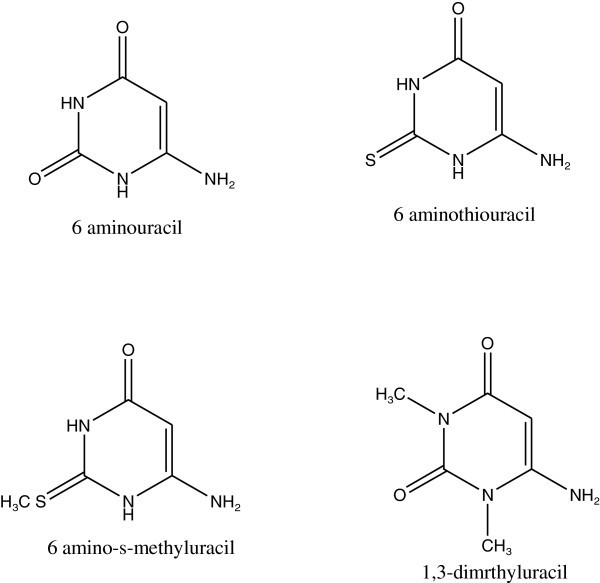
- Rabie ST, Mahran AM, Kamel EM, Abdel Hamid NH: Photodegradation of polystyrene stabilized with uracil derivative. Journal of applied sciences research 2008, 4(12):2015-2026.
- Ranby BG, Rabek JF: Photodegradation, Photooxidation and Photostabilization of Polymers. London: John Wiley & Sons; 1975:101-102.
- Ranby B, Rabek JF: Photodegradation, Photooxidation and Photostabilization of Polymers. Wiley periodicals, Inc; 1975b:165-184.
- Ruoko : Uv light induced degradation of polyethylene and polystyrene – spectroscopic and DSC study. Msc thesis: Tampere University of Technology; 2012.
- Safy Eldin NM, El-laithy SA: Photooxidative degradation of polystyrene of cover signals lamp of some automobile. Journal of applied polymer science 1994, 55: 47-54.
- Sastre R, Catalina F, Mateo JL, Claremunt R, Santa-Maria MD, Catalan J: Mechanism of photostabilization of polystyrene film by dihydroxypirazoles. J of Polym Sci Part A: Polym Chem 2003, 28(13):3661-3668. · DOI
- Schnabel W: Polymer Degradation: Principle and Practical Applications. Chapter 14. München: Hanser Int; 1981.
- Senna M, Hamid H, Hussein M: Nuclear instrument methods. Phys Res Section B 2002, 187: 48-55.
- Strlic M, Kolar J: Aging and stabilization of papers. Turjaška 1, 1000 Slovenia: Distributed by the National and university Library; 2005.
- Trozzolo AM, Winslow FH: Macromolecules. American chemical society publishing 1968., 98:
- Watson WF: Principles of polymer engineering rheology. Trans IRI 1953, 29: 29-32.
- Willis PB: Investigation of test method material properties and processes for solar cell in capsulation, eighth annual report. 1984.
- Wypych G: Handbook of material weathering. 4th edition. Toronto: Chemtec Publishing; 2008.
- Yousif E: Photostabilization of PVC by inorganic complexes. LAP LAMBERT academic publishing; 2010.
- Yousif E: Photostabilization of thermoplastic polymers. Germany: Lambert Academic Publishing; 2012.
- Yousif E, Salimon J, Salih N: Photostability of poly (vinyl chloride). VDM Verlag: Dr. Muller publisher; 2011b. B
Cited by
Sorted by citations
Items 401–500 of 1,001
Impact of thermomechanical reprocessing on multilayer plastic packaging blend
Zhan, K., Meadows, D. A., Levy, L., Hou, R., Rahman, T. A., Davis, V. A., Davis, E. W., Beckingham, B. S., Via, B. K., Elder, T., et al. (2024) · Polymer Degradation and Stability · doi:10.1016/j.polymdegradstab.2024.110710 · Cited by 30
“Moreover, the exposure of recycled plastics to oxygen during reprocessing, along with the presence of moisture or residual contaminants, can cause thermo-oxidative degradation [14 – 16].”
BackgroundLakshiakanthan, E., Wilfred, N., Kavitha, S., Halder, G., Haldar, D., Patel, A. K., Singhania, R. R., & Pandey, A. (2023) · Chemosphere · doi:10.1016/j.chemosphere.2023.140661 · Cited by 30
Yan, Y., Yu, Y., Sima, J., Geng, C., & Yang, J. (2023) · Environmental Science and Pollution Research · doi:10.1007/s11356-023-28736-x · Cited by 35
Miao, M., Yu, B., Cheng, X., Hao, T., Dou, Y., Zhang, M., & Li, Y. (2023) · Environmental Pollution · doi:10.1016/j.envpol.2023.121254 · Cited by 32
Du, Y., Yao, C., Dou, M., Wu, J., Su, L., & Xia, W. (2022) · Journal of Hazardous Materials · doi:10.1016/j.jhazmat.2022.129265 · Cited by 32
The effects of the molecular weight of chitosan on the tissue inflammatory response
Ribeiro, J. C. V., Forte, T. C. M., Tavares, S. J. S., Andrade, F. K., Vieira, R. S., & Lima, V. (2021) · Journal of Biomedical Materials Research Part A · doi:10.1002/jbm.a.37250 · Cited by 27
Resistance Mechanisms of Biomodified Binders against Ultraviolet Exposure
Hosseinnezhad, S., Hung, A. M., Mousavi, M., Sharma, B., & Fini, E. (2020) · doi:10.1021/acssuschemeng.9b05490 · Cited by 28
Unseen toxins: Exploring the human health consequences of micro and nanoplastics
Dennis, J., Arulraj, D., & Mistri, T. K. (2025) · Toxicology Reports · doi:10.1016/j.toxrep.2025.101955 · Cited by 34
“Photochemical reactions initiated by UV radiation further break down the polymer matrix, reducing its molecular weight and releasing dissolved organic carbon and additives [36].”
Choi, N. E., Lee, Y.-K., Oh, H., & Hur, J. (2024) · Chemosphere · doi:10.1016/j.chemosphere.2024.141826 · Cited by 29
Vyas, J., Singh, S. K., Shah, I. T., & Prajapati, B. G. (2023) · AAPS PharmSciTech · doi:10.1208/s12249-023-02720-7 · Cited by 37
Fan, R., Li, B.-R., Liu, Q., Liu, Q.-G., Cui, J.-X., Bai, R., Wang, Y., Elias, R. M., Li, C., & He, W. (2023) · Journal of Hazardous Materials · doi:10.1016/j.jhazmat.2023.133302 · Cited by 27
Sipps, K., Patil, S., Ochoa, L., Chan, J., Auguste, C., Arbuckle-Keil, G. A., & Fahrenfeld, N. L. (2023) · Analytical and Bioanalytical Chemistry · doi:10.1007/s00216-023-04960-9 · Cited by 31
“It should be noted that, while the pre-digestion PS 2 spectra are consistent with an aged PS sample, the post-digestion spectra do not match that of reported environmentally weathered PS and the observed changes are not consistent with the established degradation mechanisms of PS [30].”
ResultPhotodynamic covalent bonds regulated by visible light for soft matter materials
Truong, V., & Barner-Kowollik, C. (2022) · Trends in Chemistry · doi:10.1016/j.trechm.2022.01.011 · Cited by 27
Le, T. D., Phasupan, P., Visaruthaphong, K., Chouwatat, P., Vu, T. T., & Nguyen, L. (2021) · Food Packaging and Shelf Life · doi:10.1016/j.fpsl.2021.100749 · Cited by 27
Arnott, R., Chérif, M., Bryant, L., & Wain, D. (2021) · Hydrobiologia · doi:10.1007/s10750-020-04487-5 · Cited by 27
Kawakami, R., Yoshitani, Y., Mitani, K., Niibe, M., Nakano, Y., Azuma, C., & Mukai, T. (2020) · doi:10.1016/j.apsusc.2019.144910 · Cited by 27
Durability of polyurethane membranes in artificial weathering environment
Grădinaru, L., Vlad, S., Spiridon, I., & Petrescu, M. (2019) · doi:10.1016/j.polymertesting.2019.106144 · Cited by 27
Long term stability of biodegradable polymers on building limestone
Kaplan, Z., Böke, H., Sofuoǧlu, A., & İpekoğlu, B. (2019) · Progress in Organic Coatings · doi:10.1016/j.porgcoat.2019.03.004 · Cited by 29
Lee, M.-Y., Chi, S.-O., Lau, W., Ng, B., Ismail, A., & Lai, S. (2016) · doi:10.1515/polyeng-2015-0064 · Cited by 27
A Transparent Planar Concentrator Using Aggregates of gem‐Pyrene Ethenes
Banal, J. L., White, J. M., Lam, T., Blakers, A., Ghiggino, K., & Wong, W. W. (2015) · doi:10.1002/aenm.201500818 · Cited by 27
Rethinking plastics through microbial biodegradation and circular economy innovation – A review
Jiao, H., Xiong, M., Al-Tohamy, R., Schagerl, M., Kornaros, M. E., & Ali, S. S. (2025) · Environmental Chemistry and Ecotoxicology · doi:10.1016/j.enceco.2025.11.009 · Cited by 26
Conterosito, E., Roncoli, M., Ivaldi, C., Ferretti, M., Felice, B. D., Parolini, M., Gazzotti, S., Ortenzi, M. A., & Gianotti, V. (2025) · Analytical Chemistry · doi:10.1021/acs.analchem.4c04281 · Cited by 34
Fini, E. H., Pahlavan, F., Vega, N. O., Bibo, A., Kaur, H., Ghasemi, H., Aldagari, S., Hung, A. M., Kannan, L., Yazdani, H., et al. (2024) · Journal of Hazardous Materials · doi:10.1016/j.jhazmat.2024.136849 · Cited by 27
Antiradical and Antioxidant Activity of Compounds Containing 1,3-Dicarbonyl Moiety: An Overview
Bērziņa, L., & Mieriņa, I. (2023) · Molecules · doi:10.3390/molecules28176203 · Cited by 32
Li, J., Han, X., Huyan, C., Liu, D., Li, X., Li, H., & Fei, C. (2023) · Progress in Organic Coatings · doi:10.1016/j.porgcoat.2022.107398 · Cited by 25
Weathered Microplastics Induce Silver Nanoparticle Formation
Huang, Y., Dang, F., Yin, Y., Fang, G., Wang, Y., Yu, G., Zhou, D., & Xing, B. (2021) · Environmental Science & Technology Letters · doi:10.1021/acs.estlett.1c00766 · Cited by 37
UV‐shielding antimicrobial zein films blended with essential oils for active food packaging
Kaur, M., & Santhiya, D. (2020) · Journal of Applied Polymer Science · doi:10.1002/app.49832 · Cited by 29
Bae, J.-D., Hong, W.-C., Jung, H.-H., Park, J., Yun, S.-Y., Ha, S.-S., Lee, Y., & Kim, T.-J. (2021) · Indian Journal of Microbiology · doi:10.1007/s12088-021-00922-w · Cited by 26
Kim, S., Hwang, T., Namgoong, J., Kim, H., & Kim, J. P. (2020) · doi:10.1016/j.dyepig.2020.108469 · Cited by 26
de Oliveira, M. D., Soares, L. G., Viana, M., Diniz, A., & Lins, V. D. F. C. (2020) · doi:10.1016/j.ijadhadh.2020.102595 · Cited by 26
Nguyen, T. V., Dao, P. H., Nguyen, T. A., Dang, V. H., Nguyet, H. M., Nguyen, T. T. T., Trung, V. Q., Nguyen, N. L., Dang, T. C., Nguyen‐Tri, P., et al. (2020) · Journal of Applied Polymer Science · doi:10.1002/app.49116 · Cited by 27
Reyhani, A., Ranji-Burachaloo, H., McKenzie, T. G., Fu, Q., & Qiao, G. (2019) · Macromolecules · doi:10.1021/acs.macromol.9b00038 · Cited by 26
Jo, A., Yoo, S., Chung, Y., & Lee, S.-H. (2019) · Carbon · doi:10.1016/j.carbon.2018.12.012 · Cited by 26
Hanley, D., Šulc, M., Brennan, P., Hauber, M., Grim, T., & Honza, M. (2016) · Ecology and Evolution · doi:10.1002/ece3.2187 · Cited by 26
“In addition, a number of natural materials have been found to stabilize protoporphyrin from degradation (Crowley 1999), with ultraviolet absorbers being an important class of polymer stabilizer (Yousif and Haddad 2013).”
BackgroundAlbergamo, V., Wohlleben, W., & Plata, D. L. (2024) · Environmental Science & Technology · doi:10.1021/acs.est.3c08134 · Cited by 21
Sodré, F. F., Arowojolu, I. M., Canela, M. C., Ferreira, R. S., Fernandes, A. N., Montagner, C. C., Vidal, C., Dias, M. A., Abate, G., da Silva, L. C., et al. (2023) · Chemosphere · doi:10.1016/j.chemosphere.2023.139813 · Cited by 32
Towards low-energy-light-driven bistable photoswitches: ortho-fluoroaminoazobenzenes
Kuntze, K., Viljakka, J., Titov, E., Ahmed, Z., Kalenius, E., Saalfrank, P., & Priimagi, A. (2021) · Photochemical and Photobiological Sciences · doi:10.1007/s43630-021-00145-4 · Cited by 25
On optical sensing of surface roughness of flat and curved microplastics in water
Asamoah, B. O., Roussey, M., & Peiponen∥, K.-E. (2020) · Chemosphere · doi:10.1016/j.chemosphere.2020.126789 · Cited by 28
Kusworo, T., Widayat, W., Utomo, D. P., Pratama, Y., & Arianti, R. (2020) · doi:10.1016/j.renene.2019.10.177 · Cited by 25
Liquid glass for photovoltaics: multi-functional front cover glass for solar modules.
Langenhorst, M., Ritzer, D., Kotz, F., Risch, P., Dottermusch, S., Roslizar, A., Schmager, R., Richards, B., Rapp, B., & Paetzold, U. (2019) · ACS Applied Materials and Interfaces · doi:10.1021/acsami.9b12896 · Cited by 25
Polruang, S., Asokbunyarat, V., Bouthong, P., Rizqa, F., & Somprasong, A. (2025) · Scientific Reports · doi:10.1038/s41598-025-22367-7 · Cited by 24
“Water wave is one of factors affecting the mechanical degradation of polymers under the influence of shear forces that result in the formation of free radicals and other functional groups, causing brittle surface and surface cracks 39,41,44,86 .”
InfluentialMicroplastics pollution in the rivers, its source, and impact on aquatic life: a review
Bhan, C., Kumar, N., & Elangovan, V. (2024) · International Journal of Environmental Science and Technology · doi:10.1007/s13762-024-05846-8 · Cited by 31
“A chemical can undergo transformation by the process of photodeg-radation, which involves photon absorption and radiation (Yousif and Haddad 2013).”
Kong, X., Zhou, A., Chen, X., Cheng, X., Lai, Y., Li, C., Ji, Q., Ji, Q., Kong, J., Ding, Y., et al. (2024) · The Science of The Total Environment · doi:10.1016/j.scitotenv.2024.170420 · Cited by 30
A review on photochemical effects of common plastics and their related applications
Huang, Z., & Wang, H. (2023) · Journal of Polymer Science · doi:10.1002/pol.20230322 · Cited by 35
He, S., Wang, J., Zhou, L., Jia, T., Mao, Z., Zhang, X., Zhang, L., Wang, J., Yang, M., & Huang, P. (2023) · Ecotoxicology and Environmental Safety · doi:10.1016/j.ecoenv.2023.114906 · Cited by 28
Metal-organic frameworks and plastic: an emerging synergic partnership
Mastropietro, T. F. (2023) · Science and Technology of Advanced Materials · doi:10.1080/14686996.2023.2189890 · Cited by 29
Plastic-microbe interaction in the marine environment: Research methods and opportunities
Xiang, J. K. Z., Bairoliya, S., Cho, Z. T., & Cao, B. (2022) · Environment International · doi:10.1016/j.envint.2022.107716 · Cited by 30
Saygın, H., & Baysal, A. (2022) · Environmental Science and Pollution Research · doi:10.1007/s11356-022-21468-4 · Cited by 27
“2021; Yousif and Haddad 2013; Gewert et al.”
Ullah, I., Akbar, M., & Khan, H. A. (2021) · Materials Today Communications · doi:10.1016/j.mtcomm.2021.102890 · Cited by 24
Lu, T., Gilfedder, B. S., Peng, H., Peiffer, S., Papastavrou, G., Ottermann, K., & Frei, S. (2021) · Water Air & Soil Pollution · doi:10.1007/s11270-021-05125-z · Cited by 29
“Natural degradation and fragmentation processes of polymers, including weathering (Silva et al., 2018), photo-oxidation (Yousif and Haddad, 2013), and biodegradation (Albertsson and Karlsson, 1994), degrade macroplastics (fragments > 5000 μm) into microplastics (MPs) (particles in between 100 nm…”
BackgroundMasek, A., & Plota, A. (2021) · International Journal of Molecular Sciences · doi:10.3390/ijms22084018 · Cited by 24
Dinoop lal, S., Sunil Jose, T., Rajesh, C., & Arun, K. J. (2020) · Polymer Degradation and Stability · doi:10.1016/j.polymdegradstab.2020.109476 · Cited by 34
Yielding, thixotropy, and strain stiffening of aqueous carbon black suspensions
N'gouamba, E., Goyon, J., Tocquer, L., Oerther, T., & Coussot, P. (2020) · Journal of rheology · doi:10.1122/8.0000028 · Cited by 24
“Carbon Black (CB) particles dispersed in a liquid phase are used in a variety of applications such as reinforcing filler in polymer matrix [1], [2] stabilizers in polymer [3] or other materials [4] for protection against photo degradation, or as colour pigments in inks, paints and plastics [5].”
Tian, Z., Kim, S., & Hyun, J. (2020) · Journal of Hazardous Materials · doi:10.1016/j.jhazmat.2020.122968 · Cited by 27
The Puncture and Water Resistance of Polyurethane- Impregnated Fabrics after UV Weathering
Patti, A., & Acierno, D. (2019) · Polymers · doi:10.3390/polym12010015 · Cited by 24
Accelerated weathering of textile waste nonwovens used as sustainable agricultural mulching
Abidi, H., Rana, S., Chaouch, W., Azouz, B., Aissa, I., Hassen, M. B., & Fangueiro, R. (2019) · Journal of Industrial Textiles · doi:10.1177/1528083719855326 · Cited by 24
“After the first step of photolysis in which the polymer backbone scissioned and the chain bonds broke, the degradation rate was retarded and the smaller constituents were more resistant [35].”
BackgroundResultKoch, C., & Sures, B. (2019) · Chemosphere · doi:10.1016/j.chemosphere.2019.04.052 · Cited by 24
Wang, T., Liu, D., Liu, R., Yuan, F., Ding, Y., Tao, J., Wang, Y. P., Yu, W., Fang, Y., & Liao, H. (2025) · Environmental Science & Technology · doi:10.1021/acs.est.4c12140 · Cited by 24
Microplastics: From Intrinsic Properties to Environmental Fate
Salehi, M., Pincus, L. N., Deng, B., & Peters, C. A. (2024) · Environmental Engineering Science · doi:10.1089/ees.2024.0232 · Cited by 30
“However, the generation of low molecular weight fragments, their reorientation into crystalline regions, and the crosslinking caused by radicals formed during degradation could alter the molecular weight and crystallinity of MPs (Bonyadinejad et al., 2022; Yousif and Haddad, 2013).”
Strategies for the quantification and characterization of nanoplastics in AOPs research
di Luca, C., García, J., Munoz, M., Hernando-Pérez, M., de Pedro, Z. D., & Casas, J. A. (2024) · Chemical Engineering Journal · doi:10.1016/j.cej.2024.152490 · Cited by 23
Golubovíć, Z., Bojović, B. A., Kirin, S. D., Milovanović, A., Petrov, L., Anđelković, B., & Sofrenić, I. V. (2024) · Polymers · doi:10.3390/polym16081035 · Cited by 24
“Most changes happen because of chemical depolymerization and the degradation of polymers due to exposure to temperature, UV light, water, or chemicals [37,38].”
BackgroundChen, J., Sun, T., Yang, P., Peng, S., Yu, J., Wang, D., & Zhang, W. (2024) · Water Research · doi:10.1016/j.watres.2024.121231 · Cited by 22
Zhou, J., Ding, C., Zhang, X., Li, D., Yang, D., You, B., & Wu, L.-M. (2023) · ACS Applied Materials and Interfaces · doi:10.1021/acsami.3c14310 · Cited by 23
Orlovska, I., Podolich, O., Kukharenko, O., Zaets, I., Reva, O., Khirunenko, L., Zmejkoski, D. Z., Rogalsky, S., Barh, D., Tiwari, S., et al. (2021) · Astrobiology · doi:10.1089/ast.2020.2332 · Cited by 23
“under UV light catalyzed by TiO 2 is well known (Yousif and Haddad, 2013).”
Athir, N., Shah, S. A. A., Shehzad, F. K., Cheng, J., Zhang, J., & Shi, L. (2020) · Reactive and Functional Polymers · doi:10.1016/j.reactfunctpolym.2020.104733 · Cited by 48
Effects of environmental exposures on carbon fiber epoxy composites protected by metallic thin films
Afshar, A., Mihut, D., & Chen, P.-Y. (2020) · Journal of composite materials · doi:10.1177/0021998319859051 · Cited by 23
Akindoyo, J. O., Beg, M., Ghazali, S., Heim, H., Feldmann, M., & Mariatti, M. (2019) · Composites. Part A, Applied science and manufacturing · doi:10.1016/j.compositesa.2019.105577 · Cited by 23
Preserving the reactivity of coatings plasma deposited from oxazoline precursors − An in depth study
MacGregor, M., Sinha, U., Visalakshan, R. M., Cavallaro, A., & Vasilev, K. A. (2018) · Plasma Processes and Polymers · doi:10.1002/ppap.201800130 · Cited by 27
Rizzo, M., Corbau, C., Lane, B., Malkin, S. Y., Bezzi, V., Vaccaro, C., & Nardin, W. (2021) · Marine Pollution Bulletin · doi:10.1016/j.marpolbul.2021.112510 · Cited by 22
Aging or degradation? Transformation mechanisms of microplastics in soil environments
Zhong, X., Qiang, L., Cheng, J., Sun, Z., Hu, H., Liu, H., & Zhang, R. (2025) · Applied Soil Ecology · doi:10.1016/j.apsoil.2025.106394 · Cited by 25
Changlake, O., Kaewkam, P., Lin, K. A., Sirivithayapakorn, S., & Kobwittaya, K. (2025) · Journal of Hazardous Materials · doi:10.1016/j.jhazmat.2025.139207 · Cited by 23
Enhanced Radiation Shielding Performance of Tungsten Borides-Epoxy Composites
Erdogan, F., Bermudez, S., Mohammadi, R., & Rojas, J. V. (2025) · Composites Science And Technology · doi:10.1016/j.compscitech.2025.111233 · Cited by 22
The sorption behavior of triclosan on microplastics: aging effects and mechanisms
Ma, Y., Niu, X., Wang, X., Min, X., Wang, X., & Guo, X. (2025) · Chemical Engineering Journal · doi:10.1016/j.cej.2025.163985 · Cited by 24
Karwadiya, J., Lützenkirchen, J., & Darbha, G. K. (2024) · Environmental Pollution · doi:10.1016/j.envpol.2024.124097 · Cited by 25
Kuyyakanont, A., & Iwata, M. (2024) · Nuclear Instruments and Methods in Physics Reseach B · doi:10.1016/j.nimb.2024.165267 · Cited by 22
Aqueous double-layer paint of low thickness for sub-ambient radiative cooling
Dopphoopha, B., Li, K.-Q., Lin, C., & Huang, B.-L. (2024) · Nanophotonics · doi:10.1515/nanoph-2023-0664 · Cited by 22
“Most organic materials including paints tend to degrade under UV irradiation or moisture, which may limit their lifetime and cooling performance in long-term applications [45].”
Xie, Y., Tu, P., Xiao, Y., Li, X.-Y., Ren, M., Cai, Z.-S., & Xu, B. (2023) · ACS Applied Materials and Interfaces · doi:10.1021/acsami.3c07352 · Cited by 22
Countering microplastics pollution with photocatalysis: Challenge and prospects
Xu, R., Cui, L., & Kang, S. (2023) · Progress in Natural Science Materials International · doi:10.1016/j.pnsc.2023.08.006 · Cited by 30
Polystyrene nanoplastics mediated the toxicity of silver nanoparticles in zebrafish embryos
Yan, Z., Zhou, Y., Zhu, P., Bao, X., & Su, P. (2023) · Frontiers in Marine Science · doi:10.3389/fmars.2023.1195125 · Cited by 27
“Among these plastics, polystyrene (PS) is one of the most important materials from the modern plastic industry and has been used all over the world due to its excellent physical properties and low cost (Yousif and Haddad, 2013).”
BackgroundSaifuddin, M., Ghaffari, Y., Park, S.-Y., & Kim, C. (2022) · Environmental Research · doi:10.1016/j.envres.2022.113422 · Cited by 22
Microplastic stress induce bioresource production and response in microalgae: a concise review
Ugya, A. Y., Meguellati, K., Aliyu, A. D., Abba, A., & Musa, M. A. (2022) · Environmental Pollutants and Bioavailability · doi:10.1080/26395940.2022.2033138 · Cited by 21
Processing of natural fibre and method improvement for removal of endocrine-disrupting compounds
Nasir, H. M., Wee, S. Y., Aris, A. Z., Abdullah, L. C., & Ismail, I. (2021) · Chemosphere · doi:10.1016/j.chemosphere.2021.132726 · Cited by 26
Szadkowski, B., Kuśmierek, M., Rybiński, P., Żukowski, W., & Marzec, A. (2020) · Materials · doi:10.3390/ma13153381 · Cited by 22
Thomas, S., Ly, J., Zhang, L., Briseno, A., & Brédas, J. (2016) · Chemistry of Materials · doi:10.1021/acs.chemmater.6b02552 · Cited by 22
Oxidative Degradation of Thermoplastic Starch Induced by UV Radiation
Quispe, M. M., L髉ez, O. V., & Villar, M. (2019) · doi:10.32604/jrm.2019.04276 · Cited by 22
“A wide variety of synthetic and naturally occurring high polymers absorb solar UV radiation and undergo photolytic, photooxidative, and thermooxidative reactions that result in the degradation of the material [9].”
BackgroundIntroduction: Modifiable Characteristics and Applications
Jasso-Gastinel, C. F., Soltero-Martínez, J., & Mendizábal, E. (2017) · doi:10.1016/b978-0-323-44353-1.00001-4 · Cited by 22
Factors Influencing the Photochemical Behavior of Multicomponent Polymeric Materials
Nechifor, M. (2016) · Advanced structured materials · doi:10.1007/978-3-319-25196-7_2 · Cited by 22
“Many polymers undergo both chain scission and cross-linking and this mitigates the changes in molecular weight because the two types of molecular modifications provide increments of opposite sense and partly cancel out one another; (4) termination, when reactions between radicals occur and inert products are formed [1…”
BackgroundPhotoaging processes and mechanisms of polyolefin microplastics
Wang, Z., He, H., Zhai, Y., Xu, Z., Chen, Y., & Liu, X. H. (2024) · Separation and Purification Technology · doi:10.1016/j.seppur.2024.128314 · Cited by 13
Xie, D., Gai, Y., Zhang, Y., Zhang, J., Xin, Y.-H., Xu, J., & Wang, M. (2024) · Environmental Science & Technology · doi:10.1021/acs.est.4c10189 · Cited by 22
The role of polymer modification in mitigating ‘sunburn’ damage on asphalt roads
Enfrin, M., & Giustozzi, F. (2024) · Journal of Cleaner Production · doi:10.1016/j.jclepro.2024.140929 · Cited by 21
Noor, S. F. M., Paiman, S. H., Nordin, A. H., Ngadi, N., Malek, N. A. N. N., & Hamed, N. (2023) · Chemical engineering research & design · doi:10.1016/j.cherd.2023.11.039 · Cited by 21
Chang, J., Choi, Y.-Y., Moon, W., & Chung, S. (2022) · The Journal of prosthetic dentistry (Print) · doi:10.1016/j.prosdent.2022.08.018 · Cited by 21
Dhlamini, B., Paumo, H. K., Kamdem, B. P., Katata-Seru, L., & Bahadur, I. (2022) · Journal of Environmental Chemical Engineering · doi:10.1016/j.jece.2022.107729 · Cited by 21
Fakhri, L. A., Ghanbarzadeh, B., Dehghannya, J., Hosseini, M., & Dadashi, S. (2021) · Chemosphere · doi:10.1016/j.chemosphere.2021.130972 · Cited by 28
León-Condés, C. A. D., Roa‐Morales, G., Martínez‐Barrera, G., Menchaca‐Campos, C., Bilyeu, B. W., Balderas‐Hernández, P., Ureña‐Núñez, F., & Toledo-Jaldín, H. P. (2019) · Heliyon · doi:10.1016/j.heliyon.2019.e02071 · Cited by 26
“Such diminution on the temperature is result of the molecular weight decrease, caused by the scissions of the polymer chains (Spadaro et al., 2017; Yousif and Haddad, 2013) (Core~no-Alonso and Mendez-Bautista, 2010).”
BackgroundStudy of metallic thin films on epoxy matrix as protective barrier to ultraviolet radiation
Afshar, A., Mihut, D., Baqersad, J., & Hill, S. (2019) · Surface & Coatings Technology · doi:10.1016/j.surfcoat.2019.03.062 · Cited by 21
Al-Salem, S., Al-Nasser, A., Behbehani, M., Sultan, H., Karam, H. J., al-Wadi, M., al-Dhafeeri, A., Rasheed, Z., & Al-Foudaree, M. (2019) · International Journal of Polymer Science · doi:10.1155/2019/9612813 · Cited by 21
Ascione, C., Sala, A., Mazaheri-tehrani, E., Paulone, S., Palmieri, B., Blasi, E., & Cermelli, C. (2017) · Annals of Clinical Microbiology and Antimicrobials · doi:10.1186/s12941-017-0246-5 · Cited by 21
“It is well known that exposure to UVA radiation can cause significant degradation of many materials, inducing photooxidative degradation which results in breaking of the polymer chains and free radical production [31].”
Spectroscopic and photochemical stability of polystyrene films in the presence of metal complexes
Yousif, E., Haddad, R. A., El-Hiti, G., & Yusop, R. (2017) · doi:10.1016/j.jtusci.2017.03.002 · Cited by 21
Self-citationKoch, C., Dundua, A., Aragon-Gomez, J., Nachev, M., Stephan, S., Willach, S., Ulbricht, M., Schmitz, O., Schmidt, T., & Sures, B. (2016) · Environmental Science and Technology · doi:10.1021/acs.est.6b04083 · Cited by 21
Metadata
- Authors
- Yousif, E., & Haddad, R.
- Affiliations
- Nahrain University (IQ)
- Corresponding author
- Yousif, Emad
- ORCID
- Yousif, Emad
- Venue
- SpringerPlus
- Published
- 2013-08-23
- Volume
- 2
- Issue
- 1
- Pages
- 398-398
- ISSN
- 2193-1801 (ISSN-L)
- PMC
- PMC4320144
- OpenAlex
- W2122404351
- Cited by
- 1,503
- References
- 133
- Citations by year
- 2026: 182 · 2025: 215 · 2024: 211 · 2023: 192 · 2022: 157 · 2021: 162 · 2020: 131 · 2019: 95 · 2018: 60 · 2017: 43 · 2016: 31 · 2015: 15 · 2014: 8 · 2013: 1
- FWCI
- 1.54
- Type
- journal article
- Language
- en
- Open access
- diamond
- doi.org
- Licence
- Locations
- SpringerPlus (publishedVersion, cc-by)
- Europe PMC (PubMed Central) (publishedVersion, cc-by)
- PubMed Central (publishedVersion, cc-by)
- PubMed (publishedVersion)
- Funders
- Al-Nahrain University
- Topics
- Physical Sciences › Materials Science › Polymers and Plastics › Polymer Science and PVC
- Physical Sciences › Chemistry › Organic Chemistry › Photopolymerization techniques and applications
- Physical Sciences › Chemistry › Organic Chemistry › Free Radicals and Antioxidants
- Keywords
- photodegradation, photostabilization, polystyrene, ultraviolet radiation, photooxidation, free radicals, yellowing, embrittlement, photolysis mechanism, polymer stabilizers, UV absorbers, radical scavengers, polymer aging, storage conditions
About these checks
Registry, retraction, Cites and statistics results are computed, not judged, with one exception: a printed reference that no index lists is read once by a model before it counts as a citation error. Claims are extracted by a model and kept only when their quote appears verbatim in the text; each cited source is then checked, with a model’s help, for whether it says what the claim relies on. Those verdicts can be wrong — read the claim’s quote and the cited source before relying on one.
Statistics and arithmetic are recomputed, not judged.
Confidence bands are shown only for fields calibrated on our annotated test set. None is calibrated yet, so no band is shown.
What counts as a claim ›How we measure confidence ›How we check this ›
Are you an author, or do you see a problem with this page? Request a review
