

The DOI matches its Crossref record; 102 of the 133 references it cites were found in a registry or an index.
Photodegradation and photostabilization of polymers, especially polystyrene: review
Open accessAbstract
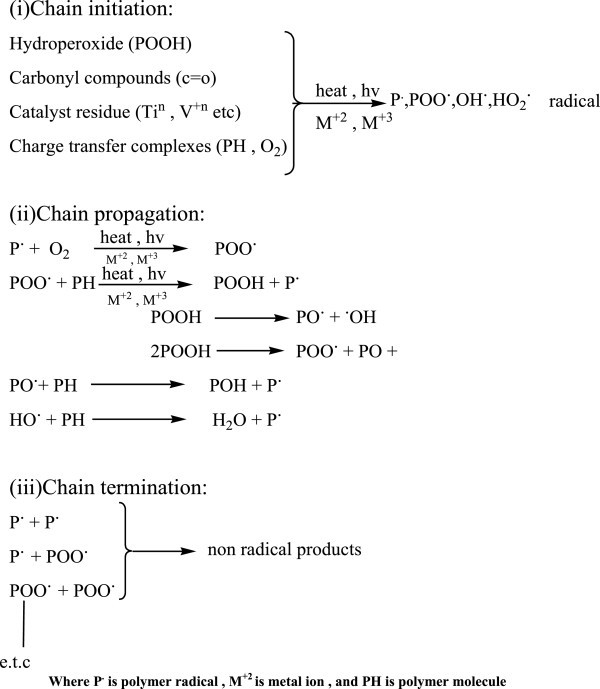
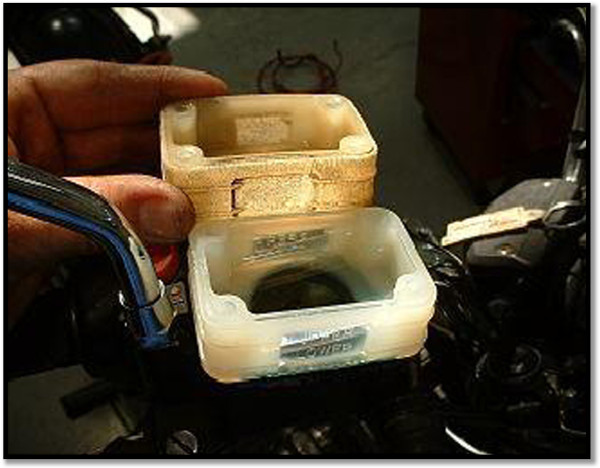
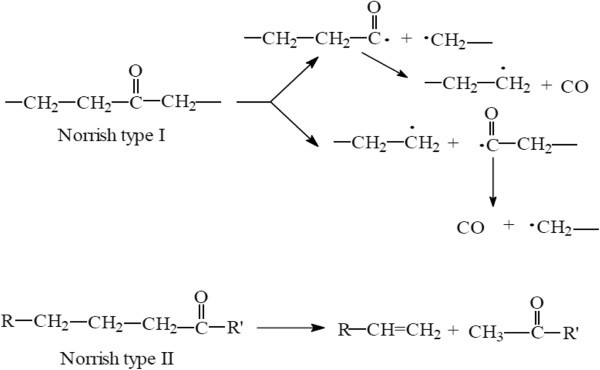
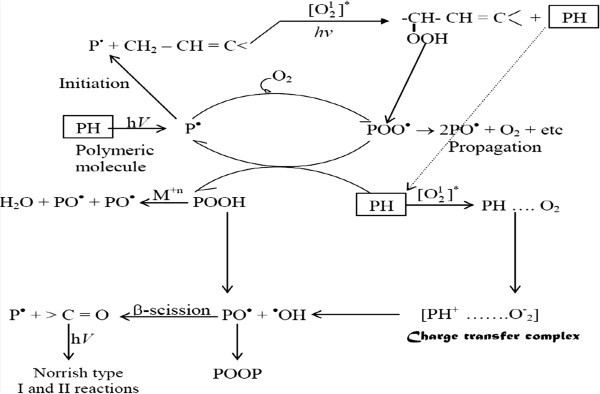
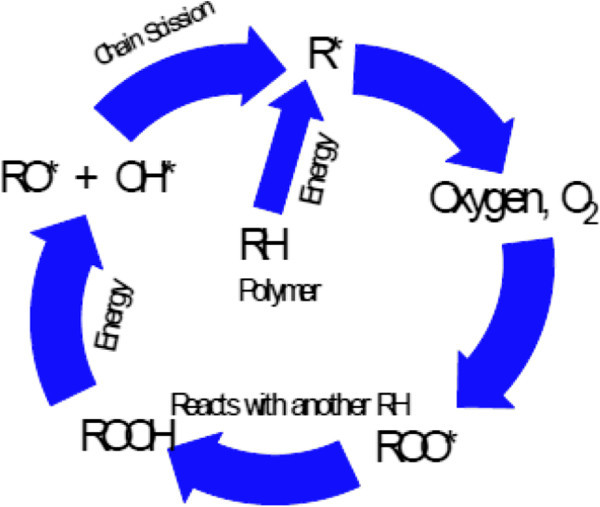
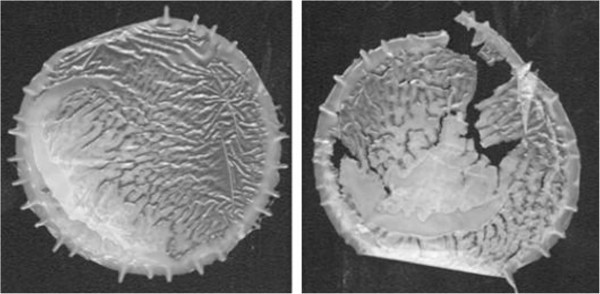
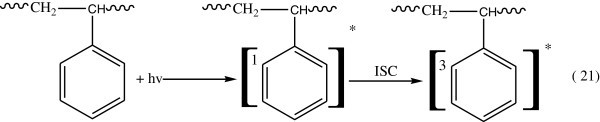
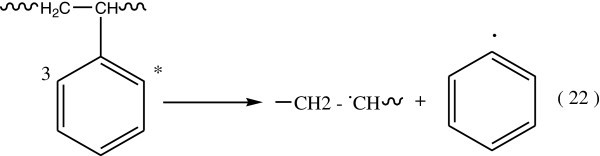
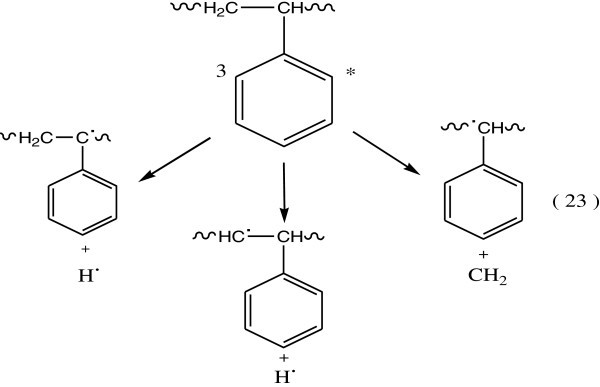
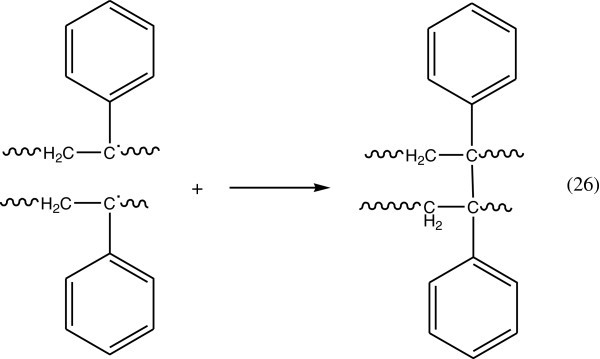
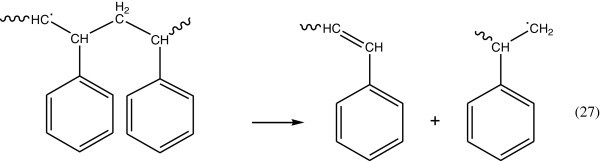
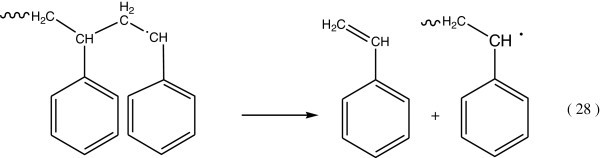
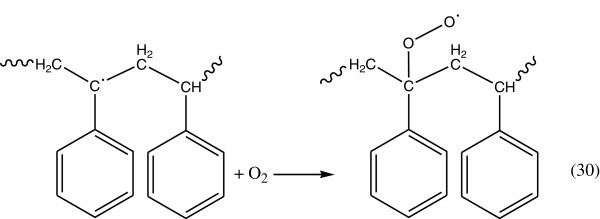
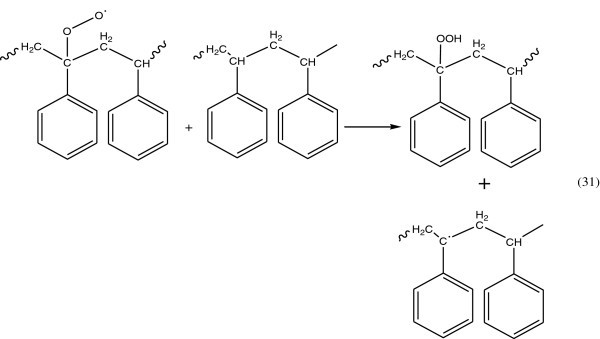
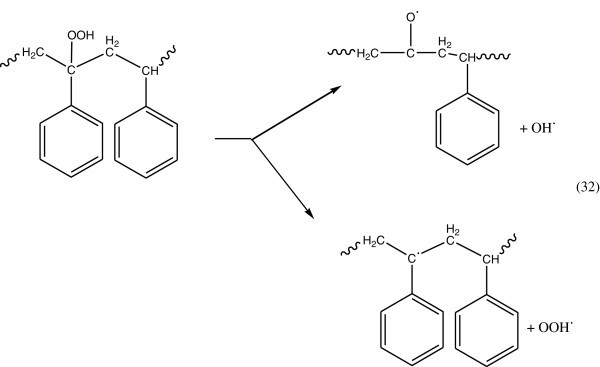
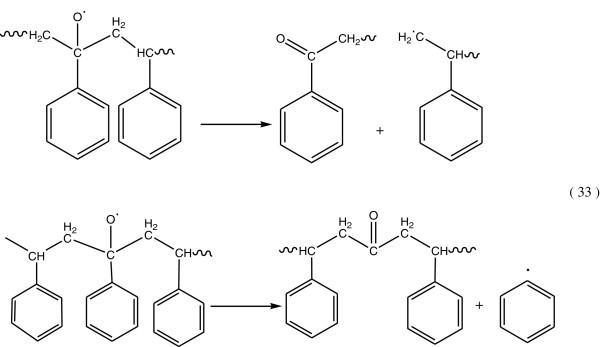
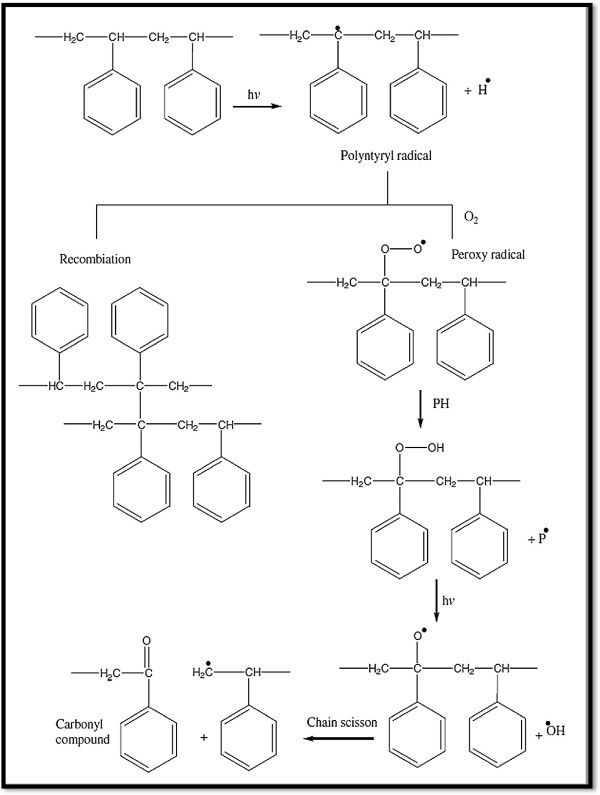
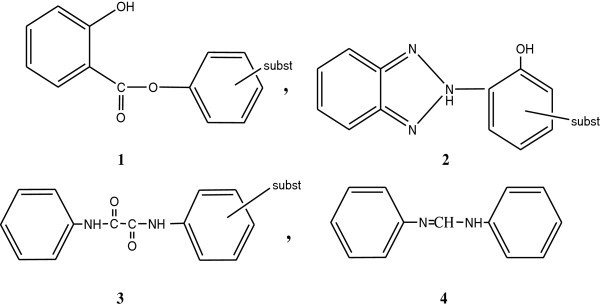
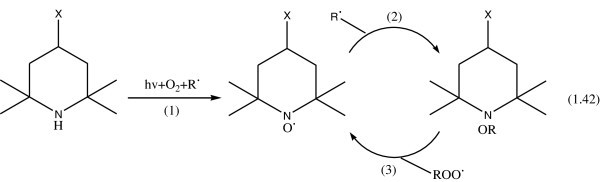
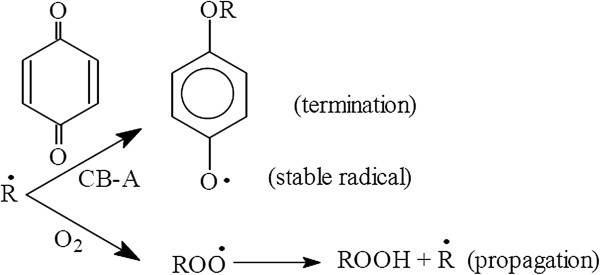
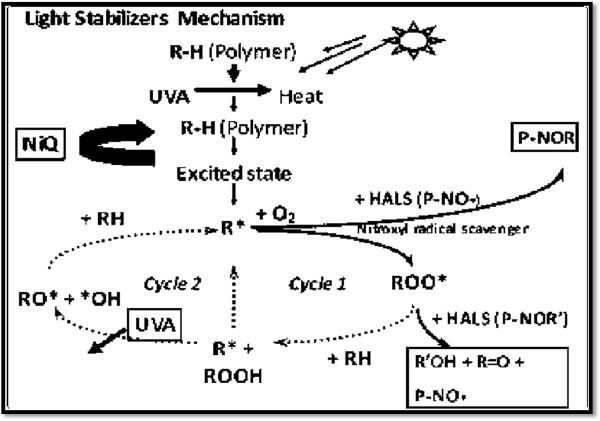
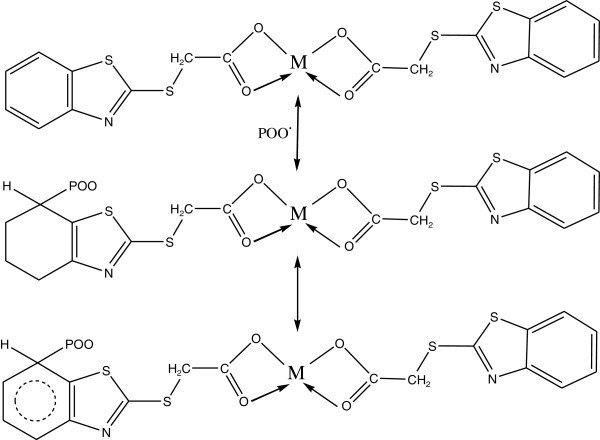
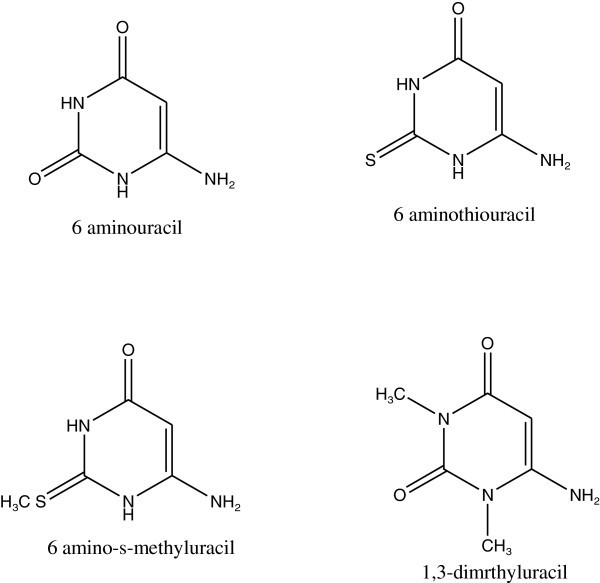
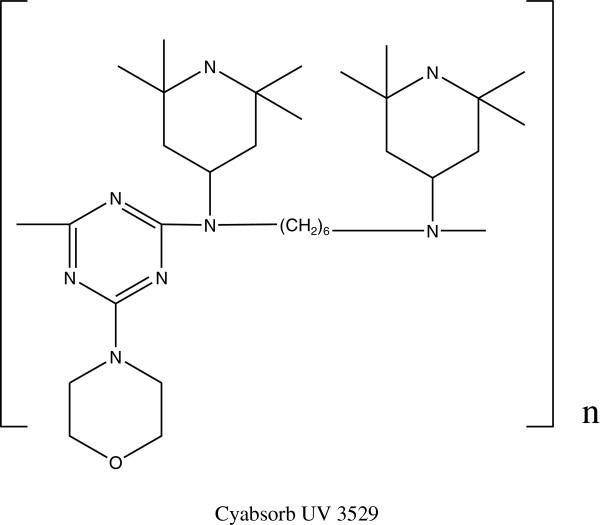
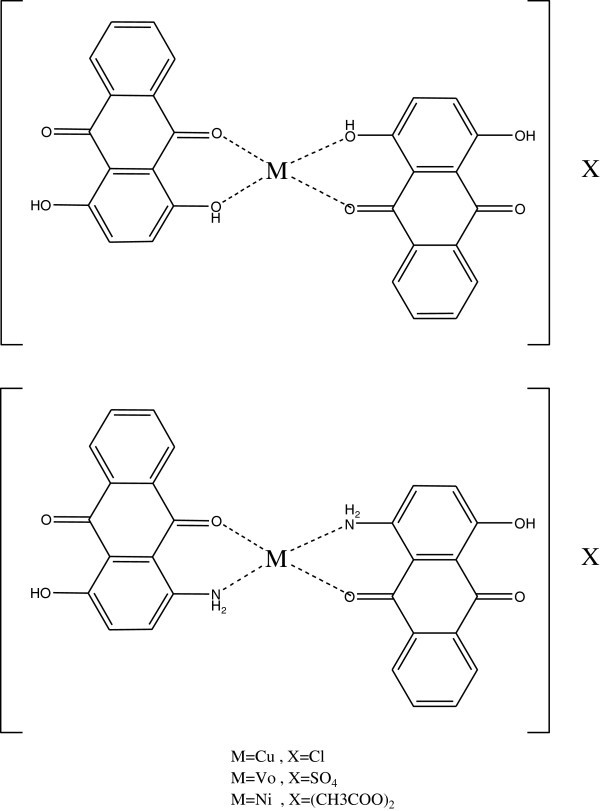
Exposure to ultraviolet (UV) radiation may cause the significant degradation of many materials. UV radiation causes photooxidative degradation which results in breaking of the polymer chains, produces free radical and reduces the molecular weight, causing deterioration of mechanical properties and leading to useless materials, after an unpredictable time. Polystyrene (PS), one of the most important material in the modern plastic industry, has been used all over the world, due to its excellent physical properties and low-cost. When polystyrene is subjected to UV irradiation in the presence of air, it undergoes a rapid yellowing and a gradual embrittlement. The mechanism of PS photolysis in the solid state (film) depends on the mobility of free radicals in the polymer matrix and their bimolecular recombination. Free hydrogen radicals diffuse very easily through the polymer matrix and combine in pairs or abstract hydrogen atoms from polymer molecule. Phenyl radical has limited mobility. They may abstract hydrogen from the near surrounding or combine with a polymer radical or with hydrogen radicals. Almost all synthetic polymers require stabilization against adverse environmental effects. It is necessary to find a means to reduce or prevent damage induced by environmental components such as heat, light or oxygen. The photostabilization of polymers may be achieved in many ways. The following stabilizing systems have been developed, which depend on the action of stabilizer: (1) light screeners, (2) UV absorbers, (3) excited-state quenchers, (4) peroxide decomposers, and (5) free radical scavengers; of these, it is generally believed that excited-state quenchers, peroxide decomposers, and free radical scavengers are the most effective. Research into degradation and ageing of polymers is extremely intensive and new materials are being synthesized with a pre-programmed lifetime. New stabilizers are becoming commercially available although their modes of action are sometimes not thoroughly elucidated. They target the many possible ways of polymer degradation: thermolysis, thermooxidation, photolysis, photooxidation, radiolysis etc. With the goal to increase lifetime of a particular polymeric material, two aspects of degradation are of particular importance: Storage conditions, and Addition of appropriate stabilizers. A profound knowledge of degradation mechanisms is needed to achieve the goal.
Overview
The claims and statistics of this paper haven’t been checked yet.
Run the check — free, no account needed. It reads the open-access text and checks the sources it cites.
Integrity signals
Registry
Cites
Statistics
Figures

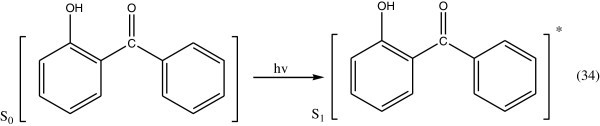
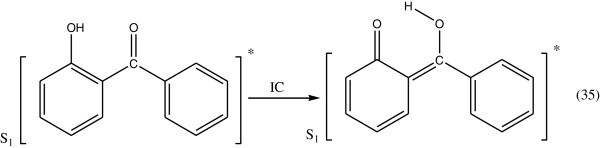
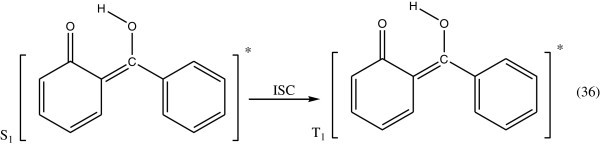
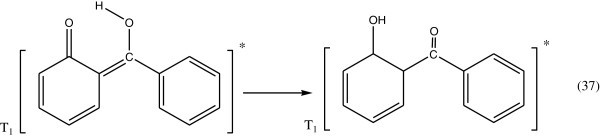
Verification
Claims the paper makes
The claims and statistics of this paper haven’t been checked yet.
Run the check — free, no account needed. It reads the open-access text and checks the sources it cites.
Claims other papers make about this one
Each is checked against this paper’s own text: does it say what the citing paper says it does?
The source backs part of the claim, not all of it — or backs it for a different population, condition or comparison.
In the citing paper
“Physical and chemical changes in polymers can be caused by environmental factors including light (photo-oxidation), heat (photothermal oxidation), mechanical abrasion, moisture, chemical conditions or biological activity (fungi, bacteria, yeasts, algae, and their enzymes) 24,37,38 .”
From Environmental Deterioration of Biodegradable, Oxo-biodegradable, Compostable, and Conventional Plastic Carrier Bags in the Sea, Soil, and Open-Air Over a 3-Year Period (2019) · cites this paper as [38]
Experimental — accuracy not yet measured
Self-check
Percentages, sums and reported differences re-computed from the paper’s own numbers.
The self-check needs the paper’s full text.
Citations
Cites
MacKnight, W. (1976) · Science · doi:10.1126/science.191.4233.1260-a · Cited by 9,566 · cited 1×
“…degradation of polymers, which include processes such as chain scission, crosslinking and secondary oxidative reactions, and takes place via radical processes , similar to thermal oxidation reactions (Ranby and Rabek 1981; Carlsson et al. 1976; Mc Kellar & Allen 1979; Rnby and Lucki 1980).”
Comprehensive Chemical Kinetics
Bamford, C., & Tipper, C. F. H. (1976) · doi:10.1016/s0069-8040(03)80001-8 · Cited by 1,705 · cited 1×
“Photooxidative degradation includes the following steps: (Rabek 1994; Rabek 1974; Guillet 1972a, 1972b).”
Physical properties of polymers handbook
Mark, J. (2007) · Springer eBooks · doi:10.1007/978-0-387-69002-5 · Cited by 1,670
Mechanistic implications of plastic degradation
Singh, B., & Sharma, N. (2008) · Polymer Degradation and Stability · doi:10.1016/j.polymdegradstab.2007.11.008 · Cited by 1,569 · cited 1×
“Its hardness, hydrophobic nature and chemical composition cause it to persist in nature without any decomposition for long period of time thus cause environmental pollution Singh and Sharma (2008).”
Thermal characterization of polymeric materials
Turi, E. (1981) · Choice Reviews Online · doi:10.5860/choice.35-0290 · Cited by 1,472 · cited 4×
“from electronically excited carbonyl group to dissolved molecular oxygen Heskins and Guillet (1968). The quenching of [(1)O2] is also necessary for effective stabilization. Nickel chelates have been proven to be very effective quenchers for the excited state of [(1)O2] Schmitt and Hirt (1963).”
InfluentialPolymer Science and Technology
Fried, J. (1995) · Chemistry International · doi:10.1515/ci.2010.32.3.32a · Cited by 1,105
Physical properties of polymers handbook
(1996) · Choice Reviews Online · doi:10.5860/choice.34-2186 · Cited by 1,056 · cited 2×
“The decomposition of hydroperoxide in polymer to non radical derivatives was first demonstrated Carlsson and Wiles (1974). Many metal complexes of sulphur containing ligands such as dialkylthiocarbonate and dialkylthiophosphate not only decompose hydroxide in PE film but are also effective in UV stabilization (as UV a…”
Polymer Degradation and Stability
Peacock, A. J., & Calhoun, A. (2006) · doi:10.3139/9783446433434.009 · Cited by 607 · cited 1×
“Industrially, the yellow discoloration is an important adverse effect of the ageing of polystyrene, e.g. during exposure outdoors (Geuskens et al. 1978a, 1978b; Weir 1978; Lucki and Rnby 1979; Rnby and Lucki 1980).”
Synthesis and Characterization
Behrens, S., Bönnemann, H., Modrow, H., Kempter, V., Riehemann, W., Wiedenmann, A., Odenbach, S., Will, S., Thrams, L., Hergt, R., et al. (2009) · doi:10.1007/978-3-540-85387-9_1 · Cited by 555
Polymer Degradation and Stabilization
Hawkins, W. (1984) · Der Umweltschutz · doi:10.1007/978-3-642-69376-2 · Cited by 492
Research works printed but not linked: 49
- Abd MA, Abdul Zahra AAI, Shenta AA: Photostabilization of polystyrene films by anthraquinones derivatives and their complexes with copper (II), oxovanadium (IV) and nickel (II) ions. Journal of Basrah Researches 2009, 35(3):81-97.
- Aliwi SM: Photostabilization of low density polyethylene for green house application. Nat J chem 2001, 2: 280-302.
- Aliwi SM, AL-Ani RR, Awad DAJ: Photostabilization of polystyrene films by Nickel and Copper tetradentate Shiff base complexes. Iraqi journal polymer 2001, 5(1):15-30.
- Andrady AL: Advance Polymer Science.. 1997, 128: 49-94.
- Baloglu R, Fisch M: Polymer Degradation Stabilization. 1994, 45: 30-35.
- Beavan SW, Phillips D: Photostabilizing of macromolecule by excited state qyencher. Journal Photochem 1974, 3: 3149363. · DOI
- Bottino FA, Bottino G d P, Antonino P, Antonino R: Surface photostabilization of polystyrene by Tinuvin 1577. J of Appl Polym Sci 1999, 69(6):1251-1256. · DOI
- Bottino FA, Cinquegrani AR, Di Pasquale G, Leonardi L, Pollicino A: Chemical modification, mechanical properties and surface photooxidation of films of polystyrene. polymer testing. 2003, 12: 405-411.
- Bottino FA, Cinquegrani AR, Giovanna DD, Leonardi L, Antnino PA: Study on chemical modification, mechanical properties and surface photooxidation of films of polystyrene stabilized by hinderd amines (HAS), polymer testing. 2004, 23: 779-789.
- Cheremision NP: Hand Book of Engineering Polymeric Materials, chapter 8. New York; 1997. · DOI
- Dan E, Somersall AC, Guillet JE: Macromolecules, New York. 1973, 6: 228-230.
- Galdi A, Foltis P, Shah A: UV protecting composition and methods of use. Application: US patent; 2010:2010-118415.
- Geuskens G, David C: Polymer photodegradation: mechanisms and experimental methods. Pure Appl Chem 1979b, 51: 233-240. · DOI
- Gugumus F: Development in Polymer Stabilization-1. Edited by: Scott G. London: Applied Science Publishers Ltd; 1979:261.
- Gugumus F, Gachter R, Muller H (Eds): Plastics Additives. 2nd edition. Munich: Hanser; 1987:97-185.
- Guillet JE: Polymer photodegradation: mechanisms and experimental methods. Pure and ppl Chem 1972, 30: 135-144. · DOI
- Guillet J: Polymer Photophysics and Photochemistry. Cambridge University Press; 1985.
- Heller HJ: Photochemistry of dyed and pigmented polymers. Eurp Polymer J Supplement 1969, 99-105.
- Klopffer W: Polymer photodegradation: mechanisms and experimental methods. Eurpolym J 1975, 11: 203.
- Lamolla AA: Energy Transfer and Organic Photochemistry, chapter 2. In Technique of Organic Chemistry. Edited by: Lamolla AA, Turro NJ. New York: Wiley; 1969.
- Lawrence JB, Weir NA: Polymer photodegradation: mechanisms and experimental methods. J Polym Sci Al 1973, 11: 105-431.
- Mc Kellar JF, Allen NS: Photochemistry of Man-Made Polymers, Ltd. London 306 S: Applied Science Published; 1979:138.
- Mill TR, Richarason H, Mayo FR: J. Polym. Sci. Al. 1978, 11: 2899-2908.
- Patel P: Additive primer, blown films, cast films and extraction coating, PLACK conference. 2007, 16-20.
- Pospisil J, Habicher W, Zweifel H, Pilar J, Nespurek S, Piringer O: Polymer and polymer composites. AAA 2002, 10: 37-42.
- Potts JE: Plastic environmentally degradation, The Kirk-Othmer Encyclopedia of Chemical Technology. 3rd edition. 1991. Supp. Vol
- Rabek JF: Mechanism of Photophysical Process and Photochemical Reaction in polymers. New York: John Wiley and Sons; 1987.
- Rabek JF: Polymer photodegradation–mechanism and experimental methods. London: Chapman and Haal; 1993.
- Rabek JF: Polymer Degradation Mechanisms and experimental methods. Stocholm: Springer; 1994.
- Rabek JF: Polymer photodegradation-mechanisms and experimental methods. Cambridge: Chapman Hall; 1995. · DOI
- Rabek JF: Polymer photodegradation of polymers: physical characteristic and applications. Beelin: Springer- verlag; 1996. · DOI
- Rabek JF, Ranby B: Polymer photophysics and photochemistry: an introduction to the study of Photoprocess of macromolecules. J Polym Sci Al 1974, 12: 273-281.
- Rabek JF, Ranby B: Photodegradation, photooxidation and Photostabilization of Polymers. New York: John Wiley; 1975.
- Rabie ST, Mahran AM, Kamel EM, Abdel Hamid NH: Photodegradation of polystyrene stabilized with uracil derivative. Journal of applied sciences research 2008, 4(12):2015-2026.
- Ranby BG, Rabek JF: Photodegradation, Photooxidation and Photostabilization of Polymers. London: John Wiley & Sons; 1975:101-102.
- Ranby B, Rabek JF: Photodegradation, Photooxidation and Photostabilization of Polymers. Wiley periodicals, Inc; 1975b:165-184.
- Ruoko : Uv light induced degradation of polyethylene and polystyrene – spectroscopic and DSC study. Msc thesis: Tampere University of Technology; 2012.
- Safy Eldin NM, El-laithy SA: Photooxidative degradation of polystyrene of cover signals lamp of some automobile. Journal of applied polymer science 1994, 55: 47-54.
- Sastre R, Catalina F, Mateo JL, Claremunt R, Santa-Maria MD, Catalan J: Mechanism of photostabilization of polystyrene film by dihydroxypirazoles. J of Polym Sci Part A: Polym Chem 2003, 28(13):3661-3668. · DOI
- Schnabel W: Polymer Degradation: Principle and Practical Applications. Chapter 14. München: Hanser Int; 1981.
- Senna M, Hamid H, Hussein M: Nuclear instrument methods. Phys Res Section B 2002, 187: 48-55.
- Strlic M, Kolar J: Aging and stabilization of papers. Turjaška 1, 1000 Slovenia: Distributed by the National and university Library; 2005.
- Trozzolo AM, Winslow FH: Macromolecules. American chemical society publishing 1968., 98:
- Watson WF: Principles of polymer engineering rheology. Trans IRI 1953, 29: 29-32.
- Willis PB: Investigation of test method material properties and processes for solar cell in capsulation, eighth annual report. 1984.
- Wypych G: Handbook of material weathering. 4th edition. Toronto: Chemtec Publishing; 2008.
- Yousif E: Photostabilization of PVC by inorganic complexes. LAP LAMBERT academic publishing; 2010.
- Yousif E: Photostabilization of thermoplastic polymers. Germany: Lambert Academic Publishing; 2012.
- Yousif E, Salimon J, Salih N: Photostability of poly (vinyl chloride). VDM Verlag: Dr. Muller publisher; 2011b. B
Cited by
Sorted by citations
Degradation rates of plastics in the environment
Chamas, A., Moon, H., Zheng, J., Qiu, Y., Tabassum, T., Jang, J. H., Abu-Omar, M., Scott, S. L., & Suh, S. (2020) · ACS Sustainable Chemistry & Engineering · doi:10.1021/acssuschemeng.9b06635 · Cited by 3,463
Pathways for degradation of plastic polymers floating in the marine environment
Gewert, B., Plassmann, M. M., & MacLeod, M. (2015) · Environmental Science: Processes & Impacts · doi:10.1039/c5em00207a · Cited by 2,168
Plastic waste in the marine environment: A review of sources, occurrence and effects
Li, W. C., Tse, H. F., & Fok, L. (2016) · The Science of The Total Environment · doi:10.1016/j.scitotenv.2016.05.084 · Cited by 1,857
Emergence of Nanoplastic in the Environment and Possible Impact on Human Health
Lehner, R., Weder, C., Petri-Fink, A., & Rothen-Rutishauser, B. (2019) · Environmental Science & Technology · doi:10.1021/acs.est.8b05512 · Cited by 1,242
Adsorption behavior of organic pollutants on microplastics
Fu, L., Li, J., Wang, G., Luan, Y., & Dai, W. (2021) · Ecotoxicology and Environmental Safety · doi:10.1016/j.ecoenv.2021.112207 · Cited by 932
Environmental performance of bio-based and biodegradable plastics: the road ahead
Lambert, S., & Wagner, M. (2017) · Chemical Society Reviews · doi:10.1039/c7cs00149e · Cited by 838
Mao, R.-F., Lang, M., Yu, X., Wu, R.-R., Yang, X.-M., & Guo, X. (2020) · Journal of Hazardous Materials · doi:10.1016/j.jhazmat.2020.122515 · Cited by 772
Rodrigues, M., Abrantes, N., Gonçalves, F. J. M., Nogueira, H. I. S., Marques, J. C., & Gonçalves, A. M. M. (2018) · The Science of The Total Environment · doi:10.1016/j.scitotenv.2018.03.233 · Cited by 880
Liu, P., Zhan, X., Wu, X., Li, J., Wang, H., & Gao, S. (2020) · Chemosphere · doi:10.1016/j.chemosphere.2019.125193 · Cited by 817
Degradation and stabilization of polyurethane elastomers
Xie, F., Zhang, T., Bryant, P., Kurusingal, V., Colwell, J. M., & Laycock, B. G. (2019) · Progress in Polymer Science · doi:10.1016/j.progpolymsci.2018.12.003 · Cited by 740
Removal of microplastics from the environment. A review
Padervand, M., Lichtfouse, E., Robert, D., & Wang, C. (2020) · Environmental Chemistry Letters · doi:10.1007/s10311-020-00983-1 · Cited by 759
“Photooxidation degradation, that is oxidation in the presence of light source and air, is the mostly common process for the breaking of polymeric chains (Yousif and Haddad 2013).”
BackgroundMicro- and nano-plastics activation of oxidative and inflammatory adverse outcome pathways
Hu, M., & Palić, D. (2020) · Redox Biology · doi:10.1016/j.redox.2020.101620 · Cited by 676
Zhu, K., Jia, H., Sun, Y., Dai, Y., Zhang, C., Guo, X., Wang, T., & Zhu, L. Y. (2020) · Water Research · doi:10.1016/j.watres.2020.115564 · Cited by 633
Duan, J., Bolan, N. S., Li, Y., Ding, S., Atugoda, T., Vithanage, M. S., Sarkar, B., Tsang, D. C. W., & Kirkham, M. B. (2021) · Water Research · doi:10.1016/j.watres.2021.117011 · Cited by 667
Ali, S. S., Elsamahy, T., Koutra, E., Kornaros, M. E., El-Sheekh, M. M., Abdelkarim, E. A., Zhu, D., & Sun, J. (2021) · The Science of The Total Environment · doi:10.1016/j.scitotenv.2020.144719 · Cited by 671
Napper, I. E., & Thompson, R. C. (2019) · Environmental Science & Technology · doi:10.1021/acs.est.8b06984 · Cited by 475
Formation of Environmentally Persistent Free Radicals on Microplastics under Light Irradiation
Zhu, K., Jia, H., Zhao, S. J., Xia, T., Guo, X., Wang, T., & Zhu, L. Y. (2019) · Environmental Science & Technology · doi:10.1021/acs.est.9b01474 · Cited by 571
Surface Modification of Polymers: Methods and Applications
Nemani, S. K., Annavarapu, R. K., Mohammadian, B., Raiyan, A., Heil, J., Haque, M. A., Abdelaal, A., & Sojoudi, H. (2018) · Advanced Materials Interfaces · doi:10.1002/admi.201801247 · Cited by 487
Visible light photocatalytic degradation of microplastic residues with zinc oxide nanorods
Tofa, T. S., Laxman, K., Paul, S., & Dutta, J. (2019) · Environmental Chemistry Letters · doi:10.1007/s10311-019-00859-z · Cited by 539
Current technologies for plastic waste treatment: A review
Zhang, F., Zhao, Y., Wang, D., Yan, M., Zhang, J., Zhang, P., Ding, T., Chen, L., & Chen, C. (2020) · Journal of Cleaner Production · doi:10.1016/j.jclepro.2020.124523 · Cited by 552
Ding, L., Mao, R., Ma, S., Guo, X., & Zhu, L. Y. (2020) · Water Research · doi:10.1016/j.watres.2020.115634 · Cited by 478
Ariza-Tarazona, M. C., Villarreal-Chiu, J. F., Hernández-López, J. M., la Rosa, J. R. D., Barbieri, V., Siligardi, C., & Cedillo-González, E. I. (2020) · Journal of Hazardous Materials · doi:10.1016/j.jhazmat.2020.122632 · Cited by 477
Liu, J., Zhang, T., Tian, L., Liu, X., Qi, Z., Ma, Y., Ji, R., & Chen, W. (2019) · Environmental Science & Technology · doi:10.1021/acs.est.9b00787 · Cited by 459
Wang, T., Wang, L., Chen, Q., Kalogerakis, N. E., Ji, R., & Ma, Y. (2020) · The Science of The Total Environment · doi:10.1016/j.scitotenv.2020.142427 · Cited by 459
Tiwari, M., Rathod, T. D., Ajmal, P. Y., Bhangare, R. C., & Sahu, S. K. (2019) · Marine Pollution Bulletin · doi:10.1016/j.marpolbul.2019.01.055 · Cited by 454
Microplastics and Oxidative Stress—Current Problems and Prospects
Kadac-Czapska, K., Ośko, J., Knez, E., & Grembecka, M. (2024) · Antioxidants · doi:10.3390/antiox13050579 · Cited by 390
“For instance, this can involve the removal of a hydrogen atom from a macromolecular chain or the addition of groups of atoms to unsaturated bonds [41].”
BackgroundKim, H. R., Lee, H. M., Yu, H. C., Jeon, E., Lee, S., Li, J., & Kim, D.-H. (2020) · Environmental Science & Technology · doi:10.1021/acs.est.0c01495 · Cited by 334
Das, A. K. (2023) · The Science of The Total Environment · doi:10.1016/j.scitotenv.2023.165076 · Cited by 404
The Minderoo-Monaco Commission on Plastics and Human Health
Landrigan, P. J., Raps, H., Cropper, M., Bald, C., Brunner, M., Canonizado, E. M., Charles, D., Chiles, T. C., Donohue, M. J., Enck, J., et al. (2023) · Annals of Global Health · doi:10.5334/aogh.4056 · Cited by 581
Wang, Y., Lee, Y., Hsu, Y., Chiu, I., Huang, C. C., Huang, C., Chia, Z., Lee, C., Lin, Y., & Chiu, H. (2021) · Environmental Health Perspectives · doi:10.1289/ehp7612 · Cited by 401
“…the Paci fi c Ocean had formed what is commonly called the Great Paci fi c Garbage Patch (Lebreton et al. 2018), from which plastic can be broken into small fragments via physico-chemical decomposition to become microplastics (MPs) and nano-plastics (NPs) (Song et al. 2017; Yousif and Haddad 2013).”
Kabir, E., Kaur, R., Lee, J., Kim, K., & Kwon, E. E. (2020) · Journal of Cleaner Production · doi:10.1016/j.jclepro.2020.120536 · Cited by 381
Xu, Y., Ou, Q., van der Hoek, J. P., Liu, G., & Lompe, K. M. (2024) · Environmental Science & Technology · doi:10.1021/acs.est.3c07035 · Cited by 350
Dimassi, S. N., Hahladakis, J. N., Yahia, M. N. D., Ahmad, M. I., Sayadi, S., & Al-Ghouti, M. A. (2022) · Arabian Journal of Chemistry · doi:10.1016/j.arabjc.2022.104262 · Cited by 286
Recent advances in polymers and polymer composites for food packaging
Zhang, M., Biesold, G. M., Choi, W., Yu, J., Deng, Y., Silvestre, C., & Lin, Z. (2022) · Materials Today · doi:10.1016/j.mattod.2022.01.022 · Cited by 351
Ainali, N. M., Bikiaris, D. Ν., & Lambropoulou, D. A. (2021) · Journal of Analytical and Applied Pyrolysis · doi:10.1016/j.jaap.2021.105207 · Cited by 330
Huang, Z., Shanmugam, M., Liu, Z., Brookfield, A., Bennett, E. L., Guan, R., Herrera, D. E. V., López-Sánchez, J. A., Slater, A. G., McInnes, E. J. L., et al. (2022) · Journal of the American Chemical Society · doi:10.1021/jacs.2c01410 · Cited by 371
Song, Y. K., Hong, S. H., Eo, S., Han, G. M., & Shim, W. J. (2020) · Environmental Science & Technology · doi:10.1021/acs.est.0c02288 · Cited by 264
ROS-mediated photoaging pathways of nano- and micro-plastic particles under UV irradiation
Duan, J., Li, Y., Gao, J., Cao, R., Shang, E., & Zhang, W. (2022) · Water Research · doi:10.1016/j.watres.2022.118320 · Cited by 302
Chemical Upcycling of Commercial Polystyrene via Catalyst-Controlled Photooxidation
Oh, S., & Stache, E. E. (2022) · Journal of the American Chemical Society · doi:10.1021/jacs.2c01411 · Cited by 368
The Colors of the Ocean Plastics
Martí, E., Martin, C., Galli, M., Echevarrı́a, F., Duarte, C. M., & Cózar, A. (2020) · Environmental Science & Technology · doi:10.1021/acs.est.9b06400 · Cited by 321
“Due to weathering, discolouration (Pospísil et al. 2002) 35 and the development of yellowish colours are common features on plastics aged in the 36 environment (Andrady et al. 1992; Singh et al. 2001; Yousif & Haddad 2013; Pastorelli 37 et al. 2014).”
BackgroundKhan, I., Saeed, K., Ali, N., Khan, I., Zhang, B., & Sadiq, M. (2020) · Journal of environmental chemical engineering · doi:10.1016/j.jece.2020.104364 · Cited by 269
Microcarriers for Upscaling Cultured Meat Production
Bodiou, V., Moutsatsou, P., & Post, M. J. (2020) · Frontiers in Nutrition · doi:10.3389/fnut.2020.00010 · Cited by 284
Wang, X., Zheng, H., Zhao, J. L., Luo, X., Wang, Z., & Xing, B. (2020) · Environmental Science & Technology · doi:10.1021/acs.est.9b07016 · Cited by 295
How far is Lignin from being a biomedical material?
Sugiarto, S., Leow, Y., Tan, S. C. L., Wang, G., & Kai, D. (2021) · Bioactive Materials · doi:10.1016/j.bioactmat.2021.06.023 · Cited by 257
UV degradation model for polymers and polymer matrix composites
Lu, T., Solis-Ramos, E., Yi, Y., & Kumosa, M. (2018) · Polymer degradation and stability · doi:10.1016/j.polymdegradstab.2018.06.004 · Cited by 235
Microplastic properties and their interaction with hydrophobic organic contaminants: a review
Prajapati, A., Vaidya, A. N., & Kumar, A. R. (2022) · Environmental Science and Pollution Research · doi:10.1007/s11356-022-20723-y · Cited by 272
“UV-induced aging of certain polymers, e.g., PS, is more pronounced in air, than by seawater and fresh water (Yousif and Haddad 2013).”
BackgroundThe effect of polymer aging on the uptake of fuel aromatics and ethers by microplastics
Müller, A., Becker, R., Dorgerloh, U., Simon, F., & Braun, U. (2018) · Environmental Pollution · doi:10.1016/j.envpol.2018.04.127 · Cited by 292
Mahmud, F., Sarker, D. B., Jocelyn, J. A., & Sang, Q. A. (2024) · Cells · doi:10.3390/cells13211788 · Cited by 272
Biodegradation of Biodegradable Polymers in Mesophilic Aerobic Environments
Bher, A., Mayekar, P. C., Auras, R. A., & Schvezov, C. E. (2022) · International Journal of Molecular Sciences · doi:10.3390/ijms232012165 · Cited by 278
Bond, T., Ferrándiz-Mas, V., Felipe-Sotelo, M., & van Sebille, E. (2018) · Critical Reviews in Environmental Science and Technology · doi:10.1080/10643389.2018.1483155 · Cited by 279
“When exposed to UV irradiation, rapid yellowing and gradual embrittlement occurs (Yousif and Haddad 2013).”
BackgroundCurrent approaches to waste polymer utilization and minimization: a review
Okan, M., Aydın, H. M., & Barsbay, M. (2018) · Journal of Chemical Technology & Biotechnology · doi:10.1002/jctb.5778 · Cited by 280
Tofa, T. S., Ye, F., Laxman, K., & Dutta, J. (2019) · Catalysts · doi:10.3390/catal9100819 · Cited by 255
Studies on durability of sustainable biobased composites: a review
Chang, B. P., Mohanty, A. K., & Misra, M. (2020) · RSC Advances · doi:10.1039/c9ra09554c · Cited by 280
Ashraf, M., Ullah, N., Khan, I., Tremel, W., Ahmad, S., & Tahir, M. N. (2023) · Chemical Reviews · doi:10.1021/acs.chemrev.2c00602 · Cited by 247
Sharma, G., Dionysiou, D., Sharma, S., Kumar, A., Al-Muhtaseb, A., Naushad, M., & Stadler, F. (2019) · Catalysis Today · doi:10.1016/j.cattod.2019.03.063 · Cited by 198
Nikafshar, S., Zabihi, O., Ahmadi, M., Mirmohseni, A., Taseidifar, M., & Naebe, M. (2017) · Materials · doi:10.3390/ma10020180 · Cited by 208
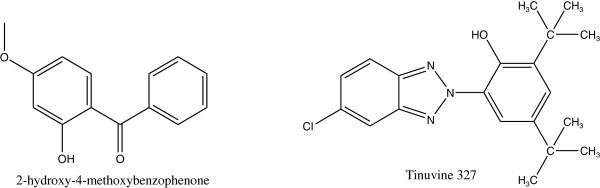
“The efficiency of benzophenones for absorbing UV light is lower than that of benzotriazoles [11].”
BackgroundSewwandi, M., Wijesekara, H., Rajapaksha, A. U., Soysa, H. S. M., & Vithanage, M. S. (2022) · Environmental Pollution · doi:10.1016/j.envpol.2022.120747 · Cited by 251
Foamed Polystyrene in the Marine Environment: Sources, Additives, Transport, Behavior, and Impacts
Turner, A. (2020) · Environmental Science & Technology · doi:10.1021/acs.est.0c03221 · Cited by 217
Toward Environmentally Robust Organic Electronics: Approaches and Applications
Lee, E. K., Lee, M. Y., Park, C. H., Lee, H. R., & Oh, J. H. (2017) · Advanced Materials · doi:10.1002/adma.201703638 · Cited by 204
Photoclick Chemistry: A Bright Idea
Fairbanks, B. D., Macdougall, L. J., Mavila, S., Sinha, J., Kirkpatrick, B. E., Anseth, K. S., & Bowman, C. N. (2021) · Chemical Reviews · doi:10.1021/acs.chemrev.0c01212 · Cited by 312
Solar-driven interfacial evaporation technologies for food, energy and water
Song, Y., Fang, S., Xu, N., & Zhu, J. (2025) · Nature Reviews Clean Technology · doi:10.1038/s44359-024-00009-x · Cited by 196
“Prolonged exposure to sunlight and oxidative substances in water potentially degrades these functional surfaces, diminishing the performance of the evaporator 88,89 .”
Degradation of primary nanoplastics by photocatalysis using different anodized TiO2 structures.
Domínguez-Jaimes, L. P., Cedillo-González, E. I., Luévano-Hipólito, E., Acuña-Bedoya, J., & Hernández-López, J. (2021) · Journal of Hazardous Materials · doi:10.1016/j.jhazmat.2021.125452 · Cited by 178
Marturano, V., Cerruti, P., & Ambrogi, V. (2017) · Physical Sciences Reviews · doi:10.1515/psr-2016-0130 · Cited by 164
“This class of UV absorbers provides deactivation of photosensitive groups in their excited state (singlet and or triplet) before the disruption ofmolecular bonds can occur [62].”
BackgroundCordova, M. R., Nurhati, I. S., Riani, E., Nurhasanah, N., & Iswari, M. Y. (2020) · Chemosphere · doi:10.1016/j.chemosphere.2020.129360 · Cited by 198
“Plastics, including styrofoam and PPE, are sources of microplastics into the environments as they degrade by mechanical and photodegradation processes (Aragaw, 2020; Yousif and Haddad, 2013) and carriers of toxic dan carcinogenic pollutants within ecosystems (Graca et al.”
Polymeric interlayer materials for laminated glass: A review
Martín, M., Centelles, X., Solé, A., Barreneche, C., Fernández, A., & Cabeza, L. (2020) · Construction and Building Materials · doi:10.1016/j.conbuildmat.2019.116897 · Cited by 173
Microplastic materials in the environment: Problem and strategical solutions
Tian, W., Song, P., Zhang, H., Duan, X., Wei, Y., Wang, H., & Wang, S. (2022) · Progress in Materials Science · doi:10.1016/j.pmatsci.2022.101035 · Cited by 207
Li, Y., Liu, C., Yang, H., He, W., Li, B., Zhu, X., Liu, S., Jia, S., Li, R., & Tang, K. H. D. (2023) · The Science of The Total Environment · doi:10.1016/j.scitotenv.2023.167666 · Cited by 200
Potent Impact of Plastic Nanomaterials and Micromaterials on the Food Chain and Human Health
Wang, Y., Lee, Y., Chiu, I., Lin, Y., & Chiu, H. (2020) · International Journal of Molecular Sciences · doi:10.3390/ijms21051727 · Cited by 222
Microplastics remediation in aqueous systems: Strategies and technologies
Hu, K., Tian, W., Yang, Y., Nie, G., Zhou, P., Wang, Y., Duan, X., & Wang, S. (2021) · Water Research · doi:10.1016/j.watres.2021.117144 · Cited by 205
Mechanism of Yellowing: Carbonyl Formation during Hygrothermal Aging in a Common Amine Epoxy
Krauklis, A., & Echtermeyer, A. (2018) · Polymers · doi:10.3390/polym10091017 · Cited by 165
“It has been reported for other polymers that carbonyl formation can cause a change in color [48,49].”
BackgroundGao, L., Fu, D., Zhao, J., Wu, W., Wang, Z., Su, Y.-Y., & Peng, L.-C. (2021) · Marine Pollution Bulletin · doi:10.1016/j.marpolbul.2021.112480 · Cited by 161
The quest for high glass transition temperature bioplastics
Nguyen, H. T., Qi, P., Rostagno, M., Feteha, A., & Miller, S. A. (2018) · Journal of Materials Chemistry A · doi:10.1039/c8ta00377g · Cited by 278
Zhou, Z., Sun, Y.-R., Wang, Y.-Y., Yu, F., & Ma, J. (2021) · Chemosphere · doi:10.1016/j.chemosphere.2021.132794 · Cited by 151
Mechanisms and the Engineering Approaches for the Degradation of Microplastics
Bacha, A.-U.-R., Nabi, I., & Zhang, L. (2021) · ACS ES&T Engineering · doi:10.1021/acsestengg.1c00216 · Cited by 194
Sustainable polyethylene fabrics with engineered moisture transport for passive cooling
Alberghini, M., Hong, S., Lozano, L. M., Korolovych, V. F., Huang, Y., Signorato, F., Zandavi, S. H., Fucetola, C. P., Uluturk, I., Tolstorukov, M. Y., et al. (2021) · Nature Sustainability · doi:10.1038/s41893-021-00688-5 · Cited by 165
Microplastics in Wastewater by Washing Polyester Fabrics
Šaravanja, A., Pušić, T., & Dekanić, T. (2022) · Materials · doi:10.3390/ma15072683 · Cited by 182
Addressing the microplastic crisis: A multifaceted approach to removal and regulation
Matavos-Aramyan, S. (2024) · Environmental Advances · doi:10.1016/j.envadv.2024.100579 · Cited by 198
Ding, Y., Zhang, R., Li, B., Du, Y., Li, J., Tong, X., Wu, Y., Ji, X., & Zhang, Y. (2021) · Environmental Pollution · doi:10.1016/j.envpol.2021.116974 · Cited by 169
Ceccarini, A., Corti, A., Erba, F., Modugno, F., Nasa, J. L., Bianchi, S., & Castelvetro, V. (2018) · Environmental Science & Technology · doi:10.1021/acs.est.8b01487 · Cited by 178
“…of intermediates bearing oxidized groups vicinal to aromatic rings that may act as free radical scavengers (similarly to hindered phenol stabilizers 30 ), thus protecting the underlying bulk polymer from further oxidation, at least until the embrittled, photo-oxidized surface layer is mechanically…”
BackgroundMicroplastics through the Lens of Colloid Science
Harraq, A. A., & Bharti, B. (2021) · ACS Environmental Au · doi:10.1021/acsenvironau.1c00016 · Cited by 175
From source to sink: Review and prospects of microplastics in wetland ecosystems
Qian, J., Tang, S., Wang, P., Lu, B., Li, K., Jin, W., & He, X. (2020) · The Science of The Total Environment · doi:10.1016/j.scitotenv.2020.143633 · Cited by 187
Photoaging process and mechanism of four commonly commercial microplastics
Wang, H., Zhu, J., He, Y., Wang, J., Zeng, N., & Zhan, X. (2023) · Journal of Hazardous Materials · doi:10.1016/j.jhazmat.2023.131151 · Cited by 161
Absorption spectroscopy to determine the extent and mechanisms of aging in bitumen and asphaltenes
Hung, A. M., & Fini, E. H. (2019) · Fuel · doi:10.1016/j.fuel.2019.01.085 · Cited by 138
Verma, R. K., Gangwar, J., & Srivastava, A. K. (2017) · RSC Advances · doi:10.1039/c7ra06925a · Cited by 227
Biobased Polymer Composites: A Review
Pokharel, A., Falua, K. J., Babaei‐Ghazvini, A., & Acharya, B. (2022) · Journal of Composites Science · doi:10.3390/jcs6090255 · Cited by 188
“…promoted by chemical agents such as oxygen, water, acids, or bases, specifically oxidation and hydrolysis [176], thermal and mechanical degradation processes are caused by heat application and the influence of external stress (including UV light and electromagnetic exposure), respectively [185,186].”
BackgroundOccurrence, impact, toxicity, and degradation methods of microplastics in environment—a review
Kasmuri, N., Tarmizi, N. A. A., & Mojiri, A. (2022) · Environmental Science and Pollution Research · doi:10.1007/s11356-021-18268-7 · Cited by 162
“UV radiation causes photooxidative degradation that breaks polymer chains, generates radicals, decreases molecular weight, breaks down mechanical properties, and generates worthlessly materials; after an uncertain time (Yousif and Haddad 2013).”
BackgroundTyagi, P., Agate, S., Velev, O. D., Lucia, L. A., & Pal, L. (2022) · Environmental Science & Technology · doi:10.1021/acs.est.1c04710 · Cited by 159
Review and Analysis of CO2 Photoreduction Kinetics
Thompson, W. A., Fernández, E. S., & Maroto‐Valer, M. M. (2020) · ACS Sustainable Chemistry & Engineering · doi:10.1021/acssuschemeng.9b06170 · Cited by 169
Tian, L., Chen, Q., Jiang, W., Wang, L., Xie, H., Kalogerakis, N. E., Ma, Y., & Ji, R. (2019) · Environmental Science Nano · doi:10.1039/c9en00662a · Cited by 152
Photocatalytic Degradation of Plastic Waste: A Mini Review
Lee, Q. Y., & Li, H. (2021) · Micromachines · doi:10.3390/mi12080907 · Cited by 163
Fernández‐González, V., Andrade, J. M., López‐Mahía, P., & Muniategui‐Lorenzo, S. (2020) · Analytica Chimica Acta · doi:10.1016/j.aca.2020.11.002 · Cited by 167
Zhou, L., Wang, T., Qu, G., Jia, H., & Zhu, L. Y. (2020) · Journal of Hazardous Materials · doi:10.1016/j.jhazmat.2020.122956 · Cited by 157
Agüero, Á., Morcillo, M. D. C., Quiles‐Carrillo, L., Balart, R., Boronat, T., Lascano, D., Torres‐Giner, S., & Fenollar, O. (2019) · Polymers · doi:10.3390/polym11121908 · Cited by 146
Bio-Based Sustainable Polymers and Materials: From Processing to Biodegradation
Okolie, O., Kumar, A., Edwards, C., Lawton, L. A., Oke, A., McDonald, S., Thakur, V. K., & Njuguna, J. (2023) · Journal of Composites Science · doi:10.3390/jcs7060213 · Cited by 164
Formation of environmentally persistent free radicals on microplastics under UV irradiations.
Liu, S.-J., Huang, W.-L., Yang, J., Xiong, Y., Huang, Z., Wang, J.-L., Cai, T., Dang, Z.-Y., & Yang, C. (2023) · Journal of Hazardous Materials · doi:10.2139/ssrn.4302695 · Cited by 124
A novel 3D intestine barrier model to study the immune response upon exposure to microplastics
Lehner, R., Wohlleben, W., Septiadi, D., Landsiedel, R., Petri-Fink, A., & Rothen-Rutishauser, B. (2020) · Archives of Toxicology · doi:10.1007/s00204-020-02750-1 · Cited by 123
Kurniawan, T. A., Haider, A., Ahmad, H. M., Mohyuddin, A., Aslam, H. M. U., Nadeem, S., Javed, M., Othman, M. H. D., Goh, H. H., & Chew, K. W. (2023) · Chemosphere · doi:10.1016/j.chemosphere.2023.138367 · Cited by 149
RetractedAging significantly increases the interaction between polystyrene nanoplastic and minerals.
Zhang, Y., Luo, Y., Yu, X., Huang, D., Guo, X., & Zhu, L. (2022) · Water Research · doi:10.1016/j.watres.2022.118544 · Cited by 123
A review on plant extracts as natural additives in coating applications
Ong, G., Kasi, R., & Subramaniam, R. (2021) · doi:10.1016/j.porgcoat.2020.106091 · Cited by 123
Taghavi, N., Udugama, I. A., Zhuang, W., & Baroutian, S. (2021) · Biotechnology Advances · doi:10.1016/j.biotechadv.2021.107731 · Cited by 141
Metadata
- Authors
- Yousif, E., & Haddad, R.
- Affiliations
- Nahrain University (IQ)
- Corresponding author
- Yousif, Emad
- ORCID
- Yousif, Emad
- Venue
- SpringerPlus
- Published
- 2013-08-23
- Volume
- 2
- Issue
- 1
- Pages
- 398-398
- ISSN
- 2193-1801 (ISSN-L)
- PMC
- PMC4320144
- OpenAlex
- W2122404351
- Cited by
- 1,503
- References
- 133
- Citations by year
- 2026: 182 · 2025: 215 · 2024: 211 · 2023: 192 · 2022: 157 · 2021: 162 · 2020: 131 · 2019: 95 · 2018: 60 · 2017: 43 · 2016: 31 · 2015: 15 · 2014: 8 · 2013: 1
- FWCI
- 1.54
- Type
- journal article
- Language
- en
- Open access
- diamond
- doi.org
- Licence
- Locations
- SpringerPlus (publishedVersion, cc-by)
- Europe PMC (PubMed Central) (publishedVersion, cc-by)
- PubMed Central (publishedVersion, cc-by)
- PubMed (publishedVersion)
- Funders
- Al-Nahrain University
- Topics
- Physical Sciences › Materials Science › Polymers and Plastics › Polymer Science and PVC
- Physical Sciences › Chemistry › Organic Chemistry › Photopolymerization techniques and applications
- Physical Sciences › Chemistry › Organic Chemistry › Free Radicals and Antioxidants
- Keywords
- photodegradation, photostabilization, polystyrene, ultraviolet radiation, photooxidation, free radicals, yellowing, embrittlement, photolysis mechanism, polymer stabilizers, UV absorbers, radical scavengers, polymer aging, storage conditions
About these checks
Registry, retraction, Cites and statistics results are computed, not judged, with one exception: a printed reference that no index lists is read once by a model before it counts as a citation error. Claims are extracted by a model and kept only when their quote appears verbatim in the text; each cited source is then checked, with a model’s help, for whether it says what the claim relies on. Those verdicts can be wrong — read the claim’s quote and the cited source before relying on one.
Statistics and arithmetic are recomputed, not judged.
Confidence bands are shown only for fields calibrated on our annotated test set. None is calibrated yet, so no band is shown.
What counts as a claim ›How we measure confidence ›How we check this ›
Are you an author, or do you see a problem with this page? Request a review
