

voom: precision weights unlock linear model analysis tools for RNA-seq read counts
Open accessThe DOI matches its Crossref record; 65 of the 67 references it cites were found in a registry or an index; 1 of the 51 sources its claims cite were checked for support.
Abstract
New normal linear modeling strategies are presented for analyzing read counts from RNA-seq experiments. The voom method estimates the mean-variance relationship of the log-counts, generates a precision weight for each observation and enters these into the limma empirical Bayes analysis pipeline. This opens access for RNA-seq analysts to a large body of methodology developed for microarrays. Simulation studies show that voom performs as well or better than count-based RNA-seq methods even when the data are generated according to the assumptions of the earlier methods. Two case studies illustrate the use of linear modeling and gene set testing methods.
Overview
CoChat Summary
TL;DR
voom estimates the mean-variance relationship of log-counts per million and generates observation-level precision weights for limma, allowing normal-based linear model analysis of RNA-seq read counts. Simulations and case studies show voom controls error rates well and often has better power or lower FDR than negative binomial/Poisson methods, especially when library sizes are unequal.
Key findings
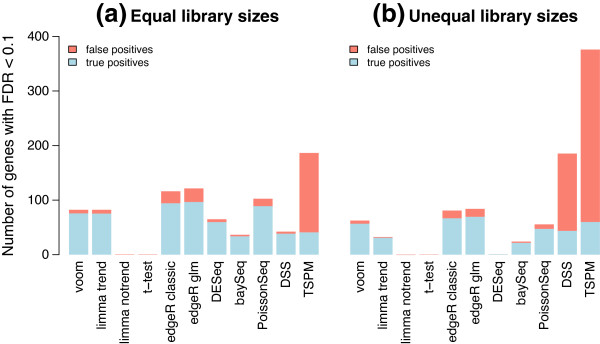
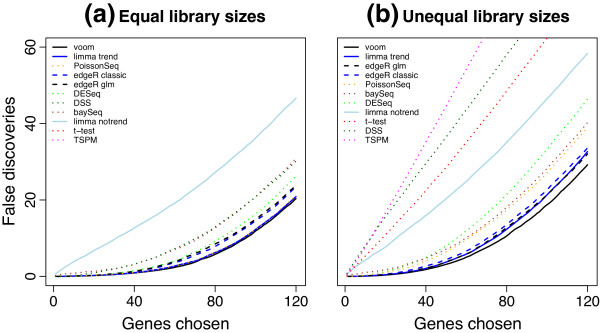
- In simulations with 6 libraries, 10,000 genes, and 100 upregulated plus 100 downregulated genes, voom had the best power among methods that controlled type I and FDR error rates; with unequal library sizes, voom had the best power except for edgeR while maintaining low FDR. edgeR and PoissonSeq were somewhat liberal, while DESeq and DSS became very conservative when library sizes were unequal.
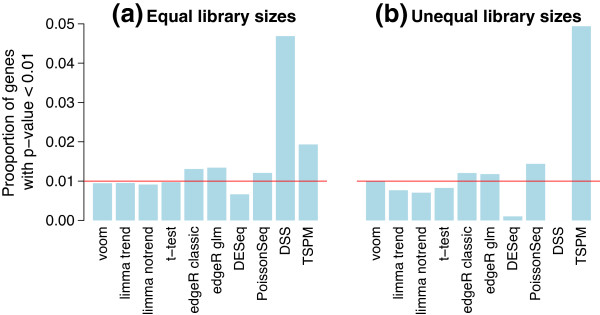
- For type I error at P<0.01, NB/Poisson methods did not control error accurately; voom was close to the nominal rate in both equal and unequal library size scenarios, while limma-trend was similar when sizes were equal but conservative when unequal. In SEQC HBRR technical replicates, voom returned no DE genes at 5% FDR for 6 of 7 possible partitions.
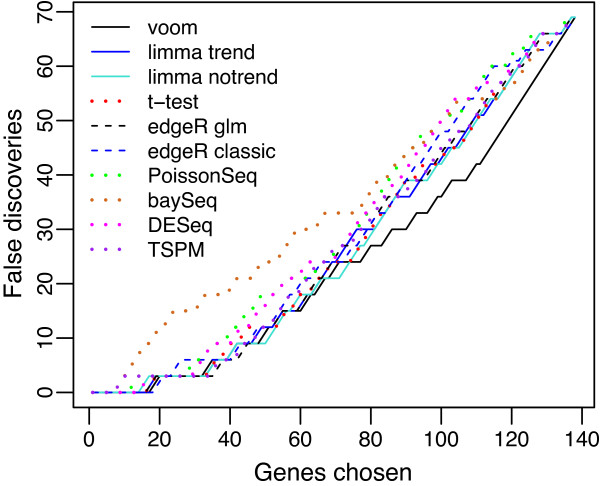
- voom had the lowest FDR at any cutoff in simulations and in SEQC spike-in data; the spike-in analysis used 138 transcripts, half truly DE and half non-DE.
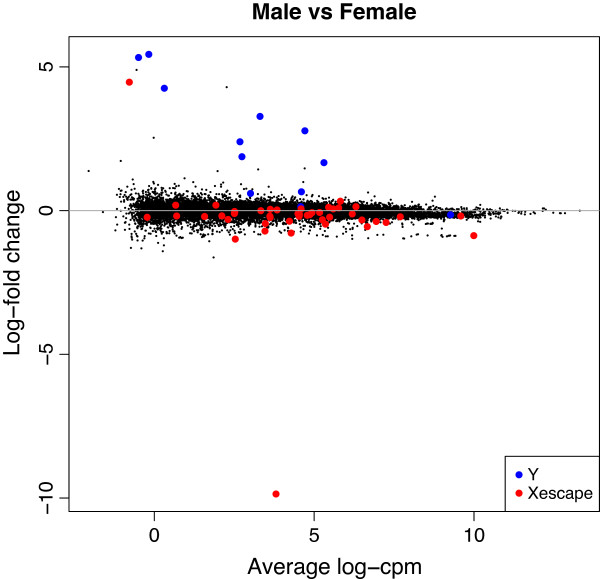
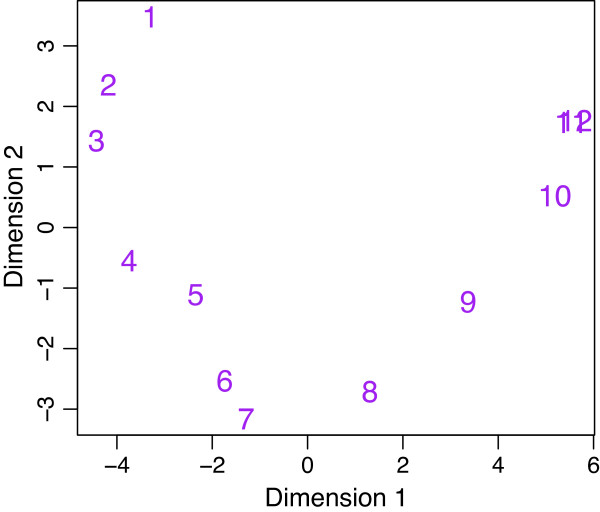
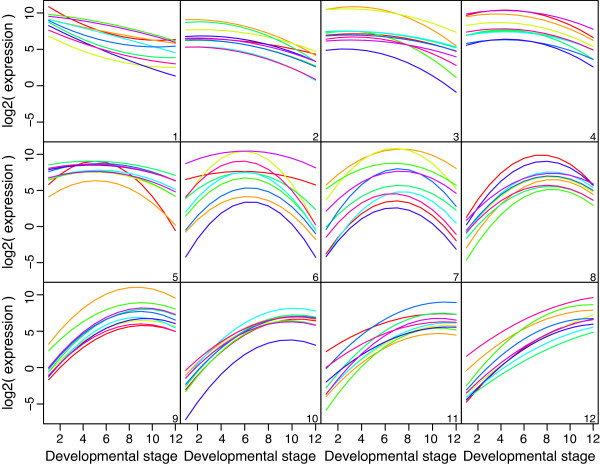
- In the Nigerian lymphoblastoid dataset (29 males, 40 females), voom found 16 genes upregulated in males and 43 upregulated in females at 5% FDR, with XIST the top gene; ROAST and CAMERA confirmed male-specific Y chromosome genes and X-inactivation escape genes. In Drosophila embryonic stages, 8,366 of 14,869 expressed genes showed a significant trend at 5% FDR.
Methods
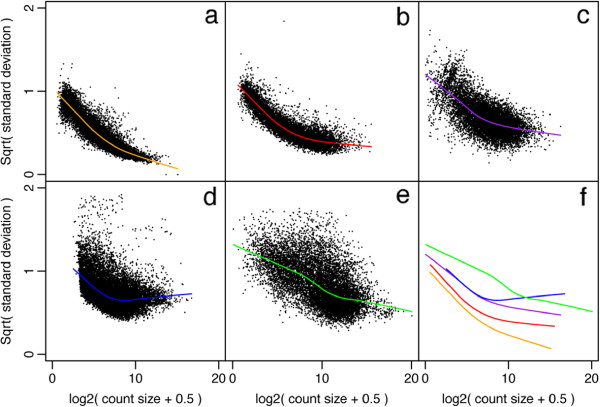
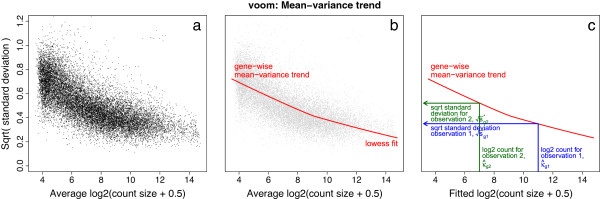
- voom works on log-cpm values: fit gene-wise linear models, estimate residual standard deviations as a function of average log-count using a robust LOWESS trend, interpolate that trend to each observation’s predicted count, and use inverse squared predicted standard deviation as a precision weight in limma’s empirical Bayes pipeline. limma-trend applies the mean-variance trend at the gene level instead.
- Simulations generated NB counts for 6 libraries and 10,000 genes, with baseline cpm distribution matched to real data and dispersion trend ψ^1/2 = 0.2 + λ^-1/2; gene-wise dispersions were drawn from an inverse chi-square with 40 degrees of freedom. Equal library sizes used 11 million reads per library; unequal sizes used 20 million for odd libraries and 2 million for even libraries. Results were averaged over 100 simulations and compared with edgeR, DESeq, baySeq, TSPM, PoissonSeq, and DSS.
- Case studies used SEQC pilot libraries (16 libraries in groups A–D; 4 HBRR libraries; 92 spike-in transcripts expanded to 138), Nigerian lymphoblastoid cell lines from 69 unrelated individuals, Drosophila melanogaster embryonic stages (12 libraries), and C57BL/6J versus DBA/2J mouse striatum data. Gene set testing used ROAST and CAMERA.
Limitations
- Stated: gene-level analysis does not allow different isoforms of the same gene to be differentially expressed in different directions, though voom can be run at exon level. The Drosophila quadratic time trends do not match all intricacies of gene expression over time. Simulations were generated under NB assumptions, and other scenarios may differ. baySeq was excluded from the type I error comparison because it does not return P values.
- Evident: the Drosophila analysis has no replicate libraries, so variances are estimated by assuming smooth expression over time and fitting quadratic trends. Performance comparisons rely on specific simulation settings and default software pipelines, and the case studies illustrate use rather than provide independent experimental validation.
Model-written summary. Check it against the paper before relying on it.
Integrity signals
Registry
Cites
Statistics
Figures
Verification
Claims the paper makes
1 Valid · 4 Not valid · 34 Not checked · 142 Own results and interpretations
The cited sources support only part of this claim — read each source’s verdict below.
In the paper
“voom and limma could be used to analyze any gene-level RNA-seq differential expression experiment, including those with multiple experimental factors [34].”
§ voom: precision weights unlock linear model analysis tools for RNA-seq read counts > Results > Development stages of Drosophila melanogaster
What the sources say
- Partly supportedcites [34] McCarthy DJ Chen Y Smyth GK Differential expression analysis of multifactor RNA-Seq experiments with respect to biological variation Nucleic Acids Res 2012 40 4288 4297 10.1093/nar/gks042 22287627 PMC3378882 sourceExperimental — accuracy not yet measured
Our copy of McCarthy et al. (2012) supports the scope part of the claim: the INTRODUCTION states 'The methodology provides a pipeline for analysing arbitrarily complex RNA-Seq experiments provided that there is some degree of biological replication', the Abstract describes analysis of 'complex experiments involving multiple treatment conditions and blocking variables', and the article's focus is gene-level counts ('For simplicity... counts are summarized at the gene level', RESULTS > Technical and biological variation). However, the capability is attributed to negative-binomial generalized linear models implemented in the edgeR package (DISCUSSION: 'The methods described in this article are implemented in the software package edgeR'), and no passage of our copy mentions voom or limma at all — the closest the paper comes to normal-linear-model analysis of transformed counts is a critique in the INTRODUCTION that transforming counts to approximate normality and analysing as for microarray data 'is however not fully tuned to the characteristics of read count data'. Thus the specific tools named in the citing sentence (voom and limma) are not this paper's methods, while the multifactor/gene-level applicability is. (LLM, conf=0.72)
hedged- Asserted: passes — The authors put it forward as true.
- Checkable: passes — It can be checked against evidence.
- Load-bearing: unclear — It is unclear whether the paper’s conclusions depend on it.
- Based: passes — The paper gives a reason why it holds.
- Rests on an assumption not shown here.
- Partly supported
A result the paper reports from its own data — it cites no other source for it, so there is none to check. The quote shows it is in the paper.
In the paper
“When the library sizes are unequal, DSS and DESeq became extremely conservative.”
§ voom: precision weights unlock linear model analysis tools for RNA-seq read counts > Results > voom and limma-trend control the type I error rate correctly
plainstates a cause- Asserted: passes — The authors put it forward as true.
- Checkable: passes — It can be checked against evidence.
- Load-bearing: unclear — It is unclear whether the paper’s conclusions depend on it.
- Based: passes — The paper gives a reason why it holds.
A result the paper reports from its own data — it cites no other source for it, so there is none to check. The quote shows it is in the paper.
In the paper
“Figures 3 and 4 together show that voom has the best power of those methods that correctly control the type I and FDR error rates.”
§ voom: precision weights unlock linear model analysis tools for RNA-seq read counts > Results > voom has the best power of methods that control the type I error rate
plain- Asserted: passes — The authors put it forward as true.
- Checkable: passes — It can be checked against evidence.
- Load-bearing: passes — The paper’s conclusions depend on it.
- Based: passes — The paper gives a reason why it holds.
- Rests on an assumption not shown here.
A result the paper reports from its own data — it cites no other source for it, so there is none to check. The quote shows it is in the paper.
In the paper
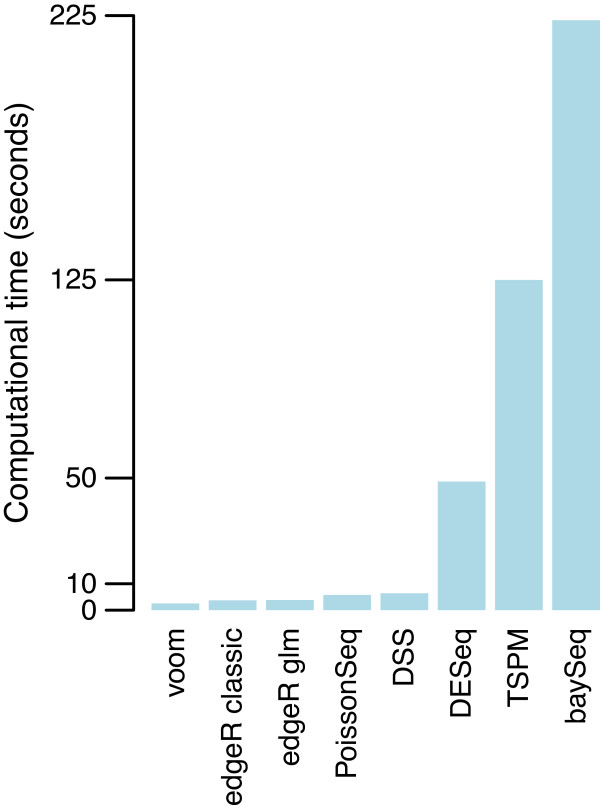
“voom is easily the fastest of the methods compared, with edgeR-classic next fastest (Figure 7).”
§ voom: precision weights unlock linear model analysis tools for RNA-seq read counts > Results > voom and limma-trend are faster than specialist RNA-seq methods
plain- Asserted: passes — The authors put it forward as true.
- Checkable: passes — It can be checked against evidence.
- Load-bearing: unclear — It is unclear whether the paper’s conclusions depend on it.
- Based: passes — The paper gives a reason why it holds.
A result the paper reports from its own data — it cites no other source for it, so there is none to check. The quote shows it is in the paper.
In the paper
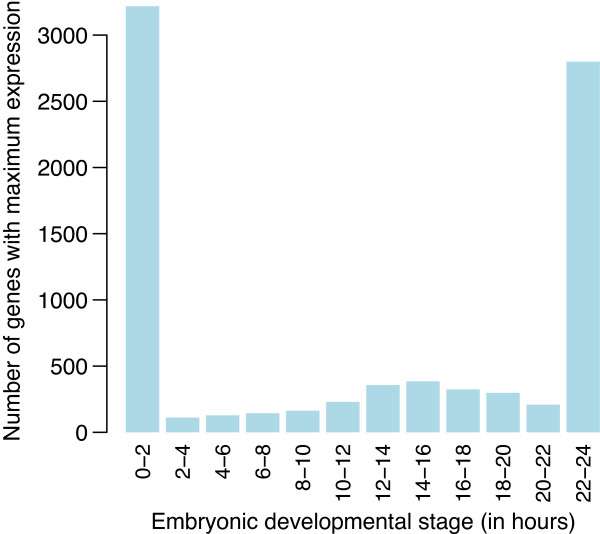
“Genes peaking at the last stage tended to be associated with precursor metabolites and energy, the oxidation-reduction process and with metabolic pathways.”
§ voom: precision weights unlock linear model analysis tools for RNA-seq read counts > Results > Development stages of Drosophila melanogaster
plainstates an association- Asserted: passes — The authors put it forward as true.
- Checkable: passes — It can be checked against evidence.
- Load-bearing: unclear — It is unclear whether the paper’s conclusions depend on it.
- Based: passes — The paper gives a reason why it holds.
79 more claims
Create a free account to see all 181 claims and to verify the 45 references still open.
- It may state two separate claims as one. 48
- Probably not a substantial claim. 68
- The quote only partly states this claim. 2
Claims other papers make about this one
Each is checked against this paper’s own text: does it say what the citing paper says it does?
The source backs part of the claim, not all of it — or backs it for a different population, condition or comparison.
In the citing paper
“First, specific caution is needed with all the methods when the number of replicate samples is very small or for genes that are expressed at very low levels [55, 64, 209].”
From A survey of best practices for RNA-seq data analysis (2016) · cites this paper as [55]
Experimental — accuracy not yet measuredThe cited source says what the claim attributes to it.
In the citing paper
“Methods for transforming normalized counts of RNA-seq reads while learning the variance structure of the data have been shown to perform well in comparison to the discrete distribution approaches described above [55, 56].”
From A survey of best practices for RNA-seq data analysis (2016) · cites this paper as [55]
The cited source says what the claim attributes to it.
In the citing paper
“First, the global variance estimate can now incorporate a mean-variance trend (10,17,18).”
From limma powers differential expression analyses for RNA-sequencing and microarray studies (2015) · cites this paper as [10]
The cited source says what the claim attributes to it.
In the citing paper
“This approach is commonly applied in learning error models for bulk RNA-seq in the context of differential expression analysis [22–25], but to our knowledge has not been previously applied in this context for single-cell normalization.”
From Normalization and variance stabilization of single-cell RNA-seq data using regularized negative binomial regression (2019) · cites this paper as [25]
The check wasn’t confident either way, so it gives no verdict — never disputed.
In the citing paper
“SAMseq performs well in terms of FDR but presents an acceptable sensitivity when the number of replicates is relatively high, at least 10 [20, 55, 209].”
From A survey of best practices for RNA-seq data analysis (2016) · cites this paper as [55]
Experimental — accuracy not yet measured
12 more claims about this paper
Create a free account to see every claim other papers make about this one.
Self-check
Percentages, sums and reported differences re-computed from the paper’s own numbers.
Each contradiction between two passages listed here was confirmed by an independent check.
Rated minor: it would not touch a result — a value no result rests on, a p-value that stays on the same side of the significance level, or a conflict that is clerical, resolved elsewhere in the paper, or outside its own findings.
In the paper
§ voom: precision weights unlock linear model analysis tools for RNA-seq read counts > Materials and methods > Lymphoblastoid cell lines from Nigerian individuals
“Read counts, summarized by Ensembl gene, and transcript annotations were obtained from version 1.0.9 of the tweeDEseqCountData Bioconductor package [43]”
§ voom: precision weights unlock linear model analysis tools for RNA-seq read counts > Materials and methods > Software
“The results presented in this article were obtained using R version 3.0.0 and the software packages limma 3.16.2, edgeR 3.2.3, baySeq 1.14.1, DESeq 1.12.0, DSS 1.4.0, PoissonSeq 1.1.2 and tweeDEseqCountData 1.0.8.”
Citations
Cites
Subramanian, A., Tamayo, P., Mootha, V. K., Mukherjee, S., Ebert, B. L., Gillette, M. A., Paulovich, A., Pomeroy, S. L., Golub, T. R., Lander, E. S., et al. (2005) · Proceedings of the National Academy of Sciences · doi:10.1073/pnas.0506580102 · Cited by 53,625 · cited 1×
“This includes methods for differential expression analysis [1, 2, 3], random effects [4, 5], gene set enrichment [6], gene set testing [7, 8] and so on.”
MethodRobinson, M. D., McCarthy, D. J., & Smyth, G. K. (2010) · Bioinformatics · doi:10.1093/bioinformatics/btp616 · Cited by 41,364 · cited 2×
“Specifically we used the goodTuringProportions function of the edgeR package [12], which implements the Good-Turing algorithm [55], to predict the true proportion of total RNA attributable to each gene.”
BackgroundMethodSelf-citationfeatureCounts: an efficient general purpose program for assigning sequence reads to genomic features
Liao, Y., Smyth, G. K., & Shi, W. (2014) · Bioinformatics · doi:10.1093/bioinformatics/btt656 · Cited by 27,219
Self-citation(2005) · Statistics for Biology and Health · doi:10.1007/0-387-27255-0_9 · Cited by 20,133
McCullagh, P., & Nelder, J. A. (1989) · doi:10.1007/978-1-4899-3242-6 · Cited by 16,836
Differential expression analysis for sequence count data
Anders, S., & Huber, W. (2010) · Genome Biology · doi:10.1186/gb-2010-11-10-r106 · Cited by 15,581
Mapping and quantifying mammalian transcriptomes by RNA-Seq
Mortazavi, A., Williams, B. A., McCue, K., Schaeffer, L., & Wold, B. (2008) · Nature Methods · doi:10.1038/nmeth.1226 · Cited by 13,696
RNA-Seq: a revolutionary tool for transcriptomics
Wang, Z., Gerstein, M., & Snyder, M. (2009) · Nature Reviews Genetics · doi:10.1038/nrg2484 · Cited by 13,174 · cited 1×
“olutionary new technology for expression profiling [10].”
Bioconductor: open software development for computational biology and bioinformatics
Gentleman, R. C., Carey, V. J., Bates, D. M., Bolstad, B., Dettling, M., Dudoit, S., Ellis, B., Gautier, L., Ge, Y., Gentry, J., et al. (2004) · Genome Biology · doi:10.1186/gb-2004-5-10-r80 · Cited by 12,172 · cited 1×
“All of these packages are part of the Bioconductor project [67,68], except for PoissonSeq, which is part of the Comprehensive R Archive Network [69].”
BackgroundSelf-citationSmyth, G. K. (2004) · Statistical Applications in Genetics and Molecular Biology · doi:10.2202/1544-6115.1027 · Cited by 11,829
Self-citation
Research works printed but not linked: 2
- Law CW Chen Y Shi W Smyth GK Supplementary information for ‘Voom: precision weights unlock linear model analysis tools for RNA-seq read counts’ [ http://bioinf.wehi.edu.au/voom] PMC4053721 24485249
- Frazee A Langmead B Leek J ReCount: a multi-experiment resource of analysis-ready RNA-seq gene count datasets [ http://bowtie-bio.sourceforge.net/recount] PMC3229291 22087737
Cited by
Items 301–400 of 7,059
Multi-omics profiling of younger Asian breast cancers reveals distinctive molecular signatures
Kan, Z., Ding, Y., Kim, J., Jung, H. H., Chung, W., Lal, S., Cho, S., Fernandez-Banet, J., Lee, S. K., Kim, S. W., et al. (2018) · Nature Communications · doi:10.1038/s41467-018-04129-4 · Cited by 202
Butler, D., Mozsary, C., Meydan, C., Foox, J., Rosiene, J., Shaiber, A., Danko, D., Afshinnekoo, E., MacKay, M., Sedlazeck, F. J., et al. (2021) · Nature Communications · doi:10.1038/s41467-021-21361-7 · Cited by 200
Self-citationRecurrent Loss of NFE2L2 Exon 2 Is a Mechanism for Nrf2 Pathway Activation in Human Cancers
Goldstein, L. D., Lee, J., Gnad, F., Klijn, C., Schaub, A., Reeder, J., Daemen, A., Bakalarski, C. E., Holcomb, T., Shames, D. S., et al. (2016) · Cell Reports · doi:10.1016/j.celrep.2016.08.010 · Cited by 200
Hu, Z., Artibani, M., Alsaadi, A., Wietek, N., Morotti, M., Shi, T., Zhong, Z., Santana Gonzalez, L., El-Sahhar, S., Carrami, E. M., et al. (2020) · Cancer Cell · doi:10.1016/j.ccell.2020.01.003 · Cited by 200
A broken promise: microbiome differential abundance methods do not control the false discovery rate
Hawinkel, S., Mattiello, F., Bijnens, L., & Thas, O. (2019) · Briefings in Bioinformatics · doi:10.1093/bib/bbx104 · Cited by 199
Circulating miRNA analysis for cancer diagnostics and therapy
Valihrach, L., Androvic, P., & Kubista, M. (2020) · Molecular Aspects of Medicine · doi:10.1016/j.mam.2019.10.002 · Cited by 199
Gallego Romero, I., Pavlovic, B. J., Hernando-Herraez, I., Zhou, X., Ward, M. C., Banovich, N. E., Kagan, C. L., Burnett, J. E., Huang, C. H., Mitrano, A., et al. (2015) · eLife · doi:10.7554/elife.07103 · Cited by 198
“CPM were then loess normalized by 697 species within individuals with voom (Law et al. 2014).”
Kaluscha, S., Domcke, S., Wirbelauer, C., Stadler, M. B., Durdu, S., Burger, L., & Schübeler, D. (2022) · Nature Genetics · doi:10.1038/s41588-022-01241-6 · Cited by 196
Evaluation of tools for highly variable gene discovery from single-cell RNA-seq data
Yip, S. H., Sham, P. C., & Wang, J. (2019) · Briefings in Bioinformatics · doi:10.1093/bib/bby011 · Cited by 196
Analytic Pearson residuals for normalization of single-cell RNA-seq UMI data
Lause, J., Berens, P., & Kobak, D. (2021) · Genome Biology · doi:10.1186/s13059-021-02451-7 · Cited by 195
Forbes, T. A., Howden, S. E., Lawlor, K., Phipson, B., Maksimovic, J., Hale, L., Wilson, S., Quinlan, C., Ho, G., Holman, K., et al. (2018) · The American Journal of Human Genetics · doi:10.1016/j.ajhg.2018.03.014 · Cited by 194
Patel, A. J., Wan, Y.-W., Al-Ouran, R., Revelli, J.-P., Cardenas, M. F., Oneissi, M., Xi, L., Jalali, A., Magnotti, J. F., Muzny, D. M., et al. (2019) · Proceedings of the National Academy of Sciences · doi:10.1073/pnas.1912858116 · Cited by 194
“Female 60(62) 23(66) 23 (77) 14 (44) 32 (70) 20(87) 4(40) 9(60) median age (years) at surgery (range) 60(2781) 62(33-79) 58.”
Experimental design and quantitative analysis of microbial community multiomics
Mallick, H., Ma, S., Franzosa, E. A., Vatanen, T., Morgan, X. C., & Huttenhower, C. (2017) · Genome Biology · doi:10.1186/s13059-017-1359-z · Cited by 192
“Apart from these communityspecific tools, methods developed for differential expression analysis of similar RNA-seq data—such as edgeR [76], DESeq2 [77], and limma-voom [78]—have been adopted in microbiome research.”
BackgroundMethodAlignment and mapping methodology influence transcript abundance estimation
Srivastava, A., Malik, L., Sarkar, H., Zakeri, M., Almodaresi, F., Soneson, C., Love, M. I., Kingsford, C., & Patro, R. (2020) · Genome Biology · doi:10.1186/s13059-020-02151-8 · Cited by 192
“To explore some of the transcripts with large differences in quantification across methods, we performed differential transcript expression analysis across methods on the 109 samples, using limma-trend [33].”
MethodPilati, S., Bagagli, G., Sonego, P., Moretto, M., Brazzale, D., Castorina, G., Simoni, L., Tonelli, C., Guella, G., Engelen, K., et al. (2017) · Frontiers in Plant Science · doi:10.3389/fpls.2017.01093 · Cited by 190
“The summarized read count data was used to identify DEGs among various treatments by using the voom method (Law et al., 2014), which estimates the mean-variance relationship of the log-counts, generating a precision weight for each observation that is fed into the limma empirical Bayes analysis pipeline (Smyth, 2004).”
MethodGabriel, S. S., Tsui, C., Chisanga, D., Weber, F., Llano-León, M., Gubser, P. M., Bartholin, L., Souza-Fonseca-Guimaraes, F., Huntington, N. D., Shi, W., et al. (2021) · Immunity · doi:10.1016/j.immuni.2021.06.007 · Cited by 190
Self-citationSulaiman, I., Chung, M., Angel, L., Tsay, J.-C. J., Wu, B. G., Yeung, S. T., Krolikowski, K., Li, Y., Duerr, R., Schluger, R., et al. (2021) · Nature Microbiology · doi:10.1038/s41564-021-00961-5 · Cited by 190
Jašarević, E., Howard, C. D., Morrison, K., Misic, A., Weinkopff, T., Scott, P., Hunter, C., Beiting, D., & Bale, T. L. (2018) · Nature Neuroscience · doi:10.1038/s41593-018-0182-5 · Cited by 189
A benchmark for RNA-seq quantification pipelines
Teng, M., Love, M. I., Davis, C. A., Djebali, S., Dobin, A., Graveley, B. R., Li, S., Mason, C. E., Olson, S., Pervouchine, D., et al. (2016) · Genome Biology · doi:10.1186/s13059-016-0940-1 · Cited by 189
“Because the log is not defined when the Y gij values are 0, we add the constant 0.5 [30] before computing the log.”
MethodInfluentialHayashi, M., Hinckley, C. A., Driscoll, S. P., Moore, N. J., Levine, A. J., Hilde, K. L., Sharma, K., & Pfaff, S. L. (2018) · Neuron · doi:10.1016/j.neuron.2018.01.023 · Cited by 188
Ravi, A., Hellmann, M. D., Arniella, M. B., Holton, M., Freeman, S. S., Naranbhai, V., Stewart, C., Leshchiner, I., Kim, J., Akiyama, Y., et al. (2023) · Nature Genetics · doi:10.1038/s41588-023-01355-5 · Cited by 188
Blood lipids influence DNA methylation in circulating cells
BIOS Consortium, Dekkers, K. F., van Iterson, M., Slieker, R. C., Moed, M. H., Bonder, M. J., van Galen, M., Mei, H., Zhernakova, D. V., van den Berg, L. H., et al. (2016) · Genome Biology · doi:10.1186/s13059-016-1000-6 · Cited by 187
“Linear model fitting and inference were performed using voom [56] and limma [57].”
MethodChemotherapy induces dynamic immune responses in breast cancers that impact treatment outcome
Park, Y. H., Lal, S., Lee, J. E., Choi, Y.-L., Wen, J., Ram, S., Ding, Y., Lee, S.-H., Powell, E., Lee, S. K., et al. (2020) · Nature Communications · doi:10.1038/s41467-020-19933-0 · Cited by 186
PRC 2 is dispensable for HOTAIR ‐mediated transcriptional repression
Portoso, M., Ragazzini, R., Brenčič, Ž., Moiani, A., Michaud, A., Vassilev, I., Wassef, M., Servant, N., Sargueil, B., & Margueron, R. (2017) · The EMBO Journal · doi:10.15252/embj.201695335 · Cited by 186
“20.4, normalized counts were processed by the voom method (Law et al, 2014) to convert them into log2 counts per million with associated precision weights.”
InfluentialWang, M., Li, A., Sekiya, M., Beckmann, N. D., Quan, X., Schrode, N., Fernando, M. B., Yu, A., Zhu, L., Cao, J., et al. (2021) · Neuron · doi:10.1016/j.neuron.2020.11.002 · Cited by 185
“Then we computed genes which showed differential expression between cell types using limma’s moderated t-test analysis (Law et al., 2014).”
Web-based multi-omics integration using the Analyst software suite
Ewald, J. D., Zhou, G., Lu, Y., Kolic, J., Ellis, C., Johnson, J. D., Macdonald, P. E., & Xia, J. (2024) · Nature Protocols · doi:10.1038/s41596-023-00950-4 · Cited by 185
Merino, D., Whittle, J. R., Vaillant, F., Serrano, A., Gong, J.-N., Giner, G., Maragno, A. L., Chanrion, M., Schneider, E., Pal, B., et al. (2017) · Science Translational Medicine · doi:10.1126/scitranslmed.aam7049 · Cited by 185
Self-citationGut microbiome variation modulates the effects of dietary fiber on host metabolism
Murga-Garrido, S. M., Hong, Q., Cross, T.-W. L., Hutchison, E. R., Han, J., Thomas, S. P., Vivas, E. I., Denu, J., Ceschin, D. G., Tang, Z.-Z., et al. (2021) · Microbiome · doi:10.1186/s40168-021-01061-6 · Cited by 185
“The RNA-seq data were normalized with 890 voom methodology [94].”
A benchmark for RNA-seq deconvolution analysis under dynamic testing environments
Jin, H., & Liu, Z. (2021) · Genome biology · doi:10.1186/s13059-021-02290-6 · Cited by 185
“Negative binomial model: We followed the simulation process suggested by Law et al. [19] and used p t to con-trol the noise level for simulation.”
MethodRNA Sequencing Data: Hitchhiker's Guide to Expression Analysis
den Berge, K. V., Hembach, K., Soneson, C., Tiberi, S., Clement, L., Love, M. I., Patro, R., & Robinson, M. D. (2019) · Annual Review of Biomedical Data Science · doi:10.1146/annurev-biodatasci-072018-021255 · Cited by 187
“For example, limmavoom models logtransformed normalized counts using a linear model while adjusting for heteroskedasticity via weighted regression, where the observation weights are computed from the observed variancemean relationship [148] .”
MethodCancer therapies activate RIG-I-like receptor pathway through endogenous non-coding RNAs
Ranoa, D. R. E., Parekh, A. D., Pitroda, S. P., Huang, X., Darga, T., Wong, A. C., Huang, L., Andrade, J., Staley, J. P., Satoh, T., et al. (2016) · Oncotarget · doi:10.18632/oncotarget.8420 · Cited by 183
Ranjan, A., Westrick, N. M., Jain, S., Piotrowski, J. S., Ranjan, M., Kessens, R., Stiegman, L., Grau, C. R., Conley, S. P., Smith, D. L., et al. (2019) · Plant Biotechnology Journal · doi:10.1111/pbi.13082 · Cited by 183
Human Monocyte Heterogeneity as Revealed by High-Dimensional Mass Cytometry
Hamers, A. A. J., Dinh, H. Q., Thomas, G. D., Marcovecchio, P., Blatchley, A., Nakao, C. S., Kim, C., McSkimming, C., Taylor, A. M., Nguyen, A. T., et al. (2019) · Arteriosclerosis, Thrombosis, and Vascular Biology · doi:10.1161/atvbaha.118.311022 · Cited by 182
A citizen-science-enabled catalogue of the vaginal microbiome and associated factors
Lebeer, S., Ahannach, S., Gehrmann, T., Wittouck, S., Eilers, T., Oerlemans, E., Condori, S., Dillen, J., Spacova, I., Vander Donck, L., et al. (2023) · Nature Microbiology · doi:10.1038/s41564-023-01500-0 · Cited by 181
He, L., Davila-Velderrain, J., Sumida, T. S., Hafler, D. A., Kellis, M., & Kulminski, A. M. (2021) · Communications Biology · doi:10.1038/s42003-021-02146-6 · Cited by 181
“(6) give an approximated marginal log-likelihood”
InfluentialChen, Y.-B., Xu, J., Skanderup, A. J., Dong, Y., Brannon, A. R., Wang, L., Won, H. H., Wang, P. I., Nanjangud, G. J., Jungbluth, A. A., et al. (2016) · Nature Communications · doi:10.1038/ncomms13131 · Cited by 181
Self-citationRNA-seq data science: From raw data to effective interpretation
Deshpande, D., Chhugani, K., Chang, Y., Karlsberg, A., Loeffler, C., Zhang, J., Muszyńska, A., Munteanu, V., Yang, H. T., Rotman, J., et al. (2023) · Frontiers in Genetics · doi:10.3389/fgene.2023.997383 · Cited by 182
Nawy, T. (2013) · Nature Methods · doi:10.1038/nmeth.2771 · Cited by 181
Roper, N., Brown, A.-L., Wei, J. S., Pack, S., Trindade, C., Kim, C., Restifo, O., Gao, S., Sindiri, S., Mehrabadi, F., et al. (2020) · Cell Reports Medicine · doi:10.1016/j.xcrm.2020.100007 · Cited by 180
CD3 bispecific antibody–induced cytokine release is dispensable for cytotoxic T cell activity
Li, J., Piskol, R., Ybarra, R., Chen, Y.-J. J., Li, J., Slaga, D., Hristopoulos, M., Clark, R., Modrusan, Z., Totpal, K., et al. (2019) · Science Translational Medicine · doi:10.1126/scitranslmed.aax8861 · Cited by 180
Self-citationEnhancer Hijacking Drives Oncogenic BCL11B Expression in Lineage-Ambiguous Stem Cell Leukemia
Montefiori, L. E., Bendig, S., Gu, Z., Chen, X., Pölönen, P., Ma, X., Murison, A., Zeng, A., Garcia-Prat, L., Dickerson, K., et al. (2021) · Cancer Discovery · doi:10.1158/2159-8290.cd-21-0145 · Cited by 180
Combining multiple tools outperforms individual methods in gene set enrichment analyses
Alhamdoosh, M., Ng, M., Wilson, N. J., Sheridan, J. M., Huynh, H., Wilson, M. J., & Ritchie, M. E. (2017) · Bioinformatics · doi:10.1093/bioinformatics/btw623 · Cited by 180
“…designed to work with microarray expression values and not with RNA-seq counts, hence the limma-voom transformation is applied to the count matrix to generate an expression matrix (Law et al. , 2014) applicable for use with these methods as has recently been shown (Rahmatallah et al. , 2015).”
MethodAnnual transcriptome dynamics in natural environments reveals plant seasonal adaptation
Nagano, A. J., Kawagoe, T., Sugisaka, J., Honjo, M. N., Iwayama, K., & Kudoh, H. (2019) · Nature Plants · doi:10.1038/s41477-018-0338-z · Cited by 180
Fernando, T. M., Piskol, R., Bainer, R. O., Sokol, E. S., Trabucco, S. E., Zhang, Q., Trinh, H., Maund, S. L., Kschonsak, M., Chaudhuri, S., et al. (2020) · Nature Communications · doi:10.1038/s41467-020-19402-8 · Cited by 180
Glutaminase inhibition impairs CD8 T cell activation in STK11-/Lkb1-deficient lung cancer
Best, S. A., Gubser, P. M., Sethumadhavan, S., Kersbergen, A., Negrón Abril, Y. L., Goldford, J., Sellers, K., Abeysekera, W., Garnham, A. L., McDonald, J. A., et al. (2022) · Cell Metabolism · doi:10.1016/j.cmet.2022.04.003 · Cited by 179
A decade of research on the 17q12-21 asthma locus: Piecing together the puzzle
Stein, M. M., Thompson, E. E., Schoettler, N., Helling, B. A., Magnaye, K. M., Stanhope, C., Igartua, C., Morin, A., Washington, C., Nicolae, D., et al. (2018) · Journal of Allergy and Clinical Immunology · doi:10.1016/j.jaci.2017.12.974 · Cited by 179
Deciphering osteoarthritis genetics across 826,690 individuals from 9 populations
Boer, C. G., Hatzikotoulas, K., Southam, L., Stefánsdóttir, L., Zhang, Y., de Almeida, R. C., Wu, T. T., Zheng, J., Hartley, A. E., Teder‐Laving, M., et al. (2021) · Cell · doi:10.1016/j.cell.2021.11.003 · Cited by 179
“Limma-voom (Law et al., 2014) was used to remove heteroscedasticity from the estimated expression data.”
Inhibition of the CCL2 receptor, CCR2, enhances tumor response to immune checkpoint therapy
Tu, M. M., Abdel-Hafiz, H. A., Jones, R. T., Jean, A., Hoff, K. J., Duex, J. E., Chauca-Diaz, A., Costello, J. C., Dancik, G. M., Tamburini, B. A. J., et al. (2020) · Communications Biology · doi:10.1038/s42003-020-01441-y · Cited by 178
Comprehensive multi-center assessment of small RNA-seq methods for quantitative miRNA profiling
Giraldez, M. D., Spengler, R. M., Etheridge, A., Godoy, P. M., Barczak, A. J., Srinivasan, S., De Hoff, P. L., Tanriverdi, K., Courtright, A., Lu, S., et al. (2018) · Nature Biotechnology · doi:10.1038/nbt.4183 · Cited by 177
Neumann, C., Blume, J., Roy, U., Teh, P. P., Vasanthakumar, A., Beller, A., Liao, Y., Heinrich, F., Arenzana, T. L., Hackney, J. A., et al. (2019) · Nature Immunology · doi:10.1038/s41590-019-0316-2 · Cited by 177
Self-citationCieslik, M., Chugh, R., Wu, Y.-M., Wu, M., Brennan, C., Lonigro, R., Su, F., Wang, R., Siddiqui, J., Mehra, R., et al. (2015) · Genome Research · doi:10.1101/gr.189621.115 · Cited by 177
“To identify androgen receptor (AR)-regulated genes, we estimated log2 foldchanges (Smyth 2005; Law et al. 2014)”
BackgroundMethodUnraveling transcriptome dynamics in human spermatogenesis
Jan, S. Z., Vormer, T. L., Jongejan, A., Röling, M. D., Silber, S. J., de Rooij, D. G., Hamer, G., Repping, S., & van Pelt, A. M. M. (2017) · Development · doi:10.1242/dev.152413 · Cited by 176
“…our spermatogenic phase and germ cell subtype data with reported mouse data on spermatogonia (spg), spermatocytes (spc) and spermatids (spt) (Namekawa et al., 2006) (D) and leptotene/zygotene spermatocytes (LZ), pachytene spermatocytes (PS) and round spermatids (RS) (da Cruz et al., 2016)…”
BackgroundBagot, R. C., Cates, H. M., Purushothaman, I., Vialou, V., Heller, E. A., Yieh, L., LaBonté, B., Peña, C. J., Shen, L., Wittenberg, G. M., et al. (2017) · Biological Psychiatry · doi:10.1016/j.biopsych.2016.06.012 · Cited by 176
Cocaine Self-administration Alters Transcriptome-wide Responses in the Brain’s Reward Circuitry
Walker, D. M., Cates, H. M., Loh, Y.-H. E., Purushothaman, I., Ramakrishnan, A., Cahill, K. M., Lardner, C. K., Godino, A., Kronman, H. G., Rabkin, J., et al. (2018) · Biological Psychiatry · doi:10.1016/j.biopsych.2018.04.009 · Cited by 176
“Differential analysis was conducted using Voom Limma to determine which factors were associated with gene expression (6).”
InfluentialDetecting and correcting systematic variation in large-scale RNA sequencing data
Li, S., Łabaj, P. P., Zumbo, P., Sykacek, P., Shi, W., Shi, L., Phan, J., Wu, P.-Y., Wang, M., Wang, C., et al. (2014) · Nature Biotechnology · doi:10.1038/nbt.3000 · Cited by 175
“Lists of differentially expressed genes were generated using the limma-voom pipeline 53, 54 and compared to the total set Aceview genes consistently observed at all sites (n=45,656).”
InfluentialSelf-citationHuman DNA-PK activates a STING-independent DNA sensing pathway
Burleigh, K., Maltbaek, J. H., Cambier, S., Green, R., Gale, M., James, R. C., & Stetson, D. B. (2020) · Science Immunology · doi:10.1126/sciimmunol.aba4219 · Cited by 175
Hagan, T., Gerritsen, B., Tomalin, L. E., Fourati, S., Mulè, M. P., Chawla, D. G., Rychkov, D., Henrich, E., Miller, H. E. R., Diray‐Arce, J., et al. (2022) · Nature Immunology · doi:10.1038/s41590-022-01328-6 · Cited by 174
McFarland, J. M., Paolella, B. R., Warren, A., Geiger-Schuller, K., Shibue, T., Rothberg, M., Kuksenko, O., Colgan, W. N., Jones, A., Chambers, E., et al. (2020) · Nature Communications · doi:10.1038/s41467-020-17440-w · Cited by 173
Performance Assessment and Selection of Normalization Procedures for Single-Cell RNA-Seq
Cole, M. B., Risso, D., Wagner, A., DeTomaso, D., Ngai, J., Purdom, E., Dudoit, S., & Yosef, N. (2019) · Cell Systems · doi:10.1016/j.cels.2019.03.010 · Cited by 173
Simpson, K. L., Stoney, R., Frese, K. K., Simms, N., Rowe, W., Pearce, S. P., Humphrey, S., Booth, L., Morgan, D., Dynowski, M., et al. (2020) · Nature Cancer · doi:10.1038/s43018-020-0046-2 · Cited by 173
The molecular and functional landscape of resistance to immune checkpoint blockade in melanoma
Lim, S. Y., Shklovskaya, E., Lee, J., Pedersen, B., Stewart, A., Ming, Z., Irvine, M., Shivalingam, B., Saw, R. P. M., Menzies, A. M., et al. (2023) · Nature Communications · doi:10.1038/s41467-023-36979-y · Cited by 173
Gene set enrichment analysis for genome-wide DNA methylation data
Maksimovic, J., Oshlack, A., & Phipson, B. (2021) · Genome Biology · doi:10.1186/s13059-021-02388-x · Cited by 171
Pan-neuroblastoma analysis reveals age- and signature-associated driver alterations
Brady, S. W., Liu, Y., Ma, X., Gout, A. M., Hagiwara, K., Zhou, X., Wang, J., Macias, M., Chen, X., Easton, J., et al. (2020) · Nature Communications · doi:10.1038/s41467-020-18987-4 · Cited by 171
Kreszies, T., Shellakkutti, N., Klaus, A., Yu, P., Baldauf, J. A., Zeisler-Diehl, V. V., Ranathunge, K., Hochholdinger, F., & Schreiber, L. (2018) · New Phytologist · doi:10.1111/nph.15351 · Cited by 171
Targeting histone acetylation dynamics and oncogenic transcription by catalytic P300/CBP inhibition
Hogg, S. J., Motorna, O., Cluse, L. A., Johanson, T. M., Coughlan, H. D., Raviram, R., Myers, R. M., Costacurta, M., Todorovski, I., Pijpers, L., et al. (2021) · Molecular Cell · doi:10.1016/j.molcel.2021.04.015 · Cited by 170
Self-citationAge-related accrual of methylomic variability is linked to fundamental ageing mechanisms
BIOS consortium, Slieker, R. C., van Iterson, M., Luijk, R., Beekman, M., Zhernakova, D. V., Moed, M. H., Mei, H., van Galen, M., Deelen, P., et al. (2016) · Genome Biology · doi:10.1186/s13059-016-1053-6 · Cited by 169
“Associations between gene expression and DNA methylation were performed using voom-transformed values [63].”
Discovering dominant tumor immune archetypes in a pan-cancer census
Combes, A. J., Samad, B., Tsui, J., Chew, N. W., Yan, P., Reeder, G. C., Kushnoor, D., Shen, A., Davidson, B., Barczak, A. J., et al. (2022) · Cell · doi:10.1016/j.cell.2021.12.004 · Cited by 169
Hallacli, E., Kayatekin, C., Nazeen, S., Wang, X. H., Sheinkopf, Z., Sathyakumar, S., Sarkar, S., Jiang, X., Dong, X., Di Maio, R., et al. (2022) · Cell · doi:10.1016/j.cell.2022.05.008 · Cited by 169
Niu, C., Livingston, C. M., Li, L., Beran, R. K., Daffis, S., Ramakrishnan, D., Burdette, D. L., Peiser, L., Salas, E., Ramos, H. J., et al. (2017) · PLoS ONE · doi:10.1371/journal.pone.0169648 · Cited by 169
Molecular cascades and cell type–specific signatures in ASD revealed by single-cell genomics
Wamsley, B., Bicks, L. K., Cheng, Y., Kawaguchi, R., Quintero, D., Grundman, J., Liu, J., Xiao, S., Hawken, N., Margolis, M., et al. (2024) · Science · doi:10.1126/science.adh2602 · Cited by 169
“We then used the R-package LimmaVoom ( 73 ) to stringently ask whether any clusters were significantly over-or under-represented (FDR ≤ 0.1) in the ASD subjects in comparison to CTL subjects by implementing a linear model (co-variables were included if a Spearman correlation was >0.25 against the…”
MethodInfluentialOptimization of miRNA-seq data preprocessing
Tam, S., Tsao, M., & McPherson, J. D. (2015) · Briefings in Bioinformatics · doi:10.1093/bib/bbv019 · Cited by 169
Pavel, A. B., Zhou, L., Diaz, A., Ungar, B., Dan, J., He, H., Estrada, Y. D., Xu, H., Fernandes, M., Renert-Yuval, Y., et al. (2020) · Journal of the American Academy of Dermatology · doi:10.1016/j.jaad.2019.10.039 · Cited by 168
Age-dependent alveolar epithelial plasticity orchestrates lung homeostasis and regeneration
Penkala, I. J., Liberti, D. C., Pankin, J., Sivakumar, A., Kremp, M. M., Jayachandran, S., Katzen, J. B., Leach, J. P., Windmueller, R., Stolz, K., et al. (2021) · Cell stem cell · doi:10.1016/j.stem.2021.04.026 · Cited by 169
RNA-seq analysis is easy as 1-2-3 with limma, Glimma and edgeR
Law, C. W., Alhamdoosh, M., Su, S., Smyth, G. K., & Ritchie, M. E. (2016) · F1000Research · doi:10.12688/f1000research.9005.2 · Cited by 167
Self-citationMaintenance of ATP Homeostasis Triggers Metabolic Shifts in Gas-Fermenting Acetogens
Valgepea, K., de Souza Pinto Lemgruber, R., Meaghan, K., Palfreyman, R. W., Abdalla, T., Heijstra, B. D., Behrendorff, J. B., Tappel, R., Köpke, M., Simpson, S. D., et al. (2017) · Cell Systems · doi:10.1016/j.cels.2017.04.008 · Cited by 167
Vuillermin, P., O’Hely, M., Collier, F., Allen, K. J., Tang, M. L. K., Harrison, L. C., Carlin, J. B., Saffery, R., Ranganathan, S., Sly, P. D., et al. (2020) · Nature Communications · doi:10.1038/s41467-020-14552-1 · Cited by 167
Toward a gold standard for benchmarking gene set enrichment analysis
Geistlinger, L., Csaba, G., Santarelli, M., Ramos, M., Schiffer, L., Turaga, N., Law, C. W., Davis, S. R., Carey, V. J., Morgan, M. T., et al. (2020) · Briefings in Bioinformatics · doi:10.1093/bib/bbz158 · Cited by 167
“Methods of the third type require either a VST [37, 39] or incorporation of RNA-seq tools such as voom / limma , edgeR or DESeq2 for calculation of the per-gene statistic in each permutation [29, 53].”
MethodInfluentialSelf-citationChoi, H., Sheng, J., Gao, D., Li, F., Durrans, A., Ryu, S., Lee, S. B., Narula, N., Rafii, S., Elemento, O., et al. (2015) · Cell Reports · doi:10.1016/j.celrep.2015.01.040 · Cited by 166
“We therefore used the LIMMA/ Voom approach (Law et al., 2014; Smyth et al., 2002) to identify differentially expressed genes in tumor lungs compared to WT lungs.”
MethodLiu, X., Nefzger, C. M., Rossello, F. J., Chen, J., Knaupp, A. S., Firas, J., Ford, E., Pflueger, J., Paynter, J. M., Chy, H. S., et al. (2017) · Nature Methods · doi:10.1038/nmeth.4436 · Cited by 166
Guo, W., Τzioutziou, N. A., Stephen, G., Milne, I., Calixto, C. P. G., Waugh, R., Brown, J. W. S., & Zhang, R. (2020) · RNA Biology · doi:10.1080/15476286.2020.1858253 · Cited by 166
“Firstly, from different studies, Limma is consistently one of the best performing meth-ods for RNA-seq differential expression analysis and has a good control of FDR [10,40,41].”
BackgroundMethodInfluentialKrendl, C., Shaposhnikov, D., Rishko, V., Ori, C., Ziegenhain, C., Sass, S., Simon, L., Müller, N. S., Straub, T., Brooks, K. E., et al. (2017) · Proceedings of the National Academy of Sciences · doi:10.1073/pnas.1708341114 · Cited by 165
Sarris, M. E., Moulos, P., Haroniti, A., Giakountis, A., & Talianidis, I. (2016) · Cancer Cell · doi:10.1016/j.ccell.2016.01.013 · Cited by 165
CDK13 cooperates with CDK12 to control global RNA polymerase II processivity
Fan, Z., Devlin, J. R., Hogg, S. J., Doyle, M. A., Harrison, P. F., Todorovski, I., Cluse, L. A., Knight, D. A., Sandow, J. J., Gregory, G., et al. (2020) · Science Advances · doi:10.1126/sciadv.aaz5041 · Cited by 164
Fleming, S. J., Chaffin, M. D., Arduini, A., Akkad, A.-D., Banks, E., Marioni, J. C., Philippakis, A. A., Ellinor, P. T., & Babadi, M. (2019) · doi:10.1101/791699 · Cited by 164
Dissecting transcriptomic signatures of neuronal differentiation and maturation using iPSCs
Burke, E. E., Chenoweth, J. G., Shin, J. H., Collado-Torres, L., Kim, S.-K., Micali, N., Wang, Y., Colantuoni, C., Straub, R. E., Hoeppner, D. J., et al. (2020) · Nature Communications · doi:10.1038/s41467-019-14266-z · Cited by 164
Germann, M., Zangger, N., Sauvain, M., Sempoux, C., Bowler, A. D., Wirapati, P., Kandalaft, L. E., Delorenzi, M., Tejpar, S., Coukos, G., et al. (2020) · EMBO Molecular Medicine · doi:10.15252/emmm.201910681 · Cited by 164
“Counts preprocessing and differential analysis were performed with the R packages limma (Smyth, 2004) and voom (Law et al, 2014).”
MethodPonsioen, B., Post, J. B., Amorie, J. R. B. D., Laskaris, D., van Ineveld, R. L., Kersten, S., Bertotti, A., Sassi, F. P., Sipieter, F., Cappe, B., et al. (2021) · Nature Cell Biology · doi:10.1038/s41556-021-00654-5 · Cited by 164
Selective PROTAC-mediated degradation of SMARCA2 is efficacious in SMARCA4 mutant cancers
Cantley, J. L., Ye, X., Rousseau, E., Januario, T., Hamman, B. D., Rose, C. M., Cheung, T. K., Hinkle, T. B., Soto, L., Quinn, C., et al. (2022) · Nature Communications · doi:10.1038/s41467-022-34562-5 · Cited by 163
Heterogeneity of response to immune checkpoint blockade in hypermutated experimental gliomas
Aslan, K., Turco, V., Blobner, J., Sonner, J. K., Liuzzi, A. R., Núñez, N. G., De Feo, D., Kickingereder, P., Fischer, M., Green, E., et al. (2020) · Nature Communications · doi:10.1038/s41467-020-14642-0 · Cited by 162
Vannan, A., Lyu, R., Williams, A. L., Negretti, N. M., Mee, E. D., Hirsh, J., Hirsh, S., Hadad, N., Nichols, D. S., Calvi, C. L., et al. (2025) · Nature Genetics · doi:10.1038/s41588-025-02080-x · Cited by 161
RTCGAToolbox: A New Tool for Exporting TCGA Firehose Data
Samur, M. K. (2014) · PLoS ONE · doi:10.1371/journal.pone.0106397 · Cited by 161
“It also uses voom [21] function (from the same package) to prepare raw RNAseq counts for differential gene expression analysis.”
MethodLove, M. I., Soneson, C., & Patro, R. (2018) · F1000Research · doi:10.12688/f1000research.15398.3 · Cited by 161
The AML microenvironment catalyzes a stepwise evolution to gilteritinib resistance
Joshi, S. K., Nechiporuk, T., Bottomly, D., Piehowski, P., Reisz, J. A., Pittsenbarger, J., Kaempf, A. J., Gosline, S. J. C., Wang, Y.-T., Hansen, J., et al. (2021) · Cancer Cell · doi:10.1016/j.ccell.2021.06.003 · Cited by 162
Simpson, D. S., Pang, J., Weir, A. L., Kong, I. Y., Fritsch, M., Rashidi, M., Cooney, J. P., Davidson, K. C., Speir, M., Djajawi, T. M., et al. (2022) · Immunity · doi:10.1016/j.immuni.2022.01.003 · Cited by 161
“Count data were normalized using the trimmed mean of M values (TMM) method and differential gene expression analysis was performed using the limma-voom pipeline (limma version 3.40.6) (Law et al., 2014; Liao et al., 2014; Robinson and Oshlack, 2010).”
MethodInfluentialInborn Errors of RNA Lariat Metabolism in Humans with Brainstem Viral Infection
Zhang, S., Clark, N. E., Freije, C. A., Pauwels, E., Taggart, A. J., Okada, S., Mandel, H., Garcia, P., Ciancanelli, M. J., Biran, A., et al. (2018) · Cell · doi:10.1016/j.cell.2018.02.019 · Cited by 161
Diet-regulated production of PDGFcc by macrophages controls energy storage
Cox, N., Crozet, L., Holtman, I. R., Loyher, P.-L., Lazarov, T., White, J. B., Mass, E., Stanley, E. R., Elemento, O., Glass, C. K., et al. (2021) · Science · doi:10.1126/science.abe9383 · Cited by 160
Hoffman, G. E., Hartley, B. J., Flaherty, E., Ladran, I., Gochman, P., Ruderfer, D. M., Stahl, E. A., Rapoport, J., Sklar, P., & Brennand, K. J. (2017) · Nature Communications · doi:10.1038/s41467-017-02330-5 · Cited by 160
Buechler, M. B., Kim, K.-W., Onufer, E. J., Williams, J. W., Little, C. C., Dominguez, C. X., Li, Q., Sandoval, W., Cooper, J. E., Harris, C. A., et al. (2019) · Immunity · doi:10.1016/j.immuni.2019.05.010 · Cited by 160
“, 2015) to get gene level expression estimates, and limma/ voom (Law et al., 2014) was used for differential expression analysis.”
MethodCircadian rhythm influences induction of trained immunity by BCG vaccination
de Bree, L. C. J., Mourits, V. P., Koeken, V. A. C. M., Moorlag, S. J. C. F. M., Janssen, R., Folkman, L., Barreca, D., Krausgruber, T., Fife, V. E. R., Novakovic, B., et al. (2020) · Journal of Clinical Investigation · doi:10.1172/jci133934 · Cited by 160
“We fit this model using R package LIMMA-voom (71) with TMM normalization (72) and duplicate correlation function with blocking on donor identity followed by empirical Bayes function for shrinking the variance across all tested peaks.”
MethodOvercoming confounding plate effects in differential expression analyses of single-cell RNA-seq data
Lun, A. T. L., & Marioni, J. C. (2017) · Biostatistics · doi:10.1093/biostatistics/kxw055 · Cited by 159
Metadata
- Authors
- Law, C. W., Chen, Y., Shi, W., & Smyth, G. K.
- Affiliations
- The University of Melbourne (AU)
- Corresponding author
- Smyth, Gordon K
- Venue
- Genome Biology
- Published
- 2014-02-03
- Volume
- 15
- Issue
- 2
- Pages
- R29-R29
- ISSN
- 1465-6906 (ISSN-L)
- 1474-760X
- PMC
- PMC4053721
- OpenAlex
- W2137526110
- Semantic Scholar
- f85a6cb90dbe6f064e37b427a129e3976e87a86d
- Cited by
- 6,155
- References
- 67
- Citations by year
- 2026: 472 · 2025: 640 · 2024: 713 · 2023: 671 · 2022: 664 · 2021: 761 · 2020: 586 · 2019: 471 · 2018: 420 · 2017: 307 · 2016: 241 · 2015: 145 · 2014: 52
- FWCI
- 101.89
- Type
- journal article
- Language
- en
- Open access
- gold
- doi.org
- Licence
- cc-by
- creativecommons.org/licenses/by/2.0/ (tdm)
- creativecommons.org/licenses/by/2.0/ (vor)
- Locations
- Genome biology (publishedVersion, cc-by)
- Europe PMC (PubMed Central) (publishedVersion, cc-by)
- PubMed Central (publishedVersion, cc-by)
- PubMed (publishedVersion)
- Minerva Access (University of Melbourne) (submittedVersion, cc-by)
- Topics
- Life Sciences › Biochemistry, Genetics and Molecular Biology › Molecular Biology › Gene expression and cancer classification
- Life Sciences › Biochemistry, Genetics and Molecular Biology › Molecular Biology › Genomics and Phylogenetic Studies
- Life Sciences › Biochemistry, Genetics and Molecular Biology › Molecular Biology › Single-cell and spatial transcriptomics
- Keywords
- RNA-seq read counts, mean-variance relationship, limma, empirical Bayes, linear modeling, differential gene expression
- MeSH terms
- Algorithms, Base Sequence, Bayes Theorem, Computer Simulation, RNA, Linear Models, Sequence Analysis, RNA, Gene Expression Profiling, High-Throughput Nucleotide Sequencing
About these checks
Registry, retraction, Cites and statistics results are computed, not judged, with one exception: a printed reference that no index lists is read once by a model before it counts as a citation error. Claims are extracted by a model and kept only when their quote appears verbatim in the text; each cited source is then checked, with a model’s help, for whether it says what the claim relies on. Those verdicts can be wrong — read the claim’s quote and the cited source before relying on one.
The claim verdicts this report counts are experimental: their accuracy is not yet measured.
A language model drew the claims from the paper on 2026-11-23, under version 3 of the claim definition (model deepseek-v4.1-flash, prompt extract-v3).
A second model labelled each claim on 2026-11-23 (model jev-1.13-20260917, definition revision gold-guideline-v0.2).
Cited sources are checked with a language model’s help (qwen3.8-omni-flash).
Statistics and arithmetic are recomputed, not judged.
Confidence bands are shown only for fields calibrated on our annotated test set. None is calibrated yet, so no band is shown.
What counts as a claim ›How we measure confidence ›How we check this ›
Are you an author, or do you see a problem with this page? Request a review
Data sources
Bibliographic data: Semantic Scholar, OpenAlex, Crossref.
Contains information from the Semantic Scholar Academic Graph Datasets, made available under the ODC Attribution License (ODC-BY 1.0).
Semantic Scholar’s data is described in: Kinney, R., et al. (2023). The Semantic Scholar Open Data Platform. arXiv:2301.10140.
