

Serotonin-1A receptor alterations in depression: a meta-analysis of molecular imaging studies
Open accessThe DOI matches its Crossref record; 51 of the 51 references it cites were found in a registry or an index.
Abstract
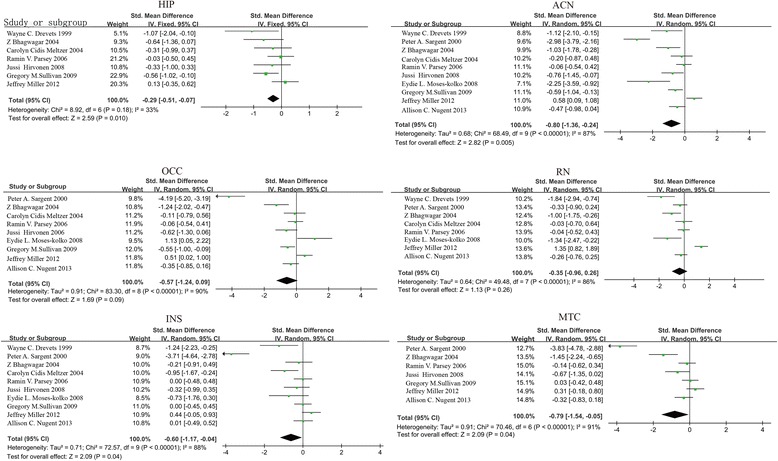
BACKGROUND: Postmortem studies of people who have successfully committed suicide and people with depression have implicated the serotonin-1A (5-HT1A) receptor system in the pathophysiology of depression. Several molecular imaging studies have investigated alterations in 5-HT1A receptors in patients with depression using positron emission tomography and have reported conflicting results. METHODS: We performed a meta-analysis of studies investigating the relationship between depression and 5-HT1A binding. We conducted a comprehensive search of Medline, Embase, ScienceDirect, Scopus and Springer databases for relevant studies published between January 1999 and October 2015. The meta-analysis was conducted in accordance with the Meta-analysis of Observational Studies in Epidemiology guidelines. RESULTS: Ten studies were included, comprising 218 patients with depression and 261 healthy controls. The results of these studies indicated a reduction in 5-HT1A receptors in mesiotemporal cortex, yielding a summary effect estimate of -0.8 (95 % CI -1.36, -0.24). Smaller reductions were reported in 5-HT1A receptor binding in the hippocampus, raphe nuclei, insular, anterior cingulate cortex and occipital cortex of people with depression. No clear effect of depression on 5-HT1A receptors was detected in the amygdala. CONCLUSIONS: Reduced 5-HT1A receptor binding was associated with the pathology of depression and predicted altered serotonergic neurotransmission in various brain regions. These findings increase our understanding of the neurophysiological processes underlying depression.
Overview
The claims and statistics of this paper haven’t been checked yet.
Free: it reads the open-access text and checks the first 5 claims that cite a source we can check. Create a free account to check every claim.
Integrity signals
Registry
Cites
Statistics
Figures
Verification
Claims the paper makes
The claims and statistics of this paper haven’t been checked yet.
Free: it reads the open-access text and checks the first 5 claims that cite a source we can check. Create a free account to check every claim.
Self-check
Percentages, sums and reported differences re-computed from the paper’s own numbers.
The self-check needs the paper’s full text.
Citations
Cites
Measuring inconsistency in meta-analyses
Higgins, J. P. T., Thompson, S. G., Deeks, J. J., & Altman, D. G. (2003) · BMJ · doi:10.1136/bmj.327.7414.557 · Cited by 63,139
Dermyshi, E., Wang, Y., Yan, C., Hong, W., Qiu, G., Gong, X., & Zhang, T. (2017) · Neonatology · doi:10.1159/000454668 · Cited by 24,451
Self-citationMeta-analysis of Observational Studies in Epidemiology<SUBTITLE>A Proposal for Reporting</SUBTITLE>
Stroup, D. F. (2000) · JAMA · doi:10.1001/jama.283.15.2008 · Cited by 20,623
Cochrane Handbook for Systematic Reviews of Interventions Version 5.0.1. The Cochrane Collaboration
Higgins, J. P. T., Green, S. R., & Higgins, J. P. T. (2008) · Cited by 7,261
The molecular neurobiology of depression
Krishnan, V., & Nestler, E. J. (2008) · Nature · doi:10.1038/nature07455 · Cited by 2,889 · cited 1×
“It has a lifetime prevalence of 10 – 15 % [21].”
BackgroundRole of 5-HT in stress, anxiety, and depression
Graeff, F. G., Guimarães, F. S., De Andrade, T. G. C. S., & Deakin, J. F. W. (1996) · Pharmacology Biochemistry and Behavior · doi:10.1016/0091-3057(95)02135-3 · Cited by 984 · cited 1×
“There is increasing evidence that alterations in the brain serotonergic system are involved in the pathophysiology of depression [13, 42].”
BackgroundThe role of the hippocampus in the pathophysiology of major depression
Campbell, S., & MacQueen, G. (2004) · Journal of Psychiatry and Neuroscience · doi:10.1139/jpn.0441 · Cited by 880 · cited 1×
“The HIP has previously been shown to be structurally and functionally altered during depression [8, 29, 30].”
BackgroundLemonde, S., Turecki, G., Bakish, D., Du, L., Hrdina, P. D., Bown, C. D., Sequeira, A., Kushwaha, N., Morris, S. J., Basak, A., et al. (2003) · The Journal of Neuroscience · doi:10.1523/jneurosci.23-25-08788.2003 · Cited by 734 · cited 1×
“This finding is consistent with previous postmortem studies indicating lower 5-HT 1A binding and mRNA expression in MDD and bipolar disorder [24, 26, 27].”
ResultPet imaging of serotonin 1A receptor binding in depression
Drevets, W. C., Frank, E., Price, J. C., Kupfer, D. J., Holt, D., Greer, P. J., Huang, Y., Gautier, C., & Mathis, C. (1999) · Biological Psychiatry · doi:10.1016/s0006-3223(99)00189-4 · Cited by 666 · cited 1×
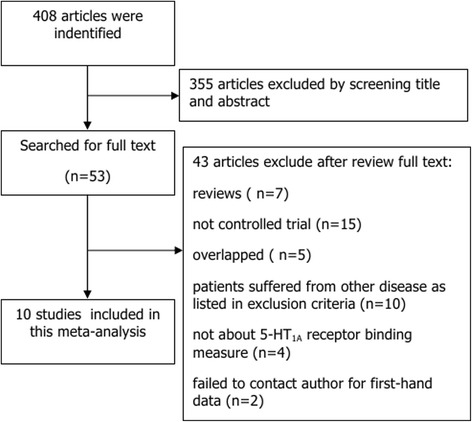
“Finally, ten studies remained for inclusion in the meta-analysis ([4, 11, 18, 28, 32, 33, 35, 39, 43, 48]) (see Fig.”
BackgroundSargent, P. A., Kjaer, K. H., Bench, C. J., Rabiner, E. A., Messa, C., Meyer, J., Gunn, R. N., Grasby, P. M., & Cowen, P. J. (2000) · Archives of General Psychiatry · doi:10.1001/archpsyc.57.2.174 · Cited by 642 · cited 2×
“Finally, ten studies remained for inclusion in the meta-analysis ([4, 11, 18, 28, 32, 33, 35, 39, 43, 48]) (see Fig.”
BackgroundResult
Cited by
Turecki, G., Brent, D. A., Gunnell, D., O’Connor, R. C., Oquendo, M. A., Pirkis, J., & Stanley, B. H. (2019) · Nature Reviews Disease Primers · doi:10.1038/s41572-019-0121-0 · Cited by 1,074
The serotonin theory of depression: a systematic umbrella review of the evidence
Moncrieff, J., Cooper, R. E., Stockmann, T., Amendola, S., Hengartner, M. P., & Horowitz, M. A. (2023) · Molecular Psychiatry · doi:10.1038/s41380-022-01661-0 · Cited by 960
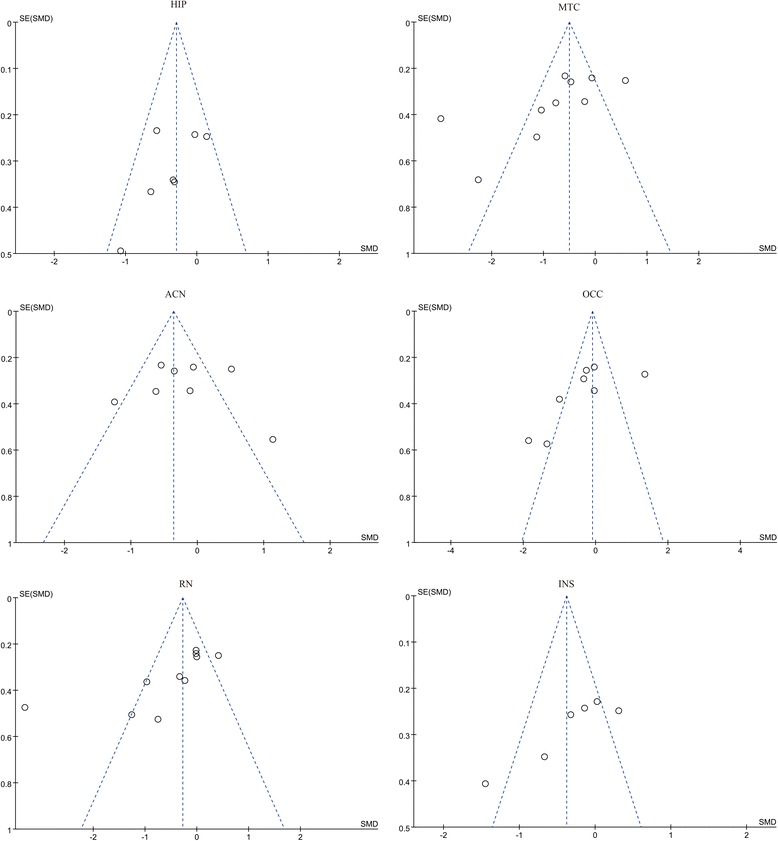
“In addition, one analysis was of very low quality [37], including not reporting on the numbers involved in each analysis and using one-sided p-values, and one was strongly influenced by three studies and publication bias was present [38].”
Prognosis and improved outcomes in major depression: a review
Kraus, C., Kadriu, B., Lanzenberger, R., Zarate, C. A., & Kasper, S. (2019) · Translational Psychiatry · doi:10.1038/s41398-019-0460-3 · Cited by 482
Jesulola, E., Micalos, P., & Baguley, I. J. (2018) · Behavioural Brain Research · doi:10.1016/j.bbr.2017.12.025 · Cited by 379
Liu, Y., Zhao, J., & Guo, W. (2018) · Frontiers in Psychology · doi:10.3389/fpsyg.2018.02201 · Cited by 261
“A meta-analysis reported reduced 5-HT1A receptor binding in the insula, raphe nuclei, hippocampus, occipital cortex, and anterior cingulate cortex in patients with MDD (Wang et al., 2016).”
BackgroundPan, J.-X., Xia, J.-J., Deng, F.-L., Liang, W.-W., Wu, J., Yin, B.-M., Dong, M.-X., Chen, J.-J., Ye, F., Wang, H.-Y., et al. (2018) · Translational Psychiatry · doi:10.1038/s41398-018-0183-x · Cited by 232
Self-citationPeripheral Markers of Depression
Nobis, A., Zalewski, D., & Waszkiewicz, N. (2020) · Journal of Clinical Medicine · doi:10.3390/jcm9123793 · Cited by 197
“Serotonin exerts its action via the 5-HT1A receptor which has been reported to play a role in both prognosis and diagnosis of depression [293] as reduced 5-HT1A receptor binding is associated with depression [294].”
BackgroundClinical Features of Parkinson’s Disease: The Evolution of Critical Symptoms
Váradi, C. (2020) · Biology · doi:10.3390/biology9050103 · Cited by 196
“found decreased serotonin-1A receptor binding in patients with depression, suggesting serotonergic dysfunction in the hippocampus, raphe nuclei, insular, anterior cingulate cortex and occipital cortex [79], which has been described in PD patients as well [80].”
BackgroundBatt, M. M., Duffy, K. A., Novick, A. M., Metcalf, C. A., & Epperson, C. N. (2020) · Focus · doi:10.1176/appi.focus.20190045 · Cited by 129
Neuropathology of suicide: Recent findings and future directions
Lutz, P.-E., Mechawar, N., & Turecki, G. (2017) · Molecular Psychiatry · doi:10.1038/mp.2017.141 · Cited by 158
Depressive disorders: treatment failures and poor prognosis over the last 50 years
Blackburn, T. P. (2019) · Pharmacology Research & Perspectives · doi:10.1002/prp2.472 · Cited by 136
Fifty years on: Serotonin and depression
Jauhar, S., Cowen, P. J., & Browning, M. (2023) · Journal of Psychopharmacology · doi:10.1177/02698811231161813 · Cited by 108
“The reason for this was a paper by Joanna Moncrieff and colleagues, entitled ‘The serotonin theory of depression: a systematic umbrella review of the evidence’ (Moncrieff et al., 2022).”
BackgroundMethodInfluentialUnderstanding the Mechanisms of Action and Effects of Drugs of Abuse
Anghel, D.-M. C., Nițescu, G. V., Tiron, A. T., Guțu, C. M., & Baconi, D. L. (2023) · Molecules · doi:10.3390/molecules28134969 · Cited by 126
“The action of serotonin reflects in sensory, autonomic, and motor systems, arterial pressure, recognition, memory, and sexual behavior [20,21].”
BackgroundFukumoto, K., Iijima, M., Funakoshi, T., & Chaki, S. (2018) · International Journal of Neuropsychopharmacology · doi:10.1093/ijnp/pyx116 · Cited by 90
Popova, N. K., Tsybko, A. S., & Naumenko, V. S. (2022) · International Journal of Molecular Sciences · doi:10.3390/ijms23158814 · Cited by 96
“Smaller reductions were also reported in 5-HT1A receptor binding in the hippocampus, raphe nuclei, insular, anterior cingulate cortex and occipital cortex of people with depression [71].”
BackgroundJauhar, S., Arnone, D., Baldwin, D. S., Bloomfield, M., Browning, M. D., Cleare, A. J., Corlett, P. R., Deakin, J. F. W., Erritzøe, D., Fu, C. H. Y., et al. (2023) · Molecular Psychiatry · doi:10.1038/s41380-023-02095-y · Cited by 93
“They cite a meta-analysis involving 10 5-HT 1A receptor studies [9], most of which used BP ND , an outcome measure of receptor availability not requiring arterial input, which assumes there exists a “ reference region ” with no speci fi c binding in MDD and controls; [10] moreover, 5 studies…”
MethodThe role of microglia in neuropsychiatric disorders and suicide
Brisch, R., Wojtylak, S., Saniotis, A., Steiner, J., Gos, T., Kumaratilake, J., Henneberg, M., & Wolf, R. J. (2021) · European Archives of Psychiatry and Clinical Neuroscience · doi:10.1007/s00406-021-01334-z · Cited by 78
The Serotonin 1A (5-HT1A) Receptor as a Pharmacological Target in Depression
Smith, A. L. W., Harmer, C. J., Cowen, P. J., & Murphy, S. E. (2023) · CNS Drugs · doi:10.1007/s40263-023-01014-7 · Cited by 78
“Most studies have found that 5-HT1A receptor binding exhibits a modest reduction in both post-synaptic and raphe regions in unmedicated patients with depression [40, 41].”
BackgroundPrognosis and Improved Outcomes in Major Depression: A Review
Kraus, C., Kadriu, B., Lanzenberger, R., Zarate, C. A., & Kasper, S. (2020) · Focus · doi:10.1176/appi.focus.18205 · Cited by 62
The role of serotonin in depression—A historical roundup and future directions
Bremshey, S., Groß, J., Renken, K., & Masseck, O. A. (2024) · Journal of Neurochemistry · doi:10.1111/jnc.16097 · Cited by 72
Ike, K. G. O., de Boer, S. F., Buwalda, B., & Kas, M. J. (2020) · Neuroscience & Biobehavioral Reviews · doi:10.1016/j.neubiorev.2020.06.030 · Cited by 74
“Specifically, reduced SERT-receptor binding in the striatum and amygdala was found in depressed patients (Kambeitz and Howes, 2015) and reductions in 5-HT1a-receptor binding was found across a wide variety of brain areas, including the amygdala, ACC and the raphe nucleus (Drevets et al., 1999; Wang et al., 2016).”
BackgroundMugge, L., Mansour, T. R., Crippen, M., Alam, Y., & Schroeder, J. L. (2018) · Neurosurgical Review · doi:10.1007/s10143-018-1017-2 · Cited by 65
Duan, C., Cosgrove, J., & Deligiannidis, K. M. (2017) · Current Psychiatry Reports · doi:10.1007/s11920-017-0824-4 · Cited by 59
Fukumoto, K., Fogaça, M. V., Liu, R.-J., Duman, C. H., Li, X., Chaki, S., & Duman, R. S. (2020) · Neuropsychopharmacology · doi:10.1038/s41386-020-0705-0 · Cited by 59
“Decreased levels of 5-HT1A receptor protein [48] and receptor ligand binding levels [49, 50] have been reported in the PFC of postmortem MDD subjects; decreased 5-HT1A receptor protein and binding are also reported in depressed cynomolgus monkeys and rodent models [51–53].”
BackgroundXia, J., Gu, L., Guo, Y., Feng, H., Chen, S., Jurat, J., Fu, W., & Zhang, D. (2021) · Frontiers in Cellular and Infection Microbiology · doi:10.3389/fcimb.2021.627608 · Cited by 57
“…monoamine neurotransmitter implicated in regulating several physiological activities and behaviors, including those related to emotion and anxiety, and low levels of 5-HT have turned out to be associated with depression (Pascucci et al., 2007; Taylor and Munafo, 2016; Wang et al., 2016).”
BackgroundSelf-citationCigarette Smoking Modulation of Saliva Microbial Composition and Cytokine Levels
Rodríguez-Rabassa, M., López, P. L., Rodríguez-Santiago, R. E., Cases-Rosario, A. L., Felici, M., Sánchez, R., Yamamura, Y., & Rivera‐Amill, V. (2018) · International Journal of Environmental Research and Public Health · doi:10.3390/ijerph15112479 · Cited by 62
“Decreased serotonin function has been related to cigarette smoking [62], and reduced serotonergic receptors to depression [63].”
BackgroundNeural substrates of suicide and suicidal behaviour: From a neuroimaging perspective
Balcioglu, Y. H., & Kose, S. (2018) · Psychiatry and Clinical Psychopharmacology · doi:10.1080/24750573.2017.1420378 · Cited by 50
Matraszek, R., Chwil, M., Terlecka, P., & Skoczylas, M. M. (2019) · Pharmaceuticals · doi:10.3390/ph12040172 · Cited by 51
“[56] analyzed publications from 1999 to 2015, presenting the relationship between alterations in 5-HT1A receptors and depression.”
BackgroundNeuroprotective Potency of Neolignans in Magnolia officinalis Cortex Against Brain Disorders
Zhu, S., Liu, F., Zhang, R., Xiong, Z., Zhang, Q., Hao, L., & Chen, S. (2022) · Frontiers in Pharmacology · doi:10.3389/fphar.2022.857449 · Cited by 48
“5-hydroxytryptamine receptor 1A (HTR1A) is a 5-HT receptor which has the highest affinity for 5-HT among all 5-HT receptor subtypes (Wang et al., 2016).”
BackgroundStress Induced Hormone and Neuromodulator Changes in Menopausal Depressive Rats
Gu, S., Jing, L., Li, Y., Huang, J. H., & Wang, F. (2018) · Frontiers in Psychiatry · doi:10.3389/fpsyt.2018.00253 · Cited by 43
Serotonin modulation of hippocampal functions: From anatomy to neurotherapeutics
Bombardi, C., Grandis, A., Pivac, N., Šagud, M., Lucas, G., Chagraoui, A., Lemaire, V., Deurwaerdère, P. D., & Giovanni, G. D. (2021) · Progress in brain research · doi:10.1016/bs.pbr.2021.01.031 · Cited by 44
The utility of PET imaging in depression
Singh, S. B., Tiwari, A., Katta, M. R., Kafle, R., Ayubcha, C., Patel, K. H., Bhattarai, Y., Werner, T. J., Alavi, A. A., & Revheim, M.-E. R. (2024) · Frontiers in Psychiatry · doi:10.3389/fpsyt.2024.1322118 · Cited by 37
“In addition, smaller reductions in 5-HT 1A receptor binding were noted in the hippocampus, insular cortex, raphe nucleus, occipital cortex, and anterior cingulate cortex in the depressed group (43).”
BackgroundRomantic love evolved by co-opting mother-infant bonding
Bode, A. (2023) · Frontiers in Psychology · doi:10.3389/fpsyg.2023.1176067 · Cited by 41
Cervenka, S., Frick, A., Bodén, R., & Lubberink, M. (2022) · Translational Psychiatry · doi:10.1038/s41398-022-01990-2 · Cited by 32
“In major depressive disorder (MDD), findings point to reduced serotonin transporter [8] and serotonin 1A receptor (5HT1A-R) availability [9], whereas in patients with anxiety disorders the evidence suggests decreases in 5HT1A and benzodiazepine receptors [10].”
BackgroundLee, Y.-B., Cho, Y., & Kim, J.-K. (2024) · Biomedicine & Pharmacotherapy · doi:10.1016/j.biopha.2024.117748 · Cited by 34
Haleem, D. J. (2020) · The Neuroscientist · doi:10.1177/1073858420975711 · Cited by 30
Antidepressant Drugs for Seizures and Epilepsy: Where do we Stand?
Tallarico, M., Pisano, M., Leo, A., Russo, E., Citraro, R., & Sarro, G. D. (2022) · Current Neuropharmacology · doi:10.2174/1570159x20666220627160048 · Cited by 34
“PET imaging studies carried out in depressive patients reported reduced 5-HT 1A receptor binding in several brain regions when compared to controls [116-118].”
BackgroundEnduring impact of childhood adversity on lower urinary tract symptoms in adult women
Epperson, C. N., Duffy, K. A., Johnson, R. L., Sammel, M. D., & Newman, D. K. (2020) · Neurourology and Urodynamics · doi:10.1002/nau.24375 · Cited by 26
Singh, N., Hazari, P. P., Mittal, P., Yadav, S. K., Kumar, N., Mishra, G., Dahiya, S., & Mishra, A. K. (2025) · European Journal of Pharmacology · doi:10.1016/j.ejphar.2025.177737 · Cited by 24
PET imaging of animal models with depressive-like phenotypes
Vazquez-Matias, D. A., de Vries, E. F. J., Dierckx, R., & Doorduin, J. (2023) · European Journal of Nuclear Medicine and Molecular Imaging · doi:10.1007/s00259-022-06073-4 · Cited by 24
Implementing Evidence-Based Suicide Prevention Strategies for Greatest Impact
Melhem, N., Moutier, C. Y., & Brent, D. A. (2023) · FOCUS The Journal of Lifelong Learning in Psychiatry · doi:10.1176/appi.focus.20220078 · Cited by 26
Association between serotonin 2A receptor genetic variations, stressful life events and suicide
Ghasemi, A., Seifi, M., Baybordi, F., Danaei, N., & Samadirad, B. (2018) · Gene · doi:10.1016/j.gene.2018.03.023 · Cited by 24
Melhem, N., Zhong, Y., Miller, J. M., Zanderigo, F., Ogden, R. T., Sublette, M. E., Newell, M., Burke, A. K., Keilp, J. G., Lesanpezeshki, M., et al. (2021) · The International Journal of Neuropsychopharmacology · doi:10.1093/ijnp/pyab060 · Cited by 24
“…serotonin release via the autoreceptor or by signaling on serotonin target neurons throughout the brain, is involved in mood regulation, decision-making, suicidal behavior, aggression, memory, learning, and hippocampal neurogenesis (Radley and Jacobs, 2002; Ogren et al., 2008; Wang et al., 2016).”
BackgroundMethodResultInfluentialFeng, Y.-Y., Bromberg-Martin, E. S., & Monosov, I. E. (2024) · Cell Reports · doi:10.1016/j.celrep.2024.114341 · Cited by 21
Xia, Z., Zhang, C., Du, Y.-H., Huang, W. J., Xing, Z., Cao, H., Nie, K., Wang, Y., Xiong, X., & Yang, B. (2018) · Psychosomatic Medicine · doi:10.1097/psy.0000000000000639 · Cited by 17
“Research shows that HTR1A is mostly expressed in the mammalian brain and especially in the hippocampus (13).”
BackgroundChapter 4. Psychoneuroendocrinology
Sforzini, L., Weston, F. I., & Pariante, C. M. (2024) · American Psychiatric Association Publishing eBooks · doi:10.1176/appi.books.9781615375523.as04 · Cited by 16
Pisani, S., Gunasekera, B., Lu, Y., Vignando, M., Ffytche, D. H., Aarsland, D., Chaudhuri, К. R., Ballard, C. G., Lee, J., Kim, Y. K., et al. (2023) · Neuroscience & Biobehavioral Reviews · doi:10.1016/j.neubiorev.2023.105081 · Cited by 14
“HT1a abnormalities (Savitz et al., 2009; Wang et al., 2016), we also wanted to account for”
BackgroundIncreased risk of major depressive disorder in sleep apnea patients in Taiwan
Chen, C.-M., Kuo, C., Wu, M., Hung, J., Hsu, C., & Tsai, M. (2021) · Scientific Reports · doi:10.1038/s41598-020-80759-3 · Cited by 15
Scarpato, B. S., Swardfager, W., Eid, M., Ploubidis, G. B., & Cogo‐Moreira, H. (2020) · Psychological Medicine · doi:10.1017/s0033291719003805 · Cited by 15
“Although these mood-related biological mechanisms have been extensively discussed (Wang et al., 2016), trait and state aspects have not been evaluated formally in longitudinal structural equation models.”
BackgroundTranslational medicine of the glutamate AMPA receptor
Miyazaki, T., Hiroki, A. B. E., Uchida, H., & Takahashi, T. (2021) · Proceedings of the Japan Academy Series B · doi:10.2183/pjab.97.001 · Cited by 13
Knockout of NPFFR2 Prevents LPS-Induced Depressive-Like Responses in Mice
Yu, Z., Lin, Y., & Chen, J. (2021) · International Journal of Molecular Sciences · doi:10.3390/ijms22147611 · Cited by 16
Yu, Z., Bai, R., Zhou, J., Huang, H., Zhao, W., Huo, X., Yang, Y., Luan, Z., Zhang, B., Sun, C., et al. (2021) · Chinese Journal of Chemistry · doi:10.1002/cjoc.202000652 · Cited by 13
Leutner, M., Matzhold, C., Kautzky, A., Kaleta, M., Thurner, S., Klimek, P., & Kautzky‐Willer, A. (2021) · Frontiers in Medicine · doi:10.3389/fmed.2021.608083 · Cited by 14
Pantazatos, S. P., Melhem, N., Brent, D. A., Zanderigo, F., Bartlett, E. A., Lesanpezeshki, M., Burke, A. K., Miller, J. M., & Mann, J. J. (2022) · Molecular Psychiatry · doi:10.1038/s41380-022-01671-y · Cited by 12
“Most studies demonstrating lower corticolimbic 5-HT1A receptor binding in depressed patients have expressed the binding in terms of binding potential BPND [5, 8].”
BackgroundResultCai, L., Xu, Z., Luo, H., He, Q., Diao, L., Gui, X., & Wei, L. (2023) · Epilepsy & Behavior · doi:10.1016/j.yebeh.2023.109354 · Cited by 10
Rogeau, A., Boer, A. J., Guedj, É., Sala, A., Sommer, I. E., Veronese, M., van der Weijden-Germann, M., Weehaeghe, D. V., Cecchin, D., Verger, A., et al. (2024) · European Journal of Nuclear Medicine and Molecular Imaging · doi:10.1007/s00259-024-06987-1 · Cited by 11
Mavar, S., Lee, Y.-S., Baranova, E., Duncan, N. W., Magioncalda, P., & Martino, M. (2025) · Molecular Psychiatry · doi:10.1038/s41380-025-03194-8 · Cited by 8
The American Psychiatric Association Publishing Textbook of Psychopharmacology
Schatzberg, A. F., & Nemeroff, C. B. (2024) · American Psychiatric Association Publishing eBooks · doi:10.1176/appi.books.9781615375523 · Cited by 10
Chapman, G. E., Turner, G., Noar, A. P., Barba, T., Zafar, R. R., McCutcheon, R. A., & Erritzøe, D. (2025) · Molecular Psychiatry · doi:10.1038/s41380-025-03233-4 · Cited by 7
“Finally, ambitious studies should seek to scan the same subjects with two or more radiotracers with different pharmacodynamic properties, to compare the differential effects of agonist, antagonist and inverse agonist tracers in PET and SPECT studies of 5-HT 2A Rs in MDD.”
In vivo serotonin 1A receptor distribution in treatment-resistant depression
Murgaš, M., Milz, C., Stöhrmann, P., Unterholzner, J., Nics, L., Kranz, G. S., Hahn, A., Hacker, M., Kasper, S. F., Lanzenberger, R. R., et al. (2025) · Translational Psychiatry · doi:10.1038/s41398-025-03406-3 · Cited by 7
“Similar to our results, a meta-analysis [6] has shown a signi fi cant reduction in 5-HT 1A receptor availability in the raphe nuclei.”
InfluentialChapter 50. Treatment of Anxiety Disorders
Choi, S., & Stein, M. B. (2024) · American Psychiatric Association Publishing eBooks · doi:10.1176/appi.books.9781615375523.as50 · Cited by 7
Jha, P., Chaturvedi, S., Bhat, R., Jain, N., & Mishra, A. K. (2021) · Journal of Biomolecular Structure and Dynamics · doi:10.1080/07391102.2021.1961865 · Cited by 8
“Reduced numbers or affinity of pre- and postsynaptic receptors have also been reported in the post-mortem studies of successful suicide victims consistent with replicating positron emission tomography (PET) studies (Wang et al., 2016).”
BackgroundGliaudelytė, L., Rushton, S., Palmini, R. B., Thomas, A. J., & Morris, C. M. (2025) · Translational Psychiatry · doi:10.1038/s41398-025-03298-3 · Cited by 5
Kitamura, S., Kimura, Y., Takahata, K., Moriguchi, S., Kubota, M., Shimada, H., Endo, H., Takado, Y., Kawamura, K., Zhang, M., et al. (2023) · The International Journal of Neuropsychopharmacology · doi:10.1093/ijnp/pyad026 · Cited by 5
“Limbic regions, including the medial temporal and anterior cingulate cortices, have been known to contain abundant 5-HT1A receptors and diminished serotonergic neurotransmissions in these regions have been implicated in depressive symptoms (Saulin et al., 2012;Wang et al., 2016).”
Kangas, E. S., Li, X., Vuoriainen, E., Lindeman, S. M., & Astikainen, P. (2024) · European Journal of Neuroscience · doi:10.1111/ejn.16569 · Cited by 5
“…dysfunction is assumed to be one of the pathophysiological factors in depression (for reviews, see Kraus et al., 2017; Lin et al., 2014; Meltzer, 1990; Naughton et al., 2000; Nautiyal & Hen, 2017; Wang et al., 2016; for reviews showing no such results, see Liu et al., 2017; Moncrieff et al., 2023).”
Association of 5-HT1A Receptors with Affective Disorders
Soria-Fregozo, C., Vega, M. I. P., Rodríguez‐Landa, J. F., Germán-Ponciano, L. J., García-Ríos, R. I., & Mora-Pérez, A. (2017) · InTech eBooks · doi:10.5772/intechopen.68975 · Cited by 6
“5-HT1A-R is involved in the pathology and treatment of mental disorders, such as anxiety and depression [23, 43, 44].”
BackgroundSałaciak, K., Głuch‐Lutwin, M., Siwek, A., Szafarz, M., Kazek, G., Bednarski, M., Nowiński, L., Mitchell, E. J., Jastrzębska‐Więsek, M., Partyka, A., et al. (2020) · Journal of Psychopharmacology · doi:10.1177/0269881120959605 · Cited by 5
“Several studies confirmed the decreased density of 5-HT1A receptors in people suffering from major depression (Savitz et al., 2009; Wang et al., 2016).”
BackgroundChapter 49. Treatment of Bipolar Disorder
Strakowski, S. M., & Keck, P. E. (2024) · American Psychiatric Association Publishing eBooks · doi:10.1176/appi.books.9781615375523.as49 · Cited by 5
A computational account of joint SSRI and anti-inflammatory treatment
Reneaux, M., Mayberg, H. S., Friston, K. J., & Pinotsis, D. A. (2025) · Frontiers in Immunology · doi:10.3389/fimmu.2025.1472732 · Cited by 6
“Postsynaptic 5HT1A receptor density in SCC has been found to be reduced in depressed individuals (81, 82).”
Matheson, G. J., Zanderigo, F., Miller, J. M., Bartlett, E. A., Mann, J. J., & Ogden, R. T. (2024) · Imaging Neuroscience · doi:10.1162/imag_a_00328 · Cited by 6
“…patients relative to HV ( Kaufman et al., 2016; Shrestha et al., 2012), while others conclude that binding is lower in MDD ( Savitz & Drevets, 2013; Wang et al., 2016)— although the latter makes use of meta-analysis of study outcomes across different outcome measures (including indirect BP ND ),…”
Flasbeck, V., Engelmann, J., Klostermann, B., Juckel, G., & Mavrogiorgou, P. (2023) · Journal of Psychiatric Research · doi:10.1016/j.jpsychires.2023.01.031 · Cited by 4
Sankar, A., Ziersen, S. C., Ozenne, B., Dam, V. H., Beaman, E. E., Kessing, L. V., Fisher, P. M., Budtz–Jørgensen, E., Knudsen, G. M., Miskowiak, K. W., et al. (2024) · Nature Mental Health · doi:10.1038/s44220-024-00299-x · Cited by 4
Chapter 57. Treatment of Eating Disorders
Agras, W. S. (2024) · American Psychiatric Association Publishing eBooks · doi:10.1176/appi.books.9781615375523.as57 · Cited by 4
Chapter 55. Treatment of Alcohol Use Disorder
Mason, B. J., Ritvo, E. C., & Bonci, A. (2024) · American Psychiatric Association Publishing eBooks · doi:10.1176/appi.books.9781615375523.as55 · Cited by 3
Kuckertz, A., Zhao, L., Kedo, O., Amunts, K., & Palomero‐Gallagher, N. (2025) · The Journal of Comparative Neurology · doi:10.1002/cne.70068 · Cited by 4
Frycz, B. A., Dutsch-Wicherek, M., Płaza, O., Szulc, A., Bijata, M., Włodarczyk, J., & Dzwonek, J. (2026) · Pharmacological Reports · doi:10.1007/s43440-026-00827-9 · Cited by 2
Trajectories of late-life depression: insights from molecular imaging
Holmes, S. E., & Smith, G. S. (2026) · Neuropsychopharmacology · doi:10.1038/s41386-026-02340-2 · Cited by 2
Pauwelyn, G., Laeken, N. V., Verhoeven, J., Vos, F. D., Peremans, K. Y., Dockx, R., Baeken, C., Descamps, B., Vanhove, C., Kersemans, K., et al. (2018) · Neuropsychiatry · doi:10.4172/neuropsychiatry.1000468 · Cited by 3
Chapter 20. Duloxetine, Milnacipran, and Levomilnacipran
Jha, M. K., Mayes, T. L., & Trivedi, M. H. (2024) · American Psychiatric Association Publishing eBooks · doi:10.1176/appi.books.9781615375523.as20 · Cited by 2
Chapter 11. Tricyclic and Tetracyclic Drugs
Nelson, J. (2024) · American Psychiatric Association Publishing eBooks · doi:10.1176/appi.books.9781615375523.as11 · Cited by 2
Gao, K., & Calabrese, J. R. (2024) · American Psychiatric Association Publishing eBooks · doi:10.1176/appi.books.9781615375523.as41 · Cited by 2
Handschuh, P. A., Konadu, M. E., Spurny‐Dworak, B., Silberbauer, L., Murgaš, M., & Lanzenberger, R. R. (2022) · Neuromethods · doi:10.1007/978-1-0716-2083-0_18 · Cited by 2
Chapter 6. Pharmacokinetics, Pharmacodynamics, and Pharmacogenomics
Goldberg, J. F. (2024) · American Psychiatric Association Publishing eBooks · doi:10.1176/appi.books.9781615375523.as06 · Cited by 2
Chapter 8. Personalized Medicine in Psychiatry
Perna, G., Alciati, A., & Nemeroff, C. B. (2024) · American Psychiatric Association Publishing eBooks · doi:10.1176/appi.books.9781615375523.as08 · Cited by 2
Chapter 25. Classic Antipsychotic Medications
Nasrallah, H. A., & Tandon, R. (2024) · American Psychiatric Association Publishing eBooks · doi:10.1176/appi.books.9781615375523.as25 · Cited by 2
Chapter 60. Treatment of Child and Adolescent Disorders
Wagner, K., & Pliszka, S. R. (2024) · American Psychiatric Association Publishing eBooks · doi:10.1176/appi.books.9781615375523.as60 · Cited by 1
Chapter 46. Electroconvulsive Therapy and Other Neuromodulation Therapies
McDonald, W. M., Meeks, T. W., McCall, W. V., & Zorumski, C. F. (2024) · American Psychiatric Association Publishing eBooks · doi:10.1176/appi.books.9781615375523.as46 · Cited by 1
Chapter 52. Treatment of Obsessive-Compulsive Disorder
Kayser, R. R., & Simpson, H. B. (2024) · American Psychiatric Association Publishing eBooks · doi:10.1176/appi.books.9781615375523.as52 · Cited by 1
Amalo, R. B., Budiawan, H., & Kartamihardja, A. H. S. (2025) · Nuclear Medicine and Molecular Imaging · doi:10.1007/s13139-025-00968-4 · Cited by 1
Lima, L. S., de Oliveira, M. R. C., do Nascimento, G. A., da Silva, J. G. L., de Sousa, D. B., Coelho, P. A. T., de Sousa, J. A., de Oliveira, K. A., Batista, F. L. A., Ishiki, H. M., et al. (2026) · IBRO Neuroscience Reports · doi:10.1016/j.ibneur.2026.07.003 · Cited by 1
Comorbid insomnia and arterial hypertension: pathogenetic models and promising biomarkers
Filchenko, I., Коростовцева, Л. С., Tereshchenko, N. M., Sviryaev, Y. V., & Voznjouk, I. A. (2019) · Arterial’naya Gipertenziya (Arterial Hypertension) · doi:10.18705/1607-419x-2019-25-2-143-157 · Cited by 2
Progress on the Pathogenesis and Treatment of OCD, AD and Depression
Lu, W., Jiang, J., & Wang, S. (2022) · Journal of Biosciences and Medicines · doi:10.4236/jbm.2022.109016 · Cited by 1
Fakih, N., & Fakhoury, M. (2024) · Journal of Psychiatric Practice · doi:10.1097/pra.0000000000000779 · Cited by 1
“…individuals with MDD. 52 Signi fi cant alterations in 5-HT receptors have also been identi fi ed in several brain regions of individuals with MDD. 53,54 However, it is important to note that the 5-HT hypothesis has been questioned many times as many studies have found no evidence of reduced 5-HT…”
BackgroundChapter 14. Citalopram and Escitalopram
Shelton, R. C. (2024) · American Psychiatric Association Publishing eBooks · doi:10.1176/appi.books.9781615375523.as14 · Cited by 1
Schatzberg, A. F. (2024) · American Psychiatric Association Publishing eBooks · doi:10.1176/appi.books.9781615375523.as17 · Cited by 1
Chapter 31. Ziprasidone and Asenapine
Newcomer, J. W., Lipsey, J., Strassnig, M., & Citrome, L. (2024) · American Psychiatric Association Publishing eBooks · doi:10.1176/appi.books.9781615375523.as31 · Cited by 1
Chapter 19. Venlafaxine and Desvenlafaxine
Thase, M. E. (2024) · American Psychiatric Association Publishing eBooks · doi:10.1176/appi.books.9781615375523.as19 · Cited by 1
Chapter 10. Monoamine Oxidase Inhibitors
Krishnan, K. R. R. (2024) · American Psychiatric Association Publishing eBooks · doi:10.1176/appi.books.9781615375523.as10 · Cited by 1
Yang, Y. W.-H., & Marder, S. R. (2024) · American Psychiatric Association Publishing eBooks · doi:10.1176/appi.books.9781615375523.as26 · Cited by 1
Buckley, P. F., & Foster, A. E. (2024) · American Psychiatric Association Publishing eBooks · doi:10.1176/appi.books.9781615375523.as32 · Cited by 1
Metadata
- Authors
- Wang, L., Zhou, C., Zhu, D., Wang, X., Fang, L., Zhong, J., Mao, Q., Sun, L., Gong, X., Xia, J., Lian, B., & Xie, P.
- Affiliations
- Chongqing Medical University (CN)
- The Affiliated Yongchuan Hospital of Chongqing Medical University (CN)
- Corresponding author
- Xie, Peng
- Venue
- BMC Psychiatry
- Published
- 2016-09-13
- Volume
- 16
- Issue
- 1
- Pages
- 319-319
- ISSN
- 1471-244X (ISSN-L)
- PMC
- PMC5022168
- OpenAlex
- W2520794700
- Semantic Scholar
- 35a269544d70d2e86cd43b0c474c57b65fc09bca
- Cited by
- 162
- References
- 51
- Citations by year
- 2026: 9 · 2025: 10 · 2024: 77 · 2023: 13 · 2022: 9 · 2021: 12 · 2020: 11 · 2019: 7 · 2018: 9 · 2017: 5
- FWCI
- 0.77
- Type
- journal article
- Language
- en
- Open access
- gold
- doi.org
- Licence
- Locations
- BMC Psychiatry (publishedVersion, cc-by)
- PubMed Central (publishedVersion, cc-by)
- PubMed (publishedVersion)
- Funders
- National Basic Research Program of China (2009CB918300)
- Topics
- Life Sciences › Neuroscience › Cellular and Molecular Neuroscience › Neurotransmitter Receptor Influence on Behavior
- Health Sciences › Medicine › Pharmacology (medical) › Treatment of Major Depression
- Life Sciences › Neuroscience › Biological Psychiatry › Tryptophan and brain disorders
- Keywords
- 5-HT1A receptor, 5-HT1A receptor binding, depression, molecular imaging, positron emission tomography, hippocampus, raphe nuclei, serotonergic neurotransmission
- MeSH terms
- Adult, Amygdala, Cerebral Cortex, Depression, Depressive Disorder, Female, Gyrus Cinguli, Hippocampus, Humans, Male, Piperazines, Pyridines, Raphe Nuclei, Serotonin, Positron-Emission Tomography, Molecular Imaging, Neuroimaging
About these checks
Registry, retraction, Cites and statistics results are computed, not judged, with one exception: a printed reference that no index lists is read once by a model before it counts as a citation error. Claims are extracted by a model and kept only when their quote appears verbatim in the text; each cited source is then checked, with a model’s help, for whether it says what the claim relies on. Those verdicts can be wrong — read the claim’s quote and the cited source before relying on one.
Statistics and arithmetic are recomputed, not judged.
Confidence bands are shown only for fields calibrated on our annotated test set. None is calibrated yet, so no band is shown.
What counts as a claim ›How we measure confidence ›How we check this ›
Are you an author, or do you see a problem with this page? Request a review
Data sources
Bibliographic data: Semantic Scholar, OpenAlex, Crossref.
Contains information from the Semantic Scholar Academic Graph Datasets, made available under the ODC Attribution License (ODC-BY 1.0).
Semantic Scholar’s data is described in: Kinney, R., et al. (2023). The Semantic Scholar Open Data Platform. arXiv:2301.10140.
