

Gut microbiota variations in depression and anxiety: a systematic review
Open accessThe DOI matches its Crossref record; 74 of the 74 references it cites were found in a registry or an index.
Abstract
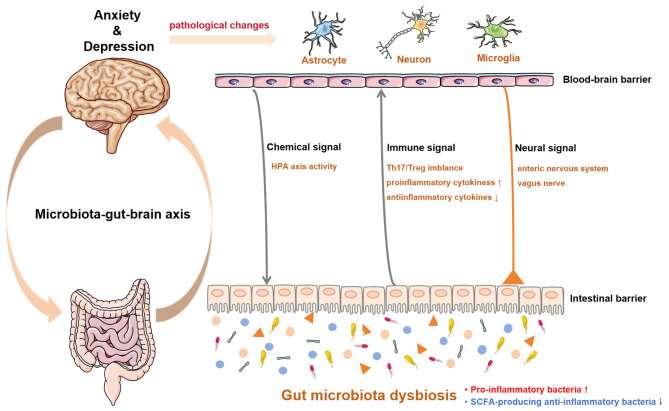
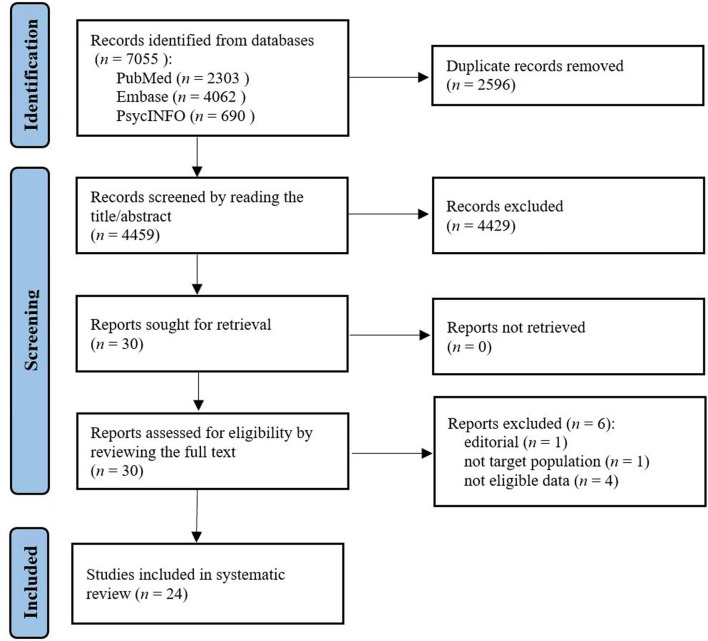
OBJECTIVE: The aim of this study is to investigate the characteristics of gut microbiota in depression and anxiety through a systematic review. METHODS: Articles were searched in the PubMed, Embase, and PsycINFO databases from their inception to February 12th, 2023. Case-control studies on the characteristics of gut microbiota in depression and anxiety were included. Methodological quality assessment of included studies was performed using the Newcastle-Ottawa Scale (NOS). A qualitative synthesis was conducted to assess bacterial diversity (α- and β-diversity) and taxa abundance differences at the phylum, family, and genus levels. RESULTS: A total of 24 articles were included in the systematic review, 20 studies were conducted in China. Our results showed that the findings of the α- and β-diversity assessments were inconsistent for both depression and anxiety. In gut microbiota composition, we found that depression and anxiety were characterized by an enrichment of pro-inflammatory bacteria and a depletion of anti-inflammatory SCFAs-producing bacteria. Specifically, Actinobacteria, Proteobacteria, Rikenellaceae, Porphyromonadaceae and Bifidobacteriaceae were more abundant in the depression group, as well as Firmicutes, Prevotellacea and Ruminococcaceae in lower abundance. In the anxiety group, the abundance of Firmicutes, Lachnospira, Faecalibacterium, Sutterella, and Butyricicoccus was lower, while the abundance of Bacteroidetes, Enterobacteriaceae, and Fusobacterium was increased. CONCLUSIONS: The systematic review found that depression and anxiety might be characterized by an enrichment of pro-inflammatory bacteria and the depletion of anti-inflammatory SCFAs-producing bacteria. However, there were conflicting reports on the abundance of bacteria due to confounders such as diet and psychotropic medications. Further studies are strongly suggested. CLINICAL TRIAL NUMBER: Not applicable.
Overview
The claims and statistics of this paper haven’t been checked yet.
Free: it reads the open-access text and checks the first 5 claims that cite a source we can check. Create a free account to check every claim.
Integrity signals
Registry
Cites
Statistics
Figures
Verification
Claims the paper makes
The claims and statistics of this paper haven’t been checked yet.
Free: it reads the open-access text and checks the first 5 claims that cite a source we can check. Create a free account to check every claim.
Claims other papers make about this one
Each is checked against this paper’s own text: does it say what the citing paper says it does?
The source backs part of the claim, not all of it — or backs it for a different population, condition or comparison.
In the citing paper
“Higher Firmicutes abundance has been associated with reduced depressive and anxiety symptoms through enhanced butyrate production, which modulates the gut-brain axis and alleviates neuroinflammation [49,50].”
From The Impact of Weizmannia coagulans BC99 on Anxiety and Depression: An 8-Week Clinical Pilot Study Through the Gut Microbiota–Brain Axis (2025) · cites this paper as [49]
Experimental — accuracy not yet measured
Self-check
Percentages, sums and reported differences re-computed from the paper’s own numbers.
The self-check needs the paper’s full text.
Citations
Cites
Human gut microbiome viewed across age and geography
Yatsunenko, T., Rey, F. E., Manary, M. J., Trehan, I., Dominguez-Bello, M. G., Contreras, M., Magris, M., Hidalgo, G., Baldassano, R. N., Anokhin, A. P., et al. (2012) · Nature · doi:10.1038/nature11053 · Cited by 7,815 · cited 1×
“First, geographic region and diet could affect the composition of the microbiome [72, 73].”
Santomauro, D. F., Mantilla Herrera, A. M., Shadid, J., Zheng, P., Ashbaugh, C., Pigott, D. M., Abbafati, C., Adolph, C., Amlag, J. O., Aravkin, A. Y., et al. (2021) · The Lancet · doi:10.1016/s0140-6736(21)02143-7 · Cited by 5,444 · cited 1×
“According to the Global Burden of Disease analysis, depression and anxiety are major contributors to global health burden [5].”
Cryan, J. F., O'Riordan, K. J., Cowan, C. S. M., Sandhu, K. V., Bastiaanssen, T. F. S., Boehme, M., Codagnone, M. G., Cussotto, S., Fulling, C., Golubeva, A. V., et al. (2019) · Physiological Reviews · doi:10.1152/physrev.00018.2018 · Cited by 5,286 · cited 1×
“The increased abundance of Parabacteroides , Oscillibacter , and Eggerthella has been correlated with persistent chronic stress responses, whereas elevated Streptococcus levels are associated with sustained neuroinflammation and increased oxidative stress [14, 15, 32, 33, 38, 66, 67, 68].”
Sokol, H., Pigneur, B., Watterlot, L., Lakhdari, O., Bermúdez-Humarán, L. G., Gratadoux, J.-J., Blugeon, S., Bridonneau, C., Furet, J.-P., Corthier, G., et al. (2008) · Proceedings of the National Academy of Sciences · doi:10.1073/pnas.0804812105 · Cited by 4,413
The Role of Short-Chain Fatty Acids From Gut Microbiota in Gut-Brain Communication
Silva, Y. P., Bernardi, A., & Frozza, R. L. (2020) · Frontiers in Endocrinology · doi:10.3389/fendo.2020.00025 · Cited by 3,043 · cited 1×
“In summary, the mechanisms of gut microbiota changes in anxiety and depression involve stress response pathways, immune-inflammatory regulation, metabolic responses, and neurotransmitter alterations, while also impacting intestinal barrier function [13, 64, 69, 70, 71].”
Gut–brain axis: How the microbiome influences anxiety and depression
Foster, J. A., & McVey Neufeld, K.-A. (2013) · Trends in Neurosciences · doi:10.1016/j.tins.2013.01.005 · Cited by 2,460 · cited 2×
“In summary, the mechanisms of gut microbiota changes in anxiety and depression involve stress response pathways, immune-inflammatory regulation, metabolic responses, and neurotransmitter alterations, while also impacting intestinal barrier function [13, 64, 69, 70, 71].”
The role of short chain fatty acids in health and disease
Tan, J., McKenzie, C., Potamitis, M., Thorburn, A. N., Mackay, C. R., & Macia, L. (2014) · Advances in immunology · doi:10.1016/b978-0-12-800100-4.00003-9 · Cited by 2,425 · cited 1×
“Short-chain fatty acids are involved in protecting gastrointestinal mucosa, reducing pro-inflammatory factors and increasing anti-inflammatory mediators [45, 46].”
Altered fecal microbiota composition in patients with major depressive disorder
Jiang, H., Ling, Z., Zhang, Y., Mao, H., Ma, Z., Yin, Y., Wang, W., Tang, W., Tan, Z., Shi, J., et al. (2015) · Brain, Behavior, and Immunity · doi:10.1016/j.bbi.2015.03.016 · Cited by 2,275 · cited 8×
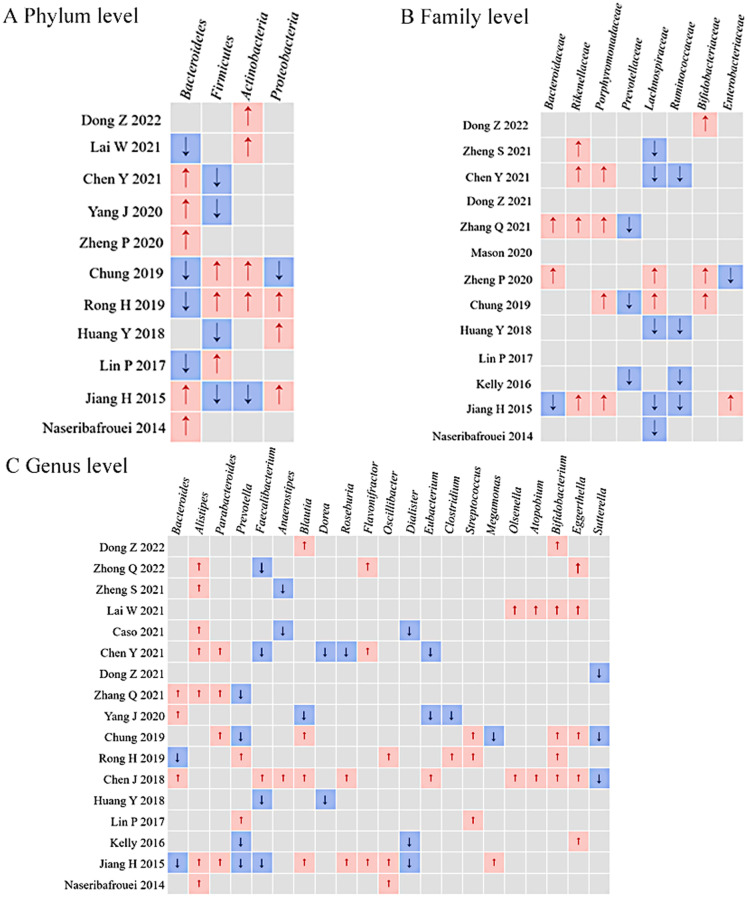
“…family level, five gut microbiota showed consistent results, including Rikenellaceae (4 studies) [21, 24, 25, 33], Porphyromonadaceae (4 studies) [24, 25, 28, 33], Prevotellaceae (3 studies) [15, 25, 28], Ruminococcaceae (4 studies) [15, 24, 31, 33] and Bifidobacteriaceae (3 studies) [18, 27, 28].”
InfluentialShotgun metagenomics, from sampling to analysis
Quince, C., Walker, A. W., Simpson, J. T., Loman, N. J., & Segata, N. (2017) · Nature Biotechnology · doi:10.1038/nbt.3935 · Cited by 2,202
Chang, P. V., Hao, L., Offermanns, S., & Medzhitov, R. (2014) · Proceedings of the National Academy of Sciences · doi:10.1073/pnas.1322269111 · Cited by 2,175 · cited 1×
“Short-chain fatty acids are involved in protecting gastrointestinal mucosa, reducing pro-inflammatory factors and increasing anti-inflammatory mediators [45, 46].”
The Bidirectional Relationship of Depression and Inflammation: Double Trouble
Beurel, E., Toups, M., & Nemeroff, C. B. (2020) · Neuron · doi:10.1016/j.neuron.2020.06.002 · Cited by 2,136
Zheng, P., Zeng, B., Zhou, C., Liu, M., Fang, Z., Xu, X., Zeng, L., Chen, J., Fan, S., Du, X., et al. (2016) · Molecular Psychiatry · doi:10.1038/mp.2016.44 · Cited by 2,023 · cited 1×
“The increased abundance of Parabacteroides , Oscillibacter , and Eggerthella has been correlated with persistent chronic stress responses, whereas elevated Streptococcus levels are associated with sustained neuroinflammation and increased oxidative stress [14, 15, 32, 33, 38, 66, 67, 68].”
The neuroactive potential of the human gut microbiota in quality of life and depression
Valles-Colomer, M., Falony, G., Darzi, Y., Tigchelaar, E. F., Wang, J., Tito, R. Y., Schiweck, C., Kurilshikov, A., Joossens, M., Wijmenga, C., et al. (2019) · Nature Microbiology · doi:10.1038/s41564-018-0337-x · Cited by 1,963 · cited 4×
“The reduced abundance of Ruminococcaceae and Faecalibacterium was associated with weakened anti-inflammatory effects, often accompanied by decreased butyrate production, suppressed Treg cell differentiation, and impaired intestinal barrier integrity [33, 38, 59].”
InfluentialKelly, J. R., Borre, Y., O' Brien, C., Patterson, E., El Aidy, S., Deane, J., Kennedy, P. J., Beers, S., Scott, K., Moloney, G., et al. (2016) · Journal of Psychiatric Research · doi:10.1016/j.jpsychires.2016.07.019 · Cited by 1,683 · cited 8×
“…family level, five gut microbiota showed consistent results, including Rikenellaceae (4 studies) [21, 24, 25, 33], Porphyromonadaceae (4 studies) [24, 25, 28, 33], Prevotellaceae (3 studies) [15, 25, 28], Ruminococcaceae (4 studies) [15, 24, 31, 33] and Bifidobacteriaceae (3 studies) [18, 27, 28].”
InfluentialThe microbiology of butyrate formation in the human colon
Pryde, S. E., Duncan, S. H., Hold, G. L., Stewart, C. S., & Flint, H. J. (2002) · FEMS Microbiology Letters · doi:10.1111/j.1574-6968.2002.tb11467.x · Cited by 1,320
Lupp, C., Robertson, M. L., Wickham, M. E., Sekirov, I., Champion, O. L., Gaynor, E. C., & Finlay, B. B. (2007) · Cell Host & Microbe · doi:10.1016/j.chom.2007.06.010 · Cited by 1,307
GABA-modulating bacteria of the human gut microbiota
Strandwitz, P., Kim, K. H., Terekhova, D., Liu, J. K., Sharma, A., Levering, J., McDonald, D., Dietrich, D., Ramadhar, T. R., Lekbua, A., et al. (2018) · Nature Microbiology · doi:10.1038/s41564-018-0307-3 · Cited by 1,170 · cited 1×
“Similarly, the reduced abundance of Prevotellaceae was linked to abnormal neurotransmitter metabolism, including reduced GABA synthesis, altered tryptophan metabolic pathways, and heightened neuroinflammatory responses [60].”
Stress & the gut-brain axis: Regulation by the microbiome
Foster, J. A., Rinaman, L., & Cryan, J. F. (2017) · Neurobiology of Stress · doi:10.1016/j.ynstr.2017.03.001 · Cited by 1,150 · cited 1×
“The significant increase in Enterobacteriaceae is positively associated with acute stress response [65].”
Bailey, M. T., Dowd, S. E., Galley, J. D., Hufnagle, A. R., Allen, R. G., & Lyte, M. (2011) · Brain, Behavior, and Immunity · doi:10.1016/j.bbi.2010.10.023 · Cited by 1,123 · cited 1×
“The increased abundance of Parabacteroides , Oscillibacter , and Eggerthella has been correlated with persistent chronic stress responses, whereas elevated Streptococcus levels are associated with sustained neuroinflammation and increased oxidative stress [14, 15, 32, 33, 38, 66, 67, 68].”
Kelly, J. R., Kennedy, P. J., Cryan, J. F., Dinan, T. G., Clarke, G., & Hyland, N. P. (2015) · Frontiers in Cellular Neuroscience · doi:10.3389/fncel.2015.00392 · Cited by 1,110 · cited 1×
“In summary, the mechanisms of gut microbiota changes in anxiety and depression involve stress response pathways, immune-inflammatory regulation, metabolic responses, and neurotransmitter alterations, while also impacting intestinal barrier function [13, 64, 69, 70, 71].”
Correlation between the human fecal microbiota and depression
Naseribafrouei, A., Hestad, K., Avershina, E., Sekelja, M., Linløkken, A., Wilson, R., & Rudi, K. (2014) · Neurogastroenterology & Motility · doi:10.1111/nmo.12378 · Cited by 1,044 · cited 9×
“Among them, 19 studies were patients with depression (MDD: n = 16; No specific type: n = 3) [14–33], 3 studies were patients with GAD(Generalized anxiety disorder) [34–35, 36] , and 2 studies”
InfluentialPhylogenetic Relationships of Butyrate-Producing Bacteria from the Human Gut
Barcenilla, A., Pryde, S. E., Martin, J. C., Duncan, S. H., Stewart, C. S., Henderson, C., & Flint, H. J. (2000) · Applied and Environmental Microbiology · doi:10.1128/aem.66.4.1654-1661.2000 · Cited by 995 · cited 1×
“As a SCFA, butyrate is the main energy source of intestinal cells, mainly produced by Ruminococcaceae and Lach-nospiraceae [53–55], and enhances the integrity of the intestinal barrier by inhibiting inflammation [56].”
Colucci-D’Amato, L., Speranza, L., & Volpicelli, F. (2020) · International Journal of Molecular Sciences · doi:10.3390/ijms21207777 · Cited by 991
The gut microbiota in anxiety and depression—A systematic review
Simpson, C. A., Diaz-Arteche, C., Eliby, D., Schwartz, O. S., Simmons, J. G., & Cowan, C. S. M. (2021) · Clinical Psychology Review · doi:10.1016/j.cpr.2020.101943 · Cited by 912 · cited 5×
“Previous studies examining the characteristics of gut microbiota in depression and anxiety included diverse populations, such as individuals with depression and anxiety, normal individuals experiencing negative emotions, and pregnant women with mental stress [13].”
InfluentialThe neuropharmacology of butyrate: the bread and butter of the microbiota-gut-brain axis
Stilling, R. M., van de Wouw, M., Clarke, G., Stanton, C., Dinan, T. G., & Cryan, J. F. (2016) · Neurochemistry International · doi:10.1016/j.neuint.2016.06.011 · Cited by 891 · cited 2×
“As a SCFA, butyrate is the main energy source of intestinal cells, mainly produced by Ruminococcaceae and Lach-nospiraceae [53–55], and enhances the integrity of the intestinal barrier by inhibiting inflammation [56].”
Prevalence of depressive disorders and treatment in China: a cross-sectional epidemiological study
Lu, J., Xu, X., Huang, Y., Li, T., Ma, C., Xu, G., Yin, H., Xu, X., Ma, Y., Wang, L., et al. (2021) · The Lancet Psychiatry · doi:10.1016/s2215-0366(21)00251-0 · Cited by 844 · cited 4×
“Studies were excluded if they met the following criteria: [1] Patients with depression or anxiety complicated with irritable bowel syndrome, inflammatory bowel disease or other diseases; [2] Data cannot be extracted; [3] Full texts were not available.”
InfluentialSelf-citationDeschasaux, M., Bouter, K. E., Prodan, A., Levin, E., Groen, A. K., Herrema, H., Tremaroli, V., Bakker, G. J., Attaye, I., Pinto-Sietsma, S.-J., et al. (2018) · Nature Medicine · doi:10.1038/s41591-018-0160-1 · Cited by 695 · cited 1×
“First, geographic region and diet could affect the composition of the microbiome [72, 73].”
(2000) · PubMed · Cited by 685
Gut microbiota and its metabolites in depression: from pathogenesis to treatment
Liu, L., Wang, H., Chen, X., Zhang, Y., Zhang, H., & Xie, P. (2023) · eBioMedicine · doi:10.1016/j.ebiom.2023.104527 · Cited by 655 · cited 2×
“1) [11, 12].”
Systematic Review of Gut Microbiota and Major Depression
Cheung, S. G., Goldenthal, A. R., Uhlemann, A.-C., Mann, J. J., Miller, J. M., & Sublette, M. E. (2019) · Frontiers in Psychiatry · doi:10.3389/fpsyt.2019.00034 · Cited by 597 · cited 1×
“This elevation was linked to enhanced oxidative stress, which promotes LPS production, increases inflammatory factor expression, and negatively impacts neuroplasticity [61, 62].”
Faecalibacterium: a bacterial genus with promising human health applications
Martín, R., Rios-Covian, D., Huillet, E., Auger, S., Khazaal, S., Bermúdez-Humarán, L. G., Sokol, H., Chatel, J.-M., & Langella, P. (2023) · FEMS Microbiology Reviews · doi:10.1093/femsre/fuad039 · Cited by 566
Lupp, C., Robertson, M. L., Wickham, M. E., Sekirov, I., Champion, O. L., Gaynor, E. C., & Finlay, B. B. (2007) · Cell Host & Microbe · doi:10.1016/j.chom.2007.08.002 · Cited by 501 · cited 1×
“The elevated levels of Enterobacteriaceae could induce inflammation and increase intestinal permeability [51].”
Gut Microbiota and Inflammation
Hakansson, A., & Molin, G. (2011) · Nutrients · doi:10.3390/nu3060637 · Cited by 455 · cited 1×
“LPS interacts with macrophages to stimulate the immune response by releasing proinflammatory cytokines [40].”
Altered Composition of Gut Microbiota in Depression: A Systematic Review
Barandouzi, Z. A., Starkweather, A. R., Henderson, W. A., Gyamfi, A., & Cong, X. S. (2020) · Frontiers in Psychiatry · doi:10.3389/fpsyt.2020.00541 · Cited by 454 · cited 1×
“Consistent with previous studies [13, 39], the higher abundance of Parabacteroides , Oscillibacter , Streptococcus , Bifidobacterium and Eggerthella , and the lower abundance of Prevotellaceae , Ruminococcaceae and Faecalibacterium has been reported to be associated with depression in our study.”
Altered gut microbiota profile in patients with generalized anxiety disorder
Jiang, H.-Y., Zhang, X., Yu, Z.-H., Zhang, Z., Deng, M., Zhao, J.-H., & Ruan, B. (2018) · Journal of Psychiatric Research · doi:10.1016/j.jpsychires.2018.07.007 · Cited by 408 · cited 5×
“Among them, 19 studies were patients with depression (MDD: n = 16; No specific type: n = 3) [14–33], 3 studies were patients with GAD(Generalized anxiety disorder) [34–35, 36] , and 2 studies”
InfluentialLandscapes of bacterial and metabolic signatures and their interaction in major depressive disorders
Yang, J., Zheng, P., Li, Y., Wu, J., Tan, X., Zhou, J., Sun, Z., Chen, X., Zhang, G., Zhang, H., et al. (2020) · Science Advances · doi:10.1126/sciadv.aba8555 · Cited by 407 · cited 4×
“First, we searched and included a large number of studies published in recent years [17–26, 34, 37].”
InfluentialGalley, J. D., Nelson, M. C., Yu, Z., Dowd, S. E., Walter, J., Kumar, P. S., Lyte, M., & Bailey, M. T. (2014) · BMC Microbiology · doi:10.1186/1471-2180-14-189 · Cited by 400 · cited 1×
“Anxiety typically manifests as an acute stress response, involving rapid activation of the sympathetic nervous system, acute HPA axis stimulation, and acute inflammatory responses [63, 64].”
Gut microbiome and depression: what we know and what we need to know
Winter, G., Hart, R. A., Charlesworth, R. P. G., & Sharpley, C. F. (2018) · Reviews in the Neurosciences · doi:10.1515/revneuro-2017-0072 · Cited by 394 · cited 1×
“This elevation was linked to enhanced oxidative stress, which promotes LPS production, increases inflammatory factor expression, and negatively impacts neuroplasticity [61, 62].”
Brain–gut–microbiota axis in depression: A historical overview and future directions
Chang, L., Wei, Y., & Hashimoto, K. (2022) · Brain Research Bulletin · doi:10.1016/j.brainresbull.2022.02.004 · Cited by 377 · cited 2×
“1) [11, 12].”
Gut microbiota and major depressive disorder: a systematic review and meta-analysis
Sanada, K., Nakajima, S., Kurokawa, S., Barceló-Soler, A., Ikuse, D., Hirata, A., Yoshizawa, A., Tomizawa, Y., Salas-Valero, M., Noda, Y., et al. (2020) · Journal of Affective Disorders · doi:10.1016/j.jad.2020.01.102 · Cited by 372 · cited 1×
“As 16 S rRNA sequencing is well-suited for large-scale studies, the results from studies with small sample sizes need to be interpreted with caution [74].”
Lin, P., Ding, B., Feng, C., Yin, S., Zhang, T., Qi, X., Lv, H., Guo, X., Dong, K., Zhu, Y., et al. (2017) · Journal of Affective Disorders · doi:10.1016/j.jad.2016.09.051 · Cited by 311 · cited 4×
“A Table 3 Summary of bacterial diversity assessments of the included studies lower abundance of Bacteroidetes (4 of 9 studies) [22, 28, 29, 32] and Firmicutes (4 of 7 studies) in depression was observed.”
InfluentialPossible association of Firmicutes in the gut microbiota of patients with major depressive disorder
Huang, Y., Shi, X., Li, Z., Shen, Y., Shi, X., Wang, L., Li, G., Yuan, Y., Wang, J., Zhang, Y., et al. (2018) · Neuropsychiatric Disease and Treatment · doi:10.2147/ndt.s188340 · Cited by 307 · cited 7×
“…family level, five gut microbiota showed consistent results, including Rikenellaceae (4 studies) [21, 24, 25, 33], Porphyromonadaceae (4 studies) [24, 25, 28, 33], Prevotellaceae (3 studies) [15, 25, 28], Ruminococcaceae (4 studies) [15, 24, 31, 33] and Bifidobacteriaceae (3 studies) [18, 27, 28].”
InfluentialOhkusa, T., Okayasu, I., Ogihara, T., Morita, K., Ogawa, M., & Sato, N. (2003) · Gut · doi:10.1136/gut.52.1.79 · Cited by 300 · cited 1×
“In the study by Hai-yin Jiang et al., Fusobacterium , as Gram-negative anaerobic bacteria, showed invasive and pro-inflammatory properties related to immune activation [57, 58].”
Sex differences in gut microbiota in patients with major depressive disorder
Chen, J.-J., Zheng, P., Liu, Y.-Y., Zhong, X.-G., Wang, H.-Y., Guo, Y.-J., & Xie, P. (2018) · Neuropsychiatric Disease and Treatment · doi:10.2147/ndt.s159322 · Cited by 272 · cited 8×
“…Flavonifractor (3 studies) [20, 24, 33], Oscillibacter (3 studies) [14, 29, 33], Streptococcus (3 studies) [28, 29, 32], Olsenella (2 studies) [22, 30], Atopobium (2 studies) [22, 30], Bifidobacterium (5 studies) [18, 22, 28, 29, 30] and Eggerthella (5 studies) [15, 20, 22, 28, 30] and the…”
InfluentialHuman gut bacterial metabolism drives Th17 activation and colitis
Alexander, M., Ang, Q. Y., Nayak, R. R., Bustion, A. E., Sandy, M., Zhang, B., Upadhyay, V., Pollard, K. S., Lynch, S. V., & Turnbaugh, P. J. (2022) · Cell Host & Microbe · doi:10.1016/j.chom.2021.11.001 · Cited by 260 · cited 1×
“Studies have found that Eggerthella induces intestinal inflammation by activating Th17 cells [41].”
Clinical features of treatment-resistant depression.
Kornstein, S. G., & Schneider, R. K. (2001) · PubMed · Cited by 258
Berlim, M. T., & Turecki, G. (2007) · European Neuropsychopharmacology · doi:10.1016/j.euroneuro.2007.03.009 · Cited by 249 · cited 1×
“However, approximately 30% of Major depressive disorder (MDD) patients do not respond to monoamine anti-depressants [9, 10].”
The microbiota-immune axis as a central mediator of gut-brain communication
Fung, T. C. (2020) · Neurobiology of Disease · doi:10.1016/j.nbd.2019.104714 · Cited by 230 · cited 1×
“In summary, the mechanisms of gut microbiota changes in anxiety and depression involve stress response pathways, immune-inflammatory regulation, metabolic responses, and neurotransmitter alterations, while also impacting intestinal barrier function [13, 64, 69, 70, 71].”
Chen, Y., Liu, Y., Wang, Y., Chen, X., Wang, C., Chen, X., Yuan, X., Liu, L., Yang, J., & Zhou, X. (2022) · Journal of Experimental & Clinical Cancer Research · doi:10.1186/s13046-021-02201-4 · Cited by 224 · cited 1×
“Prevotellaceae , Faecalibac-terium and Ruminococcaceae can produce short-chain fatty acids (SCFA) such as acetic acid and butyric acid [42–44].”
Chen, Y.-H., Bai, J., Wu, D., Yu, S.-F., Qiang, X.-L., Bai, H., Wang, H.-N., & Peng, Z.-W. (2019) · Journal of Affective Disorders · doi:10.1016/j.jad.2019.08.014 · Cited by 218 · cited 6×
“Among them, 19 studies were patients with depression (MDD: n = 16; No specific type: n = 3) [14–33], 3 studies were patients with GAD(Generalized anxiety disorder) [34–35, 36] , and 2 studies”
InfluentialFrémont, M., Coomans, D., Massart, S., & De Meirleir, K. (2013) · Anaerobe · doi:10.1016/j.anaerobe.2013.06.002 · Cited by 208 · cited 1×
“It was shown that Alistipes abundance significantly increased when mice were exposed to stress [48].”
Genomics and ecological overview of the genus Bifidobacterium
Turroni, F., van Sinderen, D., & Ventura, M. (2011) · International Journal of Food Microbiology · doi:10.1016/j.ijfoodmicro.2010.12.010 · Cited by 196 · cited 1×
“Bifidobacterium can form different ecological relationships with its host, ranging from opportunistic pathogenic interactions to symbiotic and even health-promoting relationships [47].”
Exploration of microbiota targets for major depressive disorder and mood related traits
Chung, Y.-C. E., Chen, H.-C., Chou, H.-C. L., Chen, I.-M., Lee, M.-S., Chuang, L.-C., Liu, Y.-W., Lu, M.-L., Chen, C.-H., Wu, C.-S., et al. (2019) · Journal of Psychiatric Research · doi:10.1016/j.jpsychires.2019.01.016 · Cited by 194 · cited 7×
“A Table 3 Summary of bacterial diversity assessments of the included studies lower abundance of Bacteroidetes (4 of 9 studies) [22, 28, 29, 32] and Firmicutes (4 of 7 studies) in depression was observed.”
InfluentialRong, H., Xie, X.-H., Zhao, J., Lai, W.-T., Wang, M.-B., Xu, D., Liu, Y.-H., Guo, Y.-Y., Xu, S.-X., Deng, W.-F., et al. (2019) · Journal of Psychiatric Research · doi:10.1016/j.jpsychires.2019.03.017 · Cited by 185 · cited 7×
“A Table 3 Summary of bacterial diversity assessments of the included studies lower abundance of Bacteroidetes (4 of 9 studies) [22, 28, 29, 32] and Firmicutes (4 of 7 studies) in depression was observed.”
InfluentialGut Microbial Signatures Can Discriminate Unipolar from Bipolar Depression
Zheng, P., Yang, J., Li, Y., Wu, J., Liang, W., Yin, B., Tan, X., Huang, Y., Chai, T., Zhang, H., et al. (2020) · Advanced Science · doi:10.1002/advs.201902862 · Cited by 175 · cited 5×
“…family level, five gut microbiota showed consistent results, including Rikenellaceae (4 studies) [21, 24, 25, 33], Porphyromonadaceae (4 studies) [24, 25, 28, 33], Prevotellaceae (3 studies) [15, 25, 28], Ruminococcaceae (4 studies) [15, 24, 31, 33] and Bifidobacteriaceae (3 studies) [18, 27, 28].”
InfluentialXie, J., Li, L., Dai, T., Qi, X., Wang, Y., Zheng, T., Gao, X., Zhang, Y., Ai, Y., Ma, L., et al. (2021) · Molecular Nutrition & Food Research · doi:10.1002/mnfr.202100408 · Cited by 174 · cited 1×
“Prevotellaceae , Faecalibac-terium and Ruminococcaceae can produce short-chain fatty acids (SCFA) such as acetic acid and butyric acid [42–44].”
Darnaud, M., Dos Santos, A., Gonzalez, P., Augui, S., Lacoste, C., Desterke, C., De Hertogh, G., Valentino, E., Braun, E., Zheng, J., et al. (2018) · Gastroenterology · doi:10.1053/j.gastro.2017.11.003 · Cited by 151
Lai, W.-T., Deng, W.-F., Xu, S.-X., Zhao, J., Xu, D., Liu, Y.-H., Guo, Y.-Y., Wang, M.-B., He, F.-S., Ye, S.-W., et al. (2021) · Psychological Medicine · doi:10.1017/s0033291719003027 · Cited by 146 · cited 7×
“A Table 3 Summary of bacterial diversity assessments of the included studies lower abundance of Bacteroidetes (4 of 9 studies) [22, 28, 29, 32] and Firmicutes (4 of 7 studies) in depression was observed.”
InfluentialReduced anti-inflammatory gut microbiota are associated with depression and anhedonia
Mason, B. L., Li, Q., Minhajuddin, A., Czysz, A. H., Coughlin, L. A., Hussain, S. K., Koh, A. Y., & Trivedi, M. H. (2020) · Journal of Affective Disorders · doi:10.1016/j.jad.2020.01.137 · Cited by 126 · cited 5×
“There were 20 studies from China, and 4 studies from Norway [14], Ireland [15], USA [16] and Spain [17], respectively.”
InfluentialCaso, J. R., MacDowell, K. S., González-Pinto, A., García, S., de Diego-Adeliño, J., Carceller-Sindreu, M., Sarramea, F., Caballero-Villarraso, J., Gracia-García, P., De la Cámara, C., et al. (2021) · Translational Psychiatry · doi:10.1038/s41398-021-01755-3 · Cited by 107 · cited 7×
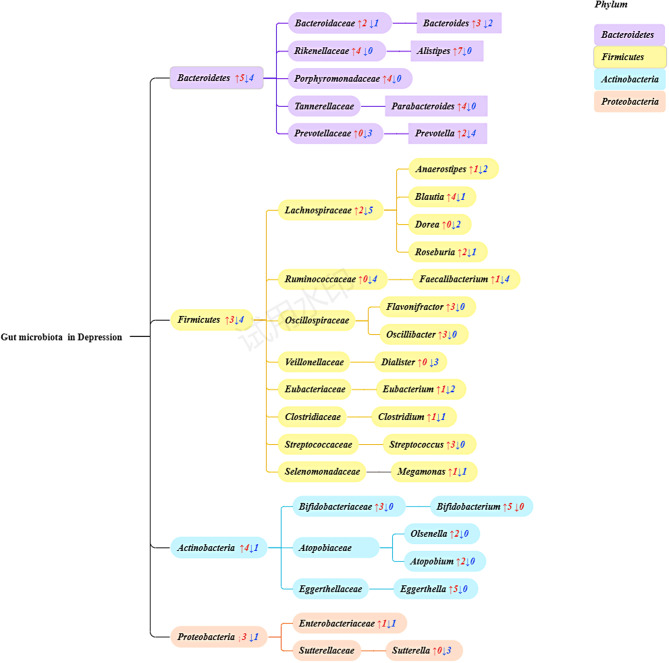
“4 Tree gram of the gut microbiota in depressive disorders (4 of 5 studies) [20, 24, 31, 33], Anaerostipes (2 of 3 studies) [17, 21], and Eubacterium (2 of 3 studies) [24, 26].”
InfluentialNeuronal and behavioral plasticity: the role of serotonin and BDNF systems tandem
Popova, N. K., & Naumenko, V. S. (2019) · Expert Opinion on Therapeutic Targets · doi:10.1080/14728222.2019.1572747 · Cited by 105 · cited 1×
“Current research mainly focuses on the monoamine hypothesis, brain-derived neurotrophic factor (BDNF) cascade, and inflammatory response [6–8].”
Sherry, C. L., Kim, S. S., Dilger, R. N., Bauer, L. L., Moon, M. L., Tapping, R. I., Fahey, G. C., Tappenden, K. A., & Freund, G. G. (2010) · Brain, Behavior, and Immunity · doi:10.1016/j.bbi.2010.01.015 · Cited by 88
Gut Microbiome Composition Associated With Major Depressive Disorder and Sleep Quality
Zhang, Q., Yun, Y., An, H., Zhao, W., Ma, T., Wang, Z., & Yang, F. (2021) · Frontiers in Psychiatry · doi:10.3389/fpsyt.2021.645045 · Cited by 88 · cited 7×
“…family level, five gut microbiota showed consistent results, including Rikenellaceae (4 studies) [21, 24, 25, 33], Porphyromonadaceae (4 studies) [24, 25, 28, 33], Prevotellaceae (3 studies) [15, 25, 28], Ruminococcaceae (4 studies) [15, 24, 31, 33] and Bifidobacteriaceae (3 studies) [18, 27, 28].”
InfluentialChen, Y.-H., Xue, F., Yu, S.-F., Li, X.-S., Liu, L., Jia, Y.-Y., Yan, W.-J., Tan, Q.-R., Wang, H.-N., & Peng, Z.-W. (2021) · Journal of Affective Disorders · doi:10.1016/j.jad.2020.12.143 · Cited by 79 · cited 8×
“…family level, five gut microbiota showed consistent results, including Rikenellaceae (4 studies) [21, 24, 25, 33], Porphyromonadaceae (4 studies) [24, 25, 28, 33], Prevotellaceae (3 studies) [15, 25, 28], Ruminococcaceae (4 studies) [15, 24, 31, 33] and Bifidobacteriaceae (3 studies) [18, 27, 28].”
InfluentialFusobacterial infections: an underestimated threat.
ROBERTS, G. (2000) · PubMed · Cited by 76
Gut microbiome: A potential indicator for predicting treatment outcomes in major depressive disorder
Dong, Z., Shen, X., Hao, Y., Li, J., Xu, H., Li, Y., & Kuang, W. (2022) · Frontiers in Neuroscience · doi:10.3389/fnins.2022.813075 · Cited by 75 · cited 7×
“…family level, five gut microbiota showed consistent results, including Rikenellaceae (4 studies) [21, 24, 25, 33], Porphyromonadaceae (4 studies) [24, 25, 28, 33], Prevotellaceae (3 studies) [15, 25, 28], Ruminococcaceae (4 studies) [15, 24, 31, 33] and Bifidobacteriaceae (3 studies) [18, 27, 28].”
InfluentialDong, Z., Shen, X., Hao, Y., Li, J., Li, H., Xu, H., Yin, L., & Kuang, W. (2021) · Frontiers in Psychiatry · doi:10.3389/fpsyt.2021.651536 · Cited by 66 · cited 9×
“There was no significant difference in alpha diversity between patients with depression and healthy participants in 16 of 21 studies [14–30, 34, 37].”
InfluentialDifferential Gut Microbiota Compositions Related With the Severity of Major Depressive Disorder
Zhong, Q., Chen, J., Wang, Y., Shao, W., Zhou, C., & Xie, P. (2022) · Frontiers in Cellular and Infection Microbiology · doi:10.3389/fcimb.2022.907239 · Cited by 64 · cited 6×
“4 Tree gram of the gut microbiota in depressive disorders (4 of 5 studies) [20, 24, 31, 33], Anaerostipes (2 of 3 studies) [17, 21], and Eubacterium (2 of 3 studies) [24, 26].”
InfluentialZheng, S., Zhu, Y., Wu, W., Zhang, Q., Wang, Y., Wang, Z., & Yang, F. (2021) · Brain and Behavior · doi:10.1002/brb3.2036 · Cited by 57 · cited 5×
“4 Tree gram of the gut microbiota in depressive disorders (4 of 5 studies) [20, 24, 31, 33], Anaerostipes (2 of 3 studies) [17, 21], and Eubacterium (2 of 3 studies) [24, 26].”
InfluentialCoello, K., Hansen, T. H., Sørensen, N., Ottesen, N. M., Miskowiak, K. W., Pedersen, O. B., Kessing, L. V., & Vinberg, M. (2021) · Progress in Neuro-Psychopharmacology and Biological Psychiatry · doi:10.1016/j.pnpbp.2021.110300 · Cited by 56 · cited 1×
“Studies have found that Flavonifractor is highly abundant in affective disorders, which may be related to its enhancement of oxidative stress and low grade inflammation [49].”
Bai, S., Xie, J., Bai, H., Tian, T., Zou, T., & Chen, J.-J. (2021) · Journal of Inflammation Research · doi:10.2147/jir.s324922 · Cited by 51
Cheng, Y., Wang, Y., Zhang, W., Yin, J., Dong, J., & Liu, J. (2022) · Medicine · doi:10.1097/md.0000000000028910 · Cited by 24 · cited 8×
“Among them, 19 studies were patients with depression (MDD: n = 16; No specific type: n = 3) [14–33], 3 studies were patients with GAD(Generalized anxiety disorder) [34–35, 36] , and 2 studies”
InfluentialSelf-citationDifferences in Anxiety Levels of Various Murine Models in Relation to the Gut Microbiota Composition
Huang, E., Kang, S., Park, H., Park, S., Ji, Y., & Holzapfel, W. H. (2018) · Biomedicines · doi:10.3390/biomedicines6040113 · Cited by 21 · cited 1×
“Consistent with our results, an animal experiment showed that Firmicutes levels were significantly reduced in mice with higher level of anxiety [50].”
Li, X., Jing, K., Lu, H., Li, K., Zhang, Y., & Hasichaolu, H. (2022) · BioMed Research International · doi:10.1155/2022/6334868 · Cited by 18 · cited 1×
“However, four studies showed that α-diversity was lower in the depression patients groups compared with control groups [15, 19, 29, 31].”
Cited by
The gut–brain–circadian axis in anxiety and depression: a critical review
Bautista, J., Hidalgo‐Tinoco, C., Delgado, M. D. C., Viteri-Recalde, J., Guerra-Guerrero, A., & López‐Cortés, A. (2025) · Frontiers in Psychiatry · doi:10.3389/fpsyt.2025.1697200 · Cited by 48
“The gut microbiome has emerged as a central determinant of neuropsychiatric health, with speci fi c microbial taxa and their metabolites increasingly recognized as candidate biomarkers for anxiety and depression (163).”
Eskandar, K. (2025) · Middle East Current Psychiatry · doi:10.1186/s43045-025-00585-z · Cited by 15
Gut–brain axis in health and brain disease
Olasunkanmi, O. I., Zheng, L., & Zheng, P. (2026) · Chinese Medical Journal · doi:10.1097/cm9.0000000000003920 · Cited by 14
“Supporting these findings, a systematic review by Cao et al [187] evaluated 24 clinical and observational studies, identifying consistent patterns of increased pro-inflammatory bacteria and decreased SCFA-producing taxa in depressive and anxious populations.”
Zhao, Y., Song, T., Ren, P., Wu, X., Luo, Q., Xie, J., Lai, H., Li, X., Wen, Y., Liao, X.-X., et al. (2025) · Phytomedicine · doi:10.1016/j.phymed.2025.157301 · Cited by 13
Shen, H., Wang, S. Y., Zhao, Y., Zhou, J. L., Zhao, J., & Zhu, W. K. (2026) · Frontiers in Microbiology · doi:10.3389/fmicb.2026.1768891 · Cited by 13
“Some enteric pathogens can alter their proliferation in response to exogenous catecholamines; for example, noradrenaline stimulates growth of several enteric pathogen strains and enhances Campylobacter jejuni virulence (Sudo, 2019; Chen Y. et al., 2021; Cao et al., 2025).”
Metadata
- Authors
- Cao, Y., Cheng, Y., Pan, W., Diao, J., Sun, L., & Meng, M.
- Affiliations
- Shandong University of Traditional Chinese Medicine (CN)
- Affiliated Hospital of Shandong University of Traditional Chinese Medicine (CN)
- Corresponding author
- Sun, LingZhi
- Meng, MiaoMiao
- Venue
- BMC Psychiatry
- Published
- 2025-05-01
- Volume
- 25
- Issue
- 1
- Pages
- 443-443
- ISSN
- 1471-244X (ISSN-L)
- PMC
- PMC12044767
- OpenAlex
- W4410005089
- Cited by
- 80
- References
- 74
- Citations by year
- 2026: 59 · 2025: 21
- FWCI
- 7.08
- Type
- journal article
- Language
- en
- Open access
- gold
- doi.org
- Licence
- cc-by-nc-nd
- creativecommons.org/licenses/by-nc-nd/4.0 (tdm)
- creativecommons.org/licenses/by-nc-nd/4.0 (vor)
- Locations
- BMC Psychiatry (publishedVersion, cc-by-nc-nd)
- PubMed Central (publishedVersion, cc-by-nc-nd)
- PubMed (publishedVersion)
- DOAJ (DOAJ: Directory of Open Access Journals) (submittedVersion, cc-by-sa)
- Funders
- Shandong provincial Natural Science Foundation, China (No. ZR2021MH180)
- National TCM clinical outstanding talents training program
- Topics
- Life Sciences › Biochemistry, Genetics and Molecular Biology › Molecular Biology › Gut microbiota and health
- Health Sciences › Medicine › Gastroenterology › Gastrointestinal motility and disorders
- Life Sciences › Neuroscience › Biological Psychiatry › Tryptophan and brain disorders
- Keywords
- gut microbiota, depression, anxiety, bacterial diversity, pro-inflammatory bacteria, short-chain fatty acids, SCFA-producing bacteria, Faecalibacterium, Lachnospira, Firmicutes, Bacteroidetes, Rikenellaceae, Porphyromonadaceae, Bifidobacteriaceae, Fusobacterium, Enterobacteriaceae
- MeSH terms
- Gastrointestinal Microbiome, Anxiety, Depression, Depressive Disorder, Humans
About these checks
Registry, retraction, Cites and statistics results are computed, not judged, with one exception: a printed reference that no index lists is read once by a model before it counts as a citation error. Claims are extracted by a model and kept only when their quote appears verbatim in the text; each cited source is then checked, with a model’s help, for whether it says what the claim relies on. Those verdicts can be wrong — read the claim’s quote and the cited source before relying on one.
Statistics and arithmetic are recomputed, not judged.
Confidence bands are shown only for fields calibrated on our annotated test set. None is calibrated yet, so no band is shown.
What counts as a claim ›How we measure confidence ›How we check this ›
Are you an author, or do you see a problem with this page? Request a review
Data sources
Bibliographic data: Semantic Scholar, OpenAlex, Crossref.
Contains information from the Semantic Scholar Academic Graph Datasets, made available under the ODC Attribution License (ODC-BY 1.0).
Semantic Scholar’s data is described in: Kinney, R., et al. (2023). The Semantic Scholar Open Data Platform. arXiv:2301.10140.
