

Telerehabilitation of acute musculoskeletal multi-disorders: prospective, single-arm, interventional study
Open accessThe DOI matches its Crossref record; 80 of the 80 references it cites were found in a registry or an index; 12 of the 63 sources its claims cite were checked for support.
Abstract
Background: Acute musculoskeletal (MSK) pain is very common and associated with impaired productivity and high economic burden. Access to timely and personalized, evidence-based care is key to improve outcomes while reducing healthcare expenditure. Digital interventions can facilitate access and ensure care scalability. Objective: Present the feasibility and results of a fully remote digital care program (DCP) for acute MSK conditions affecting several body areas. Methods: Interventional single-arm study of individuals applying for digital care programs for acute MSK pain. Primary outcome was the mean change between baseline and end-of-program in self-reported Numerical Pain Rating Scale (NPRS) score and secondary outcomes were change in analgesic consumption, intention to undergo surgery, anxiety (GAD-7), depression (PHQ-9), fear-avoidance beliefs (FABQ-PA), work productivity (WPAI-GH) and engagement. Results: Three hundred forty-three patients started the program, of which 300 (87.5%) completed the program. Latent growth curve analysis (LGCA) revealed that changes in NPRS between baseline and end-of-program were both statistically (p < 0.001) and clinically significant: 64.3% reduction (mean − 2.9 points). Marked improvements were also noted in all secondary outcomes: 82% reduction in medication intake, 63% reduction in surgery intent, 40% in fear-avoidance beliefs, 54% in anxiety, 58% in depression and 79% recovery in overall productivity. All outcomes had steeper improvements in the first 4 weeks, which paralleled higher engagement in this period (3.6 vs 3.2 overall weekly sessions, p < 0.001). Mean patient satisfaction score was 8.7/10 (SD 1.26). Strengths and limitations: This is the first longitudinal study demonstrating the feasibility of a DCP for patients with acute MSK conditions involving several body areas. Major strengths of this study are the large sample size, the wide range of MSK conditions studied, the breadth of outcomes measured, and the very high retention rate and adherence level. The major limitation regards to the absence of a control group. Conclusions: We observed very high completion and engagement rates, as well as clinically relevant changes in all health-related outcomes and productivity recovery. We believe this DCP holds great potential in the delivery of effective and scalable MSK care. Trial registration: NCT, NCT04092946. Registered 17/09/2019;
Overview
CoChat Summary
## TL;DR
This prospective single-arm study evaluated a fully remote digital care program for acute musculoskeletal pain across several body areas and found high completion/engagement plus clinically relevant improvements in pain and related outcomes. In 343 starters, 300 completed the program (87.5%), and among completers pain fell by 64.3% (mean −2.9 points on NPRS).
## Key findings
- Of 343 patients who started, 300 completed the program, for a completion rate of 87.5%.
- Pain improved significantly: LGCA estimated a 2.88-point mean change, corresponding to a 64.3% improvement from baseline; 74.8% (187/250) of completers with end-of-program scores improved by at least 2 points.
- Secondary outcomes also improved: pain medication use decreased by 81.9%, surgery intent by 62.7%, fear-avoidance beliefs by 39.5%, anxiety by 54.2%, depression by 58.2%, and overall productivity impairment by 79.0%.
- Engagement was high: participants completed 3.2 sessions/week on average, 53.7% (161/300) completed more than the recommended 3 sessions/week, and satisfaction averaged 8.7/10.
## Methods
- Design: Prospective, decentralized, single-arm interventional study of a home-based digital care program, conducted at multiple U.S. locations between September 18, 2020 and March 8, 2021.
- Sample/data: Adults (>18 years) from 9 participating employers with acute (<12 weeks) neck, low back, shoulder, elbow, hip, knee, or ankle pain; 406 were screened and 343 started the program.
- Analysis: Primary outcome was change in NPRS pain from baseline to end of program; the study used latent growth curve analysis (LGCA) with unconditional and conditional models, adjusting for age, sex, and BMI, plus t tests/ANOVA, chi-squared tests, paired t tests, and Pearson correlations for secondary analyses.
## Limitations
- The paper explicitly states the major limitation was the absence of a control group.
- It also states the design limitation that this was a prospective single-arm study and notes that a longer follow-up could have provided data on full recovery and re-injury rates.
- Evident from the text: outcomes were largely self-reported and the intervention was delivered in a real-world, non-randomized setting, which limits causal inference.
Model-written summary. Check it against the paper before relying on it.
Integrity signals
Registry
Cites
Statistics
Figures
Verification
Claims the paper makes
4 Valid · 0 Not valid · 19 Not checked · 39 Own results and interpretations
The sources with a verdict support this claim; the rest weren’t checked yet, have no full text we could read, or their verdicts aren’t rated yet.
In the paper
“However, access to timely interventions remains a challenge, due to limitations in the availability of physical therapists, physical mobility, transportation and/or costs [24–27].”
§ Telerehabilitation of acute musculoskeletal multi-disorders: prospective, single-arm, interventional study > Introduction
What the sources say
- Could not verifycites [24] Bleakley CM McDonough SM MacAuley DC Some conservative strategies are effective when added to controlled mobilisation with external support after acute ankle sprain: a systematic review Aust J Physiother 2008 54 1 7 20 18298355 sourceExperimental — accuracy not yet measured
Our copy of Bleakley et al. (2008) is a systematic review of which conservative interventions augment early controlled mobilisation with external support after acute ankle sprain; its Introduction (prevalence, recurrence, functional treatment) and Discussion (levels of evidence, scarcity of long-term follow-up) never address access to care. Four searches (access/availability of physical therapists and transport/cost barriers; timeliness and late presentation; cost/affordability/barriers to care; early timely intervention) returned no passage mentioning limitations in therapist availability, patient mobility, transportation or cost. The claim's point is simply absent from the cited paper, so it can be neither confirmed nor contradicted. (LLM, conf=0.72)
- Could not verifycites [25] Petersen W Rembitzki IV Koppenburg AG Ellermann A Liebau C Bruggemann GP Best R Treatment of acute ankle ligament injuries: a systematic review Arch Orthop Trauma Surg 2013 133 8 1129 1141 23712708 PMC3718986 sourceExperimental — accuracy not yet measured
Our copy of Petersen et al. (2013) is a systematic review of surgical/non-surgical treatment, immobilization vs functional treatment, external supports and balance training for acute ankle ligament injuries; no passage addresses access to timely care as a challenge, nor availability of physical therapists, patient physical mobility or transportation. Cost appears only as intervention economics (Discussion 'Limitations', p. — increased cost of hyaluronic acid vs standard of care; Table on external support, CAST trial cost-utility; Table 5, Verhagen balance-board cost per player), which is a different point from cost as a barrier to accessing treatment. Searched: access/timely intervention, availability of physical therapists, transportation, mobility, compliance/adherence, cost-effectiveness — none state the attributed claim. (LLM, conf=0.70)
- Not checked yetcites [26] Dew A Bulkeley K Veitch C Bundy A Gallego G Lincoln M Brentnall J Griffiths S Addressing the barriers to accessing therapy services in rural and remote areas Disabil Rehabil 2013 35 18 1564 1570 23009191 source
- Supportedcites [27] Jesus TS Landry MD Dussault G Fronteira I Human resources for health (and rehabilitation): six rehab-workforce challenges for the century Hum Resour Health 2017 15 1 8 28114960 PMC5259954 source
The Background section states that 'Access to needed rehabilitation can be problematic for many reasons', naming rehabilitation providers being 'unavailable or in very small numbers' and that 'the costs of services, lack of transportation or lack of physically accessible sites also are access barriers'. Results > Accessibility repeats 'Lack of transportation, physically inaccessible sites, inadequate equipment and service costs are other access barriers', and Results > Availability documents 'Substantial needs-based shortages of rehabilitation workers ... in many places around the globe'. Timeliness is likewise framed as an access problem in the same paper ('Besides promoting timely access to rehabilitation workers...', and 'Care rationing may come as a result'), so the paraphrase's list of limitations — therapist availability, physical mobility/access, transportation and costs — is carried by our copy. (LLM, conf=0.85)
plainstates a cause- Asserted: passes — The authors put it forward as true.
- Checkable: passes — It can be checked against evidence.
- Load-bearing: passes — The paper’s conclusions depend on it.
- Based: passes — The paper gives a reason why it holds.
- Could not verify
The sources with a verdict support this claim; the rest weren’t checked yet, have no full text we could read, or their verdicts aren’t rated yet.
In the paper
“Importantly, the onset of MSK pain can result in a downward spiral of negative physical, social, and psychological consequences, which can lead to chronic MSK pain [4–9].”
§ Telerehabilitation of acute musculoskeletal multi-disorders: prospective, single-arm, interventional study > Introduction
What the sources say
- Supportedcites [4] Platts-Mills TF McLean SA Weinberger M Stearns SC Bush M Teresi BB Hurka-Richardson K Kroenke K Kerns RD Weaver MA Brief educational video plus telecare to enhance recovery for older emergency department patients with acute musculoskeletal pain: study protocol for the BETTER randomized controlled trial Trials 2020 21 1 615 32631400 PMC7336469 source
The Background and rationale section of the BETTER protocol states plainly that 'Chronic MSP generally begins with an acute pain episode that persists,' quantifying transitions (≈9% after acute low back pain, ~26% after a motor vehicle collision, ≥5% after surgery). This directly supports the attributed point that acute musculoskeletal pain can lead to chronic musculoskeletal pain. The paper's related statements about physical, social and psychological sequelae concern chronic MSP in older adults rather than acute onset, but that framing is the citing authors' own and is not the substance offered to this source. (LLM, conf=0.90)
- Supportedcites [5] Luque-Suarez A Martinez-Calderon J Falla D Role of kinesiophobia on pain, disability and quality of life in people suffering from chronic musculoskeletal pain: a systematic review Br J Sports Med 2019 53 9 554 559 29666064 source
The Introduction (p. 1) states that 'many people do not recover after an episode of acute musculoskeletal pain, often resulting in a downward spiral of negative physical, social and psychological consequences,' which is the exact framing the citing sentence reproduces. The same section adds that fear helps explain 'how acute pain becomes chronic for some people,' directly supporting the attribution that acute MSK pain can lead to chronic MSK pain. The claim is a background statement carried by this review's own introductory synthesis, and our copy makes it explicitly. (LLM, conf=0.90)
- Not checked yetcites [6] Zheltoukhova K O’Dea L Bevan S Taking the strain: The impact of musculoskeletal disorders on work and home life 2012
- Not checked yetcites [7] Weiner SS Nordin M Prevention and management of chronic back pain Best Pract Res Clin Rheumatol 2010 24 2 267 279 20227647 source
- Not checked yetcites [8] Glare P Overton S Aubrey K Transition from acute to chronic pain: where cells, systems and society meet Pain Manag 2020 10 6 421 436 33111634 source
- Not checked yetcites [9] Krismer M van Tulder M Low Back pain Group of the B, joint health strategies for Europe P: strategies for prevention and management of musculoskeletal conditions. Low back pain (non-specific) Best Pract Res Clin Rheumatol 2007 21 1 77 91 17350545 source
plainstates a cause- Asserted: passes — The authors put it forward as true.
- Checkable: passes — It can be checked against evidence.
- Load-bearing: passes — The paper’s conclusions depend on it.
- Based: passes — The paper gives a reason why it holds.
- Supported
The cited sources support only part of this claim — read each source’s verdict below.
In the paper
“Also, compliance with physical therapy, a key determinant to therapy success [28, 29] is poor, with studies reporting non-compliance or dropout rates greater than 50% [30–34].”
§ Telerehabilitation of acute musculoskeletal multi-disorders: prospective, single-arm, interventional study > Introduction
What the sources say
- Supportedcites [30] McLean SM Burton M Bradley L Littlewood C Interventions for enhancing adherence with physiotherapy: a systematic review Man Ther 2010 15 6 514 521 20630793 source
The Introduction describes poor adherence in physiotherapy and reports that nonadherence with treatment regimens and exercises could be as high as 70%, exceeding the claimed 50% threshold. It separately reports a 14% rate of failure to return for follow-up; the greater-than-50% figure is supported for nonadherence, not dropout. (LLM, conf=0.91)
- Not checked yetcites [31] Wright BJ Galtieri NJ Fell M Non-adherence to prescribed home rehabilitation exercises for musculoskeletal injuries: the role of the patient-practitioner relationship J Rehabil Med 2014 46 2 153 158 24322559 source
- Partly supportedcites [32] Jakobsen MD Sundstrup E Brandt M Andersen LL Effect of physical exercise on musculoskeletal pain in multiple body regions among healthcare workers: secondary analysis of a cluster randomized controlled trial Musculoskelet Sci Pract 2018 34 89 96 29414757 sourceExperimental — accuracy not yet measured
The Interventions section prescribed five exercise sessions per week, while Study participants (§3.1) reports averages of 2.2 workplace and 1.0 home sessions per week—both less than half the prescribed frequency. This supports poor adherence to these exercise programs, but the paper does not report that more than 50% of participants were non-compliant or dropped out of physical therapy; it says dropout was described elsewhere. (LLM, conf=0.84)
- Could not verifycites [33] Carter SK Rizzo JA Use of outpatient physical therapy services by people with musculoskeletal conditions Phys Ther 2007 87 5 497 512 17374630 sourceExperimental — accuracy not yet measured
The Results report that 6.9% of people with a musculoskeletal condition received outpatient physical therapy, but receiving services is different from complying with or dropping out of treatment. Searches for compliance, dropout, and treatment completion found no passage reporting a non-compliance or dropout rate greater than 50%; page numbers were unavailable in our copy. (LLM, conf=0.76)
- Not checked yetcites [34] Essery R Geraghty AW Kirby S Yardley L Predictors of adherence to home-based physical therapies: a systematic review Disabil Rehabil 2017 39 6 519 534 27097761 source
plain- Asserted: passes — The authors put it forward as true.
- Checkable: passes — It can be checked against evidence.
- Load-bearing: passes — The paper’s conclusions depend on it.
- Based: passes — The paper gives a reason why it holds.
- Supported
A result the paper reports from its own data — it cites no other source for it, so there is none to check. The quote shows it is in the paper.
In the paper
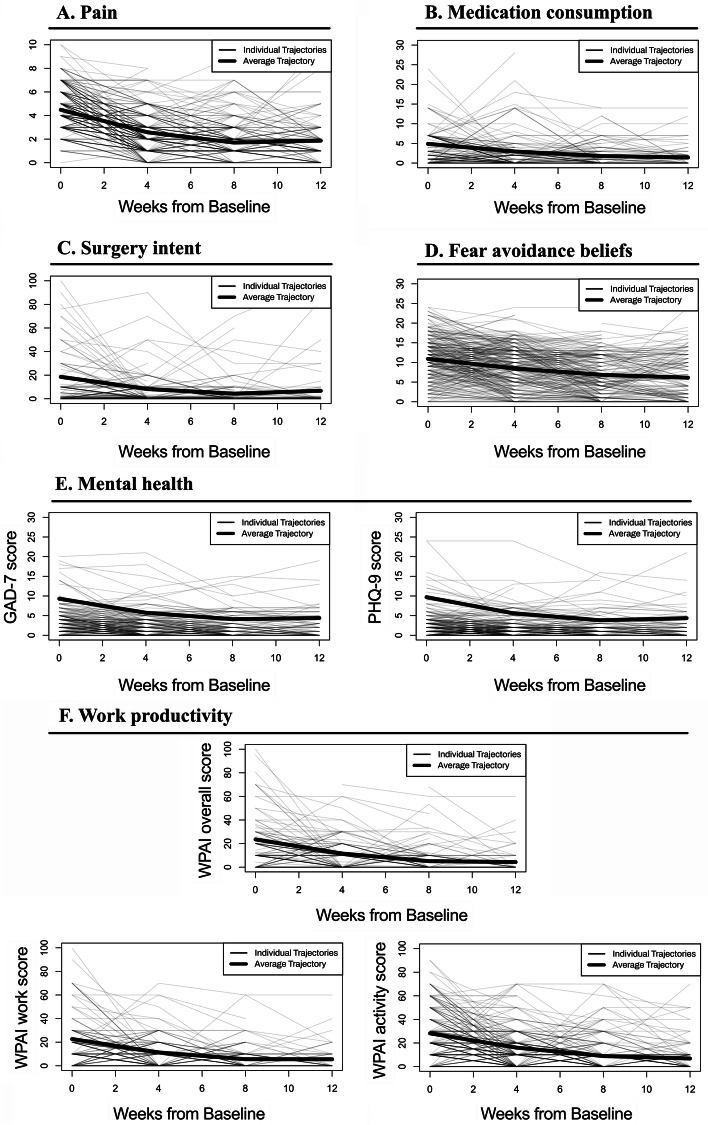
“The decline was steeper from baseline to 4 weeks (Fig. 2).”
§ Telerehabilitation of acute musculoskeletal multi-disorders: prospective, single-arm, interventional study > Results > Pain
plainstates an association- Asserted: passes — The authors put it forward as true.
- Checkable: passes — It can be checked against evidence.
- Load-bearing: unclear — It is unclear whether the paper’s conclusions depend on it.
- Based: passes — The paper gives a reason why it holds.
A result the paper reports from its own data — it cites no other source for it, so there is none to check. The quote shows it is in the paper.
In the paper
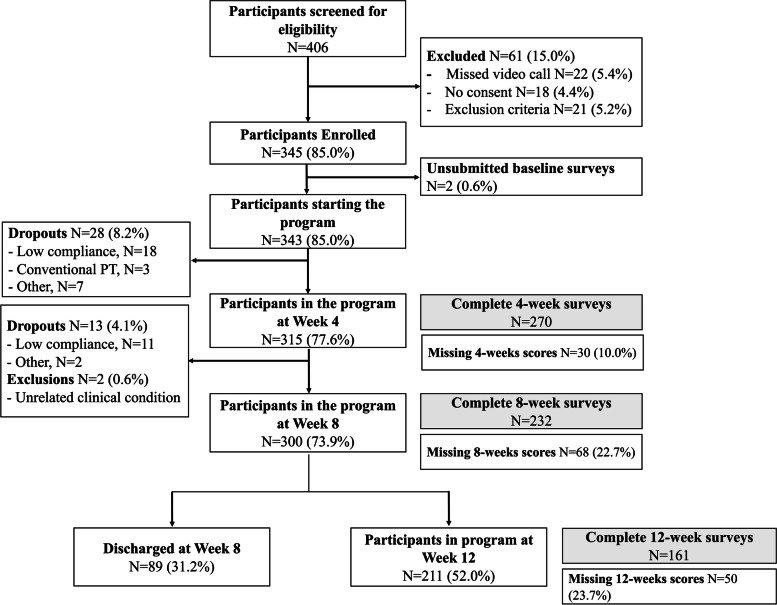
“Program completion rate was 87.5% (300/343).”
§ Telerehabilitation of acute musculoskeletal multi-disorders: prospective, single-arm, interventional study > Results
plain- Asserted: passes — The authors put it forward as true.
- Checkable: passes — It can be checked against evidence.
- Load-bearing: unclear — It is unclear whether the paper’s conclusions depend on it.
- Based: passes — The paper gives a reason why it holds.
15 more claims
Create a free account to see all 62 claims and to verify the 51 references still open.
- It may state two separate claims as one. 36
- Probably not a substantial claim. 9
Claims other papers make about this one
Each is checked against this paper’s own text: does it say what the citing paper says it does?
The cited source says what the claim attributes to it.
In the citing paper
“Previously, we have demonstrated the utility of a completely remote digital care program (DCP) integrating exercise, education, and cognitive behavioral therapy (CBT) in several MSK conditions [42,43,44,45], including for upper limb [46,47,48].”
From Digital Rehabilitation for Elbow Pain Musculoskeletal Conditions: A Prospective Longitudinal Cohort Study (2022) · cites this paper as [47]
Statistics recomputed
Every reported test result, recomputed from its test statistic and degrees of freedom. A result shows as not adding up only once an independent check has confirmed it.
- Not confirmedr(250) = 0.149reported p = .019 · recomputed p = .018
“r(250) = 0.149, p = .019”
- Not confirmedr(20) = 0.57reported p = .009 · recomputed p = .006
“r(20) = 0.570, p = .009”
- Not confirmedr(33) = 0.36reported p = .04 · recomputed p = .034
“r(33) = 0.360, p = .040”
- Consistentr(76) = 0.362reported p = .001 · recomputed p = .001
“r(76) = 0.362, p = .001”
- Consistentr(77) = 0.382reported p = .001 · recomputed p < .001
“r(77) = 0.382, p = .001”
3 more recomputed tests
Create a free account to see every test the Stats check recomputed.
Self-check
Percentages, sums and reported differences re-computed from the paper’s own numbers.
Self-check results appear here once an independent check has confirmed them.
Citations
Cites
The PHQ-9: Validity of a brief depression severity measure
Kroenke, K., Spitzer, R. L., & Williams, J. B. W. (2001) · Journal of General Internal Medicine · doi:10.1046/j.1525-1497.2001.016009606.x · Cited by 44,910
A Brief Measure for Assessing Generalized Anxiety Disorder: The GAD-7
Spitzer, R. L., Kroenke, K., Williams, J. B. W., & Löwe, B. (2006) · Archives of Internal Medicine · doi:10.1001/archinte.166.10.1092 · Cited by 31,765 · cited 1×
“– Analgesic usage, assessed through the questions: “Are you currently taking any pain medication?” and “If you answered yes, how many times per week are you taking pain medication?”; – Surgery intent, addressed through the question “How likely are you to have surgery to address your condition in the next 12 months: 0…”
BackgroundThe Validity and Reproducibility of a Work Productivity and Activity Impairment Instrument
Reilly, M. C., Zbrozek, A. S., & Dukes, E. M. (1993) · PharmacoEconomics · doi:10.2165/00019053-199304050-00006 · Cited by 3,071
Structural equations modeling: Fit Indices, sample size, and advanced topics
Iacobucci, D. (2010) · Journal of Consumer Psychology · doi:10.1016/j.jcps.2009.09.003 · Cited by 2,263 · cited 1×
“Estimation of model fit was assessed through chi-squared test, root mean square error of approximation (RMSEA), confirmatory fit index (CFI), and standardized root mean square residual (SRMR) [56, 57].”
MethodLatent Curve Models: A Structural Equation Perspective
Bollen, K. A., & Curran, P. J. (2005) · Wiley Series in Probability and Statistics · doi:10.1002/0471746096 · Cited by 1,729 · cited 1×
“data, through the use of full information maximum likelihood (FIML) estimation [54], which acknowledges that repeated measures on the same individual are correlated [55].”
MethodResponsiveness of the Numeric Pain Rating Scale in Patients with Low Back Pain
Childs, J. D., Piva, S. R., & Fritz, J. M. (2005) · Spine · doi:10.1097/01.brs.0000164099.92112.29 · Cited by 1,481
Monitoring Depression Treatment Outcomes With the Patient Health Questionnaire-9
L??we, B., Un??tzer, J., Callahan, C. M., Perkins, A. J., & Kroenke, K. (2004) · Medical Care · doi:10.1097/00005650-200412000-00006 · Cited by 1,354
Hill, J. C., Whitehurst, D. G., Lewis, M., Bryan, S., Dunn, K. M., Foster, N. E., Konstantinou, K., Main, C. J., Mason, E., Somerville, S., et al. (2011) · The Lancet · doi:10.1016/s0140-6736(11)60937-9 · Cited by 1,306
Understanding and Promoting Effective Engagement With Digital Behavior Change Interventions
Yardley, L., Spring, B. J., Riper, H., Morrison, L. G., Crane, D. H., Curtis, K., Merchant, G. C., Naughton, F., & Blandford, A. (2016) · American Journal of Preventive Medicine · doi:10.1016/j.amepre.2016.06.015 · Cited by 1,118 · cited 1×
“The latter is particularly important considering low adherence is a major barrier to maximizing recovery [81].”
BackgroundLin, I., Wiles, L., Waller, R., Goucke, R., Nagree, Y., Gibberd, M., Straker, L., Maher, C. G., & O’Sullivan, P. P. B. (2020) · British Journal of Sports Medicine · doi:10.1136/bjsports-2018-099878 · Cited by 1,001 · cited 1×
“A biopsychosocial approach such as this program provides is strongly recommended in the management of MSK conditions [19, 82, 83].”
MethodBarriers to treatment adherence in physiotherapy outpatient clinics: A systematic review
Jack, K., McLean, S. M., Moffett, J. K., & Gardiner, E. (2010) · Manual Therapy · doi:10.1016/j.math.2009.12.004 · Cited by 924 · cited 1×
“3%) [34, 77, 78], and by other digital MSK interventions (73–87%) [62, 79].”
BackgroundPreacher, K., Wichman, A., MacCallum, R., & Briggs, N. (2008) · doi:10.4135/9781412984737 · Cited by 742
Krismer, M., & van Tulder, M. (2007) · Best Practice & Research Clinical Rheumatology · doi:10.1016/j.berh.2006.08.004 · Cited by 694
Toussaint, A., Hüsing, P., Gumz, A., Wingenfeld, K., Härter, M., Schramm, E., & Löwe, B. (2020) · Journal of Affective Disorders · doi:10.1016/j.jad.2020.01.032 · Cited by 641
Luque-Suarez, A., Martinez-Calderon, J., & Falla, D. (2019) · British Journal of Sports Medicine · doi:10.1136/bjsports-2017-098673 · Cited by 546
Interventions to improve adherence to exercise for chronic musculoskeletal pain in adults
Jordan, J. L., Holden, M. A., Mason, E. E., & Foster, N. E. (2010) · Cochrane Database of Systematic Reviews · doi:10.1002/14651858.cd005956.pub2 · Cited by 477
When does acute pain become chronic?
Voscopoulos, C., & Lema, M. (2010) · British Journal of Anaesthesia · doi:10.1093/bja/aeq323 · Cited by 473 · cited 4×
“44), a threshold that has been associated with poorer prognosis [8, 12].”
BackgroundMethodInfluentialAn introduction to latent growth curve modeling
Duncan, T. E., & Duncan, S. C. (2004) · Behavior Therapy · doi:10.1016/s0005-7894(04)80042-x · Cited by 431 · cited 2×
“The slopes represent the expected linear change in the outcome per week as the time score changes [52].”
BackgroundMethodPredictors of adherence to home-based physical therapies: A systematic review
Essery, R., Geraghty, A. W. A., Kirby, S., & Yardley, L. (2017) · Disability and Rehabilitation · doi:10.3109/09638288.2016.1153160 · Cited by 391 · cited 1×
“3%) [34, 77, 78], and by other digital MSK interventions (73–87%) [62, 79].”
BackgroundRussell, T. G., Buttrum, P., Wootton, R., & Jull, G. A. (2011) · The Journal of Bone and Joint Surgery-American Volume · doi:10.2106/jbjs.i.01375 · Cited by 382
The Relation Between Pain-Related Fear and Disability: A Meta-Analysis
Zale, E. L., Lange, K. L., Fields, S. A., & Ditre, J. W. (2013) · The Journal of Pain · doi:10.1016/j.jpain.2013.05.005 · Cited by 330 · cited 1×
“Additionally, influencing fear-avoidant behaviors has been reported as a tool to prevent pain from becoming chronic [8, 12, 71, 72].”
MethodDobson, F., Bennell, K. L., French, S. D., Nicolson, P. J. A., Klaasman, R. N., Holden, M. A., Atkins, L., & Hinman, R. S. (2016) · American Journal of Physical Medicine & Rehabilitation · doi:10.1097/phm.0000000000000448 · Cited by 299 · cited 1×
“Our results reinforce the need to address mental health as part of the intervention, especially since they can be barriers to treatment engagement [68, 69], as also denoted here.”
ResultHolme, E., Magnusson, S. P., Becher, K., Bieler, T., Aagaard, P., & Kjær, M. (1999) · Scandinavian Journal of Medicine & Science in Sports · doi:10.1111/j.1600-0838.1999.tb00217.x · Cited by 296
Moffet, H., Tousignant, M., Nadeau, S., Mérette, C., Boissy, P., Corriveau, H., Marquis, F., Cabana, F., Ranger, P., Belzile, É. L., et al. (2015) · The Journal of Bone and Joint Surgery-American Volume · doi:10.2106/jbjs.n.01066 · Cited by 294 · cited 1×
“Telerehabilitation has shown to provide comparable results to outpatient physical therapy [35–39] and to face-to-face home rehabilitation [40, 41], while reducing costs [42–44].”
ResultPisters, M. F., Veenhof, C., Schellevis, F. G., Twisk, J. W. R., Dekker, J., & De Bakker, D. H. (2010) · Arthritis Care & Research · doi:10.1002/acr.20182 · Cited by 288 · cited 1×
“Also, compliance with physical therapy, a key determinant to therapy success [28, 29] is poor, with studies reporting non-compliance or dropout rates greater than 50% [30–34].”
BackgroundClinical Practice Guidelines for Pain Management in Acute Musculoskeletal Injury
Hsu, J. R., Mir, H., Wally, M. K., Seymour, R. B., & the Orthopaedic Trauma Association Musculoskeletal Pain Task Force (2019) · Journal of Orthopaedic Trauma · doi:10.1097/bot.0000000000001430 · Cited by 280 · cited 2×
“Balancing comfort and safety following acute MSK injury is possible when using a multimodal approach combining pharmaceutical, cognitive, and physical strategies [19].”
BackgroundMethodInfluentialMichener, L. A., Snyder, A. R., & Leggin, B. G. (2011) · Journal of Sport Rehabilitation · doi:10.1123/jsr.20.1.115 · Cited by 275 · cited 1×
“A study on conventional therapy for shoulder pain [65] reported pain reductions of 60.”
BackgroundTreatment of acute ankle ligament injuries: a systematic review
Petersen, W., Rembitzki, I. V., Koppenburg, A. G., Ellermann, A., Liebau, C., Brüggemann, G. P., & Best, R. (2013) · Archives of Orthopaedic and Trauma Surgery · doi:10.1007/s00402-013-1742-5 · Cited by 272
Wester, J. U., Jespersen, S. M., Nielsen, K. D., & Neumann, L. (1996) · Journal of Orthopaedic & Sports Physical Therapy · doi:10.2519/jospt.1996.23.5.332 · Cited by 248
Telehealth in Physical Medicine and Rehabilitation: A Narrative Review
Tenforde, A. S., Hefner, J. E., Kodish‐Wachs, J. E., Iaccarino, M. A., & Paganoni, S. (2017) · PM&R · doi:10.1016/j.pmrj.2017.02.013 · Cited by 216
A prospective population‐based study of the predictors of undergoing total joint arthroplasty
Hawker, G. A., Guan, J., Croxford, R., Coyte, P. C., Glazier, R. H., Harvey, B. J., Wright, J. G., Williams, J. I., & Badley, E. M. (2006) · Arthritis & Rheumatism · doi:10.1002/art.22146 · Cited by 206 · cited 1×
“Also, surgery intent, which is one of the strongest predictors of future surgery [58, 59], was markedly reduced (62.”
BackgroundEvidence of Benefit of Telerehabitation After Orthopedic Surgery: A Systematic Review
Pastora-Bernal, J. M., Martín-Valero, R., Barón-López, F. J., & Estebanez-Pérez, M. J. (2017) · Journal of Medical Internet Research · doi:10.2196/jmir.6836 · Cited by 206
Interventions for enhancing adherence with physiotherapy: A systematic review
McLean, S. M., Burton, M., Bradley, L., & Littlewood, C. (2010) · Manual Therapy · doi:10.1016/j.math.2010.05.012 · Cited by 204
Pain-related fear, disability, and the fear-avoidance model of chronic pain
Zale, E. L., & Ditre, J. W. (2015) · Current Opinion in Psychology · doi:10.1016/j.copsyc.2015.03.014 · Cited by 203 · cited 1×
“Persistent painful stimuli are believed to provide a background for the development of chronic pain [12], and the transition of acute to chronic pain appears to involve peripheral and central sensitization [8, 13, 14], deconditioning from fear-avoidance and other maladaptive behaviors, and a host of other psychosocial…”
BackgroundKeefe, F. J., Main, C. J., & George, S. Z. (2018) · Physical Therapy · doi:10.1093/ptj/pzy024 · Cited by 180 · cited 1×
“A biopsychosocial approach such as this program provides is strongly recommended in the management of MSK conditions [19, 82, 83].”
MethodThe progression from acute to chronic pain
Lavand’homme, P. (2011) · Current Opinion in Anaesthesiology · doi:10.1097/aco.0b013e32834a4f74 · Cited by 179 · cited 1×
“catastrophization, poor coping skills) are risk factors for pain chronification [7, 12, 18], there is also a need to address these aspects.”
BackgroundBini, S., & Mahajan, J. (2017) · Journal of Telemedicine and Telecare · doi:10.1177/1357633x16634518 · Cited by 168
Human resources for health (and rehabilitation): Six Rehab-Workforce Challenges for the century
Jesus, T. S., Landry, M. D., Dussault, G., & Fronteira, I. (2017) · Human Resources for Health · doi:10.1186/s12960-017-0182-7 · Cited by 161
Basic aspects of musculoskeletal pain: from acute to chronic pain
Arendt-Nielsen, L., Fernández-de-las-Peñas, C., & Graven-Nielsen, T. (2011) · Journal of Manual & Manipulative Therapy · doi:10.1179/106698111x13129729551903 · Cited by 160 · cited 1×
“Persistent painful stimuli are believed to provide a background for the development of chronic pain [12], and the transition of acute to chronic pain appears to involve peripheral and central sensitization [8, 13, 14], deconditioning from fear-avoidance and other maladaptive behaviors, and a host of other psychosocial…”
BackgroundAddressing the barriers to accessing therapy services in rural and remote areas
Dew, A., Bulkeley, K., Veitch, C., Bundy, A., Gallego, G., Lincoln, M., Brentnall, J., & Griffiths, S. (2013) · Disability and Rehabilitation · doi:10.3109/09638288.2012.720346 · Cited by 151
Sandal, L. F., Bach, K., Øverås, C. K., Svendsen, M. J., Dalager, T., Stejnicher Drongstrup Jensen, J., Kongsvold, A., Nordstoga, A. L., Bardal, E. M., Ashikhmin, I., et al. (2021) · JAMA Internal Medicine · doi:10.1001/jamainternmed.2021.4097 · Cited by 151 · cited 2×
“3%) [34, 77, 78], and by other digital MSK interventions (73–87%) [62, 79].”
Backgroundvan Egmond, M. A., van der Schaaf, M., Vredeveld, T., Vollenbroek-Hutten, M. M. R., van Berge Henegouwen, M. I., Klinkenbijl, J. H. G., & Engelbert, R. H. H. (2018) · Physiotherapy · doi:10.1016/j.physio.2018.04.004 · Cited by 149
Pereira, M. J., Comans, T. A., Sjøgaard, G., Straker, L. M., Melloh, M., O’Leary, S. P., Chen, X., & Johnston, V. (2018) · Scandinavian Journal of Work Environment & Health · doi:10.5271/sjweh.3760 · Cited by 148 · cited 1×
“Regarding productivity, and contrary to what we observed, two previous RCTs failed to observe improvements in this domain after exercise interventions [73, 74], which may be associated with the lack of a biopsychosocial approach such as that featured in this DCP.”
ResultMoffet, H., Tousignant, M., Nadeau, S. M., Mérette, C., Boissy, P., Corriveau, H., Marquis, F., Cabana, F., Belzile, É. L., Ranger, P., et al. (2016) · Telemedicine Journal and e-Health · doi:10.1089/tmj.2016.0060 · Cited by 143
Knee Osteoarthritis and Exercise Adherence: A Review
Marks, R. (2012) · Current Aging Science · doi:10.2174/1874609811205010072 · Cited by 138 · cited 1×
“Our results reinforce the need to address mental health as part of the intervention, especially since they can be barriers to treatment engagement [68, 69], as also denoted here.”
ResultDiagnosis and treatment of acute low back pain.
Casazza, B. A. (2012) · PubMed · Cited by 131
Picha, K. J., & Howell, D. M. (2018) · Musculoskeletal Care · doi:10.1002/msc.1194 · Cited by 128 · cited 1×
“Also, compliance with physical therapy, a key determinant to therapy success [28, 29] is poor, with studies reporting non-compliance or dropout rates greater than 50% [30–34].”
BackgroundBennell, K. L., Marshall, C. J., Dobson, F., Kasza, J., Lonsdale, C., & Hinman, R. S. (2019) · American Journal of Physical Medicine & Rehabilitation · doi:10.1097/phm.0000000000001204 · Cited by 125 · cited 3×
“In line with current evidence, the digital format, providing flexibility and convenience for participants, may have been key to enhance adherence [76].”
BackgroundResultInfluentialPrevention and management of chronic back pain
Weiner, S. S., & Nordin, M. (2010) · Best Practice & Research Clinical Rheumatology · doi:10.1016/j.berh.2009.12.001 · Cited by 119 · cited 1×
“catastrophization, poor coping skills) are risk factors for pain chronification [7, 12, 18], there is also a need to address these aspects.”
BackgroundFerrer, E., Hamagami, F., & McArdle, J. J. (2004) · Structural Equation Modeling: A Multidisciplinary Journal · doi:10.1207/s15328007sem1103_8 · Cited by 115 · cited 1×
“data, through the use of full information maximum likelihood (FIML) estimation [54], which acknowledges that repeated measures on the same individual are correlated [55].”
MethodPathophysiology of musculoskeletal pain: a narrative review
Puntillo, F., Giglio, M., Paladini, A., Perchiazzi, G., Viswanath, O., Urits, I., Sabbà, C., Varrassi, G., & Brienza, N. (2021) · Therapeutic Advances in Musculoskeletal Disease · doi:10.1177/1759720x21995067 · Cited by 111 · cited 1×
“Persistent painful stimuli are believed to provide a background for the development of chronic pain [12], and the transition of acute to chronic pain appears to involve peripheral and central sensitization [8, 13, 14], deconditioning from fear-avoidance and other maladaptive behaviors, and a host of other psychosocial…”
BackgroundCorreia, F. D., Nogueira, A., Magalhães, I., Guimarães, J., Moreira, M., Barradas, I., Teixeira, L., Tulha, J., Seabra, R., Lains, J., et al. (2018) · Scientific Reports · doi:10.1038/s41598-018-29668-0 · Cited by 110 · cited 2×
“Telerehabilitation has shown to provide comparable results to outpatient physical therapy [35–39] and to face-to-face home rehabilitation [40, 41], while reducing costs [42–44].”
ResultSelf-citationDigital Care for Chronic Musculoskeletal Pain: 10,000 Participant Longitudinal Cohort Study
Bailey, J. F., Agarwal, V., Zheng, P., Smuck, M., Fredericson, M., Kennedy, D. J., & Krauss, J. (2020) · Journal of Medical Internet Research · doi:10.2196/18250 · Cited by 109 · cited 2×
“[80] in a study on rehabilitation after ankle sprains, and similar to those reported for digital MSK interventions [79].”
BackgroundResultStorheim, K., Brox, J. I., Holm, I., Koller, A. K., & Bø, K. (2003) · Journal of Rehabilitation Medicine · doi:10.1080/16501970310010484 · Cited by 104 · cited 1×
“5%, respectively [63], much lower than that reported herein.”
Bleakley, C. M., McDonough, S. M., & MacAuley, D. C. (2008) · Australian Journal of Physiotherapy · doi:10.1016/s0004-9514(08)70061-8 · Cited by 102
The role of sensitization in musculoskeletal shoulder pain
Borstad, J. D., & Woeste, C. (2015) · Brazilian Journal of Physical Therapy · doi:10.1590/bjpt-rbf.2014.0100 · Cited by 95 · cited 1×
“Providing effective interventions on the acute and subacute stages to prevent chronification is therefore a priority [16, 17].”
BackgroundUse of Outpatient Physical Therapy Services by People With Musculoskeletal Conditions
Carter, S. K., & Rizzo, J. A. (2007) · Physical Therapy · doi:10.2522/ptj.20050218 · Cited by 94
Knee complaints seen in general practice: active sport participants versus non-sport participants
van Middelkoop, M., van Linschoten, R., Berger, M. Y., Koes, B. W., & Bierma‐Zeinstra, S. (2008) · BMC Musculoskeletal Disorders · doi:10.1186/1471-2474-9-36 · Cited by 93 · cited 1×
“It has been reported, for example, that about 31% of patients do not fully recover from low back pain within 6 months [10] and that 45 to 55% of acute knee injuries develop into a long-term medical condition [11].”
Correia, F. D., Nogueira, A., Magalhães, I., Guimarães, J., Moreira, M., Barradas, I., Molinos, M., Teixeira, L., Tulha, J., Seabra, R., et al. (2019) · JMIR Rehabilitation and Assistive Technologies · doi:10.2196/13111 · Cited by 87 · cited 1×
“This DCP was previously validated (feasibility and effectiveness) in post-surgery MSK rehabilitation [38, 41, 45, 46].”
Self-citationTreatment of Low Back Pain with a Digital Multidisciplinary Pain Treatment App: Short-Term Results
Huber, S., Priebe, J. A., Baumann, K.-M., Plidschun, A., Schiessl, C., & Tölle, T. R. (2017) · JMIR Rehabilitation and Assistive Technologies · doi:10.2196/rehab.9032 · Cited by 83 · cited 1×
“, [61] for an app-based intervention for low back pain (LBP) including education, physiotherapy and mindfulness (44%, from 4.”
BackgroundGram, B., Holtermann, A., Bültmann, U., Sjøgaard, G., & Søgaard, K. (2012) · Journal of Occupational and Environmental Medicine · doi:10.1097/jom.0b013e318266484a · Cited by 66 · cited 1×
“Regarding productivity, and contrary to what we observed, two previous RCTs failed to observe improvements in this domain after exercise interventions [73, 74], which may be associated with the lack of a biopsychosocial approach such as that featured in this DCP.”
ResultPrall, J., & Ross, M. (2019) · Journal of Exercise Rehabilitation · doi:10.12965/jer.1836636.318 · Cited by 65 · cited 1×
“9 million injuries in the workplace reported in 2016 [1, 2], as well as in sports, with ~ 4.”
BackgroundWright, B., Galtieri, N., & Fell, M. (2014) · Journal of Rehabilitation Medicine · doi:10.2340/16501977-1241 · Cited by 62
Dias Correia, F., Nogueira, A., Magalhães, I., Guimarães, J., Moreira, M., Barradas, I., Molinos, M., Teixeira, L., Pires, J., Seabra, R., et al. (2019) · JMIR Rehabilitation and Assistive Technologies · doi:10.2196/14523 · Cited by 60 · cited 1×
“This DCP was previously validated (feasibility and effectiveness) in post-surgery MSK rehabilitation [38, 41, 45, 46].”
Self-citationCorreia, F. D., Molinos, M., Luís, S., Carvalho, D., Carvalho, C., Costa, P., Seabra, R., Francisco, G., Bento, V., & Lains, J. (2022) · American Journal of Physical Medicine & Rehabilitation · doi:10.1097/phm.0000000000001780 · Cited by 52 · cited 1×
“This DCP was previously validated (feasibility and effectiveness) in post-surgery MSK rehabilitation [38, 41, 45, 46].”
Self-citationTransitioning from Acute to Chronic Pain: An Examination of Different Trajectories of Low-Back Pain
Gatchel, R. J., Bevers, K., Licciardone, J. C., Su, J., Du, Y., & Brotto, M. (2018) · Healthcare · doi:10.3390/healthcare6020048 · Cited by 51 · cited 1×
“Providing effective interventions on the acute and subacute stages to prevent chronification is therefore a priority [16, 17].”
BackgroundLow Back Pain Subgroups Using Fear-Avoidance Model Measures: Results of a Cluster Analysis
Beneciuk, J. M., Robinson, M. E., & George, S. Z. (2012) · The Clinical Journal of Pain · doi:10.1097/ajp.0b013e31824306ed · Cited by 47 · cited 1×
“A threshold of 5 was used to identify at least mild anxiety or depression; – Fear-avoidance, assessed through the Fear-Avoidance Beliefs Questionnaire for physical activity (FABQPA), composed by a total of 4 items, each with a 7 option Likert scale (range 0–24) [50]; – Impact on productivity, evaluated in working part…”
MethodJakobsen, M. D., Sundstrup, E., Brandt, M., & Andersen, L. L. (2018) · Musculoskeletal Science and Practice · doi:10.1016/j.msksp.2018.01.006 · Cited by 47
Rehabilitative Good Practices in the Treatment of Sarcopenia: A Narrative Review
Agostini, F., Bernetti, A., Di Giacomo, G., Viva, M. G., Paoloni, M., Mangone, M., Santilli, V., & Masiero, S. (2021) · American Journal of Physical Medicine & Rehabilitation · doi:10.1097/phm.0000000000001572 · Cited by 42
Abareshi, F., Yarahmadi, R., Solhi, M., & Farshad, A. A. (2015) · International Journal of Occupational Safety and Ergonomics · doi:10.1080/10803548.2015.1087729 · Cited by 37 · cited 1×
“The combination of high incidence and both high direct (diagnosis, initial management, rehabilitation) and indirect costs (lost work productivity, lost wages for workers) translates into a very high economic burden [3].”
BackgroundWork Outcomes in Patients Who Stay at Work Despite Musculoskeletal Pain
Cochrane, A., Higgins, N. M., Rothwell, C., Ashton, J., Breen, R., Corcoran, O., FitzGerald, O., Gallagher, P., & Desmond, D. M. (2017) · Journal of Occupational Rehabilitation · doi:10.1007/s10926-017-9748-4 · Cited by 36
Psychometric validation of the Serbian version of the Fear Avoidance Component Scale (FACS)
Knežević, A., Neblett, R., Gatchel, R. J., Jeremić-Knežević, M., Ignjatović, V. B., Tomašević-Todorović, S., Bošković, K., & Vargas, A. I. C. (2018) · PLoS ONE · doi:10.1371/journal.pone.0204311 · Cited by 34 · cited 1×
“Additionally, influencing fear-avoidant behaviors has been reported as a tool to prevent pain from becoming chronic [8, 12, 71, 72].”
MethodMusculoskeletal pain as a predictor for depression in the general working population of Denmark
Hannerz, H., Holtermann, A., & Madsen, I. E. H. (2020) · Scandinavian Journal of Public Health · doi:10.1177/1403494819875337 · Cited by 26 · cited 1×
“Moreover, the correlation between PHQ-9 reduction and pain improvement suggests that MSK pain can be a causal factor for depression [70], that depressive symptoms can result in pain amplification and reduced tolerance (supported by our findings of heightened pain during sessions), or both.”
BackgroundAdherence and effectiveness of rehabilitation in acute ankle sprain
Guillodo, Y., Goff, A. L., & Saraux, A. (2011) · Annals of Physical and Rehabilitation Medicine · doi:10.1016/j.rehab.2011.03.002 · Cited by 23 · cited 1×
“[80] in a study on rehabilitation after ankle sprains, and similar to those reported for digital MSK interventions [79].”
ResultFactors that influence the choice to undergo surgery for shoulder and elbow conditions
Modi, C. S., Veillette, C. J. H., Gandhi, R., Perruccio, A. V., & Rampersaud, R. Y. (2014) · Clinical Orthopaedics & Related Research · doi:10.1007/s11999-013-3357-0 · Cited by 22 · cited 1×
“Also, surgery intent, which is one of the strongest predictors of future surgery [58, 59], was markedly reduced (62.”
BackgroundCampello, M., Ziemke, G., Hiebert, R., Weiser, S., Brinkmeyer, M., Fox, B., Dail, J., Kerr, S., Hinnant, I., & Nordin, M. (2012) · Military Medicine · doi:10.7205/milmed-d-12-00118 · Cited by 20 · cited 1×
“, [64] for a combination of exercise and CBT in subacute low back pain (59.”
BackgroundTransition from Acute to Chronic Pain: Where Cells, Systems and Society Meet
Glare, P., Overton, S., & Aubrey, K. (2020) · Pain Management · doi:10.2217/pmt-2019-0039 · Cited by 20 · cited 3×
“44), a threshold that has been associated with poorer prognosis [8, 12].”
BackgroundMethodPlatts-Mills, T. F., McLean, S. A., Weinberger, M., Stearns, S. C., Bush, M., Teresi, B. B., Hurka-Richardson, K., Kroenke, K., Kerns, R. D., Weaver, M. A., et al. (2020) · Trials · doi:10.1186/s13063-020-04552-3 · Cited by 5
The Impact of Evidence in Surgery of the Musculoskeletal System
Akhter, S., Mundi, R., & Bhandari, M. (2019) · World Journal of Surgery · doi:10.1007/s00268-019-04955-7 · Cited by 4 · cited 1×
“7%), in line with literature favoring non-surgical management of MSK conditions [60].”
ResultMadhusudhan, D. K., Thokala, S., Woodward-Hagg, H., Schoeneck, A. R., Pizzarello, D., & Bravata, D. M. (2020) · Journal of Occupational and Environmental Medicine · doi:10.1097/jom.0000000000002026 · Cited by 4 · cited 1×
“Early intervention has been associated with significant improvements at lower cost, while preventing long-term disability [6, 23].”
Background
Research works printed but not linked: 4
- United States Bone and Joint Initiative:The Burden of Musculoskeletal Diseases in the United States (BMUS), Third Edition [ http://www.boneandjointburden.org].
- Zheltoukhova K O’Dea L Bevan S Taking the strain: The impact of musculoskeletal disorders on work and home life 2012
- Correia FD, Molinos M, Luís S, Carvalho D, Carvalho C, Costa P, et al. Digitally assisted versus conventional home-based rehabilitation after arthroscopic rotator cuff repair: a randomized controlled trial. Am J Phys Med Rehabil. 2021. PMC8826616 33935152 · DOI · Paper page
- Brown TA Confirmatory factor analysis for applied research Confirmatory factor analysis for applied research 2006 New York The Guilford Press 475 xiii
Cited by
Paolucci, T., Alessandro de, S. I. R. E., Ferrillo, M., di Fabio, D., Molluso, A., Patruno, A., Pesce, M., Lai, C., Ciacchella, C., Saggino, A., et al. (2022) · Frontiers in Physiology · doi:10.3389/fphys.2022.917956 · Cited by 33
“Furthermore, recent studies show that these results are applicable in adults with chronic and acute musculoskeletal pain, through use fully remote digital care program with a very high retention rate and adherence level (Costa et al., 2022).”
ResultAreias, A. C., Molinos, M., Moulder, R. G., Janela, D., Scheer, J. K., Bento, V., Yanamadala, V., Cohen, S. P., Correia, F. D., & Costa, F. (2023) · npj Digital Medicine · doi:10.1038/s41746-023-00936-2 · Cited by 24
Self-citationScheer, J., Costa, F., Molinos, M., Areias, A., Janela, D., Moulder, R. G., Lains, J., Bento, V., Yanamadala, V., Cohen, S. P., et al. (2022) · Journal of Medical Internet Research · doi:10.2196/41306 · Cited by 18
“Previously, we have reported clinical studies with a multimodal DCP that combined exercise-based physical therapy with psychoeducational components via a comprehensive approach to pain management [17-19, 34, 35”
Self-citationJanela, D., Costa, F., Weiss, B., Areias, A. C., Molinos, M., Scheer, J. K., Lains, J., Bento, V., Cohen, S. P., Correia, F. D., et al. (2023) · DIGITAL HEALTH · doi:10.1177/20552076231176696 · Cited by 18
“In the present systematic review, less than half of the trials included multimodal digital programs (N= 6).(35,36,42,43,46,47) Although these studies provided some evidence for pain management effectiveness, more research is needed to better understand the impact of each intervention component on outcomes.”
BackgroundInfluentialSelf-citationScheer, J. K., Areias, A. C., Molinos, M., Janela, D., Moulder, R. G., Jr., Laíns, J., Bento, V., Yanamadala, V., Correia, F. D., & Costa, F. M. T. A. (2023) · JMIR mhealth and uhealth · doi:10.2196/44316 · Cited by 23
“This program encourages patients to develop strategies and self-management skills to manage their pain and has been validated in several acute and chronic MSK conditions [15-17,34-36].”
BackgroundMethodSelf-citation
Metadata
- Authors
- Costa, F., Janela, D., Molinos, M., Lains, J., Francisco, G. E., Bento, V., & Dias Correia, F.
- Affiliations
- Memorial Hermann Institute for Rehabilitation and Research Foundation (US)
- ORCID
- Janela, Dora
- Venue
- BMC Musculoskeletal Disorders
- Published
- 2022-01-04
- Volume
- 23
- Issue
- 1
- Pages
- 29-29
- ISSN
- 1471-2474 (ISSN-L)
- PMC
- PMC8728982
- OpenAlex
- W4206240066
- Cited by
- 35
- References
- 80
- Citations by year
- 2026: 2 · 2025: 6 · 2024: 6 · 2023: 12 · 2022: 9
- FWCI
- 4.94
- Type
- journal article
- Language
- en
- Open access
- gold
- doi.org
- Licence
- cc-by
- creativecommons.org/licenses/by/4.0 (tdm)
- creativecommons.org/licenses/by/4.0 (vor)
- Locations
- BMC Musculoskeletal Disorders (publishedVersion, cc-by)
- PubMed Central (publishedVersion, cc-by)
- PubMed (publishedVersion)
- Portuguese National Funding Agency for Science, Research and Technology (RCAAP Project by FCT) (submittedVersion, cc-by)
- DOAJ (DOAJ: Directory of Open Access Journals) (submittedVersion, cc-by-sa)
- Topics
- Health Sciences › Health Professions › Physical Therapy, Sports Therapy and Rehabilitation › Musculoskeletal pain and rehabilitation
- Health Sciences › Medicine › Public Health, Environmental and Occupational Health › Telemedicine and Telehealth Implementation
- Health Sciences › Health Professions › General Health Professions › Mobile Health and mHealth Applications
- Keywords
- telerehabilitation, acute musculoskeletal pain, remote care, pain intensity, analgesic use, fear-avoidance beliefs, anxiety, depression, labor productivity, patient engagement, medication adherence, patient satisfaction, feasibility, digital health interventions, latent growth curve models, GAD-7, PHQ-9
- MeSH terms
- Telerehabilitation, Humans, Longitudinal Studies, Prospective Studies, Surveys and Questionnaires, Musculoskeletal Pain
About these checks
Registry, retraction, Cites and statistics results are computed, not judged, with one exception: a printed reference that no index lists is read once by a model before it counts as a citation error. Claims are extracted by a model and kept only when their quote appears verbatim in the text; each cited source is then checked, with a model’s help, for whether it says what the claim relies on. Those verdicts can be wrong — read the claim’s quote and the cited source before relying on one.
The claim verdicts this report counts are experimental: their accuracy is not yet measured.
A language model drew the claims from the paper on 2026-10-11, under version 3 of the claim definition (model deepseek-v4.1-flash, prompt extract-v3).
A second model labelled each claim on 2026-10-11 (model jev-1.13-20260917, definition revision gold-guideline-v0.2).
Cited sources are checked with a language model’s help (qwen3.8-omni-flash and gpt-6-sol).
Statistics and arithmetic are recomputed, not judged.
Confidence bands are shown only for fields calibrated on our annotated test set. None is calibrated yet, so no band is shown.
What counts as a claim ›How we measure confidence ›How we check this ›
Are you an author, or do you see a problem with this page? Request a review
Data sources
Bibliographic data: Semantic Scholar, OpenAlex, Crossref.
Contains information from the Semantic Scholar Academic Graph Datasets, made available under the ODC Attribution License (ODC-BY 1.0).
Semantic Scholar’s data is described in: Kinney, R., et al. (2023). The Semantic Scholar Open Data Platform. arXiv:2301.10140.
