

Targeting tumour microenvironment by tyrosine kinase inhibitor
Open accessThe DOI matches its Crossref record; 167 of the 167 references it cites were found in a registry or an index.
Abstract
Tumour microenvironment (TME) is a key determinant of tumour growth and metastasis. TME could be very different for each type and location of tumour and TME may change constantly during tumour growth. Multiple counterparts in surrounding microenvironment including mesenchymal-, hematopoietic-originated cells as well as non-cellular components affect TME. Thus, therapeutics that can disrupt the tumour-favouring microenvironment should be further explored for cancer therapy. Previous efforts in unravelling the dysregulated mechanisms of TME components has identified numerous protein tyrosine kinases, while its corresponding inhibitors have demonstrated potent modulatory effect on TME. Recent works have demonstrated that beyond the direct action on cancer cells, tyrosine kinase inhibitors (TKIs) have been implicated in inactivation or normalization of dysregulated TME components leading to cancer regression. Either through re-sensitizing the tumour cells or reversing the immunological tolerance microenvironment, the emergence of these TME modulatory mechanism of TKIs supports the combinatory use of TKIs with current chemotherapy or immunotherapy for cancer therapy. Therefore, an appropriate understanding on TME modulation by TKIs may offer another mode of action of TKIs for cancer treatment. This review highlights mode of kinase activation or paracrine ligand production from TME components and summarises the findings on the potential use of various TKIs on regulating TME components. At last, the combination use of current TKIs with immunotherapy in the perspectives of efficacy and safety are discussed.
Overview
The claims and statistics of this paper haven’t been checked yet.
Free: it reads the open-access text and checks the first 5 claims that cite a source we can check. Create a free account to check every claim.
Integrity signals
Registry
Cites
Statistics
Figures
Verification
Claims the paper makes
The claims and statistics of this paper haven’t been checked yet.
Free: it reads the open-access text and checks the first 5 claims that cite a source we can check. Create a free account to check every claim.
Claims other papers make about this one
Each is checked against this paper’s own text: does it say what the citing paper says it does?
The source backs part of the claim, not all of it — or backs it for a different population, condition or comparison.
In the citing paper
“Furthermore, while many cancers are driven by aberrant kinase activity, it is thought that targeting the PPIs that regulate the activity of a specific kinase is a more viable approach to develop selective kinase inhibitors than targeting the conserved ATP binding site of kinases directly [4, 102, 103].”
From The design and development of covalent protein-protein interaction inhibitors for cancer treatment (2020) · cites this paper as [102]
Experimental — accuracy not yet measured
Self-check
Percentages, sums and reported differences re-computed from the paper’s own numbers.
The self-check needs the paper’s full text.
Citations
Cites
The protein kinase complement of the human genome
Manning, G., Whyte, D. B., Martinez, R., Hunter, T., & Sudarsanam, S. (2002) · Science · doi:10.1126/science.1075762 · Cited by 8,145 · cited 1×
“To our knowledge, there are in total 518 kinases in human genome [2], while 90 of them are classified in the category of tyrosine kinases (58 of them are receptor tyrosine kinase RTK; the remaining are non-receptor tyrosine kinase) [3].”
BackgroundKalluri, R., & Zeisberg, M. (2006) · Nature Reviews Cancer · doi:10.1038/nrc1877 · Cited by 4,538
Stromal fibroblasts in cancer initiation and progression
Bhowmick, N. A., Neilson, E. G., & Moses, H. L. (2004) · Nature · doi:10.1038/nature03096 · Cited by 2,302 · cited 1×
“Cancer associated stromal cell, comprised of approximately 40% of total tumour volume [36], plays a pivotal role in carcinogenesis, in which its role involves promoting cancer cell initiation [37], extracellular matrix remodelling [38], and even preserving stem/progenitor cells [39].”
BackgroundEpidermal growth factor receptor (EGFR) signaling in cancer
Normanno, N., De Luca, A., Bianco, C., Strizzi, L., Mancino, M., Maiello, M. R., Carotenuto, A., De Feo, G., Caponigro, F., & Salomon, D. S. (2006) · Gene · doi:10.1016/j.gene.2005.10.018 · Cited by 2,038 · cited 1×
“For instances, overexpression of epidermal growth factor receptor (EGFR) and platelet derived growth factor receptor α/β (PDGFR) have been well implicated in supporting various malignancy growth and progression [6, 7].”
BackgroundTumour micro-environment elicits innate resistance to RAF inhibitors through HGF secretion
Straussman, R., Morikawa, T., Shee, K., Barzily-Rokni, M., Qian, Z. R., Du, J., Davis, A., Mongare, M. M., Gould, J., Frederick, D. T., et al. (2012) · Nature · doi:10.1038/nature11183 · Cited by 1,771 · cited 1×
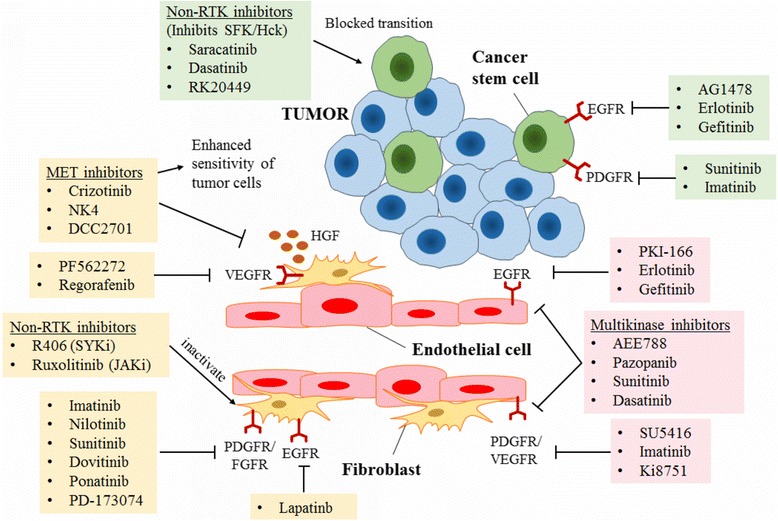
“While co-treatment with another c-MET TKIs, crizotinib [58, 59] or NK4 [60] reversed the drug resistance.”
BackgroundShibuya, M. (2011) · Genes & Cancer · doi:10.1177/1947601911423031 · Cited by 1,748
DeNardo, D. G., Brennan, D. J., Rexhepaj, E., Ruffell, B., Shiao, S. L., Madden, S. F., Gallagher, W. M., Wadhwani, N., Keil, S. D., Junaid, S. A., et al. (2011) · Cancer Discovery · doi:10.1158/2159-8274.cd-10-0028 · Cited by 1,715 · cited 1×
“The same also observed on its counterpart compound PLX3397, in which it enhanced the sensitivity of cancer cells towards chemotherapeutic treatment through declining TAMs infiltration to tumor microenvironment [120].”
BackgroundDe Palma, M., Venneri, M. A., Galli, R., Sergi, L. S., Politi, L. S., Sampaolesi, M., & Naldini, L. (2005) · Cancer Cell · doi:10.1016/j.ccr.2005.08.002 · Cited by 1,311 · cited 1×
“Tie2 receptor has been shown to highly express on monocytes/macrophages and its paracrine secretion supports tumour neovascularization [123].”
BackgroundLong-Term Outcomes of Imatinib Treatment for Chronic Myeloid Leukemia
Hochhaus, A., Larson, R. A., Guilhot, F., Radich, J. P., Branford, S., Hughes, T. P., Baccarani, M., Deininger, M. W., Cervantes, F., Fujihara, S., et al. (2017) · New England Journal of Medicine · doi:10.1056/nejmoa1609324 · Cited by 1,285 · cited 1×
“gastrointestinal stromal patients [10, 11]; sorafenib which multi-targeted VEGFR, PDGFR and Raf, is uti-”
BackgroundGainor, J. F., Shaw, A. T., Sequist, L. V., Fu, X., Azzoli, C. G., Piotrowska, Z., Huynh, T. G., Zhao, L., Fulton, L., Schultz, K. R., et al. (2016) · Clinical Cancer Research · doi:10.1158/1078-0432.ccr-15-3101 · Cited by 1,250 · cited 1×
“treatment efficacy of TKIs to cancer patients [160].”
BackgroundPhagocytosis and clearance of apoptotic cells is mediated by MER
Scott, R. S., McMahon, E. J., Pop, S. M., Reap, E. A., Caricchio, R., Cohen, P. L., Earp, H. S., & Matsushima, G. K. (2001) · Nature · doi:10.1038/35075603 · Cited by 1,215
Protein Kinase Inhibitors: Insights into Drug Design from Structure
Noble, M. E. M., Endicott, J. A., & Johnson, L. N. (2004) · Science · doi:10.1126/science.1095920 · Cited by 1,198 · cited 3×
“The binding of ligand such as growth factors or cyto- kines to the extracellular domains of RTKs initiate the signalling cascade by changing its structure and kinase activation.”
BackgroundThe protein tyrosine kinase family of the human genome
Robinson, D. R., Wu, Y.-M., & Lin, S.-F. (2000) · Oncogene · doi:10.1038/sj.onc.1203957 · Cited by 1,167 · cited 1×
“To our knowledge, there are in total 518 kinases in human genome [2], while 90 of them are classified in the category of tyrosine kinases (58 of them are receptor tyrosine kinase RTK; the remaining are non-receptor tyrosine kinase) [3].”
BackgroundBruix, J., Takayama, T., Mazzaferro, V., Chau, G.-Y., Yang, J., Kudo, M., Cai, J., Poon, R. T., Han, K.-H., Tak, W. Y., et al. (2015) · The Lancet Oncology · doi:10.1016/s1470-2045(15)00198-9 · Cited by 1,120 · cited 1×
“lized for advanced renal cell carcinoma and hepatocellular carcinoma patients [12, 13].”
BackgroundTargeting focal adhesion kinase renders pancreatic cancers responsive to checkpoint immunotherapy
Jiang, H., Hegde, S., Knolhoff, B. L., Zhu, Y., Herndon, J. M., Meyer, M. A., Nywening, T. M., Hawkins, W. G., Shapiro, I. M., Weaver, D. T., et al. (2016) · Nature Medicine · doi:10.1038/nm.4123 · Cited by 1,060 · cited 1×
“Another report implicated VS-4718 treatment augmented the sensitivity of tumour cells towards chemoand immuno-therapies, primarily through declining the immunosuppressive M2 macrophages, GR1 (+) granulocytes and regulatory T populations [101].”
BackgroundFrederick, D. T., Piris, A., Cogdill, A. P., Cooper, Z. A., Lezcano, C., Ferrone, C. R., Mitra, D., Boni, A., Newton, L. P., Liu, C., et al. (2013) · Clinical Cancer Research · doi:10.1158/1078-0432.ccr-12-1630 · Cited by 944 · cited 1×
“Likewise, BRAF inhibition initially enhanced CD8 (+) T infiltration and reduced immunosuppressive factors in melanoma patients, however, the CD8 (+) T population gradually decreased along with disease progression [113].”
BackgroundKhoury, G. A., Baliban, R. C., & Floudas, C. A. (2011) · Scientific Reports · doi:10.1038/srep00090 · Cited by 935 · cited 1×
“Background Protein phosphorylation, one of the most prevalent posttranslational modification of protein, is tightly regulated by specific protein kinase that transfer phosphate group to the amino acid residue [1].”
BackgroundFibroblast biology in three-dimensional collagen matrices
Grinnell, F. (2003) · Trends in Cell Biology · doi:10.1016/s0962-8924(03)00057-6 · Cited by 819 · cited 1×
“Cancer associated stromal cell, comprised of approximately 40% of total tumour volume [36], plays a pivotal role in carcinogenesis, in which its role involves promoting cancer cell initiation [37], extracellular matrix remodelling [38], and even preserving stem/progenitor cells [39].”
BackgroundLindau, D., Gielen, P., Kroesen, M., Wesseling, P., & Adema, G. J. (2013) · Immunology · doi:10.1111/imm.12036 · Cited by 815 · cited 1×
“Accumulating studies have related the cross-talk between MDSCs and regulatory T subset, generally, MDSCs recruited and supported the activation of T regulatory populations [92].”
BackgroundJackman, D., Pao, W., Riely, G. J., Engelman, J. A., Kris, M. G., Jänne, P. A., Lynch, T., Johnson, B. E., & Miller, V. A. (2010) · Journal of Clinical Oncology · doi:10.1200/jco.2009.24.7049 · Cited by 793 · cited 1×
“For instances, non-small cell lung cancer patients who initially well responded to EGFR inhibitors, erlotinib or gefitinib had host adaptive response and tumor growth within 6–12 months [156, 157].”
BackgroundHume, D. A., & MacDonald, K. P. A. (2012) · Blood · doi:10.1182/blood-2011-09-379214 · Cited by 763
New horizons in tumor microenvironment biology: challenges and opportunities
Chen, F., Zhuang, X., Lin, L., Yu, P., Wang, Y., Shi, Y., Hu, G., & Sun, Y. (2015) · BMC Medicine · doi:10.1186/s12916-015-0278-7 · Cited by 704 · cited 22×
“Either through re-sensitizing the tumour cells or reversing the immunological tolerance microenvironment, the emergence of these TME modulatory mechanism of TKIs supports the combinatory use of TKIs with current chemotherapy or immunotherapy for cancer therapy.”
BackgroundMethodInfluentialImmunological decision‐making: how does the immune system decide to mount a helper T‐cell response?
Kaiko, G. E., Horvat, J. C., Beagley, K. W., & Hansbro, P. M. (2008) · Immunology · doi:10.1111/j.1365-2567.2007.02719.x · Cited by 658
Tyrosine kinase – Role and significance in Cancer
Paul, M. K., & Mukhopadhyay, A. K. (2004) · International Journal of Medical Sciences · doi:10.7150/ijms.1.101 · Cited by 624 · cited 1×
“In carcinogenesis, the aberrant activation of protein phosphorylation, particularly by RTKs has been frequently described [4].”
BackgroundHirata, E., Girotti, M. R., Viros, A., Hooper, S., Spencer-Dene, B., Matsuda, M., Larkin, J., Marais, R., & Sahai, E. (2015) · Cancer Cell · doi:10.1016/j.ccell.2015.03.008 · Cited by 593 · cited 1×
“Disruption of either axis on cancer associated fibroblast with tyrosine kinase inhibitors modulate the cross-talk between tumour and stromal cells, and further augmented the anti-tumour effect [63].”
BackgroundTargeting Bruton's tyrosine kinase in B cell malignancies
Hendriks, R. W., Yuvaraj, S., & Kil, L. P. (2014) · Nature Reviews Cancer · doi:10.1038/nrc3702 · Cited by 552 · cited 1×
“Ibrutinib, an inhibitor of Bruton’s tyrosine kinase which is originally designed for inhibition of B cell malignancy [94], was found to reduce CD4 (+) T popula-”
BackgroundAndersen, J. B., Spee, B., Blechacz, B. R., Avital, I., Komuta, M., Barbour, A., Conner, E. A., Gillen, M. C., Roskams, T., Roberts, L. R., et al. (2012) · Gastroenterology · doi:10.1053/j.gastro.2011.12.005 · Cited by 552 · cited 2×
“Cancer associated stromal cell, comprised of approximately 40% of total tumour volume [36], plays a pivotal role in carcinogenesis, in which its role involves promoting cancer cell initiation [37], extracellular matrix remodelling [38], and even preserving stem/progenitor cells [39].”
BackgroundTargeting the PDGF signaling pathway in tumor treatment
Heldin, C.-H. (2013) · Cell Communication and Signaling · doi:10.1186/1478-811x-11-97 · Cited by 540 · cited 1×
“For instances, overexpression of epidermal growth factor receptor (EGFR) and platelet derived growth factor receptor α/β (PDGFR) have been well implicated in supporting various malignancy growth and progression [6, 7].”
BackgroundOzao-Choy, J., Ma, G., Kao, J., Wang, G. X., Meseck, M., Sung, M., Schwartz, M., Divino, C. M., Pan, P.-Y., & Chen, S.-H. (2009) · Cancer Research · doi:10.1158/0008-5472.can-08-4709 · Cited by 538 · cited 1×
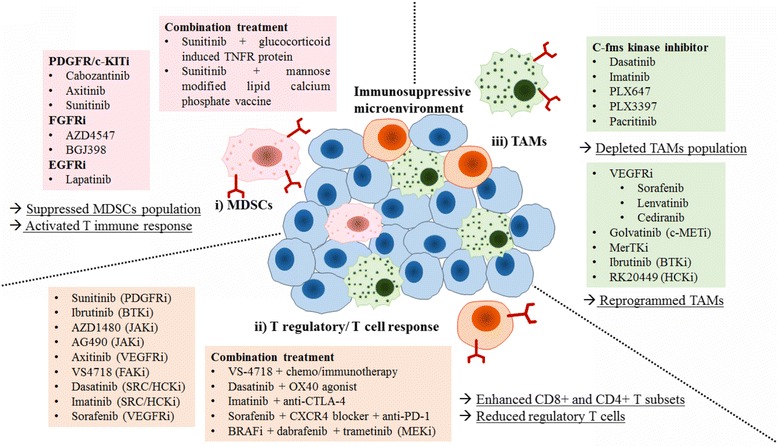
“Observing sunitinib co-operatively targeting on VEGFR2, c-kit receptor, PDGFR as well as Flt3, further investigation postulated that c-KIT is responsible on the suppressive action of sunitinib on MDSC expansion and survival [79].”
BackgroundCooke, V. G., LeBleu, V. S., Keskin, D., Khan, Z., O'Connell, J. T., Teng, Y., Duncan, M. B., Xie, L., Maeda, G., Vong, S., et al. (2012) · Cancer Cell · doi:10.1016/j.ccr.2011.11.024 · Cited by 530 · cited 1×
“with imatinib and sunitinib further increased the metastatic rate followed by enhanced hypoxia and mesenchymal phenotype in tumour-bearing mice [34].”
BackgroundBalachandran, V. P., Cavnar, M. J., Zeng, S., Bamboat, Z. M., Ocuin, L. M., Obaid, H., Sorenson, E. C., Popow, R., Ariyan, C., Rossi, F., et al. (2011) · Nature Medicine · doi:10.1038/nm.2438 · Cited by 521 · cited 1×
“Coadministration of imatinib with anti-CTLA-4, the T cell modulator showed greater tumour regression compared with single treatment [105].”
BackgroundXin, H., Zhang, C., Herrmann, A., Du, Y., Figlin, R., & Yu, H. (2009) · Cancer Research · doi:10.1158/0008-5472.can-08-4323 · Cited by 504 · cited 1×
“also demonstrated the suppression of MDSCs by sunitinib via STAT3 inhibition [80], suggested the specific blockade of c-KIT or VEGFR1–3 using TKIs on MDSCs may be effective in producing a permissive immune-competent tumour microenvironment.”
MethodPietras, K., Pahler, J., Bergers, G., & Hanahan, D. (2008) · PLoS Medicine · doi:10.1371/journal.pmed.0050019 · Cited by 453 · cited 1×
“For instances, inhibition of PDGFR by imatinib declined the secretion of FGF-2 and FGF-7 by cancer associated fibroblast resulted in reduced tumour progression [47]; combination treatment of nilotinib, PDGFR inhibitor and everolimus, MTOR inhibitor reduced fibroblast and cancer growth [48]; sunitinib treatment abrogat…”
BackgroundChen, Y., Ramjiawan, R. R., Reiberger, T., Ng, M. R., Hato, T., Huang, Y., Ochiai, H., Kitahara, S., Unan, E. C., Reddy, T. P., et al. (2015) · Hepatology · doi:10.1002/hep.27665 · Cited by 451 · cited 1×
“Combination treatment of sorafenib with CXCR4 blocker and anti-PD-1 reprogrammed the immunosuppressive condition to anti-tumour phenotype and further induced HCC regression [111].”
Targeting cancer with kinase inhibitors
Gross, S., Rahal, R., Stransky, N., Lengauer, C., & Hoeflich, K. P. (2015) · Journal of Clinical Investigation · doi:10.1172/jci76094 · Cited by 444 · cited 1×
“Kinase inhibition in tumour cells by tyrosine kinase inhibitors offers promising clinical benefit to cancer patients, especially, who have tumour with mutated kinases [14].”
BackgroundNuclear FAK Controls Chemokine Transcription, Tregs, and Evasion of Anti-tumor Immunity
Serrels, A., Lund, T., Serrels, B., Byron, A., McPherson, R. C., von Kriegsheim, A., Gómez-Cuadrado, L., Canel, M., Muir, M., Ring, J. E., et al. (2015) · Cell · doi:10.1016/j.cell.2015.09.001 · Cited by 407 · cited 1×
“Inhibition of FAK kinase using VS-4718 markedly augmented CD4 (+) and CD8 (+) populations while declined regulatory T subsets [100].”
MethodMetastatic Growth from Dormant Cells Induced by a Col-I–Enriched Fibrotic Environment
Barkan, D., El Touny, L. H., Michalowski, A. M., Smith, J. A., Chu, I., Davis, A. S., Webster, J. D., Hoover, S., Simpson, R. M., Gauldie, J., et al. (2010) · Cancer Research · doi:10.1158/0008-5472.can-09-2356 · Cited by 394 · cited 1×
“mine the fate of cancer cells whether to remain dormant or proliferative [139].”
BackgroundYao, Z., Fenoglio, S., Gao, D. C., Camiolo, M., Stiles, B., Lindsted, T., Schlederer, M., Johns, C., Altorki, N., Mittal, V., et al. (2010) · Proceedings of the National Academy of Sciences · doi:10.1073/pnas.1009472107 · Cited by 389
Zhang, B., Ho, Y. W., Huang, Q., Maeda, T., Lin, A., Lee, S.-U., Hair, A., Holyoake, T. L., Huettner, C., & Bhatia, R. (2012) · Cancer Cell · doi:10.1016/j.ccr.2012.02.018 · Cited by 348
Geng, L., Donnelly, E. F., McMahon, G., Lin, P. C., Sierra‐Rivera, E., Oshinka, H., & Hallahan, D. E. (2001) · PubMed · Cited by 334
Peterson, T. E., Kirkpatrick, N. D., Huang, Y., Farrar, C. T., Marijt, K. A., Kloepper, J., Datta, M., Amoozgar, Z., Seano, G., Jung, K., et al. (2016) · Proceedings of the National Academy of Sciences · doi:10.1073/pnas.1525349113 · Cited by 317
Wang, W., Li, Q., Yamada, T., Matsumoto, K., Matsumoto, I., Oda, M., Watanabe, G., Kayano, Y., Nishioka, Y., Sone, S., et al. (2009) · Clinical Cancer Research · doi:10.1158/1078-0432.ccr-09-1001 · Cited by 297 · cited 3×
“This notion was further supported by pre-clinical observations that the paracrine secretions of various growth factors by neighboring fibroblast such as hepatocyte growth factors (HGF) and neuregulin 1 (NRG1) further promoted cancer cell resistance to TKIs [60, 158].”
BackgroundResultKo, J. S., Rayman, P., Ireland, J., Swaidani, S., Li, G., Bunting, K. D., Rini, B., Finke, J. H., & Cohen, P. A. (2010) · Cancer Research · doi:10.1158/0008-5472.can-09-3278 · Cited by 296 · cited 1×
“Despite the potent effect of VEGFR/c-KIT targeted TKIs on MDSCs as reported, the resistance of MDSCs towards sunitinib treatment has also been reported and the intra-tumoral survival of MDSCs was associated with STAT5 activation and GMCSF upregulation [86, 87].”
BackgroundHaratani, K., Hayashi, H., Tanaka, T., Kaneda, H., Togashi, Y., Sakai, K., Hayashi, K., Tomida, S., Chiba, Y., Yonesaka, K., et al. (2017) · Annals of Oncology · doi:10.1093/annonc/mdx183 · Cited by 296 · cited 1×
“vival and the enhanced progression-free survival rate was in proportion to PD-L1 expression [161].”
BackgroundMacrophage colony-stimulating factor receptor c-fms is a novel target of imatinib
Dewar, A. L., Cambareri, A. C., Zannettino, A. C. W., Miller, B. L., Doherty, K. V., Hughes, T. P., & Lyons, A. B. (2005) · Blood · doi:10.1182/blood-2004-10-3967 · Cited by 284 · cited 1×
“The potent ‘off-target’ inhibitors of FMS receptor, dasatinib and imatinib have been shown to inhibit the growth of recruitment and growth of macrophages [116, 117].”
BackgroundMDSC as a mechanism of tumor escape from sunitinib mediated anti-angiogenic therapy
Finke, J., Ko, J., Rini, B., Rayman, P., Ireland, J., & Cohen, P. (2011) · International Immunopharmacology · doi:10.1016/j.intimp.2011.01.030 · Cited by 281 · cited 1×
“Despite the potent effect of VEGFR/c-KIT targeted TKIs on MDSCs as reported, the resistance of MDSCs towards sunitinib treatment has also been reported and the intra-tumoral survival of MDSCs was associated with STAT5 activation and GMCSF upregulation [86, 87].”
BackgroundMyeloid derived suppressor cells—An overview of combat strategies to increase immunotherapy efficacy
Draghiciu, O., Lubbers, J., Nijman, H. W., & Daemen, T. (2015) · OncoImmunology · doi:10.4161/21624011.2014.954829 · Cited by 274
Targeting the Hepatocyte Growth Factor–cMET Axis in Cancer Therapy
Blumenschein, G. R., Mills, G. B., & Gonzalez-Angulo, A. M. (2012) · Journal of Clinical Oncology · doi:10.1200/jco.2011.40.3774 · Cited by 273 · cited 1×
“phosphorylation of Met, the proto-oncogene on cancer cells [55].”
BackgroundZhang, B., Li, M., McDonald, T., Holyoake, T. L., Moon, R. T., Campana, D., Shultz, L., & Bhatia, R. (2013) · Blood · doi:10.1182/blood-2012-02-412890 · Cited by 264 · cited 2×
“For instances, mesenchymal stromal cells protect the stem/progenitor cells from TKI-induced apoptosis, thereby leading to reduced sensitivity of stem cells towards TKI exposure and tumour relapse [39].”
BackgroundGoldman, A., Majumder, B., Dhawan, A., Ravi, S., Goldman, D., Kohandel, M., Majumder, P. K., & Sengupta, S. (2015) · Nature Communications · doi:10.1038/ncomms7139 · Cited by 260 · cited 1×
“Notably, inhibition of SFK/Hck using RK20449 or dasatinib declined the cancer stemlike populations and allowed temporal chemotherapeutic action [70].”
MethodHershman, D. L., Till, C., Wright, J. D., Awad, D., Ramsey, S. D., Barlow, W. E., Minasian, L. M., & Unger, J. (2016) · Journal of Clinical Oncology · doi:10.1200/jco.2015.66.2346 · Cited by 246
EGFR-TKI resistance in NSCLC patients: mechanisms and strategies.
Lin, Y., Wang, X., & Jin, H. (2014) · Europe PMC (PubMed Central) · Cited by 233
Stokes, J. B., Adair, S. J., Slack-Davis, J. K., Walters, D. M., Tilghman, R. W., Hershey, E. D., Lowrey, B., Thomas, K. S., Bouton, A. H., Hwang, R. F., et al. (2011) · Molecular Cancer Therapeutics · doi:10.1158/1535-7163.mct-11-0261 · Cited by 233 · cited 2×
“By silencing the receptor tyrosine kinases expressed on fibroblast cells such as FAK and VEGFR, PF562271 [43] and regorafenib treatment [44] reduced populations of fibroblast and interrupting the interaction of tumour cells with stromal cells, resulted in cancer regression.”
BackgroundPiao, Y., Liang, J., Holmes, L., Zurita, A. J., Henry, V., Heymach, J. V., & de Groot, J. F. (2012) · Neuro-Oncology · doi:10.1093/neuonc/nos158 · Cited by 227 · cited 1×
“It is supported by another observation that prolonged use of sunitinib in orthotopic glioma bearing mice triggered restoration of macrophages and Gr1 (+) MDSCs thereby promoted aggressive phenotype of tumour cells [88].”
ResultYano, S., Yamada, T., Takeuchi, S., Tachibana, K., Minami, Y., Yatabe, Y., Mitsudomi, T., Tanaka, H., Kimura, T., Kudoh, S., et al. (2011) · Journal of Thoracic Oncology · doi:10.1097/jto.0b013e31823ab0dd · Cited by 220 · cited 1×
“press in EGFR-TKI resistant lung cancer patients [57].”
BackgroundLIF Mediates Proinvasive Activation of Stromal Fibroblasts in Cancer
Albrengues, J., Bourget, I., Pons, C., Butet, V., Hofman, P., Tartare-Deckert, S., Feral, C. C., Meneguzzi, G., & Gaggioli, C. (2014) · Cell Reports · doi:10.1016/j.celrep.2014.04.036 · Cited by 212 · cited 1×
“Accordingly, JAK2 tyrosine kinase inhibitor, ruxolitinib eradicated the remodeling towards pro-invasive phenotype by fibroblast, suggested the JAK inhibition as ideal target for fibroblast inactivation [45].”
BackgroundNiemann, C. U., Herman, S. E. M., Maric, I., Gomez-Rodriguez, J., Biancotto, A., Chang, B. Y., Martyr, S., Stetler-Stevenson, M., Yuan, C. M., Calvo, K. R., et al. (2016) · Clinical Cancer Research · doi:10.1158/1078-0432.ccr-15-1965 · Cited by 201 · cited 1×
“macrophages with leukemic cells as well as reduced chemo-attractant CXCL13 following ibrutinib treatment [95].”
BackgroundCasali, P. G., Zalcberg, J., Le Cesne, A., Reichardt, P., Blay, J.-Y., Lindner, L. H., Judson, I. R., Schöffski, P., Leyvraz, S., Italiano, A., et al. (2017) · Journal of Clinical Oncology · doi:10.1200/jco.2016.71.0228 · Cited by 194 · cited 1×
“gastrointestinal stromal patients [10, 11]; sorafenib which multi-targeted VEGFR, PDGFR and Raf, is uti-”
BackgroundKwilas, A. R., Ardiani, A., Donahue, R. N., Aftab, D. T., & Hodge, J. W. (2014) · Journal of Translational Medicine · doi:10.1186/s12967-014-0294-y · Cited by 192 · cited 1×
“For instance, use of axitinib, the VEGFR inhibitor declined MDSCs while induced CD8 T cell infiltration to melanoma [81, 82]; cabozantinib, a multikinase inhibitor perturbated the immune cells subset and reduced MDSCs and regulatory T cells in spleen [83].”
BackgroundGoede, V, Coutelle, O., Neuneier, J., Reinacher-Schick, A., Schnell, R., Koslowsky, T. C., Weihrauch, M. R., Cremer, B., Kashkar, H., Odenthal, M., et al. (2010) · British Journal of Cancer · doi:10.1038/sj.bjc.6605925 · Cited by 186 · cited 1×
“Besides, the authors also demonstrated combination treatment of golvatinib with lenvatinib, the VEGF inhibitor sensitized cancer cells towards lenvatinib treatment, further justified the previous study that Ang2 inhibition reversed the cancer resistance of VEGF inhibitor [125].”
ResultBuchner, M., Baer, C., Prinz, G., Dierks, C., Burger, M., Zenz, T., Stilgenbauer, S., Jumaa, H., Veelken, H., & Zirlik, K. (2010) · Blood · doi:10.1182/blood-2009-07-233692 · Cited by 176 · cited 1×
“restricted secretion of adhesion factors CXCL12 and VCAM-1 as well as Mcl-1, the chemo resistant factor by stromal cells, which in turn resulted in resistant chronic lymphocytic leukemic cell death [42].”
BackgroundYang, J. J., Zhou, Q., Yan, H. H., Zhang, X. C., Chen, H. J., Tu, H. Y., Wang, Z., Xu, C. R., Su, J., Wang, B. C., et al. (2017) · British Journal of Cancer · doi:10.1038/bjc.2016.456 · Cited by 175
Immunotherapy and Novel Combinations in Oncology: Current Landscape, Challenges, and Opportunities
Morrissey, K., Yuraszeck, T., Li, C., Zhang, Y., & Kasichayanula, S. (2016) · Clinical and Translational Science · doi:10.1111/cts.12391 · Cited by 171 · cited 1×
“The idea combining TKIs with immunotherapy raised in early 2010s and some efforts, in both pre-clinical and clinical extent, have been made to investigate its beneficial effect in cancer treatment [145].”
BackgroundEGFR TKI combination with immunotherapy in non-small cell lung cancer
Ahn, M.-J., Sun, J.-M., Lee, S.-H., Ahn, J. S., & Park, K. (2017) · Expert Opinion on Drug Safety · doi:10.1080/14740338.2017.1300656 · Cited by 169 · cited 1×
“Some studies have reported the increased risk of adverse reaction after combination therapy, including higher incidence of grade 3/4 liver enzyme elevation (40–70%) and high incidence of interstitial lung disease (38%) [151].”
BackgroundSprinzl, M. F., Reisinger, F., Puschnik, A., Ringelhan, M., Ackermann, K., Hartmann, D., Schiemann, M., Weinmann, A., Galle, P. R., Schuchmann, M., et al. (2013) · Hepatology · doi:10.1002/hep.26328 · Cited by 169 · cited 1×
“For instances, sorafenib treatment stimulated IL12, IL18 and IL6 production in TAMs after LPS priming, which further supported natural killer cells function [122].”
BackgroundHaas, N. B., Manola, J., Dutcher, J. P., Flaherty, K. T., Uzzo, R. G., Atkins, M. B., DiPaola, R. S., & Choueiri, T. K. (2017) · JAMA Oncology · doi:10.1001/jamaoncol.2017.0076 · Cited by 166 · cited 1×
“lized for advanced renal cell carcinoma and hepatocellular carcinoma patients [12, 13].”
BackgroundBaker, C. H., Kedar, D. J., McCarty, M. F., Tsan, R. Z., Weber, K. L., Bucana, C. D., & Fidler, I. J. (2002) · American Journal Of Pathology · doi:10.1016/s0002-9440(10)64253-8 · Cited by 163
Clinical activity and safety of cobimetinib (cobi) and atezolizumab in colorectal cancer (CRC).
Bendell, J. C., Kim, T. W., Goh, B. C., Wallin, J., Oh, D.-Y., Han, S.-W., Lee, C. B., Hellmann, M. D., Desai, J., Lewin, J. H., et al. (2016) · Journal of Clinical Oncology · doi:10.1200/jco.2016.34.15_suppl.3502 · Cited by 162
Efferocytosis produces a prometastatic landscape during postpartum mammary gland involution
Stanford, J. C., Young, C., Hicks, D., Owens, P., Williams, A., Vaught, D. B., Morrison, M. M., Lim, J., Williams, M., Brantley-Sieders, D. M., et al. (2014) · Journal of Clinical Investigation · doi:10.1172/jci76375 · Cited by 160
Yan, X., Fu, C., Chen, L., Qin, J., Zeng, Q., Yuan, H., Nan, X., Chen, H., Zhou, J., Lin, Y.-L., et al. (2011) · Breast Cancer Research and Treatment · doi:10.1007/s10549-011-1577-0 · Cited by 157 · cited 1×
“Suppressing EGF receptor using AG1478 therefore suppressed mesenchymal stem cells mediated mammosphere formation [64].”
BackgroundHuo, M., Zhao, Y., Satterlee, A. B., Wang, Y., Xu, Y., & Huang, L. (2017) · Journal of Controlled Release · doi:10.1016/j.jconrel.2016.11.013 · Cited by 156 · cited 1×
“Similar observation also obtained on combination treatment of encapsulated sunitinib with mannose-modified lipid calcium phosphate vaccine on melanoma, in which the immune response was shifted towards Th1 phenotype resulted in tumour apoptosis [85].”
ResultAkiyama, K., Ohga, N., Hida, Y., Kawamoto, T., Sadamoto, Y., Ishikawa, S., Maishi, N., Akino, T., Kondoh, M., Matsuda, A., et al. (2012) · The American Journal of Pathology · doi:10.1016/j.ajpath.2011.11.029 · Cited by 154 · cited 1×
“For instances, SU5416, the VEGFR2 inhibitor eliminated melanoma microvasculature [26]; imatinib mesylate, the PDGFR inhibitor blocked the angiogenesis in prostate cancer bone metastases [27]; Ki8751, the VEGFR inhibitor reversed MDR1 up-regulation and endothelial cells chemoresistance [28].”
BackgroundTan, H.-Y., Wang, N., Man, K., Tsao, S.-W., Che, C.-M., & Feng, Y. (2015) · Cell Death & Disease · doi:10.1038/cddis.2015.271 · Cited by 154 · cited 14×
“Therefore, apart from macrophage depletion, therapeutic strategies in re-programming TAMs immunosuppressive phenotype towards anti-tumour profile by TKIs intervention have also emerged as potent TAMs-targeted cancer therapy.”
BackgroundInfluentialSelf-citationCabozantinib Eradicates Advanced Murine Prostate Cancer by Activating Antitumor Innate Immunity
Patnaik, A., Swanson, K. D., Csizmadia, E., Solanki, A., Landon-Brace, N., Gehring, M. P., Helenius, K., Olson, B. M., Pyzer, A. R., Wang, L. C., et al. (2017) · Cancer Discovery · doi:10.1158/2159-8290.cd-16-0778 · Cited by 146 · cited 1×
“neutrophils for following cancer eradication after cabozantinib intervention [138].”
BackgroundCancer resistance to therapies against the EGFR-RAS-RAF pathway: The role of MEK
Martinelli, E., Morgillo, F., Troiani, T., & Ciardiello, F. (2017) · Cancer Treatment Reviews · doi:10.1016/j.ctrv.2016.12.001 · Cited by 146 · cited 1×
“This is in accordance with the notion that MEK activation exerts cancer cell resistance while inclusion of MEK inhibitor may overcome it [114].”
ResultCombined SFK/MEK inhibition prevents metastatic outgrowth of dormant tumor cells
El Touny, L. H., Vieira, A., Mendoza, A., Khanna, C., Hoenerhoff, M. J., & Green, J. E. (2014) · Journal of Clinical Investigation · doi:10.1172/jci70259 · Cited by 144 · cited 1×
“offered transient blockade on proliferation of dormant cancer cells, and only combination of AZD0530 with selumetinib, MEK inhibitor prevented the dormant-toproliferative shift of cancer cells [140].”
BackgroundBruton's tyrosine kinase phosphorylates Toll-like receptor 3 to initiate antiviral response
Lee, K.-G., Xu, S., Kang, Z.-H., Huo, J., Huang, M., Liu, D., Takeuchi, O., Akira, S., & Lam, K.-P. (2012) · Proceedings of the National Academy of Sciences · doi:10.1073/pnas.1119238109 · Cited by 144 · cited 1×
“Accumulating studies postulate the BTK was activated/phosphorylated upon Toll like receptors (TLR) stimulation [130], and activation of BTK was associated with TLR3-associated cytokine production in macrophages [131].”
BackgroundChemotherapeutic Targeting of Cancer-Induced Immunosuppressive Cells
Alizadeh, D., & Larmonier, N. (2014) · Cancer Research · doi:10.1158/0008-5472.can-14-0301 · Cited by 142 · cited 1×
“macrophages, promoted escape of tumour cells from immune surveillance [77].”
BackgroundKIT oncogene inhibition drives intratumoral macrophage M2 polarization
Cavnar, M. J., Zeng, S., Kim, T. S., Sorenson, E. C., Ocuin, L. M., Balachandran, V. P., Seifert, A. M., Greer, J. B., Popow, R., Crawley, M. H., et al. (2013) · Journal of Experimental Medicine · doi:10.1084/jem.20130875 · Cited by 133 · cited 1×
“tumour-promoting-like upon cancer cells acquired resistance towards imatinib [118].”
BackgroundYamada, T., Takeuchi, S., Nakade, J., Kita, K., Nakagawa, T., Nanjo, S., Nakamura, T., Matsumoto, K., Soda, M., Mano, H., et al. (2012) · Clinical Cancer Research · doi:10.1158/1078-0432.ccr-11-2972 · Cited by 133 · cited 2×
“Very interestingly, endothelial cells produced EGFR ligand also initiated the resistance of lung cancer cells towards crizotinib and co-treatment with erlotinib resensitized the cells towards crizotinib treatment [61].”
BackgroundChen, M., Yan, B., Lu, W., Chen, M., Yu, S., Yang, P., & Ann‐Lii, C. (2013) · International Journal of Cancer · doi:10.1002/ijc.28362 · Cited by 131
Cerniglia, G. J., Pore, N., Tsai, J. H., Schultz, S., Mick, R., Choe, R., Xing, X., Durduran, T., Yodh, A. G., Evans, S. M., et al. (2009) · PLoS ONE · doi:10.1371/journal.pone.0006539 · Cited by 125 · cited 1×
“Subsequent findings on erlotinib and gefitinib, EGFR inhibitors showed combination use of TKI with chemotherapeutic agents enhanced vessel permeability and fractional plasma volume, which consequently, optimized the efficacy of drug delivery [21, 22].”
BackgroundBuettner, R., Mesa, T., Vultur, A., Lee, F., & Jove, R. (2008) · Molecular Cancer Research · doi:10.1158/1541-7786.mcr-08-0169 · Cited by 123 · cited 2×
“As a Src/Abl kinase inhibitor, dasatinib was known to inhibit the SFK kinase activity and the downstream molecule MMP9 [74].”
BackgroundDraghiciu, O., Nijman, H. W., Hoogeboom, B. N., Meijerhof, T., & Daemen, T. (2015) · OncoImmunology · doi:10.4161/2162402x.2014.989764 · Cited by 123 · cited 1×
“ment [67]; addition of dasatinib declined the mesothelial-like cell proliferation and thereby attenuated”
BackgroundYoshida, T., Ishii, G., Goto, K., Neri, S., Hashimoto, H., Yoh, K., Niho, S., Umemura, S., Matsumoto, S., Ohmatsu, H., et al. (2015) · Clinical Cancer Research · doi:10.1158/1078-0432.ccr-14-0846 · Cited by 123 · cited 1×
“The acquired resistance of tumour cells towards TKI has been frequently reported [46, 54].”
BackgroundKujawski, M., Zhang, C., Herrmann, A., Reckamp, K., Scuto, A., Jensen, M., Deng, J., Forman, S., Figlin, R., & Yu, H. (2010) · Cancer Research · doi:10.1158/0008-5472.can-10-1293 · Cited by 121 · cited 1×
“further enhanced the STAT3-deficient T cells infiltration [93].”
BackgroundLam, W., Jiang, Z., Guan, F., Huang, X., Hu, R., Wang, J., Bussom, S., Liu, S.-H., Zhao, H., Yen, Y., et al. (2015) · Scientific Reports · doi:10.1038/srep09384 · Cited by 116 · cited 1×
“This immune-modulatory effect of PHY906 improved the anti-tumour TME signature and thereby enhanced the efficacy of sorafenib [162].”
BackgroundSelf-citationExtracellular matrix regulation of drug resistance in small-cell lung cancer
Rintoul, R. C., & Sethi, T. (2002) · Clinical Science · doi:10.1042/cs1020417 · Cited by 115
Role of Syk in B-cell development and antigen-receptor signaling
Cornall, R. J., Cheng, A. M., Pawson, T., & Goodnow, C. C. (2000) · Proceedings of the National Academy of Sciences · doi:10.1073/pnas.97.4.1713 · Cited by 114 · cited 1×
“The spleen tyrosine kinase (SYK) has been identified as the B-cell receptor and inhibition of SYK critically attenuated B cells maturation and survival [41].”
BackgroundIbrutinib modifies the function of monocyte/macrophage population in chronic lymphocytic leukemia
Fiorcari, S., Maffei, R., Audrito, V., Martinelli, S., ten Hacken, E., Zucchini, P., Grisendi, G., Potenza, L., Luppi, M., Burger, J. A., et al. (2016) · Oncotarget · doi:10.18632/oncotarget.11782 · Cited by 114 · cited 1×
“Likewise, ibrutinib also enhanced the anti-tumour phenotype of TAMs in chronic lymphocytic leukemia [133].”
BackgroundAntiangiogenic and Antimetastatic Activity of JAK Inhibitor AZD1480
Xin, H., Herrmann, A., Reckamp, K., Zhang, W., Pal, S., Hedvat, M., Zhang, C., Liang, W., Scuto, A., Weng, S., et al. (2011) · Cancer Research · doi:10.1158/0008-5472.can-11-1217 · Cited by 112 · cited 1×
“Inhibition of STAT3 using JAK inhibitor AZD1480 also found to decline tumour-associated myeloid population and inhibit myeloid infiltration to tumour site [76].”
MethodColuccia, A. M. L., Cirulli, T., Neri, P. E., Mangieri, D., Colanardi, M. C., Gnoni, A., Renzo, N. D., Dammacco, F., Tassone, P., Ribatti, D., et al. (2008) · Blood · doi:10.1182/blood-2007-10-116590 · Cited by 111 · cited 1×
“PDGFR and Src, the use of dasatinib, the Src/Abl kinase inhibitor also deferred tumour angiogenesis [33].”
BackgroundMueller, K. L., Madden, J. M., Zoratti, G. L., Kuperwasser, C., List, K., & Boerner, J. L. (2012) · Breast Cancer Research · doi:10.1186/bcr3224 · Cited by 111 · cited 1×
“growth factor (HGF), the Met ligand-secreting fibroblast and cancer cells declined cancer cell sensitivity towards TKI treatment [56].”
BackgroundImmune Consequences of Tyrosine Kinase Inhibitors that Synergize with Cancer Immunotherapy
(2015) · Cancer Cell & Microenvironment · doi:10.14800/ccm.677 · Cited by 110 · cited 1×
“Taken the example of tumour immunology, TKIs generally act on the two mechanisms: immunogenic control and immune conditioning [19].”
BackgroundMassó-Vallés, D., Jauset, T., Serrano, E., Sodir, N. M., Pedersen, K., Affara, N. I., Whitfield, J. R., Beaulieu, M.-E., Evan, G. I., Elias, L., et al. (2015) · Cancer Research · doi:10.1158/0008-5472.can-14-2852 · Cited by 107 · cited 1×
“The same phenomenon also documented in ibrutinib-treated pancreatic tumour, whereby ibrutinib treatment diminished the mast cell associated fibrosis [137].”
BackgroundCabrera, R., Ararat, M., Xu, Y., Brusko, T. M., Wasserfall, C. H., Atkinson, M. A., Chang, L. J., Liu, C., & Nelson, D. R. (2012) · Cancer Immunology Immunotherapy · doi:10.1007/s00262-012-1380-8 · Cited by 107 · cited 1×
“postulated the dose-dependency of sorafenib on immuno-regulation, in which reduced IL2 secretion by CD4 (+) T cells while increased regulatory T suppressive activity above 3 μM of sorafenib treatment [112].”
BackgroundPing, L., Ding, N., Shi, Y., Feng, L., Li, J., Liu, Y., Lin, Y., Shi, C., Wang, X., Pan, Z., et al. (2017) · Oncotarget · doi:10.18632/oncotarget.16836 · Cited by 101 · cited 1×
“kines CXCL12, CXCL13, CCL19 and VEGF production by TAMs, which in turn resulted in declined invasion and migration of lymphoid cells [132].”
BackgroundSorafenib inhibits activation of human peripheral blood T cells by targeting LCK phosphorylation
Zhao, W. M., Gu, Y., Song, R., Qu, B., & Xu, Q. (2008) · Leukemia · doi:10.1038/leu.2008.58 · Cited by 101 · cited 1×
“tinib and imatinib has also been documented by sorafenib treatment, in which sorafenib also impaired T cells activation through LCK inactivation on T cells [106, 107].”
BackgroundEichelberg, C., Heuer, R., Chun, F. K. ‐., Hinrichs, K., Zacharias, M., Huland, H., & Hans Heinzer, A. (2008) · European Urology · doi:10.1016/j.eururo.2008.07.051 · Cited by 100
Steinberg, S. M., Shabaneh, T. B., Zhang, P., Martyanov, V., Li, Z., Malik, B. T., Wood, T. A., Boni, A., Molodtsov, A., Angeles, C. V., et al. (2017) · Cancer Research · doi:10.1158/0008-5472.can-16-1755 · Cited by 100 · cited 1×
“Further study, nevertheless, showed solely MDSCs depletion could not re-sensitize tumour cells towards BRAF inhibitor treatment, while combination treatment with immunotherapies anti-CTLA-4 and anti PD-1 elicited tumour cells to immunotherapy-triggered cancer cell death [91].”
BackgroundTargeted Blockade of JAK/STAT3 Signaling Inhibits Ovarian Carcinoma Growth
Gritsina, G., Xiao, F., O’Brien, S. W., Gabbasov, R. T., Maglaty, M. A., Xu, R.-H., Thapa, R. J., Zhou, Y., Nicolas, É., Litwin, S., et al. (2015) · Molecular Cancer Therapeutics · doi:10.1158/1535-7163.mct-14-0800 · Cited by 96 · cited 1×
“Moreover, the JAK inhibitor, AZD1480 and AG490 has been described to reduce suppressive T populations while augment antitumour CD8 (+) T, M1 macrophages and natural killer populations [97, 98].”
BackgroundWan, X., Corn, P. G., Yang, J., Palanisamy, N., Starbuck, M. W., Efstathiou, E., Li Ning Tapia, E. M., Zurita, A. J., Aparicio, A., Ravoori, M. K., et al. (2014) · Science Translational Medicine · doi:10.1126/scitranslmed.3009332 · Cited by 96 · cited 1×
“For instances, inhibition of PDGFR by imatinib declined the secretion of FGF-2 and FGF-7 by cancer associated fibroblast resulted in reduced tumour progression [47]; combination treatment of nilotinib, PDGFR inhibitor and everolimus, MTOR inhibitor reduced fibroblast and cancer growth [48]; sunitinib treatment abrogat…”
BackgroundDesign and pharmacology of a highly specific dual FMS and KIT kinase inhibitor
Zhang, C., Ibrahim, P. N., Zhang, J., Burton, E. A., Habets, G., Zhang, Y., Powell, B., West, B. L., Matusow, B., Tsang, G., et al. (2013) · Proceedings of the National Academy of Sciences · doi:10.1073/pnas.1219457110 · Cited by 95 · cited 1×
“PLX647, a FLT3 inhibitor also showed 35-fold above selectivity against its enzymatic homologs FMS at 1 μM [119].”
BackgroundCombining Agents that Target the Tumor Microenvironment Improves the Efficacy of Anticancer Therapy
Blansfield, J. A., Caragacianu, D., Alexander, H. R., Tangrea, M. A., Morita, S. Y., Lorang, D., Schafer, P., Muller, G., Stirling, D., Royal, R. E., et al. (2008) · Clinical Cancer Research · doi:10.1158/1078-0432.ccr-07-1562 · Cited by 95 · cited 1×
“Sunitinib, the inhibitor for VEGFR and PDGFR inhibited tube formation and outgrowth of aortic ring [31] as well as induced endothelial cells death [32].”
BackgroundLi, F., Zhu, T., Cao, B., Wang, J., & Liang, L. (2017) · European Journal of Cancer · doi:10.1016/j.ejca.2017.07.037 · Cited by 95 · cited 1×
“It was observed that coadministration of EGFR inhibitors with apatinib, a highly selective VEGFR2 inhibitor reduced the expression of VEGF in TME, which further delayed tumor growth in mice and prolonged disease-free survival in cancer patients [159].”
BackgroundNew Challenges in Endpoints for Drug Development in Advanced Melanoma
Ribas, A., Hersey, P., Middleton, M. R., Gogas, H. J., Flaherty, K. T., Sondak, V. K., & Kirkwood, J. M. (2012) · Clinical Cancer Research · doi:10.1158/1078-0432.ccr-11-2323 · Cited by 94 · cited 1×
“The effect of TKIs could be strategically complemented by immunotherapy, which induces a low percentage but highly durable tumour response [143].”
BackgroundPoh, A. R., Love, C. G., Masson, F., Preaudet, A., Tsui, C., Whitehead, L. W., Monard, S. P., Khakham, Y., Burstroem, L., Lessène, G., et al. (2017) · Cancer Cell · doi:10.1016/j.ccell.2017.03.006 · Cited by 87 · cited 1×
“Besides, the TAMs polarization towards M2 phenotype is regulated by HCK activation, while pharmacological inhibition of HCK using RK20449 declined M2-like macrophage accumulation [134].”
BackgroundShah, M. V., Wiktor, A. E., Meyer, R. G., Tenner, K., Ballman, K. V., Green, S. J., Sukov, W. R., Ketterling, R. P., Perez, E. A., & Jenkins, R. B. (2016) · Journal of Clinical Oncology · doi:10.1200/jco.2015.61.8983 · Cited by 85
Reiter, K., Polzer, H., Krupka, C., Maiser, A., Vick, B., Rothenberg-Thurley, M., Metzeler, K. H., Dörfel, D., Salih, H. R., Jung, G., et al. (2018) · Leukemia · doi:10.1038/leu.2017.257 · Cited by 85 · cited 1×
“Combination of TKIs with FLT3-directed immunotherapy enhanced its therapeutic outcome on acute myeloid leukaemia, which is probably due to the induced expression and localization of FLT3 on the cell surface [150].”
BackgroundChowdhury, S., McDermott, D. F., Voss, M. H., Hawkins, R. E., Aimone, P., Voi, M., Isabelle, N., Wu, Y., & Infante, J. R. (2017) · Journal of Clinical Oncology · doi:10.1200/jco.2017.35.15_suppl.4506 · Cited by 84 · cited 1×
“While sequential regimen showed improved efficacy yet limited tolerability [154].”
BackgroundSagiv-Barfi, I., Kohrt, H. E., Burckhardt, L., Czerwinski, D. K., & Levy, R. (2015) · Blood · doi:10.1182/blood-2014-08-593137 · Cited by 83 · cited 1×
“ligand also enhanced the antigen presenting property of cancer cells for T cell recognition [96].”
BackgroundMerTK as a therapeutic target in glioblastoma
Wu, J., Frady, L. N., Bash, R., Cohen, S. M., Schorzman, A. N., Su, Y.-T., Irvin, D., Zamboni, W. C., Wang, X., Frye, S. V., et al. (2017) · Neuro-Oncology · doi:10.1093/neuonc/nox111 · Cited by 82 · cited 1×
“MerTK inhibitor treatment declined M2 macrophage population in glioma associated microenvironment [128].”
BackgroundFarsaci, B., Donahue, R. N., Coplin, M. A., Grenga, I., Lepone, L. M., Molinolo, A. A., & Hodge, J. W. (2014) · Cancer Immunology Research · doi:10.1158/2326-6066.cir-14-0076 · Cited by 81 · cited 14×
“Therefore, apart from macrophage depletion, therapeutic strategies in re-programming TAMs immunosuppressive phenotype towards anti-tumour profile by TKIs intervention have also emerged as potent TAMs-targeted cancer therapy.”
BackgroundInfluentialHoldman, X. B., Welte, T., Rajapakshe, K., Pond, A. C., Coarfa, C., Mo, Q., Huang, S., Hilsenbeck, S. G., Edwards, D. P., Zhang, X., et al. (2015) · Breast Cancer Research · doi:10.1186/s13058-015-0649-1 · Cited by 78 · cited 1×
“Although tumour relapse was observed after 4 months, the combination uses of EGFR inhibitor, lapatinib with BGJ398 significantly deferred the tumour reversion [90].”
BackgroundDasatinib is a potent inhibitor of tumour-associated macrophages, osteoclasts and the FMS receptor
Brownlow, N., Mol, C. D., Hayford, C., Ghaem‐Maghami, S., & Dibb, N. J. (2008) · Leukemia · doi:10.1038/leu.2008.237 · Cited by 77 · cited 1×
“The potent ‘off-target’ inhibitors of FMS receptor, dasatinib and imatinib have been shown to inhibit the growth of recruitment and growth of macrophages [116, 117].”
BackgroundDasatinib inhibits the proliferation and function of CD4+CD25+ regulatory T cells
Fei, F., Yu, Y., Schmitt, A., Rojewski, M., Chen, B., Götz, M., Döhner, H., Bunjes, D. W., & Schmitt, M. W. (2008) · British Journal of Haematology · doi:10.1111/j.1365-2141.2008.07433.x · Cited by 76 · cited 1×
“Dasatinib, a multikinase inhibitor, reduced T cellular proliferation, its associated cytokine production and cellular response [102, 103].”
BackgroundParacrine Effect of NRG1 and HGF Drives Resistance to MEK Inhibitors in Metastatic Uveal Melanoma
Cheng, H., Terai, M., Kageyama, K., Ozaki, S., McCue, P. A., Sato, T., & Aplin, A. E. (2015) · Cancer Research · doi:10.1158/0008-5472.can-15-0370 · Cited by 72 · cited 1×
“This notion was further supported by pre-clinical observations that the paracrine secretions of various growth factors by neighboring fibroblast such as hepatocyte growth factors (HGF) and neuregulin 1 (NRG1) further promoted cancer cell resistance to TKIs [60, 158].”
ResultMcDermott, D. F., Atkins, M. B., Motzer, R. J., Rini, B. I., Escudier, B. J., Fong, L. H., Joseph, R. W., Pal, S. K., Sznol, M., Hainsworth, J. D., et al. (2017) · Journal of Clinical Oncology · doi:10.1200/jco.2017.35.6_suppl.431 · Cited by 70 · cited 1×
“renal cell carcinoma (mRCC), and a large scale phase III trial is highly suggested [146].”
BackgroundKim, S.-J., Uehara, H., Yazıcı, S., He, J., Langley, R. R., Mathew, P. F., Fan, D., & Fidler, I. J. (2005) · Cancer Research · doi:10.1158/0008-5472.can-04-3601 · Cited by 68 · cited 1×
“For instance, the MET inhibitor PF2341066 was administrated with imatinib or sunitinib to reduce the epithelial-to-mesenchymal transition [15] and coadministration of imatinib with osteoclast-depleting zoledronate declined prevalence of lymph node metastasis [35].”
MethodCombined vaccine+axitinib therapy yields superior antitumor efficacy in a murine melanoma model
Bose, A., Lowe, D. B., Rao, A., & Storkus, W. J. (2012) · Melanoma Research · doi:10.1097/cmr.0b013e3283538293 · Cited by 67 · cited 1×
“For instance, use of axitinib, the VEGFR inhibitor declined MDSCs while induced CD8 T cell infiltration to melanoma [81, 82]; cabozantinib, a multikinase inhibitor perturbated the immune cells subset and reduced MDSCs and regulatory T cells in spleen [83].”
BackgroundYang, Y., Liu, C., Peng, W., Lizee, G. A., Overwijk, W. W., Liu, Y., Woodman, S. E., & Hwu, P. (2012) · Blood · doi:10.1182/blood-2012-02-407163 · Cited by 66 · cited 1×
“Co-stimulation of T response using OX40 agonist induced synergistic tumour inhibitory effect compared with dasatinib or anti-OX40 alone [104].”
BackgroundFraser, C. K., Blake, S. J., Diener, K. R., Lyons, A. B., Brown, M. P., Hughes, T. P., & Hayball, J. D. (2008) · Experimental Hematology · doi:10.1016/j.exphem.2008.09.013 · Cited by 66 · cited 1×
“Dasatinib, a multikinase inhibitor, reduced T cellular proliferation, its associated cytokine production and cellular response [102, 103].”
BackgroundEfficacy of a Cancer Vaccine against ALK -Rearranged Lung Tumors
Voena, C., Menotti, M., Mastini, C., Giacomo, F. D., Longo, D. L., Castella, B., Merlo, M. E. B., Ambrogio, C., Wang, Q., Minero, V. G., et al. (2015) · Cancer Immunology Research · doi:10.1158/2326-6066.cir-15-0089 · Cited by 66 · cited 2×
“This notion has been partially supported by pre-clinical observation in mouse model, which showed that an ALK vaccine improved tumour relapses after TKI suspension [144].”
BackgroundResultModeling Pharmacological Inhibition of Mast Cell Degranulation as a Therapy for Insulinoma
Soucek, L., Buggy, J. J., Kortlever, R. M., Adimoolam, S., Allende, H., Salcedo, M. T., Swigart, L. B., & Evan, G. I. (2011) · Neoplasia · doi:10.1593/neo.11980 · Cited by 62 · cited 1×
“Intervention of PCI-32765, the BTK inhibitor, declined mast cells degranulation and cancer cell growth [136].”
BackgroundLiang, W. P., Kujawski, M., Wu, J., Lu, J., Herrmann, A., Loera, S., Yen, Y., Lee, F., Yu, H., Wen, W. X., et al. (2010) · Clinical Cancer Research · doi:10.1158/1078-0432.ccr-09-1486 · Cited by 62 · cited 2×
“As a Src/Abl kinase inhibitor, dasatinib was known to inhibit the SFK kinase activity and the downstream molecule MMP9 [74].”
BackgroundPDGFR Signaling Blockade in Marrow Stroma Impairs Lung Cancer Bone Metastasis
Catena, R., Luis-Ravelo, D., Antón, I., Zandueta, C., Colocho, P. E. S., Larzábal, L., Calvo, A., & Lecanda, F. (2010) · Cancer Research · doi:10.1158/0008-5472.can-10-1708 · Cited by 61 · cited 1×
“For instances, inhibition of PDGFR by imatinib declined the secretion of FGF-2 and FGF-7 by cancer associated fibroblast resulted in reduced tumour progression [47]; combination treatment of nilotinib, PDGFR inhibitor and everolimus, MTOR inhibitor reduced fibroblast and cancer growth [48]; sunitinib treatment abrogat…”
BackgroundTakigawa, H., Kitadai, Y., Shinagawa, K., Yuge, R., Higashi, Y., Tanaka, S., Yasui, W., & Chayama, K. (2016) · Cancer Science · doi:10.1111/cas.12907 · Cited by 61 · cited 1×
“treatment [44] reduced populations of fibroblast and interrupting the interaction of tumour cells with stromal cells, resulted in cancer regression.”
BackgroundSaito, S., Morishima, K., Ui, T., Hoshino, H., Matsubara, D., Ishikawa, S., Aburatani, H., Fukayama, M., Hosoya, Y., Sata, N., et al. (2015) · BMC Cancer · doi:10.1186/s12885-015-1065-8 · Cited by 60 · cited 1×
“Similar observation of reversing the cancer cell resistance was obtained by addition of PD-173074, FGFR inhibitor to lapanitib treatment [53].”
BackgroundLacerda, L., Debeb, B. G., Smith, D., Larson, R., Solley, T., Xu, W., Krishnamurthy, S., Gong, Y., Levy, L. B., Buchholz, T., et al. (2015) · Breast Cancer Research · doi:10.1186/s13058-015-0549-4 · Cited by 60 · cited 1×
“chymal stem cells and declined tumour metastasis [66].”
BackgroundKwon, Y., Smith, B. D., Zhou, Y., Kaufman, M. D., & Godwin, A. K. (2015) · Oncogene · doi:10.1038/onc.2013.539 · Cited by 60 · cited 1×
“Besides, the HGF produced by normal ovarian fibroblast are much higher than the cancer-associated fibroblast, suggested normal neighbouring fibroblast in supporting cancer cell progression [62].”
BackgroundRecombinant interleukin-21 plus sorafenib for metastatic renal cell carcinoma: a phase 1/2 study
Bhatia, S., Curti, B., Ernstoff, M. S., Gordon, M., Heath, E. I., Miller, W. H., Puzanov, I., Quinn, D. I., Flaig, T. W., VanVeldhuizen, P., et al. (2014) · Journal for ImmunoTherapy of Cancer · doi:10.1186/2051-1426-2-2 · Cited by 56
Receptor Tyrosine Kinases: Role in Cancer Progression
Sangwan, V., & Park, M. (2006) · Current Oncology · doi:10.3390/curroncol13050019 · Cited by 56
Hck Is a Key Regulator of Gene Expression in Alternatively Activated Human Monocytes
Bhattacharjee, A., Pal, S., Feldman, G. M., & Cathcart, M. K. (2011) · Journal of Biological Chemistry · doi:10.1074/jbc.m111.291492 · Cited by 56
Liu, L., Ye, T., Han, Y., Song, H., Zhang, Y. K., Xia, Y., Wang, N., Xiong, Y., Song, X. J., Zhu, Y. X., et al. (2014) · Cellular Physiology and Biochemistry · doi:10.1159/000358640 · Cited by 54 · cited 1×
“AZD4547 reduced breast cancer proliferation and migration through declining the MDSCs population while enhancing T populations [89].”
BackgroundSelf-citationPonatinib overcomes FGF2-mediated resistance in CML patients without kinase domain mutations
Traer, E., Javidi-Sharifi, N., Agarwal, A., Dunlap, J., English, I., Martinez, J., Tyner, J. W., Wong, M., & Druker, B. J. (2014) · Blood · doi:10.1182/blood-2013-07-518381 · Cited by 53 · cited 1×
“On the other hand, FGF2 from tumour microenvironment also have shown to confer resistance of cancer cells towards imatinib; addition of ponatinib, the multikinase inhibitor of BCRABL and FGFR re-sensitized the cancer cells [52].”
BackgroundSullivan, R. J., Gonzalez, R. C., Lewis, K. D., Hamid, O., Infante, J. R., Patel, M. R., Hodi, F. S., Wallin, J. J., Pitcher, B., Cha, E., et al. (2017) · Journal of Clinical Oncology · doi:10.1200/jco.2017.35.15_suppl.3063 · Cited by 52 · cited 1×
“Combination of atezolizumab (anti-PD1) with vemurafenib (BRAF inhibitor) and cobimetinib (MEK inhibitor) induced rash and elevated liver enzymes in patents with BRAF-mutant melanoma, however, the adverse reaction was manageable by a run-in period of vemurafenib and cobimetinib [153].”
BackgroundPolk, A., Lu, Y., Wang, T., Seymour, E. K., Bailey, N. G., Singer, J. W., Boonstra, P. S., Lim, M. S., Malek, S. N., & Wilcox, R. A. (2016) · Clinical Cancer Research · doi:10.1158/1078-0432.ccr-15-3099 · Cited by 50 · cited 1×
“Treatment of pacritinib on nurse-like cell, the monocyte-like cells in chronic lymphocytic leukemia CLL led to nurse-like cell death and CLL regression [121].”
BackgroundFour, S. D., Maenhout, S. K., Benteyn, D., Keersmaecker, B. D., Duerinck, J., Thielemans, K., Neyns, B., & Aerts, J. L. (2016) · Cancer Immunology Immunotherapy · doi:10.1007/s00262-016-1836-3 · Cited by 49 · cited 2×
“Likewise, the VEGFR inhibitor, axitinib also has been shown to increase CD4 (+) and CD8 (+) T population, while progressive patients showed increase regulatory T subset and PD-1 expression following axinitib treatment [99].”
BackgroundRibas, A., Hodi, F. S., Lawrence, D. P., Atkinson, V. G., Starodub, A., Carlino, M. S., Fisher, R. A., Long, G. V., Miller, W. H., Huang, Y., et al. (2016) · Journal of Clinical Oncology · doi:10.1200/jco.2016.34.15_suppl.3014 · Cited by 47 · cited 1×
“file of this combination has been observed [147].”
BackgroundYuge, R., Kitadai, Y., Shinagawa, K., Onoyama, M., Tanaka, S., Yasui, W., & Chayama, K. (2014) · American Journal Of Pathology · doi:10.1016/j.ajpath.2014.10.014 · Cited by 46
EpCAM expression in the prostate cancer makes the difference in the response to growth factors
Yoshida, G. J., & Saya, H. (2013) · Biochemical and Biophysical Research Communications · doi:10.1016/j.bbrc.2013.11.093 · Cited by 42 · cited 1×
“proposed the phenomenon of continuous EGFR activation in EpCAM highly expressed cancer stem like cells while gefitinib treatment declined the population viability [65].”
BackgroundMAPK-independent impairment of T-cell responses by the multikinase inhibitor sorafenib
Houben, R., Voigt, H., Noelke, C., Hofmeister, V., Becker, J. C., & Schrama, D. (2009) · Molecular Cancer Therapeutics · doi:10.1158/1535-7163.mct-08-1051 · Cited by 42 · cited 1×
“tinib and imatinib has also been documented by sorafenib treatment, in which sorafenib also impaired T cells activation through LCK inactivation on T cells [106, 107].”
BackgroundNakazawa, Y., Kawano, S., Matsui, J., Funahashi, Y., Tohyama, O., Muto, H., Nakagawa, T., & Matsushima, T. (2015) · Cancer Science · doi:10.1111/cas.12581 · Cited by 40 · cited 1×
“The golvatinib treatment also reduced macrophage infiltration into tumour sites via Ang-Tie2 blockade [124].”
BackgroundYazıcı, S., Kim, S. J., Busby, J. E., He, J., Thaker, P. H., Yokoi, K., Fan, D., & Fidler, I. J. (2005) · The Prostate · doi:10.1002/pros.20283 · Cited by 37 · cited 1×
“The dual tyrosine kinase inhibitor AEE788 is utilized to inhibit EGFR and VEGFR binding on endothelial cells and resulted in apoptosis in both tumour and endothelial cells [29].”
BackgroundHatipoglu, G., Hock, S. W., Weiss, R., Fan, Z., Sehm, T., Ghoochani, A., Buchfelder, M., Savaskan, N. E., & Eyüpoglu, I. Y. (2015) · Cancer Science · doi:10.1111/cas.12580 · Cited by 36 · cited 1×
“Sunitinib, the inhibitor for VEGFR and PDGFR inhibited tube formation and outgrowth of aortic ring [31] as well as induced endothelial cells death [32].”
BackgroundNagai, H., Mukozu, T., Matsui, D., Kanekawa, T., Kanayama, M., Wakui, N., Momiyama, K., Shinohara, M., Iida, K., Ishii, K., et al. (2012) · Clinical and Developmental Immunology · doi:10.1155/2012/607851 · Cited by 35 · cited 1×
“(400 mg and 800 mg/day) with mean plasma concentration of 3-6 mg/L, suggested the immune-modulatory effect of sorafenib [110].”
BackgroundOno, K., Kamiya, S., Akatsu, T., Nakamura, C., Li, M., Amizuka, N., Matsumoto, K., Nakamura, T., Kugai, N., & Wada, S. (2006) · Bone · doi:10.1016/j.bone.2005.12.006 · Cited by 35 · cited 1×
“Intervention of NK4, HGF inhibitor or imatinib mesylate declined the cancer cells functions in the presence of osteoblast [72, 73].”
BackgroundIivanainen, E., Lauttia, S., Zhang, N., Tvorogov, D., Kulmala, J., Grenman, R., Salven, P., & Elenius, K. (2009) · Microvascular Research · doi:10.1016/j.mvr.2009.06.010 · Cited by 34 · cited 1×
“More specifically, gefitinib reduced the coverage of endothelial cells and perivascular cells as well the recruitment of perivascular progenitor cells into tumour region [24].”
BackgroundSorafenib combined with HER-2 targeted vaccination can promote effective T cell immunity in vivo
Sunay, M. M. E., Foote, J. B., Leatherman, J. M., Edwards, J. P., Armstrong, T. D., Nirschl, C. J., Hicks, J. L., & Emens, L. A. (2017) · International Immunopharmacology · doi:10.1016/j.intimp.2017.02.028 · Cited by 34
Zhang, X., Fang, X., Gao, Z., Chen, W., Tao, F., Cai, P., Yuan, H., Shu, Y., Xu, Q., Sun, Y., et al. (2013) · Anti-Cancer Drugs · doi:10.1097/cad.0000000000000033 · Cited by 33 · cited 1×
“For instance, use of axitinib, the VEGFR inhibitor declined MDSCs while induced CD8 T cell infiltration to melanoma [81, 82]; cabozantinib, a multikinase inhibitor perturbated the immune cells subset and reduced MDSCs and regulatory T cells in spleen [83].”
BackgroundQuintarelli, C., Angelis, B. D., Errichiello, S., Caruso, S., Esposito, N., Colavita, I., Raia, M., Pagliuca, S., Pugliese, N., Risitano, A. M., et al. (2013) · Leukemia Research · doi:10.1016/j.leukres.2013.11.006 · Cited by 31 · cited 2×
“The acquired resistance of tumour cells towards TKI has been frequently reported [46, 54].”
BackgroundKitayama, J., Emoto, S., Yamaguchi, H., Ishigami, H., & Watanabe, T. (2014) · PLoS ONE · doi:10.1371/journal.pone.0086516 · Cited by 29 · cited 1×
“fibrillar formation in metastatic cancer cells [68]; imatinib abrogated cytokines expression that associated with bone marrow homing and leukemic hematopoietic stem”
BackgroundMathew, P. F., Fidler, I. J., & Logothetis, C. J. (2004) · Seminars in Oncology · doi:10.1053/j.seminoncol.2004.03.037 · Cited by 29 · cited 1×
“For instances, SU5416, the VEGFR2 inhibitor eliminated melanoma microvasculature [26]; imatinib mesylate, the PDGFR inhibitor blocked the angiogenesis in prostate cancer bone metastases [27]; Ki8751, the VEGFR inhibitor reversed MDR1 up-regulation and endothelial cells chemoresistance [28].”
BackgroundAG490, a Jak2 inhibitor, suppressed the progression of murine ovarian cancer
Kobayashi, A., 谷崎, 優., Kimura, A., Ishida, Y., Nosaka, M., Toujima, S., Kuninaka, Y., Minami, S., Ino, K., & Kondo, T. (2015) · European Journal of Pharmacology · doi:10.1016/j.ejphar.2015.09.039 · Cited by 28 · cited 1×
“Moreover, the JAK inhibitor, AZD1480 and AG490 has been described to reduce suppressive T populations while augment antitumour CD8 (+) T, M1 macrophages and natural killer populations [97, 98].”
BackgroundYu, N., Fu, S., Xu, Z., Liu, Y., Hao, J., Zhang, A., & Wang, B. (2015) · International Journal of Cancer · doi:10.1002/ijc.29713 · Cited by 26
T-cadherin loss promotes experimental metastasis of squamous cell carcinoma
Philippova, M., Pfaff, D., Kyriakakis, E., Buechner, S. A., Iezzi, G., Spagnoli, G. C., Schoenenberger, A. W., Erné, P., & Resink, T. J. (2013) · European Journal of Cancer · doi:10.1016/j.ejca.2012.12.026 · Cited by 26 · cited 1×
“Gefitinib treatment blocked the cancer cell migration, suggestive of the negative correlation of cancer cellsexpressing T-cadherin and EGFR activation on endothelial cells [23].”
BackgroundTan, H.-Y., Wang, N., Tsao, S.-W., Che, C., Yuen, M.-F., & Feng, Y.-B. (2016) · OncoTarget · doi:10.18632/oncotarget.9696 · Cited by 26
Self-citationDrusbosky, L. M., Gars, E. J., Trujillo, A., McGee, C., Meacham, A. M., Wise, E. A., Scott, E. W., & Cogle, C. R. (2015) · Leukemia Research · doi:10.1016/j.leukres.2015.05.015 · Cited by 25 · cited 1×
“The intervention of pazopanib that targeted on PDGFR, VEGFR and KIT receptors in endothelial cells enhanced chemo-sensitivity of cancer cells to chemotherapeutic treatment [30].”
BackgroundMoasser, M. M., Wilmes, L. J., Wong, C. H., Aliu, S. O., Li, K., Wang, D., Hom, Y. K., Hann, B. C., & Hylton, N. M. (2007) · Journal of Magnetic Resonance Imaging · doi:10.1002/jmri.21196 · Cited by 24 · cited 1×
“Subsequent findings on erlotinib and gefitinib, EGFR inhibitors showed combination use of TKI with chemotherapeutic agents enhanced vessel permeability and fractional plasma volume, which consequently, optimized the efficacy of drug delivery [21, 22].”
BackgroundPohorelic, B. K. J., Singh, R., Parkin, S., Koro, K., Yang, A.-D., Egan, C., & Magliocco, A. M. (2011) · Breast Cancer Research and Treatment · doi:10.1007/s10549-011-1753-2 · Cited by 21 · cited 1×
“The phenomenon also has been documented in co-culture of breast cancer cells with bone mesenchymal stem cells, where treatment of saracatinib, the SFK/Hck inhibitor on mesenchymal stem cells blunted the cancer cell migration [71].”
BackgroundBrama, M., Basciani, S., Cherubini, S., Mariani, S., Migliaccio, S., Arizzi, M., Rosano, G. M. C., Spera, G., & Gnessi, L. (2007) · Endocrine Related Cancer · doi:10.1677/erc.1.01307 · Cited by 19 · cited 1×
“Intervention of NK4, HGF inhibitor or imatinib mesylate declined the cancer cells functions in the presence of osteoblast [72, 73].”
BackgroundLi, M., Xin, X., Wu, T., Teng, H., Wang, H., & Wang, H. (2015) · Tumor Biology · doi:10.1007/s13277-015-3309-2 · Cited by 17 · cited 1×
“While co-treatment with another c-MET TKIs, crizotinib [58, 59] or NK4 [60] reversed the drug resistance.”
BackgroundTLR-induced activation of Btk – Role for endosomal MHC class II molecules revealed
Gabhann, J. N., & Jefferies, C. A. (2011) · Cell Research · doi:10.1038/cr.2011.88 · Cited by 16 · cited 1×
“Accumulating studies postulate the BTK was activated/phosphorylated upon Toll like receptors (TLR) stimulation [130], and activation of BTK was associated with TLR3-associated cytokine production in macrophages [131].”
BackgroundSkogseth, H., Holt, R. U., LARSSON, E., & Halgunset, J. (2006) · Apmis · doi:10.1111/j.1600-0463.2006.apm_365.x · Cited by 10 · cited 1×
“The similar phenomenon has also been documented by another two potent TKIs genistein and tyrophostin AG-1478 [142].”
BackgroundSunitinib mesylate inhibits proliferation of human colonic stromal fibroblasts in vitro and in vivo
Wang, Z., Li, Q., Ruan, S.-Q., Xiao, Q., Liu, Y., Hu, Y., Hu, L., Chen, H., Zheng, S. S., Zhang, S., et al. (2014) · Journal of Zhejiang University SCIENCE B · doi:10.1631/jzus.b1300306 · Cited by 9 · cited 1×
“A similar observation was found in primary colonic fibroblast, in which sunitinib attenuated its growth via PDGFβ signalling [51].”
Chowdhury, S., Birtle, A. J., Bjartell, A. S., Costa, L., Feyerabend, S., Galli, L., Kalinka‐Warzocha, E., Kramer, G., Lumen, N., Maroto, P., et al. (2017) · Journal of Clinical Oncology · doi:10.1200/jco.2017.35.6_suppl.212 · Cited by 3
Piechocki, M. P. (2008) · BMC Cancer · doi:10.1186/1471-2407-8-119 · Cited by 2 · cited 1×
“This phenomenon postulates the intrinsic resistance of cancer-associated stromal cells to gefitinib [40].”
Background
Cited by
Deepak, K. G. K., Vempati, R., Nagaraju, G. P., Dasari, V. R., S., N., Rao, D. N., & Malla, R. R. (2020) · Pharmacological Research · doi:10.1016/j.phrs.2020.104683 · Cited by 614
Fibroblasts as immune regulators in infection, inflammation and cancer
Davidson, S., Coles, M., Thomas, T., Kollias, G., Ludewig, B., Turley, S., Brenner, M., & Buckley, C. D. (2021) · Nature Reviews Immunology · doi:10.1038/s41577-021-00540-z · Cited by 605
Tyrosine Kinase Inhibitors in Cancer: Breakthrough and Challenges of Targeted Therapy
Pottier, C., Fresnais, M., Gilon, M., Jérusalem, G., Longuespée, R., & Sounni, N. E. (2020) · Cancers · doi:10.3390/cancers12030731 · Cited by 515
Adaptive Mechanisms of Tumor Therapy Resistance Driven by Tumor Microenvironment
Wu, P., Gao, W., Su, M., Nice, E. C., Zhang, W., Lin, J., & Xie, N. (2021) · Frontiers in Cell and Developmental Biology · doi:10.3389/fcell.2021.641469 · Cited by 209
Lin, Y.-H., Chen, Y.-H., Chang, H.-Y., Au, H.-K., Tzeng, C.-R., & Huang, Y.-H. (2018) · International Journal of Molecular Sciences · doi:10.3390/ijms19082385 · Cited by 186
Metadata
- Authors
- Tan, H.-Y., Wang, N., Lam, W., Guo, W., Feng, Y., & Cheng, Y.-C.
- Affiliations
- University of Hong Kong (HK)
- Yale University (US)
- Corresponding author
- Feng, Yibin
- Cheng, Yung-Chi
- Venue
- Molecular Cancer
- Published
- 2018-02-19
- Volume
- 17
- Issue
- 1
- Pages
- 43-43
- ISSN
- 1476-4598 (ISSN-L)
- PMC
- PMC5817793
- OpenAlex
- W2794836336
- Cited by
- 107
- References
- 167
- Citations by year
- 2026: 4 · 2025: 8 · 2024: 16 · 2023: 14 · 2022: 8 · 2021: 26 · 2020: 19 · 2019: 9 · 2018: 3
- FWCI
- 1.49
- Type
- journal article
- Language
- en
- Open access
- gold
- doi.org
- Licence
- cc-by
- creativecommons.org/licenses/by/4.0/ (tdm)
- creativecommons.org/licenses/by/4.0/ (vor)
- Locations
- Molecular Cancer (publishedVersion, cc-by)
- PubMed Central (publishedVersion, cc-by)
- PubMed (publishedVersion)
- DOAJ (DOAJ: Directory of Open Access Journals) (submittedVersion, cc-by-sa)
- Funders
- research council of the University of Hong Kong (104003422, 104004092)
- the Research Grants Committee (RGC) of Hong Kong (106160190)
- Wong’s Donation on Modern Oncology of Chinese Medicine (200006276)
- Gala Family Trust (200007008)
- Government-Matching Grant Scheme (207060411)
- HKU Overseas Fellowship Awards (102009600)
- National Cancer Institute (PO1CA154295-01A1)
- Topics
- Health Sciences › Medicine › Oncology › Cancer Cells and Metastasis
- Life Sciences › Biochemistry, Genetics and Molecular Biology › Cancer Research › Cancer Mechanisms and Therapy
- Life Sciences › Biochemistry, Genetics and Molecular Biology › Molecular Biology › Angiogenesis and VEGF in Cancer
- Keywords
- tumor microenvironment, tyrosine kinase inhibitors, tyrosine kinase, tumor immunosuppression, combination immunotherapy, paracrine signaling, cancer therapy
- MeSH terms
- Animals, Humans, Immunotherapy, Neoplasms, Protein Kinase Inhibitors, Tumor Microenvironment
About these checks
Registry, retraction, Cites and statistics results are computed, not judged, with one exception: a printed reference that no index lists is read once by a model before it counts as a citation error. Claims are extracted by a model and kept only when their quote appears verbatim in the text; each cited source is then checked, with a model’s help, for whether it says what the claim relies on. Those verdicts can be wrong — read the claim’s quote and the cited source before relying on one.
Statistics and arithmetic are recomputed, not judged.
Confidence bands are shown only for fields calibrated on our annotated test set. None is calibrated yet, so no band is shown.
What counts as a claim ›How we measure confidence ›How we check this ›
Are you an author, or do you see a problem with this page? Request a review
Data sources
Bibliographic data: Semantic Scholar, OpenAlex, Crossref.
Contains information from the Semantic Scholar Academic Graph Datasets, made available under the ODC Attribution License (ODC-BY 1.0).
Semantic Scholar’s data is described in: Kinney, R., et al. (2023). The Semantic Scholar Open Data Platform. arXiv:2301.10140.
