

Targeting MHC-I molecules for cancer: function, mechanism, and therapeutic prospects
Open accessThe DOI matches its Crossref record; 163 of the 163 references it cites were found in a registry or an index.
Abstract
The molecules of Major histocompatibility class I (MHC-I) load peptides and present them on the cell surface, which provided the immune system with the signal to detect and eliminate the infected or cancerous cells. In the context of cancer, owing to the crucial immune-regulatory roles played by MHC-I molecules, the abnormal modulation of MHC-I expression and function could be hijacked by tumor cells to escape the immune surveillance and attack, thereby promoting tumoral progression and impairing the efficacy of cancer immunotherapy. Here we reviewed and discussed the recent studies and discoveries related to the MHC-I molecules and their multidirectional functions in the development of cancer, mainly focusing on the interactions between MHC-I and the multiple participators in the tumor microenvironment and highlighting the significance of targeting MHC-I for optimizing the efficacy of cancer immunotherapy and a deeper understanding of the dynamic nature and functioning mechanism of MHC-I in cancer.
Overview
The claims and statistics of this paper haven’t been checked yet.
Free: it reads the open-access text and checks the first 5 claims that cite a source we can check. Create a free account to check every claim.
Integrity signals
Registry
Cites
Statistics
Figures
Verification
Claims the paper makes
The claims and statistics of this paper haven’t been checked yet.
Free: it reads the open-access text and checks the first 5 claims that cite a source we can check. Create a free account to check every claim.
Claims other papers make about this one
Each is checked against this paper’s own text: does it say what the citing paper says it does?
The cited source says what the claim attributes to it.
In the citing paper
“It is well-known that T cells recognize the peptide-loaded major histocompatibility complex (pMHC) presented by antigen-presenting cells via the TCRs, thereby triggering the subsequent immune response to kill cancerous or infectious cells [132].”
From Single-cell sequencing to multi-omics: technologies and applications (2024) · cites this paper as [132]
Self-check
Percentages, sums and reported differences re-computed from the paper’s own numbers.
The self-check needs the paper’s full text.
Citations
Cites
1 retracted
RETRACTED ARTICLE: Hurdles to breakthrough in CAR T cell therapy of solid tumors
Marofi, F., Achmad, H., Bokov, D., Abdelbasset, W. K., Alsadoon, Z., Chupradit, S., Suksatan, W., Shariatzadeh, S., Hasanpoor, Z., Yazdanifar, M., et al. (2022) · Stem Cell Research & Therapy · doi:10.1186/s13287-022-02819-x · Cited by 47 · cited 1×
“Notably, negative MHC-I might activate NK cells, which then act as the main cause of CAR-T cell death [141].”
BackgroundRetractedMismatch repair deficiency predicts response of solid tumors to PD-1 blockade
Le, D. T., Durham, J. N., Smith, K. N., Wang, H., Bartlett, B. R., Aulakh, L. K., Lu, S., Kemberling, H., Wilt, C., Luber, B. S., et al. (2017) · Science · doi:10.1126/science.aan6733 · Cited by 6,645 · cited 1×
“In addition, genetic mutations in B2M, resulting in the formation of defective HLA, may also be associated with acquired resistance to ICB treatment [110, 111].”
BackgroundMolecular and genetic properties of tumors associated with local immune cytolytic activity
Rooney, M. S., Shukla, S. A., Wu, C. J., Getz, G., & Hacohen, N. (2015) · Cell · doi:10.1016/j.cell.2014.12.033 · Cited by 3,825 · cited 1×
“They identified the mutation as being enriched in numerous cancer types [46].”
BackgroundMutations Associated with Acquired Resistance to PD-1 Blockade in Melanoma
Zaretsky, J. M., Garcia-Diaz, A., Shin, D. S., Escuin-Ordinas, H., Hugo, W., Hu-Lieskovan, S., Torrejon, D. Y., Abril-Rodriguez, G., Sandoval, S., Barthly, L., et al. (2016) · New England Journal of Medicine · doi:10.1056/nejmoa1604958 · Cited by 3,237 · cited 2×
“In addition, genetic mutations in B2M, resulting in the formation of defective HLA, may also be associated with acquired resistance to ICB treatment [110, 111].”
BackgroundAn immunogenic personal neoantigen vaccine for patients with melanoma
Ott, P. A., Hu, Z., Keskin, D. B., Shukla, S. A., Sun, J., Bozym, D. J., Zhang, W., Luoma, A., Giobbie-Hurder, A., Peter, L., et al. (2017) · Nature · doi:10.1038/nature22991 · Cited by 2,936 · cited 1×
“Tumor neoanti-gen vaccination can enhance the anti-tumor immune response, notably neoantigen-specific T cells [126–128].”
BackgroundIn search of the ‘missing self’: MHC molecules and NK cell recognition
Ljunggren, H.-G., & Kärre, K. (1990) · Immunology Today · doi:10.1016/0167-5699(90)90097-s · Cited by 2,687 · cited 1×
“The majority of researchers believe that MHC-I-deficient cancer cells are killed by NK cells because they cannot bind inhibitory receptors on NK cells [145].”
BackgroundPersonalized RNA mutanome vaccines mobilize poly-specific therapeutic immunity against cancer
Sahin, U., Derhovanessian, E., Miller, M., Kloke, B.-P., Simon, P., Löwer, M., Bukur, V., Tadmor, A. D., Luxemburger, U., Schrörs, B., et al. (2017) · Nature · doi:10.1038/nature23003 · Cited by 2,488
Intracavitary Bacillus Calmette-guerin in the Treatment of Superficial Bladder Tumors
Morales, A., Eidinger, D., & Bruce, A. W. (1976) · Journal of Urology · doi:10.1016/s0022-5347(17)58737-6 · Cited by 1,791
Reits, E. A., Hodge, J. W., Herberts, C. A., Groothuis, T. A., Chakraborty, M., K.Wansley, E., Camphausen, K., Luiten, R. M., de Ru, A. H., Neijssen, J., et al. (2006) · The Journal of Experimental Medicine · doi:10.1084/jem.20052494 · Cited by 1,737 · cited 2×
“Notably, MHC-I could be upregulated by radiation, which makes it possible to improve antigen presentation and increase the recognition capacity and cytotoxicity of T cells [149–152].”
BackgroundSaxena, M., van der Burg, S. H., Melief, C. J. M., & Bhardwaj, N. (2021) · Nature reviews. Cancer · doi:10.1038/s41568-021-00346-0 · Cited by 1,581
Research works printed but not linked: 1
- van Montfoort N Borst L Korrer MJ Sluijter M Marijt KA Santegoets SJ van Ham VJ Ehsan I Charoentong P Andre P NKG2A Blockade Potentiates CD8 T Cell Immunity Induced by Cancer vaccines Cell 2018 175 1744 10.1016/j.cell.2018.10.028 30503208 PMC6354585 · DOI · Paper page
Cited by
Immune evasion in cancer: mechanisms and cutting-edge therapeutic approaches
Tufail, M., Jiang, C.-H., & Li, N. (2025) · Signal Transduction and Targeted Therapy · doi:10.1038/s41392-025-02280-1 · Cited by 363
Single-cell sequencing to multi-omics: technologies and applications
Wu, X., Yang, X., Dai, Y., Zhao, Z., Zhu, J., Guo, H., & Yang, R. (2024) · Biomarker Research · doi:10.1186/s40364-024-00643-4 · Cited by 222
“It is well-known that T cells recognize the peptide-loaded major histocompatibility complex (pMHC) presented by antigen-presenting cells via the TCRs, thereby triggering the subsequent immune response to kill cancerous or infectious cells [132].”
BackgroundSelf-citationCancer stem cells and niches: challenges in immunotherapy resistance
Pan, Y., Yuan, C., Zeng, C., Sun, C., Xia, L., Wang, G., Chen, X., Zhang, B., Liu, J., & Ding, Z. (2025) · Molecular Cancer · doi:10.1186/s12943-025-02265-2 · Cited by 123
“These MHC-I molecules then travel to the cell surface, where they present the tumor-derived peptides to T cells [50, 51].”
The next frontier in immunotherapy: potential and challenges of CAR-macrophages
Li, J., Chen, P., & Ma, W. (2024) · Experimental Hematology and Oncology · doi:10.1186/s40164-024-00549-9 · Cited by 121
“After processing, peptides derived from tumor cells are presented via MHC class I molecules, crucial for activating CD8 + cytotoxic T cells [113, 114].”
MethodXiao, L., Zhang, L., Guo, C., Xin, Q., Gu, X., Jiang, C., & Wu, J. (2024) · 癌症:英文版 · doi:10.1002/cac2.12579 · Cited by 98
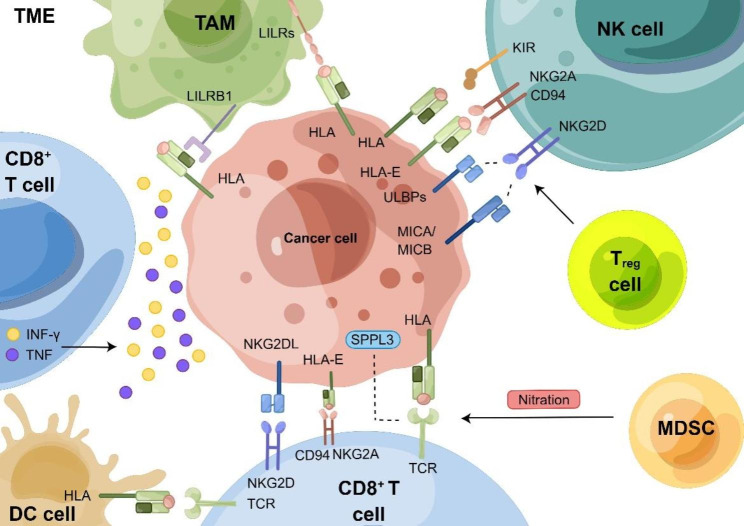
“The MHC-I/LILRB1 signaling axis represents a “do not eat me” signaling pathway, where inhibition of LILRB1 or MHC-I could significantly enhance the phagocytic activity against tumor cells [8, 9, 24].”
BackgroundComputational biology and artificial intelligence in mRNA vaccine design for cancer immunotherapy
İmani, S., Li, X., Chen, K., Maghsoudloo, M., Kaboli, P. J., Hashemi, M., Khoushab, S., & Li, X. (2025) · Frontiers in Cellular and Infection Microbiology · doi:10.3389/fcimb.2024.1501010 · Cited by 112
Li, Y., Zhu, L., Tang, Y., Zhuang, X., Feng, W., Boor, P. P. C., Buschow, S. I., Sprengers, D., & Zhou, G. (2024) · Journal for ImmunoTherapy of Cancer · doi:10.1136/jitc-2024-009934 · Cited by 76
Kong, S., Zhang, J., Wang, L., Li, W., Guo, H., Weng, Q., He, Q., Lou, H., Ding, L., & Yang, B. (2024) · Cancer Letters · doi:10.1016/j.canlet.2024.217432 · Cited by 71
Self-citationHypoxia promotes tumor immune evasion by suppressing MHC-I expression and antigen presentation
Estéphan, H., Tailor, A., Parker, R. S., Kreamer, M., Papandreou, I., Campo, L., Easton, A., Moon, E. J., Denko, N. C., Ternette, N., et al. (2025) · The EMBO Journal · doi:10.1038/s44318-024-00319-7 · Cited by 60
“Modi fi cation of MHC I expression is a critical component of immune evasion (Roh et al, 2017; Wu et al, 2023).”
Towards the Prediction of Responses to Cancer Immunotherapy: A Multi-Omics Review
Tao, W., Sun, Q., Xu, B., & Wang, R. (2025) · Life · doi:10.3390/life15020283 · Cited by 50
“Studies have shown that tumors expressing high levels of immune-related genes, especially those involving antigen presentation (e.g., MHC Class I and II molecules) and interferon (IFN) signaling pathways, tend to have a better response to ICIs [42].”
Han, X., Zhang, J., Li, W., Huang, X., Wang, X., Wang, B., Gao, L., & Chen, H. (2025) · Frontiers in Immunology · doi:10.3389/fimmu.2025.1512509 · Cited by 56
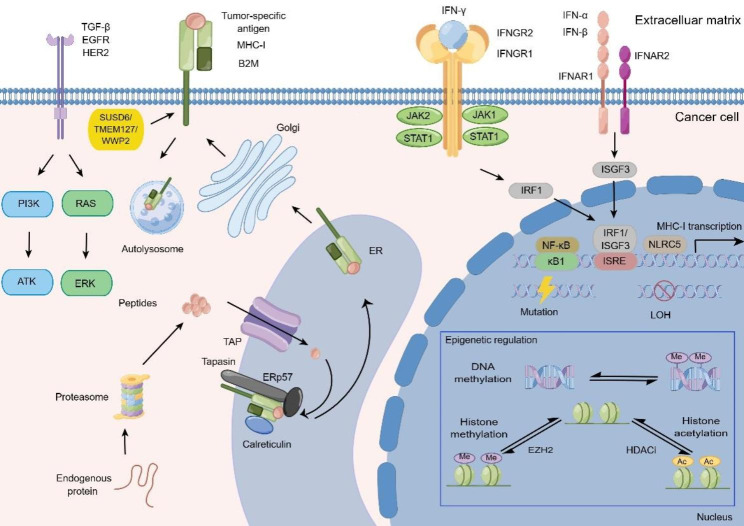
“In the ER, human leukocyte antigen-I (HLA-I), B2M, endoplasmic reticulum protein 57 (ERp57), Tapasin, and calreticulin collectively form a peptide-loading complex (PLC), facilitating the folding of the MHC-1 a chain and obtaining mature MHC-I complex (33).”
Inhibition of PCSK9: A Promising Enhancer for Anti-PD-1/PD-L1 Immunotherapy
Sun, S., Ma, J., Zuo, T., Shi, J., Sun, L., Meng, C., Shu, W., Yang, Z., Yao, H., & Zhang, Z. (2024) · Research · doi:10.34133/research.0488 · Cited by 46
“The function and expression of MHC I are regulated by diverse factors, including the availability of peptide ligands, the activity of the antigen-processing machinery, and the recycling of MHC I molecules from the endosomal compartment to the cell membrane [128].”
BackgroundRNA modifications in the tumor microenvironment: insights into the cancer-immunity cycle and beyond
Ding, Y.-P., Liu, C., & Yu, K. (2025) · Experimental Hematology and Oncology · doi:10.1186/s40164-025-00648-1 · Cited by 39
“RNA modifications that modulate MHC I expression significantly influence this recognition process, thereby impacting the efficacies of immune responses and immunotherapies [86].”
Decoding MHC loss: Molecular mechanisms and implications for immune resistance in cancer
Lin, P., Lin, Y., Xu, C., Zhao, X., & Cui, L. (2025) · Clinical and Translational Medicine · doi:10.1002/ctm2.70403 · Cited by 36
“151,154 Firstly, the intricate regulatory mechanisms governing MHC expression present a critical challenge in understanding tumour immune evasion and developing effective cancer therapies.”
Ahuja, S., & Zaheer, S. (2024) · Korean Journal of Clinical Oncology · doi:10.14216/kjco.24009 · Cited by 39
“This, in turn, diminishes the cytotoxicity of CD8+ T cells (CTLs) and compromises the effectiveness of the adaptive immune response [223,225,226].”
Luo, H., Hu, B., Gu, X.-R., Chen, J., Fan, X., Zhang, W., Wang, R., He, X.-D., Guo, W., Dai, N., et al. (2024) · Molecular Cancer · doi:10.1186/s12943-024-02201-w · Cited by 29
Zhang, X., Zhao, Y., & Xu, C. (2024) · Translational Oncology · doi:10.1016/j.tranon.2024.102113 · Cited by 28
Cui, Y., Qiu, T., Wang, J., Liu, X., Luo, L., Yin, J.-Z., Zhi, X., Wang, W., Feng, G., Wu, C., et al. (2025) · Molecular Cancer · doi:10.1186/s12943-025-02383-x · Cited by 25
“…SCLC, we performed pan-cancer analyses and found that IFITM3 expression was consistently positively correlated with key MHC-I genes in tumors characterized by low baseline MHC-I expression, including neuroblastoma, prostate cancer, low-grade gliomas, and breast cancer [28–31] (Supplementary Figs.”
Chen, D., Ma, Y., Li, J., Wen, L., Liu, L., Su, J., Wu, J., Wang, P., Zhang, G., Huang, C., et al. (2025) · World Journal of Surgical Oncology · doi:10.1186/s12957-025-03779-1 · Cited by 24
“However, tumour cells can use various mechanisms to evade immune surveillance, including reducing the expression of MHC molecules and inducing the production of regulatory T cells (Tregs) and myeloid-derived suppressor cells (MDSCs), which inhibit effective immune responses [56–59].”
Mathan, S. V., & Singh, R. P. (2025) · Cancers · doi:10.3390/cancers17132100 · Cited by 25
“This process is crucial for generating an immune response [124,125].”
MHC1/LILRB1 axis as an innate immune checkpoint for cancer therapy
Hu, Z., Zhang, Q., He, Z., Jia, X., Zhang, W., & Cao, X. (2024) · Frontiers in Immunology · doi:10.3389/fimmu.2024.1421092 · Cited by 24
Giri, S., Lamichhane, G., Pandey, J., Khadayat, R., Sindhu, K. C., Devkota, H. P., & Khadka, D. (2025) · International Journal of Molecular Sciences · doi:10.3390/ijms26072923 · Cited by 26
“Although IFN has been demonstrated to induce or enhance the MHC-I antigen presentation machinery, the lack of antigen presentation and processing can result in reduced MHC-I surface expression [124].”
Recent developments in peptide vaccines against Glioblastoma, a review and update
Salahlou, R., Farajnia, S., Alizadeh, E., & Dastmalchi, S. (2025) · Molecular Brain · doi:10.1186/s13041-025-01221-x · Cited by 21
“Inno-vative strategies, such as synthetic long peptides, het-eroclitic peptides, polyepitope constructs, personalized vaccines, adjuvants like CpG, and checkpoint inhibitors, are needed to enhance MHC class I presentation and CD8 + T cell responses, improving clinical outcomes [6, 7, 9, 12].”
Saha, S., Mahapatra, S., Khanra, S., Mishra, B., Swain, B., Malhotra, D., Saha, S., Panda, V. K., Kumari, K., Jena, S., et al. (2025) · Cancer Drug Resistance · doi:10.20517/cdr.2025.69 · Cited by 28
Effects of the Alkylating Agent Cyclophosphamide in Potentiating Anti-Tumor Immunity
Gephart, B. D., Coulter, D. W., & Solheim, J. C. (2025) · International Journal of Molecular Sciences · doi:10.3390/ijms26136440 · Cited by 23
Hou, X., Pan, D., Zhong, D., Gong, Q., & Luo, K. (2024) · Advanced Materials · doi:10.1002/adma.202400582 · Cited by 21
Beyond PD‐1/PD‐L1: New Immune Checkpoints and Therapeutic Combinations in Cancer Immunotherapy
Li, Y., Kang, Z., & Du, Y. (2026) · Medicine Bulletin · doi:10.1002/mdb2.70018 · Cited by 22
RSK1 and RSK2 as therapeutic targets: an up-to-date snapshot of emerging data
Spirrison, A. N., & Lannigan, D. A. (2024) · Expert Opinion on Therapeutic Targets · doi:10.1080/14728222.2024.2433123 · Cited by 18
“MHC-1 is used by CD8+ T cells to recognize antigenic peptides and is frequently downregulated resulting in the evasion of immune surveillance in various cancers [72].”
Yu, P., Jin, Z., Meng, L., Shi, Z., Li, M., Luo, J., Zhu, X., Yang, L., Yin, Y., Zhang, C., et al. (2026) · Nature Nanotechnology · doi:10.1038/s41565-025-02113-w · Cited by 18
Shi, M., Zhang, H., Ma, L., Wang, X., Sun, D., & Feng, Z. (2024) · Frontiers in Immunology · doi:10.3389/fimmu.2024.1352454 · Cited by 18
Ghimire, P., Kinnersley, B., Karami, G., Arumugam, P., Houlston, R. S., Ashkan, K., Modat, M., & Booth, T. C. (2024) · Neuro-Oncology Advances · doi:10.1093/noajnl/vdae055 · Cited by 25
Tan, Z., Sheng, B., Chen, L., Dong, H., Deng, Y., Li, Y., Liu, C., Wang, H., Yang, Z., Xie, T., et al. (2025) · Frontiers in Immunology · doi:10.3389/fimmu.2025.1689114 · Cited by 17
“Strategies aimed at restoring MHC I expression, stabilizing B2M, or integrating CTL-and NK cell – based approaches may enhance antitumor immunity in EC (53).”
Zhang, X., Cui, X., Li, P., Zhao, Y., Ren, Y., Zhang, H., Zhang, S., Li, C., Wang, X., Shi, L., et al. (2024) · Cancer Letters · doi:10.1016/j.canlet.2024.216934 · Cited by 16
Wang, C., Zhao, J., Duan, Y., Lin, L., Zhang, Q., Zheng, H., Shan, W., Wang, X., & Ren, L. (2024) · Advanced Healthcare Materials · doi:10.1002/adhm.202401416 · Cited by 18
Wang, B., He, B., Cao, Y., Yang, R., Zhang, S., Kong, Y., Lu, D., Luo, P., Zheng, X., Hou, Y., et al. (2024) · Cellular Oncology · doi:10.1007/s13402-024-00989-9 · Cited by 18
“HDACIs have been reported to be associated with the repression of MHC I in various tumors [ 24 , 25 ].”
Self-citationMeng, C., Zhang, H., Yi, X., Kong, G., Zhang, X., Wang, B., Xu, Y., Qi, H., Wu, Q., Zhang, K. K., et al. (2025) · Molecular Cancer · doi:10.1186/s12943-025-02480-x · Cited by 15
“…gene expression, including PCSK9, IRF1 (interferon regulatory factor 1), IRF2, IRF3, IFN-γ (interferon-gamma), SUSD6 (surface protein sushi domain containing 6), NLRC5 (NLR family CARD domain containing 5), TMEM127 (transmembrane protein 127), STAT1, and the WWP2 (E3 ubiquitin ligase) [17, 20, 30].”
Bao, W., Qu, X., Wang, Y., Huang, D., Zhang, H., Dong, M., Sun, H., Yang, Z., & Li, X. (2026) · MedComm · doi:10.1002/mco2.70599 · Cited by 16
“In humans, this gene complex is referred to as the human leukocyte antigen (HLA) system [ 137 ], which includes classical HLA-I and HLA-II molecules as well as nonclassical HLA-III variants [ 138, 139 ].”
A new enhancer for anti-PD-1/PD-L1 immunotherapy: PCSK9 inhibition
Sun, S., Yang, Z., Yao, H., & Zhang, Z. (2024) · Trends in cancer · doi:10.1016/j.trecan.2024.10.002 · Cited by 13
Allen, D., Szoo, M. J., van Bergen, T. D., Seppelin, A., Oh, J., & Saad, M. A. (2025) · Antibody Therapeutics · doi:10.1093/abt/tbaf001 · Cited by 16
B4GALT5 inhibits CD8+ T-cell response by downregulating MHC-I level through ERAD pathway in PDAC
Xing, X., Yin, S.-Q., Li, X.-Q., Li, H., Ma, H., Tulamaiti, A., Xiao, S.-Y., Liu, Y., Zhang, H., Zhang, Z., et al. (2025) · Journal for ImmunoTherapy of Cancer · doi:10.1136/jitc-2024-010908 · Cited by 13
“In the ER, the HC binds with molecular chaperones and glycosylation-related enzymes to form a properly folded glycoprotein.”
Self-citationTargeting HIV-1 immune escape mechanisms: Key advances and challenges in HIV-1 vaccine design
Fang, Z., Jiang, W., Liu, P., Xia, N., Li, S., & Gu, Y. (2025) · Microbiological Research · doi:10.1016/j.micres.2025.128229 · Cited by 13
Harnessing immunotherapy: cancer vaccines as novel therapeutic strategies for brain tumor
Kiel, K., Piranlioglu, R., Godlewski, J. A., & Bronisz, A. (2025) · Frontiers in Immunology · doi:10.3389/fimmu.2025.1588081 · Cited by 12
Sung, J., & Kim, E. T. (2025) · Journal of Translational Medicine · doi:10.1186/s12967-025-07244-1 · Cited by 15
“Methylation of immune-related genes (e.g., MHC class I) can result in silencing, diminishing immune recognition [98].”
He, L.-N., Liu, Y.-J., Jiang, J., Wang, D.-Y., Li, Y., Zeng, S.-J., Guo, Z., Yao, P.-Y., Lin, Z.-C., Lv, S., et al. (2025) · Acta Pharmacologica Sinica · doi:10.1038/s41401-025-01507-9 · Cited by 11
“The success of these therapies hinges critically on the immune system ’ s pro fi ciency in recognizing and destroying tumor cells, a process predominantly mediated by Major Histocompatibility Complex class I (MHC-I) molecules [3, 4].”
The Bright Future of mRNA as a Therapeutic Molecule
Vélez, D. E., Torres, B. L., & Hernández, G. (2025) · Genes · doi:10.3390/genes16040376 · Cited by 11
“Subsequently, peptide–MHC I complexes are transported to the cell surface where they can present antigenic peptides to CD8+ cytotoxic lymphocytes [165].”
Sun, H., Huang, D., Zhang, H., Dong, M., Wang, S., Sun, M., Liu, J., Wang, Y., Qu, X., Li, X., et al. (2025) · MedComm – Oncology · doi:10.1002/mog2.70030 · Cited by 13
Karnik, M., Tulimilli, S. V., Anantharaju, P. G., Bettadapura, A. D. S., Natraj, S. M., Mohideen, H. S., Dovat, S., Sharma, A. K., & Madhunapantula, S. V. (2026) · Cancers · doi:10.3390/cancers18020318 · Cited by 15
“Critically, this checkpoint bypass is associated with impaired MHC class I-mediated antigen presentation, thereby facilitating immune evasion by reducing recognition and clearance by cytotoxic T lymphocytes [176].”
Garfinkle, E. A. R., Perales-Linares, R. F., Gimple, R. C., Livingstone, A. J., Roberts, K. F., Butt, O. H., Goedegebuure, S. P., McLellan, M. D., Chang, G. S., Hundal, J., et al. (2026) · Nature Cancer · doi:10.1038/s43018-026-01163-w · Cited by 14
“The expression of HLA class I surface expression on tumors is essential for binding and presenting neoantigens to the immune system 29 , and loss of B2M , a key component of HLA class I molecules, is associated with acquired resistance to immunotherapy 30 .”
Drug-like antibody design against challenging targets with atomic precisionPreprint
Chai Discovery Team, Boitreaud, J., Chen, R. S., Dent, J., Fairweather, L., Geisz, D., Greenig, M., Boyd, N., Jain, J., Johnston, B., et al. (2025) · bioRxiv (Cold Spring Harbor Laboratory) · doi:10.1101/2025.11.29.691346 · Cited by 15
“This process allows the immune system to recognize intracellular proteins, which is especially relevant when peptides from disease-specific or mutated drivers, such as oncogenic mutations or pathogen-derived proteins, become accessible once presented extracellularly [26].”
Lee, C. E., Noh, K. M., Kim, S., Hong, J.-Y., & Kim, K. (2025) · Biomaterials Research · doi:10.34133/bmr.0170 · Cited by 10
“This interaction allows CD8 + T cells to recognize the presented peptides and eliminate cancerous or infected cells [ 90 , 91 ].”
Xiong, C., Chen, Z., Wu, X., Zhang, C., Yuan, Z., Wang, X., Xiao, Z., Chen, Y., Deng, S., Wu, X., et al. (2025) · European Journal of Pharmacology · doi:10.1016/j.ejphar.2025.178401 · Cited by 10
Self-citationHuang, Z.-J., Xu, J., Wang, Y., Fu, Z., Zhang, Y., Zhao, Q., Zhang, R., Hu, X., Cheng, X., & Hu, C. (2025) · Critical Reviews in Oncology/Hematology · doi:10.1016/j.critrevonc.2025.105057 · Cited by 12
mRNA-based cancer vaccines: A new frontier in personalized immunotherapy
Garg, P., Salgia, R., & Singhal, S. S. (2026) · Biochimica et Biophysica Acta (BBA) - Reviews on Cancer · doi:10.1016/j.bbcan.2026.189577 · Cited by 12
The Road Ahead in Pancreatic Cancer: Emerging Trends and Therapeutic Prospects
Do, C. T. P., Prochnau, J. Y., Domínguez, A. M., Wang, P., & Rao, M. K. (2024) · Biomedicines · doi:10.3390/biomedicines12091979 · Cited by 10
“This downregulation contributes to the immunologically “cold” tumor microenvironment typical of PDAC [114].”
BackgroundTu, Y., Yeh, W., Fang, Y., Lo, K., Liang, L., Liu, X.-C., Tsai, C., Cheng, C., Lin, M., Yu, H., et al. (2025) · Experimental Physiology · doi:10.1113/ep092791 · Cited by 9
Zhang, Y., Xu, Y., Wu, Q., Fu, X., Li, Y., & Li, A. (2025) · Theranostics · doi:10.7150/thno.116951 · Cited by 10
“…commonly evade CD8+ T-cell surveillance by downregulating classical MHC-I expression, overexpression of β2m -complexed MHC-I heavy chains can engage LILRBs on immune cells—including NK cells and TAMs, releasing a "Don’t Eat Me" signal that suppresses innate immune functions (Figure 2B) [37, 38].”
Ding, Y., Zhu, X., Wen, J., Xiong, J., Zhang, S., Yang, Z., & Hu, Z. (2025) · Advanced Materials · doi:10.1002/adma.202516767 · Cited by 9
Current and future immunotherapies for NSCLC
Zhou, C.-Y., Qi, Y., Li, H.-J., Zhang, C. J., Lin, B.-X., Lin, J., Wu, Y.-L., Zheng, M.-M., & Zhong, W. (2026) · Journal of Hematology & Oncology · doi:10.1186/s13045-026-01791-w · Cited by 9
“This independence allows NK cells to maintain their activity even when tumour cells downregulate HLA expression [276], a common immune evasion mechanism employed by cancer cells.”
Exploring ferroptosis and miRNAs: implications for cancer modulation and therapy
Ajam-Hosseini, M., & Babashah, S. (2025) · Molecular and Cellular Biochemistry · doi:10.1007/s11010-024-05169-9 · Cited by 8
Baldi, S., Alnaggar, M., AL-Mogahed, M., Khalil, K., & Zhan, X. (2025) · The EPMA Journal · doi:10.1007/s13167-025-00403-w · Cited by 8
“…variability due to tumor sampling and acquired mutations, poor translational processing of antigenic peptide–MHC I interaction, tumor cell resistance to immunological elimination, growth-limiting microenvironment for lymphocytes, and release factors of immunosuppressive molecules [142, 143].”
Yu, D. N., Yang, Z., Qi, M., & Zhong, H. (2025) · Biochimica et Biophysica Acta (BBA) - Reviews on Cancer · doi:10.1016/j.bbcan.2025.189393 · Cited by 9
Luo, H., Chen, D., Zhou, J. Y., Wang, D., Du, Q., Cai, Q., Lv, S., Zhao, X., Zhang, G., Tan, Y., et al. (2025) · Cells · doi:10.3390/cells14161231 · Cited by 8
“Previous studies have shown that melanoma cells frequently downregulate MHC-I expression, with some cases exhibiting complete MHC-I loss [5,6].”
Anilkumar, A. S., Thomas, S. M., & Veerabathiran, R. (2025) · Exploration of Targeted Anti-tumor Therapy · doi:10.37349/etat.2025.1002338 · Cited by 9
Biological mechanism and immune response of MHC-II expression in tumor cells
Zhou, M., Pan, S., Zhang, Y., Hu, C., & Xu, Z. (2025) · Cancer Biology and Medicine · doi:10.20892/j.issn.2095-3941.2025.0248 · Cited by 14
“In addition to IFN-γ , several other cytokines, including IFN-α , IFN-β , granulocyte-macrophage colony-stimulating factor (GM-CSF), IL-4, and tumor necrosis factor-α (TNF-α ), can enhance MHC-II expression, particularly in DCs 56,57 .”
InfluentialZhao, K., Huang, Y., Chang, L., Wang, B., Ye, M., & Qi, J. (2025) · Frontiers in Oncology · doi:10.3389/fonc.2025.1691719 · Cited by 10
Wang, M., Sun, M., Dong, H., Zhang, X., Zhang, J., Zhang, Z., Ni, M., Li, L., Pei, Y., Chen, X., et al. (2026) · Advanced Science · doi:10.1002/advs.202511887 · Cited by 9
Ye, D., Zhou, S. Y., Dai, X., Xu, H., Tang, Q., Huang, H., & Bi, F. (2024) · Biochimica et Biophysica Acta (BBA) - Reviews on Cancer · doi:10.1016/j.bbcan.2024.189161 · Cited by 10
Wu, X., Zhao, Z., Yu, W., Liu, S., Zhou, M. R., Jiang, N., Du, X., Yang, X., Chen, J., Guo, H., et al. (2024) · ACS Chemical Biology · doi:10.1021/acschembio.4c00635 · Cited by 8
Self-citationChen, J., Li, Y., Sun, Q., Wang, Y., Qiu, Z., He, X., Zhong, X., Chen, F., Huang, H., Chen, K., et al. (2025) · Phytomedicine · doi:10.1016/j.phymed.2025.157157 · Cited by 7
Lactate Metabolism: The String-Puller for the Development of Pancreatic Cancer
Yang, L., Guo, D. S., Wu, K., Li, Y., Xi, Y., Qin, W., Chen, X., Zhou, C., & Tang, J. (2025) · Biology · doi:10.3390/biology14091213 · Cited by 11
“MHC-I presents endogenous antigenic peptides to CD8 + T lymphocytes, enabling these T cells to recognize and eliminate abnormal cells, such as virus-infected cells or tumor cells [160].”
Ding, Y., Zhang, S., Li, W., Chen, X., Li, J., Zhang, X., Zhang, Z., Hu, Y., Yang, Z., Hu, Z., et al. (2024) · Nano Letters · doi:10.1021/acs.nanolett.4c01587 · Cited by 8
Progress of research on γδ T cells in colorectal cancer (Review)
Pan, L., Zhou, Y., Kuang, Y., Wang, C., Wang, W., Hu, X., & Chen, X. (2024) · Oncology Reports · doi:10.3892/or.2024.8819 · Cited by 7
“However, cancer cells typically exhibit depletion of MHC molecules, which renders tumor cells immune to αβ T‑cell‑mediated cell mortality (4).”
BackgroundDasanayake, G. S., Hamadani, C. M., Hailu, F., Owolabi, I. J., Patel, M., Chism, C. M., Toragall, V. B., Misra, S. K., Mishra, S. K., Jahan, M. E., et al. (2025) · Advanced Healthcare Materials · doi:10.1002/adhm.202500592 · Cited by 7
Huang, J., Fu, Z., Liu, X., & Ma, Z. (2025) · Developmental & Comparative Immunology · doi:10.1016/j.dci.2025.105421 · Cited by 7
Chen, S., Tang, Z., Wan, Q., Huang, W., Xie, L., Huang, X., Zheng, S., Lu, C., Wu, J., Li, Z., et al. (2024) · Cancer Cell International · doi:10.1186/s12935-024-03539-3 · Cited by 7
Lu, Z., Qiu, Z.-W., Li, Y., Zhang, K., Wu, Y.-Y., Yan, N., & Cheng, H. B. (2025) · ACS Applied Materials & Interfaces · doi:10.1021/acsami.5c00029 · Cited by 7
Kumar, A., O’Brien, M., Young, V. B., & Yung, R. L. (2025) · Aging Cell · doi:10.1111/acel.70278 · Cited by 7
Adekiya, T. A., & Adesina, S. K. (2025) · Journal of Personalized Medicine · doi:10.3390/jpm15110512 · Cited by 6
“One key mechanism of tumor resistance is the downregulation of antigen-processing machinery (APM) components, including MHC class I molecules, which impairs immune recognition and tumor elimination [79,80].”
Wang, Q., Hu, X., Xiao, Z., Ye, K., Li, J., Tan, J., Rao, N., Zhang, D., Sun, G., Cai, M., et al. (2025) · Regenerative Biomaterials · doi:10.1093/rb/rbaf118 · Cited by 6
Prime Editing, CRISPR-Cas9, and NanoCas Genome Editing for Cancer Treatment
Hossain, H., Sayeed, S. S. B., Islam, M. S., Ahmad, T., Brishty, K. A., Chowdhury, S. R., Alam, M. S., Mahmud, M. S., & Rahman, M. M. (2026) · Molecular Biotechnology · doi:10.1007/s12033-025-01548-9 · Cited by 6
“Disruption of these genes aids in immune-evasion mechanisms which enabling the development of immunotherapies [16].”
MHC-I upregulation by macbecin II in the solid tumors potentiates the effect of active immunotherapy
Deshpande, R. P., Wu, K., Wu, S.-Y., Tyagi, A., Smith, E. C., Kim, J.-W., & Watabe, K. (2025) · EMBO Molecular Medicine · doi:10.1038/s44321-025-00213-7 · Cited by 6
“Considering these limitations, we previously demonstrated that personalization (p13n) of cancer treatment using dendritic cell-derived small extracellular vesicles (sEVs) as a vaccine was an effective approach to induce a strong antitumor response (Wu et al, 2023a).”
InfluentialTumor-Educated Platelets in Urological Tumors: A Novel Biosource in Liquid Biopsy
Figols, M., Chekhun, S., Fernández-Saorin, M., Pérez-Criado, I., Bautista, A., Pous, A. F., & de Porras, V. R. (2025) · International Journal of Molecular Sciences · doi:10.3390/ijms26083595 · Cited by 6
“This cloaking is mediated by the expression of “self” antigens on platelets, such as major histocompatibility complex (MHC) class I molecules, which mask the tumor cells and prevent their recognition by NK cells [21,23], a process that is crucial for protection against the immune system [24].”
Unleashing the therapeutic potential of tumor-draining lymph nodes: spotlight on bladder cancer
Yang, X., Wu, X., Hao, X., Li, T., Guo, H., & Yang, R. (2025) · Journal of Translational Medicine · doi:10.1186/s12967-024-05864-7 · Cited by 6
“Mounting evidence has also demonstrated that the major histocompatibility complex class I (MHC-I) expression on the surface of tumor cells is downregulated prior to their arrival at TDLNs, which will further impair the immune recognition and response of CD8 + T cells [36–38].”
Self-citationLPIN3 promotes colorectal cancer growth by dampening intratumoral CD8+ T cell effector function
Zhang, X., Fang, H., Wu, W., Jiang, C., Wang, H., & Shi, Y. (2025) · Cancer Immunology Immunotherapy · doi:10.1007/s00262-025-03989-2 · Cited by 5
p53: An Immune Ecosystem Manipulator
Nian, Z., Dou, Y., & Wei, H. (2025) · Clinical Cancer Research · doi:10.1158/1078-0432.ccr-24-3628 · Cited by 5
Caluwé, A. D., Desmoulins, I., Cao, K. I., Remouchamps, V. M., Baten, A., Longton, E., Peignaux, K., Garcia, A. J., Venet, D., Arecco, L., et al. (2026) · Nature Medicine · doi:10.1038/s41591-026-04453-z · Cited by 6
Gasdermins family-mediated cell survival: exploration of natural products intervention mechanisms
Zhang, W., Yan, J., Wang, Z., Zeng, Y., Sun, R., Hu, Q., Chen, Y., Ma, X., Zhao, Y., & Zeng, J. (2025) · Phytomedicine · doi:10.1016/j.phymed.2025.157072 · Cited by 6
Zeng, F., Chen, L., Li, J., Yu, W., Sa, N., Zhang, K., Qu, C., & Wen, D. (2025) · Discover Oncology · doi:10.1007/s12672-025-02077-2 · Cited by 5
“MHC also plays a significant biological role in organ transplantation, autoimmune diseases, infections, and tumor immunity [44].”
Lee, D., Ahn, J., & Choi, J. (2025) · BMC Bioinformatics · doi:10.1186/s12859-025-06125-0 · Cited by 4
“While HLA-F has not yet been fully established as a predictive biomarker, it plays a role in immune modulation through interactions with NK cell receptors [48].”
Xia, Y., Wang, D., Jia, H., Wang, Z., Chen, Y., Zhang, Y., Fan, J., Gui, H., Mu, G., Guan, Y., et al. (2025) · Materials Today Bio · doi:10.1016/j.mtbio.2025.101916 · Cited by 5
“Antigens presented by MHC-I molecules on the surface of the cell membrane provides a signal for the immune system to detect and eliminate cancer cells, and CRT exposed on the surface of the cell membrane acts as an signal facilitating the recognition of cancer cells by the immune system [35 – 38].”
Wang, Y., Teng, P., Wu, Z., Zhang, Y., Shen, Z., Zhang, Q., & Huang, D.-S. (2025) · Briefings in Bioinformatics · doi:10.1093/bib/bbaf378 · Cited by 4
“To further dissect these communication networks, we analysed two major antigen presentation pathways (MHC-I [43] and MHC-II [ 44]) and two signaling networks (CD45 [45] and Tenascin [46]) (Fig.”
Gintonin exerts effects via LPAR1/3 and the MEK signaling pathway
Chen, B., Vijayakumar, A., Park, J. H., Nah, S.-Y., & Kim, J. (2025) · International Journal of Biological Macromolecules · doi:10.1016/j.ijbiomac.2025.147087 · Cited by 4
Sun, D., Hu, D., Wang, J., Peng, J., & Wang, S. (2025) · International Journal of Molecular Sciences · doi:10.3390/ijms26209996 · Cited by 4
“In contrast, the MHC-I pathway, a fundamental component of immune surveillance and evasion, underscores the critical role of antigen presentation and recognition in B-ALL, as evidenced by its distinct expression patterns across four groups [95].”
Tetraspanin 13 Enhances Immune Evasion in Breast Cancer by Promoting MHC-I Degradation
Yin, S., Liu, Y., Guan, X., Wang, X., Zhao, Q., Cao, R., Wu, Y., Fu, Y., Huang, D., Song, D., et al. (2025) · Cancer Research · doi:10.1158/0008-5472.can-25-1223 · Cited by 4
“Recognition of these peptide–MHC-I by the T-cell receptor enables CD8 + T cells to exert cytotoxic functions (17, 18).”
Proteasome: Role in T Cell Function Regulation
Tang, D., Wu, X., Lei, J. H., Qiao, Y., & Deng, C. (2025) · International Journal of Biological Sciences · doi:10.7150/ijbs.125134 · Cited by 4
Self-citationHe, X., Li, H., Wang, H., Zuo, D., Dong, H., Mu, H., Yang, B., Tao, Y., Yang, X., Zhao, B., et al. (2025) · Journal for ImmunoTherapy of Cancer · doi:10.1136/jitc-2025-012591 · Cited by 4
“8 However, tumor cells have been demonstrated to evade immune surveillance and attack through the down-regulation of MHC I.”
Self-citationGan, C. P., Kok, S. Y., Lee, B. K. B., Zulaziz, N., Cheong, S. C., Savelyeva, N., & Lim, K. P. (2025) · Journal of Translational Medicine · doi:10.1186/s12967-025-07418-x · Cited by 4
“Antigen-specific T cells were generated using a modified protocol adapted from Erskine et al. 2012 [21].”
Mohiuddin, M. (2026) · Health Science Reports · doi:10.1002/hsr2.71749 · Cited by 4
“Potential escape mechanisms include: • Tumor antigen insufficiency: Tumors that fail to express robust antigenicity (e.g., MHC I) may fail to induce sufficient immune engagement and T‐cell activation even with PD‐1/PD‐L1 blockade [18].”
Sung, J., & Hwang, K. (2026) · MedComm · doi:10.1002/mco2.70693 · Cited by 4
“Moreover, these tumors tend to have higher infiltration of CD8 + T cells, MHC class II–positive microglia, and dendritic cell (DC)– like populations, suggesting that TMM status could influence immune cell composition [ 61–63 ].”
Yang, B., Liu, S., Liu, B., Ye, T., Ma, X., & Song, T. (2026) · Cell Communication and Signaling · doi:10.1186/s12964-026-02883-3 · Cited by 4
“B2M is an essential subunit for the correct folding, assembly, and transport of MHC class I (MHC-I, also often referred to as HLA-I in OS) molecules to the cell surface [106].”
Metadata
- Authors
- Wu, X., Li, T., Jiang, R., Yang, X., Guo, H., & Yang, R.
- Affiliations
- Nanjing Drum Tower Hospital (CN)
- Zhongda Hospital Southeast University (CN)
- Fujian Medical University (CN)
- Corresponding author
- Guo, Hongqian
- Yang, Rong
- Venue
- Molecular Cancer
- Published
- 2023-12-02
- Volume
- 22
- Issue
- 1
- Pages
- 194-194
- ISSN
- 1476-4598 (ISSN-L)
- PMC
- PMC10693139
- OpenAlex
- W4389266107
- Semantic Scholar
- e469619bdded549d885ecb201eeb58fe9b6a91e4
- Cited by
- 223
- References
- 163
- Citations by year
- 2026: 78 · 2025: 109 · 2024: 34 · 2023: 2
- FWCI
- 7.23
- Type
- journal article
- Language
- en
- Open access
- gold
- doi.org
- Licence
- cc-by
- creativecommons.org/licenses/by/4.0 (tdm)
- creativecommons.org/licenses/by/4.0 (vor)
- Locations
- Molecular Cancer (publishedVersion, cc-by)
- PubMed Central (publishedVersion, cc-by)
- PubMed (publishedVersion)
- DOAJ (DOAJ: Directory of Open Access Journals) (submittedVersion, cc-by-sa)
- Funders
- National Natural Science Foundation of China (81772710, 82172691)
- Nanjing Science and Technology Development Key Project (YKK19011)
- Topics
- Health Sciences › Medicine › Oncology › Cancer Immunotherapy and Biomarkers
- Life Sciences › Immunology and Microbiology › Immunology › Immunotherapy and Immune Responses
- Life Sciences › Biochemistry, Genetics and Molecular Biology › Molecular Biology › vaccines and immunoinformatics approaches
- Keywords
- MHC class I, cancer immunotherapy, tumor immune evasion, tumor microenvironment, peptide presentation, tumor progression, immune checkpoint blockade
- MeSH terms
- Cell Membrane, Humans, Immunotherapy, Neoplasms, Histocompatibility Antigens Class I, Tumor Microenvironment
About these checks
Registry, retraction, Cites and statistics results are computed, not judged, with one exception: a printed reference that no index lists is read once by a model before it counts as a citation error. Claims are extracted by a model and kept only when their quote appears verbatim in the text; each cited source is then checked, with a model’s help, for whether it says what the claim relies on. Those verdicts can be wrong — read the claim’s quote and the cited source before relying on one.
Statistics and arithmetic are recomputed, not judged.
Confidence bands are shown only for fields calibrated on our annotated test set. None is calibrated yet, so no band is shown.
What counts as a claim ›How we measure confidence ›How we check this ›
Are you an author, or do you see a problem with this page? Request a review
Data sources
Bibliographic data: Semantic Scholar, OpenAlex, Crossref.
Contains information from the Semantic Scholar Academic Graph Datasets, made available under the ODC Attribution License (ODC-BY 1.0).
Semantic Scholar’s data is described in: Kinney, R., et al. (2023). The Semantic Scholar Open Data Platform. arXiv:2301.10140.
