

Targeting MHC-I molecules for cancer: function, mechanism, and therapeutic prospects
Open accessThe DOI matches its Crossref record; 163 of the 163 references it cites were found in a registry or an index.
Abstract
The molecules of Major histocompatibility class I (MHC-I) load peptides and present them on the cell surface, which provided the immune system with the signal to detect and eliminate the infected or cancerous cells. In the context of cancer, owing to the crucial immune-regulatory roles played by MHC-I molecules, the abnormal modulation of MHC-I expression and function could be hijacked by tumor cells to escape the immune surveillance and attack, thereby promoting tumoral progression and impairing the efficacy of cancer immunotherapy. Here we reviewed and discussed the recent studies and discoveries related to the MHC-I molecules and their multidirectional functions in the development of cancer, mainly focusing on the interactions between MHC-I and the multiple participators in the tumor microenvironment and highlighting the significance of targeting MHC-I for optimizing the efficacy of cancer immunotherapy and a deeper understanding of the dynamic nature and functioning mechanism of MHC-I in cancer.
Overview
The claims and statistics of this paper haven’t been checked yet.
Free: it reads the open-access text and checks the first 5 claims that cite a source we can check. Create a free account to check every claim.
Integrity signals
Registry
Cites
Statistics
Figures
Verification
Claims the paper makes
The claims and statistics of this paper haven’t been checked yet.
Free: it reads the open-access text and checks the first 5 claims that cite a source we can check. Create a free account to check every claim.
Claims other papers make about this one
Each is checked against this paper’s own text: does it say what the citing paper says it does?
The cited source says what the claim attributes to it.
In the citing paper
“It is well-known that T cells recognize the peptide-loaded major histocompatibility complex (pMHC) presented by antigen-presenting cells via the TCRs, thereby triggering the subsequent immune response to kill cancerous or infectious cells [132].”
From Single-cell sequencing to multi-omics: technologies and applications (2024) · cites this paper as [132]
Self-check
Percentages, sums and reported differences re-computed from the paper’s own numbers.
The self-check needs the paper’s full text.
Citations
Cites
1 retracted
RETRACTED ARTICLE: Hurdles to breakthrough in CAR T cell therapy of solid tumors
Marofi, F., Achmad, H., Bokov, D., Abdelbasset, W. K., Alsadoon, Z., Chupradit, S., Suksatan, W., Shariatzadeh, S., Hasanpoor, Z., Yazdanifar, M., et al. (2022) · Stem Cell Research & Therapy · doi:10.1186/s13287-022-02819-x · Cited by 47 · cited 1×
“Notably, negative MHC-I might activate NK cells, which then act as the main cause of CAR-T cell death [141].”
BackgroundRetractedMismatch repair deficiency predicts response of solid tumors to PD-1 blockade
Le, D. T., Durham, J. N., Smith, K. N., Wang, H., Bartlett, B. R., Aulakh, L. K., Lu, S., Kemberling, H., Wilt, C., Luber, B. S., et al. (2017) · Science · doi:10.1126/science.aan6733 · Cited by 6,645 · cited 1×
“In addition, genetic mutations in B2M, resulting in the formation of defective HLA, may also be associated with acquired resistance to ICB treatment [110, 111].”
BackgroundMolecular and genetic properties of tumors associated with local immune cytolytic activity
Rooney, M. S., Shukla, S. A., Wu, C. J., Getz, G., & Hacohen, N. (2015) · Cell · doi:10.1016/j.cell.2014.12.033 · Cited by 3,825 · cited 1×
“They identified the mutation as being enriched in numerous cancer types [46].”
BackgroundMutations Associated with Acquired Resistance to PD-1 Blockade in Melanoma
Zaretsky, J. M., Garcia-Diaz, A., Shin, D. S., Escuin-Ordinas, H., Hugo, W., Hu-Lieskovan, S., Torrejon, D. Y., Abril-Rodriguez, G., Sandoval, S., Barthly, L., et al. (2016) · New England Journal of Medicine · doi:10.1056/nejmoa1604958 · Cited by 3,237 · cited 2×
“In addition, genetic mutations in B2M, resulting in the formation of defective HLA, may also be associated with acquired resistance to ICB treatment [110, 111].”
BackgroundAn immunogenic personal neoantigen vaccine for patients with melanoma
Ott, P. A., Hu, Z., Keskin, D. B., Shukla, S. A., Sun, J., Bozym, D. J., Zhang, W., Luoma, A., Giobbie-Hurder, A., Peter, L., et al. (2017) · Nature · doi:10.1038/nature22991 · Cited by 2,936 · cited 1×
“Tumor neoanti-gen vaccination can enhance the anti-tumor immune response, notably neoantigen-specific T cells [126–128].”
BackgroundIn search of the ‘missing self’: MHC molecules and NK cell recognition
Ljunggren, H.-G., & Kärre, K. (1990) · Immunology Today · doi:10.1016/0167-5699(90)90097-s · Cited by 2,687 · cited 1×
“The majority of researchers believe that MHC-I-deficient cancer cells are killed by NK cells because they cannot bind inhibitory receptors on NK cells [145].”
BackgroundPersonalized RNA mutanome vaccines mobilize poly-specific therapeutic immunity against cancer
Sahin, U., Derhovanessian, E., Miller, M., Kloke, B.-P., Simon, P., Löwer, M., Bukur, V., Tadmor, A. D., Luxemburger, U., Schrörs, B., et al. (2017) · Nature · doi:10.1038/nature23003 · Cited by 2,488
Intracavitary Bacillus Calmette-guerin in the Treatment of Superficial Bladder Tumors
Morales, A., Eidinger, D., & Bruce, A. W. (1976) · Journal of Urology · doi:10.1016/s0022-5347(17)58737-6 · Cited by 1,791
Reits, E. A., Hodge, J. W., Herberts, C. A., Groothuis, T. A., Chakraborty, M., K.Wansley, E., Camphausen, K., Luiten, R. M., de Ru, A. H., Neijssen, J., et al. (2006) · The Journal of Experimental Medicine · doi:10.1084/jem.20052494 · Cited by 1,737 · cited 2×
“Notably, MHC-I could be upregulated by radiation, which makes it possible to improve antigen presentation and increase the recognition capacity and cytotoxicity of T cells [149–152].”
BackgroundSaxena, M., van der Burg, S. H., Melief, C. J. M., & Bhardwaj, N. (2021) · Nature reviews. Cancer · doi:10.1038/s41568-021-00346-0 · Cited by 1,581
Intracavitary Bacillus Calmette-Guerin in the Treatment of Superficial Bladder Tumors
Morales, A., Eidinger, D., & Bruce, A. W. (2017) · Journal of Urology · doi:10.1016/j.juro.2016.10.101 · Cited by 1,533 · cited 1×
“Since Alvaro Morales used Bacillus Calmette Guerin (BCG) to treat superficial bladder cancer in 1976, therapeutic vaccines have emerged [122].”
MethodAntigen presentation in cancer: insights into tumour immunogenicity and immune evasion
Jhunjhunwala, S., Hammer, C., & Delamarre, L. (2021) · Nature Reviews Cancer · doi:10.1038/s41568-021-00339-z · Cited by 1,490 · cited 4×
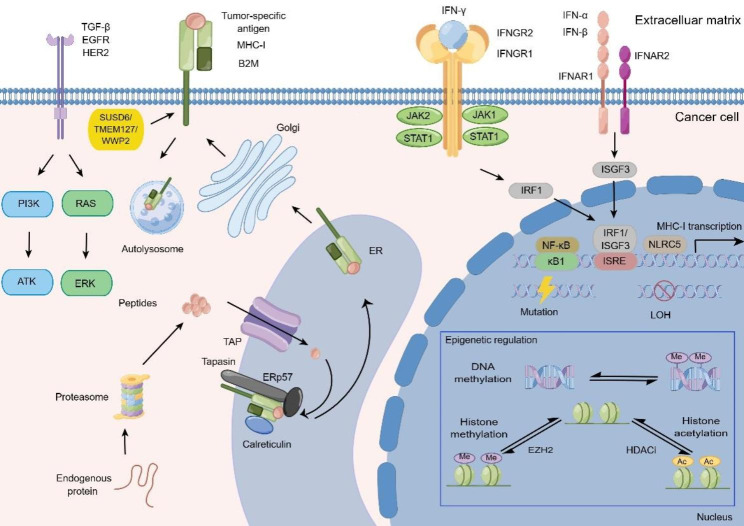
“IFN-γ binds to its receptor, stimulates the following JAK/STAT signaling pathway, and induces MHC-I molecule production [22, 65].”
BackgroundInfluentialPersonalized RNA neoantigen vaccines stimulate T cells in pancreatic cancer
Rojas, L. A., Sethna, Z., Soares, K. C., Olcese, C., Pang, N., Patterson, E., Lihm, J., Ceglia, N., Guasp, P., Chu, A., et al. (2023) · Nature · doi:10.1038/s41586-023-06063-y · Cited by 1,432 · cited 1×
“An ICB immunotherapy, atezolizumab, and an individualized neoantigen vaccine with up to 20 MHC-I and MHC-II restricted neoantigens in nanoparticles autogene cevumeran are being tested in a phase I clinical trial [139].”
BackgroundBystander CD8+ T cells are abundant and phenotypically distinct in human tumour infiltrates
Simoni, Y., Becht, E., Fehlings, M., Loh, C. Y., Koo, S.-L., Teng, K. W. W., Yeong, J. P. S., Nahar, R., Zhang, T., Kared, H., et al. (2018) · Nature · doi:10.1038/s41586-018-0130-2 · Cited by 1,370 · cited 1×
“Through these strategies, bystander T cells [137] that recognize antigens unrelated to cancer were fully mobilized to attack tumor cells.”
BackgroundT-Cell Transfer Therapy Targeting Mutant KRAS in Cancer
Tran, E., Robbins, P. F., Lu, Y.-C., Prickett, T. D., Gartner, J. J., Jia, L., Pasetto, A., Zheng, Z., Ray, S., Groh, E. M., et al. (2016) · New England Journal of Medicine · doi:10.1056/nejmoa1609279 · Cited by 1,368 · cited 1×
“Previous research documented LOH at HLA in resistant tumor that are treated with T cell transfer therapy [107].”
Loss of IFN-γ pathway genes in tumor cells as a mechanism of resistance to anti-CTLA-4 therapy
Gao, J., Shi, L. Z., Zhao, H., Chen, J., Xiong, L., He, Q., Chen, T., Roszik, J., Bernatchez, C., Woodman, S. E., et al. (2016) · Cell · doi:10.1016/j.cell.2016.08.069 · Cited by 1,300 · cited 1×
“These deficiencies lead to immunosuppression of antigen presentation defects and resistance to ICB therapies [66, 67].”
BackgroundAllele-Specific HLA Loss and Immune Escape in Lung Cancer Evolution
McGranahan, N., Rosenthal, R., Hiley, C. T., Rowan, A. J., Watkins, T. B. K., Wilson, G. A., Birkbak, N. J., Veeriah, S., Van Loo, P., Herrero, J., et al. (2017) · Cell · doi:10.1016/j.cell.2017.10.001 · Cited by 1,298 · cited 2×
“Another sample is that HLA LOH occurs in 40% of non-small-cell lung cancer (NSCLC) [49].”
BackgroundAutophagy promotes immune evasion of pancreatic cancer by degrading MHC-I
Yamamoto, K., Venida, A., Yano, J., Biancur, D. E., Kakiuchi, M., Gupta, S., Sohn, A. S. W., Mukhopadhyay, S., Lin, E. Y., Parker, S. J., et al. (2020) · Nature · doi:10.1038/s41586-020-2229-5 · Cited by 1,240 · cited 3×
“It leads to reduced MHC-I expression on the cell surface and impaired immunotherapy [7].”
BackgroundAndré, P., Denis, C., Soulas, C., Bourbon-Caillet, C., Lopez, J., Arnoux, T., Bléry, M., Bonnafous, C., Gauthier, L., Morel, A., et al. (2018) · Cell · doi:10.1016/j.cell.2018.10.014 · Cited by 1,221 · cited 2×
“Targeting this immune checkpoint can induce the anti-tumor activity of CD8 + T cells and NK cells [27, 105].”
BackgroundAltered recognition of antigen is a mechanism of CD8+ T cell tolerance in cancer
Nagaraj, S., Gupta, K., Pisarev, V., Kinarsky, L., Sherman, S., Kang, L., Herber, D. L., Schneck, J., & Gabrilovich, D. I. (2007) · Nature Medicine · doi:10.1038/nm1609 · Cited by 1,174 · cited 1×
“This study demonstrated the T cell tolerance resulting from blocked communication between TCR and pMHC-I [44].”
Melief, C. J. M., van Hall, T., Arens, R., Ossendorp, F., & van der Burg, S. H. (2015) · Journal of Clinical Investigation · doi:10.1172/jci80009 · Cited by 1,164
Patient HLA class I genotype influences cancer response to checkpoint blockade immunotherapy
Chowell, D., Morris, L. G. T., Grigg, C. M., Weber, J. K., Samstein, R. M., Makarov, V., Kuo, F., Kendall, S. M., Requena, D., Riaz, N., et al. (2018) · Science · doi:10.1126/science.aao4572 · Cited by 1,142 · cited 1×
“Later, relevant clinical research has reported that HLA homozygosity and LOH in cancer patients represent a genetic barrier to effective ICB therapy [108].”
BackgroundCancer Immune Evasion Through Loss of MHC Class I Antigen Presentation
Dhatchinamoorthy, K., Colbert, J. D., & Rock, K. L. (2021) · Frontiers in Immunology · doi:10.3389/fimmu.2021.636568 · Cited by 1,077 · cited 2×
“…years and a range of studies have reported that the loss or downregulation of MHC-I is a major mechanism of cancer immune evasion by blocking the surface presentation of tumor-associated antigens, thus suppressing the cytotoxicity of CD8 + T cells and impairing the adaptive immune response [7, 8].”
BackgroundAdvances in the development of personalized neoantigen-based therapeutic cancer vaccines
Blass, E., & Ott, P. A. (2021) · Nature Reviews Clinical Oncology · doi:10.1038/s41571-020-00460-2 · Cited by 1,042 · cited 2×
“Combining personalized cancer vaccines with PD-1, PD-L1, and CTLA4 inhibitors is now being used in different clinical trials to treat various cancer types [131].”
BackgroundJongbloed, S. L., Kassianos, A. J., McDonald, K. J., Clark, G. J., Ju, X., Angel, C. E., Chen, C.-J. J., Dunbar, P. R., Wadley, R. B., Jeet, V., et al. (2010) · Journal of Experimental Medicine · doi:10.1084/jem.20092140 · Cited by 1,027 · cited 1×
“The antigens are processed and loaded onto MHC-I and MHC-II for presentation to CD8 + T cells and CD4 + T cells, respectively, as they migrate to the lymph node [41].”
BackgroundResistance to checkpoint blockade therapy through inactivation of antigen presentation
Sade-Feldman, M., Jiao, Y. J., Chen, J. H., Rooney, M. S., Barzily-Rokni, M., Eliane, J.-P., Bjorgaard, S. L., Hammond, M. R., Vitzthum, H., Blackmon, S. M., et al. (2017) · Nature Communications · doi:10.1038/s41467-017-01062-w · Cited by 1,005 · cited 2×
“A similar outcome could be demonstrated in B2M, namely that B2M LOH is prevalent in cancer patients who have a poor response to or non-response to ICB therapy [50, 109].”
BackgroundResultInfluentialHarnessing cytokines and chemokines for cancer therapy
Propper, D. J., & Balkwill, F. R. (2022) · Nature Reviews Clinical Oncology · doi:10.1038/s41571-021-00588-9 · Cited by 989 · cited 1×
“Combination therapy with ICB has been done in clinical trials [147].”
MethodMultiplex genome editing to generate universal CAR T cells resistant to PD1 inhibition
Ren, J., Liu, X., Fang, C., Jiang, S., June, C. H., & Zhao, Y. (2017) · Clinical Cancer Research · doi:10.1158/1078-0432.ccr-16-1300 · Cited by 942 · cited 1×
“This obstacle can be solved by the CRISPR/Cas9 system to create negative HLA T cells [140].”
BackgroundOrigin and evolution of the adaptive immune system: genetic events and selective pressures
Flajnik, M. F., & Kasahara, M. (2010) · Nature Reviews Genetics · doi:10.1038/nrg2703 · Cited by 931 · cited 1×
“As the material basis of adaptive immune system, the evolutionary inception of MHC complexes (MHC-I and MHC-II) dates back about 500 million years ago [9].”
BackgroundPresent yourself! by MHC class I and MHC class II molecules
Rock, K. L., Reits, E., & Neefjes, J. (2016) · Trends in Immunology · doi:10.1016/j.it.2016.08.010 · Cited by 814
A guide to antigen processing and presentation
Pishesha, N., Harmand, T. J., & Ploegh, H. L. (2022) · Nature Reviews Immunology · doi:10.1038/s41577-022-00707-2 · Cited by 805 · cited 1×
“The cells from jawed vertebrates need to provide the immune system with the physiological status information, thus inducing necessary elimination in face of infection and magnificent transformation or maintaining the immune tolerance under normal conditions [1, 2].”
BackgroundGettinger, S., Choi, J., Hastings, K., Truini, A., Datar, I., Sowell, R., Wurtz, A., Dong, W., Cai, G., Melnick, M. A., et al. (2017) · Cancer Discovery · doi:10.1158/2159-8290.cd-17-0593 · Cited by 787 · cited 2×
“Impaired antigen presentation may be a mechanism of resistance to ICB therapy, including HLA heavy chain, light chain B2M, and other antigen presentation components [110, 112, 113].”
BackgroundOpportunities and challenges of radiotherapy for treating cancer
Schaue, D., & McBride, W. H. (2015) · Nature Reviews Clinical Oncology · doi:10.1038/nrclinonc.2015.120 · Cited by 784 · cited 1×
“Biological mechanisms have been proven to include DNA damage response, immune modulation, and altering TME in cancer cells [148].”
BackgroundPersistence of Memory CD8 T Cells in MHC Class I-Deficient Mice
Murali-Krishna, K., Lau, L. L., Sambhara, S., Lemonnier, F., Altman, J., & Ahmed, R. (1999) · Science · doi:10.1126/science.286.5443.1377 · Cited by 725 · cited 1×
“Meanwhile, for the pMHC-I complexes with “self” peptides, tonic signals would be released for the survival of the naïve CD8 + T cells [11].”
BackgroundNeoantigen vaccine: an emerging tumor immunotherapy
Peng, M., Mo, Y., Wang, Y., Wu, P., Zhang, Y., Xiong, F., Guo, C., Wu, X., Li, Y., Li, X., et al. (2019) · Molecular Cancer · doi:10.1186/s12943-019-1055-6 · Cited by 700 · cited 2×
“Tumor neoanti-gen vaccination can enhance the anti-tumor immune response, notably neoantigen-specific T cells [126–128].”
BackgroundBurr, M. L., Sparbier, C. E., Chan, K. L., Chan, Y.-C., Kersbergen, A., Lam, E. Y. N., Azidis-Yates, E., Vassiliadis, D., Bell, C. C., Gilan, O., et al. (2019) · Cancer Cell · doi:10.1016/j.ccell.2019.08.008 · Cited by 649 · cited 1×
“More-over, they also discovered that targeted EZH2 inhibition can reverse anti-tumor immunity [57].”
BackgroundRobinson, J., Barker, D. J., Georgiou, X., Cooper, M. A., Flicek, P., & Marsh, S. G. E. (2019) · Nucleic Acids Research · doi:10.1093/nar/gkz950 · Cited by 635 · cited 1×
“In fact, the MHC-I genotype of patients has been shown to affect the clinical outcome [129–131].”
BackgroundRodig, S. J., Gusenleitner, D., Jackson, D. G., Gjini, E., Giobbie-Hurder, A., Jin, C., Chang, H., Lovitch, S. B., Horak, C., Weber, J. S., et al. (2018) · Science Translational Medicine · doi:10.1126/scitranslmed.aar3342 · Cited by 579 · cited 1×
“Impaired antigen presentation may be a mechanism of resistance to ICB therapy, including HLA heavy chain, light chain B2M, and other antigen presentation components [110, 112, 113].”
BackgroundRoles of natural killer cells in immunity to cancer, and applications to immunotherapy
Wolf, N. K., Kissiov, D. U., & Raulet, D. H. (2023) · Nature Reviews Immunology · doi:10.1038/s41577-022-00732-1 · Cited by 577 · cited 1×
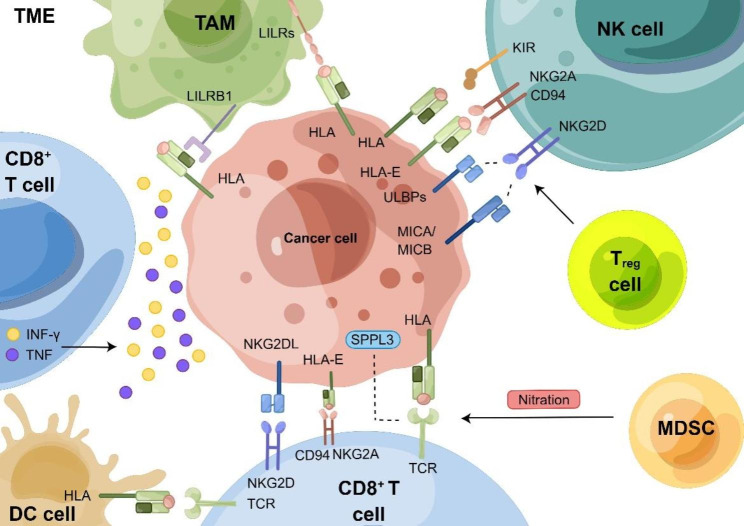
“The shed ligands MICA and MICB from the tumor cells directly pair with the NKG2D, leading to NK cell desensitization [34].”
BackgroundBarkal, A. A., Weiskopf, K., Kao, K. S., Gordon, S. R., Rosental, B., Yiu, Y. Y., George, B. M., Markovic, M., Ring, N. G., Tsai, J. M., et al. (2018) · Nature Immunology · doi:10.1038/s41590-017-0004-z · Cited by 558 · cited 1×
“B2M of the MHC-I molecules can combine with the inhibitory receptor LILRB1 on the surface of macrophages, protecting cancer cells from phagocytosis [40].”
BackgroundBenci, J. L., Johnson, L. R., Choa, R., Xu, Y., Qiu, J., Zhou, Z., Xu, B., Ye, D., Nathanson, K. L., June, C. H., et al. (2019) · Cell · doi:10.1016/j.cell.2019.07.019 · Cited by 541 · cited 1×
“…the expression of MHC-I through the JAK/STAT pathway, which subsequently activate the transcriptional functions of NF-κB and IRF to bind to the Enhancer A region and the interferon-stimulated response element (ISRE) in the promoter region of MHC-I and thus promote the expression of MHC-I [13, 14].”
BackgroundInhibition of PCSK9 potentiates immune checkpoint therapy for cancer
Liu, X., Bao, X., Hu, M., Chang, H., Jiao, M., Cheng, J., Xie, L., Huang, Q., Li, F., & Li, C.-Y. (2020) · Nature · doi:10.1038/s41586-020-2911-7 · Cited by 538 · cited 2×
“The study by Liu et al. similarly showed that PCSK9 Binds to pMHC-I to promote its degradation in lysosomes [114].”
BackgroundAntibody-mediated inhibition of MICA and MICB shedding promotes NK cell–driven tumor immunity
Ferrari de Andrade, L., Tay, R. E., Pan, D., Luoma, A. M., Ito, Y., Badrinath, S., Tsoucas, D., Franz, B., May, K. F., Harvey, C. J., et al. (2018) · Science · doi:10.1126/science.aao0505 · Cited by 459 · cited 1×
“In order to reestablish NK cell-mediated tumor immunity, Andrade et al. created an antibody to prevent the loss of MICA and MICB from cancer cells [35].”
BackgroundMolecular Mechanisms of IFN-γ to Up-Regulate MHC Class I Antigen Processing and Presentation
Zhou, F. (2009) · International Reviews of Immunology · doi:10.1080/08830180902978120 · Cited by 456 · cited 1×
“IFN-γ binds to its receptor, stimulates the following JAK/STAT signaling pathway, and induces MHC-I molecule production [22, 65].”
BackgroundLiu, L., Mayes, P. A., Eastman, S., Shi, H., Yadavilli, S., Zhang, T., Yang, J., Seestaller-Wehr, L., Zhang, S.-Y., Hopson, C., et al. (2015) · Clinical Cancer Research · doi:10.1158/1078-0432.ccr-14-2339 · Cited by 446 · cited 1×
“Similar results were also found in gefitinib [158], MAPK inhibitors [159] and 5-Fluorouracil [160].”
ResultCarosella, E. D., Rouas-Freiss, N., Roux, D. T.-L., Moreau, P., & LeMaoult, J. (2015) · Advances in Immunology · doi:10.1016/bs.ai.2015.04.001 · Cited by 395 · cited 2×
“A study reported that HLA-G is a biomarker of tumor cell susceptibility to therapeutic agents by the immune response or treatment [97].”
BackgroundStructure of the human MHC-I peptide-loading complex
Blees, A., Januliene, D., Hofmann, T., Koller, N., Schmidt, C., Trowitzsch, S., Moeller, A., & Tampé, R. (2017) · Nature · doi:10.1038/nature24627 · Cited by 379 · cited 1×
“The MHC-I complex displays the structure of heterodimers, consisting the polymorphic heavy chain and the light chain β2-microglobulin (B2M) [3–5].”
BackgroundLiu, X., Song, J., Zhang, H., Liu, X., Zuo, F., Zhao, Y., Zhao, Y., Yin, X., Guo, X., Wu, X., et al. (2023) · Cancer Cell · doi:10.1016/j.ccell.2023.01.001 · Cited by 357 · cited 1×
“Liu et al. uncovered that hijacking the immune checkpoint HLA-E:NKG2A can prompt circulating cancer cells to escape from NK cells [32].”
BackgroundSelf-citationLiu, W. M., Fowler, D. W., Smith, P., & Dalgleish, A. G. (2010) · British Journal of Cancer · doi:10.1038/sj.bjc.6605465 · Cited by 356 · cited 1×
“Liu et al. reported that cyclophosphamide, oxali-platin, and gemcitabine stimulate the expression of HLA by cancer cells [157].”
BackgroundCisplatin-Induced Antitumor Immunomodulation: A Review of Preclinical and Clinical Evidence
de Biasi, A. R., Villena-Vargas, J., & Adusumilli, P. S. (2014) · Clinical Cancer Research · doi:10.1158/1078-0432.ccr-14-1298 · Cited by 342 · cited 1×
“Accumulating evidence points out that it has immunomodulatory effects and elevates MHC-I expression in different types of cancers [155], possibly related to the activation of IFN-β, NF-κB signaling pathway [116].”
BackgroundNKG2A Blockade Potentiates CD8 T Cell Immunity Induced by Cancer Vaccines
van Montfoort, N., Borst, L., Korrer, M. J., Sluijter, M., Marijt, K. A., Santegoets, S. J., van Ham, V. J., Ehsan, I., Charoentong, P., André, P., et al. (2018) · Cell · doi:10.1016/j.cell.2018.10.028 · Cited by 333 · cited 1×
“Targeting this immune checkpoint can induce the anti-tumor activity of CD8 + T cells and NK cells [27, 105].”
BackgroundVeglia, F., Tyurin, V. A., Mohammadyani, D., Blasi, M., Duperret, E. K., Donthireddy, L., Hashimoto, A., Kapralov, A., Amoscato, A., Angelini, R., et al. (2017) · Nature Communications · doi:10.1038/s41467-017-02186-9 · Cited by 308 · cited 1×
“It pre-cluded cross-presentation by the interaction between ox-tr-LB and the chaperone HSP70, which led to the translocation of the MHC-I to endosomes rather than the cell surface [42].”
BackgroundImmune Infiltrates Are Prognostic Factors in Localized Gastrointestinal Stromal Tumors
Rusakiewicz, S., Semeraro, M., Sarabi, M., Desbois, M., Locher, C., Mendez, R., Vimond, N., Concha, A., Garrido, F., Isambert, N., et al. (2013) · Cancer Research · doi:10.1158/0008-5472.can-13-0371 · Cited by 305 · cited 1×
“A study intriguingly suggests that downregulated MHC-I expression caused by imatinib is another way to boost immunity attribute to the relocation of NK cells to cancer [161].”
BackgroundWan, S., Pestka, S., Jubin, R. G., Lyu, Y. L., Tsai, Y.-C., & Liu, L. F. (2012) · PLoS ONE · doi:10.1371/journal.pone.0032542 · Cited by 295 · cited 1×
“Accumulating evidence points out that it has immunomodulatory effects and elevates MHC-I expression in different types of cancers [155], possibly related to the activation of IFN-β, NF-κB signaling pathway [116].”
BackgroundNKG2D-Based CAR T Cells and Radiotherapy Exert Synergistic Efficacy in Glioblastoma
Weiss, T., Weller, M., Guckenberger, M., Sentman, C. L., & Roth, P. (2018) · Cancer Research · doi:10.1158/0008-5472.can-17-1788 · Cited by 287 · cited 1×
“Therefore, combining CAR-T therapy and radiation therapy may have a synergistic impact [143, 144].”
BackgroundKoopman, L. A., Corver, W. E., van der Slik, A. R., Giphart, M. J., & Fleuren, G. J. (2000) · The Journal of Experimental Medicine · doi:10.1084/jem.191.6.961 · Cited by 279 · cited 1×
“For example, 90% of cervical cancers present HLA-A, B, C and B2M mutations and lose the function of these genes, thus inducing resistance to T cell-based immunotherapy [45].”
BackgroundA few good peptides: MHC class I-based cancer immunosurveillance and immunoevasion
Dersh, D., Hollý, J., & Yewdell, J. W. (2021) · Nature Reviews Immunology · doi:10.1038/s41577-020-0390-6 · Cited by 278 · cited 1×
“This strategy is based on specific antigen presentation within tumor cells by MHC-I molecules [23].”
BackgroundLuo, N., Nixon, M. J., Gonzalez-Ericsson, P. I., Sanchez, V., Opalenik, S. R., Li, H., Zahnow, C. A., Nickels, M. L., Liu, F., Tantawy, M. N., et al. (2018) · Nature Communications · doi:10.1038/s41467-017-02630-w · Cited by 275 · cited 1×
“In consistency, administration of the inhibitors for these processes, including DNA Methyltransferases inhibitor (DNMTi) [16] and His-tone methyltransferase [17, 18] could up-regulate the expression of MHC-I complex.”
BackgroundLow-Dose Radiation Conditioning Enables CAR T Cells to Mitigate Antigen Escape
DeSelm, C., Palomba, M. L., Yahalom, J., Hamieh, M., Eyquem, J., Rajasekhar, V. K., & Sadelain, M. (2018) · Molecular Therapy · doi:10.1016/j.ymthe.2018.09.008 · Cited by 273 · cited 1×
“Therefore, combining CAR-T therapy and radiation therapy may have a synergistic impact [143, 144].”
BackgroundZhou, L., Mudianto, T., Ma, X., Riley, R., & Uppaluri, R. (2020) · Clinical Cancer Research · doi:10.1158/1078-0432.ccr-19-1351 · Cited by 269 · cited 3×
“Combining EZH2 inhibitior with ICB reduces tumor growth by changing the expression of B2M [58].”
BackgroundWang, X., Schoenhals, J. E., Li, A., Valdecanas, D. R., Ye, H., Zang, F., Tang, C., Tang, M., Liu, C.-G., Liu, X., et al. (2017) · Cancer Research · doi:10.1158/0008-5472.can-15-3142 · Cited by 261 · cited 2×
“Dysregulation of signaling pathways, such as interferon (IFN) pathway [113, 115–117], MAPK pathway [69], STAT pathway [117–119] and EGFR pathway [120], may result in aberrant MHC-I molecules production.”
BackgroundLiauw, S. L., Connell, P. P., & Weichselbaum, R. R. (2013) · Science Translational Medicine · doi:10.1126/scitranslmed.3005148 · Cited by 257
Watson, N. F. S., Ramage, J. M., Madjd, Z., Spendlove, I., Ellis, I. O., Scholefield, J. H., & Durrant, L. G. (2006) · International Journal of Cancer · doi:10.1002/ijc.21303 · Cited by 254 · cited 1×
“Intriguingly, Watson demonstrated that the high expression or absence of HLA correlates with a better prognosis than the low expression of HLA in colorectal cancer [88].”
BackgroundThe NKG2A–HLA-E Axis as a Novel Checkpoint in the Tumor Microenvironment
Borst, L., van der Burg, S. H., & van Hall, T. (2020) · Clinical Cancer Research · doi:10.1158/1078-0432.ccr-19-2095 · Cited by 244 · cited 1×
“Negative, high expression of MHC-I leads to a poor prognosis or low expression leads to a favorable prognosis anti-NKG2A mAb, called monalizumab, prevents the interaction between NKG2A and HLA-E and exhibits a potent therapeutic impact on several cancer types, such as NSCLC, CRC, and SCCHN [106].”
BackgroundA membrane-associated MHC-I inhibitory axis for cancer immune evasion
Chen, X., Lu, Q., Zhou, H., Liu, J., Nadorp, B., Lasry, A., Sun, Z., Lai, B., Rona, G., Zhang, J., et al. (2023) · Cell · doi:10.1016/j.cell.2023.07.016 · Cited by 205 · cited 1×
“This process resulted in the decrease of MHC-I expression and impaired anti-cancer immunity, which subsequently shortens the cancer patients’ survival periods [15].”
BackgroundDeregulation of HLA-I in cancer and its central importance for immunotherapy
Hazini, A., Fisher, K., & Seymour, L. (2021) · Journal for ImmunoTherapy of Cancer · doi:10.1136/jitc-2021-002899 · Cited by 203 · cited 1×
“A striking example was observed in the research in which MSI cancer patients tend to have a higher mutation frequency in the B2M gene [47, 48].”
ResultKhan, A. N. H., Gregorie, C. J., & Tomasi, T. B. (2008) · Cancer Immunology, Immunotherapy · doi:10.1007/s00262-007-0402-4 · Cited by 197 · cited 1×
“Previous studies have proved that histone deacetylase inhibitor (HDACi) treatment can enhance the expression of multiple antigen processing and presentation pathway-related genes, including MHC-I molecules, in melanoma cells [60].”
BackgroundCytokine therapy reverses NK cell anergy in MHC-deficient tumors
Ardolino, M., Azimi, C. S., Iannello, A., Trevino, T. N., Horan, L., Zhang, L., Deng, W., Ring, A. M., Fischer, S., Garcia, K. C., et al. (2014) · Journal of Clinical Investigation · doi:10.1172/jci74337 · Cited by 191 · cited 2×
“In fact, the cancer cells can bypass immune surveillance by NK cells, but cytokine therapy with IL-12 and IL-18, or H9 can reverse the anergic NK cells [36].”
BackgroundBeta2-microglobulin(B2M) in cancer immunotherapies: Biological function, resistance and remedy
Wang, H., Liu, B., & Wei, J. (2021) · Cancer Letters · doi:10.1016/j.canlet.2021.06.008 · Cited by 190 · cited 1×
“A striking example was observed in the research in which MSI cancer patients tend to have a higher mutation frequency in the B2M gene [47, 48].”
ResultAdachi, Y., Kamiyama, H., Ichikawa, K., Fukushima, S., Ozawa, Y., Yamaguchi, S., Goda, S., Kimura, T., Kodama, K., Matsuki, M., et al. (2021) · Cancer Research · doi:10.1158/0008-5472.can-20-2426 · Cited by 186 · cited 2×
“Dysregulation of signaling pathways, such as interferon (IFN) pathway [113, 115–117], MAPK pathway [69], STAT pathway [117–119] and EGFR pathway [120], may result in aberrant MHC-I molecules production.”
BackgroundKinase Regulation of Human MHC Class I Molecule Expression on Cancer Cells
Brea, E. J., Oh, C. Y., Manchado, E., Budhu, S., Gejman, R. S., Mo, G., Mondello, P., Han, J. E., Jarvis, C. A., Ulmert, D., et al. (2016) · Cancer Immunology Research · doi:10.1158/2326-6066.cir-16-0177 · Cited by 173 · cited 2×
“Dysregulation of signaling pathways, such as interferon (IFN) pathway [113, 115–117], MAPK pathway [69], STAT pathway [117–119] and EGFR pathway [120], may result in aberrant MHC-I molecules production.”
BackgroundNewcomb, E. W., Demaria, S., Lukyanov, Y., Shao, Y., Schnee, T., Kawashima, N., Lan, L., Dewyngaert, J. K., Zagzag, D., McBride, W. H., et al. (2006) · Clinical Cancer Research · doi:10.1158/1078-0432.ccr-06-0593 · Cited by 166 · cited 1×
“Similarly, radiotherapy combined with GM-CSF vaccination is more effective in gliomas [154].”
BackgroundExploring the links between cancer and placenta development
Costanzo, V., Bardelli, A., Siena, S., & Abrignani, S. (2018) · Open Biology · doi:10.1098/rsob.180081 · Cited by 166 · cited 1×
“Physiologically, a reasonable explanation is that nonclassical MHC-I molecules play an immune tolerance role to protect embryos from maternal immune system attack [89], cancers may exploit this property for immune escape.”
BackgroundCombined analysis of HLA class I, HLA-E and HLA-G predicts prognosis in colon cancer patients
Zeestraten, E. C. M., Reimers, M. S., Saadatmand, S., Dekker, J.-W. T., Liefers, G. J., van den Elsen, P. J., van de Velde, C. J. H., & Kuppen, P. J. K. (2014) · British Journal of Cancer · doi:10.1038/bjc.2013.696 · Cited by 165
Neerincx, A., Lautz, K., Menning, M., Kremmer, E., Zigrino, P., Hösel, M., Büning, H., Schwarzenbacher, R., & Kufer, T. A. (2010) · Journal of Biological Chemistry · doi:10.1074/jbc.m110.109736 · Cited by 165 · cited 1×
“…the expression of MHC-I through the JAK/STAT pathway, which subsequently activate the transcriptional functions of NF-κB and IRF to bind to the Enhancer A region and the interferon-stimulated response element (ISRE) in the promoter region of MHC-I and thus promote the expression of MHC-I [13, 14].”
BackgroundYe, S.-R., Yang, H., Li, K., Dong, D.-D., Lin, X.-M., & Yie, S.-M. (2007) · Modern Pathology · doi:10.1038/modpathol.3800751 · Cited by 159 · cited 1×
“HLA-G is a significant prognostic indicator of colorectal cancer, and the possible mechanism is the binding of HLA-G to its suppressive immune checkpoints ILT-2 and ILT-4 [96, 98, 99].”
BackgroundZhang, S., Kohli, K., Black, R. G., Yao, L., Spadinger, S. M., He, Q., Pillarisetty, V. G., Cranmer, L. D., Van Tine, B. A., Yee, C., et al. (2019) · Cancer Immunology Research · doi:10.1158/2326-6066.cir-18-0940 · Cited by 154
Total loss of MHC class I is an independent indicator of good prognosis in breast cancer
Madjd, Z., Spendlove, I., Pinder, S. E., Ellis, I. O., & Durrant, L. G. (2005) · International Journal of Cancer · doi:10.1002/ijc.21163 · Cited by 149 · cited 1×
“This may be the reason for the good prognosis of low-level expression of HLA [86, 87].”
BackgroundLi, D., Zhang, Q., Li, L., Chen, K., Yang, J., Dixit, D., Gimple, R. C., Ci, S., Lu, C., Hu, L., et al. (2022) · Cancer Research · doi:10.1158/0008-5472.can-22-0507 · Cited by 147
MAL2 drives immune evasion in breast cancer by suppressing tumor antigen presentation
Fang, Y., Wang, L., Wan, C., Sun, Y., der Jeught, K. V., Zhou, Z., Dong, T., So, K. M., Yu, T., Li, Y., et al. (2021) · Journal of Clinical Investigation · doi:10.1172/jci140837 · Cited by 139 · cited 1×
“Similarly, Fang et al. discovered that the interaction between MAL2 and MHC-I molecules and RAB proteins, that is, endosome-related proteins, converts to lysosomal degradation in breast cancer cells [76].”
BackgroundWoan, K. V., Lienlaf, M., Perez-Villaroel, P., Lee, C., Cheng, F., Knox, T., Woods, D. M., Barrios, K., Powers, J., Sahakian, E., et al. (2015) · Molecular Oncology · doi:10.1016/j.molonc.2015.04.002 · Cited by 137 · cited 1×
“As the research progressed, it was shown that HDACi upregulate MHC-I, which enhances antitumor immunity and facilitates the infiltration of cytotoxic T cells [18, 55, 56, 61–63].”
BackgroundCD8+ T cells maintain killing of MHC-I-negative tumor cells through the NKG2D–NKG2DL axis
Lerner, E. C., Woroniecka, K. I., D’Anniballe, V. M., Wilkinson, D. S., Mohan, A. A., Lorrey, S. J., Waibl-Polania, J., Wachsmuth, L. P., Miggelbrink, A. M., Jackson, J. D., et al. (2023) · Nature Cancer · doi:10.1038/s43018-023-00600-4 · Cited by 136 · cited 1×
“This is accomplished through interactions between T cell NKG2D and tumor NKG2D ligands [30].”
BackgroundLin, W., Chen, L., Zhang, H., Qiu, X., Huang, Q., Wan, F., Le, Z., Geng, S., Zhang, A., Qiu, S., et al. (2023) · Nature Communications · doi:10.1038/s41467-022-35710-7 · Cited by 134 · cited 1×
“In order to target YTHDF1 in vivo, Lin et al. developed a system for exosome-mediated CRISPR/Cas9 delivery, which leads to YTHDF1 depletion and restores tumor immune surveillance [78].”
BackgroundKalbasi, A., Tariveranmoshabad, M., Hakimi, K., Kremer, S., Campbell, K. M., Funes, J. M., Vega-Crespo, A., Parisi, G., Champekar, A., Nguyen, C., et al. (2020) · Science Translational Medicine · doi:10.1126/scitranslmed.abb0152 · Cited by 132 · cited 1×
“These deficiencies lead to immunosuppression of antigen presentation defects and resistance to ICB therapies [66, 67].”
BackgroundDown-Regulation of HLA-A Expression Correlates with a Better Prognosis in Colorectal Cancer Patients
Menon, A. G., Morreau, H., Tollenaar, R. A. �. �., Alphenaar, E. A., van Puijenbroek, M., Putter, H., Rhijn, C. M. J., van de Velde, C. J. �., Fleuren, G. J., & Kuppen, P. J. K. (2002) · Laboratory Investigation · doi:10.1097/01.lab.0000043124.75633.ed · Cited by 131
Zhu, J., Ke, Y., Liu, Q., Yang, J. D., Liu, F., Xu, R., Zhou, H., Chen, A., Xiao, J., Meng, F., et al. (2022) · Nature Communications · doi:10.1038/s41467-022-35130-7 · Cited by 130 · cited 1×
“Zhu et al. created the first engineered Lactococcus lactis -based cancer vaccine using probiotic loading neoantigens for ongoing activation [138].”
BackgroundMoufarrij, S., Srivastava, A., Gomez, S., Hadley, M. M., Palmer, E., Austin, P. T., Chisholm, S., Diab, N., Roche, K. C., Yu, A. Y. C., et al. (2020) · Scientific Reports · doi:10.1038/s41598-020-60409-4 · Cited by 127 · cited 3×
“Advanced research reported that DNA methyltransferase inhibition upregulated the expression of MHC-I in various cancer types [55, 56].”
BackgroundYang, W., Li, Y., Gao, R., Xiu, Z., & Sun, T. (2019) · Oncogene · doi:10.1038/s41388-019-1045-6 · Cited by 121 · cited 1×
“The Wnt pathway also downregulates the expression of MHC-I molecules in glioma stem cells [73].”
BackgroundLi, T., Liu, T., Zhu, W., Xie, S., Zhao, Z., Feng, B., Guo, H., & Yang, R. (2021) · Clinical Medicine Insights Oncology · doi:10.1177/11795549211035540 · Cited by 114 · cited 1×
“Myeloid-derived suppressor cells (MDSCs) are well-known as immunosuppressive participants in TME [43].”
BackgroundSelf-citationGameiro, S. R., Malamas, A. S., Tsang, K. Y., Ferrone, S., & Hodge, J. W. (2016) · Oncotarget · doi:10.18632/oncotarget.7180 · Cited by 109 · cited 1×
“The expression of MHC-I molecules can be regulated epigenetically, typically by the use of epigenetic inhibitors, such as DNMTi [55, 56], HDACi [55, 62, 63] and EZH2 inhibitor [58].”
BackgroundThe SPPL3-Defined Glycosphingolipid Repertoire Orchestrates HLA Class I-Mediated Immune Responses
Jongsma, M. L. M., de Waard, A. A., Raaben, M., Zhang, T., Cabukusta, B., Platzer, R., Blomen, V. A., Xagara, A., Verkerk, T., Bliss, S., et al. (2021) · Immunity · doi:10.1016/j.immuni.2020.11.003 · Cited by 108
Chemotherapy Broadens the Range of Tumor Antigens Seen by Cytotoxic CD8+ T Cells in Vivo
Jackaman, C., Majewski, D., Fox, S. A., Nowak, A. K., & Nelson, D. J. (2012) · Cancer Immunology, Immunotherapy · doi:10.1007/s00262-012-1307-4 · Cited by 105 · cited 1×
“Moreover, cisplatin also upregulates MHC-I in antigen-presenting cells, such as DC cells [156].”
BackgroundHuang, L., Malu, S., McKenzie, J. A., Andrews, M. C., Talukder, A. H., Tieu, T., Karpinets, T., Haymaker, C., Forget, M.-A., Williams, L. J., et al. (2018) · Clinical Cancer Research · doi:10.1158/1078-0432.ccr-17-2483 · Cited by 102 · cited 1×
“The HLA-A mRNA-binding protein MEX3B can mediate resistance to ICB by downregulating HLA-A on the surface of melanoma cells [74].”
BackgroundZhou, Y., Bastian, I. N., Long, M. D., Dow, M., Li, W., Liu, T., Ngu, R. K., Antonucci, L., Huang, J. Y., Phung, Q. T., et al. (2021) · Proceedings of the National Academy of Sciences · doi:10.1073/pnas.2025840118 · Cited by 100 · cited 2×
“DNA damage has been proven to cause elevated MHC-I [153].”
BackgroundHLA-G: A New Immune Checkpoint in Cancer?
Krijgsman, D., Roelands, J. P., Hendrickx, W., Bedognetti, D., & Kuppen, P. J. K. (2020) · International Journal of Molecular Sciences · doi:10.3390/ijms21124528 · Cited by 99 · cited 1×
“HLA-G can interact with its receptors ILT2 and KIR2DL4 on the NK cells, which leads to suppression of NK cell activity [33].”
BackgroundSánchez-Paulete, A. R., Mateus-Tique, J., Mollaoglu, G., Nielsen, S. R., Marks, A., Lakshmi, A., Khan, J. A., Wilk, C. M., Pia, L., Baccarini, A., et al. (2022) · Cancer Immunology Research · doi:10.1158/2326-6066.cir-21-1075 · Cited by 98
Predictive value of HLA-G and HLA-E in the prognosis of colorectal cancer patients
Guo, Z., Lv, Y., Wang, L., Shi, S., Yang, F., Zheng, G., Wen, W., & Yang, A. (2014) · Cellular Immunology · doi:10.1016/j.cellimm.2014.10.003 · Cited by 95 · cited 2×
“HLA-E [90–92], HLA-F [93–95] and HLA-G [96–98], which have been identified as novel immune checkpoints, can bind to the inhibitory receptor of immune cells to induce immune tolerance and are regarded as prognostic factors.”
BackgroundUgurel, S., Spassova, I., Wohlfarth, J., Drusio, C., Cherouny, A., Melior, A., Sucker, A., Zimmer, L., Ritter, C., Schadendorf, D., et al. (2019) · Cancer Immunology Immunotherapy · doi:10.1007/s00262-019-02341-9 · Cited by 91 · cited 2×
“In the clinical reports, HDACi may help MCC patients overcome MHC-I downregulation to address the drug resistance of anti-PD-1/PDL1 antibodies [64].”
BackgroundChen, X., Xu, R., He, D., Zhang, Y., Chen, H., Zhu, Y., Cheng, Y., Liu, R., Zhu, R., Gong, L., et al. (2021) · Oncogene · doi:10.1038/s41388-021-02019-6 · Cited by 91 · cited 1×
“With the rapid development of bioinformatics, numerous hub genes and prognostic models were identified based on the MHC-I-related genes [82, 100], it showed great significance for prognostic prediction and guiding immunotherapy.”
BackgroundEugène, J., Jouand, N., Ducoin, K., Dansette, D., Oger, R., Deleine, C., Leveque, E., Meurette, G., Podevin, J., Matysiak‐Budnik, T., et al. (2019) · Modern Pathology · doi:10.1038/s41379-019-0322-9 · Cited by 90 · cited 1×
“In microsatellite instable (MSI) cancer, HLA-E/B2M are aberrantly overexpressed and are associated with NKG2A-expressing CD94 + T cells and NK cells [31].”
BackgroundMillar, D. G., Ramjiawan, R. R., Kawaguchi, K., Gupta, N., Jiang, C., Zhang, S., Nojiri, T., Ho, W. W., Aoki, S., Jung, K., et al. (2020) · Nature Biotechnology · doi:10.1038/s41587-019-0404-8 · Cited by 90 · cited 1×
“Intriguingly, some therapeutic cancer vaccines aim to disguise tumor cells as human CMV-infected cells by showing CMV-pMHC on their surface, allowing CMV-specific CTL to detect and lyse them [135, 136].”
BackgroundRen, J., Li, N., Pei, S., Lian, Y., Li, L., Peng, Y., Liu, Q., Guo, J., Wang, X., Han, Y., et al. (2022) · Journal of Clinical Investigation · doi:10.1172/jci153167 · Cited by 90 · cited 2×
“In consistency, administration of the inhibitors for these processes, including DNA Methyltransferases inhibitor (DNMTi) [16] and His-tone methyltransferase [17, 18] could up-regulate the expression of MHC-I complex.”
BackgroundMari, L., Hoefnagel, S. J. M., Zito, D., van de Meent, M., van Endert, P., Calpe, S., Sancho Serra, M. D. C., Heemskerk, M. H. M., van Laarhoven, H. W. M., Hulshof, M. C. C. M., et al. (2018) · Gastroenterology · doi:10.1053/j.gastro.2018.06.030 · Cited by 89 · cited 1×
“Similar results were also demonstrated in esophageal adenocarcinoma, in which miR-148-3p and miR-125a reduce the expression of MHC-I and significantly shorten the overall survival of cancer patients [21].”
ResultCao, F., Yan, M., Liu, Y., Liu, L., & Ma, G. (2018) · Advanced Healthcare Materials · doi:10.1002/adhm.201701439 · Cited by 88 · cited 1×
“Cao et al. have developed a nanovaccine named HA-OVA-AuNPs that enhances proteasome activity and downstream MHC-I antigen presentation [134].”
BackgroundB2M overexpression correlates with malignancy and immune signatures in human gliomas
Zhang, H., Cui, B., Zhou, Y., Wang, X., Wu, W., Wang, Z., Dai, Z., Cheng, Q., & Yang, K. (2021) · Scientific Reports · doi:10.1038/s41598-021-84465-6 · Cited by 87 · cited 1×
“This may be the reason for the good prognosis of low-level expression of HLA [86, 87].”
BackgroundCheung, P. F., Yang, J., Fang, R., Borgers, A., Krengel, K., Stoffel, A., Althoff, K., Yip, C. W., Siu, E. H.-L., Ng, L. W. C., et al. (2022) · Nature Communications · doi:10.1038/s41467-021-27088-9 · Cited by 87 · cited 1×
“Consistently, suppression of PGRN restores MHC-I expression in PDAC cells by decreasing lysosomal activity and autophagosome degradation [77].”
BackgroundAbd Hamid, M., Wang, R.-Z., Yao, X., Fan, P., Li, X., Chang, X.-M., Feng, Y., Jones, S., Maldonado-Perez, D., Waugh, C., et al. (2019) · Cancer Immunology Research · doi:10.1158/2326-6066.cir-18-0885 · Cited by 86 · cited 1×
“Enriched HLA-E:CD94/ NKG2A interactions can suppress T cell activity [28].”
BackgroundKamrava, M. R., Bernstein, M. B., Camphausen, K. A., & Hodge, J. W. (2009) · Molecular BioSystems · doi:10.1039/b911313b · Cited by 85 · cited 1×
“Notably, MHC-I could be upregulated by radiation, which makes it possible to improve antigen presentation and increase the recognition capacity and cytotoxicity of T cells [149–152].”
BackgroundColangelo, T., Polcaro, G., Ziccardi, P., Pucci, B., Muccillo, L., Galgani, M., Fucci, A., Milone, M. R., Budillon, A., Santopaolo, M., et al. (2016) · Cell Death & Disease · doi:10.1038/cddis.2016.28 · Cited by 85 · cited 1×
“Colangelo et al. reported that calreticulin can be a target of miR-27a, repressing the surface MHC-I antigen display [75].”
BackgroundMarijt, K. A., Sluijter, M., Blijleven, L., Tolmeijer, S. H., Scheeren, F. A., van der Burg, S. H., & van Hall, T. (2019) · Journal for ImmunoTherapy of Cancer · doi:10.1186/s40425-019-0627-8 · Cited by 85 · cited 1×
“Besides, the combination of oxygen and glucose deprivation also resulted in decreased expression of the IFN signaling pathway and even failure to induce MHC-I molecules [68].”
BackgroundHLA-dependent tumour development: a role for tumour associate macrophages?
Marchesi, M., Andersson, E. K., Villabona, L. E. E., Seliger, B., Lundqvist, A., Kiessling, R. W., & Masucci, G. V. (2013) · Journal of Translational Medicine · doi:10.1186/1479-5876-11-247 · Cited by 84 · cited 1×
“They also reported that the heavy chain in TAMs conducts the immunosuppressive function through inhibiting NK and T cell activities or releasing cytokines [38].”
BackgroundZebertavage, L., Alice, A. F., Crittenden, M. R., & Gough, M. J. (2020) · Scientific Reports · doi:10.1038/s41598-020-64408-3 · Cited by 80 · cited 1×
“In addition, radiation might induce the expression of NLRC5, impacting MHC-I expression and easing ICB limitation [151].”
BackgroundSrivastava, R. M., Trivedi, S., Concha-Benavente, F., Hyun-bae, J., Wang, L., Seethala, R. R., Branstetter, B. F., Ferrone, S., & Ferris, R. L. (2015) · Cancer Immunology Research · doi:10.1158/2326-6066.cir-15-0053 · Cited by 78 · cited 2×
“Dysregulation of signaling pathways, such as interferon (IFN) pathway [113, 115–117], MAPK pathway [69], STAT pathway [117–119] and EGFR pathway [120], may result in aberrant MHC-I molecules production.”
BackgroundTumor-intrinsic PIK3CA represses tumor immunogenicity in a model of pancreatic cancer
Sivaram, N., McLaughlin, P. A., Han, H. V., Petrenko, O., Jiang, Y.-P., Ballou, L. M., Pham, K., Liu, C., van der Velden, A. W. M., & Lin, R. Z. (2019) · Journal of Clinical Investigation · doi:10.1172/jci123540 · Cited by 78 · cited 1×
“Sivaram et al. have shown an inverse relationship between the PI3K/AKT pathway and MHCI expression in pancreatic cancer, leading to immune evasion [71].”
BackgroundThe prognostic role of classical and nonclassical MHC class I expression in endometrial cancer
Bijen, C. B. M., Bantema-Joppe, E. J., de Jong, R. A., Leffers, N., Mourits, M. J. E., Eggink, H. F., van der Zee, A. G. J., Hollema, H., de Bock, G. H., & Nijman, H. W. (2009) · International Journal of Cancer · doi:10.1002/ijc.24852 · Cited by 75
He, S., Yin, T., Li, D., Gao, X., Wan, Y., Ma, X., Ye, T., Guo, F., Sun, J., Lin, Z., et al. (2013) · Journal of Translational Medicine · doi:10.1186/1479-5876-11-186 · Cited by 75 · cited 1×
“Similar results were also found in gefitinib [158], MAPK inhibitors [159] and 5-Fluorouracil [160].”
ResultKang, S.-H., Keam, B., Ahn, Y.-O., Park, H.-R., Kim, M., Kim, T. M., Kim, D.-W., & Heo, D. S. (2019) · OncoImmunology · doi:10.1080/2162402x.2018.1515057 · Cited by 72 · cited 1×
“Kang reported that the MEK inhibitor trametinib could block the MAPK pathway and thereby increase the MHC-I, which may lead to improved ICB efficacy [121].”
BackgroundHiraoka, N., Ino, Y., Hori, S., Yamazaki–Itoh, R., Naito, C., Shimasaki, M., Esaki, M., Nara, S., Kishi, Y., Shimada, K., et al. (2020) · Cancer Science · doi:10.1111/cas.14514 · Cited by 69 · cited 1×
“HLA-E [90–92], HLA-F [93–95] and HLA-G [96–98], which have been identified as novel immune checkpoints, can bind to the inhibitory receptor of immune cells to induce immune tolerance and are regarded as prognostic factors.”
BackgroundZhao, Y. C., Cao, Y., Chen, Y., Wu, L., Hang, H., Jiang, C., & Zhou, X. (2021) · Immunology · doi:10.1111/imm.13384 · Cited by 69 · cited 1×
“Zhao et al. revealed that a high level of B2M expression could enhance the anticancer immune response [85].”
BackgroundHigh expression of HLA-E in colorectal carcinoma is associated with a favorable prognosis
Benevolo, M., Mottolese, M., Tremante, E., Rollo, F., Diodoro, M. G., Ercolani, C., Sperduti, I., Monaco, E. L., Cosimelli, M., & Giacomini, P. (2011) · Journal of Translational Medicine · doi:10.1186/1479-5876-9-184 · Cited by 66 · cited 1×
“Studies revealed classical MHC-I molecules and B2M may be an immunological prognostic factor for varied cancers [79–83].”
BackgroundYe, Q., Shen, Y., Wang, X., Yang, J., Miao, F., Shen, C., & Zhang, J. (2010) · Tissue Antigens · doi:10.1111/j.1399-0039.2009.01390.x · Cited by 65 · cited 1×
“Hyper-methylation at HLA-A, B, C loci was found in varied cancer patients, including gastric cancer [51], esophageal squamous cell carcinoma [52] and cervical cancer [53].”
BackgroundThe Role of Mass Spectrometry and Proteogenomics in the Advancement of HLA Epitope Prediction
Creech, A. L., Ting, Y. S., Goulding, S. P., Sauld, J. F. K., Barthelme, D., Rooney, M. S., Addona, T. A., & Abelin, J. G. (2018) · PROTEOMICS · doi:10.1002/pmic.201700259 · Cited by 65 · cited 1×
“High polymorphism exists within the MHC-I genes results in different allelic variants of the MHC-I molecules, thus ensuring the great diversity of the bound peptide ligands and the uniqueness of the distinct presented peptide repertoires [10].”
BackgroundNLRC5 Functions beyond MHC I Regulation—What Do We Know So Far?
Benkő, S., Kovács, E. G., Hezel, F., & Kufer, T. A. (2017) · Frontiers in Immunology · doi:10.3389/fimmu.2017.00150 · Cited by 64 · cited 1×
“The classical cellular functions of NLRC5 have been nicely reviewed and summarized by a range of studies [12].”
BackgroundWestrich, J. A., Vermeer, D. W., Silva, A., Bonney, S. K., Berger, J., Cicchini, L., Greer, R. O., Song, J. I., Raben, D., Slansky, J. E., et al. (2019) · Oncogene · doi:10.1038/s41388-019-0911-6 · Cited by 64 · cited 1×
“In head and neck cancer cells, the chemokine CXCL14 enhances tumoral infiltration of CD8 + T cells, which trigger the generation of IFN-γ and TNF-α and restore the expression of MHC-I on tumor cells [26].”
BackgroundPhosphoinositide 3-kinase signaling can modulate MHC class I and II expression
Chandrasekaran, S., Sasaki, M., Scharer, C. D., Kissick, H. T., Patterson, D. G., Magliocca, K. R., Seykora, J. T., Sapkota, B., Gutman, D. A., Cooper, L. A., et al. (2019) · Molecular Cancer Research · doi:10.1158/1541-7786.mcr-19-0545 · Cited by 61 · cited 1×
“A similar result has been found in human head and neck squamous cell carcinomas [72].”
ResultKhallouf, H., Märten, A., Serba, S., Teichgräber, V., Büchler, M. W., Jäger, D., & Schmidt, J. (2012) · Journal of Immunotherapy · doi:10.1097/cji.0b013e31824b3a76 · Cited by 58 · cited 1×
“Similar results were also found in gefitinib [158], MAPK inhibitors [159] and 5-Fluorouracil [160].”
ResultHasim, A., Abudula, M., Aimiduo, R., Ma, J.-Q., Jiao, Z., Akula, G., Wang, T., & Abudula, A. (2012) · PLoS ONE · doi:10.1371/journal.pone.0044952 · Cited by 58 · cited 1×
“Hyper-methylation at HLA-A, B, C loci was found in varied cancer patients, including gastric cancer [51], esophageal squamous cell carcinoma [52] and cervical cancer [53].”
BackgroundSun, T., Li, Y., Yang, W., Wu, H., Li, X., Huang, Y., Zhou, Y., & Du, Z. (2019) · Journal of Cancer · doi:10.7150/jca.34471 · Cited by 57 · cited 2×
“As the research progressed, it was shown that HDACi upregulate MHC-I, which enhances antitumor immunity and facilitates the infiltration of cytotoxic T cells [18, 55, 56, 61–63].”
BackgroundReversible epigenetic alterations regulate class I HLA loss in prostate cancer
Rodems, T. S., Héninger, E., Stahlfeld, C. N., Gilsdorf, C. S., Carlson, K. N., Kircher, M. R., Singh, A., Krueger, T. E. G., Beebe, D. J., Jarrard, D. F., et al. (2022) · Communications Biology · doi:10.1038/s42003-022-03843-6 · Cited by 57 · cited 3×
“Advanced research reported that DNA methyltransferase inhibition upregulated the expression of MHC-I in various cancer types [55, 56].”
BackgroundHLA-F expression is a prognostic factor in patients with non-small-cell lung cancer
Lin, A., Zhang, X., Ruan, Y.-Y., Wang, Q., Zhou, W., & Yan, W. (2011) · Lung Cancer · doi:10.1016/j.lungcan.2011.04.006 · Cited by 56
Watanabe, S., Hayashi, H., Haratani, K., Shimizu, S., Tanizaki, J., Sakai, K., Kawakami, H., Yonesaka, K., Tsurutani, J., Togashi, Y., et al. (2019) · Cancer Science · doi:10.1111/cas.13860 · Cited by 56 · cited 1×
“Dysregulation of signaling pathways, such as interferon (IFN) pathway [113, 115–117], MAPK pathway [69], STAT pathway [117–119] and EGFR pathway [120], may result in aberrant MHC-I molecules production.”
BackgroundZheng, J., Yang, T., Gao, S., Cheng, M., Shao, Y., Xi, Y., Guo, L., Zhang, D., Gao, W., Zhang, G., et al. (2021) · The FASEB Journal · doi:10.1096/fj.202100235r · Cited by 56 · cited 2×
“Molecular chaperone calnexin and MHC-I expression can be suppressed by miR-148a-3p in colorectal cancer, attenuating tumor growth [20].”
BackgroundKitamura, H., Honma, I., Torigoe, T., Asanuma, H., Sato, N., & Tsukamoto, T. (2007) · The Journal of Urology · doi:10.1016/j.juro.2006.11.082 · Cited by 54
Kitamura, H., Torigoe, T., Honma, I., Sato, E., Asanuma, H., Hirohashi, Y., Sato, N., & Tsukamoto, T. (2006) · Clinical Cancer Research · doi:10.1158/1078-0432.ccr-06-0595 · Cited by 52 · cited 1×
“As for immunotherapy, downregulation of classical MHC-I has been identified as a risk factor for recurrence in bladder cancer patients treated with BCG immunotherapy [84].”
BackgroundClinical implication of human leukocyte antigen ( HLA )‐ F expression in breast cancer
Harada, A., Ishigami, S., Kijima, Y., Nakajo, A., Arigami, T., Kurahara, H., Kita, Y., Yoshinaka, H., & Natsugoe, S. (2015) · Pathology International · doi:10.1111/pin.12343 · Cited by 51 · cited 1×
“HLA-E [90–92], HLA-F [93–95] and HLA-G [96–98], which have been identified as novel immune checkpoints, can bind to the inhibitory receptor of immune cells to induce immune tolerance and are regarded as prognostic factors.”
BackgroundKiselyov, A., Bunimovich-Mendrazitsky, S., & Startsev, V. (2015) · BBA Clinical · doi:10.1016/j.bbacli.2015.06.002 · Cited by 47 · cited 1×
“Besides, some research uncovered that HLA status plays a crucial role in the clinical characteristics of bladder cancer patients following BCG therapy [123–125].”
ResultGigoux, M., Holmström, M. O., Zappasodi, R., Park, J. J., Pourpe, S., Bozkus, C. C., Mangarin, L. M. B., Redmond, D., Verma, S., Schad, S. E., et al. (2022) · Science Translational Medicine · doi:10.1126/scitranslmed.aba4380 · Cited by 46 · cited 1×
“They utilized a modified heteroclitic peptide vaccination method for patients to efficiently elicit T cell response [132].”
MethodPrognostic Significance of Immune Checkpoints HLA-G/ILT-2/4 and PD-L1 in Colorectal Cancer
Chen, Q.-Y., Chen, Y., Han, Q.-Y., Zhang, J.-G., Zhou, W., Zhang, X., Ye, Y.-H., Yan, W., & Lin, A. (2021) · Frontiers in Immunology · doi:10.3389/fimmu.2021.679090 · Cited by 45 · cited 2×
“HLA-E [90–92], HLA-F [93–95] and HLA-G [96–98], which have been identified as novel immune checkpoints, can bind to the inhibitory receptor of immune cells to induce immune tolerance and are regarded as prognostic factors.”
BackgroundRouanne, M., Adam, J., Radulescu, C., Letourneur, D., Bredel, D., Mouraud, S., Goubet, A.-G., Leduc, M., Chen, N., Tan, T. Z., et al. (2022) · Journal of Clinical Investigation · doi:10.1172/jci145666 · Cited by 43
Leprieur, E. G., Hélias‐Rodzewicz, Z., Kamga, P. T., Costantini, A., Julié, C., Corjon, A., Duménil, C., Dumoulin, J., Giraud, V., Labrune, S., et al. (2020) · Journal for ImmunoTherapy of Cancer · doi:10.1136/jitc-2020-000527 · Cited by 42 · cited 1×
“A similar outcome could be demonstrated in B2M, namely that B2M LOH is prevalent in cancer patients who have a poor response to or non-response to ICB therapy [50, 109].”
ResultConcha-Benavente, F., Srivastava, R. M., Ferrone, S., & Ferris, R. L. (2013) · OncoImmunology · doi:10.4161/onci.27215 · Cited by 37 · cited 1×
“In different cancer types, MAPK signaling is proven to be an MHC-I negative regulator [69, 70].”
BackgroundMichelakos, T. P., Kontos, F., Kurokawa, T., Cai, L., Sadagopan, A., Krijgsman, D., Weichert, W., Durrant, L. G., Kuppen, P. J. K., Ferrone, C. R., et al. (2022) · Journal for ImmunoTherapy of Cancer · doi:10.1136/jitc-2021-004115 · Cited by 36
Qifeng, S., Bo, C., Xingtao, J., Chuanliang, P., & Zhao, X. (2011) · Journal of Thoracic and Cardiovascular Surgery · doi:10.1016/j.jtcvs.2010.04.031 · Cited by 35 · cited 1×
“Hyper-methylation at HLA-A, B, C loci was found in varied cancer patients, including gastric cancer [51], esophageal squamous cell carcinoma [52] and cervical cancer [53].”
BackgroundWang, X., Waschke, B. C., Woolaver, R. A., Chen, S. M. Y., Chen, Z., & Wang, J. H. (2020) · Cellular and Molecular Immunology · doi:10.1038/s41423-020-0463-2 · Cited by 35 · cited 1×
“In addition to altering the immunomodulatory effect by affecting MHC-I, chemotherapy can directly activate CD8 + T cells in an MHC-I-independent manner [162].”
BackgroundHDAC Inhibition Increases HLA Class I Expression in Uveal Melanoma
Souri, Z., Jochemsen, A. G., Versluis, M., Wierenga, A. P. A., Némati, F., van der Velden, P. A., Kroes, W. G. M., Verdijk, R. M., Luyten, G. P. M., & Jager, M. J. (2020) · Cancers · doi:10.3390/cancers12123690 · Cited by 35 · cited 2×
“The expression of MHC-I molecules can be regulated epigenetically, typically by the use of epigenetic inhibitors, such as DNMTi [55, 56], HDACi [55, 62, 63] and EZH2 inhibitor [58].”
BackgroundJung, K., Son, M.-J., Lee, S.-Y., Kim, J.-A., Ko, D., Yoo, S., Kim, C., & Kim, Y. (2022) · Molecular Cancer · doi:10.1186/s12943-022-01574-0 · Cited by 35 · cited 1×
“Intriguingly, some therapeutic cancer vaccines aim to disguise tumor cells as human CMV-infected cells by showing CMV-pMHC on their surface, allowing CMV-specific CTL to detect and lyse them [135, 136].”
BackgroundFactors contributing to the potency of CD8+ T cells
Sykulev, Y. K. (2023) · Trends in Immunology · doi:10.1016/j.it.2023.07.005 · Cited by 34 · cited 1×
“After presenting the peptides on the cell surface, the MHC-I complexes would get scanned by the T-cell receptors (TCRs), allowing the CD8 + T cells to recognize the antigenic peptides and then clean the cancerous or infected cells [6].”
BackgroundLiang, Y., Chen, K., Tsai, J., Cheng, Y., Lee, C.-C., Kao, C.-H., Chan, K.-Y., Chen, Y.-T., Hsu, W.-L., & Yeh, K. (2021) · Journal of Biomedical Science · doi:10.1186/s12929-021-00769-9 · Cited by 31 · cited 1×
“In addition, bortezomib, a proteasome inhibitor (targeted at STAT1), can enhance the expression of HLA [118].”
BackgroundLeffers, N., Gooden, M. J. M., Mokhova, A. A., Kast, W. M., Boezen, H. M., ten Hoor, K. A., Hollema, H., Daemen, T., van der Zee, A. G. J., & Nijman, H. W. (2009) · Gynecologic Oncology · doi:10.1016/j.ygyno.2008.12.030 · Cited by 30
Homma, I., Kitamura, H., Torigoe, T., Tanaka, T., Sato, E., Hirohashi, Y., Masumori, N., Sato, N., & Tsukamoto, T. (2009) · Cancer Science · doi:10.1111/j.1349-7006.2009.01329.x · Cited by 29 · cited 1×
“Studies revealed classical MHC-I molecules and B2M may be an immunological prognostic factor for varied cancers [79–83].”
BackgroundSnahnicanova, Z., Kasubova, I., Kalman, M., Grendar, M., Mikolajcik, P., Gabonova, E., Laca, L., Caprnda, M., Rodrigo, L., Ciccocioppo, R., et al. (2020) · Clinical and Experimental Medicine · doi:10.1007/s10238-019-00601-7 · Cited by 29 · cited 1×
“In patients with MSI colorectal cancer, promoter methylation at the B2M gene was observed [54].”
BackgroundAddressing Tumor Heterogeneity by Sensitizing Resistant Cancer Cells to T cell–Secreted Cytokines
Ito, Y., Pan, D., Zhang, W., Zhang, X., Juan, T. Y., Pyrdol, J. W., Kyrysyuk, O., Doench, J. G., Liu, X. S., & Wucherpfennig, K. W. (2023) · Cancer Discovery · doi:10.1158/2159-8290.cd-22-1125 · Cited by 25 · cited 1×
“Cross-presenting MHC-I-deficient cancer cell antigens by DC cells stimulated T cell infiltration and the generation of IFN-γ and TNF-α production [25].”
BackgroundPrognostic value of HLA class I expression in patients with colorectal cancer
Iwayama, Y., Tsuruma, T., Mizuguchi, T., Furuhata, T., TOYOTA, N., Matsumura, M., Torigoe, T., Sato, N., & Hirata, K. (2015) · World Journal of Surgical Oncology · doi:10.1186/s12957-015-0456-2 · Cited by 24
Lhotáková, K., Grzelak, A., Poláková, I., Vackova, J., & Šmahel, M. (2019) · Oncology Reports · doi:10.3892/or.2019.7356 · Cited by 23 · cited 1×
“Cancer vaccination with ODN1862 adjuvant was only marginally effective in MHC-I-negative models that deleted the B2M gene in TC-1 cell line [133].”
BackgroundThe role of MHC I protein dynamics in tapasin and TAPBPR-assisted immunopeptidome editing
van Hateren, A., & Elliott, T. J. (2021) · Current Opinion in Immunology · doi:10.1016/j.coi.2021.06.016 · Cited by 23 · cited 1×
“The MHC-I complex displays the structure of heterodimers, consisting the polymorphic heavy chain and the light chain β2-microglobulin (B2M) [3–5].”
BackgroundHigh HLA-F Expression Is a Poor Prognosis Factor in Patients with Nasopharyngeal Carcinoma
Wu, B., Yang, H., Ying, S., Lu, H., Wang, W., Lv, J., Xiong, H., & Hu, W. (2018) · Analytical Cellular Pathology · doi:10.1155/2018/7691704 · Cited by 20 · cited 2×
“Wu et al. have revealed that high HLA-F expression is closely associated with local recurrence and distant metastasis of nasopharyngeal carcinoma [93].”
BackgroundHu, Y., Pei, W., Hu, Y., Li, P., Sun, C., Du, J., Zhang, Y., Miao, F., Zhang, A., Shen, Y., et al. (2020) · Frontiers in Cellular Neuroscience · doi:10.3389/fncel.2020.573208 · Cited by 18 · cited 1×
“Hu et al. identified that miRNA 34a (miR34a) is enriched in abundance in the developing hippocampal neurons, which targets at the 3 ′ UTR site of MHC-I mRNA, thus decreasing the expression of MHC-I and facilitating the normal development of neural morphology in developing hippocampal neurons [19].”
BackgroundMorinaga, T., Iwatsuki, M., Yamashita, K., Matsumoto, C., Harada, K., Kurashige, J., Iwagami, S., Baba, Y., Yoshida, N., Komohara, Y., et al. (2022) · Annals of Surgical Oncology · doi:10.1245/s10434-022-11665-3 · Cited by 17 · cited 2×
“HLA-E [90–92], HLA-F [93–95] and HLA-G [96–98], which have been identified as novel immune checkpoints, can bind to the inhibitory receptor of immune cells to induce immune tolerance and are regarded as prognostic factors.”
BackgroundKobayashi, M., Fujiyama, N., Tanegashima, T., Narita, S., Yamamoto, Y., Fujimoto, N., Ueda, S., Takeuchi, A., Numakura, K., Habuchi, T., et al. (2021) · Cancer Immunology Immunotherapy · doi:10.1007/s00262-021-03032-0 · Cited by 16 · cited 1×
“Besides, some research uncovered that HLA status plays a crucial role in the clinical characteristics of bladder cancer patients following BCG therapy [123–125].”
ResultWang, K.-W., Wang, M.-D., Li, Z.-X., Hu, B.-S., Wu, J.-J., Yuan, Z.-D., Wu, X., Yuan, Q.-F., & Yuan, F.-L. (2022) · Frontiers in Immunology · doi:10.3389/fimmu.2022.992060 · Cited by 16 · cited 1×
“With the rapid development of bioinformatics, numerous hub genes and prognostic models were identified based on the MHC-I-related genes [82, 100], it showed great significance for prognostic prediction and guiding immunotherapy.”
BackgroundSelf-citationTumor MHC class I expression alters cancer-associated myelopoiesis driven by host NK cells
Neo, S., Jing, X., Tong, L., Tong, D., Gao, J., Chen, Z., Santos, M. C. D. L., Burduli, N., Ferreira, S. D. S., Wagner, A. K., et al. (2022) · Journal for ImmunoTherapy of Cancer · doi:10.1136/jitc-2022-005308 · Cited by 15 · cited 1×
“NK cells pre-exposed to tumor cells expressing MHC-I promote host extramedullary myelopoiesis, which is partly related to TNF-α secretion by tumor-experience NK cells [37].”
BackgroundCRISPR-based targeted haplotype-resolved assembly of a megabase region
Li, T., Du, D., Zhang, D., Lin, Y., Ma, J., Zhou, M., Meng, W., Jin, Z., Chen, Z., Yuan, H., et al. (2023) · Nature Communications · doi:10.1038/s41467-022-35389-w · Cited by 13 · cited 1×
“They successfully established an accurate analysis of the expression of MHC region alleles and DNA methylation modifications [59].”
MethodSelf-citationAntigen presentation in vertebrates: Structural and functional aspects
Wong‐Benito, V., de Rijke, J., & Dixon, B. (2023) · Developmental & Comparative Immunology · doi:10.1016/j.dci.2023.104702 · Cited by 10 · cited 1×
“The cells from jawed vertebrates need to provide the immune system with the physiological status information, thus inducing necessary elimination in face of infection and magnificent transformation or maintaining the immune tolerance under normal conditions [1, 2].”
Background
Research works printed but not linked: 1
- van Montfoort N Borst L Korrer MJ Sluijter M Marijt KA Santegoets SJ van Ham VJ Ehsan I Charoentong P Andre P NKG2A Blockade Potentiates CD8 T Cell Immunity Induced by Cancer vaccines Cell 2018 175 1744 10.1016/j.cell.2018.10.028 30503208 PMC6354585 · DOI · Paper page
Cited by
Immune evasion in cancer: mechanisms and cutting-edge therapeutic approaches
Tufail, M., Jiang, C.-H., & Li, N. (2025) · Signal Transduction and Targeted Therapy · doi:10.1038/s41392-025-02280-1 · Cited by 363
Single-cell sequencing to multi-omics: technologies and applications
Wu, X., Yang, X., Dai, Y., Zhao, Z., Zhu, J., Guo, H., & Yang, R. (2024) · Biomarker Research · doi:10.1186/s40364-024-00643-4 · Cited by 222
“It is well-known that T cells recognize the peptide-loaded major histocompatibility complex (pMHC) presented by antigen-presenting cells via the TCRs, thereby triggering the subsequent immune response to kill cancerous or infectious cells [132].”
BackgroundSelf-citationCancer stem cells and niches: challenges in immunotherapy resistance
Pan, Y., Yuan, C., Zeng, C., Sun, C., Xia, L., Wang, G., Chen, X., Zhang, B., Liu, J., & Ding, Z. (2025) · Molecular Cancer · doi:10.1186/s12943-025-02265-2 · Cited by 123
“These MHC-I molecules then travel to the cell surface, where they present the tumor-derived peptides to T cells [50, 51].”
The next frontier in immunotherapy: potential and challenges of CAR-macrophages
Li, J., Chen, P., & Ma, W. (2024) · Experimental Hematology and Oncology · doi:10.1186/s40164-024-00549-9 · Cited by 121
“After processing, peptides derived from tumor cells are presented via MHC class I molecules, crucial for activating CD8 + cytotoxic T cells [113, 114].”
MethodXiao, L., Zhang, L., Guo, C., Xin, Q., Gu, X., Jiang, C., & Wu, J. (2024) · 癌症:英文版 · doi:10.1002/cac2.12579 · Cited by 98
“The MHC-I/LILRB1 signaling axis represents a “do not eat me” signaling pathway, where inhibition of LILRB1 or MHC-I could significantly enhance the phagocytic activity against tumor cells [8, 9, 24].”
Background
Metadata
- Authors
- Wu, X., Li, T., Jiang, R., Yang, X., Guo, H., & Yang, R.
- Affiliations
- Nanjing Drum Tower Hospital (CN)
- Zhongda Hospital Southeast University (CN)
- Fujian Medical University (CN)
- Corresponding author
- Guo, Hongqian
- Yang, Rong
- Venue
- Molecular Cancer
- Published
- 2023-12-02
- Volume
- 22
- Issue
- 1
- Pages
- 194-194
- ISSN
- 1476-4598 (ISSN-L)
- PMC
- PMC10693139
- OpenAlex
- W4389266107
- Cited by
- 223
- References
- 163
- Citations by year
- 2026: 78 · 2025: 109 · 2024: 34 · 2023: 2
- FWCI
- 7.23
- Type
- journal article
- Language
- en
- Open access
- gold
- doi.org
- Licence
- cc-by
- creativecommons.org/licenses/by/4.0 (tdm)
- creativecommons.org/licenses/by/4.0 (vor)
- Locations
- Molecular Cancer (publishedVersion, cc-by)
- PubMed Central (publishedVersion, cc-by)
- PubMed (publishedVersion)
- DOAJ (DOAJ: Directory of Open Access Journals) (submittedVersion, cc-by-sa)
- Funders
- National Natural Science Foundation of China (81772710, 82172691)
- Nanjing Science and Technology Development Key Project (YKK19011)
- Topics
- Health Sciences › Medicine › Oncology › Cancer Immunotherapy and Biomarkers
- Life Sciences › Immunology and Microbiology › Immunology › Immunotherapy and Immune Responses
- Life Sciences › Biochemistry, Genetics and Molecular Biology › Molecular Biology › vaccines and immunoinformatics approaches
- Keywords
- MHC class I, cancer immunotherapy, tumor immune evasion, tumor microenvironment, peptide presentation, tumor progression, immune checkpoint blockade
- MeSH terms
- Cell Membrane, Humans, Immunotherapy, Neoplasms, Histocompatibility Antigens Class I, Tumor Microenvironment
About these checks
Registry, retraction, Cites and statistics results are computed, not judged, with one exception: a printed reference that no index lists is read once by a model before it counts as a citation error. Claims are extracted by a model and kept only when their quote appears verbatim in the text; each cited source is then checked, with a model’s help, for whether it says what the claim relies on. Those verdicts can be wrong — read the claim’s quote and the cited source before relying on one.
Statistics and arithmetic are recomputed, not judged.
Confidence bands are shown only for fields calibrated on our annotated test set. None is calibrated yet, so no band is shown.
What counts as a claim ›How we measure confidence ›How we check this ›
Are you an author, or do you see a problem with this page? Request a review
Data sources
Bibliographic data: Semantic Scholar, OpenAlex, Crossref.
Contains information from the Semantic Scholar Academic Graph Datasets, made available under the ODC Attribution License (ODC-BY 1.0).
Semantic Scholar’s data is described in: Kinney, R., et al. (2023). The Semantic Scholar Open Data Platform. arXiv:2301.10140.
