

Targeting MHC-I molecules for cancer: function, mechanism, and therapeutic prospects
Open accessThe DOI matches its Crossref record; 163 of the 163 references it cites were found in a registry or an index.
Abstract
The molecules of Major histocompatibility class I (MHC-I) load peptides and present them on the cell surface, which provided the immune system with the signal to detect and eliminate the infected or cancerous cells. In the context of cancer, owing to the crucial immune-regulatory roles played by MHC-I molecules, the abnormal modulation of MHC-I expression and function could be hijacked by tumor cells to escape the immune surveillance and attack, thereby promoting tumoral progression and impairing the efficacy of cancer immunotherapy. Here we reviewed and discussed the recent studies and discoveries related to the MHC-I molecules and their multidirectional functions in the development of cancer, mainly focusing on the interactions between MHC-I and the multiple participators in the tumor microenvironment and highlighting the significance of targeting MHC-I for optimizing the efficacy of cancer immunotherapy and a deeper understanding of the dynamic nature and functioning mechanism of MHC-I in cancer.
Overview
The claims and statistics of this paper haven’t been checked yet.
Free: it reads the open-access text and checks the first 5 claims that cite a source we can check. Create a free account to check every claim.
Integrity signals
Registry
Cites
Statistics
Figures
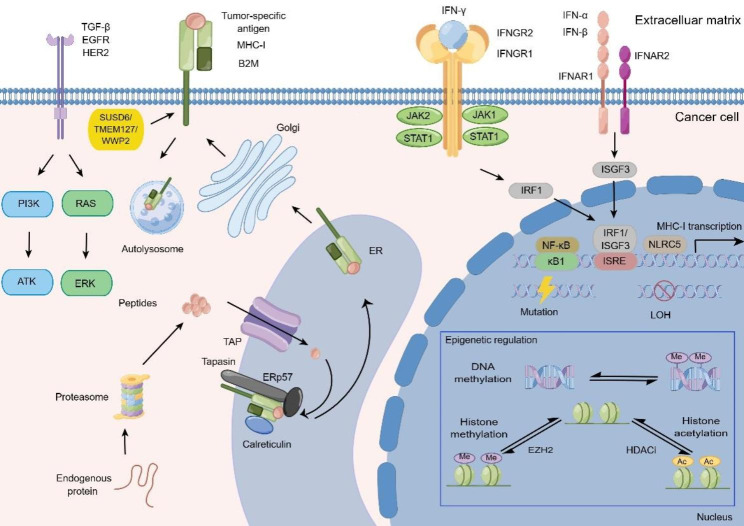
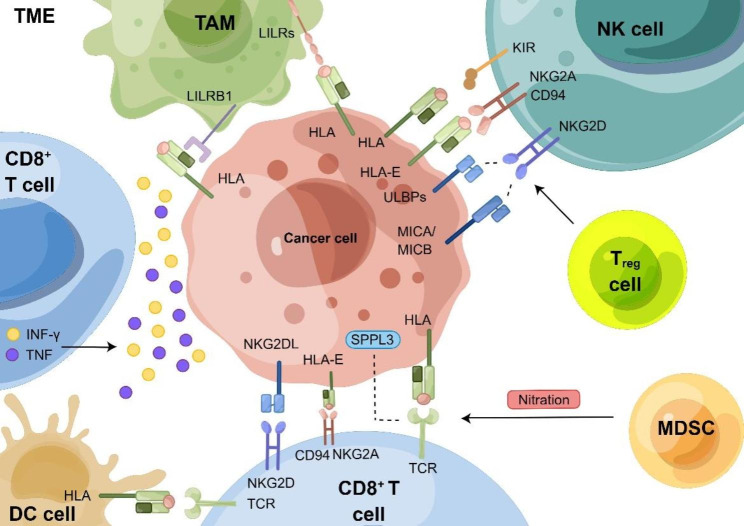
Verification
Claims the paper makes
The claims and statistics of this paper haven’t been checked yet.
Free: it reads the open-access text and checks the first 5 claims that cite a source we can check. Create a free account to check every claim.
Claims other papers make about this one
Each is checked against this paper’s own text: does it say what the citing paper says it does?
The cited source says what the claim attributes to it.
In the citing paper
“It is well-known that T cells recognize the peptide-loaded major histocompatibility complex (pMHC) presented by antigen-presenting cells via the TCRs, thereby triggering the subsequent immune response to kill cancerous or infectious cells [132].”
From Single-cell sequencing to multi-omics: technologies and applications (2024) · cites this paper as [132]
Self-check
Percentages, sums and reported differences re-computed from the paper’s own numbers.
The self-check needs the paper’s full text.
Citations
Cites
1 retracted
RETRACTED ARTICLE: Hurdles to breakthrough in CAR T cell therapy of solid tumors
Marofi, F., Achmad, H., Bokov, D., Abdelbasset, W. K., Alsadoon, Z., Chupradit, S., Suksatan, W., Shariatzadeh, S., Hasanpoor, Z., Yazdanifar, M., et al. (2022) · Stem Cell Research & Therapy · doi:10.1186/s13287-022-02819-x · Cited by 47 · cited 1×
“Notably, negative MHC-I might activate NK cells, which then act as the main cause of CAR-T cell death [141].”
BackgroundRetractedMismatch repair deficiency predicts response of solid tumors to PD-1 blockade
Le, D. T., Durham, J. N., Smith, K. N., Wang, H., Bartlett, B. R., Aulakh, L. K., Lu, S., Kemberling, H., Wilt, C., Luber, B. S., et al. (2017) · Science · doi:10.1126/science.aan6733 · Cited by 6,645 · cited 1×
“In addition, genetic mutations in B2M, resulting in the formation of defective HLA, may also be associated with acquired resistance to ICB treatment [110, 111].”
BackgroundMolecular and genetic properties of tumors associated with local immune cytolytic activity
Rooney, M. S., Shukla, S. A., Wu, C. J., Getz, G., & Hacohen, N. (2015) · Cell · doi:10.1016/j.cell.2014.12.033 · Cited by 3,825 · cited 1×
“They identified the mutation as being enriched in numerous cancer types [46].”
BackgroundMutations Associated with Acquired Resistance to PD-1 Blockade in Melanoma
Zaretsky, J. M., Garcia-Diaz, A., Shin, D. S., Escuin-Ordinas, H., Hugo, W., Hu-Lieskovan, S., Torrejon, D. Y., Abril-Rodriguez, G., Sandoval, S., Barthly, L., et al. (2016) · New England Journal of Medicine · doi:10.1056/nejmoa1604958 · Cited by 3,237 · cited 2×
“In addition, genetic mutations in B2M, resulting in the formation of defective HLA, may also be associated with acquired resistance to ICB treatment [110, 111].”
BackgroundAn immunogenic personal neoantigen vaccine for patients with melanoma
Ott, P. A., Hu, Z., Keskin, D. B., Shukla, S. A., Sun, J., Bozym, D. J., Zhang, W., Luoma, A., Giobbie-Hurder, A., Peter, L., et al. (2017) · Nature · doi:10.1038/nature22991 · Cited by 2,936 · cited 1×
“Tumor neoanti-gen vaccination can enhance the anti-tumor immune response, notably neoantigen-specific T cells [126–128].”
BackgroundIn search of the ‘missing self’: MHC molecules and NK cell recognition
Ljunggren, H.-G., & Kärre, K. (1990) · Immunology Today · doi:10.1016/0167-5699(90)90097-s · Cited by 2,687 · cited 1×
“The majority of researchers believe that MHC-I-deficient cancer cells are killed by NK cells because they cannot bind inhibitory receptors on NK cells [145].”
BackgroundPersonalized RNA mutanome vaccines mobilize poly-specific therapeutic immunity against cancer
Sahin, U., Derhovanessian, E., Miller, M., Kloke, B.-P., Simon, P., Löwer, M., Bukur, V., Tadmor, A. D., Luxemburger, U., Schrörs, B., et al. (2017) · Nature · doi:10.1038/nature23003 · Cited by 2,488
Intracavitary Bacillus Calmette-guerin in the Treatment of Superficial Bladder Tumors
Morales, A., Eidinger, D., & Bruce, A. W. (1976) · Journal of Urology · doi:10.1016/s0022-5347(17)58737-6 · Cited by 1,791
Reits, E. A., Hodge, J. W., Herberts, C. A., Groothuis, T. A., Chakraborty, M., K.Wansley, E., Camphausen, K., Luiten, R. M., de Ru, A. H., Neijssen, J., et al. (2006) · The Journal of Experimental Medicine · doi:10.1084/jem.20052494 · Cited by 1,737 · cited 2×
“Notably, MHC-I could be upregulated by radiation, which makes it possible to improve antigen presentation and increase the recognition capacity and cytotoxicity of T cells [149–152].”
BackgroundSaxena, M., van der Burg, S. H., Melief, C. J. M., & Bhardwaj, N. (2021) · Nature reviews. Cancer · doi:10.1038/s41568-021-00346-0 · Cited by 1,581
Research works printed but not linked: 1
- van Montfoort N Borst L Korrer MJ Sluijter M Marijt KA Santegoets SJ van Ham VJ Ehsan I Charoentong P Andre P NKG2A Blockade Potentiates CD8 T Cell Immunity Induced by Cancer vaccines Cell 2018 175 1744 10.1016/j.cell.2018.10.028 30503208 PMC6354585 · DOI · Paper page
Cited by
Items 201–256 of 256
Zhou, H., Wang, Y., Zhao, K., Li, M., Ni, X., Chen, S., Yan, T., & Xu, J. (2025) · Scientific Reports · doi:10.1038/s41598-025-10625-7
“MHC-I molecules, which are typically expressed on the surface of nucleated cells, present endogenous antigens to CD8 + T cells, triggering an immune response against abnormal cells 27 .”
Zhang, J., Yao, Y., Hu, J., Wu, C., Chen, J., Chen, Y., Qin, Z., Zhao, Q., Huang, R. S., Wang, F., et al. (2026) · Genes & Diseases · doi:10.1016/j.gendis.2026.102059
Sato, C., Taylor, M. T., & Martinez, D. (2023) · Asian journal of Current Research in Clinical Cancer · doi:10.51847/hldmpyjetk
Zhao, L., Sheng, L., Qiu, J., Ma, J., Jin, K., Zhao, B., Miao, T., Chen, J., Li, Y., Zhang, Z., et al. (2026) · Advanced Science · doi:10.1002/advs.202519836
“Its deficiency leads to complete loss of MHC-I surface expression, enabling tumor cells to evade immune recognition, particularly by CD8 + T cells [ 30 ].”
Wang, Y.-S., Chou, H., Liao, E., Chen, H.-Y., Lin, M.-W., Wei, Y.-S., Lin, L., Chang, Y., Meng, H., Wen, Y., et al. (2026) · Archives of Biochemistry and Biophysics · doi:10.1016/j.abb.2026.110762
Rodriguez, J. A., & Diaz, P. I. (2023) · Archive of International Journal of Cancer and Allied Science · doi:10.51847/elsecc2ogz
Yan, M., Jin, M., Xia, W., Sun, J., Zhong, Z., Wan, G., Wang, J., Huang, J., & Zhang, J. Z. H. (2026) · Protein Science · doi:10.1002/pro.70503
“These short peptides, presented by the Major Histocompatibility Complex (MHC), serve as molecular beacons that guide the immune system to target and eliminate virally infected cells (Schaap-Johansen et al. 2021; Wu et al. 2023).”
Immune landscape in NOD.H-2h4 mouse model thyroid revealed by single-cell RNA sequencing
Wang, B., He, L., Qiu, H., Zheng, L., He, W., Li, Z., Su, A., & Hu, Y. (2026) · Biochemical and Biophysical Research Communications · doi:10.1016/j.bbrc.2026.153484
Synergistic roles of unfolded protein responses and ubiquitination modifications in immunomodulation
You-Qi, Z. H. A. O., Ning, X. U., Liu, W. T., & Ling-Zhi, X. U. (2026) · Shengming kexue · doi:10.3724/cbls.2026006
“…编码泛素化酶和蛋白酶体组件的基因表达 , 从而调 控细胞清除错误折叠蛋白的能力 , 如 XBP1s [ 44 ] ER 腔的正确折叠是免疫激活功能的必要保证 [ 45 ] 。 在 ER 腔室内 , 重链与 β2 微球蛋白 ( β2-microglobulin , β2m ) 及 8~10 个氨基酸的抗原肽通过肽装载复合物 完成精确组装 [ 46 ] 。只有完整构象的复合体才能脱离 ( signal transducer and activator of transcription 1 , [ 49 ] 。总之 , IFN-γ 通过 治疗血管再狭窄提供了理论依据 [ 50 ] 。”
Que, Z., Bin, L., & Tian, J. (2025) · PubMed Central · doi:10.3779/j.issn.1009-3419.2025.101.23
“…2.1 DTCs 抗原呈递缺陷机制 DTCs 通过下调主要组 织相容性复合体 I 类( major histocompatibility complex class-I, MHC-I )分子表达逃避免疫识别,这一经典策 略不仅使 DTCs 难以被免疫细胞识别,也与放化疗及免 疫治疗耐药密切相关 [12] 。 DTCs 可通过多种表观遗传和 信号通路调控机制主动抑制 MHC-I 表达。例如在乳腺 癌脑转移中,星形胶质细胞来源的弹性蛋白微纤维界 面定位蛋白 1 ( elastin microfibril interface located protein 轴,导致 MHC-I 类分子下调,帮助…”
InfluentialMAPK ERK5 is a novel regulator of MHC-I in cancer cells
Viñas-Casas, M., & Lizcano, J. M. (2026) · Cell Communication and Signaling · doi:10.1186/s12964-026-02780-9
“Accordingly, strategies that restore or enhance MHC-I expression in tumors are being actively pursued to improve antitumor immunity [6].”
Zhu, X., Cao, Q., Yan, G., Zhao, X., & Sun, Z. (2026) · Genes · doi:10.3390/genes17040387
“However, cancer cells frequently downregulate or lose MHC expression, thereby escaping from αβ T cell-mediated immune surveillance and killing [8].”
Martynov, A. M., & Farber, B. Y. (2026) · Preprints.org · doi:10.20944/preprints202603.2421.v1
Qiao, J., Li, X., Qin, Z., Zhao, P., Zhou, H., Qiu, L., Yuan, Y., & Zhong, L. (2026) · Frontiers in Genetics · doi:10.3389/fgene.2026.1779213
The Immune System and Skin Cancer
Nath, J., Das, S., Deka, B., Masih, D., Gupta, R., Asif, M., & Sreenivasalu, P. K. P. (2026) · Springer eBooks · doi:10.1007/978-981-95-7358-5_7
Targeting histamine H4 receptor improves anti-tumoral response in a murine model of breast cancer
Vázquez, R., Saibene, P., Boix, M. E., Maio, M., Salamone, G. V., Balboa, L., & Vermeulen, M. E. (2026) · Frontiers in Immunology · doi:10.3389/fimmu.2026.1770957
“Next, we studied inhibitory and class I molecules associated with tumor scape (10, 14, 15) by cytometry.”
Radiogenomic landscape of the hallmarks of cancer
Zhang, G., Guo, Y., Yang, Y., Li, T., Gong, B., Lou, J., Li, Y., Peng, S., Liu, C., Yuan, X., et al. (2026) · Biomarker Research · doi:10.1186/s40364-026-00920-4
“Reduced MHC-I expression directly weakens T cell-mediated cytotoxicity, thereby promoting immune evasion [244].”
Self-citationJiang, Y., Zeng, S., Wang, D., Jiang, J., Li, Z., Li, J., Chen, D., Zhao, X. P., Ying, Z., Deng, Y., et al. (2026) · Cancer Science · doi:10.1111/cas.70399
“As the principal effectors of antitumor immunity, CD8 + CTLs identify and eliminate malignant cells upon T cell receptor (TCR) recognition of tumor-derived peptides presented by MHC-I [8].”
Wu, C., Si, K., Mao, S., Jiang, Z., Li, D. Z., Zhu, H., Sun, N., Liang, W., & Zhang, W. (2026) · bioRxiv (Cold Spring Harbor Laboratory) · doi:10.64898/2026.04.21.719788
Yuan, H., Niu, H., Zheng, X., Sun, Y., Sun, Q., Lu, Q., & Jia, M. (2026) · Research Square · doi:10.21203/rs.3.rs-9323678/v1
Inflammatory pathways in skin cancer development
Gobinath, M., Dwarampudi, L. P., Ramaswamy, S., Dutta, S., Roychowdhury, P., & Raj, S. (2026) · Elsevier eBooks · doi:10.1016/b978-0-443-36500-3.00012-x
B2M drives PD-1 inhibitor resistance in DLBCL through independent dual immune escape mechanisms
Liu, Y., Xu, X., Li, C., Mou, S., Wang, F., Yao, Z., & Chen, Q. (2026) · Open Life Sciences · doi:10.1515/biol-2025-1226
“Neoantigen-derived peptides bind to MHC-I complexes formed by the MHC-I α chain (HLA-I) and B2M , with the resulting complexes displayed on the cell surface and recognized by CD8 + T cells via T -cell receptors (TCRs) [8].”
Bukkuri, A. (2026) · Theory in Biosciences · doi:10.1007/s12064-026-00496-5
Human leukocyte antigens in the era of precision medicine in immunology
Ulum, B., Sönmez, G., & Cağdaş, D. N. (2026) · Transplant Immunology · doi:10.1016/j.trim.2026.102389
Ding, K., Zhu, Z., Huo, Z., Li, H., Chen, H., Wang, S., & Yang, L. (2026) · Frontiers in Genetics · doi:10.3389/fgene.2026.1847952
Dliyauddin, M., Puspitarini, S., Lestari, N. D., & Samoedra, R. S. (2026) · Plant Nanomaterial Journal · doi:10.26740/pnj.v1i2.50136
Structural and Computational Characterization of Phyto-Based Natural Immunomodulator Targeting MHC-I
Jasrotia, S., Sheoran, S., Arora, S., Singh, R., & Kumar, A. (2026) · International Journal of Drug Delivery Technology · doi:10.25258/ijddt.16.51s.37
Uggé, M., Fracassi, C., Tascini, A. S., Giansanti, V., Genova, F., Dugo, M., Giannese, F., Basso, V., Ghirardi, C., Smart, C. E., et al. (2026) · Cell Death and Differentiation · doi:10.1038/s41418-026-01781-y
Wei, N., Su, Y., Hou, Y., Zhang, X.-Y., Liu, Z.-W., & Yang, C. (2026) · Journal of Chemical Information and Modeling · doi:10.1021/acs.jcim.6c01090
Hu, D., Yin, D., Wang, J., Liu, Y., Zhang, N., & Pan, X. (2026) · International Journal of Biological Macromolecules · doi:10.1016/j.ijbiomac.2026.153186
Artificial “zombie” cells: An emerging platform for targeted drug delivery and disease treatment
Sun, Y., Feng, J., Xing, Y., Sun, P., Liao, M., Tan, X., & Wang, Y. (2026) · Acta Pharmaceutica Sinica B · doi:10.1016/j.apsb.2026.06.037
“To address these problems 103,104 , APC-like tumor AZCs developed through cryogenic shock treatment effectively maintained costimulatory molecules on tumor cells and enabled engineering capabilities.”
Wang, H., Chu, X., Xu, C., Li, Z., & Xie, L. (2026) · Biomolecules · doi:10.3390/biom16070964
“Tumour cells can evade immune surveillance by reducing the expression of antigen processing-related molecules, impairing peptide loading, interfering with MHC-I trafficking, or promoting its degradation [7,14,18,19].”
EGFR mimotope alleviates renal fibrosis by promoting EGFR/RPL6/PCBP2 ternary complex formation
Wu, Q., Chen, Y., Zhao, D., Zhou, Y., Yang, Z., Zhong, X., Niu, J., & Yang, L. (2026) · npj Vaccines · doi:10.1038/s41541-026-01513-w
“Overexpression of RPL6 attracted the NK population and inhibited macrophages in Rpl6 CKI kidney tissues MHC class I molecules are mainly recognised by CD8 + and NK cells 18 .”
Jia, X.-X., Xu, B., Hu, C., Ruhan, A., Zhang, W.-W., Gao, L., Xiao, K., Qn, S., Chen, C., & Dong, X. (2026) · ACS Chemical Neuroscience · doi:10.1021/acschemneuro.5c00911
Kim, M., & Noh, I. (2026) · Small · doi:10.1002/smll.74601 · Cited by 1
“However, many tumors not only evade immune recognition by downregulating MHC-I expression, but also engage immunosuppressive pathways—the upregulation of programmed death ligand 1 (PD-L1) and CD47—which signal through signal regulatory protein α (SIRP α ) on myeloid cells [8–13].”
PSMB9 Promotes the Malignant Progression of Colorectal Cancer by Regulating the PI3K/Akt Pathway
Gao, W., Zheng, X., Hu, Y., Zou, R., Zhou, Y., & Song, X. (2026) · Oncology Research Featuring Preclinical and Clinical Cancer Therapeutics · doi:10.32604/or.2026.082652
Turning Cold Tumors Into Hot Tumors: Implications for Cancer Therapy
Ge, X., Han, D., Wang, J., Dai, X., Ma, C., & Chen, F. (2026) · MedComm · doi:10.1002/mco2.70882
“This defect is often compounded by abnormalities in the antigen ‑processing machinery, including LMP2, LMP7, and ERAP1, which further compromise peptide loading and presentation [ 46–48 ].”
LeRoy, E., Kim, J., Ruland, H., Schanzer, N., Sakharkar, A., Innes, L., Feinstein, Z., Zuniga, D., Chen, R., Arikatla, M. R., et al. (2026) · Communications Biology · doi:10.1038/s42003-026-10550-z
“Theseantigenicpeptidesarethentransportedtotheendoplasmicreticulum (ER)bythetransporterassociatedwithantigenprocessing(TAP),where theyarefurthertrimmedtolengthsrangingfrom8to10aminoacids 18 .”
InfluentialThe molecular mechanisms of platelets in tumor invasion and metastasis: a controversial role
Kheirkhah, A. H., Taher, T. Z., Khosrowpour, Z., Mahmoudian, O., & Kavianpour, M. (2026) · Cancer Biology & Therapy · doi:10.1080/15384047.2026.2692154
Hu, S., Dang, Y., Tuo, B., Liu, S., Zhang, Z., Gan, L., Gao, X., Xiao, M., 胡俊弘, & Sun, Z. (2026) · BMC Cancer · doi:10.1186/s12885-026-16750-4
“The widespread MHC class II deletions suggest impaired CD4 + T cell activation through disrupted anti-gen-dependent stimulation, potentially contributing to dysfunctional anti-tumor immunity, while MHC class I deletions may promote immune evasion through reduced immunogenicity [14].”
Computational design and analysis of a lung cancer vaccine targeting EGFR mutation E709G
Ongtanasup, T., Suwannakul, N., & Eawsakul, K. (2026) · Scientific Reports · doi:10.1038/s41598-026-65965-9
Zhang, X. (2026) · International Journal of Biology and Life Sciences · doi:10.54097/hbbx2q02
“Through a process called “missing - self recognition”, NK cells will be activated and eliminate malignant cells with the downregulation of major histocompatibility complex class I (MHC-I) on tumor surface [5].”
Therapeutic vaccines for NSCLC: From mechanisms to clinical translation
Liu, W., Han, J., Fei, K., Dong, Y., Li, M., Zhao, J., Mingzhao, W., Li, Z., Chen, S., Xu, J., et al. (2026) · Chinese Medical Journal - Pulmonary and Critical Care Medicine · doi:10.1016/j.pccm.2026.08.001
A CIC::DUX4 Sarcoma Model Reveals Oncogene-Driven MHCI-Dependent Immune Evasion
Wilson, E., Jong, F. D., & Peters, L. (2024) · Archive of International Journal of Cancer and Allied Science · doi:10.51847/dedmr1fe39
Botha, P., Wyk, A. V., & Marais, J. (2026) · Archive of International Journal of Cancer and Allied Science · doi:10.51847/pz3cessrwh
Stanciu, D. I., Hudiță, A., Ginghină, O., & Gălățeanu, B. (2026) · Biochimica et Biophysica Acta (BBA) - Molecular Basis of Disease · doi:10.1016/j.bbadis.2026.168488
Neutrophils suppress adaptive αβ T cells but not the innate γδ T cells and natural killer cells
Gankema, A. A. F., van Oosterom, F., Slot, M. C., Mahieu, C. I., Rontogianni, S., Verkerk, T., Amsen, D., van Bruggen, R., & Kuijpers, T. W. (2026) · Frontiers in Immunology · doi:10.3389/fimmu.2026.1977867
“Because of their MHC-I independent anti-tumor responses, these cells are of high interest for the development of therapies (35, 36).”
Resolving cell–cell interaction networks and their molecular logic in complex tissues
Tang, L., Tian, K., Fu, X., Xu, Y., Wu, J., Zhang, J., Wang, X.-W., Ye, C., Wu, Q., Wu, W., et al. (2026) · Nature Methods · doi:10.1038/s41592-026-03237-0
“8i), consistent with active immune surveillance 71–73 .”
Zhang, J., An, H., 于传飞, Li, W., Li, M., & Wang, L. (2026) · International Journal of Molecular Sciences · doi:10.3390/ijms27198859
Liu, J., Fang, Y., Fan, R., Wang, H., Huang, H., Yang, F., Lihui, Y., Yin, Z., Zhao, M., Zeng, P., et al. (2026) · Proceedings of the National Academy of Sciences · doi:10.1073/pnas.2524540123
Li, J., Ding, M., Sun, J., Gao, L., Zhou, Z., Zeng, Q., Fang, X., Li, S., Du, Z., Huang, P., et al. (2026) · Frontiers in Immunology · doi:10.3389/fimmu.2026.1924227
“Unlike CD47, MHC-I contributes both to antigen presentation to CD8 + T cells and to LILRB1-mediated myeloid inhibition (101, 102).”
Wu, C., Si, K., Mao, S., Jiang, Z., Li, D., Zhu, H., Sun, N., Liang, W., & Zhang, W. (2026) · Research Square · doi:10.21203/rs.3.rs-11111917/v1
Liu, X., Zhou, J., Lu, G., Zhao, C., Wang, W., Chen, J., Zhang, F., Zhang, F., Xie, H.-Y., & Nie, W. (2026) · Advanced Science · doi:10.1002/advs.78279
“Downregulation or loss of MHC class I (MHC I) molecules on the tumor cell surface is a common mechanism by which tumors evade recognition by cytotoxic Teff [ 32 ].”
Bakhle, K. M., Stephanou, A., Sahoo, S., Ntekas, I., Priebe, K., Rahman, M., Puri, R., Butler, S. D., Schweitzer, P. A., Chandraganti, S., et al. (2026) · bioRxiv (Cold Spring Harbor Laboratory) · doi:10.64898/2026.10.17.759751
Oncolytic Virus‐Engineered Extracellular Vesicles Rewire Glioblastoma Immunity
Kiel, K., Balakrishnan, A., Cabaj, A., Stanaszek, L., Przybylski, M., Stępnik, D., Małuszek, M., Jannotta, C., Linke, C. Z., Suszyńska-Zajczyk, J., et al. (2026) · Journal of Extracellular Vesicles · doi:10.1002/jev2.70389
“These findings, which align with prior evidence that STAT1 and IRF1 coordinate MHC-I expression and sensitize tumours to T cell-mediated cytotoxicity (Shankaran et al. 2001 , Wu et al. 2023 ), support the use of EVOVs as an adjuvant to induce an immune response in GBM.”
Influential(2026) · Frontiers research topics · doi:10.3389/978-2-8325-8968-7
Metadata
- Authors
- Wu, X., Li, T., Jiang, R., Yang, X., Guo, H., & Yang, R.
- Affiliations
- Nanjing Drum Tower Hospital (CN)
- Zhongda Hospital Southeast University (CN)
- Fujian Medical University (CN)
- Corresponding author
- Guo, Hongqian
- Yang, Rong
- Venue
- Molecular Cancer
- Published
- 2023-12-02
- Volume
- 22
- Issue
- 1
- Pages
- 194-194
- ISSN
- 1476-4598 (ISSN-L)
- PMC
- PMC10693139
- OpenAlex
- W4389266107
- Semantic Scholar
- e469619bdded549d885ecb201eeb58fe9b6a91e4
- Cited by
- 223
- References
- 163
- Citations by year
- 2026: 78 · 2025: 109 · 2024: 34 · 2023: 2
- FWCI
- 7.23
- Type
- journal article
- Language
- en
- Open access
- gold
- doi.org
- Licence
- cc-by
- creativecommons.org/licenses/by/4.0 (tdm)
- creativecommons.org/licenses/by/4.0 (vor)
- Locations
- Molecular Cancer (publishedVersion, cc-by)
- PubMed Central (publishedVersion, cc-by)
- PubMed (publishedVersion)
- DOAJ (DOAJ: Directory of Open Access Journals) (submittedVersion, cc-by-sa)
- Funders
- National Natural Science Foundation of China (81772710, 82172691)
- Nanjing Science and Technology Development Key Project (YKK19011)
- Topics
- Health Sciences › Medicine › Oncology › Cancer Immunotherapy and Biomarkers
- Life Sciences › Immunology and Microbiology › Immunology › Immunotherapy and Immune Responses
- Life Sciences › Biochemistry, Genetics and Molecular Biology › Molecular Biology › vaccines and immunoinformatics approaches
- Keywords
- MHC class I, cancer immunotherapy, tumor immune evasion, tumor microenvironment, peptide presentation, tumor progression, immune checkpoint blockade
- MeSH terms
- Cell Membrane, Humans, Immunotherapy, Neoplasms, Histocompatibility Antigens Class I, Tumor Microenvironment
About these checks
Registry, retraction, Cites and statistics results are computed, not judged, with one exception: a printed reference that no index lists is read once by a model before it counts as a citation error. Claims are extracted by a model and kept only when their quote appears verbatim in the text; each cited source is then checked, with a model’s help, for whether it says what the claim relies on. Those verdicts can be wrong — read the claim’s quote and the cited source before relying on one.
Statistics and arithmetic are recomputed, not judged.
Confidence bands are shown only for fields calibrated on our annotated test set. None is calibrated yet, so no band is shown.
What counts as a claim ›How we measure confidence ›How we check this ›
Are you an author, or do you see a problem with this page? Request a review
Data sources
Bibliographic data: Semantic Scholar, OpenAlex, Crossref.
Contains information from the Semantic Scholar Academic Graph Datasets, made available under the ODC Attribution License (ODC-BY 1.0).
Semantic Scholar’s data is described in: Kinney, R., et al. (2023). The Semantic Scholar Open Data Platform. arXiv:2301.10140.
