

The effects of probiotic administration on patients with prediabetes: a meta-analysis and systematic review
Open accessThe DOI matches its Crossref record; 88 of the 88 references it cites were found in a registry or an index.
Abstract
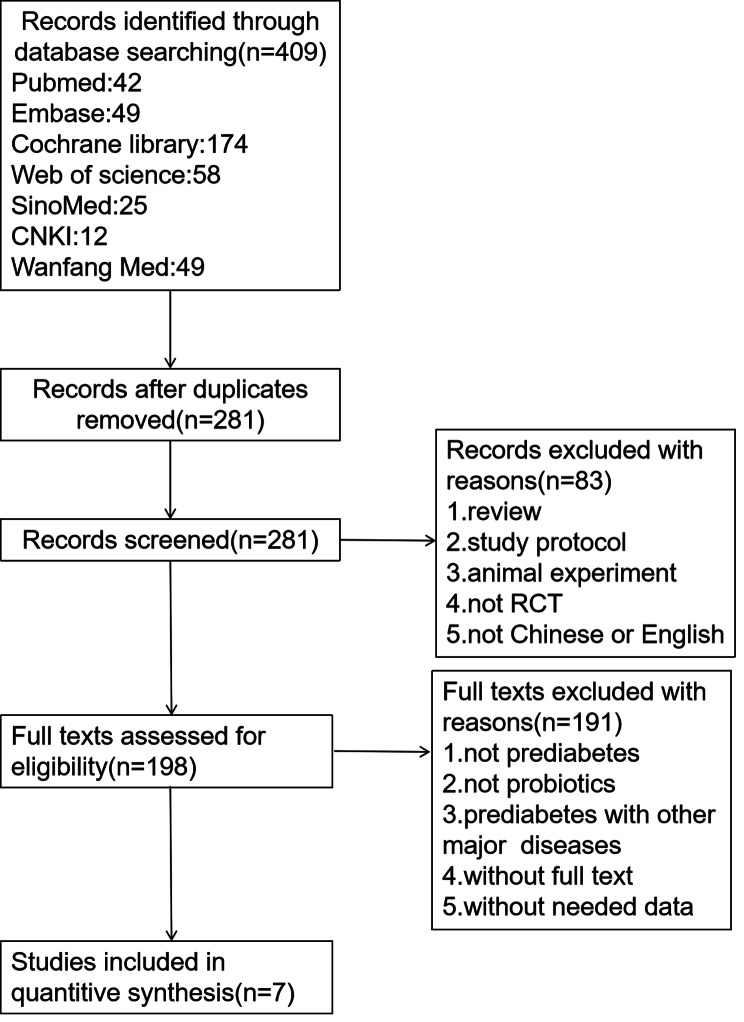
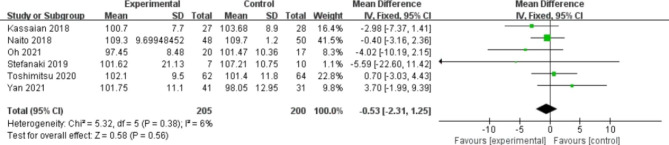
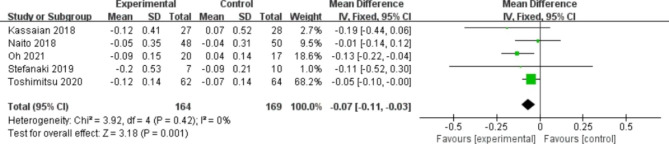
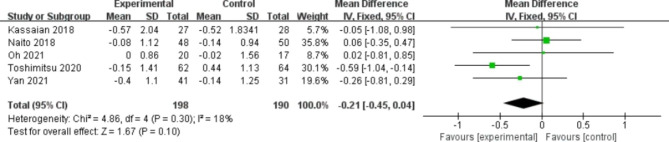
Background: This paper aimed to examine the effects of probiotics on eight factors in the prediabetic population by meta-analysis, namely, fasting blood glucose (FBG), glycated haemoglobin A1c (HbA1c), homeostatic model assessment of insulin resistance (HOMA-IR), quantitative insulin sensitivity check index (QUICKI), total cholesterol (TC), triglyceride (TG), high-density lipoprotein cholesterol (HDL-C) and low-density lipoprotein cholesterol (LDL-C), and the mechanisms of action are summarized from the existing studies. Methods: Seven databases (PubMed, Web of Science, Embase, Cochrane Library, SinoMed, CNKI, and Wanfang Med) were searched until March 2022. Review Manager 5.4 was used for meta-analysis. The data were analysed using weighted mean differences (WMDs) or standardized mean differences (SMDs) under a fixed effect model to observe the efficacy of probiotic supplementation on the included indicators. Results: Seven publications with a total of 460 patients were included. According to the meta-analysis, probiotics were able to significantly decrease the levels of HbA1c (WMD, -0.07; 95% CI -0.11, -0.03; P = 0.001), QUICKI (WMD, 0.01; 95% CI 0.00, 0.02; P = 0.04), TC (SMD, -0.28; 95% CI -0.53, -0.22; P = 0.03), TG (SMD, -0.26; 95% CI -0.52, -0.01; P = 0.04), and LDL-C (WMD, -8.94; 95% CI -14.91, -2.97; P = 0.003) compared to levels in the placebo group. The effects on FBG (WMD, -0.53; 95% CI -2.31, 1.25; P = 0.56), HOMA-IR (WMD, -0.21; 95% CI -0.45, 0.04; P = 0.10), and HDL-C (WMD, 2.05; 95% CI -0.28, 4.38; P = 0.08) were not different from those of the placebo group. Conclusion: The present study clearly indicated that probiotics may fulfil an important role in the regulation of HbA1c, QUICKI, TC, TG and LDL-C in patients with prediabetes. In addition, based on existing studies, we concluded that probiotics may regulate blood glucose homeostasis in a variety of ways. Trial Registration: This meta-analysis has been registered at PROSPERO with ID: CRD42022321995.
Overview
The claims and statistics of this paper haven’t been checked yet.
Free: it reads the open-access text and checks the first 5 claims that cite a source we can check. Create a free account to check every claim.
Integrity signals
Registry
Cites
Statistics
Figures





Verification
Claims the paper makes
The claims and statistics of this paper haven’t been checked yet.
Free: it reads the open-access text and checks the first 5 claims that cite a source we can check. Create a free account to check every claim.
Claims other papers make about this one
Each is checked against this paper’s own text: does it say what the citing paper says it does?
In the citing paper
“Protein intake exerts multiple physiological effects relevant to obesity management, including greater satiety than carbohydrate or fat, enhanced thermogenesis, and preservation of fat-free mass through stimulation of muscle anabolism [259]”
From Nutritional Approaches to Enhance GLP-1 Analogue Therapy in Obesity: A Narrative Review (2025) · cites this paper as [259]
Self-check
Percentages, sums and reported differences re-computed from the paper’s own numbers.
The self-check needs the paper’s full text.
Citations
Cites
Preferred Reporting Items for Systematic Reviews and Meta-Analyses: the PRISMA statement
Moher, D., Liberati, A., Tetzlaff, J., Altman, D. G., & for the PRISMA Group (2009) · BMJ · doi:10.1136/bmj.b2535 · Cited by 83,823
Preferred Reporting Items for Systematic Reviews and Meta-Analyses: The PRISMA Statement
Moher, D., Liberati, A., Tetzlaff, J., Altman, D. G., & The PRISMA Group (2009) · PLoS Medicine · doi:10.1371/journal.pmed.1000097 · Cited by 64,042 · cited 1×
“Search strategy This meta-analysis and systematic review were performed according to the Preferred Reporting Items for Systematic Reviews and Meta-Analyses (PRISMA) statement [19].”
The Cochrane Collaboration's tool for assessing risk of bias in randomised trials
Higgins, J. P. T., Altman, D. G., Gotzsche, P. C., Juni, P., Moher, D., Oxman, A. D., Savovic, J., Schulz, K. F., Weeks, L., Sterne, J. A. C., et al. (2011) · BMJ · doi:10.1136/bmj.d5928 · Cited by 33,817
Dermyshi, E., Wang, Y., Yan, C., Hong, W., Qiu, G., Gong, X., & Zhang, T. (2017) · Neonatology · doi:10.1159/000454668 · Cited by 24,451
Wang, G., Ma, R., Qiao, G., Wada, K., Aizawa, Y., & Satoh, T. (2015) · Integrative Medicine International · doi:10.1159/000368408 · Cited by 18,657
Human gut microbes associated with obesity
Ley, R. E., Turnbaugh, P. J., Klein, S., & Gordon, J. I. (2006) · Nature · doi:10.1038/4441022a · Cited by 8,785 · cited 1×
“There is a reduction in the number of Bacteroidetes in the obese population [32].”
BackgroundIDF Diabetes Atlas: Global estimates for the prevalence of diabetes for 2015 and 2040
Ogurtsova, K., da Rocha Fernandes, J. D., Huang, Y., Linnenkamp, U., Guariguata, L., Cho, N. H., Cavan, D., Shaw, J. E., & Makaroff, L. E. (2017) · Diabetes Research and Clinical Practice · doi:10.1016/j.diabres.2017.03.024 · Cited by 6,966
Metabolic Endotoxemia Initiates Obesity and Insulin Resistance
Cani, P. D., Amar, J., Iglesias, M. A., Poggi, M., Knauf, C., Bastelica, D., Neyrinck, A. M., Fava, F., Tuohy, K. M., Chabo, C., et al. (2007) · Diabetes · doi:10.2337/db06-1491 · Cited by 6,638 · cited 1×
“LPS is a constituent of the outer cell membrane of Gram-negative bacteria and stimulates the secretion of proinflammatory cytokines by binding to the TLR4/CD14 complex [47, 48].”
BackgroundPrediabetes: a high-risk state for diabetes development
Tabák, A. G., Herder, C., Rathmann, W., Brunner, E. J., & Kivimäki, M. (2012) · The Lancet · doi:10.1016/s0140-6736(12)60283-9 · Cited by 2,958 · cited 3×
“In the treatment of prediabetes, lifestyle improvement and drug therapy have limitations and side effects, respectively [3].”
BackgroundInfluentialMucus barrier, mucins and gut microbiota: the expected slimy partners?
Paone, P., & Cani, P. D. (2020) · Gut · doi:10.1136/gutjnl-2020-322260 · Cited by 1,578 · cited 1×
“Certain species of probiotics could reinforce the mucus barrier by increasing the expression of mucin genes and stimulating mucus secretion [53].”
BackgroundShin, N.-R., Lee, J.-C., Lee, H.-Y., Kim, M.-S., Whon, T. W., Lee, M.-S., & Bae, J.-W. (2014) · Gut · doi:10.1136/gutjnl-2012-303839 · Cited by 1,550
Normalization of obesity-associated insulin resistance through immunotherapy
Winer, S., Chan, Y., Paltser, G., Truong, D., Tsui, H., Bahrami, J., Dorfman, R., Wang, Y., Zielenski, J., Mastronardi, F., et al. (2009) · Nature Medicine · doi:10.1038/nm.2001 · Cited by 1,370 · cited 1×
“Chronic low-grade inflammation is an important pathological change in the progression of diabetes [41].”
BackgroundBile Salt Hydrolase Activity in Probiotics
Begley, M., Hill, C., & Gahan, C. G. M. (2006) · Applied and Environmental Microbiology · doi:10.1128/aem.72.3.1729-1738.2006 · Cited by 1,187 · cited 1×
“Certain probiotics can bring about a decrease in Firmicutes, which is able to produce more inflammatory molecules and exacerbate the inflammatory response, improve insulin resistance and prevent the progression of type 2 diabetes [34].”
BackgroundThe role of hepatic lipids in hepatic insulin resistance and type 2 diabetes
Perry, R. J., Samuel, V. T., Petersen, K. F., & Shulman, G. I. (2014) · Nature · doi:10.1038/nature13478 · Cited by 1,136 · cited 1×
“The improvement of mitochondrial health restores the β-oxidation of fatty acids, thus reducing the accumulation of fatty acids in the liver and improving glucose metabolism throughout the body [69, 70].”
BackgroundWriting committee, Unwin, N., Shaw, J., Zimmet, P., & Alberti, K. G. M. M. (2002) · Diabetic Medicine · doi:10.1046/j.1464-5491.2002.00835.x · Cited by 1,108
Probiotics, gut microbiota, and their influence on host health and disease
Sánchez, B., Delgado, S., Blanco‐Míguez, A., Lourenço, A., Gueimonde, M., & Margolles, A. (2017) · Molecular Nutrition & Food Research · doi:10.1002/mnfr.201600240 · Cited by 1,104 · cited 1×
“Probiotics exert beneficial effects on the body by regulating the intestinal microbiota [11].”
BackgroundReactive oxygen species, cell signaling, and cell injury
Hensley, K., Robinson, K. A., Gabbita, S. P., Salsman, S., & Floyd, R. A. (2000) · Free Radical Biology and Medicine · doi:10.1016/s0891-5849(00)00252-5 · Cited by 1,019
Intestinal microbiota determines development of non-alcoholic fatty liver disease in mice
Le Roy, T., Llopis, M., Lepage, P., Bruneau, A., Rabot, S., Bevilacqua, C., Martin, P., Philippe, C., Walker, F., Bado, A., et al. (2013) · Gut · doi:10.1136/gutjnl-2012-303816 · Cited by 1,001
Human Gut Microbiota Changes Reveal the Progression of Glucose Intolerance
Zhang, X., Shen, D., Fang, Z., Jie, Z., Qiu, X., Zhang, C., Chen, Y., & Ji, L. (2013) · PLoS ONE · doi:10.1371/journal.pone.0071108 · Cited by 946
Type 2 diabetes across generations: from pathophysiology to prevention and management
Nolan, C. J., Damm, P., & Prentki, M. (2011) · The Lancet · doi:10.1016/s0140-6736(11)60614-4 · Cited by 923 · cited 1×
“In children with T2DM, childhood T2DM begins with reduced insulin sensitivity in skeletal muscle, adipose tissue and liver [80, 81], and obesity is a major risk factor for reduced insulin sensitivity in children [82, 83].”
BackgroundAn expansion of rare lineage intestinal microbes characterizes rheumatoid arthritis
Chen, J., Wright, K., Davis, J. M., Jeraldo, P., Marietta, E. V., Murray, J., Nelson, H., Matteson, E. L., & Taneja, V. (2016) · Genome Medicine · doi:10.1186/s13073-016-0299-7 · Cited by 858 · cited 1×
“We have found that administration of probiotics can markedly decrease the abundance of Butyrivibrio crossotus and Collinsella aerofaciens, both of which are engaged in the proinflammatory response; the former can activate mammalian target of rapamycin complex signalling to induce inflammation [45], and the latter is c…”
BackgroundSafety assessment of probiotics for human use
Sanders, M. E., Akkermans, L. M. A., Haller, D., Hammerman, C., Heimbach, J. T., Hörmannsperger, G., & Huys, G. (2010) · Gut Microbes · doi:10.4161/gmic.1.3.12127 · Cited by 816 · cited 1×
“Moreover, probiotics are not intended for everyone and should be used with caution in people who are immunocompromised, in serious medical conditions, with low intestinal barrier function, or people using central venous catheters [91].”
BackgroundIntestinal microbiota in patients with nonalcoholic fatty liver disease
Mouzaki, M., Comelli, E. M., Arendt, B. M., Bonengel, J., Fung, S. K., Fischer, S. E., McGilvray, I. D., & Allard, J. P. (2013) · Hepatology · doi:10.1002/hep.26319 · Cited by 749 · cited 1×
“Studies have shown that gut microecosystems are distinct between healthy individuals and diseased individuals and that dysregulation of the intestinal flora is associated with metabolic diseases such as hyperglycaemia and obesity [20, 26, 27].”
BackgroundProbiotic yogurt improves antioxidant status in type 2 diabetic patients
Ejtahed, H. S., Mohtadi-Nia, J., Homayouni-Rad, A., Niafar, M., Asghari-Jafarabadi, M., & Mofid, V. (2012) · Nutrition · doi:10.1016/j.nut.2011.08.013 · Cited by 683 · cited 1×
“Second, probiotics and some of their metabolites (glutathione, butyrate, and folate) can increase the activity of antioxidant enzymes [16, 60, 61].”
BackgroundCholesterol-Lowering Effects of Probiotics and Prebiotics: A Review of in Vivo and in Vitro Findings
Ooi, L.-G., & Liong, M.-T. (2010) · International Journal of Molecular Sciences · doi:10.3390/ijms11062499 · Cited by 681 · cited 1×
“Apart from that, Bifidobacterium and Streptococcus bacteria have also been identified as having the ability to lower cholesterol levels [52].”
BackgroundKobayashi, M., Li, L., Iwamoto, N., Nakajima-Takagi, Y., Kaneko, H., Nakayama, Y., Eguchi, M., Wada, Y., Kumagai, Y., & Yamamoto, M. (2009) · Molecular and Cellular Biology · doi:10.1128/mcb.01080-08 · Cited by 638
Gutteridge, J. M. C., Richmond, R., & Halliwell, B. (1979) · Biochemical Journal · doi:10.1042/bj1840469 · Cited by 626
Yadav, H., Jain, S., & Sinha, P. R. (2007) · Nutrition · doi:10.1016/j.nut.2006.09.002 · Cited by 587
(DPS), F. T. F. D. P. S., Lindström, J., Peltonen, M., Eriksson, J. G., Ilanne-Parikka, P., Aunola, S., Keinänen-Kiukaanniemi, S., Uusitupa, M., & Tuomilehto, J. (2013) · Diabetologia · doi:10.1007/s00125-012-2752-5 · Cited by 551
Childhood and Adolescent Obesity: A Review
Kansra, A. R., Lakkunarajah, S., & Jay, M. S. (2021) · Frontiers in Pediatrics · doi:10.3389/fped.2020.581461 · Cited by 514 · cited 1×
“, liraglutide) could be effective for weight loss in pediatric patients [71, 72].”
BackgroundCan probiotics modulate human disease by impacting intestinal barrier function?
Bron, P. A., Kleerebezem, M., Brummer, R.-J., Cani, P. D., Mercenier, A., MacDonald, T. T., Garcia-Ródenas, C. L., & Wells, J. M. (2017) · British Journal Of Nutrition · doi:10.1017/s0007114516004037 · Cited by 499 · cited 1×
“can stimulate MUC3 expression and MUC2 production and secretion [54, 55].”
BackgroundSuperoxide dismutase evolution and life span regulation
Landis, G. N., & Tower, J. (2005) · Mechanisms of Ageing and Development · doi:10.1016/j.mad.2004.08.012 · Cited by 478 · cited 1×
“Second, probiotics and some of their metabolites (glutathione, butyrate, and folate) can increase the activity of antioxidant enzymes [16, 60, 61].”
BackgroundAlisi, A., Bedogni, G., Baviera, G., Giorgio, V., Porro, E., Paris, C., Giammaria, P., Reali, L., Anania, F., & Nobili, V. (2014) · Alimentary Pharmacology & Therapeutics · doi:10.1111/apt.12758 · Cited by 471
Bile acids in glucose metabolism in health and disease
Shapiro, H., Kolodziejczyk, A. A., Halstuch, D., & Elinav, E. (2018) · Journal of Experimental Medicine · doi:10.1084/jem.20171965 · Cited by 464 · cited 2×
“Third, probiotics transform primary bile acids into secondary bile acids, which activate Takeda G protein receptor 5, after which they stimulate the secretion of GLP-1 [40].”
BackgroundInteractions of Intestinal Bacteria with Components of the Intestinal Mucus
Sicard, J.-F., Le Bihan, G., Vogeleer, P., Jacques, M., & Harel, J. (2017) · Frontiers in Cellular and Infection Microbiology · doi:10.3389/fcimb.2017.00387 · Cited by 458 · cited 1×
“can stimulate MUC3 expression and MUC2 production and secretion [54, 55].”
BackgroundRiva, A., Borgo, F., Lassandro, C., Verduci, E., Morace, G., Borghi, E., & Berry, D. (2017) · Environmental Microbiology · doi:10.1111/1462-2920.13463 · Cited by 426
Insulin resistance in children: Consensus, perspective, and future directions
Levy-Marchal, C., Arslanian, S., Cutfield, W., Sinaiko, A., Druet, C., Marcovecchio, M. L., & Chiarelli, F. (2010) · The Journal of Clinical Endocrinology & Metabolism · doi:10.1210/jc.2010-1047 · Cited by 405
Seth, A., Yan, F., Polk, D. B., & Rao, R. K. (2008) · American Journal of Physiology-Gastrointestinal and Liver Physiology · doi:10.1152/ajpgi.00202.2007 · Cited by 404
Introduction: Standards of Medical Care in Diabetes—2019
(2019) · Diabetes Care · doi:10.2337/dc19-sint01 · Cited by 356
Folate Production by Bifidobacteria as a Potential Probiotic Property
Pompei, A., Cordisco, L., Amaretti, A., Zanoni, S., Matteuzzi, D., & Rossi, M. (2007) · Applied and Environmental Microbiology · doi:10.1128/aem.01763-06 · Cited by 354 · cited 1×
“Second, probiotics and some of their metabolites (glutathione, butyrate, and folate) can increase the activity of antioxidant enzymes [16, 60, 61].”
BackgroundArslanian, S., Bacha, F., Grey, M., Marcus, M. D., White, N. H., & Zeitler, P. (2018) · Diabetes Care · doi:10.2337/dci18-0052 · Cited by 349 · cited 1×
“In children with T2DM, childhood T2DM begins with reduced insulin sensitivity in skeletal muscle, adipose tissue and liver [80, 81], and obesity is a major risk factor for reduced insulin sensitivity in children [82, 83].”
BackgroundRemoval of Cholesterol by Lactobacilli via Incorporation and Conversion to Coprostanol
Lye, H.-S., Rusul, G., & Liong, M.-T. (2010) · Journal of Dairy Science · doi:10.3168/jds.2009-2574 · Cited by 338 · cited 1×
“Fourth, probiotics reduce cholesterol absorption by converting cholesterol into faecal sterols via cholesterol reductase, which can be excreted in the faeces [51].”
BackgroundKim, K. N., Yao, Y., & Ju, S. Y. (2019) · Nutrients · doi:10.3390/nu11102512 · Cited by 327 · cited 1×
“Thirdly, dysbiosis of the gut microbiota is also associated with the pathophysiology of obese children [74, 75].”
BackgroundAntibiotic resistance among commercially available probiotics
Sharma, P., Tomar, S. K., Goswami, P., Sangwan, V., & Singh, R. (2014) · Food Research International · doi:10.1016/j.foodres.2014.01.025 · Cited by 296
Effects of Probiotics on Nonalcoholic Fatty Liver Disease in Obese Children and Adolescents
Famouri, F., Shariat, Z., Hashemipour, M., Keikha, M., & Kelishadi, R. (2017) · Journal of Pediatric Gastroenterology and Nutrition · doi:10.1097/mpg.0000000000001422 · Cited by 283
Role of Leptin in the Regulation of Glucagon-Like Peptide-1 Secretion
Anini, Y., & Brubaker, P. L. (2003) · Diabetes · doi:10.2337/diabetes.52.2.252 · Cited by 276 · cited 2×
“, cytochrome P450 enzymes and NADPH oxidase) [66].”
BackgroundWang, Y., Dilidaxi, D., Wu, Y., Sailike, J., Sun, X., & Nabi, X.-H. (2020) · Biomedicine & Pharmacotherapy · doi:10.1016/j.biopha.2020.109914 · Cited by 270 · cited 1×
“GLP-1 is an endogenous intestinal hormone secreted by L cells and is critical for promoting insulin secretion through the enteroglucagon effect [35].”
BackgroundSelf-citationGut microbiota and diabetes: from pathogenesis to therapeutic perspective
Burcelin, R., Serino, M., Chabo, C., Blasco-Baque, V., & Amar, J. (2011) · Acta Diabetologica · doi:10.1007/s00592-011-0333-6 · Cited by 257 · cited 1×
“First, probiotics are able to produce short-chain fatty acids (SCFAs) by fermenting dietary fibre from the diet, which can promote GLP-1 production [38].”
BackgroundIslet-associated macrophages in type 2 diabetes
Richardson, S. J., Willcox, A., Bone, A. J., Foulis, A. K., & Morgan, N. G. (2009) · Diabetologia · doi:10.1007/s00125-009-1410-z · Cited by 239 · cited 1×
“Proinflammatory cytokines can induce insulin receptor substrate-1 serine phosphorylation and block the insulin signalling pathway [42]; thus, they are considered the dominant factor in the development of insulin resistance Table 2 Specific characteristics of the eight studies included in the systematic review”
BackgroundMECHANISMS IN ENDOCRINOLOGY: Gut microbiota in patients with type 2 diabetes mellitus
Allin, K. H., Nielsen, T., & Pedersen, O. (2015) · European Journal of Endocrinology · doi:10.1530/eje-14-0874 · Cited by 233 · cited 1×
“LPS is a constituent of the outer cell membrane of Gram-negative bacteria and stimulates the secretion of proinflammatory cytokines by binding to the TLR4/CD14 complex [47, 48].”
BackgroundYadav, H., Jain, S., & Sinha, P. R. (2008) · Journal of Dairy Research · doi:10.1017/s0022029908003129 · Cited by 211
Yun, S. I., Park, H. O., & Kang, J. H. (2009) · Journal of Applied Microbiology · doi:10.1111/j.1365-2672.2009.04350.x · Cited by 207
Probiotics: Versatile Bioactive Components in Promoting Human Health
Sharifi-Rad, J., Rodrigues, C. F., Stojanović-Radić, Z., Dimitrijević, M., Aleksić, A., Neffe-Skocińska, K., Zielińska, D., Kołożyn-Krajewska, D., Salehi, B., Milton Prabu, S., et al. (2020) · Medicina · doi:10.3390/medicina56090433 · Cited by 190 · cited 1×
“Yeast fungemia is regarded as the most serious infectious complication caused by probiotics [88, 89].”
BackgroundAhl, D., Liu, H., Schreiber, O., Roos, S., Phillipson, M., & Holm, L. (2016) · Acta Physiologica · doi:10.1111/apha.12695 · Cited by 180
Jia, L., Li, D., Feng, N., Shamoon, M., Sun, Z., Ding, L., Zhang, H., Chen, W., Sun, J., & Chen, Y. Q. (2017) · Scientific Reports · doi:10.1038/s41598-017-07335-0 · Cited by 179 · cited 3×
“However, probiotic supplementation was observed to markedly lower the abundance of some Gram-negative bacteria in the gut, thus reducing LPS levels [31].”
BackgroundInfluentialAdipose tissue inflammation and metabolic syndrome. The proactive role of probiotics
Torres, S., Fabersani, E., Marquez, A., & Gauffin-Cano, P. (2019) · European Journal of Nutrition · doi:10.1007/s00394-018-1790-2 · Cited by 170 · cited 1×
“Notably, interleukin-6 secreted by T cells stimulates the production of C-reactive protein and macrophages associated with dysglycaemia [44].”
BackgroundWhelan, K., & Myers, C. E. (2010) · The American Journal of Clinical Nutrition · doi:10.3945/ajcn.2009.28759 · Cited by 161
Palacios, T., Vitetta, L., Coulson, S., Madigan, C. D., Lam, Y. Y., Manuel, R., Briskey, D. R., Hendy, C., Kim, J.-N., Ishoey, T., et al. (2020) · Nutrients · doi:10.3390/nu12072041 · Cited by 161 · cited 1×
“[33] also found that taking capsules with a blend of multiple probiotic strains for 12 weeks increased the abundance of SCFAproducing bacteria, including Bifidobacterium breve, Akkermansia muciniphila and Clostridium hathewayi, and increased plasma butyric acid levels.”
BackgroundRodrigues, R. R., Gurung, M., Li, Z., García-Jaramillo, M., Greer, R., Gaulke, C., Bauchinger, F., You, H., Pederson, J. W., Vasquez-Perez, S., et al. (2021) · Nature Communications · doi:10.1038/s41467-020-20313-x · Cited by 160 · cited 1×
“morphological structure caused by hyperglycemia [68].”
Gut microbiota and obesity: Concepts relevant to clinical care
Dao, M. C., & Clément, K. (2017) · European Journal of Internal Medicine · doi:10.1016/j.ejim.2017.10.005 · Cited by 151 · cited 1×
“Thirdly, dysbiosis of the gut microbiota is also associated with the pathophysiology of obese children [74, 75].”
BackgroundOrellana-Gavaldà, J. M., Herrero, L., Malandrino, M. I., Pañeda, A., Sol Rodríguez-Peña, M., Petry, H., Asins, G., Van Deventer, S., Hegardt, F. G., & Serra, D. (2011) · Hepatology · doi:10.1002/hep.24140 · Cited by 135 · cited 1×
“The improvement of mitochondrial health restores the β-oxidation of fatty acids, thus reducing the accumulation of fatty acids in the liver and improving glucose metabolism throughout the body [69, 70].”
BackgroundComplexities of the Protein Kinase C Pathway
Blumberg, P. M. (1991) · Molecular Carcinogenesis · doi:10.1002/mc.2940040502 · Cited by 125
Sanchis-Chordà, J., del Pulgar, E. M. G., Carrasco‐Luna, J., Benítez‐Páez, A., Sanz, Y., & Codoñer‐Franch, P. (2018) · European Journal of Nutrition · doi:10.1007/s00394-018-1828-5 · Cited by 124
Probiotics lower plasma glucose in the high-fat fed C57BL/6J mouse
Andersson, U., Bränning, C., Ahrné, S., Molin, G., Alenfall, J., Önning, G., Nyman, M., & Holm, C. (2010) · Beneficial Microbes · doi:10.3920/bm2009.0036 · Cited by 115
A double-blind placebo-controlled study of the effects of Lactobacillus acidophilus on plasma lipids
Lewis, S. J., & Burmeister, S. (2005) · European Journal of Clinical Nutrition · doi:10.1038/sj.ejcn.1602139 · Cited by 107 · cited 1×
“In this light, there is an urgent need for natural and safe strategies to control and delay the progression of prediabetes to diabetes [6].”
BackgroundKassaian, N., Feizi, A., Aminorroaya, A., Jafari, P., Ebrahimi, M. T., & Amini, M. (2018) · Acta Diabetologica · doi:10.1007/s00592-018-1175-2 · Cited by 105 · cited 3×
“[21] Iran 85 (27/30/28) 35–75 Probiotic/Synbiotic/Placebo Powder Lactobacillus”
BackgroundInfluentialGLP1-derived nonapeptide GLP1(28–36)amide protects pancreatic β-cells from glucolipotoxicity
Liu, Z., Stanojevic, V., Brindamour, L. J., & Habener, J. F. (2012) · Journal of Endocrinology · doi:10.1530/joe-11-0328 · Cited by 83 · cited 1×
“On the other hand, it could also promote the proliferation and regeneration of β cells and inhibit their apoptosis through the G protein-coupled receptor and TCF7L2/ Wnt pathway [36, 37].”
BackgroundDietary allicin reduces transformation of L-carnitine to TMAO through impact on gut microbiota
Wu, W., Panyod, S., Ho, C., Kuo, C., Wu, M., & Sheen, L. (2015) · Journal of Functional Foods · doi:10.1016/j.jff.2015.04.001 · Cited by 80
Mahboobi, S., Iraj, B., Maghsoudi, Z., Feizi, A., Ghiasvand, R., Askari, G., & Maayeshi, N. (2014) · PubMed Central · Cited by 70
Kassaian, N., Feizi, A., Rostami, S., Aminorroaya, A., Yaran, M., & Amini, M. (2020) · Nutrition · doi:10.1016/j.nut.2020.110854 · Cited by 64 · cited 1×
“One of the important changes that occur in the process is the alteration of the gut microbiota, which affects intestinal permeability, metabolic regulation and insulin resistance [10].”
BackgroundThe Role of the gut Microbiome in the Pathogenesis and Treatment of Obesity
Okeke, F., Roland, B. C., & Mullin, G. E. (2014) · Global Advances in Health and Medicine · doi:10.7453/gahmj.2014.018 · Cited by 62 · cited 1×
“Second, probiotics can also indirectly stimulate GLP-1 secretion through fermentation of indigestible polysaccharides [39].”
BackgroundNAITO, E., YOSHIDA, Y., KUNIHIRO, S., MAKINO, K., KASAHARA, K., KOUNOSHI, Y., AIDA, M., HOSHI, R., WATANABE, O., IGARASHI, T., et al. (2018) · Bioscience of Microbiota, Food and Health · doi:10.12938/bmfh.17-012 · Cited by 59
Carbohydrate Staple Food Modulates Gut Microbiota of Mongolians in China
Li, J., Hou, Q., Zhang, J., Xu, H., Sun, Z., Menghe, B., & Zhang, H. (2017) · Frontiers in Microbiology · doi:10.3389/fmicb.2017.00484 · Cited by 58 · cited 1×
“We have found that administration of probiotics can markedly decrease the abundance of Butyrivibrio crossotus and Collinsella aerofaciens, both of which are engaged in the proinflammatory response; the former can activate mammalian target of rapamycin complex signalling to induce inflammation [45], and the latter is c…”
BackgroundTaghizadeh, M., & Asemi, Z. (2014) · HORMONES · doi:10.14310/horm.2002.1489 · Cited by 57 · cited 1×
“Third, probiotics can also incorporate cholesterol into their cell membranes to lower blood cholesterol levels [50].”
BackgroundOh, M., Jang, H.-Y., Lee, S.-Y., Jung, S., Chae, S., Lee, S., & Park, B. (2021) · Nutrients · doi:10.3390/nu13072337 · Cited by 57 · cited 1×
“[24] Korea 37 (20/17) 19–70 Lactobacillus plantarum”
Darby, T. M., Naudin, C. R., Luo, L., & Jones, R. M. (2019) · Cellular and Molecular Gastroenterology and Hepatology · doi:10.1016/j.jcmgh.2019.12.004 · Cited by 40 · cited 1×
“[67] observed that supplementation with oral Lactobacillus rhamnosus GG induced elevated leptin levels dependent on functional Nox1 protein in the intestine.”
BackgroundToshimitsu, T., Gotou, A., Furuichi, K., Hachimura, S., & Asami, Y. (2018) · Nutrition · doi:10.1016/j.nut.2018.07.116 · Cited by 36 · cited 3×
“[22] found that yogurt containing Lactobacillus plantarum OLL2712 is able to suppress chronic inflammation and alleviate insulin resistance.”
BackgroundInfluentialCurrent Perspectives on Management of Type 2 Diabetes in Youth
Singhal, S., & Kumar, S. (2021) · Children · doi:10.3390/children8010037 · Cited by 36 · cited 1×
“, liraglutide) could be effective for weight loss in pediatric patients [71, 72].”
BackgroundNeuronal mechanisms of Caenorhabditis elegans and pathogenic bacteria interactions
Zhang, Y. (2008) · Current Opinion in Microbiology · doi:10.1016/j.mib.2008.04.003 · Cited by 35
Barthow, C. A., Hood, F. E., Crane, J., Huthwaite, M., Weatherall, M., Parry‐Strong, A., & Krebs, J. D. (2022) · BMJ Open · doi:10.1136/bmjopen-2021-055214 · Cited by 35 · cited 1×
“Some studies have found that Lactobacillus casei and Lactobacillus rhamnosus HN001 have a limited effect on glucolipid metabolism in prediabetes [17, 18].”
Antidiabetic Effects of Pediococcus acidilactici pA1c on HFD-Induced Mice
Cabello-Olmo, M., Oneca, M., Pajares, M. J., Jiménez, M., Ayo, J., Encío, I., Barajas, M. A., & Araña, M. (2022) · Nutrients · doi:10.3390/nu14030692 · Cited by 34 · cited 1×
“Pediococcus acidilactici pA1c increases the number of cupped cells, which promote the secretion of mucus glycoproteins and maintain an appropriate length of intestinal villi [58].”
BackgroundThreshold for Improvement in Insulin Sensitivity with Adolescent Weight Loss
Abrams, P., Katz, L. E. L., Moore, R. H., Xanthopoulos, M. S., Bishop‐Gilyard, C. T., Wadden, T. A., & Berkowitz, R. I. (2013) · The Journal of Pediatrics · doi:10.1016/j.jpeds.2013.04.003 · Cited by 31 · cited 1×
“In a randomized controlled trial, an 8% reduction in BMI was associated with improved insulin sensitivity in obese adolescents [84].”
BackgroundProbiotics in Adolescent Prediabetes: A Pilot RCT on Glycemic Control and Intestinal Bacteriome
Stefanaki, C., Michos, A. G., Mastorakos, G. P., Mantzou, A., Landis, G., Zosi, P., & Bacopoulou, F. (2019) · Journal of Clinical Medicine · doi:10.3390/jcm8101743 · Cited by 30 · cited 4×
“and Butyrivibrio crossotus following probiotics were observably reduced, and both were implicated in hyperglycaemia and insulin resistance [25].”
BackgroundInfluentialInflammatory Components of Adipose Tissue as Target for Treatment of Metabolic Syndrome
Yu, R., Kim, C.-S., & Kang, J. (2009) · Forum of nutrition/Bibliotheca Nutritio et dieta · doi:10.1159/000212742 · Cited by 29
Toward understanding and manipulating the gut microbiota
Aitken, J. D., & Gewirtz, A. T. (2013) · Nature Reviews Gastroenterology & Hepatology · doi:10.1038/nrgastro.2012.252 · Cited by 29
COUP-TFII Controls Mouse Pancreatic β-Cell Mass through GLP-1-β-Catenin Signaling Pathways
Boutant, M., Ramos, O. H. P., Tourrel-Cuzin, C., Movassat, J., Ilias, A., Vallois, D., Planchais, J., Pégorier, J.-P., Schuit, F., Petit, P. X., et al. (2012) · PLoS ONE · doi:10.1371/journal.pone.0030847 · Cited by 28 · cited 1×
“On the other hand, it could also promote the proliferation and regeneration of β cells and inhibit their apoptosis through the G protein-coupled receptor and TCF7L2/ Wnt pathway [36, 37].”
BackgroundPediatric Type 2 Diabetes: Not a Mini Version of Adult Type 2 Diabetes
Hitt, T. A., & Katz, L. E. L. (2020) · Endocrinology and Metabolism Clinics of North America · doi:10.1016/j.ecl.2020.08.003 · Cited by 26
Zangara, M. T., & McDonald, C. (2019) · Experimental Biology and Medicine · doi:10.1177/1535370219826070 · Cited by 22
Research works printed but not linked: 5
- Li XX Bian SS Guo Q Research progress in the management model of prediabetes population Chin Gen Med 2021 24 3258 62
- Expert consensus on prediabetes intervention in Chinese adults Chin J Endocrinol Metab 2020 5 371 80
- Chinese Medical Association Diabetes Branch Chinese guidelines for the prevention and treatment of type 2 diabetes 2014 Beijing Peking University Press
- Yan Q Li X Li P Feng B A randomized, double-blind, placebo-controlled clinical study of probiotic intervention in the conversion of abnormal glucose tolerance to type 2 diabetes mellitus Shanghai Med 2021 44 726 32
- Front Pediatr. 2021 Jan 12;8:581461. doi: 10.3389/fped.2020.581461. PMID: 33511092; PMCID: PMC7835259. PMC7835259 33511092 · DOI · Paper page
Cited by
Rasaei, N., Heidari, M., Esmaeili, F., Khosravi, S., Baeeri, M., Tabatabaei‐Malazy, O., & Emamgholipour, S. (2024) · Frontiers in Endocrinology · doi:10.3389/fendo.2024.1277921 · Cited by 55
Memon, H., Abdulla, F., Reljic, T., Alnuaimi, S., Serdarević, F., Velija-Ašimi, Z., Kumar, A., & Semiz, S. (2023) · Diabetes Research and Clinical Practice · doi:10.1016/j.diabres.2023.110806 · Cited by 45
The Influence of Gut Microbial Species on Diabetes Mellitus
AL-Ishaq, R. K., Samuel, S. M., & Büsselberg, D. (2023) · International Journal of Molecular Sciences · doi:10.3390/ijms24098118 · Cited by 33
Li, Y., Liu, T., Qin, L., & Wu, L. (2023) · Journal of Translational Medicine · doi:10.1186/s12967-023-04319-9 · Cited by 30
“SMDs were selected if the units and the measurement methods of the observed indicators differed between studies; vice versa, WMDs were used [30].”
MethodSelf-citationRondanelli, M., Borromeo, S., Cavioni, A., Gasparri, C., Gattone, I., Genovese, E., Lazzarotti, A., Minonne, L., Moroni, A., Patelli, Z., et al. (2025) · Metabolites · doi:10.3390/metabo15020127 · Cited by 29
Metadata
- Authors
- Li, Y., Wu, Y., Wu, L., Qin, L., & Liu, T.
- Affiliations
- Beijing University of Chinese Medicine (CN)
- Corresponding author
- Liu, Tonghua
- Venue
- Journal of Translational Medicine
- Published
- 2022-11-02
- Volume
- 20
- Issue
- 1
- Pages
- 498-498
- ISSN
- 1479-5876 (ISSN-L)
- PMC
- PMC9632036
- OpenAlex
- W4307922282
- Cited by
- 32
- References
- 88
- Citations by year
- 2026: 3 · 2025: 13 · 2024: 10 · 2023: 6
- FWCI
- 0.66
- Type
- journal article
- Language
- en
- Open access
- gold
- doi.org
- Licence
- cc-by
- creativecommons.org/licenses/by/4.0 (tdm)
- creativecommons.org/licenses/by/4.0 (vor)
- Locations
- Journal of Translational Medicine (publishedVersion, cc-by)
- PubMed Central (publishedVersion, cc-by)
- PubMed (publishedVersion)
- DOAJ (DOAJ: Directory of Open Access Journals) (submittedVersion, cc-by-sa)
- Funders
- Beijing Key Laboratory of Health Preservation of Traditional Chinese Medicine, Beijing International Science and Technology Cooperation Base. (No BZ0259)
- Topics
- Life Sciences › Agricultural and Biological Sciences › Food Science › Probiotics and Fermented Foods
- Life Sciences › Biochemistry, Genetics and Molecular Biology › Molecular Biology › Gut microbiota and health
- Health Sciences › Medicine › Endocrinology, Diabetes and Metabolism › Natural Antidiabetic Agents Studies
- Keywords
- probiotics, prediabetes, fasting blood glucose, HbA1c, insulin resistance, QUICKI, HOMA-IR, lipid profile, LDL cholesterol, triglycerides, HDL cholesterol, total cholesterol, probiotic mechanisms of action, glucose metabolism, lipid metabolism, gut microbiota, intestinal barrier, inflammation, gut-brain axis, gut-liver axis, gut-kidney axis, gut-lung axis, gut-heart axis, gut-thyroid axis, gut-immune axis
- MeSH terms
- Blood Glucose, Glycated Hemoglobin, Humans, Cholesterol, HDL, Cholesterol, LDL, Prediabetic State, Triglycerides, Probiotics
About these checks
Registry, retraction, Cites and statistics results are computed, not judged, with one exception: a printed reference that no index lists is read once by a model before it counts as a citation error. Claims are extracted by a model and kept only when their quote appears verbatim in the text; each cited source is then checked, with a model’s help, for whether it says what the claim relies on. Those verdicts can be wrong — read the claim’s quote and the cited source before relying on one.
Statistics and arithmetic are recomputed, not judged.
Confidence bands are shown only for fields calibrated on our annotated test set. None is calibrated yet, so no band is shown.
What counts as a claim ›How we measure confidence ›How we check this ›
Are you an author, or do you see a problem with this page? Request a review
Data sources
Bibliographic data: Semantic Scholar, OpenAlex, Crossref.
Contains information from the Semantic Scholar Academic Graph Datasets, made available under the ODC Attribution License (ODC-BY 1.0).
Semantic Scholar’s data is described in: Kinney, R., et al. (2023). The Semantic Scholar Open Data Platform. arXiv:2301.10140.
