

Potential anti-tumor effects of regulatory T cells in the tumor microenvironment: a review
Open accessThe DOI matches its Crossref record; 190 of the 191 references it cites were found in a registry or an index; 67 of the 105 sources its claims cite were checked for support.
Abstract
Regulatory T cells (Tregs) expressing the transcription factor FoxP3 are essential for maintaining immunological balance and are a significant component of the immunosuppressive tumor microenvironment (TME). Single-cell RNA sequencing (ScRNA-seq) technology has shown that Tregs exhibit significant plasticity and functional diversity in various tumors within the TME. This results in Tregs playing a dual role in the TME, which is not always centered around supporting tumor progression as typically believed. Abundant data confirms the anti-tumor activities of Tregs and their correlation with enhanced patient prognosis in specific types of malignancies. In this review, we summarize the potential anti-tumor actions of Tregs, including suppressing tumor-promoting inflammatory responses and boosting anti-tumor immunity. In addition, this study outlines the spatial and temporal variations in Tregs function to emphasize that their predictive significance in malignancies may change. It is essential to comprehend the functional diversity and potential anti-tumor effects of Tregs to improve tumor therapy strategies.
Overview
CoChat Summary
## TL;DR
This review argues that regulatory T cells (Tregs) in the tumor microenvironment are not uniformly pro-tumor; instead, some Treg subpopulations can support anti-tumor immunity or suppress tumor-promoting inflammation. It also emphasizes that Tregs’ prognostic and therapeutic significance varies by tumor type, location, and stage.
## Key findings
- The review summarizes evidence that Tregs can have anti-tumor effects through two main routes: boosting anti-tumor immunity and suppressing tumor-promoting inflammation.
- Single-cell RNA sequencing is highlighted as showing substantial Treg plasticity and heterogeneity; the paper describes stable, unstable, fragile, Th1-like, Th17-like, and other Treg subgroups.
- In several cancers, higher Treg infiltration is linked with better outcomes: the paper cites colorectal cancer (CRC), head and neck squamous cell carcinoma (HNSCC), and gastric cancer (GC), and reports a 52% greater chance of survival in HER2+/ER− breast cancer patients with higher CD8+ T cells and increased FoxP3+ Treg infiltration.
- Prognostic effects vary by context: in pancreatic cancer, one cited study found higher Tregs associated with shorter OS/DFS, while another found significant Treg infiltration extended survival; in gastric cancer, early-stage (I–II) high FoxP3+ Treg infiltration was associated with better 5-year survival, whereas stage III–IV was associated with worse prognosis.
## Methods
- Narrative review of published studies on Tregs in the tumor microenvironment, with emphasis on single-cell RNA sequencing, spatial heterogeneity, and functional subgrouping of Tregs.
- The paper synthesizes findings across multiple tumor types and cites both clinical studies and preclinical models (including mouse models) to support proposed mechanisms.
- Main analysis is qualitative and integrative: it groups reported Treg effects into anti-tumor immunity and suppression of tumor-promoting inflammation, then discusses prognostic heterogeneity by tumor type, tumor region, and tumor stage.
## Limitations
- The paper states that many of the studies analyzed focused solely on clinical data, and it calls for more work on the biological basis of Tregs in cancer.
- It states that few studies have examined the correlation between tumor stage and Tregs function, so the stage-specific relationship remains insufficiently understood.
- Evident from the text: this is a review, so its conclusions depend on heterogeneous prior studies with differing markers, tumor types, and definitions of Tregs; the paper itself notes that current markers are often insufficient to distinguish functional subgroups accurately.
Model-written summary. Check it against the paper before relying on it.
Integrity signals
Registry
Cites
Statistics
Figures
Verification
Claims the paper makes
49 Valid · 7 Not valid · 29 Not checked · 24 Own results and interpretations
At least one cited source doesn’t support this claim or points to a different paper, and none confirmed it — see the verdicts below.
In the paper
“TAMs, which are a significant element of TME, frequently shows a positive correlation with the depth of tumor infiltration and clinical staging [118].”
§ Potential anti-tumor effects of regulatory T cells in the tumor microenvironment: a review > Potential anti-tumor effects > Regulatory role of stable Tregs in tumor-promoting inflammation
What the sources say
- Disputedcites [118] Xue T Yan K Cai Y Sun J Chen Z Chen X Wu W Prognostic significance of CD163+ tumor-associated macrophages in colorectal cancer World J Surg Oncol 2021 19 186 10.1186/s12957-021-02299-y 34167561 PMC8229299 sourceExperimental — accuracy not yet measured
In Results, under “Association between CD163+ TAM infiltration and clinical characteristics” (page unavailable), the authors report no significant difference in TNM stage between the high- and low-CD163+ TAM groups; Table 1 gives P = 0.599. The cited paper therefore does not support the claimed positive correlation with clinical staging. It does not report an analysis of tumor-infiltration depth. (LLM, conf=0.87)
Checked by a reasoning model — may be wrong.
plainstates an association- Asserted: passes — The authors put it forward as true.
- Checkable: passes — It can be checked against evidence.
- Load-bearing: unclear — It is unclear whether the paper’s conclusions depend on it.
- Based: passes — The paper gives a reason why it holds.
- Disputed
The cited sources support only part of this claim — read each source’s verdict below.
In the paper
“Increased presence of Tregs is linked to decreased patient survival in several types of malignancies [5–7].”
§ Potential anti-tumor effects of regulatory T cells in the tumor microenvironment: a review > Background
What the sources say
- Partly supportedcites [5] Sayour EJ McLendon P McLendon R De Leon G Reynolds R Kresak J Sampson JH Mitchell DA Increased proportion of FoxP3+ regulatory T cells in tumor infiltrating lymphocytes is associated with tumor recurrence and reduced survival in patients with glioblastoma Cancer Immunol Immunother 2015 64 419 427 10.1007/s00262-014-1651-7 25555571 PMC4774199 sourceExperimental — accuracy not yet measured
The Discussion (page unavailable) links lower effector-T-cell-to-FoxP3+ ratios with reduced survival in primary glioblastoma, but says FoxP3 expression alone was not associated with outcomes. The Introduction discusses other malignancies, yet does not establish that increased Treg presence predicts decreased survival across several cancer types. (LLM, conf=0.88)
- Not checked — no full text of the sourcecites [6] Peng J Yang S Ng CSH Chen GG The role of FOXP3 in non-small cell lung cancer and its therapeutic potentials Pharmacol Ther 2023 241 108333 10.1016/j.pharmthera.2022.108333 36528259 source
- Partly supportedcites [7] Kos K de Visser KE The multifaceted role of regulatory T cells in breast cancer Annu Rev Cancer Biol 2021 5 291 310 10.1146/annurev-cancerbio-042920-104912 34632244 PMC7611782 sourceExperimental — accuracy not yet measured
The “Prognostic Value of Tregs in Breast Cancer” section reports that high FOXP3-positive T-cell infiltration correlates with poor survival in HR-positive breast cancer. It does not establish decreased survival across several malignancy types; it also reports a favorable prognosis association in HR-negative and triple-negative breast cancer. Page numbers were not available in our copy. (LLM, conf=0.87)
plainstates an association- Asserted: passes — The authors put it forward as true.
- Checkable: passes — It can be checked against evidence.
- Load-bearing: unclear — It is unclear whether the paper’s conclusions depend on it.
- Based: passes — The paper gives a reason why it holds.
- Partly supported
The cited sources support only part of this claim — read each source’s verdict below.
In the paper
“In addition, IL-2 interacts to IL-2R on Tregs’ cell surface, maintaining FoxP3 expression via activating downstream STAT5 [38].”
§ Potential anti-tumor effects of regulatory T cells in the tumor microenvironment: a review > Potential anti-tumor effects > Tregs promote anti-tumor immune responses
What the sources say
- Partly supportedcites [38] Permanyer M Bošnjak B Glage S Friedrichsen M Floess S Huehn J Patzer GE Odak I Eckert N Zargari R Ospina-Quintero L Georgiev H Förster R Efficient IL-2R signaling differentially affects the stability, function, and composition of the regulatory T-cell pool Cell Mol Immunol 2021 18 398 414 10.1038/s41423-020-00599-z 33408345 PMC8027001 sourceExperimental — accuracy not yet measured
The Introduction says IL-2 binds IL-2R, and the Results report IL-2-induced STAT5 phosphorylation in Tregs. The Discussion finds that efficient IL-2R signaling is required for sustained Foxp3 expression under inflammatory conditions. It does not establish that STAT5 activation is the mechanism maintaining Foxp3 expression, and it notes that Foxp3 expression persisted, though at a lower level, under steady-state conditions with impaired signaling. No page numbers are available in our copy. (LLM, conf=0.85)
plainstates a cause- Asserted: passes — The authors put it forward as true.
- Checkable: passes — It can be checked against evidence.
- Load-bearing: unclear — It is unclear whether the paper’s conclusions depend on it.
- Based: passes — The paper gives a reason why it holds.
- Partly supported
Every source the paper cites for this claim was checked and supports it.
In the paper
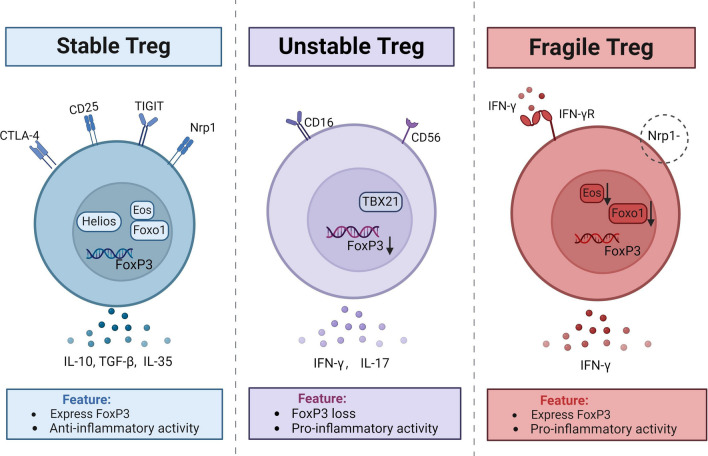
“Several elements, including Nrp1, Foxo1, and Eos, are essential in maintaining the stability of Tregs [45].”
§ Potential anti-tumor effects of regulatory T cells in the tumor microenvironment: a review > Potential anti-tumor effects > Tregs promote anti-tumor immune responses
What the sources say
- Supportedcites [45] Overacre AE Vignali DAA Treg stability: to be or not to be Curr Opin Immunol 2016 39 39 43 10.1016/j.coi.2015.12.009 26774863 PMC4801724 source
The Conclusions section says that Foxo1/3a, Eos, and the Nrp1:Sema4a axis contribute to and are required for maintaining a stable Treg phenotype. The section on how Treg stability is maintained discusses each factor's role. (LLM, conf=0.92)
plainstates a cause- Asserted: passes — The authors put it forward as true.
- Checkable: passes — It can be checked against evidence.
- Load-bearing: passes — The paper’s conclusions depend on it.
- Based: passes — The paper gives a reason why it holds.
- Supported
Every source the paper cites for this claim was checked and supports it.
In the paper
“However, the type I IFN/IFNAR1 pathway can induce the transformation of Tregs to fragile Tregs [42].”
§ Potential anti-tumor effects of regulatory T cells in the tumor microenvironment: a review > Potential anti-tumor effects > Tregs promote anti-tumor immune responses
What the sources say
- Supportedcites [42] Zhang H Tomar VS Li J Basavaraja R Yan F Gui J McBrearty N Costich TL Beiting DP Blanco MA Conejo-Garcia JR Saggu G Berger A Nefedova Y Gabrilovich DI Fuchs SY Protection of regulatory T cells from fragility and inactivation in the tumor microenvironment Cancer Immunol Res 2022 10 1490 1505 10.1158/2326-6066.CIR-22-0295 36255418 PMC9722544 source
In Results, under “Reactivating IFNAR1 in Treg cells induces their fragility and suppresses tumor growth” (page not provided), the paper reports that activating the type I interferon pathway can induce Treg fragility in an IFNAR1-dependent manner. The Discussion also describes IFN1-induced changes that contribute to the fragility phenotype. (LLM, conf=0.93)
plainstates a cause- Asserted: passes — The authors put it forward as true.
- Checkable: passes — It can be checked against evidence.
- Load-bearing: passes — The paper’s conclusions depend on it.
- Based: passes — The paper gives a reason why it holds.
- Supported
55 more claims · 23 with their cited sources checked
Create a free account to see all 109 claims and to verify the 15 references still open.
- It may state two separate claims as one. 47
- Probably not a substantial claim. 2
Citations
Cites
Hallmarks of Cancer: The Next Generation
Hanahan, D., & Weinberg, R. A. (2011) · Cell · doi:10.1016/j.cell.2011.02.013 · Cited by 66,590 · cited 1×
“Additionally, they induce tumor angiogenesis and chemoresistance, promoting the proliferation and invasion of tumor cells [81].”
BackgroundType, Density, and Location of Immune Cells Within Human Colorectal Tumors Predict Clinical Outcome
Galon, J., Costes, A., Sanchez-Cabo, F., Kirilovsky, A., Mlecnik, B., Lagorce-Pagès, C., Tosolini, M., Camus, M., Berger, A., Wind, P., et al. (2006) · Science · doi:10.1126/science.1129139 · Cited by 6,516 · cited 1×
“In CRC, Tregs situated in the tumor mesenchyme result in a better prognosis, whereas Tregs residing in the tumor nests and infiltrating margins are linked to unfavorable clinical outcomes [142, 143].”
BackgroundElements of cancer immunity and the cancer–immune set point
Chen, D. S., & Mellman, I. (2017) · Nature · doi:10.1038/nature21349 · Cited by 5,352 · cited 1×
“Tumors can be classified into “immune desert”, “immune exclusion”, and “inflammatory” categories based on the number of infiltrated CD8 + T lymphocytes [138, 139].”
BackgroundMatrix Metalloproteinases: Regulators of the Tumor Microenvironment
Kessenbrock, K., Plaks, V., & Werb, Z. (2010) · Cell · doi:10.1016/j.cell.2010.03.015 · Cited by 5,151 · cited 1×
“MMPs release and activate VEGF ligands, which are crucial for tumor metastasis [108].”
BackgroundThe biology and function of fibroblasts in cancer
Kalluri, R. (2016) · Nature Reviews Cancer · doi:10.1038/nrc.2016.73 · Cited by 4,366 · cited 2×
“In addition, the depletion of Tregs results in the upregulation of the expression of immunosuppressive genes, including arginase1 and CD274 (PD-L1) [132].”
BackgroundThe evolving tumor microenvironment: From cancer initiation to metastatic outgrowth
de Visser, K. E., & Joyce, J. A. (2023) · Cancer Cell · doi:10.1016/j.ccell.2023.02.016 · Cited by 4,059
Inflammation and tumor progression: signaling pathways and targeted intervention
Zhao, H., Wu, L., Yan, G., Chen, Y., Zhou, M., Wu, Y., & Li, Y. (2021) · Signal Transduction and Targeted Therapy · doi:10.1038/s41392-021-00658-5 · Cited by 2,792 · cited 1×
“Inflammatory cells and cytokines in the TME can enhance tumor angiogenesis, facilitating tumor growth and spread [17].”
BackgroundSelf-citationAlternative Activation of Macrophages: An Immunologic Functional Perspective
Martinez, F. O., Helming, L., & Gordon, S. (2009) · Annual Review of Immunology · doi:10.1146/annurev.immunol.021908.132532 · Cited by 2,745 · cited 1×
“Th2 cells alternatively activates M2-TAMs through secretion of IL-4 and IL-13 cytokines [96].”
BackgroundAnderson, N. M., & Simon, M. C. (2020) · Current Biology · doi:10.1016/j.cub.2020.06.081 · Cited by 2,718
CD127 expression inversely correlates with FoxP3 and suppressive function of human CD4+ T reg cells
Liu, W., Putnam, A. L., Xu-yu, Z., Szot, G. L., Lee, M. R., Zhu, S., Gottlieb, P. A., Kapranov, P., Gingeras, T. R., de St. Groth, B. F., et al. (2006) · The Journal of Experimental Medicine · doi:10.1084/jem.20060772 · Cited by 2,606
Distinct populations of inflammatory fibroblasts and myofibroblasts in pancreatic cancer
Öhlund, D., Handly-Santana, A., Biffi, G., Elyada, E., Almeida, A. S., Ponz-Sarvise, M., Corbo, V., Oni, T. E., Hearn, S. A., Lee, E. J., et al. (2017) · Journal of Experimental Medicine · doi:10.1084/jem.20162024 · Cited by 2,590
Miyara, M., Yoshioka, Y., Kitoh, A., Shima, T., Wing, K., Niwa, A., Parizot, C., Taflin, C., Heike, T., Valeyre, D., et al. (2009) · Immunity · doi:10.1016/j.immuni.2009.03.019 · Cited by 2,291
Diversity, Mechanisms, and Significance of Macrophage Plasticity
Locati, M., Curtale, G., & Mantovani, A. (2020) · Annual Review of Pathology: Mechanisms of Disease · doi:10.1146/annurev-pathmechdis-012418-012718 · Cited by 2,199 · cited 1×
“TAMs are primarily recruited from peripheral blood mononuclear cells through chemokines [123].”
BackgroundWu, S., Rhee, K.-J., Albesiano, E., Rabizadeh, S., Wu, X., Yen, H.-R., Huso, D. L., Brancati, F. L., Wick, E., McAllister, F., et al. (2009) · Nature Medicine · doi:10.1038/nm.2015 · Cited by 1,812 · cited 1×
“Inhibiting IL-17 and IL-23, which are cytokines that boost the Th17 immune response, prevents tumor formation caused by ETBF [105].”
BackgroundIL-17-producing γδ T cells and neutrophils conspire to promote breast cancer metastasis
Coffelt, S. B., Kersten, K., Doornebal, C. W., Weiden, J., Vrijland, K., Hau, C.-S., Verstegen, N. J. M., Ciampricotti, M., Hawinkels, L. J. A. C., Jonkers, J., et al. (2015) · Nature · doi:10.1038/nature14282 · Cited by 1,703 · cited 1×
“IL-17 influences the suppressive immune cell milieu and stimulates cancer cell growth by triggering the production of chemokines (CXCL8, CXCL5, and CXCL6) and cytokines (G-CSF) [109].”
BackgroundPan-cancer single-cell landscape of tumor-infiltrating T cells
Zheng, L., Qin, S., Si, W., Wang, A., Xing, B., Gao, R., Ren, X., Wang, L., Wu, X., Zhang, J., et al. (2021) · Science · doi:10.1126/science.abe6474 · Cited by 1,402 · cited 1×
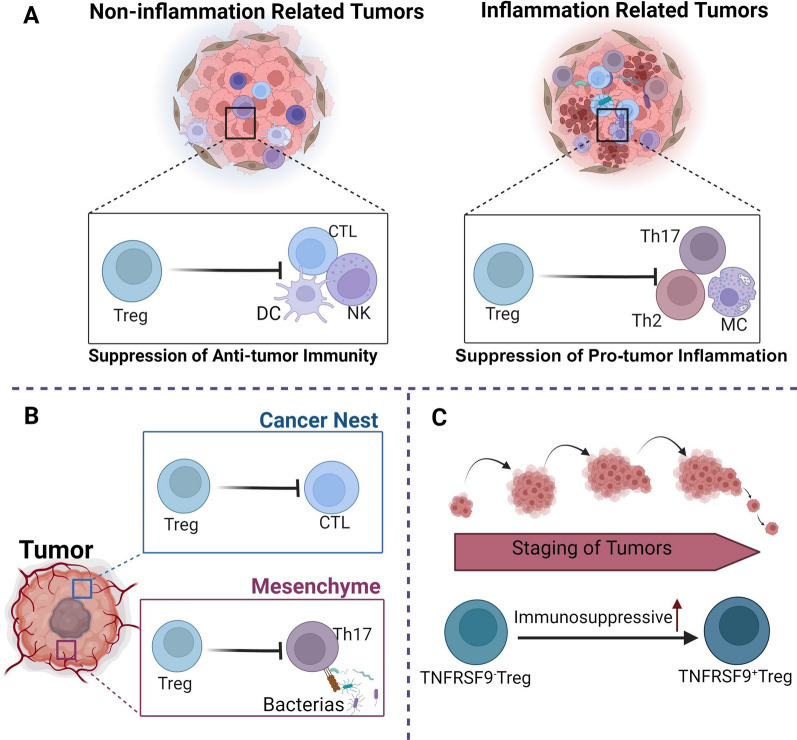
“Single-cell sequencing has revealed a standard developmental trajectory of Tregs in cancer, moving from a resting state (TNFRSF9 − Tregs) to an activated state with increased suppressive capacity (TNFRSF9 + Tregs) [149] (Fig.”
BackgroundSelf-citationBiffi, G., Oni, T. E., Spielman, B., Hao, Y., Elyada, E., Park, Y., Preall, J., & Tuveson, D. A. (2019) · Cancer Discovery · doi:10.1158/2159-8290.cd-18-0710 · Cited by 1,360 · cited 1×
“Conversely, TGF-β counters this process and facilitates the conversion of myCAFs [129].”
BackgroundPPAR-γ is a major driver of the accumulation and phenotype of adipose tissue Treg cells
Cipolletta, D., Feuerer, M., Li, A., Kamei, N., Lee, J., Shoelson, S. E., Benoist, C., & Mathis, D. (2012) · Nature · doi:10.1038/nature11132 · Cited by 1,143 · cited 1×
“Tregs display high expression of peroxisome proliferator-activated receptor gamma (PPARγ) in visceral adipose tissue (VAT) and exert an inhibitory effect on adipose tissue inflammation [188].”
BackgroundNanoparticle‐Mediated Immunogenic Cell Death Enables and Potentiates Cancer Immunotherapy
Duan, X., Chan, C., & Lin, W. (2019) · Angewandte Chemie International Edition · doi:10.1002/anie.201804882 · Cited by 1,033 · cited 1×
“This triggers the activation of additional T cells to target and eliminate the tumor [173].”
BackgroundCD4 + Regulatory T Cells Control T H 17 Responses in a Stat3-Dependent Manner
Chaudhry, A., Rudra, D., Treuting, P., Samstein, R. M., Liang, Y., Kas, A., & Rudensky, A. Y. (2009) · Science · doi:10.1126/science.1172702 · Cited by 1,000
Roxburgh, C. S., & McMillan, D. C. (2010) · Future Oncology · doi:10.2217/fon.09.136 · Cited by 998
Chaudhry, A., Samstein, R. M., Treuting, P., Liang, Y., Pils, M. C., Heinrich, J.-M., Jack, R. S., Wunderlich, F. T., Brüning, J. C., Müller, W., et al. (2011) · Immunity · doi:10.1016/j.immuni.2011.03.018 · Cited by 980 · cited 1×
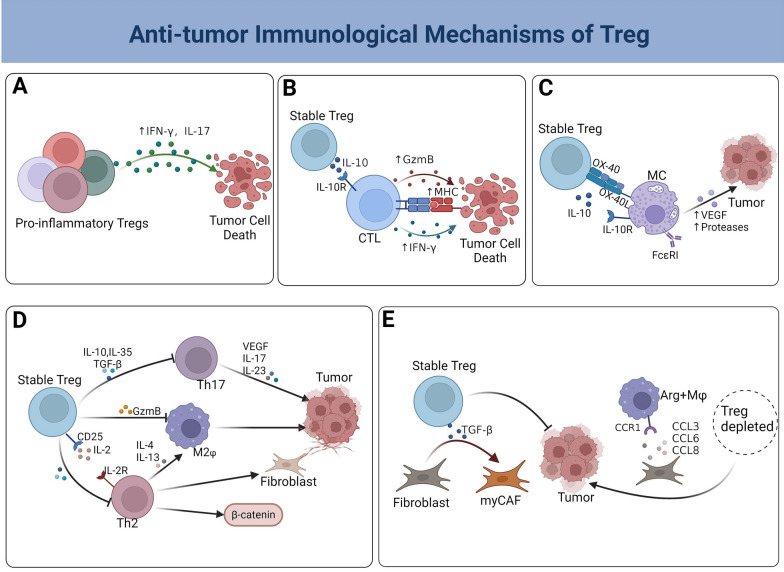
“Stable Tregs rely significantly on IL-10 to prevent microbial promotion of carcinogenesis by activating STAT3 and suppressing Th17 [106, 107].”
BackgroundRegulatory T-cell suppressor program co-opts transcription factor IRF4 to control TH2 responses
Zheng, Y., Chaudhry, A., Kas, A., deRoos, P., Kim, J. M., Chu, T.-T., Corcoran, L., Treuting, P., Klein, U., & Rudensky, A. Y. (2009) · Nature · doi:10.1038/nature07674 · Cited by 958
Individual intestinal symbionts induce a distinct population of RORγ + regulatory T cells
Sefik, E., Geva-Zatorsky, N., Oh, S., Konnikova, L., Zemmour, D., McGuire, A. M., Burzyn, D., Ortiz-Lopez, A., Lobera, M., Yang, J., et al. (2015) · Science · doi:10.1126/science.aaa9420 · Cited by 879
Two FOXP3+CD4+ T cell subpopulations distinctly control the prognosis of colorectal cancers
Saito, T., Nishikawa, H., Wada, H., Nagano, Y., Sugiyama, D., Atarashi, K., Maeda, Y., Hamaguchi, M., Ohkura, N., Sato, E., et al. (2016) · Nature Medicine · doi:10.1038/nm.4086 · Cited by 871
Tim‐3 and its role in regulating anti‐tumor immunity
Das, M., Zhu, C., & Kuchroo, V. K. (2017) · Immunological Reviews · doi:10.1111/imr.12520 · Cited by 856 · cited 1×
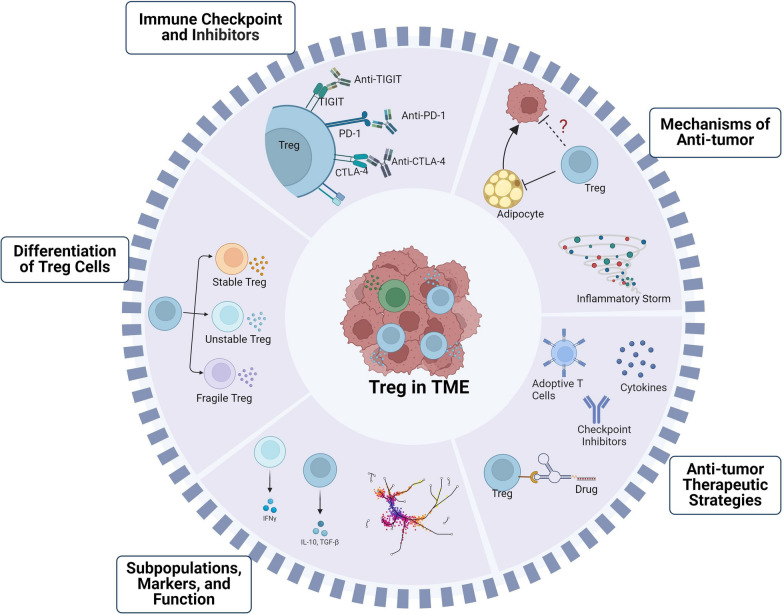
“During the development of the immuno-suppressive microenvironment surrounding tumors, various subpopulations of Tregs expressing diverse immunosuppressive molecules are crucial, each having distinct immune checkpoints [168, 169].”
Background(2017) · doi:10.1158/1078-0432.ccr-16-3133 · Cited by 831 · cited 1×
“…(ICIs) have shown significant effectiveness against various malignant tumors, a significant proportion of patients are still unresponsive, resistant, or even experience hyperprogres-sion when undergoing ICIs therapy, and the underlying mechanism behind this phenomenon remains unknown [158].”
BackgroundKumagai, S., Togashi, Y., Kamada, T., Sugiyama, E., Nishinakamura, H., Takeuchi, Y., Vitaly, K., Itahashi, K., Maeda, Y., Matsui, S., et al. (2020) · Nature Immunology · doi:10.1038/s41590-020-0769-3 · Cited by 783 · cited 1×
“However, their efficacy is not always guaranteed [170].”
BackgroundGocheva, V., Wang, H.-W., Gadea, B. B., Shree, T., Hunter, K. E., Garfall, A. L., Berman, T., & Joyce, J. A. (2010) · Genes & Development · doi:10.1101/gad.1874010 · Cited by 740 · cited 1×
“Th2 cells stimulate M2-TAMs cathepsin protease activity in tumors by releasing IL-4, leading to enhanced tumor invasiveness and proliferation in the IL4-/-RT2 animal model and in vitro [97].”
BackgroundStability of the Regulatory T Cell Lineage in Vivo
Rubtsov, Y. P., Niec, R. E., Josefowicz, S., Li, L., Darce, J., Mathis, D., Benoist, C., & Rudensky, A. Y. (2010) · Science · doi:10.1126/science.1191996 · Cited by 730 · cited 1×
“Th‑like Tregs Tumor-infiltrating Tregs exhibit plasticity and have the ability to modify their features to function similarly to effector T cells while maintaining high amounts of FoxP3, known as Th-like Tregs [51].”
BackgroundDe Monte, L., Reni, M., Tassi, E., Clavenna, D., Papa, I., Recalde, H., Braga, M., Di Carlo, V., Doglioni, C., & Protti, M. P. (2011) · Journal of Experimental Medicine · doi:10.1084/jem.20101876 · Cited by 695
De Simone, M., Arrigoni, A., Rossetti, G., Gruarin, P., Ranzani, V., Politano, C., Bonnal, R. J. P., Provasi, E., Sarnicola, M. L., Panzeri, I., et al. (2016) · Immunity · doi:10.1016/j.immuni.2016.10.021 · Cited by 687
Chung, L., Thiele Orberg, E., Geis, A. L., Chan, J. L., Fu, K., DeStefano Shields, C. E., Dejea, C. M., Fathi, P., Chen, J., Finard, B. B., et al. (2018) · Cell Host & Microbe · doi:10.1016/j.chom.2018.01.007 · Cited by 644 · cited 1×
“Enterotoxigenic Bacteroides fragilis (ETBF), a common microorganism in the human intestinal tract, directly induces the activation of STAT3 in the colon, leading to the promotion of Th17 cell differentiation [103].”
BackgroundInterferon-γ Drives Treg Fragility to Promote Anti-tumor Immunity
Overacre-Delgoffe, A. E., Chikina, M., Dadey, R. E., Yano, H., Brunazzi, E. A., Shayan, G., Horne, W., Moskovitz, J. M., Kolls, J. K., Sander, C., et al. (2017) · Cell · doi:10.1016/j.cell.2017.05.005 · Cited by 627
The ST2/IL-33 Axis in Immune Cells during Inflammatory Diseases
Griesenauer, B., & Paczesny, S. (2017) · Frontiers in Immunology · doi:10.3389/fimmu.2017.00475 · Cited by 619 · cited 1×
“Stimulation of ST2/IL-33 pathway in stable Tregs enhances their quantity and function, while decreasing IL-17 production [113].”
BackgroundCancer-associated fibroblasts in the single-cell era
Lavie, D., Ben-Shmuel, A., Erez, N., & Scherz-Shouval, R. (2022) · Nature Cancer · doi:10.1038/s43018-022-00411-z · Cited by 616 · cited 1×
“The accumulation of activated CAFs within tumors results in the production of ECM-degrading proteases, which release growth factors and cytokines, ultimately promoting the motility and invasion of cancer cells [133].”
BackgroundStability and function of regulatory T cells is maintained by a neuropilin-1–semaphorin-4a axis
Delgoffe, G. M., Woo, S.-R., Turnis, M. E., Gravano, D. M., Guy, C., Overacre, A. E., Bettini, M. L., Vogel, P., Finkelstein, D., Bonnevier, J., et al. (2013) · Nature · doi:10.1038/nature12428 · Cited by 587
The role of lipids in cancer progression and metastasis
Martin-Perez, M., Urdiroz-Urricelqui, U., Bigas, C., & Benitah, S. A. (2022) · Cell Metabolism · doi:10.1016/j.cmet.2022.09.023 · Cited by 563 · cited 1×
“Free fatty acids, ketone bodies, and amino acids produced by adipocytes can provide energy for the proliferation and metastasis of tumors [187].”
BackgroundGATA3 controls Foxp3+ regulatory T cell fate during inflammation in mice
Wohlfert, E. A., Grainger, J. R., Bouladoux, N., Konkel, J. E., Oldenhove, G., Ribeiro, C. H., Hall, J. A., Yagi, R., Naik, S., Bhairavabhotla, R., et al. (2011) · Journal of Clinical Investigation · doi:10.1172/jci57456 · Cited by 556 · cited 2×
“Tregs can develop T-bet expression and transform into Th1-like Tregs, which can then produce IFN-γ to help the immune system target tumor cells [25].”
BackgroundWhen worlds collide: Th17 and Treg cells in cancer and autoimmunity
Knochelmann, H. M., Dwyer, C. J., Bailey, S. R., Amaya, S. M., Elston, D. M., Mazza-McCrann, J. M., & Paulos, C. M. (2018) · Cellular & Molecular Immunology · doi:10.1038/s41423-018-0004-4 · Cited by 535 · cited 1×
“Regulatory T cells (Tregs), a subgroup of CD4 + T cells that express the FoxP3 gene and have immunosuppressive properties, are found in high numbers in the tumor microenvironment (TME) of different types of malignancies [1, 2].”
BackgroundDecreasing Risk of Colorectal Cancer in Patients With Inflammatory Bowel Disease Over 30 Years
Jess, T., Simonsen, J., Jørgensen, K. T., Pedersen, B. V., Nielsen, N. M., & Frisch, M. (2012) · Gastroenterology · doi:10.1053/j.gastro.2012.04.016 · Cited by 532 · cited 1×
“Chronic inflammation from different sources can initiate tumor formation, such as hepatitis B and C infections leading to liver cancer, HPV infection causing cervical cancer, and inflammatory bowel disease contributing to CRC [77–79].”
BackgroundIdentification of T helper type 1–like, Foxp3+ regulatory T cells in human autoimmune disease
Dominguez-Villar, M., Baecher-Allan, C. M., & Hafler, D. A. (2011) · Nature Medicine · doi:10.1038/nm.2389 · Cited by 526
Cancer-associated-fibroblasts and tumour cells: a diabolic liaison driving cancer progression
Cirri, P., & Chiarugi, P. (2012) · Cancer and Metastasis Reviews · doi:10.1007/s10555-011-9340-x · Cited by 519 · cited 1×
“Such factors promote the growth of cancer cells, suppress immune responses that aim at tumors, remodel the ECM, influence resistance of tumor cells to drugs, and promote angiogenesis [127].”
BackgroundTekguc, M., Wing, J. B., Osaki, M., Long, J., & Sakaguchi, S. (2021) · Proceedings of the National Academy of Sciences · doi:10.1073/pnas.2023739118 · Cited by 490 · cited 1×
“During the development of the immuno-suppressive microenvironment surrounding tumors, various subpopulations of Tregs expressing diverse immunosuppressive molecules are crucial, each having distinct immune checkpoints [168, 169].”
BackgroundDifferentiation of Tr1 cells by immature dendritic cells requires IL-10 but not CD25+CD4+ Tr cells
Levings, M. K., Gregori, S., Tresoldi, E., Cazzaniga, S., Bonini, C., & Roncarolo, M. G. (2005) · Blood · doi:10.1182/blood-2004-03-1211 · Cited by 483
Speiser, D. E., Chijioke, O., Schaeuble, K., & Münz, C. (2023) · Nature Cancer · doi:10.1038/s43018-023-00521-2 · Cited by 479
(2023) · doi:10.1038/s41392-022-01304-4 · Cited by 460 · cited 1×
“The gut microbiota can cause long-lasting inflammation, which promotes the development of tumors [15].”
BackgroundSelf-citationControl of the Inheritance of Regulatory T Cell Identity by a cis Element in the Foxp3 Locus
Feng, Y., Arvey, A., Chinen, T., van der Veeken, J., Gasteiger, G., & Rudensky, A. Y. (2014) · Cell · doi:10.1016/j.cell.2014.07.031 · Cited by 422 · cited 1×
“Under inflammatory conditions or in an IL-2-restricted environment, mature Tregs that divide may have their FoxP3 expression downregulated and be converted into unstable Tregs due to the deletion of CNS2 [39].”
BackgroundIL-10 Elicits IFNγ-Dependent Tumor Immune Surveillance
Mumm, J. B., Emmerich, J., Zhang, X., Chan, I., Wu, L., Mauze, S., Blaisdell, S., Basham, B., Dai, J., Grein, J., et al. (2011) · Cancer Cell · doi:10.1016/j.ccr.2011.11.003 · Cited by 418 · cited 1×
“In addition, IL-10 can stimulate the production of IFN-γ, which in turn increases the expression of major histocompatibility complex (MHC) molecules, enhancing the presentation of tumor antigens [73–75] (Fig.”
BackgroundDuhen, T., Duhen, R., Lanzavecchia, A., Sallusto, F., & Campbell, D. J. (2012) · Blood · doi:10.1182/blood-2011-11-392324 · Cited by 413
Gri, G., Piconese, S., Frossi, B., Manfroi, V., Merluzzi, S., Tripodo, C., Viola, A., Odom, S., Rivera, J., Colombo, M. P., et al. (2008) · Immunity · doi:10.1016/j.immuni.2008.08.018 · Cited by 391
Zhang, Y., Lazarus, J., Steele, N. G., Yan, W., Lee, H.-J., Nwosu, Z. C., Halbrook, C. J., Menjivar, R. E., Kemp, S. B., Sirihorachai, V. R., et al. (2020) · Cancer Discovery · doi:10.1158/2159-8290.cd-19-0958 · Cited by 385 · cited 2×
“Depletion of Tregs in pancreatic cancer resulted in an increase in CD4 + T cells and accelerated oncogenesis [115, 116].”
BackgroundCrosstalk Between the MSI Status and Tumor Microenvironment in Colorectal Cancer
Lin, A., Zhang, J., & Luo, P. (2020) · Frontiers in Immunology · doi:10.3389/fimmu.2020.02039 · Cited by 358
Self-citationLadoire, S., Martin, F., & Ghiringhelli, F. (2011) · Cancer Immunology, Immunotherapy · doi:10.1007/s00262-011-1046-y · Cited by 331
IL-10: Master Switch from Tumor-Promoting Inflammation to Antitumor Immunity
Oft, M. (2014) · Cancer Immunology Research · doi:10.1158/2326-6066.cir-13-0214 · Cited by 322 · cited 1×
“In addition, IL-10 can stimulate the production of IFN-γ, which in turn increases the expression of major histocompatibility complex (MHC) molecules, enhancing the presentation of tumor antigens [73–75] (Fig.”
BackgroundEller, K., Kirsch, A., Wolf, A. M., Sopper, S., Tagwerker, A., Stanzl, U., Wolf, D., Patsch, W., Rosenkranz, A. R., & Eller, P. (2011) · Diabetes · doi:10.2337/db11-0358 · Cited by 318 · cited 1×
“Furthermore, a study conducted by transferring Tregs transversely to an obese mouse model showed a noteworthy decline in visceral adipocyte diameters in comparison to the control group [189].”
Background(2022) · doi:10.1158/2159-8290.cd-20-1484 · Cited by 311 · cited 1×
“The overall function of myCAFs expressing α-smooth muscle actin (SMA) is to suppress tumor growth, and there is a significant correlation with favorable patient survival [128, 130].”
BackgroundKoyama, S., & Nishikawa, H. (2021) · Journal for ImmunoTherapy of Cancer · doi:10.1136/jitc-2021-002591 · Cited by 305 · cited 1×
“…chemicals such tumor antigens, IL-2, IL-10, TGF-β, and other soluble molecules that stimulate the T-cell receptor (TCR) and enhance the transformation of naive CD4 + T-cells into iTregs [28]. iTregs are the main kind of Tregs that enter tumors, despite the presence of both tTregs and iTregs.”
BackgroundImmune checkpoint inhibitors in cancer therapy: a focus on T‐regulatory cells
Sasidharan Nair, V., & Elkord, E. (2018) · Immunology & Cell Biology · doi:10.1111/imcb.1003 · Cited by 298
Schwarzenberger, P., Huang, W., Ye, P., Oliver, P., Manuel, M., Zhang, Z., Bagby, G., Nelson, S., & Kolls, J. K. (2000) · The Journal of Immunology · doi:10.4049/jimmunol.164.9.4783 · Cited by 277 · cited 1×
“Stem cell factor (SCF) plays a crucial role in the expansion and maturation of MCs, while IL-17 enhances SCF production [88].”
BackgroundHBV-Induced Immune Imbalance in the Development of HCC
Chen, Y., & Tian, Z. (2019) · Frontiers in Immunology · doi:10.3389/fimmu.2019.02048 · Cited by 270
West, N. R., Kost, S. E., Martin, S. D., Milne, K., deLeeuw, R. J., Nelson, B. H., & Watson, P. H. (2013) · British Journal of Cancer · doi:10.1038/bjc.2012.524 · Cited by 268
Tissue adaptation of regulatory and intraepithelial CD4 + T cells controls gut inflammation
Sujino, T., London, M., Hoytema van Konijnenburg, D. P., Rendon, T., Buch, T., Silva, H. M., Lafaille, J. J., Reis, B. S., & Mucida, D. (2016) · Science · doi:10.1126/science.aaf3892 · Cited by 250
Shimizu, K., Nakata, M., Hirami, Y., Yukawa, T., Maeda, A., & Tanemoto, K. (2010) · Journal of Thoracic Oncology · doi:10.1097/jto.0b013e3181d60fd7 · Cited by 244 · cited 1×
“Tregs infiltration is associated with decreased recurrence-free survival (RFS) in non-small-cell lung cancer (NSCLC) patients [8].”
BackgroundMoreno Ayala, M. A., Campbell, T. F., Zhang, C., Dahan, N., Bockman, A., Prakash, V., Feng, L., Sher, T., & DuPage, M. (2023) · Immunity · doi:10.1016/j.immuni.2023.06.003 · Cited by 241
Self-citationLiu, S., Foulkes, W. D., Leung, S., Gao, D., Lau, S., Kos, Z., & Nielsen, T. O. (2014) · Breast Cancer Research · doi:10.1186/s13058-014-0432-8 · Cited by 236
Neuropilin 1: function and therapeutic potential in cancer
Chaudhary, B., Khaled, Y. S., Ammori, B. J., & Elkord, E. (2014) · Cancer Immunology, Immunotherapy · doi:10.1007/s00262-013-1500-0 · Cited by 233 · cited 1×
“The fragile Tregs subset is associated with a better prognosis in patients with metastatic melanoma and HNSCC. Nrp1 is not required to inhibit autoimmunity and maintain immunological homeostasis [47, 48].”
BackgroundTr1 Cells and the Counter-Regulation of Immunity: Natural Mechanisms and Therapeutic Applications
Roncarolo, M. G., Gregori, S., Bacchetta, R., & Battaglia, M. (2014) · Current Topics in Microbiology and Immunology · doi:10.1007/978-3-662-43492-5_3 · Cited by 229 · cited 1×
“They consist of various subgroups such as FoxP3 + iTregs, type 1 regulatory T cells (recognized by the phenotype CD4 + CD25 low CD45RB low ), and Th3 (recognized by the phenotype CD4 + CD25 low ) [26].”
BackgroundŚledzińska, A., Vila de Mucha, M., Bergerhoff, K., Hotblack, A., Demane, D. F., Ghorani, E., Akarca, A. U., Marzolini, M. A. V., Solomon, I., Vargas, F. A., et al. (2020) · Immunity · doi:10.1016/j.immuni.2019.12.007 · Cited by 228
Barua, S., Fang, P., Sharma, A., Fujimoto, J., Wistuba, I., Rao, A. U. K., & Lin, S. H. (2018) · Lung Cancer · doi:10.1016/j.lungcan.2018.01.022 · Cited by 223 · cited 1×
“This adverse effect may be mitigated by enhancing the local CD8 + T cells [146].”
BackgroundKidani, Y., Nogami, W., Yasumizu, Y., Kawashima, A., Tanaka, A., Sonoda, Y., Tona, Y., Nashiki, K., Matsumoto, R., Hagiwara, M., et al. (2022) · Proceedings of the National Academy of Sciences · doi:10.1073/pnas.2114282119 · Cited by 212 · cited 1×
“There were no instances of tissue inflammation, splenomegaly, or circulating autoantibodies observed with the use of the CCR8 monoclonal antibody, unlike with the indiscrimi-nate depletion of all Tregs [152].”
BackgroundCD4+CD25+ Regulatory Lymphocytes Induce Regression of Intestinal Tumors in ApcMin/+ Mice
Erdman, S. E., Sohn, J. J., Rao, V. P., Nambiar, P. R., Ge, Z., Fox, J. G., & Schauer, D. B. (2005) · Cancer Research · doi:10.1158/0008-5472.can-04-3104 · Cited by 211 · cited 2×
“Tregs were shown to down-regulate COX-2 expression and produce anti-inflammatory effects in an assay using mouse intestinal adenomas as a model [117].”
ResultTargeting the CBM complex causes Treg cells to prime tumours for immune checkpoint therapy
Di Pilato, M., Kim, E. Y., Cadilha, B. L., Prüßmann, J. N., Nasrallah, M. N., Seruggia, D., Usmani, S. M., Misale, S., Zappulli, V., Carrizosa, E., et al. (2019) · Nature · doi:10.1038/s41586-019-1215-2 · Cited by 210
Van Damme, H., Dombrecht, B., Kiss, M., Roose, H., Allen, E., Van Overmeire, E., Kancheva, D., Martens, L., Murgaski, A., Bardet, P. M. R., et al. (2021) · Journal for ImmunoTherapy of Cancer · doi:10.1136/jitc-2020-001749 · Cited by 205
Bauché, D., Joyce-Shaikh, B., Jain, R., Grein, J., Ku, K. S., Blumenschein, W. M., Ganal-Vonarburg, S. C., Wilson, D. C., McClanahan, T. K., Malefyt, R. D. W., et al. (2018) · Immunity · doi:10.1016/j.immuni.2018.07.007 · Cited by 202
Analysis of the intricate relationship between chronic inflammation and cancer
Chai, E. Z. P., Siveen, K. S., Shanmugam, M. K., Arfuso, F., & Sethi, G. (2015) · Biochemical Journal · doi:10.1042/bj20141337 · Cited by 202 · cited 1×
“In vivo, immune responses against tumors occur along-side inflammation that supports the development and advancement of tumor [76].”
BackgroundInhibition of p300 impairs Foxp3+ T regulatory cell function and promotes antitumor immunity
Liu, Y., Wang, L., Predina, J., Han, R., Beier, U. H., Wang, L.-C. S., Kapoor, V., Bhatti, T. R., Akimova, T., Singhal, S., et al. (2013) · Nature Medicine · doi:10.1038/nm.3286 · Cited by 201
Sayour, E. J., McLendon, P., McLendon, R., De Leon, G., Reynolds, R., Kresak, J., Sampson, J. H., & Mitchell, D. A. (2015) · Cancer Immunology, Immunotherapy · doi:10.1007/s00262-014-1651-7 · Cited by 196
Contribution of regulatory T cells to cancer: A review
Najafi, M., Farhood, B., & Mortezaee, K. (2019) · Journal of Cellular Physiology · doi:10.1002/jcp.27553 · Cited by 195 · cited 1×
“Tregs inhibit T effector cells (Teffs), natural killer cells, and dendritic cells by various mechanisms, which helps tumor cells avoid detection by the immune system [10–13].”
BackgroundCancer-associated fibroblasts: Origin, function, imaging, and therapeutic targeting
Rimal, R., Desai, P., Daware, R., Hosseinnejad, A., Prakash, J., Lammers, T., & Singh, S. (2022) · Advanced Drug Delivery Reviews · doi:10.1016/j.addr.2022.114504 · Cited by 195 · cited 1×
“CAFs can be activated by resident tissue fibroblasts or transdifferentiated from non-fibroblast cells, such as adipocytes and epithelial cells, due to stimulation from TME [126].”
BackgroundGounaris, E., Blatner, N. R., Dennis, K., Magnusson, F., Gurish, M. F., Strom, T. B., Beckhove, P., Gounari, F., & Khazaie, K. (2009) · Cancer Research · doi:10.1158/0008-5472.can-09-0304 · Cited by 189 · cited 1×
“Introducing stable Tregs into mice with existing polyps resulted in reduced polyp size and decreased infiltration of MCs, a course of action that necessitates the involvement of IL-10 [86].”
BackgroundOno, M. (2020) · Immunology · doi:10.1111/imm.13178 · Cited by 187 · cited 1×
“FoxP3 interacts with AML1/Runx1 at CNS2, initiating DNA demethylation in the Tregs-specific demethylation region (TSDR), essential for Tregs stability [37].”
BackgroundPicon-Ruiz, M., Pan, C., Drews-Elger, K., Jang, K., Besser, A. H., Zhao, D., Morata-Tarifa, C., Kim, M., Ince, T. A., Azzam, D. J., et al. (2016) · Cancer Research · doi:10.1158/0008-5472.can-15-0927 · Cited by 180 · cited 1×
“4).”
Mast Cells: A New Frontier for Cancer Immunotherapy
Lichterman, J. N., & Reddy, S. M. (2021) · Cells · doi:10.3390/cells10061270 · Cited by 172
Inflammation and pancreatic cancer: an evidence-based review
Greer, J. B., & Whitcomb, D. C. (2009) · Current Opinion in Pharmacology · doi:10.1016/j.coph.2009.06.011 · Cited by 165 · cited 1×
“Moreover, inflammatory cells and their mediators heighten the probability of genetic instability [80].”
BackgroundIL‐23‐mediated regulation of IL‐17 production in Helicobacter pylori‐infected gastric mucosa
Caruso, R., Fina, D., Paoluzi, O. A., Del Vecchio Blanco, G., Stolfi, C., Rizzo, A., Caprioli, F., Sarra, M., Andrei, F., Fantini, M. C., et al. (2008) · European Journal of Immunology · doi:10.1002/eji.200737635 · Cited by 161 · cited 1×
“Similarly, Th17 polarization is observed in gastric cancer induced by H. pylori [104].”
BackgroundVenet, F., Pachot, A., Debard, A.-L., Bohe, J., Bienvenu, J., Lepape, A., Powell, W. S., & Monneret, G. (2006) · The Journal of Immunology · doi:10.4049/jimmunol.177.9.6540 · Cited by 158
Obesity and gastrointestinal cancer: the interrelationship of adipose and tumour microenvironments
O'Sullivan, J. N., Lysaght, J., Donohoe, C. L., & Reynolds, J. V. (2018) · Nature Reviews Gastroenterology & Hepatology · doi:10.1038/s41575-018-0069-7 · Cited by 157 · cited 1×
“Excessive adipocyte accumulation in the body incites stress, including endoplasmic reticulum and oxidative stress, eventually culminating in a chronic inflammatory microenvironment [183, 184].”
BackgroundHaas, M., Dimmler, A., Hohenberger, W., Grabenbauer, G. G., Niedobitek, G., & Distel, L. V. (2009) · BMC Gastroenterology · doi:10.1186/1471-230x-9-65 · Cited by 154 · cited 1×
“Studies on various types of malignant tumors, such as CRC, HNSCC, and gastric cancer (GC), have shown a positive correlation between Tregs infiltration and prolonged survival of cancer patients [16, 18, 20, 34, 35].”
BackgroundTreg(s) in Cancer: Friends or Foe?
Wolf, D., Sopper, S., Pircher, A., Gastl, G., & Wolf, A. M. (2015) · Journal of Cellular Physiology · doi:10.1002/jcp.25016 · Cited by 151 · cited 1×
“Tregs’ immunosuppressive activity plays a dual role in both the development and advancement of tumors [9].”
BackgroundTargeting the interleukin-17 immune axis for cancer immunotherapy
Vitiello, G. A., & Miller, G. (2020) · Journal of Experimental Medicine · doi:10.1084/jem.20190456 · Cited by 151 · cited 2×
“These factors promote the growth and regeneration of cancer stem cells and are linked to the onset of different cancer forms [60].”
BackgroundKim, K.-J., Lee, K. S., Cho, H. J., Kim, Y. H., Yang, H. K., Kim, W. H., & Kang, G. H. (2013) · Human Pathology · doi:10.1016/j.humpath.2013.09.004 · Cited by 140
Gamma delta T-cell-based immune checkpoint therapy: attractive candidate for antitumor treatment
Gao, Z., Bai, Y., Lin, A., Jiang, A., Zhou, C., Cheng, Q., Liu, Z., Chen, X., Zhang, J., & Luo, P. (2023) · Molecular Cancer · doi:10.1186/s12943-023-01722-0 · Cited by 138
Self-citationSiede, J., Fröhlich, A., Datsi, A., Hegazy, A. N., Varga, D. V., Holecska, V., Saito, H., Nakae, S., & Löhning, M. (2016) · PLOS ONE · doi:10.1371/journal.pone.0161507 · Cited by 128 · cited 1×
“Tregs display high expression of peroxisome proliferator-activated receptor gamma (PPARγ) in visceral adipose tissue (VAT) and exert an inhibitory effect on adipose tissue inflammation [188].”
BackgroundHongu, T., Pein, M., Insua-Rodríguez, J., Gutjahr, E., Mattavelli, G., Meier, J., Decker, K., Descot, A., Bozza, M., Harbottle, R., et al. (2022) · Nature Cancer · doi:10.1038/s43018-022-00353-6 · Cited by 118 · cited 1×
“M2-TAMs play a significant role in tumor angiogenesis, promoting tumor cell growth, infiltration, metastasis, lymphatic vessel and lymph node metastasis, and mediating immunosuppression [120].”
BackgroundKumar, P., Saini, S., & Prabhakar, B. S. (2020) · Seminars in Cancer Biology · doi:10.1016/j.semcancer.2019.01.006 · Cited by 117 · cited 1×
“Supplemental Tregs modulate adverse effects of anti-tumor immunity and improve prognosis in patients with tumors [179]. have the ability to promote tumor cells killing, either through phenotypic conversion or functional specialization.”
BackgroundAKT isoforms modulate Th1‐like Treg generation and function in human autoimmune disease
Kitz, A., de Marcken, M., Gautron, A., Mitrovic, M., Hafler, D. A., & Dominguez‐Villar, M. (2016) · EMBO reports · doi:10.15252/embr.201541905 · Cited by 111 · cited 2×
“Th1-like Tregs utilize an active PI3K/AKT/FOXO pathway as their main mechanism for IFN-γ production [55].”
BackgroundMast cells: A double-edged sword in cancer
Derakhshani, A., Vahidian, F., Alihasanzadeh, M., Mokhtarzadeh, A., Lotfi Nezhad, P., & Baradaran, B. (2019) · Immunology Letters · doi:10.1016/j.imlet.2019.03.011 · Cited by 111 · cited 1×
“MCs release inflammatory mediators such as chymot - rypsin and trypsin during degranulation, which can break down extracellular matrix (ECM) components and facilitate tumor cell implantation [83].”
BackgroundPD-L1 checkpoint blockade promotes regulatory T cell activity that underlies therapy resistance
van Gulijk, M., van Krimpen, A., Schetters, S., Eterman, M., van Elsas, M., Mankor, J., Klaase, L., de Bruijn, M., van Nimwegen, M., van Tienhoven, T., et al. (2023) · Science Immunology · doi:10.1126/sciimmunol.abn6173 · Cited by 110
Ying, Z., Yang, H., Guo, Y., Li, W., Zou, D., Zhou, D., Wang, Z., Zhang, M., Wu, J., Liu, H., et al. (2021) · Cancer Medicine · doi:10.1002/cam4.3686 · Cited by 107 · cited 1×
“However, its clinical application is constrained by the frequent occurrence of cytokine release syndrome (CRS) as an adverse event [175].”
BackgroundOldham, K. A., Parsonage, G., Bhatt, R. I., Wallace, D. M. A., Deshmukh, N., Chaudhri, S., Adams, D. H., & Lee, S. P. (2012) · European Urology · doi:10.1016/j.eururo.2011.10.035 · Cited by 104 · cited 1×
“More importantly, ligands for most of the chemokine receptors that mediate CD8 + T cell extravasation, such as CCR5, CXCR3, and CXCR6, are also expressed by FoxP3 + Tregs [66–68].”
BackgroundVan Gool, F., Nguyen, M. L. T., Mumbach, M. R., Satpathy, A. T., Rosenthal, W. L., Giacometti, S., Le, D. T., Liu, W., Brusko, T. M., Anderson, M. S., et al. (2019) · Immunity · doi:10.1016/j.immuni.2018.12.016 · Cited by 102
Basic principles of tumor-associated regulatory T cell biology
Savage, P. A., Malchow, S., & Leventhal, D. S. (2013) · Trends in Immunology · doi:10.1016/j.it.2012.08.005 · Cited by 102 · cited 1×
“The role of FoxP3 + Tregs in patients with tumors and their impact on prognosis is a contentious topic that may be affected by the tumor’s clinical stage [147].”
BackgroundTreg Fragility: A Prerequisite for Effective Antitumor Immunity?
Overacre-Delgoffe, A. E., & Vignali, D. A. A. (2018) · Cancer Immunology Research · doi:10.1158/2326-6066.cir-18-0066 · Cited by 102 · cited 2×
“Fragile Tregs Recent studies reported the existence of a fragile Tregs phenotype in the TME that produces IFN-γ and exhibits anti-tumor effects [30, 42–44].”
BackgroundPerry, J. A., Shallberg, L., Clark, J. T., Gullicksrud, J. A., DeLong, J. H., Douglas, B. B., Hart, A. P., Lanzar, Z., O’Dea, K., Konradt, C., et al. (2022) · Nature Immunology · doi:10.1038/s41590-022-01170-w · Cited by 101 · cited 1×
“This effect is further enhanced by alterations in the number and function of Tregs following application of PD-1/PD-L1 inhibitors [159].”
BackgroundShrotriya, S., Walsh, D., Nowacki, A. S., Lorton, C. M., Aktaş, A., Hullihen, B., Benanni-Baiti, N., Hauser, K., Ayvaz, S., & Estfan, B. N. (2018) · PLoS ONE · doi:10.1371/journal.pone.0202555 · Cited by 99 · cited 1×
“NSAIDS are utilized as adjunctive treatment for tumors displaying elevated CRP values [177].”
BackgroundTargeting the Immune Microenvironment in the Treatment of Head and Neck Squamous Cell Carcinoma
Wang, H.-C., Chan, L.-P., & Cho, S.-F. (2019) · Frontiers in Oncology · doi:10.3389/fonc.2019.01084 · Cited by 99
Intermittent PI3Kδ inhibition sustains anti-tumour immunity and curbs irAEs
Eschweiler, S., Ramírez-Suástegui, C., Li, Y., King, E., Chudley, L., Thomas, J., Wood, O., von Witzleben, A., Jeffrey, D., McCann, K., et al. (2022) · Nature · doi:10.1038/s41586-022-04685-2 · Cited by 99 · cited 1×
“This points to a specific mode of action for the emergence of immune-related adverse events (IRAEs) [150].”
BackgroundSelf-citationYoon, H. H., Orrock, J. M., Foster, N. R., Sargent, D. J., Smyrk, T. C., & Sinicrope, F. A. (2012) · PLoS ONE · doi:10.1371/journal.pone.0042274 · Cited by 98
Lu, L., Pan, K., Zheng, H.-X., Li, J.-J., Qiu, H.-J., Zhao, J.-J., Weng, D.-S., Pan, Q.-Z., Wang, D.-D., Jiang, S.-S., et al. (2013) · Journal of Immunotherapy · doi:10.1097/cji.0b013e3182a802cf · Cited by 95 · cited 1×
“Another theory proposes that IL-17 boosts the body’s defense against tumors by orchestrating the attraction and stimulation of natural killer (NK) cells and T cells through increasing the production of chemokines (CCL2 and CXCL10) [59].”
BackgroundWu, W., Chia, T., Lu, J., Li, X., Guan, J., Li, Y., Fu, F., Zhou, S., Feng, Y., Deng, J., et al. (2023) · Nature Cancer · doi:10.1038/s43018-023-00612-0 · Cited by 94
Self-citationDykema, A. G., Zhang, J., Cheung, L. S., Connor, S. C., Zhang, B., Zeng, Z., Cherry, C., Li, T., Caushi, J. X., Nishimoto, M., et al. (2023) · Science Immunology · doi:10.1126/sciimmunol.adg1487 · Cited by 94
Self-citationMononuclear cells in liver fibrosis
Marra, F., Aleffi, S., Galastri, S., & Provenzano, A. (2009) · Seminars in Immunopathology · doi:10.1007/s00281-009-0169-0 · Cited by 92 · cited 1×
“Th2 cells contribute to the formation of this capsule by aiding fibroblasts in promoting fibrosis and sustaining the long-term effects of pro-fibrotic type 2 inflammation [100, 101].”
BackgroundKim, M. J., Kim, K., Park, H. J., Kim, G.-R., Hong, K. H., Oh, J. H., Son, J., Park, D. J., Kim, D., Choi, J.-M., et al. (2023) · Nature Immunology · doi:10.1038/s41590-022-01373-1 · Cited by 90 · cited 1×
“Tregs express PD-1, which plays a vital role in their immunosuppressive and developmental functions [160].”
BackgroundPredominant T helper type 2‐inflammatory responses promote murine colon cancers
Osawa, E., Nakajima, A., Fujisawa, T., Kawamura, Y. I., Toyama‐Sorimachi, N., Nakagama, H., & Dohi, T. (2006) · International Journal of Cancer · doi:10.1002/ijc.21639 · Cited by 88 · cited 1×
“Secondly, Th2-related cytokines are prevalent in colitis and encourage abnormal β-catenin expression, leading to tumor formation [98].”
BackgroundInflammatory Effects of Ex Vivo Human Th17 Cells Are Suppressed by Regulatory T Cells
Crome, S. Q., Clive, B., Wang, A. Y., Kang, C. Y., Chow, V., Yu, J., Lai, A., Ghahary, A., Broady, R., & Levings, M. K. (2010) · The Journal of Immunology · doi:10.4049/jimmunol.1000557 · Cited by 88 · cited 1×
“Stable Tregs suppress the proliferation and generation of IL-17, IL-22, and CXCL8 by Th17 cells, therefore reducing the inflammatory response that supports tumor growth [110].”
BackgroundEcharti, A., Hecht, M., Büttner-Herold, M., Haderlein, M., Hartmann, A., Fietkau, R., & Distel, L. (2019) · Cancers · doi:10.3390/cancers11091398 · Cited by 87
Chen, J., Liu, K., Luo, Y., Kang, M., Wang, J., Chen, G., Qi, J., Wu, W., Wang, B., Han, Y., et al. (2023) · Gastroenterology · doi:10.1053/j.gastro.2023.03.008 · Cited by 84 · cited 1×
“In GSRCC, Tregs demonstrated increased naive characteristics (represented by CCR7 and TCF7), limited inhibitory functions (represented by PRDM1, IKZF2, and EGR1), and migratory capacity (represented by Rgs1) compared to non-GSRCC, resulting in different prognostic values [141].”
BackgroundTreg Destabilization and Reprogramming: Implications for Cancer Immunotherapy
Munn, D. H., Sharma, M. D., & Johnson, T. S. (2018) · Cancer Research · doi:10.1158/0008-5472.can-18-1351 · Cited by 84 · cited 1×
“Additionally, the reduction of Foxo1 and Eos in Tregs can create a fragile Tregs profile, producing substantial levels of IFN-γ, which can improve clinical outcomes [50].”
BackgroundQiu, J., Qu, X., Wang, Y., Guo, C., Lv, B., Jiang, Q., Su, W., Wang, L., & Hua, K. (2023) · Advanced Science · doi:10.1002/advs.202204951 · Cited by 81 · cited 1×
“Chronic inflammation from different sources can initiate tumor formation, such as hepatitis B and C infections leading to liver cancer, HPV infection causing cervical cancer, and inflammatory bowel disease contributing to CRC [77–79].”
BackgroundWu, J., Liu, W., Qiu, X., Li, J., Song, K., Shen, S., Huo, L., Chen, L., Xu, M., Wang, H., et al. (2023) · Phenomics · doi:10.1007/s43657-023-00136-8 · Cited by 80
Treg stability: to be or not to be
Overacre, A. E., & Vignali, D. A. (2016) · Current Opinion in Immunology · doi:10.1016/j.coi.2015.12.009 · Cited by 78 · cited 1×
“Several elements, including Nrp1, Foxo1, and Eos, are essential in maintaining the stability of Tregs [45].”
BackgroundXu, K., Yang, W. Y., Nanayakkara, G. K., Shao, Y., Yang, F., Hu, W., Choi, E. T., Wang, H., & Yang, X. (2018) · Frontiers in Immunology · doi:10.3389/fimmu.2018.00045 · Cited by 75 · cited 1×
“Transcription factors’ expression may influence the phenotypic and functional specialization of Tregs, in which multiple Th-like Tregs subpopulations have been reported [52].”
BackgroundKøstner, A. H., Kersten, C., Löwenmark, T., et al. (2016) · Journal of Surgical Oncology · doi:10.1002/jso.24415 · Cited by 75 · cited 1×
“Elevated levels of C-reactive protein (CRP), an acute-phase protein, could signify an unfavorable pro-inflammatory immune response, which measures systemic inflammatory response syndrome (SIRS) and CRS in a range of cancers associated with poorer prognosis [176].”
BackgroundSerafino, A., Moroni, N., Zonfrillo, M., Andreola, F., Mercuri, L., Nicotera, G., Nunziata, J., Ricci, R., Antinori, A., Rasi, G., et al. (2014) · Oncotarget · doi:10.18632/oncotarget.1571 · Cited by 72 · cited 1×
“Nuclear β-catenin accumulation was observed in half of CRC patients, and Wnt/β-catenin signaling dominated the early stages of sporadic colorectal cancer (SCC) [99].”
BackgroundIdentification of human exTreg cells as CD16+CD56+ cytotoxic CD4+ T cells
Freuchet, A., Roy, P., Armstrong, S. S., Oliaeimotlagh, M., Kumar, S., Orecchioni, M., Ali, A. J., Khan, A., Makings, J., Lyu, Q., et al. (2023) · Nature Immunology · doi:10.1038/s41590-023-01589-9 · Cited by 72
Wang, Y., Zheng, J., Islam, M. S., Yang, Y., Hu, Y., & Chen, X. (2021) · International Journal of Biological Sciences · doi:10.7150/ijbs.59534 · Cited by 71
Wang, X. L., Jiang, J. T., & Wu, C. P. (2016) · Genetics and Molecular Research · doi:10.4238/gmr15049040 · Cited by 71 · cited 1×
“Research indicates that the infiltration of M1-TAMs are linked with improved survival rates among those with GC, while M2-TAMs count and total TAMs present as risky prognostic factors [119].”
BackgroundMasuda, K., Kornberg, A. E., Miller, J. D., Lin, S., Suek, N., Botella, T., Secener, K., Baccarella, A., Cheng, L., Ingham, M. A., et al. (2022) · JCI Insight · doi:10.1172/jci.insight.154646 · Cited by 68 · cited 1×
“The plasticity of Tregs indicates their complex and variable function, demonstrated by the loss of FoxP3 expression and the acquisition of Th-like functions [135, 136].”
Yu, Y., Blokhuis, B. R. J., Derks, Y. H. W., Kumari, S., Garssen, J., & Redegeld, F. A. (2018) · OncoImmunology · doi:10.1080/2162402x.2018.1504729 · Cited by 67 · cited 1×
“Additionally, Moreover, MCs secrete substances including VEGF-A, VEGF-B, fibroblast growth factor, histamine, heparin, and stem cell factors that promote tumor angiogenesis [84, 85].”
BackgroundRegulatory T cells: Their role in triple‐negative breast cancer progression and metastasis
Malla, R. R., Vasudevaraju, P., Vempati, R. K., Rakshmitha, M., Merchant, N., & Nagaraju, G. P. (2022) · Cancer · doi:10.1002/cncr.34084 · Cited by 66 · cited 1×
“Tregs impede immune monitoring of tumors in healthy individuals and diminish the anti-tumor immune response in tumor patients, potentially resulting in tumorigenesis and progression [3].”
BackgroundObradovic, A., Ager, C., Turunen, M., Nirschl, T., Khosravi-Maharlooei, M., Iuga, A., Jackson, C. M., Yegnasubramanian, S., Tomassoni, L., Fernandez, E. C., et al. (2023) · Cancer Cell · doi:10.1016/j.ccell.2023.04.003 · Cited by 66
Huang, C., Zhang, F., Li, P., & Song, C. (2022) · International Journal of Molecular Sciences · doi:10.3390/ijms232213856 · Cited by 65 · cited 1×
“These Tregs express RORγT and produce IL-17 when stimulated by IL-6 and TGF-β [58].”
BackgroundRegulatory T Cell Stability and Plasticity in Atherosclerosis
Ali, A. J., Makings, J., & Ley, K. (2020) · Cells · doi:10.3390/cells9122665 · Cited by 65 · cited 1×
“Tregs with low or no FoxP3 expression are known as unstable Tregs or exTregs, and they have the capacity to secrete inflammatory cytokines such as IFN-γ and IL-17 [36].”
BackgroundWithin tumors, interactions between T cells and tumor cells are impeded by the extracellular matrix
Salmon, H., & Donnadieu, E. (2012) · OncoImmunology · doi:10.4161/onci.20239 · Cited by 64 · cited 1×
“Th2 cells contribute to the formation of this capsule by aiding fibroblasts in promoting fibrosis and sustaining the long-term effects of pro-fibrotic type 2 inflammation [100, 101].”
BackgroundTbet Expression in Regulatory T Cells Is Required to Initiate Th1-Mediated Colitis
Di Giovangiulio, M., Rizzo, A., Franzè, E., Caprioli, F., Facciotti, F., Onali, S., Favale, A., Stolfi, C., Fehling, H.-J., Monteleone, G., et al. (2019) · Frontiers in Immunology · doi:10.3389/fimmu.2019.02158 · Cited by 63
Li, M., Lin, A., Luo, P., Shen, W., Xiao, D., Gou, L., Zhang, J., & Guo, L. (2020) · Aging · doi:10.18632/aging.102683 · Cited by 62 · cited 1×
“Studies on various types of malignant tumors, such as CRC, HNSCC, and gastric cancer (GC), have shown a positive correlation between Tregs infiltration and prolonged survival of cancer patients [16, 18, 20, 34, 35].”
BackgroundSelf-citationYi, R., Lin, A., Cao, M., Xu, A., Luo, P., & Zhang, J. (2020) · Frontiers in Genetics · doi:10.3389/fgene.2020.00933 · Cited by 60 · cited 1×
“Regulatory T cells (Tregs), a subgroup of CD4 + T cells that express the FoxP3 gene and have immunosuppressive properties, are found in high numbers in the tumor microenvironment (TME) of different types of malignancies [1, 2].”
BackgroundSelf-citationThe Multifaceted Role of Regulatory T Cells in Breast Cancer
Kos, K., & de Visser, K. E. (2021) · Annual Review of Cancer Biology · doi:10.1146/annurev-cancerbio-042920-104912 · Cited by 58 · cited 1×
“Increased presence of Tregs is linked to decreased patient survival in several types of malignancies [5–7].”
BackgroundOlea-Flores, M., Zuñiga-Eulogio, M., Tacuba-Saavedra, A., Bueno-Salgado, M., Sánchez-Carvajal, A., Vargas-Santiago, Y., Mendoza-Catalán, M. A., Pérez Salazar, E., García-Hernández, A., Padilla-Benavides, T., et al. (2019) · Cells · doi:10.3390/cells8101133 · Cited by 56 · cited 1×
“For instance, leptin can induce epithelial-mesenchymal transition (EMT) by binding to leptin receptor (Ob-R) and enhance tumor migration through interaction with Rho family GTPases [186].”
BackgroundTian, L., Altin, J. A., Makaroff, L. E., Franckaert, D., Cook, M. C., Goodnow, C. C., Dooley, J., & Liston, A. (2011) · Blood · doi:10.1182/blood-2011-04-346056 · Cited by 55
Jung, K., Kim, J.-A., Kim, Y., Lee, H. W., Kim, C.-H., Haam, S., & Kim, Y. (2019) · Cancer Immunology Research · doi:10.1158/2326-6066.cir-19-0143 · Cited by 55 · cited 2×
“Thus, directing Tregs towards Nrp1 − Tregs shows promise as a treatment strategy that improves prognosis without triggering an overwhelming autoimmune reaction [49].”
BackgroundFeng, M., Wang, Q., Zhang, F., & Lu, L. (2011) · International Immunopharmacology · doi:10.1016/j.intimp.2011.11.010 · Cited by 55 · cited 1×
“In addition, stable Tregs can inhibit the expression of matrix metalloproteinases through TGF-β signaling, resulting in decreased tumor metastasis [111, 112].”
BackgroundLiu, X., Xu, D., Huang, C., Guo, Y., Wang, S., Zhu, C., Xu, J., Zhang, Z., Shen, Y., Zhao, W., et al. (2019) · Journal of Translational Medicine · doi:10.1186/s12967-019-1929-9 · Cited by 53
Mumm, J. B., & Oft, M. (2013) · BioEssays · doi:10.1002/bies.201300004 · Cited by 53
Santegoets, S. J., Duurland, C. L., Jordanova, E. S., van Ham, J. J., Ehsan, I., van Egmond, S. L., Welters, M. J. P., & van der Burg, S. H. (2019) · Journal for ImmunoTherapy of Cancer · doi:10.1186/s40425-019-0497-0 · Cited by 48
Koll, F. J., Banek, S., Kluth, L., Köllermann, J., Bankov, K., Chun, F. K.-H., Wild, P. J., Weigert, A., & Reis, H. (2023) · Journal of Translational Medicine · doi:10.1186/s12967-023-03949-3 · Cited by 47 · cited 1×
“Several studies have demonstrated that tumors with a high quantity of FoxP3 + Tregs also have a large presence of other immune cells such as CD8 + T cells and proliferative immune cells [61, 62].”
BackgroundPrognostic significance of CD163+ tumor-associated macrophages in colorectal cancer
Xue, T., Yan, K., Cai, Y., Sun, J., Chen, Z., Chen, X., & Wu, W. (2021) · World Journal of Surgical Oncology · doi:10.1186/s12957-021-02299-y · Cited by 46
Luo, P., Lin, A., Li, K., Wei, T., & Zhang, J. (2019) · Journal of Thoracic Oncology · doi:10.1016/j.jtho.2019.08.2509 · Cited by 46 · cited 1×
“Tregs display high expression of peroxisome proliferator-activated receptor gamma (PPARγ) in visceral adipose tissue (VAT) and exert an inhibitory effect on adipose tissue inflammation [188].”
BackgroundSelf-citationEngineered Treg cells: The heir to the throne of immunotherapy
Stucchi, A., Maspes, F., Montee-Rodrigues, E., & Fousteri, G. (2023) · Journal of Autoimmunity · doi:10.1016/j.jaut.2022.102986 · Cited by 46 · cited 1×
“Incomplete epigenetic foundation and functional instability characterize iTregs, which are closely associated with autoimmune disorders, cancer, and progression [27].”
BackgroundPermanyer, M., Bošnjak, B., Glage, S., Friedrichsen, M., Floess, S., Huehn, J., Patzer, G. E., Odak, I., Eckert, N., Zargari, R., et al. (2021) · Cellular & Molecular Immunology · doi:10.1038/s41423-020-00599-z · Cited by 46 · cited 1×
“In addition, IL-2 interacts to IL-2R on Tregs’ cell surface, maintaining FoxP3 expression via activating downstream STAT5 [38].”
BackgroundAnwaier, A., Zhu, S., Tian, X., Xu, W., Wang, Y., Palihati, M., Wang, W.-Y., Shi, G., Qu, Y., Zhang, H., et al. (2022) · Phenomics · doi:10.1007/s43657-022-00070-1 · Cited by 46 · cited 1×
“Tregs inhibit T effector cells (Teffs), natural killer cells, and dendritic cells by various mechanisms, which helps tumor cells avoid detection by the immune system [10–13].”
BackgroundSelf-citationLin, A., Qiu, Z., Zhang, J., & Luo, P. (2021) · Frontiers in Immunology · doi:10.3389/fimmu.2021.630773 · Cited by 45 · cited 1×
“Excessive adipocyte accumulation in the body incites stress, including endoplasmic reticulum and oxidative stress, eventually culminating in a chronic inflammatory microenvironment [183, 184].”
BackgroundSelf-citationFantini, M. C., Favale, A., Onali, S., & Facciotti, F. (2020) · International Journal of Molecular Sciences · doi:10.3390/ijms21186744 · Cited by 40 · cited 1×
“In contrast, Tregs infiltrating cancer nests and tumor margins have the opposite impact, primarily by directly suppressing the anti-tumor immune response of effector T cells [144] (Fig.”
BackgroundLyu, Q., Lin, A., Cao, M., Xu, A., Luo, P., & Zhang, J. (2020) · Cancer Control · doi:10.1177/1073274820976665 · Cited by 40
Self-citationRisk of solid cancer in patients with mast cell activation syndrome: results from Germany and USA
Molderings, G. J., Zienkiewicz, T., Homann, J., Menzen, M., & Afrin, L. B. (2017) · F1000Research · doi:10.12688/f1000research.12730.1 · Cited by 38 · cited 1×
“Stable Tregs can partially improve tumor prognosis by inhibiting this process [82].”
BackgroundIntegrated BATF transcriptional network regulates suppressive intratumoral regulatory T cells
Shan, F., Cillo, A. R., Cardello, C., Yuan, D. Y., Kunning, S. R., Cui, J., Lampenfeld, C., Williams, A. M., McDonough, A. P., Pennathur, A., et al. (2023) · Science Immunology · doi:10.1126/sciimmunol.adf6717 · Cited by 38 · cited 1×
“A transcriptional circuit, centered on the basic leucine zipper ATF-like transcription factor (BATF), was inferred by constructing a regulatory network for scRNA-seq.BATF is a crucial element that controls the transcription and activity of TNFR + Tregs in the TME [32].”
BackgroundPosselt, R., Erlenbach-Wünsch, K., Haas, M., Jeßberger, J., Büttner-Herold, M., Haderlein, M., Hecht, M., Hartmann, A., Fietkau, R., & Distel, L. V. (2016) · Oncotarget · doi:10.18632/oncotarget.11039 · Cited by 38
The Role of Chemokine Receptor CXCR3 and Its Ligands in Renal Cell Carcinoma
Gudowska-Sawczuk, M., Kudelski, J., & Mroczko, B. (2020) · International Journal of Molecular Sciences · doi:10.3390/ijms21228582 · Cited by 36
Genomic analysis of biomarkers related to the prognosis of acute myeloid leukemia
Li, G., Gao, Y., Li, K., Lin, A., & Jiang, Z. (2020) · Oncology Letters · doi:10.3892/ol.2020.11700 · Cited by 35 · cited 1×
“Studies on various types of malignant tumors, such as CRC, HNSCC, and gastric cancer (GC), have shown a positive correlation between Tregs infiltration and prolonged survival of cancer patients [16, 18, 20, 34, 35].”
BackgroundSelf-citationThe appearance of Tregs in cancer nest is a promising independent risk factor in colon cancer
Xu, W., Liu, H., Song, J., Fu, H.-X., Qiu, L., Zhang, B.-F., Li, H.-Z., Bai, J., & Zheng, J.-N. (2013) · Journal of Cancer Research and Clinical Oncology · doi:10.1007/s00432-013-1500-7 · Cited by 31 · cited 1×
“In CRC, Tregs situated in the tumor mesenchyme result in a better prognosis, whereas Tregs residing in the tumor nests and infiltrating margins are linked to unfavorable clinical outcomes [142, 143].”
BackgroundCD30+OX40+ Treg is associated with improved overall survival in colorectal cancer
Lam, J. H., Hong, M., Koo, S.-L., Chua, C. W. L., Lim, K. L., Wee, F., Wan, W. K., Leow, W. Q., Yeo, J. G., Tan, I. B. H., et al. (2021) · Cancer Immunology, Immunotherapy · doi:10.1007/s00262-021-02859-x · Cited by 31
Single-Cell RNA Sequencing for Studying Human Cancers
Aran, D. (2023) · Annual Review of Biomedical Data Science · doi:10.1146/annurev-biodatasci-020722-091857 · Cited by 31 · cited 1×
“…by non-Tregs and other functional subpopulations of Tregs. scRNA-seq has been extensively utilized in immunological research, substantially enhancing our comprehension of differ - ent Tregs subpopulations by resolving heterogeneity of immune cell subpopulations at the single-cell level [167].”
BackgroundWang, Q., Feng, M., Yu, T., Liu, X.-S., & Zhang, P. (2014) · Cellular Immunology · doi:10.1016/j.cellimm.2014.01.002 · Cited by 30 · cited 1×
“In addition, stable Tregs can inhibit the expression of matrix metalloproteinases through TGF-β signaling, resulting in decreased tumor metastasis [111, 112].”
BackgroundOhmichi, Y., Hirakawa, J., Imai, Y., Fukuda, M., & Kawashima, H. (2011) · Journal of Experimental Medicine · doi:10.1084/jem.20101786 · Cited by 30
Unstable regulatory T cells, enriched for naïve and Nrp1negcells, are purged after fate challenge
Junius, S., Mavrogiannis, A. V., Lemaitre, P., Gerbaux, M., Staels, F., Malviya, V., Burton, O., Gergelits, V., Singh, K., Tito Tadeo, R. Y., et al. (2021) · Science Immunology · doi:10.1126/sciimmunol.abe4723 · Cited by 30
Køstner, A. H., Nielsen, P. S., Georgsen, J. B., Parner, E. T., Nielsen, M. B., Kersten, C., & Steiniche, T. (2021) · Frontiers in Immunology · doi:10.3389/fimmu.2021.716342 · Cited by 29 · cited 1×
“Nevertheless, there is increasing evidence indicating that inflammation plays a significant role in the development and advancement of tumors [14].”
BackgroundMorazán-Fernández, D., Mora, J., & Molina-Mora, J. A. (2023) · Phenomics · doi:10.1007/s43657-022-00084-9 · Cited by 28 · cited 1×
“Tregs suppress the harmful inflammatory response and thus exhibit positive benefits in patients with several types of cancers, including colorectal cancer (CRC) and head and neck tumors (HNC) [16, 18–21].”
BackgroundSingle-cell RNA-seq unveils critical regulators of human FOXP3+ regulatory T cell stability
Yi, G., Zhao, Y., Xie, F., Zhu, F., Wan, Z., Wang, J., Wang, X., Gao, K., Cao, L., Li, X., et al. (2020) · Science Bulletin · doi:10.1016/j.scib.2020.01.002 · Cited by 27
Cho, J. H., & Lim, Y. C. (2021) · Oral Oncology · doi:10.1016/j.oraloncology.2020.105084 · Cited by 27 · cited 2×
“Studies on various types of malignant tumors, such as CRC, HNSCC, and gastric cancer (GC), have shown a positive correlation between Tregs infiltration and prolonged survival of cancer patients [16, 18, 20, 34, 35].”
Background(2022) · PubMed Central · Cited by 26
A Paradoxical Role for Regulatory T Cells in the Tumor Microenvironment of Pancreatic Cancer
Brouwer, T., Ijsselsteijn, M., Oosting, J., Ruano, D., van der Ploeg, M., Dijk, F., Bonsing, B., Fariña, A., Morreau, H., Vahrmeijer, A., et al. (2022) · Cancers · doi:10.3390/cancers14163862 · Cited by 24 · cited 2×
“Depletion of Tregs in pancreatic cancer resulted in an increase in CD4 + T cells and accelerated oncogenesis [115, 116].”
BackgroundHelper T Cells and Cancer-Associated Inflammation: A New Direction for Immunotherapy?
Dong, C. (2017) · Journal of Interferon & Cytokine Research · doi:10.1089/jir.2017.0012 · Cited by 23 · cited 1×
“First, Th2 cells promotes polarization and function of M2-tumor-associ-ated macrophages (TAMs), resulting in an inflammatory TME that leads to a worse prognosis [95].”
BackgroundThe role of FOXP3 in non-small cell lung cancer and its therapeutic potentials
Peng, J., Yang, S., Ng, C. S. H., & Chen, G. G. (2023) · Pharmacology & Therapeutics · doi:10.1016/j.pharmthera.2022.108333 · Cited by 21
Schnellhardt, S., Hirneth, J., Büttner-Herold, M. J., Daniel, C., Haderlein, M., Hartmann, A., Fietkau, R., & Distel, L. V. (2022) · Frontiers in Immunology · doi:10.3389/fimmu.2022.781222 · Cited by 21
Wei, X., Pan, S.-S., Wang, Z., Chen, J., Lü, L., Cao, Q., Song, S., Zhang, H., Liu, X., Qu, X., et al. (2023) · Cell Death and Disease · doi:10.1038/s41419-023-06199-9 · Cited by 20 · cited 1×
“Low CTLA-4 and PD-1 expression in Tregs from glioma-bearing mice suggests that other immune check-points may play an important role in immunosuppression in the glioma microenvironment [171].”
BackgroundYan, H., Zhang, P., Kong, X., Hou, X., Zhao, L., Li, T., Yuan, X., & Fu, H. (2017) · Tumor Biology · doi:10.1177/1010428317697554 · Cited by 18 · cited 1×
“The data indicate that Tr1 cells eradicate TAMs using a granzyme B and perforin-dependent mechanism, which enhances tumor growth [125].”
BackgroundNowatzky, J., Stagnar, C., & Manches, O. (2019) · Cytometry Part A · doi:10.1002/cyto.a.23704 · Cited by 16
Choi, S. H., Barker, E. C., Gerber, K. J., Letterio, J. J., & Kim, B. (2020) · OncoImmunology · doi:10.1080/2162402x.2020.1847832 · Cited by 16 · cited 1×
“The role of Th2/Th17 cells in malignancies is still a topic of debate, as they are a subgroup of CD4 + T cells [90, 91].”
BackgroundJafarinia, M., Mehdipour, F., Hosseini, S. V., Ghahramani, L., Hosseinzadeh, M., & Ghaderi, A. A. (2016) · Tumor Biology · doi:10.1007/s13277-016-5345-y · Cited by 16
Protection of Regulatory T Cells from Fragility and Inactivation in the Tumor Microenvironment
Zhang, H., Tomar, V. S., Li, J., Basavaraja, R., Yan, F., Gui, J., McBrearty, N., Costich, T. L., Beiting, D. P., Blanco, M. A., et al. (2022) · Cancer Immunology Research · doi:10.1158/2326-6066.cir-22-0295 · Cited by 13 · cited 3×
“However, the type I IFN/IFNAR1 pathway can induce the transformation of Tregs to fragile Tregs [42].”
BackgroundRevisiting mechanisms of resistance to immunotherapies in metastatic clear-cell renal-cell carcinoma
Chatwal, M. S., Chahoud, J., & Spiess, P. E. (2023) · Cancer Drug Resistance · doi:10.20517/cdr.2023.09 · Cited by 12 · cited 1×
“Fragile Tregs Recent studies reported the existence of a fragile Tregs phenotype in the TME that produces IFN-γ and exhibits anti-tumor effects [30, 42–44].”
BackgroundSamnani, S., Sachedina, F., Gupta, M., Guo, E., & Navani, V. (2023) · Cancer Drug Resistance · doi:10.20517/cdr.2023.02 · Cited by 12 · cited 1×
“More importantly, ligands for most of the chemokine receptors that mediate CD8 + T cell extravasation, such as CCR5, CXCR3, and CXCR6, are also expressed by FoxP3 + Tregs [66–68].”
BackgroundRegulatory T Cells Keep Pancreatic Cancer at Bay
Aykut, B., Chen, R., & Miller, G. (2020) · Cancer Discovery · doi:10.1158/2159-8290.cd-20-0002 · Cited by 11 · cited 2×
“…analyzed tissue levels and found that the positive effect of Tregs depletion, which results in an increase in CD8 + T cells, was negated by an increase in other CD4 + Th cells, immunosuppressive myeloid cells, and fibroblast populations, ultimately failing to inhibit tumor growth [116, 131] (Fig.”
BackgroundRole of Cytokines in Thymic Regulatory T Cell Generation: Overview and Updates
Tang, M., Jia, F., Nan, F., Zuo, F., Yuan, Z., & Zhang, D. (2022) · Frontiers in Immunology · doi:10.3389/fimmu.2022.883560 · Cited by 11 · cited 1×
“IL-12 IL-12 and TGF-β combined enhance the proportion of FoxP3 low Tregs, resulting in the activation of genes involved in immunological and inflammatory reactions [41].”
BackgroundErratum To: AKT isoforms modulate Th1‐like Treg generation and function in human autoimmune disease
Kitz, A., de Marcken, M., Gautron, A., Mitrovic, M., Hafler, D. A., & Dominguez‐Villar, M. (2019) · The EMBO Reports · doi:10.15252/embr.201948624 · Cited by 9
Haave, H., Ljokjel, B., Lybak, H., Moe, S. E., Berge, J. E., Vintermyr, O. K., Helgeland, L., & Aarstad, H. J. (2022) · Biomedicines · doi:10.3390/biomedicines10102484 · Cited by 8 · cited 1×
“Tregs have been found to have multiple potential anti-tumor mechanisms [33].”
Background(2022) · PubMed · doi:10.26355/eurrev_202204_28622 · Cited by 7 · cited 1×
“Certain studies suggest a correlation between heightened Tregs levels and shorter overall survival (OS) and disease-free survival (DFS) in patients with pancreatic cancer [134].”
BackgroundLan, R. Y., Jhatakia, A., Campbell, J. R., Siemers, N. O., Lǚ, K., Nasser, M., Grigoriev, T., Singh, P. B., Vlach, L. M., Sproul, T. W., et al. (2020) · Cancer Research · doi:10.1158/1538-7445.am2020-6694 · Cited by 6 · cited 1×
“Several drugs aimed at targeting CCR8 are presently in development, including BMS-986340, which is a CCR8-targeting antibody drug in clinical trials, with a Phase 1/2 clinical trial presently underway [153].”
BackgroundSelf-citationTimms, J. A., Winter, S., Hargreaves, S., McLornan, D. P., Platzbecker, U., & Kordasti, S. Y. (2019) · Blood · doi:10.1182/blood-2019-130355 · Cited by 1 · cited 1×
“This technique has revealed new subsets of Tregs with unique functional properties [31].”
Method
Cited by
Immune evasion in cancer: mechanisms and cutting-edge therapeutic approaches
Tufail, M., Jiang, C.-H., & Li, N. (2025) · Signal Transduction and Targeted Therapy · doi:10.1038/s41392-025-02280-1 · Cited by 363
Regulatory T cells in immune checkpoint blockade antitumor therapy
Zhang, A., Fan, T., Liu, Y., Yu, G., Li, C., & Jiang, Z. (2024) · Molecular Cancer · doi:10.1186/s12943-024-02156-y · Cited by 190
“In colorectal cancer, Tregs in the tumor mesenchyme contribute to a better prognosis compared to those in the tumor nests and swelling margins [200].”
BackgroundCD4+ T cells in antitumor immunity
Montauti, E. I., Oh, D. Y., & Fong, L. H. (2024) · Trends in cancer · doi:10.1016/j.trecan.2024.07.009 · Cited by 190
Thuya, W. L., Cao, Y., Ho, P. C., Wong, A. L., Wang, L., Zhou, J., Nicot, C., & Goh, B. C. (2025) · Cytokine & Growth Factor Reviews · doi:10.1016/j.cytogfr.2025.01.003 · Cited by 168
Lin, A., Xiong, M., Jiang, A., Huang, L., Wong, H. Z. H., Feng, S., Zhang, C., Yu, H., Chen, L., Chi, H., et al. (2025) · iMeta · doi:10.1002/imt2.70070 · Cited by 108
Self-citation
Metadata
- Authors
- Li, Y., Zhang, C., Jiang, A., Lin, A., Liu, Z., Cheng, X., Wang, W., Cheng, Q., Zhang, J., Wei, T., & Luo, P.
- Affiliations
- Zhujiang Hospital (CN)
- Xi'an Jiaotong University (CN)
- Second Military Medical University (CN)
- Chinese Academy of Medical Sciences & Peking Union Medical College (CN)
- Harbin Medical University (CN)
- Central South University (CN)
- Corresponding author
- Cheng, Quan
- Zhang, Jian
- Wei, Ting
- Luo, Peng
- ORCID
- Luo, Peng
- Venue
- Journal of Translational Medicine
- Published
- 2024-03-20
- Volume
- 22
- Issue
- 1
- Pages
- 293-293
- ISSN
- 1479-5876 (ISSN-L)
- PMC
- PMC10953261
- OpenAlex
- W4393011526
- Cited by
- 105
- References
- 191
- Citations by year
- 2026: 34 · 2025: 55 · 2024: 15
- FWCI
- 15.10
- Type
- journal article
- Language
- en
- Open access
- gold
- doi.org
- Licence
- cc-by
- creativecommons.org/licenses/by/4.0 (tdm)
- creativecommons.org/licenses/by/4.0 (vor)
- Locations
- Journal of Translational Medicine (publishedVersion, cc-by)
- PubMed (publishedVersion)
- PubMed Central (submittedVersion, cc-by)
- DOAJ (DOAJ: Directory of Open Access Journals) (submittedVersion)
- Funders
- Natural Science Foundation of Guangdong Province (2018A030313846, 2021A1515012593)
- Science and Technology Planning Project of Guangdong Province (2019A030317020)
- the National Natural Science Foundation of China (81802257, 81871859, 81772457, 82172750, 82172811, 82260546)
- Guangdong Basic and Applied Basic Research Foundation (2022A1515111212)
- Topics
- Life Sciences › Immunology and Microbiology › Immunology › Immune Cell Function and Interaction
- Health Sciences › Medicine › Oncology › Cancer Immunotherapy and Biomarkers
- Health Sciences › Medicine › Oncology › CAR-T cell therapy research
- Keywords
- regulatory T cells, Foxp3, tumor microenvironment, antitumor immunity, immunosuppression, Treg plasticity, Treg heterogeneity, tumor inflammation
- MeSH terms
- Humans, Immunotherapy, Neoplasms, T-Lymphocytes, Regulatory
About these checks
Registry, retraction, Cites and statistics results are computed, not judged, with one exception: a printed reference that no index lists is read once by a model before it counts as a citation error. Claims are extracted by a model and kept only when their quote appears verbatim in the text; each cited source is then checked, with a model’s help, for whether it says what the claim relies on. Those verdicts can be wrong — read the claim’s quote and the cited source before relying on one.
The claim verdicts this report counts are experimental: their accuracy is not yet measured.
A language model drew the claims from the paper on 2026-10-10, under version 3 of the claim definition (model deepseek-v4.1-flash, prompt extract-v3).
A second model labelled each claim on 2026-10-10 (model jev-1.13-20260917, definition revision gold-guideline-v0.2).
Cited sources are checked with a language model’s help (gpt-6-sol).
Statistics and arithmetic are recomputed, not judged.
Confidence bands are shown only for fields calibrated on our annotated test set. None is calibrated yet, so no band is shown.
What counts as a claim ›How we measure confidence ›How we check this ›
Are you an author, or do you see a problem with this page? Request a review
Data sources
Bibliographic data: Semantic Scholar, OpenAlex, Crossref.
Contains information from the Semantic Scholar Academic Graph Datasets, made available under the ODC Attribution License (ODC-BY 1.0).
Semantic Scholar’s data is described in: Kinney, R., et al. (2023). The Semantic Scholar Open Data Platform. arXiv:2301.10140.
