

International society of sports nutrition position stand: Beta-Alanine
Open accessThe DOI matches its Crossref record; 115 of the 115 references it cites were found in a registry or an index.
Abstract
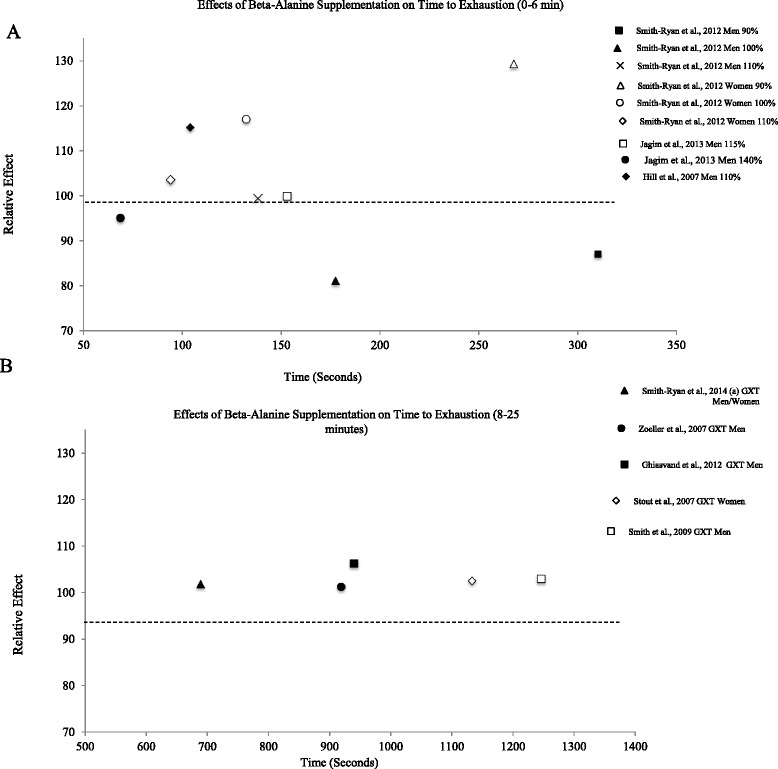
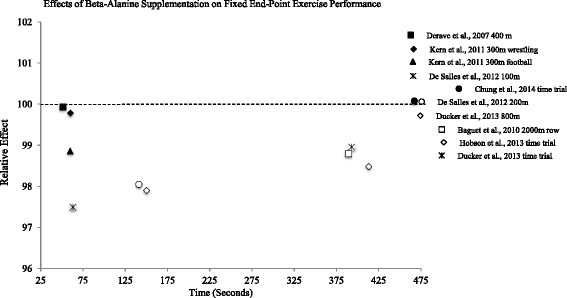
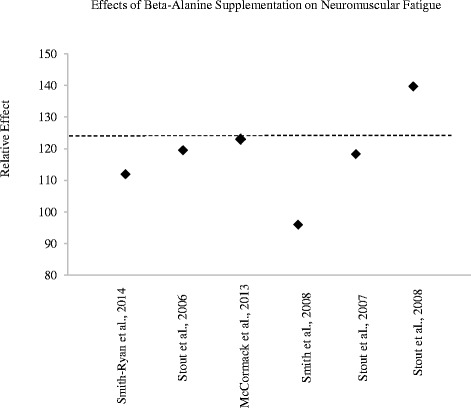
The International Society of Sports Nutrition (ISSN) provides an objective and critical review of the mechanisms and use of beta-alanine supplementation. Based on the current available literature, the conclusions of the ISSN are as follows: 1) Four weeks of beta-alanine supplementation (4-6 g daily) significantly augments muscle carnosine concentrations, thereby acting as an intracellular pH buffer; 2) Beta-alanine supplementation currently appears to be safe in healthy populations at recommended doses; 3) The only reported side effect is paraesthesia (tingling), but studies indicate this can be attenuated by using divided lower doses (1.6 g) or using a sustained-release formula; 4) Daily supplementation with 4 to 6 g of beta-alanine for at least 2 to 4 weeks has been shown to improve exercise performance, with more pronounced effects in open end-point tasks/time trials lasting 1 to 4 min in duration; 5) Beta-alanine attenuates neuromuscular fatigue, particularly in older subjects, and preliminary evidence indicates that beta-alanine may improve tactical performance; 6) Combining beta-alanine with other single or multi-ingredient supplements may be advantageous when supplementation of beta-alanine is high enough (4-6 g daily) and long enough (minimum 4 weeks); 7) More research is needed to determine the effects of beta-alanine on strength, endurance performance beyond 25 min in duration, and other health-related benefits associated with carnosine.
Overview
The claims and statistics of this paper haven’t been checked yet.
Free: it reads the open-access text and checks the first 5 claims that cite a source we can check. Create a free account to check every claim.
Integrity signals
Registry
Cites
Statistics
Figures
Verification
Claims the paper makes
The claims and statistics of this paper haven’t been checked yet.
Free: it reads the open-access text and checks the first 5 claims that cite a source we can check. Create a free account to check every claim.
Claims other papers make about this one
Each is checked against this paper’s own text: does it say what the citing paper says it does?
The cited source says what the claim attributes to it.
In the citing paper
“although the greatest performance benefits of ingredients such as beta-alanine and L-citrulline require habitual supplementation due to their primary mechanism(s) of action (e.g. augmenting carnosine [ 14 ] and endothelial nitric oxide bioavailability [ 15 , 16 ])”
The cited source says what the claim attributes to it.
In the citing paper
“the ISSN has published position statement on topics related to creatine [10], protein [11], beta-alanine [12], nutrient timing [13], caffeine [14], HMB [15], meal frequency [16], energy drinks [17], and diets and body composition [18].”
From ISSN exercise & sports nutrition review update: research & recommendations (2018) · cites this paper as [12]
The cited source says what the claim attributes to it.
In the citing paper
“According to the ISSN position statement, evaluating the existing body of ß-alanine research suggests improvements in exercise performance with more pronounced effects on activities lasting one to 4 min; improvements in neuromuscular fatigue, particularly in older subjects, and lastly; potential benefits in tactical personnel [12].”
From ISSN exercise & sports nutrition review update: research & recommendations (2018) · cites this paper as [12]
The cited source says what the claim attributes to it.
In the citing paper
“The ISSN highlights its benefit in anaerobic activities of 2–4 min, where acidosis is a limiting factor [104].”
From Use of Nutritional Strategies, Bioactive Compounds, and Dietary Supplements in Young Athletes: From Evidence to Potential Risks—A Narrative Review (2025) · cites this paper as [104]
In the citing paper
“It may be beneficial in elite young athletes under medical supervision, but paresthesia could negatively impact performance by causing discomfort [104].”
From Use of Nutritional Strategies, Bioactive Compounds, and Dietary Supplements in Young Athletes: From Evidence to Potential Risks—A Narrative Review (2025) · cites this paper as [104]
3 more claims about this paper
Create a free account to see every claim other papers make about this one.
Self-check
Percentages, sums and reported differences re-computed from the paper’s own numbers.
The self-check needs the paper’s full text.
Citations
Cites
(1992) · Applied Ergonomics · doi:10.1016/0003-6870(92)90318-p · Cited by 5,737
Exercise-Induced Oxidative Stress: Cellular Mechanisms and Impact on Muscle Force Production
Powers, S. K., & Jackson, M. J. (2008) · Physiological Reviews · doi:10.1152/physrev.00031.2007 · Cited by 2,459 · cited 1×
“Previous research has suggested that reactive oxygen species (ROS), which are produced at an elevated rate during exercise [33], may contribute to muscle fatigue and exercise-induced muscle damage under certain circumstances [34, 35].”
BackgroundPhysiology and Pathophysiology of Carnosine
Boldyrev, A. A., Aldini, G., & Derave, W. (2013) · Physiological Reviews · doi:10.1152/physrev.00039.2012 · Cited by 1,114 · cited 1×
“In humans, muscle carnosine contents generally range from 10 – 40 mmol/kg dry weight [5, 6, 12] with average values around 20–30 mmol/kg dry weight [5, 13–15], although these contents can be influenced by a number of factors.”
BackgroundAntioxidant activity of carnosine, homocarnosine, and anserine present in muscle and brain.
Kohen, R., Yamamoto, Y., Cundy, K. C., & Ames, B. N. (1988) · Proceedings of the National Academy of Sciences · doi:10.1073/pnas.85.9.3175 · Cited by 794 · cited 5×
“The combination of histidine-containing compounds, such as carnosine, at near physiological concentrations, have resulted in synergistic antioxidant activity [37].”
BackgroundInfluentialHarris, R. C., Tallon, M. J., Dunnett, M., Boobis, L., Coakley, J., Kim, H. J., Fallowfield, J. L., Hill, C. A., Sale, C., & Wise, J. A. (2006) · Amino Acids · doi:10.1007/s00726-006-0299-9 · Cited by 534 · cited 5×
“By itself, the ergogenic properties of beta-alanine are limited; however, beta-alanine has been identified as the rate-limiting precursor to carnosine synthesis [1, 2], and has been consistently shown to increase levels of carnosine in human skeletal muscle.”
BackgroundInfluentialSelf-citationHill, C. A., Harris, R. C., Kim, H. J., Harris, B. D., Sale, C., Boobis, L. H., Kim, C. K., & Wise, J. A. (2007) · Amino Acids · doi:10.1007/s00726-006-0364-4 · Cited by 445 · cited 3×
“Nonetheless, beta-alanine supplementation has been shown to increase muscle carnosine concentrations [1, 3] and attenuate exerciseinduced reductions in pH [32], supporting the concept that carnosine plays a significant role in buffering exercise-induced acidosis.”
BackgroundSelf-citationDoes Stretching Improve Performance?: A Systematic and Critical Review of the Literature
Shrier, I. (2004) · Clinical Journal of Sport Medicine · doi:10.1097/00042752-200409000-00004 · Cited by 402 · cited 1×
“To graphically depict the RE of beta-alanine in in comparison to placebo, RE was calculated using the following equation [48, 49]:”
MethodAbe, H. (2000) · PubMed · Cited by 353
Derave, W., Özdemir, M. S., Harris, R. C., Pottier, A., Reyngoudt, H., Koppo, K., Wise, J. A., & Achten, E. (2007) · Journal of Applied Physiology · doi:10.1152/japplphysiol.00397.2007 · Cited by 324 · cited 4×
“[6] versus their untrained counterparts, beta-alanine supplementation has also been shown to increase muscle carnosine in both trained [20] and untrained”
BackgroundInfluentialEffect of creatine supplementation on body composition and performance: a meta-analysis
Branch, J. D. (2003) · International Journal of Sport Nutrition and Exercise Metabolism · doi:10.1123/ijsnem.13.2.198 · Cited by 309 · cited 1×
“Creatine supplementation has been consistently shown to improve high-intensity exercise performance, primarily by increasing phosphorylcreatine and adenosine triphosphate (ATP) availability [88].”
Background
Research works printed but not linked: 1
- Harris RC Jones GA Kim HJ Kim CK Price KA Wise JA Changes in muscle carnosine of subjects with 4 weeks of supplementation with a controlled relase formulation of beta-alanine (CarnoSyn), and for 6 weeks post (Abstract) FASEB J 2009 23 599.4
Cited by
Items 101–200 of 313
β-alanine efficacy for sports performance improvement: from science to practice
Nassis, G. P., Sporer, B. C., & Stathis, C. G. (2016) · British Journal of Sports Medicine · doi:10.1136/bjsports-2016-097038 · Cited by 16
Nutritional Strategies for Enhancing Performance and Training Adaptation in Weightlifters
Hwang, D.-J., & Yang, H.-J. (2024) · International Journal of Molecular Sciences · doi:10.3390/ijms26010240 · Cited by 22
“Furthermore, studies have shown that beta-alanine supplementation enhances endurance and performance in repetitive high-intensity exercises [16,17,83,84], which are integral to weightlifting.”
InfluentialHoffman, J. R., Gepner, Y., Hoffman, M. W., Zelicha, H., Shapira, S., & Ostfeld, I. (2018) · The Journal of Strength and Conditioning Research · doi:10.1519/jsc.0000000000002625 · Cited by 15
Self-citationLutsch, D. J., Camic, C. L., Jagim, A. R., Johnston, N. J., & Musgjerd, T. (2019) · International journal of exercise science · doi:10.70252/hcny2237 · Cited by 12
“Each of these ingredients possess physiological mechanisms that have been shown to improve a number of measures associated with aerobic performance (1, 15, 44).”
BackgroundEsteves, G. P., Swinton, P. A., Sale, C., James, R. M., Artioli, G. G., Roschel, H., Gualano, B., Saunders, B., & Dolan, E. (2021) · International Journal of Sport Nutrition and Exercise Metabolism · doi:10.1123/ijsnem.2021-0038 · Cited by 14
“This is likely due to its capacity to increase muscle carnosine (MCarn) content (Rezende et al., 2020), which acts as an intracellular buffering agent (Blancquaert et al., 2015; Dolan et al., 2019; Trexler et al., 2015).”
BackgroundSelf-citationWang, C., Yan, X., He, J., Buttino, I., Chen, P., Fan, M., Guo, B., Zhang, X., & Liao, Z. (2021) · Aquaculture Reports · doi:10.1016/j.aqrep.2021.100730 · Cited by 15
Isenmann, E., Tolle, P., Geisler, S., Flenker, U., & Diel, P. R. (2024) · Nutrients · doi:10.3390/nu16030374 · Cited by 18
“DS which can enhance physical performance are primarily caffeine, creatine, nitrates, beta-alanine, and sodium bicarbonate [27–31].”
BackgroundDeng, B., Yan, R., He, T., Lin, G., Liu, T., Chen, W., He, J., & Li, D. (2025) · Frontiers in Nutrition · doi:10.3389/fnut.2025.1636970 · Cited by 20
Zhao, G., Zhang, Y., Sun, S.-Y., Xie, M.-X., Hu, C., Shi, Y., Shi, J., & Jian-yue, L. (2018) · Journal of Cereal Science · doi:10.1016/j.jcs.2018.10.011 · Cited by 11
Stratton, M. T., Siedler, M. R., Harty, P. S., Rodriguez, C., Boykin, J. R., Green, J. J., Keith, D. S., White, S. J., DeHaven, B., Williams, A. D., et al. (2022) · Journal of the International Society of Sports Nutrition · doi:10.1080/15502783.2022.2060048 · Cited by 12
“However, it is unlikely that the acute performance benefits observed in the present study were mediated by betaine or beta-alanine, as these ingredients appear to require prolonged supplementation to elicit ergogenic effects [11,37].”
BackgroundNegro, M., Cerullo, G., Perna, S., Beretta-Piccoli, M., Rondanelli, M., Liguori, G., Cena, H., Phillips, S. M., Cescon, C., & D’Antona, G. (2022) · Frontiers in Nutrition · doi:10.3389/fnut.2022.887523 · Cited by 12
Pharmacological Aspects and Health Impact of Sports and Energy Drinks
Oprea, E., Ruta, L. L., & FARCASANU, I. C. (2019) · Elsevier eBooks · doi:10.1016/b978-0-12-815851-7.00003-6 · Cited by 12
De Zan, D., Eletti, F., Fiore, G., Di Girolamo, E., Bozzini, G. G. M., Perico, V., Tosi, M., Norsa, L., Zuccotti, G., & Verduci, E. (2025) · Nutrients · doi:10.3390/nu17132194 · Cited by 11
“It may be beneficial in elite young athletes under medical supervision, but paresthesia could negatively impact performance by causing discomfort [104].”
InfluentialGuo, W., & Wang, S. (2024) · Scientific Reports · doi:10.1038/s41598-024-67974-y · Cited by 17
“BA supplementation could not favor adaptations in very short-duration exercises (i.e., sprinting speed), which aligns with previous statements 14 .”
BackgroundMethodInfluentialEvidence-based sports supplements: A redox analysis
Margaritelis, N. V., Cobley, J. N., Nastos, G. G., Παπανικολάου, Κ., Bailey, S. J., Kritsiligkou, P., & Nikolaidis, M. G. (2024) · Free Radical Biology and Medicine · doi:10.1016/j.freeradbiomed.2024.08.012 · Cited by 11
Koozehchian, M., Earnest, C. P., Jung, Y. P., Collins, P. B., O’Connor, A., Dalton, R., Shin, S. Y., Sowinski, R. J., Rasmussen, C. J., Murano, P. S., et al. (2017) · Journal of Caffeine Research · doi:10.1089/jcr.2017.0001 · Cited by 12
“12 Less is known regarding creatine nitrate, and the literature to date suggests possible supplementation effects.”
Self-citationBeta-alanine supplementation and anaerobic performance in highly trained judo athletes
Halz, M., Kaszuba, M., Helbin, J., Krzysztofik, S., Suchanecka, A., & Zając, A. (2022) · Baltic Journal of Health and Physical Activity · doi:10.29359/bjhpa.14.2.01 · Cited by 12
Wang, Q., Yang, K. G., Wei, X., Qiao, W., & Chen, L. (2022) · Frontiers in Microbiology · doi:10.3389/fmicb.2022.1032870 · Cited by 9
Directo, D. J., Wong, M. W. H., Elam, M. L., Falcone, P. H., Osmond, A. D., & Jo, E. (2019) · Sports · doi:10.3390/sports7060152 · Cited by 11
“For example, a recent position stand on beta-alanine from the International Society of Sports Nutrition suggests that a loading phase of about four weeks is essential for subsequent increase in muscle carnosine levels which is the connecting mechanism between beta-alanine supplementation and performance enhancement [1…”
BackgroundCosta, M. D. S., Toscano, L. T., Toscano, L. T., Luna, V. R., Torres, R. D. A., da Silva, J. A., & Silva, A. S. (2020) · Critical Reviews in Food Science and Nutrition · doi:10.1080/10408398.2020.1844137 · Cited by 15
“…claim that daily food intake is not sufficient to meet the energy requirements of intense sports activities, thus athletes require supplementation (Aljaloud and Ibrahim 2013), and there are a few supplements which evidently promote improved performance and accelerate recovery (Trexler et al. 2015).”
BackgroundAlabsi, K., Rashidlamir, A., & Dokht, E. H. (2022) · Journal of Science in Sport and Exercise · doi:10.1007/s42978-021-00151-z · Cited by 10
Wiącek, J., & Karolkiewicz, J. (2023) · Nutrients · doi:10.3390/nu15061541 · Cited by 10
“In ergogenic doses, that is, 4–6 g daily divided into 4–5 portions, beta-alanine is considered well-tolerated [35].”
BackgroundMartos-Arregui, A., Li, Z., Miras‐Moreno, S., Marcos‐Frutos, D., Jiménez‐Martínez, P., Alix‐Fages, C., Janicijevic, D. N., & García‐Ramos, A. (2024) · European Journal of Applied Physiology · doi:10.1007/s00421-024-05639-4 · Cited by 13
“Some studies have revealed that the ingestion of beta-alanine increases training volume (Trexler et al. 2015).”
Ashtary‐Larky, D., Candow, D. G., Forbes, S. C., Hajizadeh, L., António, J., & Suzuki, K. (2025) · Nutrients · doi:10.3390/nu17132074 · Cited by 12
Huang, Z., Liu, H., Wang, G., Ge, H., Shi, Y., Feng, J., Li, C., & Zhang, M. (2025) · Journal of Animal Science and Biotechnology/Journal of animal science and biotechnology · doi:10.1186/s40104-025-01288-5 · Cited by 10
Douligeris, A., Methenitis, S. K., Lazou, A., Panayiotou, G., Feidantsis, K. G., Voulgaridou, G., Μanios, Y., Jamurtas, A. Z., Giaginis, C., & Papadopoulou, S. Κ. (2023) · Nutrients · doi:10.3390/nu15102304 · Cited by 13
Endurance in Long-Distance Swimming and the Use of Nutritional Aids
Miguel‐Ortega, Á., Calleja-González, J., & Mielgo‐Ayuso, J. (2024) · Nutrients · doi:10.3390/nu16223949 · Cited by 16
“However, it should be noted that the supplementation protocols in some of the studies [198] resulted in a high incidence and severity of side effects and were also ineffective.”
Strength, Conditioning, and Nutritional Considerations for High-Level Performers
Kreider, R. B. (2020) · Kinesiology Review · doi:10.1123/kr.2019-0062 · Cited by 9
“, 2004, 2010), and a number of position stands to help scientists and practitioners synthesize and apply research in the field (Aragon et al., 2017; Campbell et al., 2013; Goldstein et al., 2010; Jäger et al., 2017; Kerksick et al., 2008; Kreider et al., 2017; La Bounty et al., 2011; Trexler et al., 2015; Wilson et al…”
BackgroundSelf-citationShbib, S., Rashidlamir, A., & Dokht, E. H. (2021) · Sport Sciences for Health · doi:10.1007/s11332-020-00709-4 · Cited by 10
Ojeda, Á. H., Barahona-Fuentes, G., Galdames Maliqueo, S., Guzmán Solis, M., Cabrera, M. M. Y., & Jorquera-Aguilera, C. (2023) · Journal of the American Nutrition Association · doi:10.1080/07315724.2021.2020183 · Cited by 7
Meys, R., Stoffels, A. A. F., Brandt, J. D., van Hees, H. W. H., Franssen, F. M. E., Sillen, M. J. H., Wouters, E. F. �., Burtin, C., Klijn, P. H. C., de Vaate, E. B., et al. (2020) · BMJ Open · doi:10.1136/bmjopen-2020-038836 · Cited by 7
Connections between Different Sports and Ergogenic Aids—Focusing on Salivary Cortisol and Amylase
Honceriu, C., Curpăn, A.-Ș., Ciobica, A. S., Ciobîcă, A., Truş, C., & Timofte, D. V. (2021) · Medicina · doi:10.3390/medicina57080753 · Cited by 13
“β-Alanine is an essential amino acid and a precursor in the carnosine synthesis pathway, a dipeptide highly concentrated in muscle and brain tissues especially during exercise; a diet supplemented with beta-alanine leads to an increased level of intramuscular carnosine, which in return functions as a buffer through it…”
BackgroundNutrition Recommendations for Table Tennis Players—A Narrative Review
Huang, L., Ng, J. W. C., & LEE, J. K. W. (2023) · Nutrients · doi:10.3390/nu15030775 · Cited by 12
“Beta-alanine supplementation can improve the performance of highintensity exercises and delay fatigue through buffering exercise-induced acidosis [80].”
BackgroundInfluentialStrauss‐Kruger, M., Pieters, M., van Zyl, T., Kruger, R., Jacobs, A., van Vuren, E. J., Louw, R., & Mels, C. M. C. (2024) · Hypertension Research · doi:10.1038/s41440-024-01767-8 · Cited by 7
“Beta-alanine is a non-essential and non-proteinogenic AA, synthesised endogenously in the liver but may also be acquired through dietary intake of meat [43].”
BackgroundДмитриев, А., & Гунина, Л. (2018) · Science in Olympic Sport · doi:10.32652/olympic2018.2_6 · Cited by 16
Nelson, A., Camic, C. L., Foster, C., Zajac, B., Hoecherl, K., Erickson, J. L., & Jagim, A. R. (2019) · International journal of exercise science · doi:10.70252/isgv4343 · Cited by 10
“Other studies have reported a “tingling sensation” and “itchiness” following MIPS ingestion (6, 43) which is likely attributable to the beta-alanine contained within the products (42) and does not impose any serious health risks.”
BackgroundInfluentialWu, G., Bazer, F. W., & Lamb, G. C. (2020) · Elsevier eBooks · doi:10.1016/b978-0-12-817052-6.00001-x · Cited by 8
Stout, J. R., Kreider, R. B., Candow, D. G., Forbes, S. C., Rawson, E. S., Antonio, B. B., & António, J. (2025) · Journal of the International Society of Sports Nutrition · doi:10.1080/15502783.2025.2463373 · Cited by 13
“Over the last few decades, sports nutrition has expanded from focusing primarily on carbohydrate intake for endurance to a robust field encompassing protein supplementation, beta-alanine [24], and other dietary strategies to enhance performance at all levels.”
Self-citationWeinstein, Y., Ovadia, Y., Weinstein, B., & Weinstein, A. (2023) · Nutrients · doi:10.3390/nu15030538 · Cited by 7
“In the current study, the supplementation period was extended to 9 weeks to overlap the training duration, as was recommended by β-Ala supplementation effects on a performance position statement [25].”
MethodEffects of Pre-Workout Supplements on Strength, Endurance, and Mood
Ellerbroek, A., & António, J. (2019) · Internet Journal of Allied Health Sciences and Practice · doi:10.46743/1540-580x/2019.1764 · Cited by 9
Beasley, L., Smith, L., António, J., Gordon, D. A., Johnstone, J., & Roberts, J. (2018) · Journal of the International Society of Sports Nutrition · doi:10.1186/s12970-018-0266-3 · Cited by 12
“These findings concur with an earlier 2015 ISSN Position Stand [14] indicating that βA consumption “does not demonstrate a consistent positive effect” on events lasting beyond a 25-min timeframe.”
BackgroundResultInfluentialDurkalec‐Michalski, K., Kusy, K., Główka, N., & Zieliński, J. (2021) · Journal of the International Society of Sports Nutrition · doi:10.1186/s12970-021-00451-3 · Cited by 11
de Salazar, L., Segarra, I., López-Román, F. J., Torregrosa-García, A., Pérez-Piñero, S., & Ávila-Gandía, V. (2021) · Pharmaceutics · doi:10.3390/pharmaceutics13091517 · Cited by 8
Jin, S.-Y., Moon, H.-W., Kim, J., & Kim, H.-Y. (2022) · Exercise Science · doi:10.15857/ksep.2022.00136 · Cited by 7
“[29] reported that more long-term exercise is needed to demonstrate the effectiveness of β-alanine in endurance performance exceeding 25 minutes, and in previous study related to endurance exercise, based on the fact that long-distance running exercises such as marathons cause acute inflammatory response, changes in b…”
BackgroundOwoyele, B. V., Bakare, A. O., Olaseinde, O. F., Ochu, M. J., Yusuff, A. M., Ekebafe, F., Fogabi, O. L., & Treister, R. (2022) · The Korean journal of pain · doi:10.3344/kjp.2022.35.3.271 · Cited by 7
“It is has been reported that L-carnosine possesses a proton buffering effect [12] and acted as an antioxidant via scavenging of free radicals and singlet oxygen and chelating with heavy metals [11,13].”
BackgroundTherapy and Rehabilitation for Upper Extremity Injuries in Athletes
Gart, M. S., & Wiedrich, T. A. (2016) · Hand Clinics · doi:10.1016/j.hcl.2016.08.016 · Cited by 9
Marko, D., Snarr, R. L., Bahenský, P., Bunc, V., Krajcigr, M., & Malý, T. (2025) · Journal of the International Society of Sports Nutrition · doi:10.1080/15502783.2025.2521336 · Cited by 6
“However, research indicates that 4 weeks is the minimum threshold to experience beneficial adaptations as a result of βA intake [8]; thus, longer intervention periods may be required to experience improvements in VO 2peak and other performance variables.”
Pessôa, K. D. A., Cholewa, J. M., Sousa-Silva, R., Xia, Z., Zagatto, A. M., Lancha, A. H., Lauver, J. D., Rossi, F. E., & Zanchi, N. E. (2023) · International journal of exercise science · doi:10.70252/tcyg6960 · Cited by 7
El, N., Christjansen, M. H., Smallwood, E. C., LaHay, M. E., McGaw, S. P., Pabody, C. M., & MacCormack, T. J. (2024) · Journal of Experimental Biology · doi:10.1242/jeb.249418 · Cited by 6
Nieto, Á. A. V., Díaz, A. H., & Hernández, M. (2025) · Current Nutrition Reports · doi:10.1007/s13668-025-00633-4 · Cited by 8
“Beta-alanine, a non-essential amino acid, is a key precursor to carnosine, which buffers hydrogen ions (H + ) and delays muscle fatigue during high-intensity anaerobic activities [21, 22].”
Aquagenic pruritus in an adolescent effectively managed with β‐alanine supplementation
Friedlander, M. S. H., & Admani, S. (2020) · Pediatric Dermatology · doi:10.1111/pde.14440 · Cited by 5
Kelly, V. G., Oliver, L. S., Bowtell, J. L., & Jenkins, D. G. (2020) · International Journal of Sport Nutrition and Exercise Metabolism · doi:10.1123/ijsnem.2019-0321 · Cited by 8
Pickering, C., Hicks, D. S., & Kiely, J. (2021) · Journal of Aging and Physical Activity · doi:10.1123/japa.2020-0302 · Cited by 5
Dose Response of Acute ATP Supplementation on Strength Training Performance
de Moura, H. P. D. S. N., Jäger, R., Purpura, M., Rathmacher, J. A., Fuller, J. C., & Rossi, F. E. (2021) · Frontiers in Sports and Active Living · doi:10.3389/fspor.2021.780459 · Cited by 7
“, 2017) or beta-alanine (Trexler et al., 2015), need to be consumed daily for several weeks to increase athletic performance, a recent study has shown that ATP works acutely”
BackgroundMethodSelf-citationNutritional support for a person with type 1 diabetes undertaking endurance swimming
RILSTONE, S. K., Spurway, P., Oliver, N. S., & Hill, N. E. (2022) · Frontiers in Endocrinology · doi:10.3389/fendo.2022.1038294 · Cited by 5
Effects of ergogenic supplements and dietary supplements on young athletes’ performance: A review
Chauhan, E. S., Chaudhary, M., & Singh, R. (2022) · Scientific Journal of Sport and Performance · doi:10.55860/vzjn9038 · Cited by 7
“Because of this greater excretion rates, quick changes in pH and failure to adequately load the muscular supplies that have not been useful for performance results (Trexler et al., 2015; Maughan et al., 2018; Edenfield, 2019).”
BackgroundEvidence-based nutritional approaches to enhance exercise adaptations
Roberts, M. D., Moulding, B. D., Forbes, S. C., & Candow, D. G. (2023) · Current Opinion in Clinical Nutrition & Metabolic Care · doi:10.1097/mco.0000000000000975 · Cited by 8
“Carnosine (b-alanyl-L-histidine) is a naturally occurring cytoplasmic dipeptide present in high concentrations in skeletal muscle, formed by combining Lhistidine and beta-alanine, with the assistance of the enzyme carnosine synthetase [54].”
BackgroundInfluentialBeckner, M. E., Pihoker, A. A., Darnell, M. E., Beals, K., Lovalekar, M. T., Proessl, F., Flanagan, S. D., Arciero, P. J., Nindl, B. C., & Martin, B. J. (2020) · The Journal of Strength and Conditioning Research · doi:10.1519/jsc.0000000000003660 · Cited by 6
“However, some subjects did experience tingling after supplement consumption, consistent with the literature (45).”
BackgroundResultInfluentialBanks, N. F., Rogers, E. M., Helwig, N. J., Schwager, L. E., Alpers, J. P., Schulte, S. L., Trachta, E. R., Lockwood, C. M., & Jenkins, N. D. M. (2024) · Journal of the International Society of Sports Nutrition · doi:10.1080/15502783.2023.2297988 · Cited by 4
“…such as beta-alanine and L-citrulline require habitual supplementation due to their primary mechanism(s) of action (e.g. augmenting carnosine [14] and endothelial nitric oxide bioavailability [15,16]), there is also some evidence that acute dosing of these ingredients may promote exercise…”
BackgroundDouligeris, A., Methenitis, S. K., Stavropoulos‐Kalinoglou, A., Panayiotou, G., Vogazianos, P., Lazou, A., Feidantsis, K. G., Giaginis, C., Παπανικολάου, Κ., Arnaoutis, G., et al. (2024) · Journal of Functional Morphology and Kinesiology · doi:10.3390/jfmk9020085 · Cited by 7
“The latter (lasting approximately 60 min) could be attributed to high doses of β -alanine consumption, with no potential danger to the athletes according to the literature [46].”
BackgroundInfluentialThe Effects of a Pre-workout Supplement on Measures of Alertness, Mood, and Lower-Extremity Power
Curtis, J., Evans, C., Mekhail, V., Czartoryski, P., Santana, J. C., & António, J. (2022) · Cureus · doi:10.7759/cureus.24877 · Cited by 9
Annual variations in the nutritional quality of the geoduck clam Panopea japonica
Qin, L., Zhao, W. Q., Gu, J., Li, Y., Liu, Y., & Huo, Z. (2023) · Journal of Food Composition and Analysis · doi:10.1016/j.jfca.2023.105830 · Cited by 4
Eckstein, M. L., Erlmann, M. P., Aberer, F., Haupt, S., Zimmermann, P., Wachsmuth, N. B., Schierbauer, J., Zimmer, R. T., Herz, D., Obermayer-Pietsch, B. M., et al. (2022) · Nutrients · doi:10.3390/nu14235128 · Cited by 7
Miguel‐Ortega, Á., Calleja-González, J., & Mielgo‐Ayuso, J. (2023) · The Journal of Physical Fitness and Sports Medicine · doi:10.7600/jpfsm.12.119 · Cited by 5
β-alanine: performance effects, usage and side effects
Kelly, V. G. (2017) · British Journal of Sports Medicine · doi:10.1136/bjsports-2017-098025 · Cited by 5
Exogenous Amino Acid‐Loaded Nanovehicles: Stepping across Endogenous Magnetic Resonance Spectroscopy
Wang, J., Ni, D., Shen, Z., Ren, Y., Liu, Y., Fan, W., Wu, Y., Zhang, G., Zhang, H., Wu, R., et al. (2018) · Advanced Healthcare Materials · doi:10.1002/adhm.201800317 · Cited by 4
de França, E., Lira, F. S., Ruaro, M. F., Hirota, V. B., Waziry, P. A. F., Miranda, M. L. D. J., Nicoletti, M. A., Fukushima, A. R., & Caperuto, É. C. (2019) · Revista Intertox de Toxicologia Risco Ambiental e Sociedade · doi:10.22280/revintervol12ed3.452 · Cited by 4
Different doses of theacrine do not improve 4 km cycling time trial performance
Cavalcante, V. H. V., Schamne, J. C., Gonçalves, F., Bertuzzi, R., Pierucci, A. P. T. R., Boari, D., Lima‐Silva, A. E., & Silva, R. G. (2025) · Applied Physiology, Nutrition, and Metabolism · doi:10.1139/apnm-2024-0442 · Cited by 3
Untargeted Metabolomics Revealed Metabolomic Profile in Patients with Primary Systemic Sclerosis
Tang, J., Ruan, P., & Wei, Z. (2025) · Applied Biochemistry and Biotechnology · doi:10.1007/s12010-025-05249-6 · Cited by 3
“Alanine, as a small molecule neurotransmitter [22], also plays essential role in T cell activation [23] and has positive effects in overall health [24, 25].”
Navarro, P. E., Díaz, C. G., Pérez, R. G., Gil‐Izquierdo, Á., García, C. J., Giménez-Monzó, D., Perales, A., & Sanz, J. M. M. (2025) · Nutrients · doi:10.3390/nu17162706 · Cited by 6
“The remaining supplements (sodium bicarbonate, nitrates, glycerol, and β -alanine) do not currently have EFSA-approved health claims, despite the scientific support given by bodies and experts in sports nutrition [3,9–11, 22, 44].”
From Science to Dressing Room: Dietary Supplements for Elite Soccer Performance
Bongiovanni, T., Genovesi, F., Carling, C., Greco, G., & Jäger, R. (2025) · Journal of Functional Morphology and Kinesiology · doi:10.3390/jfmk10040408 · Cited by 3
“Despite mixed results, soccer players may still benefit from beta-alanine supplementation as a means of increasing muscle carnosine levels and reducing proton accumulation, one of the primary contributors to fatigue during high-intensity exercise [61].”
Self-citationWozniczka, C. M., & Weaver, D. F. (2026) · NeuroSci · doi:10.3390/neurosci7010013 · Cited by 4
“Current evidence indicates β -alanine can reliably raise carnosine levels, thereby improving neuromuscular fatigue at standard supplemental doses (2–6 g/day), with minimal side effects in healthy people [290].”
InfluentialAdamczewski, J., Szymocha, M., Główka, N., Adrian, J., & Durkalec-Michalski, K. (2026) · International Journal of Sports Physiology and Performance · doi:10.1123/ijspp.2025-0447 · Cited by 4
Mahomoodally, M. F., Sanaa Dilmar, A., & Khadaroo, S. K. (2022) · Elsevier eBooks · doi:10.1016/b978-0-12-819096-8.00042-2 · Cited by 5
Harnish, C., & Miller, B. (2023) · Journal of Sports Science and Nutrition · doi:10.33545/27077012.2023.v4.i2b.193 · Cited by 6
“Therefore, ingestion of buffering agents like bicarbonate have long been used to improve performance [4], while more recently supplements like carnosine and its precursor beta-alanine have garnered a great deal of interest as performance aids [5, 6].”
BackgroundInfluentialVilar, C. S. M. D. M., Malheiros, J. M., da Silva, P. F., Martins, E. H., Correia, L. E. C. D. S., de Oliveira, M. H. V., Colnago, L. A., Silva, J. A. I. D. V., & Mercadante, M. E. Z. (2023) · Poultry Science · doi:10.1016/j.psj.2023.103104 · Cited by 5
“In addition to its function as a proton buffer, other roles have recently been attributed to carnosine, such as protection against oxidative damage, calcium binding, and regulation of calcium sensitivity (Trexler et al., 2015).”
BackgroundMallett, G. S., Schoenfeld, B. J., Purdom, T. M., & Galpin, A. J. (2024) · Science & Sports · doi:10.1016/j.scispo.2023.09.007 · Cited by 5
Triathlon: Ergo Nutrition for Training, Competing, and Recovering
Miguel‐Ortega, Á., Rodríguez-Rodrigo, M.-A., Mielgo‐Ayuso, J., & Calleja-González, J. (2025) · Nutrients · doi:10.3390/nu17111846 · Cited by 8
“Most studies [148,171] suggest that daily doses of around 4–6 g, taken several times a day for at least 2–4 weeks, are necessary to optimise muscle carnosine levels and observe ergogenic effects.”
InfluentialErgojenik Destekler: Özel Bir Grup "Veteran Sporcular"
ÇELİK, G., Bayram, H. M., & OZTURKCAN, A. (2021) · Ulusal Spor Bilimleri Dergisi · doi:10.30769/usbd.911867 · Cited by 7
Panayi, S., & Galbraith, A. (2022) · International journal of exercise science · doi:10.70252/nvmj5392 · Cited by 6
Safety of beta-alanine supplementation in humans: a narrative review
de Oliveira, E. P., Artioli, G. G., & Burini, R. C. (2023) · Sport Sciences for Health · doi:10.1007/s11332-023-01052-0 · Cited by 4
“The International Society of Sports Nutrition stands by the position that β-alanine supplementation currently appears to be safe in healthy populations at recommended doses and the only reported side effect is paresthesia, which can be avoided by reducing single doses or using sustained-release formulas [61].”
BackgroundOjeda, Á. H., Barahona-Fuentes, G. D. F., Maliqueo, S. A. G., Yeomans‐Cabrera, M., & Aguilera, C. J. (2023) · Nutrición Hospitalaria · doi:10.20960/nh.04432 · Cited by 7
Chatterjee, P., Kar, S., & Ghosh, J. (2023) · Journal Of Advanced Zoology · doi:10.17762/jaz.v44is6.2682 · Cited by 3
Particularidades da abordagem nutricional no atleta vegetariano
Monteiro, M. I., Trigueiro, H., & Gonçalves, M. R. (2020) · Acta Portuguesa de Nutrição · doi:10.21011/apn.2020.2006 · Cited by 9
Examination of Nutritional Information of Athletes in Different Olympic Branches
Yarar, H., Akgul, M. C., Akgul, M. E., & Cig, T. (2022) · Journal of Educational Issues · doi:10.5296/jei.v8i3.20186 · Cited by 2
Ergogenic Aids and the Female Athlete
Jordan, S. L., Naclerio, F., & Morales, J. B. (2023) · Springer eBooks · doi:10.1007/978-3-031-15485-0_23 · Cited by 2
Zilova, I. S., & Ēn, T. (2023) · Voprosy Pitaniya · doi:10.33029/0042-8833-2023-92-4-114-124 · Cited by 7
β-Alanine enhances crucian carp survival upon Aeromonas hydrophila infection
Cao, Y., Zhou, Y., Liu, Y., Munang’andu, H. M., & Peng, B. (2024) · Aquaculture · doi:10.1016/j.aquaculture.2024.742061 · Cited by 2
Tarakhovskaya, E., Gulk, E., & Zamyatkina, E. (2025) · Phycologia · doi:10.1080/00318884.2025.2545164 · Cited by 4
“…have become popular ingredients of sports nutrition, improving athlete performance during high-intensity exercises in strength and power sports (Trexler et al ., 2015; Wu, 2020). β-Alanine is also used as an efficient and safe alternative to hormone replacement therapy for menopausal women…”
Xu, L., Yuan, J., Wang, D., Wu, R., Liu, J., Cheng, X., Liang, X., & Li, N. (2025) · Food Bioscience · doi:10.1016/j.fbio.2025.107633 · Cited by 2
Liu, J., Li, J., Li, Y., Gao, Z., Wang, L., Song, Q., Ye, Y., & Liang, J. (2026) · npj Science of Food · doi:10.1038/s41538-026-00763-1 · Cited by 3
β-alanine alleviates gout by inhibiting NLRP3 inflammasome activation
Chen, X., Zhu, P.-P., Ying, Y., Feng, M.-Y., Xu, Y., Yu, L., Xue, W., Yu, Y., Li, T., & Zhou, T. (2026) · Journal of Molecular Cell Biology · doi:10.1093/jmcb/mjag004 · Cited by 2
Alanyl-Transfer RNA Synthetase 1 and Cyst Growth in Autosomal Dominant Polycystic Kidney Disease
Tian, L., Wang, Y., Li, L. X., Agborbesong, E., Zhou, J. X., Mou, S., & Li, X. (2026) · Journal of the American Society of Nephrology · doi:10.1681/asn.0000001169 · Cited by 3
Eilaki, A. A., Afzalpour, M. E., Bagheri, R., & Ziaaldini, M. M. (2018) · Nutrition and Food Sciences Research · doi:10.29252/nfsr.5.3.17 · Cited by 3
Todorović, N., Santibañez-Gutierrez, A., Milovanov, D., Štajer, V., Ostojić, S. M., & Fernández-Landa, J. (2022) · Kinesiology · doi:10.26582/k.54.2.1 · Cited by 2
Self-Assembly of Peptides, Peptoids, Sugars, & Dendrimers
Conda‐Sheridan, M. (2023) · ACS in focus · doi:10.1021/acsinfocus.7e7019 · Cited by 2
Avaliação da suplementação de beta-alanina no desempenho esportivo
dos Santos, E. F., Bernardes, L. O., & Pereira-Castro, M. R. (2023) · Research Society and Development · doi:10.33448/rsd-v12i6.42214 · Cited by 2
Zhang, Y., He, H., Meng, D., Zhu, L., Jia, W., Liu, S., Jiao, J., Ren, R., & Zhang, Y. (2024) · The Science of The Total Environment · doi:10.1016/j.scitotenv.2024.170946 · Cited by 2
Drwal, A., Pałka, T., Tota, Ł. M., Wiecha, S., Čech, P., Strzała, M., & Maciejczyk, M. (2024) · BMC Sports Science Medicine and Rehabilitation · doi:10.1186/s13102-024-00918-1 · Cited by 2
“…MIPS used in this study were lower than in other such studies or were at the lower end of recommended doses, e.g. the amount of caffeine averaged 3.75 mg/kg (recommended 3–6 mg/kg [50]), the amount of taurine 1 g (used up to 6 g [52]) or the amount of beta alanine (3 g) (4–6 g recommended [22]).”
BackgroundMethodInfluentialDietary supplements in the sport
Zdunek, R., Strus, K., Madera, M., Mazur, S., Marcinkowski, K., Dąbrowska, N., Nagórska, E., & Kublińska, A. (2024) · Quality in Sport · doi:10.12775/qs.2024.15.51776 · Cited by 5
Metadata
- Authors
- Trexler, E. T., Smith-Ryan, A. E., Stout, J. R., Hoffman, J. R., Wilborn, C. D., Sale, C., Kreider, R. B., Jäger, R., Earnest, C. P., Bannock, L., Campbell, B., Kalman, D., Ziegenfuss, T. N., & Antonio, J.
- Affiliations
- University of North Carolina at Chapel Hill (US)
- Applied Physiology Laboratory, Department of Exercise and Sport ScienceUniversity of North Carolina Chapel Hill NC USA
- University of Central Florida (US)
- University of Mary Hardin–Baylor (US)
- Nottingham Trent University (GB)
- Texas A&M University (US)
- Increnovo LLC (United States) (US)
- Guru Performance (United Kingdom) (GB)
- University of South Florida (US)
- Department of Nutrition & EndocrinologyMiami Research Associates, QPS-MRA Miami FL USA
- The Center for Applied Health Sciences 4302 Allen Rd STE 120 Stow OH USA
- Exercise and Sports ScienceNova Southeastern University Davie FL USA
- ORCID
- Venue
- Journal of the International Society of Sports Nutrition
- Publisher
- Informa UK Limited
- Published
- 2015-10-20
- Volume
- 12
- Issue
- 1
- Pages
- 30-30
- ISSN
- 1550-2783 (ISSN-L)
- PMC
- PMC4501114
- OpenAlex
- W1915320120
- Cited by
- 315
- References
- 115
- Citations by year
- 2026: 49 · 2025: 32 · 2024: 34 · 2023: 33 · 2022: 43 · 2021: 24 · 2020: 24 · 2019: 25 · 2018: 18 · 2017: 18 · 2016: 10 · 2015: 4
- FWCI
- 2.04
- Type
- journal article
- Language
- en
- Open access
- gold
- doi.org
- Licence
- Locations
- Journal of the International Society of Sports Nutrition (publishedVersion, cc-by)
- Europe PMC (PubMed Central) (publishedVersion, cc-by)
- PubMed Central (publishedVersion, cc-by)
- PubMed (publishedVersion)
- Nottingham Trent University's Institutional Repository (Nottingham Trent Repository) (acceptedVersion)
- Carolina Digital Repository (University of North Carolina at Chapel Hill) (submittedVersion)
- Journal of International Crisis and Risk Communication Research (submittedVersion)
- OakTrust (Texas A&M University Libraries) (submittedVersion)
- UNC Libraries
- Topics
- Health Sciences › Medicine › Physiology (medical) › Biochemical effects in animals
- Health Sciences › Nursing › Nutrition and Dietetics › Muscle metabolism and nutrition
- Health Sciences › Medicine › Orthopedics and Sports Medicine › Sports Performance and Training
- Keywords
- beta-alanine, carnosine, muscle carnosine, exercise performance, neuromuscular fatigue, paresthesia, supplement safety, sustained-release formulation, older adults, tactical performance, endurance performance
- MeSH terms
- Carnosine, Dose-Response Relationship, Drug, Fatigue, Humans, Hydrogen-Ion Concentration, Neuromuscular Agents, beta-Alanine, Exercise, Muscle, Skeletal, Toxicity Tests, Dietary Supplements, Sports Nutritional Physiological Phenomena, Recommended Dietary Allowances
About these checks
Registry, retraction, Cites and statistics results are computed, not judged, with one exception: a printed reference that no index lists is read once by a model before it counts as a citation error. Claims are extracted by a model and kept only when their quote appears verbatim in the text; each cited source is then checked, with a model’s help, for whether it says what the claim relies on. Those verdicts can be wrong — read the claim’s quote and the cited source before relying on one.
Statistics and arithmetic are recomputed, not judged.
Confidence bands are shown only for fields calibrated on our annotated test set. None is calibrated yet, so no band is shown.
What counts as a claim ›How we measure confidence ›How we check this ›
Are you an author, or do you see a problem with this page? Request a review
Data sources
Bibliographic data: Semantic Scholar, OpenAlex, Crossref.
Contains information from the Semantic Scholar Academic Graph Datasets, made available under the ODC Attribution License (ODC-BY 1.0).
Semantic Scholar’s data is described in: Kinney, R., et al. (2023). The Semantic Scholar Open Data Platform. arXiv:2301.10140.
