

International society of sports nutrition position stand: Beta-Alanine
Open accessThe DOI matches its Crossref record; 115 of the 115 references it cites were found in a registry or an index.
Abstract
The International Society of Sports Nutrition (ISSN) provides an objective and critical review of the mechanisms and use of beta-alanine supplementation. Based on the current available literature, the conclusions of the ISSN are as follows: 1) Four weeks of beta-alanine supplementation (4-6 g daily) significantly augments muscle carnosine concentrations, thereby acting as an intracellular pH buffer; 2) Beta-alanine supplementation currently appears to be safe in healthy populations at recommended doses; 3) The only reported side effect is paraesthesia (tingling), but studies indicate this can be attenuated by using divided lower doses (1.6 g) or using a sustained-release formula; 4) Daily supplementation with 4 to 6 g of beta-alanine for at least 2 to 4 weeks has been shown to improve exercise performance, with more pronounced effects in open end-point tasks/time trials lasting 1 to 4 min in duration; 5) Beta-alanine attenuates neuromuscular fatigue, particularly in older subjects, and preliminary evidence indicates that beta-alanine may improve tactical performance; 6) Combining beta-alanine with other single or multi-ingredient supplements may be advantageous when supplementation of beta-alanine is high enough (4-6 g daily) and long enough (minimum 4 weeks); 7) More research is needed to determine the effects of beta-alanine on strength, endurance performance beyond 25 min in duration, and other health-related benefits associated with carnosine.
Overview
The claims and statistics of this paper haven’t been checked yet.
Free: it reads the open-access text and checks the first 5 claims that cite a source we can check. Create a free account to check every claim.
Integrity signals
Registry
Cites
Statistics
Figures
Verification
Claims the paper makes
The claims and statistics of this paper haven’t been checked yet.
Free: it reads the open-access text and checks the first 5 claims that cite a source we can check. Create a free account to check every claim.
Claims other papers make about this one
Each is checked against this paper’s own text: does it say what the citing paper says it does?
The cited source says what the claim attributes to it.
In the citing paper
“although the greatest performance benefits of ingredients such as beta-alanine and L-citrulline require habitual supplementation due to their primary mechanism(s) of action (e.g. augmenting carnosine [ 14 ] and endothelial nitric oxide bioavailability [ 15 , 16 ])”
The cited source says what the claim attributes to it.
In the citing paper
“the ISSN has published position statement on topics related to creatine [10], protein [11], beta-alanine [12], nutrient timing [13], caffeine [14], HMB [15], meal frequency [16], energy drinks [17], and diets and body composition [18].”
From ISSN exercise & sports nutrition review update: research & recommendations (2018) · cites this paper as [12]
The cited source says what the claim attributes to it.
In the citing paper
“According to the ISSN position statement, evaluating the existing body of ß-alanine research suggests improvements in exercise performance with more pronounced effects on activities lasting one to 4 min; improvements in neuromuscular fatigue, particularly in older subjects, and lastly; potential benefits in tactical personnel [12].”
From ISSN exercise & sports nutrition review update: research & recommendations (2018) · cites this paper as [12]
The cited source says what the claim attributes to it.
In the citing paper
“The ISSN highlights its benefit in anaerobic activities of 2–4 min, where acidosis is a limiting factor [104].”
From Use of Nutritional Strategies, Bioactive Compounds, and Dietary Supplements in Young Athletes: From Evidence to Potential Risks—A Narrative Review (2025) · cites this paper as [104]
In the citing paper
“It may be beneficial in elite young athletes under medical supervision, but paresthesia could negatively impact performance by causing discomfort [104].”
From Use of Nutritional Strategies, Bioactive Compounds, and Dietary Supplements in Young Athletes: From Evidence to Potential Risks—A Narrative Review (2025) · cites this paper as [104]
3 more claims about this paper
Create a free account to see every claim other papers make about this one.
Self-check
Percentages, sums and reported differences re-computed from the paper’s own numbers.
The self-check needs the paper’s full text.
Citations
Cites
(1992) · Applied Ergonomics · doi:10.1016/0003-6870(92)90318-p · Cited by 5,737
Exercise-Induced Oxidative Stress: Cellular Mechanisms and Impact on Muscle Force Production
Powers, S. K., & Jackson, M. J. (2008) · Physiological Reviews · doi:10.1152/physrev.00031.2007 · Cited by 2,459 · cited 1×
“Previous research has suggested that reactive oxygen species (ROS), which are produced at an elevated rate during exercise [33], may contribute to muscle fatigue and exercise-induced muscle damage under certain circumstances [34, 35].”
BackgroundPhysiology and Pathophysiology of Carnosine
Boldyrev, A. A., Aldini, G., & Derave, W. (2013) · Physiological Reviews · doi:10.1152/physrev.00039.2012 · Cited by 1,114 · cited 1×
“In humans, muscle carnosine contents generally range from 10 – 40 mmol/kg dry weight [5, 6, 12] with average values around 20–30 mmol/kg dry weight [5, 13–15], although these contents can be influenced by a number of factors.”
BackgroundAntioxidant activity of carnosine, homocarnosine, and anserine present in muscle and brain.
Kohen, R., Yamamoto, Y., Cundy, K. C., & Ames, B. N. (1988) · Proceedings of the National Academy of Sciences · doi:10.1073/pnas.85.9.3175 · Cited by 794 · cited 5×
“The combination of histidine-containing compounds, such as carnosine, at near physiological concentrations, have resulted in synergistic antioxidant activity [37].”
BackgroundInfluentialHarris, R. C., Tallon, M. J., Dunnett, M., Boobis, L., Coakley, J., Kim, H. J., Fallowfield, J. L., Hill, C. A., Sale, C., & Wise, J. A. (2006) · Amino Acids · doi:10.1007/s00726-006-0299-9 · Cited by 534 · cited 5×
“By itself, the ergogenic properties of beta-alanine are limited; however, beta-alanine has been identified as the rate-limiting precursor to carnosine synthesis [1, 2], and has been consistently shown to increase levels of carnosine in human skeletal muscle.”
BackgroundInfluentialSelf-citationHill, C. A., Harris, R. C., Kim, H. J., Harris, B. D., Sale, C., Boobis, L. H., Kim, C. K., & Wise, J. A. (2007) · Amino Acids · doi:10.1007/s00726-006-0364-4 · Cited by 445 · cited 3×
“Nonetheless, beta-alanine supplementation has been shown to increase muscle carnosine concentrations [1, 3] and attenuate exerciseinduced reductions in pH [32], supporting the concept that carnosine plays a significant role in buffering exercise-induced acidosis.”
BackgroundSelf-citationDoes Stretching Improve Performance?: A Systematic and Critical Review of the Literature
Shrier, I. (2004) · Clinical Journal of Sport Medicine · doi:10.1097/00042752-200409000-00004 · Cited by 402 · cited 1×
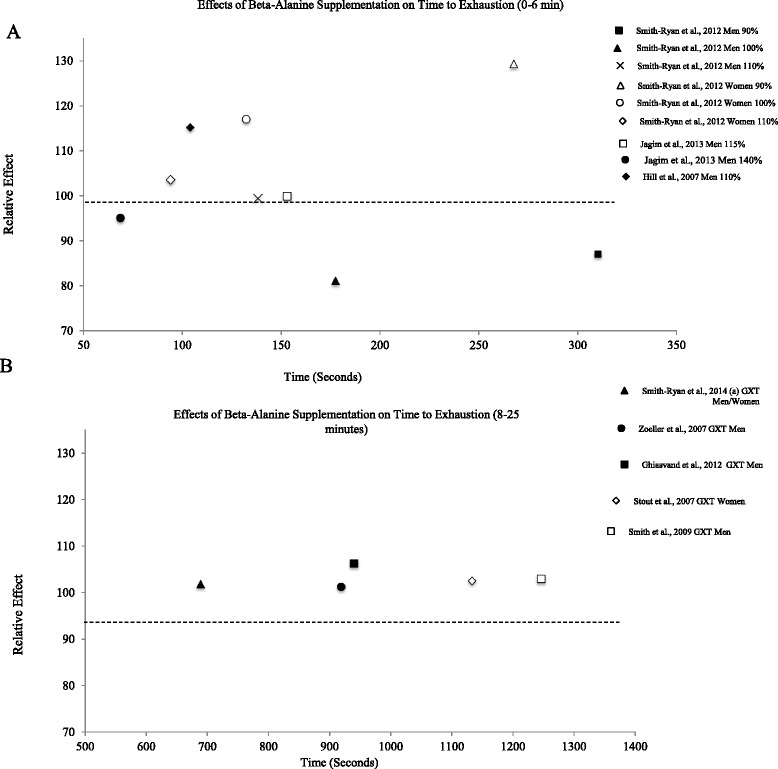
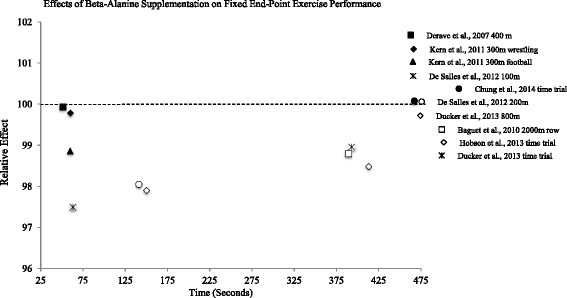
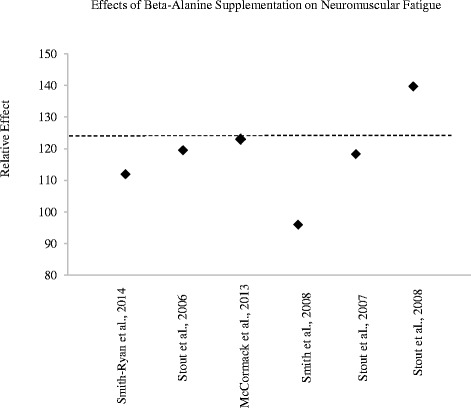
“To graphically depict the RE of beta-alanine in in comparison to placebo, RE was calculated using the following equation [48, 49]:”
MethodAbe, H. (2000) · PubMed · Cited by 353
Derave, W., Özdemir, M. S., Harris, R. C., Pottier, A., Reyngoudt, H., Koppo, K., Wise, J. A., & Achten, E. (2007) · Journal of Applied Physiology · doi:10.1152/japplphysiol.00397.2007 · Cited by 324 · cited 4×
“[6] versus their untrained counterparts, beta-alanine supplementation has also been shown to increase muscle carnosine in both trained [20] and untrained”
BackgroundInfluentialEffect of creatine supplementation on body composition and performance: a meta-analysis
Branch, J. D. (2003) · International Journal of Sport Nutrition and Exercise Metabolism · doi:10.1123/ijsnem.13.2.198 · Cited by 309 · cited 1×
“Creatine supplementation has been consistently shown to improve high-intensity exercise performance, primarily by increasing phosphorylcreatine and adenosine triphosphate (ATP) availability [88].”
Background
Research works printed but not linked: 1
- Harris RC Jones GA Kim HJ Kim CK Price KA Wise JA Changes in muscle carnosine of subjects with 4 weeks of supplementation with a controlled relase formulation of beta-alanine (CarnoSyn), and for 6 weeks post (Abstract) FASEB J 2009 23 599.4
Cited by
Items 201–300 of 313
Beta-Alanine Supplementation for CrossFit® Performance
Verity, H., Candow, D. G., & Chilibeck, P. D. (2024) · Nutraceuticals · doi:10.3390/nutraceuticals4040037 · Cited by 2
Chen, P., Liao, Z., He, J., Gu, Z., Wang, C., Fan, M., Buttino, I., Guo, B., Yan, X., & Zhang, X. (2021) · Journal of Oceanology and Limnology · doi:10.1007/s00343-021-1078-x · Cited by 2
“Its effi cacy has been summarized in a number of recent reviews (Trexler et al., 2015; Saunders et al., 2017), and recent research has reported the potential function of β-alanine supplementation in nervous system protection as well (Hoff man et al., 2019).”
BackgroundMajor clinical findings of β-alanine in sports performance: a systematic review
Woitas, L. R., & Ribas, J. W. (2022) · International Journal of Nutrology · doi:10.54448/ijn22205 · Cited by 2
Silva, I. R., de Almeida, S. G., & Faccin, T. D. A. O. (2022) · E-Acadêmica · doi:10.52076/eacad-v3i2.166 · Cited by 5
The Popular Ergogenic Substances in Sport and Physical Activity
Świtała, K. (2023) · Central European Journal of Sport Sciences and Medicine · doi:10.18276/cej.2023.1-07 · Cited by 4
“However, studies demonstrate this might be attenuated by using divided lower doses (1.6 g) or using a sustained-release formula (Trexler et al., 2015).”
InfluentialAnderson, M., Lusczek, B., Murray, K., Lassen, J. F., Ikramuddin, S., & Iles, T. L. (2023) · Lecture notes in networks and systems · doi:10.1007/978-3-031-47451-4_11 · Cited by 1
The effect of amino acids on the bladder cycle: a concise review
Çakıcı, Ö. U., & Dinçer, S. (2021) · Amino Acids · doi:10.1007/s00726-021-03113-5 · Cited by 1
Nutrition Supplements in Sports
Moura, F., Duarte, F. G., de Oliveira, R. S., Zagury, R., & Galeno, Y. (2022) · Springer eBooks · doi:10.1007/978-3-030-90684-9_46 · Cited by 2
Shigemura, Y., Iwasaki, Y., Hosokawa, M., Arai, Y., Seko, T., Sawada, R., Kawabata, Y., & Ishihara, K. (2024) · Journal of Functional Foods · doi:10.1016/j.jff.2024.106521 · Cited by 1
A Comprehensive Study on the Amino Acids and Tryptophan-Derived Molecules in Iberian Wine Vinegar
Marques, C., Correia, E., Aires, A., Dinis, L., & Vilela, A. (2024) · Foods · doi:10.3390/foods13213384 · Cited by 1
“They also directly impact the central nervous system and muscle energy supply [8].”
BackgroundMethodInfluentialβ-alanine: A Comprehensive Review of Athletic and Systemic Benefits
Stanibuła, D., Redner, A., Rybowski, J., Popiel, M., Smala, K., Dziekoński, K., Zwierzchlewska, P., Głowacz, J., Kulig, K., & Wiśniowski, M. (2025) · Quality in Sport · doi:10.12775/qs.2025.40.59882 · Cited by 3
Korchowiec, M., Bialic, Ł., Mądrzak, L., Krzyżanowska, K., Chrzanowski, W., Kwiecińska, J., Hryniuk, W., Sitkiewicz, J., Toczyłowska, A., & Muras, M. (2025) · International Journal of Innovative Technologies in Social Science · doi:10.31435/ijitss.3(47).2025.3442 · Cited by 1
Beaven, C. M., James, C., McMaster, D. T., & Brockelbank, N. (2025) · Journal of the International Society of Sports Nutrition · doi:10.1080/15502783.2025.2550311 · Cited by 2
“However, since β-alanine supplementation has a loading period of at least 2–4 weeks [12], a more efficient method to increase muscle carnosine concentrations is desirable.”
Miraftabi, H., Berjisian, E., Dizicheh, M. N., Naderi, A., Bodaghi, M., Koozehchian, M., Shabkhiz, F., & López‐Samanes, Á. (2025) · Journal of the International Society of Sports Nutrition · doi:10.1080/15502783.2025.2564245 · Cited by 2
“However, outcomes can vary depending on the dose, supplementation duration, and type of exercise [40].”
Meat in the diet of athletes and active adults
Egan, B. (2025) · Meat Science · doi:10.1016/j.meatsci.2025.110005 · Cited by 1
Fu, D., Mao, K., Zang, Y., Qu, M., Qiu, Q., Zhao, X., Ouyang, K., & Li, Y. (2025) · Animals · doi:10.3390/ani16010043 · Cited by 1
“Additionally, β -Ala can increase the content of carnosine in muscles, thereby enhancing the body’s antioxidant capacity and having a certain degree of safety [15].”
Zhao, B., & Zhai, H. (2026) · Frontiers in Physiology · doi:10.3389/fphys.2026.1763606 · Cited by 1
Liang, W., Kong, D., Wang, Y., Yu, T., Chen, M., & Huang, W. (2026) · Frontiers in Nutrition · doi:10.3389/fnut.2026.1818755 · Cited by 4
“…administered dose, supplementation duration, or training status— consistent with the broader β -alanine literature showing that ergogenicity is strongly contingent on task duration and the dominant fatigue mechanism, rather than dosing alone once carnosine is meaningfully elevated (8, 10, 32).”
InfluentialTargeted metabolomics of organic and amino acids in giraffe milk during mid- to late-lactation
Osthoff, G., Mason, S., Davoren, E., & Deacon, F. (2026) · Metabolomics · doi:10.1007/s11306-026-02455-z · Cited by 1
“Anserine and carnosine act as antioxidants and pH buffers (preventing acidosis) (Kohen et al., 1988; Suzuki et al., 2006), with β-alanine being the rate-limiting precursor of the synthesis (Trexler et al., 2015).”
Li, X., Li, H., Yao, S., Hou, Y., & Chi, A. (2026) · Nutrients · doi:10.3390/nu18121915 · Cited by 2
Rennie, J. (2026) · The International Sports Law Journal · doi:10.1007/s40318-026-00348-w · Cited by 1
Fat-Free Mass Accretion: Limits, Targets, and Best Practices
Trexler, E. T., Jagim, A. R., Torres, M., Potter, N. D., Ketterly, J., Kerkow-Provo, Z., & Lane, M. T. (2026) · Strength and conditioning journal · doi:10.1519/ssc.0000000000000986 · Cited by 1
Self-citationStout, J. R., Housh, T. J., & Bergstrom, H. C. (2026) · Journal of the International Society of Sports Nutrition · doi:10.1080/15502783.2026.2711031 · Cited by 2
“For beta-alanine, trials should document baseline and post-supplementation muscle carnosine when feasible, total dose, duration, adherence, and whether performance changes align with pH and phosphate-speciation kinetics [50,53].”
InfluentialSelf-citationMănescu, D. C., Cerullo, G., Petri, C., Petcu, C., Bidiugan, R., Voinea, A., Bidiugan, S., IACOBINI, A. R., Dragomir, A., Gavrila, A. A., et al. (2026) · Nutrients · doi:10.3390/nu18152523 · Cited by 2
“…and relevant symptoms [111,113–115 Mechanistic research should move beyond isolated markers and test interacting networks involving AMPK, mTOR, PGC-1alpha, SIRT1, NAD+-related metabolism, inflammation resolution, redox signaling, collagen turnover, and immune-endocrine regulation [125–128].”
Jaques, M., Glick, D., Greco-Henderson, D., & Ives, S. J. (2019) · Journal of Exercise and Nutrition · Cited by 4
da Silva, W. F. M., Andrade, A. B. D. O., Maynard, D. D. C., & Cruz, M. F. D. A. (2022) · Research Society and Development · doi:10.33448/rsd-v11i9.31706 · Cited by 2
Ignatova, T. A., Podkorytova, A. V., & Berezina, M. O. (2023) · Food Industry · doi:10.29141/2500-1922-2023-8-3-14 · Cited by 2
A Comprehensive Review of the Safety of Dietary Supplements Used to Enhance Athletic Performance
Banerjee, S., Reyed, R. M., Sharma, U., & Srivastava, S. (2024) · Advances in medical diagnosis, treatment, and care (AMDTC) book series · doi:10.4018/979-8-3693-6317-1.ch001 · Cited by 1
Cucui-Cozma, A. S., Dehelean, L., Bredicean, A. C., Papavă, I., Deverdics, I. E., Dăescu, A.-M. C., & Negrea, C. (2024) · Behavioral Sciences · doi:10.3390/bs14121131 · Cited by 2
“Nitric oxide has been suggested to enhance physical performance through its vasodilatory properties, thereby increasing blood flow to skeletal muscles, which, in turn, enhances nutrient delivery and the removal of metabolic waste products resulting from physical exertion [6].”
Mendes, M. P., Marinho, A. H., Moura, F. A., Bádue, G. S., Ferreira, G. A., de Araújo, G. G., Lima‐Silva, A. E., & Ataide‐Silva, T. (2025) · Brazilian Journal of Medical and Biological Research · doi:10.1590/1414-431x2024e14189 · Cited by 1
Perić, L., Drenjančević, I., Jukić, I., Boris, A., Šušnjara, P., Kolobarić, N., Mihaljević, Z., Kralik, Z., Kralik, G., Košević, M., et al. (2025) · Applied Physiology Nutrition and Metabolism · doi:10.1139/apnm-2024-0458 · Cited by 1
Roozbeh, F., Nazarali, P., & Kazemi, F. (2024) · Journal of Health and Hygiene · doi:10.61186/j.health.15.3.314 · Cited by 1
Amorim, S., Gomes, H., & Teixeira, V. H. (2017) · Springer eBooks · doi:10.1007/978-3-662-53924-8_53 · Cited by 1
Ergogenic Effects of ß-Alanine Supplementation on Sports
Başoğlu, İ. A., & Güneş, F. E. (2018) · Turkiye Klinikleri Journal of Sports Sciences · doi:10.5336/sportsci.2017-56389 · Cited by 7
Wang, R. (2017) · STARS (University of Central Florida) · Cited by 1
Multi-Ingredient Pre-Workout Supplements and Energy Drinks
Bhasin, T. K. (2020) · IP Journal of Nutrition Metabolism and Health Science · doi:10.18231/j.ijnmhs.2019.006 · Cited by 1
NUTRITION ERGOGENIC SUPPLEMENTS REGULATE BLOOD PH. - AN UPDATE
Tambalis, K. D., & Arnaoutis, G. (2022) · European Journal of Fitness Nutrition and Sport Medicine Studies · doi:10.46827/ejfnsm.v3i1.113 · Cited by 2
“The above is not the optimal dose for charging or maintaining muscle carnosine (Trexler et al., 2015).”
BackgroundResultInfluentialSchubert, M. M., & Broom, D. R. (2020) · Springer eBooks · doi:10.1007/978-3-030-14504-0_121 · Cited by 1
KOFEINA I INNE SUBSTANCJE AKTYWNE FARMAKOLOGICZNIE ZAWARTE W ZIARNACH KAWOWCA
Grodzka, A., Kużaj, W., Zielińska–Pisklak, M., Szeleszczuk, Ł., & Sobczak, M. (2021) · Prospects in Pharmaceutical Sciences · doi:10.56782/pps.11 · Cited by 3
Witkoś, J., & Hartman‐Petrycka, M. (2022) · Central European Journal of Sport Sciences and Medicine · doi:10.18276/cej.2022.3-03 · Cited by 3
Optimizing Nutrition for Endurance Training
Buell, J. L. (2016) · Springer eBooks · doi:10.1007/978-3-319-32982-6_19
Ayudas ergogénicas en la prevención de pérdida de masa muscular en el deporte
Baeza, S. M. (2016) · University of Valladolid Documentary Repository (University of Valladolid)
Production and Evaluation of a Novel High-protein Product
Culler, M. D. (2015)
Nutrition and Boxing Performance: Systematic Review
Martínez‐Rodríguez, A., Cumbicus-Jiménez, Y., Cuestas-Calero, B. J., & Leyva-Vela, B. (2017) · Nutrition Today · doi:10.1097/nt.0000000000000245 · Cited by 1
“However, a recently published meta-analysis did not report any positive results using similar physical exercise tasks.(41) Further studies are necessary on the effects, if any, that A-alanine may have on the athletes.”
BackgroundResultNutrition for Strength Adaptations
Zbinden‐Foncea, H., Avey, A. M., & Baar, K. (2018) · Elsevier eBooks · doi:10.1016/b978-0-12-813922-6.00029-1
Chapter 25: Sports Nutrition and Performance-Enhancing Nutrients and Supplements
Newnham, M. (2017) · The American Pharmacists Association eBooks · doi:10.21019/9781582122656.ch25
Burgess, V., Bommarito, P., & António, J. (2019) · Internet Journal of Allied Health Sciences and Practice · doi:10.46743/1540-580x/2019.1763 · Cited by 1
Schubert, M. M., & Broom, D. R. (2019) · Springer eBooks · doi:10.1007/978-3-319-75388-1_121-1
Brown, A. (2020) · Medicine & Science in Sports & Exercise · doi:10.1249/01.mss.0000686732.53872.3a
“Participants were excluded from the study if they had consumed creatine, beta alanine, or citrulline malate within six months prior to the intervention (Crisafulli et al., 2018; Pérez-Guisado & Jakeman, 2010; Trexler et al., 2015).”
Franco, G. S. (2020) · Digital Library of Theses and Dissertations (Universidade de São Paulo) · doi:10.11606/t.17.2020.tde-23082020-135132
Carnosine and β-alanine in aging. Their impact on skeletal muscle and neurodegenerative disorders
Študent, V., Vostálová, J., Vidlář, A., Jarošová, A., & Šimánek, V. (2021) · Medicína pro praxi · doi:10.36290/med.2020.061
“Vliv karnozinu a ß-alaninu na fyzickou aktivitu stárnoucího člověka Podrobné znalosti funkce karnozinu v bílých svalových vláknech kosterního svalstva a roli ß-ala v de novo syntéze karnozinu ve svalových fibroblastech vyvolaly zájem odborníků ze sportovního lékařství o aplikaci obou sloučenin ve vrcholovém sportu (6,…”
Sports nutrition: A perspective
Venkatap, P. K. (2019) · Journal of Nutrition & Food Sciences
Suszter, L., Szakály, Z., Ihász, F., Nagy, D., Alföldi, Z., Bálint, M. V., & Mák, E. (2021) · Developments in Health Sciences · doi:10.1556/2066.2020.00014 · Cited by 3
“Due to their structure, at physiological pH, nitrogen atoms located on the imidazole ring are capable of immediate proton binding [5].”
BackgroundVEGAN SPORCULARDA BESLENME VE SPORTİF PERFORMANS
İPEKÇİ, D., & Toktaş, N. (2021) · Ankara Üniversitesi Beden Eğitimi ve Spor Yüksekokulu SPORMETRE Beden Eğitimi ve Spor Bilimleri Dergisi · doi:10.33689/spormetre.931483 · Cited by 3
β–alanine: performance effects, usage and side effects
Kelly, V. G. (2017) · The University of Queensland · doi:10.14264/uql.2017.370 · Cited by 2
Chapter 25: Sports Nutrition and Performance-Enhancing Nutrients and Supplements
Newnham, M. (2020) · The American Pharmacists Association eBooks · doi:10.21019/9781582123172.ch25
Efeitos da suplementação de teacrina sobre o desempenho motor e sistema IGF de atletas amadores
Cerqueira, H. S. C. (2022) · Digital Library of Theses and Dissertations (Universidade de São Paulo) · doi:10.11606/t.17.2022.tde-08082022-090706
Futbolda Kullanılan Ergojenik Destekler ve Performans Üzerindeki Etkileri
Kenger, E. B., BAYAR, D., ARSLAN, E., & Karahan, T. Ö. (2022) · International Journal of Sport Exercise & Training Sciences · doi:10.18826/useeabd.1104040
Mahmoudinezhad, M., Zarezadeh, M., Tabrizi, F. P. F., Jamilian, P., Jamilian, P., & Ostadrahimi, A. (2022) · Pharmaceutical Sciences · doi:10.34172/ps.2022.40
“It is found in animal foods such as beef, poultry and fish in a large amount.(6) Also, degradation of pyrimidine in thymine, cytosine and uracil results in endogenous synthesis of BA and its transport to skeletal muscle is dependent on sodium and chloride.”
BackgroundA nutritional intervention for moderate altitude endurance preparation: A case report
Guerrero-Pinzón, J. J., Alcántara, J. M. A., García-Buendia, G., Mochón-Benguigui, S., Ramírez‐Maldonado, M., Ruiz, J. R., & Jurado‐Fasoli, L. (2022) · Journal of the International Society of Sports Nutrition · doi:10.1080/15502783.2022.2140596 · Cited by 1
Sports nutrition supplements: Current dental perspective
Alva, M. A. C., Cepeda, S. E. N., Longoria, J. A. G., Silva, J. Y. G., Quintana, G. M., Bernal, M. D. L. A. M., Izaguirre, F. P., & Soto, J. M. S. (2023) · International Journal of Applied Dental Sciences · doi:10.22271/oral.2023.v9.i1c.1679 · Cited by 1
Exercise and sports performance
Zinn, C., Harvey, C., Noakes, T. D., Smith, J. A. H., Webster, C. C., & Sáenz, C. (2023) · Elsevier eBooks · doi:10.1016/b978-0-12-821617-0.00013-9
Papel da carnosina na progressão do diabetes: um estudo com ratos knockout Carns1-/-
Martins, C. E. C. (2023) · Digital Library of Theses and Dissertations (Universidade de São Paulo) · doi:10.11606/t.5.2023.tde-16112023-174820 · Cited by 1
Qanbar, Y. R., Talebi-Garakani, E., & Safarzade, A. (2024) · Annals of Military and Health Sciences Research · doi:10.5812/amh-143275
António, J., Rojas, J., Curtis, J., Evans, C., & Pereira, F. (2024) · Research Directs in Health Sciences · doi:10.53520/rdhs2024.104115 · Cited by 1
“It has also been shown to reduce neuromuscular fatigue in cyclists 39,41 .”
BackgroundSports Nutrition and Performance-Enhancing Nutrients and Supplements
Newnham, M. (2024) · The American Pharmacists Association eBooks · doi:10.21019/aphaotc-nutrition.sports-nutrition
The Effectiveness of Education on Tobacco Health Literacy among Pregnant Women
Karimiankakolaki, Z., & Samani, N. B. (2024) · Journal of Health and Hygiene · doi:10.61186/j.health.15.3.293
SPORCU PERFORMANSINI ARTIRAN GÜNCEL BESİN TAKVİYELERİ
Bor, H. (2025) · Ankara Üniversitesi Beden Eğitimi ve Spor Yüksekokulu SPORMETRE Beden Eğitimi ve Spor Bilimleri Dergisi · doi:10.33689/spormetre.1535816 · Cited by 1
“Ayrıca beta alanin takviyesinin özellikle 1 ila 4 dakika süren yüksek yoğunluklu aktivitelerde egzersiz performansını artırmasındaki temel mekanizmanın karnozinin bu tamponlama özelliği olduğu değerlendirilmektedir (Trexler et al., 2015).”
InfluentialGhazvini, N., Farhad, R., Gholizadeh, M., & Zarei, S. (2025) · Research Square · doi:10.21203/rs.3.rs-6438506/v1
Analysis of Nutritional Supplements Use in Turkish Elite SkiersPreprint
Günalan, E., Sánchez-Oliver, A. J., Turhan, S., Altınok, Ö., Çavak, B. Y., & Cebioğlu, İ. K. (2025) · Research Square · doi:10.21203/rs.3.rs-6251321/v1
Efeito de 5 semanas da suplementação de beta-alanina em nadadores
Falcão, L. E. M., Pinto, R. D. S., Oliveira, F. S., Ilha, A. O. G., Cruz, M. F. D. A., Medeiros, T. S., & Mendonça, B. C. D. A. (2023) · Scire Salutis · doi:10.6008/cbpc2236-9600.2023.001.0006
Top 5 Dietary Supplements for Bodybuilders
Haubenstricker, J. E., & Roberts, B. M. (2025) · Strength and conditioning journal · doi:10.1519/ssc.0000000000000925
Harnish, C., Holman, M. E., & Bruneau, M. L. (2025) · Physiologia · doi:10.3390/physiologia5030035
“To date, however, the preponderance of the evidence has been with ingested BC and BA; nevertheless, topical lotions have also been developed and marketed to athletes for at least a decade and claim similar benefits without commonly reported side effects of either buffer type [18,25].”
InfluentialTargeted metabolomic and nutritional analyses of a variety of protein-rich whole-food sourcesPreprint
Haigh, F. A. D., Salmon, D., Theobald, H. E., Finnigan, T. J. A., Stephens, F. B., & Wall, B. T. (2025) · Research Square · doi:10.21203/rs.3.rs-7694307/v1
Möck, S., Skutschik, C., Vennen, B., Żywiołek, E., & Behringer, M. (2025) · German Journal of Sports Medicine · doi:10.5960/dzsm.2025.639
Connors, B. R., Camic, C. L., Jagim, A. R., Hill, C. M., Sebastião, É., Chomentowski, P. J., Kowal, R. A., & de Leon, M. F. (2025) · Sports · doi:10.3390/sports13110404
“To our knowledge, however, no studies have examined acute β -alanine supplementation on muscular performance due to these well-established chronic loading requirements [13].”
InfluentialDurkalec-Michalski, K., Kusy, K., Główka, N., & Zieliński, J. (2021) · Figshare · doi:10.6084/m9.figshare.14782767
Micronutrients in Sports Supplements: Biochemical Functions and Health Impacts
Jadeja, H., Patel, M., & Patel, B. M. (2026) · Advances in biochemistry in health and disease · doi:10.1007/978-3-032-14441-6_1
Antoniou, K., Antoniou, S., Georgiou, G. D., Zare, R., Bidgoli, R. R., Heinrich, K. M., & Christodoulides, E. (2026) · Nutrire · doi:10.1186/s41110-025-00414-7
“Exclusion criteria included cardiovas - cular, respiratory or metabolic disease; smoking; musculo-skeletal injury within 6 months; and use of taurine, creatine (past 3 months) [20, 21 ], β-alanine or GABA (past 6 months) [22, 23], or anabolic steroids.”
Can pre-workout supplements benefit your workouts?
Roberts, J., Lillis, J. B., & Naclerio, F. (2026) · The Conversation · doi:10.64628/ab.udjccgfre
Mangine, G. T., King, W. W., Henley, J. W., Hines, A., McGeehan, K. C., Fanno, J. D., Esmat, T. A., McLester, J. R., & Grazer, J. L. (2026) · Frontiers in Nutrition · doi:10.3389/fnut.2026.1741204
“The present MIPS formulation was selected because it includes ingredients known to enhance energy mobilization and delivery (1, 5–7, 44, 45) and mitigate fatigue associated with metabolic byproducts (e.g., hydrogen ions) (6, 7).”
InfluentialNapierała, M., Zimnoch-Włodarczyk, A., Łapiński, M., Zinko, O., Ciecierska, K., Wasilkowska, K., & Łatkowska, S. (2026) · International Journal of Innovative Technologies in Social Science · doi:10.31435/ijitss.1(49).2026.4922
Thakur, U., Figgett, W. A., Deliyanti, D., Hawson, J. J., Anderson, R., Chieng, D., Kummerfeld, S., Kistler, P. M., McLellan, A. J. A., Lee, G., et al. (2026) · Heart Rhythm O2 · doi:10.1016/j.hroo.2026.03.009
“20,21 Figure 3 Trimethylamine-N -oxide (TMAO) levels were not significantly different between the persistent atrial fibrillation (PeAF), paroxysmal atrial fibrillation (PAF), and control groups.”
Revisiting old drugs and drug combinations for polycythemia vera and related neoplasms
Mergen, G., & Hasselbalch, H. C. (2026) · Frontiers in Hematology · doi:10.3389/frhem.2026.1749376 · Cited by 2
Schubert, M. M., & Broom, D. R. (2026) · Springer eBooks · doi:10.1007/978-3-032-03228-7_121
Homaei, S. C., Mahootchi, E., Srivastava, A., Gomladu, M. S., Krokengen, O. C., Baumann, A., & Haavik, J. (2026) · Molecular Metabolism · doi:10.1016/j.molmet.2026.102383 · Cited by 1
“During high-intensity exercise, skeletal muscle adapts by shifting energy metabolism towards anaerobic glycolysis, and elevated carnosine levels help buffer intracellular pH, thereby improving athletic performance [9,17].”
Tissue-dependent enzymatic control of N-acetyl-β-alanine by PTER
Li, R., Fu, S., Lyu, Z., Wang, B., Hassman, R., Shuster, J. T., Kizzar, T., Simcox, J., & Wei, W. (2026) · Journal of Biological Chemistry · doi:10.1016/j.jbc.2026.113191 · Cited by 2
“Genetic perturbations affecting β -alanine abundance, as well as nutritional β -alanine supplementation, have been linked to changes in mitochondrial redox balance (7), muscle performance (8), exercise capacity (9, 10), and whole-body energy homeostasis (5, 11).”
Gopi, S., Amalraj, A., Paul, B., Kuppadakath, S. A., Tan, D., & Ramanathan, G. (2026) · Food Hydrocolloids for Health · doi:10.1016/j.fhfh.2026.100294
Gao, H., Yu, X., & 郭志勇 (2026) · Journal of the International Society of Sports Nutrition · doi:10.1080/15502783.2026.2679050 · Cited by 1
“The daily dose was administered as six equal 0.8 g servings ingested at 2-h intervals, consistent with the protocol described by Trexler et al. [15].”
InfluentialYu, J., Ma, P., Zhang, J., Zhang, H., Tie, H., & Ruan, H. (2026) · Biology · doi:10.3390/biology15110885
“Until now, beta-alanine has been reported to be widely utilized in pharmaceuticals [4,5], nutraceuticals [6], functional foods [7], and cosmetic products [8].”
Hayakawa, K., MITSUYAMA, K., & Abe, T. (2026) · Frontiers in Sports and Active Living · doi:10.3389/fspor.2026.1808743 · Cited by 1
Gu, J., Wei, Y., Huang, J., Bu, Y., & Xie, S. (2026) · Frontiers in Nutrition · doi:10.3389/fnut.2026.1857513 · Cited by 1
“…performance and related physiological outcomes in women: a systematic review and meta-analysis 1 Introduction Beta-alanine is one of the most widely used dietary supplements in sports nutrition and has attracted sustained research interest because of its potential ergogenic properties (1, 2).”
Chmura, P., Nassis, G. P., Castagna, C., Mohr, M., Carling, C., Randers, M. B., Wei, X., Fahrenholtz, I. L., Oliva‐Lozano, J. M., Webb, J., et al. (2026) · Football Studies · doi:10.1016/j.footst.2026.100059
Wang, R., Guo, Y., Li, J. R., Peng, T., & Wang, X. (2026) · Molecular Neurobiology · doi:10.1007/s12035-026-05985-8
“…the supplementation of BA has been shown to significantly enhance intramuscular carnosine concentrations, existing literature indicates that it does not uniformly augment carnosine levels within the cerebral context, presumably due to the restrictions imposed by the blood–brain barrier [42, 43].”
Muñoz-Carrillo, J. C., Pérez-Piñero, S., López-Román, F. J., Luque-Rubia, A. J., & Ávila-Gandía, V. (2026) · Sports · doi:10.3390/sports14060252
“…observed between changes in mechanical work and bicarbonate concentration, whereas no such relationship was found with pH. Notably, these patterns were not evident in either the larger-dose condition (BA-20g) or the placebo group, suggesting a dose-specific and potentially non-linear response [7].”
Dietary and nutritional supplementation strategies for table tennis athletes: a mini-review
Wang, Z., Shen, L., & Gao, S. (2026) · Frontiers in Nutrition · doi:10.3389/fnut.2026.1849900
“In this regard, typical beta-alanine supplementation regimens involve the division of the total daily dose (usually 6–7 grams) into smaller doses (typically 1.4–1.6 grams per dose) to mitigate the sensory abnormalities associated with beta-alanine use (57, 59).”
InfluentialEffects of Supplementation in Masters Athletes and Older Adults: A Narrative Review
Nguyen, C., Allen, M. R., Hornburg, K., & Fredericson, M. (2026) · Current Sports Medicine Reports · doi:10.1249/jsr.0000000000001353
Arkuszyński, T., Stępiński, M., Balicki, M., Palus, A., Kamyszek, F., Pawlak, K., Dobrowolska, J., Kaczmarczyk, P., Krężołek, M., & Zynek, O. (2026) · International Journal of Innovative Technologies in Social Science · doi:10.31435/ijitss.2(50).2026.5709
Heaselgrave, S. R., Deng, M., Lavery, G. G., & Doig, C. L. (2026) · Amino Acids · doi:10.1007/s00726-026-03536-y
“Safe for oral supplementation and bioavail-able within mammals (de Jager et al. 2023 ; Trexler et al. 2015 ), BA is known to be resistant to CN1 hydrolysis and has increased bioavailability in humans in comparison to carnosine (de Jager et al. 2023 ).”
InfluentialUçar, H., Ozan, M., Buzdağlı, Y., & İnaç, M. R. (2026) · Türkiye Spor Bilimleri Dergisi · doi:10.32706/tusbid.1926354 · Cited by 1
Metadata
- Authors
- Trexler, E. T., Smith-Ryan, A. E., Stout, J. R., Hoffman, J. R., Wilborn, C. D., Sale, C., Kreider, R. B., Jäger, R., Earnest, C. P., Bannock, L., Campbell, B., Kalman, D., Ziegenfuss, T. N., & Antonio, J.
- Affiliations
- University of North Carolina at Chapel Hill (US)
- Applied Physiology Laboratory, Department of Exercise and Sport ScienceUniversity of North Carolina Chapel Hill NC USA
- University of Central Florida (US)
- University of Mary Hardin–Baylor (US)
- Nottingham Trent University (GB)
- Texas A&M University (US)
- Increnovo LLC (United States) (US)
- Guru Performance (United Kingdom) (GB)
- University of South Florida (US)
- Department of Nutrition & EndocrinologyMiami Research Associates, QPS-MRA Miami FL USA
- The Center for Applied Health Sciences 4302 Allen Rd STE 120 Stow OH USA
- Exercise and Sports ScienceNova Southeastern University Davie FL USA
- ORCID
- Venue
- Journal of the International Society of Sports Nutrition
- Publisher
- Informa UK Limited
- Published
- 2015-10-20
- Volume
- 12
- Issue
- 1
- Pages
- 30-30
- ISSN
- 1550-2783 (ISSN-L)
- PMC
- PMC4501114
- OpenAlex
- W1915320120
- Cited by
- 315
- References
- 115
- Citations by year
- 2026: 49 · 2025: 32 · 2024: 34 · 2023: 33 · 2022: 43 · 2021: 24 · 2020: 24 · 2019: 25 · 2018: 18 · 2017: 18 · 2016: 10 · 2015: 4
- FWCI
- 2.04
- Type
- journal article
- Language
- en
- Open access
- gold
- doi.org
- Licence
- Locations
- Journal of the International Society of Sports Nutrition (publishedVersion, cc-by)
- Europe PMC (PubMed Central) (publishedVersion, cc-by)
- PubMed Central (publishedVersion, cc-by)
- PubMed (publishedVersion)
- Nottingham Trent University's Institutional Repository (Nottingham Trent Repository) (acceptedVersion)
- Carolina Digital Repository (University of North Carolina at Chapel Hill) (submittedVersion)
- Journal of International Crisis and Risk Communication Research (submittedVersion)
- OakTrust (Texas A&M University Libraries) (submittedVersion)
- UNC Libraries
- Topics
- Health Sciences › Medicine › Physiology (medical) › Biochemical effects in animals
- Health Sciences › Nursing › Nutrition and Dietetics › Muscle metabolism and nutrition
- Health Sciences › Medicine › Orthopedics and Sports Medicine › Sports Performance and Training
- Keywords
- beta-alanine, carnosine, muscle carnosine, exercise performance, neuromuscular fatigue, paresthesia, supplement safety, sustained-release formulation, older adults, tactical performance, endurance performance
- MeSH terms
- Carnosine, Dose-Response Relationship, Drug, Fatigue, Humans, Hydrogen-Ion Concentration, Neuromuscular Agents, beta-Alanine, Exercise, Muscle, Skeletal, Toxicity Tests, Dietary Supplements, Sports Nutritional Physiological Phenomena, Recommended Dietary Allowances
About these checks
Registry, retraction, Cites and statistics results are computed, not judged, with one exception: a printed reference that no index lists is read once by a model before it counts as a citation error. Claims are extracted by a model and kept only when their quote appears verbatim in the text; each cited source is then checked, with a model’s help, for whether it says what the claim relies on. Those verdicts can be wrong — read the claim’s quote and the cited source before relying on one.
Statistics and arithmetic are recomputed, not judged.
Confidence bands are shown only for fields calibrated on our annotated test set. None is calibrated yet, so no band is shown.
What counts as a claim ›How we measure confidence ›How we check this ›
Are you an author, or do you see a problem with this page? Request a review
Data sources
Bibliographic data: Semantic Scholar, OpenAlex, Crossref.
Contains information from the Semantic Scholar Academic Graph Datasets, made available under the ODC Attribution License (ODC-BY 1.0).
Semantic Scholar’s data is described in: Kinney, R., et al. (2023). The Semantic Scholar Open Data Platform. arXiv:2301.10140.
