

International society of sports nutrition position stand: Beta-Alanine
Open accessThe DOI matches its Crossref record; 115 of the 115 references it cites were found in a registry or an index.
Abstract
The International Society of Sports Nutrition (ISSN) provides an objective and critical review of the mechanisms and use of beta-alanine supplementation. Based on the current available literature, the conclusions of the ISSN are as follows: 1) Four weeks of beta-alanine supplementation (4-6 g daily) significantly augments muscle carnosine concentrations, thereby acting as an intracellular pH buffer; 2) Beta-alanine supplementation currently appears to be safe in healthy populations at recommended doses; 3) The only reported side effect is paraesthesia (tingling), but studies indicate this can be attenuated by using divided lower doses (1.6 g) or using a sustained-release formula; 4) Daily supplementation with 4 to 6 g of beta-alanine for at least 2 to 4 weeks has been shown to improve exercise performance, with more pronounced effects in open end-point tasks/time trials lasting 1 to 4 min in duration; 5) Beta-alanine attenuates neuromuscular fatigue, particularly in older subjects, and preliminary evidence indicates that beta-alanine may improve tactical performance; 6) Combining beta-alanine with other single or multi-ingredient supplements may be advantageous when supplementation of beta-alanine is high enough (4-6 g daily) and long enough (minimum 4 weeks); 7) More research is needed to determine the effects of beta-alanine on strength, endurance performance beyond 25 min in duration, and other health-related benefits associated with carnosine.
Overview
The claims and statistics of this paper haven’t been checked yet.
Free: it reads the open-access text and checks the first 5 claims that cite a source we can check. Create a free account to check every claim.
Integrity signals
Registry
Cites
Statistics
Figures
Verification
Claims the paper makes
The claims and statistics of this paper haven’t been checked yet.
Free: it reads the open-access text and checks the first 5 claims that cite a source we can check. Create a free account to check every claim.
Claims other papers make about this one
Each is checked against this paper’s own text: does it say what the citing paper says it does?
The cited source says what the claim attributes to it.
In the citing paper
“although the greatest performance benefits of ingredients such as beta-alanine and L-citrulline require habitual supplementation due to their primary mechanism(s) of action (e.g. augmenting carnosine [ 14 ] and endothelial nitric oxide bioavailability [ 15 , 16 ])”
The cited source says what the claim attributes to it.
In the citing paper
“the ISSN has published position statement on topics related to creatine [10], protein [11], beta-alanine [12], nutrient timing [13], caffeine [14], HMB [15], meal frequency [16], energy drinks [17], and diets and body composition [18].”
From ISSN exercise & sports nutrition review update: research & recommendations (2018) · cites this paper as [12]
The cited source says what the claim attributes to it.
In the citing paper
“According to the ISSN position statement, evaluating the existing body of ß-alanine research suggests improvements in exercise performance with more pronounced effects on activities lasting one to 4 min; improvements in neuromuscular fatigue, particularly in older subjects, and lastly; potential benefits in tactical personnel [12].”
From ISSN exercise & sports nutrition review update: research & recommendations (2018) · cites this paper as [12]
The cited source says what the claim attributes to it.
In the citing paper
“The ISSN highlights its benefit in anaerobic activities of 2–4 min, where acidosis is a limiting factor [104].”
From Use of Nutritional Strategies, Bioactive Compounds, and Dietary Supplements in Young Athletes: From Evidence to Potential Risks—A Narrative Review (2025) · cites this paper as [104]
In the citing paper
“It may be beneficial in elite young athletes under medical supervision, but paresthesia could negatively impact performance by causing discomfort [104].”
From Use of Nutritional Strategies, Bioactive Compounds, and Dietary Supplements in Young Athletes: From Evidence to Potential Risks—A Narrative Review (2025) · cites this paper as [104]
3 more claims about this paper
Create a free account to see every claim other papers make about this one.
Self-check
Percentages, sums and reported differences re-computed from the paper’s own numbers.
The self-check needs the paper’s full text.
Citations
Cites
(1992) · Applied Ergonomics · doi:10.1016/0003-6870(92)90318-p · Cited by 5,737
Exercise-Induced Oxidative Stress: Cellular Mechanisms and Impact on Muscle Force Production
Powers, S. K., & Jackson, M. J. (2008) · Physiological Reviews · doi:10.1152/physrev.00031.2007 · Cited by 2,459 · cited 1×
“Previous research has suggested that reactive oxygen species (ROS), which are produced at an elevated rate during exercise [33], may contribute to muscle fatigue and exercise-induced muscle damage under certain circumstances [34, 35].”
BackgroundPhysiology and Pathophysiology of Carnosine
Boldyrev, A. A., Aldini, G., & Derave, W. (2013) · Physiological Reviews · doi:10.1152/physrev.00039.2012 · Cited by 1,114 · cited 1×
“In humans, muscle carnosine contents generally range from 10 – 40 mmol/kg dry weight [5, 6, 12] with average values around 20–30 mmol/kg dry weight [5, 13–15], although these contents can be influenced by a number of factors.”
BackgroundAntioxidant activity of carnosine, homocarnosine, and anserine present in muscle and brain.
Kohen, R., Yamamoto, Y., Cundy, K. C., & Ames, B. N. (1988) · Proceedings of the National Academy of Sciences · doi:10.1073/pnas.85.9.3175 · Cited by 794 · cited 5×
“The combination of histidine-containing compounds, such as carnosine, at near physiological concentrations, have resulted in synergistic antioxidant activity [37].”
BackgroundInfluentialHarris, R. C., Tallon, M. J., Dunnett, M., Boobis, L., Coakley, J., Kim, H. J., Fallowfield, J. L., Hill, C. A., Sale, C., & Wise, J. A. (2006) · Amino Acids · doi:10.1007/s00726-006-0299-9 · Cited by 534 · cited 5×
“By itself, the ergogenic properties of beta-alanine are limited; however, beta-alanine has been identified as the rate-limiting precursor to carnosine synthesis [1, 2], and has been consistently shown to increase levels of carnosine in human skeletal muscle.”
BackgroundInfluentialSelf-citationHill, C. A., Harris, R. C., Kim, H. J., Harris, B. D., Sale, C., Boobis, L. H., Kim, C. K., & Wise, J. A. (2007) · Amino Acids · doi:10.1007/s00726-006-0364-4 · Cited by 445 · cited 3×
“Nonetheless, beta-alanine supplementation has been shown to increase muscle carnosine concentrations [1, 3] and attenuate exerciseinduced reductions in pH [32], supporting the concept that carnosine plays a significant role in buffering exercise-induced acidosis.”
BackgroundSelf-citationDoes Stretching Improve Performance?: A Systematic and Critical Review of the Literature
Shrier, I. (2004) · Clinical Journal of Sport Medicine · doi:10.1097/00042752-200409000-00004 · Cited by 402 · cited 1×
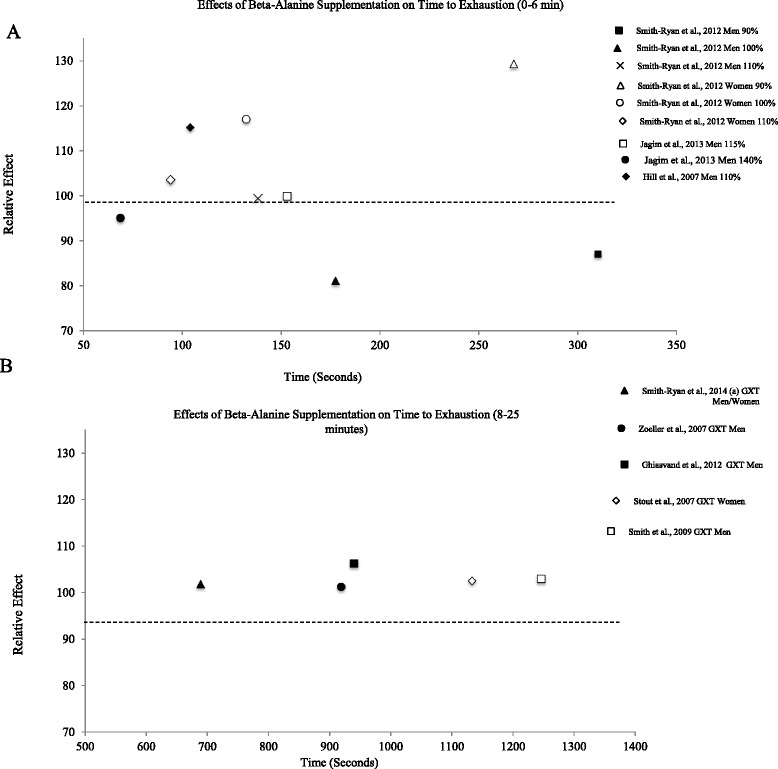
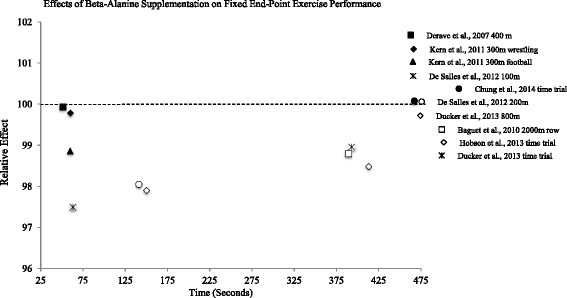
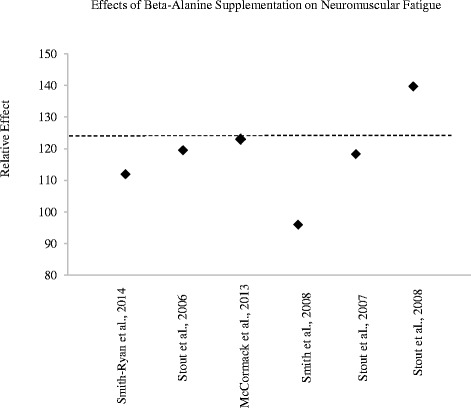
“To graphically depict the RE of beta-alanine in in comparison to placebo, RE was calculated using the following equation [48, 49]:”
MethodAbe, H. (2000) · PubMed · Cited by 353
Derave, W., Özdemir, M. S., Harris, R. C., Pottier, A., Reyngoudt, H., Koppo, K., Wise, J. A., & Achten, E. (2007) · Journal of Applied Physiology · doi:10.1152/japplphysiol.00397.2007 · Cited by 324 · cited 4×
“[6] versus their untrained counterparts, beta-alanine supplementation has also been shown to increase muscle carnosine in both trained [20] and untrained”
BackgroundInfluentialEffect of creatine supplementation on body composition and performance: a meta-analysis
Branch, J. D. (2003) · International Journal of Sport Nutrition and Exercise Metabolism · doi:10.1123/ijsnem.13.2.198 · Cited by 309 · cited 1×
“Creatine supplementation has been consistently shown to improve high-intensity exercise performance, primarily by increasing phosphorylcreatine and adenosine triphosphate (ATP) availability [88].”
Background
Research works printed but not linked: 1
- Harris RC Jones GA Kim HJ Kim CK Price KA Wise JA Changes in muscle carnosine of subjects with 4 weeks of supplementation with a controlled relase formulation of beta-alanine (CarnoSyn), and for 6 weeks post (Abstract) FASEB J 2009 23 599.4
Cited by
ISSN exercise & sports nutrition review update: research & recommendations
Kerksick, C. M., Wilborn, C. D., Roberts, M. D., Smith-Ryan, A., Kleiner, S. M., Jäger, R., Collins, R., Cooke, M., Davis, J. N., Galvan, E., et al. (2018) · Journal of the International Society of Sports Nutrition · doi:10.1186/s12970-018-0242-y · Cited by 945
“ß-alanine ß-alanine, a non-essential amino acid, has ergogenic potential based on its role in carnosine synthesis [12].”
BackgroundSelf-citationHistidine Metabolism and Function
Brosnan, M. E., & Brosnan, J. T. (2020) · The Journal of Nutrition · doi:10.1093/jn/nxaa079 · Cited by 326
“It has been reported that β-alanine supplements will increase carnosine in human muscle and improve exercise performance (38).”
BackgroundVegan diets: practical advice for athletes and exercisers
Rogerson, D. (2017) · Journal of the International Society of Sports Nutrition · doi:10.1186/s12970-017-0192-9 · Cited by 228
“Achieving muscle carnosine saturation appears to be an important factor in effective β-alanine dosing, and research validates the efficacy of loading β-alanine in divided doses of 4–6 g ∙ day for 2–4 weeks [139].”
InfluentialJenner, S. L., Buckley, G. L., Belski, R., Devlin, B. L., & Forsyth, A. K. (2019) · Nutrients · doi:10.3390/nu11051160 · Cited by 149
Harty, P. S., Zabriskie, H. A., Erickson, J. L., Molling, P. E., Kerksick, C. M., & Jagim, A. R. (2018) · Journal of the International Society of Sports Nutrition · doi:10.1186/s12970-018-0247-6 · Cited by 140
Zinc, Carnosine, and Neurodegenerative Diseases
Kawahara, M., Tanaka, K.-I., & Kato-Negishi, M. (2018) · Nutrients · doi:10.3390/nu10020147 · Cited by 134
Metabolic engineering of microbial cell factories for production of nutraceuticals
Yuan, S., & Alper, H. S. (2019) · Microbial Cell Factories · doi:10.1186/s12934-019-1096-y · Cited by 148
Burke, L. M. (2017) · Sports Medicine · doi:10.1007/s40279-017-0687-1 · Cited by 129
“, cycling time trials, 5000–1000 m running) Beta-alanine [10, 11] Increases muscle carnosine to chronically enhance intra-cellular buffering and buffering of the efflux of H ion from contracting muscle.”
BackgroundInfluentialInternational society of sports nutrition position stand: nutritional concerns of the female athlete
Sims, S. T., Kerksick, C. M., Smith-Ryan, A. E., Janse de Jonge, X. A. K., Hirsch, K. R., Arent, S. M., Hewlings, S. J., Kleiner, S. M., Bustillo, E., Tartar, J. L., et al. (2023) · Journal of the International Society of Sports Nutrition · doi:10.1080/15502783.2023.2204066 · Cited by 129
“Beta Alanine.”
MethodSelf-citationRamírez-Campillo, R., González-Jurado, J. A., Martínez, C., Nakamura, F. Y., Peñailillo, L., Meylan, C. M. P., Caniuqueo, A., Cañas-Jamet, R., Moran, J., Alonso-Martínez, A. M., et al. (2016) · Journal of Science and Medicine in Sport · doi:10.1016/j.jsams.2015.10.005 · Cited by 118
Composition of free and peptide-bound amino acids in beef chuck, loin, and round cuts1,2
Wu, G., Cross, H. R., Gehring, K. B., Savell, J. W., Arnold, A. N., & McNeill, S. H. (2016) · Journal of Animal Science · doi:10.2527/jas.2016-0478 · Cited by 132
“…by guest on 30 July 2018 glands, brown adipose tissue, kidneys, liver, pancreas, stomach, and white adipose tissue, therefore improving appetite, digestion, absorption, thermogenesis, and metabolic profiles (Hipkiss et al., 1997; Sale et al., 2013; Trexler et al., 2015).”
BackgroundSex differences and considerations for female specific nutritional strategies: a narrative review
Wohlgemuth, K. J., Arieta, L. R., Brewer, G. J., Hoselton, A. L., Gould, L. M., & Smith-Ryan, A. E. (2021) · Journal of the International Society of Sports Nutrition · doi:10.1186/s12970-021-00422-8 · Cited by 111
“Beta-alanine is a non-essential amino acid that enhances exercise performance through increasing muscle carnosine levels and acts as a hydrogen ion buffer, thereby lowering pH [129].”
BackgroundSelf-citationChristensen, P. M., Shirai, Y., Ritz, C., & Nordsborg, N. B. (2017) · Frontiers in Physiology · doi:10.3389/fphys.2017.00240 · Cited by 105
“This is in contrast to the position stand of the international society of sports nutrition where it is stated that beta-alanine supplementation generally enhances intense exercise lasting more than 60 s (Trexler et al., 2015).”
BackgroundResultEvidence-based post-exercise recovery strategies in basketball
Calleja-González, J., Terrados, N., Mielgo‐Ayuso, J., Delextrat, A. A., Jukić, I., Vaquera, A., Torres, L., Schelling, X., Stojanović, M. D. M., & Ostojić, S. M. (2015) · The Physician and Sportsmedicine · doi:10.1080/00913847.2016.1102033 · Cited by 152
“[27] β-Alanine supplementation has become a common practice among different sports.”
BackgroundYoshimi, N., Futamura, T., Kakumoto, K., Salehi, A. M., Sellgren, C. M., Holmén‐Larsson, J., Jakobsson, J., Pålsson, E., Landén, M., & Hashimoto, K. (2016) · BBA Clinical · doi:10.1016/j.bbacli.2016.03.008 · Cited by 121
“Supplementation of β-alanine has been widely used as the nutrition in sports [65,66].”
MethodCreatine supplementation in women's health: a lifespan perspective
Smith-Ryan, A. E., Cabre, H. E., Eckerson, J. M., & Candow, D. G. (2021) · Nutrients · doi:10.3390/nu13030877 · Cited by 92
“in females, its relative effects (RE) were calculated and are presented in Figures 2–4; RE was calculated using the following equation [24,25]: RE = ( PostCr PreCr ) × 100 ( PostPL PrePL ) × 100 × 100”
MethodSelf-citationCommon Ingredient Profiles of Multi-Ingredient Pre-Workout Supplements
Jagim, A. R., Harty, P. S., & Camic, C. L. (2019) · Nutrients · doi:10.3390/nu11020254 · Cited by 86
“8 g, which is also below the minimum ergogenic dose of 4 g·day−1 [14].”
BackgroundCesak, O., Vostálová, J., Vidlář, A., Bastlová, P., & Študent, V. (2023) · Nutrients · doi:10.3390/nu15071770 · Cited by 100
“It is recommended for this purpose by the International Society of Sports Nutrition (ISSN) [25].”
BackgroundInfluentialChoi, S.-H., Kozukue, N., Kim, H.-J., & Friedman, M. (2016) · Journal of Food Composition and Analysis · doi:10.1016/j.jfca.2016.05.011 · Cited by 74
“Nutraceuticals” in relation to human skeletal muscle and exercise
Deane, C. S., Wilkinson, D. J., Phillips, B. E., Smith, K., Etheridge, T., & Atherton, P. J. (2017) · American Journal of Physiology-Endocrinology and Metabolism · doi:10.1152/ajpendo.00230.2016 · Cited by 73
Nutrition and Supplementation in Soccer
Oliveira, C., Ferreira, D., Caetano, C., Granja, D., Pinto, R., Mendes, B., & Sousa, M. (2017) · Sports · doi:10.3390/sports5020028 · Cited by 72
“More recently, 6 mg/kg of caffeine ingested 1 h before a 90-min intermittent treadmill-running protocol enhanced the ratings of pleasure and arousal during the exercise protocol and increased vigor compared to placebo [244].”
BackgroundAdami, P. E., Κουτλιάνος, Ν., Baggish, A. L., Bermon, S., Cavarretta, E., Deligiannis, A. P., Furlanello, F., Kouidi, E. J., Marques-Vidal, P. M., Niebauer, J., et al. (2022) · European Journal of Preventive Cardiology · doi:10.1093/eurjpc/zwab198 · Cited by 92
Effects of β-Alanine Supplementation on Carnosine Elevation and Physiological Performance
Hoffman, J. R., Varanoske, A. N., & Stout, J. R. (2018) · Advances in food and nutrition research · doi:10.1016/bs.afnr.2017.12.003 · Cited by 87
Self-citationNutritional Recommendations for Physique Athletes
Roberts, B. M., Helms, E. R., Trexler, E. T., & Fitschen, P. J. (2020) · Journal of Human Kinetics · doi:10.2478/hukin-2019-0096 · Cited by 64
“Beta-Alanine As reviewed previously (Trexler et al., 2015), beta-alanine is the rate-limiting precursor to carnosine synthesis.”
BackgroundSelf-citationInternational society of sports nutrition position stand: tactical athlete nutrition
Gonzalez, D. E., McAllister, M. J., Waldman, H. S., Ferrando, A. A., Joyce, J., Barringer, N., Dawes, J. J., Kieffer, A. J., Harvey, T. M., Kerksick, C. M., et al. (2022) · Journal of the International Society of Sports Nutrition · doi:10.1080/15502783.2022.2086017 · Cited by 89
Self-citationCan the Skeletal Muscle Carnosine Response to Beta-Alanine Supplementation Be Optimized?
Perim, P., Marticorena, F. M., Ribeiro, F., Barreto, G., Gobbi, N., Kerksick, C. M., Dolan, E., & Saunders, B. (2019) · Frontiers in Nutrition · doi:10.3389/fnut.2019.00135 · Cited by 73
Filippini, T., Fiore, M., Tesauro, M., Malagoli, C., Consonni, M., Violi, F., Arcolin, E., Iacuzio, L., Oliveri Conti, G., Cristaldi, A., et al. (2020) · International Journal of Environmental Research and Public Health · doi:10.3390/ijerph17030857 · Cited by 62
“In addition, a side effect of β-alanine supplementation is paresthesia (tingling) [67], suggesting caution in its administration, at least at high doses, within dietary supplements [68].”
BackgroundJagim, A. R., Harty, P. S., Erickson, J. L., Tinsley, G. M., Garner, D., & Galpin, A. J. (2023) · Frontiers in Sports and Active Living · doi:10.3389/fspor.2023.1239121 · Cited by 73
Forbes, S. C., Candow, D. G., Smith-Ryan, A. E., Hirsch, K. R., Roberts, M. D., VanDusseldorp, T. A., Stratton, M. T., Kaviani, M., & Little, J. P. (2020) · Nutrients · doi:10.3390/nu12020390 · Cited by 56
“Beta-alanine is the rate-limiting substrate in the synthesis of intramuscular carnosine [106,107] that contributes to the buffering capacity of skeletal muscle [105].”
BackgroundInfluentialSelf-citationRosas, F., Ramírez-Campillo, R., Martínez, C., Caniuqueo, A., Cañas-Jamet, R., McCrudden, E., Meylan, C., Moran, J., Nakamura, F. Y., Pereira, L. A., et al. (2017) · Journal of Human Kinetics · doi:10.1515/hukin-2017-0072 · Cited by 57
“…USA) divided into six equal doses of 0.8 g (~14 mg per kg of body mass) and consumed it every 2 h each day for the six weeks of intervention (Trexler et al., 2015), for a total of 201.6 g. Participants in the PLACEBO and CONTROL groups were given the same dosages of microcrystalline…”
BackgroundMethodResultInfluentialJung, Y. P., Earnest, C. P., Koozehchian, M., Galvan, E., Dalton, R., Walker, D., Rasmussen, C., Murano, P. S., Greenwood, M., & Kreider, R. B. (2017) · Journal of the International Society of Sports Nutrition · doi:10.1186/s12970-016-0159-2 · Cited by 56
“The PWS studied contained several nutrients at previously reported effective doses that have ergogenic properties including caffeine [4], beta-alanine [5], creatine [6], nitrate [7, 8], arginine alpha-ketoglutarate [9] as well as other nutrients purported to effect cognitive function like tyrosine [10, 11] and Mucuna…”
BackgroundSelf-citationZhao, J., Conklin, D. J., Guo, Y., Zhang, X., Obal, D., Guo, L., Jagatheesan, G., Katragadda, K., He, L., Yin, X., et al. (2020) · Journal of the American Heart Association · doi:10.1161/jaha.119.015222 · Cited by 54
“It is widely believed that it can enhance exercise performance by buffering [pH] i and thereby preserve glycolysis during hypoxia 36,44,45 ; however, direct evidence regarding the proglycolytic effects is lacking.”
Yanshin, N., Kushnareva, A., Lemesheva, V., Birkemeyer, C., & Tarakhovskaya, E. (2021) · Molecules · doi:10.3390/molecules26092489 · Cited by 51
“Being a metabolic precursor of muscle carnosine, it improves athlete performance during high-intensity exercises in strength and power sports [80].”
BackgroundPhysiological Roles of Carnosine in Myocardial Function and Health
Creighton, J. V., Gonçalves, L. D. S., Artioli, G. G., Di, T., Elliott-Sale, K. J., Turner, M. D., Doig, C. L., & Sale, C. (2022) · Advances in Nutrition · doi:10.1093/advances/nmac059 · Cited by 59
Self-citationCameron, M., Camic, C. L., Doberstein, S., Erickson, J. L., & Jagim, A. R. (2018) · Journal of the International Society of Sports Nutrition · doi:10.1186/s12970-017-0206-7 · Cited by 49
“Additionally, the dosage of beta-alanine required for an ergogenic benefit appears to be 4–6 g/d [32] and the MIPS used in the current study only contains 5.”
BackgroundMethodNutritional Strategies to Optimize Performance and Recovery in Rowing Athletes
Kim, J., & Kim, E.-K. (2020) · Nutrients · doi:10.3390/nu12061685 · Cited by 61
“Rowing athletes can take β-alanine with meals, the typical side effect of which is minimizing paresthesia that subsides upon dividing the dose over time or stopping intake [25].”
BackgroundLarrosa, M., Gil‐Izquierdo, Á., González‐Rodríguez, L. G., Alférez, M. J. M., Juan, A. F. S., Sánchez-Gómez, Á., Calvo‐Ayuso, N., Ramos-Álvarez, J. J., Fernández‐Lázaro, D., López-Grueso, R., et al. (2024) · Nutrition Reviews · doi:10.1093/nutrit/nuae082 · Cited by 72
Jung, Y. P., Earnest, C. P., Koozehchian, M., Cho, M., Barringer, N., Walker, D., Rasmussen, C., Greenwood, M., Murano, P. S., & Kreider, R. B. (2017) · Journal of the International Society of Sports Nutrition · doi:10.1186/s12970-016-0158-3 · Cited by 40
“The PWS studied contained several nutrients reported to have ergogenic properties including caffeine [5], beta-alanine [6], creatine [7], nitrate [8–11], arginine alpha-ketoglutarate [12] as well as other nutrients purported to affect cognitive function like tyrosine [13, 14] and Mucuna pruriens containing L-Dopa [15,…”
BackgroundSelf-citationOjeda, Á. H., Cerda, C. T., Salvatierra, M. F. P., Barahona-Fuentes, G. D. F., & Aguilera, C. J. (2020) · Nutrients · doi:10.3390/nu12092490 · Cited by 53
“The process responsible for paresthesia is the release of L-histidine to form CA [9,12,27].”
BackgroundInfluentialMilioni, F., de Poli, R. A. B., Saunders, B., Gualano, B., da Rocha, A. L., Sanchez Ramos da Silva, A., Muller, P. D. T. G., & Zagatto, A. M. (2019) · Journal of Applied Physiology · doi:10.1152/japplphysiol.00321.2019 · Cited by 39
Portuguese Football Federation consensus statement 2020: nutrition and performance in football
Abreu, R., Figueiredo, P., Beckert, P., Marques, J. P., Amorim, S., Caetano, C., Carvalho, P., Sá, C., Cotovio, R., Cruz, J., et al. (2021) · BMJ Open Sport & Exercise Medicine · doi:10.1136/bmjsem-2021-001082 · Cited by 38
Timing of ergogenic aids and micronutrients on muscle and exercise performance
Stecker, R. A., Harty, P. S., Jagim, A. R., Candow, D. G., & Kerksick, C. M. (2019) · Journal of the International Society of Sports Nutrition · doi:10.1186/s12970-019-0304-9 · Cited by 56
Metabolic engineering of E. coli for β-alanine production using a multi-biosensor enabled approach
Yuan, S., Nair, P. H., Borbon, D., Coleman, S. M., Fan, P., Lin, W.-L., & Alper, H. S. (2022) · Metabolic Engineering · doi:10.1016/j.ymben.2022.08.012 · Cited by 38
Short-Term Effects of a Ready-to-Drink Pre-Workout Beverage on Exercise Performance and Recovery
Collins, P., Earnest, C. P., Dalton, R., Sowinski, R. J., Grubic, T., Favot, C., Coletta, A. M., Rasmussen, C. J., Greenwood, M., & Kreider, R. B. (2017) · Nutrients · doi:10.3390/nu9080823 · Cited by 46
“Recent position stands from the International Society of Sports Nutrition (ISSN) concluded that consuming energy drinks primarily containing caffeine and beta alanine can approve acute exercise performance, cognitive function, and/or training adaptations [3,7,8].”
BackgroundSelf-citationBailey, R. L., Dog, T. L., Smith‐Ryan, A. E., Das, S. K., Baker, F. C., Madak‐Erdogan, Z., Hammond, B. R., Sesso, H. D., Eapen, A. K., Mitmesser, S. H., et al. (2022) · Journal of Nutrition · doi:10.1093/jn/nxac059 · Cited by 45
“Key effective ingredients that may help improve energy, delay fatigue, or improve other parameters related to athletic performance include beta-alanine (96), caffeine (91), teacrine (97, 98), and creatine monohydrate (99).”
BackgroundSelf-citationZanella, P. B., Alves, F. D., & de Souza, C. G. (2017) · The Journal of Sports Medicine and Physical Fitness · doi:10.23736/s0022-4707.16.06582-8 · Cited by 39
Foundational Nutrition: Implications for Human Health
Townsend, J. R., Kirby, T. O., Marshall, T. M., Church, D. D., Jajtner, A. R., & Esposito, R. (2023) · Nutrients · doi:10.3390/nu15132837 · Cited by 53
Ostfeld, I., & Hoffman, J. R. (2023) · Nutrients · doi:10.3390/nu15041039 · Cited by 42
“In addition, humans acquire β-alanine through the consumption of foods such as meat and poultry [7,8].”
BackgroundSelf-citationThe Top 5 Can’t-Miss Sport Supplements
António, J., Pereira, F., Curtis, J., Rojas, J., & Evans, C. (2024) · Nutrients · doi:10.3390/nu16193247 · Cited by 53
“Research has shown that BA supplementation is most beneficial in activities lasting between 1 and 4 min, where acidosis is a limiting factor, and can significantly improve athletes’ anaerobic power and performance metrics [3,12,15,16].”
BackgroundInfluentialSekulic, D., Tahiraj, E., Maric, D., Olujic, D., Bianco, A., & Zaletel, P. (2019) · Journal of the International Society of Sports Nutrition · doi:10.1186/s12970-019-0292-9 · Cited by 31
Caruso, G., Privitera, A., Antunes, B. M., Lazzarino, G., Lunte, S. M., Aldini, G., & Caraci, F. (2022) · Molecules · doi:10.3390/molecules27144452 · Cited by 39
“The latter has shown the ability to regulate calcium sensitivity in the sarcoplasmic reticulum during musculoskeletal contraction [11], as well as to reduce lactic acid accumulation in muscles during exercise, leading to improved athletic performance [12,13].”
BackgroundEfficacy of amino acids in sports nutrition- review of clinical evidences
Duttagupta, S., Roy, N. K., & Dey, G. (2024) · Food Research International · doi:10.1016/j.foodres.2024.114311 · Cited by 31
Dietary Acid-Base Balance in High-Performance Athletes
Baranauskas, M., Jablonskienė, V., Abaravičius, J. A., Samsonienė, L., & Stukas, R. (2020) · International Journal of Environmental Research and Public Health · doi:10.3390/ijerph17155332 · Cited by 38
Wu, Y., Tian, W. F., Cheng, C. X., Yang, L., Ye, Q., Li, W., Li, W. H., & Jiang, J. (2023) · Ecotoxicology and Environmental Safety · doi:10.1016/j.ecoenv.2023.115416 · Cited by 30
Ricci, A., Evans, C., Stull, C., Peacock, C. A., French, D. N., Stout, J. R., Fukuda, D. H., Bounty, P. L., Kalman, D., Galpin, A. J., et al. (2025) · Journal of the International Society of Sports Nutrition · doi:10.1080/15502783.2025.2467909 · Cited by 54
Self-citationPrevalence, knowledge and attitudes relating to β-alanine use among professional footballers
Kelly, V. G., LEVERITT, M. D., Brennan, C. T., Slater, G., & Jenkins, D. G. (2016) · Journal of science and medicine in sport · doi:10.1016/j.jsams.2016.06.006 · Cited by 40
“Scand J Med Sci Sports 1999; 9(1):28–35.”
InfluentialBergstrom, H. C., Byrd, M. T., Wallace, B., & Clasey, J. L. (2018) · The Journal of Strength and Conditioning Research · doi:10.1519/jsc.0000000000002480 · Cited by 33
“than previously shown (47) to be effective at increasing intramuscular carnosine levels (3–6 g$d21 for 2–4 weeks).”
BackgroundDietary practices and supplement use among CrossFit® participants
Brisebois, M. F., Kramer, S., Lindsay, K. G., Wu, C.-T., & Kamla, J. (2022) · Journal of the International Society of Sports Nutrition · doi:10.1080/15502783.2022.2086016 · Cited by 37
“Beta alanine supplementation may also improve performance in high-intensity, short-duration exercise [32], but it has not been extensively studied for CrossFit®.”
BackgroundDietary Supplements for Athletic Performance in Women: Beta-Alanine, Caffeine, and Nitrate
Murphy, M. J., Rushing, B. R., Sumner, S., & Hackney, A. C. (2022) · International Journal of Sport Nutrition and Exercise Metabolism · doi:10.1123/ijsnem.2021-0176 · Cited by 39
Current Status of Legislation on Dietary Products for Sportspeople in a European Framework
Sanz, J. M. M., Sospedra, I., Baladía, E., Arranz, L., Ortiz-Moncada, R., & Gil‐Izquierdo, Á. (2017) · Nutrients · doi:10.3390/nu9111225 · Cited by 30
“Because of this, the report could be outdated and out of context [41,56,57].”
BackgroundTan, X., Zhang, R., Lan, M., Wen, C., Wang, H., Guo, J., Zhao, X., Xu, H., Deng, P., Pi, H., et al. (2023) · Biomedicine & Pharmacotherapy · doi:10.1016/j.biopha.2023.114733 · Cited by 27
Wang, X., Yan, D., Jin, X.-P., Zhang, W., Shi, T., Wang, X., Song, W., Xiong, X., Guo, D., & Chen, S. (2024) · Pharmacological Research · doi:10.1016/j.phrs.2024.107313 · Cited by 26
Sources, metabolism, health benefits and future development of saponins from plants
Wang, J., Tang, X., Liu, F., Mao, B., Zhang, Q., Zhao, J., Chen, W., & Cui, S. (2024) · Food Research International · doi:10.1016/j.foodres.2024.115226 · Cited by 29
Distinct Effects of Repeated-Sprint Training in Normobaric Hypoxia and β-Alanine Supplementation
Wang, R., Fukuda, D. H., Hoffman, J. R., Monica, M. B. L., Starling‐Smith, T. M., Stout, J. R., Kang, J., & Hu, Y. (2018) · Journal of the American College of Nutrition · doi:10.1080/07315724.2018.1475269 · Cited by 30
“It has been suggested that openendpoint exercise tasks, such as time to exhaustion trials, are more sensitive to BA supplementation as compared to fixedendpoint tests, such as the 3MT, which may be subject to the influence of intrinsic pacing.(38) In fact, a recent study suggested that participants showed a more conse…”
BackgroundSelf-citationBrisola, G. M. P., & Zagatto, A. M. (2018) · The Journal of Strength and Conditioning Research · doi:10.1519/jsc.0000000000002925 · Cited by 35
“Thus, although many reviews and meta-analysis have been published (21,68,104,126) on the efficacy of b-alanine supplementation on different exercises, none so far has performed an analysis on sports discipline separately, which may be fundamental for a practical interpretation of their effectiveness.”
BackgroundRoveratti, M. C., Jacinto, J. L., Oliveira, D. B., da Silva, R. A., Andraus, R. A. C., de Oliveira, E. P., Ribeiro, A. S., & Aguiar, A. F. (2019) · Amino Acids · doi:10.1007/s00726-018-02686-y · Cited by 26
Ashtary‐Larky, D., Bagheri, R., Ghanavati, M., Asbaghi, O., Wong, A., Stout, J. R., & Suzuki, K. (2022) · Journal of the International Society of Sports Nutrition · doi:10.1080/15502783.2022.2079384 · Cited by 25
“It is worth mentioning that the increases in intramuscular concentrations of carnosine appear to be influenced by baseline levels and habitual dietary intake of carnosine-containing foods, which can potentially affect the impacts of beta-alanine supplementation on exercise performance and thereby body composition chan…”
BackgroundSelf-citationBeta-Alanine Supplementation Improved 10-km Running Time Trial in Physically Active Adults
Santana, J. O., de Freitas, M. C., dos Santos, D. M., Rossi, F. E., Lira, F. S., Neto, J. C. R., & Caperuto, É. C. (2018) · Frontiers in Physiology · doi:10.3389/fphys.2018.01105 · Cited by 27
Oliver, L. S., Sullivan, J. P., Russell, S., Peake, J. M., Nicholson, M., McNulty, C. R., & Kelly, V. G. (2021) · International Journal of Environmental Research and Public Health · doi:10.3390/ijerph19010307 · Cited by 28
“In addition, a recent position on beta-alanine posited that initial results in tactical athletes showed a positive effect on military-specific tasks [45].”
BackgroundJiang, J., Xu, H., Cao, X., Liang, Y., Mo, A., Cao, X., Liu, Y., Benbow, M. E., Criddle, C. S., Wu, W., et al. (2024) · The Science of The Total Environment · doi:10.1016/j.scitotenv.2024.173399 · Cited by 23
Georgiou, G. D., Antoniou, K., Antoniou, S., Michelekaki, E. A., Zare, R., Redha, A. A., Prokopidis, K., Christodoulides, E., & Clifford, T. (2024) · International Journal of Sport Nutrition and Exercise Metabolism · doi:10.1123/ijsnem.2024-0027 · Cited by 34
“This dosage range has been shown to increase muscle carnosine concentrations by up to 64% and 80% at 4 weeks and 10 weeks, respectively (Trexler et al., 2015).”
InfluentialBrandt, J. D., Derave, W., Vandenabeele, F., Pomiès, P., Blancquaert, L., Keytsman, C., Barusso-Grüninger, M., de Lima, F. F., Hayot, M., Spruit, M. A., et al. (2022) · Journal of Cachexia Sarcopenia and Muscle · doi:10.1002/jcsm.13048 · Cited by 23
“In young adults and athletes, quadriceps strength and endurance results are also contradictory.(15) Although the literature is contradictory, it can be hypothesized that quadriceps isometric strength would not benefit from a muscle carnosine augmentation after BA supplementation due to the short duration of assessment”
BackgroundKim, J. (2019) · Exercise Science · doi:10.15857/ksep.2019.28.3.211 · Cited by 27
“Thus, it has also been suggested that the improvements in muscle strength, power, and endurance following beta-alanine supplementation are due to increased muscle fiber sensitivity to Ca and the resulting enhancement in excitation-contraction coupling [26].”
BackgroundInfluentialBrencher, L., Verhaegh, R., & Kirsch, M. (2016) · Journal of Surgical Research · doi:10.1016/j.jss.2016.12.023 · Cited by 21
Impacts of microgravity on amino acid metabolism during spaceflight
Dickerson, B. L., Sowinski, R. J., Kreider, R. B., & Wu, G. (2023) · Experimental Biology and Medicine · doi:10.1177/15353702221139189 · Cited by 21
Self-citationBardanzellu, F., Puddu, M., & Fanos, V. (2020) · The Journal of Pediatrics · doi:10.1016/j.jpeds.2020.01.049 · Cited by 20
Functional Properties of Meat in Athletes’ Performance and Recovery
di Corcia, M., Tartaglia, N., Polito, R., Ambrosi, A., Messina, G., Francavilla, V. C., Cincione, R. I., della Malva, A., Ciliberti, M. G., Sevi, A., et al. (2022) · International Journal of Environmental Research and Public Health · doi:10.3390/ijerph19095145 · Cited by 29
Smith, C. R., Harty, P. S., Stecker, R. A., & Kerksick, C. M. (2019) · Sports · doi:10.3390/sports7110231 · Cited by 19
“In contrast to the results of previous investigations [8], no effect of beta-alanine was found on anaerobic performance, blood lactate responses, heart rate responses, or RPE during recovery.”
BackgroundMethodResultInfluentialFu, T., Liu, H., Shi, C., Zhao, H., Liu, F., & Xia, Y. (2024) · Journal of Health Population and Nutrition · doi:10.1186/s41043-024-00638-9 · Cited by 24
“( 6) The University of North Carolina in the United States shows that supplementation with 4–6 g of β-alanine per day improved sports performance [84].”
BackgroundDietetic-nutritional, physical and physiological recovery methods post-competition in team sports
Terrados, N., Mielgo‐Ayuso, J., Delextrat, A. A., Ostojić, S. M., & Calleja-González, J. (2019) · The Journal of Sports Medicine and Physical Fitness · doi:10.23736/s0022-4707.18.08169-0 · Cited by 29
The Possible Roles of β-alanine and L-carnosine in Anti-aging
Gasmi, A., Mujawdiya, P. K., Lysiuk, R., Shanaida, M., Peana, M., Piscopo, S., Beley, N. M., Dzyha, S. V., Smetanina, K., Shanaida, V., et al. (2024) · Current Medicinal Chemistry · doi:10.2174/0109298673263561231117054447 · Cited by 18
Durkalec‐Michalski, K., Kusy, K., Ciekot-Sołtysiak, M., & Zieliński, J. (2019) · Nutrients · doi:10.3390/nu11091961 · Cited by 21
“After this period, a 6-week washout period was introduced [20,22].”
BackgroundMethodInfluentialSchwarz, N. A., McKinley-Barnard, S. K., & Blahnik, Z. J. (2019) · Journal of the International Society of Sports Nutrition · doi:10.1186/s12970-019-0310-y · Cited by 20
Cerullo, G., Parimbelli, M., Perna, S., Pecoraro, M., Liguori, G., Negro, M., & D’Antona, G. (2020) · Translational Sports Medicine · doi:10.1002/tsm2.174 · Cited by 16
Beta-Alanine Supplementation and Sport Climbing Performance
Sas-Nowosielski, K., Wyciślik, J., & Kaczka, P. (2021) · International Journal of Environmental Research and Public Health · doi:10.3390/ijerph18105370 · Cited by 33
Li, M., & Sheykhlouvand, M. (2025) · International Journal of Sports Physiology and Performance · doi:10.1123/ijspp.2024-0310 · Cited by 21
Gilsanz, L., López‐Seoane, J., Sáiz, S. L. J., & Pareja-Galeano, H. (2021) · Critical Reviews in Food Science and Nutrition · doi:10.1080/10408398.2021.2012642 · Cited by 19
The influence of β-alanine supplementation on markers of exercise-induced oxidative stress
Smith‐Ryan, A. E., Fukuda, D. H., Stout, J. R., & Kendall, K. L. (2013) · Applied Physiology, Nutrition, and Metabolism · doi:10.1139/apnm-2013-0229 · Cited by 17
Self-citationSports and Energy Drinks: Aspects to Consider
Raizel, R., Coqueiro, A. Y., Bonvini, A., & Tirapegui, J. (2019) · Elsevier eBooks · doi:10.1016/b978-0-12-815851-7.00001-2 · Cited by 29
Samadi, M., Askarian, A., Shirvani, H., Shamsoddini, A., Shakibaee, A., Forbes, S. C., & Kaviani, M. (2022) · International Journal of Environmental Research and Public Health · doi:10.3390/ijerph19137992 · Cited by 15
“In addition, high-intensity physical exercise has been reported to benefit from the elevation of muscle carnosine [13].”
BackgroundSalusjärvi, L., Ojala, L. S., Gopalacharyulu, P. V., Lienemann, M., Jouhten, P., Pitkänen, J., & Toivari, M. H. (2022) · Frontiers in Bioengineering and Biotechnology · doi:10.3389/fbioe.2022.989481 · Cited by 16
“Beta-alanine is also a precursor of pantothenate (vitamin B5) and coenzyme A and used as a nutritional supplement and in pharmaceutical industry as a precursor of several drugs (Khan et al. 2010; Trexler et al. 2015).”
BackgroundFernández‐Lázaro, D., Fiandor, E. M., Sierra, J. F. G., Busto, N., Santamaría‐Peláez, M., Gutiérrez‐Abejón, E., Roche, E., & Mielgo‐Ayuso, J. (2023) · Nutrients · doi:10.3390/nu15173755 · Cited by 26
“High concentrations of carnosine in the muscle are effective as an intracellular pH buffer [14,15].”
BackgroundRuss, D. W., Acksel, C., Boyd, I. M., Maynard, J., McCorkle, K. W., Edens, N. K., & Garvey, S. M. (2015) · Applied Physiology, Nutrition, and Metabolism · doi:10.1139/apnm-2015-0391 · Cited by 15
The Impact of Supplements on Sports Performance for the Trained Athlete: A Critical Analysis
Kaufman, M. W., Roche, M. D., & Fredericson, M. (2022) · Current Sports Medicine Reports · doi:10.1249/jsr.0000000000000972 · Cited by 26
“However, these effects were utilized with activities lasting between 60 and 240 s and less impactful outside of that window (26).”
BackgroundInfluentialMulti-target action of β-alanine protects cerebellar tissue from ischemic damage
Kopach, O., Rusakov, D. A., & Sylantyev, S. (2022) · Cell Death and Disease · doi:10.1038/s41419-022-05159-z · Cited by 14
“At the same time, β-Ala has had no significant side effects when consumed chronically by humans in elevated amounts [34, 35].”
BackgroundSchwarz, N. A., & McKinley-Barnard, S. K. (2018) · Journal of Dietary Supplements · doi:10.1080/19390211.2018.1498963 · Cited by 15
“Generally, this takes at least two to four weeks for beta-alanine (Trexler et al. 2015) and five to seven days for creatine monohydrate (Kreider et al.”
Backgroundde Oliveira, F. A., Shahin, M. H., Gong, Y., McDonough, C. W., Beitelshees, A. L., Gums, J. G., Chapman, A. B., Boerwinkle, E., Turner, S. T., Frye, R. F., et al. (2016) · Metabolomics · doi:10.1007/s11306-016-1076-8 · Cited by 13
“Given the fact that hepatic tissue is the main site of b-alanine production (Trexler et al. 2015), genes that lack expression in the liver according to the Tissue-specific Gene Expression and Regulation (TiGER) database (http:// bioinfo.wilmer.jhu.edu/tiger/) were removed from analysis, leaving a…”
BackgroundMethodde Freitas, M. C., Cholewa, J. M., Panissa, V. L. G., Quizzini, G. H., de Oliveira, J. V., Figueiredo, C., Gobbo, L. A., Caperuto, É. C., Zanchi, N. E., Lira, F. S., et al. (2019) · Sports · doi:10.3390/sports7050108 · Cited by 17
“While chronic β-alanine supplementation has been used to improve acute performance in exercise tasks that rely on rapid glycolytic metabolism [15], to our knowledge, the interaction between β-alanine supplementation and the acute interference of HIIE on subsequent resistance exercise performance has yet to be investig…”
BackgroundRaghav, S. S., Kumar, B., Sethiya, N. K., & Kaul, A. (2022) · Future Pharmacology · doi:10.3390/futurepharmacol2040032 · Cited by 15
Nutritional supplements in combat sports: What we know and what we do
Cannataro, R., Straface, N., & Cione, E. (2022) · Human Nutrition & Metabolism · doi:10.1016/j.hnm.2022.200155 · Cited by 19
Metadata
- Authors
- Trexler, E. T., Smith-Ryan, A. E., Stout, J. R., Hoffman, J. R., Wilborn, C. D., Sale, C., Kreider, R. B., Jäger, R., Earnest, C. P., Bannock, L., Campbell, B., Kalman, D., Ziegenfuss, T. N., & Antonio, J.
- Affiliations
- University of North Carolina at Chapel Hill (US)
- Applied Physiology Laboratory, Department of Exercise and Sport ScienceUniversity of North Carolina Chapel Hill NC USA
- University of Central Florida (US)
- University of Mary Hardin–Baylor (US)
- Nottingham Trent University (GB)
- Texas A&M University (US)
- Increnovo LLC (United States) (US)
- Guru Performance (United Kingdom) (GB)
- University of South Florida (US)
- Department of Nutrition & EndocrinologyMiami Research Associates, QPS-MRA Miami FL USA
- The Center for Applied Health Sciences 4302 Allen Rd STE 120 Stow OH USA
- Exercise and Sports ScienceNova Southeastern University Davie FL USA
- ORCID
- Venue
- Journal of the International Society of Sports Nutrition
- Publisher
- Informa UK Limited
- Published
- 2015-10-20
- Volume
- 12
- Issue
- 1
- Pages
- 30-30
- ISSN
- 1550-2783 (ISSN-L)
- PMC
- PMC4501114
- OpenAlex
- W1915320120
- Cited by
- 315
- References
- 115
- Citations by year
- 2026: 49 · 2025: 32 · 2024: 34 · 2023: 33 · 2022: 43 · 2021: 24 · 2020: 24 · 2019: 25 · 2018: 18 · 2017: 18 · 2016: 10 · 2015: 4
- FWCI
- 2.04
- Type
- journal article
- Language
- en
- Open access
- gold
- doi.org
- Licence
- Locations
- Journal of the International Society of Sports Nutrition (publishedVersion, cc-by)
- Europe PMC (PubMed Central) (publishedVersion, cc-by)
- PubMed Central (publishedVersion, cc-by)
- PubMed (publishedVersion)
- Nottingham Trent University's Institutional Repository (Nottingham Trent Repository) (acceptedVersion)
- Carolina Digital Repository (University of North Carolina at Chapel Hill) (submittedVersion)
- Journal of International Crisis and Risk Communication Research (submittedVersion)
- OakTrust (Texas A&M University Libraries) (submittedVersion)
- UNC Libraries
- Topics
- Health Sciences › Medicine › Physiology (medical) › Biochemical effects in animals
- Health Sciences › Nursing › Nutrition and Dietetics › Muscle metabolism and nutrition
- Health Sciences › Medicine › Orthopedics and Sports Medicine › Sports Performance and Training
- Keywords
- beta-alanine, carnosine, muscle carnosine, exercise performance, neuromuscular fatigue, paresthesia, supplement safety, sustained-release formulation, older adults, tactical performance, endurance performance
- MeSH terms
- Carnosine, Dose-Response Relationship, Drug, Fatigue, Humans, Hydrogen-Ion Concentration, Neuromuscular Agents, beta-Alanine, Exercise, Muscle, Skeletal, Toxicity Tests, Dietary Supplements, Sports Nutritional Physiological Phenomena, Recommended Dietary Allowances
About these checks
Registry, retraction, Cites and statistics results are computed, not judged, with one exception: a printed reference that no index lists is read once by a model before it counts as a citation error. Claims are extracted by a model and kept only when their quote appears verbatim in the text; each cited source is then checked, with a model’s help, for whether it says what the claim relies on. Those verdicts can be wrong — read the claim’s quote and the cited source before relying on one.
Statistics and arithmetic are recomputed, not judged.
Confidence bands are shown only for fields calibrated on our annotated test set. None is calibrated yet, so no band is shown.
What counts as a claim ›How we measure confidence ›How we check this ›
Are you an author, or do you see a problem with this page? Request a review
Data sources
Bibliographic data: Semantic Scholar, OpenAlex, Crossref.
Contains information from the Semantic Scholar Academic Graph Datasets, made available under the ODC Attribution License (ODC-BY 1.0).
Semantic Scholar’s data is described in: Kinney, R., et al. (2023). The Semantic Scholar Open Data Platform. arXiv:2301.10140.
