

International society of sports nutrition position stand: Beta-Alanine
Open accessThe DOI matches its Crossref record; 115 of the 115 references it cites were found in a registry or an index.
Abstract
The International Society of Sports Nutrition (ISSN) provides an objective and critical review of the mechanisms and use of beta-alanine supplementation. Based on the current available literature, the conclusions of the ISSN are as follows: 1) Four weeks of beta-alanine supplementation (4-6 g daily) significantly augments muscle carnosine concentrations, thereby acting as an intracellular pH buffer; 2) Beta-alanine supplementation currently appears to be safe in healthy populations at recommended doses; 3) The only reported side effect is paraesthesia (tingling), but studies indicate this can be attenuated by using divided lower doses (1.6 g) or using a sustained-release formula; 4) Daily supplementation with 4 to 6 g of beta-alanine for at least 2 to 4 weeks has been shown to improve exercise performance, with more pronounced effects in open end-point tasks/time trials lasting 1 to 4 min in duration; 5) Beta-alanine attenuates neuromuscular fatigue, particularly in older subjects, and preliminary evidence indicates that beta-alanine may improve tactical performance; 6) Combining beta-alanine with other single or multi-ingredient supplements may be advantageous when supplementation of beta-alanine is high enough (4-6 g daily) and long enough (minimum 4 weeks); 7) More research is needed to determine the effects of beta-alanine on strength, endurance performance beyond 25 min in duration, and other health-related benefits associated with carnosine.
Overview
The claims and statistics of this paper haven’t been checked yet.
Free: it reads the open-access text and checks the first 5 claims that cite a source we can check. Create a free account to check every claim.
Integrity signals
Registry
Cites
Statistics
Figures
Verification
Claims the paper makes
The claims and statistics of this paper haven’t been checked yet.
Free: it reads the open-access text and checks the first 5 claims that cite a source we can check. Create a free account to check every claim.
Claims other papers make about this one
Each is checked against this paper’s own text: does it say what the citing paper says it does?
The cited source says what the claim attributes to it.
In the citing paper
“although the greatest performance benefits of ingredients such as beta-alanine and L-citrulline require habitual supplementation due to their primary mechanism(s) of action (e.g. augmenting carnosine [ 14 ] and endothelial nitric oxide bioavailability [ 15 , 16 ])”
The cited source says what the claim attributes to it.
In the citing paper
“the ISSN has published position statement on topics related to creatine [10], protein [11], beta-alanine [12], nutrient timing [13], caffeine [14], HMB [15], meal frequency [16], energy drinks [17], and diets and body composition [18].”
From ISSN exercise & sports nutrition review update: research & recommendations (2018) · cites this paper as [12]
The cited source says what the claim attributes to it.
In the citing paper
“According to the ISSN position statement, evaluating the existing body of ß-alanine research suggests improvements in exercise performance with more pronounced effects on activities lasting one to 4 min; improvements in neuromuscular fatigue, particularly in older subjects, and lastly; potential benefits in tactical personnel [12].”
From ISSN exercise & sports nutrition review update: research & recommendations (2018) · cites this paper as [12]
The cited source says what the claim attributes to it.
In the citing paper
“The ISSN highlights its benefit in anaerobic activities of 2–4 min, where acidosis is a limiting factor [104].”
From Use of Nutritional Strategies, Bioactive Compounds, and Dietary Supplements in Young Athletes: From Evidence to Potential Risks—A Narrative Review (2025) · cites this paper as [104]
In the citing paper
“It may be beneficial in elite young athletes under medical supervision, but paresthesia could negatively impact performance by causing discomfort [104].”
From Use of Nutritional Strategies, Bioactive Compounds, and Dietary Supplements in Young Athletes: From Evidence to Potential Risks—A Narrative Review (2025) · cites this paper as [104]
3 more claims about this paper
Create a free account to see every claim other papers make about this one.
Self-check
Percentages, sums and reported differences re-computed from the paper’s own numbers.
The self-check needs the paper’s full text.
Citations
Cites
(1992) · Applied Ergonomics · doi:10.1016/0003-6870(92)90318-p · Cited by 5,737
Exercise-Induced Oxidative Stress: Cellular Mechanisms and Impact on Muscle Force Production
Powers, S. K., & Jackson, M. J. (2008) · Physiological Reviews · doi:10.1152/physrev.00031.2007 · Cited by 2,459 · cited 1×
“Previous research has suggested that reactive oxygen species (ROS), which are produced at an elevated rate during exercise [33], may contribute to muscle fatigue and exercise-induced muscle damage under certain circumstances [34, 35].”
BackgroundPhysiology and Pathophysiology of Carnosine
Boldyrev, A. A., Aldini, G., & Derave, W. (2013) · Physiological Reviews · doi:10.1152/physrev.00039.2012 · Cited by 1,114 · cited 1×
“In humans, muscle carnosine contents generally range from 10 – 40 mmol/kg dry weight [5, 6, 12] with average values around 20–30 mmol/kg dry weight [5, 13–15], although these contents can be influenced by a number of factors.”
BackgroundAntioxidant activity of carnosine, homocarnosine, and anserine present in muscle and brain.
Kohen, R., Yamamoto, Y., Cundy, K. C., & Ames, B. N. (1988) · Proceedings of the National Academy of Sciences · doi:10.1073/pnas.85.9.3175 · Cited by 794 · cited 5×
“The combination of histidine-containing compounds, such as carnosine, at near physiological concentrations, have resulted in synergistic antioxidant activity [37].”
BackgroundInfluentialHarris, R. C., Tallon, M. J., Dunnett, M., Boobis, L., Coakley, J., Kim, H. J., Fallowfield, J. L., Hill, C. A., Sale, C., & Wise, J. A. (2006) · Amino Acids · doi:10.1007/s00726-006-0299-9 · Cited by 534 · cited 5×
“By itself, the ergogenic properties of beta-alanine are limited; however, beta-alanine has been identified as the rate-limiting precursor to carnosine synthesis [1, 2], and has been consistently shown to increase levels of carnosine in human skeletal muscle.”
BackgroundInfluentialSelf-citationHill, C. A., Harris, R. C., Kim, H. J., Harris, B. D., Sale, C., Boobis, L. H., Kim, C. K., & Wise, J. A. (2007) · Amino Acids · doi:10.1007/s00726-006-0364-4 · Cited by 445 · cited 3×
“Nonetheless, beta-alanine supplementation has been shown to increase muscle carnosine concentrations [1, 3] and attenuate exerciseinduced reductions in pH [32], supporting the concept that carnosine plays a significant role in buffering exercise-induced acidosis.”
BackgroundSelf-citationDoes Stretching Improve Performance?: A Systematic and Critical Review of the Literature
Shrier, I. (2004) · Clinical Journal of Sport Medicine · doi:10.1097/00042752-200409000-00004 · Cited by 402 · cited 1×
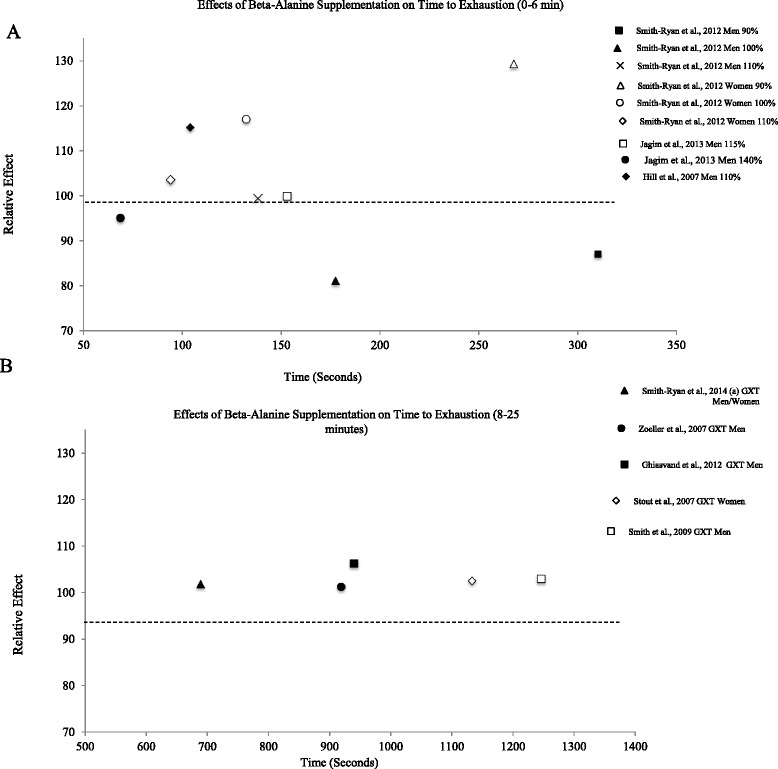
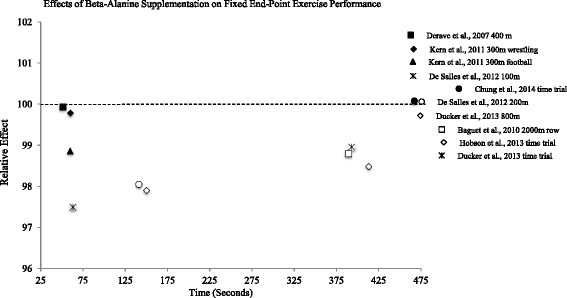
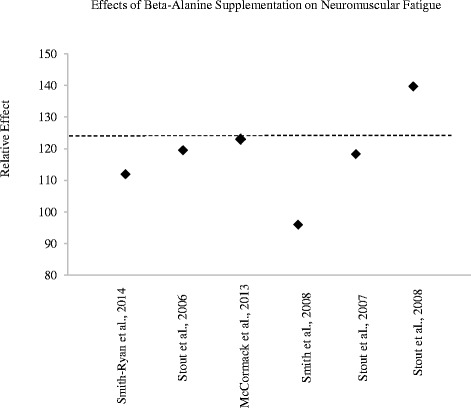
“To graphically depict the RE of beta-alanine in in comparison to placebo, RE was calculated using the following equation [48, 49]:”
MethodAbe, H. (2000) · PubMed · Cited by 353
Derave, W., Özdemir, M. S., Harris, R. C., Pottier, A., Reyngoudt, H., Koppo, K., Wise, J. A., & Achten, E. (2007) · Journal of Applied Physiology · doi:10.1152/japplphysiol.00397.2007 · Cited by 324 · cited 4×
“[6] versus their untrained counterparts, beta-alanine supplementation has also been shown to increase muscle carnosine in both trained [20] and untrained”
BackgroundInfluentialEffect of creatine supplementation on body composition and performance: a meta-analysis
Branch, J. D. (2003) · International Journal of Sport Nutrition and Exercise Metabolism · doi:10.1123/ijsnem.13.2.198 · Cited by 309 · cited 1×
“Creatine supplementation has been consistently shown to improve high-intensity exercise performance, primarily by increasing phosphorylcreatine and adenosine triphosphate (ATP) availability [88].”
BackgroundEffects of β-alanine supplementation on exercise performance: a meta-analysis
Hobson, R. M., Saunders, B., Ball, G., Harris, R. C., & Sale, C. (2012) · Amino Acids · doi:10.1007/s00726-011-1200-z · Cited by 303
Self-citationMuscle Carnosine Metabolism and β-Alanine Supplementation in Relation to Exercise and Training
Derave, W., Everaert, I., Beeckman, S., & Baguet, A. (2010) · Sports Medicine · doi:10.2165/11530310-000000000-00000 · Cited by 241
Effect of beta-alanine supplementation on muscle carnosine concentrations and exercise performance
Sale, C., Saunders, B., & Harris, R. C. (2010) · Amino Acids · doi:10.1007/s00726-009-0443-4 · Cited by 238 · cited 2×
“Carnosinase, the enzyme that catalyzes the breakdown of carnosine, is present in serum and various tissues in humans, but is absent in skeletal muscle [25] and many animals.”
BackgroundSelf-citationBicarbonate buffering of lactic acid generated during exercise
Beaver, W. L., Wasserman, K., & Whipp, B. J. (1986) · Journal of Applied Physiology · doi:10.1152/jappl.1986.60.2.472 · Cited by 219 · cited 1×
“thresh buffering capacity [52], thereby acting to maintain intramuscular pH.”
BackgroundHipkiss, A. R., Michaelis, J., & Syrris, P. (1995) · FEBS Letters · doi:10.1016/0014-5793(95)00849-5 · Cited by 212 · cited 1×
“Previous research has also indicated that carnosine acts as a “sacrificial peptide,” reacting with carbonyl groups of aldehydes, ketones, and proteins to prevent damage to proteins [102, 103].”
BackgroundThe significance of carnosine and anserine in striated skeletal muscle
Davey, C. L. (1960) · Archives of Biochemistry and Biophysics · doi:10.1016/0003-9861(60)90059-x · Cited by 205 · cited 1×
“Preliminary estimates of what contribution carnosine may play in buffering suggested as much as 40 % of the buffering capacity of muscle [31] when evaluated in animals; more recent research in humans has indicated the contribution may be as low as 7 % [15].”
BackgroundCarnosine loading and washout in human skeletal muscles
Baguet, A., Reyngoudt, H., Pottier, A., Everaert, I., Callens, S., Achten, E., & Derave, W. (2009) · Journal of Applied Physiology · doi:10.1152/japplphysiol.91357.2008 · Cited by 191 · cited 3×
“[4] demonstrated that individuals vary in the magnitude of response to 5 to 6 weeks of betaalanine supplementation (4.”
BackgroundStout, J. R., Cramer, J. T., Zoeller, R. F., Torok, D., Costa, P., Hoffman, J. R., Harris, R. C., & O’Kroy, J. (2007) · Amino Acids · doi:10.1007/s00726-006-0474-z · Cited by 186
Self-citationImportant role of muscle carnosine in rowing performance
Baguet, A., Bourgois, J., Vanhee, L., Achten, E., & Derave, W. (2010) · Journal of Applied Physiology · doi:10.1152/japplphysiol.00141.2010 · Cited by 182 · cited 1×
“[61] showed that participants supplementing with beta-alanine performed a 2,000-m rowing time trial 4.”
MethodIdentification of a G Protein-coupled Receptor Specifically Responsive to β-Alanine
Shinohara, T., Harada, M., Ogi, K., Maruyama, M., Fujii, R., Tanaka, H., Fukusumi, S., Komatsu, H., Hosoya, M., Noguchi, Y., et al. (2004) · Journal of Biological Chemistry · doi:10.1074/jbc.m314240200 · Cited by 175 · cited 1×
“It is hypothesized that beta-alanine activates Mas-related genes (Mrg) [43], or sensory neuron specific G-protein coupled receptors.”
BackgroundCarnosine, the anti-ageing, anti-oxidant dipeptide, may react with protein carbonyl groups
Hipkiss, A. R., Brownson, C., & CARRIER, M. J. (2001) · Mechanisms of Ageing and Development · doi:10.1016/s0047-6374(01)00272-x · Cited by 167 · cited 1×
“Previous research has also indicated that carnosine acts as a “sacrificial peptide,” reacting with carbonyl groups of aldehydes, ketones, and proteins to prevent damage to proteins [102, 103].”
BackgroundReview. Carnosine: physiological properties and therapeutic potential
Gariballa, S., & Sinclair, A. J. (2000) · Age and Ageing · doi:10.1093/ageing/29.3.207 · Cited by 167 · cited 1×
“The antioxidant mechanism of carnosine has been postulated to be due to metal chelation or free radical scavenging [106].”
BackgroundCarnosine and anserine concentrations in the quadriceps femoris muscle of healthy humans
Mannion, A. F., Jakeman, P. M., Dunnett, M., Harris, R. C., & Willan, P. L. T. (1992) · European Journal of Applied Physiology and Occupational Physiology · doi:10.1007/bf00376439 · Cited by 165 · cited 2×
“Preliminary estimates of what contribution carnosine may play in buffering suggested as much as 40 % of the buffering capacity of muscle [31] when evaluated in animals; more recent research in humans has indicated the contribution may be as low as 7 % [15].”
BackgroundKendrick, I. P., Harris, R. C., Kim, H. J., Kim, C. K., Dang, V. H., Lam, T. Q., Bui, T. T., Smith, M., & Wise, J. A. (2008) · Amino Acids · doi:10.1007/s00726-007-0008-3 · Cited by 163 · cited 1×
“[8] showed significant improvements in isokinetic force production, whole body strength, arm curl repetitions to fatigue, and body composition, but with no difference between the beta-alanine and placebo groups.”
BackgroundEffect of two β-alanine dosing protocols on muscle carnosine synthesis and washout
Stellingwerff, T., Anwander, H., Egger, A., Buehler, T., Kreis, R., Décombaz, J., & Boesch, C. (2011) · Amino Acids · doi:10.1007/s00726-011-1054-4 · Cited by 162 · cited 2×
“high baseline levels [19, 20], with no upper limit for muscle carnosine concentrations having yet been iden-”
BackgroundBaguet, A., Koppo, K., Pottier, A., & Derave, W. (2009) · European Journal of Applied Physiology · doi:10.1007/s00421-009-1225-0 · Cited by 161
Effect of sodium bicarbonate on [HCO3-], pH, and gastrointestinal symptoms
Carr, A. J., Slater, G. J., Gore, C. J., Dawson, B., & Burke, L. M. (2011) · International Journal of Sport Nutrition and Exercise Metabolism · doi:10.1123/ijsnem.21.3.189 · Cited by 159 · cited 1×
“Individual responses to SB supplementation may vary, likely due to side effects including headache and gastrointestinal discomfort [68, 85, 87].”
BackgroundGardner, M. L., Illingworth, K. M., Kelleher, J., & Wood, D. (1991) · The Journal of Physiology · doi:10.1113/jphysiol.1991.sp018673 · Cited by 154 · cited 1×
“skeletal muscle [27].”
Hoffman, J., Ratamess, N., Kang, J., Mangine, G., Faigenbaum, A., & Stout, J. (2006) · International Journal of Sport Nutrition and Exercise Metabolism · doi:10.1123/ijsnem.16.4.430 · Cited by 151 · cited 4×
“[76] showed greater improvements in lean mass, fat mass, and strength in creatine + beta-alanine compared to creatine alone.”
BackgroundInfluentialSelf-citationCulbertson, J. Y., Kreider, R. B., Greenwood, M., & Cooke, M. (2010) · Nutrients · doi:10.3390/nu2010075 · Cited by 148 · cited 1×
“It has been suggested that chronic beta-alanine supplementation improves high-intensity exercise performance by increasing muscle carnosine content, thereby enhancing intracellular proton buffering [50, 51].”
BackgroundSelf-citationDifferences in the antioxidant mechanism of carnosine in the presence of copper and iron
Decker, E. A., Crum, A. D., & Calvert, J. T. (1992) · Journal of Agricultural and Food Chemistry · doi:10.1021/jf00017a009 · Cited by 148 · cited 1×
“Carnosine is also known to be an antioxidant that is capable of preventing the accumulation of oxidized products derived from lipid components of biological membranes [104, 105].”
BackgroundKendrick, I. P., Kim, H. J., Harris, R. C., Kim, C. K., Dang, V. H., Lam, T. Q., Bui, T. T., & Wise, J. A. (2009) · European Journal of Applied Physiology · doi:10.1007/s00421-009-0998-5 · Cited by 141
Everaert, I., Mooyaart, A., Baguet, A., Zutinic, A., Baelde, H., Achten, E., Taes, Y., De Heer, E., & Derave, W. (2011) · Amino Acids · doi:10.1007/s00726-010-0749-2 · Cited by 140
Effect of Training on Antioxidant Capacity, Tissue Damage, and Endurance of Adult Male Rats
Venditti, P., & Meo, S. D. (1997) · International Journal of Sports Medicine · doi:10.1055/s-2007-972671 · Cited by 140 · cited 1×
“Previous research has suggested that reactive oxygen species (ROS), which are produced at an elevated rate during exercise [33], may contribute to muscle fatigue and exercise-induced muscle damage under certain circumstances [34, 35].”
BackgroundThe cytoprotective role of taurine in exercise-induced muscle injury
Dawson, R., Biasetti, M., Messina, S. M., & Dominy, J. E. (2002) · Amino Acids · doi:10.1007/s007260200017 · Cited by 136 · cited 1×
“In animal models, beta-alanine has been shown to decrease circulating taurine levels by about 50 % [47].”
BackgroundHoffman, J. R., Ratamess, N. A., Faigenbaum, A. D., Ross, R., Kang, J., Stout, J. R., & Wise, J. A. (2008) · Nutrition Research · doi:10.1016/j.nutres.2007.11.004 · Cited by 135 · cited 1×
“[38, 74] did not show statistically significant improvements in performance, supplementation was shown to increase training volume and reduced subjective ratings of fatigue.”
BackgroundSelf-citationβ-Alanine Improves Sprint Performance in Endurance Cycling
VAN THIENEN, R., VAN PROEYEN, K., EYNDE, B. V., PUYPE, J., LEFERE, T., & HESPEL, P. (2009) · Medicine & Science in Sports & Exercise · doi:10.1249/mss.0b013e31818db708 · Cited by 132 · cited 1×
“[57] reported that eight weeks of beta-”
Additive effects of beta-alanine and sodium bicarbonate on upper-body intermittent performance
Tobias, G., Benatti, F. B., de Salles Painelli, V., Roschel, H., Gualano, B., Sale, C., Harris, R. C., Lancha, A. H., & Artioli, G. G. (2013) · Amino Acids · doi:10.1007/s00726-013-1495-z · Cited by 129 · cited 2×
“However, the only study to indicate a statistically significant synergistic effect of beta-alanine and SB [82]”
BackgroundSelf-citationPurification and properties of human serum carnosinase
Jackson, M. C., Kucera, C. M., & Lenney, J. F. (1991) · Clinica Chimica Acta · doi:10.1016/0009-8981(91)90073-l · Cited by 125 · cited 1×
“It is important to note that carnosinase is not present in most nonprimate mammals [26], which must be considered when evaluating carnosine supplementation and data obtained from animal models.”
BackgroundSmith, A. E., Walter, A. A., Graef, J. L., Kendall, K. L., Moon, J. R., Lockwood, C. M., Fukuda, D. H., Beck, T. W., Cramer, J. T., & Stout, J. R. (2009) · Journal of the International Society of Sports Nutrition · doi:10.1186/1550-2783-6-5 · Cited by 123 · cited 1×
“[59] demonstrated larger improvements in TTE in a graded exercise test with beta-alanine supplementation compared to placebo.”
BackgroundSelf-citationA New Method for Non-Invasive Estimation of Human Muscle Fiber Type Composition
Baguet, A., Everaert, I., Hespel, P., Petrovic, M., Achten, E., & Derave, W. (2011) · PLoS ONE · doi:10.1371/journal.pone.0021956 · Cited by 116 · cited 2×
“concentrations of muscle carnosine [6, 7], longitudinal training studies have demonstrated equivocal changes in intramuscular carnosine [8–11].”
BackgroundTanokura, M., Tasumi, M., & Miyazawa, T. (1976) · Biopolymers · doi:10.1002/bip.1976.360150215 · Cited by 116
Peart, D. J., Siegler, J. C., & Vince, R. V. (2012) · Journal of Strength and Conditioning Research · doi:10.1519/jsc.0b013e3182576f3d · Cited by 115 · cited 1×
“Sodium bicarbonate (SB) supplementation has been shown to acutely increase bicarbonate levels, blood pH, and high-intensity exercise performance [81], prompting interest in combined supplementation with beta-alanine.”
BackgroundGlycation, ageing and carnosine: Are carnivorous diets beneficial?
Hipkiss, A. R. (2005) · Mechanisms of Ageing and Development · doi:10.1016/j.mad.2005.05.002 · Cited by 115 · cited 1×
“Advanced glycation end products are associated with the aging process and diabetic complications, but carnosine is thought to reduce the formation of these end products [100, 101].”
BackgroundZoeller, R. F., Stout, J. R., OʼKroy, J. A., Torok, D. J., & Mielke, M. M. (2006) · Amino Acids · doi:10.1007/s00726-006-0399-6 · Cited by 113 · cited 2×
“[58] investigated the effects of beta-alanine and creatine on performance on a graded, maximal exercise test on a cycle ergometer.”
BackgroundMethodSelf-citationCarnosine and taurine contents in individual fibres of human vastus lateralis muscle
C. Harris, R., Dunnett, M., & Greenhaff, P. L. (1998) · Journal of Sports Sciences · doi:10.1080/026404198366443 · Cited by 113 · cited 1×
“fibers [16–18].”
Effect of Carnosine on Excitation–Contraction Coupling in Mechanically-Skinned Rat Skeletal Muscle
Dutka, T. L., & Lamb, G. (2004) · Journal of Muscle Research and Cell Motility · doi:10.1023/b:jure.0000038265.37022.c5 · Cited by 111 · cited 1×
“An additional potential function of carnosine has been linked to improvements in calcium sensitivity in muscle fibers [111, 112].”
BackgroundInhibition of Low-Density Lipoprotein Oxidation by Carnosine and Histidine
Decker, E. A., Ivanov, V., Zhu, B.-Z., & Frei, B. (2001) · Journal of Agricultural and Food Chemistry · doi:10.1021/jf0010533 · Cited by 110 · cited 1×
“Carnosine is also known to be an antioxidant that is capable of preventing the accumulation of oxidized products derived from lipid components of biological membranes [104, 105].”
BackgroundDUNNETT, M., & HARRIS, R. C. (1999) · Equine Veterinary Journal · doi:10.1111/j.2042-3306.1999.tb05273.x · Cited by 109 · cited 1×
“By itself, the ergogenic properties of beta-alanine are limited; however, beta-alanine has been identified as the rate-limiting precursor to carnosine synthesis [1, 2], and has been consistently shown to increase levels of carnosine in human skeletal muscle.”
BackgroundMrgD Activation Inhibits KCNQ/M-Currents and Contributes to Enhanced Neuronal Excitability
Crozier, R. A., Ajit, S. K., Kaftan, E. J., & Pausch, M. H. (2007) · The Journal of Neuroscience · doi:10.1523/jneurosci.4932-06.2007 · Cited by 109 · cited 1×
“Specifically, MrgD, which is expressed in the dorsal root ganglion, terminates in the skin [44].”
BackgroundSTOUT, J. R., CRAMER, J. T., MIELKE, M., OʼKROY, J., TOROK, D. J., & ZOELLER, R. F. (2006) · Journal of Strength and Conditioning Research · doi:10.1519/00124278-200611000-00033 · Cited by 108 · cited 3×
“a synergistic effect between beta-alanine and creatine [71, 90].”
BackgroundMethodSelf-citationEffect of β-Alanine Plus Sodium Bicarbonate on High-Intensity Cycling Capacity
SALE, C., SAUNDERS, B., HUDSON, S., WISE, J. A., HARRIS, R. C., & SUNDERLAND, C. D. (2011) · Medicine & Science in Sports & Exercise · doi:10.1249/mss.0b013e3182188501 · Cited by 103 · cited 2×
“Individual responses to SB supplementation may vary, likely due to side effects including headache and gastrointestinal discomfort [68, 85, 87].”
BackgroundSelf-citationStout, J. R., Graves, B. S., Smith, A. E., Hartman, M. J., Cramer, J. T., Beck, T. W., & Harris, R. C. (2008) · Journal of the International Society of Sports Nutrition · doi:10.1186/1550-2783-5-21 · Cited by 103
Self-citationMurakami, T., & Furuse, M. (2010) · Amino Acids · doi:10.1007/s00726-009-0458-x · Cited by 102 · cited 1×
“Betaalanine and taurine share the same transporter (Tau-T) into skeletal muscle, with beta-alanine thereby inhibiting taurine uptake within the muscle [46].”
BackgroundOptimizing human in vivo dosing and delivery of β-alanine supplements for muscle carnosine synthesis
Stellingwerff, T., Decombaz, J., Harris, R. C., & Boesch, C. (2012) · Amino Acids · doi:10.1007/s00726-012-1245-7 · Cited by 85 · cited 2×
“In studies using the non-sustained release supplement, paraesthesia has generally been reported to disappear within 60 to 90 min following supplementation [40].”
BackgroundSpradley, B. D., Crowley, K. R., Tai, C.-Y., Kendall, K. L., Fukuda, D. H., Esposito, E. N., Moon, S. E., & Moon, J. R. (2012) · Nutrition & Metabolism · doi:10.1186/1743-7075-9-28 · Cited by 84 · cited 2×
“When ingested acutely before exercise, previous studies have shown these multi-ingredient supplements to improve muscular endurance [92, 98], running time to exhaustion [91], and power output [98].”
BackgroundTHE CARNOSINE CONTENT OF VASTUS LATERALIS IS ELEVATED IN RESISTANCE-TRAINED BODYBUILDERS
TALLON, M. J., HARRIS, R. C., BOOBIS, L. H., FALLOWFIELD, J. L., & WISE, J. A. (2005) · Journal of Strength and Conditioning Research · doi:10.1519/00124278-200511000-00001 · Cited by 80 · cited 3×
“[6] versus their untrained counterparts, beta-alanine supplementation has also been shown to increase muscle carnosine in both trained [20] and untrained”
BackgroundLamont, C., & Miller, D. J. (1992) · The Journal of Physiology · doi:10.1113/jphysiol.1992.sp019271 · Cited by 80 · cited 1×
“An additional potential function of carnosine has been linked to improvements in calcium sensitivity in muscle fibers [111, 112].”
BackgroundBailey, D. M., Davies, B., Young, I. S., Hullin, D. A., & Seddon, P. S. (2001) · PubMed · Cited by 80
de Salles Painelli, V., Roschel, H., de Jesus, F., Sale, C., Harris, R. C., Solis, M. Y., Benatti, F. B., Gualano, B., Lancha, A. H., & Artioli, G. G. (2013) · Applied Physiology, Nutrition, and Metabolism · doi:10.1139/apnm-2012-0286 · Cited by 79
Self-citationBex, T., Chung, W., Baguet, A., Stegen, S., Stautemas, J., Achten, E., & Derave, W. (2014) · Journal of Applied Physiology · doi:10.1152/japplphysiol.01033.2013 · Cited by 77 · cited 1×
“[21] suggests that increases in whole muscle carnosine concentrations may be slightly higher in trained athletes compared to non-athletes supplementing with betaalanine, but more research is needed to replicate this finding and account for potential differences in single muscle fiber concentrations.”
BackgroundEffect of a pre-workout energy supplement on acute multi-joint resistance exercise.
Gonzalez, A. M., Walsh, A. L., Ratamess, N. A., Kang, J., & Hoffman, J. R. (2011) · Europe PMC (PubMed Central) · Cited by 75
Self-citationSolis, M. Y., Cooper, S. B., Hobson, R. M., Artioli, G. G., Otaduy, M. C. G., Roschel, H., Robertson, J., Martin, D., Painelli, V. D. S., Harris, R. C., et al. (2015) · PLoS ONE · doi:10.1371/journal.pone.0123857 · Cited by 74 · cited 2×
“Recently, it was reported that beta-alanine had no significant effect on brain carnosine or cognitive function in non-tactical athletes [80].”
BackgroundSelf-citationEffect of Combined β-Alanine and SodiumBicarbonate Supplementation on Cycling Performance
BELLINGER, P. M., HOWE, S. T., SHING, C. M., & FELL, J. W. (2012) · Medicine & Science in Sports & Exercise · doi:10.1249/mss.0b013e31824cc08d · Cited by 74 · cited 1×
“[86] showed that SB improved mean power output on a 4-min cycling test, but beta-alanine did not.”
The Effect of β-Alanine Supplementation on Power Performance During Repeated Sprint Activity
Sweeney, K. M., Wright, G. A., Glenn Brice, A., & Doberstein, S. T. (2010) · Journal of Strength and Conditioning Research · doi:10.1519/jsc.0b013e3181c63bd5 · Cited by 73
Hipkiss, A. R., Cartwright, S. P., Bromley, C., Gross, S. R., & Bill, R. M. (2013) · Chemistry Central Journal · doi:10.1186/1752-153x-7-38 · Cited by 71
β-Alanine and the hormonal response to exercise
Hoffman, J., Ratamess, N., Ross, R., Kang, J., Magrelli, J., Neese, K., Faigenbaum, A., & Wise, J. (2008) · International Journal of Sports Medicine · doi:10.1055/s-2008-1038678 · Cited by 70 · cited 2×
“[38, 74] did not show statistically significant improvements in performance, supplementation was shown to increase training volume and reduced subjective ratings of fatigue.”
BackgroundSelf-citationKern, B. D., & Robinson, T. L. (2011) · Journal of Strength and Conditioning Research · doi:10.1519/jsc.0b013e3181e741cf · Cited by 69
Dunnett, M., & Harris, R. (1997) · Journal of Chromatography B: Biomedical Sciences and Applications · doi:10.1016/s0378-4347(97)88054-1 · Cited by 69 · cited 1×
“fibers [16–18].”
Effect of Beta-Alanine With and Without Sodium Bicarbonate on 2,000-m Rowing Performance
Hobson, R. M., Harris, R. C., Martin, D., Smith, P., Macklin, B., Gualano, B., & Sale, C. (2013) · International Journal of Sport Nutrition and Exercise Metabolism · doi:10.1123/ijsnem.23.5.480 · Cited by 68 · cited 1×
“[65] used magnitude-based inferences to determine that beta-alanine was very likely to improve time trial performance (96 % chance of positive effect), SB was likely to improve performance (87 % chance), and that adding acute SB supplementation to chronic beta-alanine consumption had a small, possibly beneficial affec…”
Self-citationThe Effect of Sprint Training on Skeletal Muscle Carnosine in Humans
Suzuki, Y., Ito, O., Takahashi, H., & Takamatsu, K. (2004) · International Journal of Sport and Health Science · doi:10.5432/ijshs.2.105 · Cited by 64 · cited 1×
“concentrations of muscle carnosine [6, 7], longitudinal training studies have demonstrated equivocal changes in intramuscular carnosine [8–11].”
BackgroundCarnosine and Anserine Ingestion Enhances Contribution of Nonbicarbonate Buffering
SUZUKI, Y., NAKAO, T., MAEMURA, H., SATO, M., KAMAHARA, K., MORIMATSU, F., & TAKAMATSU, K. (2006) · Medicine & Science in Sports & Exercise · doi:10.1249/01.mss.0000185108.63028.04 · Cited by 63
Mannion, A. F., Jakeman, P. M., & Willan, P. L. T. (1994) · European Journal of Applied Physiology · doi:10.1007/bf00571457 · Cited by 63 · cited 1×
“concentrations of muscle carnosine [6, 7], longitudinal training studies have demonstrated equivocal changes in intramuscular carnosine [8–11].”
BackgroundExercise-induced oxidative stress: the effects of β-alanine supplementation in women
Smith, A. E., Stout, J. R., Kendall, K. L., Fukuda, D. H., & Cramer, J. T. (2012) · Amino Acids · doi:10.1007/s00726-011-1158-x · Cited by 62 · cited 1×
“reduce lipid peroxidation and mitigate accumulation of free radicals when combined with aerobic exercise in men and women [107, 108].”
BackgroundSelf-citationSmith, A. E., Moon, J. R., Kendall, K. L., Graef, J. L., Lockwood, C. M., Walter, A. A., Beck, T. W., Cramer, J. T., & Stout, J. R. (2009) · European Journal of Applied Physiology · doi:10.1007/s00421-008-0911-7 · Cited by 62 · cited 1×
“[72] showed a 20.”
Self-citationMeal and Beta-Alanine Coingestion Enhances Muscle Carnosine Loading
STEGEN, S., BLANCQUAERT, L., EVERAERT, I., BEX, T., TAES, Y., CALDERS, P., ACHTEN, E., & DERAVE, W. (2013) · Medicine & Science in Sports & Exercise · doi:10.1249/mss.0b013e31828ab073 · Cited by 61 · cited 1×
“Combining beta-alanine consumption with a meal during beta-alanine loading has also been shown to be effective for further augmenting muscle carnosine levels [41].”
BackgroundShelmadine, B., Cooke, M., Buford, T., Hudson, G., Redd, L., Leutholtz, B., & Willoughby, D. S. (2009) · Journal of the International Society of Sports Nutrition · doi:10.1186/1550-2783-6-16 · Cited by 61 · cited 1×
“When taken chronically for a period of 4 to 8 weeks, multi-ingredient pre-workout supplements have been shown to increase measures of strength [93, 94, 97], power output [96], and lean mass [93–95].”
Improved time to exhaustion following ingestion of the energy drink Amino Impact™
Walsh, A. L., Gonzalez, A. M., Ratamess, N. A., Kang, J., & Hoffman, J. R. (2010) · Journal of the International Society of Sports Nutrition · doi:10.1186/1550-2783-7-14 · Cited by 59 · cited 2×
“When ingested acutely before exercise, previous studies have shown these multi-ingredient supplements to improve muscular endurance [92, 98], running time to exhaustion [91], and power output [98].”
BackgroundSelf-citationEffect of Beta Alanine and Sodium Bicarbonate Supplementation on Repeated-Sprint Performance
Ducker, K. J., Dawson, B., & Wallman, K. E. (2013) · Journal of Strength and Conditioning Research · doi:10.1519/jsc.0b013e31828fd310 · Cited by 57 · cited 1×
“[84] investigated the efficacy of betaalanine and SB in the context of a repeated sprint test consisting of three sets of 6 (18 total), 20-m sprints.”
BackgroundSaunders, B., Sale, C., Harris, R. C., & Sunderland, C. (2014) · International Journal of Sport Nutrition and Exercise Metabolism · doi:10.1123/ijsnem.2013-0102 · Cited by 56 · cited 2×
“[85] had participants complete a repeated sprint protocol (five bouts of 6-s sprints) before, in the middle, and after a simulated football game in hypoxic conditions.”
BackgroundSelf-citationKresta, J. Y., Oliver, J. M., Jagim, A. R., Fluckey, J., Riechman, S., Kelly, K., Meininger, C., Mertens-Talcott, S. U., Rasmussen, C., & Kreider, R. B. (2014) · Journal of the International Society of Sports Nutrition · doi:10.1186/s12970-014-0055-6 · Cited by 55 · cited 3×
“a synergistic effect between beta-alanine and creatine [71, 90].”
BackgroundSelf-citationOrmsbee, M. J., Mandler, W. K., Thomas, D. D., Ward, E. G., Kinsey, A. W., Simonavice, E., Panton, L. B., & Kim, J.-S. (2012) · Journal of the International Society of Sports Nutrition · doi:10.1186/1550-2783-9-49 · Cited by 54 · cited 1×
“When taken chronically for a period of 4 to 8 weeks, multi-ingredient pre-workout supplements have been shown to increase measures of strength [93, 94, 97], power output [96], and lean mass [93–95].”
BackgroundMcCormack, W. P., Stout, J. R., Emerson, N. S., Scanlon, T. C., Warren, A. M., Wells, A. J., Gonzalez, A. M., Mangine, G. T., Robinson, E. H., Fragala, M. S., et al. (2013) · Experimental Gerontology · doi:10.1016/j.exger.2013.06.003 · Cited by 53 · cited 2×
“potential anti-aging effects and the impact of potential antioxidant properties in humans would be important to explore, especially due to the positive effects beta-alanine has shown in older populations [24, 73]”
BackgroundMethodSelf-citationβ-Alanine Dose for Maintaining Moderately Elevated Muscle Carnosine Levels
STEGEN, S., BEX, T., VERVAET, C., VANHEE, L., ACHTEN, E., & DERAVE, W. (2014) · Medicine & Science in Sports & Exercise · doi:10.1249/mss.0000000000000248 · Cited by 51 · cited 1×
“Much of the research evaluating increases in muscle carnosine has been performed in young males, but evidence also suggests that beta-alanine supplementation is effective in females [22, 23] and the elderly [24].”
BackgroundHarris, J. E., Fernandez‐Vilaseca, M., Elkington, P. T. G., Horncastle, D. E., Graeber, M. B., & Friedland, J. S. (2007) · The FASEB Journal · doi:10.1096/fj.06-6925com · Cited by 50
Hoffman, J. R., Ostfeld, I., Stout, J. R., Harris, R. C., Kaplan, Z., & Cohen, H. (2015) · Amino Acids · doi:10.1007/s00726-015-1952-y · Cited by 48 · cited 1×
“Therefore some initial data has explored the neuronal effects of carnosine [80, 110], as well as potential effects on cardiac tissue and heart rate [60].”
BackgroundSelf-citationEffect of carnosine and its components on free-radical reactions.
Klebanov, G. I., YuO, T., Babenkovа, I. V., Lyubitsky, O. B., OYu, R., Болдырев, А. А., & YuA, V. (1998) · PubMed · Cited by 47
Chung, W., Shaw, G., Anderson, M. E., Pyne, D. B., Saunders, P. U., Bishop, D. J., & Burke, L. M. (2012) · Nutrients · doi:10.3390/nu4101441 · Cited by 47 · cited 1×
“2 [20, 61–67].”
β-Alanine ingestion increases muscle carnosine content and combat specific performance in soldiers
Hoffman, J. R., Landau, G., Stout, J. R., Hoffman, M. W., Shavit, N., Rosen, P., Moran, D. S., Fukuda, D. H., Shelef, I., Carmom, E., et al. (2015) · Amino Acids · doi:10.1007/s00726-014-1896-7 · Cited by 47 · cited 1×
“[79] showed beta-alanine to significantly increase muscle carnosine, cognitive function, and performance on a test simulating a 50-m casualty carry; however, beta-alanine did not improve performance in a 2.”
BackgroundSelf-citationβ-alanine supplementation improves isometric endurance of the knee extensor muscles
Sale, C., Hill, C. A., Ponte, J., & Harris, R. C. (2012) · Journal of the International Society of Sports Nutrition · doi:10.1186/1550-2783-9-26 · Cited by 47 · cited 1×
“[75] demonstrated a significant improvement in isometric endurance following 4 weeks of supplementation.”
BackgroundSelf-citationDanaher, J., Gerber, T., Wellard, R. M., & Stathis, C. G. (2014) · European Journal of Applied Physiology · doi:10.1007/s00421-014-2895-9 · Cited by 47
Kendall, K. L., Moon, J. R., Fairman, C. M., Spradley, B. D., Tai, C.-Y., Falcone, P. H., Carson, L. R., Mosman, M. M., Joy, J. M., Kim, M. P., et al. (2014) · Nutrition Research · doi:10.1016/j.nutres.2014.04.003 · Cited by 46 · cited 1×
“When taken chronically for a period of 4 to 8 weeks, multi-ingredient pre-workout supplements have been shown to increase measures of strength [93, 94, 97], power output [96], and lean mass [93–95].”
BackgroundHoffman, J. R., Landau, G., Stout, J. R., Dabora, M., Moran, D. S., Sharvit, N., Hoffman, M. W., Ben Moshe, Y., McCormack, W. P., Hirschhorn, G., et al. (2014) · Journal of the International Society of Sports Nutrition · doi:10.1186/1550-2783-11-15 · Cited by 46 · cited 1×
“While cognitive performance was not affected, beta-alanine resulted in moderate improvements in peak power, marksmanship, and target engagement speed, compared to placebo [77].”
BackgroundSelf-citationChung, W., Baguet, A., Bex, T., Bishop, D. J., & Derave, W. (2014) · International Journal of Sport Nutrition and Exercise Metabolism · doi:10.1123/ijsnem.2013-0125 · Cited by 43
Effect of sodium bicarbonate and beta-alanine supplementation on maximal sprint swimming
Mero, A. A., Hirvonen, P., Saarela, J., Hulmi, J. J., Hoffman, J. R., & Stout, J. R. (2013) · Journal of the International Society of Sports Nutrition · doi:10.1186/1550-2783-10-52 · Cited by 43 · cited 1×
“[83] showed that SB supplementation alone attenuated increases in sprint time for the second sprint, but neither beta-alanine nor beta-alanine + SB resulted in significant improvements compared to placebo.”
Self-citationEffect of Beta-Alanine Supplementation on 2,000-m Rowing-Ergometer Performance
Ducker, K. J., Dawson, B., & Wallman, K. E. (2013) · International Journal of Sport Nutrition and Exercise Metabolism · doi:10.1123/ijsnem.23.4.336 · Cited by 42 · cited 1×
“[64] showed beta-alanine to improve 2,000-m rowing performance by 2.”
BackgroundGhiasvand, R., Askari, G., Malekzadeh, J., Hajishafiee, M., Daneshvar, P., Akbari, F., & Bahreynian, M. (2012) · PubMed Central · Cited by 42
Effects of Beta-Alanine Supplementation on Sprint Endurance
Jagim, A. R., Wright, G. A., Brice, A. G., & Doberstein, S. T. (2013) · Journal of Strength and Conditioning Research · doi:10.1519/jsc.0b013e318256bedc · Cited by 39 · cited 1×
“[55], beta-alanine resulted in a relative effect of 95.”
BackgroundEffect of Beta-Alanine Supplementation on 800-m Running Performance
Ducker, K. J., Dawson, B., & Wallman, K. E. (2013) · International Journal of Sport Nutrition and Exercise Metabolism · doi:10.1123/ijsnem.23.6.554 · Cited by 37 · cited 2×
“2 [20, 61–67].”
[Effect of carnosine and anserine on action of isolated frog muscles].
Severin, E. S., Mv, K., & Kaftanova, T. M. (1953) · PubMed · Cited by 37
Hannah, R., Stannard, R. L., Minshull, C., Artioli, G. G., Harris, R. C., & Sale, C. (2015) · Journal of Applied Physiology · doi:10.1152/japplphysiol.00991.2014 · Cited by 34 · cited 1×
“[113] suggests that an improvement in calcium kinetics is not the mechanism by which beta-alanine influences performance.”
BackgroundSelf-citationHigh-Velocity Intermittent Running: Effects of Beta-alanine Supplementation
Smith-Ryan, A. E., Fukuda, D. H., Stout, J. R., & Kendall, K. L. (2012) · Journal of Strength and Conditioning Research · doi:10.1519/jsc.0b013e318267922b · Cited by 33 · cited 1×
“[56] showed large improvements in TTE for female participants running at 90 % and 100 % of the velocity at which VO2max was achieved (average time = 267.”
Self-citationSpillane, M., Schwarz, N., Leddy, S., Correa, T., Minter, M., Longoria, V., & Willoughby, D. S. (2011) · Nutrition & Metabolism · doi:10.1186/1743-7075-8-78 · Cited by 30 · cited 1×
“When taken chronically for a period of 4 to 8 weeks, multi-ingredient pre-workout supplements have been shown to increase measures of strength [93, 94, 97], power output [96], and lean mass [93–95].”
BackgroundOutlaw, J. J., Wilborn, C. D., Smith-Ryan, A. E., Hayward, S. E., Urbina, S. L., Taylor, L. W., & Foster, C. A. (2014) · Journal of the International Society of Sports Nutrition · doi:10.1186/s12970-014-0040-0 · Cited by 29 · cited 1×
“[99] found no significant benefit for body composition, strength, or power output with ingestion of a multi-ingredient supplement versus placebo.”
BackgroundSelf-citationThe Carnosine Content of V Lateralis in Vegetarians and Omnivores
Harris, R. C., Jones, G., Hill, C. A., Kendrick, I. P., Boobis, L., Kim, C., Kim, H., Dang, V. H., Edge, J., & Wise, J. A. (2007) · The FASEB Journal · doi:10.1096/fasebj.21.6.a944-a · Cited by 27 · cited 2×
“In humans, muscle carnosine contents generally range from 10 – 40 mmol/kg dry weight [5, 6, 12] with average values around 20–30 mmol/kg dry weight [5, 13–15], although these contents can be influenced by a number of factors.”
BackgroundThe effects of beta‐alanine supplementation on physical working capacity at heart rate threshold
Smith‐Ryan, A. E., Woessner, M. N., Melvin, M. N., Wingfield, H. L., & Hackney, A. C. (2013) · Clinical Physiology and Functional Imaging · doi:10.1111/cpf.12111 · Cited by 21 · cited 1×
“Therefore some initial data has explored the neuronal effects of carnosine [80, 110], as well as potential effects on cardiac tissue and heart rate [60].”
BackgroundSelf-citationKo, R., Dog, T. L., Gorecki, D. K. J., Cantilena, L. R., Costello, R. B., Evans, W. J., Hardy, M. L., Jordan, S. A., Maughan, R. J., Rankin, J. W., et al. (2014) · Nutrition Reviews · doi:10.1111/nure.12087 · Cited by 20 · cited 1×
“The panel concluded that there was insufficient evidence to recommend the use of betaalanine by military personnel [78].”
BackgroundSelf-citationSkulachev, V. P. (2000) · PubMed · Cited by 19
The influence of β-alanine supplementation on markers of exercise-induced oxidative stress
Smith‐Ryan, A. E., Fukuda, D. H., Stout, J. R., & Kendall, K. L. (2013) · Applied Physiology, Nutrition, and Metabolism · doi:10.1139/apnm-2013-0229 · Cited by 17 · cited 1×
“reduce lipid peroxidation and mitigate accumulation of free radicals when combined with aerobic exercise in men and women [107, 108].”
BackgroundSelf-citationAn Evaluation of Interindividual Responses to the Orally Administered Neurotransmitter β-Alanine
MacPhee, S., Weaver, I. N., & Weaver, D. F. (2013) · Journal of Amino Acids · doi:10.1155/2013/429847 · Cited by 17 · cited 1×
“females experiencing greater paraesthesia [45].”
Essentials of Creatine in Sports and Health
(2008) · Humana Press eBooks · doi:10.1007/978-1-59745-573-2 · Cited by 16
Self-citationOrmsbee, M. J., Thomas, D. D., Mandler, W. K., Ward, E. G., Kinsey, A. W., Panton, L. B., Scheett, T. P., Hooshmand, S., Simonavice, E., & Kim, J. (2013) · Nutrition & Metabolism · doi:10.1186/1743-7075-10-39 · Cited by 14
Biological role of carnosine metabolism in excitable tissues: speculations and facts (a commentary)
Болдырев, А. А., Kurella, E. G., & Stvolinsky, S. L. (1994) · Pathophysiology · doi:10.1016/0928-4680(94)90040-x · Cited by 12
EFFECT OF COMBINED BETA-ALANINE AND CREATINE MONOHYDRATE SUPPLEMENTATION ON EXERCISE PERFORMANCE
Harris, R. C., Hill, C., & Wise, J. (2003) · Medicine & Science in Sports & Exercise · doi:10.1097/00005768-200305001-01206 · Cited by 9 · cited 3×
“mentation [76, 89], but did not include a treatment group ingesting beta-alanine only.”
BackgroundCreatine Supplementation in Endurance Sports
Cramer, J. T. (2008) · Essentials of Creatine in Sports and Health · doi:10.1007/978-1-59745-573-2_3 · Cited by 8
Research works printed but not linked: 1
- Harris RC Jones GA Kim HJ Kim CK Price KA Wise JA Changes in muscle carnosine of subjects with 4 weeks of supplementation with a controlled relase formulation of beta-alanine (CarnoSyn), and for 6 weeks post (Abstract) FASEB J 2009 23 599.4
Cited by
ISSN exercise & sports nutrition review update: research & recommendations
Kerksick, C. M., Wilborn, C. D., Roberts, M. D., Smith-Ryan, A., Kleiner, S. M., Jäger, R., Collins, R., Cooke, M., Davis, J. N., Galvan, E., et al. (2018) · Journal of the International Society of Sports Nutrition · doi:10.1186/s12970-018-0242-y · Cited by 945
“ß-alanine ß-alanine, a non-essential amino acid, has ergogenic potential based on its role in carnosine synthesis [12].”
BackgroundSelf-citationHistidine Metabolism and Function
Brosnan, M. E., & Brosnan, J. T. (2020) · The Journal of Nutrition · doi:10.1093/jn/nxaa079 · Cited by 326
“It has been reported that β-alanine supplements will increase carnosine in human muscle and improve exercise performance (38).”
BackgroundVegan diets: practical advice for athletes and exercisers
Rogerson, D. (2017) · Journal of the International Society of Sports Nutrition · doi:10.1186/s12970-017-0192-9 · Cited by 228
“Achieving muscle carnosine saturation appears to be an important factor in effective β-alanine dosing, and research validates the efficacy of loading β-alanine in divided doses of 4–6 g ∙ day for 2–4 weeks [139].”
InfluentialJenner, S. L., Buckley, G. L., Belski, R., Devlin, B. L., & Forsyth, A. K. (2019) · Nutrients · doi:10.3390/nu11051160 · Cited by 149
Harty, P. S., Zabriskie, H. A., Erickson, J. L., Molling, P. E., Kerksick, C. M., & Jagim, A. R. (2018) · Journal of the International Society of Sports Nutrition · doi:10.1186/s12970-018-0247-6 · Cited by 140
Metadata
- Authors
- Trexler, E. T., Smith-Ryan, A. E., Stout, J. R., Hoffman, J. R., Wilborn, C. D., Sale, C., Kreider, R. B., Jäger, R., Earnest, C. P., Bannock, L., Campbell, B., Kalman, D., Ziegenfuss, T. N., & Antonio, J.
- Affiliations
- University of North Carolina at Chapel Hill (US)
- Applied Physiology Laboratory, Department of Exercise and Sport ScienceUniversity of North Carolina Chapel Hill NC USA
- University of Central Florida (US)
- University of Mary Hardin–Baylor (US)
- Nottingham Trent University (GB)
- Texas A&M University (US)
- Increnovo LLC (United States) (US)
- Guru Performance (United Kingdom) (GB)
- University of South Florida (US)
- Department of Nutrition & EndocrinologyMiami Research Associates, QPS-MRA Miami FL USA
- The Center for Applied Health Sciences 4302 Allen Rd STE 120 Stow OH USA
- Exercise and Sports ScienceNova Southeastern University Davie FL USA
- ORCID
- Venue
- Journal of the International Society of Sports Nutrition
- Publisher
- Informa UK Limited
- Published
- 2015-10-20
- Volume
- 12
- Issue
- 1
- Pages
- 30-30
- ISSN
- 1550-2783 (ISSN-L)
- PMC
- PMC4501114
- OpenAlex
- W1915320120
- Cited by
- 315
- References
- 115
- Citations by year
- 2026: 49 · 2025: 32 · 2024: 34 · 2023: 33 · 2022: 43 · 2021: 24 · 2020: 24 · 2019: 25 · 2018: 18 · 2017: 18 · 2016: 10 · 2015: 4
- FWCI
- 2.04
- Type
- journal article
- Language
- en
- Open access
- gold
- doi.org
- Licence
- Locations
- Journal of the International Society of Sports Nutrition (publishedVersion, cc-by)
- Europe PMC (PubMed Central) (publishedVersion, cc-by)
- PubMed Central (publishedVersion, cc-by)
- PubMed (publishedVersion)
- Nottingham Trent University's Institutional Repository (Nottingham Trent Repository) (acceptedVersion)
- Carolina Digital Repository (University of North Carolina at Chapel Hill) (submittedVersion)
- Journal of International Crisis and Risk Communication Research (submittedVersion)
- OakTrust (Texas A&M University Libraries) (submittedVersion)
- UNC Libraries
- Topics
- Health Sciences › Medicine › Physiology (medical) › Biochemical effects in animals
- Health Sciences › Nursing › Nutrition and Dietetics › Muscle metabolism and nutrition
- Health Sciences › Medicine › Orthopedics and Sports Medicine › Sports Performance and Training
- Keywords
- beta-alanine, carnosine, muscle carnosine, exercise performance, neuromuscular fatigue, paresthesia, supplement safety, sustained-release formulation, older adults, tactical performance, endurance performance
- MeSH terms
- Carnosine, Dose-Response Relationship, Drug, Fatigue, Humans, Hydrogen-Ion Concentration, Neuromuscular Agents, beta-Alanine, Exercise, Muscle, Skeletal, Toxicity Tests, Dietary Supplements, Sports Nutritional Physiological Phenomena, Recommended Dietary Allowances
About these checks
Registry, retraction, Cites and statistics results are computed, not judged, with one exception: a printed reference that no index lists is read once by a model before it counts as a citation error. Claims are extracted by a model and kept only when their quote appears verbatim in the text; each cited source is then checked, with a model’s help, for whether it says what the claim relies on. Those verdicts can be wrong — read the claim’s quote and the cited source before relying on one.
Statistics and arithmetic are recomputed, not judged.
Confidence bands are shown only for fields calibrated on our annotated test set. None is calibrated yet, so no band is shown.
What counts as a claim ›How we measure confidence ›How we check this ›
Are you an author, or do you see a problem with this page? Request a review
Data sources
Bibliographic data: Semantic Scholar, OpenAlex, Crossref.
Contains information from the Semantic Scholar Academic Graph Datasets, made available under the ODC Attribution License (ODC-BY 1.0).
Semantic Scholar’s data is described in: Kinney, R., et al. (2023). The Semantic Scholar Open Data Platform. arXiv:2301.10140.
