

Association of dietary phytochemical index with metabolic markers, serum asymmetric dimethylarginine and atherogenic indices in patients with polycystic ovary syndrome
Open accessThe DOI matches its Crossref record; 76 of the 77 references it cites were found in a registry or an index; 8 of the 17 sources its claims cite were checked for support.
Abstract
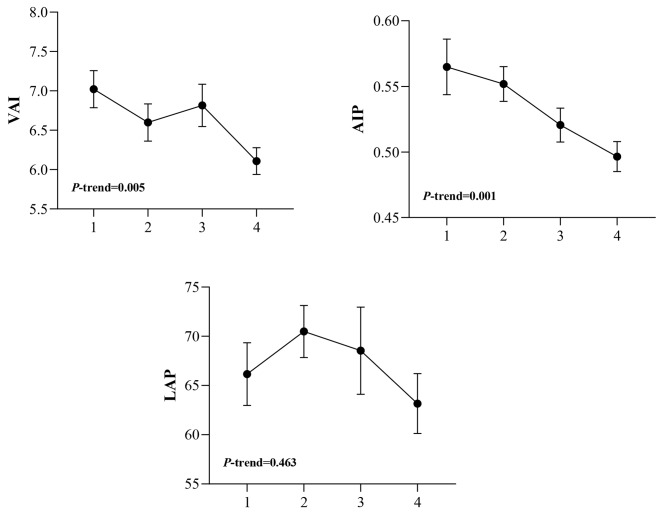
BACKGROUND: Polycystic ovary syndrome (PCOS) is associated with an increased risk of cardiovascular diseases (CVD). Plant-based diets are associated with reduced CVD risk factors. This study aimed to explore the associations between dietary phytochemical index (DPI) and asymmetric dimethylarginine (ADMA), lipid profile, atherogenic indices, and other metabolic biomarkers in women with PCOS. METHODS: In this cross-sectional study, 150 females aged 18-45 years diagnosed with PCOS were recruited. An interviewer-administered questionnaire was applied to gather the relevant demographic characteristics, detailed clinical information, and lifestyle habits of participants. A validated semi-quantitative food frequency questionnaire was used to assess dietary intake, and DPI was calculated accordingly. We used multiple linear regression to determine the association between serum concentrations of ADMA, total testosterone, sex hormone-binding globulin (SHBG), fasting serum glucose (FSG), insulin, and lipid profile, as well as atherogenic indices across quartiles of DPI. RESULTS: There was a negative correlation between the DPI and serum levels of ADMA (p-trend = 0.022), triglycerides (TG) (p-trend = 0.003), oxidized low-density lipoprotein cholesterol (ox-LDL) (p-trend = 0.001), insulin (p-trend = 0.045) and Homeostatic Model Assessment for Insulin Resistance (HOMA-IR) (p-trend = 0.018). Moreover, there was a tendency for visceral adiposity index (VAI) (p-trend = 0.005) and atherogenic index of plasma (AIP) (p-trend = 0.001) to decrease as the quartile categories of DPI increased. No significant regular trend was found for serum levels of FSG, SHBG, total testosterone, other lipid profiles, and lipid accumulation product (LAP). CONCLUSIONS: These findings suggest that adherence to a phytochemical-rich diet decrease the CVD risk factors in PCOS patients.
Overview
CoChat Summary
## TL;DR
This cross-sectional study of 150 women with PCOS found that higher dietary phytochemical index (DPI) was associated with lower serum ADMA, triglycerides, oxidized LDL, insulin, HOMA-IR, and some atherogenic indices. The authors conclude that a phytochemical-rich diet may help reduce cardiovascular risk factors in PCOS, but the design cannot establish causality.
## Key findings
- In 150 women with PCOS (mean age 33.7 ± 5.8 years; mean BMI 28.1 ± 2.8 kg/m²), higher DPI was associated with lower serum ADMA (p-trend = 0.022), TG (p-trend = 0.003), ox-LDL (p-trend = 0.001), insulin (p-trend = 0.045), and HOMA-IR (p-trend = 0.018).
- Multiple linear regression adjusted for age, BMI, and disease duration found significant inverse associations between DPI and ADMA (P = 0.002), ox-LDL (P < 0.001), insulin (P = 0.008), TG (P < 0.001), HOMA-IR (P = 0.001), VAI (P = 0.001), and AIP (P < 0.001).
- VAI (p-trend = 0.005) and AIP (p-trend = 0.001) tended to decrease across increasing DPI quartiles.
- No significant regular trend was found for FSG, SHBG, total testosterone, other lipid profiles, or LAP.
## Methods
- Cross-sectional study conducted from October 2022 to June 2023 in Zabol, Iran; 150 women aged 18–45 years with PCOS diagnosed by Rotterdam criteria were recruited.
- Dietary intake was assessed with a validated 168-item semi-quantitative FFQ, and DPI was calculated from energy derived from phytochemical-rich foods (fruits, vegetables, legumes, whole grains, nuts, olives, olive oil, tea, coffee).
- Associations across DPI quartiles were tested using ANOVA/ANCOVA and multiple linear regression, adjusting for age, BMI, and disease duration.
## Limitations
- The paper states that the cross-sectional design prevents establishing cause-and-effect relationships.
- It notes possible bias from unknown confounders, a limitation common to observational studies.
- It states that measurement errors in the FFQ could affect categorization of phytochemical intake, and that DPI composition varies by region, limiting generalizability.
Model-written summary. Check it against the paper before relying on it.
Integrity signals
Registry
Cites
Statistics
Figures
Verification
Claims the paper makes
6 Valid · 0 Not valid · 1 Not checked · 21 Own results and interpretations
Every source the paper cites for this claim was checked and supports it.
In the paper
“A validated semi-quantitative food frequency questionnaire (FFQ) with 168 food items was employed for the evaluation of dietary intakes [32].”
§ Association of dietary phytochemical index with metabolic markers, serum asymmetric dimethylarginine and atherogenic indices in patients with polycystic ovary syndrome > Methods > Dietary intake assessment
What the sources say
- Supportedcites [32] Mirmiran P, Esfahani FH, Mehrabi Y, Hedayati M, Azizi F. Reliability and relative validity of an FFQ for nutrients in the Tehran lipid and glucose study. Public Health Nutr. 2010;13(5):654–62. 19807937 source
The Assessment of dietary intake section states that usual dietary intake was assessed with a 168-item semi-quantitative FFQ. The paper evaluates that questionnaire’s relative validity and reliability against dietary recalls and biomarkers, supporting its description as validated. (LLM, conf=0.93)
plain- Asserted: passes — The authors put it forward as true.
- Checkable: passes — It can be checked against evidence.
- Load-bearing: passes — The paper’s conclusions depend on it.
- Based: passes — The paper gives a reason why it holds.
- Supported
The sources with a verdict support this claim; the rest weren’t checked yet, have no full text we could read, or their verdicts aren’t rated yet.
In the paper
“Polycystic ovary syndrome (PCOS) is associated with an increased risk of cardiovascular diseases (CVD).”
- Also stated in: § Introduction · plain
“The presence of insulin resistance, coupled with the high prevalence of abnormal fat distribution, known as visceral adiposity in women with PCOS, increases the risk for atherogenic dyslipidemia, inflammation, oxidative stress, type 2 diabetes, hypertension, and ultimately cardiovascular disease (CVD) [5–8].”
§ Association of dietary phytochemical index with metabolic markers, serum asymmetric dimethylarginine and atherogenic indices in patients with polycystic ovary syndrome > Abstract > Background
What the sources say
- Could not verifycites [5] Eickemberg M, Amorim LDAF, Almeida MdCCd A, EMLd F, MdJMd S, Chor IS, Diniz D, Barreto MFS. Matos SMAd: indicators of abdominal adiposity and carotid Intima-Media thickness: results from the longitudinal study of adult health (ELSA-Brazil). Arq Bras Cardiol. 2019;112:220–7. 30916202 PMC6424038 sourceExperimental — accuracy not yet measured
The Introduction discusses abdominal obesity as a cardiovascular risk factor, and the Results examine abdominal adiposity and carotid intima-media thickness. Neither addresses PCOS or its association with cardiovascular disease; searches for “PCOS” and “polycystic ovary syndrome” found no relevant passage in our copy. Page numbers were not provided. (LLM, conf=0.76)
- Could not verifycites [6] Elffers TW, de Mutsert R, Lamb HJ, de Roos A, van Willems K, Rosendaal FR, Jukema JW, Trompet S. Body fat distribution, in particular visceral fat, is associated with cardiometabolic risk factors in obese women. PLoS ONE. 2017;12(9):e0185403. 28957363 PMC5619737 sourceExperimental — accuracy not yet measured
The Introduction (page not provided) links obesity and abdominal fat distribution to cardiovascular disease, not polycystic ovary syndrome. Searches for “polycystic ovary syndrome,” “PCOS,” and its association with CVD found no passage addressing that claim in our copy. (LLM, conf=0.76)
- Supportedcites [7] Sakiz D, Çalapkulu M, Sencar ME, Bekir U, Ünsal İÖ, Özbek M, Çakal E. Correlation of subclinic atherosclerosis, Proinflammatory status, and insulin resistance with anthropometric measurements in polycystic ovary syndrome. J Med Palliat Care. 2022;3(3):182–7. source
The INTRODUCTION of our copy states that 'A high cardiovascular risk profile has been demonstrated in PCOS with an increased incidence of type 2 diabetes, insulin resistance, dyslipidemia, hypertension, and obesity,' and that visceral adiposity 'increases the risk of metabolic syndrome, type 2 diabetes, and cardiovascular events in PCOS patients.' The Abstract likewise lists cardiovascular complications as frequently seen in PCOS, and the DISCUSSION refers to the 'aggravated risk of atherogenesis in women with PCOS' with elevated CIMT (a predictor of stroke, MI and cardiovascular death) found in the PCOS group. This broad background statement is therefore clearly treated as such in the cited paper. (LLM, conf=0.85)
- Not checked — no full text of the sourcecites [8] Zheng S-H, Li X-L. Visceral adiposity index as a predictor of clinical severity and therapeutic outcome of PCOS. Gynecol Endocrinol. 2016;32(3):177–83. 26502288 source
plainstates an association- Asserted: passes — The authors put it forward as true.
- Checkable: passes — It can be checked against evidence.
- Load-bearing: passes — The paper’s conclusions depend on it.
- Based: passes — The paper gives a reason why it holds.
- Also stated in: § Introduction · plain
A result the paper reports from its own data — it cites no other source for it, so there is none to check. The quote shows it is in the paper.
In the paper
“Serum levels of insulin (P-trend = 0.045), TG (P-trend = 0.003), ox-LDL (P-trend = 0.001), ADMA (P-trend = 0.022), and HOMA-IR (P-trend = 0.018) significantly decreased across increasing DPI quartiles.”
- Also stated in: § Results · plain
“DPI score indicated a significant inverse correlation with the serum levels of ADMA (P = 0.002), ox-LDL (P < 0.001), insulin (P = 0.008), TG (P < 0.001), and HOMA-IR (P = 0.001) after adjusting for age, BMI, and disease duration.”
- Also stated in: § Discussion · plain
“DPI showed a negative correlation with the serum levels of insulin, TG, ox-LDL, ADMA and, HOMA-IR.”
§ Association of dietary phytochemical index with metabolic markers, serum asymmetric dimethylarginine and atherogenic indices in patients with polycystic ovary syndrome > Results
plainstates an association- Asserted: passes — The authors put it forward as true.
- Checkable: passes — It can be checked against evidence.
- Load-bearing: passes — The paper’s conclusions depend on it.
- Based: passes — The paper gives a reason why it holds.
- Also stated in: § Results · plain
A result the paper reports from its own data — it cites no other source for it, so there is none to check. The quote shows it is in the paper.
In the paper
“No significant regular trend was found for serum levels of FBG, TC, LDL-C, HDL-C, non-HDL, SHBG, and total testosterone.”
- Also stated in: § Results · plain
“No significant regular trend was found for serum levels of FSG, SHBG, total testosterone, other lipid profiles, and lipid accumulation product (LAP).”
§ Association of dietary phytochemical index with metabolic markers, serum asymmetric dimethylarginine and atherogenic indices in patients with polycystic ovary syndrome > Results
plain- Asserted: passes — The authors put it forward as true.
- Checkable: passes — It can be checked against evidence.
- Load-bearing: unclear — It is unclear whether the paper’s conclusions depend on it.
- Based: passes — The paper gives a reason why it holds.
- Also stated in: § Results · plain
9 more claims
Create a free account to see all 28 claims and to verify the 3 references still open.
- Probably not a substantial claim. 10
- It may state two separate claims as one. 4
- The quote only partly states this claim. 2
Citations
Cites
Matthews, D. R., Hosker, J. P., Rudenski, A. S., Naylor, B. A., Treacher, D. F., & Turner, R. C. (1985) · Diabetologia · doi:10.1007/bf00280883 · Cited by 31,502 · cited 1×
“Insulin resistance was evaluated by calculating Homeo-static Model Assessment for Insulin Resistance (HOMA-IR) according to the formula developed by Matthews et al. as following formula: fasting insulin (U/l) × fasting glucose (mg/dl)/405 [33].”
Toprak, O., Kurt, H., Sarı, Y., Şarkış, C., Us, H., & Kırık, A. (2017) · Kidney and Blood Pressure Research · doi:10.1159/000468530 · Cited by 29,627
(2004) · Fertility and Sterility · doi:10.1016/j.fertnstert.2003.10.004 · Cited by 9,050 · cited 1×
“The Rotterdam Consensus Criteria [31] were utilized to diagnose women with PCOS.”
Amato, M. C., Giordano, C., Galia, M., Criscimanna, A., Vitabile, S., Midiri, M., Galluzzo, A., & for the AlkaMeSy Study Group (2010) · Diabetes Care · doi:10.2337/dc09-1825 · Cited by 1,751
Antioxidant Phytochemicals for the Prevention and Treatment of Chronic Diseases
Zhang, Y.-J., Gan, R.-Y., Li, S., Zhou, Y., Li, A.-N., Xu, D.-P., & Li, H.-B. (2015) · Molecules · doi:10.3390/molecules201219753 · Cited by 1,369
Criteria, Prevalence, and Phenotypes of Polycystic Ovary Syndrome
Lizneva, D., Suturina, L., Walker, W., Brakta, S., Gavrilova-Jordan, L., & Azziz, R. (2016) · Fertility and Sterility · doi:10.1016/j.fertnstert.2016.05.003 · Cited by 1,358 · cited 1×
“Polycystic ovary syndrome (PCOS) is a multifaceted hormonal and metabolic disorder that affects 5–20% of women of reproductive age [1, 2].”
Manninen, V, Tenkanen, L., Koskinen, P., Huttunen, J. K., Mänttäri, M., Heinonen, O. P., & Frick, M. H. (1992) · Circulation · doi:10.1161/01.cir.85.1.37 · Cited by 1,329 · cited 1×
“On the other hand, atherogenic dyslipidemia, characterized by high triglycerides (TG) and a high low-density lipoprotein cholesterol to high-density lipoprotein cholesterol (LDL-C/HDL-C) ratio, is linked to increased CVD risk [9, 10].”
Reliability and relative validity of an FFQ for nutrients in the Tehran Lipid and Glucose Study
Mirmiran, P., Hosseini Esfahani, F., Mehrabi, Y., Hedayati, M., & Azizi, F. (2010) · Public Health Nutrition · doi:10.1017/s1368980009991698 · Cited by 1,292 · cited 1×
“A validated semi-quantitative food frequency questionnaire (FFQ) with 168 food items was employed for the evaluation of dietary intakes [32].”
Böger, R. H., Bode-Böger, S. M., Szuba, A., Tsao, P. S., Chan, J. R., Tangphao, O., Blaschke, T. F., & Cooke, J. P. (1998) · Circulation · doi:10.1161/01.cir.98.18.1842 · Cited by 1,181 · cited 1×
“Studies have demonstrated that individuals with atherosclerosis, chronic heart failure [16, 17], hypertension [18], hypercholesterolemia [19], and diabetes mellitus [20], as well as women with PCOS [21], exhibit elevated levels of ADMA [22].”
The Role of Nitric Oxide on Endothelial Function
Tousoulis, D., Kampoli, A.-M., Tentolouris Nikolaos Papageorgiou, C., & Stefanadis, C. (2012) · Current Vascular Pharmacology · doi:10.2174/157016112798829760 · Cited by 1,012 · cited 1×
“This decrease can also elevate the risk of blood clot formation and inflammation within the blood vessels [41].”
Wild, R. A., Carmina, E., Diamanti-Kandarakis, E., Dokras, A., Escobar-Morreale, H. F., Futterweit, W., Lobo, R., Norman, R. J., Talbott, E., & Dumesic, D. A. (2010) · The Journal of Clinical Endocrinology & Metabolism · doi:10.1210/jc.2009-2724 · Cited by 1,010 · cited 1×
“Dyslipidemia is a prevalent metabolic issue in PCOS patients [49], often manifesting in various patterns such as low HDL-C levels, elevated TG, TC, and LDL-C levels [50], potentially influenced by factors like IR, hyperan-drogenism, diet, exercise, and genetics [51].”
Egert, S., Bosy-Westphal, A., Seiberl, J., Kürbitz, C., Settler, U., Plachta-Danielzik, S., Wagner, A. E., Frank, J., Schrezenmeir, J., Rimbach, G., et al. (2009) · British Journal of Nutrition · doi:10.1017/s0007114509359127 · Cited by 579 · cited 1×
“Apart from the observational studies, several intervention trials in different populations have shown that consumption of certain phytochemicals such as quercetin [64, 65] and curcumin [66] also resulted in reduction of ox-LDL levels.”
Risk of acute coronary events and serum concentration of asymmetrical dimethylarginine
Valkonen, V.-P., Päivä, H., Salonen, J. T., Lakka, T. A., Lehtimäki, T., Laakso, J., & Laaksonen, R. (2001) · The Lancet · doi:10.1016/s0140-6736(01)07184-7 · Cited by 562 · cited 1×
“Consequently, it impairs endothelial function and promotes atherosclerosis [13].”
Mechanistic Insights into the Oxidized Low-Density Lipoprotein-Induced Atherosclerosis
Khatana, C., Saini, N. K., Chakrabarti, S., Saini, V., Sharma, A., Saini, R. V., & Saini, A. K. (2020) · Oxidative Medicine and Cellular Longevity · doi:10.1155/2020/5245308 · Cited by 465 · cited 1×
“It is considered more atherogenic and inflammatory compared to the native LDL, and is believed to play a significant role in the development of atherosclerosis [60, 61].”
Oxidized Low-Density Lipoprotein and Atherosclerosis
Steinberg, D., & Witztum, J. L. (2010) · Arteriosclerosis, Thrombosis, and Vascular Biology · doi:10.1161/atvbaha.108.179697 · Cited by 460 · cited 1×
“It is considered more atherogenic and inflammatory compared to the native LDL, and is believed to play a significant role in the development of atherosclerosis [60, 61].”
Atherogenic Index of Plasma: Novel Predictive Biomarker for Cardiovascular Illnesses
Fernández-Macías, J. C., Ochoa-Martínez, A. C., Varela-Silva, J. A., & Pérez-Maldonado, I. N. (2019) · Archives of Medical Research · doi:10.1016/j.arcmed.2019.08.009 · Cited by 458 · cited 1×
“The plasma atherogenic index (AIP) was determined using log (TG/HLD-C) [34].”
Sydow, K., & Münzel, T. (2003) · Atherosclerosis Supplements · doi:10.1016/s1567-5688(03)00033-3 · Cited by 433 · cited 2×
“Increased oxidative stress leads to a decrease in DDAH activity [48].”
Oxidative Stress-Mediated Atherosclerosis: Mechanisms and Therapies
Yang, X., Li, Y., Li, Y., Ren, X., Zhang, X., Hu, D., Gao, Y., Xing, Y., & Shang, H. (2017) · Frontiers in Physiology · doi:10.3389/fphys.2017.00600 · Cited by 404 · cited 1×
“Ox-LDL is a form of LDL that has been altered through oxidation [59].”
Asymmetrical Dimethylarginine: The Über Marker?
Cooke, J. P. (2004) · Circulation · doi:10.1161/01.cir.0000126823.07732.d5 · Cited by 396 · cited 1×
“Most cardiovascular risk factors have been suggested to negatively affect endothelial function through common pathogenic pathways that result in increased asymmetric dimethylarginine (ADMA) accumulation [11].”
The emerging role of asymmetric dimethylarginine as a novel cardiovascular risk factor
BOGER, R. (2003) · Cardiovascular Research · doi:10.1016/s0008-6363(03)00500-5 · Cited by 393 · cited 1×
“As a competitive endogenous inhibitor of nitric oxide (NO) synthase isoforms, ADMA reduces the production of NO [12].”
Böger, R. H. (2004) · The Journal of Nutrition · doi:10.1093/jn/134.10.2842s · Cited by 363 · cited 1×
“ADMA, being an eNOS inhibitor, can elevate the risk of CVD by decreasing endothelial NO levels, as NO is crucial for blood vessel function [40].”
The pathogenesis and treatment of polycystic ovary syndrome: What’s new?
Bednarska, S., & Siejka, A. (2017) · Advances in Clinical and Experimental Medicine · doi:10.17219/acem/59380 · Cited by 284 · cited 1×
“This condition presents with various clinical and metabolic manifestations including hyperandrogenism, obesity, glucose intolerance, hirsutism, acne, and raised androgens with irregular menses and infertility [3].”
Pitsavos, C., Panagiotakos, D. B., Tzima, N., Chrysohoou, C. A., Economou, M., Zampelas, A., & Stefanadis, C. (2005) · American Journal of Clinical Nutrition · doi:10.1093/ajcn.82.3.694 · Cited by 284 · cited 2×
“Moreover, adherence to the Mediterranean diet resulted in lower ox-LDL levels in a cohort study [63].”
Toxic Dimethylarginines: Asymmetric Dimethylarginine (ADMA) and Symmetric Dimethylarginine (SDMA)
Tain, Y., & Hsu, C. (2017) · Toxins · doi:10.3390/toxins9030092 · Cited by 258
Protective Role of Polyphenols against Vascular Inflammation, Aging and Cardiovascular Disease
Serino, A., & Salazar, G. (2018) · Nutrients · doi:10.3390/nu11010053 · Cited by 250 · cited 1×
“Phytochemicals are chemical compounds found abundantly in plant-based foods, have garnered significant attention in recent years for their potential health benefits [23].”
Moreno-Luna, R., Muñoz-Hernandez, R., Miranda, M. L., Costa, A. F., Jimenez-Jimenez, L., Vallejo-Vaz, A. J., Muriana, F. J. G., Villar, J., & Stiefel, P. (2012) · American Journal of Hypertension · doi:10.1038/ajh.2012.128 · Cited by 241 · cited 1×
“Furthermore, consuming olive oil polyphenols has been demonstrated to reduce plasma ADMA levels [45].”
Hallikainen, M. A., Sarkkinen, E. S., & Uusitupa, M. I. J. (2000) · The Journal of Nutrition · doi:10.1093/jn/130.4.767 · Cited by 237 · cited 1×
“For instance, phytosterols can compete with cholesterol for absorption in the intestines, potentially reducing cholesterol levels [55].”
Increased endogenous nitric oxide synthase inhibitor in patients with congestive heart failure
Usui, M., Matsuoka, H., Miyazaki, H., Ueda, S., Okuda, S., & Imaizumi, T. (1998) · Life Sciences · doi:10.1016/s0024-3205(98)00225-2 · Cited by 232 · cited 1×
“Studies have demonstrated that individuals with atherosclerosis, chronic heart failure [16, 17], hypertension [18], hypercholesterolemia [19], and diabetes mellitus [20], as well as women with PCOS [21], exhibit elevated levels of ADMA [22].”
Metabolic Syndrome and PCOS: Pathogenesis and the Role of Metabolites
Chen, W., & Pang, Y. (2021) · Metabolites · doi:10.3390/metabo11120869 · Cited by 228 · cited 1×
“Although the precise mechanisms remain largely unknown, insulin resistance and hyperandrogenism are the key contributors to its pathogenesis [4].”
Fard, A., Tuck, C. H., Donis, J. A., Sciacca, R., Di Tullio, M. R., Wu, H. D., Bryant, T. A., Chen, N.-T., Torres-Tamayo, M., Ramasamy, R., et al. (2000) · Arteriosclerosis, Thrombosis, and Vascular Biology · doi:10.1161/01.atv.20.9.2039 · Cited by 221 · cited 1×
“Studies have demonstrated that individuals with atherosclerosis, chronic heart failure [16, 17], hypertension [18], hypercholesterolemia [19], and diabetes mellitus [20], as well as women with PCOS [21], exhibit elevated levels of ADMA [22].”
Elffers, T. W., de Mutsert, R., Lamb, H. J., de Roos, A., Willems van Dijk, K., Rosendaal, F. R., Jukema, J. W., & Trompet, S. (2017) · PLOS ONE · doi:10.1371/journal.pone.0185403 · Cited by 167
Proposal for a dietary “phytochemical index”
McCarty, M. F. (2004) · Medical Hypotheses · doi:10.1016/j.mehy.2002.11.004 · Cited by 166 · cited 2×
“DPI was calculated using the method developed by McCarty as follows: PI = [daily energy derived from phytochemical-rich foods (kcal)/total daily energy intake (kcal) × 100 [25].”
Vegetables containing phytochemicals with potential anti-obesity properties: A review
Williams, D. J., Edwards, D., Hamernig, I., Jian, L., James, A. P., Johnson, S. K., & Tapsell, L. C. (2013) · Food Research International · doi:10.1016/j.foodres.2013.03.015 · Cited by 162 · cited 1×
“Phytochemicals found in cruciferous vegetables may have positive impacts on the function of adipose tissue [72].”
Heutling, D., Schulz, H., Nickel, I., Kleinstein, J., Kaltwasser, P., Westphal, S., Mittermayer, F., Wolzt, M., Krzyzanowska, K., Randeva, H., et al. (2008) · The Journal of Clinical Endocrinology & Metabolism · doi:10.1210/jc.2007-0842 · Cited by 117 · cited 1×
“Studies have demonstrated that individuals with atherosclerosis, chronic heart failure [16, 17], hypertension [18], hypercholesterolemia [19], and diabetes mellitus [20], as well as women with PCOS [21], exhibit elevated levels of ADMA [22].”
Wild, R. A. (2012) · Steroids · doi:10.1016/j.steroids.2011.12.002 · Cited by 117 · cited 1×
“Dyslipidemia is a prevalent metabolic issue in PCOS patients [49], often manifesting in various patterns such as low HDL-C levels, elevated TG, TC, and LDL-C levels [50], potentially influenced by factors like IR, hyperan-drogenism, diet, exercise, and genetics [51].”
N., C., & J., C. (2002) · Diabetologia · doi:10.1007/s00125-002-0975-6 · Cited by 116
Relations between plasma asymmetric dimethylarginine (ADMA) and risk factors for coronary disease
Wang, J., Sim, A. S., Wang, X. L., Salonikas, C., Naidoo, D., & Wilcken, D. E. L. (2006) · Atherosclerosis · doi:10.1016/j.atherosclerosis.2005.05.002 · Cited by 96 · cited 1×
“Studies have demonstrated that individuals with atherosclerosis, chronic heart failure [16, 17], hypertension [18], hypercholesterolemia [19], and diabetes mellitus [20], as well as women with PCOS [21], exhibit elevated levels of ADMA [22].”
Franco-Robles, E., Campos-Cervantes, A., Murillo-Ortiz, B. O., Segovia, J., López-Briones, S., Vergara, P., Pérez-Vázquez, V., Solís-Ortiz, M. S., & Ramírez-Emiliano, J. (2014) · Applied Physiology, Nutrition, and Metabolism · doi:10.1139/apnm-2013-0133 · Cited by 81 · cited 1×
“Apart from the observational studies, several intervention trials in different populations have shown that consumption of certain phytochemicals such as quercetin [64, 65] and curcumin [66] also resulted in reduction of ox-LDL levels.”
Effect of Thermal Processing on Key Phytochemical Compounds in Green Leafy Vegetables: A Review
Putriani, N., Perdana, J., Meiliana, M., & Nugrahedi, P. Y. (2020) · Food Reviews International · doi:10.1080/87559129.2020.1745826 · Cited by 77 · cited 1×
“Moreover, frying vegetables can potentially result in a decrease in the content of some beneficial bioactive components [73].”
Frombaum, M., Thérond, P., Djelidi, R., Beaudeux, J., Bonnefont‐Rousselot, D., & Borderie, D. (2011) · Free Radical Research · doi:10.3109/10715762.2010.527337 · Cited by 74 · cited 1×
“Several in-vivo and in-vitro studies have indicated that specific phytochemicals such as salvianolic acid [42], kaempferol [43], piceatannol, and resveratrol [44] can help reduce ADMA levels.”
Synergistic Hypolipidemic Effects and Mechanisms of Phytochemicals: A Review
Liu, Y., Liu, C., Kou, X., Wang, Y., Yu, Y., Zhen, N., Jiang, J., Zhaxi, P., & Xue, Z. (2022) · Foods · doi:10.3390/foods11182774 · Cited by 72 · cited 1×
“Additionally, the synergistic interplay between phytochemicals offers a promising strategy for achieving lipid-lowering effects in humans [58].”
Böger, R. H., Maas, R., Schulze, F., & Schwedhelm, E. (2005) · Clinical Chemistry and Laboratory Medicine (CCLM) · doi:10.1515/cclm.2005.196 · Cited by 65 · cited 1×
“Multiple studies have identified ADMA as a novel and powerful risk predictor of CVD, surpassing traditional risk factors [14, 15].”
Casaschi, A., Wang, Q., Dang, K., Richards, A., & Theriault, A. (2002) · Lipids · doi:10.1007/s11745-002-0945-8 · Cited by 64
Visceral adiposity index as a predictor of clinical severity and therapeutic outcome of PCOS
Zheng, S.-H., & Li, X.-L. (2016) · Gynecological Endocrinology · doi:10.3109/09513590.2015.1111327 · Cited by 63
Advancements in lead therapeutic phytochemicals polycystic ovary syndrome: A review
Luo, E., Jiang, H., Chen, W., Wang, Y., Tang, M., Guo, W., Diao, H., Cai, N.-Y., Yang, X., Bian, Y., et al. (2023) · Frontiers in Pharmacology · doi:10.3389/fphar.2022.1065243 · Cited by 62
Bahadoran, Z., Mirmiran, P., Tohidi, M., & Azizi, F. (2015) · International Journal of Food Sciences and Nutrition · doi:10.3109/09637486.2015.1111867 · Cited by 57 · cited 1×
“Similar to our results, a study conducted among Iranian populations found that adhering to a high-PI diet was linked to a reduced likelihood of developing hyperinsulinemia and insulin resistance over time [76].”
Xiao, H., Junfang, Lu, X., Chen, X., Chao-Tan, & Sun, Z. (2009) · European Journal of Pharmacology · doi:10.1016/j.ejphar.2009.06.022 · Cited by 53
Izadi, A., Shirazi, S., Taghizadeh, S., & Gargari, B. P. (2019) · Archives of Medical Research · doi:10.1016/j.arcmed.2019.04.004 · Cited by 53 · cited 1×
“A randomized clinical trial carried out among women with PCOS, revealed that CoQ10, vitamin E (alone or in combination) had beneficial effects on LAP, but only the combination of supplements was able to significantly reduce VAI [75].”
Association of dietary phytochemical index and mental health in women: a cross-sectional study
Darooghegi Mofrad, M., Siassi, F., Guilani, B., Bellissimo, N., & Azadbakht, L. (2019) · British Journal of Nutrition · doi:10.1017/s0007114519000229 · Cited by 47 · cited 1×
“Earlier research has shown an association between the DPI and the risk of chronic diseases [36–39], however, there have been limited studies on this relationship specifically in individuals with PCOS.”
Association between phytochemical index and metabolic syndrome
Kim, M., & Park, K. (2020) · Nutrition Research and Practice · doi:10.4162/nrp.2020.14.3.252 · Cited by 44
Di Renzo, L., Cinelli, G., Dri, M., Gualtieri, P., Attinà, A., Leggeri, C., Cenname, G., Esposito, E., Pujia, A., Chiricolo, G., et al. (2020) · Nutrients · doi:10.3390/nu12113456 · Cited by 36
(2014) · Europe PMC (PubMed Central) · Cited by 36
Aghdam, S. D., Siassi, F., Nasli‐Esfahani, E., Qorbani, M., Rajab, A., Sajjadpour, Z., Bashiri, A., Aghayan, M., & Sotoudeh, G. (2021) · BMC Cardiovascular Disorders · doi:10.1186/s12872-021-02106-2 · Cited by 34
The Association of Dietary Phytochemical Index with Metabolic Syndrome in Adults
Firouzabadi, F. D., Jayedi, A., Asgari, E., Farazi, M., Noruzi, Z., Djafarian, K., & Shab‐Bidar, S. (2021) · Clinical Nutrition Research · doi:10.7762/cnr.2021.10.2.161 · Cited by 33
Women with Polycystic Ovary Syndrome and Risk of Cardiovascular Disease
Perović-Blagojević, I., Eror, T., Jovana, P., Jelić, S., Kotur‐Stevuljević, J., & Ignjatović, S. (2017) · Journal of Medical Biochemistry · doi:10.1515/jomb-2017-0020 · Cited by 30 · cited 1×
“Dyslipidemia is a prevalent metabolic issue in PCOS patients [49], often manifesting in various patterns such as low HDL-C levels, elevated TG, TC, and LDL-C levels [50], potentially influenced by factors like IR, hyperan-drogenism, diet, exercise, and genetics [51].”
Association between dietary phytochemical index and breast cancer: a case–control study
Ghoreishy, S. M., Aminianfar, A., Benisi-Kohansal, S., Azadbakht, L., & Esmaillzadeh, A. (2021) · Breast Cancer · doi:10.1007/s12282-021-01265-6 · Cited by 28 · cited 1×
“Multiple studies have demonstrated that higher DPI scores are associated with a reduced risk of chronic illnesses, including but not limited to obesity, metabolic syndrome, type 2 diabetes mellitus, cancers, and CVD [26–29].”
Eickemberg, M., Amorim, L. D. A. F., Almeida, M. D. C. C. D., Aquino, E. M. L. D., Fonseca, M. D. J. M. D., Santos, I. D. S., Chor, D., Diniz, M. D. F. S., Barreto, S. M., & Matos, S. M. A. D. (2018) · Arquivos Brasileiros de Cardiologia · doi:10.5935/abc.20180273 · Cited by 26 · cited 1×
“…of insulin resistance, coupled with the high prevalence of abnormal fat distribution, known as visceral adiposity in women with PCOS, increases the risk for atherogenic dyslipidemia, inflammation, oxidative stress, type 2 diabetes, hypertension, and ultimately cardiovascular disease (CVD) [5–8].”
Edwards, M. K., & Loprinzi, P. D. (2018) · European Journal of Clinical Nutrition · doi:10.1038/s41430-017-0066-x · Cited by 25 · cited 1×
“In contrary, another study reported that adherence to a healthy diet guideline was not significantly associated with AIP levels [70].”
Shahraki, S. H., Jowshan, M.-R., Zolghadrpour, M.-A., Amirkhizi, F., & Asghari, S. (2023) · Scientific Reports · doi:10.1038/s41598-023-34064-4 · Cited by 25 · cited 1×
“It is consistent with our previous research in obese patients, where higher DPI scores were only linked to a lower risk of hypertriglyceridemia among lipid-related cardiovascular risk factors [52].”
Self-citationPhytochemicals as Modulators of PPARs and RXRs
Ko, J. K.-S., Lee, S. S., & Martin, H. (2010) · PPAR Research · doi:10.1155/2010/407650 · Cited by 22
Ziaee, R. S., Keshani, P., Salehi, M., & Ghaem, H. (2021) · Advances in Preventive Medicine · doi:10.1155/2021/2934082 · Cited by 22 · cited 1×
“In an Iranian study, results indicated no significant correlation between DPI and LDL-C, TC, and TG in patients with type 2 diabetes mellitus [54].”
Shahdadian, F., Saneei, P., Lotfi, K., Feizi, A., Askari, G., & Safavi, S. M. (2023) · Frontiers in Nutrition · doi:10.3389/fnut.2023.1077709 · Cited by 19 · cited 1×
“In consistent with our findings, in an Iranian population-based cross-sectional study higher adherence to plant-based diet index (PDI) and moderate adherence to healthful plant-based diet index (hPDI) were associated with decreased odds of high-risk AIP [68].”
Mehranfar, S., Jalilpiran, Y., Ejtahed, H., Seif, E., Shahrestanaki, E., Mahdavi‐Gorabi, A., Esmaeili‐Abdar, M., Larijani, B. A., & Qorbani, M. (2022) · International Journal for Vitamin and Nutrition Research · doi:10.1024/0300-9831/a000763 · Cited by 19 · cited 3×
“This finding is also in line with the recent meta-analysis in which it was shown that adherence to the higher DPI is associated with lower serum TG levels in adults [53].”
InfluentialDietary Phytochemical Index and Benign Breast Diseases: A Case–Control Study
Aghababayan, S., Sheikhi, Z., Qorbani, M., Abbasvandi, F., Tiznobeyk, Z., Aminianfar, A., & Sotoudeh, G. (2019) · Nutrition and Cancer · doi:10.1080/01635581.2019.1658795 · Cited by 17 · cited 1×
“Earlier research has shown an association between the DPI and the risk of chronic diseases [36–39], however, there have been limited studies on this relationship specifically in individuals with PCOS.”
Ehsani, B., Moslehi, N., Mirmiran, P., Tehrani, F. R., Tahmasebinejad, Z., & Azizi, F. (2015) · Clinical Nutrition · doi:10.1016/j.clnu.2015.10.007 · Cited by 17 · cited 1×
“Low consumption of cruciferous vegetables and high consumption of fried vegetables were among the 13 food groups of dietary patterns that were associated with an increase in VAI [71].”
Li, X., Fang, Z., Yang, X., Pan, H., Zhang, C., Li, X., Bai, Y., & Wang, F. (2021) · Journal of obstetrics and gynaecology research · doi:10.1111/jog.14725 · Cited by 17 · cited 1×
“Polycystic ovary syndrome (PCOS) is a multifaceted hormonal and metabolic disorder that affects 5–20% of women of reproductive age [1, 2].”
High tea and vegetable consumption is associated with low ADMA generation in older healthy subjects
Góralczyk, T., Tisończyk, J., Fijorek, K., & Undas, A. (2012) · Metabolism · doi:10.1016/j.metabol.2011.12.013 · Cited by 16
Dietary phytochemical index in relation to risk of stroke: a case-control study
Rigi, S., Mousavi, S. M., Shakeri, F., Keshteli, A. H., Benisi-Kohansal, S., Saadatnia, M., & Esmaillzadeh, A. (2022) · Nutritional Neuroscience · doi:10.1080/1028415x.2021.1954291 · Cited by 16 · cited 1×
“Multiple studies have demonstrated that higher DPI scores are associated with a reduced risk of chronic illnesses, including but not limited to obesity, metabolic syndrome, type 2 diabetes mellitus, cancers, and CVD [26–29].”
Alissa, E. M., Algarni, S. A., Khaffji, A. J., & Mansouri, N. M. A. (2020) · Human Nutrition & Metabolism · doi:10.1016/j.hnm.2020.200116 · Cited by 16 · cited 1×
“In another study, despite a high diet diversity score, PCOS subjects also exhibited high VAI and LAP values [74].”
Inan, B., Ates, I., Ozkayar, N., Kundi, H., Topcuoglu, C., Dede, F., & Sennaroglu, E. (2016) · Clinical and Experimental Hypertension · doi:10.3109/10641963.2015.1089883 · Cited by 14 · cited 3×
“Studies have demonstrated that individuals with atherosclerosis, chronic heart failure [16, 17], hypertension [18], hypercholesterolemia [19], and diabetes mellitus [20], as well as women with PCOS [21], exhibit elevated levels of ADMA [22].”
He, H., Li, X., Wang, H., et al. (2013) · Journal of Cardiovascular Pharmacology · doi:10.1097/fjc.0b013e3182893fd5 · Cited by 14 · cited 1×
“Several in-vivo and in-vitro studies have indicated that specific phytochemicals such as salvianolic acid [42], kaempferol [43], piceatannol, and resveratrol [44] can help reduce ADMA levels.”
Mokhtari, Z., Hosseini, S., Miri, R., Baghestani, A. R., Zahedirad, M., Rismanchi, M., & Nasrollahzadeh, J. (2015) · Journal of Human Nutrition and Dietetics · doi:10.1111/jhn.12311 · Cited by 12 · cited 2×
“However, in contrast to the DASH score, no association was found between the Alternative Healthy Eating Index (AHEI) score and ADMA levels in the same study [46].”
Dietary Antioxidant Capacity Indices are Negatively Correlated to LDL-Oxidation in Adults
Nouri, M., Soltani, M., Rajabzadeh-Dehkordi, M., Rafieipour, N., Askarpour, M., Najafi, M., & Faghih, S. (2023) · International Journal of Clinical Practice · doi:10.1155/2023/5446163 · Cited by 10 · cited 1×
“In agreement with the results of the present study, a cross-sectional study in healthy adults showed that DPI was inversely associated with ox-LDL as a marker of lipid peroxidation [62].”
The association of dietary phytochemical index and nonalcoholic fatty liver disease
Ahmadi, B., Ahmadi, A. R., Jafari, M., & Morshedzadeh, N. (2023) · Food Science & Nutrition · doi:10.1002/fsn3.3389 · Cited by 9
Bozkurt, E., Beysel, S., Vurmaz, A., et al. (2021) · Annals of Medical Research · doi:10.5455/annalsmedres.2021.01.010 · Cited by 2
SAKIZ, D., ÇALAPKULU, M., SENCAR, M. E., UCAN, B., ÖZTÜRK ÜNSAL, İ., ÖZBEK, M., & ÇAKAL, E. (2022) · Journal of Medicine and Palliative Care · doi:10.47582/jompac.1144152 · Cited by 1 · cited 3×
“Given the challenges associated with the accessibility and expense of scanning methods, novel measurements like the visceral adiposity index (VAI) and lipid accumulation product (LAP) have emerged as promising tools for predicting PCOS-related subclinical atherosclerosis and insulin resistance [7].”
Influential
Research works printed but not linked: 2
- Sami Khaza M. Atherogenic index of plasma (AIP) as a parameter in predicting cardiovascular risk in males compared to the conventional dyslipidemic indices (cholesterol ratios). Karbala J Med. 2013;6(1):1506–13.
- Mazloom Z, Abdollah ZSM, Dabbaghmanesh MH, Rezaianzadeh A. The effect of Quercetin supplementation on oxidative stress, glycemic control, lipid profile and insulin resistance in type 2 diabetes: a randomized clinical trial. J Health Sci Surveillance Sys. 2014;2(1):8–14.
Cited by
Zhang, Y., Liu, B., Zhu, Y., Xie, Y., Du, Y., Xiong, P., & Lyu, Q. (2026) · Cardiovascular Diabetology · doi:10.1186/s12933-026-03137-9 · Cited by 21
Zheng, L., & Shen, Y. (2026) · PLoS ONE · doi:10.1371/journal.pone.0347754 · Cited by 2
“This restricts our ability to infer metabolic pathways that might mediate the observed associations, such as short-chain fatty acid production or bile acid metabolism [22].”
Khodarahmi, M., Askari, G., Vajdi, M., Mokari‐Yamchi, A., Tehrani, H. G., Kalatehjari, M., & Ghavami, A. (2026) · Endocrinology Diabetes & Metabolism · doi:10.1002/edm2.70201
“DPI has attracted interest as a potentially modifiable factor in female reproductive health, supported by previous studies reporting inverse associations between DPI adherence and reproductive disorders such as polycystic ovary syndrome (PCOS) [16, 17].”
Metadata
- Authors
- Amirkhizi, F., Taghizadeh, M., Hamedi-Shahraki, S., & Asghari, S.
- Affiliations
- Zabol University of Medical Sciences (IR)
- Tehran University of Medical Sciences (IR)
- Corresponding author
- Asghari, Somayyeh
- Venue
- Nutrition & Metabolism
- Published
- 2025-05-07
- Volume
- 22
- Issue
- 1
- Pages
- 39-39
- ISSN
- 1743-7075 (ISSN-L)
- PMC
- PMC12060492
- OpenAlex
- W4410159402
- Cited by
- 3
- References
- 77
- Citations by year
- 2026: 3
- FWCI
- 2.63
- Type
- journal article
- Language
- en
- Open access
- gold
- doi.org
- Licence
- cc-by-nc-nd
- creativecommons.org/licenses/by-nc-nd/4.0 (tdm)
- creativecommons.org/licenses/by-nc-nd/4.0 (vor)
- Locations
- Nutrition & Metabolism (publishedVersion, cc-by-nc-nd)
- PubMed Central (publishedVersion, cc-by-nc-nd)
- PubMed (publishedVersion)
- DOAJ (DOAJ: Directory of Open Access Journals) (submittedVersion, cc-by-sa)
- Funders
- Zabol University of Medical Sciences
- Topics
- Health Sciences › Medicine › Reproductive Medicine › Ovarian function and disorders
- Health Sciences › Medicine › Public Health, Environmental and Occupational Health › Nutritional Studies and Diet
- Health Sciences › Medicine › Endocrinology, Diabetes and Metabolism › Diabetes, Cardiovascular Risks, and Lipoproteins
- Keywords
- polycystic ovary syndrome, dietary phytochemical index, asymmetric dimethylarginine, atherogenic index of plasma, cardiovascular risk factors, plant-based diet, insulin resistance, lipid profile, oxidized LDL, triglycerides, visceral fat, sex hormone-binding globulin, total testosterone, HOMA-IR
About these checks
Registry, retraction, Cites and statistics results are computed, not judged, with one exception: a printed reference that no index lists is read once by a model before it counts as a citation error. Claims are extracted by a model and kept only when their quote appears verbatim in the text; each cited source is then checked, with a model’s help, for whether it says what the claim relies on. Those verdicts can be wrong — read the claim’s quote and the cited source before relying on one.
The claim verdicts this report counts are experimental: their accuracy is not yet measured.
A language model drew the claims from the paper on 2026-10-10, under version 3 of the claim definition (model deepseek-v4.1-flash, prompt extract-v3).
A second model labelled each claim on 2026-10-10 (model jev-1.13-20260917, definition revision gold-guideline-v0.2).
Cited sources are checked with a language model’s help (gpt-6-sol and qwen3.8-omni-flash).
Statistics and arithmetic are recomputed, not judged.
Confidence bands are shown only for fields calibrated on our annotated test set. None is calibrated yet, so no band is shown.
What counts as a claim ›How we measure confidence ›How we check this ›
Are you an author, or do you see a problem with this page? Request a review
Data sources
Bibliographic data: Semantic Scholar, OpenAlex, Crossref.
Contains information from the Semantic Scholar Academic Graph Datasets, made available under the ODC Attribution License (ODC-BY 1.0).
Semantic Scholar’s data is described in: Kinney, R., et al. (2023). The Semantic Scholar Open Data Platform. arXiv:2301.10140.
