

Techniques for extraction and isolation of natural products: a comprehensive review
Open accessThe DOI matches its Crossref record; 97 of the 98 references it cites were found in a registry or an index.
Abstract
Natural medicines were the only option for the prevention and treatment of human diseases for thousands of years. Natural products are important sources for drug development. The amounts of bioactive natural products in natural medicines are always fairly low. Today, it is very crucial to develop effective and selective methods for the extraction and isolation of those bioactive natural products. This paper intends to provide a comprehensive view of a variety of methods used in the extraction and isolation of natural products. This paper also presents the advantage, disadvantage and practical examples of conventional and modern techniques involved in natural products research.
Overview
The claims and statistics of this paper haven’t been checked yet.
Free: it reads the open-access text and checks the first 5 claims that cite a source we can check. Create a free account to check every claim.
Integrity signals
Registry
Cites
Statistics
Figures
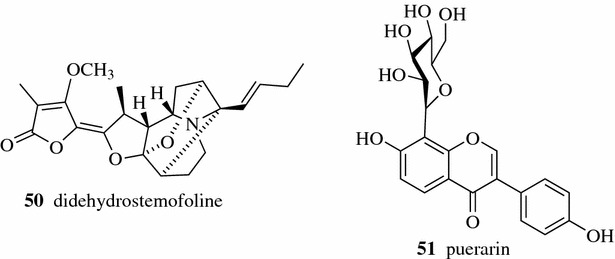
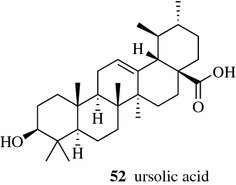
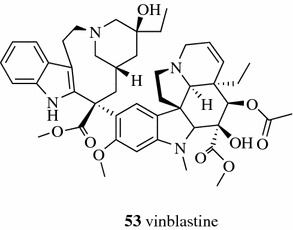
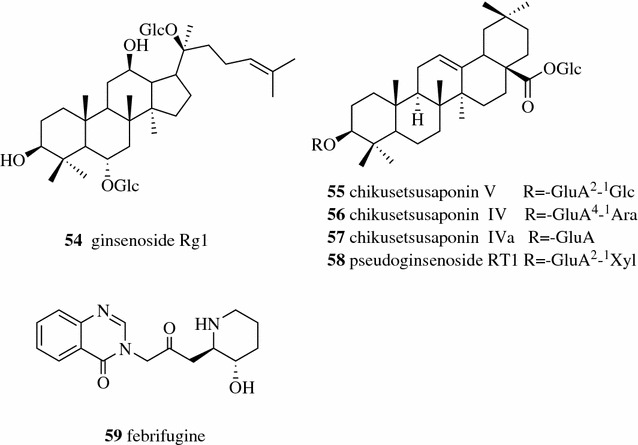
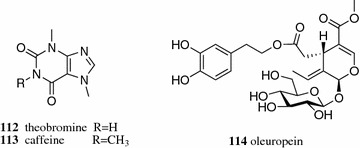
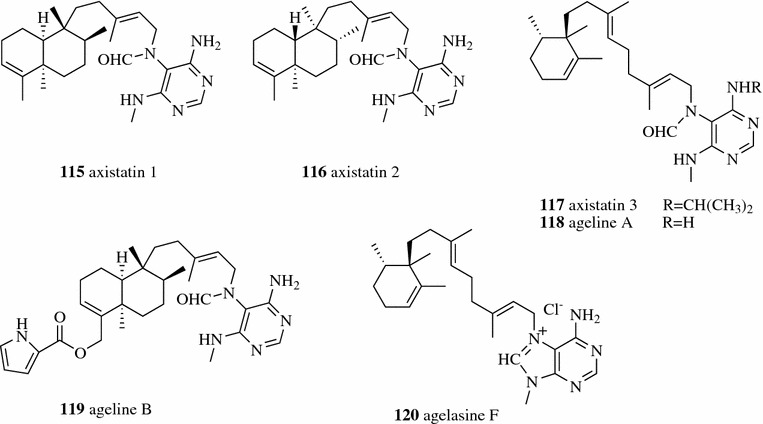
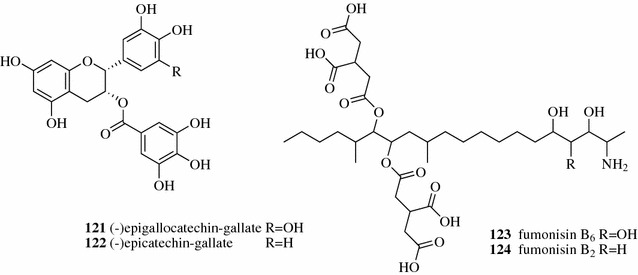
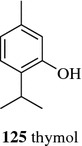
Verification
Claims the paper makes
The claims and statistics of this paper haven’t been checked yet.
Free: it reads the open-access text and checks the first 5 claims that cite a source we can check. Create a free account to check every claim.
Claims other papers make about this one
Each is checked against this paper’s own text: does it say what the citing paper says it does?
The source backs part of the claim, not all of it — or backs it for a different population, condition or comparison.
In the citing paper
“The polarity/ionic strength of various solvents in use, along with the usage of heat and/or mixing, are the key factors influencing the effectiveness of conventional extraction processes [87].”
From Valorization of Fruit Waste for Bioactive Compounds and Their Applications in the Food Industry (2023) · cites this paper as [87]
Experimental — accuracy not yet measuredThe cited source says what the claim attributes to it.
In the citing paper
“UAE enables the efficient extraction of targeted bioactive components by leveraging its distinct cavitation effect.”
From A comprehensive review of ultrasonic assisted extraction (UAE) for bioactive components: Principles, advantages, equipment, and combined technologies (2023) · cites this paper as [9]
Self-check
Percentages, sums and reported differences re-computed from the paper’s own numbers.
The self-check needs the paper’s full text.
Citations
Cites
Natural products as sources of new drugs from 1981 to 2014
Newman, D. J., & Cragg, G. M. (2016) · Journal of Natural Products · doi:10.1021/acs.jnatprod.5b01055 · Cited by 5,858
Natural products as sources of new drugs over the last 25 years
Newman, D. J., & Cragg, G. M. (2007) · Journal of Natural Products · doi:10.1021/np068054v · Cited by 5,517
Natural products as sources of new drugs over the 30 years from 1981 to 2010
Newman, D. J., & Cragg, G. M. (2012) · Journal of Natural Products · doi:10.1021/np200906s · Cited by 4,687
Chemat, F., Rombaut, N., Sicaire, A.-G., Meullemiestre, A., Fabiano-Tixier, A.-S., & Abert-Vian, M. (2017) · Ultrasonics Sonochemistry · doi:10.1016/j.ultsonch.2016.06.035 · Cited by 3,278
Natural products: A continuing source of novel drug leads
Cragg, G. M., & Newman, D. J. (2013) · Biochimica et Biophysica Acta (BBA) - General Subjects · doi:10.1016/j.bbagen.2013.02.008 · Cited by 2,906 · cited 1×
“Natural products offer more drug-like features to molecules from combinatorial chemistry in terms of functional groups, chirality, and structural complexity [4, 5].”
BackgroundDiscovery and resupply of pharmacologically active plant-derived natural products: A review
Atanasov, A. G., Waltenberger, B., Pferschy-Wenzig, E.-M., Linder, T., Wawrosch, C., Uhrin, P., Temml, V., Wang, L., Schwaiger, S., Heiss, E. H., et al. (2015) · Biotechnology Advances · doi:10.1016/j.biotechadv.2015.08.001 · Cited by 2,904 · cited 1×
“Natural products offer more drug-like features to molecules from combinatorial chemistry in terms of functional groups, chirality, and structural complexity [4, 5].”
BackgroundVinatoru, M., Mason, T. J., & Calinescu, I. (2017) · TrAC Trends in Analytical Chemistry · doi:10.1016/j.trac.2017.09.002 · Cited by 710 · cited 1×
“There are two types of MAE methods: solvent-free extraction (usually for volatile compounds) and solvent extraction (usually for non-volatile compounds) [36, 37].”
MethodBarba, F. J., Zhu, Z., Koubaa, M., Sant'Ana, A. S., & Orlien, V. (2016) · Trends in Food Science & Technology · doi:10.1016/j.tifs.2016.01.006 · Cited by 701 · cited 1×
“UAE is commonly employed in the extraction of many types of natural products [32, 33].”
BackgroundBioactivities, isolation and purification methods of polysaccharides from natural products: A review
Shi, L. (2016) · International Journal of Biological Macromolecules · doi:10.1016/j.ijbiomac.2016.06.100 · Cited by 559 · cited 1×
“Sephadex is formed by cross-linking dextran, and the G-types of Sephadex were used for the separation of hydrophilic compounds such as peptides [75], oligosaccharides and polysaccharides [76].”
BackgroundSila, A., & Bougatef, A. (2016) · Journal of Functional Foods · doi:10.1016/j.jff.2015.11.007 · Cited by 545 · cited 1×
“Sephadex is formed by cross-linking dextran, and the G-types of Sephadex were used for the separation of hydrophilic compounds such as peptides [75], oligosaccharides and polysaccharides [76].”
Background
Research works printed but not linked: 9
- Zhang H Wang W Fu ZM Han CC Song Y Study on comparison of extracting fucoxanthin from Undaria pinnatifida with percolation extraction and refluxing methods Zhongguo Shipin Tianjiaji 2014 9 91 95
- Fu M Zhang L Han J Li J Optimization of the technology of ethanol extraction for Goupi patch by orthogonal design test Zhongguo Yaoshi (Wuhan, China) 2008 11 1 75 76
- Gao X Han J Dai H Xiang L Study on optimizing the technological condition of ethanol percolating extraction for Goupi patch Zhongguo Yaoshi 2009 12 10 1395 1397
- Zhang L Comparison of extraction effect of active ingredients in traditional Chinese medicine compound preparation with two different method Heilongjiang Xumu Shouyi 2013 9 132 133
- Zt Guo Xq Luo Jp Liang Yang Z Ai X Comparative study on extraction of febrifugine from traditional Chinese medicine Dichroa febrifuga by reflux method and ultrasonic method Shizhen Guoyi Guoyao 2015 26 6 1532 1533
- Xs Li Bq Jiang Jl Mao Study on extraction separation and pharmacodynamics of effective components in Kuqingcha Guangxi Yixue 2013 35 5 637 638
- Wang X Zhao C Peng X Tang K Adsorption mechanism of methoxy modified macroporous crosslinked resin for phenol Huaxue Xuebao 2010 68 5 453 456
- Zhang Wm Zhai Yc Yang Hj Zhang Rg Hao J Han Jq Zhang Yl Silver nitrate-silica gel column chromatography purification linolenic acid in walnut oil Shipin Gongye Keji 2015 36 10 229 232
- Wang H Yang F Xia Z Progress in modification of preparative gas chromatography and its applications Huaxue Tongbao 2011 74 1 3 9
Cited by
Items 401–500 of 1,002
Conventional vs modern extraction techniques in the food industry
Mathews, A., Arbal, A. V., Kaarunya, A., Jha, P. K., Le‐Bail, A., & Rawson, A. (2023) · Elsevier eBooks · doi:10.1016/b978-0-12-819516-1.00013-2 · Cited by 33
Exploring Phenolic Compounds in Crop By-Products for Cosmetic Efficacy
Gomez-Molina, M., Albaladejo-Maricó, L., Yepes‐Molina, L., Nicolás‐Espinosa, J., Navarro‐León, E., García-Ibáñez, P., & Carvajal, M. (2024) · International Journal of Molecular Sciences · doi:10.3390/ijms25115884 · Cited by 32
“The use of these solvents mixed makes them suitable for enhancing extraction yields [68].”
BackgroundPhan, L. T. M., Nguyen, K. T. P., Vuong, H., Tran, D. D., Nguyen, T. X. P., Hoang, M. N., Mai, T. P., & Hiếu, N. H. (2020) · Journal of Chemistry · doi:10.1155/2020/9548401 · Cited by 32
Evaluation of the performance of a pilot-scale solar still for olive mill wastewater treatment
Mastoras, P., Vakalis, S., Fountoulakis, M. S., Gatidou, G., Katsianou, P. A., Koulis, G. A., Τhomaidis, Ν. S., Haralambopoulos, D. A., & Stasinakis, A. S. (2022) · Journal of Cleaner Production · doi:10.1016/j.jclepro.2022.132695 · Cited by 32
Asmaey, M. A., Elsoghiar, A. A. M., Shaaban, M., Moharram, A. M., & El-Gaby, M. S. A. (2024) · Chemistry Africa · doi:10.1007/s42250-024-01110-1 · Cited by 31
Ma, W., Tang, M., Li, S., Ma, Y., Ling, M., & Sheng, W. (2024) · Microchemical Journal · doi:10.1016/j.microc.2024.112379 · Cited by 31
Banožić, M., Aladić, K., Jerković, I., & Jokić, S. (2020) · Journal of the Science of Food and Agriculture · doi:10.1002/jsfa.10796 · Cited by 31
Jatrorrhizine: a review of its pharmacological effects
Rolle, J., Asante, D. O., Kok-Fong, L. L., Boucetta, H., Seidu, T. A., Tai, L. L. K., & Alolga, R. N. (2021) · Journal of Pharmacy and Pharmacology · doi:10.1093/jpp/rgaa065 · Cited by 31
Liu, R., Chu, X., Su, J., Fu, X., Kan, Q., Wang, X., & Zhang, X. (2021) · Processes · doi:10.3390/pr9101708 · Cited by 31
“Modern extraction methods include ultrasound-assisted, microwave-assisted, ultra-high-pressure-assisted, and complex enzyme-assisted extraction, and their advantages are rapidity, high extraction efficiency, low temperature (preventing destruction of active ingredients), and easy operation [15].”
BackgroundKrongrawa, W., Limmatvapirat, S., Saibua, S., & Limmatvapirat, C. (2022) · Molecules · doi:10.3390/molecules27134162 · Cited by 31
“The extraction yield was high in a highly polar solvent (low ethanol concentration), suggesting that most polar compounds might be extracted using the “like dissolves like” concept [20].”
Rozirwan, R., Hananda, H., Nugroho, R. Y., Apri, R., Khotimah, N. N., Fauziyah, F., Putri, W. A. E., & Aryawati, R. (2023) · Tropical Journal of Natural Product Research · doi:10.26538/tjnpr/v7i7.29 · Cited by 31
Kirenol: A promising bioactive metabolite from siegesbeckia species: A detailed review
Ibrahim, S. R. M., Altyar, A. E., Sindi, I. A., El‐Agamy, D. S., Abdallah, H. M., Mohamed, S. G. A., & Mohamed, G. A. (2021) · Journal of Ethnopharmacology · doi:10.1016/j.jep.2021.114552 · Cited by 31
Tuntiyasawasdikul, S., Junlatat, J., Tabboon, P., Limpongsa, E., & Jaipakdee, N. (2023) · Industrial Crops and Products · doi:10.1016/j.indcrop.2023.117909 · Cited by 30
Talha, M., Khalid, S., Maan, A. A., Tanveer, N., Khan, M. K. I., Asif, M., Arif, S., & Sarwar, A. (2024) · Food Reviews International · doi:10.1080/87559129.2024.2366841 · Cited by 30
“[15] Solvent extractions are the most widely used processes to extract several compounds from plant materials including essential oils, sugars, extracts, bioactive compounds (phenolic compounds and carotenoids); to isolate the undesired fraction like caffeine and to enhance technological properties…”
Rajabiyan, A., Bakhshi, D., & Hosseini, S. A. (2025) · Organic Process Research & Development · doi:10.1021/acs.oprd.5c00080 · Cited by 30
Mu, J., Wu, G., Chen, Z., Brennan, C. S., Tran, K., Dilrukshi, N., Shi, C., Zhen, H., & Hui, X. (2021) · Journal of Food Composition and Analysis · doi:10.1016/j.jfca.2021.103982 · Cited by 30
Borah, A., Selvaraj, S., Holla, S. R., & De, S. (2022) · Arabian Journal of Chemistry · doi:10.1016/j.arabjc.2022.104370 · Cited by 32
Qiu, L., Feng, R., Wu, Q.-S., Wan, J., & Zhang, Q. (2023) · Journal of Ethnopharmacology · doi:10.1016/j.jep.2023.116785 · Cited by 30
Self-citationThe potentials of plant-based colorants for sustainable textile dyeing industry
Nambela, L. (2023) · Research Journal of Textile and Apparel · doi:10.1108/rjta-04-2023-0043 · Cited by 30
Men, X., Han, X., Oh, G., Im, J., Lim, J.-S., Cho, G. H., Choi, S., & Lee, O. (2023) · Food Science and Biotechnology · doi:10.1007/s10068-023-01434-7 · Cited by 30
“Solvent extraction is a common routine extraction method that is widely used for the extraction of bioactive compounds (Zhang et al., 2018).”
Phuwajaroanpong, A., Chaniad, P., Horata, N., Muangchanburee, S., Kaewdana, K., & Punsawad, C. (2020) · Journal of Evidence-Based Integrative Medicine · doi:10.1177/2515690x20978387 · Cited by 30
Bioinks of Natural Biomaterials for Printing Tissues
Rijal, G. (2023) · Bioengineering · doi:10.3390/bioengineering10060705 · Cited by 30
“There is a high chance of altering or losing the natural configuration of protein molecules during the extraction, isolation, purification, and preparation of protein bioinks [55,56].”
BackgroundPhytochemicals in plant food waste: Innovative insight and implications
Usman, I., Sana, S., Afzaal, M., Imran, A., Jaffar, H. M., Sukhera, S., Munir, M., Asghar, A., & Urugo, M. M. (2025) · Journal of Agriculture and Food Research · doi:10.1016/j.jafr.2025.101779 · Cited by 30
Rahman, A., Fares, A., Veettil, A. V., Mohtar, R. H., & Awal, R. (2025) · Environmental Technology & Innovation · doi:10.1016/j.eti.2025.104480 · Cited by 30
“In contrast to physical and chemical methods, enzymatic degradation can occur in a much milder environment, alleviating the damage of cell wall breakage to the value-added bioactive compounds (Zhang et al., 2018).”
Common techniques and methods for screening of natural products for developing of anticancer drugs
Singh, M., Patra, S., & Singh, R. K. (2020) · Elsevier eBooks · doi:10.1016/b978-0-12-821710-8.00015-1 · Cited by 29
Ali, Z., Subeshan, B., Alam, M. A., Asmatulu, E., & Xu, J. (2021) · Biomass Conversion and Biorefinery · doi:10.1007/s13399-021-01326-y · Cited by 29
Marami, L. M., Dilba, G. M., Atalel, D., Sarba, E. J., Gizaw, A., Bune, W. M., Bayu, M. D., Admasu, P., Mekbeb, A., Tadese, M., et al. (2021) · Journal of Experimental Pharmacology · doi:10.2147/jep.s305936 · Cited by 29
“Plant Extraction Although a standardized extraction protocol has not been developed for herbal extracts, 20–95% of the solvents (polar or/and non-polar) substances are frequently used by the herbal medicine industry to prepare plant crude extracts.(40) All three medicinal plants: E.”
BackgroundOtero, P., Carpena, M., Fraga‐Corral, M., Garcia‐Oliveira, P., Soria-López, A., Barba, F. J., Xiao, J., Simal‐Gándara, J., & Prieto, M. A. (2021) · eFood · doi:10.53365/efood.k/144603 · Cited by 29
“[78] Bendif H, Adouni K, Miara MD, e RB, Kraujalis P, Venskutonis PR, et al. Essential oils (EOs), pressurized liquid extracts (PLE) and carbon dioxide supercritical fluid extracts (SFE-CO2) from AlgerianThymus munbyanus as valuable sources of antioxidants to be used on an industrial level.”
BackgroundInfluentialTapia-Quirós, P., Montenegro-Landívar, M. F., Reig, M., Vecino, X., Saurina, J., Granados, M., & Cortina, J. L. (2022) · Membranes · doi:10.3390/membranes12030339 · Cited by 29
“Nevertheless, water and ethanol are the most compatible options for the food, cosmetic, and pharmaceutical fields [10,32,38].”
BackgroundKhan, M. A., Manzoor, Z., Rafiq, M., Munawar, S. H., Waqas, M. Y., Majeed, H., Shah, S. Z. A., Hussain, R., Hussain, H. I., Tahir, T., et al. (2022) · Molecules · doi:10.3390/molecules27165346 · Cited by 31
Zahoor, H., Watchaputi, K., Hata, J., Pabuprapap, W., Suksamrarn, A., Chua, L. S., & Soontorngun, N. (2022) · Frontiers in Pharmacology · doi:10.3389/fphar.2022.980066 · Cited by 29
Zengin, G., Cádiz‐Gurrea, M. D. L. L., Fernández‐Ochoa, Á., Leyva‐Jiménez, F. J., Segura‐Carretero, A., Momotko, M., Yıldıztugay, E., Karatas, R., Jugreet, S., Mahomoodally, M. F., et al. (2022) · Molecules · doi:10.3390/molecules27185788 · Cited by 30
“There is an urgent need to develop efficient and selective methods for this [18].”
MethodMethods of Extraction of Phytochemicals
Sinha, D., Mukherjee, S., & Chowdhury, S. (2022) · Advances in bioinformatics and biomedical engineering book series · doi:10.4018/978-1-6684-7337-5.ch010 · Cited by 29
Effect of novel combination processing technologies on extraction and quality of rice bran oil
Modupalli, N., Krisshnan, A., Sunil, C. K., Chidanand, D. V., Natarajan, V., Koidis, A., & Rawson, A. (2022) · Critical Reviews in Food Science and Nutrition · doi:10.1080/10408398.2022.2119367 · Cited by 29
“…of solvent extraction like lesser time consumption, better extraction efficiency, and maximum yield are, however, overpowered by the drawbacks like the need for excessive quantities of solvents, higher temperature exposure, greater probability of thermal degradation, etc. (Zhang, Lin, and Ye 2018).”
BackgroundSalem, M. A., Mansour, H. E. A., Mosalam, E. M., El‐Shiekh, R. A., Ezzat, S. M., & Zayed, A. (2023) · Waste and Biomass Valorization · doi:10.1007/s12649-022-02027-x · Cited by 29
Alaaeddine, R. A., Elzahhar, P. A., AlZaim, I., Abou-Kheir, W. G., Belal, A. S. F., & EL‐Yazbi, A. F. (2020) · Current Medicinal Chemistry · doi:10.2174/0929867327999200820173853 · Cited by 29
Phytochemical screening and Antioxidant activity of Cananga odorata extract
Jiea, C. K., Fuloria, S., Subramaniyan, V., Sekar, M., Sathasivam, K. V., Kayarohanam, S., Wu, Y. S., Velaga, V. S. S. R., Janakiraman, A. K., Maziz, M. N. H., et al. (2022) · Research Journal of Pharmacy and Technology · doi:10.52711/0974-360x.2022.00205 · Cited by 29
Dynamics of the isoflavone metabolome of traditional preparations of Trifolium pratense L.
Garcia, G. R. M., Zagal, D., Graham, J. G., Nikolic, D. S., Friesen, J. B., Lankin, D. C., Chen, S., & Pauli, G. F. (2019) · Journal of Ethnopharmacology · doi:10.1016/j.jep.2019.111865 · Cited by 29
“Because both infusion and decoction utilize hot water, thermally labile compounds in the plant were expected to be affected by the high temperature during preparation (Fueki et al., 2016; Zhang et al., 2018), generating derivatives or products of decomposition (Sun et al.”
BackgroundKornpointner, C., Sainz Martinez, A., Schnürch, M., Halbwirth, H., & Bica-Schröder, K. (2021) · Green Chemistry · doi:10.1039/d1gc03516a · Cited by 28
Chabili, A., Minaoui, F., Hakkoum, Z., Douma, M., Meddich, A., & Loudiki, M. (2024) · Journal of Applied Phycology · doi:10.1007/s10811-024-03328-5 · Cited by 28
“In addition to extraction conditions, solvent-to-solid ratio critically affect extraction yield (Zhang et al. 2018), which could be the reason for the difference in biomolecules concentrations in the extracts.”
Mass spectral database-based methodologies for the annotation and discovery of natural products
Yang, F., Liang, Z., Zhao, H., Zheng, J., Liu, L., Song, H., & Xin, G.-Z. (2025) · Chinese Journal of Natural Medicines · doi:10.1016/s1875-5364(25)60852-1 · Cited by 29
Mulyati, A. H., Sulaeman, A., Marliyati, S. A., Rafi, M., & Fikri, A. M. (2020) · AIP conference proceedings · doi:10.1063/5.0005567 · Cited by 28
Borah, P., Hazarika, S., Deka, S., Venugopala, K. N., Nair, A. B., Attimarad, M., Sreeharsha, N., & Mailavaram, R. P. (2020) · Current Drug Metabolism · doi:10.2174/1389200221666200714144911 · Cited by 28
Dou, J., Heinonen, J., Vuorinen, T., Xu, C., & Sainio, T. (2020) · Separation and Purification Technology · doi:10.1016/j.seppur.2020.118247 · Cited by 28
Sari, D. R. T., Paemanee, A., Roytrakul, S., Cairns, J. R. K., Safitri, A., & Fatchiyah, F. (2021) · Acta Biochimica Polonica · doi:10.18388/abp.2020_5386 · Cited by 28
“Total anthocyanin extracts were partially purified using Sephadex® LH-20 chromatography in methanol followed by silica gel column chromatography (Zhang et al., 2018).”
MethodJiménez, D., Vardanega, R., Salinas-Fuentes, F., Álvarez, C. E., Muñoz, W. B., Palma, J., Meireles, M. A. A., Ruiz‐Domínguez, M. C., & Mezquita, P. C. (2021) · The Journal of Supercritical Fluids · doi:10.1016/j.supflu.2021.105241 · Cited by 28
Nam, D., Kim, M. K., Choe, J., & Choi, A. (2022) · Foods · doi:10.3390/foods11040508 · Cited by 28
Dhaniaputri, R., Suwono, H., Amin, M., & Lukiati, B. (2022) · Advances in biological sciences research/Advances in Biological Sciences Research · doi:10.2991/absr.k.220406.053 · Cited by 28
Zamora-Mendoza, L., Vispo, N. S., Lima, L. D., Mora, J. R., Machado, A., & Alexis, F. (2023) · Molecules · doi:10.3390/molecules28041591 · Cited by 28
“Organic solvents (methanol and ethanol) were used based on other studies [15].”
MethodSilva, B., Teixeira, J. A., Cadavez, V., & Gonzales‐Barron, U. A. (2023) · Foods · doi:10.3390/foods12173206 · Cited by 28
Advancement of Plant Extract/Ionic Liquid-Based Green Corrosion Inhibitor
Zunita, M., & Rahmi, V. A. (2023) · Chemistry Africa · doi:10.1007/s42250-023-00782-5 · Cited by 28
“Following drying, various extract isolation methods such as solvent extraction, distillation, sublimation, and pressing [66].”
Dall’Acqua, S., Ak, G., Sut, S., Zengin, G., Yıldıztugay, E., Mahomoodally, M. F., Sinan, K. I., & Lobine, D. (2020) · Food Research International · doi:10.1016/j.foodres.2020.109371 · Cited by 28
Anthocyanin extraction from black carrot: Health promoting properties and potential applications
Saini, A., Hamid, H., Shams, R., Dash, K. K., Shaikh, A. M., & Kovács, B. (2024) · Journal of Agriculture and Food Research · doi:10.1016/j.jafr.2024.101533 · Cited by 27
Xu, H. J., Wu, W., Chen, Y., Zhang, D., & Mo, F. (2025) · Nature Communications · doi:10.1038/s41467-025-56136-x · Cited by 27
“Numerous synthetic laboratories worldwide conduct a staggering volume of CC separations daily to purify synthesized compounds and isolate bioactive compounds from natural products 3,4 .”
Acero, N., Manrique, J., Mingarro, D. M., Martínez‐Solís, I., & Bosch, F. T. (2025) · Antioxidants · doi:10.3390/antiox14030279 · Cited by 27
“Low-temperature extractions and those obtained under reflux can present important differences in their phytochemical profile because high temperatures promote the occurrence of the hydrolysis of many extract components [13,14].”
Current advances in microalgae-based fucoxanthin production and downstream processes
Budiarso, F. S., Leong, Y. K., Chang, J.-J., Chen, C.-Y., Chen, J.-H., Yen, H., & Chang, J. (2025) · Bioresource Technology · doi:10.1016/j.biortech.2025.132455 · Cited by 27
Chai, Y., Xu, Y., Luo, Y., You, X., Liu, Q., Li, C., & Jiang, W. (2025) · Separation and Purification Technology · doi:10.1016/j.seppur.2025.134680 · Cited by 27
Fernández-Agulló, A., Freire, M. S., Ramírez-López, C., Fernández-Moya, J., & González‐Álvarez, J. (2020) · Biomass Conversion and Biorefinery · doi:10.1007/s13399-019-00598-9 · Cited by 27
“Extracting solvent, temperature, time, particle size of the raw materials, and solid–liquid ratio have been found to be the main variables that affect the efficiency of the extraction process [6, 7].”
BackgroundKuo, T., Chang, H., Chen, T., Liu, B.-C., Chen, H., Hsiung, Y.-C., Hsia, S., Chang, C.-J., & Huang, T. (2020) · ACS Omega · doi:10.1021/acsomega.0c04489 · Cited by 27
“Considering the ways to extract natural products vary the constitution of the bioactive compounds, 42 we focused on the e ff ects of hot water extracts of herbs in CRC cells to mimic the outcome of drinking herbal tea.”
Jacob, B., Sureshbabu, N. M., Ranjan, M., Ranganath, A., & Siddique, R. (2021) · International Journal of Dentistry · doi:10.1155/2021/5563945 · Cited by 27
“Although we employed the conventional Soxhlet extraction process owing to its cost-effectiveness, simplicity, and high extraction efficiency, in recent years, newer and more greener methods have surfaced, overcoming significant flaws associated with their contemporaries, holding considerable promise in achieving high…”
BackgroundMethodDormousoglou, M., Efthimiou, I., Αντωνοπούλου, Μ., Fetzer, D. E. L., Hamerski, F., Corazza, M. L., Papadaki, M. I., Santzouk, S., Dailianis, S., & Vlastos, D. (2022) · Antioxidants · doi:10.3390/antiox11071393 · Cited by 27
“To this end, their extraction from different parts of medicinal plants using ethanol, methanol and/or water is of great importance [10].”
BackgroundQM/MM Modeling Aided Enzyme Engineering in Natural Products Biosynthesis
Zhang, F., Zeng, T., & Wu, R. (2023) · Journal of Chemical Information and Modeling · doi:10.1021/acs.jcim.3c00779 · Cited by 27
Ezzaky, Y., Elmoslih, A., Silva, B., Bonilla‐Luque, O. M., Possas, A. M. M., Valero, A., Cadavez, V., Gonzales‐Barron, U. A., & Achemchem, F. (2023) · Comprehensive Reviews in Food Science and Food Safety · doi:10.1111/1541-4337.13232 · Cited by 29
From Norway spruce bark to carbon foams: Characterization and applications
Varila, T., Brännström, H., Kilpeläinen, P. O., Hellström, J., Romar, H., Nurmi, J., & Lassi, U. M. (2020) · BioResources · doi:10.15376/biores.15.2.3651-3666 · Cited by 27
Ribeiro, M. M. D. S., dos Santos, L. C., de Novais, N. S., Viganó, J., & Veggi, P. C. (2022) · Industrial Crops and Products · doi:10.1016/j.indcrop.2022.115325 · Cited by 28
Ferrero, D., Moscato, E., Spina, F., Cavalluzzi, M. M., Rotondo, N. P., Oddon, S. B., Gargano, M. L., Venturella, G., Lentini, G., Bertea, C. M., et al. (2024) · Innovative Food Science & Emerging Technologies · doi:10.1016/j.ifset.2024.103721 · Cited by 26
“Conventional hydroalcoholic fungal extracts were prepared according to Zhang et al. (Zhang, Lin, & Ye, 2018), but optimised for medicinal mushrooms.”
Karimnejad, M., & Ghavam, M. (2024) · PLoS ONE · doi:10.1371/journal.pone.0301558 · Cited by 23
“The properties of the extraction solvent, the particle size of raw materials, the ratio of solvent to solid, extraction temperature and extraction time affect the yield [43].”
BackgroundČulina, P., Cvitković, D., Pfeifer, D., Zorić, Z., Repajić, M., Garofulić, I. E., Balbino, S., & Pedišić, S. (2021) · Processes · doi:10.3390/pr9122207 · Cited by 27
Soliman, M. F., Shetaia, Y. M., Tayel, A. A., Munshi, A. M., Alatawi, F. A., Alsieni, M., & Al‐Saman, M. A. (2022) · Antibiotics · doi:10.3390/antibiotics11030327 · Cited by 26
“The separation of those components was carried out sequentially between the methanol mixture and increasing polarity solvents: n-hexane, n-butanol (n-BuOH), dichloromethane, and ethyl acetate (EtOAc) [19,20], (Figure A1).”
MethodOlaokun, O. O., Manonga, S. A., Zubair, M. S., Maulana, S., & Mkolo, N. M. (2022) · Molecules · doi:10.3390/molecules27103175 · Cited by 26
“Solvent–solvent fractionation is one of the first techniques often utilized in the process of obtaining pure natural products from complex extracts [19,20].”
BackgroundCharacterization of effective phytochemicals in traditional Chinese medicine by mass spectrometry
Chen, C., Li, Y., Li, Z., & Lee, M.-R. (2022) · Mass Spectrometry Reviews · doi:10.1002/mas.21782 · Cited by 26
In Vitro Physical Characterizations and Docking Studies on Carvedilol Nanocrystals
Mohamed, J. M. M., Alqahtani, A., Menaa, F., Kayarohanam, S., Fatease, A. M. A., Alqahtani, T., Alamri, A. H., El‐Sherbiny, M., Ramkanth, S., & Janakiraman, A. K. (2022) · Crystals · doi:10.3390/cryst12070988 · Cited by 26
Shukla, S., Lohani, U. C., Shahi, N. C., & Dubey, A. (2022) · Journal of Food Process Engineering · doi:10.1111/jfpe.14130 · Cited by 26
Maaiden, E. E., Qarah, N., Ezzariai, A., Mazar, A., Nasser, B., Moustaid, K., Boukcim, H., Hirich, A., Kouisni, L., & Kharrassi, Y. E. (2023) · Antioxidants · doi:10.3390/antiox12030725 · Cited by 26
“Therefore, by increasing the extraction time and continuously releasing the extracted products, the extraction solvent should be saturated [6].”
BackgroundMethodSharma, B., & Yadav, D. K. (2023) · South African Journal of Botany · doi:10.1016/j.sajb.2023.04.005 · Cited by 26
Novel extraction conditions for phytochemicals
Senapati, M. R., & Behera, P. C. (2023) · Elsevier eBooks · doi:10.1016/b978-0-443-19143-5.00019-0 · Cited by 26
Kheyar, N., Boucheffa, S., Bellik, Y., Kheyar, F., & Brahmi-Chendouh, N. (2023) · Biotechnologia · doi:10.5114/bta.2023.127207 · Cited by 26
Fragkouli, R., Αντωνοπούλου, Μ., Asimakis, E. D., Spyrou, A., Kosma, C., Zotos, A., Tsiamis, G., Patakas, A., & Triantafyllidis, V. (2023) · Metabolites · doi:10.3390/metabo13090967 · Cited by 26
Green extraction of dyes and pigments from natural resources
Islam, M. T., Farhan, M. S., & Mahmud, M. H. (2023) · Elsevier eBooks · doi:10.1016/b978-0-443-15213-9.00002-8 · Cited by 26
Liu, C.-L., Jiang, Y., & Li, H. (2024) · Critical Reviews in Analytical Chemistry · doi:10.1080/10408347.2024.2305267 · Cited by 26
“19] Therefore, to ensure consistent quality of raw materials, guidelines such as Good Agricultural Practice (GAP) and Good Agricultural and Collection Practices (GACP) have been established.”
Syafriana, V., Purba, R. N., & Djuhariah, Y. S. (2021) · Journal of Tropical Biodiversity and Biotechnology · doi:10.22146/jtbb.58528 · Cited by 26
“Maceration was chosen because it is a very simple method and could be used for the extraction of thermolabile compounds (Zhang et al. 2018).”
MethodOstolski, M., Adamczak, M., Brzozowski, B., & Wiczkowski, W. (2021) · Molecules · doi:10.3390/molecules26030545 · Cited by 26
“, tea preparation) [18] and traditional solid–liquid extraction is applied on an industrial scale [19].”
BackgroundSyabana, M. A., Yuliana, N. D., Batubara, I., & Fardiaz, D. (2021) · Food Science and Technology · doi:10.1590/fst.14120 · Cited by 26
“The process for identifying bioactive compounds from the plant is not easy because of the limited availability, complex structures, low stability, mixture forms with different boiling points and polarity, and the large cost requirements for the selection of bioactive compounds (Mishra et al., 2008; Zhang et al., 2018).”
BackgroundRahmi, N., Salim, R., Miyono, M., & Rizki, M. I. (2021) · Jurnal Penelitian Hasil Hutan · doi:10.20886/jphh.2021.39.1.13-26 · Cited by 26
Lesmana, D., Andrianto, D., & Astuti, R. I. (2021) · Scientia Pharmaceutica · doi:10.3390/scipharm89040045 · Cited by 26
Zuhri, U. M., Yuliana, N. D., Fadilah, F., Erlina, L., Purwaningsih, E. H., & Khatib, A. (2023) · Journal of Ethnopharmacology · doi:10.1016/j.jep.2023.117296 · Cited by 25
Recent Advances in Biorefinery of Tenebrio molitor Adopting Green Technologies
Muñoz-Seijas, N., Fernandes, H., Domínguez, J. M., & Salgado, J. M. (2024) · Food and Bioprocess Technology · doi:10.1007/s11947-024-03510-0 · Cited by 25
“In the Soxhlet apparatus, the mixture is condensed in cool tubes, and the lipids are quantified after evaporation of the solvents (Zhang et al., 2018).”
Soni, N., Yadav, M., Malarvannan, M., Sharma, D., & Paul, D. (2025) · Journal of Chromatography B · doi:10.1016/j.jchromb.2025.124543 · Cited by 25
Romero-Martínez, M., Andrade-Pizarro, R., & de Paula, C. D. (2025) · Current Research in Food Science · doi:10.1016/j.crfs.2025.101028 · Cited by 18
“This results in shorter extraction times and less environmental damage, tending towards green and environmentally friendly extraction techniques (V ˆ ania and Ramin, 2018; Zhang et al., 2018).”
Zieniuk, B., & Uğur, Ş. (2025) · Current Issues in Molecular Biology · doi:10.3390/cimb47030181 · Cited by 25
“Table 2 provides a summary of the research studies concerning the role of baicalin in combating breast cancer [35–50].”
Extraction of grape seeds by different solvents affects the activities of the resultant extract
Tarek, K., Farid, A., & Safwat, G. (2025) · AMB Express · doi:10.1186/s13568-025-01851-3 · Cited by 25
“In solvent extraction for phytochemical research, alcohols (ethanol and methanol) represent common solvents (Zhang et al. 2018).”
Ravi, J. L., Ghosh, P., Ahmad, F., Haque, S., Barciela, P., Chamorro, F., Jorge, A. O. S., Prieto, M. A., & Rana, S. S. (2025) · Frontiers in Nutrition · doi:10.3389/fnut.2025.1445189 · Cited by 25
“This technique efficiently isolates volatile flavor compounds without causing thermal degradation (28).”
BOSWELLIA SERRATA ROXB. – A BIOACTIVE HERBS WITH VARIOUS PHARMACOLOGICAL ACTIVITIES
Mishra, S. K., Bishnoi, R. S., MAURYA, R., & JAIN, D. (2020) · Asian Journal of Pharmaceutical and Clinical Research · doi:10.22159/ajpcr.2020.v13i11.39354 · Cited by 25
“specified solvent and allow to stand for 15 min [12].”
BackgroundChen, B., Misrani, A., Long, C., He, Z., Chen, K., & Yang, L. (2022) · Molecules · doi:10.3390/molecules27113555 · Cited by 25
“Another crucial factor in the extraction process is time [33,34].”
BackgroundDeep eutectic solvents as sustainable solvents for industrial separation problems: A recent update
Mgxadeni, N., Kabane, B., Bahadur, I., Varma, R. S., & Singh, S. K. (2023) · Journal of Ionic Liquids · doi:10.1016/j.jil.2023.100065 · Cited by 27
Spyrou, A., Batista, M. G. D. F., Corazza, M. L., Papadaki, M. I., & Αντωνοπούλου, Μ. (2024) · Molecules · doi:10.3390/molecules29040871 · Cited by 25
Hasoon, B. A., Mahmood, B. S., Mohamed, E. A., Jabir, M. S., Jawad, K. H., Hussein, N. N., Sulaiman, G. M., Dewir, Y. H., & Mendler‐Drienyovszki, N. (2024) · Green Processing and Synthesis · doi:10.1515/gps-2024-0126 · Cited by 25
Marine specialized metabolites: Unveiling Nature's chemical treasures from the deep blue
Jayawardena, T. U., Mérindol, N., Liyanage, N. S., Awwad, F., & Desgagné‐Penix, I. (2024) · TrAC Trends in Analytical Chemistry · doi:10.1016/j.trac.2024.118097 · Cited by 25
Drioiche, A., Amine, S., Boutahiri, S., Saidi, S., Ailli, A., Rhafouri, R., Mahjoubi, M., Hilali, F. E., Mouradi, A., Eto, B., et al. (2020) · Journal of Essential Oil Bearing Plants · doi:10.1080/0972060x.2020.1829995 · Cited by 25
Matrose, N. A., Obikeze, K., Belay, Z. A., & Caleb, O. J. (2021) · Food Bioscience · doi:10.1016/j.fbio.2021.101139 · Cited by 26
Metadata
- Authors
- Zhang, Q.-W., Lin, L.-G., & Ye, W.-C.
- Affiliations
- Jinan University (CN)
- Corresponding author
- Ye, Wen-Cai
- Venue
- Chinese Medicine
- Published
- 2018-04-17
- Volume
- 13
- Issue
- 1
- Pages
- 20-20
- ISSN
- 1749-8546 (ISSN-L)
- PMC
- PMC5905184
- OpenAlex
- W2802621137
- Cited by
- 2,321
- References
- 98
- Citations by year
- 2026: 272 · 2025: 391 · 2024: 433 · 2023: 384 · 2022: 377 · 2021: 276 · 2020: 148 · 2019: 32 · 2018: 2
- FWCI
- 11.68
- Type
- journal article
- Language
- en
- Open access
- gold
- doi.org
- Licence
- cc-by
- creativecommons.org/licenses/by/4.0/ (tdm)
- Locations
- Chinese Medicine (publishedVersion, cc-by)
- Europe PMC (PubMed Central) (publishedVersion, other-oa)
- PubMed Central (publishedVersion, cc-by)
- PubMed (publishedVersion)
- DOAJ (DOAJ: Directory of Open Access Journals) (submittedVersion)
- Funders
- Macau Science and Technology Development Fund (FDCT/042/2014/A1)
- Ministry of Science and Technology of the People's Republic of China (2013DFM30080)
- Universidade de Macau (MYRG2014-00162-ICMS-QRCM)
- Topics
- Physical Sciences › Chemistry › Analytical Chemistry › Chromatography in Natural Products
- Life Sciences › Agricultural and Biological Sciences › Food Science › Agricultural and Biological Research
- Health Sciences › Medicine › Complementary and alternative medicine › Traditional Chinese Medicine Analysis
- Keywords
- natural products, extraction methods, isolation methods, bioactive compounds, natural medicine, drug development
About these checks
Registry, retraction, Cites and statistics results are computed, not judged, with one exception: a printed reference that no index lists is read once by a model before it counts as a citation error. Claims are extracted by a model and kept only when their quote appears verbatim in the text; each cited source is then checked, with a model’s help, for whether it says what the claim relies on. Those verdicts can be wrong — read the claim’s quote and the cited source before relying on one.
Statistics and arithmetic are recomputed, not judged.
Confidence bands are shown only for fields calibrated on our annotated test set. None is calibrated yet, so no band is shown.
What counts as a claim ›How we measure confidence ›How we check this ›
Are you an author, or do you see a problem with this page? Request a review
Data sources
Bibliographic data: Semantic Scholar, OpenAlex, Crossref.
Contains information from the Semantic Scholar Academic Graph Datasets, made available under the ODC Attribution License (ODC-BY 1.0).
Semantic Scholar’s data is described in: Kinney, R., et al. (2023). The Semantic Scholar Open Data Platform. arXiv:2301.10140.
