

Techniques for extraction and isolation of natural products: a comprehensive review
Open accessThe DOI matches its Crossref record; 97 of the 98 references it cites were found in a registry or an index.
Abstract
Natural medicines were the only option for the prevention and treatment of human diseases for thousands of years. Natural products are important sources for drug development. The amounts of bioactive natural products in natural medicines are always fairly low. Today, it is very crucial to develop effective and selective methods for the extraction and isolation of those bioactive natural products. This paper intends to provide a comprehensive view of a variety of methods used in the extraction and isolation of natural products. This paper also presents the advantage, disadvantage and practical examples of conventional and modern techniques involved in natural products research.
Overview
The claims and statistics of this paper haven’t been checked yet.
Free: it reads the open-access text and checks the first 5 claims that cite a source we can check. Create a free account to check every claim.
Integrity signals
Registry
Cites
Statistics
Figures
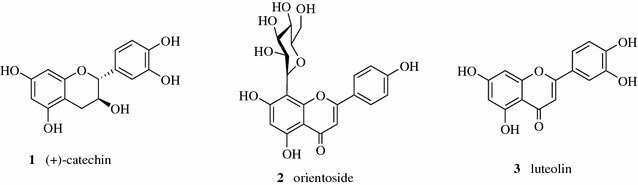
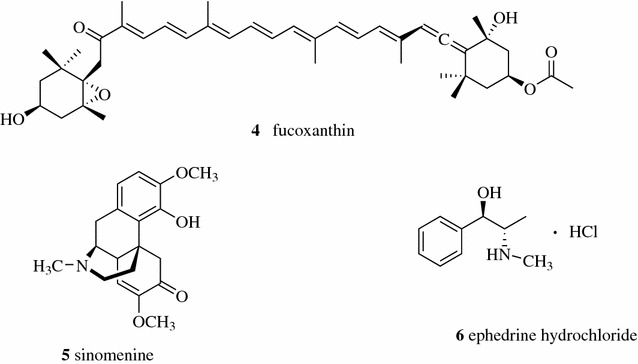
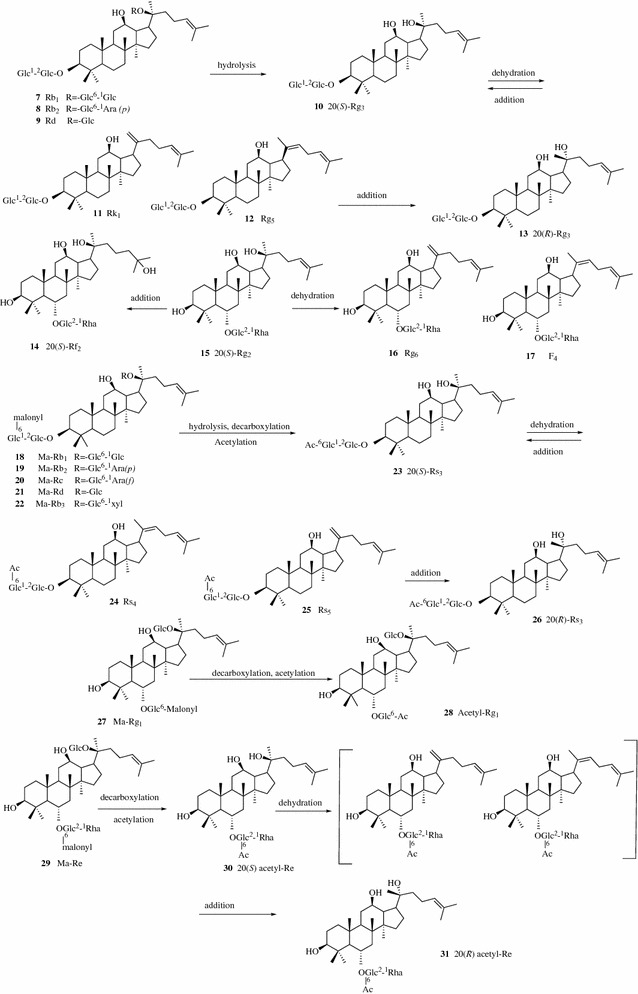
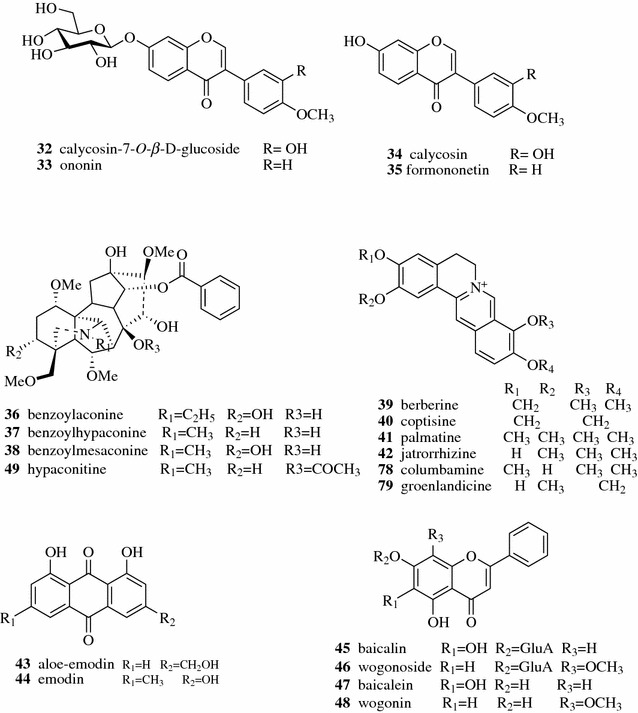
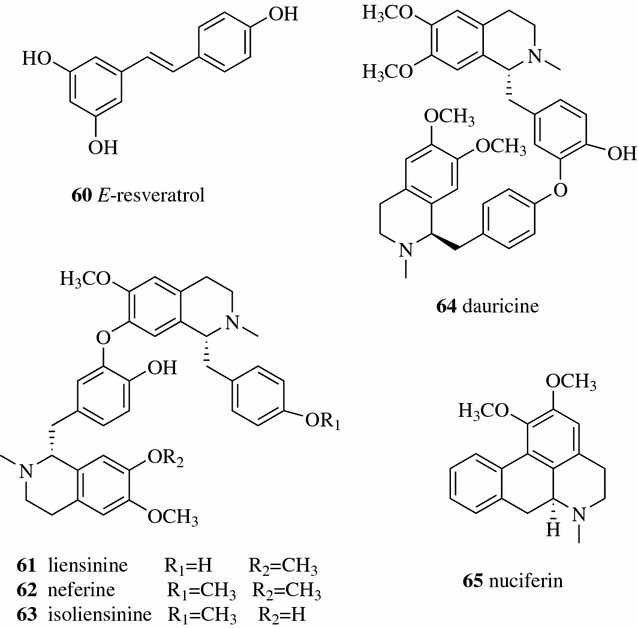
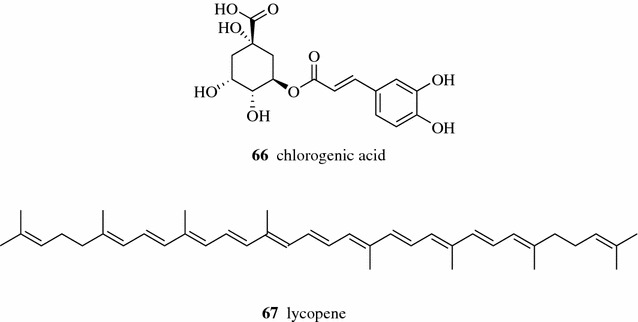
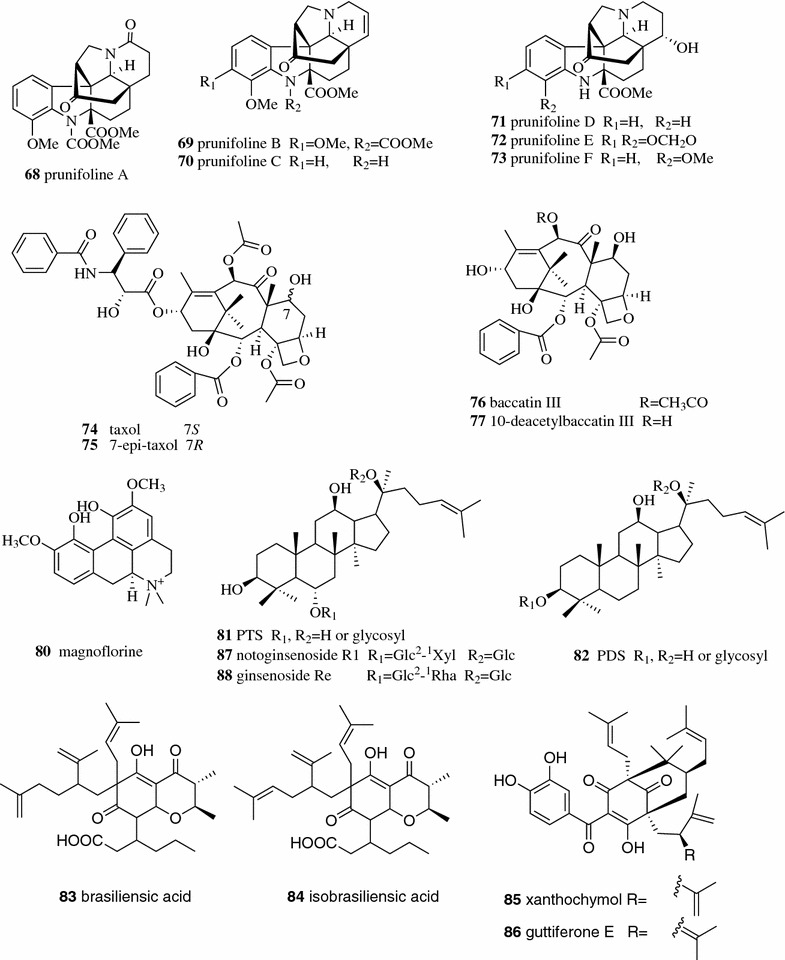
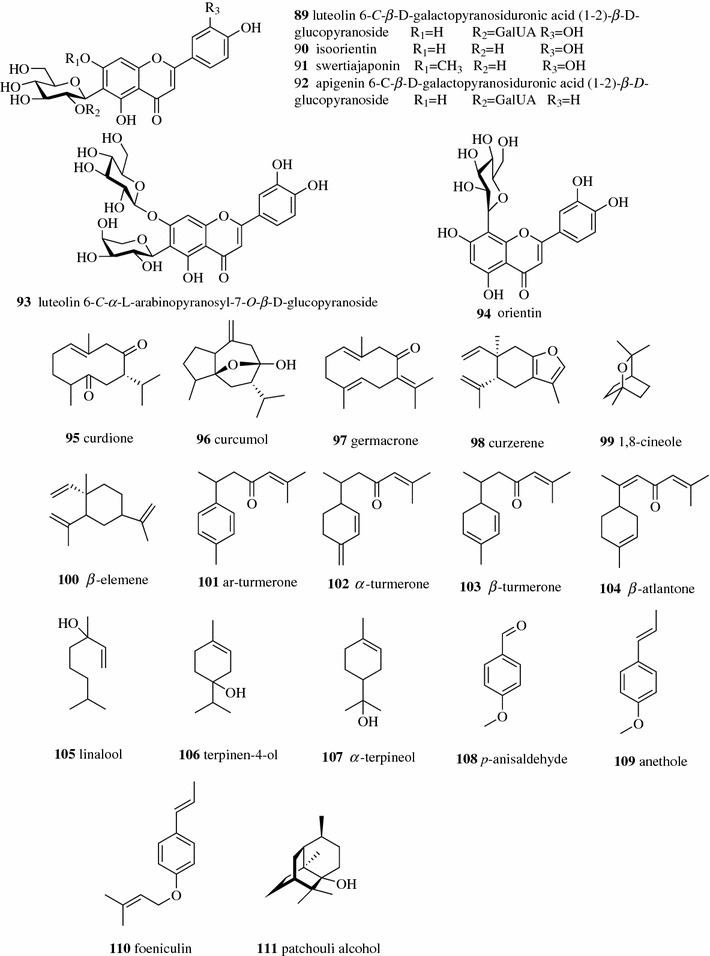
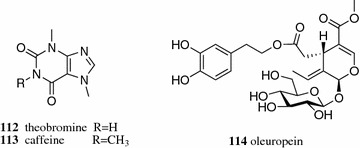
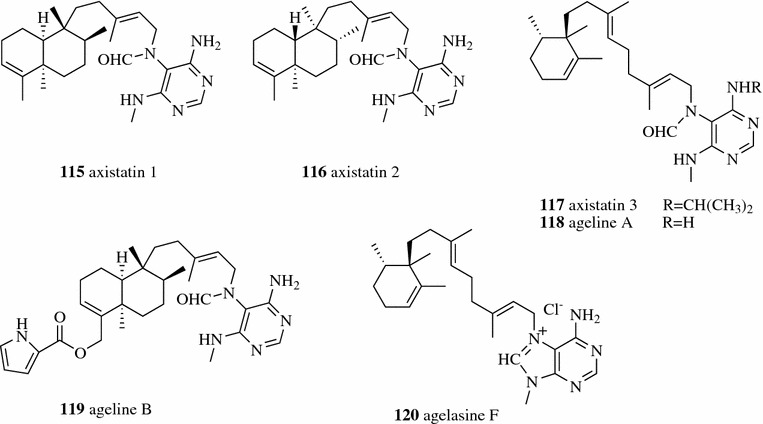
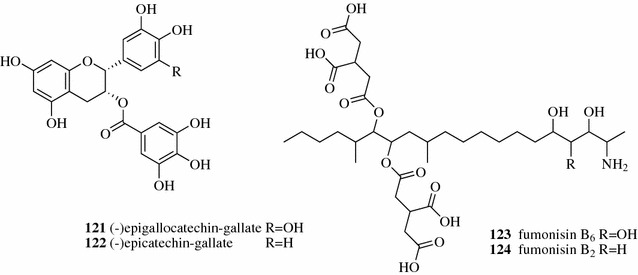
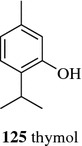
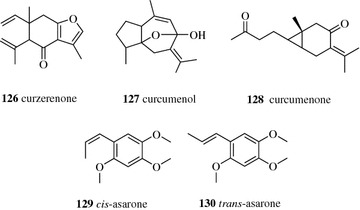
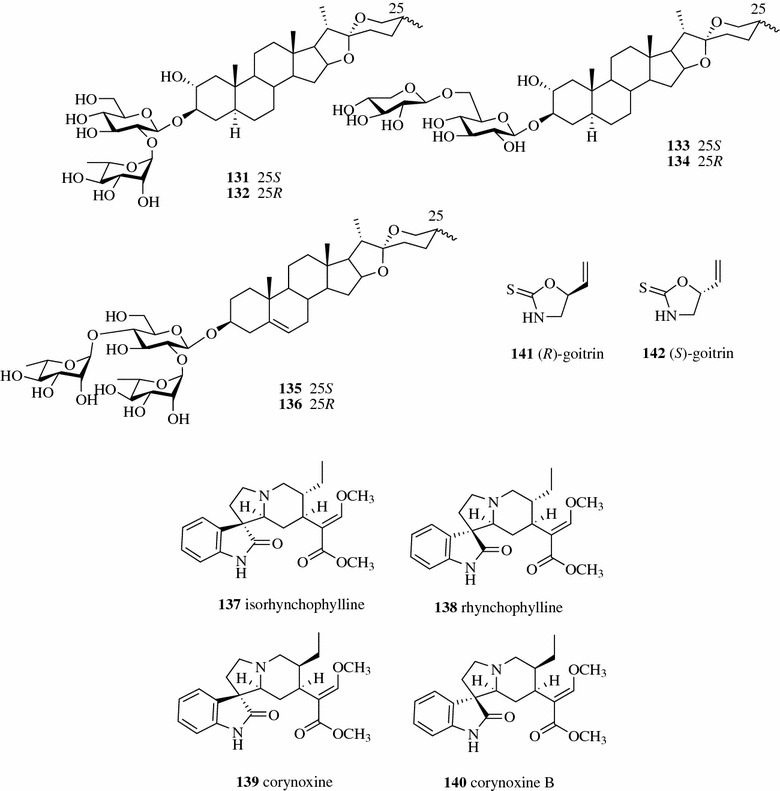
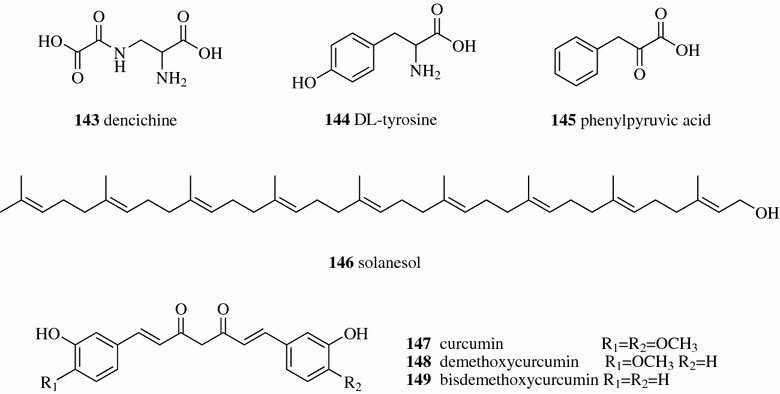
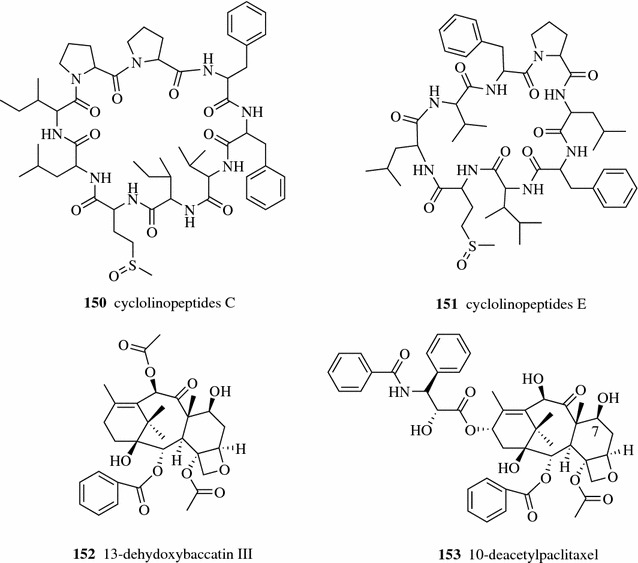
Verification
Claims the paper makes
The claims and statistics of this paper haven’t been checked yet.
Free: it reads the open-access text and checks the first 5 claims that cite a source we can check. Create a free account to check every claim.
Claims other papers make about this one
Each is checked against this paper’s own text: does it say what the citing paper says it does?
The source backs part of the claim, not all of it — or backs it for a different population, condition or comparison.
In the citing paper
“The polarity/ionic strength of various solvents in use, along with the usage of heat and/or mixing, are the key factors influencing the effectiveness of conventional extraction processes [87].”
From Valorization of Fruit Waste for Bioactive Compounds and Their Applications in the Food Industry (2023) · cites this paper as [87]
Experimental — accuracy not yet measuredThe cited source says what the claim attributes to it.
In the citing paper
“UAE enables the efficient extraction of targeted bioactive components by leveraging its distinct cavitation effect.”
From A comprehensive review of ultrasonic assisted extraction (UAE) for bioactive components: Principles, advantages, equipment, and combined technologies (2023) · cites this paper as [9]
Self-check
Percentages, sums and reported differences re-computed from the paper’s own numbers.
The self-check needs the paper’s full text.
Citations
Cites
Natural products as sources of new drugs from 1981 to 2014
Newman, D. J., & Cragg, G. M. (2016) · Journal of Natural Products · doi:10.1021/acs.jnatprod.5b01055 · Cited by 5,858
Natural products as sources of new drugs over the last 25 years
Newman, D. J., & Cragg, G. M. (2007) · Journal of Natural Products · doi:10.1021/np068054v · Cited by 5,517
Natural products as sources of new drugs over the 30 years from 1981 to 2010
Newman, D. J., & Cragg, G. M. (2012) · Journal of Natural Products · doi:10.1021/np200906s · Cited by 4,687
Chemat, F., Rombaut, N., Sicaire, A.-G., Meullemiestre, A., Fabiano-Tixier, A.-S., & Abert-Vian, M. (2017) · Ultrasonics Sonochemistry · doi:10.1016/j.ultsonch.2016.06.035 · Cited by 3,278
Natural products: A continuing source of novel drug leads
Cragg, G. M., & Newman, D. J. (2013) · Biochimica et Biophysica Acta (BBA) - General Subjects · doi:10.1016/j.bbagen.2013.02.008 · Cited by 2,906 · cited 1×
“Natural products offer more drug-like features to molecules from combinatorial chemistry in terms of functional groups, chirality, and structural complexity [4, 5].”
BackgroundDiscovery and resupply of pharmacologically active plant-derived natural products: A review
Atanasov, A. G., Waltenberger, B., Pferschy-Wenzig, E.-M., Linder, T., Wawrosch, C., Uhrin, P., Temml, V., Wang, L., Schwaiger, S., Heiss, E. H., et al. (2015) · Biotechnology Advances · doi:10.1016/j.biotechadv.2015.08.001 · Cited by 2,904 · cited 1×
“Natural products offer more drug-like features to molecules from combinatorial chemistry in terms of functional groups, chirality, and structural complexity [4, 5].”
BackgroundVinatoru, M., Mason, T. J., & Calinescu, I. (2017) · TrAC Trends in Analytical Chemistry · doi:10.1016/j.trac.2017.09.002 · Cited by 710 · cited 1×
“There are two types of MAE methods: solvent-free extraction (usually for volatile compounds) and solvent extraction (usually for non-volatile compounds) [36, 37].”
MethodBarba, F. J., Zhu, Z., Koubaa, M., Sant'Ana, A. S., & Orlien, V. (2016) · Trends in Food Science & Technology · doi:10.1016/j.tifs.2016.01.006 · Cited by 701 · cited 1×
“UAE is commonly employed in the extraction of many types of natural products [32, 33].”
BackgroundBioactivities, isolation and purification methods of polysaccharides from natural products: A review
Shi, L. (2016) · International Journal of Biological Macromolecules · doi:10.1016/j.ijbiomac.2016.06.100 · Cited by 559 · cited 1×
“Sephadex is formed by cross-linking dextran, and the G-types of Sephadex were used for the separation of hydrophilic compounds such as peptides [75], oligosaccharides and polysaccharides [76].”
BackgroundSila, A., & Bougatef, A. (2016) · Journal of Functional Foods · doi:10.1016/j.jff.2015.11.007 · Cited by 545 · cited 1×
“Sephadex is formed by cross-linking dextran, and the G-types of Sephadex were used for the separation of hydrophilic compounds such as peptides [75], oligosaccharides and polysaccharides [76].”
Background
Research works printed but not linked: 9
- Zhang H Wang W Fu ZM Han CC Song Y Study on comparison of extracting fucoxanthin from Undaria pinnatifida with percolation extraction and refluxing methods Zhongguo Shipin Tianjiaji 2014 9 91 95
- Fu M Zhang L Han J Li J Optimization of the technology of ethanol extraction for Goupi patch by orthogonal design test Zhongguo Yaoshi (Wuhan, China) 2008 11 1 75 76
- Gao X Han J Dai H Xiang L Study on optimizing the technological condition of ethanol percolating extraction for Goupi patch Zhongguo Yaoshi 2009 12 10 1395 1397
- Zhang L Comparison of extraction effect of active ingredients in traditional Chinese medicine compound preparation with two different method Heilongjiang Xumu Shouyi 2013 9 132 133
- Zt Guo Xq Luo Jp Liang Yang Z Ai X Comparative study on extraction of febrifugine from traditional Chinese medicine Dichroa febrifuga by reflux method and ultrasonic method Shizhen Guoyi Guoyao 2015 26 6 1532 1533
- Xs Li Bq Jiang Jl Mao Study on extraction separation and pharmacodynamics of effective components in Kuqingcha Guangxi Yixue 2013 35 5 637 638
- Wang X Zhao C Peng X Tang K Adsorption mechanism of methoxy modified macroporous crosslinked resin for phenol Huaxue Xuebao 2010 68 5 453 456
- Zhang Wm Zhai Yc Yang Hj Zhang Rg Hao J Han Jq Zhang Yl Silver nitrate-silica gel column chromatography purification linolenic acid in walnut oil Shipin Gongye Keji 2015 36 10 229 232
- Wang H Yang F Xia Z Progress in modification of preparative gas chromatography and its applications Huaxue Tongbao 2011 74 1 3 9
Cited by
Items 601–700 of 1,002
Dibenzo[b,f]oxepine Molecules Used in Biological Systems and Medicine
Krawczyk, H. (2023) · International Journal of Molecular Sciences · doi:10.3390/ijms241512066 · Cited by 20
“Extracting Dibenzo[b,f ]oxepines from Plants and Its Significance in Medicine An interesting branch of science is the search for active compounds extracted from plants [6].”
BackgroundBudiansyah, A., Haroen, U., Syafwan, S., & Kurniawan, K. (2023) · Journal of Advanced Veterinary and Animal Research · doi:10.5455/javar.2023.j687 · Cited by 21
A review on Persian Gulf brown algae as potential source for anticancer drugs
Sadeghi, A., Rajabiyan, A., Nezhad, N. M., Nabizade, N., Alvani, A., & Ahmady, A. Z. (2024) · Algal Research · doi:10.1016/j.algal.2024.103446 · Cited by 20
Lim, M. W., Tang, Y.-Q., Aroua, M. K., & Gew, L. T. (2024) · ACS Omega · doi:10.1021/acsomega.4c00041 · Cited by 20
“6 Therefore, despite the toxicity and environmental and health risks, alcohols were still used as universal solvents in solvent extraction for phytochemical investigation.”
BackgroundHartati, R., Rompis, F., Pramastya, H., & Fidrianny, I. (2024) · Biomedical Reports · doi:10.3892/br.2024.1854 · Cited by 20
“Zhang et al (32) reported that solvent with polarity values similar to the solute, based on the law of solubility, generally show improved performance.”
BackgroundInfluentialIntegration of Hyphenated Techniques for Characterizing and Chemical Profiling of Natural Products
Verma, A. K., Chattopadhaya, A., Gupta, P., Tiwari, H., Singh, S., Kumar, L., & Gautam, V. (2025) · Chemistry & Biodiversity · doi:10.1002/cbdv.202500234 · Cited by 20
“This comprises nonpolar substances that are obtained by varying the temperature and pressure of extraction, such as lipids and volatile oils [7, 13]. b. MAE: MAE is a technique used in analytical chemistry to extract compounds from various matrices, such as plant materials, soils or tissues [14].”
InfluentialHarnessing nature’s arsenal: sustainable plant-based strategies for phytopathogen control
Calefi, G. G., Silva, N. B. S., Alhatlani, B. Y., Abdallah, E. M., & Martins, C. H. G. (2025) · Frontiers in Microbiology · doi:10.3389/fmicb.2025.1588462 · Cited by 20
Natural products: Potential lead compounds for the treatment of endometriosis
Machairiotis, N., Vasilakaki, S., & Kouroutou, P. (2019) · European Journal of Obstetrics & Gynecology and Reproductive Biology · doi:10.1016/j.ejogrb.2019.11.019 · Cited by 20
Extraction of oleuropein from olive leaves and applicability in foods
Coppa, C. F. S. C., Gonçalves, B. L., Lee, S. H. I., Nunes, V. M. R., Gonçalves, C. B., Rodrigues, C. E. D. C., & de Oliveira, C. A. F. (2020) · Quality Assurance and Safety of Crops & Foods · doi:10.15586/qas.v12i4.779 · Cited by 20
dos Anjos, G. L., Moreira, G. C., Carneiro, C. N., Caldas, J. D. C., Silva, I. M. D. J., dos Santos, W. N. L., & Dias, F. D. S. (2021) · Food Analytical Methods · doi:10.1007/s12161-021-02088-z · Cited by 20
Najafabadi, A. S., Noormohammadi, N., Moradi, K., Ebrahimi, M., & Khanahmadi, M. (2022) · Journal of Applied Research on Medicinal and Aromatic Plants · doi:10.1016/j.jarmap.2022.100399 · Cited by 20
Zombe, K., Nyirenda, J., Lumai, A., & Phiri, H. (2022) · Sustainable Chemistry · doi:10.3390/suschem3030021 · Cited by 21
Chadni, M., Isidore, E., Lagalle, F., Langlait, M. M. J., Dosso, A., & Ioannou, I. (2022) · The Journal of Supercritical Fluids · doi:10.1016/j.supflu.2022.105830 · Cited by 20
Olalere, O. A., Gan, C., Esan, A. O., Adeyi, O., & Adeyi, A. J. (2021) · Phytochemical Analysis · doi:10.1002/pca.3030 · Cited by 20
Yisong, L., Gholami, R., Safari, M., Rahimi, A., & Wee, S. K. (2021) · Journal of Petroleum Science and Engineering · doi:10.1016/j.petrol.2021.109370 · Cited by 20
Makarova, A., Özten, C., & Zieniuk, B. (2025) · Applied Sciences · doi:10.3390/app15094843 · Cited by 19
Mkilima, T. (2025) · Biofuels Bioproducts and Biorefining · doi:10.1002/bbb.70004 · Cited by 19
“79,80 Each of these fractions holds distinct market value, and their independent utilization enhances the economic viability of biorefining systems.”
Díaz-Muñoz, L. L., Castañeda-Aude, J. E., Landín-Sandoval, V. J., Lozano-Ãlvarez, J. A., & Escárcega‐González, C. E. (2025) · Food Reviews International · doi:10.1080/87559129.2025.2541849 · Cited by 19
“However, despite having high yields and eliminating the extraction of undesirable compounds, its application is laborious and expensive, so these aspects must be considered [52] .”
Reuse of beer spent grain for the industrial production of biodegradable bio-composites
Visco, A., Bardella, N., Scolaro, C., Belhamdi, H., Brahimi, S., Gatto, V., Samiolo, R., & Beghetto, V. (2025) · Industrial Crops and Products · doi:10.1016/j.indcrop.2025.121684 · Cited by 19
Hndeya, A. G., Sbhatu, D. B., & Gebreyohannes, G. (2026) · Analytical Science Advances · doi:10.1002/ansa.70071 · Cited by 21
“Extracting these compounds involves several steps: extraction, screening, isolation, toxicological assessment and clinical evaluation [ 20, 21 ].”
InfluentialThe effect of solvent volume ratio and extraction time on the yield of red dye from sappanwood
Septiani, I. E., Kumoro, A. C., & Djaeni, M. (2021) · IOP Conference Series Materials Science and Engineering · doi:10.1088/1757-899x/1053/1/012128 · Cited by 19
“UAE is an inexpensive method that offers a simple operating procedure that requires only an ultrasonic bath and is able to reduce the time, solvent, temperature, and energy needed for the extraction process making it suitable for the extraction of chemically and thermally unstable compounds [11].”
MethodMitragynine: A review of its extraction, identification, and purification methods
Canberra, U., Muqarrabun, L. M. R. A., & Amrianto, A. (2021) · Current Research on Biosciences and Biotechnology · doi:10.5614/crbb.2021.3.1/tmpnsa4h · Cited by 20
Recent trends in preprocessing and extraction of watermelon rind extract: A comprehensive review
Ahamad, S., Azmin, S. N. H. M., Nor, M. S. M., Zamzuri, N. D. D., & Babar, M. (2022) · Journal of Food Processing and Preservation · doi:10.1111/jfpp.16711 · Cited by 19
Extraction of Natural Products: Principles and Fundamental Aspects
Barbero, G. F., Ferreiro‐González, M., Freitas, V. C. M., Carrera, C., Espada-Bellido, E., Ruiz‐Rodríguez, A., Liazid, A., Rostagno, M. A., Prado, J. M., & Palma, M. (2022) · Royal Society of Chemistry eBooks · doi:10.1039/9781839165894-00066 · Cited by 19
Mikulič-Petkovšek, M., Veberič, R., Hudina, M., & Misic, E. (2022) · Plants · doi:10.3390/plants11223053 · Cited by 19
“We chose 80% methanol because the literature [14,25,26] indicates that a combination of an organic solvent with water is usually the most effective solvent for the extraction of metabolites from plants, especially phenolic compounds.”
BackgroundEff, A. R. Y., Huri, H. Z., Radji, M., Mun’im, A., Suyatna, F. D., & Eden, Y. (2023) · BMC Complementary Medicine and Therapies · doi:10.1186/s12906-023-03889-x · Cited by 19
“] fruit (6 kg) was macerated using 15 L of 80% methanol for 3 × 24 hours [16].”
MethodCritical retrospection and evaluation of waste engine oil recycling methods
Nissar, A., Hanief, M., & Mir, F. Q. (2023) · International Journal of Energy and Water Resources · doi:10.1007/s42108-023-00240-5 · Cited by 19
“The base oil is recovered through the following stages: (1) penetration of the solvent; (2) the solute dissolves in the solvents; (3) diffusion of solute; (4) collection of the extracted solutes (Zhang et al., 2018).”
BackgroundAdvances and challenges in bio-based 2,3-BD downstream purification: A comprehensive review
Gawal, P. M., & Subudhi, S. (2023) · Bioresource Technology Reports · doi:10.1016/j.biteb.2023.101638 · Cited by 19
Al‐Areer, N. W., Azzam, K. M. A., Omari, R. H. A., Al‐Deeb, I., Bekbayeva, L., & Negim, E. (2023) · Pharmacia · doi:10.3897/pharmacia.70.e103936 · Cited by 19
Seeger, J., Wendisch, V. F., & Henke, N. A. (2023) · Marine Drugs · doi:10.3390/md21100530 · Cited by 19
Xue, W., Zhang, M., Yang, M., Ogutu, C. O., Li, J., & Deng, X. (2024) · Vegetable Research · doi:10.48130/vegres-0024-0004 · Cited by 19
Bilayer nanofibers loaded with Malva sylvestris extract for enhanced wound healing applications
Ziabari, A. H., Ebrahimi, S. A. S., Jafari, K., Doodmani, S. M., Natouri, O., Nobakht, A., & Mouseli, S. (2024) · Journal of Drug Delivery Science and Technology · doi:10.1016/j.jddst.2024.105373 · Cited by 19
Pandae, N., Krangkrathok, W., Sawangwan, T., Ngernyuang, N., & Chantorn, S. T. (2024) · Bioactive Carbohydrates and Dietary Fibre · doi:10.1016/j.bcdf.2024.100412 · Cited by 19
Le, N. T., Ho, H. T. T., Duong, T. D., Le, T. T., Nguyen, Q. P., Nguyen, T. N. T., & Nguyen, H. T. (2024) · Separation Science and Technology · doi:10.1080/01496395.2024.2320714 · Cited by 19
“[29] Therefore, there is a limit to how much increasing the solvent volume can improve the extraction of rutin and flavonoids.”
BackgroundCitrus aurantium Flowers: Overview of Chemistry, Functionality, and Technological Applications
Seyyedi-Mansour, S., Donn, P., Barciela, P., Perez-Vazquez, A., Nogueira‐Marques, R., Chamorro, F., Carpena, M., & Prieto, M. A. (2025) · Molecules · doi:10.3390/molecules30040930 · Cited by 19
Bakr, R. O., El‐Behairy, M. F., Elissawy, A. M., Elimam, H., & Fayed, M. A. A. (2021) · Molecules · doi:10.3390/molecules26051198 · Cited by 19
“Acid–base extraction was applied as previously reported [38], allowing the separation of the polar aqueous fraction (7 g) from the non-polar alkaloidal fraction (2 g), both giving a positive reaction with Dragendorff’s.”
MethodValu, M.-V., DUCU, C. M., Moga, S. G., Negrea, D. A., Hriţcu, L., Boiangiu, R. Ş., Vamanu, E., Bălşeanu, T. A., Carradori, S., & Soare, L. C. (2021) · Pharmaceuticals · doi:10.3390/ph14060568 · Cited by 19
“Note that their solubility can also influence the extraction efficiency of polyphenols in the solvent used [63].”
BackgroundEscobedo, A., Rivera-León, E. A., Luévano‐Contreras, C., Urías‐Silvas, J. E., Luna‐Vital, D. A., Morales-Hernández, N., & Mojica, L. (2021) · Nutrients · doi:10.3390/nu13113898 · Cited by 19
“which improves the extraction efficiency [15].”
Ginting, A. R., Kit, T., Mingvanish, W., & Thanasupsin, S. P. (2022) · Sustainability · doi:10.3390/su14148435 · Cited by 19
Brazkova, M., Angelova, G., Mihaylova, D. S., Stefanova, P., Pencheva, M. M., Gledacheva, V., Stefanova, I. D., & Krastanov, A. I. (2022) · Foods · doi:10.3390/foods11243983 · Cited by 19
Pandey, S., & Pant, P. (2023) · Forest Science and Technology · doi:10.1080/21580103.2023.2175729 · Cited by 19
“In 1982, spruce bark was used as a constituent of plywood adhesives (Liiri et al. 1982), and afterward a considerable number of bark extraction technologies and bark-based products were patented (Chemat et al. 2012; Zhang et al. 2018).”
MethodOkselni, T., Septama, A. W., Pamungkas, R. A., Rahmi, E. P., Efdi, M., & Koketsu, M. (2023) · South African Journal of Botany · doi:10.1016/j.sajb.2023.02.019 · Cited by 19
Emam, Y., Abdou, R. M., Younis, I. Y., & Farag, M. A. (2025) · Phytochemistry Reviews · doi:10.1007/s11101-025-10153-2 · Cited by 18
“The initial stage in the workflow, following the selection of the desired target plant material (as in this case, guava and its agro-waste), involves selecting an appropriate solvent to extract most of the major compound classes present in the plant (Zhang et al. 2018).”
Bektaş, E., Şahin, H., Beldüz, A. O., & Güler, H. İ. (2021) · Journal of Food Biochemistry · doi:10.1111/jfbc.13921 · Cited by 18
Rosyantari, A., Prasedya, E. S., Ilhami, B. T. K., Martyasari, N. W. R., Padmi, H., Abidin, A. S., Ambana, Y., Kirana, I. P. B. P., & Sunarwidhi, A. L. (2021) · IOP Conference Series Earth and Environmental Science · doi:10.1088/1755-1315/913/1/012109 · Cited by 18
Mohamed, A. E., Shetta, A., Kegere, J., & Mamdouh, W. (2022) · International Journal of Biological Macromolecules · doi:10.1016/j.ijbiomac.2022.06.088 · Cited by 18
Correia, S., Gonçalves, C., Oliveira, J. M., Radhouani, H., & Reis, R. L. (2022) · Pharmaceutics · doi:10.3390/pharmaceutics14081713 · Cited by 18
“In fact, the extraction of natural bioactive polysaccharides, such as kefiran, with high purity, and with maximum extraction yield, meanwhile keeping in view that the native structure remains intact, are of great future concern, and remains a field for further exploration [25,26].”
BackgroundArifin, A., Jummah, N., & Arifuddin, M. (2022) · PHARMACY Jurnal Farmasi Indonesia (Pharmaceutical Journal of Indonesia) · doi:10.30595/pharmacy.v19i1.10841 · Cited by 18
Phukan, M. M., Sangma, S. R., Kalita, D., Bora, P., Das, P. P., Manoj, K., Pankaj, P. P., Jamir, I., Verma, D. K., Bupesh, G., et al. (2023) · Elsevier eBooks · doi:10.1016/b978-0-323-91684-4.00017-7 · Cited by 19
Bombana, V. B., do Nascimento, L. H., Rigo, D., Fischer, B., Colet, R., Paroul, N., Dallago, R. M., Junges, A., Cansian, R. L., & Backes, G. T. (2023) · Sustainable Chemistry and Pharmacy · doi:10.1016/j.scp.2023.101264 · Cited by 18
Fadhila, S. I., Hayati, E. K., Rafi, M., & Sabarudin, A. (2023) · al-Kimiya · doi:10.15575/ak.v10i2.30081 · Cited by 18
Tong, Y., Li, G., Shi, X.-B., Wang, L., Zhou, J., Chu, M., Wang, Z., El‐Aty, A. M. A., & Dang, J. (2024) · RSC Advances · doi:10.1039/d4ra00046c · Cited by 18
“26 The di ff erence in the selectivity of chemical components between reversed-phase liquid chromatography (RPLC) and hydrophilic liquid chromatography (HILIC) provides additional possibilities for separation.”
Biological activity of phytochemicals extracted from medicinal plants of Apocynaceae family
Yadav, K., Divyadeepika, & Joshi, J. (2024) · Materials Today Proceedings · doi:10.1016/j.matpr.2024.04.003 · Cited by 18
Αντωνιάδου, Μ., Rozos, G., Vaou, N., Zaralis, K., Ersanli, Ç., Alexopoulos, A., Dadamogia, A., Varzakas, T. H., Tzora, A., & Voidarou, C. C. (2024) · Biomolecules · doi:10.3390/biom14060619 · Cited by 18
Aguchem, R. N., Okagu, I. U., Okorigwe, E. M., Uzoechina, J. O., Nnemolisa, S. C., & Ezeorba, T. P. C. (2024) · Life Sciences · doi:10.1016/j.lfs.2024.122823 · Cited by 18
Degfie, T., saad, M. A. F., el Gazar, S., & Farag, M. A. (2025) · Advances in Sample Preparation · doi:10.1016/j.sampre.2025.100159 · Cited by 18
Manmuan, S., Sirirak, T., Tubtimsri, S., Petchsomrit, A., & Chuenbarn, T. (2025) · BMC Complementary Medicine and Therapies · doi:10.1186/s12906-025-04835-9 · Cited by 18
“The extraction at room temperature while protected from light helped to reduce thermal and light degradation substances [31].”
Exploring Essential Oils: Extraction, Biological Roles, and Food Applications
Rani, N., Kumar, V., & Chauhan, A. (2025) · Journal of Food Quality · doi:10.1155/jfq/9985753 · Cited by 19
Acquah, K. S., Beukes, D. R., Warner, D. F., Meyers, P. R., Sunassee, S. N., MAGLANGIT, F. F., Deng, H., Jaspars, M., & Gammon, D. W. (2020) · Molecules · doi:10.3390/molecules25132979 · Cited by 19
“using a series of purification steps, including a modified Kupchan method [18], solid phase extraction (SPE), and HPLC to yield two new siderophores, speibonoxamine 1 and desoxy-desferrioxamine D1”
MethodMohlakoana, M., & Moteetee, A. N. (2021) · Resources · doi:10.3390/resources10100096 · Cited by 18
Péter, B., Boldizsár, I., Kovács, G. M., Erdei, A., Bajtay, Z., Vörös, A., Ramsden, J. J., Szabó, I., Bősze, S. E., & Horváth, R. (2021) · Biomedicines · doi:10.3390/biomedicines9121781 · Cited by 19
Rodrigues, V. H. S., Almeida, R. N., Vargas, R. M. F., & Cassel, E. (2022) · The Journal of Chemical Thermodynamics · doi:10.1016/j.jct.2022.106725 · Cited by 18
Ramli, I., Posadino, A. M., Zerizer, S., Spissu, Y., Barberis, A., Djeghim, H., Azara, E., Bensouıcı, C., Kabouche, Z., Rebbas, K., et al. (2022) · Journal of Ethnopharmacology · doi:10.1016/j.jep.2022.115722 · Cited by 18
Rare earth element separations by high-speed counter-current chromatography
Dembowski, M., Rowley, J. E., Boland, K. S., Droessler, J., Hathcoat, D., Marchi, A. N., Goff, G. S., & May, I. (2022) · Journal of Chromatography A · doi:10.1016/j.chroma.2022.463528 · Cited by 18
Pinna, N., Ianni, F., Blasi, F., Stefani, A., Codini, M., Sabatini, S., Schoubben, A., & Cossignani, L. (2022) · Molecules · doi:10.3390/molecules27238240 · Cited by 18
“To this aim, different extraction methods can be applied [4].”
BackgroundMethodAdesida, S. O., Oyetunji, R. A., & Alimba, C. G. (2026) · Processes · doi:10.3390/pr14050795 · Cited by 17
Tao, Y., Yu, Z., Chen, T., Jin, W., Jin, W., & Yu, L. (2026) · iScience · doi:10.1016/j.isci.2026.116883 · Cited by 17
“3 Although various extraction techniques have been applied in phytomedicine research, 4 several fundamental methodological issues remain in the modeling and optimization of extraction processes.”
Herbal extraction procedures: need of the hour
Saravanabavan, N., Salwe, K. J., Codi, R. S., & Kumarappan, M. (2020) · International Journal of Basic & Clinical Pharmacology · doi:10.18203/2319-2003.ijbcp20202566 · Cited by 17
“It is a continuous process in which the saturated solvent is constantly being replaced by fresh solvent making it more effective procedure than maceration.(7) The most suitable method for soil extraction is hot water percolation and for oil extraction is cold percolation.”
BackgroundJin, D., Li, L., Dong, W., Zhu, X., Xia, X., Wang, R., Ye, J., Li, R., Liu, Z., Xu, X., et al. (2021) · Biological Trace Element Research · doi:10.1007/s12011-021-02788-x · Cited by 17
Jiskani, A. H., Aydar, A. Y., & Ahmed, D. (2021) · Journal of Food Processing and Preservation · doi:10.1111/jfpp.15983 · Cited by 17
Aygun, R. B., Zengin, G., Yıldıztugay, E., Jugreet, S., Yılmaz, M. A., & Mahomoodally, F. M. (2022) · Process Biochemistry · doi:10.1016/j.procbio.2022.03.016 · Cited by 17
Rahayu, S. T., Sari, R. Y., Mahayasih, P. G. M. W., Utami, T. P., & Eden, Y. (2023) · Archives Pharmacia · doi:10.47007/ap.v5i1.6354 · Cited by 17
de Baviera, D. R., Ruiz‐Canales, A., & Barrajón‐Catalán, E. (2023) · Plants · doi:10.3390/plants12162988 · Cited by 17
Ahmad, I., Hikmawan, B. D., Maharani, D. F., Nisrina, N., Arifianti, A. E., & Mun’im, A. (2023) · Heliyon · doi:10.1016/j.heliyon.2023.e20480 · Cited by 17
“Unfortunately, such a conventional method is ineffective as it needs lots of solvents and is time-consuming [10].”
BackgroundCarvalho, D., Pinho, C., de Oliveira, R. F. F., Moreira, F., & Oliveira, A. I. (2023) · Molecules · doi:10.3390/molecules28237714 · Cited by 17
Manonmani, T., Kaur, B. P., Singh, A., & Kumari, S. (2023) · Food Science and Biotechnology · doi:10.1007/s10068-023-01458-z · Cited by 17
“Soxhlet extraction and hot water extraction (decoction), although simple methods, involve high temperatures that affect thermolabile compound function, and the extraction efficiency is limited, whereas the energy consumption is higher (Bitwell et al., 2023; Zhang et al., 2018).”
Anmol, A., Aggarwal, G., Sharma, M., Singh, R., Shivani, & Sharma, U. K. (2024) · Studies in natural products chemistry · doi:10.1016/b978-0-443-15589-5.00010-4 · Cited by 17
Seglab, F., Assali, M. A., AlYafei, T., Hassan, H., Pinto, D. C. G. A., Baydoun, S. A., Thani, A. A. A., & Shaito, A. A. (2024) · Biology · doi:10.3390/biology13090687 · Cited by 17
“…extracts may underline their cytotoxic and antiproliferative effects, especially since many polyphenols and flavonoids, acting through diverse metabolic and signaling pathways, have been shown to cause significant inhibition of the proliferation of various types of cancer cells [87,90,92,93].”
BackgroundNurlely, N., Putra, A. M. P., Nurrochmad, A., Widyarini, S., & Fakhrudin, N. (2024) · Journal of Herbmed Pharmacology · doi:10.34172/jhp.2024.51454 · Cited by 17
“Thermolabile components can be extracted using this method (31).”
InfluentialTsai, C.-H., Liou, Y.-L., Li, S., Liao, H.-R., & Chen, J. (2024) · Antioxidants · doi:10.3390/antiox14010008 · Cited by 17
“Extraction of medicinal plants often involves the selection of suitable solvents to isolate the active ingredients or secondary metabolites [29,30].”
Limonene Production: Insights, Techniques, and Future Directions
Soni, S. (2025) · Industrial Biotechnology · doi:10.1089/ind.2024.0046 · Cited by 17
“14,15 However, these methods often involve the use of toxic solvents or have high energy demands, posing environmental and economic concerns.”
Regulatory frameworks for fragrance safety in cosmetics: a global overview
Rana, P., Pathania, D., Gaur, P., Patel, S. K., Bajpai, M., Singh, N. T., Pandey, R., Shukla, S. V., Pant, A. B., Ray, R. S., et al. (2025) · Toxicological Research · doi:10.1007/s43188-025-00283-2 · Cited by 18
“Various techniques are employed for the extraction of natural raw materials, including steam distillation, solvent extraction, pressing, sublimation, enfleurage, supercritical fluid extraction, and maceration, among others [9].”
Li, H., Nunekpeku, X., Adade, S. Y. S., Wei, S., Kwadzokpui, B. A., Ahlivia, E. B., & Chen, Q. (2025) · TrAC Trends in Analytical Chemistry · doi:10.1016/j.trac.2025.118215 · Cited by 18
Biomass-based Sorbents for Oil spill Clean-up: A review
Zubairu, A. A., & Hambali, H. U. (2025) · Malaysian Journal of Catalysis · doi:10.11113/mjcat.v9n1.192 · Cited by 17
Vora, J., Velhal, S., Sinha, S., Patel, V. V., & Shrivastava, N. (2021) · HIV Medicine · doi:10.1111/hiv.13116 · Cited by 17
Environmentally friendly plant essential oil: Liquid gold for human health
Chen, Y., Liu, L., Wang, H., Ma, J., Peng, W., Li, X., Lai, Y., Zhang, B., & Zhang, D. (2021) · Advances in agronomy · doi:10.1016/bs.agron.2021.06.005 · Cited by 17
Improvement of the Solubilization and Extraction of Curcumin in an Edible Ternary Solvent Mixture
Huber, V., Muller, L., Hioe, J., Degot, P., Touraud, D., & Kunz, W. (2021) · Molecules · doi:10.3390/molecules26247702 · Cited by 17
Mcotshana, Z. K. S., McGaw, L. J., Kemboi, D., Fouché, G., Famuyide, I. M., Krause, R. W. M., Siwe‐Noundou, X., & Tembu, V. J. (2022) · Journal of Ethnopharmacology · doi:10.1016/j.jep.2022.115170 · Cited by 17
Kedimar, N., Rao, P., & Rao, S. A. (2022) · Canadian Metallurgical Quarterly · doi:10.1080/00084433.2022.2058155 · Cited by 17
“A brief summary of the various extraction methods available in the literature [45], is shown in Table 1.”
MethodMolina, G. A., González-Reyna, M. A., Loske, A. M., Fernández, F., Torres-Ortiz, D. A., & Estévez, M. (2022) · Algal Research · doi:10.1016/j.algal.2022.102891 · Cited by 17
Fang, R., Ming, T., Ng, J. P. L., Guo, W. A., Yu, Y. S., Zhang, H., Hua, R. J., Tao, C. S., Zhang, J., Lo, H. H., et al. (2022) · Antiviral Research · doi:10.1016/j.antiviral.2022.105482 · Cited by 17
Pavón-Pérez, J., Vallejos‐Almirall, A., Agurto-Muñoz, C., & Galarce‐Bustos, O. (2022) · Green Chemistry · doi:10.1039/d2gc01916g · Cited by 17
Sari, A. P., Amanah, N. L., Wardatullathifah, A., & Nugroho, A. (2022) · ASEAN Journal of Chemical Engineering · doi:10.22146/ajche.74204 · Cited by 17
“Flavonoids were extracted using various techniques, including sonication, reflux, maceration, and soxhletation (Zhang et al., 2018).”
MethodSyarifah, A. N., Suryadi, H., Hayun, H., Simamora, A., & Mun’im, A. (2023) · Frontiers in Pharmacology · doi:10.3389/fphar.2023.1012716 · Cited by 17
“Natural Deep Eutectic Solvents (NADES) have emerged as a green approach for maximizing the potential and advantages of natural metabolites (Zhang et al., 2018).”
BackgroundCurrent Progress and Emerging Role of Essential Oils in Drug Delivery Therapeutics
Sultana, R., Mohanto, S., Bhunia, A., Biswas, A., Akhtar, M. S., Mishra, V. K., Modi, D., Aljabali, A. A. A., Tambuwala, M. M., & Faiyazuddin, M. (2024) · Current Drug Delivery · doi:10.2174/0115672018287719240214075810 · Cited by 17
Zheleva‐Dimitrova, D., Zengin, G., Sinan, K. I., Yıldıztugay, E., Mahomoodally, M. F., Ak, G., Picot-Allain, M. C. N., & Gevrenova, R. (2020) · Journal of Pharmaceutical and Biomedical Analysis · doi:10.1016/j.jpba.2020.113537 · Cited by 17
Rosignoli, S., Lustrino, E., Shevchuk, O., Rinaldo, S., Rubini, E., Paiardini, A., & Carev, I. (2026) · Biomolecules · doi:10.3390/biom16020197 · Cited by 16
“This would provide insight into the potential of plant extracts as a source of new antibiotics [155,248–254].”
Phytochemical Screening and Cytotoxic Effects of Crude Extracts of Pereskia Bleo Leaves
Mohd-Salleh, S. F., Ismail, N., Wan-Ibrahim, W. S., & Ismail, T. N. N. T. (2020) · Journal of Herbs Spices & Medicinal Plants · doi:10.1080/10496475.2020.1729287 · Cited by 16
“Soxhlet extraction, common practice for plant leaves extraction to demonstrate their cytotoxic effect,([4,9,10]) requires heating at high temperature leading to the loss of thermolabile compounds.([11]) In contrast, maceration is a simple procedure that involves the soaking of plant materials in the solvent for a mini…”
BackgroundMalý, M., Beneš, F., Bínová, Z., Zlechovcová, M., Kaštánek, P., & Hajšlová, J. (2023) · Analytical and Bioanalytical Chemistry · doi:10.1007/s00216-023-04782-9 · Cited by 16
Do, K. L., Mushtaq, A., Zhao, F. W., & Su, M. (2023) · Coloration Technology · doi:10.1111/cote.12711 · Cited by 16
Metadata
- Authors
- Zhang, Q.-W., Lin, L.-G., & Ye, W.-C.
- Affiliations
- Jinan University (CN)
- Corresponding author
- Ye, Wen-Cai
- Venue
- Chinese Medicine
- Published
- 2018-04-17
- Volume
- 13
- Issue
- 1
- Pages
- 20-20
- ISSN
- 1749-8546 (ISSN-L)
- PMC
- PMC5905184
- OpenAlex
- W2802621137
- Cited by
- 2,321
- References
- 98
- Citations by year
- 2026: 272 · 2025: 391 · 2024: 433 · 2023: 384 · 2022: 377 · 2021: 276 · 2020: 148 · 2019: 32 · 2018: 2
- FWCI
- 11.68
- Type
- journal article
- Language
- en
- Open access
- gold
- doi.org
- Licence
- cc-by
- creativecommons.org/licenses/by/4.0/ (tdm)
- Locations
- Chinese Medicine (publishedVersion, cc-by)
- Europe PMC (PubMed Central) (publishedVersion, other-oa)
- PubMed Central (publishedVersion, cc-by)
- PubMed (publishedVersion)
- DOAJ (DOAJ: Directory of Open Access Journals) (submittedVersion)
- Funders
- Macau Science and Technology Development Fund (FDCT/042/2014/A1)
- Ministry of Science and Technology of the People's Republic of China (2013DFM30080)
- Universidade de Macau (MYRG2014-00162-ICMS-QRCM)
- Topics
- Physical Sciences › Chemistry › Analytical Chemistry › Chromatography in Natural Products
- Life Sciences › Agricultural and Biological Sciences › Food Science › Agricultural and Biological Research
- Health Sciences › Medicine › Complementary and alternative medicine › Traditional Chinese Medicine Analysis
- Keywords
- natural products, extraction methods, isolation methods, bioactive compounds, natural medicine, drug development
About these checks
Registry, retraction, Cites and statistics results are computed, not judged, with one exception: a printed reference that no index lists is read once by a model before it counts as a citation error. Claims are extracted by a model and kept only when their quote appears verbatim in the text; each cited source is then checked, with a model’s help, for whether it says what the claim relies on. Those verdicts can be wrong — read the claim’s quote and the cited source before relying on one.
Statistics and arithmetic are recomputed, not judged.
Confidence bands are shown only for fields calibrated on our annotated test set. None is calibrated yet, so no band is shown.
What counts as a claim ›How we measure confidence ›How we check this ›
Are you an author, or do you see a problem with this page? Request a review
Data sources
Bibliographic data: Semantic Scholar, OpenAlex, Crossref.
Contains information from the Semantic Scholar Academic Graph Datasets, made available under the ODC Attribution License (ODC-BY 1.0).
Semantic Scholar’s data is described in: Kinney, R., et al. (2023). The Semantic Scholar Open Data Platform. arXiv:2301.10140.
