

Techniques for extraction and isolation of natural products: a comprehensive review
Open accessThe DOI matches its Crossref record; 97 of the 98 references it cites were found in a registry or an index.
Abstract
Natural medicines were the only option for the prevention and treatment of human diseases for thousands of years. Natural products are important sources for drug development. The amounts of bioactive natural products in natural medicines are always fairly low. Today, it is very crucial to develop effective and selective methods for the extraction and isolation of those bioactive natural products. This paper intends to provide a comprehensive view of a variety of methods used in the extraction and isolation of natural products. This paper also presents the advantage, disadvantage and practical examples of conventional and modern techniques involved in natural products research.
Overview
The claims and statistics of this paper haven’t been checked yet.
Free: it reads the open-access text and checks the first 5 claims that cite a source we can check. Create a free account to check every claim.
Integrity signals
Registry
Cites
Statistics
Figures
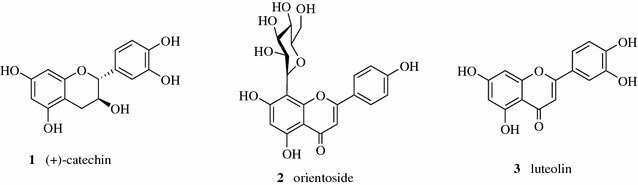
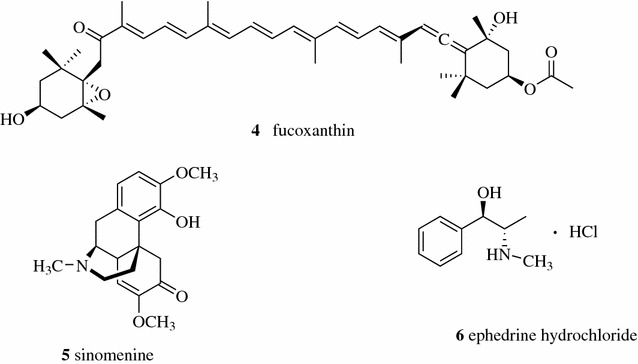
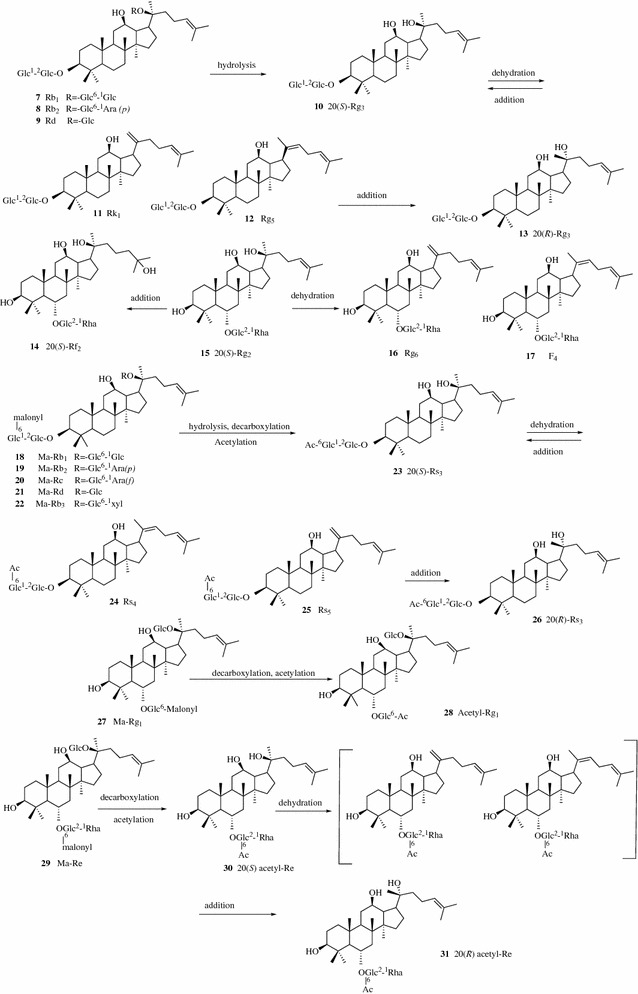
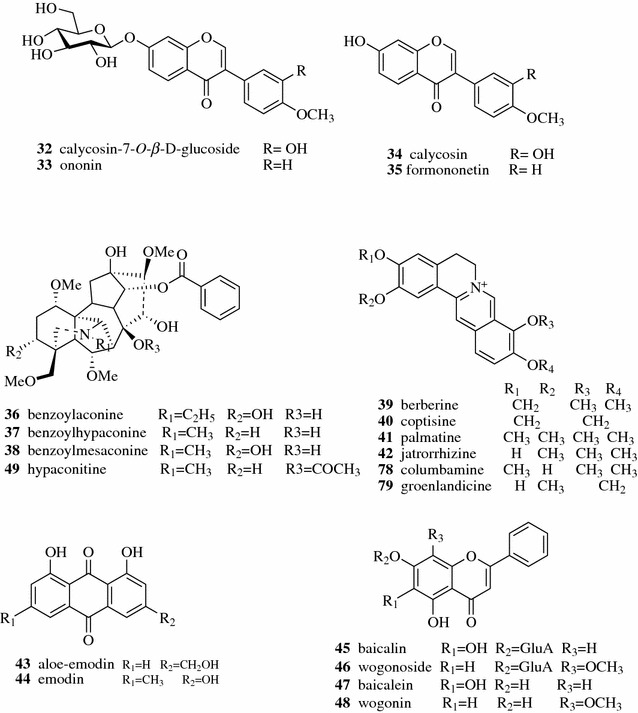
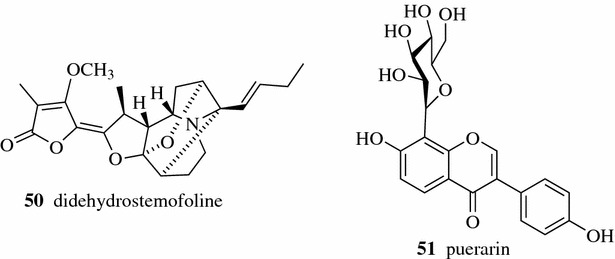
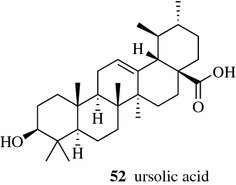
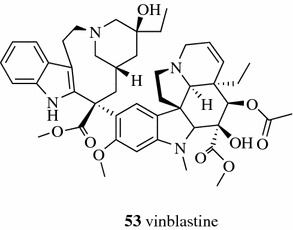
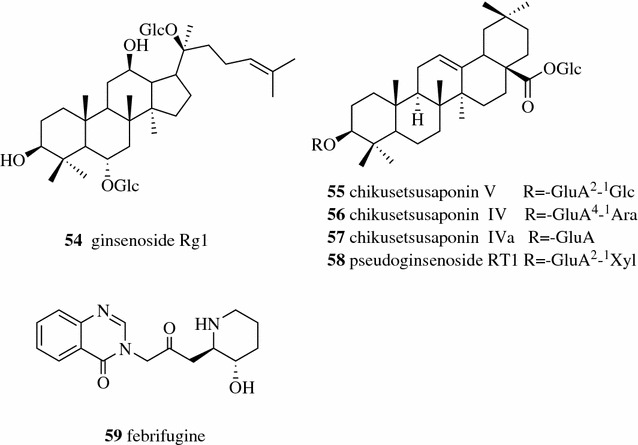
Verification
Claims the paper makes
The claims and statistics of this paper haven’t been checked yet.
Free: it reads the open-access text and checks the first 5 claims that cite a source we can check. Create a free account to check every claim.
Claims other papers make about this one
Each is checked against this paper’s own text: does it say what the citing paper says it does?
The source backs part of the claim, not all of it — or backs it for a different population, condition or comparison.
In the citing paper
“The polarity/ionic strength of various solvents in use, along with the usage of heat and/or mixing, are the key factors influencing the effectiveness of conventional extraction processes [87].”
From Valorization of Fruit Waste for Bioactive Compounds and Their Applications in the Food Industry (2023) · cites this paper as [87]
Experimental — accuracy not yet measuredThe cited source says what the claim attributes to it.
In the citing paper
“UAE enables the efficient extraction of targeted bioactive components by leveraging its distinct cavitation effect.”
From A comprehensive review of ultrasonic assisted extraction (UAE) for bioactive components: Principles, advantages, equipment, and combined technologies (2023) · cites this paper as [9]
Self-check
Percentages, sums and reported differences re-computed from the paper’s own numbers.
The self-check needs the paper’s full text.
Citations
Cites
Natural products as sources of new drugs from 1981 to 2014
Newman, D. J., & Cragg, G. M. (2016) · Journal of Natural Products · doi:10.1021/acs.jnatprod.5b01055 · Cited by 5,858
Natural products as sources of new drugs over the last 25 years
Newman, D. J., & Cragg, G. M. (2007) · Journal of Natural Products · doi:10.1021/np068054v · Cited by 5,517
Natural products as sources of new drugs over the 30 years from 1981 to 2010
Newman, D. J., & Cragg, G. M. (2012) · Journal of Natural Products · doi:10.1021/np200906s · Cited by 4,687
Chemat, F., Rombaut, N., Sicaire, A.-G., Meullemiestre, A., Fabiano-Tixier, A.-S., & Abert-Vian, M. (2017) · Ultrasonics Sonochemistry · doi:10.1016/j.ultsonch.2016.06.035 · Cited by 3,278
Natural products: A continuing source of novel drug leads
Cragg, G. M., & Newman, D. J. (2013) · Biochimica et Biophysica Acta (BBA) - General Subjects · doi:10.1016/j.bbagen.2013.02.008 · Cited by 2,906 · cited 1×
“Natural products offer more drug-like features to molecules from combinatorial chemistry in terms of functional groups, chirality, and structural complexity [4, 5].”
BackgroundDiscovery and resupply of pharmacologically active plant-derived natural products: A review
Atanasov, A. G., Waltenberger, B., Pferschy-Wenzig, E.-M., Linder, T., Wawrosch, C., Uhrin, P., Temml, V., Wang, L., Schwaiger, S., Heiss, E. H., et al. (2015) · Biotechnology Advances · doi:10.1016/j.biotechadv.2015.08.001 · Cited by 2,904 · cited 1×
“Natural products offer more drug-like features to molecules from combinatorial chemistry in terms of functional groups, chirality, and structural complexity [4, 5].”
BackgroundVinatoru, M., Mason, T. J., & Calinescu, I. (2017) · TrAC Trends in Analytical Chemistry · doi:10.1016/j.trac.2017.09.002 · Cited by 710 · cited 1×
“There are two types of MAE methods: solvent-free extraction (usually for volatile compounds) and solvent extraction (usually for non-volatile compounds) [36, 37].”
MethodBarba, F. J., Zhu, Z., Koubaa, M., Sant'Ana, A. S., & Orlien, V. (2016) · Trends in Food Science & Technology · doi:10.1016/j.tifs.2016.01.006 · Cited by 701 · cited 1×
“UAE is commonly employed in the extraction of many types of natural products [32, 33].”
BackgroundBioactivities, isolation and purification methods of polysaccharides from natural products: A review
Shi, L. (2016) · International Journal of Biological Macromolecules · doi:10.1016/j.ijbiomac.2016.06.100 · Cited by 559 · cited 1×
“Sephadex is formed by cross-linking dextran, and the G-types of Sephadex were used for the separation of hydrophilic compounds such as peptides [75], oligosaccharides and polysaccharides [76].”
BackgroundSila, A., & Bougatef, A. (2016) · Journal of Functional Foods · doi:10.1016/j.jff.2015.11.007 · Cited by 545 · cited 1×
“Sephadex is formed by cross-linking dextran, and the G-types of Sephadex were used for the separation of hydrophilic compounds such as peptides [75], oligosaccharides and polysaccharides [76].”
Background
Research works printed but not linked: 9
- Zhang H Wang W Fu ZM Han CC Song Y Study on comparison of extracting fucoxanthin from Undaria pinnatifida with percolation extraction and refluxing methods Zhongguo Shipin Tianjiaji 2014 9 91 95
- Fu M Zhang L Han J Li J Optimization of the technology of ethanol extraction for Goupi patch by orthogonal design test Zhongguo Yaoshi (Wuhan, China) 2008 11 1 75 76
- Gao X Han J Dai H Xiang L Study on optimizing the technological condition of ethanol percolating extraction for Goupi patch Zhongguo Yaoshi 2009 12 10 1395 1397
- Zhang L Comparison of extraction effect of active ingredients in traditional Chinese medicine compound preparation with two different method Heilongjiang Xumu Shouyi 2013 9 132 133
- Zt Guo Xq Luo Jp Liang Yang Z Ai X Comparative study on extraction of febrifugine from traditional Chinese medicine Dichroa febrifuga by reflux method and ultrasonic method Shizhen Guoyi Guoyao 2015 26 6 1532 1533
- Xs Li Bq Jiang Jl Mao Study on extraction separation and pharmacodynamics of effective components in Kuqingcha Guangxi Yixue 2013 35 5 637 638
- Wang X Zhao C Peng X Tang K Adsorption mechanism of methoxy modified macroporous crosslinked resin for phenol Huaxue Xuebao 2010 68 5 453 456
- Zhang Wm Zhai Yc Yang Hj Zhang Rg Hao J Han Jq Zhang Yl Silver nitrate-silica gel column chromatography purification linolenic acid in walnut oil Shipin Gongye Keji 2015 36 10 229 232
- Wang H Yang F Xia Z Progress in modification of preparative gas chromatography and its applications Huaxue Tongbao 2011 74 1 3 9
Cited by
Extraction of phenolic compounds: A review
Alara, O. R., Abdurahman, N. H., & Ukaegbu, C. I. (2021) · Current Research in Food Science · doi:10.1016/j.crfs.2021.03.011 · Cited by 1,209
“Organic solvents can easily mix; hence, they are considered when the aim is to improve extraction yield as suggested by several studies (Zhang, 2018).”
BackgroundResultInfluentialShen, L., Pang, S., Zhong, M., Sun, Y., Qayum, A., Liu, Y., Rashid, A., Xu, B., Liang, Q., Ma, H., et al. (2023) · Ultrasonics Sonochemistry · doi:10.1016/j.ultsonch.2023.106646 · Cited by 892
Major phytochemicals: Recent advances in health benefits and extraction method
Kumar, A., P, N., Kumar, M., Jose, A., Tomer, V., Oz, E., Proestos, C., Zeng, M., Elobeid, T., K, S., et al. (2023) · Molecules · doi:10.3390/molecules28020887 · Cited by 784
Uwineza, P. A., & Waśkiewicz, A. (2020) · Molecules · doi:10.3390/molecules25173847 · Cited by 638
“However, it is not recommended for heat-sensitive compounds due to the high extraction temperature [7,10].”
BackgroundGil-Martín, E., Forbes-Hernández, T., Romero, A., Cianciosi, D., Giampieri, F., & Battino, M. (2022) · Food Chemistry · doi:10.1016/j.foodchem.2021.131918 · Cited by 634
Castillo-Henríquez, L., Alfaro-Aguilar, K., Ugalde-Álvarez, J., Vega-Fernández, L., Montes de Oca-Vásquez, G., & Vega-Baudrit, J. R. (2020) · Nanomaterials · doi:10.3390/nano10091763 · Cited by 444
“Factors that enhance the diffusion and solubilization of the solutes can increase the efficiency of the experiment [41].”
BackgroundMiralrio, A., & Espinoza Vázquez, A. (2020) · Processes · doi:10.3390/pr8080942 · Cited by 395
“Then, the percolator must be filled with solvent and covered up, obtaining the extract drop by drop [51].”
BackgroundFlavonoids: Overview of Biosynthesis, Biological Activity, and Current Extraction Techniques
Liga, S., Paul, C., & Péter, F. (2023) · Plants · doi:10.3390/plants12142732 · Cited by 395
Chunarkar-Patil, P., Kaleem, M., Mishra, R., Ray, S., Ahmad, A., Verma, D., Bhayye, S., Dubey, R., Singh, H., & Kumar, S. (2024) · Biomedicines · doi:10.3390/biomedicines12010201 · Cited by 390
“The use of methodologies such as ultrasonic, microwave-assisted, and supercritical fluid extraction has facilitated the selective and effective separation of active chemicals [42,43].”
MethodExtraction and characterization of phenolic compounds and their potential antioxidant activities
Shi, L., Zhao, W., Yang, Z., Subbiah, V., & Suleria, H. A. R. (2022) · Environmental Science and Pollution Research · doi:10.1007/s11356-022-23337-6 · Cited by 388
Antimicrobial, Antioxidant, and Immunomodulatory Properties of Essential Oils: A Systematic Review
Valdivieso-Ugarte, M., Gomez-Llorente, C., Plaza-Díaz, J., & Gil, Á. (2019) · Nutrients · doi:10.3390/nu11112786 · Cited by 376
“Different extraction techniques are widely employed for the extraction of EOs such as steam distillation, solvent extraction, and supercritical fluid extraction [11,12].”
MethodPlant extracts as green corrosion inhibitor for ferrous metal alloys: A review
Salleh, S. Z., Yusoff, A. H., Zakaria, S. K., Taib, M. A. A., Abu Seman, A., Masri, M. N., Mohamad, M., Mamat, S., Ahmad Sobri, S., Ali, A., et al. (2021) · Journal of Cleaner Production · doi:10.1016/j.jclepro.2021.127030 · Cited by 372
Sorrenti, V., Burò, I., Consoli, V., & Vanella, L. (2023) · International Journal of Molecular Sciences · doi:10.3390/ijms24032019 · Cited by 362
“to its advantage of being applicable to thermolabile compounds [40].”
InfluentialTechniques and modeling of polyphenol extraction from food: A review
Sridhar, A., Ponnuchamy, M., Kumar, P. S., Kapoor, A., Vo, D.-V. N., & Prabhakar, S. (2021) · Environmental Chemistry Letters · doi:10.1007/s10311-021-01217-8 · Cited by 348
Plaskova, A., & Mlcek, J. (2023) · Frontiers in Nutrition · doi:10.3389/fnut.2023.1118761 · Cited by 342
Deep Eutectic Solvent as Green Solvent in Extraction of Biological Macromolecules: A Review
Ling, J. K. U., & Hadinoto, K. (2022) · International Journal of Molecular Sciences · doi:10.3390/ijms23063381 · Cited by 337
“With the principle of ‘like dissolve like’, solvents with a polarity value close to the polarity of the targeted solutes presents a better solubilization capacity and allows greater extraction efficiency [80].”
BackgroundAntioxidant, phytochemical, and therapeutic properties of medicinal plants: a review
Nwozo, O. S., Effiong, E. M., Aja, P. M., & Awuchi, C. G. (2023) · International Journal of Food Properties · doi:10.1080/10942912.2022.2157425 · Cited by 327
“[167,168] Factors that improve the solubility and diffusivity in these stages will facilitate the extraction process.”
BackgroundMethodLee, J.-E., Jayakody, J., Kim, J.-I., Jeong, J.-W., Choi, K.-M., Kim, T.-S., Seo, C., Azimi, I., Hyun, J., & Ryu, B. (2024) · Foods · doi:10.3390/foods13193151 · Cited by 318
“Depending on the type of compound to be isolated and extracted, various solvents can be mixed and used [10].”
BackgroundRanjha, M. M. A. N., Kanwal, R., Shafique, B., Arshad, R. N., Irfan, S., Kieliszek, M., Kowalczewski, P. Ł., Irfan, M., Khalid, M. Z., Roobab, U., et al. (2021) · Molecules · doi:10.3390/molecules26164893 · Cited by 316
“The authors stated that it took less than 1 s to complete PEF extraction, which is much lower than the other methods tested [86].”
ResultValorization of Fruit Waste for Bioactive Compounds and Their Applications in the Food Industry
Nirmal, N., Khanashyam, A., Mundanat, A., Shah, K., Babu, K., Thorakkattu, P., Al-Asmari, F., & Pandiselvam, R. (2023) · Foods · doi:10.3390/foods12030556 · Cited by 305
“The polarity/ionic strength of various solvents in use, along with the usage of heat and/or mixing, are the key factors influencing the effectiveness of conventional extraction processes [87].”
Ng, H. S., Kee, P. E., Yim, H. S., Chen, P.-T., Wei, Y.-H., & Chi-Wei Lan, J. (2020) · Bioresource Technology · doi:10.1016/j.biortech.2020.122889 · Cited by 291
Sharma, N. K., Vishwakarma, J., Rai, S., Alomar, T. S., AlMasoud, N., & Bhattarai, A. (2022) · ACS Omega · doi:10.1021/acsomega.2c01400 · Cited by 283
Rifna, E. J., Misra, N. N., & Dwivedi, M. (2023) · Critical Reviews in Food Science and Nutrition · doi:10.1080/10408398.2021.1952923 · Cited by 275
Basavegowda, N., & Baek, K.-H. (2021) · Biomolecules · doi:10.3390/biom11091267 · Cited by 275
“Wintergreen leaves, brown mustard, garlic, bitter almonds [31], chokeberry, and strawberry [36] EOs are extracted using this technique.”
MethodFerreira, C., & Sarraguça, M. (2024) · Pharmaceuticals · doi:10.3390/ph17010124 · Cited by 271
“As disadvantages, this method is not applicable to thermolabile compounds, and the noise from ultrasonic waves is annoying for the operator [147].”
MethodProduction of secondary metabolites using tissue culture-based biotechnological applications
Ozyigit, I. I., Dogan, I., Hocaoglu-Ozyigit, A., Yalcin, B., Erdogan, A., Yalcin, I. E., Cabi, E., & Kaya, Y. (2023) · Frontiers in Plant Science · doi:10.3389/fpls.2023.1132555 · Cited by 261
“The underlying fact of EAE is being involving of the enzymatic degradation of cell membranes and the release of secondary metabolites from the cells in an enzyme-containing extraction medium (Cheng et al., 2015).”
BackgroundInfluentialZhang, W., Huai, Y., Miao, Z., Qian, A., & Wang, Y. (2019) · Frontiers in Pharmacology · doi:10.3389/fphar.2019.00743 · Cited by 242
The Essentials of Marine Biotechnology
Rotter, A., Barbier, M., Bertoni, F., Bones, A. M., Cancela, M. L., Carlsson, J., Carvalho, M. F., Cegłowska, M., Chirivella-Martorell, J., Conk Dalay, M., et al. (2021) · Frontiers in Marine Science · doi:10.3389/fmars.2021.629629 · Cited by 219
Review on the Extraction of Bioactive Compounds and Characterization of Fruit Industry By-Products
Patra, A., Abdullah, S., & Pradhan, R. C. (2022) · Bioresources and Bioprocessing · doi:10.1186/s40643-022-00498-3 · Cited by 213
Tripathi, A. K., Ray, A. K., & Mishra, S. K. (2022) · Beni-Suef University Journal of Basic and Applied Sciences · doi:10.1186/s43088-022-00196-1 · Cited by 209
Green extraction techniques from fruit and vegetable waste to obtain bioactive compounds—A review
Rodríguez García, S. L., & Raghavan, V. (2022) · Critical Reviews in Food Science and Nutrition · doi:10.1080/10408398.2021.1901651 · Cited by 206
Siddiqui, T., Khan, M. U., Sharma, V., & Gupta, K. (2024) · Phytomedicine Plus · doi:10.1016/j.phyplu.2024.100549 · Cited by 199
Ultrasonication - A green technology extraction technique for spices: A review
Rao, M. V., Sengar, A. S., C K, S., & Rawson, A. (2021) · Trends in Food Science & Technology · doi:10.1016/j.tifs.2021.09.006 · Cited by 195
Nortjie, E., Basitere, M., Moyo, D., & Nyamukamba, P. (2022) · Plants · doi:10.3390/plants11152011 · Cited by 194
“Extraction methods used in biomass extractions [75].”
BackgroundEl Khetabi, A., Lahlali, R., Ezrari, S., Radouane, N., Lyousfi, N., Banani, H., Askarne, L., Tahiri, A., El Ghadraoui, L., Belmalha, S., et al. (2022) · Trends in Food Science & Technology · doi:10.1016/j.tifs.2022.01.009 · Cited by 192
Cottonseed: A sustainable contributor to global protein requirements
Kumar, M., Tomar, M., Punia, S., Grasso, S., Arrutia, F., Choudhary, J., Singh, S., Verma, P., Mahapatra, A., Patil, S. S., et al. (2021) · Trends in Food Science & Technology · doi:10.1016/j.tifs.2021.02.058 · Cited by 189
Herzyk, F., Piłakowska-Pietras, D., & Korzeniowska, M. (2024) · Foods · doi:10.3390/foods13111713 · Cited by 188
“Supercritical liquid chromatography (SFC), an emerging analytical separative paradigm, leverages supercritical fluids as mobile phases, a dynamic trajectory garnering prominence owing to its high-resolution attributes and ecological compatibility [32].”
BackgroundSelectivity of Current Extraction Techniques for Flavonoids from Plant Materials
Tzanova, M., Atanasov, V., Yaneva, Z., Ivanova, D., & Dinev, T. (2020) · Processes · doi:10.3390/pr8101222 · Cited by 187
Carpentieri, S., Soltanipour, F., Ferrari, G., Pataro, G., & Donsì, F. (2021) · Antioxidants · doi:10.3390/antiox10091417 · Cited by 187
“The effectiveness of PEF treatment depends on several parameters, including electric field strength, total specific energy input, and treatment temperature [73].”
BackgroundWound Healing Properties of Natural Products: Mechanisms of Action
Criollo-Mendoza, M. S., Contreras-Angulo, L. A., Leyva-López, N., Gutiérrez-Grijalva, E. P., Jiménez-Ortega, L. A., & Heredia, J. B. (2023) · Molecules · doi:10.3390/molecules28020598 · Cited by 185
“One of the great challenges is their low extraction yield since they are found in small proportions [123], so their industrial use is limited by the high volumes necessary to produce them in series.”
BackgroundLezoul, N. E. H., Belkadi, M., Habibi, F., & Guillén, F. (2020) · Molecules · doi:10.3390/molecules25204672 · Cited by 180
“Some modern extraction methods, such as microwave-assisted extraction, ultrahigh pressure extraction and supercritical carbon dioxide extraction, have been utilized for the preparation of plant extracts [9].”
MethodTena, N., & Asuero, A. G. (2022) · Antioxidants · doi:10.3390/antiox11020286 · Cited by 180
“This is why a co-solvent can be added to promote the extraction of polar compounds, as in the case of anthocyanins [31].”
BackgroundDeep eutectic solvents: Preparation, properties, and food applications
Negi, T., Kumar, A., Sharma, S. K., Rawat, N., Saini, D., Sirohi, R., Prakash, O., Dubey, A., Dutta, A., & Shahi, N. C. (2024) · Heliyon · doi:10.1016/j.heliyon.2024.e28784 · Cited by 179
“According to the law of similarity and inter-miscibility (i.e. like dissolves like), solvent polarity value near to the solute polarity value expected to perform superior and vice versa [57].”
BackgroundExtraction of Bioactive Compounds from Medicinal Plants and Herbs
Fotsing Yannick Stéphane, F., Kezetas Jean Jules, B., El-Saber Batiha, G., Ali, I., & Ndjakou Bruno, L. (2022) · Natural Medicinal Plants · doi:10.5772/intechopen.98602 · Cited by 178
Pai, S., Hebbar, A., & Selvaraj, S. (2022) · Environmental Science and Pollution Research · doi:10.1007/s11356-022-19423-4 · Cited by 181
“extraction methods, optimized according to their properties (Zhang et al. 2018).”
BackgroundMethodInfluentialNovel extraction techniques and pharmaceutical activities of luteolin and its derivatives
Manzoor, M. F., Ahmad, N., Ahmed, Z., Siddique, R., Zeng, X., Rahaman, A., Muhammad Aadil, R., & Wahab, A. (2019) · Journal of Food Biochemistry · doi:10.1111/jfbc.12974 · Cited by 175
The Symbiotic Relationship Between Drug Discovery and Organic Chemistry
Grygorenko, O. O., Volochnyuk, D. M., Ryabukhin, S. V., & Judd, D. B. (2020) · Chemistry – A European Journal · doi:10.1002/chem.201903232 · Cited by 174
Madhumita, M., Guha, P., & Nag, A. (2020) · Phytotherapy Research · doi:10.1002/ptr.6715 · Cited by 176
Elkordy, A., Haj‐Ahmad, R., Awaad, A. S., & Zaki, R. M. (2021) · Journal of Drug Delivery Science and Technology · doi:10.1016/j.jddst.2021.102459 · Cited by 173
“It can be obtained by exposing natural substances to certain process such as extraction, distillation, fractionation, or fermentation [16].”
BackgroundNovel extraction, rapid assessment and bioavailability improvement of quercetin: A review
Manzoor, M. F., Hussain, A., Sameen, A., Sahar, A., Khan, S., Siddique, R., Aadil, R. M., & Xu, B. (2021) · Ultrasonics Sonochemistry · doi:10.1016/j.ultsonch.2021.105686 · Cited by 173
“So, during the extraction process, protein coagulation and denaturation are the principal barriers of extraction at high temperatures [44].”
BackgroundRecent Advances in Natural Polyphenol Research
Dini, I., & Grumetto, L. (2022) · Molecules · doi:10.3390/molecules27248777 · Cited by 173
Patra, J. K., Das, G., Lee, S., Kang, S., & Shin, H. (2018) · Trends in Food Science & Technology · doi:10.1016/j.tifs.2018.10.001 · Cited by 171
Dattatraya Saratale, G., Bhosale, R., Shobana, S., Banu, J. R., Pugazhendhi, A., Mahmoud, E., Sirohi, R., Kant Bhatia, S., Atabani, A. E., Mulone, V., et al. (2020) · Bioresource Technology · doi:10.1016/j.biortech.2020.123800 · Cited by 164
Bioactive Profile of Various Salvia officinalis L. Preparations
Jakovljević, M., Jokić, S., Molnar, M., Jašić, M., Babić, J., Jukić, H., & Banjari, I. (2019) · Plants · doi:10.3390/plants8030055 · Cited by 161
“However, in this extraction method, less time and a smaller consumption of solvent is needed, compared to other conventional methods such as maceration or percolation [64].”
BackgroundMethodMohd Fuad, F., Mohd Nadzir, M., & Harun@Kamaruddin, A. (2021) · Journal of Molecular Liquids · doi:10.1016/j.molliq.2021.116923 · Cited by 161
Plant-Based Phenolic Molecules as Natural Preservatives in Comminuted Meats: A Review
Beya, M. M., Netzel, M. E., Sultanbawa, Y., Smyth, H., & Hoffman, L. C. (2021) · Antioxidants · doi:10.3390/antiox10020263 · Cited by 159
“The extraction processes of bioactive molecules from plant materials consists of the following phases: the solvent penetrates and diffuses into the solid matrix; (2) the solute dissolves into the solvent; (3) the solute is diffused out of the solid matrix; the extracted solutes are collected [25].”
BackgroundMethodCurrent Landscape of Methods to Evaluate Antimicrobial Activity of Natural Extracts
González‐Pastor, R., Carrera-Pacheco, S. E., Zúñiga-Miranda, J., Rodríguez-Pólit, C., Mayorga-Ramos, A., Guamán, L. P., & Barba‐Ostria, C. (2023) · Molecules · doi:10.3390/molecules28031068 · Cited by 160
“Although technological development has enabled improved extraction and characterization techniques of natural compounds [16,17], screening strategies are not always capable of unwrapping the mechanism of the isolated compounds responsible for the combinatory effect [18].”
BackgroundŁubek-Nguyen, A., Ziemichód, W., & Olech, M. (2022) · Applied Sciences · doi:10.3390/app12073232 · Cited by 158
Bioactive Compounds from Marine Sponges: Fundamentals and Applications
Varijakzhan, D., Loh, J.-Y., Yap, W.-S., Yusoff, K., Seboussi, R., Lim, S.-H. E., Lai, K.-S., & Chong, C.-M. (2021) · Marine Drugs · doi:10.3390/md19050246 · Cited by 158
Maksoud, S., Abdel-Massih, R., Rajha, H. N., Louka, N., Chemat, F., Barba, F., & Debs, E. (2021) · Molecules · doi:10.3390/molecules26195832 · Cited by 111
“Solvent extraction efficiency is affected by several properties including the type of the extraction solvent, the solvent/solid ratio, the particle size, and the extraction duration and temperature [76].”
Influence of Extraction Solvent on the Phenolic Profile and Bioactivity of Two Achillea Species
Kaczorová, D., Karalija, E., Dahija, S., Bešta‐Gajević, R., Parić, A., & Zeljkovıć, S. Ć. (2021) · Molecules · doi:10.3390/molecules26061601 · Cited by 160
“In general, alcohols, acetone, and water are used for the extraction of bioactive compounds from the plant material, but the selection is based on the properties of the compound of interest, as well as the plant material used [34].”
BackgroundA comprehensive review on the role of food bioactive compounds in functional food science
Martirosyan, D. M., Lampert, T., & Lee, M. D. (2022) · Functional Food Science · doi:10.31989/ffs.v2i3.906 · Cited by 161
“These greener extraction methods include supercritical fluid extraction (SFC), pressurized liquid extraction (PLE) and microwave assisted extraction (MAE) [18].”
MethodCiuca, M. D., & Racoviţă, R. C. (2023) · International Journal of Molecular Sciences · doi:10.3390/ijms24108874 · Cited by 157
“The last step consists of collecting the solute [48].”
BackgroundIdris, F. N., & Mohd Nadzir, M. (2021) · Antibiotics · doi:10.3390/antibiotics10040457 · Cited by 110
Extraction and Analysis of Chemical Compositions of Natural Products and Plants
Zhang, M., Zhao, J.-H., Dai, X., & Li, X. (2023) · Separations · doi:10.3390/separations10120598 · Cited by 151
“…fl ux extraction, Soxhlet extraction) and modern extraction methods (such as ultrasound, microwave-assisted extraction), as well as more environmentally friendly and e ffi cient methods like supercritical fl uid extraction and pressurized liquid extraction (Figure 1). approaches o ff er advantages [6].”
Ghareeb, A., Fouda, A., Kishk, R. M., & El-Kazzaz, W. M. (2024) · Microbial Cell Factories · doi:10.1186/s12934-024-02609-5 · Cited by 150
Mesquita, L. M. D. S., Contieri, L. S., Silva, F. A. E., Bagini, R. H., Bragagnolo, F. S., Strieder, M. M., Sosa, F. H. B., Schaeffer, N., Freire, M. G., Ventura, S. P. M., et al. (2024) · Green Chemistry · doi:10.1039/d4gc02512a · Cited by 151
New frontiers in the exploration of phenolic compounds and other bioactives as natural preservatives
de Oliveira, I., Santos‐Buelga, C., Aquino, Y., Barros, L., & Heleno, S. A. (2025) · Food Bioscience · doi:10.1016/j.fbio.2025.106571 · Cited by 147
Basri, M. S. M., Shah, N. N. A. K., Sulaiman, A., Tawakkal, I. S. M. A., Nor, M. Z. M., Ariffin, S. H., Ghani, N. H. A., & Salleh, F. S. M. (2021) · Polymers · doi:10.3390/polym13203503 · Cited by 150
“Thermal extraction includes decoction, reflux, Soxhlet, hydro, and steam distillation techniques [126].”
MethodAdvances in antimicrobial peptides: From mechanistic insights to chemical modifications
Yang, R., Ma, X., Peng, F., Wen, J., Allahou, L. W., Williams, G. R., Knowles, J. C., & Poma, A. (2025) · Biotechnology Advances · doi:10.1016/j.biotechadv.2025.108570 · Cited by 146
“The extraction process requires selecting an appropriate solvent system, such as an organic solvent or aqueous solution, depending on the solubility characteristics of the targeted AMPs (Zhang et al., 2018a).”
Chatzimitakos, T. G., Athanasiadis, V., Kalompatsios, D., Mantiniotou, M., Bozinou, E., & Lalas, S. I. (2023) · Biomass · doi:10.3390/biomass3040022 · Cited by 144
“Maceration was later used in the extraction of bioactive chemicals from the discarded peel of several fruits due to its adaptability to thermolabile molecules [27].”
Shahidi, F., & Samarasinghe, H. G. A. S. (2025) · Food Production Processing and Nutrition · doi:10.1186/s43014-025-00326-z · Cited by 147
Edo, G. I., Mafe, A. N., Ali, A. B. M., Akpoghelie, P. O., Yousif, E. A., Isoje, E. F., Igbuku, U. A., Ismael, S. A., Essaghah, A. E. A., Ahmed, D. S., et al. (2025) · BioNanoScience · doi:10.1007/s12668-025-01883-w · Cited by 148
“Standardizing plant extract preparation methods and characterizing the active biomolecules involved in biosynthesis could help minimize these discrepancies and enhance reproducibility [179].”
Talib, W. H., Alsalahat, I., Daoud, S., Abutayeh, R. F., & Mahmod, A. I. (2020) · Molecules · doi:10.3390/molecules25225319 · Cited by 145
Perez-Vazquez, A., Carpena, M., Barciela, P., Cassani, L., Simal‐Gándara, J., & Prieto, M. A. (2023) · Antioxidants · doi:10.3390/antiox12030612 · Cited by 141
“Moreover, the operational parameters are atmospheric pressure and heating [13].”
BackgroundA Comprehensive Review of Microalgae and Cyanobacteria-Based Biostimulants for Agriculture Uses
Chabili, A., Minaoui, F., Hakkoum, Z., Douma, M., Meddich, A., & Loudiki, M. (2024) · Plants · doi:10.3390/plants13020159 · Cited by 138
“The first effects incorporate the synthesis of bioactive molecules increasing nutrient uptake and stress alleviation, while indirect effects incorporate physiological traits of microorganisms like phosphorus solubilization and nitrogen fixation [64,65].”
BackgroundWainwright, C. L., Teixeira, M. M., Adelson, D. L., Braga, F. C., Buenz, E. J., Campana, P. R. V., David, B., Glaser, K. B., Harata‐Lee, Y., Howes, M. R., et al. (2022) · Pharmacological Research · doi:10.1016/j.phrs.2022.106076 · Cited by 138
Strategies for oral delivery of bioactive peptides with focus on debittering and masking
Mirzapour‐Kouhdasht, A., McClements, D. J., Taghizadeh, M. S., Niazi, A., & García‐Vaquero, M. (2023) · npj Science of Food · doi:10.1038/s41538-023-00198-y · Cited by 134
Ahmad, M. A., Tahir, M., Hong, Z., Zia, M. A., Rafeeq, H., Ahmad, M. S., Rehman, S. U., & Sun, J. (2025) · Frontiers in Pharmacology · doi:10.3389/fphar.2024.1497668 · Cited by 130
A review on revolutionary technique for phosphate removal in wastewater using green coagulant
Owodunni, A. A., Ismail, S. B., Kurniawan, S. B., Ahmad, A., Imron, M. F., & Abdullah, S. R. S. (2023) · Journal of Water Process Engineering · doi:10.1016/j.jwpe.2023.103573 · Cited by 129
Dobros, N., Zawada, K. D., & Paradowska, K. (2022) · Antioxidants · doi:10.3390/antiox11040711 · Cited by 128
“The yield of active compounds depends on the extraction method, the fragmentation of raw material and the properties of the extraction solvent [26].”
BackgroundAdvancements and challenges in green extraction techniques for Indonesian natural products: A review
Putra, N. R., Yustisia, Y., Heryanto, R., Asmaliyah, A., Miswarti, M., Rizkiyah, D. N., Yunus, M. A. C., Irianto, I., Qomariyah, L., & Rohman, G. A. N. (2023) · South African Journal of Chemical Engineering · doi:10.1016/j.sajce.2023.08.002 · Cited by 128
Ponphaiboon, J., Krongrawa, W., Aung, W. W., Chinatangkul, N., Limmatvapirat, S., & Limmatvapirat, C. (2023) · Molecules · doi:10.3390/molecules28135163 · Cited by 129
“Microwaves produce heat by interacting with polar compounds in the plant and animal matrix, such as water and certain organic molecules, via ionic conduction and dipole rotation [12,17].”
BackgroundMethodInfluentialNutraceutical Approach to Chronic Osteoarthritis: From Molecular Research to Clinical Evidence
Colletti, A., & Cicero, A. F. G. (2021) · International Journal of Molecular Sciences · doi:10.3390/ijms222312920 · Cited by 125
“In this context, unconventional techniques, such as ultrasound or microwaveassisted extraction associated with hydroalcoholic solvents, may potentially improve the quality of the extracts and ensure good yields [169].”
BackgroundDomingo‐Fernándéz, D., Gadiya, Y., Preto, A. J., Krettler, C. A., Mubeen, S., Allen, A., Healey, D., & Colluru, V. (2024) · Journal of Natural Products · doi:10.1021/acs.jnatprod.4c00581 · Cited by 125
The role of phenolic compounds against Listeria monocytogenes in food. A review
Zamuz, S., Munekata, P. E. S., Dzuvor, C. K. O., Zhang, W., Sant’Ana, A. S., & Lorenzo, J. M. (2021) · Trends in Food Science & Technology · doi:10.1016/j.tifs.2021.01.068 · Cited by 122
Fagbemi, K. O., Aina, D. A., & Olajuyigbe, O. O. (2021) · The Scientific World JOURNAL · doi:10.1155/2021/5961586 · Cited by 122
“Many extraction techniques resulted in a very low concentration of the extracted compound; therefore, it is very vital to explore the efficacy of different extraction processes to discover the most preferable technique for the extraction of essential oils from plant material such as Tamarindus indica [19].”
BackgroundGouda, M., Tadda, M. A., Zhao, Y., Farmanullah, F., Chu, B., Li, X., & He, Y. (2022) · Frontiers in Nutrition · doi:10.3389/fnut.2022.806692 · Cited by 100
Antioxidants and Bioactive Compounds in Food: Critical Review of Issues and Prospects
Kurek, M., Debbache-Benaida, N., Garofulić, I. E., Galić, K., Avallone, S., Voilley, A. J., & Waché, Y. (2022) · Antioxidants · doi:10.3390/antiox11040742 · Cited by 116
“This section focuses on issues arising from the applications of several extraction techniques such as maceration, soxhlet, and hydrodistillation by using solvent extraction [36].”
BackgroundAlternative Assisted Extraction Methods of Phenolic Compounds Using NaDESs
Coscarella, M., Nardi, M., Alipieva, K. I., Bonacci, S., Popova, M., Procopio, A., Scarpelli, R., & Simeonov, S. P. (2023) · Antioxidants · doi:10.3390/antiox13010062 · Cited by 116
“Organic acid-based DESs are reported to be the most polar (44.81 kcal/mol) and both sugar-and polyalcohol-based DESs are less polar, with a polarity value closer to that of methanol (51.89 kcal/mol) [91].”
BackgroundInfluentialMYC2: A Master Switch for Plant Physiological Processes and Specialized Metabolite Synthesis
Luo, L., Wang, Y., Qiu, L., Han, X., Zhu, Y., Liu, L., Man, M., Li, F., Ren, M., & Xing, Y. (2023) · International Journal of Molecular Sciences · doi:10.3390/ijms24043511 · Cited by 115
“Secondary metabolites of plants can be extracted by distillation, organic extraction, solid phase extraction, super critical fluid extraction, pressurized liquid extraction, and microwave-assisted extraction, but they are restricted by the low yield and long plant growth cycle [17].”
BackgroundBar, M., Binduga, U. E., & Szychowski, K. A. (2022) · Antioxidants · doi:10.3390/antiox11071345 · Cited by 117
From Olive Oil Production to By-Products: Emergent Technologies to Extract Bioactive Compounds
Soares, T. F., Alves, R. C., & Oliveira, M. B. P. P. (2024) · Food Reviews International · doi:10.1080/87559129.2024.2354331 · Cited by 113
“[123,143] Regardless of the process used, continuous or discontinuous, this technique uses low volumes of a food-grade solvent.”
Bhattacharjee, N., Som, I., Saha, R., & Mondal, S. (2022) · International Journal of Environmental & Analytical Chemistry · doi:10.1080/03067319.2021.2022130 · Cited by 112
A review on gold nanoparticles: Biological synthesis, characterizations, and analytical applications
Khan, M. A. R., Mamun, M. S. A., Habib, M. A., Islam, A. B. M. N., Mahiuddin, M., Karim, K. M. R., Naime, J., Saha, P., Dey, S. K., & Ara, M. H. (2022) · Results in Chemistry · doi:10.1016/j.rechem.2022.100478 · Cited by 112
Extraction of High-Value Chemicals from Plants for Technical and Medical Applications
Kapadia, P., Newell, A. S., Cunningham, J., Roberts, M. R., & Hardy, J. G. (2022) · International Journal of Molecular Sciences · doi:10.3390/ijms231810334 · Cited by 111
“However, potential complications include the particle size of the raw materials, solvent to solid ratios, the extraction temperature and the duration [76].”
BackgroundCastro‐Muñoz, R., Díaz‐Montes, E., Gontarek‐Castro, E., Boczkaj, G., & Galanakis, C. M. (2021) · Comprehensive Reviews in Food Science and Food Safety · doi:10.1111/1541-4337.12894 · Cited by 113
Indriyani, N. N., Anshori, J. A., Permadi, N., Nurjanah, S., & Julaeha, E. (2023) · Foods · doi:10.3390/foods12102036 · Cited by 113
“The extraction yield increases with the solvent-to-solid ratio; however, a high solvent-to-solid ratio will result in surplus extraction solvent and take a long time to concentrate [26].”
BackgroundCold Plasma-Assisted Extraction of Phytochemicals: A Review
Heydari, M., Carbone, K., Gervasi, F., Parandi, E., Rouhi, M., Rostami, O., Abedi‐Firoozjah, R., Kolahdouz-Nasiri, A., Garavand, F., & Mohammadi, R. (2023) · Foods · doi:10.3390/foods12173181 · Cited by 109
“Steam-distillation extraction • Can extract water-insoluble compound • Low process speed [53,54]”
BackgroundSik, B., Hanczné, E. L., Kapcsándi, V., & Ajtony, Z. (2020) · Journal of Pharmaceutical and Biomedical Analysis · doi:10.1016/j.jpba.2020.113173 · Cited by 107
Metadata
- Authors
- Zhang, Q.-W., Lin, L.-G., & Ye, W.-C.
- Affiliations
- Jinan University (CN)
- Corresponding author
- Ye, Wen-Cai
- Venue
- Chinese Medicine
- Published
- 2018-04-17
- Volume
- 13
- Issue
- 1
- Pages
- 20-20
- ISSN
- 1749-8546 (ISSN-L)
- PMC
- PMC5905184
- OpenAlex
- W2802621137
- Cited by
- 2,321
- References
- 98
- Citations by year
- 2026: 272 · 2025: 391 · 2024: 433 · 2023: 384 · 2022: 377 · 2021: 276 · 2020: 148 · 2019: 32 · 2018: 2
- FWCI
- 11.68
- Type
- journal article
- Language
- en
- Open access
- gold
- doi.org
- Licence
- cc-by
- creativecommons.org/licenses/by/4.0/ (tdm)
- Locations
- Chinese Medicine (publishedVersion, cc-by)
- Europe PMC (PubMed Central) (publishedVersion, other-oa)
- PubMed Central (publishedVersion, cc-by)
- PubMed (publishedVersion)
- DOAJ (DOAJ: Directory of Open Access Journals) (submittedVersion)
- Funders
- Macau Science and Technology Development Fund (FDCT/042/2014/A1)
- Ministry of Science and Technology of the People's Republic of China (2013DFM30080)
- Universidade de Macau (MYRG2014-00162-ICMS-QRCM)
- Topics
- Physical Sciences › Chemistry › Analytical Chemistry › Chromatography in Natural Products
- Life Sciences › Agricultural and Biological Sciences › Food Science › Agricultural and Biological Research
- Health Sciences › Medicine › Complementary and alternative medicine › Traditional Chinese Medicine Analysis
- Keywords
- natural products, extraction methods, isolation methods, bioactive compounds, natural medicine, drug development
About these checks
Registry, retraction, Cites and statistics results are computed, not judged, with one exception: a printed reference that no index lists is read once by a model before it counts as a citation error. Claims are extracted by a model and kept only when their quote appears verbatim in the text; each cited source is then checked, with a model’s help, for whether it says what the claim relies on. Those verdicts can be wrong — read the claim’s quote and the cited source before relying on one.
Statistics and arithmetic are recomputed, not judged.
Confidence bands are shown only for fields calibrated on our annotated test set. None is calibrated yet, so no band is shown.
What counts as a claim ›How we measure confidence ›How we check this ›
Are you an author, or do you see a problem with this page? Request a review
Data sources
Bibliographic data: Semantic Scholar, OpenAlex, Crossref.
Contains information from the Semantic Scholar Academic Graph Datasets, made available under the ODC Attribution License (ODC-BY 1.0).
Semantic Scholar’s data is described in: Kinney, R., et al. (2023). The Semantic Scholar Open Data Platform. arXiv:2301.10140.
