

Techniques for extraction and isolation of natural products: a comprehensive review
Open accessThe DOI matches its Crossref record; 97 of the 98 references it cites were found in a registry or an index.
Abstract
Natural medicines were the only option for the prevention and treatment of human diseases for thousands of years. Natural products are important sources for drug development. The amounts of bioactive natural products in natural medicines are always fairly low. Today, it is very crucial to develop effective and selective methods for the extraction and isolation of those bioactive natural products. This paper intends to provide a comprehensive view of a variety of methods used in the extraction and isolation of natural products. This paper also presents the advantage, disadvantage and practical examples of conventional and modern techniques involved in natural products research.
Overview
The claims and statistics of this paper haven’t been checked yet.
Free: it reads the open-access text and checks the first 5 claims that cite a source we can check. Create a free account to check every claim.
Integrity signals
Registry
Cites
Statistics
Figures
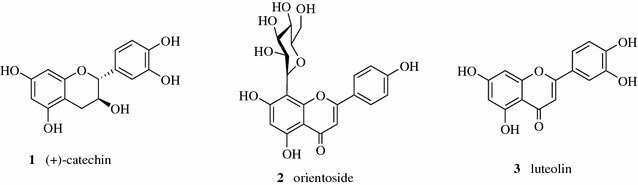
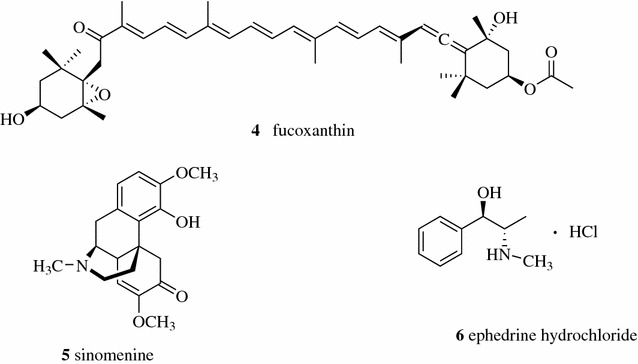
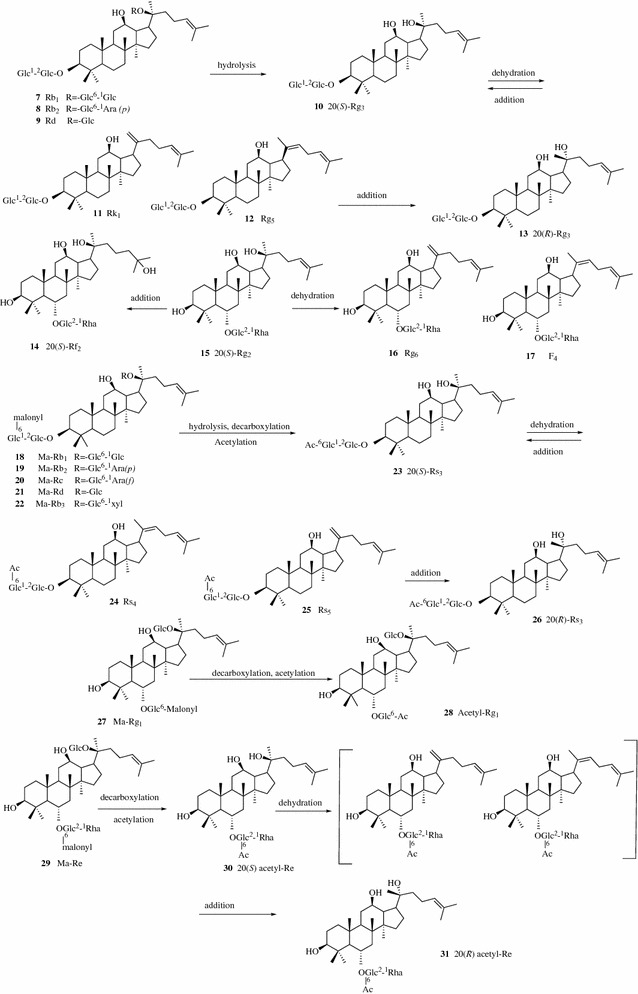
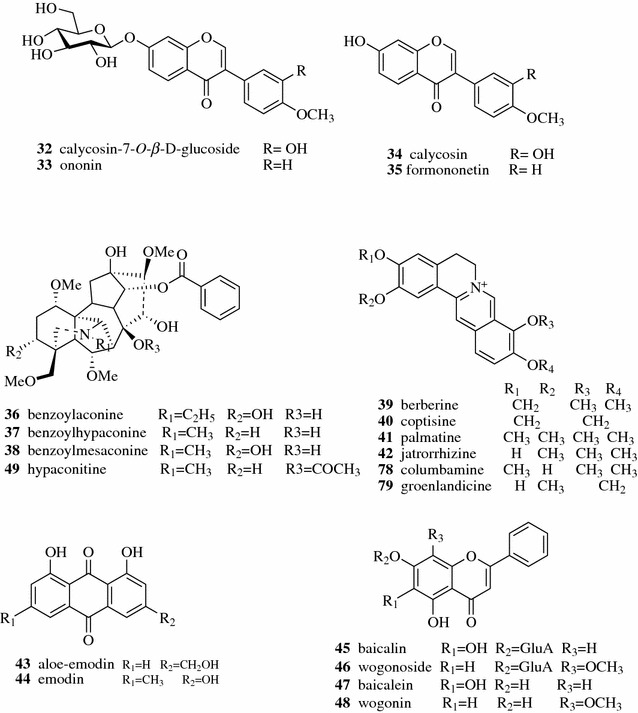
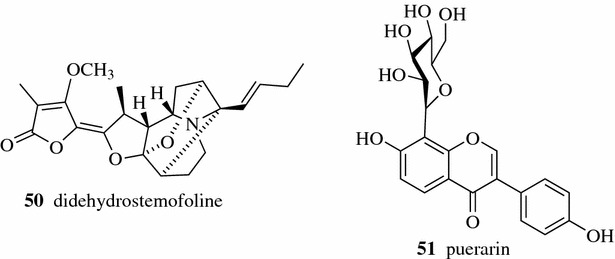
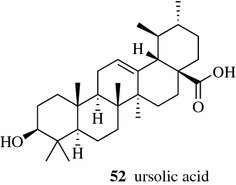
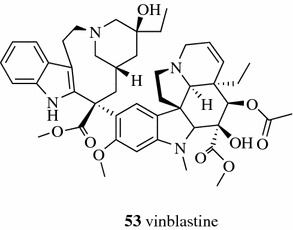
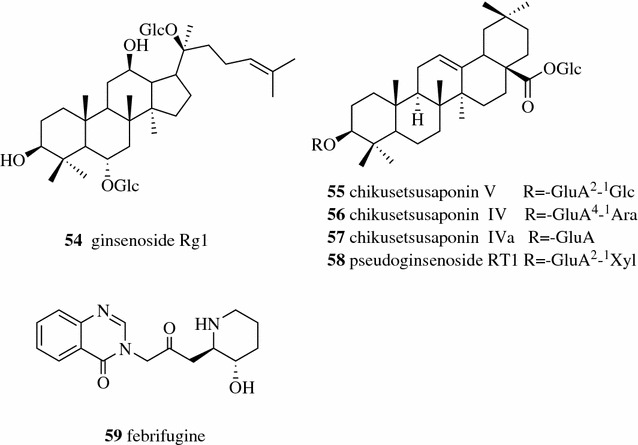
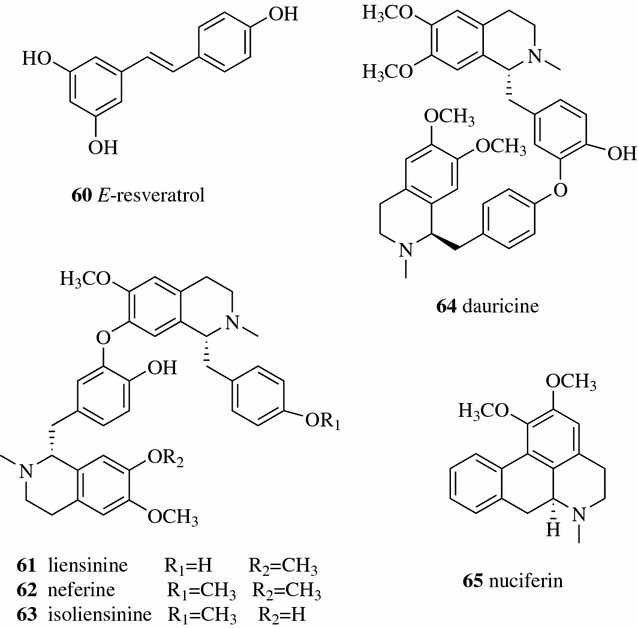
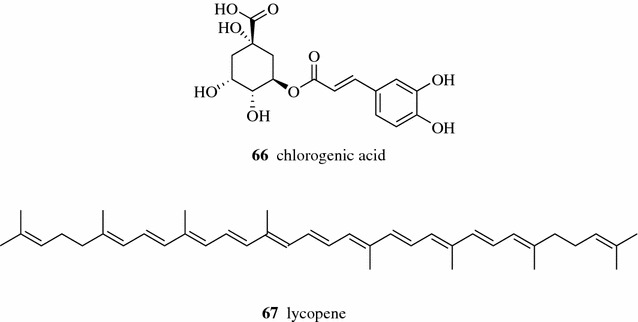
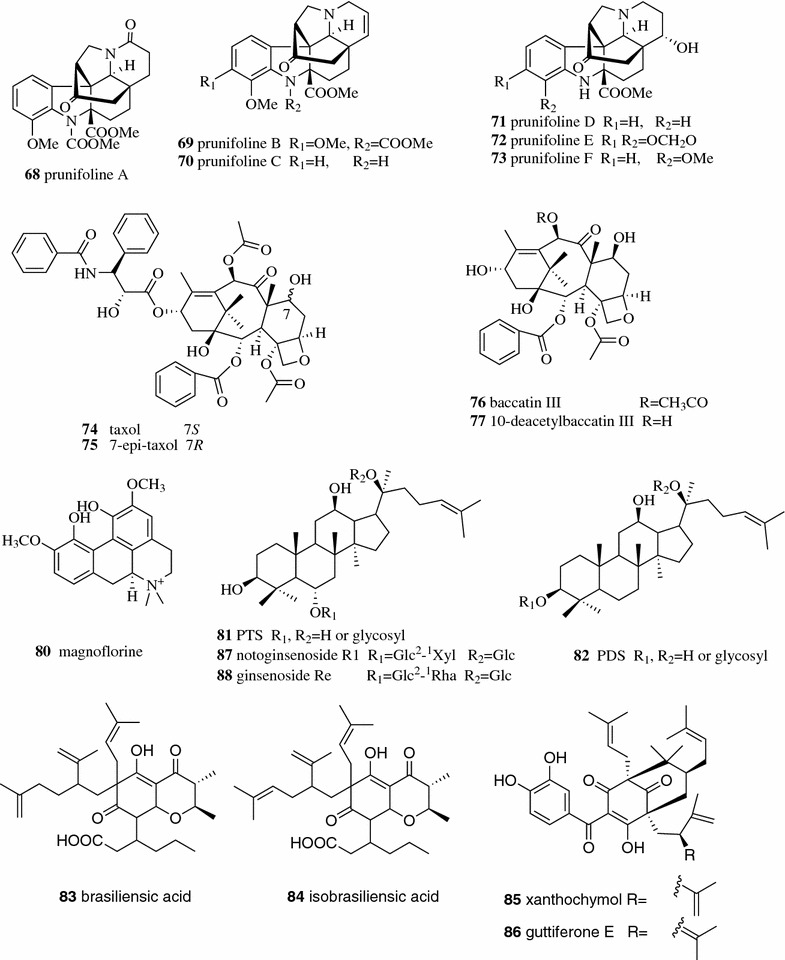
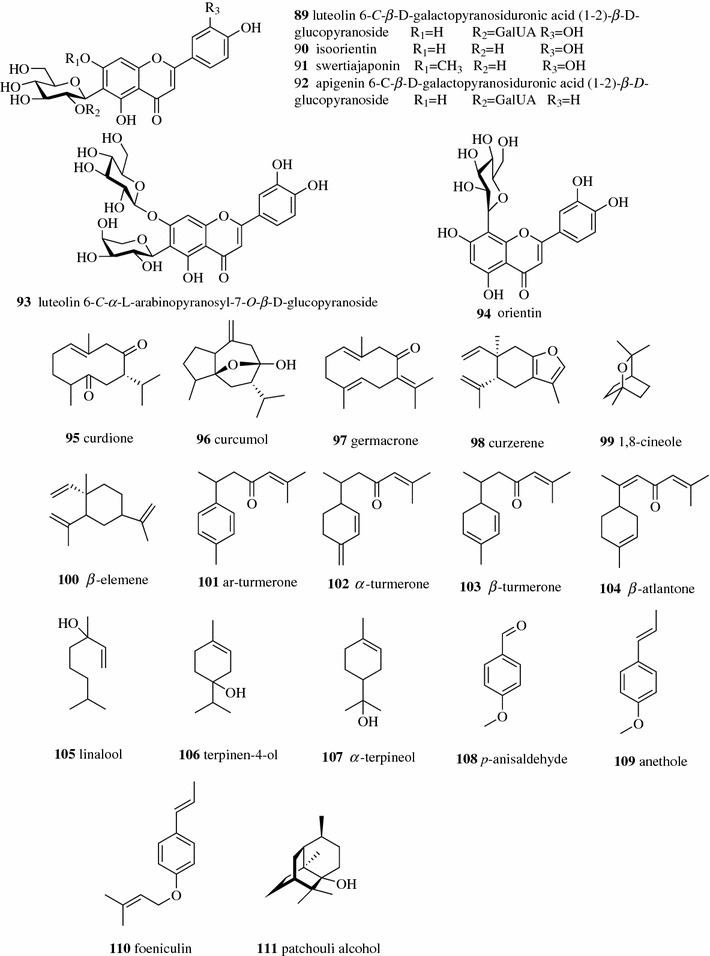
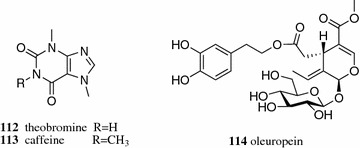
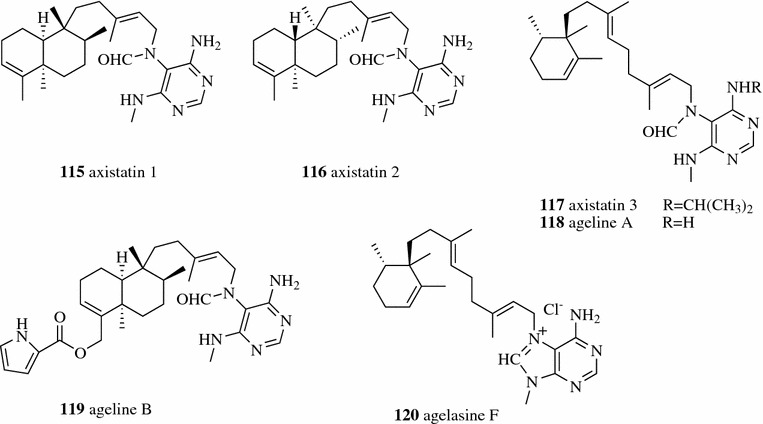
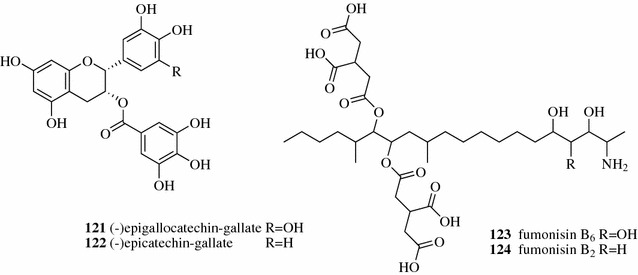
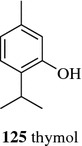
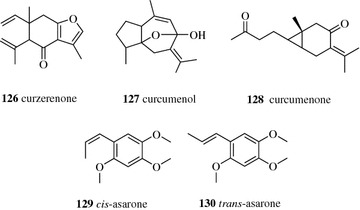
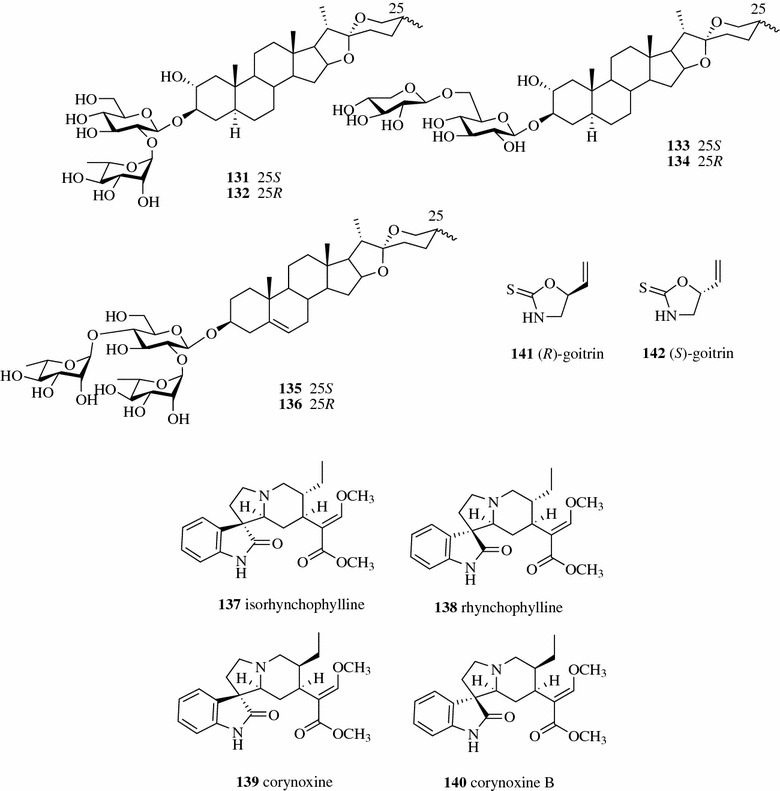
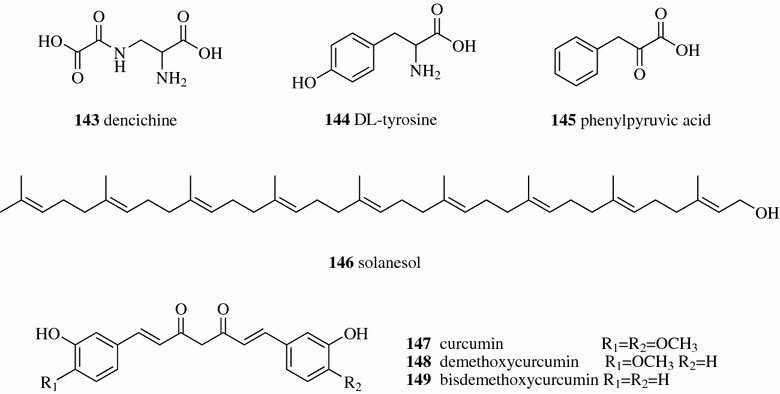
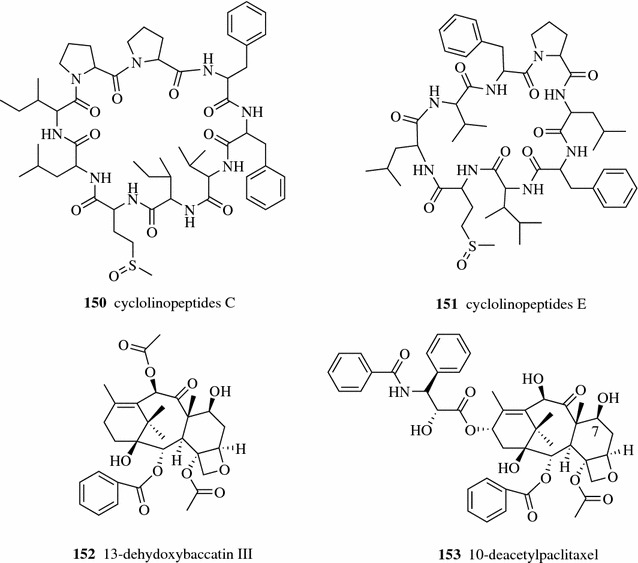
Verification
Claims the paper makes
The claims and statistics of this paper haven’t been checked yet.
Free: it reads the open-access text and checks the first 5 claims that cite a source we can check. Create a free account to check every claim.
Claims other papers make about this one
Each is checked against this paper’s own text: does it say what the citing paper says it does?
The source backs part of the claim, not all of it — or backs it for a different population, condition or comparison.
In the citing paper
“The polarity/ionic strength of various solvents in use, along with the usage of heat and/or mixing, are the key factors influencing the effectiveness of conventional extraction processes [87].”
From Valorization of Fruit Waste for Bioactive Compounds and Their Applications in the Food Industry (2023) · cites this paper as [87]
Experimental — accuracy not yet measuredThe cited source says what the claim attributes to it.
In the citing paper
“UAE enables the efficient extraction of targeted bioactive components by leveraging its distinct cavitation effect.”
From A comprehensive review of ultrasonic assisted extraction (UAE) for bioactive components: Principles, advantages, equipment, and combined technologies (2023) · cites this paper as [9]
Self-check
Percentages, sums and reported differences re-computed from the paper’s own numbers.
The self-check needs the paper’s full text.
Citations
Cites
Natural products as sources of new drugs from 1981 to 2014
Newman, D. J., & Cragg, G. M. (2016) · Journal of Natural Products · doi:10.1021/acs.jnatprod.5b01055 · Cited by 5,858
Natural products as sources of new drugs over the last 25 years
Newman, D. J., & Cragg, G. M. (2007) · Journal of Natural Products · doi:10.1021/np068054v · Cited by 5,517
Natural products as sources of new drugs over the 30 years from 1981 to 2010
Newman, D. J., & Cragg, G. M. (2012) · Journal of Natural Products · doi:10.1021/np200906s · Cited by 4,687
Chemat, F., Rombaut, N., Sicaire, A.-G., Meullemiestre, A., Fabiano-Tixier, A.-S., & Abert-Vian, M. (2017) · Ultrasonics Sonochemistry · doi:10.1016/j.ultsonch.2016.06.035 · Cited by 3,278
Natural products: A continuing source of novel drug leads
Cragg, G. M., & Newman, D. J. (2013) · Biochimica et Biophysica Acta (BBA) - General Subjects · doi:10.1016/j.bbagen.2013.02.008 · Cited by 2,906 · cited 1×
“Natural products offer more drug-like features to molecules from combinatorial chemistry in terms of functional groups, chirality, and structural complexity [4, 5].”
BackgroundDiscovery and resupply of pharmacologically active plant-derived natural products: A review
Atanasov, A. G., Waltenberger, B., Pferschy-Wenzig, E.-M., Linder, T., Wawrosch, C., Uhrin, P., Temml, V., Wang, L., Schwaiger, S., Heiss, E. H., et al. (2015) · Biotechnology Advances · doi:10.1016/j.biotechadv.2015.08.001 · Cited by 2,904 · cited 1×
“Natural products offer more drug-like features to molecules from combinatorial chemistry in terms of functional groups, chirality, and structural complexity [4, 5].”
BackgroundVinatoru, M., Mason, T. J., & Calinescu, I. (2017) · TrAC Trends in Analytical Chemistry · doi:10.1016/j.trac.2017.09.002 · Cited by 710 · cited 1×
“There are two types of MAE methods: solvent-free extraction (usually for volatile compounds) and solvent extraction (usually for non-volatile compounds) [36, 37].”
MethodBarba, F. J., Zhu, Z., Koubaa, M., Sant'Ana, A. S., & Orlien, V. (2016) · Trends in Food Science & Technology · doi:10.1016/j.tifs.2016.01.006 · Cited by 701 · cited 1×
“UAE is commonly employed in the extraction of many types of natural products [32, 33].”
BackgroundBioactivities, isolation and purification methods of polysaccharides from natural products: A review
Shi, L. (2016) · International Journal of Biological Macromolecules · doi:10.1016/j.ijbiomac.2016.06.100 · Cited by 559 · cited 1×
“Sephadex is formed by cross-linking dextran, and the G-types of Sephadex were used for the separation of hydrophilic compounds such as peptides [75], oligosaccharides and polysaccharides [76].”
BackgroundSila, A., & Bougatef, A. (2016) · Journal of Functional Foods · doi:10.1016/j.jff.2015.11.007 · Cited by 545 · cited 1×
“Sephadex is formed by cross-linking dextran, and the G-types of Sephadex were used for the separation of hydrophilic compounds such as peptides [75], oligosaccharides and polysaccharides [76].”
Background
Research works printed but not linked: 9
- Zhang H Wang W Fu ZM Han CC Song Y Study on comparison of extracting fucoxanthin from Undaria pinnatifida with percolation extraction and refluxing methods Zhongguo Shipin Tianjiaji 2014 9 91 95
- Fu M Zhang L Han J Li J Optimization of the technology of ethanol extraction for Goupi patch by orthogonal design test Zhongguo Yaoshi (Wuhan, China) 2008 11 1 75 76
- Gao X Han J Dai H Xiang L Study on optimizing the technological condition of ethanol percolating extraction for Goupi patch Zhongguo Yaoshi 2009 12 10 1395 1397
- Zhang L Comparison of extraction effect of active ingredients in traditional Chinese medicine compound preparation with two different method Heilongjiang Xumu Shouyi 2013 9 132 133
- Zt Guo Xq Luo Jp Liang Yang Z Ai X Comparative study on extraction of febrifugine from traditional Chinese medicine Dichroa febrifuga by reflux method and ultrasonic method Shizhen Guoyi Guoyao 2015 26 6 1532 1533
- Xs Li Bq Jiang Jl Mao Study on extraction separation and pharmacodynamics of effective components in Kuqingcha Guangxi Yixue 2013 35 5 637 638
- Wang X Zhao C Peng X Tang K Adsorption mechanism of methoxy modified macroporous crosslinked resin for phenol Huaxue Xuebao 2010 68 5 453 456
- Zhang Wm Zhai Yc Yang Hj Zhang Rg Hao J Han Jq Zhang Yl Silver nitrate-silica gel column chromatography purification linolenic acid in walnut oil Shipin Gongye Keji 2015 36 10 229 232
- Wang H Yang F Xia Z Progress in modification of preparative gas chromatography and its applications Huaxue Tongbao 2011 74 1 3 9
Cited by
Items 1,001–1,002 of 1,002
Optimized microwave-assisted azadirachtin extraction using response surface methodology
Martínez-Castro, R., Flórez-Santiago, J., Valle-Molinares, R., Cabrera-Barraza, J., & Espitia-Almeida, F. (2024) · Heliyon · doi:10.1016/j.heliyon.2024.e31504 · Cited by 6
“These effects can be manifested independently or in combination [26,34 – 36].”
BackgroundTegegne, B. A., Yihunie, W., Aschale, Y., Belew, H., & Getachew, M. (2024) · Global Advances in Integrative Medicine and Health · doi:10.1177/27536130231225464 · Cited by 1
Metadata
- Authors
- Zhang, Q.-W., Lin, L.-G., & Ye, W.-C.
- Affiliations
- Jinan University (CN)
- Corresponding author
- Ye, Wen-Cai
- Venue
- Chinese Medicine
- Published
- 2018-04-17
- Volume
- 13
- Issue
- 1
- Pages
- 20-20
- ISSN
- 1749-8546 (ISSN-L)
- PMC
- PMC5905184
- OpenAlex
- W2802621137
- Cited by
- 2,321
- References
- 98
- Citations by year
- 2026: 272 · 2025: 391 · 2024: 433 · 2023: 384 · 2022: 377 · 2021: 276 · 2020: 148 · 2019: 32 · 2018: 2
- FWCI
- 11.68
- Type
- journal article
- Language
- en
- Open access
- gold
- doi.org
- Licence
- cc-by
- creativecommons.org/licenses/by/4.0/ (tdm)
- Locations
- Chinese Medicine (publishedVersion, cc-by)
- Europe PMC (PubMed Central) (publishedVersion, other-oa)
- PubMed Central (publishedVersion, cc-by)
- PubMed (publishedVersion)
- DOAJ (DOAJ: Directory of Open Access Journals) (submittedVersion)
- Funders
- Macau Science and Technology Development Fund (FDCT/042/2014/A1)
- Ministry of Science and Technology of the People's Republic of China (2013DFM30080)
- Universidade de Macau (MYRG2014-00162-ICMS-QRCM)
- Topics
- Physical Sciences › Chemistry › Analytical Chemistry › Chromatography in Natural Products
- Life Sciences › Agricultural and Biological Sciences › Food Science › Agricultural and Biological Research
- Health Sciences › Medicine › Complementary and alternative medicine › Traditional Chinese Medicine Analysis
- Keywords
- natural products, extraction methods, isolation methods, bioactive compounds, natural medicine, drug development
About these checks
Registry, retraction, Cites and statistics results are computed, not judged, with one exception: a printed reference that no index lists is read once by a model before it counts as a citation error. Claims are extracted by a model and kept only when their quote appears verbatim in the text; each cited source is then checked, with a model’s help, for whether it says what the claim relies on. Those verdicts can be wrong — read the claim’s quote and the cited source before relying on one.
Statistics and arithmetic are recomputed, not judged.
Confidence bands are shown only for fields calibrated on our annotated test set. None is calibrated yet, so no band is shown.
What counts as a claim ›How we measure confidence ›How we check this ›
Are you an author, or do you see a problem with this page? Request a review
Data sources
Bibliographic data: Semantic Scholar, OpenAlex, Crossref.
Contains information from the Semantic Scholar Academic Graph Datasets, made available under the ODC Attribution License (ODC-BY 1.0).
Semantic Scholar’s data is described in: Kinney, R., et al. (2023). The Semantic Scholar Open Data Platform. arXiv:2301.10140.
