

The global prevalence of autism spectrum disorder: a comprehensive systematic review and meta-analysis.
Open accessThe DOI matches its Crossref record; 121 of the 122 references it cites were found in a registry or an index; 3 of the 4 sources its claims cite were checked for support.
Abstract
BACKGROUND: Autism spectrum disorder (ASD) is one of the serious developmental disorders that is usually diagnosed below the age of three years. Although the severity of the disease's symptoms varies from patient to patient, the ability to communicate with others is affected in all forms of ASD. This study aimed to determine the prevalence of ASD in high-risk groups by continent. METHODS: The present study was conducted by systematic review and meta-analysis from 2008 to July 2021. Databases such as Science Direct, PubMed, Scopus, SID, Magiran, Web of Science (WoS), and Google Scholar from 2008 to July 2021 were searched to find related studies. Data were analysed using Comprehensive Meta-Analysis software (Version 2). RESULTS: A total of 74 studies with 30,212,757 participants were included in this study. The prevalence of ASD in the world was 0.6% (95% confidence interval: 0.4-1%). Subgroup analyses indicated that the prevalence of ASD in Asia, America, Europe, Africa and Australia was 0.4% (95% CI: 0.1-1), 1% (95% CI: 0.8-1.1), 0.5% (95% CI: 0.2-1), 1% (95% CI: 0.3-3.1), 1.7% (95% CI: 0.5-6.1) respectively. CONCLUSION: ASD imposes a heavy health burden on communities around the world. Early detection of ASD can reduce the incidence of developmental disorders and improve patients' communication skills. Therefore, health policymakers need to be aware of the prevalence and increasing trend of ASD to implement appropriate planning and interventions to reduce its consequences.
Overview
CoChat Summary
TL;DR
This systematic review and meta-analysis estimated the global prevalence of autism spectrum disorder (ASD) at 0.6% (95% CI: 0.4–1%) based on 74 studies and 30,212,757 participants. Prevalence varied by continent, from 0.4% in Asia to 1.7% in Australia.
Key findings
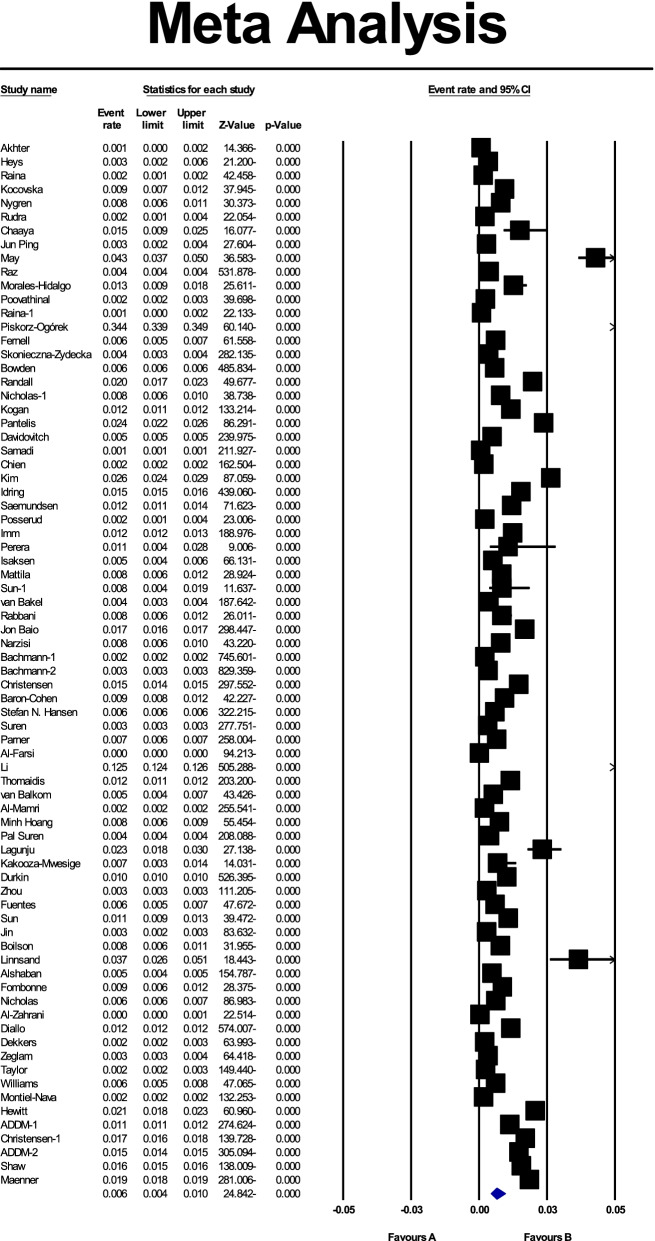
- The global prevalence of ASD was 0.6% (95% CI: 0.4–1%), or 0.006 (95% CI: 0.004–0.01).
- Subgroup prevalence by continent was: Asia 0.4% (95% CI: 0.1–1), America 1% (95% CI: 0.8–1.1), Europe 0.5% (95% CI: 0.2–1), Africa 1% (95% CI: 0.3–3.1), and Australia 1.7% (95% CI: 0.5–6.1).
- Across included studies, prevalence ranged from 0.02% in China to 3.66% in Sweden.
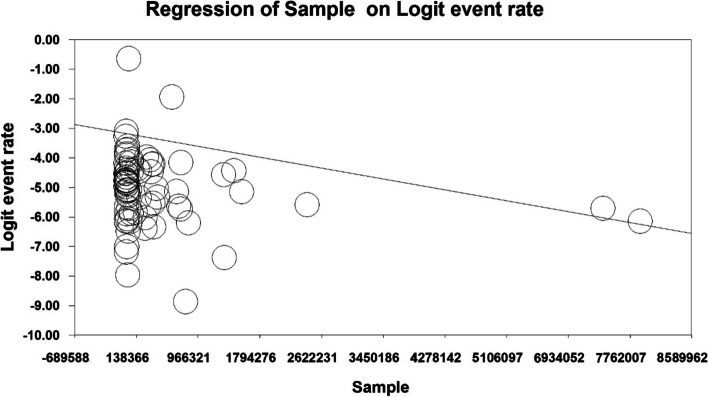
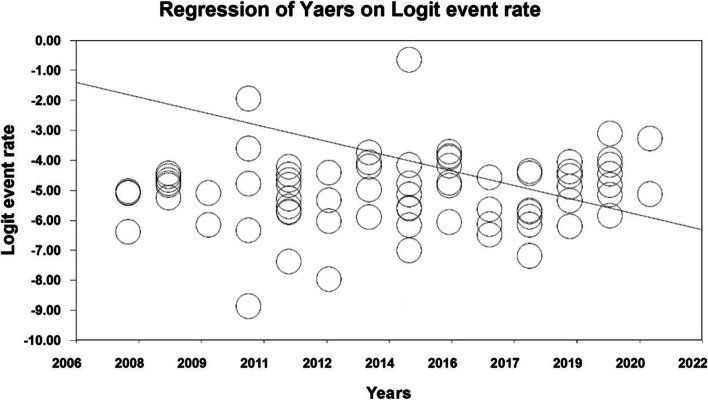
- Meta-regression found that global ASD prevalence decreased with increasing sample size and with increasing study year, both statistically significant (P < 0.05).
Methods
- Systematic review and meta-analysis following PRISMA 2020, searching Science Direct, PubMed, Scopus, SID, Magiran, Web of Science, and Google Scholar from 2008 to July 2021.
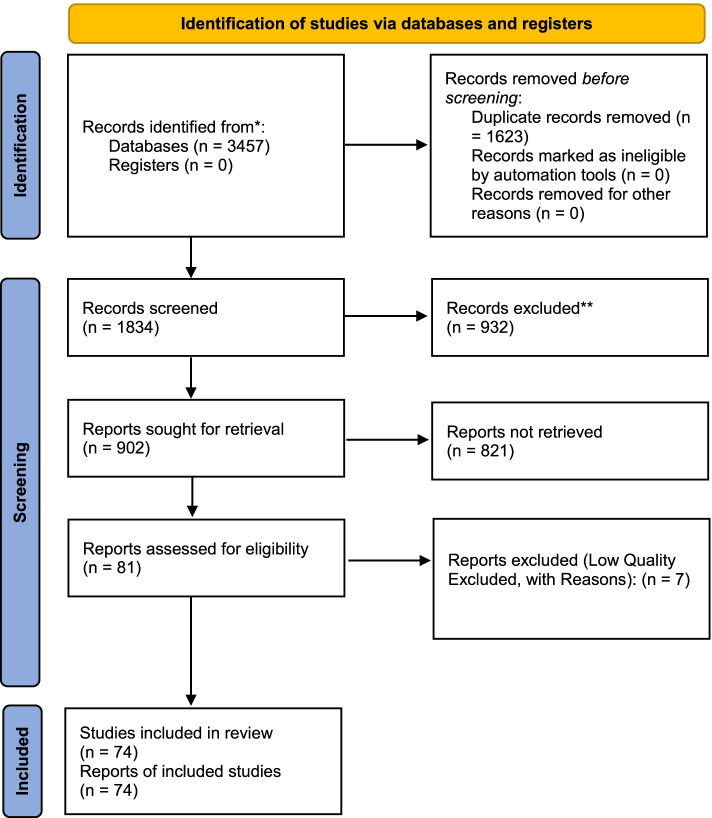
- Included cross-sectional or cohort studies published in English or Persian that used valid ASD diagnostic tools/criteria and reported detailed prevalence data; 74 studies were included after screening and quality assessment.
- Data were analyzed with Comprehensive Meta-Analysis software (Version 2); heterogeneity was assessed with I², publication bias with Begg and Mazumdar/Egger tests, and a random-effects model was used because I² was 99.9%.
Limitations
- The paper states that different diagnostic tools and techniques in included studies may lead to selection bias; sample size was variable, making comparison difficult; and some studies were unavailable due to language limitations.
- The paper also notes that differences in methods, ASD definition, screening tools, and diagnostic criteria between countries made comparison very difficult, and that there is very limited data on ASD prevalence in Africa compared with other regions.
- Evident from the text: heterogeneity was extremely high (I² = 99.9%), and the authors state they cannot draw a definite conclusion whether the increasing trend of ASD is real or due to altered diagnostic criteria and tools.
Model-written summary. Check it against the paper before relying on it.
Integrity signals
Registry
Cites
Statistics
Figures
Verification
Claims the paper makes
1 Valid · 2 Not valid · 0 Not checked · 26 Own results and interpretations
The cited sources support only part of this claim — read each source’s verdict below.
In the paper
“The prevalence of ASD worldwide has increased in recent decades [71, 78, 92].”
- Also stated in: § Background · plain
“Epidemiological surveys show an increasing trend in the annual prevalence of ASD.”
§ The global prevalence of autism spectrum disorder: a comprehensive systematic review and meta-analysis > Discussion
What the sources say
- Not checked — no full text of the sourcecites [71] Idring S Lundberg M Sturm H Dalman C Gumpert C Rai D Changes in prevalence of autism spectrum disorders in 2001–2011: findings from the Stockholm youth cohort J Autism Dev Disord 2015 45 6 1766 1773 10.1007/s10803-014-2336-y 25475364 source
- Partly supportedcites [78] Baron-Cohen S Scott FJ Allison C Williams J Bolton P Matthews FE Prevalence of autism-spectrum conditions: UK school-based population study Br J Psychiatry 2009 194 6 500 509 10.1192/bjp.bp.108.059345 19478287 sourceExperimental — accuracy not yet measured
The opening prevalence discussion (page not provided) says estimates for autism-spectrum conditions rose over four decades. It attributes much of the rise to changes in detection, methodology and diagnostic criteria, and cautions that studies cannot be directly compared; it does not establish that actual ASD prevalence increased worldwide. (LLM, conf=0.86)
- Supportedcites [92] Elsabbagh M Divan G Koh YJ Kim YS Kauchali S Marcín C Global prevalence of autism and other pervasive developmental disorders Autism Res 2012 5 3 160 179 10.1002/aur.239 22495912 PMC3763210 source
The Abstract states that prevalence estimates have increased over time. The “Phenotypic presentation of PDD” section likewise reports a rise in prevalence across studies from several world regions, while cautioning that this does not establish a rise in incidence. (LLM, conf=0.90)
plainstates a cause- Asserted: passes — The authors put it forward as true.
- Checkable: passes — It can be checked against evidence.
- Load-bearing: unclear — It is unclear whether the paper’s conclusions depend on it.
- Based: passes — The paper gives a reason why it holds.
- Also stated in: § Background · plain
A result the paper reports from its own data — it cites no other source for it, so there is none to check. The quote shows it is in the paper.
In the paper
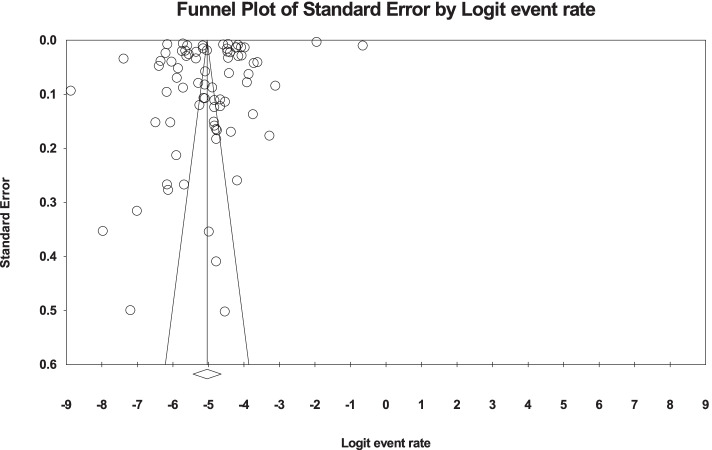
“Results suggested no publication bias in the present study (P = 0.109) (Fig. 2).”
§ The global prevalence of autism spectrum disorder: a comprehensive systematic review and meta-analysis > Result > Heterogeneity and publication bias
hedged- Asserted: passes — The authors put it forward as true.
- Checkable: passes — It can be checked against evidence.
- Load-bearing: unclear — It is unclear whether the paper’s conclusions depend on it.
- Based: passes — The paper gives a reason why it holds.
A result the paper states — it cites no source for it, so there is none to check. The quote shows it is in the paper.
In the paper
“There is no information on ASD prevalence in some countries, so more research is required to obtain such data for better global management of ASD.”
§ The global prevalence of autism spectrum disorder: a comprehensive systematic review and meta-analysis > Conclusion
plain- Asserted: passes — The authors put it forward as true.
- Checkable: passes — It can be checked against evidence.
- Load-bearing: passes — The paper’s conclusions depend on it.
- Based: passes — The paper gives a reason why it holds.
A result the paper reports from its own data — it cites no other source for it, so there is none to check. The quote shows it is in the paper.
In the paper
“Subgroup analyses indicated that the prevalence of ASD in Asia, America, Europe, Africa and Australia was 0.4% (95% CI: 0.1–1), 1% (95% CI: 0.8–1.1), 0.5% (95% CI: 0.2–1), 1% (95% CI: 0.3–3.1), 1.7% (95% CI: 0.5–6.1) respectively.”
- Also stated in: § Results · plain
“the prevalence of ASD in Asia, America, Europe, Africa and Australia was 0.4% (95% CI: 0.1–1), 1% (95% CI: 0.8–1.1), 0.5% (95% CI: 0.2–1), 1% (95% CI: 0.3–3.1), 1.7% (95% CI: 0.5–6.1) respectively”
§ The global prevalence of autism spectrum disorder: a comprehensive systematic review and meta-analysis > Abstract > Results
plain- Asserted: passes — The authors put it forward as true.
- Checkable: passes — It can be checked against evidence.
- Load-bearing: unclear — It is unclear whether the paper’s conclusions depend on it.
- Based: passes — The paper gives a reason why it holds.
- Rests on an assumption not shown here.
- Also stated in: § Results · plain
A result the paper reports from its own data — it cites no other source for it, so there is none to check. The quote shows it is in the paper.
In the paper
“We found that the prevalence of ASD varies from 0.02% in China to 3.66% in Sweden.”
§ The global prevalence of autism spectrum disorder: a comprehensive systematic review and meta-analysis > Discussion
plainn = 30,212,757- Asserted: passes — The authors put it forward as true.
- Checkable: passes — It can be checked against evidence.
- Load-bearing: unclear — It is unclear whether the paper’s conclusions depend on it.
- Based: passes — The paper gives a reason why it holds.
- Rests on an assumption not shown here.
10 more claims
Create a free account to see all 29 claims and every source verdict.
- Probably not a substantial claim. 11
- It may state two separate claims as one. 6
Claims other papers make about this one
Each is checked against this paper’s own text: does it say what the citing paper says it does?
The source backs part of the claim, not all of it — or backs it for a different population, condition or comparison.
In the citing paper
“In addition to time trends, there are other sources of heterogeneity, such as geographical region, country income, implemented study design, diagnostic criteria used, age of the studied population, and other socio-demographic factors (18–20).”
From The global prevalence of autism spectrum disorder: A three-level meta-analysis (2023) · cites this paper as [19]
Experimental — accuracy not yet measuredThe source backs part of the claim, not all of it — or backs it for a different population, condition or comparison.
In the citing paper
“The prevalence of autism spectrum disorder (ASD) has surged, with an estimated 1 in 36 eight-year-olds in the United States meeting criteria for ASD in 2020.”
From Pharmacological treatment in autism: a proposal for guidelines on common co-occurring psychiatric symptoms (2025) · cites this paper as [4]
Experimental — accuracy not yet measuredThe cited source says what the claim attributes to it.
In the citing paper
“in the meta-analysis of Salari et al. (19) showed that 74 studies, published from 2008 to 2021 the pooled prevalence comprised 60 per 10,000.”
From The global prevalence of autism spectrum disorder: A three-level meta-analysis (2023) · cites this paper as [19]
The cited source says what the claim attributes to it.
In the citing paper
“A worldwide prevalence rate of ASD has been reported to be 0.6% [54].”
From The Mental Health of Children with Cerebral Palsy: A Review of the Last Five Years of Research (2025) · cites this paper as [54]
Self-check
Percentages, sums and reported differences re-computed from the paper’s own numbers.
Each contradiction between two passages listed here was confirmed by an independent check.
Rated minor: it would not touch a result — a value no result rests on, a p-value that stays on the same side of the significance level, or a conflict that is clerical, resolved elsewhere in the paper, or outside its own findings.
In the paper
“| 2011 | Li | China | Mixed | 616,940 | – | 0–17 | – | ICD-10 | 77,301 (0.0238) | 54,937 | [42] |”
§ The global prevalence of autism spectrum disorder: a comprehensive systematic review and meta-analysis > Result > Search results and study characteristics
Reported 0.0238 · recomputed 12.529744
Rated minor: it would not touch a result — a value no result rests on, a p-value that stays on the same side of the significance level, or a conflict that is clerical, resolved elsewhere in the paper, or outside its own findings.
In the paper
“| 2016 | Pantelis | Korean | – | 23,234 | – | 7–12 | ASSQ | – | 553 (2.64) | | [33] |”
§ The global prevalence of autism spectrum disorder: a comprehensive systematic review and meta-analysis > Result > Search results and study characteristics
Reported 2.64 · recomputed 2.380133
Rated minor: it would not touch a result — a value no result rests on, a p-value that stays on the same side of the significance level, or a conflict that is clerical, resolved elsewhere in the paper, or outside its own findings.
In the paper
§ The global prevalence of autism spectrum disorder: a comprehensive systematic review and meta-analysis > Discussion
“We found that the prevalence of ASD varies from 0.02% in China to 3.66% in Sweden.”
§ The global prevalence of autism spectrum disorder: a comprehensive systematic review and meta-analysis > Result > Search results and study characteristics
“| 2020 | May | Australia | Mixed | 3381 | 1690 | 12–13 | SDQ | – | 145 (4.36) | 111 | [89] |”
Rated minor: it would not touch a result — a value no result rests on, a p-value that stays on the same side of the significance level, or a conflict that is clerical, resolved elsewhere in the paper, or outside its own findings.
In the paper
“| 2009 | van Balkom | Island | – | 13,109 | – | 0–9 | ADOS | DSM-IV | 69 (5.3) | – | [82] |”
§ The global prevalence of autism spectrum disorder: a comprehensive systematic review and meta-analysis > Result > Search results and study characteristics
Reported 5.3 · recomputed 0.526356
Rated minor: it would not touch a result — a value no result rests on, a p-value that stays on the same side of the significance level, or a conflict that is clerical, resolved elsewhere in the paper, or outside its own findings.
In the paper
§ The global prevalence of autism spectrum disorder: a comprehensive systematic review and meta-analysis > Result > Subgroup analysis
“Among the 74 studies, 26 were reviewed in Asia, 4 in Africa, 25 in Europe, 16 in the United States and 3 in Australia.”
§ The global prevalence of autism spectrum disorder: a comprehensive systematic review and meta-analysis > Result > Search results and study characteristics
“| 2018 | Diallo | Canada | – | 1,447,660 | – | 1–17 | – | ICD-10ICD-9 | 16,940 (1.2) | – | [54] |”
6 more findings
Create a free account to see every finding of this check.
Cited works that were retracted
Works this paper cites that were later retracted, from the retraction notices publishers deposit. Major when the notice came out before this paper was published.
Rated major: it would touch a result — a value a result rests on, reported and recomputed p-values on opposite sides of the significance level, two passages that conflict with no sign which is right, or a cited work retracted before this paper was published.
In the paper
“Christensen D, Braun K, Baio J, Bilder D, Charles J, Constantino J, et al. Prevalence and characteristics of autism spectrum disorder among children aged 8 years—autism and developmental disabilities monitoring network, 11 sites, United States, 2012. MMWR Surveillance Summaries. 2016;65(13):1.”
Cited work 10.15585/mmwr.ss6513a1 · retracted 2018-11-16 · notice 10.15585/mmwr.mm6745a7 · this paper published 2022-07-08
A note, not an issue: for example, a cited work that was retracted only after this paper was published, which its authors could not have known.
Cited work 10.15585/mmwr.ss6503a1 · retraction date not known · this paper published 2022-07-08
Citations
Cites
2 retracted
Christensen, D. L., Baio, J., Braun, K. V. N., Bilder, D., Charles, J., Constantino, J. N., Daniels, J., Durkin, M. S., Fitzgerald, R. T., Kurzius-Spencer, M., et al. (2016) · MMWR. Surveillance Summaries · doi:10.15585/mmwr.ss6503a1 · Cited by 1,964
RetractedChristensen, D. L., Braun, K. V. N., Baio, J., Bilder, D., Charles, J., Constantino, J. N., Daniels, J., Durkin, M. S., Fitzgerald, R. T., Kurzius-Spencer, M., et al. (2018) · MMWR. Surveillance Summaries · doi:10.15585/mmwr.ss6513a1 · Cited by 587
RetractedDiagnostic and Statistical Manual of Mental Disorders
American Psychiatric Association (2013) · doi:10.1176/appi.books.9780890425596 · Cited by 116,369
PRISMA-P Group, Moher, D., Shamseer, L., Clarke, M., Ghersi, D., Liberati, A., Petticrew, M., Shekelle, P., & Stewart, L. A. (2015) · Systematic Reviews · doi:10.1186/2046-4053-4-1 · Cited by 26,223 · cited 1×
“Search strategy This study was performed according to the Preferred Reporting Items for Systematic Reviews and Meta-Analyses (PRISMA 2020) guidelines [23].”
MethodBaio, J., Wiggins, L., Christensen, D. L., Maenner, M. J., Daniels, J., Warren, Z., Kurzius-Spencer, M., Zahorodny, W., Robinson, C., Rosenberg, et al. (2018) · MMWR. Surveillance Summaries · doi:10.15585/mmwr.ss6706a1 · Cited by 6,078
Maenner, M. J., Shaw, K. A., Baio, J., EdS1, Washington, A., Patrick, M., DiRienzo, M., Christensen, D. L., Wiggins, L. D., Pettygrove, S., et al. (2020) · MMWR. Surveillance Summaries · doi:10.15585/mmwr.ss6904a1 · Cited by 3,780 · cited 1×
“5/1000 in the latest estimate in 2016 [15, 61, 103].”
BackgroundLord, C., Elsabbagh, M., Baird, G., & Veenstra-Vanderweele, J. (2018) · The Lancet · doi:10.1016/s0140-6736(18)31129-2 · Cited by 2,819
What Is the Male-to-Female Ratio in Autism Spectrum Disorder? A Systematic Review and Meta-Analysis
Loomes, R., Hull, L., & Mandy, W. P. L. (2017) · Journal of the American Academy of Child & Adolescent Psychiatry · doi:10.1016/j.jaac.2017.03.013 · Cited by 2,804 · cited 1×
“Based on a comprehensive systematic review, the male to female ratio in children with ASD has been described as three to one [106], indicating a higher prevalence of ASD in males [92, 107, 108].”
BackgroundGlobal Prevalence of Autism and Other Pervasive Developmental Disorders
Elsabbagh, M., Divan, G., Koh, Y., Kim, Y. S., Kauchali, S., Marcín, C., Montiel‐Nava, C., Patel, V., Paula, C. S., Wang, C., et al. (2012) · Autism Research · doi:10.1002/aur.239 · Cited by 2,636 · cited 3×
“, general population-based or hospital-based sampling) [37, 92].”
Background
Research works printed but not linked: 4
- Jahan N Rahman A Choudhury S Chowdhury K Wahab M Rahman F Prevalence of mental disorders, mental retardation, epilepsy and substance abuse in children 2009
- American Psychiatric Association A Diagnostic and statistical manual of mental disorders: American Psychiatric Association Washington, DC 1980
- Taiwo T Organophosphate Exposures, Financial Hardship and Child Neurodevelopmental Outcomes in the CHARGE study Environ Epidemiolo 2019 3 196 197
- Investigators P, Control CfD, Prevention Prevalence of autism spectrum disorder among children aged 8 years-autism and developmental disabilities monitoring network, 11 sites, United States, 2010 MMWR Surveill Summ (Washington, DC: 2002) 2014 63 2 1 21 24670961
Cited by
Items 201–300 of 552
Actualización en trastornos del espectro autista
Canga-Espina, C., Vidal-Adroher, C., Suárez, A. D., & Vallejo-Valdivielso, M. (2023) · Medicine - Programa de Formación Médica Continuada Acreditado · doi:10.1016/j.med.2023.08.020 · Cited by 7
Effect of COVID-19 on autism spectrum disorders: A bibliometric analysis based on original articles
Lyu, K., Li, J.-S., Chen, M., Zhang, W., & Hu, M. (2023) · Medicine · doi:10.1097/md.0000000000035310 · Cited by 5
From synaptic dysfunction to atypical emotional processing in autism
Reis, S. L., & Monteiro, P. (2024) · FEBS Letters · doi:10.1002/1873-3468.14801 · Cited by 9
Rouphael, M., Sacre, Y., Bitar, T., Andres, C. R., & Hleihel, W. (2024) · Nutrients · doi:10.3390/nu16060847 · Cited by 8
“In recent years, there has been a noticeable rise in reported cases of ASD, particularly with a higher incidence observed among boys compared to girls [2,3].”
BackgroundSobieski, M., Wrona, S., Flakus, M., Pierchała, K., Sobieska, A., Podgórska, K., Wołowicz, A., Sekułowicz, M., & Bujnowska–Fedak, M. M. (2024) · Research in Autism · doi:10.1016/j.rasd.2024.102454 · Cited by 7
Gharavi, M., Salem, K., Adabdokht, R., & Ghasemi, M. (2024) · Special Care in Dentistry · doi:10.1111/scd.13052 · Cited by 6
Ahmad, I., Noman, A. A., Datta, M., Parves, M. M., Pathak, R., & Sharma, H. (2025) · Current Psychiatry Research and Reviews · doi:10.2174/0126660822328919241212114244 · Cited by 7
Arif, M. I., Ru, L., & Maimaiti, R. (2025) · Research in Autism · doi:10.1016/j.reia.2025.202535 · Cited by 4
Psychosocial Interventions and Quality of Life in Autistic Young Adults: A Systematic Review
Wu, H., Savadlou, A., Paul, M., Abbas, K. A., Greig, A. C., Devoe, D. J. A., & Ortega, I. (2025) · Review Journal of Autism and Developmental Disorders · doi:10.1007/s40489-025-00499-w · Cited by 6
Chivchibashi-Pavlova, D., & Bratoeva, K. Z. (2025) · Veterinární Medicína · doi:10.17221/87/2024-vetmed · Cited by 6
“It affects approximately 0.6–1% of the worldwide population (Salari et al. 2022; Andersen-Civil et al. 2023).”
InfluentialNeural reinstatement of context memory in adults with autism spectrum disorder
Justus, S. A., Mirjalili, S., Powell, P. S., & Duarte, A. (2023) · Cerebral Cortex · doi:10.1093/cercor/bhad139 · Cited by 4
Abid, N., Gaddour, N., & Hmissa, S. (2024) · Humanities and Social Sciences Communications · doi:10.1057/s41599-024-02827-7 · Cited by 9
“In recent years, the prevalence of ASD among children have increased, generating claims about an “ epidemic ” of autism: A systematic review and meta-analysis by Salari et al. (2022) estimated the global prevalence of autism, in the word, to be 0.6% of the population (Salari et al., 2022).”
InfluentialSobieski, M., Wrona, S., Flakus, M., Pierchała, K., Sobieska, A., Podgórska, K., Wołowicz, A., Sekułowicz, M., & Bujnowska–Fedak, M. M. (2023) · SSRN Electronic Journal · doi:10.2139/ssrn.4573426 · Cited by 3
McQuire, C., Frennesson, N. F., Parsonage, J. T. I., et al. (2024) · medRxiv · doi:10.1101/2024.04.29.24306557 · Cited by 3
Ihenagwam, C., Hamrick, J., Wheeler, K., Iwuji, U., Duru, H., & Banda, D. R. (2024) · International Journal of Special Education (IJSE) · doi:10.52291/ijse.2024.39.8 · Cited by 3
Tsuchiya, M., Tsuchiya, S., Momma, H., Nagatomi, R., Yaegashi, N., Arima, T., Ota, C., Igarashi, K., & the Japan Environment and Children’s Study Group (2024) · PLoS ONE · doi:10.1371/journal.pone.0313024 · Cited by 3
Ma, L., Liu, C., Song, R., Qian, Y., & Zhang, F. (2025) · Journal of Integrative Neuroscience · doi:10.31083/jin24948 · Cited by 3
Intervention adherence and its predictors among parents of children with autism spectrum disorder
Cai, M., Dai, Y., Duan, M., Chen, M., Ji, Y., Zhou, L., Chen, L., & Zhang, L. (2025) · Journal of Pediatric Nursing · doi:10.1016/j.pedn.2025.09.015 · Cited by 4
Wawszczak-Kasza, M., Rachuna, J., Madej, Ł., Lewitowicz, W., Lewitowicz, P., & Horecka-Lewitowicz, A. (2025) · International Journal of Molecular Sciences · doi:10.3390/ijms26199672 · Cited by 3
“European estimates vary between 0.6% and 1.5%, reflecting differences in diagnostic practices and healthcare accessibility [3].”
InfluentialTorabi, S. Y., Akbarfahimi, N., & Mirzaie, H. (2025) · Review Journal of Autism and Developmental Disorders · doi:10.1007/s40489-025-00526-w · Cited by 5
Singh, R., Shah, A., Jain, N. K., Shah, H., Parekh, B., Patel, S. K., Shelat, P., & Rawal, R. (2025) · Food and Humanity · doi:10.1016/j.foohum.2025.100887 · Cited by 2
Framework for adaptive multimodal serious games for early intervention of autistic children
Xu, Z., Yuyong, Z. H. A. O., Jie, W. A. N. G., Chang, J., & ZHANG, Y. (2025) · Virtual Reality & Intelligent Hardware · doi:10.1016/j.vrih.2025.08.002 · Cited by 11
Wang, X.-N., Luo, W., Li, H.-Y., & Zhang, T. (2025) · World Journal of Psychiatry · doi:10.5498/wjp.v15.i12.111522 · Cited by 2
Kealhofer, M., Brown, R. C., Riley, B. P., & Nguyen, T.-H. (2025) · NAR Genomics and Bioinformatics · doi:10.1093/nargab/lqaf162 · Cited by 2
“Autism spectrum disorder (ASD) is a heterogeneous disorder characterized by deficits in social communication and repetitive or restrictive behaviors with a global prevalence of ∼ 0.6% [ 4 , 5 ].”
InfluentialMolina-Cedrés, F., Medina-ramírez, R., Báez-Suárez, A., Vílchez-Barrera, M., García-quintana, M., Hernández-Pérez, A., García-Rodríguez, I., Álamo-Arce, D., & Etopa-Bitata, M. D. P. (2025) · Children · doi:10.3390/children12121599 · Cited by 3
“Its worldwide prevalence is estimated to be between 0.4% and 1.7% of the total population [1,2].”
InfluentialAcceptance and Commitment Training for Parents of Children With Autism Spectrum Disorder
Li, S. N., & Chien, W. T. (2026) · JAMA Network Open · doi:10.1001/jamanetworkopen.2025.52693 · Cited by 2
Aljubour, A. A., AbdElBaki, M. A., Meligy, O. E., Al-Jabri, B. A., Bashkail, F., Alamoudi, R. M., & Sabbagh, H. J. (2026) · Research in Developmental Disabilities · doi:10.1016/j.ridd.2026.105212 · Cited by 2
Soni, A., Rout, J., Sahoo, S., et al. (2025) · doi:10.1109/ic-cgu67042.2025.11338115 · Cited by 2
“Although physical health often receives early attention, many neurological conditions in children may go unnoticed [1], [2].”
Prenatal exposure to extreme heat and autism in children
Luglio, D. G., Yu, X., Lin, J. C., Chow, T., Martinez, M. P., Chen, Z., Eckel, S. P., Schwartz, J. D., Lurmann, F., Pavlovic, N., et al. (2026) · The Science of The Total Environment · doi:10.1016/j.scitotenv.2026.181373 · Cited by 2
Marudur, P. T., Sutomo, R., & Sitaresmi, M. N. (2026) · F1000Research · doi:10.12688/f1000research.177715.2
Yang, K., Geng, Y., Zhou, W., Zhang, L., Xu, Z., Wang, J., Li, F., & Qiu, Z. (2026) · Biological Psychiatry · doi:10.1016/j.biopsych.2026.03.999 · Cited by 3
Ellis, K., Pearson, E., Murray, C. A., Jenner, L., Bissell, S., Trower, H., Smith, K., Groves, L., Jones, B., Williams, N. J., et al. (2023) · International review of research in developmental disabilities · doi:10.1016/bs.irrdd.2023.07.003 · Cited by 5
The rise in autism spectrum disease: is the Pakistani population aware of the symptoms?
Asghar, B., Asghar, F., Riaz, E., et al. (2023) · International Journal of Surgery Global Health · doi:10.1097/gh9.0000000000000247 · Cited by 2
Trastornos auditivos dentro del trastorno del espectro autista.
Jara-Torres, P. D., & Ortega-Barrazueta, J. A. (2023) · MQRInvestigar · doi:10.56048/mqr20225.7.3.2023.3398-3417 · Cited by 1
Thorell, L. B., Carlander, A. K., Demetry, Y., Marainen, L., Nilsson, S., & Skoglund, C. B. (2024) · International Journal of Environmental Research and Public Health · doi:10.3390/ijerph21040388 · Cited by 4
“Distance Learning in Children with ADHD and/or ASD ADHD and ASD are common neurodevelopmental disorders, with meta-analyses reporting worldwide pooled prevalence rates of 6.6–7.8% for ADHD [16] and 0.4–1.7% for ASD [17].”
InfluentialSobieski, M., Grata-Borkowska, U. T., & Bujnowska–Fedak, M. M. (2024) · Brain Sciences · doi:10.3390/brainsci14040388 · Cited by 5
“%) and lower than assumed, based on newer data from European Union countries [5,6]—it may be the result of lacking readily available tools for the screening and diagnosis of ASD, insufficient awareness of this problem of healthcare professionals (HCPs) and systemic difficulties and constraints.”
BackgroundMolecular diagnostic yield of whole-exome sequencing in Saudi autistic children with epilepsy.
Alharbi, A. A., Al-Zahrani, M. H., Ebbi, M. M., Alqurashi, M. M., Baqays, A. A., Shami, A. A., Alghamdi, R. A., & Alzahrani, A. H. (2024) · PubMed Central · Cited by 4
Autism Spectrum Disorders in Calabar, Nigeria.
Torty, C., Eyong, K. I., Asindi, A. A., & Usun, E. (2024) · Iranian journal of child neurology. · doi:10.22037/ijcn.v18i3.41744 · Cited by 6
“A recent systematic review and meta-analysis estimate the global prevalence of ASD at 0.6%, while the African prevalence was 1.7% (8).”
BackgroundInfluentialIntellectual Disabilities and Neurodevelopmental Disorders
Romani, P. W., Luehring, M. C., Trimble, D., & Ladyga, R. (2024) · Issues in clinical child psychology · doi:10.1007/978-3-031-62749-1_19 · Cited by 3
The Relationship between Early Exposure to General Anesthesia and Neurobehavioral Deficits
Xu, J., Wang, F., Gao, Y., Qi, C., Chen, T., & Yan, J. J. (2024) · Developmental Neuroscience · doi:10.1159/000542005 · Cited by 3
“According to the World Health Organization, the estimated international prevalence of ASD was 0.6% [79].”
InfluentialHow is autism portrayed in news media? A corpus-based, mixed-methods analysis in China
Wanting, Z., & Guan, W. (2024) · Frontiers in Communication · doi:10.3389/fcomm.2024.1460556 · Cited by 5
Mirzaei, V., Wolstencroft, J., Estrin, G. L., Buckley, E., Sayani, S., Katakis, P., Anand, R., Squire, T., Short, E., Frankson, P., et al. (2025) · JMIR Research Protocols · doi:10.2196/55741 · Cited by 2
“Autism spectrum disorder (ASD) is a complex neurodevelopmental condition marked by difficulties in social communication, restricted and repetitive behaviors, and sensory sensitivities [1].”
Rogalin, M. T., Turchi, G. P., & Orrù, L. (2024) · Emotional and Behavioural Difficulties · doi:10.1080/13632752.2024.2417321 · Cited by 2
“Globally, we are witnessing an increase in the prevalence of autism in children and adolescents (Maenner et al. 2020; Morales Hidalgo, Voltas Moreso and Canals Sans 2021; Salari et al. 2022).”
Chatterjee, D., Maparu, K., & Singh, S. (2025) · PubMed · doi:10.14670/hh-18-870 · Cited by 9
Ikehara, M., Kashida, N., Ishida, R., Mizui, R., Makinodan, M., & Yamamuro, K. (2025) · Psychiatry and Clinical Neurosciences Reports · doi:10.1002/pcn5.70079 · Cited by 2
Bianco, T. D., Estrin, G. L., Lautarescu, A., Oakley, B. F. M., Eaton, E., Terčon, J., Douglas, S., Plas, J. R. D., Belton, D., Loth, E., et al. (2025) · Open Research Europe · doi:10.12688/openreseurope.19394.1 · Cited by 3
Given, J. E., Paoletti, O., Bromley, R., Ballardini, E., Beau, A., Bartolini, C., Caillet, A., Coldea, A., Damase‐Michel, C., Evans, H., et al. (2025) · Journal of Autism and Developmental Disorders · doi:10.1007/s10803-025-06997-4 · Cited by 3
Molecular Autism Research in Africa: Emerging Themes and Prevailing Disparities
Frickel, E., Mahony, C., Bam, S., Buchanan, E., van der Watt, M., & O’Ryan, C. (2023) · Review Journal of Autism and Developmental Disorders · doi:10.1007/s40489-023-00415-0 · Cited by 4
“Several studies have highlighted a critical short-age of ASD research from Africa during the preceding decades (Bakare and Munir 2011; Abubakar et al. 2016; Franz et al. 2017; Bakare et al. 2022; Salari et al. 2022).”
InfluentialAutism Spectrum Disorder: Clinical and Genetic Aspects
Shukla, S. (2024) · Current Drug Therapy · doi:10.2174/0115748855313794241108080912 · Cited by 3
Stania, M., Emich-Widera, E., Kamieniarz-Olczak, A., Kazek, B., Swatowska-Wenglarczyk, M., & Juras, G. (2024) · Clinical Biomechanics · doi:10.1016/j.clinbiomech.2024.106251 · Cited by 1
Herman, A. M., Park, A. L., Lee, C. C., Paul, H. L., Choplin, E. G., Deitcher, L., Ghuman, S., Hartsock, J. T., & Youngstrom, E. A. (2023) · Administration and Policy in Mental Health and Mental Health Services Research · doi:10.1007/s10488-023-01276-9 · Cited by 1
Giolo, S. R., Fernandes, Y. R., & dos Anjos, A. (2023) · OALib · doi:10.4236/oalib.1110314 · Cited by 1
Mohammadi, K., Samavi, S. A., Mehdiabadi, F. Z., & Samavi, S. A. (2023) · Frontiers in Psychiatry · doi:10.3389/fpsyt.2023.1153112 · Cited by 1
Protocolo diagnóstico y terapéutico de los trastornos del espectro autista
Canga-Espina, C., Vidal-Adroher, C., Suárez, A. D., & Vallejo-Valdivielso, M. (2023) · Medicine - Programa de Formación Médica Continuada Acreditado · doi:10.1016/j.med.2023.08.024 · Cited by 1
Haifa, L., Grigoryan, G., Karapetyan, L., et al. (2023) · Arab World English Journal · doi:10.24093/awej/vol14no4.15 · Cited by 1
Windarwati, H. D., Lestari, R., Hidayah, R., Hasan, H., Ati, N. A. L., Kusumawati, M. W., Selena, I. N., Dumar, B., & Rahayu, G. (2024) · Journal of Child and Adolescent Psychiatric Nursing · doi:10.1111/jcap.12450 · Cited by 5
Experimental modeling of autism spectrum disorders using propionic acid
Бояркин, В. С., Капица, И. Г., & Воронина, Т. А. (2023) · Nauchno-prakticheskii zhurnal «Patogenez» · doi:10.25557/2310-0435.2023.04.32-38 · Cited by 1
Technologies to Support Self-determination for People with Intellectual Disability and ASD
Laronze, F., Landuran, A., & N’Kaoua, B. (2024) · Lecture notes in computer science · doi:10.1007/978-3-031-55245-8_2 · Cited by 2
Indika, N.-L. R., Jasinge, E. A., Wijetunge, S., Peiris, H., ENGELEN, M. P. K. J., Deutz, N. E. P., & Perera, R. (2024) · Research in Autism · doi:10.1016/j.rasd.2024.102411 · Cited by 3
Köroğlu, A. Y., Ataman, S. A., & KÖSRETAŞ, B. (2024) · International Journal of Developmental Disabilities · doi:10.1080/20473869.2024.2383806 · Cited by 1
“In a comprehensive study on the prevalence of ASD, Salari et al. (2022) emphasized the alarming increase in ASD prevalence in recent years and suggested that early diagnosis and intervention could enhance the performance outcomes of children with ASD.”
Stress in parents of preschoolers with Autism Spectrum Disorders: an update review
Espinosa-Díaz, N., Vega-Arce, M., Jara, M. I., & Garrido, F. (2024) · Boletín Médico del Hospital Infantil de México · doi:10.24875/bmhim.23000182 · Cited by 16
“This underscores the importance of early detection and intervention in ASD to mitigate its complications 3 .”
Jończyk, J., Przybylska, K., Staszewski, M., Godyń, J., Werner, T., Stefaniak, M., Stark, H., Walczyński, K., & Bajda, M. (2024) · Molecules · doi:10.3390/molecules29225271 · Cited by 1
“The global prevalence of ASD is progressively rising year after year [3].”
Aiyeolemi, A. A., Amaeze, O. U., Okugbeni, V., Kehinde, O., Adeleke, A. A., & Barner, J. C. (2024) · Health Services Insights · doi:10.1177/11786329241299314 · Cited by 2
Chilipweli, P. M., Basinda, N., Sabuni, P. A., Hyera, F., Liana, U., Leeyio, T. R., Nyanza, E. C., & Ngowi, A. V. (2025) · Frontiers in Psychology · doi:10.3389/fpsyg.2024.1426870 · Cited by 1
Zhang, Q., Pang, X., Guo, M., Wang, Y., Xu, Y., Li, Q., & Zheng, H. (2025) · ALPHA PSYCHIATRY · doi:10.31083/ap38790 · Cited by 1
“The global prevalence of ASD is approximately 0.6%, but there are some differences in different countries or regions [3], with the incidence in male children being 4–5 times higher than in females [4].”
InfluentialWu, Y., Chen, X., Li, D., Wang, H., Ou, Y., Su, S., Liu, G. R., Zhang, Q., & Rao, W. (2025) · ALPHA PSYCHIATRY · doi:10.31083/ap38796 · Cited by 3
“As shown in a meta-analysis, the global prevalence of ASD among 30,212,757 participants in 74 studies was 0.6% [4].”
InfluentialBehavior Management Strategies for Teaching Children With Autism in Physical Education
Akşit, S., Yılmaz, E. B., Öner, Ç., Konukman, F., Sortwell, A., & Tüfekçioğlu, E. (2025) · Strategies · doi:10.1080/08924562.2025.2450984 · Cited by 1
Wang, D., & Ding, W. (2025) · Neuroimage Reports · doi:10.1016/j.ynirp.2025.100249 · Cited by 4
“In recent decades, there has been a notable increase in the global prevalence of ASD (Idring et al., 2015; Elsabbagh et al., 2012; Salari et al., 2022).”
A mixed methods systematic review of assistance dogs for people with autism
Mulraney, M., Rincones, O., Bryant, C., et al. (2025) · Neuroscience & Biobehavioral Reviews · doi:10.1016/j.neubiorev.2025.106160 · Cited by 1
Malvania-Damani, E., Prabhu, S., Shah, N. D., Patel, H. P., Shah, K. P., & Patel, R. H. (2025) · Journal of Family Medicine and Primary Care · doi:10.4103/jfmpc.jfmpc_1351_24 · Cited by 3
“[1] ASD affects approximately 0.6% of children worldwide [2] and approximately 0.09–0.11% of children in India.”
InfluentialMaking a Case for an Autism-Specific Multimorbidity Index: A Comparative Cohort Study
Nijhof, D., Sosenko, F., Ward, L. M., Cairns, D., Hughes-McCormack, L. A., & Rydzewska, E. (2025) · Journal of Autism and Developmental Disorders · doi:10.1007/s10803-025-06823-x · Cited by 1
Wang, J., Dou, H., & Liang, Q. (2025) · Royal Society Open Science · doi:10.1098/rsos.250158 · Cited by 3
Otizm Spektrum Bozukluğuna Sahip Çocuğu Olan Annelerin Deneyimlerinin İncelenmesi: Nitel Bir Analiz
Kutlu, İ., Büber, Ö., & Eyüpoğlu, E. Z. (2025) · Tıbbi Sosyal Hizmet Dergisi · doi:10.46218/tshd.1645213 · Cited by 1
Conde, A. R., Mota, P., Botelho, T., Caldeira, S. N., Rego, I. E., Silva, O., Sousa, Á., & Freitas, C. (2025) · Current Psychology · doi:10.1007/s12144-025-08111-4 · Cited by 2
“This increase may be due to the diagnostic changes in the DSM 5 in 2013, which were no longer limited to the most severe expression of autism but included milder forms (Salari et al., 2022 ; Zeidan et al., 2022).”
InfluentialKaruna, Y., Shenoy, R., Bhat, S. S., Suprabha, B. S., Shetty, S. B., & Baliga, K. (2025) · Clinical Epidemiology and Global Health · doi:10.1016/j.cegh.2025.102116 · Cited by 1
A Child-Aware Setup for Automatic Evaluation of Interaction with Robots in NAO Autism Therapy
Brienza, M., Mauceri, S., Bloisi, D. D., Romano, M., Frolli, A., Suriani, V., Pierri, F., Rinaldi, A., Muratori, F., Palermo, G., et al. (2025) · IEEE International Symposium on Medical Measurements and Applications (MeMeA) · doi:10.1109/memea65319.2025.11068012 · Cited by 2
“…to greater awareness of the condition or an actual increase in its incidence, it is clear that early diagnosis and timely intervention are essential to immediately improve the quality of life of patients and their families, thus promoting a better and more positive developmental trajectory [11].”
A critical commentary on the categorisation of students with diagnoses in Greek special schools
Papadimitriou, V. (2025) · British Journal of Special Education · doi:10.1111/1467-8578.70040 · Cited by 1
de Raposo, J. F., Paulino, D., & Paredes, H. (2024) · International Conference on Software Development and Technologies for Enhancing Accessibility and Fighting Info-exclusion (DSAI) · doi:10.1145/3696593.3696645 · Cited by 6
Deng, Y., Zhou, X., Yin, B., Zou, F., Zhong, S., Luo, X., Shen, L., Yang, F., & Guo, R. (2025) · Journal of Child Psychology and Psychiatry · doi:10.1111/jcpp.70033 · Cited by 3
Bravo‐Muñoz, F., Bustos, I., Muñoz‐Fierro, D., San‐Martín, S., Tabilo, C., Véliz, M., Zaror, T., Ormazabal, P., Brusselaers, N., & Fornes, R. (2025) · Autism Research · doi:10.1002/aur.70110 · Cited by 4
Gharaibeh, M., Ayasrah, M. N., Al‐Rousan, A. H., Khasawneh, Y. J. A., & Khasawneh, M. A. S. (2025) · Cognitive Therapy and Research · doi:10.1007/s10608-025-10649-3 · Cited by 1
“In this context, a meta-analysis found that the prevalence of ASD was 0.6%, which means that in every 167 people, one of them is diagnosed with ASD (Salari et al., 2022).”
InfluentialA Novel Feature Optimization Approach for Accurate Autism Spectrum Disorder Prediction
Arpitha, K., & Nandini, N. (2025) · Engineering Technology & Applied Science Research · doi:10.48084/etasr.12319 · Cited by 1
“However, despite increasing global attention, many cases remain undiagnosed or diagnosed too late, preventing timely intervention [5].”
Huang, L., Huang, R., Sui, G., Du, W., Zhou, L., Luo, Q., Ren, T., & Li, F. R. (2025) · Translational Psychiatry · doi:10.1038/s41398-025-03648-1 · Cited by 2
Sayson, L. V., Lee, H. J., Campomayor, N. B., Balataria, S., Kim, M., Cho, A., Yi, E. C., Lee, C. R., Kim, B.-N., Cheong, J. H., et al. (2025) · Neuroscience · doi:10.1016/j.neuroscience.2025.09.052 · Cited by 1
Khedr, M. A., Alqarawi, N., & Hussien, R. M. (2025) · Children · doi:10.3390/children12101387 · Cited by 2
“Autism spectrum disorder (ASD) is generally identified as a neurodevelopmental condition manifested by distinctive social communication patterns and a persistent, diverse nature [1], associated with constrained, monotonous, or stereotypical conduct [2].”
Autism spectrum disorder–level prediction and personalized education planning using TabNet
Nithya, A., & Sivasankaran, V. (2025) · Autism · doi:10.1177/13623613251375199 · Cited by 1
“ASD impacts children from early childhood into adulthood, significantly influencing their development, social interactions, and language skills (Salari et al., 2022; Wang et al., 2023).”
Advancing Autism Spectrum Disorder Diagnosis Through Machine Learning
Uday Shankar., G., Radha, N., Ahamad, T. R., & Patil, P. (2025) · International Conference on Intelligent Algorithms for Computational Intelligence Systems (IACIS) · doi:10.1109/iacis65746.2025.11211005 · Cited by 1
“It is believed that about 1 percent of the world population has Autism Spectrum Disorder (ASD), regional and demographic disparities are however high [1].”
Bruno, J. L., Plank, J. R., Leder, S., Lake, E. M. R., Finn, E. S., & Green, T. (2025) · Molecular Autism · doi:10.1186/s13229-025-00686-w · Cited by 3
“One in 36 children U.S. meet criteria for ASD diagnosis [2], and increasing prevalence has been observed worldwide [3].”
Maouch, M. E., Shi, Y., Jin, Z., Abi‐Habib, R., & Zhou, Q. (2025) · Human Arenas · doi:10.1007/s42087-025-00538-2 · Cited by 1
“…Organization (WHO) member states compile their mental health statistics (see IHME, 2017, 2018; GBD, 2018 ; Ritchie & Roser, 2018; WHO, 2019, 2020; Salari et al., 2022; Zeidan et al., 2022; Singh et al., 2023; Wu et al., 2023; NeuroLaunch editorial team, 2024; Global Burden of Disease Study…”
Daniel, D., Dwidiyanti, M., & Zubaidah, Z. (2025) · Journal of Indian Association for Child and Adolescent Mental Health · doi:10.1177/09731342251397764 · Cited by 1
Ferreira, F. R., Rouvier, G. A., Hassib, L., Morraye, R. D. A., da Silva, Y. S. P., da Gama, L. F. S., Pereira, I. S., Gomes, A. D. O., Rosa, M. J. G., de Morais-Scussel, A. C., et al. (2025) · Microorganisms · doi:10.3390/microorganisms14010060 · Cited by 1
“A 2022 meta-analysis revealed that the prevalence of ASD is 0.4% in Asia, 1% in the Americas, 0.5% in Europe, 1% in Africa, and 1.7% in Australia [8].”
InfluentialProgress in exercise interventions for autism spectrum disorder: exploring underlying mechanisms
Wang, C., Zhang, Y., Zhu, J., & Lin, Z. (2026) · Frontiers in Psychiatry · doi:10.3389/fpsyt.2025.1649005 · Cited by 5
Wan, L., Wu, Y., Tang, Y., Guo, X., Sun, L., & He, Q. (2026) · Scientific Reports · doi:10.1038/s41598-025-34876-6 · Cited by 1
Exploring recovery from anorexia in autistic adults: a qualitative study
McIntosh, A., & Hunter, R. (2026) · BMJ Open · doi:10.1136/bmjopen-2025-111034 · Cited by 4
Cáceres, A. S. J., Burdeus-Olavarrieta, M., Vicente, C., Carbonell, N., Sipos, L., Fernández, L. S., Martín, L., Llauradó, E. V., & Parellada, M. (2026) · Frontiers in Psychology · doi:10.3389/fpsyg.2026.1716298 · Cited by 2
Shen, H., Zou, Z., Jia, S., et al. (2026) · Frontiers in Public Health · doi:10.3389/fpubh.2026.1758323 · Cited by 1
Synchronisation of circadian timing in families and the impact of autism: a scoping review
Brennan, A., Wyse, C. A., de Vasconcelos, M. F., Rudderham, L. M., Gallagher, L., & Lopez, L. M. (2026) · Journal of Neurodevelopmental Disorders · doi:10.1186/s11689-026-09679-z · Cited by 2
Qaraqe, M., Varghese, E. B., Qadir, I., Al‐Thani, D., & Baroudi, C. T. (2026) · Behavior Research Methods · doi:10.3758/s13428-026-02950-0 · Cited by 4
“…key developmental markers such as joint attention (JA) is essential for better understanding and supporting affected individuals and their families (Salari et al., 2022) According to the American Psychiatric Association (APA), a delay in or lack of attentional behaviors is one of the early…”
Nair, A., Jalal, R., Lawrence, K. E., Verma, N., Gutiérrez, H., Laulette, K., Karlsgodt, K. H., & Bearden, C. E. (2026) · Autism Research · doi:10.1002/aur.70163 · Cited by 1
“Participants significantly differed on sex and ethnicity (Table 1); i.e., there were proportionally fewer female participants in the ASD group relative to the other groups, reflecting expected prevalence rates (Salari et al. 2022).”
Deng, Y., Zhong, S., Wang, S.-H., Yin, B.-Y., Zhou, X., Zou, F., Zhao, J. S., Ni, Y.-X., Luo, X., Shen, L., et al. (2026) · Molecular Psychiatry · doi:10.1038/s41380-026-03613-4 · Cited by 2
“Its rising prevalence has created substantial social, economic, and healthcare burdens worldwide [2].”
Metadata
- Authors
- Salari, N., Rasoulpoor, S., Rasoulpoor, S., Shohaimi, S., Jafarpour, S., Abdoli, N., Khaledi-Paveh, B., & Mohammadi, M.
- Affiliations
- Kermanshah University of Medical Sciences (IR)
- Universiti Putra Malaysia (MY)
- Isfahan University of Medical Sciences (IR)
- Gerash University of Medical Sciences (IR)
- Corresponding author
- Mohammadi, Masoud
- ORCID
- Venue
- Italian Journal of Pediatrics
- Published
- 2022-07-08
- Volume
- 48
- Issue
- 1
- Pages
- 112-112
- ISSN
- 1720-8424 (ISSN-L)
- 1824-7288
- PMC
- PMC9270782
- OpenAlex
- W4284962360
- Cited by
- 571
- References
- 122
- Citations by year
- 2026: 163 · 2025: 169 · 2024: 155 · 2023: 76 · 2022: 8
- FWCI
- 14.26
- Type
- journal article
- Language
- en
- Open access
- gold
- doi.org
- Licence
- cc-by
- creativecommons.org/licenses/by/4.0 (tdm)
- creativecommons.org/licenses/by/4.0 (vor)
- Locations
- The Italian Journal of Pediatrics/Italian journal of pediatrics (publishedVersion, cc-by)
- PubMed Central (publishedVersion, cc-by)
- PubMed (publishedVersion)
- DOAJ (DOAJ: Directory of Open Access Journals) (submittedVersion, cc-by-sa)
- Funders
- Kermanshah University of Medical Sciences
- Student Research Committee, Tabriz University of Medical Sciences
- Topics
- Life Sciences › Neuroscience › Cognitive Neuroscience › Autism Spectrum Disorder Research
- Health Sciences › Medicine › Psychiatry and Mental health › Child Nutrition and Feeding Issues
- Social Sciences › Psychology › Clinical Psychology › Family and Disability Support Research
- Keywords
- autism spectrum disorder, prevalence, global prevalence, high-risk groups, developmental disorders, early detection, health burden, regional variation in prevalence
- MeSH terms
- Autism Spectrum Disorder, Child, Preschool, Europe, Humans, Prevalence
About these checks
Registry, retraction, Cites and statistics results are computed, not judged, with one exception: a printed reference that no index lists is read once by a model before it counts as a citation error. Claims are extracted by a model and kept only when their quote appears verbatim in the text; each cited source is then checked, with a model’s help, for whether it says what the claim relies on. Those verdicts can be wrong — read the claim’s quote and the cited source before relying on one.
The claim verdicts this report counts are experimental: their accuracy is not yet measured.
A language model drew the claims from the paper on 2026-10-10, under version 3 of the claim definition (model deepseek-v4.1-flash, prompt extract-v3).
A second model labelled each claim on 2026-10-10 (model jev-1.13-20260917, definition revision gold-guideline-v0.2).
Cited sources are checked with a language model’s help (gpt-6-sol).
Statistics and arithmetic are recomputed, not judged.
Confidence bands are shown only for fields calibrated on our annotated test set. None is calibrated yet, so no band is shown.
What counts as a claim ›How we measure confidence ›How we check this ›
Are you an author, or do you see a problem with this page? Request a review
Data sources
Bibliographic data: Semantic Scholar, OpenAlex, Crossref.
Contains information from the Semantic Scholar Academic Graph Datasets, made available under the ODC Attribution License (ODC-BY 1.0).
Semantic Scholar’s data is described in: Kinney, R., et al. (2023). The Semantic Scholar Open Data Platform. arXiv:2301.10140.
