

The global prevalence of autism spectrum disorder: a comprehensive systematic review and meta-analysis.
Open accessThe DOI matches its Crossref record; 121 of the 122 references it cites were found in a registry or an index; 3 of the 4 sources its claims cite were checked for support.
Abstract
BACKGROUND: Autism spectrum disorder (ASD) is one of the serious developmental disorders that is usually diagnosed below the age of three years. Although the severity of the disease's symptoms varies from patient to patient, the ability to communicate with others is affected in all forms of ASD. This study aimed to determine the prevalence of ASD in high-risk groups by continent. METHODS: The present study was conducted by systematic review and meta-analysis from 2008 to July 2021. Databases such as Science Direct, PubMed, Scopus, SID, Magiran, Web of Science (WoS), and Google Scholar from 2008 to July 2021 were searched to find related studies. Data were analysed using Comprehensive Meta-Analysis software (Version 2). RESULTS: A total of 74 studies with 30,212,757 participants were included in this study. The prevalence of ASD in the world was 0.6% (95% confidence interval: 0.4-1%). Subgroup analyses indicated that the prevalence of ASD in Asia, America, Europe, Africa and Australia was 0.4% (95% CI: 0.1-1), 1% (95% CI: 0.8-1.1), 0.5% (95% CI: 0.2-1), 1% (95% CI: 0.3-3.1), 1.7% (95% CI: 0.5-6.1) respectively. CONCLUSION: ASD imposes a heavy health burden on communities around the world. Early detection of ASD can reduce the incidence of developmental disorders and improve patients' communication skills. Therefore, health policymakers need to be aware of the prevalence and increasing trend of ASD to implement appropriate planning and interventions to reduce its consequences.
Overview
CoChat Summary
TL;DR
This systematic review and meta-analysis estimated the global prevalence of autism spectrum disorder (ASD) at 0.6% (95% CI: 0.4–1%) based on 74 studies and 30,212,757 participants. Prevalence varied by continent, from 0.4% in Asia to 1.7% in Australia.
Key findings
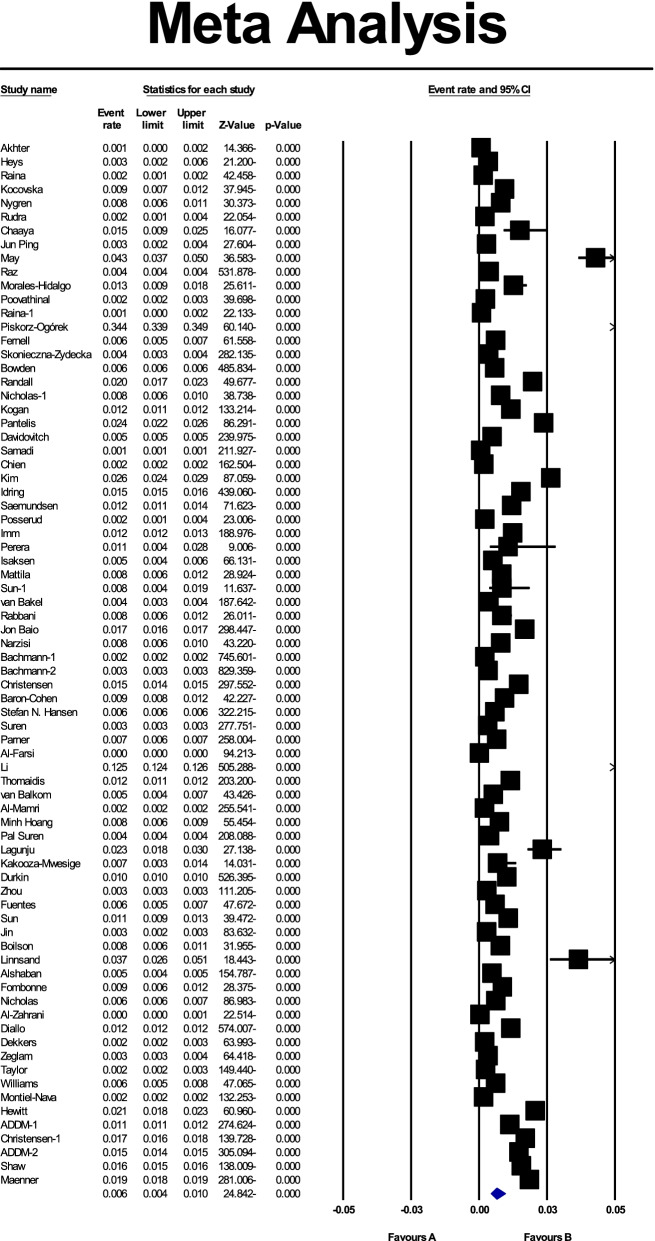
- The global prevalence of ASD was 0.6% (95% CI: 0.4–1%), or 0.006 (95% CI: 0.004–0.01).
- Subgroup prevalence by continent was: Asia 0.4% (95% CI: 0.1–1), America 1% (95% CI: 0.8–1.1), Europe 0.5% (95% CI: 0.2–1), Africa 1% (95% CI: 0.3–3.1), and Australia 1.7% (95% CI: 0.5–6.1).
- Across included studies, prevalence ranged from 0.02% in China to 3.66% in Sweden.
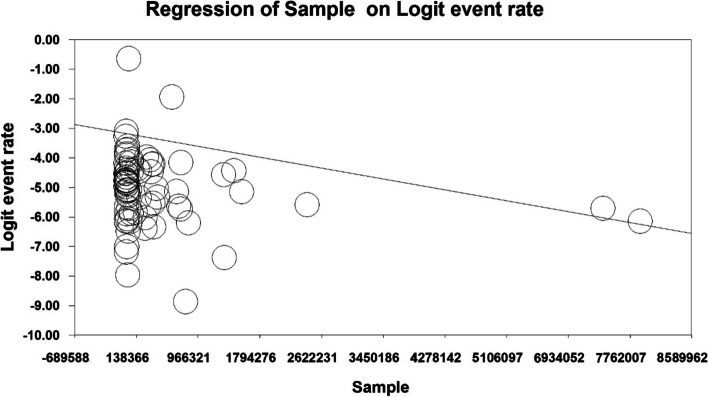
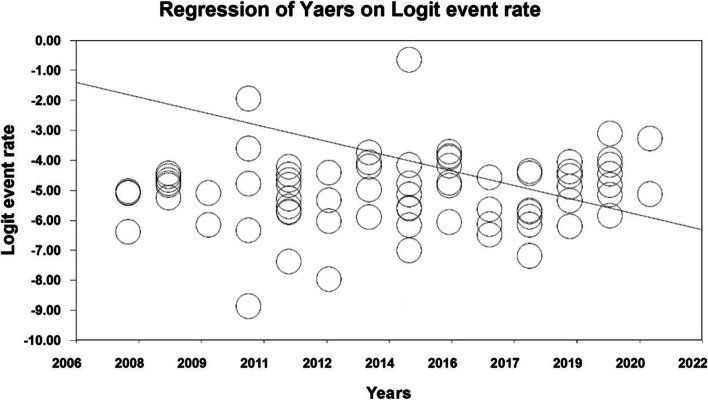
- Meta-regression found that global ASD prevalence decreased with increasing sample size and with increasing study year, both statistically significant (P < 0.05).
Methods
- Systematic review and meta-analysis following PRISMA 2020, searching Science Direct, PubMed, Scopus, SID, Magiran, Web of Science, and Google Scholar from 2008 to July 2021.
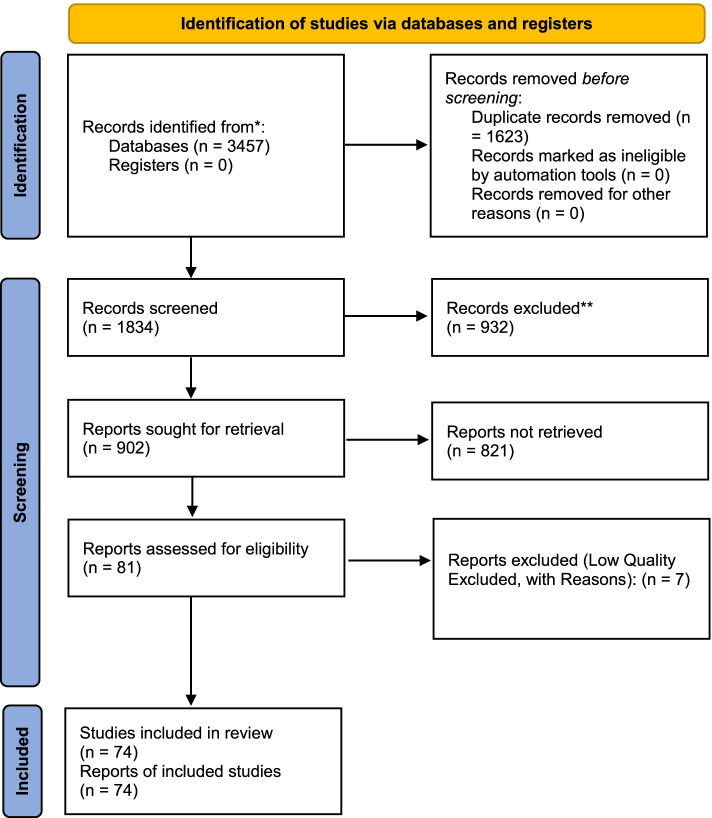
- Included cross-sectional or cohort studies published in English or Persian that used valid ASD diagnostic tools/criteria and reported detailed prevalence data; 74 studies were included after screening and quality assessment.
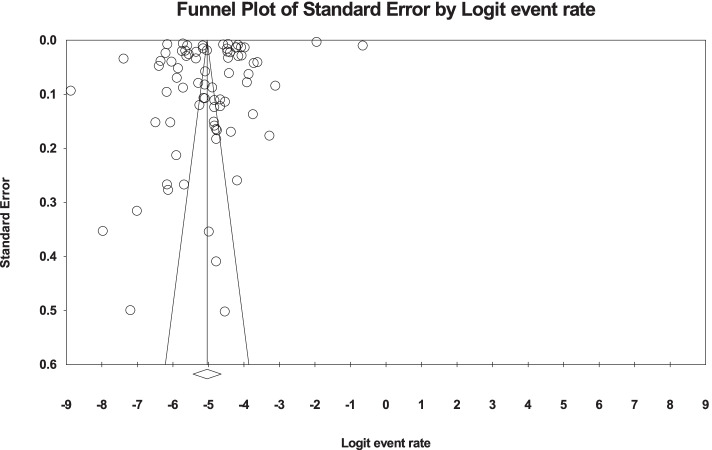
- Data were analyzed with Comprehensive Meta-Analysis software (Version 2); heterogeneity was assessed with I², publication bias with Begg and Mazumdar/Egger tests, and a random-effects model was used because I² was 99.9%.
Limitations
- The paper states that different diagnostic tools and techniques in included studies may lead to selection bias; sample size was variable, making comparison difficult; and some studies were unavailable due to language limitations.
- The paper also notes that differences in methods, ASD definition, screening tools, and diagnostic criteria between countries made comparison very difficult, and that there is very limited data on ASD prevalence in Africa compared with other regions.
- Evident from the text: heterogeneity was extremely high (I² = 99.9%), and the authors state they cannot draw a definite conclusion whether the increasing trend of ASD is real or due to altered diagnostic criteria and tools.
Model-written summary. Check it against the paper before relying on it.
Integrity signals
Registry
Cites
Statistics
Figures
Verification
Claims the paper makes
1 Valid · 2 Not valid · 0 Not checked · 26 Own results and interpretations
The cited sources support only part of this claim — read each source’s verdict below.
In the paper
“The prevalence of ASD worldwide has increased in recent decades [71, 78, 92].”
- Also stated in: § Background · plain
“Epidemiological surveys show an increasing trend in the annual prevalence of ASD.”
§ The global prevalence of autism spectrum disorder: a comprehensive systematic review and meta-analysis > Discussion
What the sources say
- Not checked — no full text of the sourcecites [71] Idring S Lundberg M Sturm H Dalman C Gumpert C Rai D Changes in prevalence of autism spectrum disorders in 2001–2011: findings from the Stockholm youth cohort J Autism Dev Disord 2015 45 6 1766 1773 10.1007/s10803-014-2336-y 25475364 source
- Partly supportedcites [78] Baron-Cohen S Scott FJ Allison C Williams J Bolton P Matthews FE Prevalence of autism-spectrum conditions: UK school-based population study Br J Psychiatry 2009 194 6 500 509 10.1192/bjp.bp.108.059345 19478287 sourceExperimental — accuracy not yet measured
The opening prevalence discussion (page not provided) says estimates for autism-spectrum conditions rose over four decades. It attributes much of the rise to changes in detection, methodology and diagnostic criteria, and cautions that studies cannot be directly compared; it does not establish that actual ASD prevalence increased worldwide. (LLM, conf=0.86)
- Supportedcites [92] Elsabbagh M Divan G Koh YJ Kim YS Kauchali S Marcín C Global prevalence of autism and other pervasive developmental disorders Autism Res 2012 5 3 160 179 10.1002/aur.239 22495912 PMC3763210 source
The Abstract states that prevalence estimates have increased over time. The “Phenotypic presentation of PDD” section likewise reports a rise in prevalence across studies from several world regions, while cautioning that this does not establish a rise in incidence. (LLM, conf=0.90)
plainstates a cause- Asserted: passes — The authors put it forward as true.
- Checkable: passes — It can be checked against evidence.
- Load-bearing: unclear — It is unclear whether the paper’s conclusions depend on it.
- Based: passes — The paper gives a reason why it holds.
- Also stated in: § Background · plain
A result the paper reports from its own data — it cites no other source for it, so there is none to check. The quote shows it is in the paper.
In the paper
“Results suggested no publication bias in the present study (P = 0.109) (Fig. 2).”
§ The global prevalence of autism spectrum disorder: a comprehensive systematic review and meta-analysis > Result > Heterogeneity and publication bias
hedged- Asserted: passes — The authors put it forward as true.
- Checkable: passes — It can be checked against evidence.
- Load-bearing: unclear — It is unclear whether the paper’s conclusions depend on it.
- Based: passes — The paper gives a reason why it holds.
A result the paper states — it cites no source for it, so there is none to check. The quote shows it is in the paper.
In the paper
“There is no information on ASD prevalence in some countries, so more research is required to obtain such data for better global management of ASD.”
§ The global prevalence of autism spectrum disorder: a comprehensive systematic review and meta-analysis > Conclusion
plain- Asserted: passes — The authors put it forward as true.
- Checkable: passes — It can be checked against evidence.
- Load-bearing: passes — The paper’s conclusions depend on it.
- Based: passes — The paper gives a reason why it holds.
A result the paper reports from its own data — it cites no other source for it, so there is none to check. The quote shows it is in the paper.
In the paper
“Subgroup analyses indicated that the prevalence of ASD in Asia, America, Europe, Africa and Australia was 0.4% (95% CI: 0.1–1), 1% (95% CI: 0.8–1.1), 0.5% (95% CI: 0.2–1), 1% (95% CI: 0.3–3.1), 1.7% (95% CI: 0.5–6.1) respectively.”
- Also stated in: § Results · plain
“the prevalence of ASD in Asia, America, Europe, Africa and Australia was 0.4% (95% CI: 0.1–1), 1% (95% CI: 0.8–1.1), 0.5% (95% CI: 0.2–1), 1% (95% CI: 0.3–3.1), 1.7% (95% CI: 0.5–6.1) respectively”
§ The global prevalence of autism spectrum disorder: a comprehensive systematic review and meta-analysis > Abstract > Results
plain- Asserted: passes — The authors put it forward as true.
- Checkable: passes — It can be checked against evidence.
- Load-bearing: unclear — It is unclear whether the paper’s conclusions depend on it.
- Based: passes — The paper gives a reason why it holds.
- Rests on an assumption not shown here.
- Also stated in: § Results · plain
A result the paper reports from its own data — it cites no other source for it, so there is none to check. The quote shows it is in the paper.
In the paper
“We found that the prevalence of ASD varies from 0.02% in China to 3.66% in Sweden.”
§ The global prevalence of autism spectrum disorder: a comprehensive systematic review and meta-analysis > Discussion
plainn = 30,212,757- Asserted: passes — The authors put it forward as true.
- Checkable: passes — It can be checked against evidence.
- Load-bearing: unclear — It is unclear whether the paper’s conclusions depend on it.
- Based: passes — The paper gives a reason why it holds.
- Rests on an assumption not shown here.
10 more claims
Create a free account to see all 29 claims and every source verdict.
- Probably not a substantial claim. 11
- It may state two separate claims as one. 6
Claims other papers make about this one
Each is checked against this paper’s own text: does it say what the citing paper says it does?
The source backs part of the claim, not all of it — or backs it for a different population, condition or comparison.
In the citing paper
“In addition to time trends, there are other sources of heterogeneity, such as geographical region, country income, implemented study design, diagnostic criteria used, age of the studied population, and other socio-demographic factors (18–20).”
From The global prevalence of autism spectrum disorder: A three-level meta-analysis (2023) · cites this paper as [19]
Experimental — accuracy not yet measuredThe source backs part of the claim, not all of it — or backs it for a different population, condition or comparison.
In the citing paper
“The prevalence of autism spectrum disorder (ASD) has surged, with an estimated 1 in 36 eight-year-olds in the United States meeting criteria for ASD in 2020.”
From Pharmacological treatment in autism: a proposal for guidelines on common co-occurring psychiatric symptoms (2025) · cites this paper as [4]
Experimental — accuracy not yet measuredThe cited source says what the claim attributes to it.
In the citing paper
“in the meta-analysis of Salari et al. (19) showed that 74 studies, published from 2008 to 2021 the pooled prevalence comprised 60 per 10,000.”
From The global prevalence of autism spectrum disorder: A three-level meta-analysis (2023) · cites this paper as [19]
The cited source says what the claim attributes to it.
In the citing paper
“A worldwide prevalence rate of ASD has been reported to be 0.6% [54].”
From The Mental Health of Children with Cerebral Palsy: A Review of the Last Five Years of Research (2025) · cites this paper as [54]
Self-check
Percentages, sums and reported differences re-computed from the paper’s own numbers.
Each contradiction between two passages listed here was confirmed by an independent check.
Rated minor: it would not touch a result — a value no result rests on, a p-value that stays on the same side of the significance level, or a conflict that is clerical, resolved elsewhere in the paper, or outside its own findings.
In the paper
“| 2011 | Li | China | Mixed | 616,940 | – | 0–17 | – | ICD-10 | 77,301 (0.0238) | 54,937 | [42] |”
§ The global prevalence of autism spectrum disorder: a comprehensive systematic review and meta-analysis > Result > Search results and study characteristics
Reported 0.0238 · recomputed 12.529744
Rated minor: it would not touch a result — a value no result rests on, a p-value that stays on the same side of the significance level, or a conflict that is clerical, resolved elsewhere in the paper, or outside its own findings.
In the paper
“| 2016 | Pantelis | Korean | – | 23,234 | – | 7–12 | ASSQ | – | 553 (2.64) | | [33] |”
§ The global prevalence of autism spectrum disorder: a comprehensive systematic review and meta-analysis > Result > Search results and study characteristics
Reported 2.64 · recomputed 2.380133
Rated minor: it would not touch a result — a value no result rests on, a p-value that stays on the same side of the significance level, or a conflict that is clerical, resolved elsewhere in the paper, or outside its own findings.
In the paper
§ The global prevalence of autism spectrum disorder: a comprehensive systematic review and meta-analysis > Discussion
“We found that the prevalence of ASD varies from 0.02% in China to 3.66% in Sweden.”
§ The global prevalence of autism spectrum disorder: a comprehensive systematic review and meta-analysis > Result > Search results and study characteristics
“| 2020 | May | Australia | Mixed | 3381 | 1690 | 12–13 | SDQ | – | 145 (4.36) | 111 | [89] |”
Rated minor: it would not touch a result — a value no result rests on, a p-value that stays on the same side of the significance level, or a conflict that is clerical, resolved elsewhere in the paper, or outside its own findings.
In the paper
“| 2009 | van Balkom | Island | – | 13,109 | – | 0–9 | ADOS | DSM-IV | 69 (5.3) | – | [82] |”
§ The global prevalence of autism spectrum disorder: a comprehensive systematic review and meta-analysis > Result > Search results and study characteristics
Reported 5.3 · recomputed 0.526356
Rated minor: it would not touch a result — a value no result rests on, a p-value that stays on the same side of the significance level, or a conflict that is clerical, resolved elsewhere in the paper, or outside its own findings.
In the paper
§ The global prevalence of autism spectrum disorder: a comprehensive systematic review and meta-analysis > Result > Subgroup analysis
“Among the 74 studies, 26 were reviewed in Asia, 4 in Africa, 25 in Europe, 16 in the United States and 3 in Australia.”
§ The global prevalence of autism spectrum disorder: a comprehensive systematic review and meta-analysis > Result > Search results and study characteristics
“| 2018 | Diallo | Canada | – | 1,447,660 | – | 1–17 | – | ICD-10ICD-9 | 16,940 (1.2) | – | [54] |”
6 more findings
Create a free account to see every finding of this check.
Cited works that were retracted
Works this paper cites that were later retracted, from the retraction notices publishers deposit. Major when the notice came out before this paper was published.
Rated major: it would touch a result — a value a result rests on, reported and recomputed p-values on opposite sides of the significance level, two passages that conflict with no sign which is right, or a cited work retracted before this paper was published.
In the paper
“Christensen D, Braun K, Baio J, Bilder D, Charles J, Constantino J, et al. Prevalence and characteristics of autism spectrum disorder among children aged 8 years—autism and developmental disabilities monitoring network, 11 sites, United States, 2012. MMWR Surveillance Summaries. 2016;65(13):1.”
Cited work 10.15585/mmwr.ss6513a1 · retracted 2018-11-16 · notice 10.15585/mmwr.mm6745a7 · this paper published 2022-07-08
A note, not an issue: for example, a cited work that was retracted only after this paper was published, which its authors could not have known.
Cited work 10.15585/mmwr.ss6503a1 · retraction date not known · this paper published 2022-07-08
Citations
Cites
2 retracted
Christensen, D. L., Baio, J., Braun, K. V. N., Bilder, D., Charles, J., Constantino, J. N., Daniels, J., Durkin, M. S., Fitzgerald, R. T., Kurzius-Spencer, M., et al. (2016) · MMWR. Surveillance Summaries · doi:10.15585/mmwr.ss6503a1 · Cited by 1,964
RetractedChristensen, D. L., Braun, K. V. N., Baio, J., Bilder, D., Charles, J., Constantino, J. N., Daniels, J., Durkin, M. S., Fitzgerald, R. T., Kurzius-Spencer, M., et al. (2018) · MMWR. Surveillance Summaries · doi:10.15585/mmwr.ss6513a1 · Cited by 587
RetractedDiagnostic and Statistical Manual of Mental Disorders
American Psychiatric Association (2013) · doi:10.1176/appi.books.9780890425596 · Cited by 116,369
PRISMA-P Group, Moher, D., Shamseer, L., Clarke, M., Ghersi, D., Liberati, A., Petticrew, M., Shekelle, P., & Stewart, L. A. (2015) · Systematic Reviews · doi:10.1186/2046-4053-4-1 · Cited by 26,223 · cited 1×
“Search strategy This study was performed according to the Preferred Reporting Items for Systematic Reviews and Meta-Analyses (PRISMA 2020) guidelines [23].”
MethodBaio, J., Wiggins, L., Christensen, D. L., Maenner, M. J., Daniels, J., Warren, Z., Kurzius-Spencer, M., Zahorodny, W., Robinson, C., Rosenberg, et al. (2018) · MMWR. Surveillance Summaries · doi:10.15585/mmwr.ss6706a1 · Cited by 6,078
Maenner, M. J., Shaw, K. A., Baio, J., EdS1, Washington, A., Patrick, M., DiRienzo, M., Christensen, D. L., Wiggins, L. D., Pettygrove, S., et al. (2020) · MMWR. Surveillance Summaries · doi:10.15585/mmwr.ss6904a1 · Cited by 3,780 · cited 1×
“5/1000 in the latest estimate in 2016 [15, 61, 103].”
BackgroundLord, C., Elsabbagh, M., Baird, G., & Veenstra-Vanderweele, J. (2018) · The Lancet · doi:10.1016/s0140-6736(18)31129-2 · Cited by 2,819
What Is the Male-to-Female Ratio in Autism Spectrum Disorder? A Systematic Review and Meta-Analysis
Loomes, R., Hull, L., & Mandy, W. P. L. (2017) · Journal of the American Academy of Child & Adolescent Psychiatry · doi:10.1016/j.jaac.2017.03.013 · Cited by 2,804 · cited 1×
“Based on a comprehensive systematic review, the male to female ratio in children with ASD has been described as three to one [106], indicating a higher prevalence of ASD in males [92, 107, 108].”
BackgroundGlobal Prevalence of Autism and Other Pervasive Developmental Disorders
Elsabbagh, M., Divan, G., Koh, Y., Kim, Y. S., Kauchali, S., Marcín, C., Montiel‐Nava, C., Patel, V., Paula, C. S., Wang, C., et al. (2012) · Autism Research · doi:10.1002/aur.239 · Cited by 2,636 · cited 3×
“, general population-based or hospital-based sampling) [37, 92].”
Background
Research works printed but not linked: 4
- Jahan N Rahman A Choudhury S Chowdhury K Wahab M Rahman F Prevalence of mental disorders, mental retardation, epilepsy and substance abuse in children 2009
- American Psychiatric Association A Diagnostic and statistical manual of mental disorders: American Psychiatric Association Washington, DC 1980
- Taiwo T Organophosphate Exposures, Financial Hardship and Child Neurodevelopmental Outcomes in the CHARGE study Environ Epidemiolo 2019 3 196 197
- Investigators P, Control CfD, Prevention Prevalence of autism spectrum disorder among children aged 8 years-autism and developmental disabilities monitoring network, 11 sites, United States, 2010 MMWR Surveill Summ (Washington, DC: 2002) 2014 63 2 1 21 24670961
Cited by
Items 101–200 of 552
Azubuike, A. O., Azubuike, P. C., Onyekachi, E. L., Enyam, M. O., Akinreni, T., Abuo, J., Ogbonna, C. K., Timothy, P. N., Uchegbu, E. R., & Adai, G. S. (2024) · Discover Social Science and Health · doi:10.1007/s44155-024-00141-w · Cited by 16
Sex-Specific Behavioral Features of the Prenatal Valproic Acid Rat Model of Autism Spectrum Disorder
Mamali, P. M., Dignon, C., Ngwenya, A., & Maseko, B. C. (2025) · Brain Sciences · doi:10.3390/brainsci15040388 · Cited by 11
“As of 2022, the worldwide prevalence of ASD is estimated to be 0.6%, with the highest prevalence reported in Australia at 1.7% [10].”
InfluentialWei, R., Wang, Y., Fang, H., Guan, L., Gao, J., Xu, X., Ke, X., & Jin, H. (2025) · Frontiers in Psychiatry · doi:10.3389/fpsyt.2025.1531694 · Cited by 10
Jiang, R., Huang, W., Qiu, X., Chen, J., Luo, R., Zeng, R., Tong, S., Lyu, Y., Sun, P., Lian, Q., et al. (2024) · Briefings in Bioinformatics · doi:10.1093/bib/bbae353 · Cited by 10
“The global prevalence of ASD is estimated at 1%, especially in children [2].”
BackgroundHerrera, G., Vera, L., Pérez-Fuster, P., López-Fernández, A., López, Á., Taşkesen, Ü. S., & Newbutt, N. A. (2024) · Educational Technology Research and Development · doi:10.1007/s11423-024-10422-5 · Cited by 15
“Recent systematic reviews on the global prevalence of autism indicate a somewhat lower prevalence between 1 and 100 children (Zeidan et al., 2022) and 1 in 166 (Salari et al., 2022).”
Elemental examination in blood and urine samples of Jordanian children with autism spectrum disorder
Rashaid, A. H. B., Shanayneh, T., Alqhazo, M. T., & Bashtawi, M. A. (2024) · Biomarkers in Neuropsychiatry · doi:10.1016/j.bionps.2024.100110 · Cited by 8
Aviad, S., Shnitzer‐Meirovich, S., & Gur, A. (2024) · Journal of Autism and Developmental Disorders · doi:10.1007/s10803-024-06653-3 · Cited by 14
“As of March 2022, approxi - mately 1 in 100 children were diagnosed with ASD (World Health Organization, 2022), with the prevalence of ASD continuing to rise (Salari et al., 2022).”
Microbiome’s effect on white matter in autism
Canada, K., Evans, T. M., & Pelphrey, K. A. (2025) · Journal of Neurophysiology · doi:10.1152/jn.00607.2024 · Cited by 11
Liu, Z., Wang, L., Yu, L., Zhao, Y., Zhu, M., Wang, Y., & Cao, A. (2025) · Scientific Reports · doi:10.1038/s41598-025-98020-0 · Cited by 9
Early fusion for Autism classification with biomarker detection using rs-fMRI and phenotypic data
Chawla, V., & Rana, B. (2025) · Biomedical Signal Processing and Control · doi:10.1016/j.bspc.2025.108020 · Cited by 9
Serrano-Tomás, M. I., Contreras-Romero, P., Parellada, M., Chaves-Cordero, J., Zamora, J., Hengst, M., Pozo, P., del Campo, R., & Guzmán‐Salas, S. (2025) · Frontiers in Molecular Neuroscience · doi:10.3389/fnmol.2025.1576388 · Cited by 9
Fu, X., & Shi, P. (2025) · Frontiers in Psychology · doi:10.3389/fpsyg.2025.1660040 · Cited by 14
Multi-modal data analysis for autism spectrum disorder in children: State of the art and trends
Pang, L., Zhao, X., Zhao, L., Li, J., Kuo, F., Wang, H., & Liu, C. (2025) · EngMedicine · doi:10.1016/j.engmed.2025.100117 · Cited by 14
Koumenidou, M., Kotzamanidou, M. C., Panoutsakopoulos, V., Siaperas, P., Misailidou, V., & Tsalis, G. A. (2023) · Healthcare · doi:10.3390/healthcare11222986 · Cited by 10
“Autism spectrum disorder (ASD) is a neurodevelopmental disorder with a worldwide prevalence estimated at 0.6% [1].”
BackgroundInfluentialRakshe, C. T., Kunneth, S., Sundaram, S., Murugappan, M., & Ronickom, J. F. A. (2024) · Neural Computing and Applications · doi:10.1007/s00521-024-09770-3 · Cited by 11
“ASD prevalence varies geographically, with 0.4%, 1%, 0.5%, 1%, and 1.7%, respectively, in Asia, America, Europe, Africa, and Australia [3].”
InfluentialTsegaye, M., Menbere, F., Godie, Y., & Birhanu, D. (2025) · BMC Neurology · doi:10.1186/s12883-025-04119-2 · Cited by 20
“However, four studies conducted in African communities (Uganda, Nigeria, Somalia, and Libya) were assessed, revealing an overall prevalence rate of 1% [2].”
InfluentialYang, F., Kang, L., & Zou, C. (2025) · Psychiatry and Clinical Psychopharmacology · doi:10.5152/pcp.2025.24944 · Cited by 14
An Investigation of Dissociative Symptoms and Related Factors in Autistic Adolescents
Dinçel, M., & Karayağmurlu, A. (2024) · Journal of Autism and Developmental Disorders · doi:10.1007/s10803-024-06374-7 · Cited by 11
“Recent studies report a global ASD prevalence ranging from 0.6 to 0.78% (Myers et al., 2019; Salari et al., 2022; Talantseva et al., 2023).”
InfluentialOng, L. T. (2024) · European Medical Journal · doi:10.33590/emj/mkpn4473 · Cited by 6
Galvany-López, P., Vilar, M. M., Hidalgo-Fuentes, S., & Cabedo-Peris, J. (2024) · Children · doi:10.3390/children11121499 · Cited by 19
Nurse participation in detecting signs of childhood autism in Primary Health Care
de Oliveira, A. R. P., da Silva, L. F., de Souza, T. V., Góes, F. G. B., & de Moraes, J. R. M. M. (2025) · Revista Brasileira de Enfermagem · doi:10.1590/0034-7167-2023-0530 · Cited by 14
Yang, J., Li, X., Tan, J. M., Zhou, P., Hu, L., Chen, J., Li, T., Liu, Y., & Chen, L. (2025) · Neurochemical Research · doi:10.1007/s11064-025-04398-8 · Cited by 8
“In low-and middle-income countries, approximately 95% of children with ASD under the age of 5 experience global developmental delays, with more than 23% developing into ASD with intellectual disabilities after the age of 5 [2, 7, 8 ].”
Shi, S., Song, S., Wang, H., Li, P., & Zhang, X. (2025) · BMC Pediatrics · doi:10.1186/s12887-025-05921-0 · Cited by 13
“At present, the global prevalence of ASD is 0.6% [5].”
InfluentialAutism spectrum disorder: overdiagnosis or a new pandemic?
Grokoski, K. C., Riesgo, R. D. S., & Gadia, C. A. (2025) · Jornal de Pediatria · doi:10.1016/j.jped.2025.101439 · Cited by 11
A comprehensive EEG dataset and performance assessment for Autism Spectrum Disorder
Melinda, M., Purnamasari, P. D., Fahmi, F., Sinulingga, E., Muliyadi, M., Away, Y., Yunidar, Y., & Juwono, F. H. (2025) · Scientific Reports · doi:10.1038/s41598-025-18934-7 · Cited by 12
Uma análise sobre o aumento da prevalência do Transtorno do Espectro Autista em crianças
Medina, C. G., Berdichevski, E. H., Wüst, E. E., & Gomes, P. S. (2024) · Brazilian Journal of Health Review · doi:10.34119/bjhrv7n1-003 · Cited by 17
Elliott, S. D., Vickers, M. L., McKeon, G. L., Eriksson, L., Malacova, E., & Scott, J. G. (2024) · Journal of Neuropsychiatry · doi:10.1176/appi.neuropsych.20230081 · Cited by 7
A bibliometric analysis of autism spectrum disorder signaling pathways research in the past decade
Lyu, K., Li, J., Chen, M., Li, W., Zhang, W., Hu, M., Zhang, Y., & Feng, X. (2024) · Frontiers in Psychiatry · doi:10.3389/fpsyt.2024.1304916 · Cited by 14
Relationships between Gut Microbiota and Autism Spectrum Disorders: Development and Treatment
Poupard, L., Page, G., Thoreau, V., & Kaouah, Z. (2024) · Clinical Psychopharmacology and Neuroscience · doi:10.9758/cpn.24.1179 · Cited by 6
“Moreover, there are few diagnoses of ASD in adulthood, which could explain an underestimation of ASD world-wide population [4,5].”
BackgroundBennewith, C., Bellali, J., Watkins, L. V., Tromans, S. J., Bhui, K. S., & Shankar, R. (2024) · International Journal of Social Psychiatry · doi:10.1177/00207640241261172 · Cited by 11
“Approximately 0.6% of the global population are autistic (Salari et al., 2022).”
BackgroundInfluentialWalters, G. W. M., Taylor, S. E., Sweeney, E. L., Cooper, S. B., Williams, R. A., & Dring, K. J. (2024) · Mental health and physical activity · doi:10.1016/j.mhpa.2024.100624 · Cited by 8
Zhou, P., Peng, S., Wen, S., Lan, Q., Zhuang, Y., Li, X., Shi, M., & Zhang, C. (2024) · Neuropsychiatric Disease and Treatment · doi:10.2147/ndt.s485487 · Cited by 8
Sun, L., Ohashi, N., Mori, T., Mizuno, Y., Zang, W., Guo, Q., Kouyama-Suzuki, E., Shirai, Y., & Tabuchi, K. (2024) · Frontiers in Neural Circuits · doi:10.3389/fncir.2024.1504191 · Cited by 11
Passarini, S., Guerrera, S., Picilli, M., Fucà, E., Casula, L., Menghini, D., Pirchio, S., Zanna, V., Valeri, G., & Vicari, S. (2025) · Frontiers in Psychiatry · doi:10.3389/fpsyt.2024.1447562 · Cited by 7
Early postnatal development of the MDGA2+/- mouse model of synaptic dysfunction
Fertan, E., Wong, A. A., Montbrun, T. G.-D., Purdon, M. K., Roddick, K. M., Yamamoto, T., & Brown, R. E. (2023) · Behavioural Brain Research · doi:10.1016/j.bbr.2023.114590 · Cited by 8
Özdemir, H. N. Ç., Ayran, G., & Topuz, Ç. (2023) · Journal of Pediatric Nursing · doi:10.1016/j.pedn.2023.11.009 · Cited by 7
Shao, W., Su, Y., Liu, J., Liu, Y., Zhao, J., & Fan, X. (2024) · Diabetes & Metabolism · doi:10.1016/j.diabet.2024.101543 · Cited by 9
“The prevalence of ASD is approximately 1 % of children worldwide [6].”
Paneru, B., Paneru, B., Shah, K. B., Shrestha, A., Poudyal, R., & Poudyal, K. N. (2024) · Journal of Computer Science · doi:10.3844/jcssp.2024.1040.1050 · Cited by 8
“This is a severe developmental condition that is typically identified in children under the age of three (Salari et al ., 2022).”
BackgroundBu, L.-K., Jia, P., Huo, W., & Pei, D. (2024) · Probiotics and Antimicrobial Proteins · doi:10.1007/s12602-024-10335-y · Cited by 10
“Nowadays, ASD has become an increasing human public health problem with the prevalence in the world at 0.6%, and in Asia, America, Europe, Africa, and Australia at 0.4%, 1%, 0.5%, 1%, and 1.7%, respectively [5, 6].”
InfluentialZhang, Y., Xie, F., Li, S., Li, Y., Yang, L., Wang, Z., Lei, J., & Guo, H. (2024) · Autism Research · doi:10.1002/aur.3302 · Cited by 8
“A recent meta-analysis revealed a global prevalence of ASD ranging from 0.4% to 1.7% (Salari et al. 2022).”
InfluentialÇetin, S., Uysal, S., Girgin, D., Alp, A., Kiliç, E., & Çıray, R. O. (2025) · Neuroglia · doi:10.3390/neuroglia6030034 · Cited by 5
“Another more recent study found the global prevalence to be approximately 0.6% [12].”
InfluentialOnonuju, U. A., & Ujari, C. A. (2025) · Journal of Autism and Developmental Disorders · doi:10.1007/s10803-025-07057-7 · Cited by 9
Lin, D., Shi, Z., Hao, Z., Xie, X., Fang, J., Li, M., Zhang, W., Luo, S., & Xue, A. (2025) · Frontiers in Public Health · doi:10.3389/fpubh.2025.1681565 · Cited by 7
Bui, D. T., Ton, A. N. V., Nguyen, C. T. D., Nguyen, S. H., Tran, H. K., Xuân, N. T., Nguyen, H. T. T., Pham, G. L. T., Tran, D. S., Harrington, J., et al. (2024) · Scientific Reports · doi:10.1038/s41598-024-52777-y · Cited by 7
Yu, Y., Yang, X., Hu, G., Yin, Y., & Yu, R. (2024) · Frontiers in Psychiatry · doi:10.3389/fpsyt.2024.1397006 · Cited by 7
Akhtaeva, N. S., Kosherbayeva, L. K., Imamatdinova, A., & Šmigelskas, K. (2024) · Archives of Medical Science · doi:10.5114/aoms/190772 · Cited by 6
Maleki, A., Behmanesh, H., & Jenabi, E. (2025) · Current Pediatric Reviews · doi:10.2174/0115733963352806250512100056 · Cited by 6
Eom, H., Kim, M., Yoo, J. K., Bae, E., Yi, J., & Lee, J. Y. (2022) · Annals of Child Neurology · doi:10.26815/acn.2022.00360 · Cited by 8
Bitter, I., Czobor, P., Kakuszi, B., & Réthelyi, J. (2023) · Orvosi Hetilap · doi:10.1556/650.2023.32843 · Cited by 7
Josyfon, E., Spain, D., Blackmore, C. E., Murphy, D., & Oakley, B. F. M. (2023) · Healthcare · doi:10.3390/healthcare11243114 · Cited by 10
“…people and their families in the UK [1,2]) is a neurodevelopmental condition (NDC) characterised by core diagnostic features of social-communication difficulties and restricted and repetitive behaviours—often accompanied by sensory processing differences [3,4], with prevalence of ~1–2% [5,6].”
BackgroundGodbole, N. M., Tirupathi, S., Nair, S., Afnan, L., Nallapu, A., & Nallapu, A. (2023) · Special Care in Dentistry · doi:10.1111/scd.12950 · Cited by 6
Lorenzo, G., Lorenzo-Lledó, A., & Cerdá, A. G. (2024) · Technology Knowledge and Learning · doi:10.1007/s10758-023-09718-x · Cited by 11
“Worldwide, it has been estimated that 0.6% of the population has ASD (Salari et al., 2022), while in Spain the prevalence of the disorder is 1.5% in the child population (Morales-Hidalgo et al., 2021).”
InfluentialNeurodevelopmental profile of infants and toddlers awaiting a kidney transplant
Glad, D. M., Anzalone, C., Kane‐Grade, F., Gu, L., Evans, M. D., & Kizilbash, S. J. (2024) · Pediatric Nephrology · doi:10.1007/s00467-024-06282-z · Cited by 4
“In comparison, the incidence ranges between 0.6 and 1.0% for the general population [32].”
InfluentialKipkemoi, P., Kariuki, S. M., Gona, J., Mwangi, F. W., Kombe, M. Z., Kipkoech, C., Murimi, P., Mandy, W., Warrington, R., Skuse, D., et al. (2024) · Frontiers in Psychiatry · doi:10.3389/fpsyt.2024.1234929 · Cited by 6
Terol, A. K., Xia, Y. R., Jara, R. L. R., & Meadan, H. (2024) · Autism · doi:10.1177/13623613241236527 · Cited by 8
“Better understanding about autism diagnosis and its predictive factors in a specific context may aid in the creation of public policy to allocate appropriate funds to provide individuals with autism and their families with adequate health care and services (Salari et al., 2022).”
Oxytocin in autism: Rethinking treatment and research through a neurodivergent perspective
Phan, J., Dwyer, P. S. R., Elsherif, M. M., Friedel, E., & Kapp, S. K. (2024) · Psychoneuroendocrinology · doi:10.1016/j.psyneuen.2024.107220 · Cited by 8
Mota, F. B., Neta, A. L. J., & Cabral, B. P. (2024) · Research in Autism · doi:10.1016/j.rasd.2024.102497 · Cited by 8
Poole, C., Hill, J. E., Harrison, J., & Doherty, A. J. (2022) · British Journal of Neuroscience Nursing · doi:10.12968/bjnn.2022.18.6.268 · Cited by 5
“…has substantially increased over the past decade (Chiarotti and Venerosi, 2020), and is now estimated to be about 60 cases per 10,000 people (Salari et al 2022) On average, adults with autism spectrum disorder have worse health when compared to the general public, and report more unmet…”
BackgroundNukeshtayeva, K., Bolatova, Z., GALAYEVA, A., Shintayeva, N. U., & Zhanalina, G. (2025) · Frontiers in Psychiatry · doi:10.3389/fpsyt.2025.1520460 · Cited by 9
“…in the reported prevalence of ASD since the late 1990s, which can be attributed to improved access to diagnostic and intervention services, increased awareness of ASD among professionals and the public, and a greater recognition that ASD may co-occur with other developmental disorders (27).”
InfluentialBriones‐Valdivieso, C., Córdova, F., Kaune, H., & Montiel, J. F. (2025) · Hormones and Behavior · doi:10.1016/j.yhbeh.2025.105795 · Cited by 6
Autism spectrum disorders: experience of parents in Kazakhstan
Imamatdinova, A., Samambayeva, A., Akhtaeva, N. S., Kozhageldiyeva, L., САБЫРДИЛДА, Ж. С., Kapanova, G. Z., & Kosherbayeva, L. (2025) · BMC Public Health · doi:10.1186/s12889-025-23764-3 · Cited by 5
Lacroix, A., Tzang, C.-C., Yu, J., Jacob, B. K., Alexandrovsky, M., Winge-Breen, A., Rodak, T., & Lai, M. (2025) · Frontiers in Neuroendocrinology · doi:10.1016/j.yfrne.2025.101229 · Cited by 11
Ghadiri, M., Dehkordi, Z. V., & Amini‐khoei, H. (2026) · International Journal of Developmental Neuroscience · doi:10.1002/jdn.70105 · Cited by 4
“ASD is a heterogeneous, neurobiological syndrome (Wang et al. 2023) with a marked rise in incidence rates over the recent years (Salari et al. 2022), caused by both genetiCc vulnerabilities and environmental risk factors (Faja and Dawson 2017).”
Ojeda, Á. H., Barahona-Fuentes, G. D. F., Órdenes, F. V., Tapia, M. M., Yeomans‐Cabrera, M., & Martínez-Líbano, J. (2023) · Review Journal of Autism and Developmental Disorders · doi:10.1007/s40489-023-00410-5 · Cited by 13
“These figures illustrate that ASD heavily burdens community health systems worldwide (Salari et al., 2022).”
Rahnama, M., Abdul-Tehrani, H., Mohammadi, M. R., Mirzaie, M., Jahandideh, P., & Memari, A. H. (2024) · Journal of Neurorestoratology · doi:10.1016/j.jnrt.2024.100096 · Cited by 7
Self-citationExploring the landscape of adult autism research in psychology: a bibliometric and network analysis
Mota, F. B., Braga, L. A. M., & Cabral, B. P. (2024) · Frontiers in Psychology · doi:10.3389/fpsyg.2024.1427090 · Cited by 4
“Some recent studies have reported, e.g., that the prevalence of ASD is 0.6%(Salari et al., 2022) and 0.72%(Talantseva et al., 2023) of the global population.”
BackgroundInfluentialA bibliometric study on early childhood autism research
Uras, M. C., Şata, M., Kaya, A., Ziapour, A., & Yıldırım, M. (2025) · Psihologija · doi:10.2298/psi231229018u · Cited by 4
Arabic Language Autism Diagnostic Interview (ALADIN): A Validation Study
Nasir, A. K., Masri, A. T., Shaheen, S., Sayles, H. R., & Nasir, L. (2025) · Journal of Autism and Developmental Disorders · doi:10.1007/s10803-025-06797-w · Cited by 6
“…is a leading mental health-related disability in both children and adults (Baxter et al., 2015; Kang et al., 2023), and imposes a heavy burden of disease on communities worldwide (GBD 2015 and Eastern Mediterranean Region Mental Health Collaborators, 2018); Kang et al., 2023; Salari et al., 2022).”
Montenegro, M. C., Garrido, G., Feize, L., Talavera-Garza, L., Villalobos, B. T., & Montiel‐Nava, C. (2025) · Autism · doi:10.1177/13623613251345334 · Cited by 6
“…improve its understanding and community awareness (Centers for Disease Control and Prevention, 2024; Corden et al., 2022; Russell et al., 2022; Salari et al., 2022; Wei et al., 2022; Zeidan et al., 2022), diagnosis rates continue to be more prevalent in higher-income countries (Yang et al.,…”
Kahlon, E., Wachspress, B., Berger, I., Maeir, A., & Mazor‐Karsenty, T. (2023) · Australian Occupational Therapy Journal · doi:10.1111/1440-1630.12892 · Cited by 4
The human spectrum: a position paper
Hopkins, G. (2023) · Journal of Applied Research in Higher Education · doi:10.1108/jarhe-05-2023-0176 · Cited by 5
Khougar, A., Ahmadi, P. B., Ranjbar, H., Ahadi, M., & Ahadi, P. (2023) · International Journal for Equity in Health · doi:10.1186/s12939-023-02078-z · Cited by 9
Developing Knowledge of Autism in Majority World Countries: Examples of Bolivia and Paraguay
Westby, C. E., & Roman, R. (2024) · Neuropsychiatric Disease and Treatment · doi:10.2147/ndt.s464223 · Cited by 4
“Of three recent reviews of global prevalence data, two reviews had no data from any South American country 2,4 and one review had data from only a single study in Venezuela.”
BackgroundNeurodevelopmental and Neuropsychiatric Disorders
Traetta, M. E., Filho, A. M. C., Akinluyi, E. T., & Tremblay, M. (2024) · Advances in neurobiology · doi:10.1007/978-3-031-55529-9_26 · Cited by 4
Progress in rehabilitation equipment for autism spectrum disorder
Hou, R., Yang, C., Tao, C., & Fan, Y. (2025) · Medicine in Novel Technology and Devices · doi:10.1016/j.medntd.2025.100365 · Cited by 4
Management of sleep problems in people with autism: an updated review
Bellato, A., Parlatini, V., & Cortese, S. (2024) · Rare Disease and Orphan Drugs Journal · doi:10.20517/rdodj.2023.36 · Cited by 5
Erdoğan, M. A., Akbulut, M. C., Altuntaş, İ., Tomruk, C., Uyanıkgil, Y., & Erbaş, O. (2024) · International Journal of Developmental Neuroscience · doi:10.1002/jdn.10393 · Cited by 7
“The global prevalence of ASD is reported to be approximately 0.6% (Salari et al., 2022).”
InfluentialBransgrove, K., & Karakas, G. (2025) · Journal of Autism and Developmental Disorders · doi:10.1007/s10803-025-06865-1 · Cited by 11
Du, X., Su, X., Ding, D., Zhu, Y., Sun, Y., Wang, M., Xiao, Y., & Xu, H. (2025) · Frontiers in Psychiatry · doi:10.3389/fpsyt.2025.1613340 · Cited by 3
Exploring Attachment in Adults With Autism Spectrum Disorder: A Systematic Review
Sonfelianu, A., González‐Sala, F., & Lacomba‐Trejo, L. (2025) · Actas Españolas de Psiquiatría · doi:10.62641/aep.v53i4.1928 · Cited by 4
“The number of ASD diagnostic has grown [24], with a prevalence of 0.60% [25].”
InfluentialChidera Stanley Anthony, M., Agbo, C. E., Ogieuhi, I. J., Ajekiigbe, V. O., Agu, M. C., Jagunmolu, H. A., Oyetola, E. O., Adejumo, T. J., Umenzeakor, K. H., Akinmeji, O. S., et al. (2025) · European Child & Adolescent Psychiatry · doi:10.1007/s00787-025-02843-1 · Cited by 3
Shahawy, O. E., Salehi, M., Saeidi, M., Jaka, S., López, J., Yakhchalian, P., Abbasi‐Kangevari, M., & Gunturu, S. (2025) · Journal of Clinical Medicine · doi:10.3390/jcm14186513 · Cited by 5
“Its prevalence in the US has risen rapidly in the past decade [67,68].”
Liu, H., Chen, J., He, J., & Li, X. (2025) · Frontiers in Nutrition · doi:10.3389/fnut.2025.1710999 · Cited by 5
“Recent research suggests that the global prevalence of ASD is 0.6%, with the prevalence in Asia, America, Europe, Africa, and Australia reported as 0.4, 1, 0.5, 1, and 1.7%, respectively (2).”
InfluentialSong, J., & Kim, Y. (2025) · Cellular and Molecular Neurobiology · doi:10.1007/s10571-025-01638-x · Cited by 4
“Accord - ing to the World Health Organization, the global prevalence of ASD among children is approximately 1%, with some regional variations (Salari et al. 2022 ).”
Suicide Prevention Interventions and Supports for the Autistic Community: A Scoping Review
Russell, A., Rainbow, E., Cremen, C., & Melia, R. (2025) · Review Journal of Autism and Developmental Disorders · doi:10.1007/s40489-025-00535-9 · Cited by 4
Individualized disability support schemes and their impact on autism diagnoses
Ranjan, M., & Breunig, R. V. (2025) · Journal of Health Economics · doi:10.1016/j.jhealeco.2025.103100 · Cited by 3
Lin, B., Zhu, Z., Yang, X., Li, Z., Zhou, H., Luo, M., Guan, J., Zou, Y., Chen, H., Zhuang, Z., et al. (2025) · Frontiers in Pediatrics · doi:10.3389/fped.2025.1660773 · Cited by 3
Self-reported autistic traits and psychosocial outcomes among university students in Malaysia
Low, H. M., Zainal, M. S., Pang, J. C., Ang, Y., & de Vries, M. (2023) · Autism · doi:10.1177/13623613231167501 · Cited by 10
“However, the global prevalence of ASCs is not uniform with several countries reporting a lower frequency (see Salari et al., 2022 for a review).”
BackgroundKars, S., Tansarıkaya, S., Abaoğlu, H., & Huri, M. (2024) · International Journal of Developmental Disabilities · doi:10.1080/20473869.2024.2318863 · Cited by 5
“The global prevalence of autism is an increasingly significant concern (Salari et al. 2022).”
di Marco, S., Gaumard, M., El‐Hage, W., Tarrada, A., Fugain, L., Ertan, D., & Hingray, C. (2024) · L Encéphale · doi:10.1016/j.encep.2024.02.003 · Cited by 4
Salabura, C., Sourty, A., Bat‐Pitault, F., Regnery, K., Mayen, S., & Colson, S. (2024) · L Encéphale · doi:10.1016/j.encep.2024.04.007 · Cited by 3
Arslan, S. C., Arslan, F. N., Altun, H., Taş, D., Islah, E. M., Seyithanoğlu, M., & Doğaner, A. (2024) · International Journal of Developmental Neuroscience · doi:10.1002/jdn.10377 · Cited by 4
“Despite the rapidly increasing prevalence of ASD, the risk factors and etiology of the disorder remain poorly understood (Jiang et al., 2022; Salari et al., 2022; Taylor et al., 2020).”
InfluentialFuentes-Albero, M., Mafla-España, M. A., Martínez-Raga, J., & Cauli, O. (2024) · Pediatric Reports · doi:10.3390/pediatric16040081 · Cited by 17
Ellouk, S., Zamstein, O., Wainstock, T., & Sheiner, E. (2025) · International Journal of Gynecology & Obstetrics · doi:10.1002/ijgo.16150 · Cited by 6
“1,2 8–10 These include gestational diabetes, 11 the use of medications across pregnancy, being the first-born child, and exposure to intrauterine infections.”
Jung, M., & Park, J. (2025) · Children · doi:10.3390/children12020173 · Cited by 5
“However, it is estimated that approximately 0.6% of the world’s population suffers from ASD [3].”
InfluentialWang, C., Shuai, Y., Wang, H., & Ma, Z. (2025) · Frontiers in Psychiatry · doi:10.3389/fpsyt.2025.1595773 · Cited by 6
Artificial Intelligence Approaches to Autism Spectrum Disorder Screening and Diagnosis
Charalambous, E., & Efstratopoulou, M. (2025) · Advances in computational intelligence and robotics book series · doi:10.4018/979-8-3373-5072-1.ch003 · Cited by 4
Zuo, S., Li, Y., Qi, Y., & Liu, A. (2025) · IEEE Transactions on Biomedical Engineering · doi:10.1109/tbme.2025.3617348 · Cited by 4
“T HE prevalence of irreversible neurodevelopmental disorders, such as Autism Spectrum Disorder (ASD) and Attention Deficit Hyperactivity Disorder (ADHD), continues to rise steadily each year [1], [2].”
da Silva, J. F., Honorato, M. M., Cremaschi, R. C., & Coelho, F. M. S. (2023) · Journal of Neurosciences in Rural Practice · doi:10.25259/jnrp_53_2022 · Cited by 4
“[17] Late diagnosis of ASD is a worldwide problem associated with lack of information, which causes caregivers to confuse spectrum symptoms as coming from other diseases or development itself, such as aggression or agitation, as supposedly inherent to the male gender.”
Autism Spectrum Disorder: History, Concept and Future Perspective
Lebrun, I., & da Silva, N. I. (2023) · Journal of Neurology Research Review & Reports · doi:10.47363/jnrrr/2023(5)173 · Cited by 11
Metadata
- Authors
- Salari, N., Rasoulpoor, S., Rasoulpoor, S., Shohaimi, S., Jafarpour, S., Abdoli, N., Khaledi-Paveh, B., & Mohammadi, M.
- Affiliations
- Kermanshah University of Medical Sciences (IR)
- Universiti Putra Malaysia (MY)
- Isfahan University of Medical Sciences (IR)
- Gerash University of Medical Sciences (IR)
- Corresponding author
- Mohammadi, Masoud
- ORCID
- Venue
- Italian Journal of Pediatrics
- Published
- 2022-07-08
- Volume
- 48
- Issue
- 1
- Pages
- 112-112
- ISSN
- 1720-8424 (ISSN-L)
- 1824-7288
- PMC
- PMC9270782
- OpenAlex
- W4284962360
- Cited by
- 571
- References
- 122
- Citations by year
- 2026: 163 · 2025: 169 · 2024: 155 · 2023: 76 · 2022: 8
- FWCI
- 14.26
- Type
- journal article
- Language
- en
- Open access
- gold
- doi.org
- Licence
- cc-by
- creativecommons.org/licenses/by/4.0 (tdm)
- creativecommons.org/licenses/by/4.0 (vor)
- Locations
- The Italian Journal of Pediatrics/Italian journal of pediatrics (publishedVersion, cc-by)
- PubMed Central (publishedVersion, cc-by)
- PubMed (publishedVersion)
- DOAJ (DOAJ: Directory of Open Access Journals) (submittedVersion, cc-by-sa)
- Funders
- Kermanshah University of Medical Sciences
- Student Research Committee, Tabriz University of Medical Sciences
- Topics
- Life Sciences › Neuroscience › Cognitive Neuroscience › Autism Spectrum Disorder Research
- Health Sciences › Medicine › Psychiatry and Mental health › Child Nutrition and Feeding Issues
- Social Sciences › Psychology › Clinical Psychology › Family and Disability Support Research
- Keywords
- autism spectrum disorder, prevalence, global prevalence, high-risk groups, developmental disorders, early detection, health burden, regional variation in prevalence
- MeSH terms
- Autism Spectrum Disorder, Child, Preschool, Europe, Humans, Prevalence
About these checks
Registry, retraction, Cites and statistics results are computed, not judged, with one exception: a printed reference that no index lists is read once by a model before it counts as a citation error. Claims are extracted by a model and kept only when their quote appears verbatim in the text; each cited source is then checked, with a model’s help, for whether it says what the claim relies on. Those verdicts can be wrong — read the claim’s quote and the cited source before relying on one.
The claim verdicts this report counts are experimental: their accuracy is not yet measured.
A language model drew the claims from the paper on 2026-10-10, under version 3 of the claim definition (model deepseek-v4.1-flash, prompt extract-v3).
A second model labelled each claim on 2026-10-10 (model jev-1.13-20260917, definition revision gold-guideline-v0.2).
Cited sources are checked with a language model’s help (gpt-6-sol).
Statistics and arithmetic are recomputed, not judged.
Confidence bands are shown only for fields calibrated on our annotated test set. None is calibrated yet, so no band is shown.
What counts as a claim ›How we measure confidence ›How we check this ›
Are you an author, or do you see a problem with this page? Request a review
Data sources
Bibliographic data: Semantic Scholar, OpenAlex, Crossref.
Contains information from the Semantic Scholar Academic Graph Datasets, made available under the ODC Attribution License (ODC-BY 1.0).
Semantic Scholar’s data is described in: Kinney, R., et al. (2023). The Semantic Scholar Open Data Platform. arXiv:2301.10140.
