

The global prevalence of autism spectrum disorder: a comprehensive systematic review and meta-analysis.
Open accessThe DOI matches its Crossref record; 121 of the 122 references it cites were found in a registry or an index; 3 of the 4 sources its claims cite were checked for support.
Abstract
BACKGROUND: Autism spectrum disorder (ASD) is one of the serious developmental disorders that is usually diagnosed below the age of three years. Although the severity of the disease's symptoms varies from patient to patient, the ability to communicate with others is affected in all forms of ASD. This study aimed to determine the prevalence of ASD in high-risk groups by continent. METHODS: The present study was conducted by systematic review and meta-analysis from 2008 to July 2021. Databases such as Science Direct, PubMed, Scopus, SID, Magiran, Web of Science (WoS), and Google Scholar from 2008 to July 2021 were searched to find related studies. Data were analysed using Comprehensive Meta-Analysis software (Version 2). RESULTS: A total of 74 studies with 30,212,757 participants were included in this study. The prevalence of ASD in the world was 0.6% (95% confidence interval: 0.4-1%). Subgroup analyses indicated that the prevalence of ASD in Asia, America, Europe, Africa and Australia was 0.4% (95% CI: 0.1-1), 1% (95% CI: 0.8-1.1), 0.5% (95% CI: 0.2-1), 1% (95% CI: 0.3-3.1), 1.7% (95% CI: 0.5-6.1) respectively. CONCLUSION: ASD imposes a heavy health burden on communities around the world. Early detection of ASD can reduce the incidence of developmental disorders and improve patients' communication skills. Therefore, health policymakers need to be aware of the prevalence and increasing trend of ASD to implement appropriate planning and interventions to reduce its consequences.
Overview
CoChat Summary
TL;DR
This systematic review and meta-analysis estimated the global prevalence of autism spectrum disorder (ASD) at 0.6% (95% CI: 0.4–1%) based on 74 studies and 30,212,757 participants. Prevalence varied by continent, from 0.4% in Asia to 1.7% in Australia.
Key findings
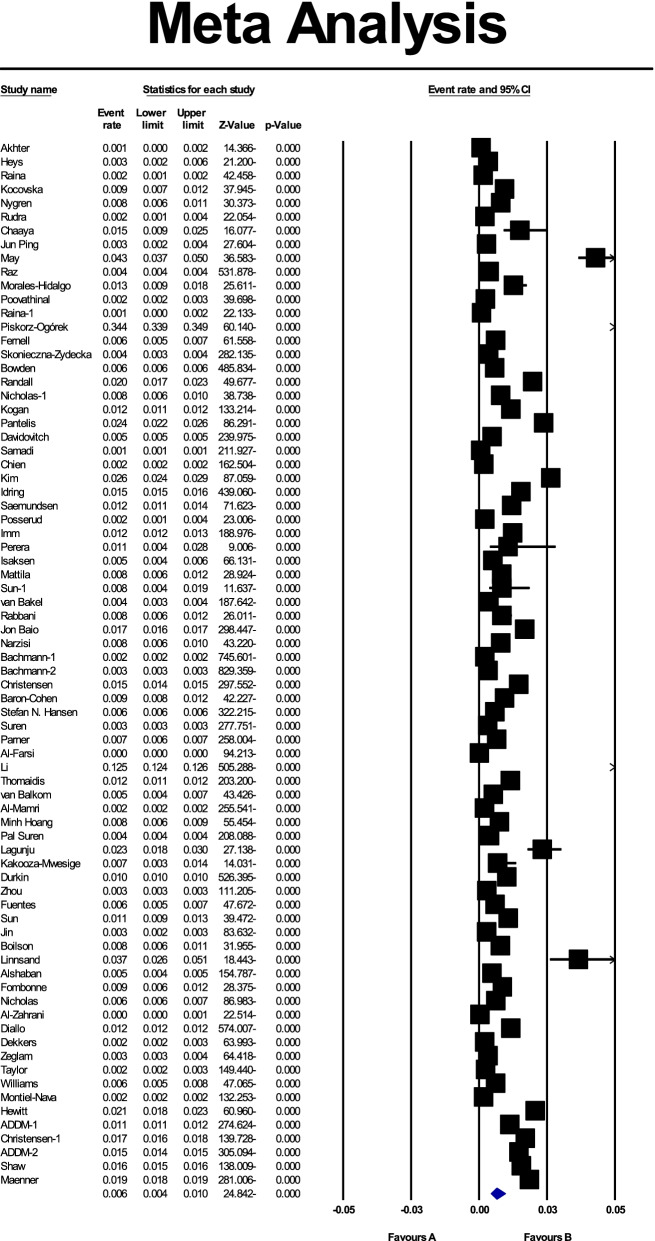
- The global prevalence of ASD was 0.6% (95% CI: 0.4–1%), or 0.006 (95% CI: 0.004–0.01).
- Subgroup prevalence by continent was: Asia 0.4% (95% CI: 0.1–1), America 1% (95% CI: 0.8–1.1), Europe 0.5% (95% CI: 0.2–1), Africa 1% (95% CI: 0.3–3.1), and Australia 1.7% (95% CI: 0.5–6.1).
- Across included studies, prevalence ranged from 0.02% in China to 3.66% in Sweden.
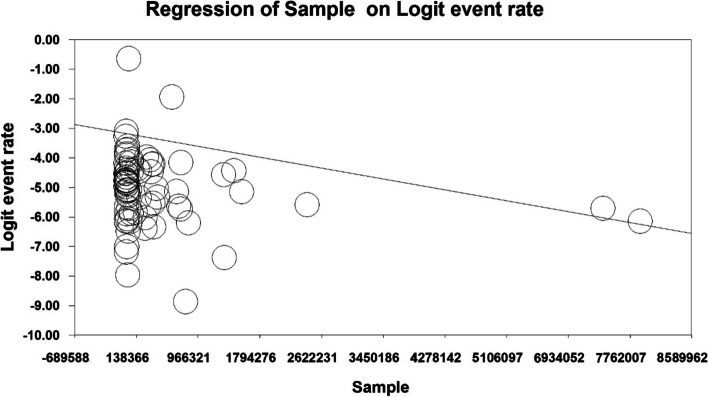
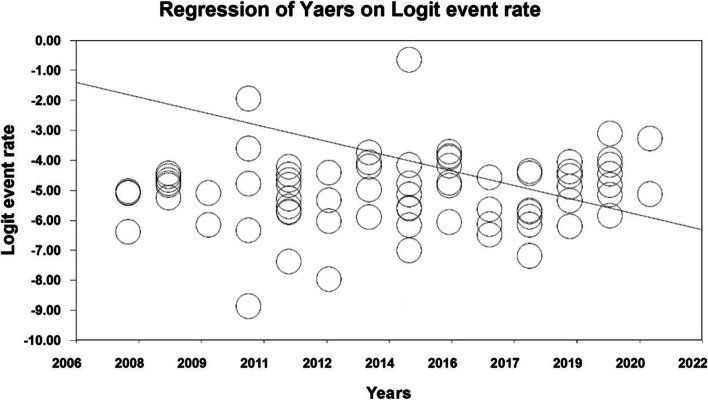
- Meta-regression found that global ASD prevalence decreased with increasing sample size and with increasing study year, both statistically significant (P < 0.05).
Methods
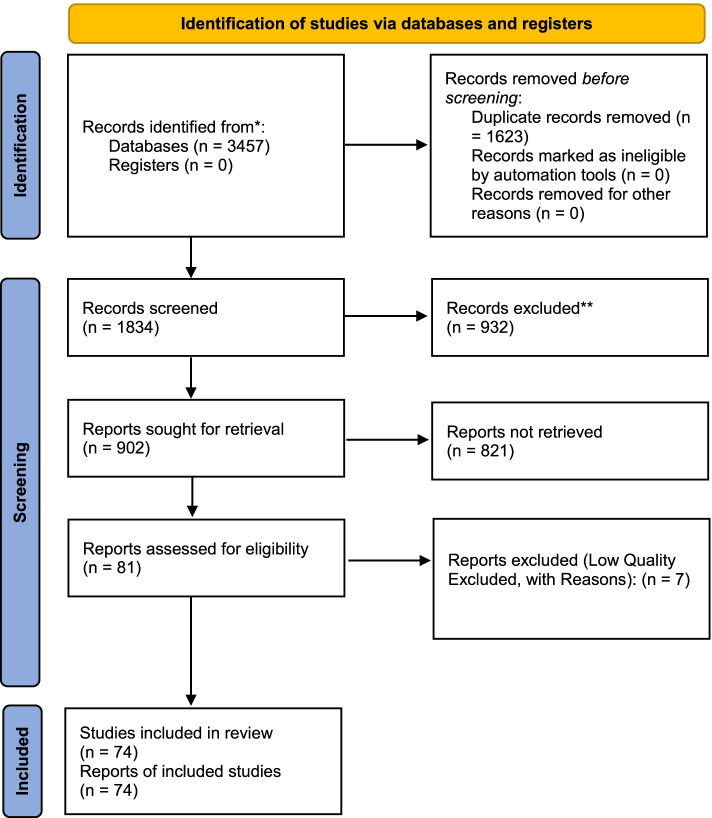
- Systematic review and meta-analysis following PRISMA 2020, searching Science Direct, PubMed, Scopus, SID, Magiran, Web of Science, and Google Scholar from 2008 to July 2021.
- Included cross-sectional or cohort studies published in English or Persian that used valid ASD diagnostic tools/criteria and reported detailed prevalence data; 74 studies were included after screening and quality assessment.
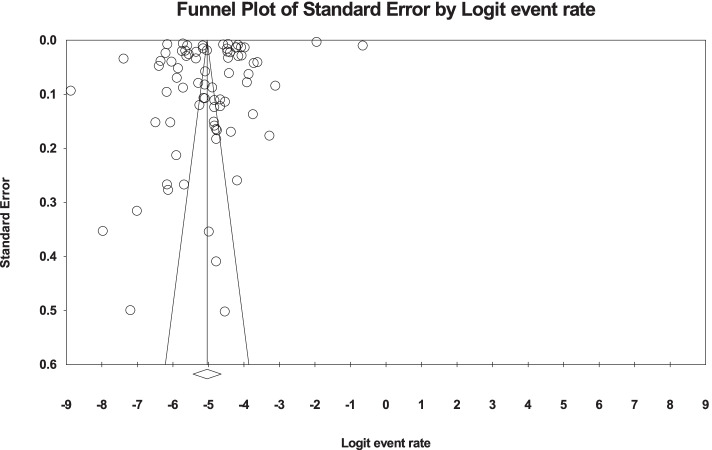
- Data were analyzed with Comprehensive Meta-Analysis software (Version 2); heterogeneity was assessed with I², publication bias with Begg and Mazumdar/Egger tests, and a random-effects model was used because I² was 99.9%.
Limitations
- The paper states that different diagnostic tools and techniques in included studies may lead to selection bias; sample size was variable, making comparison difficult; and some studies were unavailable due to language limitations.
- The paper also notes that differences in methods, ASD definition, screening tools, and diagnostic criteria between countries made comparison very difficult, and that there is very limited data on ASD prevalence in Africa compared with other regions.
- Evident from the text: heterogeneity was extremely high (I² = 99.9%), and the authors state they cannot draw a definite conclusion whether the increasing trend of ASD is real or due to altered diagnostic criteria and tools.
Model-written summary. Check it against the paper before relying on it.
Integrity signals
Registry
Cites
Statistics
Figures
Verification
Claims the paper makes
1 Valid · 2 Not valid · 0 Not checked · 26 Own results and interpretations
The cited sources support only part of this claim — read each source’s verdict below.
In the paper
“The prevalence of ASD worldwide has increased in recent decades [71, 78, 92].”
- Also stated in: § Background · plain
“Epidemiological surveys show an increasing trend in the annual prevalence of ASD.”
§ The global prevalence of autism spectrum disorder: a comprehensive systematic review and meta-analysis > Discussion
What the sources say
- Not checked — no full text of the sourcecites [71] Idring S Lundberg M Sturm H Dalman C Gumpert C Rai D Changes in prevalence of autism spectrum disorders in 2001–2011: findings from the Stockholm youth cohort J Autism Dev Disord 2015 45 6 1766 1773 10.1007/s10803-014-2336-y 25475364 source
- Partly supportedcites [78] Baron-Cohen S Scott FJ Allison C Williams J Bolton P Matthews FE Prevalence of autism-spectrum conditions: UK school-based population study Br J Psychiatry 2009 194 6 500 509 10.1192/bjp.bp.108.059345 19478287 sourceExperimental — accuracy not yet measured
The opening prevalence discussion (page not provided) says estimates for autism-spectrum conditions rose over four decades. It attributes much of the rise to changes in detection, methodology and diagnostic criteria, and cautions that studies cannot be directly compared; it does not establish that actual ASD prevalence increased worldwide. (LLM, conf=0.86)
- Supportedcites [92] Elsabbagh M Divan G Koh YJ Kim YS Kauchali S Marcín C Global prevalence of autism and other pervasive developmental disorders Autism Res 2012 5 3 160 179 10.1002/aur.239 22495912 PMC3763210 source
The Abstract states that prevalence estimates have increased over time. The “Phenotypic presentation of PDD” section likewise reports a rise in prevalence across studies from several world regions, while cautioning that this does not establish a rise in incidence. (LLM, conf=0.90)
plainstates a cause- Asserted: passes — The authors put it forward as true.
- Checkable: passes — It can be checked against evidence.
- Load-bearing: unclear — It is unclear whether the paper’s conclusions depend on it.
- Based: passes — The paper gives a reason why it holds.
- Also stated in: § Background · plain
A result the paper reports from its own data — it cites no other source for it, so there is none to check. The quote shows it is in the paper.
In the paper
“Results suggested no publication bias in the present study (P = 0.109) (Fig. 2).”
§ The global prevalence of autism spectrum disorder: a comprehensive systematic review and meta-analysis > Result > Heterogeneity and publication bias
hedged- Asserted: passes — The authors put it forward as true.
- Checkable: passes — It can be checked against evidence.
- Load-bearing: unclear — It is unclear whether the paper’s conclusions depend on it.
- Based: passes — The paper gives a reason why it holds.
A result the paper states — it cites no source for it, so there is none to check. The quote shows it is in the paper.
In the paper
“There is no information on ASD prevalence in some countries, so more research is required to obtain such data for better global management of ASD.”
§ The global prevalence of autism spectrum disorder: a comprehensive systematic review and meta-analysis > Conclusion
plain- Asserted: passes — The authors put it forward as true.
- Checkable: passes — It can be checked against evidence.
- Load-bearing: passes — The paper’s conclusions depend on it.
- Based: passes — The paper gives a reason why it holds.
A result the paper reports from its own data — it cites no other source for it, so there is none to check. The quote shows it is in the paper.
In the paper
“Subgroup analyses indicated that the prevalence of ASD in Asia, America, Europe, Africa and Australia was 0.4% (95% CI: 0.1–1), 1% (95% CI: 0.8–1.1), 0.5% (95% CI: 0.2–1), 1% (95% CI: 0.3–3.1), 1.7% (95% CI: 0.5–6.1) respectively.”
- Also stated in: § Results · plain
“the prevalence of ASD in Asia, America, Europe, Africa and Australia was 0.4% (95% CI: 0.1–1), 1% (95% CI: 0.8–1.1), 0.5% (95% CI: 0.2–1), 1% (95% CI: 0.3–3.1), 1.7% (95% CI: 0.5–6.1) respectively”
§ The global prevalence of autism spectrum disorder: a comprehensive systematic review and meta-analysis > Abstract > Results
plain- Asserted: passes — The authors put it forward as true.
- Checkable: passes — It can be checked against evidence.
- Load-bearing: unclear — It is unclear whether the paper’s conclusions depend on it.
- Based: passes — The paper gives a reason why it holds.
- Rests on an assumption not shown here.
- Also stated in: § Results · plain
A result the paper reports from its own data — it cites no other source for it, so there is none to check. The quote shows it is in the paper.
In the paper
“We found that the prevalence of ASD varies from 0.02% in China to 3.66% in Sweden.”
§ The global prevalence of autism spectrum disorder: a comprehensive systematic review and meta-analysis > Discussion
plainn = 30,212,757- Asserted: passes — The authors put it forward as true.
- Checkable: passes — It can be checked against evidence.
- Load-bearing: unclear — It is unclear whether the paper’s conclusions depend on it.
- Based: passes — The paper gives a reason why it holds.
- Rests on an assumption not shown here.
10 more claims
Create a free account to see all 29 claims and every source verdict.
- Probably not a substantial claim. 11
- It may state two separate claims as one. 6
Claims other papers make about this one
Each is checked against this paper’s own text: does it say what the citing paper says it does?
The source backs part of the claim, not all of it — or backs it for a different population, condition or comparison.
In the citing paper
“In addition to time trends, there are other sources of heterogeneity, such as geographical region, country income, implemented study design, diagnostic criteria used, age of the studied population, and other socio-demographic factors (18–20).”
From The global prevalence of autism spectrum disorder: A three-level meta-analysis (2023) · cites this paper as [19]
Experimental — accuracy not yet measuredThe source backs part of the claim, not all of it — or backs it for a different population, condition or comparison.
In the citing paper
“The prevalence of autism spectrum disorder (ASD) has surged, with an estimated 1 in 36 eight-year-olds in the United States meeting criteria for ASD in 2020.”
From Pharmacological treatment in autism: a proposal for guidelines on common co-occurring psychiatric symptoms (2025) · cites this paper as [4]
Experimental — accuracy not yet measuredThe cited source says what the claim attributes to it.
In the citing paper
“in the meta-analysis of Salari et al. (19) showed that 74 studies, published from 2008 to 2021 the pooled prevalence comprised 60 per 10,000.”
From The global prevalence of autism spectrum disorder: A three-level meta-analysis (2023) · cites this paper as [19]
The cited source says what the claim attributes to it.
In the citing paper
“A worldwide prevalence rate of ASD has been reported to be 0.6% [54].”
From The Mental Health of Children with Cerebral Palsy: A Review of the Last Five Years of Research (2025) · cites this paper as [54]
Self-check
Percentages, sums and reported differences re-computed from the paper’s own numbers.
Each contradiction between two passages listed here was confirmed by an independent check.
Rated minor: it would not touch a result — a value no result rests on, a p-value that stays on the same side of the significance level, or a conflict that is clerical, resolved elsewhere in the paper, or outside its own findings.
In the paper
“| 2011 | Li | China | Mixed | 616,940 | – | 0–17 | – | ICD-10 | 77,301 (0.0238) | 54,937 | [42] |”
§ The global prevalence of autism spectrum disorder: a comprehensive systematic review and meta-analysis > Result > Search results and study characteristics
Reported 0.0238 · recomputed 12.529744
Rated minor: it would not touch a result — a value no result rests on, a p-value that stays on the same side of the significance level, or a conflict that is clerical, resolved elsewhere in the paper, or outside its own findings.
In the paper
“| 2016 | Pantelis | Korean | – | 23,234 | – | 7–12 | ASSQ | – | 553 (2.64) | | [33] |”
§ The global prevalence of autism spectrum disorder: a comprehensive systematic review and meta-analysis > Result > Search results and study characteristics
Reported 2.64 · recomputed 2.380133
Rated minor: it would not touch a result — a value no result rests on, a p-value that stays on the same side of the significance level, or a conflict that is clerical, resolved elsewhere in the paper, or outside its own findings.
In the paper
§ The global prevalence of autism spectrum disorder: a comprehensive systematic review and meta-analysis > Discussion
“We found that the prevalence of ASD varies from 0.02% in China to 3.66% in Sweden.”
§ The global prevalence of autism spectrum disorder: a comprehensive systematic review and meta-analysis > Result > Search results and study characteristics
“| 2020 | May | Australia | Mixed | 3381 | 1690 | 12–13 | SDQ | – | 145 (4.36) | 111 | [89] |”
Rated minor: it would not touch a result — a value no result rests on, a p-value that stays on the same side of the significance level, or a conflict that is clerical, resolved elsewhere in the paper, or outside its own findings.
In the paper
“| 2009 | van Balkom | Island | – | 13,109 | – | 0–9 | ADOS | DSM-IV | 69 (5.3) | – | [82] |”
§ The global prevalence of autism spectrum disorder: a comprehensive systematic review and meta-analysis > Result > Search results and study characteristics
Reported 5.3 · recomputed 0.526356
Rated minor: it would not touch a result — a value no result rests on, a p-value that stays on the same side of the significance level, or a conflict that is clerical, resolved elsewhere in the paper, or outside its own findings.
In the paper
§ The global prevalence of autism spectrum disorder: a comprehensive systematic review and meta-analysis > Result > Subgroup analysis
“Among the 74 studies, 26 were reviewed in Asia, 4 in Africa, 25 in Europe, 16 in the United States and 3 in Australia.”
§ The global prevalence of autism spectrum disorder: a comprehensive systematic review and meta-analysis > Result > Search results and study characteristics
“| 2018 | Diallo | Canada | – | 1,447,660 | – | 1–17 | – | ICD-10ICD-9 | 16,940 (1.2) | – | [54] |”
6 more findings
Create a free account to see every finding of this check.
Cited works that were retracted
Works this paper cites that were later retracted, from the retraction notices publishers deposit. Major when the notice came out before this paper was published.
Rated major: it would touch a result — a value a result rests on, reported and recomputed p-values on opposite sides of the significance level, two passages that conflict with no sign which is right, or a cited work retracted before this paper was published.
In the paper
“Christensen D, Braun K, Baio J, Bilder D, Charles J, Constantino J, et al. Prevalence and characteristics of autism spectrum disorder among children aged 8 years—autism and developmental disabilities monitoring network, 11 sites, United States, 2012. MMWR Surveillance Summaries. 2016;65(13):1.”
Cited work 10.15585/mmwr.ss6513a1 · retracted 2018-11-16 · notice 10.15585/mmwr.mm6745a7 · this paper published 2022-07-08
A note, not an issue: for example, a cited work that was retracted only after this paper was published, which its authors could not have known.
Cited work 10.15585/mmwr.ss6503a1 · retraction date not known · this paper published 2022-07-08
Citations
Cites
2 retracted
Christensen, D. L., Baio, J., Braun, K. V. N., Bilder, D., Charles, J., Constantino, J. N., Daniels, J., Durkin, M. S., Fitzgerald, R. T., Kurzius-Spencer, M., et al. (2016) · MMWR. Surveillance Summaries · doi:10.15585/mmwr.ss6503a1 · Cited by 1,964
RetractedChristensen, D. L., Braun, K. V. N., Baio, J., Bilder, D., Charles, J., Constantino, J. N., Daniels, J., Durkin, M. S., Fitzgerald, R. T., Kurzius-Spencer, M., et al. (2018) · MMWR. Surveillance Summaries · doi:10.15585/mmwr.ss6513a1 · Cited by 587
RetractedDiagnostic and Statistical Manual of Mental Disorders
American Psychiatric Association (2013) · doi:10.1176/appi.books.9780890425596 · Cited by 116,369
PRISMA-P Group, Moher, D., Shamseer, L., Clarke, M., Ghersi, D., Liberati, A., Petticrew, M., Shekelle, P., & Stewart, L. A. (2015) · Systematic Reviews · doi:10.1186/2046-4053-4-1 · Cited by 26,223 · cited 1×
“Search strategy This study was performed according to the Preferred Reporting Items for Systematic Reviews and Meta-Analyses (PRISMA 2020) guidelines [23].”
MethodBaio, J., Wiggins, L., Christensen, D. L., Maenner, M. J., Daniels, J., Warren, Z., Kurzius-Spencer, M., Zahorodny, W., Robinson, C., Rosenberg, et al. (2018) · MMWR. Surveillance Summaries · doi:10.15585/mmwr.ss6706a1 · Cited by 6,078
Maenner, M. J., Shaw, K. A., Baio, J., EdS1, Washington, A., Patrick, M., DiRienzo, M., Christensen, D. L., Wiggins, L. D., Pettygrove, S., et al. (2020) · MMWR. Surveillance Summaries · doi:10.15585/mmwr.ss6904a1 · Cited by 3,780 · cited 1×
“5/1000 in the latest estimate in 2016 [15, 61, 103].”
BackgroundLord, C., Elsabbagh, M., Baird, G., & Veenstra-Vanderweele, J. (2018) · The Lancet · doi:10.1016/s0140-6736(18)31129-2 · Cited by 2,819
What Is the Male-to-Female Ratio in Autism Spectrum Disorder? A Systematic Review and Meta-Analysis
Loomes, R., Hull, L., & Mandy, W. P. L. (2017) · Journal of the American Academy of Child & Adolescent Psychiatry · doi:10.1016/j.jaac.2017.03.013 · Cited by 2,804 · cited 1×
“Based on a comprehensive systematic review, the male to female ratio in children with ASD has been described as three to one [106], indicating a higher prevalence of ASD in males [92, 107, 108].”
BackgroundGlobal Prevalence of Autism and Other Pervasive Developmental Disorders
Elsabbagh, M., Divan, G., Koh, Y., Kim, Y. S., Kauchali, S., Marcín, C., Montiel‐Nava, C., Patel, V., Paula, C. S., Wang, C., et al. (2012) · Autism Research · doi:10.1002/aur.239 · Cited by 2,636 · cited 3×
“, general population-based or hospital-based sampling) [37, 92].”
Background
Research works printed but not linked: 4
- Jahan N Rahman A Choudhury S Chowdhury K Wahab M Rahman F Prevalence of mental disorders, mental retardation, epilepsy and substance abuse in children 2009
- American Psychiatric Association A Diagnostic and statistical manual of mental disorders: American Psychiatric Association Washington, DC 1980
- Taiwo T Organophosphate Exposures, Financial Hardship and Child Neurodevelopmental Outcomes in the CHARGE study Environ Epidemiolo 2019 3 196 197
- Investigators P, Control CfD, Prevention Prevalence of autism spectrum disorder among children aged 8 years-autism and developmental disabilities monitoring network, 11 sites, United States, 2010 MMWR Surveill Summ (Washington, DC: 2002) 2014 63 2 1 21 24670961
Cited by
Items 401–500 of 552
Noncoding de novo mutations in SCN2A are associated with autism spectrum disorders
Zhang, Y., Ahsan, M. U., & Wang, K. (2025) · iScience · doi:10.1016/j.isci.2025.113258 · Cited by 3
Mubarik, N. U. A., & Tasleem, S. (2025) · ACADEMIA International Journal for Social Sciences · doi:10.63056/acad.004.03.0628
Hsu, C. L., Matt, E., Fong, T. K. H., Lam, J. Y. T., Chau, B. K. H., Cheng, C. P.-W., Beisteiner, R., & Cheung, T. C. C. (2025) · Autism Research · doi:10.1002/aur.70093 · Cited by 2
“Recent systematic reviews concluded that the global prevalence of ASD is 0.6% (Salari et al. 2022), with approximately 1% of children diagnosed with ASD.”
InfluentialWang, W., Lin, Q., Liu, L., Mai, H., Tang, H., & Xu, K. (2025) · Journal of Biochemical and Molecular Toxicology · doi:10.1002/jbt.70466
“ASD is a severe neurodevelopmental disorder, typically diagnosed before the age of 3 years [17].”
Mpofu, P., Mamba, L. G., & Mayisela, S. (2025) · E-Journal of Humanities Arts and Social Sciences · doi:10.38159/ehass.20256916
Tripathi, M., & Jain, V. K. (2025) · Lecture notes in networks and systems · doi:10.1007/978-981-96-5607-3_41
Betreuung von Kindern mit Autismus-Spektrum-Störungen – Teil 1
Mettler, A., Hirt, M. K., & Bernet, M. (2025) · Pädiatrie & Pädologie · doi:10.1007/s00608-025-01317-6
Ji, J., Ye, M. S., Choi, C. S., Kim, C., Son, A., & Kim, H. (2025) · bioRxiv (Cold Spring Harbor Laboratory) · doi:10.1101/2025.09.03.673986
Kilili-Lesta, M., & Voniati, L. (2025) · Disability and Rehabilitation Assistive Technology · doi:10.1080/17483107.2025.2555538
Ezedinma, U., Jones, E. B. G., Ring, A., Burgess, S., Singh, J., Ladhams, A., Campell, G., Fjaagesund, S., Swierkowski, P., Metse, A. P., et al. (2025) · medRxiv · doi:10.1101/2025.09.09.25335295
Bruno, J. L., Plank, J. R., Leder, S., Lake, E. M. R., Finn, E. S., & Green, T. (2025) · medRxiv · doi:10.1101/2025.09.17.25336005
Therapeutic Effect of LEV in a Propionic Acid‐Induced Autism Model via AMPK/SIRT1 Pathway
MECİT, T., Altuntaş, İ., Erdoğan, M. A., Uyanıkgil, Y., & Erbaş, O. (2025) · International Journal of Developmental Neuroscience · doi:10.1002/jdn.70055 · Cited by 1
“The global prevalence is estimated at 0.6%–1.9%, with a male- to-female ratio of approximately 4:1 (Salari et al. 2022; Maenner 2020).”
InfluentialEFFECT OF PHYSICAL ACTIVITY INTERVENTION ON COGNITIVE DEVELOPMENT IN AUTISM SPECTRUM DISORDER
Akşit, S., & Ağbuğa, B. (2025) · Ankara Üniversitesi Beden Eğitimi ve Spor Yüksekokulu SPORMETRE Beden Eğitimi ve Spor Bilimleri Dergisi · doi:10.33689/spormetre.1676676
Global prevalence and etio-pathogenesis of autism: a review
Amaravadi, D., Muchumari, B., & Firdous, A. (2025) · International Journal of Research in Medical Sciences · doi:10.18203/2320-6012.ijrms20253218
Risk factors of autism spectrum disorders in preschool children: a case–control study
Asar, M. M., Amer, R. A. R., Kabbash, I., & Hay, M. A. A. (2025) · Tanta Medical Journal · doi:10.4103/tmj.tmj_42_25
Preventing Oral Health Problems in Children with Autism Spectrum Disorder: A Feasible Mission?
Vadiyan, D. E., Admakin, O. I., Khachatryan, L., et al. (2025) · Pediatric dentistry and dental prophylaxis · doi:10.33925/1683-3031-2025-942
Zhao, Y., Wang, C., Shi, P., Qu, J., Ful, C., Guo, X., & Bu, L. (2025) · Proceedings - International Symposium on Mixed and Augmented Reality, ISMAR · doi:10.1109/ismar67309.2025.00157 · Cited by 1
“In recent years, the incidence rate of ASD has been increasing globally, with the current prevalence exceeding 0.6%, and this upward trend continues [8, 33, 45].”
InfluentialHe, J., Liao, S., Luo, B., & Huang, Y. (2025) · Psychiatry Research · doi:10.1016/j.psychres.2025.116833
Wang, X., Zhu, R., Du, X.-G., & Song, H. (2025) · Neuropsychiatric Disease and Treatment · doi:10.2147/ndt.s563199
Autism, Intellectual Disability, and Folate Metabolism
Alkanlı, N., Alkanlı, S. S., & Ay, A. (2025) · Springer eBooks · doi:10.1007/978-3-031-40858-8_566-1
Autism Spectrum Disorder: From Screening to Early Diagnosis and Intervention
Eom, T. (2025) · Annals of Child Neurology · doi:10.26815/acn.2025.01067
Insights on gut microbiota in autism spectrum disorder: a review
Adhikary, S., Rajak, P., Ganguly, A., & Bhattacharya, S. (2025) · Elsevier eBooks · doi:10.1016/b978-0-443-27622-4.00023-7
Do Families Raising Children with Autism Save for Children’s Future? An Exploratory Study from China
Zhou, L., Huang, J., Zhang, Y., Huang, X., Xiang, X., & Zou, L. (2025) · Social Sciences · doi:10.3390/socsci14120710
“Systematic reviews have shown that the global prevalence of autism, while varying across regions and studies, ranged from 0.4% (Salari et al. 2022) to 1% worldwide (Solmi et al. 2022; Zeidan et al. 2022).”
InfluentialZhong, T., Wang, F. H., Qiu, J., & Lu, W. (2025) · European Archives of Psychiatry and Clinical Neuroscience · doi:10.1007/s00406-025-02173-y
“The prevalence of ASD is high with statistics showing that approximately one in every 160 children worldwide is diagnosed with ASD and the morbid - ity has been steadily increasing [2].”
БІОЕТИЧНІ ПРОБЛЕМИ ВЕДЕННЯ ДІТЕЙ З РОЗЛАДАМИ АУТИСТИЧНОГО СПЕКТРА ТА ЯКІСТЬ ЖИТТЯ ОПІКУНІВ
Bratkova, L. B. (2025) · Art of Medicine · doi:10.21802/artm.2025.4.36.6
มั่นศิล, จ., & สายโส, ก. (2025) · Thai Red Cross Nursing Journal · doi:10.64767/trcn.2025.275367
Advancement on the Association between Gut Microbiota and Autism Spectrum Disorder in Children
Abulaiti, A., Yu, H., Ma, J., Wuji, A., & Chi, H. (2025) · Annals of Nutrition and Metabolism · doi:10.1159/000549716 · Cited by 3
Diogo, L. R. F., Prestes, A. C. R., Reis, J. L., Oliveira, L. G. D., Silva, M. D. A. D., Cruz, L. N. D. S., Marques, E. L. D. S. D. C., Silva, P. V. F. D., Silva, S. M. D. L., Franco, M. C. A., et al. (2026) · Aracê. · doi:10.56238/arev8n1-006
雪, 欣. (2026) · Advances in Clinical Medicine · doi:10.12677/acm.2026.161043
Sandboge, S., Seppälä, V., Lintula, S. J., Holmlund-Suila, E. M., Hauta‐alus, H., Kajantie, E., Mäkitie, O., Andersson, S., Räikkönen, K., & Heinonen, K. (2026) · Journal of Child Psychology and Psychiatry · doi:10.1111/jcpp.70110
A pilot study of amino acid profiles in boys with autism spectrum disorder and their mothers
Rashaid, A. H. B., Al-Rabi, Y. I., Nusair, S. D., & Bashtawi, M. A. (2026) · Nutritional Neuroscience · doi:10.1080/1028415x.2025.2612115 · Cited by 1
“Similarly, demographic factors, including parental age, were identified as contributors to the global prevalence trends of ASD [2].”
InfluentialTupou, J., Ataera, C., Wallace-Watkin, C., & Waddington, H. L. (2026) · Early Childhood Education Journal · doi:10.1007/s10643-025-02097-1 · Cited by 1
Gumenyuk, O. I., Евгеньевич, Л. М., Chernenkov, Y. V., Groznova, O. S., Vorozhtsova, A. V., & Balashova, S. V. (2026) · Экспериментальная и клиническая гастроэнтерология · doi:10.31146/1682-8658-ecg-238-6-46-51
Oral Health of Autistic Children and Parental Attitudes Towards their Oral Care
Ferizi, L., Barku, G., Topallaj, A., & Beqiri, M. (2026) · Pesquisa Brasileira em Odontopediatria e Clínica Integrada · doi:10.1590/pboci.2026.043
Hao, Q., Wang, J., Yang, J.-D., Tong, Y., Xiao, L., Zeng, X.-Q., Li, W., Hu, S.-F., & Lv, Z.-H. (2026) · Frontiers in Psychiatry · doi:10.3389/fpsyt.2026.1704732 · Cited by 1
“Given its high prevalence and long-term impact on individual development (5), early assessment, diagnosis, and intervention for ASD are critically important.”
Sönmez, M., & Tekinarslan, İ. Ç. (2026) · KIRŞEHİR EĞİTİM FAKÜLTESİ DERGİSİ · doi:10.29299/kefad.1635688
Betreuung von Kindern mit Autismus-Spektrum-Störungen – Teil 3
Mettler, A., Hirt, M. K., & Bernet, M. (2026) · Pädiatrie & Pädologie · doi:10.1007/s00608-026-01360-x
Aftab, M. J., Sarwar, M. N., & Shah, R. (2026) · Research Square · doi:10.21203/rs.3.rs-8296192/v1
Suicide prevention interventions and supports for the Autistic community: a scoping review protocol
Russell, A., Cremen, C., Rainbow, E., & Melia, R. (2026) · BMJ Open · doi:10.1136/bmjopen-2025-099614 · Cited by 2
Moreau, L., Martin, P. L., & Bernard, C. D. (2022) · International Journal of Social and Psychological Aspects of Healthcare · doi:10.51847/o9fgzzbhey
Wadhwani, D., & Patel, S. S. (2026) · Behavioural Brain Research · doi:10.1016/j.bbr.2026.116099
Worldwide research in autism: Mapping the literature by bibliometric analysis
González, O. H., Uribe-Bahamonde, Y. E., Saavedra, C. S. F., Gillespie‐Smith, K., & Ballantyne, C. J. (2026) · Research in Autism · doi:10.1016/j.reia.2026.202859 · Cited by 2
Application of Explainable AI in Neuroscience: Enhancing Autism ScreeningPreprint
Geman, O., Sharghilavan, S., Abbasi, H., Toderean, R., Postolache, O. A., Mihai, A.-S., & Karppa, M. (2026) · bioRxiv (Cold Spring Harbor Laboratory) · doi:10.64898/2026.02.13.705821 · Cited by 1
“Studies have shown that the global prevalence of this disorder is approximately 0.6%, which has been increasing over time [6].”
InfluentialAutism Awareness Among Physical Therapists: Insights from Two Lower-Middle-Income Countries
Balogun, J. A., Mbada, C. E., Oyeyemi, A. Y., Bello, A. I., & Akande, M. A. (2026) · Springer eBooks · doi:10.1007/978-3-031-86558-9_14
Marcilla-Jordá, M., Montañés-Martí, S., Rubio‐Belmonte, C., & Ipola, M. M. (2026) · Research in Autism · doi:10.1016/j.reia.2026.202866
Assessing autism knowledge in portugal: validation of the autism spectrum knowledge scale (ASKS-PT)
Dias-Almeida, B., Gonçalves, P. D. O., Maroco, J., & Almeida, T. S. (2026) · Current Psychology · doi:10.1007/s12144-026-09232-0
“A well-informed public contributes to early identification and inter - vention, which are associated with improved developmental and educational outcomes (Salari et al., 2022 ).”
Hospitalizations in adolescents with autism spectrum disorder are rising in Spain
Soriano, V., Ramos, J. M., Gallego, L., Mestre‐Bach, G., Gonzalez-Fraile, E., López-Ibor, M. I., Chiclana-Actis, C., Faraco, M., Pinargote, H. M. V., Corpas, M., et al. (2026) · Child and Adolescent Psychiatry and Mental Health · doi:10.1186/s13034-026-01054-z
“There is increasing concern about the rising rates of ASD globally and particularly in most Western societies [2, 24, 34].”
Trends and gaps in school-based educational activities for autistic students: a UDL perspective
LLEDÓ, G. L., Cerdán-Chacón, A., Meliá, S., & Lorenzo-Lledó, . (2026) · Advances in Autism · doi:10.1108/aia-01-2026-0007 · Cited by 1
Autism in Viet Nam: A systematic scoping review
Boyle, L., Perepa, P., Thalia, K., & Crane, L. (2026) · Autism · doi:10.1177/13623613261425838
Autistic Children’s Wellbeing at School: A Systematic Review
Carroll, A., Simpson, K., & Adams, D. (2026) · Review Journal of Autism and Developmental Disorders · doi:10.1007/s40489-026-00540-6 · Cited by 5
Mabie, A., Cleave, A. V., Foley, O. A., Gray, C. J., Tauseef, A., Beste, J., & Jiménez, M. (2026) · Frontiers in Nutrition · doi:10.3389/fnut.2026.1686158
“The prevalence of ASD is increasing worldwide, which may have driven the desire to measure this specific outcome (45).”
Chithra, V., Sheeba, J. I., & Devaneyan, S. P. (2026) · International Conference on Communication, Computing and Electronics Systems (ICCCES) · doi:10.1109/iccces62661.2026.11436331
“The continuous investigation comprehends possible etiologic mechanisms in ASD, but the unifying cause is yet to be detected [15].”
Fithriyah, I., Irwanto, I., Setiawati, Y., & Chuanardi, W. (2026) · Journal of Neurosciences in Rural Practice · doi:10.25259/jnrp_359_2025
Hu, W., Liu, Q., Fu, X., & Chen, Y. (2026) · Frontiers in Pediatrics · doi:10.3389/fped.2026.1726236
“Research has found that the global prevalence of ASD is about 0.6% (95% CI: 0.4%–1%), but the prevalence of ASD in China is higher than this level, at 1.8% (95% CI: 1.7% − 2.0%), and most ASD children have varying degrees of language and speech delay (3, 4).”
InfluentialBonfim, C. B., de Araújo, J. A. P., Castro-de-Araujo, L. F. S., Vasudevan, V., Barreto, M. L., & Machado, D. B. (2026) · Jornal Brasileiro de Psiquiatria · doi:10.1590/0047-2085-2025-0053
Mahmoud, N., Elsaeed, E., Alghamdi, S. M., Nafisah, I., Fares, I. A., & Elaziz, M. A. (2026) · Journal of Disability Research · doi:10.57197/jdr-2025-0712
Muthuka, J. K., Onyango, C., Nzioki, J. M., Chebungei, L., Zimunya, R., Simengwa, A., Kim, S., Nshimirimana, D. A., & Nabaweesi, R. (2026) · Cureus · doi:10.7759/cureus.106260 · Cited by 4
Yu, B., Lv, J., Lei, G., Wu, J.-L., Li, D.-X., Song, X.-Y., He, X.-N., Zhao, N., Shu, Q., & Li, H.-X. (2026) · Frontiers in Neuroscience · doi:10.3389/fnins.2026.1736415
“This high and potentially increasing prevalence underscores the substantial public health significance and socioeconomic burden for affected individuals, families, and healthcare systems (Wormwood et al., 2023; Hirota and King, 2023; Salari et al., 2022).”
Alqarawi, N., Hamzaa, H. G., El‐Sayed, M. M., Khedr, M. A., Hendy, A. S., Amin, S. M., & Klila, Z. E. K. (2026) · Psychology Research and Behavior Management · doi:10.2147/prbm.s598638
The Prevalence of Autism in the World: An Umbrella Review and Meta-Analysis
Ekvan, M. H., Sahebi, A., Kord, M., Soltanali, Z., Ahmadi, A. H., & Mohamadi, S. (2026) · OBM Neurobiology · doi:10.21926/obm.neurobiol.2602332 · Cited by 1
Lin, D., Chen, Z. F., Wang, Y., Qian, Q.-F., Ou, P., & Guo, J. (2026) · Frontiers in Psychology · doi:10.3389/fpsyg.2026.1682620
“Epidemiological data indicated that ASD prevalence has risen dramatically from 0.2% in the late 20th century to 2.8% in 2022 (Fombonne, 2003; Maenner et al., 2020; Salari et al., 2022).”
InfluentialCaregiver mental health burden in families of children with autism in Saudi Arabia
Alfakeh, S. A., Aljahdali, G. H., & Benfeef, S. T. (2026) · Discover Mental Health · doi:10.1007/s44192-026-00379-7 · Cited by 1
Lan, L., Moeyaert, M., Orlowski, E. W., & Asaro‐Saddler, K. (2026) · Research in Autism · doi:10.1016/j.reia.2026.202912
Panther, N., Bowden, N., Chu, J., D’Souza, S., Saha, S., Thabrew, H., & McLay, L. (2026) · Journal of Neurodevelopmental Disorders · doi:10.1186/s11689-026-09695-z
“Reported prevalence rates in Asian countries tend to be lower than those in Western countries [42, 57], although considerable cross-national variability exists, ranging from 0.01% in South Korea to 3.2% in Japan [17, 40].”
InfluentialMadali, N. P., & Hawamdeh, S. (2026) · Behavioral Sciences · doi:10.3390/bs16050660 · Cited by 1
“Over time, the understanding of autism has evolved significantly, from being considered a form of schizophrenia to recognition as a spectrum disorder with complex genetic and environmental determinants (Salari et al., 2022).”
Ansari, A. M. S. A., Jahrami, H. A., Almohri, M. A., Suleiman, N. A., Hejair, R., Alfaqih, M. A., Almedfa, M. K., & Hamadeh, R. R. (2026) · Psychiatry International · doi:10.3390/psychiatryint7030089
Defining Features of Gabriele‐de Vries Syndrome in Adults: A Case Report and Literature Review
Hollingsworth, E. W., & Xiao, C. (2026) · American Journal of Medical Genetics Part A · doi:10.1002/ajmg.a.70179
“(Salari et al. 2022); anxiety (5.7”
InfluentialLai, H., Zhan, X., Shi, T., Kuang, Z., Peng, X., BangNing, W., Zeng, L., & Li, X. (2026) · Journal of Developmental and Physical Disabilities · doi:10.1007/s10882-026-10064-w
Muthuka, J. K., Zimunya, R., Simengwa, A., Onyango, C., Oluoch, K., Kioko, M. T., Mbari, D. F., Nzioki, J. M., Chebungei, L. K., Kim, S., et al. (2026) · medRxiv · doi:10.64898/2026.04.28.26351945
DiGuiseppi, C. G., Ing, C. H., Blanchard, A. M., Russell, M. T., & Li, G. (2026) · Journal of Autism and Developmental Disorders · doi:10.1007/s10803-026-07324-1 · Cited by 1
Özkaya, V., Özkaya, Ş. Ö., Türk, D. Ş., Gavas, F., & Öznur, D. (2026) · Health Sciences Quarterly · doi:10.26900/hsq.3034
Bachir, M., Ziani, M., Zerrouki, K., Nemar, F., Allem, R., & Meziane, M. A. (2026) · Biological Trace Element Research · doi:10.1007/s12011-026-05128-z
Salari, N., Abdollahi, R., Maleki, R. N., Abdolmaleki, A., Rasoulpoor, S., Beiromvand, M., & Mohammadi, M. (2026) · Review Journal of Autism and Developmental Disorders · doi:10.1007/s40489-026-00560-2
Self-citationBrief Narrative Family Therapy and Autism Spectrum Disorder: A Neuro-Informed Intervention
Sousa, D., Castelo‐Branco, M., Sequeira, J., et al. (2026) · Contemporary Family Therapy · doi:10.1007/s10591-026-09784-0
The assessing medical professionals’ knowledge of autism spectrum disorders
Nurmukhanbetova, A., Nurbaulina, E., Kurmanalina, S., САБЫРДИЛДА, Ж. С., Iskakova, B., Akhtayeva, N., Kosherbayeva, L., & Kozhageldiyeva, L. (2026) · Journal of Public Health Research · doi:10.1177/22799036261450250 · Cited by 1
Chang, D. (2026) · Progress in Artificial Intelligence · doi:10.1007/s13748-026-00445-9
“According to research, demographic aspects including gender and ethnicity reveal that individuals with autism have an overabundance in comparison with individuals without, displaying that men are 4 times as likely to be diagnosed as compared to women [9].”
Kady, N. E., Ibrahim, D. G., Moawad, A. M., Elmahdy, S. M., Kamel, M. H., Amin, O. R., Elsebaie, E. H., Tabei, D. E., Gamal, R. E. A., Ahmed, H. H., et al. (2026) · Drug and Chemical Toxicology · doi:10.1080/01480545.2026.2669776
Ku, C. S., Weiner, D. M., Wells, M., Huang, A., & Peltier, M. R. (2026) · Information · doi:10.3390/info17050463
Características dos aspectos motores de fala em crianças verbais com Transtorno do Espectro Autista
de Carvalho, B. M., Rossi, B. D. L., dos Santos, T. R., et al. (2026) · Revista CEFAC · doi:10.1590/1982-0216/20262835225s
Motor speech characteristics in verbal children with autism spectrum disorder
de Carvalho, B. M., Rossi, B. D. L., dos Santos, T. R., et al. (2026) · Revista CEFAC · doi:10.1590/1982-0216/20262835225
Kılınçel, Ş., Bulut, F., & Kılınçel, O. (2026) · The Journal of Nervous and Mental Disease · doi:10.1097/nmd.0000000000001874
“According to recent global estimates, ASD affects approximately 1%–2% of children, with a prevalence that continues to rise worldwide (Salari et al., 2022; Zeidan et al., 2022).”
Suspect Screening of Urinary Neurotoxicants in Children with Autistic Spectrum Disorder
Song, G., Zhang, Q., Zhang, L., Ao, J., Zhang, J., Li, F., & Chen, D. (2026) · Environmental Science & Technology · doi:10.1021/acs.est.6c03172
Hai, Y., Yang, Y., Zou, M., Ye, P., Wang, J., Feng, L., Gong, X., Zhang, T., Tian, M., Sun, C., et al. (2026) · BMJ Paediatrics Open · doi:10.1136/bmjpo-2025-004048
Autism Knowledge Awareness of Parents of Children Aged 18 To 36 Months
Karabulutlu, Ö., & Kavas, T. (2026) · MIDDLE BLACK SEA JOURNAL OF HEALTH SCIENCE · doi:10.19127/mbsjohs.1937131
Mazumder, A., Tohfa, J., & Rahman, M. (2025) · IEEE International Women in Engineering (WIE) Conference on Electrical and Computer Engineering (WIECON-ECE) · doi:10.1109/wiecon-ece69386.2025.11526105
Marudur, P. T., Sutomo, R., & Sitaresmi, M. N. (2026) · F1000Research · doi:10.12688/f1000research.177715.1
Zou, Y., Liu, L., Chen, H., Luo, Z., Zhu, Z., Li, Z., 林百顯, Zhuang, Z., Li, W., Yang, Q., et al. (2026) · Frontiers in Microbiology · doi:10.3389/fmicb.2026.1829532 · Cited by 1
O’Connell, N., Murphy, F., Butler, É. M., Clafferty, C. M., McGowan, O., Condren, L., Dench, C., Daly, R., & Germaine, M. (2026) · Sexuality and Disability · doi:10.1007/s11195-026-09949-7
“The prevalence of the conditions vary depending on country, but ASD global prevalence is estimated to be 0.6% [ 7] and ID prevalence from population-based studies is 1.04% [ 8].”
InfluentialGaze Pattern Analysis for Early Autism Spectrum Disorder Screening using Real-Time Computer Vision
Selvi.V, V., Mukesh., S., Sijith.R, et al. (2026) · International Conference on Pervasive Computing and Social Networking (ICPCSN) · doi:10.1109/icpcsn68523.2026.11543631
“Global health reports depict that ASD is a common illness in one in every hundred children across the world and therefore, it is a significant issue of public health that needs to be identified and addressed in time [1].”
Salma, Z., Hijón‐Neira, R., Pizarro, C., & Gordo, M. D. D. (2026) · Research Square · doi:10.21203/rs.3.rs-9848262/v1
Kharaba, Z., Alzoubi, K. H., Altawalbeh, S. M., Said, A. S. A., Ramadan, A., Hasan, H. E., Al‐Azayzih, A., Jirjees, F., Jarab, A., Ali, R., et al. (2026) · BMC Public Health · doi:10.1186/s12889-026-27935-8
Muthuka, J. K., Zimunya, R., Simengwa, A., Onyango, C., Oluoch, K., Kioko, M. T., Mbari, D., Nzioki, J. M., Chebungei, L., Kim, S., et al. (2026) · Cureus · doi:10.7759/cureus.111009 · Cited by 1
Giblett, M. J., Lind, P. A., & Medland, S. E. (2026) · Research in Neurodiversity · doi:10.1016/j.rin.2026.100047 · Cited by 1
Silva, C. E. L. E., dos Santos, A. G., Dias, J. V., Andrade-Lima, A., de Barros, M. V. G., Germano-Soares, A. H., & Farah, B. Q. (2026) · Revista Brasileira de Atividade Física & Saúde · doi:10.12820/rbafs.31e0445 · Cited by 1
Wang, Q., Zheng, W., Zhang, C., Lv, S., Peng, L., Chen, J., & Lu, A. (2026) · Genes & Diseases · doi:10.1016/j.gendis.2026.102315
Technology-Enabled ASD Detection: Modalities, Performance, and Clinical Readiness
Simanta, S., & Islam, M. B. (2026) · International Conference on Integrated Intelligence and Cognitive Engineering (ICIICE) · doi:10.1109/iciice69672.2026.11565136
“Global estimates suggest that about 1 in 100 children are affected, although reported rates vary across regions due to differences in diagnostic practice and healthcare infrastructure [1].”
Barreras y oportunidades para estudiantes con TEA grado 1 en criminología del CUNSURORI-USAC
Orellana, B. E. S. (2026) · Revista Docencia Universitaria · doi:10.46954/revistadusac.v7i2.182
Bouchouras, G., Doumanas, D., & Kotis, K. (2026) · Journal of Healthcare Informatics Research · doi:10.1007/s41666-026-00243-x · Cited by 1
Sidło, O., Sapiaszko, A., Kister, K., et al. (2026) · Current Problems of Psychiatry · doi:10.12923/2353-8627/2026-0005
Grębska, P., Fedorczak, A., Pytrus, T., Dębińska, A., & Kofla-Dłubacz, A. (2026) · Nutrients · doi:10.3390/nu18122008
“In addition to a true increase in prevalence, several factors have been proposed to contribute to this trend, including broader diagnostic definitions, changes in diagnostic criteria and screening tools, methodological differences in research, and increased public and professional awareness [3–5].”
Metadata
- Authors
- Salari, N., Rasoulpoor, S., Rasoulpoor, S., Shohaimi, S., Jafarpour, S., Abdoli, N., Khaledi-Paveh, B., & Mohammadi, M.
- Affiliations
- Kermanshah University of Medical Sciences (IR)
- Universiti Putra Malaysia (MY)
- Isfahan University of Medical Sciences (IR)
- Gerash University of Medical Sciences (IR)
- Corresponding author
- Mohammadi, Masoud
- ORCID
- Venue
- Italian Journal of Pediatrics
- Published
- 2022-07-08
- Volume
- 48
- Issue
- 1
- Pages
- 112-112
- ISSN
- 1720-8424 (ISSN-L)
- 1824-7288
- PMC
- PMC9270782
- OpenAlex
- W4284962360
- Cited by
- 571
- References
- 122
- Citations by year
- 2026: 163 · 2025: 169 · 2024: 155 · 2023: 76 · 2022: 8
- FWCI
- 14.26
- Type
- journal article
- Language
- en
- Open access
- gold
- doi.org
- Licence
- cc-by
- creativecommons.org/licenses/by/4.0 (tdm)
- creativecommons.org/licenses/by/4.0 (vor)
- Locations
- The Italian Journal of Pediatrics/Italian journal of pediatrics (publishedVersion, cc-by)
- PubMed Central (publishedVersion, cc-by)
- PubMed (publishedVersion)
- DOAJ (DOAJ: Directory of Open Access Journals) (submittedVersion, cc-by-sa)
- Funders
- Kermanshah University of Medical Sciences
- Student Research Committee, Tabriz University of Medical Sciences
- Topics
- Life Sciences › Neuroscience › Cognitive Neuroscience › Autism Spectrum Disorder Research
- Health Sciences › Medicine › Psychiatry and Mental health › Child Nutrition and Feeding Issues
- Social Sciences › Psychology › Clinical Psychology › Family and Disability Support Research
- Keywords
- autism spectrum disorder, prevalence, global prevalence, high-risk groups, developmental disorders, early detection, health burden, regional variation in prevalence
- MeSH terms
- Autism Spectrum Disorder, Child, Preschool, Europe, Humans, Prevalence
About these checks
Registry, retraction, Cites and statistics results are computed, not judged, with one exception: a printed reference that no index lists is read once by a model before it counts as a citation error. Claims are extracted by a model and kept only when their quote appears verbatim in the text; each cited source is then checked, with a model’s help, for whether it says what the claim relies on. Those verdicts can be wrong — read the claim’s quote and the cited source before relying on one.
The claim verdicts this report counts are experimental: their accuracy is not yet measured.
A language model drew the claims from the paper on 2026-10-10, under version 3 of the claim definition (model deepseek-v4.1-flash, prompt extract-v3).
A second model labelled each claim on 2026-10-10 (model jev-1.13-20260917, definition revision gold-guideline-v0.2).
Cited sources are checked with a language model’s help (gpt-6-sol).
Statistics and arithmetic are recomputed, not judged.
Confidence bands are shown only for fields calibrated on our annotated test set. None is calibrated yet, so no band is shown.
What counts as a claim ›How we measure confidence ›How we check this ›
Are you an author, or do you see a problem with this page? Request a review
Data sources
Bibliographic data: Semantic Scholar, OpenAlex, Crossref.
Contains information from the Semantic Scholar Academic Graph Datasets, made available under the ODC Attribution License (ODC-BY 1.0).
Semantic Scholar’s data is described in: Kinney, R., et al. (2023). The Semantic Scholar Open Data Platform. arXiv:2301.10140.
