

The global prevalence of ADHD in children and adolescents: a systematic review and meta-analysis
Open accessThe DOI matches its Crossref record; 81 of the 82 references it cites were found in a registry or an index; 12 of the 12 sources its claims cite were checked for support.
Abstract
Background: Attention-Deficit / Hyperactivity Disorder is a developmental neurological disorder that has three basic characteristics: Attention Deficit, Hyperactivity, and impulsivity. This study aimed to investigate the prevalence of ADHD in children and adolescents. Methods: This investigation was carried out using the meta-analysis method under PRISMA guidelines. Until October 2020, the articles were gathered by scanning PubMed, Scopus, WOS, and Science Direct databases. The second version of Comprehensive Meta-Analysis software was used to run analyses after extracting data from chosen papers. At a significance level of 0.05, the I 2 test was used to analyze study heterogeneity, and the Egger test was used to assess publication bias. Results: This analysis includes 61 cross-sectional research, with 53 research used to determine the prevalence of ADHD in children, 7.6% of 96,907 children aged 3 to 12 years had ADHD (95% confidence interval: 6.1–9.4%), and 5.6% of teenagers aged 12 to 18 years have ADHD (95% confidence interval: 4.8-7%). The prevalence of ADHD in children and adolescents according to the DSM-V criterion is also higher than previous diagnostic criteria, according to studies. Conclusion: The findings of this study based on meta-analysis show the high prevalence of attention deficit hyperactivity disorder (ADHD). The findings of this study demonstrate the importance of management and policy in the treatment and control of ADHD in children and adolescents.
Overview
CoChat Summary
TL;DR
This systematic review and meta-analysis of 61 cross-sectional studies estimated the global prevalence of ADHD in children and adolescents, finding higher prevalence in children under 12 than in adolescents 12–18. Prevalence varied by diagnostic criteria, with DSM-V yielding higher estimates than DSM-IV or ICD-10-based criteria.
Key findings
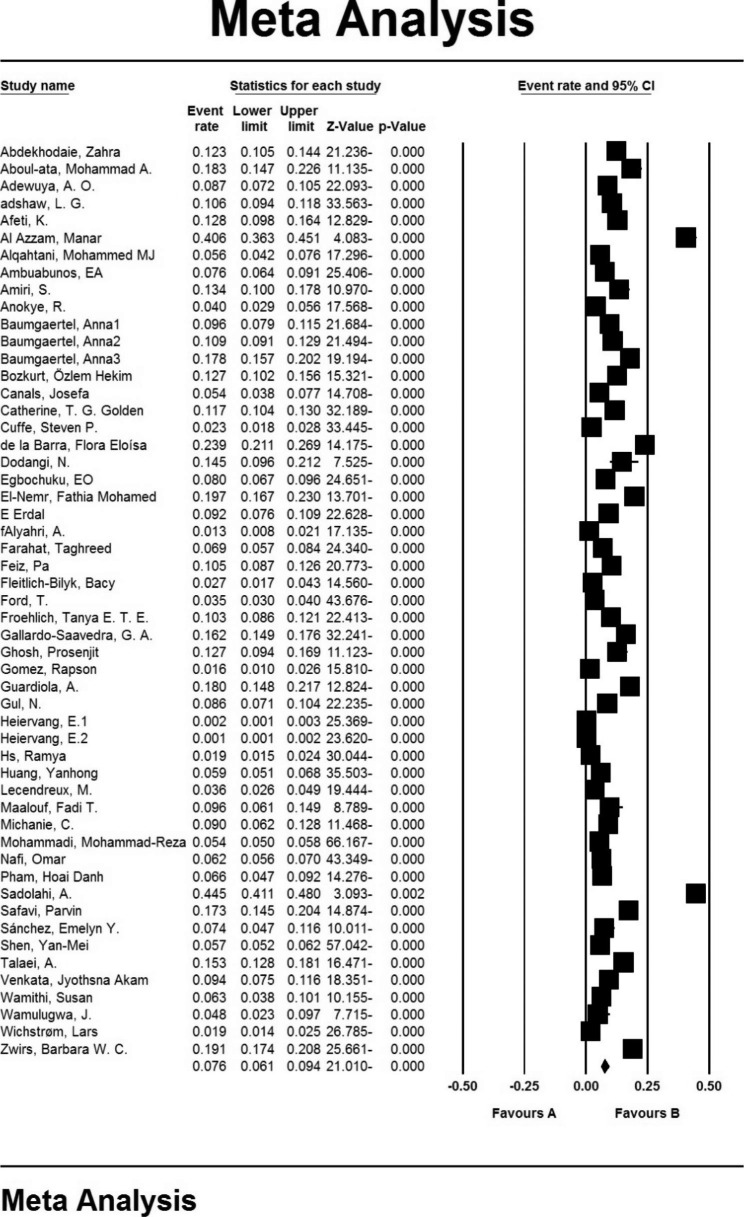
- Among 53 studies of children under 12, ADHD prevalence was 7.6% (95% CI 6.1–9.4%); the abstract reports a sample of 96,907 children, while the results text reports 96,904.
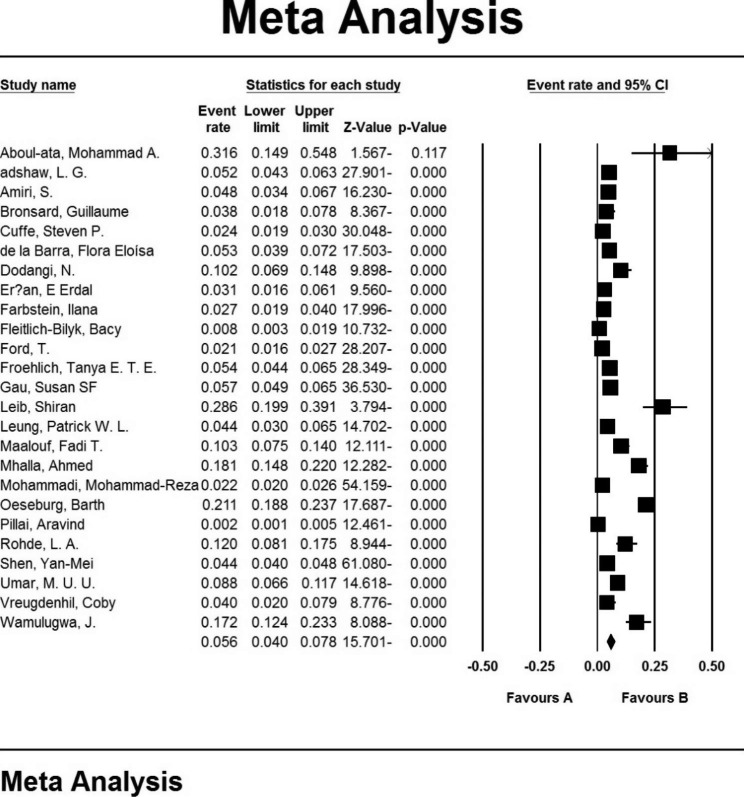
- Among 25 studies of adolescents aged 12–18, ADHD prevalence was 5.6%; the abstract reports 95% CI 4.8–7%, while the results text reports 95% CI 4–7.8%.
- By diagnostic criteria in children under 12: DSM-IV 7.7% (95% CI 6–9.9), DSM-IV-TR 8.3% (95% CI 4.9–13.6), DSM-III 10.1% (95% CI 9–11.3), DSM-IV plus ICD-10 4.4% (95% CI 2.4–8.2), and DSM-V 11.3% (95% CI 5.3–22.2).
- By subtype, children under 12 had inattentive 33.2% (95% CI 27.6–39.3), hyperactive-impulsive 30.3% (95% CI 23.8–37.7), and combined 31.4% (95% CI 24.6–39.1); adolescents had inattentive 37.3% (95% CI 30–45.4), hyperactive-impulsive 23.1% (95% CI 13.2–38.2), and combined 31.1% (95% CI 15.6–42.3).
Methods
- Systematic review and meta-analysis following PRISMA, searching PubMed, Scopus, WOS, and Science Direct for articles published up to October 2020; 61 cross-sectional studies were included after screening and full-text review.
- Eligibility focused on people under 18, with ADHD prevalence assessed by DSM-V, DSM-IV, DSM-IV-TR, and ICD-10 criteria; observational cross-sectional studies were included, and interventional or other observational designs were excluded.
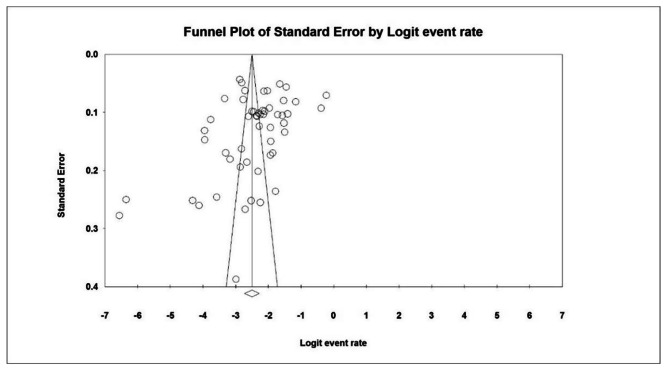
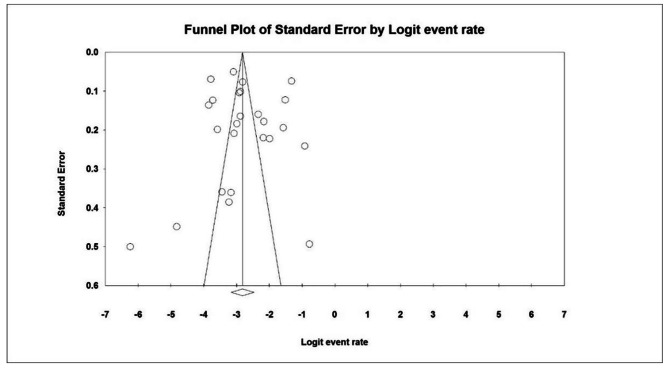
- Data were analyzed in Comprehensive Meta-Analysis software version 2 using a random-effects model; heterogeneity was assessed with I², and publication bias with Egger’s test and funnel plots.
Limitations
- The paper states high heterogeneity of studies in terms of age group, and that studies reporting combined child and adolescent prevalence were removed because the aim was to measure children and adolescents separately.
- The paper states that only cross-sectional papers were included, so participants could not be followed over time and symptoms could not be measured longitudinally.
- Evident from the text: heterogeneity was very high (I² = 98.6 for children under 12 and 97.8 for adolescents), and although studies scoring below 16 on STROBE were considered at high risk of bias, none were omitted from the analysis.
Model-written summary. Check it against the paper before relying on it.
Integrity signals
Registry
Cites
Statistics
Figures
Verification
Claims the paper makes
8 Valid · 4 Not valid · 0 Not checked · 46 Own results and interpretations
At least one cited source doesn’t support this claim or points to a different paper, and none confirmed it — see the verdicts below.
In the paper
“Only one study [76] documented the prevalence of ADHD in teenagers other than children, which is consistent with our findings.”
§ The global prevalence of ADHD in children and adolescents: a systematic review and meta-analysis > Discussion
What the sources say
- Disputedcites [76] Willcutt EG The prevalence of DSM-IV attention-deficit/hyperactivity disorder: a meta-analytic review Neurotherapeutics 2012 9 3 490 9 10.1007/s13311-012-0135-8 22976615 PMC3441936 sourceExperimental — accuracy not yet measured
Table 3 (Developmental Differences; page not available in our copy) reports ADHD prevalence for 13–18-year-olds from six samples, not one study. The Overall ADHD section likewise reports a prevalence estimate for adolescent samples. The citing authors’ statement about their own findings is not part of the attribution being judged. (LLM, conf=0.90)
Checked by a reasoning model — may be wrong.
plain- Asserted: passes — The authors put it forward as true.
- Checkable: passes — It can be checked against evidence.
- Load-bearing: unclear — It is unclear whether the paper’s conclusions depend on it.
- Based: passes — The paper gives a reason why it holds.
- Disputed
The cited sources support only part of this claim — read each source’s verdict below.
In the paper
“In light of these circumstances, the rise in the number of patients diagnosed with ADHD based on DSM-V diagnostic criteria is reasonable [80].”
§ The global prevalence of ADHD in children and adolescents: a systematic review and meta-analysis > Discussion
What the sources say
- Partly supportedcites [80] Epstein JN Loren RE Changes in the definition of ADHD in DSM-5: subtle but important Neuropsychiatry 2013 3 5 455 10.2217/npy.13.59 24644516 PMC3955126 sourceExperimental — accuracy not yet measured
In the main text, Epstein and Loren explain that the more inclusive DSM-5 criteria may increase the number of children meeting diagnostic criteria and that ADHD prevalence rates may increase. This makes a rise plausible, but the paper does not establish that the number of diagnosed patients has risen; it frames the increase as a possibility. (LLM, conf=0.86)
plain- Asserted: passes — The authors put it forward as true.
- Checkable: unclear — It is unclear whether it could be checked against evidence.
- Load-bearing: unclear — It is unclear whether the paper’s conclusions depend on it.
- Based: passes — The paper gives a reason why it holds.
- Partly supported
A result the paper reports from its own data — it cites no other source for it, so there is none to check. The quote shows it is in the paper.
In the paper
“Combined ADHD was 31.4% (95% confidence interval: 24.6.39.1%)”
§ The global prevalence of ADHD in children and adolescents: a systematic review and meta-analysis > General prevalence of hyperactivity in children (under 12 years)
plain- Asserted: passes — The authors put it forward as true.
- Checkable: passes — It can be checked against evidence.
- Load-bearing: unclear — It is unclear whether the paper’s conclusions depend on it.
- Based: passes — The paper gives a reason why it holds.
- Rests on 2 assumptions not shown here.
A result the paper reports from its own data — it cites no other source for it, so there is none to check. The quote shows it is in the paper.
In the paper
“Other criteria used to determine the prevalence of ADHD in children were DSM-IV-TR, DSM-III, DSM-V, DSM-IV, and ICD10, which were: 8.3% (95% confidence interval: 4.9–13.9%); 10.1% (95%confidence interval: 9-11.3%); 11.3% (95% confidence interval: 5.3–22.2%); and 4.4% (95%confidence interval: 2.4–8.2%), respectively (Table 2).”
§ The global prevalence of ADHD in children and adolescents: a systematic review and meta-analysis > General prevalence of hyperactivity in children (under 12 years)
plain- Asserted: passes — The authors put it forward as true.
- Checkable: passes — It can be checked against evidence.
- Load-bearing: unclear — It is unclear whether the paper’s conclusions depend on it.
- Based: passes — The paper gives a reason why it holds.
- Rests on 2 assumptions not shown here.
A result the paper reports from its own data — it cites no other source for it, so there is none to check. The quote shows it is in the paper.
In the paper
“According to the findings, the incidence of ADHD is 7.6% in children aged 3 to 12 years and 5.6% in teenagers aged 12 to 18.”
§ The global prevalence of ADHD in children and adolescents: a systematic review and meta-analysis > Discussion
plain- Asserted: passes — The authors put it forward as true.
- Checkable: passes — It can be checked against evidence.
- Load-bearing: passes — The paper’s conclusions depend on it.
- Based: passes — The paper gives a reason why it holds.
32 more claims
Create a free account to see all 58 claims and every source verdict.
- Probably not a substantial claim. 18
- It may state two separate claims as one. 7
- The quote only partly states this claim. 1
Claims other papers make about this one
Each is checked against this paper’s own text: does it say what the citing paper says it does?
The source backs part of the claim, not all of it — or backs it for a different population, condition or comparison.
In the citing paper
“Differences in ADHD prevalence in different geographical regions40 may be due to differences in study methodologies, including sample size, response rate, information sources from parents or teachers, cultural factors and clinical diagnosis criteria of ADHD.”
From Association between attention-deficit/hyperactivity disorders and intestinal disorders: A systematic review and Meta-analysis (2025) · cites this paper as [40]
Experimental — accuracy not yet measuredThe cited source says what the claim attributes to it.
In the citing paper
“Only one of the studies reviewed in this paper on ADHD in children with CP [13] reported a prevalence rate lower than those for the global prevalence of ADHD in children and adolescents [53].”
From The Mental Health of Children with Cerebral Palsy: A Review of the Last Five Years of Research (2025) · cites this paper as [53]
The cited source says what the claim attributes to it.
In the citing paper
“A 2023 systematic review on the global prevalence of ADHD reported rates of 7.6% in children (between ages 3 and 12 years) and 5.6% in teenagers (between ages 12 and 18 years) [53].”
From The Mental Health of Children with Cerebral Palsy: A Review of the Last Five Years of Research (2025) · cites this paper as [53]
Self-check
Percentages, sums and reported differences re-computed from the paper’s own numbers.
Each contradiction between two passages listed here was confirmed by an independent check.
Rated minor: it would not touch a result — a value no result rests on, a p-value that stays on the same side of the significance level, or a conflict that is clerical, resolved elsewhere in the paper, or outside its own findings.
In the paper
§ The global prevalence of ADHD in children and adolescents: a systematic review and meta-analysis > General prevalence of hyperactivity in children (under 12 years)
“8.3% (95% confidence interval: 4.9–13.9%)”
§ The global prevalence of ADHD in children and adolescents: a systematic review and meta-analysis > General prevalence of hyperactivity in children (under 12 years)
“| DSM-IV TR | 5 | 12,069 | 95.7 | 0.390 | 8.3 (95%CI: 4.9–13.6) |”
Rated minor: it would not touch a result — a value no result rests on, a p-value that stays on the same side of the significance level, or a conflict that is clerical, resolved elsewhere in the paper, or outside its own findings.
In the paper
§ The global prevalence of ADHD in children and adolescents: a systematic review and meta-analysis > Abstract > Results
“5.6% of teenagers aged 12 to 18 years have ADHD (95% confidence interval: 4.8-7%)”
§ The global prevalence of ADHD in children and adolescents: a systematic review and meta-analysis > General prevalence of hyperactivity in adolescents (12–18 years)
“In 25 studies involving teenagers aged 12 to 18, the prevalence of ADHD was determined to be 5.6% (95% confidence interval: 4-7.8%).”
Rated minor: it would not touch a result — a value no result rests on, a p-value that stays on the same side of the significance level, or a conflict that is clerical, resolved elsewhere in the paper, or outside its own findings.
In the paper
§ The global prevalence of ADHD in children and adolescents: a systematic review and meta-analysis > Abstract > Results
“7.6% of 96,907 children aged 3 to 12 years had ADHD”
§ The global prevalence of ADHD in children and adolescents: a systematic review and meta-analysis > General prevalence of hyperactivity in children (under 12 years)
“ADHD prevalence was found to be 7.6% (95% confidence interval: 6.1–9.4%) in 53 studies with a total sample size of 96,904 participants”
Rated minor: it would not touch a result — a value no result rests on, a p-value that stays on the same side of the significance level, or a conflict that is clerical, resolved elsewhere in the paper, or outside its own findings.
In the paper
§ The global prevalence of ADHD in children and adolescents: a systematic review and meta-analysis > Eligibility criteria
“Population: All people under the age of 18 were examined in this study.”
§ The global prevalence of ADHD in children and adolescents: a systematic review and meta-analysis > Results
“| Leib, Shiran [54] | 2020 | Israel | DSM-IV | 13–19 | 84 | 24 |”
Citations
Cites
Preferred Reporting Items for Systematic Reviews and Meta-Analyses: the PRISMA statement
Moher, D., Liberati, A., Tetzlaff, J., Altman, D. G., & for the PRISMA Group (2009) · BMJ · doi:10.1136/bmj.b2535 · Cited by 83,823
Preferred Reporting Items for Systematic Reviews and Meta-Analyses: The PRISMA Statement
Moher, D., Liberati, A., Tetzlaff, J., Altman, D. G., & The PRISMA Group (2009) · PLoS Medicine · doi:10.1371/journal.pmed.1000097 · Cited by 64,042 · cited 2×
“The technique for carrying out the various stages of this study following the criteria of Guideline [16] was created and implemented.”
Wang, G., Ma, R., Qiao, G., Wada, K., Aizawa, Y., & Satoh, T. (2015) · Integrative Medicine International · doi:10.1159/000368408 · Cited by 18,657
The Prevalence of DSM-IV Attention-Deficit/Hyperactivity Disorder: A Meta-Analytic Review
Willcutt, E. G. (2012) · Neurotherapeutics · doi:10.1007/s13311-012-0135-8 · Cited by 2,160 · cited 2×
“Another study indicated that the prevalence of ADHD was lower in adults over the age of 18 than in teenagers [76].”
BackgroundResultThe British Child and Adolescent Mental Health Survey 1999: The Prevalence of DSM-IV Disorders
FORD, T., GOODMAN, R., & MELTZER, H. (2003) · Journal of the American Academy of Child & Adolescent Psychiatry · doi:10.1097/00004583-200310000-00011 · Cited by 1,227 · cited 1×
“[43] 2003 England DSM-IV and ICD-10 5–12”
ADHD in Children and Young People: Prevalence, Care Pathways, and Service Provision
Sayal, K., Prasad, V., Daley, D., Ford, T., & Coghill, D. (2018) · The Lancet Psychiatry · doi:10.1016/s2215-0366(17)30167-0 · Cited by 1,223 · cited 2×
“Even though the prevalence of ADHD in adults is decreasing, it is nevertheless recognized as a risk factor for issues such as academic failure, workplace challenges, and criminality [75].”
BackgroundEriksen, M. B., & Frandsen, T. F. (2018) · Journal of the Medical Library Association · doi:10.5195/jmla.2018.345 · Cited by 1,216
Song, P., Zha, M., Yang, Q., Zhang, Y., Li, X., & Rudan, I. (2021) · Journal of Global Health · doi:10.7189/jogh.11.04009 · Cited by 896
Froehlich, T. E., Lanphear, B. P., Epstein, J. N., Barbaresi, W. J., Katusic, S. K., & Kahn, R. S. (2007) · Archives of Pediatrics & Adolescent Medicine · doi:10.1001/archpedi.161.9.857 · Cited by 794
Gender Differences in Attention-Deficit/Hyperactivity Disorder
Rucklidge, J. J. (2010) · Psychiatric Clinics of North America · doi:10.1016/j.psc.2010.01.006 · Cited by 571 · cited 4×
“As previously mentioned, boys are more likely to manifest ADHD symptoms [6] with three times more likely to receive an ADHD diagnosis than girls [9].”
BackgroundInfluential
Research works printed but not linked: 5
- Kaplan BJ Kaplan and sadock’s synopsis of psychiatry. Behavioral sciences/clinical psychiatry Tijdschrift voor Psychiatrie 2016 58 1 78 9
- Ngan M Tsang B Kwong K Prevalence Risk factors and impact of ADHD on children with recent Onset Epilepsy HK J Paediatr (new series) 2019 24 2 65 9
- Shaabani M Yadegari A Prevalence of attention deficit hyperactivity disorder (ADHD) in elementary school children in Zanjan 2004–2005 J Adv Med Biomedical Res 2005 13 51 42 8
- Bozkurt ÖH Dirik E Üneri ÖŞ Prevalence of ADHD in Northern Cyprus Anadolu Psikiyatri Dergisi 2017 18 5 478
- Mhalla A, Guedria A, Brahem T, Amamou B, Sboui W, Gaddour N et al. ADHD in Tunisian Adolescents: Prevalence and Associated Factors. JOURNAL OF ATTENTION DISORDERS. 2018;22(2, SI):154 – 62. 28381094 · DOI · Paper page
Cited by
Items 101–200 of 669
Walters, G. W. M., Taylor, S. E., Sweeney, E. L., Cooper, S. B., Williams, R. A., & Dring, K. J. (2024) · Mental health and physical activity · doi:10.1016/j.mhpa.2024.100624 · Cited by 8
Kałdonek‐Crnjaković, A. (2024) · Ampersand · doi:10.1016/j.amper.2024.100190 · Cited by 16
Behavioral disorders in multiple sclerosis: a comprehensive review
Jellinger, K. A. (2024) · Journal of Neural Transmission · doi:10.1007/s00702-024-02816-9 · Cited by 6
Kurane, K., Lin, N., Dan, I., Tanaka, H., Tsuji, Y., Ito, W., Yanagida, S., & Monden, Y. (2024) · Brain and Development · doi:10.1016/j.braindev.2024.09.004 · Cited by 6
Cerebral blood flow in attention deficit hyperactivity disorder: A systematic review
Berthier, J., Endomba, F. T., Lecendreux, M., Mauries, S., & Geoffroy, P. A. (2024) · Neuroscience · doi:10.1016/j.neuroscience.2024.11.075 · Cited by 8
Zhao, F.-Y., Xu, Y., Kennedy, G. A., Conduit, R., Zhang, W., Jiang, T., Xu, P., Ho, J. Y. S., Fu, Q.-Q., & Chow, C. M. (2025) · Complementary Therapies in Medicine · doi:10.1016/j.ctim.2025.103163 · Cited by 10
Zhang, X., Xiao, X., Luo, Y., Xiao, W., Cao, Y., Chang, Y., Wu, D., Xu, H., Zhao, J., Deng, X., et al. (2025) · Neuropsychiatric Disease and Treatment · doi:10.2147/ndt.s519492 · Cited by 6
Lundqvist, S., & Kerekes, N. (2023) · The European Journal of Psychiatry · doi:10.1016/j.ejpsy.2023.100228 · Cited by 6
Attention deficit/Hyperactivity disorder
Antshel, K. M., & McBride, H. (2023) · Elsevier eBooks · doi:10.1016/b978-0-323-96023-6.00056-7 · Cited by 6
Smith, S., & McVeigh, J. (2025) · Disabilities · doi:10.3390/disabilities5010024 · Cited by 43
“ADHD has been described as a childhood disorder, as it affects 5–7.2% of youths globally [42].”
InfluentialRussell, A., Hoxha, D., & Murray, A. L. (2025) · European Child & Adolescent Psychiatry · doi:10.1007/s00787-025-02752-3 · Cited by 13
“The estimated global prevalence of ADHD in children and adolescents has varied across recent studies but is typically in the range of 5–8%, [2, 3, 4].”
Garg, A., Reza, S. M., & Babinski, D. E. (2025) · International Conference on Information and Computer Technologies (ICICT) · doi:10.1109/icict64582.2025.00075 · Cited by 7
“Attention-Deficit/Hyperactivity Disorder (ADHD) is a prevalent neurodevelopmental condition, affecting millions of individuals globally [1].”
Chen, L., Liang, X., Lü, J., Ran, H., Che, Y., Fang, D., He, Y., Zheng, G., Liu, S., Chang, W., et al. (2025) · Journal of Psychiatric Research · doi:10.1016/j.jpsychires.2025.08.024 · Cited by 7
Zou, P., Huang, Z., Zong, X., & Zhang, Q. (2025) · Neuroscience & Biobehavioral Reviews · doi:10.1016/j.neubiorev.2025.106436 · Cited by 5
Integrating single-channel EEG neurofeedback into video game-based digital therapeutics for ADHD
Yan, C., Liu, Y., Zhao, J., Bao, M., Zhou, Q., Feng, S., Li, H., Pan, G., Yao, L., & Wang, Y. (2026) · Journal of NeuroEngineering and Rehabilitation · doi:10.1186/s12984-026-01918-7 · Cited by 6
“Attention-deficit/hyperactivity disorder (ADHD) is one of the most prevalent neurodevelopmental disorders in childhood, affecting approximately 7% of children world-wide [27].”
Vajsz, K., Paulina, L. R., Trejo, S., Andaverde-Vega, A. A., Swanson, J. M., & Miklósi, M. (2024) · Frontiers in Psychiatry · doi:10.3389/fpsyt.2024.1330716 · Cited by 9
Neural correlates of inattention in adults with ADHD
Laatsch, J., Stein, F., Maier, S. J., Matthies, S., Sobanski, E., Alm, B., van Elst, L. T., Krug, A., & Philipsen, A. (2024) · European Archives of Psychiatry and Clinical Neuroscience · doi:10.1007/s00406-024-01872-2 · Cited by 7
Scheduling of methylphenidate: Preventing misuse or impeding ADHD treatment adherence?
Schoeman, R., & Weinberg, S. (2024) · South African Journal of Psychiatry · doi:10.4102/sajpsychiatry.v30i0.2335 · Cited by 5
Effects of mind-body exercise on individuals with ADHD: a systematic review and meta-analysis
Peng, J., Wang, W., Wang, Y., Hu, F., & Jia, M. (2024) · Frontiers in Psychiatry · doi:10.3389/fpsyt.2024.1490708 · Cited by 16
Fu, B., Zhou, X., Zhou, X., Li, X., Chen, Z., Zhang, Y., & Du, Q. (2025) · Brain and Behavior · doi:10.1002/brb3.70246 · Cited by 8
Landínez-Martínez, D., Londoño, D. M. M., Aldana, L. A., Lubert, C. D., Robledo-Castro, C., & Gutierrez, A. P. (2025) · Children · doi:10.3390/children12050561 · Cited by 9
“Both figures exceed those reported in other studies, which estimate the prevalence of the combined type at 31.4% and the inattentive type at 32.2% in various global populations [10–12].”
InfluentialChang, J.-C., Lin, H., & Gau, S. S. (2025) · Progress in Neuro-Psychopharmacology and Biological Psychiatry · doi:10.1016/j.pnpbp.2025.111429 · Cited by 9
Le, H., Keily, C., Coghill, D., & Gold, L. H. (2025) · Journal of Attention Disorders · doi:10.1177/10870547251353366 · Cited by 9
“ADHD is the most common childhood neurodevelopmental condition, affecting approximately 2% to 7.6% of children (Polanczyk et al., 2014; Salari et al., 2023).”
InfluentialSanchís, J., Teruel, M. Á., & Trujillo, J. C. (2025) · Computers in Biology and Medicine · doi:10.1016/j.compbiomed.2025.110826 · Cited by 5
ADHD Diagnosis in Children of Non-US-Born Parents: A Cross-Sectional Analysis
Pham, D., Lin, A., Rosenthal, H., & Milanaik, R. L. (2023) · Journal of Attention Disorders · doi:10.1177/10870547231197242 · Cited by 8
“One meta-analysis reported that the prevalence of hyperactivity was found to be higher among studies that used the DSM-IV criteria as opposed to ICD10 criteria (Salari et al., 2023).”
BackgroundMethodInfluentialWijerathna, N., Wijerathne, C., Wijeratne, H., Wijesiri, C., Wijerathna, R., Wijerathna, W. H. T. S., Warnasekara, J. N., Agampodi, T. C., & Rajapakse, S. (2023) · BMJ Open · doi:10.1136/bmjopen-2023-080039 · Cited by 15
Diaz-Piedra, B., & Sadek, J. R. (2024) · Brain Sciences · doi:10.3390/brainsci14050437 · Cited by 6
“ADHD is one of the most common psychiatric disorders in children and adolescents [2], with a global prevalence of 8% in children and adolescents [3] and 3.4% in adults [4].”
BackgroundInfluentialPeng, P.-H., Chen, Y., Hsiao, R. C.-J., Yen, C., & Chou, W. (2024) · Behavioral Sciences · doi:10.3390/bs14060433 · Cited by 6
“A meta-analysis reported that 5.6% of adolescents aged 12 to 18 years have ADHD [14], and the predominant symptom has been reported to be inattentiveness, hyperactivity, and impulsiveness [15].”
BackgroundInfluentialBogdańska-Chomczyk, E., Rowniak, M., Wojtacha, P., Tsai, M. L., Huang, A. C. W., & Kozłowska, A. (2024) · Frontiers in Molecular Neuroscience · doi:10.3389/fnmol.2024.1414457 · Cited by 5
“The global prevalence of ADHD is estimated to be approximately 7.6% in children and 5.6% in adolescents (Salari et al., 2023).”
InfluentialKitschen, A., Asegu, L. M., & Sauerland, D. (2025) · BMC Pediatrics · doi:10.1186/s12887-024-05384-9 · Cited by 5
Development of a human analogue ADHD diagnostic system for family dogs
Csibra, B., Bunford, N., & Gácsi, M. (2025) · Scientific Reports · doi:10.1038/s41598-025-09988-8 · Cited by 5
Neurodiversity and the mental health and well-being of elite athletes
Hoare, E., OLIVE, L. S., McGinty-Minister, K., McMurtry, C., Walton, C. C., Hall, K., Reardon, C. L., Purcell, R., & Berk, M. (2025) · British Journal of Sports Medicine · doi:10.1136/bjsports-2024-109325 · Cited by 6
Stimulant medications effects in heat-related illness in ADHD patients: a large database study
Zinabu, S., Gasmelseed, H. I., Wheaton, N., Girma, F., Wong, C., Tabraiz, S. A., Mubasher, A., Mack, A. A., Lexima, P., Qazi, O., et al. (2024) · Frontiers in Psychiatry · doi:10.3389/fpsyt.2024.1509385 · Cited by 4
Sharif, N. V., Ghasemzadeh, P., Mohebbi, N., & Ghasemzadeh, S. (2025) · Exploratory Research in Clinical and Social Pharmacy · doi:10.1016/j.rcsop.2025.100634 · Cited by 10
Critical appraisal of studies evaluating prevalence of attention deficit hyperactivity disorder
Tivadar, M., Popit, S., Locatelli, I., & Štuhec, M. (2025) · Frontiers in Psychiatry · doi:10.3389/fpsyt.2025.1646618 · Cited by 7
Animal models for the study of ADHD: the need for next-generation models
Furuie, H., Hatakeyama, T., Harigai, W., Katayama, T., Tsuchiya, K. J., & Takahashi, N. (2026) · Frontiers in Psychiatry · doi:10.3389/fpsyt.2026.1773090 · Cited by 4
Needs assessment for behavioral parent training for ADHD in Brazil
Bado, P., da Costa, R., Bernardes, C., Tripp, G., Mattos, P., & Furukawa, E. (2023) · Frontiers in Psychiatry · doi:10.3389/fpsyt.2023.1191289 · Cited by 6
Augustin, M., Mall, V., & Licata‐Dandel, M. (2024) · European Journal of Investigation in Health Psychology and Education · doi:10.3390/ejihpe14060104 · Cited by 7
Girma, D., Abita, Z., Adugna, A., Alie, M. S., Shifera, N., & Abebe, G. F. (2024) · PLoS ONE · doi:10.1371/journal.pone.0307173 · Cited by 7
Evaluation of Frontal QRS-T Angle in Children With ADHD and Healthy Controls
Kılıçaslan, F., Tan, A., & Tanrıverdi, Z. (2024) · Journal of Attention Disorders · doi:10.1177/10870547241288353 · Cited by 5
“Its global prevalence is about 7.6% among children and 5.6% among adolescents (Salari et al., 2023).”
InfluentialFang, L., Wang, Z., Zhao, J., Wu, X., Wang, S., Gao, H., & Wu, D. (2024) · The Italian Journal of Pediatrics/Italian journal of pediatrics · doi:10.1186/s13052-024-01820-9 · Cited by 4
“ADHD, characterized by symptoms of inattention, hyperactivity, and impulsivity, stands as the most prevalent mental disorder affecting children and adolescents globally, with prevalence estimated at 6–7% [5].”
Rehman, A., Heldal, I., & Lin, J. C. (2024) · IEEE International Conference on Big Data (BigData) · doi:10.1109/bigdata62323.2024.10825780 · Cited by 7
“ADHD is a prevalent neurodevelopmental condition that affects both children and adults, with 5.6% for teenagers aged 12-18 and 7% for those under 12, globally (according to work examined by Salari et al. [2]).”
InfluentialHu, L., Zhong, Y.-Y., Wang, P., Liu, L., Cao, X., Sun, L., Cao, Q., Yang, L., Qian, Y., Wang, Y.-F., et al. (2025) · Journal of Psychiatric Research · doi:10.1016/j.jpsychires.2025.02.028 · Cited by 8
Kambas, A., Venetsanou, F., Kelaraki, D., & Karageorgopoulou, M. (2025) · Body Movement and Dance in Psychotherapy · doi:10.1080/17432979.2025.2483278 · Cited by 9
“Among children, prevalence can be as high as 7.6% (Salari et al., 2023).”
InfluentialHu, Y., Zeng, Y., Fu, T., Hong, D., Han, Y., Zhu, Z., Cheng, D., Dang, C.-P., Song, Y., Yang, C., et al. (2025) · Clinical Neurophysiology · doi:10.1016/j.clinph.2025.04.011 · Cited by 5
Improving healthcare information for young people with ADHD in general practice: a qualitative study
Price, A., Becker, K., Gudka, R., Ward, J. H., Smith, J. R., Mughal, F., Meléndez‐Torres, G. J., Pitchforth, E., & Newlove‐Delgado, T. (2025) · British Journal of General Practice · doi:10.3399/bjgp.2024.0755 · Cited by 6
Mahjani, B., Kępińska, A. P., Smout, S., Cohen, L., Caballero, M., Buxbaum, J. D., & Grice, D. E. (2025) · American Journal of Psychiatry · doi:10.1176/appi.ajp.20230383 · Cited by 5
Mehrzad, F., Tehrani‐Doost, M., Fallahinia, N., Shahrivar, Z., & Gharaei, J. M. (2026) · BMC Psychiatry · doi:10.1186/s12888-026-07928-y · Cited by 6
“It is reported to occur in 7.6% of children aged 3–12 years and in 5.6% of adolescents aged 12–18 years [2].”
InfluentialZhu, H. '., Chen, R., & Zhao, Y. (2025) · International ACM SIGACCESS Conference on Computers and Accessibility (ASSETS) · doi:10.1145/3663547.3746386 · Cited by 9
Zhang, M., Yu, J., Li, H., Jin, R., Zhou, J., Zhu, T., Cen, X., Zheng, W., Wang, M., Huang, X., et al. (2025) · BMC Psychiatry · doi:10.1186/s12888-025-07516-6 · Cited by 5
“Recent comprehensive reviews indicate that ADHD affects 7.6-8.0% of children and adolescents worldwide [1, 2], representing a significant global health burden that is higher than previously estimated, and symptoms often persist into adulthood in most affected individuals [3, 4].”
InfluentialTsuji, R., Watanabe, K., Egawa, M., Ito, Y., Kanamori, Y., Iida, M., Nishi, D., & Sasaki, N. (2025) · Journal of Psychiatric Research · doi:10.1016/j.jpsychires.2025.10.059 · Cited by 4
Lindholm, A., Jarbin, H., Aili, K., Nygren, J., Svedberg, P., & Larsson, I. (2024) · Children · doi:10.3390/children11060636 · Cited by 6
Role of Kinesiology in Teaching Swimming as an Intervention Among Children With ADHD
Gomez, M. G. A., Petil, E. D., Bermudo, G. L., & Sampan, F. P. (2024) · Advances in educational technologies and instructional design book series · doi:10.4018/979-8-3693-3952-7.ch014 · Cited by 4
Unraveling the relationship between executive function and mind wandering in childhood ADHD
Hasan, F., Shah, H. P., Kam, J. W. Y., & Murias, K. (2024) · Child Neuropsychology · doi:10.1080/09297049.2024.2435545 · Cited by 6
“With a high prevalence rate of ADHD diagnosis in recent years (see Salari et al., 2023 for a review), clarifying the link between EF and mind wandering may help improve interventions targeting attention dysregulation associated with ADHD.”
InfluentialSomatic comorbidities and health related uncertainty among Swedish adolescents with ADHD
Lundqvist, S., Röjås, S., Bador, K., Råstam, M., & Kerekes, N. (2025) · Frontiers in Psychiatry · doi:10.3389/fpsyt.2025.1534280 · Cited by 6
Kaplan, G., Garg, S., Smith, D. M., Ali, J. B., Jones, E. J. H., Green, J., Charman, T., Johnson, M. H., & Wan, M. W. (2025) · Infant Behavior and Development · doi:10.1016/j.infbeh.2025.102036 · Cited by 6
Detecting ADHD through natural language processing and stylometric analysis of adolescent narratives
Barrios, J., Poznyak, E., Samson, J. L., Rafi, H., Gabay, S., Cafiero, F., & Debbané, M. (2025) · Frontiers in Child and Adolescent Psychiatry · doi:10.3389/frcha.2025.1519753 · Cited by 7
Ruiz‐Robledillo, N., Lucas, I., Ferrer‐Cascales, R., Albaladejo-Blázquez, N., Sanchís, J., & Trujillo, J. C. (2025) · JMIR Serious Games · doi:10.2196/65170 · Cited by 9
“Globally, the estimated prevalence of ADHD in children is 7.6% [5].”
InfluentialHabdank-Kolaczkowski, J., Akahara, P. C., Ishola, F., Salawu, M. A., Augustine, S. W., Ezeamii, V. C., David, A. B., Okobi, E. K., & Okobi, O. E. (2023) · Cureus · doi:10.7759/cureus.48781 · Cited by 7
“Salari et al.'s meta-analysis provides a global perspective on ADHD prevalence among children and adolescents, indicating rates of approximately 5.6% for teenagers aged 12-18 and 7% for those under 12 [4].”
InfluentialRanjan, J. K., Kumari, R., & Choudhary, A. (2024) · Asian Journal of Psychiatry · doi:10.1016/j.ajp.2024.103970 · Cited by 9
Alacha, H. F., Rosen, P. J., & Bufferd, S. J. (2024) · European Child & Adolescent Psychiatry · doi:10.1007/s00787-024-02403-z · Cited by 7
“Attention-Deficit/Hyperactivity Disorder (ADHD) is a chronic neurodevelopmental disorder defined by devel-opmentally-inappropriate symptoms of inattention and/ or hyperactivity/impulsivity [1] with an estimated global prevalence rate of 7.6% in children 3–12 years of age [2].”
InfluentialWard, J. H., McBride, A., Price, A., & Newlove‐Delgado, T. (2024) · BMC Psychiatry · doi:10.1186/s12888-024-06009-2 · Cited by 4
“Attention deficit hyperactivity disorder (ADHD) is a neurodevelopmental condition characterised by combinations of hyperactivity, impulsivity, and inattention, thought to affect 5.6% of 12-18 year olds and 2.58% of adults [1, 2].”
BackgroundInfluentialSetiawati, Y., Hartopo, D., Rabitho, F. D., & Chuanardi, W. (2024) · Journal of korean Academy of Child and Adolescent Psychiatry · doi:10.5765/jkacap.240015 · Cited by 12
“This number was higher than the global prevalence of cases in children and adolescents, but was still within the range of Indonesian prevalence data [2,3].”
BackgroundInfluentialCastellar, R. G., Chiva, D. S., Roselló-Miranda, B., & Arasil, P. F. (2025) · Children · doi:10.3390/children12020132 · Cited by 4
“This disorder is characterized by significant difficulties in maintaining attention and controlling hyperactivity and impulsivity [1].”
InfluentialThe SASOP/PsychMg child and adolescent attention-deficit/hyperactivity disorder guidelines
Belsham, B., Kelly, L., & Schoeman, R. (2025) · South African Journal of Psychiatry · doi:10.4102/sajpsychiatry.v31i0.2357 · Cited by 5
Brown, L. E., Mustajbegovic, L., Boyes, M. E., & MYERS, B. J. (2025) · Neurodiversity · doi:10.1177/27546330251351057 · Cited by 7
“Attention de fi cit hyperactivity disorder (ADHD), which effects approximately 7.6% of children aged between 3 and 12 years (Salari et al., 2023), often has a far-reaching impact (Community Affairs References Committee, 2023).”
InfluentialBoonchooduang, N., Louthrenoo, O., Likhitweerawong, N., Kunasol, C., Nawara, W., Thonusin, C., Chattipakorn, N., & Chattipakorn, S. C. (2025) · Pediatric Neurology · doi:10.1016/j.pediatrneurol.2025.07.017 · Cited by 3
Margherio, S. M., Brockstein, H. J., Bakhtiari, A., & Evans, S. W. (2025) · Clinical Psychology Review · doi:10.1016/j.cpr.2025.102639 · Cited by 4
Navab, F. S., Abbasi, K., Heidari, H., Ghiasvand, R., Clark, C. C. T., Bagherniya, M., Hassanizadeh, S., & Rouhani, M. H. (2025) · Scientific Reports · doi:10.1038/s41598-025-08919-x · Cited by 3
Attention deficit hyperactivity disorder in adolescents
Chutko, L. S., Yakovenko, E. A., Surushkina, S. Y., Анисимова, Т. И., & Щеглова, Л. В. (2025) · S S Korsakov Journal of Neurology and Psychiatry · doi:10.17116/jnevro202512509142 · Cited by 3
Fu, Y., Qin, Z., Qin, L., Zhang, H., Liu, H., Huang, S., & Li, D. (2025) · Frontiers in Psychiatry · doi:10.3389/fpsyt.2025.1658202 · Cited by 3
Interoceptive abilities in adults with attention deficit hyperactivity disorder
Tebrizcik, B. G., Georgescu, A. L., Pick, S., & Dommett, E. J. (2025) · Biological Psychology · doi:10.1016/j.biopsycho.2025.109161 · Cited by 5
Hoseini, R. F., & Shalbaf, A. (2025) · Scientific Reports · doi:10.1038/s41598-025-27246-9 · Cited by 4
Pradana, F. G. A., Wibowo, R. A., & Baker, G. (2026) · Health Psychology and Behavioral Medicine · doi:10.1080/21642850.2026.2614157 · Cited by 5
“One of the most common neurodevelopmental disorders that affects children is attention-deficit/hyperactivity disorder (ADHD) with an estimated global prevalence of 7.6% (Salari et al., 2023).”
InfluentialAbnormal MRI Features in Children with ADHD: A Narrative Review of Large-Scale Studies
Wang, C., Wang, S., Sun, L., & Sui, J. (2026) · Brain Sciences · doi:10.3390/brainsci16010104 · Cited by 5
“Epidemiological data indicate that the prevalence of ADHD is 7.6% in children aged 3–12 years [3] and approximately 2.5% in adults [4].”
InfluentialLoftis, J. M., Ast, H. K., Bruton, A. M., Srikanth, P., Ramesh, R., Erikson, D. W., Robinette, L. M., Hatsu, I. E., Leung, B. M. Y., Machingo, T. A., et al. (2026) · Journal of Attention Disorders · doi:10.1177/10870547251397701 · Cited by 4
“A systematic review of the global prevalence of ADHD indicates that the disorder affects 7.6% of children and adolescents (Salari et al., 2023).”
InfluentialVinci, L. A., Passaro, A., & Stasolla, F. (2026) · Information · doi:10.3390/info17020186 · Cited by 6
Role of Mast Cells and Neuroinflammation in Neuropsychiatric Disorders of the Developmental Period
Aitella, E., Neri, L., Azzellino, G., Romano, C. P., Martinis, M. D., Roncone, R., & Ginaldi, L. (2026) · Biomolecules · doi:10.3390/biom16040530 · Cited by 3
“ADHD affects 7.6% of children between 3 and 12 years of age and 5.6% of adolescents between 12 and 18 years old [56] and can remain clinically relevant in up to 2.6% of adults [57].”
Influentialda Silva, M. A. S., & Kristensen, C. H. (2024) · Revista Portuguesa de Educação · doi:10.21814/rpe.26335 · Cited by 43
Kumar, V., Juneja, M., Kaushik, S., & Gupta, A. (2024) · Indian Pediatrics · doi:10.1007/s13312-024-3253-6 · Cited by 4
“Attention deficit hyperactivity disorder (ADHD) is a childhood-onset neurodevelopmental disorder characterized by symptoms of inattention, hyperactivity/impulsivity or both with a global prevalence of 5-7% among school-age children and 2.5% among adults [1,2].”
InfluentialKöle, İ. H., Vural, P., Yurdacan, B., Alemdar, A., & Mutlu, C. (2024) · European Journal of Clinical Pharmacology · doi:10.1007/s00228-024-03744-z · Cited by 3
“%) for ages 12–18 years [1].”
Areces, D., Rodríguez, C., Méndez-Freije, I., Saura-Carrasco, M., & Climent, G. (2024) · Research in Developmental Disabilities · doi:10.1016/j.ridd.2024.104898 · Cited by 3
Denis, C., Boucaud‐Maitre, D., Brunelin, J., Jurek, L., Vallet, W., & Demily, C. (2025) · Dialogues in Clinical Neuroscience · doi:10.1080/19585969.2025.2486355 · Cited by 4
“…and/or impulsivity. its prevalence in children and adolescents varies between 3% and 7.6% among studies (sayal et al. 2018; chaulagain et al. 2023; salari et al. 2023), with a global consensus of around 5.9% (Faraone et al. 2021), and is two–three times higher in boys. comorbidities are commonly…”
InfluentialMikami, K., Miyajima, T., Nishino, R., Kawazoe, N., Ochiai, T., Okada, T., & Fukuju, H. (2025) · Psychiatry and Clinical Neurosciences Reports · doi:10.1002/pcn5.70089 · Cited by 6
Selçuk, M. (2025) · Psychiatry and Clinical Psychopharmacology · doi:10.5152/pcp.2025.24935 · Cited by 5
“16 Although studies highlight the positive effects of these medications on children’s academic performance and family dynamics, 1,16 limited research exists on how these treatments affect the mental health of parents.”
Kolari, T. A., Vuori, M. A., Rättö, H., Varimo, E. A., Aronen, E. T., Auranen, K. J., Saastamoinen, L., & Ruokoniemi, P. T. (2025) · European Child & Adolescent Psychiatry · doi:10.1007/s00787-025-02735-4 · Cited by 4
“According to community and administrative prevalence studies, ADHD affects around 3–7% of the pediatric population [2–4].”
Ünal, G. A., Tekin, S. B., & Kenar, A. N. İ. (2025) · BMC Medical Education · doi:10.1186/s12909-025-07327-z · Cited by 7
“ADHD is the most common neurodevelopmental disorder in childhood and affects approximately 5–8% of children [1].”
Ferreira, D. A., & Osório, F. D. L. (2025) · Journal of the International Neuropsychological Society · doi:10.1017/s1355617725000190 · Cited by 4
“It is one of the most prevalent neurodevelopmental disorders, with global rates reaching 7.6% in children/adolescents (Salari et al., 2023) and 6.7% in adults (Song et al., 2021).”
InfluentialCeyhan, I., & Akyürek, G. (2025) · Child Neuropsychology · doi:10.1080/09297049.2025.2523595 · Cited by 3
Raya-Ghanayem, N. A., Stern, A., & Lamash, L. (2025) · Research in Developmental Disabilities · doi:10.1016/j.ridd.2025.105102 · Cited by 8
Kim, S., Munten, S., Kolla, N. J., & Thege, B. K. (2024) · Frontiers in Psychiatry · doi:10.3389/fpsyt.2024.1248963 · Cited by 4
Radley, A., Melia, B., Maciver, D., Rutherford, M., & Boilson, M. (2024) · BJPsych Open · doi:10.1192/bjo.2024.722 · Cited by 3
Azmeraw, M., Temesgen, D., Kassaw, A., Zemariam, A. B., Kerebeh, G., Abebe, G. K., Alamaw, A. W., & Abate, B. B. (2024) · Frontiers in Child and Adolescent Psychiatry · doi:10.3389/frcha.2024.1425841 · Cited by 5
Bijnens, A., & Pistono, A. (2025) · Speech Communication · doi:10.1016/j.specom.2025.103244 · Cited by 5
Shi, S., Baranova, A. V., Cao, H., & Zhang, F. (2025) · BMC Psychiatry · doi:10.1186/s12888-025-06951-9 · Cited by 3
“Attention-deficit/hyperactivity disorder (ADHD) is a common neurodevelopmental disorder that typically appears in childhood and may persist into adulthood, with a prevalence rate of up to 5%, its characteristics are inattention, hyperactivity, and impulsivity [1, 2].”
Baby, M., Priya, V., Pallavi, J., Karthik Chand, B., Srinivasan, L., Rana, S., Tawil, S., Haque, S., Ghosh, P., Bhattacharya, P., et al. (2025) · International Journal of Women's Health · doi:10.2147/ijwh.s511297 · Cited by 2
“8 10–12 Indeed, a recent meta-analytic study using data from multiple geographical regions has estimated an overall global prevalence of ADHD at 7.2% in children and adolescents, and 2.5% in adults.”
InfluentialO’Shaughnessy, K. L., Oshiro, W. M., Jackson, T. W., Starnes, H. M., Sasser, A. L., & McMichael, B. D. (2023) · Advances in neurotoxicology · doi:10.1016/bs.ant.2023.09.002 · Cited by 2
Philipsen, A. (2024) · BJPsych Open · doi:10.1192/bjo.2024.781 · Cited by 2
Adaptation of a Child’s Body to Primary School Education
Сонькин, В. Д., Ermakova, I. V., Makarova, L. V., & Параничева, Т. М. (2024) · Human Physiology · doi:10.1134/s0362119723700676 · Cited by 2
“In a large number of cases, the cause of difficulties is mental disorders [109], among which attention deficit hyperactivity disorder (ADHD) stands out in terms of frequency of occurrence [111].”
Knyspel, J., Morneau‐Vaillancourt, G., & Eley, T. C. (2024) · Behavior Genetics · doi:10.1007/s10519-024-10204-y · Cited by 2
Metadata
- Authors
- Salari, N., Ghasemi, H., Abdoli, N., Rahmani, A., Shiri, M. H., Hashemian, A. H., Akbari, H., & Mohammadi, M.
- Affiliations
- Kermanshah University of Medical Sciences (IR)
- Charité – Universitätsmedizin Berlin (DE)
- Gerash University of Medical Sciences (IR)
- Corresponding author
- Mohammadi, Masoud
- ORCID
- Venue
- Italian Journal of Pediatrics
- Published
- 2023-04-20
- Volume
- 49
- Issue
- 1
- Pages
- 48-48
- ISSN
- 1720-8424 (ISSN-L)
- 1824-7288
- PMC
- PMC10120242
- OpenAlex
- W4366549485
- Semantic Scholar
- a02f21e3d4b5045277abaabdcbf6d65b99b30ab3
- Cited by
- 670
- References
- 82
- Citations by year
- 2026: 241 · 2025: 244 · 2024: 155 · 2023: 29
- FWCI
- 30.65
- Type
- journal article
- Language
- en
- Open access
- gold
- doi.org
- Licence
- cc-by
- creativecommons.org/licenses/by/4.0 (tdm)
- creativecommons.org/licenses/by/4.0 (vor)
- Locations
- The Italian Journal of Pediatrics/Italian journal of pediatrics (publishedVersion, cc-by)
- PubMed Central (publishedVersion, cc-by)
- PubMed (publishedVersion)
- DOAJ (DOAJ: Directory of Open Access Journals) (submittedVersion, cc-by-sa)
- Funders
- Deputy for Research and Technology, Kermanshah University of Medical Sciences (3011572)
- Topics
- Health Sciences › Medicine › Psychiatry and Mental health › Attention Deficit Hyperactivity Disorder
- Social Sciences › Psychology › Clinical Psychology › Child and Adolescent Psychosocial and Emotional Development
- Social Sciences › Psychology › Neuropsychology and Physiological Psychology › Developmental and Educational Neuropsychology
- Keywords
- attention deficit hyperactivity disorder, ADHD prevalence, children, adolescents, DSM-5 diagnostic criteria, hyperactivity, impulsivity, attention deficits
- MeSH terms
- Adolescent, Attention Deficit Disorder with Hyperactivity, Child, Cross-Sectional Studies, Humans, Bibliometrics, Prevalence, Databases, Factual
About these checks
Registry, retraction, Cites and statistics results are computed, not judged, with one exception: a printed reference that no index lists is read once by a model before it counts as a citation error. Claims are extracted by a model and kept only when their quote appears verbatim in the text; each cited source is then checked, with a model’s help, for whether it says what the claim relies on. Those verdicts can be wrong — read the claim’s quote and the cited source before relying on one.
The claim verdicts this report counts are experimental: their accuracy is not yet measured.
A language model drew the claims from the paper on 2026-10-23, under version 3 of the claim definition (model deepseek-v4.1-flash, prompt extract-v3).
A second model labelled each claim on 2026-10-23 (model jev-1.13-20260917, definition revision gold-guideline-v0.2).
Cited sources are checked with a language model’s help (gpt-6-sol).
Statistics and arithmetic are recomputed, not judged.
Confidence bands are shown only for fields calibrated on our annotated test set. None is calibrated yet, so no band is shown.
What counts as a claim ›How we measure confidence ›How we check this ›
Are you an author, or do you see a problem with this page? Request a review
Data sources
Bibliographic data: Semantic Scholar, OpenAlex, Crossref.
Contains information from the Semantic Scholar Academic Graph Datasets, made available under the ODC Attribution License (ODC-BY 1.0).
Semantic Scholar’s data is described in: Kinney, R., et al. (2023). The Semantic Scholar Open Data Platform. arXiv:2301.10140.
