

The global prevalence of ADHD in children and adolescents: a systematic review and meta-analysis
Open accessThe DOI matches its Crossref record; 81 of the 82 references it cites were found in a registry or an index; 12 of the 12 sources its claims cite were checked for support.
Abstract
Background: Attention-Deficit / Hyperactivity Disorder is a developmental neurological disorder that has three basic characteristics: Attention Deficit, Hyperactivity, and impulsivity. This study aimed to investigate the prevalence of ADHD in children and adolescents. Methods: This investigation was carried out using the meta-analysis method under PRISMA guidelines. Until October 2020, the articles were gathered by scanning PubMed, Scopus, WOS, and Science Direct databases. The second version of Comprehensive Meta-Analysis software was used to run analyses after extracting data from chosen papers. At a significance level of 0.05, the I 2 test was used to analyze study heterogeneity, and the Egger test was used to assess publication bias. Results: This analysis includes 61 cross-sectional research, with 53 research used to determine the prevalence of ADHD in children, 7.6% of 96,907 children aged 3 to 12 years had ADHD (95% confidence interval: 6.1–9.4%), and 5.6% of teenagers aged 12 to 18 years have ADHD (95% confidence interval: 4.8-7%). The prevalence of ADHD in children and adolescents according to the DSM-V criterion is also higher than previous diagnostic criteria, according to studies. Conclusion: The findings of this study based on meta-analysis show the high prevalence of attention deficit hyperactivity disorder (ADHD). The findings of this study demonstrate the importance of management and policy in the treatment and control of ADHD in children and adolescents.
Overview
CoChat Summary
TL;DR
This systematic review and meta-analysis of 61 cross-sectional studies estimated the global prevalence of ADHD in children and adolescents, finding higher prevalence in children under 12 than in adolescents 12–18. Prevalence varied by diagnostic criteria, with DSM-V yielding higher estimates than DSM-IV or ICD-10-based criteria.
Key findings
- Among 53 studies of children under 12, ADHD prevalence was 7.6% (95% CI 6.1–9.4%); the abstract reports a sample of 96,907 children, while the results text reports 96,904.
- Among 25 studies of adolescents aged 12–18, ADHD prevalence was 5.6%; the abstract reports 95% CI 4.8–7%, while the results text reports 95% CI 4–7.8%.
- By diagnostic criteria in children under 12: DSM-IV 7.7% (95% CI 6–9.9), DSM-IV-TR 8.3% (95% CI 4.9–13.6), DSM-III 10.1% (95% CI 9–11.3), DSM-IV plus ICD-10 4.4% (95% CI 2.4–8.2), and DSM-V 11.3% (95% CI 5.3–22.2).
- By subtype, children under 12 had inattentive 33.2% (95% CI 27.6–39.3), hyperactive-impulsive 30.3% (95% CI 23.8–37.7), and combined 31.4% (95% CI 24.6–39.1); adolescents had inattentive 37.3% (95% CI 30–45.4), hyperactive-impulsive 23.1% (95% CI 13.2–38.2), and combined 31.1% (95% CI 15.6–42.3).
Methods
- Systematic review and meta-analysis following PRISMA, searching PubMed, Scopus, WOS, and Science Direct for articles published up to October 2020; 61 cross-sectional studies were included after screening and full-text review.
- Eligibility focused on people under 18, with ADHD prevalence assessed by DSM-V, DSM-IV, DSM-IV-TR, and ICD-10 criteria; observational cross-sectional studies were included, and interventional or other observational designs were excluded.
- Data were analyzed in Comprehensive Meta-Analysis software version 2 using a random-effects model; heterogeneity was assessed with I², and publication bias with Egger’s test and funnel plots.
Limitations
- The paper states high heterogeneity of studies in terms of age group, and that studies reporting combined child and adolescent prevalence were removed because the aim was to measure children and adolescents separately.
- The paper states that only cross-sectional papers were included, so participants could not be followed over time and symptoms could not be measured longitudinally.
- Evident from the text: heterogeneity was very high (I² = 98.6 for children under 12 and 97.8 for adolescents), and although studies scoring below 16 on STROBE were considered at high risk of bias, none were omitted from the analysis.
Model-written summary. Check it against the paper before relying on it.
Integrity signals
Registry
Cites
Statistics
Figures
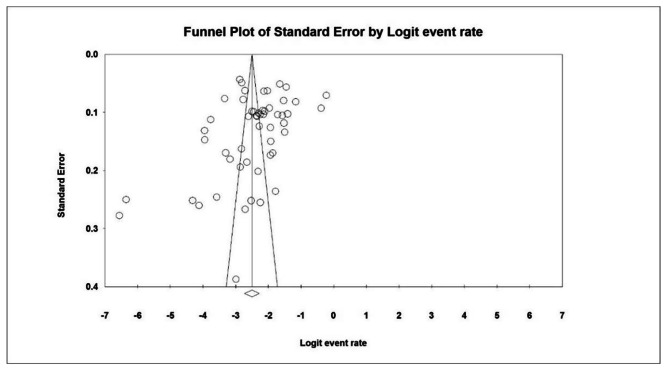
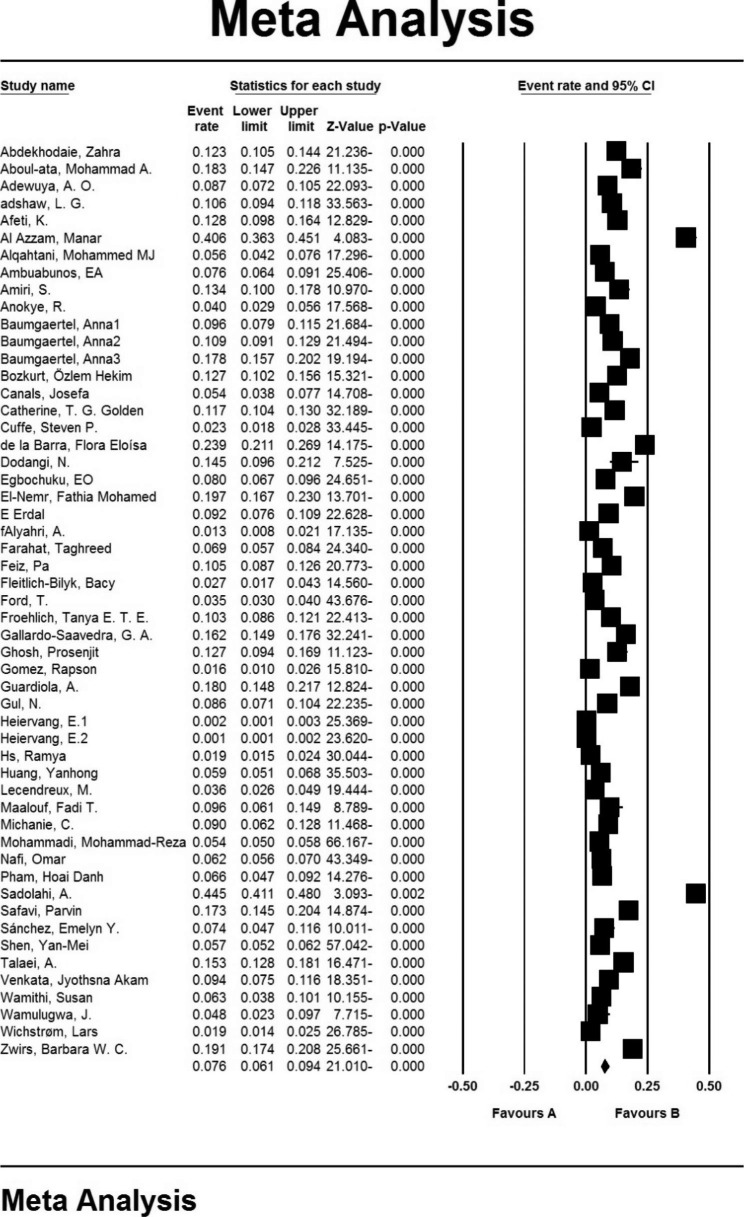
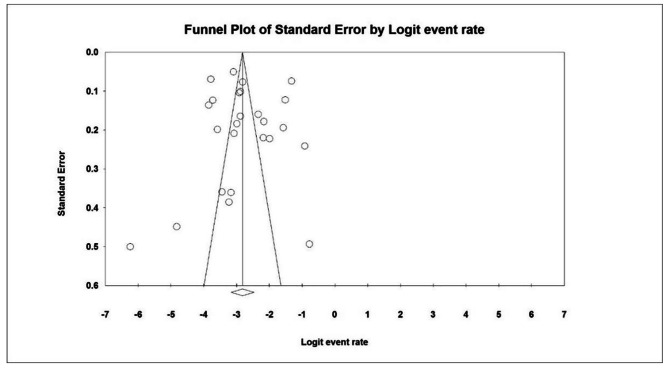
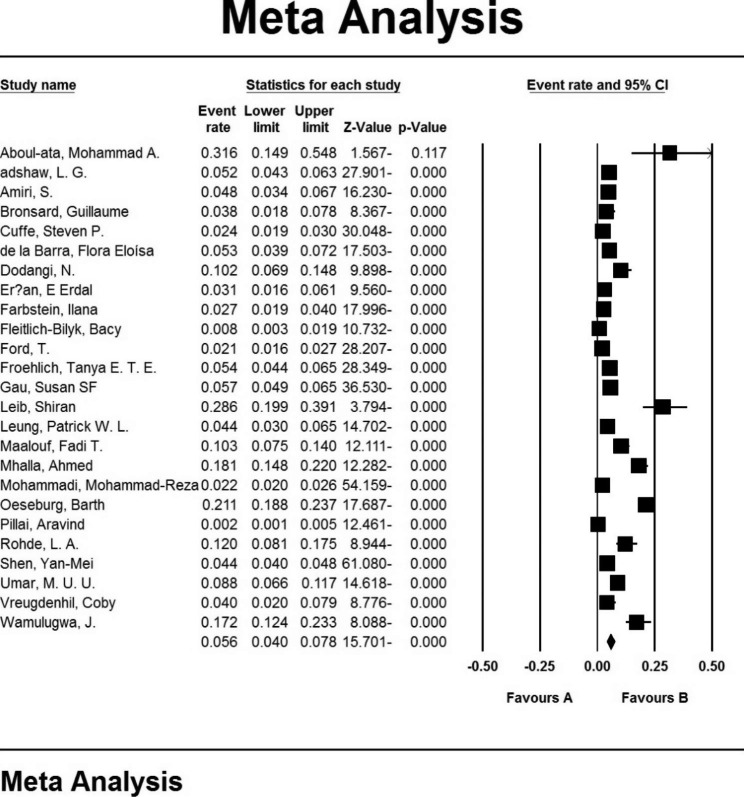
Verification
Claims the paper makes
8 Valid · 4 Not valid · 0 Not checked · 46 Own results and interpretations
At least one cited source doesn’t support this claim or points to a different paper, and none confirmed it — see the verdicts below.
In the paper
“Only one study [76] documented the prevalence of ADHD in teenagers other than children, which is consistent with our findings.”
§ The global prevalence of ADHD in children and adolescents: a systematic review and meta-analysis > Discussion
What the sources say
- Disputedcites [76] Willcutt EG The prevalence of DSM-IV attention-deficit/hyperactivity disorder: a meta-analytic review Neurotherapeutics 2012 9 3 490 9 10.1007/s13311-012-0135-8 22976615 PMC3441936 sourceExperimental — accuracy not yet measured
Table 3 (Developmental Differences; page not available in our copy) reports ADHD prevalence for 13–18-year-olds from six samples, not one study. The Overall ADHD section likewise reports a prevalence estimate for adolescent samples. The citing authors’ statement about their own findings is not part of the attribution being judged. (LLM, conf=0.90)
Checked by a reasoning model — may be wrong.
plain- Asserted: passes — The authors put it forward as true.
- Checkable: passes — It can be checked against evidence.
- Load-bearing: unclear — It is unclear whether the paper’s conclusions depend on it.
- Based: passes — The paper gives a reason why it holds.
- Disputed
The cited sources support only part of this claim — read each source’s verdict below.
In the paper
“In light of these circumstances, the rise in the number of patients diagnosed with ADHD based on DSM-V diagnostic criteria is reasonable [80].”
§ The global prevalence of ADHD in children and adolescents: a systematic review and meta-analysis > Discussion
What the sources say
- Partly supportedcites [80] Epstein JN Loren RE Changes in the definition of ADHD in DSM-5: subtle but important Neuropsychiatry 2013 3 5 455 10.2217/npy.13.59 24644516 PMC3955126 sourceExperimental — accuracy not yet measured
In the main text, Epstein and Loren explain that the more inclusive DSM-5 criteria may increase the number of children meeting diagnostic criteria and that ADHD prevalence rates may increase. This makes a rise plausible, but the paper does not establish that the number of diagnosed patients has risen; it frames the increase as a possibility. (LLM, conf=0.86)
plain- Asserted: passes — The authors put it forward as true.
- Checkable: unclear — It is unclear whether it could be checked against evidence.
- Load-bearing: unclear — It is unclear whether the paper’s conclusions depend on it.
- Based: passes — The paper gives a reason why it holds.
- Partly supported
A result the paper reports from its own data — it cites no other source for it, so there is none to check. The quote shows it is in the paper.
In the paper
“Combined ADHD was 31.4% (95% confidence interval: 24.6.39.1%)”
§ The global prevalence of ADHD in children and adolescents: a systematic review and meta-analysis > General prevalence of hyperactivity in children (under 12 years)
plain- Asserted: passes — The authors put it forward as true.
- Checkable: passes — It can be checked against evidence.
- Load-bearing: unclear — It is unclear whether the paper’s conclusions depend on it.
- Based: passes — The paper gives a reason why it holds.
- Rests on 2 assumptions not shown here.
A result the paper reports from its own data — it cites no other source for it, so there is none to check. The quote shows it is in the paper.
In the paper
“Other criteria used to determine the prevalence of ADHD in children were DSM-IV-TR, DSM-III, DSM-V, DSM-IV, and ICD10, which were: 8.3% (95% confidence interval: 4.9–13.9%); 10.1% (95%confidence interval: 9-11.3%); 11.3% (95% confidence interval: 5.3–22.2%); and 4.4% (95%confidence interval: 2.4–8.2%), respectively (Table 2).”
§ The global prevalence of ADHD in children and adolescents: a systematic review and meta-analysis > General prevalence of hyperactivity in children (under 12 years)
plain- Asserted: passes — The authors put it forward as true.
- Checkable: passes — It can be checked against evidence.
- Load-bearing: unclear — It is unclear whether the paper’s conclusions depend on it.
- Based: passes — The paper gives a reason why it holds.
- Rests on 2 assumptions not shown here.
A result the paper reports from its own data — it cites no other source for it, so there is none to check. The quote shows it is in the paper.
In the paper
“According to the findings, the incidence of ADHD is 7.6% in children aged 3 to 12 years and 5.6% in teenagers aged 12 to 18.”
§ The global prevalence of ADHD in children and adolescents: a systematic review and meta-analysis > Discussion
plain- Asserted: passes — The authors put it forward as true.
- Checkable: passes — It can be checked against evidence.
- Load-bearing: passes — The paper’s conclusions depend on it.
- Based: passes — The paper gives a reason why it holds.
32 more claims
Create a free account to see all 58 claims and every source verdict.
- Probably not a substantial claim. 18
- It may state two separate claims as one. 7
- The quote only partly states this claim. 1
Claims other papers make about this one
Each is checked against this paper’s own text: does it say what the citing paper says it does?
The source backs part of the claim, not all of it — or backs it for a different population, condition or comparison.
In the citing paper
“Differences in ADHD prevalence in different geographical regions40 may be due to differences in study methodologies, including sample size, response rate, information sources from parents or teachers, cultural factors and clinical diagnosis criteria of ADHD.”
From Association between attention-deficit/hyperactivity disorders and intestinal disorders: A systematic review and Meta-analysis (2025) · cites this paper as [40]
Experimental — accuracy not yet measuredThe cited source says what the claim attributes to it.
In the citing paper
“Only one of the studies reviewed in this paper on ADHD in children with CP [13] reported a prevalence rate lower than those for the global prevalence of ADHD in children and adolescents [53].”
From The Mental Health of Children with Cerebral Palsy: A Review of the Last Five Years of Research (2025) · cites this paper as [53]
The cited source says what the claim attributes to it.
In the citing paper
“A 2023 systematic review on the global prevalence of ADHD reported rates of 7.6% in children (between ages 3 and 12 years) and 5.6% in teenagers (between ages 12 and 18 years) [53].”
From The Mental Health of Children with Cerebral Palsy: A Review of the Last Five Years of Research (2025) · cites this paper as [53]
Self-check
Percentages, sums and reported differences re-computed from the paper’s own numbers.
Each contradiction between two passages listed here was confirmed by an independent check.
Rated minor: it would not touch a result — a value no result rests on, a p-value that stays on the same side of the significance level, or a conflict that is clerical, resolved elsewhere in the paper, or outside its own findings.
In the paper
§ The global prevalence of ADHD in children and adolescents: a systematic review and meta-analysis > General prevalence of hyperactivity in children (under 12 years)
“8.3% (95% confidence interval: 4.9–13.9%)”
§ The global prevalence of ADHD in children and adolescents: a systematic review and meta-analysis > General prevalence of hyperactivity in children (under 12 years)
“| DSM-IV TR | 5 | 12,069 | 95.7 | 0.390 | 8.3 (95%CI: 4.9–13.6) |”
Rated minor: it would not touch a result — a value no result rests on, a p-value that stays on the same side of the significance level, or a conflict that is clerical, resolved elsewhere in the paper, or outside its own findings.
In the paper
§ The global prevalence of ADHD in children and adolescents: a systematic review and meta-analysis > Abstract > Results
“5.6% of teenagers aged 12 to 18 years have ADHD (95% confidence interval: 4.8-7%)”
§ The global prevalence of ADHD in children and adolescents: a systematic review and meta-analysis > General prevalence of hyperactivity in adolescents (12–18 years)
“In 25 studies involving teenagers aged 12 to 18, the prevalence of ADHD was determined to be 5.6% (95% confidence interval: 4-7.8%).”
Rated minor: it would not touch a result — a value no result rests on, a p-value that stays on the same side of the significance level, or a conflict that is clerical, resolved elsewhere in the paper, or outside its own findings.
In the paper
§ The global prevalence of ADHD in children and adolescents: a systematic review and meta-analysis > Abstract > Results
“7.6% of 96,907 children aged 3 to 12 years had ADHD”
§ The global prevalence of ADHD in children and adolescents: a systematic review and meta-analysis > General prevalence of hyperactivity in children (under 12 years)
“ADHD prevalence was found to be 7.6% (95% confidence interval: 6.1–9.4%) in 53 studies with a total sample size of 96,904 participants”
Rated minor: it would not touch a result — a value no result rests on, a p-value that stays on the same side of the significance level, or a conflict that is clerical, resolved elsewhere in the paper, or outside its own findings.
In the paper
§ The global prevalence of ADHD in children and adolescents: a systematic review and meta-analysis > Eligibility criteria
“Population: All people under the age of 18 were examined in this study.”
§ The global prevalence of ADHD in children and adolescents: a systematic review and meta-analysis > Results
“| Leib, Shiran [54] | 2020 | Israel | DSM-IV | 13–19 | 84 | 24 |”
Citations
Cites
Preferred Reporting Items for Systematic Reviews and Meta-Analyses: the PRISMA statement
Moher, D., Liberati, A., Tetzlaff, J., Altman, D. G., & for the PRISMA Group (2009) · BMJ · doi:10.1136/bmj.b2535 · Cited by 83,823
Preferred Reporting Items for Systematic Reviews and Meta-Analyses: The PRISMA Statement
Moher, D., Liberati, A., Tetzlaff, J., Altman, D. G., & The PRISMA Group (2009) · PLoS Medicine · doi:10.1371/journal.pmed.1000097 · Cited by 64,042 · cited 2×
“The technique for carrying out the various stages of this study following the criteria of Guideline [16] was created and implemented.”
Wang, G., Ma, R., Qiao, G., Wada, K., Aizawa, Y., & Satoh, T. (2015) · Integrative Medicine International · doi:10.1159/000368408 · Cited by 18,657
The Prevalence of DSM-IV Attention-Deficit/Hyperactivity Disorder: A Meta-Analytic Review
Willcutt, E. G. (2012) · Neurotherapeutics · doi:10.1007/s13311-012-0135-8 · Cited by 2,160 · cited 2×
“Another study indicated that the prevalence of ADHD was lower in adults over the age of 18 than in teenagers [76].”
BackgroundResultThe British Child and Adolescent Mental Health Survey 1999: The Prevalence of DSM-IV Disorders
FORD, T., GOODMAN, R., & MELTZER, H. (2003) · Journal of the American Academy of Child & Adolescent Psychiatry · doi:10.1097/00004583-200310000-00011 · Cited by 1,227 · cited 1×
“[43] 2003 England DSM-IV and ICD-10 5–12”
ADHD in Children and Young People: Prevalence, Care Pathways, and Service Provision
Sayal, K., Prasad, V., Daley, D., Ford, T., & Coghill, D. (2018) · The Lancet Psychiatry · doi:10.1016/s2215-0366(17)30167-0 · Cited by 1,223 · cited 2×
“Even though the prevalence of ADHD in adults is decreasing, it is nevertheless recognized as a risk factor for issues such as academic failure, workplace challenges, and criminality [75].”
BackgroundEriksen, M. B., & Frandsen, T. F. (2018) · Journal of the Medical Library Association · doi:10.5195/jmla.2018.345 · Cited by 1,216
Song, P., Zha, M., Yang, Q., Zhang, Y., Li, X., & Rudan, I. (2021) · Journal of Global Health · doi:10.7189/jogh.11.04009 · Cited by 896
Froehlich, T. E., Lanphear, B. P., Epstein, J. N., Barbaresi, W. J., Katusic, S. K., & Kahn, R. S. (2007) · Archives of Pediatrics & Adolescent Medicine · doi:10.1001/archpedi.161.9.857 · Cited by 794
Gender Differences in Attention-Deficit/Hyperactivity Disorder
Rucklidge, J. J. (2010) · Psychiatric Clinics of North America · doi:10.1016/j.psc.2010.01.006 · Cited by 571 · cited 4×
“As previously mentioned, boys are more likely to manifest ADHD symptoms [6] with three times more likely to receive an ADHD diagnosis than girls [9].”
BackgroundInfluential
Research works printed but not linked: 5
- Kaplan BJ Kaplan and sadock’s synopsis of psychiatry. Behavioral sciences/clinical psychiatry Tijdschrift voor Psychiatrie 2016 58 1 78 9
- Ngan M Tsang B Kwong K Prevalence Risk factors and impact of ADHD on children with recent Onset Epilepsy HK J Paediatr (new series) 2019 24 2 65 9
- Shaabani M Yadegari A Prevalence of attention deficit hyperactivity disorder (ADHD) in elementary school children in Zanjan 2004–2005 J Adv Med Biomedical Res 2005 13 51 42 8
- Bozkurt ÖH Dirik E Üneri ÖŞ Prevalence of ADHD in Northern Cyprus Anadolu Psikiyatri Dergisi 2017 18 5 478
- Mhalla A, Guedria A, Brahem T, Amamou B, Sboui W, Gaddour N et al. ADHD in Tunisian Adolescents: Prevalence and Associated Factors. JOURNAL OF ATTENTION DISORDERS. 2018;22(2, SI):154 – 62. 28381094 · DOI · Paper page
Cited by
Koirala, S., Grimsrud, G. J., Mooney, M. A., Larsen, B., Feczko, E., Elison, J. T., Nelson, S. M., Nigg, J. T., Tervo‐Clemmens, B., & Fair, D. A. (2024) · Nature reviews. Neuroscience · doi:10.1038/s41583-024-00869-z · Cited by 87
“ADHD is estimated to affect 2–7% of children 8,9 , with a higher diagnosis rate in males than in females 10 .”
Al-Wardat, M. S., Etoom, M., Almhdawi, K. A., Hawamdeh, Z. M., & Khader, Y. S. (2024) · BMJ Open · doi:10.1136/bmjopen-2023-078849 · Cited by 82
“11 Additionally, a previous systematic review reported that the global prevalence of persistent adult ADHD from childhood was 2.58%, and the prevalence of symptomatic adult ADHD was 6.76%.”
BackgroundInfluentialLiu, J. J., Borsari, B., Li, Y., Liu, S. X., Gao, Y., Xin, X., Lou, S., Jensen, M., Garrido-Martín, D., Verplaetse, T. L., et al. (2024) · Cell · doi:10.1016/j.cell.2024.11.012 · Cited by 71
Lisco, G., Tullio, A. D., Iovino, M., Disoteo, O., Guastamacchia, E., Giagulli, V. A., & Triggiani, V. (2023) · Biomedicines · doi:10.3390/biomedicines11112993 · Cited by 55
Taylor, J., Hall, R., Langton, T., Fraser, L., & Hewitt, C. E. (2024) · Archives of Disease in Childhood · doi:10.1136/archdischild-2023-326681 · Cited by 51
Canals, J., Morales‐Hidalgo, P., Voltas, N., & Hernández‐Martínez, C. (2024) · Autism Research · doi:10.1002/aur.3146 · Cited by 54
“Recent prevalence studies in children and adolescents estimate rates between 5.5% and 7.6% for ADHD (Canals et al., 2021; Salari et al., 2023) and between 1.5% and 4.3% for autism (Maenner et al., 2023; May et al., 2020; Morales-Hidalgo et al., 2021).”
BackgroundInfluentialAndrikopoulos, D., Vassiliou, G., Fatouros, P., Tsirmpas, C., Pehlivanidis, A., & Papageorgiou, C. (2024) · BMC Psychiatry · doi:10.1186/s12888-024-05987-7 · Cited by 52
“Although extensive research efforts have focused on childhood ADHD, where approximately 8% of children and 6% of adolescents worldwide are affected [6], researchers have only recently started investigating the disorder in adults [7–11], with an estimated global prevalence of 6.76% as reported by a…”
BackgroundInfluentialThe changing prevalence of ADHD? A systematic review
Martin, A. F., Rubin, G. J., Rogers, M. B., Wessely, S. C., Greenberg, N. L., Hall, C. E., Pitt, A., Logan, P. E., Lucas, R., & Brooks, S. K. (2025) · Journal of Affective Disorders · doi:10.1016/j.jad.2025.119427 · Cited by 56
Predescu, E., Văidean, T., Răpciuc, A.-M., & Șipoș, R. (2024) · International Journal of Molecular Sciences · doi:10.3390/ijms25084385 · Cited by 47
“ADHD stands as one of the most prevalent neurodevelopmental disorders, affecting approximately 5–10% of children and adolescents worldwide [1].”
BackgroundWong, K. P., Zhang, B., Lai, C. Y. Y., Xie, Y. J., Li, Y., Li, C., & Qin, J. (2024) · JMIR Serious Games · doi:10.2196/58963 · Cited by 36
“Attention-deficit/hyperactivity disorder (ADHD) is one of the children’s most common neurobehavioral disorders [1], with a global prevalence of 5.3% [2] and a prevalence of 7.6% among children aged 3-12 years [3].”
BackgroundInfluentialLi, L., Coghill, D., Sjölander, A., Yao, H., Zhang, L., Kuja‐Halkola, R., Brikell, I., Lichtenstein, P., D'Onofrio, B. M., Larsson, H., et al. (2025) · JAMA Psychiatry · doi:10.1001/jamapsychiatry.2025.1281 · Cited by 47
Liu, X., Yang, Y., Ye, Z., Wang, F., Zeng, K., Sun, Y., Huang, Y., & Dai, L. (2024) · Journal of Affective Disorders · doi:10.1016/j.jad.2024.08.156 · Cited by 34
Tadesse, A. W., Dachew, B. A., Ayano, G., Betts, K. S., & Alati, R. (2024) · Journal of Psychiatric Research · doi:10.1016/j.jpsychires.2024.01.045 · Cited by 45
Sanchís, J., García-Ponsoda, S., Teruel, M. Á., Trujillo, J. C., & Song, I. (2024) · Heliyon · doi:10.1016/j.heliyon.2024.e26028 · Cited by 32
“Therefore, early diagnosis and treatment can greatly enhance the quality of life of people who suffer this disorder, which is approximately a 7.6% of children, 5.6% of teenagers [2], and 6.76% of adults [3] worldwide.”
BackgroundInfluentialGarcía-Ponsoda, S., Maté, A., & Trujillo, J. C. (2024) · Computers in Biology and Medicine · doi:10.1016/j.compbiomed.2024.109305 · Cited by 36
“Attention-Deficit/Hyperactivity Disorder (ADHD) is a chronic neurodevelopmental disorder that affects approximately 7.6% of children and 5.6% of adolescents globally [1], as well as 6.76% of adults [2].”
BackgroundInfluentialWong, K. P., Qin, J., Xie, Y. J., & Zhang, B. (2023) · JMIR Mental Health · doi:10.2196/51459 · Cited by 56
“Attention-deficit/hyperactivity disorder (ADHD) is one of the most common neurodevelopmental disorders among school-age children [1], with a prevalence of 7.6% [2].”
BackgroundInfluentialADHD and Academic Performance in College Students: A Systematic Review
Pagespetit, È., Pagerols, M., Barrés, N., Prat, R., Martínez, L., Andreu, M., Prat, G., Casas, M., & Bosch, R. (2024) · Journal of Attention Disorders · doi:10.1177/10870547241306554 · Cited by 55
“In adolescents, the prevalence remains between 5% and 6% (Polanczyk et al., 2014; Salari et al., 2023) and in a study of adults conducted across 20 countries, it was estimated at 4.6% (Song et al., 2021).”
InfluentialCapobianco, M., Puzzo, C., Matteo, C. D., da Costa, A. L. C., & Adriani, W. (2025) · Frontiers in Behavioral Neuroscience · doi:10.3389/fnbeh.2024.1441615 · Cited by 41
Wang, M., Yu, J., Kim, H.-D., & Cruz, A. B. (2025) · Psychiatry Research · doi:10.1016/j.psychres.2024.116338 · Cited by 36
Li, Y., & Zhang, L. (2023) · Journal of Attention Disorders · doi:10.1177/10870547231214969 · Cited by 36
Boonchooduang, N., Louthrenoo, O., Likhitweerawong, N., Kunasol, C., Thonusin, C., Sriwichaiin, S., Nawara, W., Chattipakorn, N., & Chattipakorn, S. C. (2025) · Scientific Reports · doi:10.1038/s41598-025-87546-y · Cited by 27
Brain iron concentration in childhood ADHD: A systematic review of neuroimaging studies
Morandini, H. A. E., Watson, P. A., Barbaro, P., & Rao, P. (2024) · Journal of Psychiatric Research · doi:10.1016/j.jpsychires.2024.03.035 · Cited by 22
Zhao, M., Hou, M., Herold, F., Chen, Y., Werneck, A. O., Block, M. E., Kramer, A. F., Taylor, A., Cunha, P. M., Chaput, J., et al. (2024) · Journal of Affective Disorders · doi:10.1016/j.jad.2024.05.086 · Cited by 24
Stasiłowicz-Krzemień, A., Nogalska, W., Maszewska, Z., Maleszka, M., Dobroń, M., Szary, A., Kępa, A., Żarowski, M., Hojan, K., Łukowicz, M., et al. (2024) · International Journal of Molecular Sciences · doi:10.3390/ijms25115749 · Cited by 35
“The prevalence of ADHD in children and adolescents is notably high, with approximately 7.6% of children aged 3 to 12 years and 5.6% of teenagers aged 12 to 18 years [12].”
BackgroundInfluentialClark, C. A., Nakhid, D., Baldwin-Oneill, G., LaPointe, S., MacIsaac-Jones, M. A. C., Raja, S., & McMorris, C. A. (2024) · Journal of Affective Disorders · doi:10.1016/j.jad.2024.05.035 · Cited by 23
Vergunst, F., Prentice, C. M., Orri, M., Berry, H. L., Paquin, V., Vitaro, F., Tremblay, R. E., Côté, S. M., & Geoffroy, M. (2024) · Climatic Change · doi:10.1007/s10584-024-03807-1 · Cited by 34
“Prevalence rates for external - ising disorders are high among school aged children with estimates of 6.6% for ADHD (Salari et al. 2023; Sayal et al. 2018 ), 3.6% for oppositional defiant disorder (Polanczyk et al. 2015), and 3.0% for conduct problems (Ayano et al. 2024).”
InfluentialLiu, J., Jiang, Z., Li, F., Zheng, Y., Cui, Y., Xu, H., & Li, Y. (2025) · Annals of General Psychiatry · doi:10.1186/s12991-025-00558-w · Cited by 28
“A recent meta-analysis revealed that 7.6% of children between 3 and 12 years of age were diagnosed with ADHD, while 5.6% of teenagers aged 12 to 18 years had the disorder [44].”
InfluentialElzohairy, N. W., Elzlbany, G. A.-E. M., Elsaeed, B. I. K., El‐Monshed, A. H., & Atta, M. H. R. (2024) · Archives of Psychiatric Nursing · doi:10.1016/j.apnu.2024.10.001 · Cited by 33
Zhi, J., Zhang, S., Huang, M., Qin, H., He, X., Chang, Q., & Wang, Y. (2024) · Frontiers in Neuroscience · doi:10.3389/fnins.2024.1494272 · Cited by 23
Zhao, C., Xu, Y., Li, R., Li, H., & Zhang, M. (2025) · Frontiers in Artificial Intelligence · doi:10.3389/frai.2025.1624485 · Cited by 26
“Globally, ADHD affects approximately 5.9% of children and adolescents, with a significant proportion persisting into adulthood, where prevalence rates range from 2.5–2.8% (Faraone et al., 2021; Salari et al., 2023).”
InfluentialTam, L. Y. C., Taechameekietichai, Y., & Allen, J. L. (2024) · European Child & Adolescent Psychiatry · doi:10.1007/s00787-024-02590-9 · Cited by 35
Jackson, E. F., Riley, T. B., & Overton, P. G. (2025) · Journal of Neurodevelopmental Disorders · doi:10.1186/s11689-025-09610-y · Cited by 24
“Attention Deficit Hyperactivity Disorder (ADHD) is one of the most common neurodevelopmental disorders, affecting an estimated 4-7.6% of children and adolescents worldwide [1–4].”
InfluentialDimitri, D., Delia, G., Cavallo, F., Varini, M., & Fioretto, F. (2025) · Frontiers in Child and Adolescent Psychiatry · doi:10.3389/frcha.2025.1582502 · Cited by 24
Deshmukh, M. P., Khemchandani, M., & Thakur, P. M. (2024) · Applied Neuropsychology Adult · doi:10.1080/23279095.2024.2368655 · Cited by 16
“ADHD affects around 5% of children globally (Salari et al., 2023).”
Ast, H. K., Hammer, M., Zhang, S., Bruton, A. M., Hatsu, I. E., Leung, B. M. Y., McClure, R., Srikanth, P., Farris, Y., Norby-Adams, L., et al. (2025) · Gut Microbes · doi:10.1080/19490976.2025.2463570 · Cited by 17
Bhatnagar, S., Mitelpunkt, A., Rizzo, J. J., Zhang, N., Guzman, T., Schuetter, R., Vargus‐Adams, J. N., Bailes, A. F., Greve, K. R., Gerstle, M., et al. (2024) · JAMA Network Open · doi:10.1001/jamanetworkopen.2024.22202 · Cited by 23
Exploring the Intersection of ADHD and Music: A Systematic Review
Saville, P., Kinney, C., Heiderscheit, A., & Himmerich, H. (2025) · Behavioral Sciences · doi:10.3390/bs15010065 · Cited by 22
Sun, J.-L., Chaw, X.-J., Fresnoza, S. M., & Kuo, H.-I. (2025) · Journal of NeuroEngineering and Rehabilitation · doi:10.1186/s12984-025-01671-3 · Cited by 19
Ward, C. L., Childress, A. C., Jin, N., Turkoglu, O., Skubiak, T., & Wilens, T. E. (2025) · Journal of the American Academy of Child & Adolescent Psychiatry · doi:10.1016/j.jaac.2025.06.023 · Cited by 17
Huang, C., Pan, S., Chin, W., Hsu, J., & Guo, Y. L. (2023) · Ecotoxicology and Environmental Safety · doi:10.1016/j.ecoenv.2023.115714 · Cited by 14
Yegencik, B., Bell, B. T., & Deniz, E. (2025) · Frontiers in Psychology · doi:10.3389/fpsyg.2025.1611145 · Cited by 32
Wilens, T. E., Stone, M., Lanni, S. R., Berger, A. F., Wilson, R. L. H., Lydston, M., & Surman, C. B. H. (2024) · Journal of Attention Disorders · doi:10.1177/10870547231218925 · Cited by 16
“A 2023 review and meta-analysis found that ADHD affects 7.6% of children aged 3 to 12 years and 5.6% of adolescents aged 12 to 18 years (Salari et al., 2023).”
BackgroundInfluentialSusmarini, D., Ninh, D. T., & Shin, H. (2024) · Child Health Nursing Research · doi:10.4094/chnr.2024.003 · Cited by 17
D’Anna, C., Carlevaro, F., Magno, F., Vagnetti, R., Limone, P., & Magistro, D. (2024) · Children · doi:10.3390/children11070757 · Cited by 21
“The worldwide prevalence of ADHD has been estimated at 5% [21], but more recent studies indicate that this has increased to 7.6% in children aged 3 to 12 years and 5.6% in teenagers aged 12 to 18 years [22], with a persistence in adults ranging from 2.58% to 6.76% [23].”
BackgroundInfluentialPsychiatric Disease as a Potential Risk Factor for Dementia: A Narrative Review
Hedges, D. W., Chase, M., Farrer, T. J., & Gale, S. D. (2024) · Brain Sciences · doi:10.3390/brainsci14070722 · Cited by 15
“In adolescents between the ages of 12 and 18 years, the prevalence is 5.6 percent [81].”
BackgroundInfluentialParental ADHD knowledge and medical visit status of school-aged children in Shanghai
Ma, X., Lin, Y., Yan, W., Jin, Z., & Zhang, Y. (2024) · Child and Adolescent Psychiatry and Mental Health · doi:10.1186/s13034-024-00780-6 · Cited by 16
“The global prevalence of ADHD is 7.6% in children [6].”
BackgroundInfluentialAssessment of executive functions using a 3D-video game in children and adolescents with ADHD
Takahashi, N., Ono, T., Omori, Y., Iizumi, M., Kato, H., Kasuno, S., Persing, B., & Tsuchiya, K. J. (2024) · Frontiers in Psychiatry · doi:10.3389/fpsyt.2024.1407703 · Cited by 13
Berchio, C., Kumar, S. S., Narzisi, A., & Fabbri‐Destro, M. (2025) · Psychophysiology · doi:10.1111/psyp.14762 · Cited by 16
Westman, E., Prami, T., Kallio, A., Iso‐Mustajärvi, I., Jukka, J., Raittinen, P. V. H., Korhonen, M. J., Puustjärvi, A., & Leppämäki, S. (2025) · Brain and Behavior · doi:10.1002/brb3.70253 · Cited by 18
Efficacy and Safety of Centanafadine for ADHD Treatment in Children: A Randomized Clinical Trial
Ward, C. L., Wilens, T. E., Jin, N., Turkoglu, O., Skubiak, T., & Childress, A. C. (2025) · Pediatrics Open Science · doi:10.1542/pedsos.2024-000349 · Cited by 14
Subclinical attention-deficit hyperactivity disorder symptoms and unhealthy lifestyle behaviours
Gostoli, S., Raimondi, G., Gremigni, P., & Rafanelli, C. (2024) · BJPsych Open · doi:10.1192/bjo.2024.785 · Cited by 13
“…The mentioned individual factors characterise attention-deficit hyperactivity disorder (ADHD), 9 which affects 12.5% of adolescents between 12 and 18 years old, 10 whereas a more heterogeneous prevalence of subclinical ADHD, ranging from 0.8 to 23.1% among children and adolescents, has been found.”
BackgroundInfluentialLiu, Q., Liao, W., Yang, L., Cao, L., Liu, N., Gu, Y., Wang, S., Xu, X., & Wang, H. (2024) · BMC Psychiatry · doi:10.1186/s12888-024-06350-6 · Cited by 12
Zaheer, A., & Akhtar, A. (2025) · Child Neuropsychology · doi:10.1080/09297049.2025.2468411 · Cited by 19
Gudka, R., McGlynn, E., Lister, K., Shaw, N., Pitchforth, E., Mughal, F., French, B., Ward, J. H., Newlove‐Delgado, T., & Price, A. (2025) · European Child & Adolescent Psychiatry · doi:10.1007/s00787-025-02676-y · Cited by 22
“Attention deficit hyperactivity disorder (ADHD) is a com - mon neurodevelopmental condition characterised by inattention, disorganisation and/or hyperactivity and impul - sivity, affecting 2–7% of children and adolescents, and 3% adults, worldwide [1 – 4].”
Pouchon, A., Nasserdine, R., Dondé, C., Bertrand, A., Polosan, M., & Bioulac, S. (2023) · Expert Opinion on Pharmacotherapy · doi:10.1080/14656566.2023.2224920 · Cited by 12
“S [1]), Attention-Deficit /Hyperactivity Disorder (ADHD) is a common neurodevelopmental disorder in young people [2,3].”
BackgroundChen, W., Rector, A. M., Guxens, M., Íñiguez, C., Swartz, M. D., Symanski, E., Ibarluzea, J. M., Valentín, A., Lertxundi, A., González, L., et al. (2023) · The Science of The Total Environment · doi:10.1016/j.scitotenv.2023.168806 · Cited by 16
Ng, R. W. Y., Chen, Z., Yang, L., Wong, O. W. H., Leung, A. S. Y., Tsui, K. W., Kwok, N. M. W., Tang, L. H. Y., Cheung, P. M. H., Chan, P. K. S., et al. (2025) · Scientific Reports · doi:10.1038/s41598-025-04303-x · Cited by 13
Xu, C., Gu, Z., Yan, J., Lock, M., Chen, S., & Zhuang, Q. (2025) · Psychology Research and Behavior Management · doi:10.2147/prbm.s491731 · Cited by 10
Dahò, M., & Caci, B. (2025) · BMC Psychology · doi:10.1186/s40359-025-03729-2 · Cited by 17
Ergül, B., & Alan, B. E. (2024) · Early Intervention in Psychiatry · doi:10.1111/eip.13535 · Cited by 10
“This is consistent with the knowledge that hyperactivity becomes less evident with age (Salari et al., 2023).”
Reed, C., Cortese, S., Golm, D., & Brandt, V. C. (2024) · Journal of the American Academy of Child & Adolescent Psychiatry · doi:10.1016/j.jaac.2024.09.009 · Cited by 12
Exploring concept creep: Youth’s portrayal of ADHD on TikTok
de Vries, W., Batstra, L., & van Assen, A. (2025) · SSM - Mental Health · doi:10.1016/j.ssmmh.2025.100489 · Cited by 16
Panpetch, J., Kiatrungrit, K., Tuntipopipat, S., Tangphatsornruang, S., Mhuantong, W., & Chongviriyaphan, N. (2024) · Journal of Personalized Medicine · doi:10.3390/jpm14070739 · Cited by 9
“A recent meta-analysis study revealed the estimated data of worldwide ADHD prevalence among school-aged children, with a rate of approximately 7.6% [2].”
BackgroundInfluentialRibeiro, T. C., Pagès, E. G., Huguet, A., Alda, J. A., Badiella, L., & Aguiló, J. (2024) · Frontiers in Psychiatry · doi:10.3389/fpsyt.2024.1430797 · Cited by 15
“Estimates suggest a global prevalence of ADHD of 7.6% in children aged 3 to 12 years, being more common in boys, and frequently associated with other psychiatric and medical conditions (2, 3).”
InfluentialTrezzi, S., Scaccabarozzi, G., Nossa, R., Piazza, C., Bianchi, A. R., Rosi, E., Tizzoni, F., Mauri, M., Camillo, L., Baragetti, A., et al. (2024) · Clinical Nutrition ESPEN · doi:10.1016/j.clnesp.2024.12.016 · Cited by 10
Hussein, R. A., Refai, R. H., El-Zoka, A. H., Azouz, H. G., & Hussein, M. F. (2025) · The Italian Journal of Pediatrics/Italian journal of pediatrics · doi:10.1186/s13052-025-01843-w · Cited by 15
“A meta-analysis study in 2023 reported that the world-wide prevalence of ADHD in children aged 3 to 12 years was 7.6% and in teenagers aged 12 to 18 years was 5.6% [3].”
InfluentialLiu, Y., Zhang, P., & Sun, H. (2025) · Frontiers in Psychiatry · doi:10.3389/fpsyt.2025.1588135 · Cited by 18
“The latest meta-analysis of global ADHD prevalence in 2023 showed that 7.6% of children between 3 and 12 years and 5.6% of adolescents aged 12 to 18 years were diagnosed with ADHD (12).”
InfluentialKates, M. S., & LaFreniere, L. S. (2025) · Education Sciences · doi:10.3390/educsci15091225 · Cited by 21
El‐Saied, M. M., Afify, O. G. E., Raouf, E. R. A., Oraby, A., Hashish, A. F., & Zeidan, H. M. (2024) · International Journal of Developmental Neuroscience · doi:10.1002/jdn.10332 · Cited by 10
“The estimated global pooled prevalence of ADHD in children aged 3 to 12 years old is 7.6% (Salari et al., 2023).”
InfluentialCullenward, J., Curtin, M., & dos Santos, V. (2024) · BMJ Open · doi:10.1136/bmjopen-2023-083464 · Cited by 9
“21 Cerebral palsy is the most common cause of paediatric motor disability.”
BackgroundThe Mental Health of Children with Cerebral Palsy: A Review of the Last Five Years of Research
Rausch, R., Chahin, S., Miller, C., Dopheide, L., Bovio, N., Harris, A., & Patel, D. (2025) · Journal of Clinical Medicine · doi:10.3390/jcm14124364 · Cited by 8
“Only one of the studies reviewed in this paper on ADHD in children with CP [13] reported a prevalence rate lower than those for the global prevalence of ADHD in children and adolescents [53].”
InfluentialSilvester, S.-J. E., & Rankine, R. (2024) · Journal of Psychologists and Counsellors in Schools · doi:10.1177/20556365241267050 · Cited by 12
“Moreover, given the statistically significant prevalence of attention deficit/hyperactivity disorder (ADHD) in the population (Salari et al., 2023), this paper primarily focuses on ADHD and autistic students, illustrating the potential for broader applicability in supporting the wellbeing of other…”
Dalnoki, L., Hurks, P. P. M., Gubbels, J. S., Eussen, S. J. P. M., Mommers, M., & Thijs, C. T. (2024) · Journal of Attention Disorders · doi:10.1177/10870547241293946 · Cited by 9
Ignatova, E., Balasubramanian, P., Raney, J. H., Ganson, K. T., Testa, A. M., He, J., Baker, F. C., & Nagata, J. M. (2024) · Journal of Adolescent Health · doi:10.1016/j.jadohealth.2024.10.015 · Cited by 11
Kaur, S., Canals, J., Morales‐Hidalgo, P., Alda, J. A., & Arija, V. (2025) · Journal of Attention Disorders · doi:10.1177/10870547251315276 · Cited by 8
“The estimated prevalence worldwide has increased in recent years, ranging from 3.6% and 7.6%, while the estimated prevalence in the province of Tarragona, Spain, stands at 5.5% (Canals Sans et al., 2021; Salari et al., 2023).”
InfluentialNew frontiers in pharmacological treatment of attention-deficit hyperactivity disorder
Noah, A. A., & Sedky, H. E. (2025) · Naunyn-Schmiedeberg s Archives of Pharmacology · doi:10.1007/s00210-025-04328-z · Cited by 14
“The overall prevalence of ADHD in children and adolescents is 7.6%, with different rates for subtypes: 33.2% for the attention subtype, 30.3% for the hyperactive-impulsive subtype, and 31.4% for the combined subtype (Salari et al. 2023).”
InfluentialSmythe, L., Asan, L., Nicholson, T. R., Happe, F. G. E., & Edwards, M. J. (2025) · Journal of Neurology · doi:10.1007/s00415-025-13385-6 · Cited by 12
“A key finding was that nearly half of adults and 63% of children with FND + Autism had ADHD, compared to estimates rates in the general population of 7.6% in children, 5.6% in adolescents [43] and 3.1% in adults [44].”
InfluentialDahò, M., & Caci, B. (2025) · Healthcare · doi:10.3390/healthcare13233171 · Cited by 16
García‐Hermoso, A., Ezzatvar, Y., Izquierdo, M., & López‐Gil, J. F. (2024) · Psychiatry Research · doi:10.1016/j.psychres.2024.115770 · Cited by 12
Bergey, M. R. (2024) · Sociology Compass · doi:10.1111/soc4.13257 · Cited by 10
Kopańska, M., & Trojniak, J. (2025) · Cells · doi:10.3390/cells14171339 · Cited by 12
“Preeclampsia during pregnancy [10,21]”
InfluentialLi, F., Yanan, L., Bing, G., Li, Q., Aishu, L., Liu, X., Qian, W., & Qianlong, Z. (2025) · Psychoneuroendocrinology · doi:10.1016/j.psyneuen.2025.107605 · Cited by 10
Kercher, A., Beattie, S., Donkin, L., & Shepherd, D. (2024) · Australian and New Zealand Journal of Public Health · doi:10.1016/j.anzjph.2023.100120 · Cited by 7
Esposito, D., Bernardi, K., Belli, A., Gasparri, V., Romano, S., Terenzi, L., Zanatta, M. E., Iannotti, S., & Ferrara, M. (2024) · Behavioral Sciences · doi:10.3390/bs14030211 · Cited by 8
“On the other hand, ADHD is one of the most frequent neurodevelopmental disorders in children and adolescents, with a prevalence of 7.6% of 96,907 children aged 3 to 12 and 5.6% of teenagers [21,22].”
BackgroundInfluentialAttention deficit hyperactivity disorder in adults
Chutko, L. S., Surushkina, S. Y., Yakovenko, E. A., & Cherednichenko, D. V. (2024) · S S Korsakov Journal of Neurology and Psychiatry · doi:10.17116/jnevro202412402197 · Cited by 8
Aggressiveness in Italian Children with ADHD: MAOA Gene Polymorphism Involvement
Neri, L., Marziani, B., Sebastiani, P., Beato, T. D., Colanardi, A., Legge, M. P., & Aureli, A. (2024) · Diseases · doi:10.3390/diseases12040070 · Cited by 7
“The global prevalence of ADHD in children and adolescents is 7.6% in children aged 3 to 12 years and 5.6% in teenagers aged 12 to 18 [3], while, in Italy, it is estimated to be between 1.1% and 3.1% in individuals aged 5–17 years [4].”
BackgroundInfluentialRodríguez-Armendariz, E., Vela-Romero, M., & Galiana, A. (2024) · NeuroSci · doi:10.3390/neurosci5030027 · Cited by 15
“Given the high rates and impact of this condition on personal and academic life [51], researchers have sought to explore whether sensory processing might play a role in ADHD difficulties.”
BackgroundAlves, C. L., Martinelli, T., Sallum, L. F., Rodrigues, F. A., Toutain, T. G. L. D. O., Porto, J. A. M., Thielemann, C., Aguiar, P. D. C., & Moeckel, M. (2024) · PLoS ONE · doi:10.1371/journal.pone.0305630 · Cited by 13
“Despite extensive research, the prevalence of ADHD remains elusive [13], and diagnosis primarily relies on the assessment of behavioral symptoms [11].”
Güzel, Y., & Öztürk, M. (2024) · Journal of Pediatric Nursing · doi:10.1016/j.pedn.2024.12.019 · Cited by 8
Alzahrani, R., & El-Fatah, N. K. A. (2023) · Cureus · doi:10.7759/cureus.40057 · Cited by 8
Advancing ADHD education: autonomy, technology, and inclusive strategies
Gkora, V. (2024) · GSC Advanced Research and Reviews · doi:10.30574/gscarr.2024.18.3.0084 · Cited by 14
“ADHD stands as a prevalent neurodevelopmental disorder, impacting approximately 7.6% of children between the ages of 3 to 12 and 5.6% of adolescents from 12 to 18 years worldwide [1].”
BackgroundInfluentialCui, Z., Liang, A., Huang, H., & Ni, X. (2024) · Neuropsychiatric Disease and Treatment · doi:10.2147/ndt.s486656 · Cited by 6
“The purpose of this study was to investigate the cerebral activity of children with ADHD aged 4–9 during the period of rapid executive function development when performing an executive function task.”
Walter, N. M., Ohki, C. M. Y., Ruhstaller, S., Campana, L. D., Campos, J. M. S., Smigielski, L., Rubio, B., Walitza, S., & Grünblatt, E. (2025) · Journal of Psychiatric Research · doi:10.1016/j.jpsychires.2025.02.035 · Cited by 6
Davidsson, M., Oldmark, M. H., Hagberg, B. S., Gillberg, C., & Billstedt, E. (2025) · Journal of Child and Family Studies · doi:10.1007/s10826-025-03042-x · Cited by 16
“…(ASD) are two of the most common neurodevelopmental disorders (NDD), prevalence rates during childhood are estimated at about 5 – 7% for ADHD (Salari et al., 2023) and 1 - 1,5% for ASD (Atladottir et al., 2015; Zeidan et al., 2022), and are associated with vast personal, social, and academic…”
Byun, J., Joung, C., Lee, Y., Lee, S., & Won, W. (2025) · CHI Conference Extended Abstracts on Human Factors in Computing Systems (CHI EA) · doi:10.1145/3706599.3720300 · Cited by 10
Xiao, T., Yang, Q., Chen, L., Xie, J., Zhong, H., Zhang, G., He, H., & Liu, H. (2025) · AAPS PharmSciTech · doi:10.1208/s12249-025-03111-w · Cited by 6
“The global prevalence of ADHD is estimated to be 7.6% among children aged 3–12 years and 5.6% among adolescents aged 12–18 years [4, 5].”
InfluentialMikami, K., Miyajima, T., Nishino, R., Kawazoe, N., Kinoshita, Y., Okada, T., & Fukuju, H. (2025) · Psychiatry and Clinical Neurosciences · doi:10.1111/pcn.13833 · Cited by 7
“One ADE (vomiting) was reported in the TAU/SDT-001 group (2.0% [1/51]), which was mild and recovered/resolved (Table 3).”
InfluentialZheng, J., Chen, J., Zhang, Q., Ying, L., Huang, H., Yang, H. J., & Chen, Z. (2025) · npj Primary Care Respiratory Medicine · doi:10.1038/s41533-025-00440-y · Cited by 6
“Given the high prevalence of both asthma and ASD/ADHD and absence of relevant meta-analysis, we conducted this meta-analysis to assess the association between maternal asthma and the risk of ASD/ADHD in offspring 8,9 .”
Zhang, M., Ma, C., Liu, Y., Ma, X., Liu, T., Jia, F., & Du, L. (2025) · Journal of Psychiatry and Neuroscience · doi:10.1503/jpn.250032 · Cited by 8
Nárai, Á., Hermann, P., Rádosi, A., Vakli, P., Weiss, B., Réthelyi, J., Bunford, N., & Vidnyánszky, Z. (2024) · Research on Child and Adolescent Psychopathology · doi:10.1007/s10802-024-01190-0 · Cited by 14
“Worldwide, ADHD is diagnosed in ~ 5–9% of children and adolescents – hundreds of millions of youth (Danielson et al., 2018 ; Salari et al., 2023 ; Thomas et al., 2015 ) and ADHD-associated annual costs amount to hun - dreds of billions of dollars (Sciberras et al., 2022 ).”
Background
Metadata
- Authors
- Salari, N., Ghasemi, H., Abdoli, N., Rahmani, A., Shiri, M. H., Hashemian, A. H., Akbari, H., & Mohammadi, M.
- Affiliations
- Kermanshah University of Medical Sciences (IR)
- Charité – Universitätsmedizin Berlin (DE)
- Gerash University of Medical Sciences (IR)
- Corresponding author
- Mohammadi, Masoud
- ORCID
- Venue
- Italian Journal of Pediatrics
- Published
- 2023-04-20
- Volume
- 49
- Issue
- 1
- Pages
- 48-48
- ISSN
- 1720-8424 (ISSN-L)
- 1824-7288
- PMC
- PMC10120242
- OpenAlex
- W4366549485
- Semantic Scholar
- a02f21e3d4b5045277abaabdcbf6d65b99b30ab3
- Cited by
- 670
- References
- 82
- Citations by year
- 2026: 241 · 2025: 244 · 2024: 155 · 2023: 29
- FWCI
- 30.65
- Type
- journal article
- Language
- en
- Open access
- gold
- doi.org
- Licence
- cc-by
- creativecommons.org/licenses/by/4.0 (tdm)
- creativecommons.org/licenses/by/4.0 (vor)
- Locations
- The Italian Journal of Pediatrics/Italian journal of pediatrics (publishedVersion, cc-by)
- PubMed Central (publishedVersion, cc-by)
- PubMed (publishedVersion)
- DOAJ (DOAJ: Directory of Open Access Journals) (submittedVersion, cc-by-sa)
- Funders
- Deputy for Research and Technology, Kermanshah University of Medical Sciences (3011572)
- Topics
- Health Sciences › Medicine › Psychiatry and Mental health › Attention Deficit Hyperactivity Disorder
- Social Sciences › Psychology › Clinical Psychology › Child and Adolescent Psychosocial and Emotional Development
- Social Sciences › Psychology › Neuropsychology and Physiological Psychology › Developmental and Educational Neuropsychology
- Keywords
- attention deficit hyperactivity disorder, ADHD prevalence, children, adolescents, DSM-5 diagnostic criteria, hyperactivity, impulsivity, attention deficits
- MeSH terms
- Adolescent, Attention Deficit Disorder with Hyperactivity, Child, Cross-Sectional Studies, Humans, Bibliometrics, Prevalence, Databases, Factual
About these checks
Registry, retraction, Cites and statistics results are computed, not judged, with one exception: a printed reference that no index lists is read once by a model before it counts as a citation error. Claims are extracted by a model and kept only when their quote appears verbatim in the text; each cited source is then checked, with a model’s help, for whether it says what the claim relies on. Those verdicts can be wrong — read the claim’s quote and the cited source before relying on one.
The claim verdicts this report counts are experimental: their accuracy is not yet measured.
A language model drew the claims from the paper on 2026-10-23, under version 3 of the claim definition (model deepseek-v4.1-flash, prompt extract-v3).
A second model labelled each claim on 2026-10-23 (model jev-1.13-20260917, definition revision gold-guideline-v0.2).
Cited sources are checked with a language model’s help (gpt-6-sol).
Statistics and arithmetic are recomputed, not judged.
Confidence bands are shown only for fields calibrated on our annotated test set. None is calibrated yet, so no band is shown.
What counts as a claim ›How we measure confidence ›How we check this ›
Are you an author, or do you see a problem with this page? Request a review
Data sources
Bibliographic data: Semantic Scholar, OpenAlex, Crossref.
Contains information from the Semantic Scholar Academic Graph Datasets, made available under the ODC Attribution License (ODC-BY 1.0).
Semantic Scholar’s data is described in: Kinney, R., et al. (2023). The Semantic Scholar Open Data Platform. arXiv:2301.10140.
