

The global prevalence of ADHD in children and adolescents: a systematic review and meta-analysis
Open accessThe DOI matches its Crossref record; 81 of the 82 references it cites were found in a registry or an index; 12 of the 12 sources its claims cite were checked for support.
Abstract
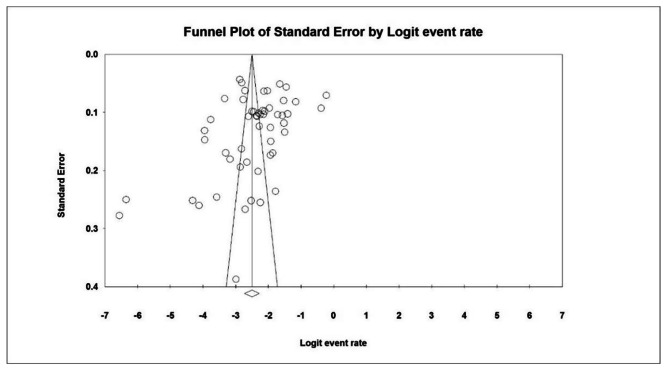
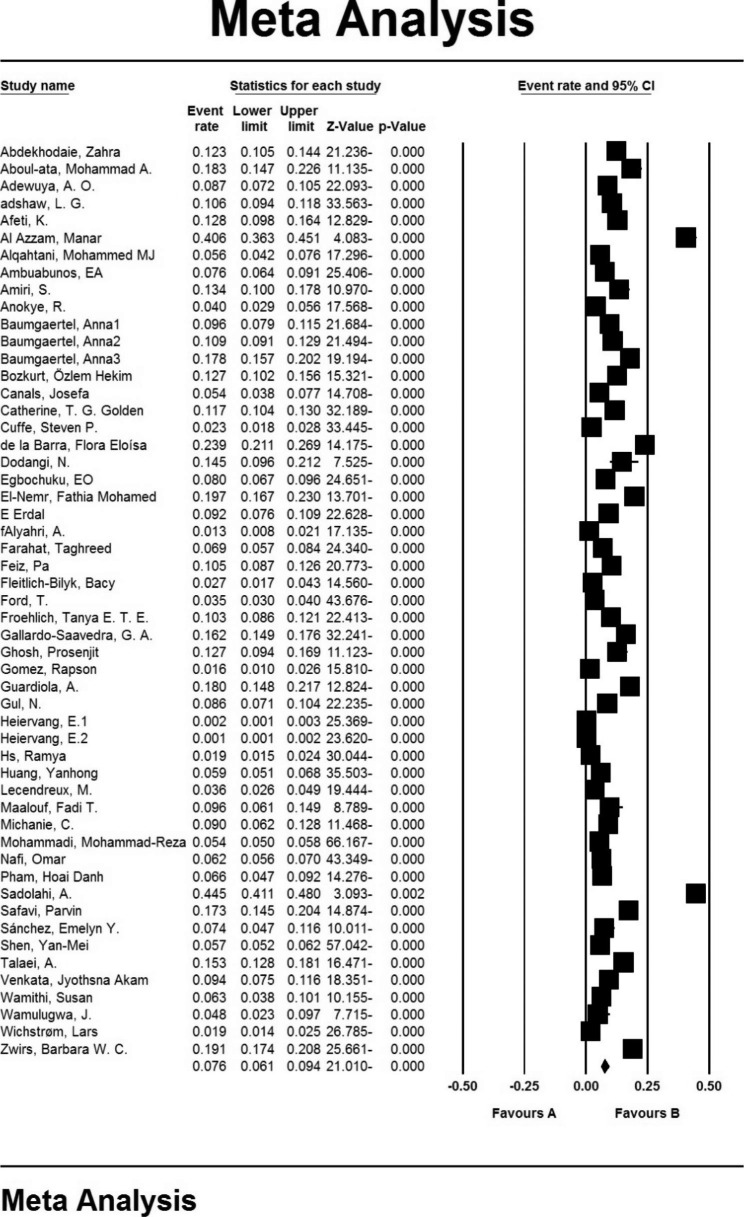
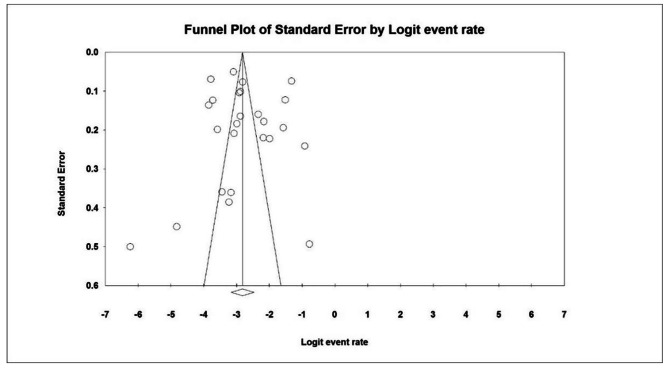
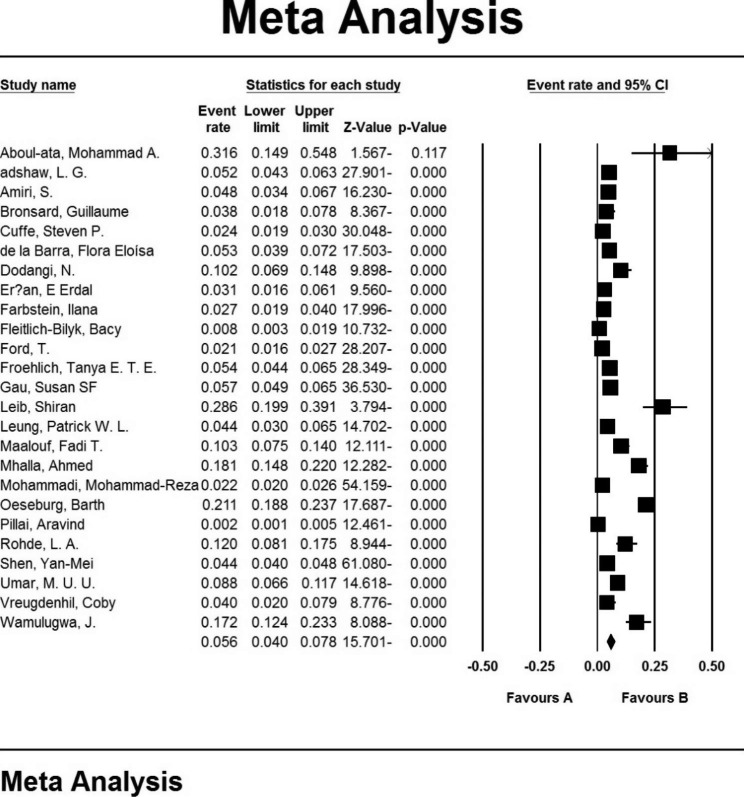
Background: Attention-Deficit / Hyperactivity Disorder is a developmental neurological disorder that has three basic characteristics: Attention Deficit, Hyperactivity, and impulsivity. This study aimed to investigate the prevalence of ADHD in children and adolescents. Methods: This investigation was carried out using the meta-analysis method under PRISMA guidelines. Until October 2020, the articles were gathered by scanning PubMed, Scopus, WOS, and Science Direct databases. The second version of Comprehensive Meta-Analysis software was used to run analyses after extracting data from chosen papers. At a significance level of 0.05, the I 2 test was used to analyze study heterogeneity, and the Egger test was used to assess publication bias. Results: This analysis includes 61 cross-sectional research, with 53 research used to determine the prevalence of ADHD in children, 7.6% of 96,907 children aged 3 to 12 years had ADHD (95% confidence interval: 6.1–9.4%), and 5.6% of teenagers aged 12 to 18 years have ADHD (95% confidence interval: 4.8-7%). The prevalence of ADHD in children and adolescents according to the DSM-V criterion is also higher than previous diagnostic criteria, according to studies. Conclusion: The findings of this study based on meta-analysis show the high prevalence of attention deficit hyperactivity disorder (ADHD). The findings of this study demonstrate the importance of management and policy in the treatment and control of ADHD in children and adolescents.
Overview
CoChat Summary
TL;DR
This systematic review and meta-analysis of 61 cross-sectional studies estimated the global prevalence of ADHD in children and adolescents, finding higher prevalence in children under 12 than in adolescents 12–18. Prevalence varied by diagnostic criteria, with DSM-V yielding higher estimates than DSM-IV or ICD-10-based criteria.
Key findings
- Among 53 studies of children under 12, ADHD prevalence was 7.6% (95% CI 6.1–9.4%); the abstract reports a sample of 96,907 children, while the results text reports 96,904.
- Among 25 studies of adolescents aged 12–18, ADHD prevalence was 5.6%; the abstract reports 95% CI 4.8–7%, while the results text reports 95% CI 4–7.8%.
- By diagnostic criteria in children under 12: DSM-IV 7.7% (95% CI 6–9.9), DSM-IV-TR 8.3% (95% CI 4.9–13.6), DSM-III 10.1% (95% CI 9–11.3), DSM-IV plus ICD-10 4.4% (95% CI 2.4–8.2), and DSM-V 11.3% (95% CI 5.3–22.2).
- By subtype, children under 12 had inattentive 33.2% (95% CI 27.6–39.3), hyperactive-impulsive 30.3% (95% CI 23.8–37.7), and combined 31.4% (95% CI 24.6–39.1); adolescents had inattentive 37.3% (95% CI 30–45.4), hyperactive-impulsive 23.1% (95% CI 13.2–38.2), and combined 31.1% (95% CI 15.6–42.3).
Methods
- Systematic review and meta-analysis following PRISMA, searching PubMed, Scopus, WOS, and Science Direct for articles published up to October 2020; 61 cross-sectional studies were included after screening and full-text review.
- Eligibility focused on people under 18, with ADHD prevalence assessed by DSM-V, DSM-IV, DSM-IV-TR, and ICD-10 criteria; observational cross-sectional studies were included, and interventional or other observational designs were excluded.
- Data were analyzed in Comprehensive Meta-Analysis software version 2 using a random-effects model; heterogeneity was assessed with I², and publication bias with Egger’s test and funnel plots.
Limitations
- The paper states high heterogeneity of studies in terms of age group, and that studies reporting combined child and adolescent prevalence were removed because the aim was to measure children and adolescents separately.
- The paper states that only cross-sectional papers were included, so participants could not be followed over time and symptoms could not be measured longitudinally.
- Evident from the text: heterogeneity was very high (I² = 98.6 for children under 12 and 97.8 for adolescents), and although studies scoring below 16 on STROBE were considered at high risk of bias, none were omitted from the analysis.
Model-written summary. Check it against the paper before relying on it.
Integrity signals
Registry
Cites
Statistics
Figures
Verification
Claims the paper makes
8 Valid · 4 Not valid · 0 Not checked · 46 Own results and interpretations
At least one cited source doesn’t support this claim or points to a different paper, and none confirmed it — see the verdicts below.
In the paper
“Only one study [76] documented the prevalence of ADHD in teenagers other than children, which is consistent with our findings.”
§ The global prevalence of ADHD in children and adolescents: a systematic review and meta-analysis > Discussion
What the sources say
- Disputedcites [76] Willcutt EG The prevalence of DSM-IV attention-deficit/hyperactivity disorder: a meta-analytic review Neurotherapeutics 2012 9 3 490 9 10.1007/s13311-012-0135-8 22976615 PMC3441936 sourceExperimental — accuracy not yet measured
Table 3 (Developmental Differences; page not available in our copy) reports ADHD prevalence for 13–18-year-olds from six samples, not one study. The Overall ADHD section likewise reports a prevalence estimate for adolescent samples. The citing authors’ statement about their own findings is not part of the attribution being judged. (LLM, conf=0.90)
Checked by a reasoning model — may be wrong.
plain- Asserted: passes — The authors put it forward as true.
- Checkable: passes — It can be checked against evidence.
- Load-bearing: unclear — It is unclear whether the paper’s conclusions depend on it.
- Based: passes — The paper gives a reason why it holds.
- Disputed
The cited sources support only part of this claim — read each source’s verdict below.
In the paper
“In light of these circumstances, the rise in the number of patients diagnosed with ADHD based on DSM-V diagnostic criteria is reasonable [80].”
§ The global prevalence of ADHD in children and adolescents: a systematic review and meta-analysis > Discussion
What the sources say
- Partly supportedcites [80] Epstein JN Loren RE Changes in the definition of ADHD in DSM-5: subtle but important Neuropsychiatry 2013 3 5 455 10.2217/npy.13.59 24644516 PMC3955126 sourceExperimental — accuracy not yet measured
In the main text, Epstein and Loren explain that the more inclusive DSM-5 criteria may increase the number of children meeting diagnostic criteria and that ADHD prevalence rates may increase. This makes a rise plausible, but the paper does not establish that the number of diagnosed patients has risen; it frames the increase as a possibility. (LLM, conf=0.86)
plain- Asserted: passes — The authors put it forward as true.
- Checkable: unclear — It is unclear whether it could be checked against evidence.
- Load-bearing: unclear — It is unclear whether the paper’s conclusions depend on it.
- Based: passes — The paper gives a reason why it holds.
- Partly supported
A result the paper reports from its own data — it cites no other source for it, so there is none to check. The quote shows it is in the paper.
In the paper
“Combined ADHD was 31.4% (95% confidence interval: 24.6.39.1%)”
§ The global prevalence of ADHD in children and adolescents: a systematic review and meta-analysis > General prevalence of hyperactivity in children (under 12 years)
plain- Asserted: passes — The authors put it forward as true.
- Checkable: passes — It can be checked against evidence.
- Load-bearing: unclear — It is unclear whether the paper’s conclusions depend on it.
- Based: passes — The paper gives a reason why it holds.
- Rests on 2 assumptions not shown here.
A result the paper reports from its own data — it cites no other source for it, so there is none to check. The quote shows it is in the paper.
In the paper
“Other criteria used to determine the prevalence of ADHD in children were DSM-IV-TR, DSM-III, DSM-V, DSM-IV, and ICD10, which were: 8.3% (95% confidence interval: 4.9–13.9%); 10.1% (95%confidence interval: 9-11.3%); 11.3% (95% confidence interval: 5.3–22.2%); and 4.4% (95%confidence interval: 2.4–8.2%), respectively (Table 2).”
§ The global prevalence of ADHD in children and adolescents: a systematic review and meta-analysis > General prevalence of hyperactivity in children (under 12 years)
plain- Asserted: passes — The authors put it forward as true.
- Checkable: passes — It can be checked against evidence.
- Load-bearing: unclear — It is unclear whether the paper’s conclusions depend on it.
- Based: passes — The paper gives a reason why it holds.
- Rests on 2 assumptions not shown here.
A result the paper reports from its own data — it cites no other source for it, so there is none to check. The quote shows it is in the paper.
In the paper
“According to the findings, the incidence of ADHD is 7.6% in children aged 3 to 12 years and 5.6% in teenagers aged 12 to 18.”
§ The global prevalence of ADHD in children and adolescents: a systematic review and meta-analysis > Discussion
plain- Asserted: passes — The authors put it forward as true.
- Checkable: passes — It can be checked against evidence.
- Load-bearing: passes — The paper’s conclusions depend on it.
- Based: passes — The paper gives a reason why it holds.
32 more claims
Create a free account to see all 58 claims and every source verdict.
- Probably not a substantial claim. 18
- It may state two separate claims as one. 7
- The quote only partly states this claim. 1
Claims other papers make about this one
Each is checked against this paper’s own text: does it say what the citing paper says it does?
The source backs part of the claim, not all of it — or backs it for a different population, condition or comparison.
In the citing paper
“Differences in ADHD prevalence in different geographical regions40 may be due to differences in study methodologies, including sample size, response rate, information sources from parents or teachers, cultural factors and clinical diagnosis criteria of ADHD.”
From Association between attention-deficit/hyperactivity disorders and intestinal disorders: A systematic review and Meta-analysis (2025) · cites this paper as [40]
Experimental — accuracy not yet measuredThe cited source says what the claim attributes to it.
In the citing paper
“Only one of the studies reviewed in this paper on ADHD in children with CP [13] reported a prevalence rate lower than those for the global prevalence of ADHD in children and adolescents [53].”
From The Mental Health of Children with Cerebral Palsy: A Review of the Last Five Years of Research (2025) · cites this paper as [53]
The cited source says what the claim attributes to it.
In the citing paper
“A 2023 systematic review on the global prevalence of ADHD reported rates of 7.6% in children (between ages 3 and 12 years) and 5.6% in teenagers (between ages 12 and 18 years) [53].”
From The Mental Health of Children with Cerebral Palsy: A Review of the Last Five Years of Research (2025) · cites this paper as [53]
Self-check
Percentages, sums and reported differences re-computed from the paper’s own numbers.
Each contradiction between two passages listed here was confirmed by an independent check.
Rated minor: it would not touch a result — a value no result rests on, a p-value that stays on the same side of the significance level, or a conflict that is clerical, resolved elsewhere in the paper, or outside its own findings.
In the paper
§ The global prevalence of ADHD in children and adolescents: a systematic review and meta-analysis > General prevalence of hyperactivity in children (under 12 years)
“8.3% (95% confidence interval: 4.9–13.9%)”
§ The global prevalence of ADHD in children and adolescents: a systematic review and meta-analysis > General prevalence of hyperactivity in children (under 12 years)
“| DSM-IV TR | 5 | 12,069 | 95.7 | 0.390 | 8.3 (95%CI: 4.9–13.6) |”
Rated minor: it would not touch a result — a value no result rests on, a p-value that stays on the same side of the significance level, or a conflict that is clerical, resolved elsewhere in the paper, or outside its own findings.
In the paper
§ The global prevalence of ADHD in children and adolescents: a systematic review and meta-analysis > Abstract > Results
“5.6% of teenagers aged 12 to 18 years have ADHD (95% confidence interval: 4.8-7%)”
§ The global prevalence of ADHD in children and adolescents: a systematic review and meta-analysis > General prevalence of hyperactivity in adolescents (12–18 years)
“In 25 studies involving teenagers aged 12 to 18, the prevalence of ADHD was determined to be 5.6% (95% confidence interval: 4-7.8%).”
Rated minor: it would not touch a result — a value no result rests on, a p-value that stays on the same side of the significance level, or a conflict that is clerical, resolved elsewhere in the paper, or outside its own findings.
In the paper
§ The global prevalence of ADHD in children and adolescents: a systematic review and meta-analysis > Abstract > Results
“7.6% of 96,907 children aged 3 to 12 years had ADHD”
§ The global prevalence of ADHD in children and adolescents: a systematic review and meta-analysis > General prevalence of hyperactivity in children (under 12 years)
“ADHD prevalence was found to be 7.6% (95% confidence interval: 6.1–9.4%) in 53 studies with a total sample size of 96,904 participants”
Rated minor: it would not touch a result — a value no result rests on, a p-value that stays on the same side of the significance level, or a conflict that is clerical, resolved elsewhere in the paper, or outside its own findings.
In the paper
§ The global prevalence of ADHD in children and adolescents: a systematic review and meta-analysis > Eligibility criteria
“Population: All people under the age of 18 were examined in this study.”
§ The global prevalence of ADHD in children and adolescents: a systematic review and meta-analysis > Results
“| Leib, Shiran [54] | 2020 | Israel | DSM-IV | 13–19 | 84 | 24 |”
Citations
Cites
Preferred Reporting Items for Systematic Reviews and Meta-Analyses: the PRISMA statement
Moher, D., Liberati, A., Tetzlaff, J., Altman, D. G., & for the PRISMA Group (2009) · BMJ · doi:10.1136/bmj.b2535 · Cited by 83,823
Preferred Reporting Items for Systematic Reviews and Meta-Analyses: The PRISMA Statement
Moher, D., Liberati, A., Tetzlaff, J., Altman, D. G., & The PRISMA Group (2009) · PLoS Medicine · doi:10.1371/journal.pmed.1000097 · Cited by 64,042 · cited 2×
“The technique for carrying out the various stages of this study following the criteria of Guideline [16] was created and implemented.”
Wang, G., Ma, R., Qiao, G., Wada, K., Aizawa, Y., & Satoh, T. (2015) · Integrative Medicine International · doi:10.1159/000368408 · Cited by 18,657
The Prevalence of DSM-IV Attention-Deficit/Hyperactivity Disorder: A Meta-Analytic Review
Willcutt, E. G. (2012) · Neurotherapeutics · doi:10.1007/s13311-012-0135-8 · Cited by 2,160 · cited 2×
“Another study indicated that the prevalence of ADHD was lower in adults over the age of 18 than in teenagers [76].”
BackgroundResultThe British Child and Adolescent Mental Health Survey 1999: The Prevalence of DSM-IV Disorders
FORD, T., GOODMAN, R., & MELTZER, H. (2003) · Journal of the American Academy of Child & Adolescent Psychiatry · doi:10.1097/00004583-200310000-00011 · Cited by 1,227 · cited 1×
“[43] 2003 England DSM-IV and ICD-10 5–12”
ADHD in Children and Young People: Prevalence, Care Pathways, and Service Provision
Sayal, K., Prasad, V., Daley, D., Ford, T., & Coghill, D. (2018) · The Lancet Psychiatry · doi:10.1016/s2215-0366(17)30167-0 · Cited by 1,223 · cited 2×
“Even though the prevalence of ADHD in adults is decreasing, it is nevertheless recognized as a risk factor for issues such as academic failure, workplace challenges, and criminality [75].”
BackgroundEriksen, M. B., & Frandsen, T. F. (2018) · Journal of the Medical Library Association · doi:10.5195/jmla.2018.345 · Cited by 1,216
Song, P., Zha, M., Yang, Q., Zhang, Y., Li, X., & Rudan, I. (2021) · Journal of Global Health · doi:10.7189/jogh.11.04009 · Cited by 896
Froehlich, T. E., Lanphear, B. P., Epstein, J. N., Barbaresi, W. J., Katusic, S. K., & Kahn, R. S. (2007) · Archives of Pediatrics & Adolescent Medicine · doi:10.1001/archpedi.161.9.857 · Cited by 794
Gender Differences in Attention-Deficit/Hyperactivity Disorder
Rucklidge, J. J. (2010) · Psychiatric Clinics of North America · doi:10.1016/j.psc.2010.01.006 · Cited by 571 · cited 4×
“As previously mentioned, boys are more likely to manifest ADHD symptoms [6] with three times more likely to receive an ADHD diagnosis than girls [9].”
BackgroundInfluential
Research works printed but not linked: 5
- Kaplan BJ Kaplan and sadock’s synopsis of psychiatry. Behavioral sciences/clinical psychiatry Tijdschrift voor Psychiatrie 2016 58 1 78 9
- Ngan M Tsang B Kwong K Prevalence Risk factors and impact of ADHD on children with recent Onset Epilepsy HK J Paediatr (new series) 2019 24 2 65 9
- Shaabani M Yadegari A Prevalence of attention deficit hyperactivity disorder (ADHD) in elementary school children in Zanjan 2004–2005 J Adv Med Biomedical Res 2005 13 51 42 8
- Bozkurt ÖH Dirik E Üneri ÖŞ Prevalence of ADHD in Northern Cyprus Anadolu Psikiyatri Dergisi 2017 18 5 478
- Mhalla A, Guedria A, Brahem T, Amamou B, Sboui W, Gaddour N et al. ADHD in Tunisian Adolescents: Prevalence and Associated Factors. JOURNAL OF ATTENTION DISORDERS. 2018;22(2, SI):154 – 62. 28381094 · DOI · Paper page
Cited by
Items 301–400 of 669
Multi-method ADHD diagnostics in children: CBCL and TRF lead the way
Himmelmeier, L., Waltereit, R., & Werheid, K. (2025) · Frontiers in Psychiatry · doi:10.3389/fpsyt.2025.1668149 · Cited by 2
Citrigno, L., Cerantonio, A., Neri, L., Sebastiani, P., Colanardi, A., Turacchio, G., Beato, T. D., Marziani, B., & Aureli, A. (2025) · Diseases · doi:10.3390/diseases13110378 · Cited by 1
“The ADHD global prevalence in children and adolescents varies depending on age (7.6% in children aged 3 to 12 years and 5.6% in teenagers aged 12 to 18) [8], and it can also persist into adulthood (up to 85% of cases) [1].”
InfluentialMalkani, M. K., Sheridan, A. M. C., Crichton, A. J., Bucks, R. S., & Pestell, C. (2025) · Journal of Attention Disorders · doi:10.1177/10870547251393071 · Cited by 1
“ADHD is characterised by high levels of hyperactivity, impulsivity, and/or inattention across settings that affects approximately 6% to 8% of children worldwide (Faraone et al., 2021; Salari et al., 2023).”
Min, Y., Chen, Y., & Liu, J. (2025) · European Child & Adolescent Psychiatry · doi:10.1007/s00787-025-02904-5 · Cited by 1
Die weibliche ADHS im Fokus: Symptome bei Frauen über die Lebensspanne
Kneidinger, J., Szép, A., & Christiansen, H. (2025) · Lernen und Lernstörungen · doi:10.1024/2235-0977/a000504 · Cited by 1
Alshanbari, H. M., Bukhari, A. H., Almazah, M. M. A., & Y.Al-Rezami, A. (2025) · Biomedical Signal Processing and Control · doi:10.1016/j.bspc.2025.109332 · Cited by 1
ADHD and Methylphenidate Use in Prepubertal Children and BMI and Height at Adulthood
Song, J., Park, S. J., Yu, J., Chung, J., Jeong, S., & Park, S. M. (2026) · JAMA Network Open · doi:10.1001/jamanetworkopen.2025.52019 · Cited by 2
Nutrition for Youth Athletes with ADHD: What We Know and Practical Applications
Becker, T. B., & Gibbs, R. L. (2026) · Nutrients · doi:10.3390/nu18020282 · Cited by 1
“This is much greater than the global percentage of 7.6% in children and 5.6% in adolescents [2].”
InfluentialFang, D., Huang, W., Mo, T., Lv, X., Liang, G., Yang, B., & Zeng, H. (2026) · Neuroimage Reports · doi:10.1016/j.ynirp.2026.100321 · Cited by 1
Jongrakthanakij, N., Prachason, T., Limsuwan, N., Kiatrungrit, K., Thongpan, M., Lorterapong, P., Wisajun, P., & Jullagate, S. (2026) · PLoS ONE · doi:10.1371/journal.pone.0341817 · Cited by 8
“The global prevalence of ADHD was estimated to be 7.6% in children and 5.6% in adolescents [1].”
InfluentialQuirky, relatable, misleading: ADHD’s viral Identity on TikTok
Neumann, M., Rothenberg, M., Mittmann, G., Ramsauer, J., Dorczok, M. C., & Steiner‐Hofbauer, V. (2026) · Current Psychology · doi:10.1007/s12144-025-08675-1 · Cited by 2
“It is a common disorder, with recent studies suggesting a worldwide prevalence of 7–8% in chil - dren, 5–6% in adolescents (Salari et al., 2023 ) and 2–4% in adults (Ayano et al., 2023 ; Song et al., 2021 ).”
Bajestan, S. A., Rasouli, A., Sørensen, L., & Vand, H. D. A. (2026) · BMC Psychiatry · doi:10.1186/s12888-026-07834-3 · Cited by 2
“Global prevalence estimates suggest that ADHD affects approximately 9.4% of children and adolescents, with rates in Iran ranging from 8 to 10% [10, 11].”
InfluentialShim, J. K., Lee, S. I., Kim, S.-G., Ko, Y., Youn, H., & Lee, J. (2026) · Psychiatry Investigation · doi:10.30773/pi.2025.0283 · Cited by 3
Maternal migraine and offspring ADHD: triangulating the evidence
Luo, Y., Dardani, C., Wootton, R. E., Gkatzionis, A., & Stergiakouli, E. (2026) · BMC Medicine · doi:10.1186/s12916-026-04692-4 · Cited by 1
“ADHD is of particular interest because it typically manifests in early childhood, has a prevalence of up to 7.6% in children aged 3 to 12 years [9], and substantially affects children’s developmental and educational outcomes [10].”
InfluentialScherbakova, A., Rubenstein, L. D., Maki, K. E., Ridgley, L. M., Quigley, B., Thompson, S., Kim, B., & Vasconcelos, C. P. (2026) · Creativity Research Journal · doi:10.1080/10400419.2026.2632305 · Cited by 2
“Despite the global prevalence of ADHD among school-aged children (5.6%–7.7%; Salari et al., 2023), no studies in this review reported on the presence of ADHD in their samples.”
InfluentialSoares-Couto, P., Sá, S. I., Costa, V. M., Dias-Carvalho, A., Ferreira, M., Carvalho, F. D., Meisel, A., & Capela, J. P. (2026) · Neurochemical Research · doi:10.1007/s11064-026-04712-y · Cited by 1
“Attention Deficit Hyperactivity Disorder (ADHD) is one of the most prevalent neuropsychiatric disorders in childhood and adolescence [ 1 ], affecting approximately 7.6% of children and 5.6% of adolescents worldwide [ 2 ].”
InfluentialUmar, T. P., Putra, A. W., Mahendika, D., Stella, M. M., & Tandarto, K. (2026) · World Journal of Clinical Pediatrics · doi:10.5409/wjcp.v15.i1.111652 · Cited by 1
Health problems in childhood: why not extend the pediatric age to eighteen years? A narrative review
Ferruzzi, A., Raitano, V., Lanzafame, R., Antoniazzi, F., Zoller, T., Rosa, S., Sboarina, A., PIACENTINI, G. L., Heymsfield, S. B., & Pietrobelli, A. (2026) · Health Policy and Technology · doi:10.1016/j.hlpt.2026.101194 · Cited by 1
Stereotypic behaviors across species: From neurobiological mechanisms to farm animal welfare
Li, C., Gao, J., Shu, H., Zhao, G. S., & Gu, X. (2026) · Neuroscience & Biobehavioral Reviews · doi:10.1016/j.neubiorev.2026.106637 · Cited by 2
Arrizibita, O., Gutiérrez‐Valencia, M., Saiz, L. C., Galbete, A., Leache, L., Erviti, J., & Librero, J. (2026) · European Child & Adolescent Psychiatry · doi:10.1007/s00787-026-03007-5 · Cited by 2
“Epidemiological studies estimate an expected prevalence of ADHD of around 5–7% in chil - dren and adolescents; a recent meta-analysis placed this prevalence at 7.6% in children aged 3–12 years and 5.6% in adolescents aged 12–18 years [1].”
InfluentialKayış, H., Gedizlioğlu, Ç., Mumcu, E., Selen, A. T. H., Tahıllıoğlu, A., & Doğan, N. (2026) · Frontiers in Psychiatry · doi:10.3389/fpsyt.2026.1785988 · Cited by 1
Griffin, B., Gosrani, R., & Eccles, J. (2026) · Evolutionary Applications · doi:10.1111/eva.70221 · Cited by 1
“…in development and are relatively prevalent in the population, with estimated rates of approximately 5%–8% for ADHD (Song et al. 2021; Ayano et al. 2023; Salari et al. 2023) and 0.6%– 3% for autism (Global Burden of Disease Study 2021 Autism Spectrum Collaborators 2025; Shaw et al. 2025) (Box 2).”
InfluentialAlmeida, A. S., Marques, D. M., MARTINS, B. C. B., Masschmann, H., Alves, C. B., de Lara, M. V. S., & Porciúncula, L. O. (2026) · Psychopharmacology · doi:10.1007/s00213-026-07050-7 · Cited by 1
Noise, air pollution exposure and attention-deficit/hyperactivity disorder: a meta-analysis
Zhang, J., Li, X., Li, Y., Wu, Y., Zhao, Z., Gao, Y., Zeng, J., Wang, W., & Zhang, X. (2026) · Frontiers in Psychiatry · doi:10.3389/fpsyt.2026.1788310 · Cited by 1
“Children living in noisier environments have been reported to exhibit more ADHD-related symptoms or behavioral dif fi culties (4).”
InfluentialPérez-Rodríguez, S., Gutiérrez-Ramírez, C., Vidal-Ramírez, C., Ortíz‐Rubio, A., Garach-Gómez, A., Triviño-Juárez, J. M., Arrabal-Fernández, L., Medina-Martínez, I., & Ayuso, D. M. R. (2026) · Research in Developmental Disabilities · doi:10.1016/j.ridd.2026.105302 · Cited by 4
Ünal, K., Torun, Y. T., Erol, M. E., Özbaş, C., & Kurt, Z. K. (2026) · World Journal of Clinical Pediatrics · doi:10.5409/wjcp.v15.i2.115284 · Cited by 1
Cai, C., Liu, R., Zhu, Y., & Wen, Z. (2026) · Frontiers in Psychology · doi:10.3389/fpsyg.2026.1840290 · Cited by 1
“Recent high-level evidence, including systematic reviews and meta-analyses, indicates that ADHD affects approximately 5–8% of children and adolescents worldwide, with a prevalence in boys about twice that observed in girls (Ayano et al., 2023; Salari et al., 2023).”
Lazzaro, G., Battisti, A., Varuzza, C., Giumello, F., Quarin, F., Somma, F., Rossi, P. D., Vicari, S., & Menghini, D. (2026) · Child and Adolescent Psychiatry and Mental Health · doi:10.1186/s13034-026-01097-2 · Cited by 2
“These patterns are consistent with previous literature, which suggests that neurodevelopmental disorders such as ADHD are more commonly diagnosed in younger children [52], whereas anxiety and mood disorders are more prevalent in pre-adolescents and adolescents [53].”
Bilgiç, B., & Turan, S. (2026) · World Journal of Psychiatry · doi:10.5498/wjp.v16.i6.119773 · Cited by 2
Gonçalves, B. P., Martins‐Silva, T., Matijasevich, A., Domingues, M. R., Hallal, P. C., Tovo‐Rodrigues, L., & Bertoldi, A. D. (2026) · European Child & Adolescent Psychiatry · doi:10.1007/s00787-026-03075-7 · Cited by 1
“A recent systematic review estimated the global prevalence of ADHD in childhood to be approximately 7.6% [ 2].”
InfluentialPadaigaitė, E., Hammerton, G., Heron, J. E., Eyre, O., Michelini, G., Wilson-Newman, A., Garavini, C., Eley, T. C., Thapar, A., & Riglin, L. (2026) · Journal of the American Academy of Child & Adolescent Psychiatry · doi:10.1016/j.jaac.2026.06.001 · Cited by 1
Attention-Based Performance Validity Assessment in Paediatric Samples
Raasch, E., Christiansen, H., Kneidinger, J., Albrecht, B., & Fuermaier, A. B. M. (2026) · Assessment · doi:10.1177/10731911261452115 · Cited by 1
Pastrana-Cortés, J. D., Gomez-Rivera, A., Álvarez-Meza, A. M., Gil-González, J., & Peña, D. A. C. (2026) · Technologies · doi:10.3390/technologies14070392 · Cited by 2
Sahakian, B. J., & Langley, C. (2026) · Journal of Psychopharmacology · doi:10.1177/02698811261466620 · Cited by 1
Problematic Social Media Use and Attention-Deficit/Hyperactivity Disorder Symptoms in Adolescents
Nagata, J. M., Otmar, C. D., Nayak, S., Li, E. J., Ramappa, S., Ganson, K. T., Lavender, J. M., Testa, A. M., He, J. S., Christakis, D., et al. (2026) · JAMA Network Open · doi:10.1001/jamanetworkopen.2026.23748 · Cited by 5
Rothe, J., Sehmer, E., Riemschüssel, T., & Roessner, V. (2026) · European Child & Adolescent Psychiatry · doi:10.1007/s00787-026-03136-x · Cited by 1
Lee, H., Kim, H., Choi, D. K., Ko, E., Choi, J., Seo, Y., Lee, S., Kim, S., Jung, S., Kim, M., et al. (2023) · Pharmacology Research & Perspectives · doi:10.1002/prp2.1135 · Cited by 1
Dhungel, O., Karki, U., & Sharma, B. (2023) · Journal of Psychiatrists Association of Nepal · doi:10.3126/jpan.v12i1.59428 · Cited by 1
An overview of attention-deficit hyperactivity disorder in the pediatrics
Alzamzami, A. A., Alfadhel, A. F., Alsuhayib, M. A., Alshibli, M. A., Abdullah, S. A., Muharraq, A. M., Alkhaldi, A. S., Alrumman, S. N., Alshawi, M. E., Alshawi, M. E., et al. (2023) · International Journal of Community Medicine and Public Health · doi:10.18203/2394-6040.ijcmph20233846 · Cited by 1
Universitāte, L., Bezborodovs, N., Bite, I., Grope, I., Helmane, I., Kronberga, Z., Laganovska, E., Nīmante, D., Raščevska, M., Tomele, G., et al. (2024) · LU Akadēmiskais apgāds eBooks · doi:10.22364/psnsk.1.24 · Cited by 4
Neurodevelopmental impact of congenital cytomegalovirus in children with cochlear implants
Reynders, M., Kerkhofs, K., Heyndrickx, A., Noerens, K., & Foulon, I. (2024) · International Journal of Pediatric Otorhinolaryngology · doi:10.1016/j.ijporl.2024.111939 · Cited by 1
Ali, L., Elsayed, M., & Tawab, A. M. A. (2024) · Egyptian Journal of Health Care · doi:10.21608/ejhc.2024.354404 · Cited by 3
“According to epidemiological research, ADHD affects around 7.6% of all children globally (Salari et al., 2023 It has been demonstrated that children with ADHD frequently suffer a variety of problems including sleep abnormalities, distractibility, motor deficits, impaired social skills, and a lack…”
BackgroundInfluentialSologub, P. S. (2024) · Journal of Modern Foreign Psychology · doi:10.17759/jmfp.2024130208 · Cited by 2
Assessment of attention-deficit / hyperactivity disorder signs among Palestinian school-age children
Almahmoud, O. H., Abdallah, H. S., Ahmad, A., Judieh, I. M., Kayed, D. N., & Abed, A. Y. (2024) · Journal of Pediatric Nursing · doi:10.1016/j.pedn.2024.08.030 · Cited by 1
Kaur, A., Singh, K., Kaur, P., Priya, B., Kumar, G., & Sharma, A. (2024) · Recent Advances in Computer Science and Communications · doi:10.2174/0126662558344316241022095150 · Cited by 2
Diagnostic stability of attention deficit hyperactivity disorder during healthcare transition
Rodríguez-Quiroga, A., Sanz, C. B., Álvarez-Mon, M. Á., Mínguez, F. M., & Quintero, J. (2024) · Health Care Transitions · doi:10.1016/j.hctj.2024.100089 · Cited by 2
Tunca, Ç., Güllü, H., Demirtaş, S., Kalkan, K., Tunca, R. D., Efe, A., İbiş, A. N. Ö., Taş, A., Özkan, M. T., Tanık, V. O., et al. (2025) · Journal of Attention Disorders · doi:10.1177/10870547241307680 · Cited by 3
“According to recent data, the global prevalence of ADHD is approximately 7.2% among children and adolescents and around 3.4% among adults (Ayano et al., 2023; Salari et al., 2023).”
InfluentialCampos-Sánchez, I., Navarrete‐Muñoz, E. M., Martens, D. S., Galán, I. R., Lertxundi, A., Llop, S., Guxens, M., Rodríguez-Dehli, C., Lertxundi, N., Soler-Blasco, R., et al. (2025) · Journal of Attention Disorders · doi:10.1177/10870547251314923 · Cited by 1
“It is considered the most prevalent neurodevelopmental disorder, affecting approximately 7.6% of children worldwide (Salari et al., 2023).”
InfluentialRasheed, L. S. A. (2025) · Applied Neuropsychology Child · doi:10.1080/21622965.2025.2495690 · Cited by 1
Prevalencia del TDAH en una muestra de estudiantes chilenos
Gatica-Ferrero, S. A. (2025) · Revista de Psicología Clínica con Niños y Adolescentes · doi:10.21134/rpcna.2025.12.3.8 · Cited by 3
“Salari et al. (2023) mostraron una mayor presencia de TDAH en niños de 3 a 12 (7,6”
InfluentialIbrahimi, D., Avilés, M., Rojas-Galván, R., & Rodríguez‐Reséndiz, J. (2025) · Bioengineering · doi:10.3390/bioengineering12060621 · Cited by 2
Silva, C., Melnikova, M., Ivo, R. S., & Furtado, C. (2025) · European Journal of Pediatrics · doi:10.1007/s00431-025-06229-y · Cited by 2
“These results highlight the need for a differentiated clinical approach to ADHD in girls, who may frequently show internalised symptoms [54], with the aim of reducing underdiagnosis.”
Haider, S., Mondal, T., Loffredo, C. A., Korba, B. A., Nawaz, I., Azam, M., Sur, T. K., & Ghosh, S. (2025) · Open Journal of Epidemiology · doi:10.4236/ojepi.2025.153033 · Cited by 2
Ilyka, D., Jiang, Y., Begum-Ali, J., Mason, L., Gui, A., Gliga, T., Lloyd‐Fox, S., Jones, E., Charman, T., & Johnson, M. H. (2025) · Early Human Development · doi:10.1016/j.earlhumdev.2025.106398 · Cited by 3
Shao, Q., Lin, X. N., & Chen, Y. (2025) · Frontiers in Psychiatry · doi:10.3389/fpsyt.2025.1642817 · Cited by 1
LI, Z., ZHANG, Q., & FAN, Z. (2023) · Research Square · doi:10.21203/rs.3.rs-3300000/v1 · Cited by 1
Heady, N., Watkins, A. J., John, A. M., & Hutchings, H. A. (2023) · Research Square · doi:10.21203/rs.3.rs-3344908/v1 · Cited by 2
Barrios, J., Gabay, S., Cafiero, F., & Debbané, M. (2023) · PsyArXiv (OSF Preprints) · doi:10.31234/osf.io/s5cm3 · Cited by 3
Rare Variant Analyses in Ancestrally Diverse Cohorts Reveal Novel ADHD Risk GenesPreprint
Jung, S., Caballero, M., Olfson, E., Newcorn, J. H., Fernandez, T. V., & Mahjani, B. (2025) · medRxiv · doi:10.1101/2025.01.14.25320294 · Cited by 1
Policy Blind Spot: Why ADHD Must Be Recognized as a Disability in India
Pandey, M. K., Kumar, K., & Anand, A. (2025) · Annals of Neurosciences · doi:10.1177/09727531251360095 · Cited by 2
A Multimodal Dataset for Neurophysiological and AI Applications
Trujillo, J. C., Ferrer‐Cascales, R., Teruel, M. Á., Ruiz‐Robledillo, N., Sanchís, J., García-Ponsoda, S., Panagiotidis-Arrizabalaga, A., Albaladejo-Blázquez, N., Martínez-Nicolás, Á., García‐Carrasco, J., et al. (2026) · Scientific Data · doi:10.1038/s41597-026-06758-7 · Cited by 5
“Attention Deficit Hyperactivity Disorder (ADHD) is one of the most prevalent neurodevelopmental disorders, affecting approximately 5-7% of children and adolescents 1,2 .”
Bhoyroo, R., Chivers, P., Morandini, H., Milroy, H., Barbaro, P., Boutrus, M., Woolard, A., & Rao, P. (2026) · Child Abuse & Neglect · doi:10.1016/j.chiabu.2026.108138
Mathewson, K. J., Brook, C. A., Van Lieshout, R. J., & Schmidt, L. A. (2026) · European Child & Adolescent Psychiatry · doi:10.1007/s00787-026-03170-9
Oguchi, M., Furukawa, E., Nagahama, N., Perera, K. D., & Tripp, G. (2023) · medRxiv · doi:10.1101/2023.07.21.23292991
Pérez, A., Enríquez, G., Andrade, F., Bolaños, C., & Benítez, A. (2023) · LATAM Revista Latinoamericana de Ciencias Sociales y Humanidades · doi:10.56712/latam.v4i4.1219
Haghshenas, S., Zarrindast, M., Nasehi, M., Khalifeh, S., & Hassani‐Abharian, P. (2023) · Global Journal of Intellectual & Developmental Disabilities · doi:10.19080/gjidd.2023.12.555841
Cunha, M. P. C. P. D., Lopes, L. R., Amaral, B. A. B., Faccini, A. B. F., Cunha, J. P. C. P. D., Szpilman, A. R. M., Sobral, D. R., & Ribeiro, L. R. (2023) · Brazilian Journal of Health Review · doi:10.34119/bjhrv6n6-503
Feeding therapy in a neurotypical child with feeding difficulties: A case report
Machado, C. R., Andrades, G., Mattiello, R., Feóli, A. M. P., Cuervo, M. R. M., & Costa, C. A. D. (2024) · Nutrition · doi:10.1016/j.nut.2024.112364
Λέκκα, Β. (2024) · Επιθεώρηση Κοινωνικών Ερευνών · doi:10.12681/grsr.36708
Moderators of training response to a driver inattention training program for teens with ADHD
Garner, A. A., Epstein, J. N., Peugh, J., Tamm, L., Kiefer, A. W., MacPherson, R. P., Simon, J. O., & Fisher, D. L. (2024) · Journal of Transport & Health · doi:10.1016/j.jth.2024.101766
Hjuler, T. F., Rask, C. U., & Kallesøe, K. H. (2024) · Nordic Journal of Psychiatry · doi:10.1080/08039488.2024.2313563
“A recently published meta-analysis found that the worldwide prevalence in children aged 3 to 12 is 7.9% and the prevalence in adolescents aged 12 to 18 is 5.6% [18].”
BackgroundInfluentialYoung, V. M. (2024) · Developmental Medicine & Child Neurology · doi:10.1111/dmcn.15888
Kwan, D., Davin, N., Harrison, A. G., & Gillie, S. (2024) · Applied Neuropsychology Adult · doi:10.1080/23279095.2024.2336204
“One of the most common neurodevelopmental disorders in childhood is Attention-Deficit/Hyperactivity Disorder (ADHD), a chronic and debilitating disorder that causes symptoms of inattention, hyperactivity, and/or impulsivity (Salari et al., 2023).”
-, N. R., -, N. S., -, J. R., & -, L. P. W. (2024) · International Journal For Multidisciplinary Research · doi:10.36948/ijfmr.2024.v06i02.16922
Coutinho, A., Cruz, D., Chen-Xu, J., & Bento, M. D. C. S. D. S. C. (2024) · Portuguese Journal of Pediatrics · doi:10.24875/pjp.23000048
Wu, C., Wu, D., Yu, F., & Song, H. (2024) · Research Square · doi:10.21203/rs.3.rs-4249425/v1 · Cited by 3
Fang, Q., Cai, Y., Kang, J., Zhang, Y., & Ye, F. (2024) · Research Square · doi:10.21203/rs.3.rs-4266434/v1
Telemedicine use in the managment of ADHD patients.
Shaderkina, A. I., Moscow, R., Alekseeva, M. V., Батышева, Т. Т., & Klimov, Y. A. (2023) · Russian Journal of Telemedicine and E-Health · doi:10.29188/2712-9217-2023-9-4-23-35
FREITAS, T. D. S. C. D. (2024) · doi:10.17771/pucrio.acad.66817 · Cited by 1
Attention Deficit Hyperactivity Disorder in Children: A Narrative Review
Field, T. M. (2024) · Journal of Pediatric Advance Research · doi:10.46889/jpar.2024.3201
Exploring the Complex Relationship Between DMDD and ADHD
Goldstein, S. (2024) · Springer eBooks · doi:10.1007/978-3-031-57398-9_5
Altun, H., & Arslan, S. C. (2024) · Kahramanmaraş Sütçü İmam Üniversitesi Tıp Fakültesi Dergisi · doi:10.17517/ksutfd.1412903
Attention Deficit Hyperactivity Disorder in Adults
Chutko, L. S., Surushkina, S. Y., Yakovenko, E. A., & Cherednichenko, D. V. (2024) · Neuroscience and Behavioral Physiology · doi:10.1007/s11055-024-01643-5 · Cited by 1
“[1 ], prevalence of ADHD among adults is 2.5% (range 1.4–3.6”
InfluentialShafighi, A., Mousavizadeh, S. N., Koshki, M., & Fini, Y. (2024) · Middle East Journal of Rehabilitation and Health Studies · doi:10.5812/mejrh-148386
“While ADHD is considered a worldwide phenomenon, its prevalence varies by geographic region (6).”
BackgroundYegencik, B., Deniz, E., & Bell, B. T. (2024) · PsyArXiv (OSF Preprints) · doi:10.31234/osf.io/vb42z
Editorial: Women in psychiatry 2023: ADHD
Bluschke, A., Faedda, N., Friedrich, J., & Dommett, E. J. (2024) · Frontiers in Psychiatry · doi:10.3389/fpsyt.2024.1447958
Role of homoeopathy of AYUSH in attention deficit hyperactivity disorder
Tripathy, T., Das, S. P., Dwivedi, R., Nayak, C., Singh, D. P., Tripathy, B., Sahu, D. R., Gautam, M., Prusty, U., Mishra, M. M., et al. (2024) · International Journal of Research in Medical Sciences · doi:10.18203/2320-6012.ijrms20242644
Yang, J. M., Liu, Z., Ren, Y., Wang, X., Guo, L., Tao, M., & Zhang, J. (2024) · Research Square · doi:10.21203/rs.3.rs-4672078/v1
Alqassim, A. Y. (2024) · Healthcare · doi:10.3390/healthcare12171764
“The findings can identify knowledge gaps and misconceptions to support Saudi Vision 2030’s environmental sustainability and public health goals through targeted awareness programs [2].”
BackgroundBüker, N., Şengül, Y. S., & Akay, A. P. (2024) · Izmir Democracy University Health Sciences Journal · doi:10.52538/iduhes.1459955
Editorial: Insights in ADHD: 2023
dosReis, S. (2024) · Frontiers in Psychiatry · doi:10.3389/fpsyt.2024.1490699 · Cited by 1
Aloud, N., & Badahdah, A. M. (2024) · Clinical Social Work Journal · doi:10.1007/s10615-024-00966-7
“The global prevalence rate is 7.6% in the 3–12 age group and 5.6% in the 12–18 age group, with a higher prevalence rate among boys than girls (Ayano et al., 2023; Salari et al., 2023).”
InfluentialCaffarelli, C., Santamaria, F., Bozzola, E., Tchana, B., Piro, E., Buono, E. V., Cunico, D., Cerchione, R., Dorato, A., Fontanella, C., et al. (2024) · The Italian Journal of Pediatrics/Italian journal of pediatrics · doi:10.1186/s13052-024-01818-3
“Salari et al. [111] reported a prevalence of ADHD in children 3 to 12 years-old higher than in adolescents aged 12 to 18 years (7.6% versus 5.6%, respectively), with more cases among males than females, while previous research pointed out a lower prevalence in young children (2–7% [112]).”
Influential(2024) · Advances in higher education and professional development book series · doi:10.4018/979-8-3693-2635-0.ch007
A Boy 45X/46XY Mosaicism with ADHD: A Case Report
Wu, H.-I., & Yu, C.-H. (2024) · Case Reports in Clinical Medicine · doi:10.4236/crcm.2024.1312066
Designing Model Tools of Requirement Elicitation Process for ADHD Children's Learning Application
Dalimunthe, K. N. A., Sabariah, M. K., & Selviandro, N. (2024) · doi:10.1109/icecos63900.2024.10791251
“A research found that 5.6% of teenagers between the ages of 12 and 18 and 7.6% of 96,907 children between the ages of 3 and 12 had ADHD [5].”
InfluentialShen, F., Li, J., Li, D., & Zhou, H. (2024) · Frontiers in Pediatrics · doi:10.3389/fped.2024.1500152 · Cited by 1
Tristan, C. D., Rahman, A. R. K., Kurniawan, A. I. G., Anggriawan, F. H., & Bangun, S. R. (2024) · Jurnal kedokteran dan kesehatan Indonesia · doi:10.20885/jkki.vol15.iss3.art16 · Cited by 1
Parkhurst, J. T., & Peist, E. A. (2025) · Pediatric Annals · doi:10.3928/19382359-20241007-05 · Cited by 1
Abadi, A. F., Cetkovich, M., Klijnjan, H., Echavarria, N., Lischinsky, A. G., López, P. L., Michanie, C., Maresca, T., Remedi, C., Rovere, O., et al. (2025) · Vertex Revista Argentina de Psiquiatría · doi:10.53680/vertex.v35i166.725 · Cited by 4
Metadata
- Authors
- Salari, N., Ghasemi, H., Abdoli, N., Rahmani, A., Shiri, M. H., Hashemian, A. H., Akbari, H., & Mohammadi, M.
- Affiliations
- Kermanshah University of Medical Sciences (IR)
- Charité – Universitätsmedizin Berlin (DE)
- Gerash University of Medical Sciences (IR)
- Corresponding author
- Mohammadi, Masoud
- ORCID
- Venue
- Italian Journal of Pediatrics
- Published
- 2023-04-20
- Volume
- 49
- Issue
- 1
- Pages
- 48-48
- ISSN
- 1720-8424 (ISSN-L)
- 1824-7288
- PMC
- PMC10120242
- OpenAlex
- W4366549485
- Semantic Scholar
- a02f21e3d4b5045277abaabdcbf6d65b99b30ab3
- Cited by
- 670
- References
- 82
- Citations by year
- 2026: 241 · 2025: 244 · 2024: 155 · 2023: 29
- FWCI
- 30.65
- Type
- journal article
- Language
- en
- Open access
- gold
- doi.org
- Licence
- cc-by
- creativecommons.org/licenses/by/4.0 (tdm)
- creativecommons.org/licenses/by/4.0 (vor)
- Locations
- The Italian Journal of Pediatrics/Italian journal of pediatrics (publishedVersion, cc-by)
- PubMed Central (publishedVersion, cc-by)
- PubMed (publishedVersion)
- DOAJ (DOAJ: Directory of Open Access Journals) (submittedVersion, cc-by-sa)
- Funders
- Deputy for Research and Technology, Kermanshah University of Medical Sciences (3011572)
- Topics
- Health Sciences › Medicine › Psychiatry and Mental health › Attention Deficit Hyperactivity Disorder
- Social Sciences › Psychology › Clinical Psychology › Child and Adolescent Psychosocial and Emotional Development
- Social Sciences › Psychology › Neuropsychology and Physiological Psychology › Developmental and Educational Neuropsychology
- Keywords
- attention deficit hyperactivity disorder, ADHD prevalence, children, adolescents, DSM-5 diagnostic criteria, hyperactivity, impulsivity, attention deficits
- MeSH terms
- Adolescent, Attention Deficit Disorder with Hyperactivity, Child, Cross-Sectional Studies, Humans, Bibliometrics, Prevalence, Databases, Factual
About these checks
Registry, retraction, Cites and statistics results are computed, not judged, with one exception: a printed reference that no index lists is read once by a model before it counts as a citation error. Claims are extracted by a model and kept only when their quote appears verbatim in the text; each cited source is then checked, with a model’s help, for whether it says what the claim relies on. Those verdicts can be wrong — read the claim’s quote and the cited source before relying on one.
The claim verdicts this report counts are experimental: their accuracy is not yet measured.
A language model drew the claims from the paper on 2026-10-23, under version 3 of the claim definition (model deepseek-v4.1-flash, prompt extract-v3).
A second model labelled each claim on 2026-10-23 (model jev-1.13-20260917, definition revision gold-guideline-v0.2).
Cited sources are checked with a language model’s help (gpt-6-sol).
Statistics and arithmetic are recomputed, not judged.
Confidence bands are shown only for fields calibrated on our annotated test set. None is calibrated yet, so no band is shown.
What counts as a claim ›How we measure confidence ›How we check this ›
Are you an author, or do you see a problem with this page? Request a review
Data sources
Bibliographic data: Semantic Scholar, OpenAlex, Crossref.
Contains information from the Semantic Scholar Academic Graph Datasets, made available under the ODC Attribution License (ODC-BY 1.0).
Semantic Scholar’s data is described in: Kinney, R., et al. (2023). The Semantic Scholar Open Data Platform. arXiv:2301.10140.
