

The global prevalence of ADHD in children and adolescents: a systematic review and meta-analysis
Open accessThe DOI matches its Crossref record; 81 of the 82 references it cites were found in a registry or an index; 12 of the 12 sources its claims cite were checked for support.
Abstract
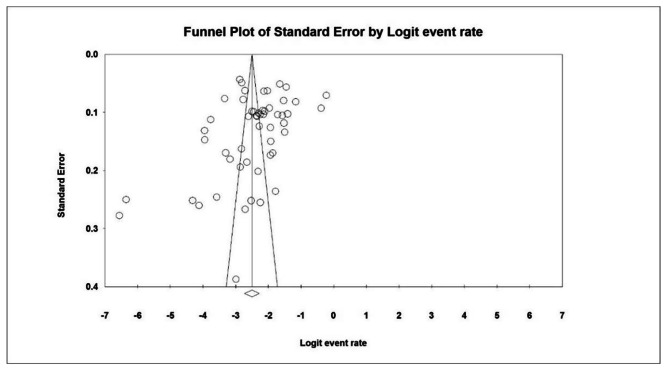
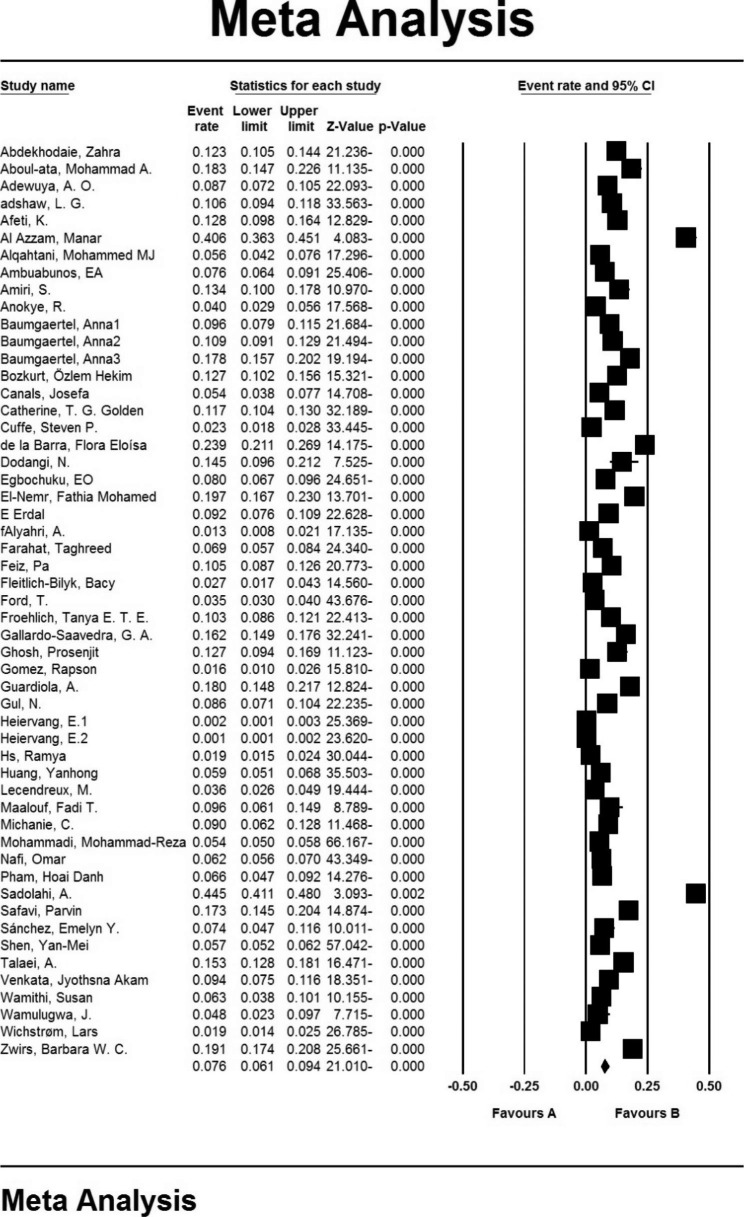
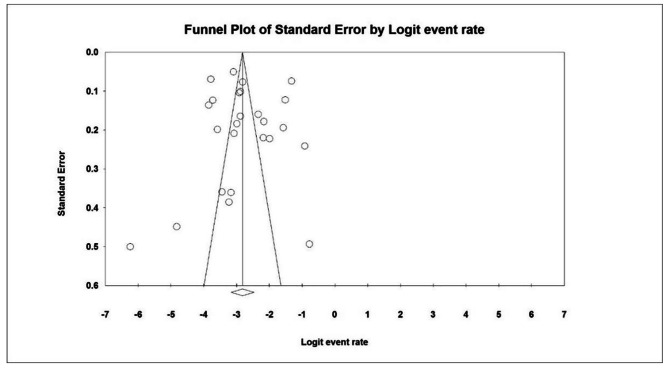
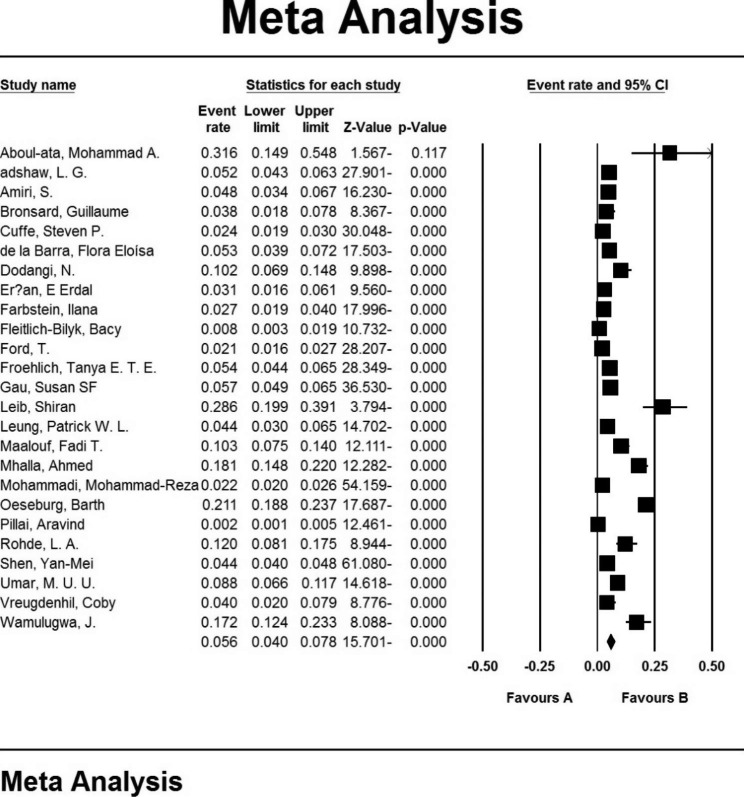
Background: Attention-Deficit / Hyperactivity Disorder is a developmental neurological disorder that has three basic characteristics: Attention Deficit, Hyperactivity, and impulsivity. This study aimed to investigate the prevalence of ADHD in children and adolescents. Methods: This investigation was carried out using the meta-analysis method under PRISMA guidelines. Until October 2020, the articles were gathered by scanning PubMed, Scopus, WOS, and Science Direct databases. The second version of Comprehensive Meta-Analysis software was used to run analyses after extracting data from chosen papers. At a significance level of 0.05, the I 2 test was used to analyze study heterogeneity, and the Egger test was used to assess publication bias. Results: This analysis includes 61 cross-sectional research, with 53 research used to determine the prevalence of ADHD in children, 7.6% of 96,907 children aged 3 to 12 years had ADHD (95% confidence interval: 6.1–9.4%), and 5.6% of teenagers aged 12 to 18 years have ADHD (95% confidence interval: 4.8-7%). The prevalence of ADHD in children and adolescents according to the DSM-V criterion is also higher than previous diagnostic criteria, according to studies. Conclusion: The findings of this study based on meta-analysis show the high prevalence of attention deficit hyperactivity disorder (ADHD). The findings of this study demonstrate the importance of management and policy in the treatment and control of ADHD in children and adolescents.
Overview
CoChat Summary
TL;DR
This systematic review and meta-analysis of 61 cross-sectional studies estimated the global prevalence of ADHD in children and adolescents, finding higher prevalence in children under 12 than in adolescents 12–18. Prevalence varied by diagnostic criteria, with DSM-V yielding higher estimates than DSM-IV or ICD-10-based criteria.
Key findings
- Among 53 studies of children under 12, ADHD prevalence was 7.6% (95% CI 6.1–9.4%); the abstract reports a sample of 96,907 children, while the results text reports 96,904.
- Among 25 studies of adolescents aged 12–18, ADHD prevalence was 5.6%; the abstract reports 95% CI 4.8–7%, while the results text reports 95% CI 4–7.8%.
- By diagnostic criteria in children under 12: DSM-IV 7.7% (95% CI 6–9.9), DSM-IV-TR 8.3% (95% CI 4.9–13.6), DSM-III 10.1% (95% CI 9–11.3), DSM-IV plus ICD-10 4.4% (95% CI 2.4–8.2), and DSM-V 11.3% (95% CI 5.3–22.2).
- By subtype, children under 12 had inattentive 33.2% (95% CI 27.6–39.3), hyperactive-impulsive 30.3% (95% CI 23.8–37.7), and combined 31.4% (95% CI 24.6–39.1); adolescents had inattentive 37.3% (95% CI 30–45.4), hyperactive-impulsive 23.1% (95% CI 13.2–38.2), and combined 31.1% (95% CI 15.6–42.3).
Methods
- Systematic review and meta-analysis following PRISMA, searching PubMed, Scopus, WOS, and Science Direct for articles published up to October 2020; 61 cross-sectional studies were included after screening and full-text review.
- Eligibility focused on people under 18, with ADHD prevalence assessed by DSM-V, DSM-IV, DSM-IV-TR, and ICD-10 criteria; observational cross-sectional studies were included, and interventional or other observational designs were excluded.
- Data were analyzed in Comprehensive Meta-Analysis software version 2 using a random-effects model; heterogeneity was assessed with I², and publication bias with Egger’s test and funnel plots.
Limitations
- The paper states high heterogeneity of studies in terms of age group, and that studies reporting combined child and adolescent prevalence were removed because the aim was to measure children and adolescents separately.
- The paper states that only cross-sectional papers were included, so participants could not be followed over time and symptoms could not be measured longitudinally.
- Evident from the text: heterogeneity was very high (I² = 98.6 for children under 12 and 97.8 for adolescents), and although studies scoring below 16 on STROBE were considered at high risk of bias, none were omitted from the analysis.
Model-written summary. Check it against the paper before relying on it.
Integrity signals
Registry
Cites
Statistics
Figures
Verification
Claims the paper makes
8 Valid · 4 Not valid · 0 Not checked · 46 Own results and interpretations
At least one cited source doesn’t support this claim or points to a different paper, and none confirmed it — see the verdicts below.
In the paper
“Only one study [76] documented the prevalence of ADHD in teenagers other than children, which is consistent with our findings.”
§ The global prevalence of ADHD in children and adolescents: a systematic review and meta-analysis > Discussion
What the sources say
- Disputedcites [76] Willcutt EG The prevalence of DSM-IV attention-deficit/hyperactivity disorder: a meta-analytic review Neurotherapeutics 2012 9 3 490 9 10.1007/s13311-012-0135-8 22976615 PMC3441936 sourceExperimental — accuracy not yet measured
Table 3 (Developmental Differences; page not available in our copy) reports ADHD prevalence for 13–18-year-olds from six samples, not one study. The Overall ADHD section likewise reports a prevalence estimate for adolescent samples. The citing authors’ statement about their own findings is not part of the attribution being judged. (LLM, conf=0.90)
Checked by a reasoning model — may be wrong.
plain- Asserted: passes — The authors put it forward as true.
- Checkable: passes — It can be checked against evidence.
- Load-bearing: unclear — It is unclear whether the paper’s conclusions depend on it.
- Based: passes — The paper gives a reason why it holds.
- Disputed
The cited sources support only part of this claim — read each source’s verdict below.
In the paper
“In light of these circumstances, the rise in the number of patients diagnosed with ADHD based on DSM-V diagnostic criteria is reasonable [80].”
§ The global prevalence of ADHD in children and adolescents: a systematic review and meta-analysis > Discussion
What the sources say
- Partly supportedcites [80] Epstein JN Loren RE Changes in the definition of ADHD in DSM-5: subtle but important Neuropsychiatry 2013 3 5 455 10.2217/npy.13.59 24644516 PMC3955126 sourceExperimental — accuracy not yet measured
In the main text, Epstein and Loren explain that the more inclusive DSM-5 criteria may increase the number of children meeting diagnostic criteria and that ADHD prevalence rates may increase. This makes a rise plausible, but the paper does not establish that the number of diagnosed patients has risen; it frames the increase as a possibility. (LLM, conf=0.86)
plain- Asserted: passes — The authors put it forward as true.
- Checkable: unclear — It is unclear whether it could be checked against evidence.
- Load-bearing: unclear — It is unclear whether the paper’s conclusions depend on it.
- Based: passes — The paper gives a reason why it holds.
- Partly supported
A result the paper reports from its own data — it cites no other source for it, so there is none to check. The quote shows it is in the paper.
In the paper
“Combined ADHD was 31.4% (95% confidence interval: 24.6.39.1%)”
§ The global prevalence of ADHD in children and adolescents: a systematic review and meta-analysis > General prevalence of hyperactivity in children (under 12 years)
plain- Asserted: passes — The authors put it forward as true.
- Checkable: passes — It can be checked against evidence.
- Load-bearing: unclear — It is unclear whether the paper’s conclusions depend on it.
- Based: passes — The paper gives a reason why it holds.
- Rests on 2 assumptions not shown here.
A result the paper reports from its own data — it cites no other source for it, so there is none to check. The quote shows it is in the paper.
In the paper
“Other criteria used to determine the prevalence of ADHD in children were DSM-IV-TR, DSM-III, DSM-V, DSM-IV, and ICD10, which were: 8.3% (95% confidence interval: 4.9–13.9%); 10.1% (95%confidence interval: 9-11.3%); 11.3% (95% confidence interval: 5.3–22.2%); and 4.4% (95%confidence interval: 2.4–8.2%), respectively (Table 2).”
§ The global prevalence of ADHD in children and adolescents: a systematic review and meta-analysis > General prevalence of hyperactivity in children (under 12 years)
plain- Asserted: passes — The authors put it forward as true.
- Checkable: passes — It can be checked against evidence.
- Load-bearing: unclear — It is unclear whether the paper’s conclusions depend on it.
- Based: passes — The paper gives a reason why it holds.
- Rests on 2 assumptions not shown here.
A result the paper reports from its own data — it cites no other source for it, so there is none to check. The quote shows it is in the paper.
In the paper
“According to the findings, the incidence of ADHD is 7.6% in children aged 3 to 12 years and 5.6% in teenagers aged 12 to 18.”
§ The global prevalence of ADHD in children and adolescents: a systematic review and meta-analysis > Discussion
plain- Asserted: passes — The authors put it forward as true.
- Checkable: passes — It can be checked against evidence.
- Load-bearing: passes — The paper’s conclusions depend on it.
- Based: passes — The paper gives a reason why it holds.
32 more claims
Create a free account to see all 58 claims and every source verdict.
- Probably not a substantial claim. 18
- It may state two separate claims as one. 7
- The quote only partly states this claim. 1
Claims other papers make about this one
Each is checked against this paper’s own text: does it say what the citing paper says it does?
The source backs part of the claim, not all of it — or backs it for a different population, condition or comparison.
In the citing paper
“Differences in ADHD prevalence in different geographical regions40 may be due to differences in study methodologies, including sample size, response rate, information sources from parents or teachers, cultural factors and clinical diagnosis criteria of ADHD.”
From Association between attention-deficit/hyperactivity disorders and intestinal disorders: A systematic review and Meta-analysis (2025) · cites this paper as [40]
Experimental — accuracy not yet measuredThe cited source says what the claim attributes to it.
In the citing paper
“Only one of the studies reviewed in this paper on ADHD in children with CP [13] reported a prevalence rate lower than those for the global prevalence of ADHD in children and adolescents [53].”
From The Mental Health of Children with Cerebral Palsy: A Review of the Last Five Years of Research (2025) · cites this paper as [53]
The cited source says what the claim attributes to it.
In the citing paper
“A 2023 systematic review on the global prevalence of ADHD reported rates of 7.6% in children (between ages 3 and 12 years) and 5.6% in teenagers (between ages 12 and 18 years) [53].”
From The Mental Health of Children with Cerebral Palsy: A Review of the Last Five Years of Research (2025) · cites this paper as [53]
Self-check
Percentages, sums and reported differences re-computed from the paper’s own numbers.
Each contradiction between two passages listed here was confirmed by an independent check.
Rated minor: it would not touch a result — a value no result rests on, a p-value that stays on the same side of the significance level, or a conflict that is clerical, resolved elsewhere in the paper, or outside its own findings.
In the paper
§ The global prevalence of ADHD in children and adolescents: a systematic review and meta-analysis > General prevalence of hyperactivity in children (under 12 years)
“8.3% (95% confidence interval: 4.9–13.9%)”
§ The global prevalence of ADHD in children and adolescents: a systematic review and meta-analysis > General prevalence of hyperactivity in children (under 12 years)
“| DSM-IV TR | 5 | 12,069 | 95.7 | 0.390 | 8.3 (95%CI: 4.9–13.6) |”
Rated minor: it would not touch a result — a value no result rests on, a p-value that stays on the same side of the significance level, or a conflict that is clerical, resolved elsewhere in the paper, or outside its own findings.
In the paper
§ The global prevalence of ADHD in children and adolescents: a systematic review and meta-analysis > Abstract > Results
“5.6% of teenagers aged 12 to 18 years have ADHD (95% confidence interval: 4.8-7%)”
§ The global prevalence of ADHD in children and adolescents: a systematic review and meta-analysis > General prevalence of hyperactivity in adolescents (12–18 years)
“In 25 studies involving teenagers aged 12 to 18, the prevalence of ADHD was determined to be 5.6% (95% confidence interval: 4-7.8%).”
Rated minor: it would not touch a result — a value no result rests on, a p-value that stays on the same side of the significance level, or a conflict that is clerical, resolved elsewhere in the paper, or outside its own findings.
In the paper
§ The global prevalence of ADHD in children and adolescents: a systematic review and meta-analysis > Abstract > Results
“7.6% of 96,907 children aged 3 to 12 years had ADHD”
§ The global prevalence of ADHD in children and adolescents: a systematic review and meta-analysis > General prevalence of hyperactivity in children (under 12 years)
“ADHD prevalence was found to be 7.6% (95% confidence interval: 6.1–9.4%) in 53 studies with a total sample size of 96,904 participants”
Rated minor: it would not touch a result — a value no result rests on, a p-value that stays on the same side of the significance level, or a conflict that is clerical, resolved elsewhere in the paper, or outside its own findings.
In the paper
§ The global prevalence of ADHD in children and adolescents: a systematic review and meta-analysis > Eligibility criteria
“Population: All people under the age of 18 were examined in this study.”
§ The global prevalence of ADHD in children and adolescents: a systematic review and meta-analysis > Results
“| Leib, Shiran [54] | 2020 | Israel | DSM-IV | 13–19 | 84 | 24 |”
Citations
Cites
Preferred Reporting Items for Systematic Reviews and Meta-Analyses: the PRISMA statement
Moher, D., Liberati, A., Tetzlaff, J., Altman, D. G., & for the PRISMA Group (2009) · BMJ · doi:10.1136/bmj.b2535 · Cited by 83,823
Preferred Reporting Items for Systematic Reviews and Meta-Analyses: The PRISMA Statement
Moher, D., Liberati, A., Tetzlaff, J., Altman, D. G., & The PRISMA Group (2009) · PLoS Medicine · doi:10.1371/journal.pmed.1000097 · Cited by 64,042 · cited 2×
“The technique for carrying out the various stages of this study following the criteria of Guideline [16] was created and implemented.”
Wang, G., Ma, R., Qiao, G., Wada, K., Aizawa, Y., & Satoh, T. (2015) · Integrative Medicine International · doi:10.1159/000368408 · Cited by 18,657
The Prevalence of DSM-IV Attention-Deficit/Hyperactivity Disorder: A Meta-Analytic Review
Willcutt, E. G. (2012) · Neurotherapeutics · doi:10.1007/s13311-012-0135-8 · Cited by 2,160 · cited 2×
“Another study indicated that the prevalence of ADHD was lower in adults over the age of 18 than in teenagers [76].”
BackgroundResultThe British Child and Adolescent Mental Health Survey 1999: The Prevalence of DSM-IV Disorders
FORD, T., GOODMAN, R., & MELTZER, H. (2003) · Journal of the American Academy of Child & Adolescent Psychiatry · doi:10.1097/00004583-200310000-00011 · Cited by 1,227 · cited 1×
“[43] 2003 England DSM-IV and ICD-10 5–12”
ADHD in Children and Young People: Prevalence, Care Pathways, and Service Provision
Sayal, K., Prasad, V., Daley, D., Ford, T., & Coghill, D. (2018) · The Lancet Psychiatry · doi:10.1016/s2215-0366(17)30167-0 · Cited by 1,223 · cited 2×
“Even though the prevalence of ADHD in adults is decreasing, it is nevertheless recognized as a risk factor for issues such as academic failure, workplace challenges, and criminality [75].”
BackgroundEriksen, M. B., & Frandsen, T. F. (2018) · Journal of the Medical Library Association · doi:10.5195/jmla.2018.345 · Cited by 1,216
Song, P., Zha, M., Yang, Q., Zhang, Y., Li, X., & Rudan, I. (2021) · Journal of Global Health · doi:10.7189/jogh.11.04009 · Cited by 896
Froehlich, T. E., Lanphear, B. P., Epstein, J. N., Barbaresi, W. J., Katusic, S. K., & Kahn, R. S. (2007) · Archives of Pediatrics & Adolescent Medicine · doi:10.1001/archpedi.161.9.857 · Cited by 794
Gender Differences in Attention-Deficit/Hyperactivity Disorder
Rucklidge, J. J. (2010) · Psychiatric Clinics of North America · doi:10.1016/j.psc.2010.01.006 · Cited by 571 · cited 4×
“As previously mentioned, boys are more likely to manifest ADHD symptoms [6] with three times more likely to receive an ADHD diagnosis than girls [9].”
BackgroundInfluential
Research works printed but not linked: 5
- Kaplan BJ Kaplan and sadock’s synopsis of psychiatry. Behavioral sciences/clinical psychiatry Tijdschrift voor Psychiatrie 2016 58 1 78 9
- Ngan M Tsang B Kwong K Prevalence Risk factors and impact of ADHD on children with recent Onset Epilepsy HK J Paediatr (new series) 2019 24 2 65 9
- Shaabani M Yadegari A Prevalence of attention deficit hyperactivity disorder (ADHD) in elementary school children in Zanjan 2004–2005 J Adv Med Biomedical Res 2005 13 51 42 8
- Bozkurt ÖH Dirik E Üneri ÖŞ Prevalence of ADHD in Northern Cyprus Anadolu Psikiyatri Dergisi 2017 18 5 478
- Mhalla A, Guedria A, Brahem T, Amamou B, Sboui W, Gaddour N et al. ADHD in Tunisian Adolescents: Prevalence and Associated Factors. JOURNAL OF ATTENTION DISORDERS. 2018;22(2, SI):154 – 62. 28381094 · DOI · Paper page
Cited by
Items 501–600 of 669
Cafiero, F., Barrios, J., Gabay, S., & Debbané, M. (2024) · Language Resources and Evaluation Conference (LREC) · doi:10.63317/2rokp6y3shkf · Cited by 2
Fan, Y., Shen, Y., Zhang, Y., Gagnon, A., Martinez, G., Gillet, V., Posner, J. E., Michael, A., Zhu, J., Bellenger, J., et al. (2026) · Environmental Research · doi:10.1016/j.envres.2026.124144
Costa, F. M., de Almeida, F. R., da Silva, Y. P., & Freitas, M. A. D. C. (2026) · Research Society and Development · doi:10.33448/rsd-v15i3.50720
Alves, R. B., da Cunha, L. V. R., Pataro, A., Souza, R. P., de Miranda, D. M., Alvim-Soares, A., Marco, L. A. D., & Bastos‐Rodrigues, L. (2026) · Chronobiology International · doi:10.1080/07420528.2026.2641008
“Its global prevalence ranges from 5% to 7.6% in children and adolescents (Polanczyk et al. 2014; Thomas et al. 2015; Salari et al. 2023).”
InfluentialA Clinical Data Lake for ADHD Research: Architecture, Integration, and Early Outcomes
García-Ponsoda, S., Sanchís, J., Trujillo, J. C., Maté, A., & Teruel, M. Á. (2025) · IEEE International Conference on Big Data (BigData) · doi:10.1109/bigdata66926.2025.11402356
Zhu, Y., Chen, D., & Chen, W. (2026) · Frontiers in Psychology · doi:10.3389/fpsyg.2026.1726801
Social Robots Supporting Children with ADHD in the Home Environment: An Exploratory Case Study
Marinova, E., Ruijs, P., Oudheusden, J., Hobbelink, V. L. N. F., & Smakman, M. (2026) · ACM/IEEE International Conference on Human-Robot Interaction (HRI) · doi:10.1145/3776734.3794363
The Challenges of Teaching Children with ADHD in the School Context
Đuranović, M., Klasnić, I., & Vidić, T. (2025) · Acta Paedagogica Vilnensia · doi:10.15388/actpaed.2025.55.7
“The prevalence of ADHD in children under the age of 12 is about 7.6%, while in adolescents within the age range of 12–18 it is 5.6% (Salari et al., 2023).”
InfluentialZhang, X.-L., Zhou, Y., Wang, Y., Li, C.-Y., Zhao, L., Gong, J.-X., Yan, C., Li, X. M., & Cai, S. (2026) · Pediatric Research · doi:10.1038/s41390-026-04813-y
Women’s and girls’ ADHD diagnosis journeys: a mother-daughter autoethnography
Wheaton, B., & Holland, P. (2026) · Medical Humanities · doi:10.1136/medhum-2025-013423
Acabal, J. P., Jarosik, A. R., Torres, N., Finley, J. A., Fisher, E. P., Ulrich, D. M., Kimchi, E. Z., Phillips, M. S., Cerny, B. M., & Soble, J. R. (2026) · Annals of Clinical Psychiatry · doi:10.1177/10401237261434905
Schurz, A. (2026) · ITL Review of Applied Linguistics · doi:10.1075/itl.25021.sch
Ortiz-Valdez, R. E., Jurado-Martínez, M. G., & Vergel-Parejo, E. E. (2026) · Revista Científica Multidisciplinar G-nerando · doi:10.66473/rcmg.v7i1.975
Pan, C.-H., Chiang, T.-Y., Huang, C.-Y., Chen, W., Lu, T.-Y., & Pan, C. (2026) · Perceptual and Motor Skills · doi:10.1177/00315125261439040
Attention unleashed: Creative therapy for thoughtful transformation
Nehme, S. B. S., Macaluso, E., & Khalil, R. (2026) · iScience · doi:10.1016/j.isci.2026.115387 · Cited by 1
“40 It may persist into adulthood, with an estimated prevalence of 3.1%.”
InfluentialMilioudi, M., Stabouli, S., Zafeiriou, D., & Vargiami, E. (2026) · Brain Sciences · doi:10.3390/brainsci16040372
“Salari et al., in a recent global meta-analysis, found that the general prevalence of ADHD in children aged under 12 years was 7.6%, whereas in adolescents (12–18 years) it was 5.6% [13].”
InfluentialGrit mediates social success across attention deficit/hyperactivity disorder tendencies
Takagi, S., Masuda, R., Tamura, T., Shimizu, M., Takahashi, H., & Sugihara, G. (2026) · Acta Psychologica · doi:10.1016/j.actpsy.2026.106743
Xue, Z., Xu, J., Li, Y., lin, L., Sun, Y., & Lu, J. (2026) · Research Square · doi:10.21203/rs.3.rs-9062348/v1
Pappajohn, A. F., Seddio, A. E., Jahagirdar, O. B., Lee, A. H., Raju, A., Lee, C., & Grauer, J. N. (2026) · Spine Deformity · doi:10.1007/s43390-026-01350-w
Psychische Belastungen und psychische Erkrankungen im Kindes- und Jugendalter
Asbrand, J., Dippel, N., & Weise, S. (2026) · Springer eBooks · doi:10.1007/978-3-642-54061-5_43-1
Impact of Yoga on Juvenile Delinquency - A Narrative Review
Gavel, P., & Agasti, P. K. (2026) · Journal of Ayurveda and Integrated Medical Sciences · doi:10.21760/jaims.11.3.56
Eye-Tracking in Virtual Reality for Attention Analysis: Toward Cognitive Screening Tools for ADHD
Carneros-Prado, D., Hervás, R., Cañas, A., Mondéjar, T., & Molina, A. I. (2026) · Lecture notes in networks and systems · doi:10.1007/978-3-032-16995-2_26
Cognitive functioning in children with both epilepsy and ADHD: A systematic review and meta-analysis
Wickens, S., Gummersall, P., & Brown, T. (2026) · Brain and Development · doi:10.1016/j.braindev.2026.104533
Xu, Y., yin, Y., Xiang, J., Wang, X., & Feng, T. (2026) · International Journal of Psychophysiology · doi:10.1016/j.ijpsycho.2026.113385
The changing prevalence of ADHD: A systematic reviewPreprint
Lucas, R., Hall, C., Brooks, S. K., Rogers, B., Greenberg, N., Rubin, J., Pitt, A., Wessely, S. C., & Martin, A. F. (2024) · OSF Preprints (OSF Preprints)
Maeda, Y., Okimura, T., Itahashi, T., & Fukazawa, Y. (2026) · Neuroscience Research · doi:10.1016/j.neures.2026.105054
ADHD Classification Using Graph Convolutional Networks via Alternating Node-Edge Updates
Tang, Y., Zhu, W., Wang, X., Gao, Y., Jiang, A., & Chen, Y. (2026) · IEEE International Conference on Acoustics Speech and Signal Processing · doi:10.1109/icassp55912.2026.11463067
Keshvari, S., & Soltani, P. (2026) · Current Psychology · doi:10.1007/s12144-026-09414-w
“Attention-Deficit/Hyperactivity Disorder (ADHD) is a common psychological and neurodevelopmental disorder in children (Salari et al., 2023 ).”
Panther, N., Bowden, N., Chu, J., D’Souza, S., Saha, S., Thabrew, H., & McLay, L. (2026) · Journal of Neurodevelopmental Disorders · doi:10.1186/s11689-026-09695-z
“Over the past decade, the global prevalence of NDCs has substantially increased around the world [24, 41, 57].”
Gera, A., Misri, A., Bajpai, P., & Yadav, S. (2026) · Frontiers in Cardiovascular Medicine · doi:10.3389/fcvm.2026.1634911
“According to Salari et al. (6), the incidence of ADHD is 7.6% in children aged 3 to 12 years and 5.6% in teenagers aged 12 to 18.”
InfluentialShang, J., Cui, H., Shu, C., Zheng, L., Liu, F., Peng, Y., Wei, Z., Ni, X., & Liu, J. (2026) · Ecotoxicology and Environmental Safety · doi:10.1016/j.ecoenv.2026.120169
Büber, A., Yücens, B., & Özdel, O. İ. (2026) · Psychological Reports · doi:10.1177/00332941261436739 · Cited by 1
Folgar, M. I., Liñares, D., Salgado, P. G., Villanueva‐Blasco, V. J., & Boubeta, A. R. (2026) · Psicothema · doi:10.70478/psicothema.2026.38.09 · Cited by 2
Ye, J., Zhang, Y., Ma, N., Tian, Z. H. O. U., Yuan, L., Wei, Y., Li, J., Zheng, X., Liu, D., Guo, J., et al. (2026) · ALPHA PSYCHIATRY · doi:10.31083/ap39972
“Attention deficit hyperactivity disorder (ADHD) is one of the most common neurodevelopmental disorders among minors, affecting 7.6% of children and 5.6% of adolescents, with an increasing trend [1,2].”
InfluentialPanda, E., Arulnandhy, S., Tekok-Kılıç, A., Segalowitz, S. J., & Marshall, W. (2026) · Developmental Cognitive Neuroscience · doi:10.1016/j.dcn.2026.101732
Pires, C. P., Putwain, D. W., Hofmann, S. G., Vicente, A. R., & Salvador, M. D. C. (2026) · Journal of Psychopathology and Behavioral Assessment · doi:10.1007/s10862-026-10285-5
“For instance, inatten-tive symptoms, more prevalent among females with Atten - tion-Deficit/Hyperactivity Disorder (ADHD) (Rucklidge, 2010 ), have been linked to impaired working memory and sustained attention (D’Agati et al., 2019 ; Salari et al., 2023).”
Chan, P. S.-F., Kawuki, J., Subramaniam, M., Broadbent, E., Lau, E. Y. Y., & Lui, K. F. H. (2026) · Education Sciences · doi:10.3390/educsci16050723
Morandini, H. A. E., Vos, S. B., Chivers, P., Silk, T. J., & Rao, P. (2026) · Brain Research · doi:10.1016/j.brainres.2026.150354
Learning‐based cognitive control in ADHD : a multicentric study
Toffoli, L., Stefanelli, G., Cristaldi, F. D. P., Duma, G. M., Pastore, M., Tarantino, V., Franzoi, M., Vecchi, M., Danieli, A., Martinez, F., et al. (2026) · Journal of Child Psychology and Psychiatry · doi:10.1111/jcpp.70162 · Cited by 1
“…the TD group may have had undiagnosed learning or attention difficulties, which are relatively common in school-age populations (5% – 6%; Morsanyi, van Bers, McCormack, & McGourty, 2018; Salari et al., 2023) and could partly account for the absence of group differences observed in the Flanker task.”
The Use of Eye-Tracking and VR in ADHD Treatment – Current Applications and Public Awareness
Yin, J., Zhang, J., Lawton, H., Gillies, M. F. P., Supèr, H., & Pan, X. (2026) · IEEE Conference on Virtual Reality and 3D User Interfaces Abstracts and Workshops (VRW) · doi:10.1109/vrw70859.2026.00023
“Under the current DSM-5 framework, these symptoms behave in three specific presentations: Predominantly Inattentive, Predom-inantly Hyperactive-Impulsive, and Combined Presentation [20].”
InfluentialDubrovskaya, A. A., & Vlasov, P. N. (2026) · Russian Journal of Child Neurology · doi:10.17650/2073-8803-2026-21-1-32-43
Slevin, H., Awadalla, F., Feltbower, R. G., Robinson, L., Kilday, J., Phillips, B., Garg, S., & McCabe, M. G. (2026) · EJC Paediatric Oncology · doi:10.1016/j.ejcped.2026.100519
Khodarahimi, S., Beit-Mashal, B., Bougar, M. R., Rasti, A., Panah, Z. P., REZAEIFARD, A., & Mirghafari, N. (2026) · Advances in Neurodevelopmental Disorders · doi:10.1007/s41252-026-00495-z
Kim, H. J., Kim, K. J., Han, D. H., Kim, S. M., Hwang, H., & Hong, J. S. (2026) · Journal of Korean Medical Science · doi:10.3346/jkms.2026.41.e221
Zhang, Y.-Q., Yang, Q., Tu, H.-X., Moryani, H. T., He, W.-T., Huang, J.-W., Zhou, D.-Y., Zhang, Y.-T., Liang, L.-X., Zhou, Y., et al. (2026) · Journal of Hazardous Materials · doi:10.1016/j.jhazmat.2026.142463
IMPACTOS DO USO DE PSICOTRÓPICOS POR CRIANÇAS NA PRIMEIRA INFÂNCIA: Uma revisão de escopo
Pereira, E. A., de Souza, L. F. A., & Colacite, J. (2026) · Scientia Generalis · doi:10.22289/sg.v7n1a61
Beyond Symptoms: ADHD and the Role of SRL in the School Context
Tielve, C., Areces, D., Álvarez-González, C. R. A. A. I., & Álvarez-González, A. I. (2026) · IntechOpen eBooks · doi:10.5772/intechopen.1015496
Sathekge, T., Bruton, M., Godwin, E., Gouws, M., Grobler, H., Lombard, P., Mdlangathi, B., & Nadesan, T. (2026) · Clinical Child Psychology and Psychiatry · doi:10.1177/13591045261453402 · Cited by 1
“The global prevalence of ADHD is 7.6% in children aged 3 to 12 years and 5.6% in teenagers aged 12 to 18 years (Salari et al., 2023).”
InfluentialTrujillo, E. J. A., Ortiz, L. E. S., Pérez, C. H., & Tomalá, A. (2026) · Revista Científica Multidisciplinar G-nerando · doi:10.66473/rcmg.v7i1.1153
Brief Interventions for Children and Adolescents
Muscente, K. K., Drake, G., Buk, A., Forde, M., & Chacko, A. (2026) · Elsevier eBooks · doi:10.1016/b978-0-443-29009-1.00046-9
Chen, P. K.-T., Su, Y.-Y., Lin, C.-H., Chou, W., Tsai, C., Li, C.-J., Lee, S.-Y., & Wang, L. (2026) · Child Neuropsychology · doi:10.1080/09297049.2026.2679522
Zhang, L., You, C., Ma, J., Miao, X., Fan, M., Zeng, X., Li, W., Yin, X., & Hu, Y. (2026) · BMC Pediatrics · doi:10.1186/s12887-026-06963-8
“…disorder (ADHD), a clinically significant neurodevelopmental condition characterized by persistent inattention, hyperactivity, and impulsivity [1], affects approximately 7.6% (95% CI: 6.1–9.4) of children aged 3–12 years and 5.6% (95% CI: 4.8–7.0) of adolescents aged 12–18 years globally [2].”
InfluentialBabayiğit, T. M., & Turan, E. (2026) · Archives of Current Medical Research · doi:10.47482/acmr.1703178
Ahmadian-Moghadam, S., Roshan‐Milani, S., & Saboory, E. (2026) · Translational Psychiatry · doi:10.1038/s41398-026-04151-x
“According to a recent systematic review, the global prevalence of ADHD is estimated at 7.6% in children aged 3 to 12 years and 5.6% in adolescents aged 12 to 18 years [56].”
InfluentialThe quality of teacher-student relationships in preschoolers with ADHD symptoms
Wolfe, L. E., Weiss, T., Clayback, K. A., & Williford, A. P. (2026) · Journal of Applied Developmental Psychology · doi:10.1016/j.appdev.2026.101975 · Cited by 1
Li, Y., Ma, Z., Falchi, W., Huang, L., Chen, Z., & Hai, W. (2026) · Complementary Medicine Research · doi:10.1159/000552870 · Cited by 1
Waltereit, J., Borghoff, C., Schulte‐Rüther, M., Roessner, V., & Waltereit, R. (2026) · Zeitschrift für Kinder- und Jugendpsychiatrie und Psychotherapie · doi:10.1024/1422-4917/a001078
Neurodiverse perspectives on learning English in a secondary school context
Blaskovich, L., & Kormos, J. (2026) · ELT Journal · doi:10.1093/elt/ccag011 · Cited by 1
Quan, T., Ye, J., Yu, Q., Zhu, F., & Zhang, L. (2026) · BMC Pediatrics · doi:10.1186/s12887-026-07105-w
“Attention-deficit hyperactivity disorder (ADHD) is a prevalent neurodevelopmental disorder in childhood, characterized by inattention, hyperactivity, and impulsivity [1, 2].”
Mahin, A., Joseph, B. B., Sunaina, F., Rasana, F., & Raju, R. (2026) · Frontiers in Psychiatry · doi:10.3389/fpsyt.2026.1860515 · Cited by 2
Cavalieri, E., Cascio, E., Iannone, G., Angelini, L., Dell’Isola, G. B., Maura, C., Torcisi, R. S. M., Macchione, E., Lucibello, S., Verrotti, A., et al. (2026) · Pediatric Reports · doi:10.3390/pediatric18030081
Hong, H., Yu, Z. H., Haimei, L., Wang, Y., Liu, L., & Qian, Q. (2026) · European Child & Adolescent Psychiatry · doi:10.21203/rs.3.rs-9874876/v1
Obayes, M. F., & Abutiheen, A. A. (2026) · Journal of Family Medicine and Primary Care · doi:10.4103/jfmpc.jfmpc_140_26 · Cited by 1
“While, there was no significant difference between means of teachers` knowledge about treatment of ADHD [Table 5].”
Müller, V., Vízhányó, D., & Piko, B. F. (2026) · Magyar Pszichológiai Szemle · doi:10.1556/0016.2026.00185
Al-Wardat, M. S., Jaber, A. F., Almhdawi, K. A., Ismael, N., Oteir, A., Abulannaz, O., Alrabbaie, H., & Khader, Y. S. (2026) · BJPsych International · doi:10.1192/bji.2026.10114
Dinning, R., Klein, M., & Coiffait, F.-M. (2026) · Klinik Psikoloji Dergisi · doi:10.57127/kpd.26024438.1879298
Adewuya, A. O., Wright, O., Njokanma, F. O., & Oladipo, O. E. (2026) · JAACAP Open · doi:10.1016/j.jaacop.2026.06.004
“The class repetition finding (AOR 2.26) highlights a potentially important intervention nexus.”
InfluentialExplainable GCN-based ADHD Detection from Questionnaire Data via Patient Similarity Graphs
Agrawal, V., Dalal, A., & Jain, M. (2026) · International Conference on Inventive Research in Computing Applications (ICIRCA) · doi:10.1109/icirca69024.2026.11570596
“ADHD is a common neurodevelopmental disorder found among 5-8% of all kids, with higher cases in ages 3-12 [1].”
Ceyhan, I., & Akyürek, G. (2026) · Physical & Occupational Therapy In Pediatrics · doi:10.1080/01942638.2026.2689070 · Cited by 2
Screen exposure and mediators of executive function in children with ADHD
Dong, H., Cui, Y., Bai, M., Feng, J., & Jia, F. (2026) · Pediatric Research · doi:10.1038/s41390-026-05225-8
Blanco-Martínez, N., Diz-Gómez, J. C., Outeda-Monteagudo, B., Carballo-Afonso, R., & Ayán, C. (2026) · Archives de Pédiatrie · doi:10.1016/j.arcped.2026.105583
Reassessing ADHD Management: Integrating Gut Microbiome Insights and Herbal Nutritional Strategies
Elkalla, W. S., Salah, A. N., Mahmoud, N. A., AbdelRazek, M. M. M., Kotb, S. S., Elshami, N. H., AlFarsi, K., Waseem, A. M., Bogari, H. A., Malatani, R. T., et al. (2026) · Bratislavské lekárske listy/Bratislava medical journal · doi:10.1007/s44411-026-00712-0 · Cited by 1
Yousefipour, Z., Hamidi, A., Ravanipour, M., Omrani, A., & Ravanipour, M. (2026) · Iranian South Medical Journal · doi:10.66224/ismj.28.4.758
Blanco-Martínez, N., Carballo-Afonso, R., Campo, A. G., & Ayán, C. (2026) · Journal of Autism and Developmental Disorders · doi:10.1007/s10803-026-07415-z
Brikell, I., Astrup, A., Wimberley, T., Araki, M., Chang, Z., Demontis, D., Dong, Z., Faraone, S. V., Gao, L., Gillies, M. B., et al. (2026) · BMJ Mental Health · doi:10.1136/bmjment-2025-302469
Janbabanezhad, F., Zarshenas, L., Shahsavari, E., Aligholi, H., & Shamsi, F. (2026) · Iranian Journal of Psychiatry and Behavioral Sciences · doi:10.5812/ijpbs-170104
Xiang, K., Huang, S., Lai, X., Li, K., Wang, H., Zhang, Y., Yang, Z., Tian, F., & Wang, Y. (2026) · Journal of Affective Disorders · doi:10.1016/j.jad.2026.122230
Kelman, C. R., Ukoumunne, O. C., Moore, D. A., Coon, J. T., Cordwell, K., & Russell, A. (2026) · Psychology in the Schools · doi:10.1002/pits.70188 · Cited by 1
“ADHD has a global prevalence of approximately 7.6% (Salari et al. 2023), and equates to approximately one child per classroom (Dalsgaard et al. 2014).”
InfluentialKim, J., Sung, S. M., & 장대연 (2026) · Child and Adolescent Social Work Journal · doi:10.1007/s10560-026-01124-3
“ADHD is one of the most prevalent neurodevelopmental disorders in childhood, with a global prevalence of 7.6% among chil - dren aged 3–12 years and 5.6% among adolescents aged 12–18 years (Salari et al., 2023).”
InfluentialCheng, C.-Y., Chiang, H., Shang, C., & Gau, S. S. (2026) · Assessment · doi:10.1177/10731911261458744
Popit, S., Pfeifer, Š., Locatelli, I., & Štuhec, M. (2026) · Frontiers in Psychiatry · doi:10.3389/fpsyt.2026.1854611
Recommendations for transitioning diabetes, epilepsy, and ADHD youth. The TransiDEA Project
Roberti, E., Clavenna, A., Graziani, V., Marchetti, F., Suprani, T., Bartolo, P. D., Canevini, M. P., Viganò, I., Ricci, E., Costantino, I., et al. (2026) · Paediatrics & Child Health · doi:10.1093/pch/pxag068
Introduction to Attention-Deficit Hyperactivity Disorder and Public Health
Ayano, G., Pollard, C. M., Rooney, R. M., & Alati, R. (2026) · SpringerBriefs in modern perspectives on disability research. · doi:10.1007/978-981-95-8712-4_1
Reproductive Healthcare for Adolescents and Young Adults with Mental Health Conditions
Swerlick, A., & Joseph, L. (2026) · Springer eBooks · doi:10.1007/978-3-032-19887-7_19
Aydın, E. Z., & Avşar, A. (2026) · Dental Traumatology · doi:10.1111/edt.70099
Associations of Visual-Related Parameters with ADHD Symptom Severity in ChildrenPreprint
Huang, G., Wu, Y., Huang, Z., Jiang, Y., Xiong, L., Li, F., Chen, Q., Chen, D., Zhou, H., & Liu, L. (2026) · Research Square · doi:10.21203/rs.3.rs-10254158/v1
Mujallad, A., Elsobky, F. A., Yasin, H. M., Alharbi, R. M., Mohammed, R. H., Alamri, N. A., Alsomali, S. A., Alsoulami, E. A., & Shahin, M. A. (2026) · Children · doi:10.3390/children13070935
“Children with ADHD commonly experience difficulties in sustaining attention, controlling impulses, regulating activity levels, and developing appropriate social relationships, making ADHD one of the most frequent causes of referral to psychological and psychiatric services during childhood [1].”
Bao+, Y., Zhang+, W., Wang, C., Zhang, X., Hou, X., & Hu, Z. (2026) · Tobacco Induced Diseases · doi:10.18332/tid/222368
Overholtzer, L. N., Bottenhorn, K. L., Ahmadi, H., Karalunas, S. L., Peterson, B. S., & Herting, M. M. (2026) · Biological Psychiatry Cognitive Neuroscience and Neuroimaging · doi:10.1016/j.bpsc.2026.06.016
Attention-Deficit Hyperactivity Disorder: Management and the Pharmacist’s Role
Mbonjani, N. C., Naqvi, A. A., & Khan, M. I. (2026) · Elsevier eBooks · doi:10.1016/b978-0-443-26472-6.00031-0
Settimo, C., Aeo, D. C., Facciale, A. L., Turriziani, L., Tripodi, E., Impallomeni, C., Quartarone, A., Calabrò, R. S., & Cucinotta, F. (2026) · Frontiers in Psychiatry · doi:10.3389/fpsyt.2026.1888297
Ji, X., Meng, H., Liu, Q. Y., Li, Y., & Wang, X. (2026) · Frontiers in Public Health · doi:10.3389/fpubh.2026.1838844
Childress, A. C., Brams, M. N., Cattaneo, M. J., & Silva, R. (2026) · Journal of Child and Adolescent Psychopharmacology · doi:10.1177/10445463261469764
Chanda, P., & Maraichelvi, K. A. (2026) · Children and Youth Services Review · doi:10.1016/j.childyouth.2026.109198
Fenollar-Cortés, J., Caminero-Ruiz, A., Ruiz-Aranda, D. A., Sória, I. N., Lavigne-Cerván, R., & López-Pinar, C. (2026) · BMC Psychology · doi:10.1186/s40359-026-05191-0
“ADHD is one of the most prevalent mental disorders among children and adolescents, with an estimated worldwide prevalence of 5.6-8% [2] The core symptoms of ADHD often co-occur with deficits in specific neurocognitive domains such as reaction time variability, vigilance, working memory, response…”
InfluentialArtificial Intelligence in ADHD Diagnosis and Treatment: A PRISMA-Aligned Systematic Review
Ranjbar, F. R., Farahani, R. G., Cheraghi, M., Nayeri, S. S. M., & Chahardeh, N. M. (2026) · International Interdisciplinary Conference on Artificial Intelligence: Engineering, Health, Finance and Humanities (IICAI) · doi:10.1109/iicai70155.2026.11621049
“Therefore, this also requires the use of diagnostic tools or frameworks that can minimize subjectivity and, instead, promote more standardized evidence-based decisions for different populations [1].”
Psyche und Herz – die kardiologische Sichtweise
Heno, J., Albinni, S., Gass, M., & Marx, M. (2026) · Monatsschrift Kinderheilkunde · doi:10.1007/s00112-026-02441-8
Bohner, A., Blasco-Fontecilla, H., Ros, T., Acquaviva, É., Attal, Y., Banaschewski, T., Baumeister, S., Bousquet, E., Bussalb, A., Delhaye, M., et al. (2026) · Journal of Child Psychology and Psychiatry · doi:10.1111/jcpp.70205 · Cited by 1
Seggewiß, R. L., Schröder, R., Schramm, S. A., Reininger, K. M., & Hennig, T. (2026) · European Journal of Special Needs Education · doi:10.1080/08856257.2026.2705894
Metadata
- Authors
- Salari, N., Ghasemi, H., Abdoli, N., Rahmani, A., Shiri, M. H., Hashemian, A. H., Akbari, H., & Mohammadi, M.
- Affiliations
- Kermanshah University of Medical Sciences (IR)
- Charité – Universitätsmedizin Berlin (DE)
- Gerash University of Medical Sciences (IR)
- Corresponding author
- Mohammadi, Masoud
- ORCID
- Venue
- Italian Journal of Pediatrics
- Published
- 2023-04-20
- Volume
- 49
- Issue
- 1
- Pages
- 48-48
- ISSN
- 1720-8424 (ISSN-L)
- 1824-7288
- PMC
- PMC10120242
- OpenAlex
- W4366549485
- Cited by
- 670
- References
- 82
- Citations by year
- 2026: 241 · 2025: 244 · 2024: 155 · 2023: 29
- FWCI
- 30.65
- Type
- journal article
- Language
- en
- Open access
- gold
- doi.org
- Licence
- cc-by
- creativecommons.org/licenses/by/4.0 (tdm)
- creativecommons.org/licenses/by/4.0 (vor)
- Locations
- The Italian Journal of Pediatrics/Italian journal of pediatrics (publishedVersion, cc-by)
- PubMed Central (publishedVersion, cc-by)
- PubMed (publishedVersion)
- DOAJ (DOAJ: Directory of Open Access Journals) (submittedVersion, cc-by-sa)
- Funders
- Deputy for Research and Technology, Kermanshah University of Medical Sciences (3011572)
- Topics
- Health Sciences › Medicine › Psychiatry and Mental health › Attention Deficit Hyperactivity Disorder
- Social Sciences › Psychology › Clinical Psychology › Child and Adolescent Psychosocial and Emotional Development
- Social Sciences › Psychology › Neuropsychology and Physiological Psychology › Developmental and Educational Neuropsychology
- Keywords
- attention deficit hyperactivity disorder, ADHD prevalence, children, adolescents, DSM-5 diagnostic criteria, hyperactivity, impulsivity, attention deficits
- MeSH terms
- Adolescent, Attention Deficit Disorder with Hyperactivity, Child, Cross-Sectional Studies, Humans, Bibliometrics, Prevalence, Databases, Factual
About these checks
Registry, retraction, Cites and statistics results are computed, not judged, with one exception: a printed reference that no index lists is read once by a model before it counts as a citation error. Claims are extracted by a model and kept only when their quote appears verbatim in the text; each cited source is then checked, with a model’s help, for whether it says what the claim relies on. Those verdicts can be wrong — read the claim’s quote and the cited source before relying on one.
The claim verdicts this report counts are experimental: their accuracy is not yet measured.
A language model drew the claims from the paper on 2026-10-23, under version 3 of the claim definition (model deepseek-v4.1-flash, prompt extract-v3).
A second model labelled each claim on 2026-10-23 (model jev-1.13-20260917, definition revision gold-guideline-v0.2).
Cited sources are checked with a language model’s help (gpt-6-sol).
Statistics and arithmetic are recomputed, not judged.
Confidence bands are shown only for fields calibrated on our annotated test set. None is calibrated yet, so no band is shown.
What counts as a claim ›How we measure confidence ›How we check this ›
Are you an author, or do you see a problem with this page? Request a review
Data sources
Bibliographic data: Semantic Scholar, OpenAlex, Crossref.
Contains information from the Semantic Scholar Academic Graph Datasets, made available under the ODC Attribution License (ODC-BY 1.0).
Semantic Scholar’s data is described in: Kinney, R., et al. (2023). The Semantic Scholar Open Data Platform. arXiv:2301.10140.
