

The DOI matches its Crossref record; 34 of the 34 references it cites were found in a registry or an index.
A randomized, double-blind, phase 2b proof-of-concept clinical trial in early Alzheimer’s disease with lecanemab, an anti-Aβ protofibril antibody
Open accessAbstract
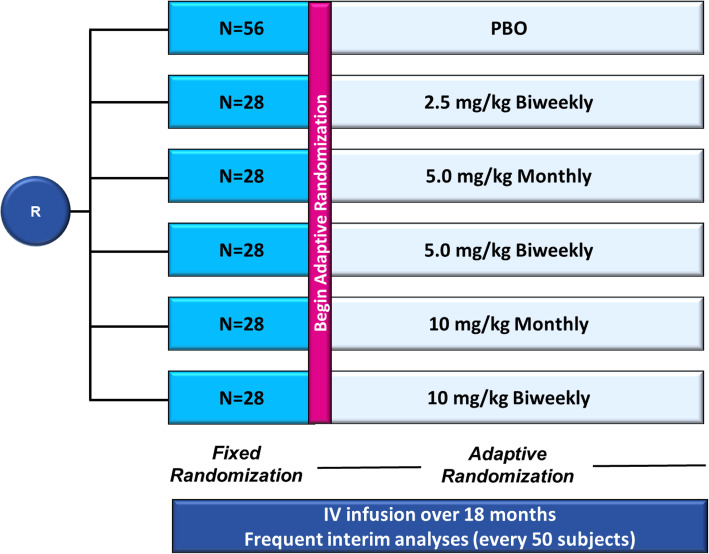
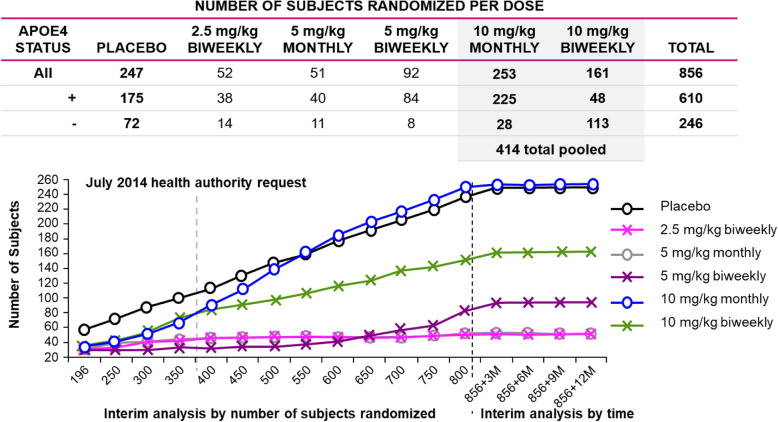
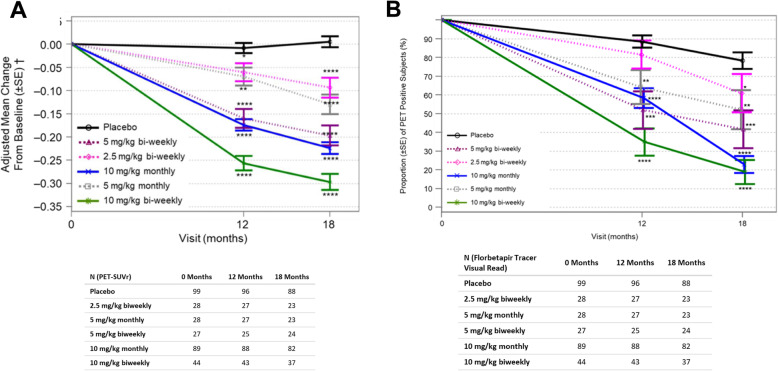
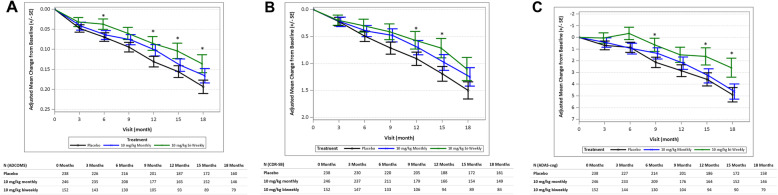
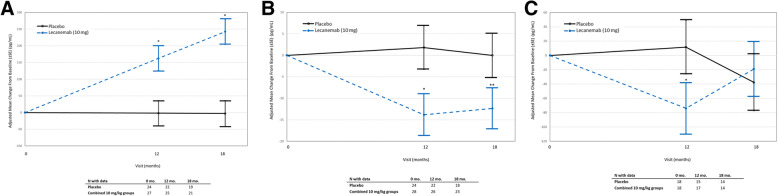
BACKGROUND: Lecanemab (BAN2401), an IgG1 monoclonal antibody, preferentially targets soluble aggregated amyloid beta (Aβ), with activity across oligomers, protofibrils, and insoluble fibrils. BAN2401-G000-201, a randomized double-blind clinical trial, utilized a Bayesian design with response-adaptive randomization to assess 3 doses across 2 regimens of lecanemab versus placebo in early Alzheimer's disease, mild cognitive impairment due to Alzheimer's disease (AD) and mild AD dementia. METHODS: BAN2401-G000-201 aimed to establish the effective dose 90% (ED90), defined as the simplest dose that achieves ≥90% of the maximum treatment effect. The primary endpoint was Bayesian analysis of 12-month clinical change on the Alzheimer's Disease Composite Score (ADCOMS) for the ED90 dose, which required an 80% probability of ≥25% clinical reduction in decline versus placebo. Key secondary endpoints included 18-month Bayesian and frequentist analyses of brain amyloid reduction using positron emission tomography; clinical decline on ADCOMS, Clinical Dementia Rating-Sum-of-Boxes (CDR-SB), and Alzheimer's Disease Assessment Scale-Cognitive Subscale (ADAS-Cog14); changes in CSF core biomarkers; and total hippocampal volume (HV) using volumetric magnetic resonance imaging. RESULTS: A total of 854 randomized subjects were treated (lecanemab, 609; placebo, 245). At 12 months, the 10-mg/kg biweekly ED90 dose showed a 64% probability to be better than placebo by 25% on ADCOMS, which missed the 80% threshold for the primary outcome. At 18 months, 10-mg/kg biweekly lecanemab reduced brain amyloid (-0.306 SUVr units) while showing a drug-placebo difference in favor of active treatment by 27% and 30% on ADCOMS, 56% and 47% on ADAS-Cog14, and 33% and 26% on CDR-SB versus placebo according to Bayesian and frequentist analyses, respectively. CSF biomarkers were supportive of a treatment effect. Lecanemab was well-tolerated with 9.9% incidence of amyloid-related imaging abnormalities-edema/effusion at 10 mg/kg biweekly. CONCLUSIONS: BAN2401-G000-201 did not meet the 12-month primary endpoint. However, prespecified 18-month Bayesian and frequentist analyses demonstrated reduction in brain amyloid accompanied by a consistent reduction of clinical decline across several clinical and biomarker endpoints. A phase 3 study (Clarity AD) in early Alzheimer's disease is underway. TRIAL REGISTRATION: Clinical Trials.gov NCT01767311 .
Overview
The claims and statistics of this paper haven’t been checked yet.
Run the check — free, no account needed. It reads the open-access text and checks the sources it cites.
Integrity signals
Registry
Cites
Statistics
Figures
Verification
Claims the paper makes
The claims and statistics of this paper haven’t been checked yet.
Run the check — free, no account needed. It reads the open-access text and checks the sources it cites.
Claims other papers make about this one
Each is checked against this paper’s own text: does it say what the citing paper says it does?
The cited source says what the claim attributes to it.
In the citing paper
“After 79 weeks, lecanemab was found to have a lower total brain amyloid plaque burden than a placebo (Study 201).”
From Recent Advances in Therapeutics for the Treatment of Alzheimer’s Disease (2024) · cites this paper as [188]
In the citing paper
“In particular, a mean difference of −73.5 centiloides and −0.31 standardized uptake value ratio (SUVR) units was found between the lecanemab and placebo treatment groups.”
From Recent Advances in Therapeutics for the Treatment of Alzheimer’s Disease (2024) · cites this paper as [188]
In the citing paper
“Lecanemab’s capacity to lower the amount of amyloid in the brain, as shown by PET scans, has led to its submission for expedited approval for the treatment of AD.”
From Recent Advances in Therapeutics for the Treatment of Alzheimer’s Disease (2024) · cites this paper as [188]
In the citing paper
“The study also suggested at week 79 that a risk reduction of 20% to 40% be applied to the advancement of clinical symptoms [187,188].”
From Recent Advances in Therapeutics for the Treatment of Alzheimer’s Disease (2024) · cites this paper as [188]
In the citing paper
“Additionally, the treatment impact increased in a dose- and exposure-dependent manner; a 25% AUC therapy was probably superior to a placebo by >0.64.”
From Recent Advances in Therapeutics for the Treatment of Alzheimer’s Disease (2024) · cites this paper as [188]
In the citing paper
“The results revealed a significant and dose-dependent reduction of amyloid plaques in the lecanemab group (10 mg/kg, intravenous infusion every 2 weeks) from baseline to week 79 compared with the placebo group.”
From Clinical trials of new drugs for Alzheimer disease: a 2020–2023 update (2023) · cites this paper as [42]
In the citing paper
“A double-blind, placebo-controlled phase 2 trial recruited 856 patients with AD with mild cognitive impairment (MCI) or mild dementia and verified amyloid pathology through amyloid PET or CSF Aβ1-42 [42].”
From Clinical trials of new drugs for Alzheimer disease: a 2020–2023 update (2023) · cites this paper as [42]
In the citing paper
“In the Phase 2 trial, it had been identified to successfully reduce brain amyloid and improved cognitive decline in the highest-dose group (twice-monthly 10 mg/kg).351”
From Amyloid β-based therapy for Alzheimer’s disease: Challenges, successes and future (2023) · cites this paper as [351]
Self-check
Percentages, sums and reported differences re-computed from the paper’s own numbers.
The self-check needs the paper’s full text.
Citations
Cites
Neurofilaments as biomarkers in neurological disorders
Khalil, M., Teunissen, C. E., Otto, M., Piehl, F., Sormani, M. P., Gattringer, T., Barro, C., Kappos, L., Comabella, M., Fazekas, F., et al. (2018) · Nature Reviews Neurology · doi:10.1038/s41582-018-0058-z · Cited by 1,988 · cited 1×
“AD diagnosis is associated with increased plaque burden in the brain and a decrease in Aβ1–42 monomers in CSF due to sequestration of monomeric Aβ1–42 into amyloid plaques [26].”
BackgroundRevising the definition of Alzheimer's disease: a new lexicon
Dubois, B., Feldman, H. H., Jacova, C., Cummings, J. L., DeKosky, S. T., Barberger-Gateau, P., Delacourte, A., Frisoni, G., Fox, N. C., Galasko, D., et al. (2010) · The Lancet Neurology · doi:10.1016/s1474-4422(10)70223-4 · Cited by 1,869
Masters, C. L., Bateman, R., Blennow, K., Rowe, C. C., Sperling, R. A., & Cummings, J. L. (2015) · Nature Reviews Disease Primers · doi:10.1038/nrdp.2015.56 · Cited by 1,853
The 'Arctic' APP mutation (E693G) causes Alzheimer's disease by enhanced Aβ protofibril formation
Nilsberth, C., Westlind-Danielsson, A., Eckman, C. B., Condron, M. M., Axelman, K., Forsell, C., Stenh, C., Luthman, J., Teplow, D. B., Younkin, S. G., et al. (2001) · Nature Neuroscience · doi:10.1038/nn0901-887 · Cited by 1,209
Self-citationDeciphering the Molecular Basis of Memory Failure in Alzheimer's Disease
Walsh, D. M., & Selkoe, D. J. (2004) · Neuron · doi:10.1016/j.neuron.2004.09.010 · Cited by 1,207
Molecular structural basis for polymorphism in Alzheimer's β-amyloid fibrils
Paravastu, A. K., Leapman, R. D., Yau, W., & Tycko, R. (2008) · Proceedings of the National Academy of Sciences · doi:10.1073/pnas.0806270105 · Cited by 1,165
Synaptic Targeting by Alzheimer's-Related Amyloid β Oligomers
Lacor, P. N., Buniel, M. C., Chang, L., Fernandez, S. J., Gong, Y., Viola, K. L., Lambert, M. P., Velasco, P. T., Bigio, E. H., Finch, C. E., et al. (2004) · The Journal of Neuroscience · doi:10.1523/jneurosci.3432-04.2004 · Cited by 954 · cited 1×
“Soluble Aβ aggregates have been shown to be more toxic than monomers or insoluble fibrils [4, 6–10], and we hypothesized that reducing these soluble Aβ aggregates could represent an effective treatment approach in early stages of AD [4, 11, 12].”
BackgroundBurns, A., & Iliffe, S. (2009) · BMJ · doi:10.1136/bmj.b158 · Cited by 859
Alzheimer's disease drug development pipeline: 2018
Cummings, J., Lee, G., Ritter, A., & Zhong, K. (2018) · Alzheimer's & Dementia: Translational Research & Clinical Interventions · doi:10.1016/j.trci.2018.03.009 · Cited by 697 · cited 1×
“Most previously published studies using other putative disease-modifying agents for AD did not show appreciable clinical efficacy in phase 3 [19, 31].”
ResultSelf-citationA phase III randomized trial of gantenerumab in prodromal Alzheimer’s disease
for the SCarlet RoAD Investigators, Ostrowitzki, S., Lasser, R. A., Dorflinger, E., Scheltens, P., Barkhof, F., Nikolcheva, T., Ashford, E., Retout, S., Hofmann, C., et al. (2017) · Alzheimer's Research & Therapy · doi:10.1186/s13195-017-0318-y · Cited by 567
Cited by
Sorted by citations
Items 101–200 of 846
Morris, J. C., Weiner, M., Xiong, C., Beckett, L., Coble, D., Saito, N., Aisen, P. S., Allegri, R., Benzinger, T. L. S., Berman, S. B., et al. (2022) · Brain · doi:10.1093/brain/awac181 · Cited by 68
Qiao, Y., Chi, Y., Zhang, Q., & Ma, Y. (2023) · Frontiers in Aging Neuroscience · doi:10.3389/fnagi.2023.1169499 · Cited by 78
“This FDA approval is based on positive results of phase 2 b proof-ofconcept clinical trial in early Alzheimer’s disease, and lecanemab completely removed Aβ plaques, alleviated cognitive decline, and had a low incidence amyloid-related imaging abnormalities (ARIA) in early AD (Swanson et al., 2021).”
BackgroundAlzheimer’s disease clinical trial update 2019–2021
Pleen, J., & Townley, R. A. (2021) · Journal of Neurology · doi:10.1007/s00415-021-10790-5 · Cited by 69
Considerations regarding a diagnosis of Alzheimer’s disease before dementia: a systematic review
van der Schaar, J., Visser, L. N. C., Bouwman, F. H., Ket, J. C. F., Scheltens, P., Bredenoord, A. L., & van der Flier, W. M. (2022) · Alzheimer s Research & Therapy · doi:10.1186/s13195-022-00971-3 · Cited by 74
Drug Delivery Systems as a Strategy to Improve the Efficacy of FDA-Approved Alzheimer’s Drugs
Nunes, D., Loureiro, J. A., & Pereira, M. C. (2022) · Pharmaceutics · doi:10.3390/pharmaceutics14112296 · Cited by 68
Aducanumab: a new phase in therapeutic development for Alzheimer’s disease?
Lalli, G., Schott, J. M., Hardy, J., & Strooper, B. D. (2021) · EMBO Molecular Medicine · doi:10.15252/emmm.202114781 · Cited by 67
“…plaques (Cummings et al, 2019); and indeed, promising results from phase II clinical trials with other anti-Ab monoclonal antibodies, including gantenerumab (Klein et al, 2019), lecanemab (Swanson et al, 2021) and more recently donanemab (Mintun et al, 2021) have led to ongoing phase III studies.”
BackgroundLiang, Y., Liu, C., Cheng, M., Geng, L., Li, J., Du, W., Song, M., Chen, N., Yeleen, T. A. N., Li, S., et al. (2024) · Alzheimer s & Dementia · doi:10.1002/alz.14057 · Cited by 73
Imbimbo, B. P., Ippati, S., Watling, M., & Imbimbo, C. (2022) · Pharmacological Research · doi:10.1016/j.phrs.2022.106631 · Cited by 69
Yu, H. J., Dickson, S. P., Wang, P., Chiu, M., Huang, C., Chang, C., Liu, H., Hendrix, S. B., Dodart, J., Verma, A. K., et al. (2023) · EBioMedicine · doi:10.1016/j.ebiom.2023.104665 · Cited by 72
The Enigma of Tau Protein Aggregation: Mechanistic Insights and Future Challenges
Zheng, H., Sun, H., Cai, Q., & Tai, H. (2024) · International Journal of Molecular Sciences · doi:10.3390/ijms25094969 · Cited by 69
Passive immunotherapy for Alzheimer's disease
Guo, X., Li, Y., Zhang, D., & Zhao, Y. (2024) · Ageing Research Reviews · doi:10.1016/j.arr.2024.102192 · Cited by 69
“Tau (1 (cid:0) 368) and APP (586 (cid:0) 695) fragments, cleaved by δ -secretase, additively drive BACE1 upregulation and A β generation (Zhang et al., 2021).”
BackgroundColey, N., Giulioli, C., Aisen, P. S., Vellas, B., & Andrieu, S. (2022) · Ageing Research Reviews · doi:10.1016/j.arr.2022.101777 · Cited by 62
Imbimbo, B. P., Balducci, C., Ippati, S., & Watling, M. (2022) · Neural Regeneration Research · doi:10.4103/1673-5374.340409 · Cited by 61
“Nevertheless, the authors claimed a consistent reduction in clinical decline across several clinical and biomarker endpoints that is difficult to interpret in view of the above (Swanson et al., 2021).”
BackgroundImmunotherapies for Alzheimer’s Disease—A Review
Valiukas, Z., Ephraim, R., Tangalakis, K., Davidson, M., Apostolopoulos, V., & Feehan, J. (2022) · Vaccines · doi:10.3390/vaccines10091527 · Cited by 70
“The treatments resulted in ARIA– vasogenic oedema (ARIA-E), which was more common in participants that were APOE-ε4 positive [68,76], further demonstrating the gene’s implication in AD [37].”
BackgroundResultFrom Recognition to Remedy: The Significance of Biomarkers in Neurodegenerative Disease Pathology
Toader, C., Dobrin, N., Brehar, F.-M., Popa, C., Covache-Busuioc, R.-A., Glavan, L.-A., Costin, H. P., Bratu, B.-G., Corlatescu, A.-D., Popa, A. A., et al. (2023) · International Journal of Molecular Sciences · doi:10.3390/ijms242216119 · Cited by 63
Johannesson, M., Söderberg, L., Zachrisson, O., Fritz, N., Kylefjord, H., Gkanatsiou, E., Button, E. B., Svensson, A.-S., Rachalski, A., Nygren, P., et al. (2024) · Molecular and Cellular Neuroscience · doi:10.1016/j.mcn.2024.103949 · Cited by 68
“…to AD and mild AD), Phase 2b and Phase 3 clinical trials identified significant effects of lecanemab on primary cognitive endpoints, on functional end-points, and on A β clearance from the brain, as demonstrated by amyloid positron emission tomography (van Dyck et al., 2023; Swanson et al., 2021).”
MethodResultBiomarker-guided decision making in clinical drug development for neurodegenerative disorders
Cummings, J. L., Teunissen, C. E., Fiske, B. K., Ber, I. L., Wildsmith, K. R., Schöll, M., Dunn, B., & Scheltens, P. (2025) · Nature Reviews Drug Discovery · doi:10.1038/s41573-025-01165-w · Cited by 70
Alkhalifa, A. E., Mokhlf, A. A., Ali, H., Al-Ghraiybah, N. F., & Syropoulou, V. (2025) · Journal of Personalized Medicine · doi:10.3390/jpm15090437 · Cited by 68
Zetterberg, H. (2022) · Alzheimer s & Dementia · doi:10.1002/alz.12618 · Cited by 59
“52 In anti-Aβ antibody trials, attenuated increases of CSF NfL have been reported, 53, 54 which may indicate a positive effect on neurodegeneration by the treatment, although longer and larger studies are needed.”
Monfared, A. A. T., Tafazzoli, A., Ye, W., Chavan, A., & Zhang, Q. (2022) · Neurology and Therapy · doi:10.1007/s40120-022-00350-y · Cited by 60
Tau‐PET is superior to phospho‐tau when predicting cognitive decline in symptomatic AD patients
Smith, R., Cullen, N. C., Pichet Binette, A., Leuzy, A., Blennow, K., Zetterberg, H., Klein, G., Borroni, E., Ossenkoppele, R., Janelidze, S., et al. (2023) · Alzheimer's & Dementia · doi:10.1002/alz.12875 · Cited by 60
“First, the follow-up period is rathershort,althoughitiswithintherangeofmanytherapeuticaltrials in symptomatic AD (ClinicalTrials.gov: Clarity AD, EMERGE, GRADU-ATE 1&2, and ENGAGE, and 37–39 ), and represents a foreseeable time perspective from a clinical point of view.”
Key questions for the evaluation of anti-amyloid immunotherapies for Alzheimer’s disease
Liu, K. Y., Villain, N., Ayton, S., Ackley, S. F., Planche, V., Howard, R. J., & Thambisetty, M. (2023) · Brain Communications · doi:10.1093/braincomms/fcad175 · Cited by 60
Shanks, H. R. C., Chen, K., Reiman, E. M., Blennow, K., Cummings, J. L., Massa, S. M., Longo, F. M., Börjesson‐Hanson, A., Windisch, M., & Schmitz, T. W. (2024) · Nature Medicine · doi:10.1038/s41591-024-02977-w · Cited by 64
Alzheimer’s Disease: Combination Therapies and Clinical Trials for Combination Therapy Development
Cummings, J. L., Osse, A. M. L., Kinney, J. W., Cammann, D., & Chen, J. (2024) · CNS Drugs · doi:10.1007/s40263-024-01103-1 · Cited by 67
Rash, B. G., Ramdas, K. N., Agafonova, N., Naioti, E., McClain‐Moss, L., Zainul, Z., Varnado, B., Peterson, K., Brown, M. T., Leal, T., et al. (2025) · Nature Medicine · doi:10.1038/s41591-025-03559-0 · Cited by 71
“In a phase 3 trial of lecanemab, randomization to active treatment resulted in a 27% improvement in Clinical Dementia Rating scale sum of boxes (CDR-SB) at 18 months 9–12 .”
Predicting early Alzheimer’s with blood biomarkers and clinical features
AlMansoori, M. E., Jemimah, S., Abuhantash, F., & AlShehhi, A. (2024) · Scientific Reports · doi:10.1038/s41598-024-56489-1 · Cited by 58
Cummings, J. L., & Kinney, J. W. (2022) · Medicina · doi:10.3390/medicina58070952 · Cited by 61
Fluid biomarkers in Alzheimer's disease
Simrén, J., Elmgren, A., Blennow, K., & Zetterberg, H. (2023) · Advances in Clinical Chemistry · doi:10.1016/bs.acc.2022.09.006 · Cited by 58
Physiological Roles of Monomeric Amyloid-β and Implications for Alzheimer’s Disease Therapeutics
Jeong, H., Shin, H., Hong, S., & Kim, Y. S. (2022) · Experimental Neurobiology · doi:10.5607/en22004 · Cited by 59
Söderberg, L., Johannesson, M., Gkanatsiou, E., Nygren, P., Fritz, N., Zachrisson, O., Rachalski, A., Svensson, A.-S., Button, E. B., Dentoni, G., et al. (2024) · Scientific Reports · doi:10.1038/s41598-024-61691-2 · Cited by 62
“Lecanemab, which has a lower ARIA-E frequency than aducanumab, bapineuzumab, and gantenerumab, showed much less binding to CAA Aβ fibrils than these antibodies 17,44 .”
Initial Experience with Lecanemab and Lessons Learned in 71 Patients in a Regional Medical Center
Shields, L. B. E., Hust, H. S., Cooley, S. D., Cooper, G. E., Hart, R. N., Dennis, B. C., Freeman, S. W., Cain, J., Shang, W. Y., Wasz, K. M., et al. (2024) · The Journal of Prevention of Alzheimer s Disease · doi:10.14283/jpad.2024.159 · Cited by 57
Huber, H., Blennow, K., Zetterberg, H., Boada, M., Jeromin, A., Weninger, H., Núñez‐Llaves, R., Aguilera, N., Ramis, M., Simrén, J., et al. (2024) · Alzheimer s & Dementia · doi:10.1002/alz.13697 · Cited by 55
“1 With the recent approval and continued advancement of disease-modifying therapies (DMTs) for AD, 2,3 there is an urgent need for developing easily accessible biomarkers.”
BackgroundInsights into the use of biomarkers in clinical trials in Alzheimer's disease
Pascoal, T. A., Aguzzoli, C. S., Lussier, F. Z., Crivelli, L., Suemoto, C. K., Fortea, J., Rosa‐Neto, P., Zimmer, E. R., Ferreira, P. C. L., & Bellaver, B. (2024) · EBioMedicine · doi:10.1016/j.ebiom.2024.105322 · Cited by 60
Drug delivery strategies with lipid-based nanoparticles for Alzheimer’s disease treatment
Jang, Y.-J., Kang, S.-J., Park, H. S., Lee, D., Kim, J. H., Kim, J.-E., Kim, D., Chung, C., Yoon, J., & Bhang, S. H. (2025) · Journal of Nanobiotechnology · doi:10.1186/s12951-025-03109-3 · Cited by 64
van Dyck, C. H., Sperling, R. A., Johnson, K. A., Dhadda, S., Kanekiyo, M., Li, D., Gee, M., Hersch, S. M., Irizarry, M. C., & Kramer, L. D. (2025) · Alzheimer s & Dementia · doi:10.1002/alz.70905 · Cited by 61
ACU193: An Immunotherapeutic Poised to Test the Amyloid β Oligomer Hypothesis of Alzheimer’s Disease
Krafft, G. A., Jerecı̀ć, J., Siemers, E., & Cline, E. N. (2022) · Frontiers in Neuroscience · doi:10.3389/fnins.2022.848215 · Cited by 54
The Anti-Amyloid Monoclonal Antibody Lecanemab: 16 Cautionary Notes
Kepp, K. P., Sensi, S. L., Johnsen, K. B., Barrio, J. R., Høilund‐Carlsen, P. F., Neve, R. L., Alavi, A. A., Herrup, K., Perry, G. L., Robakis, N. K. R. K., et al. (2023) · Journal of Alzheimer s Disease · doi:10.3233/jad-230099 · Cited by 56
Zielinski, M., Reyes, F. S. P., Gremer, L., Schemmert, S., Frieg, B., Schäfer, L. U., Willuweit, A., Donner, L., Elvers, M., Nilsson, L. N. G., et al. (2023) · Nature Neuroscience · doi:10.1038/s41593-023-01484-4 · Cited by 53
Verger, A., Yakushev, I. Y., Albert, N. L., van Berckel, B. N. M., Brendel, M., Cecchin, D., Fernandez, P. A., Fraioli, F., Guedj, É., Morbelli, S. D., et al. (2023) · European Journal of Nuclear Medicine and Molecular Imaging · doi:10.1007/s00259-023-06177-5 · Cited by 58
“Different from aducanumab, the evidence for efficiency of lecanemab has been consistent across studies and outcomes [1, 2, 4].”
MethodCurrent landscape of innovative drug development and regulatory support in China
Tan, R., Hua, H., Zhou, S., Yang, Z., Yang, C., Huang, G., Zeng, J., & Zhao, J. (2025) · Signal Transduction and Targeted Therapy · doi:10.1038/s41392-025-02267-y · Cited by 51
Morató, X., Pytel, V., Jofresa, S., Ruiz, A., & Boada, M. (2022) · International Journal of Molecular Sciences · doi:10.3390/ijms23169305 · Cited by 53
“The antibody administered at a dose of 10 mg/kg bi-weekly reduced brain amyloid by up to 93 percent in the highest-dose group [80].”
BackgroundKonstantinidis, E., Molisak, A., Perrin, F., Streubel-Gallasch, L., Fayad, S., Kim, D. Y., Petri, K., Aryee, M. J., Aguilar, X., György, B., et al. (2022) · Molecular Therapy — Nucleic Acids · doi:10.1016/j.omtn.2022.03.022 · Cited by 60
Amyloid oligomers as on-pathway precursors or off-pathway competitors of fibrils
Muschol, M., & Hoyer, W. (2023) · Frontiers in Molecular Biosciences · doi:10.3389/fmolb.2023.1120416 · Cited by 56
“targets Aβ oligomers over monomers and fibrils (Swanson et al., 2021; Söderberg et al., 2022).”
BackgroundRecent Advances in Therapeutics for the Treatment of Alzheimer’s Disease
Thawabteh, A. M., Ghanem, A. W., AbuMadi, S., Thaher, D., Jaghama, W., Karaman, D., & Karaman, R. (2024) · Molecules · doi:10.3390/molecules29215131 · Cited by 56
“The study also suggested at week 79 that a risk reduction of 20% to 40% be applied to the advancement of clinical symptoms [187,188].”
BackgroundMeasures of cortical microstructure are linked to amyloid pathology in Alzheimer’s disease
Spotorno, N., Strandberg, O. T., Vis, G., Stomrud, E., Nilsson, M., & Hansson, O. (2022) · Brain · doi:10.1093/brain/awac343 · Cited by 54
“4,5 As this is unlikely an indication of worsened neurodegeneration, other hypotheses have been put forward.”
Passive Alzheimer’s immunotherapy: A promising or uncertain option?
Høilund‐Carlsen, P. F., Revheim, M.-E. R., Costa, T., Alavi, A. A., Kepp, K. P., Sensi, S. L., Perry, G. L., Robakis, N. K. R. K., Barrio, J. R., & Vissel, B. (2023) · Ageing Research Reviews · doi:10.1016/j.arr.2023.101996 · Cited by 53
Hajjo, R., Sabbah, D. A., Abusara, O. H., & Bawab, A. Q. A. (2022) · Diagnostics · doi:10.3390/diagnostics12122975 · Cited by 57
Donanemab in Early Alzheimer’s Disease
(2021) · New England Journal of Medicine · doi:10.1056/nejmc2109455 · Cited by 50
Enhanced delivery of a low dose of aducanumab via FUS in 5×FAD mice, an AD model
Kong, C., Yang, E.-J., Shin, J., Park, J., Kim, S., Park, S., Chang, W. S., Lee, C., Kim, H.-J., Kim, H.-S., et al. (2022) · Translational Neurodegeneration · doi:10.1186/s40035-022-00333-x · Cited by 52
“Recently, the FDA approved Adu for the treatment of AD based on an evaluation of effects of the drug in clinical stages [5, 40].”
BackgroundBollack, A., Pemberton, H., Collij, L. E., Markiewicz, P. J., Cash, D. M., Farrar, G., & Barkhof, F. (2023) · Alzheimer s & Dementia · doi:10.1002/alz.13158 · Cited by 51
Zhao, Z., Liu, Y., Ruan, S., & Hu, Y. (2023) · International Journal of Nanomedicine · doi:10.2147/ijn.s444115 · Cited by 49
Wu, W., Zhao, Y., Cheng, X. R., Xie, X., Zeng, Y., Tao, Q., Yang, Y., Xiao, C., Zhang, Z., Pang, J., et al. (2025) · Nature Communications · doi:10.1038/s41467-024-55678-w · Cited by 55
Bioactive human Alzheimer brain soluble Aβ: pathophysiology and therapeutic opportunities
Li, S., & Stern, A. M. (2022) · Molecular Psychiatry · doi:10.1038/s41380-022-01589-5 · Cited by 47
“Anti-Aβ antibodies Early attempts at targeting Aβ with monoclonal antibodies failed to alleviate cognitive decline compared to placebo, though more recent trials have evinced mixed success [17, 18].”
BackgroundResultJoseph‐Mathurin, N., Llibre‐Guerra, J. J., Li, Y., McCullough, A. A., Hofmann, C., Wojtowicz, J., Park, E., Wang, G., Preboske, G. M., Wáng, Q., et al. (2022) · Annals of Neurology · doi:10.1002/ana.26511 · Cited by 48
Huang, P., Zhang, L., Tan, Y., & Chen, S. (2023) · Translational Neurodegeneration · doi:10.1186/s40035-023-00337-1 · Cited by 54
Treatment of Alzheimer Disease
Geldmacher, D. (2024) · CONTINUUM Lifelong Learning in Neurology · doi:10.1212/con.0000000000001503 · Cited by 51
Rao, G., Gao, H., Wang, X., Zhang, J., Ye, M., & Rao, L. (2023) · Medicine · doi:10.1097/md.0000000000034997 · Cited by 46
Clarity AD: Asian regional analysis of a phase III trial of lecanemab in early Alzheimer's disease
Chen, C., Katayama, S., Lee, J. H., Lee, J.-Y., Nakagawa, M., Torii, K., Ogawa, T., Dash, A., Irizarry, M. C., Dhadda, S., et al. (2025) · The Journal of Prevention of Alzheimer s Disease · doi:10.1016/j.tjpad.2025.100160 · Cited by 52
Alzheimer's disease: FDA approves lecanemab amid cost and safety concerns
Mahase, E. (2023) · BMJ · doi:10.1136/bmj.p73 · Cited by 43
Jovalekic, A., Roé-Vellvé, N., Koglin, N., Lagos‐Quintana, M., Nelson, A. S., Diemling, M., Lilja, J., Gómez-González, J. P., Doré, V., Bourgeat, P., et al. (2023) · European Journal of Nuclear Medicine and Molecular Imaging · doi:10.1007/s00259-023-06279-0 · Cited by 47
Young, C. B., Landau, S. M., Harrison, T. M., Poston, K. L., & Mormino, E. C. (2021) · NeuroImage · doi:10.1016/j.neuroimage.2021.118553 · Cited by 46
“…important for the integration of tau PET into linical trials, which has become commonplace in multiple high prole anti-amyloid trials investigating aducanamab ( Sevigny et al., 2016 ), olanezumab ( Siemers et al., 2016 ), lecanemab ( Swanson et al., 2021 ), nd donanamab ( Mintun et al., 2021 ).”
BackgroundMonfared, A. A. T., Tafazzoli, A., Chavan, A., Ye, W., & Zhang, Q. (2022) · Neurology and Therapy · doi:10.1007/s40120-022-00373-5 · Cited by 44
Implications of the Approval of Lecanemab for Alzheimer Disease Patient Care
Knopman, D. S., & Hershey, L. A. (2023) · Neurology · doi:10.1212/wnl.0000000000207438 · Cited by 47
“(first reported on July 25, 2018, under the drug name of BAN2401) showed that the drug avidly lowered brain amyloid and clarified the optimal dosing but did not lead to a definitive statement about clinical benefits because of the limitations imposed by its dose-finding adaptive design and restrictions on dosing in AP…”
BackgroundResultPlanche, V., & Villain, N. (2021) · JAMA Neurology · doi:10.1001/jamaneurol.2021.3126 · Cited by 43
“of AD, the application of these operational criteria to establish amyloid-load measured with PET as a surrogate endpoint would require that: (1) the treatment has an effect on cognitive decline; (2) the treatment effect on slowing cognitive decline is captured by amyloid load; (3) the treatment has an effect on amyloi…”
MethodMonoclonal Antibody Therapy in Alzheimer’s Disease
Neațu, M., Covaliu, A., Ioniță, I., Jugurt, A., Davidescu, E. I., & Popescu, B. O. (2023) · Pharmaceutics · doi:10.3390/pharmaceutics16010060 · Cited by 46
“It specifically enrolled individuals with Mild Cognitive Impairment (MCI) and mild dementia attributed to Alzheimer’s disease [69,82].”
BackgroundMethodInfluentialMorphological and Molecular Profiling of Amyloid-β Species in Alzheimer’s Pathogenesis
Almeida, Z. L., Vaz, D. C., & Brito, R. M. M. (2024) · Molecular Neurobiology · doi:10.1007/s12035-024-04543-4 · Cited by 49
“Aducanumab prescription led to a reduction of Aβ plaques and to slower AD progression [257], whereas lecanemab has been shown to reduce cognitive decline by 27% and to reduce the buildup of Aβ in the brain [263].”
Yamashita, K., Miura, M., Watanabe, S., Ishiki, K., Arimatsu, Y., Kawahira, J., Kubo, T., Sasaki, K., Arai, T., Hagino, K., et al. (2022) · Alzheimer s Research & Therapy · doi:10.1186/s13195-022-01029-0 · Cited by 44
Babalola, J. A., Lang, M., George, M., Stracke, A., Tam‐Amersdorfer, C., Itxaso, I., Lucija, D., Tadić, J., Schilcher, I., Loeffler, T., et al. (2023) · Brain Research · doi:10.1016/j.brainres.2023.148518 · Cited by 45
“, 2021; Slomski,2022), and two recently approved anti-amyloid monoclonal antibodies; Aducanumab and Lecanemab are expensive and have associated side effects (Mintun et al., 2021; Swanson et al., 2021; Lacorte et al., 2022; Cummings, 2023).”
Prados, M., Liu, Y., Jun, H., Lam, J., & Mattke, S. (2022) · Alzheimer s & Dementia · doi:10.1002/alz.12578 · Cited by 42
Muolokwu, C. E., Chaulagain, B., Gothwal, A., Mahanta, A. K., Tagoe, B., Lamsal, B., & Singh, J. (2024) · Frontiers in Pharmacology · doi:10.3389/fphar.2024.1405423 · Cited by 42
Hayato, S., Takenaka, O., Reddy, S. H. S., Landry, I. S., Reyderman, L., Koyama, A., Swanson, C. J., Yasuda, S., & Hussein, Z. (2022) · CPT Pharmacometrics & Systems Pharmacology · doi:10.1002/psp4.12862 · Cited by 41
Mitochondrial DNA and Inflammation in Alzheimer’s Disease
Galizzi, G., & Carlo, M. D. (2023) · Current Issues in Molecular Biology · doi:10.3390/cimb45110540 · Cited by 43
Newer Therapeutic Approaches in Treating Alzheimer’s Disease: A Comprehensive Review
Sree, R. R., Kalyan, M., Anand, N., Mani, S., Gorantla, V. R., Sakharkar, M. K., Song, B., & Chidambaram, S. B. (2025) · ACS Omega · doi:10.1021/acsomega.4c05527 · Cited by 45
Amyloid-β and α-Synuclein Immunotherapy: From Experimental Studies to Clinical Trials
Nimmo, J., Kelly, L., Verma, A. K., Carare, R. O., Nicoll, J. A. R., & Dodart, J. (2021) · Frontiers in Neuroscience · doi:10.3389/fnins.2021.733857 · Cited by 40
APOE Antibody Inhibits Aβ‐Associated Tau Seeding and Spreading in a Mouse Model
Gratuze, M., Jiang, H., Wang, C., Xiong, M., Bao, X., & Holtzman, D. M. (2022) · Annals of Neurology · doi:10.1002/ana.26351 · Cited by 41
Testing the amyloid cascade hypothesis: Prevention trials in autosomal dominant Alzheimer disease
Levin, J., Vöglein, J., Quiroz, Y. T., Bateman, R. J., Ghisays, V., Lopera, F., McDade, E., Reiman, E., Tariot, P. N., & Morris, J. C. (2022) · Alzheimer's & Dementia · doi:10.1002/alz.12624 · Cited by 40
Tarawneh, R. M., & Pankratz, V. S. (2024) · Alzheimer s Research & Therapy · doi:10.1186/s13195-024-01412-z · Cited by 42
“Brain atrophy (of undetermined clinical significance) has also been observed with lecanemab [17, 18].”
BackgroundDonanemab, another anti-Alzheimer's drug with risk and uncertain benefit
Høilund‐Carlsen, P. F., Alavi, A. A., Barrio, J. R., Castellani, R. J., Costa, T., Herrup, K., Kepp, K. P., Neve, R. L., Perry, G. L., Revheim, M.-E. R., et al. (2024) · Ageing Research Reviews · doi:10.1016/j.arr.2024.102348 · Cited by 44
BACE1 Inhibitors for Alzheimer’s Disease: Current Challenges and Future Perspectives
Coimbra, J. R. M., Resende, R., Custódio, J. B. A., Salvador, J. A. R., & Santos, A. E. (2024) · Journal of Alzheimer s Disease · doi:10.3233/jad-240146 · Cited by 43
Adenosine receptor signalling in Alzheimer’s disease
Trinh, P. N. H., Baltos, J., Hellyer, S. D., May, L. T., & Gregory, K. J. (2022) · Purinergic Signalling · doi:10.1007/s11302-022-09883-1 · Cited by 43
Sun, X., Yu, X., Zhu, J., Li, L.-J., Zhang, L., Huang, Y., Liu, D., Ji, M., Sun, X., Zhang, L. L., et al. (2023) · Signal Transduction and Targeted Therapy · doi:10.1038/s41392-022-01273-8 · Cited by 42
Wang, C., Tachimori, H., Yamaguchi, H., Sekiguchi, A., Li, Y., Yamashita, Y., & Initiative, F. A. D. N. (2024) · Translational Psychiatry · doi:10.1038/s41398-024-02819-w · Cited by 39
Hu, Y., Cho, M., Sachdev, P., Dage, J., Hendrix, S., Hansson, O., Bateman, R. J., & Hampel, H. (2024) · Med · doi:10.1016/j.medj.2024.08.004 · Cited by 42
Targeted drug delivery in neurodegenerative diseases: the role of nanotechnology
Dhariwal, R., Jain, M., Mir, Y. R., Singh, A., Jain, B., Kumar, P., Tariq, M., Verma, D., Deshmukh, K., Yadav, V. K., et al. (2025) · Frontiers in Medicine · doi:10.3389/fmed.2025.1522223 · Cited by 47
Lecanemab preferentially binds to smaller aggregates present at early Alzheimer's disease
Fertan, E., Lam, J. Y. L., Albertini, G., Dewilde, M., Wu, Y., Akingbade, O. E. S., Böken, D., English, E. A., Strooper, B. D., & Klenerman, D. (2025) · Alzheimer s & Dementia · doi:10.1002/alz.70086 · Cited by 39
Jeong, S. Y., Suh, C. H., Shim, W. H., Lim, J., Lee, J., & Kim, S. J. (2022) · Neurology · doi:10.1212/wnl.0000000000201019 · Cited by 45
“Swanson et al.(30) reported 5 cases (5/46, 11%) of symptomatic ARIA-E, consisting of headache, visual disturbances, or confusion, and all the cases were resolved within 4–12 weeks.”
BackgroundMethodResultInfluentialDhadda, S., Kanekiyo, M., Li, D. X., Swanson, C. J., Irizarry, M. C., Berry, S. M., Kramer, L. D., & Berry, D. A. (2022) · Alzheimer s Research & Therapy · doi:10.1186/s13195-022-01129-x · Cited by 39
“For example, lecanemab Study 201’s Bayesian design utilized multiple imputation [13], which was useful in accommodating unanticipated missing data due to regulatory authority-mandated dose-specific drop-outs [8].”
MethodInfluentialQiao, Y., Gu, J., Yu, M., Chi, Y., & Ma, Y. (2024) · CNS Drugs · doi:10.1007/s40263-024-01067-2 · Cited by 38
Multimodal comparisons of QSM and PET in neurodegeneration and aging
Cogswell, P. M., & Fan, A. P. (2023) · NeuroImage · doi:10.1016/j.neuroimage.2023.120068 · Cited by 38
“pathologic change and provides regional brain information about the presence of amyloid (Cummings et al., 2022; Swanson et al., 2021).”
Diffusion MRI tracks cortical microstructural changes during the early stages of Alzheimer’s disease
Spotorno, N., Strandberg, O. T., Stomrud, E., Janelidze, S., Blennow, K., Nilsson, M., van Westen, D., & Hansson, O. (2023) · Brain · doi:10.1093/brain/awad428 · Cited by 41
“1,2,5 These counter-intuitive results might be due to micro-structural changes, reflecting, for example, changes in the neuroinflammatory response or fluid shift between the intra and extra cellular or intravascular space.”
Zhang, M., Wang, W., Ye, Q., Fu, Y., Li, X., Yang, K., Gao, F., Zhou, A., Wei, Y., Tian, S., et al. (2024) · Alzheimer s Research & Therapy · doi:10.1186/s13195-024-01384-0 · Cited by 43
Evolving therapeutic interventions for the management and treatment of Alzheimer’s disease
Ahmad, F., Karan, A., Sharma, R., Sharma, N. S., Sundar, V., Jayaraj, R. L., Mukherjee, S., & DeCoster, M. A. (2024) · Ageing Research Reviews · doi:10.1016/j.arr.2024.102229 · Cited by 40
Targeted protein degraders march towards the clinic for neurodegenerative diseases
Kumar, D., & Hassan, M. I. (2022) · Ageing Research Reviews · doi:10.1016/j.arr.2022.101616 · Cited by 38
Dendrimers and Derivatives as Multifunctional Nanotherapeutics for Alzheimer’s Disease
Moreira, D. A., Santos, S. D., Leiro, V., & Pêgo, A. P. (2023) · Pharmaceutics · doi:10.3390/pharmaceutics15041054 · Cited by 39
“reduced brain amyloid and slowed cognitive decline by 27% over 18 months [51,52].”
BackgroundLecanemab: Appropriate Use Recommendations by Korean Dementia Association
Park, K. H., Kim, G. H., Kim, C., Koh, S., Moon, S. Y., Park, Y. H., Seo, S. W., Yoon, B., Lim, J., Kim, B. C., et al. (2024) · Dementia and Neurocognitive Disorders · doi:10.12779/dnd.2024.23.4.165 · Cited by 39
Alzheimer disease seen through the lens of sex and gender
Castro‐Aldrete, L., Einsiedler, M., Martínková, J., Depypere, H. T., Ang, T. F. A., Mielke, M. M., Sindi, S., Eyre, H. A., Au, R., Dimech, A. S., et al. (2025) · Nature Reviews Neurology · doi:10.1038/s41582-025-01071-0 · Cited by 46
“Given that plasma levels of p-tau 217 are poised to serve as a crucial screening tool 260 , emphasis should be placed on enabling access to assays for measuring this biomarker, as they might aid in the accurate assessment of women who are at risk of being misdiagnosed with neuropsychiatric or…”
InfluentialRofo, F., Meier, S. R., Metzendorf, N. G., Morrison, J. I., Petrovic, A., Syvänen, S., Sehlin, D., & Hultqvist, G. (2022) · Neurotherapeutics · doi:10.1007/s13311-022-01283-y · Cited by 41
Perspective for Molecular Dynamics Simulation Studies of Amyloid-β Aggregates
Okumura, H. (2023) · The Journal of Physical Chemistry B · doi:10.1021/acs.jpcb.3c06051 · Cited by 37
Tondo, G., Marchi, F. D., Bonardi, F., Menegon, F., Verrini, G., Aprile, D., Anselmi, M., Mazzini, L., & Comi, C. (2024) · Journal of Clinical Medicine · doi:10.3390/jcm13113098 · Cited by 45
Mahanta, A. K., Chaulagain, B., Trivedi, R., & Singh, J. (2024) · ACS Chemical Neuroscience · doi:10.1021/acschemneuro.4c00392 · Cited by 37
Metadata
- Authors
- Swanson, C. J., Zhang, Y., Dhadda, S., Wang, J., Kaplow, J., Lai, R. Y. K., Lannfelt, L., Bradley, H., Rabe, M., Koyama, A., Reyderman, L., Berry, D. A., Berry, S., Gordon, R., Kramer, L. D., & Cummings, J. L.
- Affiliations
- Eisai (United States) (US)
- Eisai (United Kingdom) (GB)
- Uppsala University (SE)
- Berry Consultants, LLC (United States) (US)
- University of Nevada, Las Vegas (US)
- Corresponding author
- Cummings, Jeffrey L.
- ORCID
- Venue
- Alzheimer's Research & Therapy
- Published
- 2021-04-17
- Volume
- 13
- Issue
- 1
- Pages
- 80-80
- ISSN
- 1758-9193 (ISSN-L)
- PMC
- PMC8053280
- OpenAlex
- W3152692563
- Cited by
- 847
- References
- 34
- Citations by year
- 2026: 123 · 2025: 158 · 2024: 194 · 2023: 196 · 2022: 132 · 2021: 42
- FWCI
- 88.37
- Type
- journal article
- Language
- en
- Update notices
- correction (2022-05-21)
- Open access
- gold
- doi.org
- Locations
- Alzheimer s Research & Therapy (publishedVersion, cc-by)
- PubMed Central (publishedVersion, cc-by)
- PubMed (publishedVersion)
- Digital Scholarship - UNLV (University of Nevada Reno) (submittedVersion, cc-by)
- KTH Publication Database DiVA (KTH Royal Institute of Technology) (submittedVersion, other-oa)
- DOAJ (DOAJ: Directory of Open Access Journals) (submittedVersion, cc-by-sa)
- Funders
- National Institute of General Medical Sciences (P20GM109025)
- National Institute of Neurological Disorders and Stroke (U01NS093334)
- National Institute on Aging (R01AG053798, P20AG068053)
- Topics
- Life Sciences › Neuroscience › Cellular and Molecular Neuroscience › Alzheimer's disease research and treatments
- Health Sciences › Medicine › Psychiatry and Mental health › Dementia and Cognitive Impairment Research
- Life Sciences › Neuroscience › Neurology › Neuroinflammation and Neurodegeneration Mechanisms
- Keywords
- lecanemab, anti-amyloid monoclonal antibodies, early Alzheimer's disease, amyloid protofibrils, amyloid oligomers, cerebrospinal fluid biomarkers, hippocampal volume, cognitive decline, mild cognitive impairment, mild dementia, treatment safety, dose escalation
- MeSH terms
- Alzheimer Disease, Bayes Theorem, Brain, Double-Blind Method, Humans, Amyloid beta-Peptides
About these checks
Registry, retraction, Cites and statistics results are computed, not judged, with one exception: a printed reference that no index lists is read once by a model before it counts as a citation error. Claims are extracted by a model and kept only when their quote appears verbatim in the text; each cited source is then checked, with a model’s help, for whether it says what the claim relies on. Those verdicts can be wrong — read the claim’s quote and the cited source before relying on one.
Statistics and arithmetic are recomputed, not judged.
Confidence bands are shown only for fields calibrated on our annotated test set. None is calibrated yet, so no band is shown.
What counts as a claim ›How we measure confidence ›How we check this ›
Are you an author, or do you see a problem with this page? Request a review
