

The DOI matches its Crossref record; 34 of the 34 references it cites were found in a registry or an index.
A randomized, double-blind, phase 2b proof-of-concept clinical trial in early Alzheimer’s disease with lecanemab, an anti-Aβ protofibril antibody
Open accessAbstract
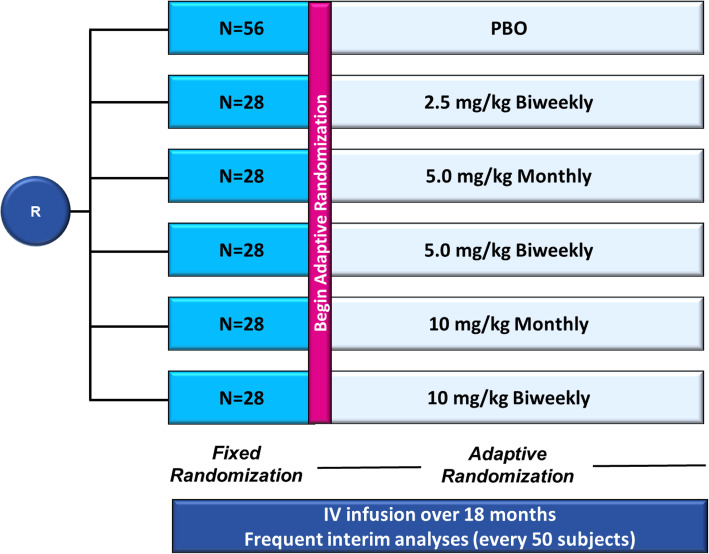
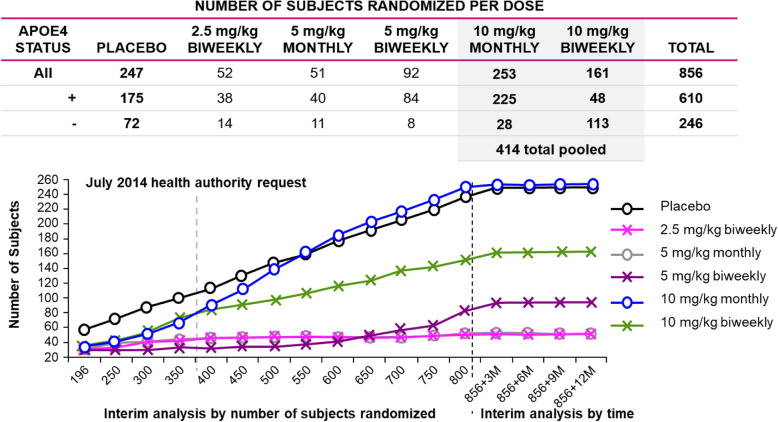
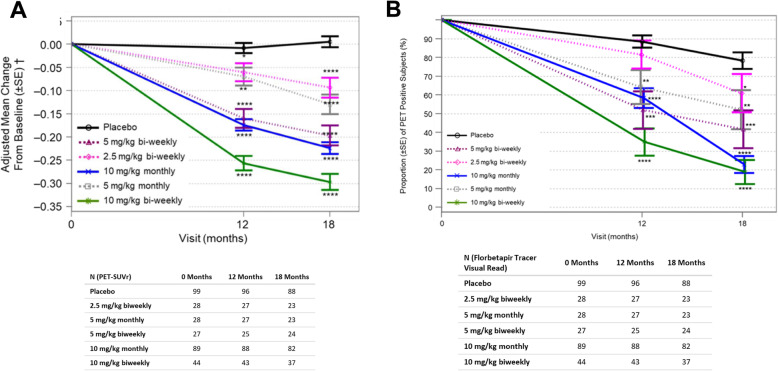
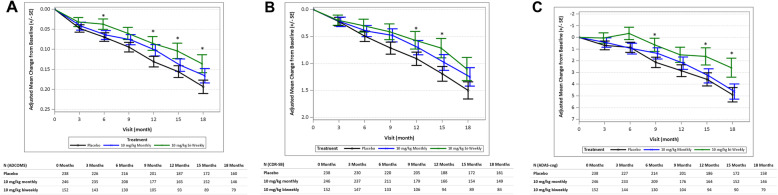
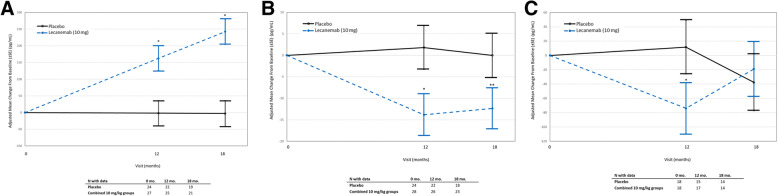
BACKGROUND: Lecanemab (BAN2401), an IgG1 monoclonal antibody, preferentially targets soluble aggregated amyloid beta (Aβ), with activity across oligomers, protofibrils, and insoluble fibrils. BAN2401-G000-201, a randomized double-blind clinical trial, utilized a Bayesian design with response-adaptive randomization to assess 3 doses across 2 regimens of lecanemab versus placebo in early Alzheimer's disease, mild cognitive impairment due to Alzheimer's disease (AD) and mild AD dementia. METHODS: BAN2401-G000-201 aimed to establish the effective dose 90% (ED90), defined as the simplest dose that achieves ≥90% of the maximum treatment effect. The primary endpoint was Bayesian analysis of 12-month clinical change on the Alzheimer's Disease Composite Score (ADCOMS) for the ED90 dose, which required an 80% probability of ≥25% clinical reduction in decline versus placebo. Key secondary endpoints included 18-month Bayesian and frequentist analyses of brain amyloid reduction using positron emission tomography; clinical decline on ADCOMS, Clinical Dementia Rating-Sum-of-Boxes (CDR-SB), and Alzheimer's Disease Assessment Scale-Cognitive Subscale (ADAS-Cog14); changes in CSF core biomarkers; and total hippocampal volume (HV) using volumetric magnetic resonance imaging. RESULTS: A total of 854 randomized subjects were treated (lecanemab, 609; placebo, 245). At 12 months, the 10-mg/kg biweekly ED90 dose showed a 64% probability to be better than placebo by 25% on ADCOMS, which missed the 80% threshold for the primary outcome. At 18 months, 10-mg/kg biweekly lecanemab reduced brain amyloid (-0.306 SUVr units) while showing a drug-placebo difference in favor of active treatment by 27% and 30% on ADCOMS, 56% and 47% on ADAS-Cog14, and 33% and 26% on CDR-SB versus placebo according to Bayesian and frequentist analyses, respectively. CSF biomarkers were supportive of a treatment effect. Lecanemab was well-tolerated with 9.9% incidence of amyloid-related imaging abnormalities-edema/effusion at 10 mg/kg biweekly. CONCLUSIONS: BAN2401-G000-201 did not meet the 12-month primary endpoint. However, prespecified 18-month Bayesian and frequentist analyses demonstrated reduction in brain amyloid accompanied by a consistent reduction of clinical decline across several clinical and biomarker endpoints. A phase 3 study (Clarity AD) in early Alzheimer's disease is underway. TRIAL REGISTRATION: Clinical Trials.gov NCT01767311 .
Overview
The claims and statistics of this paper haven’t been checked yet.
Run the check — free, no account needed. It reads the open-access text and checks the sources it cites.
Integrity signals
Registry
Cites
Statistics
Figures
Verification
Claims the paper makes
The claims and statistics of this paper haven’t been checked yet.
Run the check — free, no account needed. It reads the open-access text and checks the sources it cites.
Claims other papers make about this one
Each is checked against this paper’s own text: does it say what the citing paper says it does?
The cited source says what the claim attributes to it.
In the citing paper
“After 79 weeks, lecanemab was found to have a lower total brain amyloid plaque burden than a placebo (Study 201).”
From Recent Advances in Therapeutics for the Treatment of Alzheimer’s Disease (2024) · cites this paper as [188]
In the citing paper
“In particular, a mean difference of −73.5 centiloides and −0.31 standardized uptake value ratio (SUVR) units was found between the lecanemab and placebo treatment groups.”
From Recent Advances in Therapeutics for the Treatment of Alzheimer’s Disease (2024) · cites this paper as [188]
In the citing paper
“Lecanemab’s capacity to lower the amount of amyloid in the brain, as shown by PET scans, has led to its submission for expedited approval for the treatment of AD.”
From Recent Advances in Therapeutics for the Treatment of Alzheimer’s Disease (2024) · cites this paper as [188]
In the citing paper
“The study also suggested at week 79 that a risk reduction of 20% to 40% be applied to the advancement of clinical symptoms [187,188].”
From Recent Advances in Therapeutics for the Treatment of Alzheimer’s Disease (2024) · cites this paper as [188]
In the citing paper
“Additionally, the treatment impact increased in a dose- and exposure-dependent manner; a 25% AUC therapy was probably superior to a placebo by >0.64.”
From Recent Advances in Therapeutics for the Treatment of Alzheimer’s Disease (2024) · cites this paper as [188]
In the citing paper
“The results revealed a significant and dose-dependent reduction of amyloid plaques in the lecanemab group (10 mg/kg, intravenous infusion every 2 weeks) from baseline to week 79 compared with the placebo group.”
From Clinical trials of new drugs for Alzheimer disease: a 2020–2023 update (2023) · cites this paper as [42]
In the citing paper
“A double-blind, placebo-controlled phase 2 trial recruited 856 patients with AD with mild cognitive impairment (MCI) or mild dementia and verified amyloid pathology through amyloid PET or CSF Aβ1-42 [42].”
From Clinical trials of new drugs for Alzheimer disease: a 2020–2023 update (2023) · cites this paper as [42]
In the citing paper
“In the Phase 2 trial, it had been identified to successfully reduce brain amyloid and improved cognitive decline in the highest-dose group (twice-monthly 10 mg/kg).351”
From Amyloid β-based therapy for Alzheimer’s disease: Challenges, successes and future (2023) · cites this paper as [351]
Self-check
Percentages, sums and reported differences re-computed from the paper’s own numbers.
The self-check needs the paper’s full text.
Citations
Cites
Neurofilaments as biomarkers in neurological disorders
Khalil, M., Teunissen, C. E., Otto, M., Piehl, F., Sormani, M. P., Gattringer, T., Barro, C., Kappos, L., Comabella, M., Fazekas, F., et al. (2018) · Nature Reviews Neurology · doi:10.1038/s41582-018-0058-z · Cited by 1,988 · cited 1×
“AD diagnosis is associated with increased plaque burden in the brain and a decrease in Aβ1–42 monomers in CSF due to sequestration of monomeric Aβ1–42 into amyloid plaques [26].”
BackgroundRevising the definition of Alzheimer's disease: a new lexicon
Dubois, B., Feldman, H. H., Jacova, C., Cummings, J. L., DeKosky, S. T., Barberger-Gateau, P., Delacourte, A., Frisoni, G., Fox, N. C., Galasko, D., et al. (2010) · The Lancet Neurology · doi:10.1016/s1474-4422(10)70223-4 · Cited by 1,869
Masters, C. L., Bateman, R., Blennow, K., Rowe, C. C., Sperling, R. A., & Cummings, J. L. (2015) · Nature Reviews Disease Primers · doi:10.1038/nrdp.2015.56 · Cited by 1,853
The 'Arctic' APP mutation (E693G) causes Alzheimer's disease by enhanced Aβ protofibril formation
Nilsberth, C., Westlind-Danielsson, A., Eckman, C. B., Condron, M. M., Axelman, K., Forsell, C., Stenh, C., Luthman, J., Teplow, D. B., Younkin, S. G., et al. (2001) · Nature Neuroscience · doi:10.1038/nn0901-887 · Cited by 1,209
Self-citationDeciphering the Molecular Basis of Memory Failure in Alzheimer's Disease
Walsh, D. M., & Selkoe, D. J. (2004) · Neuron · doi:10.1016/j.neuron.2004.09.010 · Cited by 1,207
Molecular structural basis for polymorphism in Alzheimer's β-amyloid fibrils
Paravastu, A. K., Leapman, R. D., Yau, W., & Tycko, R. (2008) · Proceedings of the National Academy of Sciences · doi:10.1073/pnas.0806270105 · Cited by 1,165
Synaptic Targeting by Alzheimer's-Related Amyloid β Oligomers
Lacor, P. N., Buniel, M. C., Chang, L., Fernandez, S. J., Gong, Y., Viola, K. L., Lambert, M. P., Velasco, P. T., Bigio, E. H., Finch, C. E., et al. (2004) · The Journal of Neuroscience · doi:10.1523/jneurosci.3432-04.2004 · Cited by 954 · cited 1×
“Soluble Aβ aggregates have been shown to be more toxic than monomers or insoluble fibrils [4, 6–10], and we hypothesized that reducing these soluble Aβ aggregates could represent an effective treatment approach in early stages of AD [4, 11, 12].”
BackgroundBurns, A., & Iliffe, S. (2009) · BMJ · doi:10.1136/bmj.b158 · Cited by 859
Alzheimer's disease drug development pipeline: 2018
Cummings, J., Lee, G., Ritter, A., & Zhong, K. (2018) · Alzheimer's & Dementia: Translational Research & Clinical Interventions · doi:10.1016/j.trci.2018.03.009 · Cited by 697 · cited 1×
“Most previously published studies using other putative disease-modifying agents for AD did not show appreciable clinical efficacy in phase 3 [19, 31].”
ResultSelf-citationA phase III randomized trial of gantenerumab in prodromal Alzheimer’s disease
for the SCarlet RoAD Investigators, Ostrowitzki, S., Lasser, R. A., Dorflinger, E., Scheltens, P., Barkhof, F., Nikolcheva, T., Ashford, E., Retout, S., Hofmann, C., et al. (2017) · Alzheimer's Research & Therapy · doi:10.1186/s13195-017-0318-y · Cited by 567
Cited by
Sorted by citations
Items 201–300 of 846
Alzheimer Disease: Standard of Diagnosis, Treatment, Care, and Prevention
Teipel, S. J., Gustafson, D., Ossenkoppele, R., Hansson, O., Babiloni, C., Wagner, M., Riedel-Heller, S. G., Kilimann, I., & Tang, Y. (2022) · Journal of Nuclear Medicine · doi:10.2967/jnumed.121.262239 · Cited by 39
Monfared, A. A. T., Ye, W., Sardesai, A., Folse, H., Chavan, A., Aruffo, E., & Zhang, Q. (2023) · Neurology and Therapy · doi:10.1007/s40120-023-00473-w · Cited by 36
Gustavsson, T., Metzendorf, N. G., Wik, E., Roshanbin, S., Julku, U. H., Chourlia, A., Nilsson, P., Andersson, K. G., Laudon, H., Hultqvist, G., et al. (2023) · Alzheimer s Research & Therapy · doi:10.1186/s13195-023-01236-3 · Cited by 37
Si, J., Liu, B., Qi, K., Chen, X., Li, D., Yang, S., & Ji, E. (2023) · Journal of Ethnopharmacology · doi:10.1016/j.jep.2023.116677 · Cited by 35
Grill, J. D., Flournoy, C., Dhadda, S., Ernstrom, K. B., Sperling, R. A., Molina‐Henry, D. P., Tranotti, K., Harris, R., Kanekiyo, M., Gee, M., et al. (2023) · Annals of Neurology · doi:10.1002/ana.26819 · Cited by 35
Anti-Amyloid Therapy, AD, and ARIA: Untangling the Role of CAA
Sin, M., ZAMRINI, E. Y., Ahmed, A., Nho, K. T., & Hajjar, I. M. (2023) · Journal of Clinical Medicine · doi:10.3390/jcm12216792 · Cited by 39
Shen, Y., Liu, F., & Zhang, M. (2024) · Biomedicine & Pharmacotherapy · doi:10.1016/j.biopha.2024.117235 · Cited by 36
Xing, X., Zhang, X., Wang, K., Wang, Z., Feng, Y., Li, X., Hua, Y., Zhang, L., & Dong, X. (2025) · Alzheimer s Research & Therapy · doi:10.1186/s13195-024-01669-4 · Cited by 36
Blood-based biomarkers in Alzheimer’s disease: a mini-review
Padala, S. P., & NEWHOUSE, P. A. (2022) · Metabolic Brain Disease · doi:10.1007/s11011-022-01114-1 · Cited by 39
Lessons from antiamyloid-β immunotherapies in Alzheimer's disease
Plascencia‐Villa, G., & Perry, G. L. (2023) · Handbook of clinical neurology · doi:10.1016/b978-0-323-85555-6.00019-9 · Cited by 35
Current strategies of detecting Aβ species and inhibiting Aβ aggregation: Status and prospects
Li, J., Liao, W., Huang, D., Ou, M., Chen, T., Wang, X., Zhao, R., Zhang, L., Mei, L., Liu, J., et al. (2023) · Coordination Chemistry Reviews · doi:10.1016/j.ccr.2023.215375 · Cited by 37
Structure and function of therapeutic antibodies approved by the US FDA in 2023
Strohl, W. R. (2024) · Antibody Therapeutics · doi:10.1093/abt/tbae007 · Cited by 37
“Lecanemab binds these toxic oligomers and protofibrils about 10–15-fold greater than its binding to A β fibrils and existing plaques [69] and as much as 100-fold over A β monomers [78].”
BackgroundMethod“Prion-like” seeding and propagation of oligomeric protein assemblies in neurodegenerative disorders
Zampar, S., Gregorio, S. E. D., Grimmer, G., Watts, J. C., & Ingelsson, M. (2024) · Frontiers in Neuroscience · doi:10.3389/fnins.2024.1436262 · Cited by 39
Koike, H., Iguchi, Y., Sahashi, K., & Katsuno, M. (2021) · Molecules · doi:10.3390/molecules26165091 · Cited by 36
“For Alzheimer’s disease, other monoclonal antibodies, including gantenerumab [70], solanezumab [71], and lecanemab [72], could also be up for approval.”
BackgroundAilioaie, L. M., Ailioaie, C., & Litscher, G. (2023) · Pharmaceutics · doi:10.3390/pharmaceutics15030916 · Cited by 40
“[139] [142] [145] [159] [160] [188] [170]”
BackgroundThe Impact of Anti-Amyloid Immunotherapies on Stroke Care
Bilodeau, P., Dickson, J. R., & Kozberg, M. G. (2024) · Journal of Clinical Medicine · doi:10.3390/jcm13051245 · Cited by 32
“In large-scale clinical trials, patients receiving aducanumab, lecanemab, and donanemab had significant A β clearance and slower rates of cognitive decline [1–5].”
BackgroundRecent Insights into the Neurobiology of Alzheimer’s Disease and Advanced Treatment Strategies
Anitha, K., Singh, M. K., Kohat, K., Varshini, T. S., Chenchula, S., Padmavathi, R., Amerneni, L. S., Vishnu Vardhan, K., Mythili Bai, K., Chavan, M. R., et al. (2024) · Molecular Neurobiology · doi:10.1007/s12035-024-04384-1 · Cited by 35
“In a phase 2b trial with 854 participants with early Alzheimer’s disease, there was no significant difference between lecanemab and placebo in terms of the 12-month composite score change [71].”
Yan, H., Feng, L., & Li, M. (2023) · Drug Design Development and Therapy · doi:10.2147/dddt.s380612 · Cited by 32
Arroyo-Pacheco, N., Sarmiento-Blanco, S., Vergara-Cadavid, G., Castro-Leones, M., & Contreras‐Puentes, N. (2024) · Ageing Research Reviews · doi:10.1016/j.arr.2024.102620 · Cited by 37
Aducanumab for Alzheimer disease: the amyloid hypothesis moves from bench to bedside
Musiek, E. S., Gómez‐Isla, T., & Holtzman, D. M. (2021) · Journal of Clinical Investigation · doi:10.1172/jci154889 · Cited by 30
“Since then, both lecanemab and donanemab have also demonstrated potent plaque-clearing effects and have shown evidence of modest slowing of cognitive decline in phase II studies of very mild AD (7, 8).”
Lv, Y., Zhou, Y., Dong, H. Y., Xu, M., Zhang, J., & Yan, M. (2023) · Talanta · doi:10.1016/j.talanta.2023.125134 · Cited by 29
Lecanemab: More Questions Than Answers!
Kaur, U., Reddy, J., Tiwari, A., Chakrabarti, S., & Chakrabarti, S. S. (2023) · Clinical Drug Investigation · doi:10.1007/s40261-023-01331-1 · Cited by 30
“As detailed in Table 1, the phase II data demonstrated lecanemab was able to reduce plaque burden but did not yet show cognitive benefits [13].”
Peripheral proteinopathy in neurodegenerative diseases
Xu, B., Lei, X., Yang, Y., Yu, J., Chen, J., Xu, Z., Ye, K., & Zhang, J. (2025) · Translational Neurodegeneration · doi:10.1186/s40035-024-00461-6 · Cited by 31
Ferreira, P. C. L., Ferrari‐Souza, J. P., Tissot, C., Bellaver, B., Leffa, D. T., Lussier, F. Z., Povala, G., Therriault, J., Benedet, A. L., Ashton, N. J., et al. (2023) · Neurology · doi:10.1212/wnl.0000000000207115 · Cited by 28
Giangrande, C., Delatour, V., Andréasson, U., Blennow, K., Gobom, J., & Zetterberg, H. (2023) · Alzheimer s & Dementia Diagnosis Assessment & Disease Monitoring · doi:10.1002/dad2.12465 · Cited by 31
Dantas, J. M., Mutarelli², A. M., Navalha, D. D. P., Dagostin, C. S., Romeiro, P. H. C. L., Felix, N. S., Nogueira, A., Batista, S., Teixeira, L., & Caramelli, P. (2023) · Neurological Sciences · doi:10.1007/s10072-023-07194-w · Cited by 29
“1), and 19 RCTs were selected for inclusion [10–13, 17–19, 24–30].”
Dubbelman, M. A., Hendriksen, H. M. A., Harrison, J., Vijverberg, E. G. B., Prins, N. D., Kroeze, L. A., Ottenhoff, L., van Leeuwenstijn, M. S. S. A., Verberk, I. M. W., Teunissen, C. E., et al. (2023) · Neurology · doi:10.1212/wnl.0000000000207978 · Cited by 27
Martin, S. P., & Leeman-Markowski, B. A. (2024) · Frontiers in Neurology · doi:10.3389/fneur.2023.1287545 · Cited by 30
Investigating the effects of Ginkgo biloba leaf extract on cognitive function in Alzheimer's disease
Zhu, C., Liu, J., Lin, J., Xu, J., & Yu, E. (2024) · CNS Neuroscience & Therapeutics · doi:10.1111/cns.14914 · Cited by 30
Increases in amyloid-β42 slow cognitive and clinical decline in Alzheimer’s disease trials
Abanto, J. T., Dwivedi, A. K., Imbimbo, B. P., & Espay, A. J. (2024) · Brain · doi:10.1093/brain/awae216 · Cited by 36
Zhuang, X., Jie, L., Song, Y., Ban, R., Zhao, X., Xia, Z., Wang, Z., & Zhang, G. (2024) · NeuroMolecular Medicine · doi:10.1007/s12017-024-08815-z · Cited by 33
“Ongoing research (Arndt et al., 2018; Mintun et al., 2021; Swanson et al., 2021) is exploring immunotherapies, such as monoclonal antibodies (mAbs) and vaccines, to modulate immune responses or clear pathological protein accumulations.”
InfluentialSpoleti, E., Krashia, P., Barbera, L. L., Nobili, A., Lupaşcu, C. A., Giacalone, E., Keller, F., Migliore, M., Renzi, M., & D’Amelio, M. (2021) · Experimental Neurology · doi:10.1016/j.expneurol.2021.113969 · Cited by 29
Biel, D., Luan, Y., Brendel, M., Hager, P., Dewenter, A., Moscoso, A., Svaldi, D. O., Higgins, I. A., Pontecorvo, M. J., Roemer, S. N., et al. (2022) · Alzheimer s Research & Therapy · doi:10.1186/s13195-022-01105-5 · Cited by 34
Oxidative Stress in Brain in Amnestic Mild Cognitive Impairment
Butterfield, D. A. (2023) · Antioxidants · doi:10.3390/antiox12020462 · Cited by 29
“Recently, the pharmaceutical agent lecanemab, which preferentially targets protofibrils of Aβ, reportedly led to a significant and modest decreased rate of cognitive decline in AD patients, arguably the first disease-modifying drug for AD [140].”
BackgroundSalemme, S., Ancidoni, A., Locuratolo, N., Piscopo, P., Lacorte, E., Canevelli, M., & Vanacore, N. (2023) · Expert Review of Neurotherapeutics · doi:10.1080/14737175.2023.2284305 · Cited by 28
“In a phase 2b trial, lecanemab met its primary clinical endpoint, a change in the Alzheimer’s Disease Composite Score (ADCOMS) [66].”
BackgroundPan, F., Huang, Y., Cai, X., Wang, Y., Guan, Y., Deng, J., Yang, D., Zhu, J., Zhao, Y., Xie, F., et al. (2023) · Communications Medicine · doi:10.1038/s43856-023-00295-9 · Cited by 27
The Role of Reactive Oxygen Species in Alzheimer's Disease: From Mechanism to Biomaterials Therapy
Yu, Z., & Luo, F. H. (2024) · Advanced Healthcare Materials · doi:10.1002/adhm.202304373 · Cited by 30
Liu, B., Li, X., Liu, Z., He, B., Xu, H., Cao, J., Zeng, F., Feng, H., Ren, Y., Li, H., et al. (2024) · Journal of Medicinal Chemistry · doi:10.1021/acs.jmedchem.4c00252 · Cited by 27
Davunetide sex-dependently boosts memory in prodromal Alzheimer’s disease
Gozes, I., Blatt, J., & Lobyntseva, A. (2024) · Translational Psychiatry · doi:10.1038/s41398-024-03118-0 · Cited by 27
Alzheimer’s Disease Etiology Hypotheses and Therapeutic Strategies: A Perspective
Scarano, N., Musumeci, F., Casini, B., Brullo, C., D’Ursi, P., Fossa, P., Schenone, S., & Cichero, E. (2025) · International Journal of Molecular Sciences · doi:10.3390/ijms26146980 · Cited by 32
“Lecanemab decreases brain A β and reduces the presence of several biomarkers [354].”
Julku, U. H., Xiong, M., Wik, E., Roshanbin, S., Sehlin, D., & Syvänen, S. (2022) · Fluids and Barriers of the CNS · doi:10.1186/s12987-022-00398-w · Cited by 27
“Additionally, three anti-Aβ antibodies (lecanemab [3, 4], gantenerumab [5, 6] and donanemab [7, 8]) are presently studied in phase III clinical trials.”
BackgroundNanoparticle cluster depolymerizes and removes amyloid fibrils for Alzheimer’s disease treatment
Feng, Q., Wang, N., Zhang, X., Mei, Y., Fu, R., Chen, J., Yuan, X., Yang, S., Zhang, Z., Zhao, H., et al. (2023) · Nano Today · doi:10.1016/j.nantod.2023.101756 · Cited by 27
Beyond the amyloid cascade: An update of Alzheimer's disease pathophysiology
Gouilly, D., Rafiq, M., Nogueira, L., Salabert, A., Payoux, P., Péran, P., & Pariente, J. (2023) · Revue Neurologique · doi:10.1016/j.neurol.2022.12.006 · Cited by 31
Cummings, J. L. (2023) · Alzheimer s & Dementia Translational Research & Clinical Interventions · doi:10.1002/trc2.12411 · Cited by 25
Gvazava, N., Konings, S. C., Cepeda-Prado, E., Skoryk, V. R., Umeano, C. H., Dong, J., Silva, I. A. N., Ottosson, D. R., Leigh, N. D., Wagner, D. E., et al. (2023) · Journal of the American Chemical Society · doi:10.1021/jacs.3c08854 · Cited by 26
Watanabe, Y., Miyazaki, Y., Hata, M., Fukuma, R., Aoki, Y., Kazui, H., Araki, T., Taomoto, D., Satake, Y., Suehiro, T., et al. (2023) · Neural Networks · doi:10.1016/j.neunet.2023.12.009 · Cited by 29
Jaye, S., Sandau, U. S., & Saugstad, J. A. (2024) · Frontiers in Aging Neuroscience · doi:10.3389/fnagi.2024.1378576 · Cited by 26
Li, J., Ebrahimi, A., & Ali, A. B. (2024) · International Journal of Molecular Sciences · doi:10.3390/ijms25105169 · Cited by 27
“Further progressing antibody therapies, Leqembi (lecanemab-irmb) was approved in January 2023 for the treatment of early-stage AD [41,42].”
Chen, G., Su, Y. A., Chen, S., Lin, T., & Lin, X. (2025) · Food Science & Nutrition · doi:10.1002/fsn3.70496 · Cited by 33
“Monoclonal antibodies like lecanemab and donanemab have demonstrated efficacy in clinical trials by clearing Aβ plaques and slowing cognitive decline (Swanson et al. 2021).”
Delrieu, J., Bateman, R. J., Touchon, J., Sabbagh, M., & Cummings, J. L. (2022) · The Journal of Prevention of Alzheimer s Disease · doi:10.14283/jpad.2022.48 · Cited by 28
“Lecanemab (16) Phase II Prodromal to mild AD 10 mg/kg bi-weekly and monthly UK Significant decrease of p-tau181 at 18 months”
BackgroundStrefeler, A., Jan, M., Quadroni, M., Teav, T., Rosenberg, N., Chatton, J., Guex, N., Gallart‐Ayala, H., & Ivanišević, J. (2023) · Alzheimer s Research & Therapy · doi:10.1186/s13195-023-01162-4 · Cited by 27
Høilund‐Carlsen, P. F., Revheim, M.-E. R., Costa, T., Kepp, K. P., Castellani, R. J., Perry, G. L., Alavi, A. A., & Barrio, J. R. (2023) · Diagnostics · doi:10.3390/diagnostics13132254 · Cited by 28
“, 2021 [66] BAN2401-G000–201 MCI or mild AD Amyloid ADCOMS (0–1.”
ResultInfluentialAnti-amyloid: An antibody to cure Alzheimer’s or an attitude
Osborne, O., Naranjo, O., Heckmann, B. L., Dykxhoorn, D. M., & Toborek, M. J. (2023) · iScience · doi:10.1016/j.isci.2023.107461 · Cited by 25
Alzheimer’s Disease: Models and Molecular Mechanisms Informing Disease and Treatments
Nystuen, K., McNamee, S. M., Akula, M., Holton, K. M., DeAngelis, M. M., & Haider, N. B. (2024) · Bioengineering · doi:10.3390/bioengineering11010045 · Cited by 28
Neuronal microstructural changes in the human brain are associated with neurocognitive aging
Singh, K., Barsoum, S., Schilling, K. G., An, Y., Ferrucci, L., & Benjamini, D. (2024) · Aging Cell · doi:10.1111/acel.14166 · Cited by 23
Cao, Y., Yu, F., Lyu, Y., & Lu, X. (2022) · Frontiers in Neurology · doi:10.3389/fneur.2022.1034243 · Cited by 26
“However, the 12-month primary endpoint was not met (31).”
BackgroundMethodInfluentialAmyloid-lowering monoclonal antibodies for the treatment of early Alzheimer’s disease
Leisher, S., Bohorquez, A., Gay, M., Garcia, V., Jones, R., Baldaranov, D., & Rafii, M. S. (2023) · CNS Drugs · doi:10.1007/s40263-023-01021-8 · Cited by 26
Therapeutic Peptides, Proteins and their Nanostructures for Drug Delivery and Precision Medicine
Kim, H. R., Taslakjian, B., Kim, S., Tirrell, M., & Guler, M. O. (2024) · ChemBioChem · doi:10.1002/cbic.202300831 · Cited by 27
Burkett, B. J., Johnson, D. R., & Lowe, V. J. (2024) · Journal of Nuclear Medicine · doi:10.2967/jnumed.123.266463 · Cited by 27
Massetti, N., Russo, M., Franciotti, R., Nardini, D., Mandolini, G. M., Granzotto, A., Bomba, M., Pizzi, S. D., Mosca, A., Scherer, R., et al. (2021) · Journal of Alzheimer s Disease · doi:10.3233/jad-210573 · Cited by 25
Mattke, S., Filho, O. C. D. S., Hanson, M., Mateus, E. F., Neto, J. P. R., de Souza, L. C., Schultz, R. R., & Pinto, R. P. (2022) · Alzheimer s & Dementia · doi:10.1002/alz.12778 · Cited by 27
Baazaoui, N., & Iqbal, K. (2022) · Biomolecules · doi:10.3390/biom12101409 · Cited by 27
Targeting the Brain with Single-Domain Antibodies: Greater Potential Than Stated So Far?
Tsitokana, M. E., Lafon, P., Prézeau, L., Pin, J., & Rondard, P. (2023) · International Journal of Molecular Sciences · doi:10.3390/ijms24032632 · Cited by 25
“infusion of 5 mg/kg or 10 mg/kg every 2 or 4 weeks for 18 months Reduction of brain Aβ and decreased cognitive decline [80,94]”
BackgroundLecanemab for Patients With Early Alzheimer Disease
Berry, D. A., Dhadda, S., Kanekiyo, M., Li, D., Swanson, C. J., Irizarry, M. C., Kramer, L. D., & Berry, S. M. (2023) · JAMA Network Open · doi:10.1001/jamanetworkopen.2023.7230 · Cited by 28
Age, dose, and binding to TfR on blood cells influence brain delivery of a TfR-transported antibody
Faresjö, R., Sehlin, D., & Syvänen, S. (2023) · Fluids and Barriers of the CNS · doi:10.1186/s12987-023-00435-2 · Cited by 23
“The highest dose (10 mg/kg) of lecanemab, administered 2 times per month, was most efficient in reducing brain Aβ burden and slow cognitive decline, indicating that high brain concentration of antibody is important for successful treatment [12, 13].”
BackgroundBenwood, C., Walters-Shumka, J., Scheck, K., & Willerth, S. (2023) · Bioelectronics in Medicine · doi:10.1186/s42234-023-00112-7 · Cited by 26
Wahlberg, K. E., Winblad, B. G., Cole, A., Herring, W. L., Ramsberg, J., Torontali, I., Visser, P. J., Wimo, A. B., Wollaert, L., & Jönsson, L. (2023) · Journal of Internal Medicine · doi:10.1111/joim.13759 · Cited by 26
Monoclonal antibodies and aptamers: The future therapeutics for Alzheimer's disease
Barrera-Ocampo, A. A. (2024) · Acta Pharmaceutica Sinica B · doi:10.1016/j.apsb.2024.03.034 · Cited by 30
Current peptide vaccine and immunotherapy approaches against Alzheimer’s disease
Parrocha, C. M. T., & Nowick, J. S. (2023) · Peptide Science · doi:10.1002/pep2.24289 · Cited by 24
Terao, I., & Kodama, W. (2024) · Journal of Alzheimer s Disease · doi:10.3233/jad-230911 · Cited by 26
Alzheimer’s Disease Immunotherapy: Current Strategies and Future Prospects
Aljassabi, A., Zieneldien, T., Kim, J., Regmi, D., & Cao, C. (2024) · Journal of Alzheimer s Disease · doi:10.3233/jad-231163 · Cited by 28
Woodward, M. C., Bennett, D. A., Rundek, T., Perry, G. L., & Rudka, T. (2024) · Frontiers in Aging Neuroscience · doi:10.3389/fnagi.2024.1390574 · Cited by 33
Geerts, H., Walker, M., Rose, R., Bergeler, S., van der Graaf, P. H., Schuck, E. L., Koyama, A., Yasuda, S., Hussein, Z., Reyderman, L., et al. (2023) · CPT Pharmacometrics & Systems Pharmacology · doi:10.1002/psp4.12912 · Cited by 24
Inflammation, Autoimmunity and Neurodegenerative Diseases, Therapeutics and Beyond
Garmendia, J. V., Sanctis, C. V. D., Das, V., Annadurai, N., Hajdúch, M., & Sanctis, J. B. D. (2023) · Current Neuropharmacology · doi:10.2174/1570159x22666231017141636 · Cited by 27
“(cid:2) [345-347] (cid:2) under scrutiny (Table 3 ).”
Verma, A., Waiker, D. K., Singh, N. D., Roy, A., Singh, N., Saraf, P., Bhardwaj, B., Krishnamurthy, S., Trigun, S. K., & Shrivastava, S. K. (2024) · ACS Chemical Neuroscience · doi:10.1021/acschemneuro.3c00653 · Cited by 25
Bobbins, A., Davies, M., Lynn, E., Roy, D., Yeomans, A., & Shakir, S. (2025) · British Journal of Clinical Pharmacology · doi:10.1002/bcp.70021 · Cited by 24
“1,14,15 Clinical vigilance of all patients for ARIA during the first 14 weeks of treatment with lecanemab is necessary, with additional MRIs if symptoms are experienced.”
InfluentialWhat have we learned from past failures of investigational drugs for Alzheimer’s disease?
Imbimbo, B. P., & Watling, M. I. L. (2021) · Expert Opinion on Investigational Drugs · doi:10.1080/13543784.2021.2017881 · Cited by 24
“Future clinical data on donanemab and lecanemab, two new potent immunotherapeutics which dramatically reduce brain Aβ plaques [41,52], will tell much about this enigma.”
BackgroundGe, J., Koutarapu, S., Jha, D., Dulewicz, M., Zetterberg, H., Blennow, K., & Hanrieder, J. (2023) · Analytical Chemistry · doi:10.1021/acs.analchem.2c05302 · Cited by 24
Prognostic and Predictive Factors in Early Alzheimer’s Disease: A Systematic Review
Garcia, M. J., Leadley, R. M., Ross, J., Bozeat, S., Redhead, G., Hansson, O., Iwatsubo, T., Villain, N., & Cummings, J. L. (2024) · Journal of Alzheimer s Disease Reports · doi:10.3233/adr-230045 · Cited by 53
Chen, Z., Bi, S., Shan, Y., Cui, B., Yang, H., Qi, Z., Zhao, Z., Han, Y., Yan, S., & Lu, J. (2023) · CNS Neuroscience & Therapeutics · doi:10.1111/cns.14539 · Cited by 22
“31–33 39 In contrast to the random forest models based on the whole brain area analysis of Huang et al. 40 (AUC: 0.99 and ACC: 93.5% for AD; AUC: 0.88 and ACC: 80.8% for MCI), our hippocampal radio - mics classifiers (AUC: 0.98 and ACC: 96.7% for AD; AUC: 0.86 and ACC: 80.6% for aMCI) outperformed…”
MethodInfluentialBiomarkers and Cognition Study, Singapore (BIOCIS): Protocol, Study Design, and Preliminary Findings
Leow, Y. J., Wang, J. D. J., Vipin, A., Sandhu, G. K., Soo, S. A., Kumar, D., Mohammed, A. A., Zailan, F. Z., Lee, F. P. H. E., Ghildiyal, S., et al. (2024) · The Journal of Prevention of Alzheimer s Disease · doi:10.14283/jpad.2024.89 · Cited by 22
“Emerging trials and evidence from anti-amyloid monoclonal antibodies (1), as well as multidomain lifestyle intervention, World Wide FINGERS (2, 3) have highlighted the importance of early identification of dementia, for preventive care and treatment of underlying disease at the earliest stage.”
BackgroundAdvancements and Challenges in Antiamyloid Therapy for Alzheimer’s Disease: A Comprehensive Review
Beshir, S. A., Hussain, N., Menon, V. B., Haddad, A. H. I. A., Zeer, R. A. K. A., & Elnour, A. A. (2024) · International Journal of Alzheimer s Disease · doi:10.1155/2024/2052142 · Cited by 32
Aljuhani, M., Ashraf, A., & Edison, P. (2024) · Brain Communications · doi:10.1093/braincomms/fcae435 · Cited by 25
Wang, D., Kowalewski, E. K., & Koch, G. G. (2022) · Therapeutic Innovation & Regulatory Science · doi:10.1007/s43441-022-00390-4 · Cited by 23
“Research and clinical studies on Aβ removal and its potential for slowing the progression of cognitive and functional decline in patients with Alzheimer’s disease has led to the development of multiple disease-modifying therapies, including monoclonal antibodies directed to bind and remove Aβ plaques in the brain, suc…”
BackgroundGiampietri, L., Belli, E., Beatino, M. F., Giannoni, S., Palermo, G., Campese, N., Tognoni, G., Siciliano, G., Ceravolo, R., Luca, C. D., et al. (2022) · Diagnostics · doi:10.3390/diagnostics12040796 · Cited by 22
Togher, Z., Dolphin, H., Russell, C., Ryan, M., Kennelly, S., & O’Dowd, S. (2022) · International Journal of Geriatric Psychiatry · doi:10.1002/gps.5789 · Cited by 21
“criteria when the AUC were utilised.(7) However if we re‐examined our data using the clinical trial inclusion criteria(9) a further 21 patients would have been deemed unsuitable due to cognitive scores below threshold, leaving only 19 suitable patients (27%, 19/70 patients).”
MethodHøilund‐Carlsen, P. F., Revheim, M.-E. R., Alavi, A. A., Satyamurthy, N., & Barrio, J. R. (2022) · Journal of Alzheimer s Disease · doi:10.3233/jad-220841 · Cited by 22
“Without any PET image documentation to support imaging signal decreases with an apparent dose-dependent decrease in amyloid deposits, therapeutic results would be inconclusive and unconvincing [13, 14].”
BackgroundChen, C. D., McCullough, A. A., Gordon, B. A., Joseph‐Mathurin, N., Flores, S. E., McKay, N. S., Hobbs, D. A., Hornbeck, R. C., Fagan, A. M., Cruchaga, C., et al. (2023) · European Journal of Nuclear Medicine and Molecular Imaging · doi:10.1007/s00259-023-06209-0 · Cited by 22
“Previously reported annualized reductions of Centiloid-18 F-florbetapir during gantenerumab or other different anti-Aβ monoclonal antibody treatments were greater than those reported in our study [6, 7, 27, 28].”
MethodResultMajid, O., Cao, Y., Willis, B. A., Hayato, S., Takenaka, O., Lalovic, B. B., Reddy, S. H. S., Penner, N., Reyderman, L., Yasuda, S., et al. (2024) · CPT Pharmacometrics & Systems Pharmacology · doi:10.1002/psp4.13224 · Cited by 21
Molecular Therapeutics in Development to Treat Alzheimer’s Disease
Tartaglia, M. C., & Ingelsson, M. (2024) · Molecular Diagnosis & Therapy · doi:10.1007/s40291-024-00738-6 · Cited by 23
Wang, H., Pan, J., Zhang, M., & Tan, Z. F. (2025) · Frontiers in Pharmacology · doi:10.3389/fphar.2025.1599048 · Cited by 28
Chemical imaging delineates Aβ plaque polymorphism across the Alzheimer’s disease spectrum
Koutarapu, S., Ge, J., Dulewicz, M., Srikrishna, M., Szadziewska, A., Wood, J. I., Blennow, K., Zetterberg, H., Michno, W., Ryan, N. S., et al. (2025) · Nature Communications · doi:10.1038/s41467-025-59085-7 · Cited by 29
ALZT-OP1: an experimental combination regimen for the treatment of Alzheimer’s disease
Lozupone, M., Berardino, G., Mollica, A., Sardone, R., Dibello, V., Zupo, R., Lampignano, L., Castellana, F., Bortone, I., Stallone, R., et al. (2022) · Expert Opinion on Investigational Drugs · doi:10.1080/13543784.2022.2095261 · Cited by 22
Azzaz, F., Chahinian, H., Yahi, N., Fantini, J., & Scala, C. D. (2023) · International Journal of Molecular Sciences · doi:10.3390/ijms24021760 · Cited by 21
“The only exception is Lecanemab, an antibody claimed to be more specific to Aβ protofibrils with limited cross-reaction with Aβ1–42 monomers or amyloid plaques [11].”
BackgroundQiu, W., Liu, H., Liu, Y., Lü, X., Wang, L., Hu, Y., Feng, F., Li, Q., & Sun, H. (2023) · Medicinal Research Reviews · doi:10.1002/med.21947 · Cited by 20
“BAN2401 has been shown to be safe and effective in two phase I trials and one phase II trial.(222) The primary purpose of this phase III trial (Study 301) is to test the efficacy of a phase II trial that has not yet been published.”
BackgroundPhytochemicals targeting lncRNAs: A novel direction for neuroprotection in neurological disorders
Zhao, H., Wang, L., Zhang, L., & Zhao, H. (2023) · Biomedicine & Pharmacotherapy · doi:10.1016/j.biopha.2023.114692 · Cited by 21
Dreves, M. A. E., van Harten, A. C., Visser, L. N. C., Rhodius‐Meester, H. F. M., Köhler, S., Kooistra, M., Papma, J. M., Honey, M. I. J., Blom, M., Smets, E. M. A., et al. (2023) · Alzheimer s & Dementia Translational Research & Clinical Interventions · doi:10.1002/trc2.12401 · Cited by 22
Sandison, H., Callan, N. G. L., Rao, R. V., Phipps, J. C., & Bradley, R. D. (2023) · Journal of Alzheimer s Disease · doi:10.3233/jad-230004 · Cited by 25
“Finally, the 32% (11/34) withdrawal rate is high; however, it is lower than the 36% withdrawal rate found in the study of Swanson et al, which assessed lecanemab-treated participants [54].”
ResultMarković, M., Milošević, J. R., Wang, W., & Cao, Y. (2023) · Molecular Pharmacology · doi:10.1124/molpharm.123.000726 · Cited by 20
Lian, Y., Jia, Y., Wong, J., Zhou, X., Song, W., Guo, J., Masters, C. L., & Wang, Y. (2023) · Molecular Psychiatry · doi:10.1038/s41380-023-02324-4 · Cited by 25
Metadata
- Authors
- Swanson, C. J., Zhang, Y., Dhadda, S., Wang, J., Kaplow, J., Lai, R. Y. K., Lannfelt, L., Bradley, H., Rabe, M., Koyama, A., Reyderman, L., Berry, D. A., Berry, S., Gordon, R., Kramer, L. D., & Cummings, J. L.
- Affiliations
- Eisai (United States) (US)
- Eisai (United Kingdom) (GB)
- Uppsala University (SE)
- Berry Consultants, LLC (United States) (US)
- University of Nevada, Las Vegas (US)
- Corresponding author
- Cummings, Jeffrey L.
- ORCID
- Venue
- Alzheimer's Research & Therapy
- Published
- 2021-04-17
- Volume
- 13
- Issue
- 1
- Pages
- 80-80
- ISSN
- 1758-9193 (ISSN-L)
- PMC
- PMC8053280
- OpenAlex
- W3152692563
- Cited by
- 847
- References
- 34
- Citations by year
- 2026: 123 · 2025: 158 · 2024: 194 · 2023: 196 · 2022: 132 · 2021: 42
- FWCI
- 88.37
- Type
- journal article
- Language
- en
- Update notices
- correction (2022-05-21)
- Open access
- gold
- doi.org
- Locations
- Alzheimer s Research & Therapy (publishedVersion, cc-by)
- PubMed Central (publishedVersion, cc-by)
- PubMed (publishedVersion)
- Digital Scholarship - UNLV (University of Nevada Reno) (submittedVersion, cc-by)
- KTH Publication Database DiVA (KTH Royal Institute of Technology) (submittedVersion, other-oa)
- DOAJ (DOAJ: Directory of Open Access Journals) (submittedVersion, cc-by-sa)
- Funders
- National Institute of General Medical Sciences (P20GM109025)
- National Institute of Neurological Disorders and Stroke (U01NS093334)
- National Institute on Aging (R01AG053798, P20AG068053)
- Topics
- Life Sciences › Neuroscience › Cellular and Molecular Neuroscience › Alzheimer's disease research and treatments
- Health Sciences › Medicine › Psychiatry and Mental health › Dementia and Cognitive Impairment Research
- Life Sciences › Neuroscience › Neurology › Neuroinflammation and Neurodegeneration Mechanisms
- Keywords
- lecanemab, anti-amyloid monoclonal antibodies, early Alzheimer's disease, amyloid protofibrils, amyloid oligomers, cerebrospinal fluid biomarkers, hippocampal volume, cognitive decline, mild cognitive impairment, mild dementia, treatment safety, dose escalation
- MeSH terms
- Alzheimer Disease, Bayes Theorem, Brain, Double-Blind Method, Humans, Amyloid beta-Peptides
About these checks
Registry, retraction, Cites and statistics results are computed, not judged, with one exception: a printed reference that no index lists is read once by a model before it counts as a citation error. Claims are extracted by a model and kept only when their quote appears verbatim in the text; each cited source is then checked, with a model’s help, for whether it says what the claim relies on. Those verdicts can be wrong — read the claim’s quote and the cited source before relying on one.
Statistics and arithmetic are recomputed, not judged.
Confidence bands are shown only for fields calibrated on our annotated test set. None is calibrated yet, so no band is shown.
What counts as a claim ›How we measure confidence ›How we check this ›
Are you an author, or do you see a problem with this page? Request a review
