

The DOI matches its Crossref record; 34 of the 34 references it cites were found in a registry or an index.
A randomized, double-blind, phase 2b proof-of-concept clinical trial in early Alzheimer’s disease with lecanemab, an anti-Aβ protofibril antibody
Open accessAbstract
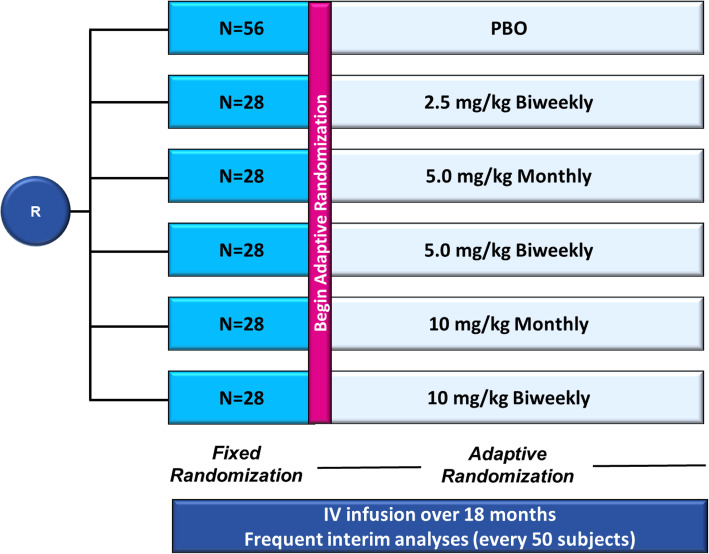
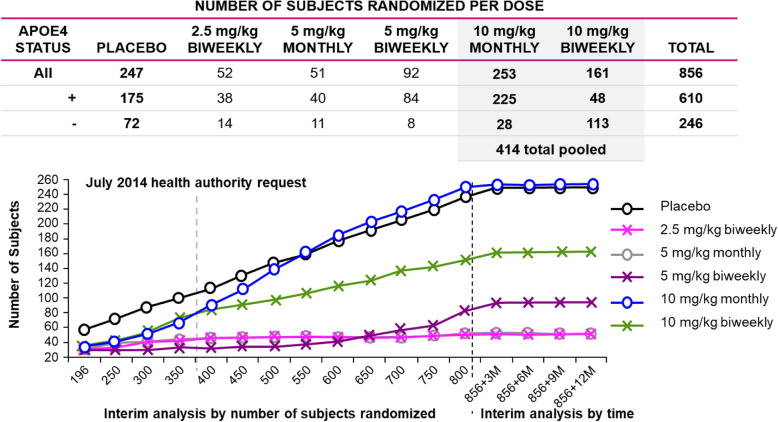
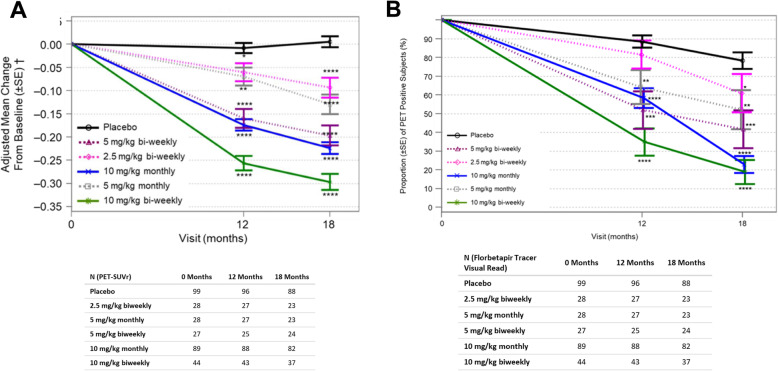
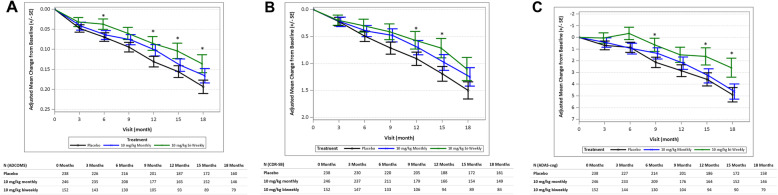
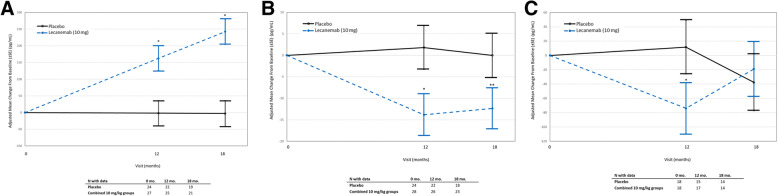
BACKGROUND: Lecanemab (BAN2401), an IgG1 monoclonal antibody, preferentially targets soluble aggregated amyloid beta (Aβ), with activity across oligomers, protofibrils, and insoluble fibrils. BAN2401-G000-201, a randomized double-blind clinical trial, utilized a Bayesian design with response-adaptive randomization to assess 3 doses across 2 regimens of lecanemab versus placebo in early Alzheimer's disease, mild cognitive impairment due to Alzheimer's disease (AD) and mild AD dementia. METHODS: BAN2401-G000-201 aimed to establish the effective dose 90% (ED90), defined as the simplest dose that achieves ≥90% of the maximum treatment effect. The primary endpoint was Bayesian analysis of 12-month clinical change on the Alzheimer's Disease Composite Score (ADCOMS) for the ED90 dose, which required an 80% probability of ≥25% clinical reduction in decline versus placebo. Key secondary endpoints included 18-month Bayesian and frequentist analyses of brain amyloid reduction using positron emission tomography; clinical decline on ADCOMS, Clinical Dementia Rating-Sum-of-Boxes (CDR-SB), and Alzheimer's Disease Assessment Scale-Cognitive Subscale (ADAS-Cog14); changes in CSF core biomarkers; and total hippocampal volume (HV) using volumetric magnetic resonance imaging. RESULTS: A total of 854 randomized subjects were treated (lecanemab, 609; placebo, 245). At 12 months, the 10-mg/kg biweekly ED90 dose showed a 64% probability to be better than placebo by 25% on ADCOMS, which missed the 80% threshold for the primary outcome. At 18 months, 10-mg/kg biweekly lecanemab reduced brain amyloid (-0.306 SUVr units) while showing a drug-placebo difference in favor of active treatment by 27% and 30% on ADCOMS, 56% and 47% on ADAS-Cog14, and 33% and 26% on CDR-SB versus placebo according to Bayesian and frequentist analyses, respectively. CSF biomarkers were supportive of a treatment effect. Lecanemab was well-tolerated with 9.9% incidence of amyloid-related imaging abnormalities-edema/effusion at 10 mg/kg biweekly. CONCLUSIONS: BAN2401-G000-201 did not meet the 12-month primary endpoint. However, prespecified 18-month Bayesian and frequentist analyses demonstrated reduction in brain amyloid accompanied by a consistent reduction of clinical decline across several clinical and biomarker endpoints. A phase 3 study (Clarity AD) in early Alzheimer's disease is underway. TRIAL REGISTRATION: Clinical Trials.gov NCT01767311 .
Overview
The claims and statistics of this paper haven’t been checked yet.
Run the check — free, no account needed. It reads the open-access text and checks the sources it cites.
Integrity signals
Registry
Cites
Statistics
Figures
Verification
Claims the paper makes
The claims and statistics of this paper haven’t been checked yet.
Run the check — free, no account needed. It reads the open-access text and checks the sources it cites.
Claims other papers make about this one
Each is checked against this paper’s own text: does it say what the citing paper says it does?
The cited source says what the claim attributes to it.
In the citing paper
“After 79 weeks, lecanemab was found to have a lower total brain amyloid plaque burden than a placebo (Study 201).”
From Recent Advances in Therapeutics for the Treatment of Alzheimer’s Disease (2024) · cites this paper as [188]
In the citing paper
“In particular, a mean difference of −73.5 centiloides and −0.31 standardized uptake value ratio (SUVR) units was found between the lecanemab and placebo treatment groups.”
From Recent Advances in Therapeutics for the Treatment of Alzheimer’s Disease (2024) · cites this paper as [188]
In the citing paper
“Lecanemab’s capacity to lower the amount of amyloid in the brain, as shown by PET scans, has led to its submission for expedited approval for the treatment of AD.”
From Recent Advances in Therapeutics for the Treatment of Alzheimer’s Disease (2024) · cites this paper as [188]
In the citing paper
“The study also suggested at week 79 that a risk reduction of 20% to 40% be applied to the advancement of clinical symptoms [187,188].”
From Recent Advances in Therapeutics for the Treatment of Alzheimer’s Disease (2024) · cites this paper as [188]
In the citing paper
“Additionally, the treatment impact increased in a dose- and exposure-dependent manner; a 25% AUC therapy was probably superior to a placebo by >0.64.”
From Recent Advances in Therapeutics for the Treatment of Alzheimer’s Disease (2024) · cites this paper as [188]
In the citing paper
“The results revealed a significant and dose-dependent reduction of amyloid plaques in the lecanemab group (10 mg/kg, intravenous infusion every 2 weeks) from baseline to week 79 compared with the placebo group.”
From Clinical trials of new drugs for Alzheimer disease: a 2020–2023 update (2023) · cites this paper as [42]
In the citing paper
“A double-blind, placebo-controlled phase 2 trial recruited 856 patients with AD with mild cognitive impairment (MCI) or mild dementia and verified amyloid pathology through amyloid PET or CSF Aβ1-42 [42].”
From Clinical trials of new drugs for Alzheimer disease: a 2020–2023 update (2023) · cites this paper as [42]
In the citing paper
“In the Phase 2 trial, it had been identified to successfully reduce brain amyloid and improved cognitive decline in the highest-dose group (twice-monthly 10 mg/kg).351”
From Amyloid β-based therapy for Alzheimer’s disease: Challenges, successes and future (2023) · cites this paper as [351]
Self-check
Percentages, sums and reported differences re-computed from the paper’s own numbers.
The self-check needs the paper’s full text.
Citations
Cites
Neurofilaments as biomarkers in neurological disorders
Khalil, M., Teunissen, C. E., Otto, M., Piehl, F., Sormani, M. P., Gattringer, T., Barro, C., Kappos, L., Comabella, M., Fazekas, F., et al. (2018) · Nature Reviews Neurology · doi:10.1038/s41582-018-0058-z · Cited by 1,988 · cited 1×
“AD diagnosis is associated with increased plaque burden in the brain and a decrease in Aβ1–42 monomers in CSF due to sequestration of monomeric Aβ1–42 into amyloid plaques [26].”
BackgroundRevising the definition of Alzheimer's disease: a new lexicon
Dubois, B., Feldman, H. H., Jacova, C., Cummings, J. L., DeKosky, S. T., Barberger-Gateau, P., Delacourte, A., Frisoni, G., Fox, N. C., Galasko, D., et al. (2010) · The Lancet Neurology · doi:10.1016/s1474-4422(10)70223-4 · Cited by 1,869
Masters, C. L., Bateman, R., Blennow, K., Rowe, C. C., Sperling, R. A., & Cummings, J. L. (2015) · Nature Reviews Disease Primers · doi:10.1038/nrdp.2015.56 · Cited by 1,853
The 'Arctic' APP mutation (E693G) causes Alzheimer's disease by enhanced Aβ protofibril formation
Nilsberth, C., Westlind-Danielsson, A., Eckman, C. B., Condron, M. M., Axelman, K., Forsell, C., Stenh, C., Luthman, J., Teplow, D. B., Younkin, S. G., et al. (2001) · Nature Neuroscience · doi:10.1038/nn0901-887 · Cited by 1,209
Self-citationDeciphering the Molecular Basis of Memory Failure in Alzheimer's Disease
Walsh, D. M., & Selkoe, D. J. (2004) · Neuron · doi:10.1016/j.neuron.2004.09.010 · Cited by 1,207
Molecular structural basis for polymorphism in Alzheimer's β-amyloid fibrils
Paravastu, A. K., Leapman, R. D., Yau, W., & Tycko, R. (2008) · Proceedings of the National Academy of Sciences · doi:10.1073/pnas.0806270105 · Cited by 1,165
Synaptic Targeting by Alzheimer's-Related Amyloid β Oligomers
Lacor, P. N., Buniel, M. C., Chang, L., Fernandez, S. J., Gong, Y., Viola, K. L., Lambert, M. P., Velasco, P. T., Bigio, E. H., Finch, C. E., et al. (2004) · The Journal of Neuroscience · doi:10.1523/jneurosci.3432-04.2004 · Cited by 954 · cited 1×
“Soluble Aβ aggregates have been shown to be more toxic than monomers or insoluble fibrils [4, 6–10], and we hypothesized that reducing these soluble Aβ aggregates could represent an effective treatment approach in early stages of AD [4, 11, 12].”
BackgroundBurns, A., & Iliffe, S. (2009) · BMJ · doi:10.1136/bmj.b158 · Cited by 859
Alzheimer's disease drug development pipeline: 2018
Cummings, J., Lee, G., Ritter, A., & Zhong, K. (2018) · Alzheimer's & Dementia: Translational Research & Clinical Interventions · doi:10.1016/j.trci.2018.03.009 · Cited by 697 · cited 1×
“Most previously published studies using other putative disease-modifying agents for AD did not show appreciable clinical efficacy in phase 3 [19, 31].”
ResultSelf-citationA phase III randomized trial of gantenerumab in prodromal Alzheimer’s disease
for the SCarlet RoAD Investigators, Ostrowitzki, S., Lasser, R. A., Dorflinger, E., Scheltens, P., Barkhof, F., Nikolcheva, T., Ashford, E., Retout, S., Hofmann, C., et al. (2017) · Alzheimer's Research & Therapy · doi:10.1186/s13195-017-0318-y · Cited by 567
Cited by
Sorted by citations
Items 501–600 of 846
Data-driven modeling of amyloid-β targeted antibodies for Alzheimer’s disease
Rabiei, K., Petrella, J. R., Lenhart, S., Liu, C., Hao, W., & Initiative, A. D. N. (2025) · npj Systems Biology and Applications · doi:10.1038/s41540-025-00610-1 · Cited by 7
Qi, L., Fu, Z., Tu, M., Abdullah, R., Zhao, Y., Su, X., Zhou, D., & Peng, G. (2026) · The Journal of Prevention of Alzheimer s Disease · doi:10.1016/j.tjpad.2025.100473 · Cited by 8
Advances in the drug treatment of Alzheimer’s disease: pathophysiology and mechanisms of action
Nowell, J., Crook, H., de Leon, M. J., & Edison, P. (2026) · BMJ · doi:10.1136/bmj-2023-078881 · Cited by 7
Jerom, J. P., Madhukumar, S., Nair, R. H., & Narayanan, S. P. (2023) · Drug Discovery Today · doi:10.1016/j.drudis.2023.103802 · Cited by 8
Chandler, J., Done, N., Desai, U. S., Georgieva, M. V., Gómez-Liévano, A., Ye, W., Zhao, A., Eid, D., Hilts, A., Kirson, N. Y., et al. (2024) · The Journal of Prevention of Alzheimer s Disease · doi:10.14283/jpad.2024.27 · Cited by 8
Taylor, M. K., Burns, J. M., Choi, I.-Y., Herda, T. J., Lee, P., Smith, A. N., Sullivan, D. K., Swerdlow, R. H., & Wilkins, H. (2024) · Pilot and Feasibility Studies · doi:10.1186/s40814-024-01469-5 · Cited by 10
Conveying Risks of Harm in Alzheimer Disease by Amyloid Lowering
Thambisetty, M., & Howard, R. J. (2024) · JAMA · doi:10.1001/jama.2024.7548 · Cited by 7
Indium-111 radiolabelling of a brain-penetrant Aβ antibody for SPECT imaging
Gustavsson, T., Herth, M. M., Sehlin, D., & Syvänen, S. (2024) · Upsala Journal of Medical Sciences · doi:10.48101/ujms.v129.10585 · Cited by 6
“For example, lecanemab is primarily directed toward protofibrillar Aβ (6, 10).”
BackgroundNeve, A., Das, B., Wojtowicz, J., Huang, Z., Bullain, S., Watkin, M., Lott, D., Bittner, T., Delmar, P., Klein, G., et al. (2024) · Journal of Alzheimer s Disease · doi:10.3233/jad-240221 · Cited by 8
Ge, W., Yan, Y., Hu, Y., Lin, S., & Mao, P. (2025) · Journal of Alzheimer s Disease · doi:10.1177/13872877241307246 · Cited by 7
Cline, E. N., Antwi‐Berko, D., Sundell, K. L., Johnson, E. A., Hyland, M., Zhang, H., Vanderstichele, H., Kaplow, J. M., Dean, R. A., Stoops, E., et al. (2025) · The Journal of Prevention of Alzheimer s Disease · doi:10.1016/j.tjpad.2025.100082 · Cited by 8
Lozupone, M., Dibello, V., Resta, E., Sardone, R., Castellana, F., Zupo, R., Lampignano, L., Bortone, I., Mollica, A., Berardino, G., et al. (2025) · Expert Review of Neurotherapeutics · doi:10.1080/14737175.2025.2500752 · Cited by 9
“Therefore, lecanemab became the second anti-Aβ monoclonal antibody to gain accelerated full U.S. FDA approval for MCI due to AD or mild dementia secondary to AD based on Aβ PET lowering in a Phase II RCT [50,51] (Table 1).”
Krankheitsmodifizierende Therapieansätze bei Alzheimer-Krankheit
Frölich, L., & Hausner, L. (2021) · Der Nervenarzt · doi:10.1007/s00115-021-01222-w · Cited by 7
A Year at the Forefront of Proteostasis and Aging
Thompson, M. A., & De‐Souza, E. A. (2023) · Biology Open · doi:10.1242/bio.059750 · Cited by 7
“Finally, in the field of Alzheimer’s Disease, lecanemab caused a small but significant positive result in a phase IIb clinical trial in humans suffering from Alzheimer’s Disease, and it is expected that results from the phase III study will be available soon (Swanson et al., 2021).”
BackgroundNanoscale reorganisation of synaptic proteins in Alzheimer's disease
Zhu, W., Yang, X., Gou, X., Fu, S., Chen, J., Gao, F., Shen, Y., Bi, D., & Tang, A. (2023) · Neuropathology and Applied Neurobiology · doi:10.1111/nan.12924 · Cited by 6
“the randomised, double-blind, phase 2b clinical trial of lecanemab (BAN2401), a humanised Aβ antibody, showed a treatment effect on the reduction of Aβ deposition and slow down of cognitive decline.([12]) Therefore, elucidating the mechanism of Aβ-induced synaptic dysfunction might be the key to ameliorating cognitive…”
Richards, T., Perron, J. C., Patel, K., Wurpel, J., Reznik, S. E., & Schanne, F. (2023) · doi:10.21203/rs.3.rs-3399248/v1 · Cited by 6
Patwekar, M., Patwekar, F., Khan, S. M., Sharma, R., & Kumar, D. (2024) · Current Topics in Medicinal Chemistry · doi:10.2174/0115680266295495240415114919 · Cited by 8
Frank, B. E., Walsh, M., Hurley, L., Groh, J. R., Blennow, K., Zetterberg, H., Tripodis, Y., Budson, A. E., O’Connor, M. K., Martin, B. M., et al. (2024) · Journal of Alzheimer s Disease · doi:10.3233/jad-240125 · Cited by 7
Zhou, J., Gong, L., Liu, X., Chen, L., & Yang, Z. (2024) · Neuroscience · doi:10.1016/j.neuroscience.2024.10.007 · Cited by 6
Venkatesh, P., Lega, B. C., & Rubin, M. (2024) · AJOB Neuroscience · doi:10.1080/21507740.2024.2438033 · Cited by 6
“…treatments for MCI and AD, such as cholinesterase inhibitors, have limited efficacy (Fitzpatrick-Lewis et al. 2015; Han et al. 2019; Matsunaga, Fujishiro, and Takechi 2019; Russ and Morling, 2012) and newer antibody–based therapies have largely failed in high profile studies (Swanson et al. 2021).”
Weber, M., Roth, H. L., Abramowitz, A., & Johnson, K. G. (2025) · American Journal of Geriatric Psychiatry · doi:10.1016/j.jagp.2025.02.007 · Cited by 6
The parasagittal dural space of the human brain
Donahue, M. J., McKnight, C. D., Claassen, D. O., & Hett, K. (2025) · Brain · doi:10.1093/brain/awaf204 · Cited by 6
“With the introduction of new anti-amyloid therapies, including lecanemab 37,38 and donane-mab, 39,40 it is possible to perform PSD volumetric assessments before and after pharmacological manipulation of amyloid-β retention, and this work is ongoing.”
Management of Alzheimer's Disease With Nanotechnological Interventions and Novel Therapeutics
Shahrukh, M., Ahmad, S., Zaafar, M., Hasan, N., & Ahmad, F. J. (2025) · Drug Development Research · doi:10.1002/ddr.70120 · Cited by 8
Zuschnegg, J., Ropele, S., Opriessnig, P., Schmidt, R., Russegger, S., Fellner, M., Leitner, M., Spat, S., Garcia, M. L., Strobl, B., et al. (2025) · PLoS ONE · doi:10.1371/journal.pone.0329931 · Cited by 7
Xu, Y., Prat, C. S., Sense, F., van Rijn, H., & Stocco, A. (2025) · PLoS Computational Biology · doi:10.1371/journal.pcbi.1013485 · Cited by 8
“If the storage degradation theory is correct, the promising new clinical treatments that remove amyloid beta deposits (e.g., [19,20]) would stop the progression of the disease but would not restore memory function and would not bring back lost memories, as the underlying neural substrate has…”
Wu, J., Geng, C., Liu, L., & Tang, Y. (2025) · Medicine Plus · doi:10.1016/j.medp.2025.100112 · Cited by 8
FDA-Approved Passive Immunization Treatments Against Aβ in Alzheimer’s Disease: Where Are We Now?
Higgins, M. J., Wasef, V., & Kwakowsky, A. (2026) · International Journal of Molecular Sciences · doi:10.3390/ijms27020883 · Cited by 7
“On CDR-SB in 18 months, clinical decline was reduced by 26% at 10 mg/kg biweekly and 17% with 10 mg/kg monthly, compared to placebo, making 10 mg/kg biweekly the optimal dose [38].”
InfluentialKoutarapu, S., Ge, J., Jha, D., Blennow, K., Zetterberg, H., Lashley, T., Michno, W., & Hanrieder, J. (2022) · Brain Connectivity · doi:10.1089/brain.2022.0047 · Cited by 6
“Lecane-mab reduces A b deposition by binding to the protofibrils of A b (Swanson et al, 2021), and donanemab interacts with pyroglutamated aggregates present in the core of the plaques and prevents growth of the plaques (Bayer, 2022).”
Developing a Gene Therapy for the Treatment of Autosomal Dominant Alzheimer's Disease
Moore, B., Sharma, A. M., Goulet, M., Suter, T. A. C. S., Pelletier, C., Hu, R., Schaeffer, E., & Kelleher, R. J. (2023) · Human Gene Therapy · doi:10.1089/hum.2023.092 · Cited by 6
Kandi, S., Cline, E. N., Rivera, B. M., Viola, K. L., Zhu, J., Condello, C., LeDuc, R. D., Klein, W. L., Kelleher, N. L., & Patrie, S. M. (2023) · Journal of Proteome Research · doi:10.1021/acs.jproteome.3c00353 · Cited by 6
Vascular Heparan Sulfate and Amyloid-β in Alzheimer’s Disease Patients
McMillan, I. O., Gearing, M., & Wang, L. (2024) · International Journal of Molecular Sciences · doi:10.3390/ijms25073964 · Cited by 7
“Evidence suggests that these therapies can slow AD progression and improve cognitive function by enhancing A β clearance from the brain tissue [4,6–10].”
BackgroundClinical predictors of Alzheimer's disease‐like brain atrophy in individuals with memory complaints
Karakaşlı, A. A., Ozkan, E., Doğan, M. K., Çap, D., Karaosmanoglu, A. A., Karahan, S., Zorlu, N., Saka, E., & Ayhan, Y. (2024) · Brain and Behavior · doi:10.1002/brb3.3506 · Cited by 5
Li, Y., Zhang, X., Zhao, H., Wang, Y., Zhang, D., Wang, X., Dong, R., Yan, X., Wu, J., Sui, Y., et al. (2024) · ACS Pharmacology & Translational Science · doi:10.1021/acsptsci.4c00149 · Cited by 6
Kang, D. W., Wang, S., Um, Y. H., Kim, S., Kim, T., Kim, D., Lee, C. U., & Lim, H. K. (2024) · Scientific Reports · doi:10.1038/s41598-024-67664-9 · Cited by 5
Stögmann, E., & Schmidt, R. (2025) · Wiener klinische Wochenschrift · doi:10.1007/s00508-024-02466-7 · Cited by 6
Wu, J., Tang, J., Huang, D., Wang, Y., Zhou, E., Ru, Q., Xu, G., Chen, L., & Wu, Y. (2024) · Frontiers in Aging Neuroscience · doi:10.3389/fnagi.2024.1482947 · Cited by 7
Structure and function of therapeutic antibodies approved by the US FDA in 2025
Strohl, W. R. (2026) · Antibody Therapeutics · doi:10.1093/abt/tbag027 · Cited by 6
Mansfield, C. A., Bullok, K. E., Fuhs, J. V., Tockhorn‐Heidenreich, A., Andrews, J. S., DiBenedetti, D. B., Matthews, B. R., Darling, J. C., Sutphin, J., & Hauber, B. (2022) · Patient · doi:10.1007/s40271-022-00576-w · Cited by 6
Unfairness to Patients With Alzheimer Disease in Medicare’s Coverage of Antiamyloid Immunotherapy
Stern, A. M., & Selkoe, D. J. (2022) · JAMA Neurology · doi:10.1001/jamaneurol.2022.2131 · Cited by 6
Braun, D. J., Frazier, H. N., Davis, V. A., Coleman, M. J., Rogers, C. B., & Eldik, L. J. V. (2023) · PLoS ONE · doi:10.1371/journal.pone.0286495 · Cited by 6
Comment: Response Adaptive Randomization in Practice
Berry, S. M., & Viele, K. (2023) · Statistical Science · doi:10.1214/23-sts865f · Cited by 6
The role of IL-1 family of cytokines in the pathogenesis and therapy of Alzheimer’s disease
Li, C., Zhang, X., Wang, Y., Cheng, L., Li, C., & Yu, X. (2024) · Inflammopharmacology · doi:10.1007/s10787-024-01534-8 · Cited by 6
“This candidate has demonstrated a noteworthy decrease in Aβ aggregates and a positive enhancement in clinical symptoms (Swanson et al. 2021).”
Prins, S., Zhuparris, A., Hart, E. P., Doll, R. J., & Groeneveld, G. J. (2021) · Alzheimer s Research & Therapy · doi:10.1186/s13195-021-00874-9 · Cited by 8
Fukuda, A., Nakashima, S., Oda, Y., Nishimura, K., Kawashima, H., Kimura, H., Ohgita, T., Kawashita, E., Ishihara, K., Hanaki, A., et al. (2023) · Biological and Pharmaceutical Bulletin · doi:10.1248/bpb.b22-00797 · Cited by 5
Di-caffeoylquinic acid: a potential inhibitor for amyloid-beta aggregation
Sun, Y., Wang, X., Zhang, X., Li, Y., Wang, D., Sun, F., Wang, C., Shi, Z., Yang, X., Yang, Z., et al. (2024) · Journal of Natural Medicines · doi:10.1007/s11418-024-01825-y · Cited by 5
Eldik, L. J. V., Siemers, E., Collins, E. C., Gold, M., Henley, D. B., Johannsen, P., Möbius, H. J., Shulman, M. B., Zhou, J., Carrillo, M. C., et al. (2024) · Alzheimer s & Dementia Translational Research & Clinical Interventions · doi:10.1002/trc2.70014 · Cited by 5
“2,4–6, 18 Due to their large study populations and collection of”
Japanese participant data from three gantenerumab trials in early Alzheimer's disease
Asada, T., Thanasopoulou, A., Delmar, P., Wojtowicz, J., Smith, J., Yoshiyama, Y., Yokoi, K., Watanabe, C., Isozaki, M., Ozaki, R., et al. (2025) · Alzheimer s & Dementia · doi:10.1002/alz.70192 · Cited by 5
Frederiksen, K. S., Boada, M., Dubois, B., Engelborghs, S., Frisoni, G. B., Georges, J., Hort, J., Jönsson, L., Kramberger, M. G., Ousset, P., et al. (2025) · Alzheimer s Research & Therapy · doi:10.1186/s13195-025-01766-y · Cited by 9
“The data of the two most recent clinical trials on Lecanemab [5, 24] have with the decision by the EMA been shown to meet the evidence standards set by European regulators for drug approval (approximately 30% difference in favour of Lecanamab over placebo on the primary endpoint over 18 months).”
Current Methods in Clinical Alzheimer’s Disease Research and Diagnosis
Kodosaki, E., Zetterberg, H., & Heslegrave, A. (2025) · Molecular Diagnosis & Therapy · doi:10.1007/s40291-025-00789-3 · Cited by 5
“In addition to the development of novel treatments, such as anti-amyloid antibody treatments that have shown results in clinical trials [82, 83], more steps are imperative to be taken to allow the most benefit for the patients.”
O’Donnell, A. J., Fortunato, A. T., Spitznogle, B. L., Reddy, N. M., Kerper, S. A., & Handler, S. M. (2025) · Journal of the American Geriatrics Society · doi:10.1111/jgs.19577 · Cited by 5
“Recent advances in disease-modifying amyloid targeting therapies for AD demonstrate that older adults treated with either lecanemab or donanemab show moderately less decline on measures of cognition and function than placebo at 18 months [6–8].”
Modulating Amyloid Pathology–Neural Hyperexcitability Crosstalk for Alzheimer’s Disease Therapy
Wang, Y., Li, J., Zhang, D., Feng, Y., Zhou, M., Zhou, C., Wang, D., Qiu, G., Dai, W., Yang, Z., et al. (2025) · ACS Nano · doi:10.1021/acsnano.5c08317 · Cited by 6
ApoE4 lowers the ptau217 threshold for tau aggregation and spread in an allele dose-dependent manner
Steward, A., Dewenter, A., Hirsch, F., Roemer, S. N., Zhu, Z., Dehsarvi, A., Biel, D., Klonowski, M., Frontzkowski, L. K., Palleis, C., et al. (2025) · Brain · doi:10.1093/brain/awaf463 · Cited by 6
Kumar, A., Mondal, T., Ramesh, M., Bhoi, J., Samanta, S., & Govindaraju, T. (2026) · ACS Chemical Neuroscience · doi:10.1021/acschemneuro.5c00998 · Cited by 6
Singh, A. S., Naqvi, A. R., & Chanu, M. T. (2026) · Journal of Psychiatric Research · doi:10.1016/j.jpsychires.2026.01.050 · Cited by 7
Zhang, B., Yu, X., & Zhang, X. (2026) · Neurological Sciences · doi:10.1007/s10072-026-08893-w · Cited by 6
“In several anti-Aβ trials, most ARIA-E cases were asymptomatic (e.g., aducanumab phase 3: 74% asymptomatic [65 ]; donanemab phase 2: 78% [ 72]; lec-anemab phase 2: 89% [ 87 ]; gantenerumab phase 3: >80% [85 ];).”
InfluentialMerkel, J., Perneczky, R., Jessen, F., Frölich, L., Jansen, O., Peters, S., Berg, D., Schulz, J. B., & Bartsch, T. (2026) · Alzheimer s Research & Therapy · doi:10.1186/s13195-026-02022-7 · Cited by 5
Shimasaki, R., Kurihara, M., Bannai, T., Hatano, K., Suzuki, F., Tokumaru, A. M., Ishii, K., Ihara, R., & Iwata, A. (2026) · The Journal of Prevention of Alzheimer s Disease · doi:10.1016/j.tjpad.2026.100562 · Cited by 6
“Lecanemab, an anti-amyloid monoclonal antibody targeting soluble A β protofibrils [2,3], has consistently demonstrated its ability to slow cognitive and functional decline in early AD [4,5].”
Xu, Y., Chen, D., Ye, Q., Zhang, P., Shi, J., Li, S., Sun, Y., Zhao, Z., Tang, Y., Zhang, P., et al. (2026) · MedComm · doi:10.1002/mco2.70739 · Cited by 6
“These findings are broadly consistent with observations from pharmacological studies of recently approved agents such as aducanumab and lecanemab, which also target amyloid pathology [ 317, 318 ].”
Levien, T. L., & Baker, D. E. (2023) · Hospital Pharmacy · doi:10.1177/00185787231185869 · Cited by 5
Effect of astaxanthin in type-2 diabetes -induced APPxhQC transgenic and NTG mice
Babalola, J. A., Stracke, A., Loeffler, T., Schilcher, I., Sideromenos, S., Flunkert, S., Neddens, J., Lignell, Å., Prokesch, M., Pazenboeck, U., et al. (2024) · Molecular Metabolism · doi:10.1016/j.molmet.2024.101959 · Cited by 5
Boustani, M. A., Doty, E. G., Garrison, L. P., Smolen, L. J., Klein, T. M., Murphy, D. R., Spargo, D. J., Belger, M. A., & Johnston, J. A. (2024) · Neurology and Therapy · doi:10.1007/s40120-024-00649-y · Cited by 6
Alzheimer's disease drug development in an evolving therapeutic landscape
Weninger, S. C., Irizarry, M. C., Fleisher, A., León, T., Maruff, P. T., Miller, D. S., Assunção, S. S., Carrillo, M. C., & Weber, C. J. (2024) · Alzheimer s & Dementia Translational Research & Clinical Interventions · doi:10.1002/trc2.70015 · Cited by 5
Johnson, E. A., Nowar, R., Viola, K. L., Huang, W., Zhou, S., Bicca, M. A., Zhu, W., Kranz, D. L., Klein, W. L., & Silverman, R. B. (2025) · Proceedings of the National Academy of Sciences · doi:10.1073/pnas.2402117122 · Cited by 5
Devanarayan, V., Ye, Y., Zhu, L., Tian, L., Kramer, L. D., Irizarry, M. C., & Dhadda, S. (2025) · Alzheimer s & Dementia · doi:10.1002/alz.70045 · Cited by 8
Pistolesi, A., Tuniz, S., Luceri, C., Molli, A., Urru, M., Rocca, A. I. L., Tanturli, M., Cesaris, F. D., Buonvicino, D., & Chiarugi, A. (2025) · Pharmacological Research · doi:10.1016/j.phrs.2025.107818 · Cited by 5
The current state of amyloidosis therapeutics and the potential role of fluorine in their treatment
Dabur, M., Loureiro, J. A., & Pereira, M. D. C. (2022) · Biochimie · doi:10.1016/j.biochi.2022.08.003 · Cited by 6
Osterman, M. D., Song, Y. E., Lynn, A., Miskimen, K. L. S., Adams, L. D., Laux, R. A., Caywood, L. J., Prough, M. B., Clouse, J. E., Herington, S. D., et al. (2023) · Human Genetics and Genomics Advances · doi:10.1016/j.xhgg.2023.100241 · Cited by 5
Novel therapeutic approaches for targeting Alzheimer’s disease
Khodakiya, A., Chaudhary, S., Chaudhary, A., & Prajapati, B. G. (2024) · Elsevier eBooks · doi:10.1016/b978-0-443-13205-6.00020-0 · Cited by 5
Karunarathne, K., Kee, T. R., Jeon, H., Cazzaro, S., Gamage, Y. I., Pan, J., Woo, J. A., Kang, D. E., & Muschol, M. (2024) · Biomolecules · doi:10.3390/biom14060615 · Cited by 5
“In clinical trials, the recently FDA-approved antibody (Lecanemab), which preferentially targets A β oligomers and protofibrils over fibrils, has shown a modest but noticeable slowdown in disease progression, thereby further supporting the oligomer hypothesis [17,18].”
ResultPET in neurotherapeutic discovery and development
Chassé, M., & Vasdev, N. (2024) · Neurotherapeutics · doi:10.1016/j.neurot.2024.e00498 · Cited by 5
Blood biomarkers as surrogate endpoints in Alzheimer’s disease research
Shan, G., Li, H., Zhang, Y., Wang, G., & Bernick, C. B. (2025) · Frontiers in Aging Neuroscience · doi:10.3389/fnagi.2025.1576373 · Cited by 5
The Ups and Downs of Amyloid in Alzheimer's
Siemers, E., Aisen, P. S. S., & Carrillo, M. C. (2021) · The Journal of Prevention of Alzheimer s Disease · doi:10.14283/jpad.2021.54 · Cited by 5
“As summarized in Table 1, clinical efficacy results from a Phase 2 study were also encouraging (22).”
BackgroundPetersen, R. C., Graf, A., Carrillo, M. C., & Weber, C. J. (2022) · Alzheimer s & Dementia Translational Research & Clinical Interventions · doi:10.1002/trc2.12361 · Cited by 5
Sensi, S. L., Russo, M., & Tiraboschi, P. (2023) · Handbook of clinical neurology · doi:10.1016/b978-0-323-85538-9.00015-8 · Cited by 5
Do Epilepsy Patients with Cognitive Impairment Have Alzheimer’s Disease-like Brain Metabolism?
He, M., Kolesar, T. A., Goertzen, A. L., Ng, M., & Ko, J. H. (2023) · Biomedicines · doi:10.3390/biomedicines11041108 · Cited by 5
Valtanen, R. S., Buhimschi, C. S., Bahtiyar, M. O., Zhao, G., Jing, H., Ackerman, W. E., Glabe, C. G., & Buhimschi, I. A. (2022) · Pregnancy Hypertension · doi:10.1016/j.preghy.2022.01.007 · Cited by 5
Koutarapu, S., Ge, J., Dulewicz, M., Srikrishna, M., Szadziewska, A., Wood, J. I., Blennow, K., Zetterberg, H., Michno, W., Ryan, N. S., et al. (2024) · bioRxiv (Cold Spring Harbor Laboratory) · doi:10.1101/2024.06.03.596890 · Cited by 5
The unsafe profile of lecanemab
Høilund‐Carlsen, P. F., Werner, T. J., & Alavi, A. A. (2025) · Journal of Alzheimer s Disease · doi:10.1177/13872877251325891 · Cited by 5
Rohatgi, S., Zhu, S., Calle, E., Ford, J. N., Kozak, B. M., Chagui, O. G., Vejdani‐Jahromi, M., Griffin, H. R., Farzaneh, H., Huang, R. Y., et al. (2025) · American Journal of Neuroradiology · doi:10.3174/ajnr.a8822 · Cited by 4
Ren, S., Singh, J., Gsteiger, S., Cogley, C., Reed, B., Abrams, K. R., Dawoud, D., Owen, R. K., Tappenden, P., Quinn, T. J., et al. (2025) · Journal of Comparative Effectiveness Research · doi:10.57264/cer-2025-0095 · Cited by 5
Targeted tau protein degradation: a promising therapeutic approach for tauopathies
Baazaoui, N., Alfaifi, M. Y., Shati, A. A., Saad, R. B., & Garzoli, S. (2025) · Neuroscience · doi:10.1016/j.neuroscience.2025.11.041 · Cited by 5
The roles of biomarkers in Alzheimer's disease clinical trials
Cummings, J. L., Sharma, S., DeAndrea, G., Osse, A. M. L., & Ortiz, A. A. (2025) · Neurotherapeutics · doi:10.1016/j.neurot.2025.e00811 · Cited by 4
“This was observed in trials with lecanemab, gantenerumab, and aducanumab [49,56,60,61].”
Kumar, A., Ramesh, M., Bhoi, J., & Govindaraju, T. (2025) · Journal of Medicinal Chemistry · doi:10.1021/acs.jmedchem.5c03360 · Cited by 4
Wang, W., Huang, R., Lv, L., Ma, X., Li, Z., Zhang, Y., Wu, J., Wu, S., Xu, J., Hu, Y., et al. (2026) · Proceedings of the National Academy of Sciences · doi:10.1073/pnas.2529565123 · Cited by 4
Alzheimer’s Disease: Evolving Therapeutics, Scientific Progress, and Key Challenges
Sai Yasasvi, K., Goswami, A. K., Prasad, M. R., Chauhan, V. S., & Yadav, N. (2026) · Journal of Medicinal Chemistry · doi:10.1021/acs.jmedchem.5c02468 · Cited by 4
Burry, E., Plumacker, F., Villain, N., Amaral, S., Damier, P., Delrieu, J., Mackowiak, M.-A., Michalon, R., Mohr, S., Planche, V., et al. (2026) · Revue Neurologique · doi:10.1016/j.neurol.2026.01.267 · Cited by 5
Transport pathways across the blood-brain barrier for waste clearance and drug delivery
Gröbner, L. S., & Pietrzik, C. U. (2026) · Fluids and Barriers of the CNS · doi:10.1186/s12987-026-00812-7 · Cited by 4
“The binding affinity increases over monomers, soluble fibrils, and insoluble fibrils [261– 265].”
Haaland, B. A., Dickson, S. P., Santana, A. F., Tanzi, R. E., Dubois, B., Peters, O., Grimmer, T., Christensen, J. R., Mallinckrodt, C. H., Schneeberger, A., et al. (2025) · Journal of Alzheimer s Disease · doi:10.1177/13872877251375985 · Cited by 4
Svaldi, D. O., Higgins, I. A., Holdridge, K. C., Yaari, R., Case, M. G., Bracoud, L., Scott, D., Shcherbinin, S., & Sims, J. R. (2022) · Alzheimer s & Dementia Translational Research & Clinical Interventions · doi:10.1002/trc2.12313 · Cited by 4
Zhai, T., Krass, E., Zhang, F., & Huang, Z. J. (2023) · Frontiers in Systems Biology · doi:10.3389/fsysb.2023.1188430 · Cited by 6
“Only seven drugs have been approved by the FDA to treat Alzheimer ’ s disease, including Lecanemab (Swanson, 2021), Aducanumab (Schneider, 2020), Donepezil (Birks et al., 2000), Rivastigmine (Desai and Grossberg, 2005), Memantine (Reisberg et al., 2003), Manufactured combination of memantine and donepezil (Howard, 201…”
BackgroundInfluentialRecent applications of positron emission tomographic (PET) imaging in psychiatric drug discovery
Zimmer, L. (2023) · Expert Opinion on Drug Discovery · doi:10.1080/17460441.2023.2278635 · Cited by 5
“Both aducanumab and lecanemab were shown to reduce amyloid burden as measured by PET and to slow cognitive decline [71,72].”
BackgroundBorland, E., Mattsson, N., Tideman, P., Initiative, T. A. D. N., Stomrud, E., Hansson, O., & Palmqvist, S. (2024) · Alzheimer s & Dementia · doi:10.1002/alz.14305 · Cited by 6
“12 With available disease-modifying treatment for AD, there will expectantly be a significant increase in the number of patients seeking healthcare for evaluation of their cognitive symptoms.”
Luo, Q., Kang, X., Zhang, C., Zhang, H., Huang, Y., Tang, Q., Liao, X., Gao, F., & Liu, Z. (2024) · The Analyst · doi:10.1039/d4an01402b · Cited by 4
Prediction of Cognitive Decline for Enrichment of Alzheimer's Disease Clinical Trials
Tam, A., Laurent, C., Gauthier, S. G., & Dansereau, C. L. (2022) · The Journal of Prevention of Alzheimer s Disease · doi:10.14283/jpad.2022.49 · Cited by 29
The in-tissue molecular architecture of β-amyloid in the mammalian brainPreprint
Leistner, C., Wilkinson, M., Burgess, A., Goodbody, S., Xu, Y., Deuchars, S. A., Radford, S. E., Ranson, N. A., & Frank, R. A. W. (2022) · bioRxiv (Cold Spring Harbor Laboratory) · doi:10.1101/2022.11.08.515609 · Cited by 4
Ackley, S. F., & Glymour, M. M. (2022) · Alzheimer s & Dementia · doi:10.1002/alz.12863 · Cited by 4
Sheikh, M., Khan, S. J., Butt, H. A. T., Zaidi, S. A. T., & Vineesha, N. A. (2023) · Cureus · doi:10.7759/cureus.47251 · Cited by 4
“These monoclonal antibodies are directed against insoluble amyloid beta proteins and aggregated protofibrils [3].”
BackgroundMethodFertan, E., Lam, J. Y. L., Albertini, G., Dewilde, M., Wu, Y., Akingbade, O. E. S., Böken, D., English, E. A., Strooper, B. D., & Klenerman, D. (2024) · bioRxiv (Cold Spring Harbor Laboratory) · doi:10.1101/2024.10.11.617910 · Cited by 4
Interactions of Cellular Energetic Gene Clusters in the Alzheimer’s Mouse Brain
Raju, R. P., Cai, L., Tyagi, A., & Pugazhenthi, S. (2023) · Molecular Neurobiology · doi:10.1007/s12035-023-03551-0 · Cited by 3
Kushwaha, N., Panjwani, D., Akarte, K., Patel, S., Ahlawat, P., Kesarla, R., Yadav, M. R., & Patel, A. (2025) · Current Nanoscience · doi:10.2174/0115734137361817250325071654 · Cited by 3
Metadata
- Authors
- Swanson, C. J., Zhang, Y., Dhadda, S., Wang, J., Kaplow, J., Lai, R. Y. K., Lannfelt, L., Bradley, H., Rabe, M., Koyama, A., Reyderman, L., Berry, D. A., Berry, S., Gordon, R., Kramer, L. D., & Cummings, J. L.
- Affiliations
- Eisai (United States) (US)
- Eisai (United Kingdom) (GB)
- Uppsala University (SE)
- Berry Consultants, LLC (United States) (US)
- University of Nevada, Las Vegas (US)
- Corresponding author
- Cummings, Jeffrey L.
- ORCID
- Venue
- Alzheimer's Research & Therapy
- Published
- 2021-04-17
- Volume
- 13
- Issue
- 1
- Pages
- 80-80
- ISSN
- 1758-9193 (ISSN-L)
- PMC
- PMC8053280
- OpenAlex
- W3152692563
- Cited by
- 847
- References
- 34
- Citations by year
- 2026: 123 · 2025: 158 · 2024: 194 · 2023: 196 · 2022: 132 · 2021: 42
- FWCI
- 88.37
- Type
- journal article
- Language
- en
- Update notices
- correction (2022-05-21)
- Open access
- gold
- doi.org
- Locations
- Alzheimer s Research & Therapy (publishedVersion, cc-by)
- PubMed Central (publishedVersion, cc-by)
- PubMed (publishedVersion)
- Digital Scholarship - UNLV (University of Nevada Reno) (submittedVersion, cc-by)
- KTH Publication Database DiVA (KTH Royal Institute of Technology) (submittedVersion, other-oa)
- DOAJ (DOAJ: Directory of Open Access Journals) (submittedVersion, cc-by-sa)
- Funders
- National Institute of General Medical Sciences (P20GM109025)
- National Institute of Neurological Disorders and Stroke (U01NS093334)
- National Institute on Aging (R01AG053798, P20AG068053)
- Topics
- Life Sciences › Neuroscience › Cellular and Molecular Neuroscience › Alzheimer's disease research and treatments
- Health Sciences › Medicine › Psychiatry and Mental health › Dementia and Cognitive Impairment Research
- Life Sciences › Neuroscience › Neurology › Neuroinflammation and Neurodegeneration Mechanisms
- Keywords
- lecanemab, anti-amyloid monoclonal antibodies, early Alzheimer's disease, amyloid protofibrils, amyloid oligomers, cerebrospinal fluid biomarkers, hippocampal volume, cognitive decline, mild cognitive impairment, mild dementia, treatment safety, dose escalation
- MeSH terms
- Alzheimer Disease, Bayes Theorem, Brain, Double-Blind Method, Humans, Amyloid beta-Peptides
About these checks
Registry, retraction, Cites and statistics results are computed, not judged, with one exception: a printed reference that no index lists is read once by a model before it counts as a citation error. Claims are extracted by a model and kept only when their quote appears verbatim in the text; each cited source is then checked, with a model’s help, for whether it says what the claim relies on. Those verdicts can be wrong — read the claim’s quote and the cited source before relying on one.
Statistics and arithmetic are recomputed, not judged.
Confidence bands are shown only for fields calibrated on our annotated test set. None is calibrated yet, so no band is shown.
What counts as a claim ›How we measure confidence ›How we check this ›
Are you an author, or do you see a problem with this page? Request a review
