

The DOI matches its Crossref record; 34 of the 34 references it cites were found in a registry or an index.
A randomized, double-blind, phase 2b proof-of-concept clinical trial in early Alzheimer’s disease with lecanemab, an anti-Aβ protofibril antibody
Open accessAbstract
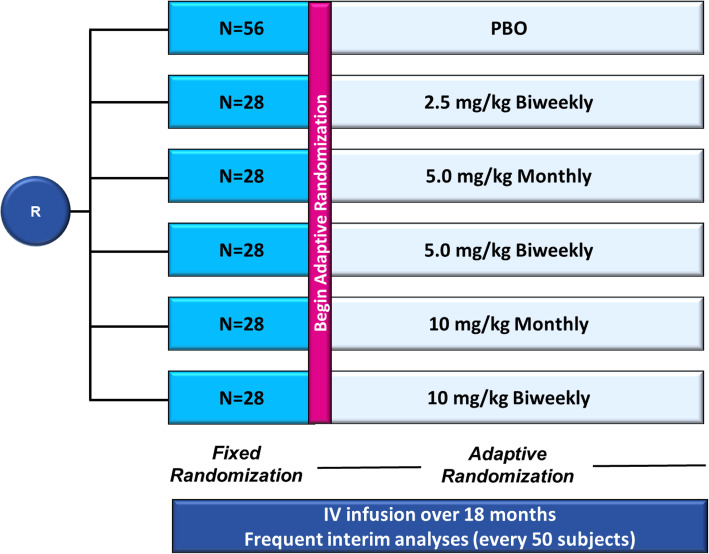
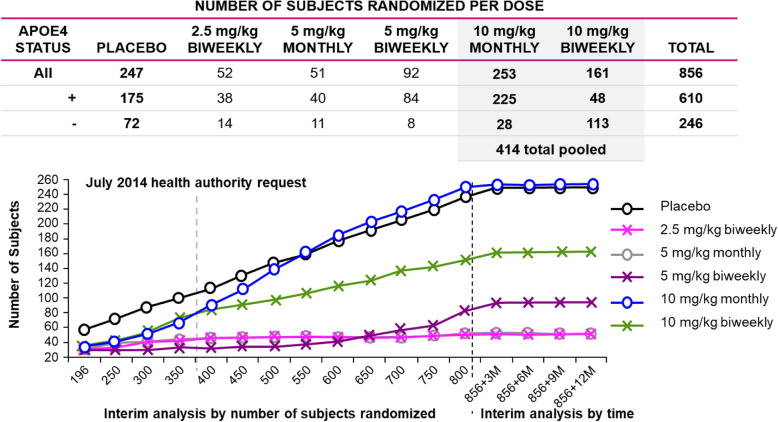
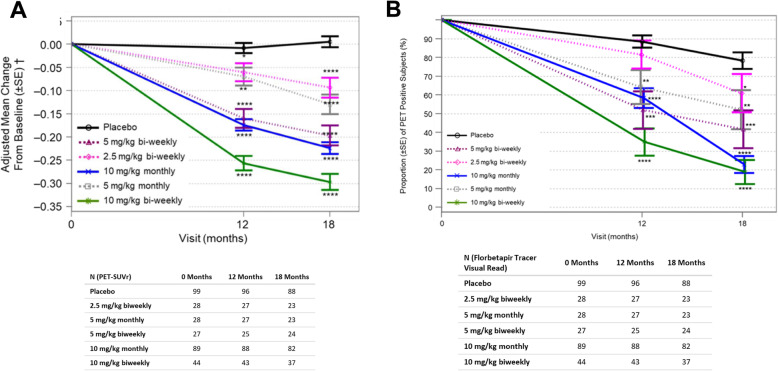
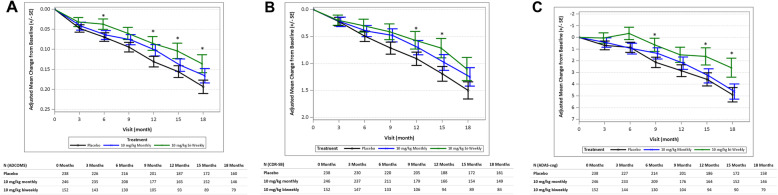
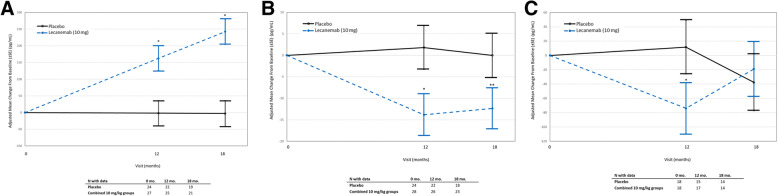
BACKGROUND: Lecanemab (BAN2401), an IgG1 monoclonal antibody, preferentially targets soluble aggregated amyloid beta (Aβ), with activity across oligomers, protofibrils, and insoluble fibrils. BAN2401-G000-201, a randomized double-blind clinical trial, utilized a Bayesian design with response-adaptive randomization to assess 3 doses across 2 regimens of lecanemab versus placebo in early Alzheimer's disease, mild cognitive impairment due to Alzheimer's disease (AD) and mild AD dementia. METHODS: BAN2401-G000-201 aimed to establish the effective dose 90% (ED90), defined as the simplest dose that achieves ≥90% of the maximum treatment effect. The primary endpoint was Bayesian analysis of 12-month clinical change on the Alzheimer's Disease Composite Score (ADCOMS) for the ED90 dose, which required an 80% probability of ≥25% clinical reduction in decline versus placebo. Key secondary endpoints included 18-month Bayesian and frequentist analyses of brain amyloid reduction using positron emission tomography; clinical decline on ADCOMS, Clinical Dementia Rating-Sum-of-Boxes (CDR-SB), and Alzheimer's Disease Assessment Scale-Cognitive Subscale (ADAS-Cog14); changes in CSF core biomarkers; and total hippocampal volume (HV) using volumetric magnetic resonance imaging. RESULTS: A total of 854 randomized subjects were treated (lecanemab, 609; placebo, 245). At 12 months, the 10-mg/kg biweekly ED90 dose showed a 64% probability to be better than placebo by 25% on ADCOMS, which missed the 80% threshold for the primary outcome. At 18 months, 10-mg/kg biweekly lecanemab reduced brain amyloid (-0.306 SUVr units) while showing a drug-placebo difference in favor of active treatment by 27% and 30% on ADCOMS, 56% and 47% on ADAS-Cog14, and 33% and 26% on CDR-SB versus placebo according to Bayesian and frequentist analyses, respectively. CSF biomarkers were supportive of a treatment effect. Lecanemab was well-tolerated with 9.9% incidence of amyloid-related imaging abnormalities-edema/effusion at 10 mg/kg biweekly. CONCLUSIONS: BAN2401-G000-201 did not meet the 12-month primary endpoint. However, prespecified 18-month Bayesian and frequentist analyses demonstrated reduction in brain amyloid accompanied by a consistent reduction of clinical decline across several clinical and biomarker endpoints. A phase 3 study (Clarity AD) in early Alzheimer's disease is underway. TRIAL REGISTRATION: Clinical Trials.gov NCT01767311 .
Overview
The claims and statistics of this paper haven’t been checked yet.
Run the check — free, no account needed. It reads the open-access text and checks the sources it cites.
Integrity signals
Registry
Cites
Statistics
Figures
Verification
Claims the paper makes
The claims and statistics of this paper haven’t been checked yet.
Run the check — free, no account needed. It reads the open-access text and checks the sources it cites.
Claims other papers make about this one
Each is checked against this paper’s own text: does it say what the citing paper says it does?
The cited source says what the claim attributes to it.
In the citing paper
“After 79 weeks, lecanemab was found to have a lower total brain amyloid plaque burden than a placebo (Study 201).”
From Recent Advances in Therapeutics for the Treatment of Alzheimer’s Disease (2024) · cites this paper as [188]
In the citing paper
“In particular, a mean difference of −73.5 centiloides and −0.31 standardized uptake value ratio (SUVR) units was found between the lecanemab and placebo treatment groups.”
From Recent Advances in Therapeutics for the Treatment of Alzheimer’s Disease (2024) · cites this paper as [188]
In the citing paper
“Lecanemab’s capacity to lower the amount of amyloid in the brain, as shown by PET scans, has led to its submission for expedited approval for the treatment of AD.”
From Recent Advances in Therapeutics for the Treatment of Alzheimer’s Disease (2024) · cites this paper as [188]
In the citing paper
“The study also suggested at week 79 that a risk reduction of 20% to 40% be applied to the advancement of clinical symptoms [187,188].”
From Recent Advances in Therapeutics for the Treatment of Alzheimer’s Disease (2024) · cites this paper as [188]
In the citing paper
“Additionally, the treatment impact increased in a dose- and exposure-dependent manner; a 25% AUC therapy was probably superior to a placebo by >0.64.”
From Recent Advances in Therapeutics for the Treatment of Alzheimer’s Disease (2024) · cites this paper as [188]
In the citing paper
“The results revealed a significant and dose-dependent reduction of amyloid plaques in the lecanemab group (10 mg/kg, intravenous infusion every 2 weeks) from baseline to week 79 compared with the placebo group.”
From Clinical trials of new drugs for Alzheimer disease: a 2020–2023 update (2023) · cites this paper as [42]
In the citing paper
“A double-blind, placebo-controlled phase 2 trial recruited 856 patients with AD with mild cognitive impairment (MCI) or mild dementia and verified amyloid pathology through amyloid PET or CSF Aβ1-42 [42].”
From Clinical trials of new drugs for Alzheimer disease: a 2020–2023 update (2023) · cites this paper as [42]
In the citing paper
“In the Phase 2 trial, it had been identified to successfully reduce brain amyloid and improved cognitive decline in the highest-dose group (twice-monthly 10 mg/kg).351”
From Amyloid β-based therapy for Alzheimer’s disease: Challenges, successes and future (2023) · cites this paper as [351]
Self-check
Percentages, sums and reported differences re-computed from the paper’s own numbers.
The self-check needs the paper’s full text.
Citations
Cites
Neurofilaments as biomarkers in neurological disorders
Khalil, M., Teunissen, C. E., Otto, M., Piehl, F., Sormani, M. P., Gattringer, T., Barro, C., Kappos, L., Comabella, M., Fazekas, F., et al. (2018) · Nature Reviews Neurology · doi:10.1038/s41582-018-0058-z · Cited by 1,988 · cited 1×
“AD diagnosis is associated with increased plaque burden in the brain and a decrease in Aβ1–42 monomers in CSF due to sequestration of monomeric Aβ1–42 into amyloid plaques [26].”
BackgroundRevising the definition of Alzheimer's disease: a new lexicon
Dubois, B., Feldman, H. H., Jacova, C., Cummings, J. L., DeKosky, S. T., Barberger-Gateau, P., Delacourte, A., Frisoni, G., Fox, N. C., Galasko, D., et al. (2010) · The Lancet Neurology · doi:10.1016/s1474-4422(10)70223-4 · Cited by 1,869
Masters, C. L., Bateman, R., Blennow, K., Rowe, C. C., Sperling, R. A., & Cummings, J. L. (2015) · Nature Reviews Disease Primers · doi:10.1038/nrdp.2015.56 · Cited by 1,853
The 'Arctic' APP mutation (E693G) causes Alzheimer's disease by enhanced Aβ protofibril formation
Nilsberth, C., Westlind-Danielsson, A., Eckman, C. B., Condron, M. M., Axelman, K., Forsell, C., Stenh, C., Luthman, J., Teplow, D. B., Younkin, S. G., et al. (2001) · Nature Neuroscience · doi:10.1038/nn0901-887 · Cited by 1,209
Self-citationDeciphering the Molecular Basis of Memory Failure in Alzheimer's Disease
Walsh, D. M., & Selkoe, D. J. (2004) · Neuron · doi:10.1016/j.neuron.2004.09.010 · Cited by 1,207
Molecular structural basis for polymorphism in Alzheimer's β-amyloid fibrils
Paravastu, A. K., Leapman, R. D., Yau, W., & Tycko, R. (2008) · Proceedings of the National Academy of Sciences · doi:10.1073/pnas.0806270105 · Cited by 1,165
Synaptic Targeting by Alzheimer's-Related Amyloid β Oligomers
Lacor, P. N., Buniel, M. C., Chang, L., Fernandez, S. J., Gong, Y., Viola, K. L., Lambert, M. P., Velasco, P. T., Bigio, E. H., Finch, C. E., et al. (2004) · The Journal of Neuroscience · doi:10.1523/jneurosci.3432-04.2004 · Cited by 954 · cited 1×
“Soluble Aβ aggregates have been shown to be more toxic than monomers or insoluble fibrils [4, 6–10], and we hypothesized that reducing these soluble Aβ aggregates could represent an effective treatment approach in early stages of AD [4, 11, 12].”
BackgroundBurns, A., & Iliffe, S. (2009) · BMJ · doi:10.1136/bmj.b158 · Cited by 859
Alzheimer's disease drug development pipeline: 2018
Cummings, J., Lee, G., Ritter, A., & Zhong, K. (2018) · Alzheimer's & Dementia: Translational Research & Clinical Interventions · doi:10.1016/j.trci.2018.03.009 · Cited by 697 · cited 1×
“Most previously published studies using other putative disease-modifying agents for AD did not show appreciable clinical efficacy in phase 3 [19, 31].”
ResultSelf-citationA phase III randomized trial of gantenerumab in prodromal Alzheimer’s disease
for the SCarlet RoAD Investigators, Ostrowitzki, S., Lasser, R. A., Dorflinger, E., Scheltens, P., Barkhof, F., Nikolcheva, T., Ashford, E., Retout, S., Hofmann, C., et al. (2017) · Alzheimer's Research & Therapy · doi:10.1186/s13195-017-0318-y · Cited by 567
Cited by
Sorted by citations
Items 401–500 of 846
Gandy, S., Knopman, D. S., & Sano, M. C. (2021) · Molecular Neurodegeneration · doi:10.1186/s13024-021-00490-z · Cited by 13
“The company-presented or online-published data for aducanumab and lecanemab [8] do not obviously trend toward the likelihood that either will yield a clinically meaningful benefit [6].”
BackgroundMatsumoto, H., Tagai, K., Endo, H., Matsuoka, K., Takado, Y., Kokubo, N., Shimada, H., Goto, T., Goto, T. K., & Higuchi, M. (2023) · Journal of Alzheimer s Disease · doi:10.3233/jad-230581 · Cited by 15
Yan, L., Zhang, L., Xu, Z., & Luo, Z. Y. (2025) · Frontiers in Pharmacology · doi:10.3389/fphar.2025.1559447 · Cited by 13
Brüge, A., Ponimaskin, E. G., & Labus, J. (2025) · Pharmacological Reviews · doi:10.1016/j.pharmr.2025.100071 · Cited by 13
Topalis, V., Voros, C., & Ziaka, M. (2025) · Journal of Geriatric Psychiatry and Neurology · doi:10.1177/08919887251361578 · Cited by 14
Kopeć, K., Koziorowski, D., & Szlufik, S. (2025) · International Journal of Molecular Sciences · doi:10.3390/ijms26157552 · Cited by 15
“In contrast, Lecanemab also targets soluble A β aggregates (oligomers and protofibrils), thereby preventing further A β deposition [32].”
Aducanumab produced a clinically meaningful benefit in association with amyloid lowering
Cummings, J. L., Aisen, P. S. S., Lemere, C. A., Atri, A., Sabbagh, M. N., & Salloway, S. (2021) · Aktualności Neurologiczne · doi:10.15557/an.2021.0014 · Cited by 12
The role of heat shock proteins in preventing amyloid toxicity
Törner, R., Kupreichyk, T., Hoyer, W., & Boisbouvier, J. (2022) · Frontiers in Molecular Biosciences · doi:10.3389/fmolb.2022.1045616 · Cited by 12
Sanders, O. D. (2022) · Journal of Alzheimer s Disease Reports · doi:10.3233/adr-220047 · Cited by 13
“Interestingly, the A protofibril-targeting antibody BAN2401/Lecanemab significantly slowed early-AD progression in a phase II clinical trial [4], suggesting that A protofibrils may be important therapeutic targets.”
BackgroundMethods for the isolation and analysis of Aβ from postmortem brain
Hong, W., Liu, W., DeSousa, A., Young‐Pearse, T. L., & Walsh, D. M. (2023) · Frontiers in Neuroscience · doi:10.3389/fnins.2023.1108715 · Cited by 12
Schreiner, T. G., Croitoru, C. G., Hodorog, D. N., & Cuciureanu, D. I. (2024) · Biomedicines · doi:10.3390/biomedicines12051096 · Cited by 14
“Subsequently, Lecanemab was evaluated in an 18-month multicenter phase 2b placebo-controlled trial conducted on MCI and mild AD dementia to determine the optimal dose and maximize the drug’s efficiency [81].”
MethodBoyer, E., Deltenre, L., Dourte, M., Colmant, L., Paître, E., Sleegers, K., Suelves, N., Hanseeuw, B. J., & Kienlen‐Campard, P. (2024) · Alzheimer s Research & Therapy · doi:10.1186/s13195-024-01508-6 · Cited by 16
Salazar, C. R., Tallakson, M. B., Corona, M. G., Duran, E., Russ, E., Hoang, D. K., Romero, R. A., Sultzer, D. L., Grill, J. D., & Shin, H. (2024) · Alzheimer s & Dementia · doi:10.1002/alz.14211 · Cited by 12
Recent advances in immunotherapy targeting amyloid-beta and tauopathies in Alzheimer’s disease
Sha, S., Ren, L., Xing, X., Guo, W., Wang, Y., Li, Y., Cao, Y., & Qu, L. (2025) · Neural Regeneration Research · doi:10.4103/nrr.nrr-d-24-00846 · Cited by 16
“In late September 2022, Eisai and Biogen announced that their antibody, lecanemab, achieved favorable results in a phase III clinical trial (Swanson et al., 2021).”
Expanding horizons in theragnostics: from oncology to multidisciplinary applications
Wu, R., Zhu, W., Shao, F., Wang, J. Z., Li, D., Tuo, Z., Yoo, K. H., Wusiman, D., Shu, Z., Ge, W., et al. (2025) · La radiologia medica · doi:10.1007/s11547-025-01971-7 · Cited by 12
“Similarly, in the research by Swanson et al., 18 F-flobetapir PET scans were used to evaluate the quantitative measurement of another IgG1 monoclonal antibody lecanemab on Aβ [52].”
Ashmawy, R. E., Okesanya, O. J., Ukoaka, B. M., Daniel, F. M., Ezedigwe, S. G., Agboola, A. O., Ahmed, M. M., Ogaya, J. B., Amisu, B. O., Adigun, O. A., et al. (2025) · Journal of Alzheimer s Disease · doi:10.1177/13872877251331640 · Cited by 13
Sabbagh, M. N., Zhao, C., Mahendran, M., Jang, S. R., Laliberté, F., Toyosaki, H., Zhang, K., Frech, F. H., & Nair, K. V. (2025) · Neurology and Therapy · doi:10.1007/s40120-025-00756-4 · Cited by 12
Cell-specific copper dyshomeostasis mechanism in Alzheimer’s disease
Okafor, M., Faller, P., & Vitale, N. (2025) · Translational Neurodegeneration · doi:10.1186/s40035-025-00504-6 · Cited by 16
“Nevertheless, there have been some cases of ARIA in patients treated with Lecanemab, with oedema and effusion (ARIA-E) occurring in 9.9% and microhaemorrhages and superficial siderosis (ARIA-H) in 10.7% of patients, and Donanemab had even more incidences [107, 108].”
InfluentialNjavro, J. R., Vukicevic, M., Fiorini, E., Dinkel, L., Müller, S. A., Berghofer, A., Bordier, C., Kozlov, S. O., Halle, A., Buschmann, K., et al. (2022) · Cells · doi:10.3390/cells12010079 · Cited by 13
“Furthermore, the most common safety concern of immunotherapy, the Aβ-related imaging abnormalities (ARIA) reported for several anti-Aβ monoclonal antibodies [19,28,30,32,35], seem to be less frequent for Aβ targeting vaccines [36–40].”
BackgroundGautam, A. S., Pandey, S. K., Lasure, V., Dubey, S., & Singh, R. K. (2023) · Expert Opinion on Biological Therapy · doi:10.1080/14712598.2023.2227378 · Cited by 12
“Although, ARIA was seen in the higher dose treatment group they were mostly asymptomatic [36].”
BackgroundKim, S., Hyun, D. G., Nam, Y., Shin, S. J., Im, D., Kim, H. S., Leem, S. H., Park, H. H., Kim, B., Park, Y., et al. (2023) · Biomedicine & Pharmacotherapy · doi:10.1016/j.biopha.2023.115770 · Cited by 13
Profiling lecanemab as a treatment option for Alzheimer’s disease
Schiller, E. R., Silverglate, B., & Grossberg, G. T. (2024) · Expert Review of Neurotherapeutics · doi:10.1080/14737175.2024.2333970 · Cited by 14
“Since futility conditions were not met, the trial continued to full enrollment for its 18-month duration and was extended to an open-label phase for up to five years of additional treatment [21].”
BackgroundInfluentialShim, G. H., Lau, E. C. Y., Huynh, A. L. H., Lu, C. Y., & Tan, E. C. K. (2025) · Ageing Research Reviews · doi:10.1016/j.arr.2025.102981 · Cited by 11
Boada, M., KIPROV, D. D., Anaya, F., López, O. L., Núñez, L., Olazarán, J., Lima, J., Grifols, C., Barceló, M., Rohe, R., et al. (2022) · Journal of Clinical Apheresis · doi:10.1002/jca.22026 · Cited by 14
Real-World Use of Symptomatic Treatments in Early Alzheimer’s Disease
Garcia, M. J., Leadley, R. M., Lang, S., Ross, J., Vinand, E., Ballard, C. G., & Gsteiger, S. (2022) · Journal of Alzheimer s Disease · doi:10.3233/jad-220471 · Cited by 11
Mazer, N. A., Hofmann, C., Lott, D., Gieschke, R., Klein, G., Boess, F., Grimm, H. P., Kerchner, G. A., Baudler, M., Smith, J., et al. (2022) · Alzheimer s & Dementia · doi:10.1002/alz.12877 · Cited by 13
Teng, E., Manser, P. T., Shah, M. V., Pickthorn, K., Hu, N., Djakovic, S., Swendsen, H., Blendstrup, M., Faccin, G., Ostrowitzki, S., et al. (2022) · The Journal of Prevention of Alzheimer s Disease · doi:10.14283/jpad.2022.101 · Cited by 11
Shifting the balance: soluble ADAM10 as a potential treatment for Alzheimer's disease
Hershkovits, A. S., Gelley, S., Hanna, R., Kleifeld, O., Shulman, A., & Fishman, A. (2023) · Frontiers in Aging Neuroscience · doi:10.3389/fnagi.2023.1171123 · Cited by 12
Charting the Next Road Map for CSF Biomarkers in Alzheimer's Disease and Related Dementias
Hu, W. T., Nayyar, A., & Kaluzová, M. (2023) · Neurotherapeutics · doi:10.1007/s13311-023-01370-8 · Cited by 11
Lannfelt, L. (2023) · Upsala Journal of Medical Sciences · doi:10.48101/ujms.v128.10316 · Cited by 12
“The highest dose (10 mg/kg, twice-monthly) resulted in up to 93% of patients being amyloid plaque negative and slowed cognitive decline by 26–47%, depending on the assessment scale employed (66).”
BackgroundReid, G., Vassilev, P., Irving, J., Ojakäär, T., Jacobson, L., Lawrence, E. G., Barnett, J., Tapparel, M., & Koychev, I. G. (2024) · The British Journal of Psychiatry · doi:10.1192/bjp.2024.18 · Cited by 11
Genomic stress and impaired DNA repair in Alzheimer disease
Neven, J., Issayama, L. K., Dewachter, I., & Wilson, D. M. (2024) · DNA repair · doi:10.1016/j.dnarep.2024.103678 · Cited by 12
Rathee, S., Sen, D., Pandey, V., & Jain, S. (2024) · Current Drug Targets · doi:10.2174/0113894501320096240627071400 · Cited by 16
Li, J., Liu, Y., Yin, C., Zeng, Y., & Mei, Y. (2024) · Ageing Research Reviews · doi:10.1016/j.arr.2024.102468 · Cited by 13
Milos, T., Vuić, B., Balic, N., Farkaš, V., Erjavec, G. N., Štrac, D. Š., Perković, M. N., & Pivac, N. (2024) · Expert Review of Neurotherapeutics · doi:10.1080/14737175.2024.2400683 · Cited by 11
Yang, B., Earnest, T., Kumar, S., Kothapalli, D., Benzinger, T. L. S., Gordon, B. A., & Sotiras, A. (2024) · Human Brain Mapping · doi:10.1002/hbm.70068 · Cited by 11
“These values were chosen based off of previously reported clinical trial effect sizes (Swanson et al. 2021; Chen et al. 2023).”
Barret, L., Liaigre, L., Hlavaty, A., Giai, J., Laporte, S., Ollier, É., Meyer, N., Khouri, C., Cucherat, M., & Roustit, M. (2024) · Journal of Clinical Epidemiology · doi:10.1016/j.jclinepi.2024.111651 · Cited by 12
Wang, D., Chernov, A. V., Lam, R., Wang, H., Li, W., Li, X., Duong, T., Wang, S., & Head, B. P. (2025) · Signal Transduction and Targeted Therapy · doi:10.1038/s41392-025-02258-z · Cited by 11
Biomarker changes associated with fornix deep brain stimulation in Alzheimer's disease
Germann, J., Amaral, R. S. C., Tomaszczyk, J. C., Yamamoto, K., Elias, G. J. B., Gouveia, F. V., Vasilevskaya, A., Taghdiri, F., Devenyi, G. A., Sankar, T., et al. (2025) · Alzheimer s & Dementia · doi:10.1002/alz.70394 · Cited by 11
A practical guide to adopting Bayesian analyses in clinical research
Gunn-Sandell, L. B., Bedrick, E. J., Hutchins, J. L., Berg, A. A., Kaizer, A. M., & Carlson, N. E. (2023) · Journal of Clinical and Translational Science · doi:10.1017/cts.2023.689 · Cited by 11
The Potential of a Stratified Approach to Drug Repurposing in Alzheimer’s Disease
Anderson, C., Bucholc, M., McClean, P. L., & Zhang, S. (2023) · Biomolecules · doi:10.3390/biom14010011 · Cited by 13
“In a phase II clinical trial testing the drug in patients with early-stage AD, the 12-month endpoint goal of an 80% probability of at least a 25% reduction in the rate of cognitive decline was not met [136].”
BackgroundApproaches for Increasing Cerebral Efflux of Amyloid-β in Experimental Systems
Loeffler, D. A. (2024) · Journal of Alzheimer s Disease · doi:10.3233/jad-240212 · Cited by 12
Still grasping at straws: donanemab in Alzheimer’s disease
Doggrell, S. A. (2021) · Expert Opinion on Investigational Drugs · doi:10.1080/13543784.2021.1948010 · Cited by 12
“improvement in the Alzheimer’s Disease Composite Score [21], and the trial is being continued and followed up by two phase 3 trials.”
MethodNews & views: anti-amyloid antibodies and novel emerging approaches to Alzheimer’s disease in 2023
Gandy, S. (2023) · Molecular Neurodegeneration · doi:10.1186/s13024-023-00656-x · Cited by 11
“This is notable since the opposite was true of APOE ε4 carriers in the phase 2 study [7].”
Brain PET and SPECT imaging and quantification: a survey of the current status in the UK
Michopoulou, S. K., Dickson, J. C., Gardner, G. G., Gee, T. R., Fenwick, A., Melhuish, T., Monaghan, C. A., O’Brien, N., Prosser, A. M. J., Scott, C. J., et al. (2023) · Nuclear Medicine Communications · doi:10.1097/mnm.0000000000001736 · Cited by 10
Alzheimer's Targeted Treatments: Focus on Amyloid and Inflammation
Iwatsubo, T., Irizarry, M. C., Lewcock, J. W., & Carrillo, M. C. (2023) · Journal of Neuroscience · doi:10.1523/jneurosci.1576-23.2023 · Cited by 10
Transition Metal Ion FRET-Based Probe to Study Cu(II)-Mediated Amyloid-β Ligand Binding
Wu, R., Svingou, D., Metternich, J. B., Benzenberg, L. R., & Zenobi, R. (2024) · Journal of the American Chemical Society · doi:10.1021/jacs.3c11533 · Cited by 10
Rizoska, B., Zachrisson, O., Appelkvist, P., Boström, E., Björklund, M., Rachalski, A., Gkanatsiou, E., Kylefjord, H., Söderberg, L., Nygren, P., et al. (2024) · Molecular and Cellular Neuroscience · doi:10.1016/j.mcn.2024.103950 · Cited by 10
“Subsequent extensive Phase 2 and Phase 3 clinical trials have demonstrated that lecanemab clears amyloid plaques in AD patients, affects neurodegenerative biomarkers, and slows cognitive decline in early AD (Swanson et al., 2021; van Dyck et al., 2023).”
BackgroundMethodKoppula, S., Wankhede, N. L., Sammeta, S. S., Shende, P. V., Pawar, R. S., Chimthanawala, N. M. A., Umare, M. D., Taksande, B. G., Upaganlawar, A. B., Umekar, M. J., et al. (2024) · Ageing Research Reviews · doi:10.1016/j.arr.2024.102389 · Cited by 10
Chen, T., Hutchison, R. M., Rubel, C., Murphy, J., Xie, J., Montenigro, P. H., Cheng, W., Fraser, K. B., Dent, G. W., Hendrix, S., et al. (2024) · The Journal of Prevention of Alzheimer s Disease · doi:10.14283/jpad.2024.126 · Cited by 9
“…the Phase 1b (PRIME) and Phase 3 (EMERGE and ENGAGE) trials of aducanumab (14, 43, 44), the lecanemab Phase 2 and Phase 3 (CLARITY AD) trials (12, 45, 46), the gantenerumab GRADUATE I and II Phase 3 trials (40), and the donanemab TRAILBLAZER-ALZ and TRAILBLAZER-ALZ 2 (13, 47-49) Phase 2 and 3…”
BackgroundMechanistic Approach to Immunity and Immunotherapy of Alzheimer’s Disease: A Review
Islam, M. R., Rabbi, M. A., Hossain, T., Sultana, S., & Uddin, S. (2024) · ACS Chemical Neuroscience · doi:10.1021/acschemneuro.4c00360 · Cited by 10
Triumbari, E. K. A., Chiaravalloti, A., Schillaci, O., Mercuri, N. B., & Liguori, C. (2024) · Journal of Alzheimer s Disease · doi:10.3233/jad-240349 · Cited by 9
Zhang, N., Nao, J., & Dong, X. (2024) · Current Neuropharmacology · doi:10.2174/1570159x23666241211095018 · Cited by 13
“The effect of lecanemab as compared to aducanumab is clear and is well-documented by clinical data [15].”
Takeuchi, L. E., Kalia, L. V., & Simmons, C. A. (2025) · Neurobiology of Disease · doi:10.1016/j.nbd.2025.106864 · Cited by 11
“The approvals of new anti-A β therapies aducanumab (Sevigny et al., 2016), lecanemab (van Dyck et al., 2023; Swanson et al., 2021), and donanemab (Mintun et al., 2021; Sims et al., 2023), also demonstrate a need for models which allow for the study of potential adverse effects of such therapies,…”
Hu, H., Zhao, Y., Mao, J., He, J., Zhang, Y., Ye, H., & Yang, X. (2025) · Frontiers in Pharmacology · doi:10.3389/fphar.2025.1561020 · Cited by 11
Oral PRI-002 treatment in patients with MCI or mild AD: a randomized, double-blind phase 1b trial
Kutzsche, J., Cosma, N. C., Kauselmann, G., Fenski, F., Bieniek, C., Bujnicki, T., Pils, M., Bannach, O., Willbold, D., & Peters, O. (2025) · Nature Communications · doi:10.1038/s41467-025-59295-z · Cited by 10
Review of anti-amyloid-beta (Aβ) monoclonal antibodies for the treatment of Alzheimer’s disease
Francis, E., Paylor, S., Van, C., Mathews, B., Sobhanian, M. J., Mansour, D. Z., Hennawi, G., & Brandt, N. (2025) · Expert Review of Clinical Pharmacology · doi:10.1080/17512433.2025.2556122 · Cited by 10
“The Bayesian model for this study identified 10 mg/kg biweekly [72].”
InfluentialLiu, S., Min, Z., Liu, Y., Yang, X., Yan, H., Xu, H. E., Wu, Y., & Xu, Y. (2025) · Frontiers in Neuroscience · doi:10.3389/fnins.2025.1656906 · Cited by 12
Investigation of Potential Drug Targets for Cholesterol Regulation to Treat Alzheimer’s Disease
Passero, M., Zhai, T., & Huang, Z. J. (2023) · International Journal of Environmental Research and Public Health · doi:10.3390/ijerph20136217 · Cited by 10
“Lecanemab is the second monoclonal antibody approved by FDA to treat Alzheimer’s disease [25].”
BackgroundNeuronal deletion of nSMase2 reduces the production of Aβ and directly protects neurons
Tohumeken, Ş., Deme, P., Yoo, S. W., Gupta, S., Rais, R., Slusher, B. S., & Haughey, N. J. (2023) · Neurobiology of Disease · doi:10.1016/j.nbd.2023.105987 · Cited by 9
Tayeb, H. O., Khallaf, R. A., Muayqil, T. A., Alkeridy, W. A., Alibrahim, F. S., Alfaify, O. A., Qadi, N., & Tarazi, F. I. (2023) · Neurosciences · doi:10.17712/nsj.2023.2.20220133 · Cited by 9
Nakata, T., Shimada, K., Iba, A., Oda, H., Terashima, A., Koide, Y., Kawasaki, R., Yamada, T., & Ishii, K. (2023) · Japanese Journal of Radiology · doi:10.1007/s11604-023-01501-3 · Cited by 9
“Clinical trials of AD-modifying therapies targeting amyloid β (Aβ), such as the anti-Aβ protofi-bril monoclonal antibodies lecanemab [17] and aducanumab [18], have been conducted; these therapies will be applied in early dementia cases in the near future.”
Antibody engagement with amyloid‐beta does not inhibit [ 11 C]PiB binding for PET imaging
Xiong, M., Dahlén, A. D., Roshanbin, S., Wik, E., Aguilar, X., Eriksson, J., Sehlin, D., & Syvänen, S. (2024) · Journal of Neurochemistry · doi:10.1111/jnc.16127 · Cited by 8
“…with amyloid radioligands is dramatically reduced in a dose-dependent manner after treatment with anti-A β antibodies (Budd Haeberlein et al., 2022 ; Liu et al., 2015 ; Lowe et al., 2021; Rinne et al., 2010 ; Sevigny et al., 2016 ; Sims et al., 2023 ; Swanson et al., 2021 ; van Dyck et al., 2023 ).”
Papp, K. V., Maruff, P. T., Rentz, D. M., Donohue, M., Liu, A., Aisen, P. S. S., & Sperling, R. A. (2024) · The Journal of Prevention of Alzheimer s Disease · doi:10.14283/jpad.2024.137 · Cited by 9
“Furthermore, for both drugs, lowering amyloid levels resulted in a reduction in the trajectory of cognitive decline (27, 28).”
BackgroundAlzheimer's Disease and Vascular Dementia, Connecting and Differentiating Features
Hurła, M., Banaszek, N., Kozubski, W. P., & Dorszewska, J. (2024) · Current Alzheimer Research · doi:10.2174/0115672050319219240711103459 · Cited by 10
Amyloid-Directed Antibodies: Past, Present, and Future
Noorda, K., Noorda, K. J., Sabbagh, M. N., Bertelson, J. A., Singer, J., & Decourt, B. (2024) · Journal of Alzheimer s Disease · doi:10.3233/jad-240189 · Cited by 9
Knecht, L. H., Dalsbøl, K., Simonsen, A. H., Pilchner, F., Ross, J. A., Winge, K., Salvesen, L., Bech, S., Hejl, A., Løkkegaard, A., et al. (2024) · Journal of Neuroinflammation · doi:10.1186/s12974-024-03293-3 · Cited by 11
Sin, M., Dage, J. L., Nho, K. T., Dowling, N. M., Seyfried, N. T., Bennett, D. A. A., Levey, A. I., & Ahmed, A. (2025) · Journal of Clinical Medicine · doi:10.3390/jcm14041070 · Cited by 9
Jeon, S. Y., Wang, S., Roh, H. W., Kim, K. Y., Chang, Y. Y., Kim, E., Bae, J. N., & Ryu, S. (2025) · Journal of Korean Medical Science · doi:10.3346/jkms.2025.40.e215 · Cited by 9
Proteostasis and Neuroinflammation in Alzheimer’s Disease
Potokiri, A., & Wang, H. (2025) · Journal of Integrative Neuroscience · doi:10.31083/jin39826 · Cited by 9
Aging and Alzheimer’s: the critical role of mitochondrial dysfunction and synaptic alterations
Pinky, Wali, Z., Neha, Tiwari, P., El‐Tanani, M., Rabbani, S. A., & Parvez, S. (2026) · Frontiers in Synaptic Neuroscience · doi:10.3389/fnsyn.2025.1676317 · Cited by 11
α-synuclein monoclonal antibodies in Parkinson's disease: A failed promise or unmet potential?
Messak, M., Abdelmageed, A., Khattab, Y. A., Altalab, G., Mandour, Y., & Shaker, O. (2026) · Journal of the Neurological Sciences · doi:10.1016/j.jns.2026.125806 · Cited by 9
Thakur, A., Rana, M., Vanjani, S., Liou, K.-C., Taliyan, R., Nepali, K., & Yang, C. (2026) · Medicinal Research Reviews · doi:10.1002/med.70047 · Cited by 10
Imbimbo, B. P., Triaca, V., Imbimbo, C., & Nisticò, R. (2022) · Neural Regeneration Research · doi:10.4103/1673-5374.363185 · Cited by 9
“, 2021) and lecanemab (Swanson et al., 2021) have shown profound reducing effects in clearing brain amyloid plaques and encouraging results in Phase 2 studies in subjects with sporadic early AD.”
BackgroundResultRomei, M. G., Leonard, B. C., Kim, I., Kim, H. S., & Lazar, G. A. (2023) · Journal of Biological Chemistry · doi:10.1016/j.jbc.2023.104685 · Cited by 10
Friends and Foes in Alzheimer’s Disease
Pauwels, E. K. J., & Boer, G. J. (2023) · Medical Principles and Practice · doi:10.1159/000534400 · Cited by 10
Lecanamab Ushers in a New Era of Anti‐Amyloid Therapy for Alzheimer's Disease
Musiek, E. S., McDade, E., & Holtzman, D. M. (2023) · Annals of Neurology · doi:10.1002/ana.26643 · Cited by 9
“CLARITY-AD study was designed from a large, multidose phase II study that identified the dose with the best pharmacodynamic effect of lowering amyloid PET signal.(2) Additionally, because there was no titration required with lecanemab, the optimal dose exposure was achieved rapidly.”
BackgroundMethodResultInfluentialAmyloid-beta precursor protein contributes to brain aging and learning declinePreprint
de Bakker, D. E. M., Mihaljević, M., Gharat, K., Richter, Y., Bagnoli, S., van Bebber, F., Adam, L., Shamim-Schulze, F., Ohlenschläger, O., Bens, M., et al. (2024) · bioRxiv (Cold Spring Harbor Laboratory) · doi:10.1101/2024.10.11.617841 · Cited by 11
Chaudhary, S., Nehra, R., Kumar, K., Dahiya, S., Nandan, D., & Kumar, S. (2024) · Revue d intelligence artificielle · doi:10.18280/ria.380109 · Cited by 8
A Potent Sybody Selectively Inhibits α-Synuclein Amyloid Formation by Binding to the P1 Region
Gialama, D., Vadukul, D. M., Thrush, R. J., Radford, S. E., & Aprile, F. A. (2024) · Journal of Medicinal Chemistry · doi:10.1021/acs.jmedchem.3c02408 · Cited by 7
Kang, D. W., Wang, S., Um, Y. H., Kim, S., Kim, T., Kim, D., Lee, C. U., & Lim, H. K. (2024) · Frontiers in Psychiatry · doi:10.3389/fpsyt.2024.1428535 · Cited by 8
Qiu, C., Zhang, D., Wang, M., Mei, X., Chen, W., Yu, H., Yin, W., Peng, G., & Hu, S. (2025) · CNS Neuroscience & Therapeutics · doi:10.1111/cns.70204 · Cited by 9
Traumatic Brain Injury and Alzheimer’s Disease: A Shared Neurovascular Hypothesis
Cognacq, G., Attwood, J. E., & DeLuca, G. C. (2025) · Neuroscience Insights · doi:10.1177/26331055251323292 · Cited by 9
“52 56-58 However, the risks of amyloid-related imaging abnormalities and cerebral haemorrhage associated with the treatment were considered by the EMA to outweigh its small reported benefit on cognition, resulting in the refusal of marketing authorisation.”
da Silva, A. M. P., Falcão, L., Ribeiro, F. V., Menezes, I. R., Leite, M. G. H. S. J., Farias, E., Nascimento, M., Han, M. L., Telles, J. P. M., Franco, E. D. S., et al. (2025) · Journal of Alzheimer s Disease · doi:10.1177/13872877251361044 · Cited by 8
Abushakra, S. R., Doraiswamy, P. M., Hey, J. A., Tosun, D., Barkhof, F., Barakos, J. A., Petrella, J. R., Kesslak, J. P., Power, A., Sabbagh, M. N., et al. (2025) · CNS Drugs · doi:10.1007/s40263-025-01251-y · Cited by 11
“Four anti-amyloid programs showed significant efficacy in 18-month early AD trials; three were antiamyloid antibodies reported in five publications [41–45], and one was an oral amyloid antiaggregation/antioligomer agent with two publications of two early AD studies [46, 47] for a total of seven…”
InfluentialLecanemab appropriate use recommendations for clinical practice in the UK
Mummery, C. J., Rasmussen, J., Blackburn, D. J., Coulthard, E. J., Davies, R., Dorsey, R., Fox, N. C., Hosseini, A. A., Ivenso, C., Jones, M. S., et al. (2025) · Journal of Neurology Neurosurgery & Psychiatry · doi:10.1136/jnnp-2025-336597 · Cited by 11
MRI-to-PET synthesis via deep learning for amyloid-β quantification in Alzheimer’s disease
Chen, Z., Bi, S., Shan, Y., Wang, F., Wang, Y., Qi, Z., Wang, T., Li, X., Li, S., Xiao, H., et al. (2026) · European Radiology · doi:10.1007/s00330-025-12251-3 · Cited by 8
Disease-modifying vs symptomatic treatments: Splitting over lumping
Duque, K. R., Vizcarra, J. A., Hill, E. J., & Espay, A. J. (2023) · Handbook of clinical neurology · doi:10.1016/b978-0-323-85555-6.00020-5 · Cited by 9
Are we ready to use anti-amyloid therapy in Alzheimer's disease?
Brucki, S. M. D., César‐Freitas, K. G., Spera, R. R., Borges, C. R., & Smid, J. (2022) · Arquivos de Neuro-Psiquiatria · doi:10.1590/0004-282x-anp-2022-s117 · Cited by 8
Stepanchuk, A. A., & Stys, P. K. (2023) · Journal of Photochemistry and Photobiology B Biology · doi:10.1016/j.jphotobiol.2023.112786 · Cited by 8
Escolar, G., Páez, A., & Cid, J. (2022) · Plasmatology · doi:10.1177/26348535221131685 · Cited by 10
Grenon, M. B., Papavergi, M.-T., Bathini, P., Sadowski, M. J., & Lemere, C. A. (2024) · International Journal of Molecular Sciences · doi:10.3390/ijms25115754 · Cited by 7
Jovalekic, A., Bullich, S., Roé-Vellvé, N., Kolinger, G. D., Howard, L. R., Elsholz, F., Lagos‐Quintana, M., Blanco-Rodriguez, B., Pérez-Martínez, E., Gismondi, R., et al. (2024) · Pharmaceuticals · doi:10.3390/ph17121648 · Cited by 7
“The changes in amyloid burden were determined using established quantitative methods, such as the Centiloid approach [33,34,96,97], or with visual assessment [98].”
Ao, J., Picard, C., Auld, D. S., Zetterberg, H., Brinkmalm, A., Blennow, K., Villeneuve, S., Breitner, J. C. S., Poirier, J., Breitner, J., et al. (2025) · Molecular Psychiatry · doi:10.1038/s41380-024-02884-z · Cited by 11
Afrakoti, L. G. M. P., Moghadam, S. D., & Hadinezhad, P. (2025) · Journal of Alzheimer s Disease Reports · doi:10.1177/25424823251329188 · Cited by 12
Kurmi, S., Doshi, G., & Parab, S. B. (2025) · CNS & Neurological Disorders - Drug Targets · doi:10.2174/0118715273377780250505115039 · Cited by 7
Kang, Y., Liu, J., Wang, Y., Wang, J., Wang, J., Zhou, C., Cui, R., & Zhang, T. (2025) · Cell Proliferation · doi:10.1111/cpr.70061 · Cited by 7
Chen, C. D., Franklin, E. E., Li, Y., Joseph‐Mathurin, N., Burns, A., Hobbs, D. A., McCullough, A. A., Schultz, S. A., Xiong, C., Wang, G., et al. (2025) · Acta Neuropathologica · doi:10.1007/s00401-025-02890-7 · Cited by 7
“Because gantenerumab dosage was adjusted upwards relatively late in the trial [44, 55] and administration continued after final Aβ PET, a few of our autopsied participants received far greater cumulative doses by the time Fig.”
Rodríguez, A., Calero, O., Veiga, S., Menacho-Román, M., Arribas, I., Cano, L., García-Ribas, G., & Calero, M. (2025) · Alzheimer's Research & Therapy · doi:10.1186/s13195-025-01811-w · Cited by 8
“In light of the new biological disease-modifying therapies targeting amyloid-beta (Aβ), such as aducanumab [12, 42], lecanemab [43, 44], and donanemab [11, 45], determining the APOE ε4 carrier status has become an essential component of the diagnostic and therapeutic work-up in AD [46, 47].”
Zhu, Q., Song, Y., Qian, Y., Zhang, R., Xue, J., & Hou, Y. (2025) · Ageing and Neurodegenerative Diseases · doi:10.20517/and.2025.25 · Cited by 6
Metadata
- Authors
- Swanson, C. J., Zhang, Y., Dhadda, S., Wang, J., Kaplow, J., Lai, R. Y. K., Lannfelt, L., Bradley, H., Rabe, M., Koyama, A., Reyderman, L., Berry, D. A., Berry, S., Gordon, R., Kramer, L. D., & Cummings, J. L.
- Affiliations
- Eisai (United States) (US)
- Eisai (United Kingdom) (GB)
- Uppsala University (SE)
- Berry Consultants, LLC (United States) (US)
- University of Nevada, Las Vegas (US)
- Corresponding author
- Cummings, Jeffrey L.
- ORCID
- Venue
- Alzheimer's Research & Therapy
- Published
- 2021-04-17
- Volume
- 13
- Issue
- 1
- Pages
- 80-80
- ISSN
- 1758-9193 (ISSN-L)
- PMC
- PMC8053280
- OpenAlex
- W3152692563
- Cited by
- 847
- References
- 34
- Citations by year
- 2026: 123 · 2025: 158 · 2024: 194 · 2023: 196 · 2022: 132 · 2021: 42
- FWCI
- 88.37
- Type
- journal article
- Language
- en
- Update notices
- correction (2022-05-21)
- Open access
- gold
- doi.org
- Locations
- Alzheimer s Research & Therapy (publishedVersion, cc-by)
- PubMed Central (publishedVersion, cc-by)
- PubMed (publishedVersion)
- Digital Scholarship - UNLV (University of Nevada Reno) (submittedVersion, cc-by)
- KTH Publication Database DiVA (KTH Royal Institute of Technology) (submittedVersion, other-oa)
- DOAJ (DOAJ: Directory of Open Access Journals) (submittedVersion, cc-by-sa)
- Funders
- National Institute of General Medical Sciences (P20GM109025)
- National Institute of Neurological Disorders and Stroke (U01NS093334)
- National Institute on Aging (R01AG053798, P20AG068053)
- Topics
- Life Sciences › Neuroscience › Cellular and Molecular Neuroscience › Alzheimer's disease research and treatments
- Health Sciences › Medicine › Psychiatry and Mental health › Dementia and Cognitive Impairment Research
- Life Sciences › Neuroscience › Neurology › Neuroinflammation and Neurodegeneration Mechanisms
- Keywords
- lecanemab, anti-amyloid monoclonal antibodies, early Alzheimer's disease, amyloid protofibrils, amyloid oligomers, cerebrospinal fluid biomarkers, hippocampal volume, cognitive decline, mild cognitive impairment, mild dementia, treatment safety, dose escalation
- MeSH terms
- Alzheimer Disease, Bayes Theorem, Brain, Double-Blind Method, Humans, Amyloid beta-Peptides
About these checks
Registry, retraction, Cites and statistics results are computed, not judged, with one exception: a printed reference that no index lists is read once by a model before it counts as a citation error. Claims are extracted by a model and kept only when their quote appears verbatim in the text; each cited source is then checked, with a model’s help, for whether it says what the claim relies on. Those verdicts can be wrong — read the claim’s quote and the cited source before relying on one.
Statistics and arithmetic are recomputed, not judged.
Confidence bands are shown only for fields calibrated on our annotated test set. None is calibrated yet, so no band is shown.
What counts as a claim ›How we measure confidence ›How we check this ›
Are you an author, or do you see a problem with this page? Request a review
