

The DOI matches its Crossref record; 34 of the 34 references it cites were found in a registry or an index.
A randomized, double-blind, phase 2b proof-of-concept clinical trial in early Alzheimer’s disease with lecanemab, an anti-Aβ protofibril antibody
Open accessAbstract
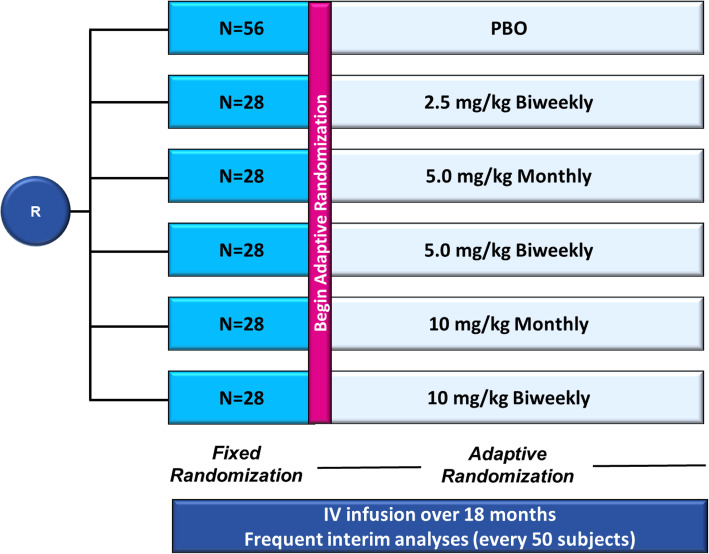
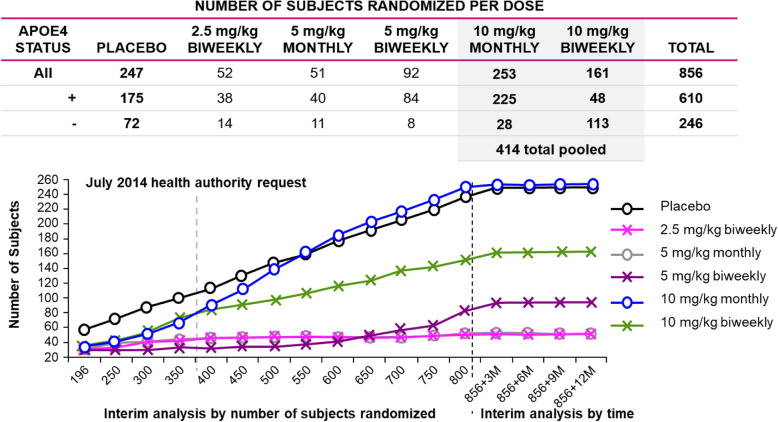
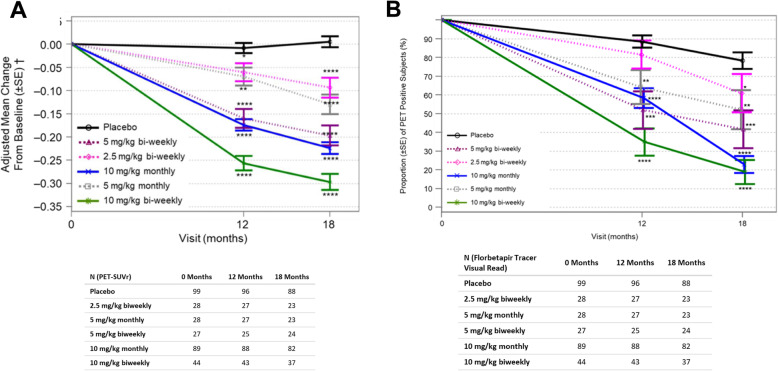
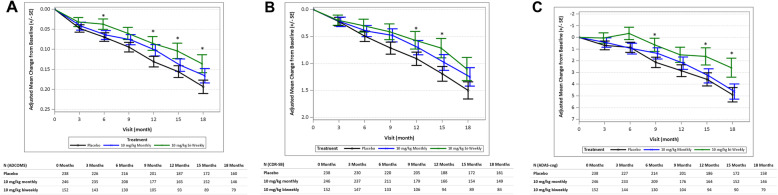
BACKGROUND: Lecanemab (BAN2401), an IgG1 monoclonal antibody, preferentially targets soluble aggregated amyloid beta (Aβ), with activity across oligomers, protofibrils, and insoluble fibrils. BAN2401-G000-201, a randomized double-blind clinical trial, utilized a Bayesian design with response-adaptive randomization to assess 3 doses across 2 regimens of lecanemab versus placebo in early Alzheimer's disease, mild cognitive impairment due to Alzheimer's disease (AD) and mild AD dementia. METHODS: BAN2401-G000-201 aimed to establish the effective dose 90% (ED90), defined as the simplest dose that achieves ≥90% of the maximum treatment effect. The primary endpoint was Bayesian analysis of 12-month clinical change on the Alzheimer's Disease Composite Score (ADCOMS) for the ED90 dose, which required an 80% probability of ≥25% clinical reduction in decline versus placebo. Key secondary endpoints included 18-month Bayesian and frequentist analyses of brain amyloid reduction using positron emission tomography; clinical decline on ADCOMS, Clinical Dementia Rating-Sum-of-Boxes (CDR-SB), and Alzheimer's Disease Assessment Scale-Cognitive Subscale (ADAS-Cog14); changes in CSF core biomarkers; and total hippocampal volume (HV) using volumetric magnetic resonance imaging. RESULTS: A total of 854 randomized subjects were treated (lecanemab, 609; placebo, 245). At 12 months, the 10-mg/kg biweekly ED90 dose showed a 64% probability to be better than placebo by 25% on ADCOMS, which missed the 80% threshold for the primary outcome. At 18 months, 10-mg/kg biweekly lecanemab reduced brain amyloid (-0.306 SUVr units) while showing a drug-placebo difference in favor of active treatment by 27% and 30% on ADCOMS, 56% and 47% on ADAS-Cog14, and 33% and 26% on CDR-SB versus placebo according to Bayesian and frequentist analyses, respectively. CSF biomarkers were supportive of a treatment effect. Lecanemab was well-tolerated with 9.9% incidence of amyloid-related imaging abnormalities-edema/effusion at 10 mg/kg biweekly. CONCLUSIONS: BAN2401-G000-201 did not meet the 12-month primary endpoint. However, prespecified 18-month Bayesian and frequentist analyses demonstrated reduction in brain amyloid accompanied by a consistent reduction of clinical decline across several clinical and biomarker endpoints. A phase 3 study (Clarity AD) in early Alzheimer's disease is underway. TRIAL REGISTRATION: Clinical Trials.gov NCT01767311 .
Overview
The claims and statistics of this paper haven’t been checked yet.
Run the check — free, no account needed. It reads the open-access text and checks the sources it cites.
Integrity signals
Registry
Cites
Statistics
Figures
Verification
Claims the paper makes
The claims and statistics of this paper haven’t been checked yet.
Run the check — free, no account needed. It reads the open-access text and checks the sources it cites.
Claims other papers make about this one
Each is checked against this paper’s own text: does it say what the citing paper says it does?
The cited source says what the claim attributes to it.
In the citing paper
“After 79 weeks, lecanemab was found to have a lower total brain amyloid plaque burden than a placebo (Study 201).”
From Recent Advances in Therapeutics for the Treatment of Alzheimer’s Disease (2024) · cites this paper as [188]
In the citing paper
“In particular, a mean difference of −73.5 centiloides and −0.31 standardized uptake value ratio (SUVR) units was found between the lecanemab and placebo treatment groups.”
From Recent Advances in Therapeutics for the Treatment of Alzheimer’s Disease (2024) · cites this paper as [188]
In the citing paper
“Lecanemab’s capacity to lower the amount of amyloid in the brain, as shown by PET scans, has led to its submission for expedited approval for the treatment of AD.”
From Recent Advances in Therapeutics for the Treatment of Alzheimer’s Disease (2024) · cites this paper as [188]
In the citing paper
“The study also suggested at week 79 that a risk reduction of 20% to 40% be applied to the advancement of clinical symptoms [187,188].”
From Recent Advances in Therapeutics for the Treatment of Alzheimer’s Disease (2024) · cites this paper as [188]
In the citing paper
“Additionally, the treatment impact increased in a dose- and exposure-dependent manner; a 25% AUC therapy was probably superior to a placebo by >0.64.”
From Recent Advances in Therapeutics for the Treatment of Alzheimer’s Disease (2024) · cites this paper as [188]
In the citing paper
“The results revealed a significant and dose-dependent reduction of amyloid plaques in the lecanemab group (10 mg/kg, intravenous infusion every 2 weeks) from baseline to week 79 compared with the placebo group.”
From Clinical trials of new drugs for Alzheimer disease: a 2020–2023 update (2023) · cites this paper as [42]
In the citing paper
“A double-blind, placebo-controlled phase 2 trial recruited 856 patients with AD with mild cognitive impairment (MCI) or mild dementia and verified amyloid pathology through amyloid PET or CSF Aβ1-42 [42].”
From Clinical trials of new drugs for Alzheimer disease: a 2020–2023 update (2023) · cites this paper as [42]
In the citing paper
“In the Phase 2 trial, it had been identified to successfully reduce brain amyloid and improved cognitive decline in the highest-dose group (twice-monthly 10 mg/kg).351”
From Amyloid β-based therapy for Alzheimer’s disease: Challenges, successes and future (2023) · cites this paper as [351]
Self-check
Percentages, sums and reported differences re-computed from the paper’s own numbers.
The self-check needs the paper’s full text.
Citations
Cites
Neurofilaments as biomarkers in neurological disorders
Khalil, M., Teunissen, C. E., Otto, M., Piehl, F., Sormani, M. P., Gattringer, T., Barro, C., Kappos, L., Comabella, M., Fazekas, F., et al. (2018) · Nature Reviews Neurology · doi:10.1038/s41582-018-0058-z · Cited by 1,988 · cited 1×
“AD diagnosis is associated with increased plaque burden in the brain and a decrease in Aβ1–42 monomers in CSF due to sequestration of monomeric Aβ1–42 into amyloid plaques [26].”
BackgroundRevising the definition of Alzheimer's disease: a new lexicon
Dubois, B., Feldman, H. H., Jacova, C., Cummings, J. L., DeKosky, S. T., Barberger-Gateau, P., Delacourte, A., Frisoni, G., Fox, N. C., Galasko, D., et al. (2010) · The Lancet Neurology · doi:10.1016/s1474-4422(10)70223-4 · Cited by 1,869
Masters, C. L., Bateman, R., Blennow, K., Rowe, C. C., Sperling, R. A., & Cummings, J. L. (2015) · Nature Reviews Disease Primers · doi:10.1038/nrdp.2015.56 · Cited by 1,853
The 'Arctic' APP mutation (E693G) causes Alzheimer's disease by enhanced Aβ protofibril formation
Nilsberth, C., Westlind-Danielsson, A., Eckman, C. B., Condron, M. M., Axelman, K., Forsell, C., Stenh, C., Luthman, J., Teplow, D. B., Younkin, S. G., et al. (2001) · Nature Neuroscience · doi:10.1038/nn0901-887 · Cited by 1,209
Self-citationDeciphering the Molecular Basis of Memory Failure in Alzheimer's Disease
Walsh, D. M., & Selkoe, D. J. (2004) · Neuron · doi:10.1016/j.neuron.2004.09.010 · Cited by 1,207
Molecular structural basis for polymorphism in Alzheimer's β-amyloid fibrils
Paravastu, A. K., Leapman, R. D., Yau, W., & Tycko, R. (2008) · Proceedings of the National Academy of Sciences · doi:10.1073/pnas.0806270105 · Cited by 1,165
Synaptic Targeting by Alzheimer's-Related Amyloid β Oligomers
Lacor, P. N., Buniel, M. C., Chang, L., Fernandez, S. J., Gong, Y., Viola, K. L., Lambert, M. P., Velasco, P. T., Bigio, E. H., Finch, C. E., et al. (2004) · The Journal of Neuroscience · doi:10.1523/jneurosci.3432-04.2004 · Cited by 954 · cited 1×
“Soluble Aβ aggregates have been shown to be more toxic than monomers or insoluble fibrils [4, 6–10], and we hypothesized that reducing these soluble Aβ aggregates could represent an effective treatment approach in early stages of AD [4, 11, 12].”
BackgroundBurns, A., & Iliffe, S. (2009) · BMJ · doi:10.1136/bmj.b158 · Cited by 859
Alzheimer's disease drug development pipeline: 2018
Cummings, J., Lee, G., Ritter, A., & Zhong, K. (2018) · Alzheimer's & Dementia: Translational Research & Clinical Interventions · doi:10.1016/j.trci.2018.03.009 · Cited by 697 · cited 1×
“Most previously published studies using other putative disease-modifying agents for AD did not show appreciable clinical efficacy in phase 3 [19, 31].”
ResultSelf-citationA phase III randomized trial of gantenerumab in prodromal Alzheimer’s disease
for the SCarlet RoAD Investigators, Ostrowitzki, S., Lasser, R. A., Dorflinger, E., Scheltens, P., Barkhof, F., Nikolcheva, T., Ashford, E., Retout, S., Hofmann, C., et al. (2017) · Alzheimer's Research & Therapy · doi:10.1186/s13195-017-0318-y · Cited by 567
Cited by
Sorted by citations
Items 601–700 of 846
Oosthoek, M., Vijverberg, E. G. B., Blujdea, E. R., Veld, S. G. J. G. I. ‘., Avilés, M. P., Zsadanyi, S. E., Hok‐A‐Hin, Y. S., Visser, A., van der Flier, W. M., Barkhof, F., et al. (2025) · Alzheimer s Research & Therapy · doi:10.1186/s13195-025-01799-3 · Cited by 3
Lecanemab over a two-year duration: Key insights from a regional specialty medical center
Shields, L. B. E., Hust, H. S., Cooper, G. E., Kluthe, T., Hart, R., Thaliath, A. P., Dennis, B. C., Freeman, S., Cain, J. F., Shang, W. Y., et al. (2026) · The Journal of Prevention of Alzheimer s Disease · doi:10.1016/j.tjpad.2026.100489 · Cited by 3
Lifetime cost-effectiveness of lecanemab for early Alzheimer’s disease
Jiang, X., Lv, G., Mendes, M. E., Wu, J., Yuan, J., & Lu, Z. K. (2026) · Frontiers in Public Health · doi:10.3389/fpubh.2026.1692508 · Cited by 3
Combining AI design and molecular dynamics to disrupt amyloid aggregation in Alzheimer’s disease
Esmaeilzadeh, A., Irani, M. A., Javanmard, A., & Khezri, M. G. (2026) · Discover Applied Sciences · doi:10.1007/s42452-026-08245-5 · Cited by 3
Perry, R. J., Kipps, C., Martín, M., Bozzali, M., Logroscino, G., Trafford, S. J., Dhadda, S., Kanekiyo, M., Amanda, G., Hodgkinson, M., et al. (2026) · The Journal of Prevention of Alzheimer s Disease · doi:10.1016/j.tjpad.2026.100507 · Cited by 4
Type-1 interferons associated with microglial-mediated neuroinflammation in Alzheimer’s disease
Shippy, D. C., Sande, M. L., & Ulland, T. K. (2026) · Journal of Neuroinflammation · doi:10.1186/s12974-026-03828-w · Cited by 3
Serious side effects of Alzheimer’s immunotherapy demand scrutiny
Høilund‐Carlsen, P. F., Alavi, A., Andalib, S., Castellani, R. J., Costa, T., de Girolamo, G., Espay, A. J., Neve, R. L., Perry, G. L., Revheim, M.-E. R., et al. (2026) · Ageing Research Reviews · doi:10.1016/j.arr.2026.103151 · Cited by 4
Hafez, M. M., Abbas, H. A., Shoman, N. A., Soubh, A. A., Aly, O., Sallam, M. F., Seliem, M. A., & Malaak, F. A. (2026) · Journal of Neurology · doi:10.1007/s00415-026-13829-7 · Cited by 3
“Emerging evidence suggests that non-amyloid/non-tau (NANT) targets contribute not only to cognitive decline but also to broader clinical manifestations in AD, underscoring their therapeutic relevance [131].”
Iizuka, T., Watanabe, T., & Kameyama, M. (2026) · Frontiers in Aging Neuroscience · doi:10.3389/fnagi.2026.1801267 · Cited by 3
“This may reflect recognition of protofibril-like epitopes within plaques (Swanson et al., 2021) and disruption of the equilibrium among A β species, whereby protofibril depletion drives secondary plaque dissolution.”
Brain-First vs. Body-First Models in Neurodegenerative Disease: A Perspective Review
Forte, G., & Casagrande, M. (2026) · NeuroSci · doi:10.3390/neurosci7030057 · Cited by 3
The role of PrPc in Alzheimer's disease related Amyloid-β hypothesis: a systematic review
Gomes, T. A. M., Silva, M. P. D. S., Gomes, M. P. S. M., Barh, D., Azevedo, V., & Dutra, J. D. C. F. (2023) · Brain Disorders · doi:10.1016/j.dscb.2023.100098 · Cited by 3
One step beyond the lab and clinic: “walking the dementia conversation”
Zegarra-Valdivia, J. A., Peres, F. A., Kornhuber, A., Arshad, F., & Paredes-Manrique, C. (2023) · Frontiers in Public Health · doi:10.3389/fpubh.2023.1284692 · Cited by 3
Smith, S. J., & Surr, C. (2024) · BMC Health Services Research · doi:10.1186/s12913-024-11571-2 · Cited by 3
“Service pressures will also arise from new treatments that require etiology to be clearly established (e.g. monoclonal antibody treatments) [41] in order to offer personalised treatment plans.”
BackgroundMoseholm, K. F., Meineche, J. T., & Jensen, M. K. (2024) · Current Opinion in Lipidology · doi:10.1097/mol.0000000000000968 · Cited by 3
Mishra, A. K., Srivastava, A., Raj, V., Saini, V., Khan, G., Singh, H., Mishra, A., & Paliwal, S. (2024) · Current Alzheimer Research · doi:10.2174/0115672050361294241211071813 · Cited by 3
Teipel, S. J., Tang, Y., & Khachaturian, A. S. (2025) · Alzheimer s & Dementia Translational Research & Clinical Interventions · doi:10.1002/trc2.70083 · Cited by 3
Krankheitsmodifizierende Therapie mit Lecanemab bei früher Alzheimer-Demenz
Hansen, N., & Wiltfang, J. (2025) · Fortschritte der Neurologie · Psychiatrie · doi:10.1055/a-2681-4558 · Cited by 4
“Eine andere Studie ergab ebenso eine geringere, aber nicht signifikante Verschlechterung der Fähigkeiten im Rahmen der Demenz (CDR-SB nach einer Lecanemab-Behandlung im Vergleich zur Placebo-Be-handlung von −0,31 (90 % Konfidenzintervall −0,620, 0,017; p = 0,119) [13].”
Initial Real-World Evidence for Lecanemab in the United States
Brixner, D. I., Zhao, C., Toyosaki, H., Frech, F. H., & Rosenbloom, M. H. (2025) · Drugs & Aging · doi:10.1007/s40266-025-01261-x · Cited by 3
Hada, K., Murata, Y., Ohi, Y., Hashimoto, S., Watanabe, H., Ozeki, K., Saido, T. C., Saito, T., Sasaguri, H., Mizoguchi, H., et al. (2026) · Journal of Alzheimer s Disease · doi:10.1177/13872877261415630 · Cited by 3
Kausale Therapie der Alzheimer-Krankheit: Amyloidantikörper
Pawlowski, M., & Warnecke, T. (2022) · Die Innere Medizin · doi:10.1007/s00108-022-01291-2 · Cited by 3
Wang, S., Kang, D. W., Um, Y. H., Kim, S., Lee, C. U., Scheltens, P., & Lim, H. K. (2023) · The Journal of Prevention of Alzheimer s Disease · doi:10.14283/jpad.2023.87 · Cited by 3
Kamran, S., Tamene, Y., Mody, S. P., Sadiq, K. O., Shivakumar, Y. M., Burra, E. K., & Ramphall, S. (2023) · Cureus · doi:10.7759/cureus.43984 · Cited by 3
Theron, D., Hopkins, L. N., Sutherland, H. G. E., Griffiths, L. R., & Fernandez, F. (2023) · International Journal of Molecular Sciences · doi:10.3390/ijms241713480 · Cited by 4
“Although APOE4 was found to be significantly associated with memory function in non-dementia elderly individuals [19], APOE genotyping remains the most common risk factor utilised to test for sporadic AD risk, and in clinical diagnosis [11,42,43].”
BackgroundSong, Z., Lynch, K. M., Parker‐Allotey, N. A., Bennett, E. E., Xu, X., Whitsel, E. A., Smith, R. L., Stewart, J. D., Park, E. S., Ying, Q., et al. (2024) · Environmental Research · doi:10.1016/j.envres.2024.119425 · Cited by 3
Sang, Z. (2024) · Elsevier eBooks · doi:10.1016/b978-0-443-23932-8.00035-2 · Cited by 3
Landon, B., Subasinghe, K., Sumien, N., & Phillips, N. (2025) · Experimental Gerontology · doi:10.1016/j.exger.2025.112745 · Cited by 3
“These trials enroll participants based on available diagnostic criteria for AD, which consider the disease to be singular and thus does no stratification (Geldmacher et al., 2011; Swanson et al., 2021; Ornish et al., 2024).”
Is the Amyloid Imaging Tsunami Really Happening?
Barthel, H., & Drzezga, A. E. (2025) · Journal of Nuclear Medicine · doi:10.2967/jnumed.123.267007 · Cited by 3
Hope or hype? Aducanumab as a magic bullet for Alzheimer’s disease
Lin, W., Xiao, C., & Salton, S. R. (2022) · BIO Integration · doi:10.15212/bioi-2021-0034 · Cited by 3
Should we lower or raise levels of amyloid-β in the brains of Alzheimer patients?
Imbimbo, B. P., Ippati, S., Imbimbo, C., & Balducci, C. (2022) · Pharmacological Research · doi:10.1016/j.phrs.2022.106390 · Cited by 4
Immunotherapies: A Treasure Trove of Alzheimer's Disease
Kolay, A., Neelam, N., Gupta, P., Shaikh, A. M., Goel, R., Nagpal, D., & Chitme, H. R. (2024) · Current Pharmaceutical Biotechnology · doi:10.2174/0113892010308600240709052539 · Cited by 2
Aslanyan, V., Pickering, T. A., Nuño, M. M., Renfro, L. A., Pa, J., & Mack, W. J. (2024) · Pharmaceutical Statistics · doi:10.1002/pst.2443 · Cited by 2
Sato, K., Niimi, Y., Ihara, R., Iwata, A., Suzuki, K., & Iwatsubo, T. (2025) · Alzheimer s & Dementia Translational Research & Clinical Interventions · doi:10.1002/trc2.70065 · Cited by 2
Health utilities in Alzheimer's disease: A survey of patients and caregivers in the United States
Lin, P., Riley, A. G., Synnott, P. G., Frangiosa, T. L., Roniger, A., Neumann, P. J., & Cohen, J. T. (2025) · Journal of Alzheimer s Disease · doi:10.1177/13872877251350381 · Cited by 2
Management of Patients With Mild Cognitive Impairment in the Era of Anti-Amyloid Therapy
McLeod, G. A., Switzer, A. R., Bartolini, L., Vera, A. G. Z., Smith, E. E., & Ganesh, A. (2025) · Neurology Clinical Practice · doi:10.1212/cpj.0000000000200507 · Cited by 3
Shan, G., Zhang, Y., Wang, G., Wu, S., & Ding, A. A. (2025) · Statistical Methods in Medical Research · doi:10.1177/09622802251348796 · Cited by 2
Frech, F. H., Li, G., Juday, T. R., Ding, Y., Mattke, S., Khachaturian, A. S., Rosenberg, A. S., Ndiba-Markey, C., Rava, A. R., Batrla, R., et al. (2025) · Journal of Managed Care & Specialty Pharmacy · doi:10.18553/jmcp.2025.31.8.782 · Cited by 3
Chen, S., Sun, Y., Yao, L., & Peng, Q. (2025) · Journal of Alzheimer s Disease Reports · doi:10.1177/25424823251366998 · Cited by 2
Takahashi, T., Thuy, D. H. D., Takenaka, S., Ono, S., Fukui, M., Okada, Y., Asada, T., Niimi, K., Kimura, K., Ikeda, A., et al. (2025) · Frontiers in Aging Neuroscience · doi:10.3389/fnagi.2025.1651596 · Cited by 2
Caregivers' perspectives on lecanemab use for Alzheimer's disease: A national survey in China
Liu, S., Fan, S., Gan, J., Liao, W., Chen, Q., Li, X., Zhang, J., Chen, X., & Ji, Y. (2025) · Alzheimer s & Dementia · doi:10.1002/alz.70680 · Cited by 3
Bhattacharya, K., Khanal, P., Chand, J., Chanu, N. R., Das, D., & Bhattacharjee, A. (2025) · Biophysica · doi:10.3390/biophysica5040052 · Cited by 2
“Mechanistic studies and phase 2/3 analyses support protofibril selectivity as a defining feature of its therapeutic profile [100,101].”
Cen, J., Ivis, A., Vasylovska, S., Adjieva, K., Lindsay, R. S., Westermark, G. T., & Lau, J. (2025) · Diabetologia · doi:10.1007/s00125-025-06582-5 · Cited by 2
Shan, G., & Cummings, J. L. (2025) · Alzheimer s & Dementia Translational Research & Clinical Interventions · doi:10.1002/trc2.70186 · Cited by 2
“43 The problem of imbalances in subgroup sizecanbeaddressedwithadaptiveenrichmentdesignswithpreferen-tialassignmenttopromisingtreatmentarms.”
Bhagunde, P. R., Penner, N., Willis, B. A., Bell, R., Charil, A., Irizarry, M. C., Hersch, S. M., & Reyderman, L. (2026) · CPT Pharmacometrics & Systems Pharmacology · doi:10.1002/psp4.70173 · Cited by 2
“The study designs for Study 201 and Clarity AD have been previously published [9, 10, 18] and are shown in Figure S1.”
Moon, S. Y., Ta-Fu, C., Lee, B., Moon, W. J., Kandiah, N., Kumar, S., Park, Y. H., Inaba, K., & Dash, A. (2026) · The Journal of Prevention of Alzheimer s Disease · doi:10.1016/j.tjpad.2026.100477 · Cited by 3
“In the core CLARITY-AD study, the rates of ARIA were slightly higher in the placebo group receiving concurrent anticoagulants versus subjects on placebo who were not receiving anticoagulants [36].”
Song, P., Wang, M., Liu, T., Zhang, Z., Ren, X., Liu, Y., Ng, J. P. L., Wong, V. K. W., Law, B. Y. K., Fu, X., et al. (2026) · Naunyn-Schmiedeberg s Archives of Pharmacology · doi:10.1007/s00210-026-05246-4 · Cited by 2
“(Swanson et al. 2021; Chowdhury and Chowdhury 2023).”
Recent Advances in Alzheimer’s Disease Treatments with Therapeutic Antibodies to Amyloid-β
Yang, J., & Bradford, A. (2022) · Journal of Student Research · doi:10.47611/jsrhs.v11i3.3453 · Cited by 2
Balaji, N., Balachandar, R., Algodayan, S., Lilburn, D. M. L., Fraioli, F., & Bomanji, J. B. (2023) · Nuclear Medicine Communications · doi:10.1097/mnm.0000000000001688 · Cited by 2
Staudt, M., Shalgunov, V., Nedergaard, M., & Herth, M. M. (2023) · Journal of Labelled Compounds and Radiopharmaceuticals · doi:10.1002/jlcr.4060 · Cited by 2
Sato, K., Niimi, Y., Ihara, R., Iwata, A., & Iwatsubo, T. (2024) · Journal of Alzheimer s Disease · doi:10.3233/jad-240623 · Cited by 2
Alexandre-Silva, V., Soares‐Silva, B., Pereira, G. C., Custódio‐Silva, A. C., Carvalhinho-Lopes, P. S., Taliano, L. O., Lambertucci, R. H., Duarte, M. C., Araújo, A. A. D. S., Quintans‐Júnior, L. J., et al. (2024) · Metabolic Brain Disease · doi:10.1007/s11011-024-01484-8 · Cited by 2
“Aducanumab and Lecanumab are monoclonal antibodies for Aβ, capable of reducing Aβ load and slowing cognitive decline (Dhillon 2021; Khanna et al. 2022 ; Swanson et al. 2021).”
Piotrowski, M., Serwicki, P., Pośpiech, S., Prosowski, J., Początek, J., & Schendzielorz, J. (2025) · Quality in Sport · doi:10.12775/qs.2025.35.59608 · Cited by 2
Add-on combination therapy with monoclonal antibodies: Implications for drug development
Cummings, J. L., Burstein, A. H., & Fillit, H. M. (2025) · The Journal of Prevention of Alzheimer s Disease · doi:10.1016/j.tjpad.2025.100359 · Cited by 2
“Sponsors should consider the potential benefits of alternate trials designs including Bayesian adaptive approaches such as those used for dose finding in the Phase 2 study of lecanemab in early AD [17].”
Pharmacotherapy for Alzheimer’s disease: what’s new on the horizon?
Khoury, R., Gallop, A., Roberts, K., Grysman, N., Lu, J., & Grossberg, G. T. (2022) · Expert Opinion on Pharmacotherapy · doi:10.1080/14656566.2022.2097868 · Cited by 2
“The incidence of ARIA in the experimental group was around 10% [51], which is lower than the 35% incidence reported with aducanumab [52].”
ResultYang, W., Ye, Y., Cai, Y., Wang, G., Wang, M., & Zhang, X. (2022) · Evidence-based Complementary and Alternative Medicine · doi:10.1155/2022/4311031 · Cited by 2
“By reviewing the literature [15, 16], the diagnostic criteria for perimenopausal MCI of the kidney deficiency and blood stasis type were developed: (i) women aged 40–60 years; (ii) main symptoms: forgetfulness and memory loss; (iii) secondary symptoms: soreness and weakness of the waist and knees, tiredness and sleepi…”
MethodGrifols, C., Barceló, M., Núñez, L., Szczepiorkowski, Z. M., Boada, M., López, O. L., & Páez, A. (2023) · Therapeutic Apheresis and Dialysis · doi:10.1111/1744-9987.14002 · Cited by 2
Neurodegenerative Diseases: from the First CNS Drugs to New Treatments in Discovery (A Review)
Kraus, J. (2024) · Russian Journal of Bioorganic Chemistry · doi:10.1134/s1068162024020171 · Cited by 2
Amyloid fil rouge from invertebrate up to human ageing: A focus on Alzheimer disease
de Eguileor, M., Grimaldi, A., Pulze, L., Acquati, F., Morsiani, C., & Capri, M. (2022) · Mechanisms of Ageing and Development · doi:10.1016/j.mad.2022.111705 · Cited by 2
Alzheimer’s drugs: Does reducing amyloid work?—Response
Selkoe, D. J. (2021) · Science · doi:10.1126/science.abm3288 · Cited by 3
Lee, J., Lee, K., Kim, M. S., Kim, M. W., Lim, M., Yoo, J., & Lee, S. H. (2023) · bioRxiv (Cold Spring Harbor Laboratory) · doi:10.1101/2023.10.19.563032 · Cited by 2
Qiu, Y.-H., Liu, M., Zhan, J., Liu, L., Zheng, J., Wu, D., Wu, G., Cai, Y., & Zhang, S. (2023) · medRxiv · doi:10.1101/2023.11.20.23298794 · Cited by 2
“Landscape of Phase 2 Trials in Alzheimer’s Disease”: Perspective on Adaptive Trials
Cummings, J. L. (2024) · Journal of Alzheimer s Disease · doi:10.3233/jad-240145 · Cited by 1
Monoclonal antibody therapy in Alzheimer’s disease: an overview and vision
Bentley, J. H., Bishop, L. E., & Broussard, J. I. (2024) · Brain Network and Modulation · doi:10.4103/bnm.bnm_14_23 · Cited by 2
Lecanemab: A novel disease-modifying drug treatment for Alzheimer’s disease
Bhanwra, S., & Mahajan, S. S. (2024) · National Journal of Pharmacology and Therapeutics · doi:10.4103/njpt.njpt_17_24 · Cited by 1
Antibodies against Alzheimer's: Pioneering a New Era in Treatment Strategies
Verma, M., Singh, N. K., & Siddique, M. U. M. (2025) · Current Bioactive Compounds · doi:10.2174/0115734072347198241226113039 · Cited by 1
Dickson, S. P., Durrant, A., Dayley, C. W., Christensen, J. R., Mallinckrodt, C. H., & Hendrix, S. B. (2026) · Frontiers in Medical Technology · doi:10.3389/fmedt.2026.1819463 · Cited by 1
Strope, T. A., Troutwine, B., Hauger, B. M., Smith, K. P., Swerdlow, R. H., & Wilkins, H. (2025) · Journal of Alzheimer s Disease · doi:10.1177/13872877251360243 · Cited by 2
Sverdlov, O., Renteria, J., Carter, K., Scheffold, A., Krisam, J., Mascheroni, P., & Seidel, J. (2025) · Statistical Methods in Medical Research · doi:10.1177/09622802251354924 · Cited by 1
Antibody targeting TDP-43 mitigates pathogenic pathways induced by the cerebrospinal fluid of ALS
Poulin-Brière, A., Pozzi, S., & Julien, J. (2025) · Neurotherapeutics · doi:10.1016/j.neurot.2025.e00737 · Cited by 2
“These microglial changes are most likely the results of both the binding of E6 antibody to Fc γ receptors at the membrane of microglia, activating phagocytosis, and the reduction of TDP-43 burden, known to induce pro-inflammatory activation of microglia [33,84,85].”
Mapping the evolving landscape of lecanemab research in Alzheimer's Disease: A bibliometric analysis
Xu, Z., Ma, R., Shen, J., Xu, D., & Yang, Z. (2025) · European Journal of Pharmacology · doi:10.1016/j.ejphar.2025.178187 · Cited by 1
Dodge, H. H., Chen, L., Wu, C., Cutter, G., Bowman, G. L., Feldman, H., & Arnold, S. E. (2025) · Alzheimer s & Dementia · doi:10.1002/alz.70787 · Cited by 1
Deep learning-driven MRI for accurate brain volumetry in murine models of neurodegenerative diseases
Doelemeyer, A., Vaishampayan, S., Zurbruegg, S., Morvan, F., Locatelli, G., Shimshek, D. R., & Beckmann, N. (2025) · Frontiers in Neuroscience · doi:10.3389/fnins.2025.1632169 · Cited by 1
From Lesion to Decision: AI for ARIA Detection and Predictive Imaging in Alzheimer’s Disease
Christodoulou, R. C., Papageorgiou, P. S., Sarquis, M. D., Rivera, L., Gonzalez, C. M., Eller, D. W., Rivera, G., Petrou, V., Vamvouras, G., Vassiliou, E. K., et al. (2025) · Biomedicines · doi:10.3390/biomedicines13112739 · Cited by 2
Huang, S., & Guo, Y. (2026) · Journal of Alzheimer s Disease Reports · doi:10.1177/25424823261422205 · Cited by 1
Oeckl, P., Abu‐Rumeileh, S., Weise, C. M., Otto, M., & Initiative, A. D. N. (2026) · Alzheimer s Research & Therapy · doi:10.1186/s13195-026-01973-1 · Cited by 1
da Silva, A. M. P., de Deus, O., Cardoso, L. J. C., Ribeiro, F. V., Meldola, P. F., Menezes, I. R., Han, M. L., Quiroga, D. G., Almeida, K. J., Santos, D. H., et al. (2026) · Expert Opinion on Biological Therapy · doi:10.1080/14712598.2026.2631536 · Cited by 1
“Lecanemab, evaluated in the CLARITY AD and BAN2401-G000 -201 trials, was tested at 2.5 mg/kg and 5 mg/kg (biweekly or monthly), and 10 mg/kg (monthly or biweekly), with the 10 mg/ kg biweekly regimen showing the most consistent cognitive benefit in early AD [15,19].”
InfluentialInagawa, Y., Kamiya, T., MIYAGI, Y., Inagawa, S., Takenoshita, N., Sato, T., Yoshimura, M., Saito, K., Hanyu, H., & Shimizu, S. (2026) · Journal of Alzheimer s Disease · doi:10.1177/13872877261422452 · Cited by 1
Lin, Y., Hsu, T., Kao, Y., Thompson, T., Carvalho, A. F., Stubbs, B., Tseng, P., Hsu, C., Yang, F.-C., Tsai, C., et al. (2026) · Journal of Neurology Neurosurgery & Psychiatry · doi:10.1136/jnnp-2025-336691 · Cited by 1
Cao, Y., Willis, B. A., Horie, K., Wildsmith, K. R., Koyama, A., Sachdev, P., Penner, N., Charil, A., Irizarry, M. C., & Reyderman, L. (2026) · npj Systems Biology and Applications · doi:10.1038/s41540-026-00677-4 · Cited by 1
Marine sulfated glycan inhibits tau-heparan sulfate interaction and tau cellular uptake
Jones, K., Pennell, A., He, P., Gibson, J. M., Zhang, F., Pomin, V. H., & Wang, C. (2026) · International Journal of Biological Macromolecules · doi:10.1016/j.ijbiomac.2026.151592 · Cited by 1
Napolitano, L., Vadukul, D. M., Bigi, A., Palladino, P., Cecchi, C., Chiti, F., Cascella, R., & Aprile, F. A. (2026) · Communications Biology · doi:10.1038/s42003-026-09740-6 · Cited by 1
Bhagunde, P. R., Penner, N., Willis, B. A., Bell, R. D., Sachdev, P., Charil, A., Irizarry, M. C., Hersch, S. M., & Reyderman, L. (2026) · Alzheimer s & Dementia Translational Research & Clinical Interventions · doi:10.1002/trc2.70246 · Cited by 1
Neuroprotective effects of ursodeoxycholic acid in Parkinson's disease and Alzheimer's disease
Chong, A. E. Y., Sasmita, A. O., Koh, R. Y., & Ling, A. P. K. (2026) · Neuroprotection/Neuroprotection (Chichester, England. Print) · doi:10.1002/nep3.70039 · Cited by 1
Zhang, B., Chen, Z., Li, W., Xu, L., Yang, S., Wang, F., Yan, K., Wei, X., & Li, T. (2026) · Cyborg and Bionic Systems · doi:10.34133/cbsystems.0551 · Cited by 2
“While recent A β -targeting therapies show promise in early-stage AD [ 7 , 8 ], they fail to ameliorate over-all neurodegenerative pathology and concomitant vascular impairments.”
Jin, L., Wang, X., Song, F., Hou, J., Bi, Y., Wen, X., Wang, X., Lai, F., & Cheng, A. (2026) · Nuclear Medicine Communications · doi:10.1097/mnm.0000000000002184 · Cited by 1
Masi, M., Oliviero, C., Govoni, S. M., Wolozin, B. L., Racchi, M., & Buoso, E. (2026) · European Journal of Pharmacology · doi:10.1016/j.ejphar.2026.179033 · Cited by 2
Advances in the treatment of Alzheimer’s disease
Goceroglu, R. T., & Hacımüftüoğlu, A. (2026) · Frontiers in Pharmacology · doi:10.3389/fphar.2026.1819165 · Cited by 1
“It is safe and well-tolerated in phase I, and preliminary results from phase II trials (NCT01767311) indicate that it significantly slows cognitive decline (Swanson et al., 2021) and reduces A β in the brain.”
Sharma, A., Suresh, V., Kola, P. R., Raj, R. A., Javairia, F., Nithyanandam, A., Kaur, A., Arora, H., Uwishema, O., Gorty, D., et al. (2026) · Journal of Alzheimer s Disease · doi:10.1177/13872877261466097 · Cited by 3
Aktaş, E., Yurt, İ., Cerlet, Y. N., & Hanagasi, H. A. (2026) · Journal of Neurochemistry · doi:10.1111/jnc.70506 · Cited by 1
Reducing overconfident errors in clinical prediction models
Bayly, H., Tripodis, Y., Lenio, S., Patil, P., & Initiative, A. D. N. (2026) · BMC Medical Informatics and Decision Making · doi:10.1186/s12911-026-03681-0 · Cited by 1
“We assumed a sample size of 500 (250 per arm), which is in line with existing phase 2 AD clinical trials [23, 24].”
Xue, W.-Y., Li, X., Li, W., Qin, B.-Z., Wang, C.-Z., Liu, T., & Wang, M. (2026) · Therapeutic Advances in Drug Safety · doi:10.1177/20420986261473013 · Cited by 2
Cummings, J. L. (2022) · The Journal of Prevention of Alzheimer s Disease · doi:10.14283/jpad.2022.25 · Cited by 1
Therapieentwicklungen bei der Alzheimer-Krankheit
Grimmer, T. (2022) · Fortschritte der Neurologie · Psychiatrie · doi:10.1055/a-1802-4837 · Cited by 1
Current Advancements in the Treatment of Alzheimer’s Disease
Ajith, V., & Kalam, A. (2022) · Journal of Student Research · doi:10.47611/jsrhs.v11i4.3691 · Cited by 1
Traits and Trammels of Tau Tracer Imaging
Villemagne, V. L., Lopresti, B. J., Doré, V., Minhas, D. S., Gogola, A., Nadkarni, N. K., Mason, N. S., Bourgeat, P., López, O. L., Ikonomović, M. D., et al. (2023) · Springer eBooks · doi:10.1007/978-3-031-35098-6_6 · Cited by 1
Lecanemab, a Novel Amyloid β-Directed Antibody for Early Alzheimer Disease
Toderika, Y., & Najib, J. S. (2023) · The Journal for Nurse Practitioners · doi:10.1016/j.nurpra.2023.104744 · Cited by 1
Zhang, J. (2023) · Inflammation Research · doi:10.1007/s00011-023-01788-y · Cited by 1
Targeting Beta-Amyloid Protein with Monoclonal Antibodies: A New Hope for Alzheimer’s Treatment
Ashraf, F., Rasool, F. K., uddin, M. M. N., Siddiq, M. A., & Mustafa, M. S. (2023) · Annals of Neurosciences · doi:10.1177/09727531231190989 · Cited by 1
A new neuroprotective candidate TJ1 targeting amyloidogenesis in 5xFAD Alzheimer’s disease mice
Deng, J., Huang, L.-F., Bian, Z.-Y., Feng, X.-Y., Qi, R.-Y., Dong, W.-X., Gao, J., & Tang, J. (2024) · International Immunopharmacology · doi:10.1016/j.intimp.2024.112653 · Cited by 1
Pickert, L., Dias, I. H. K., Thimm, A., Weber, J., Abdullah, S., Deelen, J., & Polidori, M. C. (2024) · Journal of Alzheimer s Disease · doi:10.3233/jad-240654 · Cited by 1
Terapéutica con anticuerpos monoclonales en la enfermedad de Alzheimer
Maliza-Moposita, J. A., & Salazar-Garcés, L. F. (2024) · MQRInvestigar · doi:10.56048/mqr20225.8.3.2024.2739-2760
Metadata
- Authors
- Swanson, C. J., Zhang, Y., Dhadda, S., Wang, J., Kaplow, J., Lai, R. Y. K., Lannfelt, L., Bradley, H., Rabe, M., Koyama, A., Reyderman, L., Berry, D. A., Berry, S., Gordon, R., Kramer, L. D., & Cummings, J. L.
- Affiliations
- Eisai (United States) (US)
- Eisai (United Kingdom) (GB)
- Uppsala University (SE)
- Berry Consultants, LLC (United States) (US)
- University of Nevada, Las Vegas (US)
- Corresponding author
- Cummings, Jeffrey L.
- ORCID
- Venue
- Alzheimer's Research & Therapy
- Published
- 2021-04-17
- Volume
- 13
- Issue
- 1
- Pages
- 80-80
- ISSN
- 1758-9193 (ISSN-L)
- PMC
- PMC8053280
- OpenAlex
- W3152692563
- Cited by
- 847
- References
- 34
- Citations by year
- 2026: 123 · 2025: 158 · 2024: 194 · 2023: 196 · 2022: 132 · 2021: 42
- FWCI
- 88.37
- Type
- journal article
- Language
- en
- Update notices
- correction (2022-05-21)
- Open access
- gold
- doi.org
- Locations
- Alzheimer s Research & Therapy (publishedVersion, cc-by)
- PubMed Central (publishedVersion, cc-by)
- PubMed (publishedVersion)
- Digital Scholarship - UNLV (University of Nevada Reno) (submittedVersion, cc-by)
- KTH Publication Database DiVA (KTH Royal Institute of Technology) (submittedVersion, other-oa)
- DOAJ (DOAJ: Directory of Open Access Journals) (submittedVersion, cc-by-sa)
- Funders
- National Institute of General Medical Sciences (P20GM109025)
- National Institute of Neurological Disorders and Stroke (U01NS093334)
- National Institute on Aging (R01AG053798, P20AG068053)
- Topics
- Life Sciences › Neuroscience › Cellular and Molecular Neuroscience › Alzheimer's disease research and treatments
- Health Sciences › Medicine › Psychiatry and Mental health › Dementia and Cognitive Impairment Research
- Life Sciences › Neuroscience › Neurology › Neuroinflammation and Neurodegeneration Mechanisms
- Keywords
- lecanemab, anti-amyloid monoclonal antibodies, early Alzheimer's disease, amyloid protofibrils, amyloid oligomers, cerebrospinal fluid biomarkers, hippocampal volume, cognitive decline, mild cognitive impairment, mild dementia, treatment safety, dose escalation
- MeSH terms
- Alzheimer Disease, Bayes Theorem, Brain, Double-Blind Method, Humans, Amyloid beta-Peptides
About these checks
Registry, retraction, Cites and statistics results are computed, not judged, with one exception: a printed reference that no index lists is read once by a model before it counts as a citation error. Claims are extracted by a model and kept only when their quote appears verbatim in the text; each cited source is then checked, with a model’s help, for whether it says what the claim relies on. Those verdicts can be wrong — read the claim’s quote and the cited source before relying on one.
Statistics and arithmetic are recomputed, not judged.
Confidence bands are shown only for fields calibrated on our annotated test set. None is calibrated yet, so no band is shown.
What counts as a claim ›How we measure confidence ›How we check this ›
Are you an author, or do you see a problem with this page? Request a review
