

The DOI matches its Crossref record; 34 of the 34 references it cites were found in a registry or an index.
A randomized, double-blind, phase 2b proof-of-concept clinical trial in early Alzheimer’s disease with lecanemab, an anti-Aβ protofibril antibody
Open accessAbstract
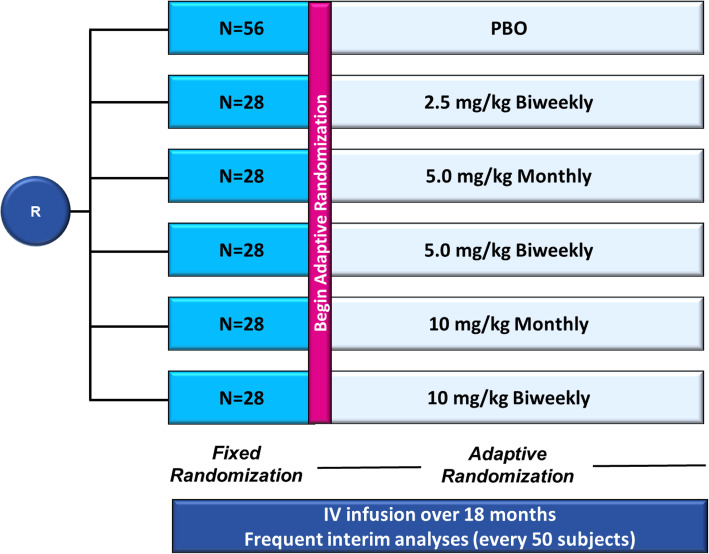
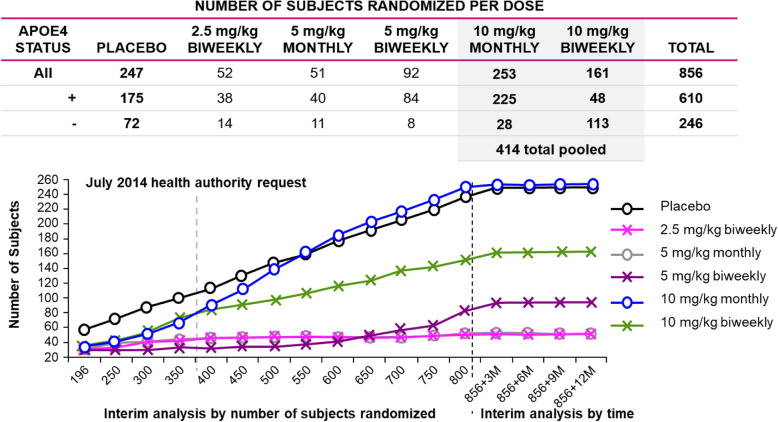
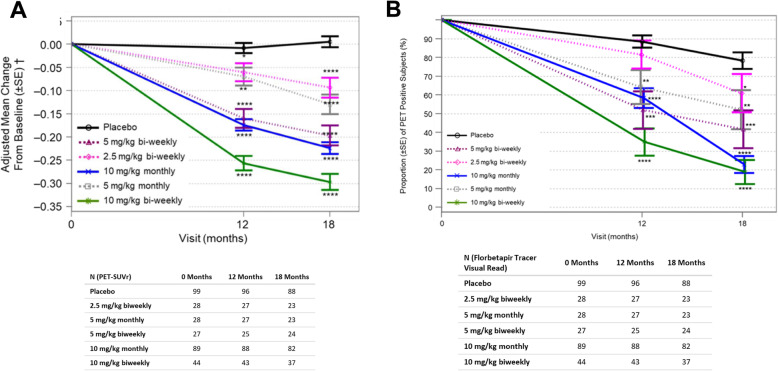
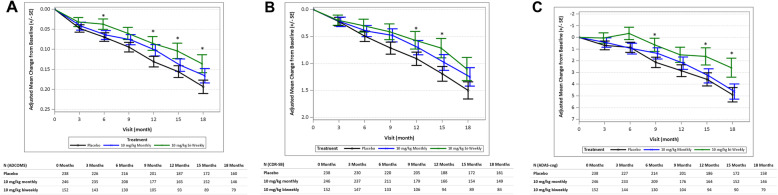
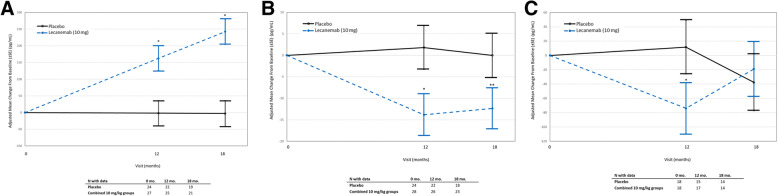
BACKGROUND: Lecanemab (BAN2401), an IgG1 monoclonal antibody, preferentially targets soluble aggregated amyloid beta (Aβ), with activity across oligomers, protofibrils, and insoluble fibrils. BAN2401-G000-201, a randomized double-blind clinical trial, utilized a Bayesian design with response-adaptive randomization to assess 3 doses across 2 regimens of lecanemab versus placebo in early Alzheimer's disease, mild cognitive impairment due to Alzheimer's disease (AD) and mild AD dementia. METHODS: BAN2401-G000-201 aimed to establish the effective dose 90% (ED90), defined as the simplest dose that achieves ≥90% of the maximum treatment effect. The primary endpoint was Bayesian analysis of 12-month clinical change on the Alzheimer's Disease Composite Score (ADCOMS) for the ED90 dose, which required an 80% probability of ≥25% clinical reduction in decline versus placebo. Key secondary endpoints included 18-month Bayesian and frequentist analyses of brain amyloid reduction using positron emission tomography; clinical decline on ADCOMS, Clinical Dementia Rating-Sum-of-Boxes (CDR-SB), and Alzheimer's Disease Assessment Scale-Cognitive Subscale (ADAS-Cog14); changes in CSF core biomarkers; and total hippocampal volume (HV) using volumetric magnetic resonance imaging. RESULTS: A total of 854 randomized subjects were treated (lecanemab, 609; placebo, 245). At 12 months, the 10-mg/kg biweekly ED90 dose showed a 64% probability to be better than placebo by 25% on ADCOMS, which missed the 80% threshold for the primary outcome. At 18 months, 10-mg/kg biweekly lecanemab reduced brain amyloid (-0.306 SUVr units) while showing a drug-placebo difference in favor of active treatment by 27% and 30% on ADCOMS, 56% and 47% on ADAS-Cog14, and 33% and 26% on CDR-SB versus placebo according to Bayesian and frequentist analyses, respectively. CSF biomarkers were supportive of a treatment effect. Lecanemab was well-tolerated with 9.9% incidence of amyloid-related imaging abnormalities-edema/effusion at 10 mg/kg biweekly. CONCLUSIONS: BAN2401-G000-201 did not meet the 12-month primary endpoint. However, prespecified 18-month Bayesian and frequentist analyses demonstrated reduction in brain amyloid accompanied by a consistent reduction of clinical decline across several clinical and biomarker endpoints. A phase 3 study (Clarity AD) in early Alzheimer's disease is underway. TRIAL REGISTRATION: Clinical Trials.gov NCT01767311 .
Overview
The claims and statistics of this paper haven’t been checked yet.
Run the check — free, no account needed. It reads the open-access text and checks the sources it cites.
Integrity signals
Registry
Cites
Statistics
Figures
Verification
Claims the paper makes
The claims and statistics of this paper haven’t been checked yet.
Run the check — free, no account needed. It reads the open-access text and checks the sources it cites.
Claims other papers make about this one
Each is checked against this paper’s own text: does it say what the citing paper says it does?
The cited source says what the claim attributes to it.
In the citing paper
“After 79 weeks, lecanemab was found to have a lower total brain amyloid plaque burden than a placebo (Study 201).”
From Recent Advances in Therapeutics for the Treatment of Alzheimer’s Disease (2024) · cites this paper as [188]
In the citing paper
“In particular, a mean difference of −73.5 centiloides and −0.31 standardized uptake value ratio (SUVR) units was found between the lecanemab and placebo treatment groups.”
From Recent Advances in Therapeutics for the Treatment of Alzheimer’s Disease (2024) · cites this paper as [188]
In the citing paper
“Lecanemab’s capacity to lower the amount of amyloid in the brain, as shown by PET scans, has led to its submission for expedited approval for the treatment of AD.”
From Recent Advances in Therapeutics for the Treatment of Alzheimer’s Disease (2024) · cites this paper as [188]
In the citing paper
“The study also suggested at week 79 that a risk reduction of 20% to 40% be applied to the advancement of clinical symptoms [187,188].”
From Recent Advances in Therapeutics for the Treatment of Alzheimer’s Disease (2024) · cites this paper as [188]
In the citing paper
“Additionally, the treatment impact increased in a dose- and exposure-dependent manner; a 25% AUC therapy was probably superior to a placebo by >0.64.”
From Recent Advances in Therapeutics for the Treatment of Alzheimer’s Disease (2024) · cites this paper as [188]
In the citing paper
“The results revealed a significant and dose-dependent reduction of amyloid plaques in the lecanemab group (10 mg/kg, intravenous infusion every 2 weeks) from baseline to week 79 compared with the placebo group.”
From Clinical trials of new drugs for Alzheimer disease: a 2020–2023 update (2023) · cites this paper as [42]
In the citing paper
“A double-blind, placebo-controlled phase 2 trial recruited 856 patients with AD with mild cognitive impairment (MCI) or mild dementia and verified amyloid pathology through amyloid PET or CSF Aβ1-42 [42].”
From Clinical trials of new drugs for Alzheimer disease: a 2020–2023 update (2023) · cites this paper as [42]
In the citing paper
“In the Phase 2 trial, it had been identified to successfully reduce brain amyloid and improved cognitive decline in the highest-dose group (twice-monthly 10 mg/kg).351”
From Amyloid β-based therapy for Alzheimer’s disease: Challenges, successes and future (2023) · cites this paper as [351]
Self-check
Percentages, sums and reported differences re-computed from the paper’s own numbers.
The self-check needs the paper’s full text.
Citations
Cites
Neurofilaments as biomarkers in neurological disorders
Khalil, M., Teunissen, C. E., Otto, M., Piehl, F., Sormani, M. P., Gattringer, T., Barro, C., Kappos, L., Comabella, M., Fazekas, F., et al. (2018) · Nature Reviews Neurology · doi:10.1038/s41582-018-0058-z · Cited by 1,988 · cited 1×
“AD diagnosis is associated with increased plaque burden in the brain and a decrease in Aβ1–42 monomers in CSF due to sequestration of monomeric Aβ1–42 into amyloid plaques [26].”
BackgroundRevising the definition of Alzheimer's disease: a new lexicon
Dubois, B., Feldman, H. H., Jacova, C., Cummings, J. L., DeKosky, S. T., Barberger-Gateau, P., Delacourte, A., Frisoni, G., Fox, N. C., Galasko, D., et al. (2010) · The Lancet Neurology · doi:10.1016/s1474-4422(10)70223-4 · Cited by 1,869
Masters, C. L., Bateman, R., Blennow, K., Rowe, C. C., Sperling, R. A., & Cummings, J. L. (2015) · Nature Reviews Disease Primers · doi:10.1038/nrdp.2015.56 · Cited by 1,853
The 'Arctic' APP mutation (E693G) causes Alzheimer's disease by enhanced Aβ protofibril formation
Nilsberth, C., Westlind-Danielsson, A., Eckman, C. B., Condron, M. M., Axelman, K., Forsell, C., Stenh, C., Luthman, J., Teplow, D. B., Younkin, S. G., et al. (2001) · Nature Neuroscience · doi:10.1038/nn0901-887 · Cited by 1,209
Self-citationDeciphering the Molecular Basis of Memory Failure in Alzheimer's Disease
Walsh, D. M., & Selkoe, D. J. (2004) · Neuron · doi:10.1016/j.neuron.2004.09.010 · Cited by 1,207
Molecular structural basis for polymorphism in Alzheimer's β-amyloid fibrils
Paravastu, A. K., Leapman, R. D., Yau, W., & Tycko, R. (2008) · Proceedings of the National Academy of Sciences · doi:10.1073/pnas.0806270105 · Cited by 1,165
Synaptic Targeting by Alzheimer's-Related Amyloid β Oligomers
Lacor, P. N., Buniel, M. C., Chang, L., Fernandez, S. J., Gong, Y., Viola, K. L., Lambert, M. P., Velasco, P. T., Bigio, E. H., Finch, C. E., et al. (2004) · The Journal of Neuroscience · doi:10.1523/jneurosci.3432-04.2004 · Cited by 954 · cited 1×
“Soluble Aβ aggregates have been shown to be more toxic than monomers or insoluble fibrils [4, 6–10], and we hypothesized that reducing these soluble Aβ aggregates could represent an effective treatment approach in early stages of AD [4, 11, 12].”
BackgroundBurns, A., & Iliffe, S. (2009) · BMJ · doi:10.1136/bmj.b158 · Cited by 859
Alzheimer's disease drug development pipeline: 2018
Cummings, J., Lee, G., Ritter, A., & Zhong, K. (2018) · Alzheimer's & Dementia: Translational Research & Clinical Interventions · doi:10.1016/j.trci.2018.03.009 · Cited by 697 · cited 1×
“Most previously published studies using other putative disease-modifying agents for AD did not show appreciable clinical efficacy in phase 3 [19, 31].”
ResultSelf-citationA phase III randomized trial of gantenerumab in prodromal Alzheimer’s disease
for the SCarlet RoAD Investigators, Ostrowitzki, S., Lasser, R. A., Dorflinger, E., Scheltens, P., Barkhof, F., Nikolcheva, T., Ashford, E., Retout, S., Hofmann, C., et al. (2017) · Alzheimer's Research & Therapy · doi:10.1186/s13195-017-0318-y · Cited by 567
Cited by
Sorted by citations
Lecanemab in early Alzheimer's disease
van Dyck, C. H., Swanson, C. J., Aisen, P., Bateman, R. J., Chen, C., Gee, M., Kanekiyo, M., Li, D., Reyderman, L., Cohen, S., et al. (2023) · New England Journal of Medicine · doi:10.1056/nejmoa2212948 · Cited by 5,678
Two Randomized Phase 3 Studies of Aducanumab in Early Alzheimer's Disease
Budd Haeberlein, S., Aisen, P. S., Barkhof, F., Chalkias, S., Chen, T., Cohen, S., Dent, G., Hansson, O., Harrison, K., von Hehn, C., et al. (2022) · The Journal of Prevention of Alzheimer's Disease · doi:10.14283/jpad.2022.30 · Cited by 1,367
“Localized superficial siderosis 14 (3) 52 (10) 73 (13) 10 (2) 51 (9) 89 (16)”
BackgroundResultInfluentialAmyloid β-based therapy for Alzheimer’s disease: Challenges, successes and future
Zhang, Y., Chen, H., Li, R., Sterling, K., & Song, W. (2023) · Signal Transduction and Targeted Therapy · doi:10.1038/s41392-023-01484-7 · Cited by 988
Lecanemab: Appropriate Use Recommendations
Cummings, J., Apostolova, L., Rabinovici, G. D., Atri, A., Aisen, P., Greenberg, S., Hendrix, S., Selkoe, D., Weiner, M., Petersen, R. C., et al. (2023) · The Journal of Prevention of Alzheimer's Disease · doi:10.14283/jpad.2023.30 · Cited by 961
Self-citationThe amyloid hypothesis in Alzheimer disease: new insights from new therapeutics
Karran, E., & De Strooper, B. (2022) · Nature Reviews Drug Discovery · doi:10.1038/s41573-022-00391-w · Cited by 742
Alzheimer’s disease drug development pipeline: 2022
Cummings, J., Lee, G., Nahed, P., Kambar, M. E. Z. N., Zhong, K., Fonseca, J., & Taghva, K. (2022) · Alzheimer's & Dementia: Translational Research & Clinical Interventions · doi:10.1002/trc2.12295 · Cited by 665
Hansson, O., Edelmayer, R. M., Boxer, A. L., Carrillo, M. C., Mielke, M. M., Rabinovici, G. D., Salloway, S., Sperling, R., Zetterberg, H., & Teunissen, C. E. (2022) · Alzheimer's & Dementia · doi:10.1002/alz.12756 · Cited by 607
Blood biomarkers for Alzheimer’s disease in clinical practice and trials
Hansson, O., Blennow, K., Zetterberg, H., & Dage, J. (2023) · Nature Aging · doi:10.1038/s43587-023-00403-3 · Cited by 522
The probabilistic model of Alzheimer disease: the amyloid hypothesis revised
Frisoni, G. B., Altomare, D., Thal, D. R., Ribaldi, F., van der Kant, R., Ossenkoppele, R., Blennow, K., Cummings, J., van Duijn, C., Nilsson, P. M., et al. (2022) · Nature Reviews Neuroscience · doi:10.1038/s41583-021-00533-w · Cited by 513
Alzheimer’s disease drug development pipeline: 2023
Cummings, J., Zhou, Y., Lee, G., Zhong, K., Fonseca, J., & Cheng, F. (2023) · Alzheimer's & Dementia: Translational Research & Clinical Interventions · doi:10.1002/trc2.12385 · Cited by 477
Söderberg, L., Johannesson, M., Nygren, P., Laudon, H., Eriksson, F., Osswald, G., Möller, C., & Lannfelt, L. (2022) · Neurotherapeutics · doi:10.1007/s13311-022-01308-6 · Cited by 459
Amyloid-related imaging abnormalities (ARIA): radiological, biological and clinical characteristics
Hampel, H., Elhage, A., Cho, M., Apostolova, L. G., Nicoll, J. A. R., & Atri, A. (2023) · Brain · doi:10.1093/brain/awad188 · Cited by 412
Anti-Amyloid Monoclonal Antibodies for the Treatment of Alzheimer’s Disease
Cummings, J. L., Osse, A. M. L., Cammann, D., Powell, J., & Chen, J. (2023) · BioDrugs · doi:10.1007/s40259-023-00633-2 · Cited by 420
“…(PET) considered reasonably likely to predict clinical benefit [2]; and lecanemab (Leqembi ® ; Eisai Inc. and Bio-gen, Cambridge, MA, USA), which received accelerated approval based on a phase II study followed by standard approval based on clinical and biomarker data from a phase III study [3, 4].”
InfluentialAmyloid Beta in Aging and Alzheimer’s Disease
Sehar, U., Rawat, P., Reddy, A. P., Kopel, J. J., & Reddy, P. H. (2022) · International Journal of Molecular Sciences · doi:10.3390/ijms232112924 · Cited by 409
The China Alzheimer Report 2022
Ren, R., Qi, J., Lin, S., Liu, X., Yin, P., Wang, Z., Tang, R., Wang, J., Huang, Q., Li, J., et al. (2022) · General Psychiatry · doi:10.1136/gpsych-2022-100751 · Cited by 357
Kaplon, H., Chenoweth, A. M., Crescioli, S., & Reichert, J. M. (2022) · mAbs · doi:10.1080/19420862.2021.2014296 · Cited by 347
“with a consistent reduction of clinical decline across several of the clinical and biomarker endpoints.(117)”
BackgroundTwo phase 3 trials of gantenerumab in early Alzheimer's disease
Bateman, R. J., Smith, J., Donohue, M. C., Delmar, P., Abbas, R., Salloway, S., Wojtowicz, J., Blennow, K., Bittner, T., Black, S. E., et al. (2023) · New England Journal of Medicine · doi:10.1056/nejmoa2304430 · Cited by 314
Self-citationJeremic, D., Jiménez-Díaz, L., & Navarro-López, J. D. (2021) · Ageing Research Reviews · doi:10.1016/j.arr.2021.101496 · Cited by 306
McDade, E., Cummings, J. L., Dhadda, S., Swanson, C. J., Reyderman, L., Kanekiyo, M., Koyama, A., Irizarry, M. C., Kramer, L. D., & Bateman, R. J. (2022) · Alzheimer s Research & Therapy · doi:10.1186/s13195-022-01124-2 · Cited by 328
“Although most previously published studies using other putative disease-modifying agents for AD did not show appreciable clinical efficacy in phase 3 [27], several recent studies have shown promising effects on reducing brain amyloid levels and slowing clinical decline [19, 34, 35].”
BackgroundResultInfluentialChallenges and hopes for Alzheimer’s disease
Tatulian, S. A. (2022) · Drug Discovery Today · doi:10.1016/j.drudis.2022.01.016 · Cited by 291
The AHEAD 3‐45 Study: Design of a prevention trial for Alzheimer's disease
Rafii, M. S., Sperling, R. A., Donohue, M. C., Zhou, J., Roberts, C., Irizarry, M. C., Dhadda, S., Sethuraman, G., Kramer, L. D., Swanson, C. J., et al. (2023) · Alzheimer's & Dementia · doi:10.1002/alz.12748 · Cited by 291
The amyloid cascade hypothesis: an updated critical review
Kepp, K. P., Robakis, N. K. R. K., Høilund‐Carlsen, P. F., Sensi, S. L., & Vissel, B. (2023) · Brain · doi:10.1093/brain/awad159 · Cited by 315
Shi, M., Chu, F., Zhu, F., & Zhu, J. (2022) · Frontiers in Aging Neuroscience · doi:10.3389/fnagi.2022.870517 · Cited by 275
Immunotherapy for Alzheimer’s disease: targeting β-amyloid and beyond
Song, C., Shi, J., Zhang, P., Zhang, Y., Xu, J., Zhao, L., Zhang, R., Wang, H., & Chen, H. (2022) · Translational Neurodegeneration · doi:10.1186/s40035-022-00292-3 · Cited by 266
“3% in APOE4 carriers, indicating well tolerance of lecanemab [46].”
BackgroundThe Role of Amyloid PET in Imaging Neurodegenerative Disorders: A Review
Chapleau, M., Iaccarino, L., Soleimani‐Meigooni, D. N., & Rabinovici, G. D. (2022) · Journal of Nuclear Medicine · doi:10.2967/jnumed.121.263195 · Cited by 276
Clinical trials of new drugs for Alzheimer disease: a 2020–2023 update
Huang, L.-K., Kuan, Y.-C., Lin, H.-W., & Hu, C.-J. (2023) · Journal of Biomedical Science · doi:10.1186/s12929-023-00976-6 · Cited by 252
“The US FDA approved it on January 6, 2023, through an accelerated approval pathway on the basis of evidence of amyloid removal in a phase 2 trial (NCT01767311) and because it had a likelihood of having clinical benefits [41] A double-blind, placebocontrolled phase 2 trial recruited 856 patients with AD with mild cogni…”
BackgroundCummings, J. L. (2023) · Drugs · doi:10.1007/s40265-023-01858-9 · Cited by 266
Approval of Aducanumab for Alzheimer Disease—The FDA’s Perspective
Dunn, B., Stein, P., & Cavazzoni, P. (2021) · JAMA Internal Medicine · doi:10.1001/jamainternmed.2021.4607 · Cited by 246
Tolar, M., Hey, J., Power, A., & Abushakra, S. R. (2021) · International Journal of Molecular Sciences · doi:10.3390/ijms22126355 · Cited by 253
“Anti-amyloid agents that have shown clinical or biomarker efficacy in late-stage clinical trials include the anti-amyloid antibodies aducanumab [18], lecanemab (previously called BAN2401) [19], donanemab [20], and gantenerumab [21], and the small molecule oral agent ALZ-801, a prodrug of the active agent tramiprosate…”
BackgroundResultInfluentialAducanumab produced a clinically meaningful benefit in association with amyloid lowering
Cummings, J., Aisen, P., Lemere, C., Atri, A., Sabbagh, M., & Salloway, S. (2021) · Alzheimer's Research & Therapy · doi:10.1186/s13195-021-00838-z · Cited by 224
Self-citationAccelerated Brain Volume Loss Caused by Anti–β-Amyloid Drugs
Alves, F. M., Kalinowski, P., & Ayton, S. (2023) · Neurology · doi:10.1212/wnl.0000000000207156 · Cited by 224
Aducanumab: Appropriate Use Recommendations Update
Cummings, J. L., Rabinovici, G. D., Atri, A., Aisen, P. S. S., Apostolova, L. G., Hendrix, S. B., Sabbagh, M. N., Selkoe, D. J., Weiner, M. W., & Salloway, S. (2022) · The Journal of Prevention of Alzheimer s Disease · doi:10.14283/jpad.2022.34 · Cited by 204
Accelerating Alzheimer’s therapeutic development: The past and future of clinical trials
Boxer, A. L., & Sperling, R. (2023) · Cell · doi:10.1016/j.cell.2023.09.023 · Cited by 197
“ARIA-related dosing challenges More problematic for recent clinical trials was the requirement to use lower doses of anti-Ab mAbs in APOEe4 carriers—for example, after the emergence of higher rates of ARIA in the phase 2 lecanemab trial in a small number of participants who initially received a dose of 10 mg/kg biweek…”
Frisoni, G. B., Altomare, D., Ribaldi, F., Villain, N., Brayne, C., Mukadam, N., Abramowicz, M. J., Barkhof, F., Berthier, M. L., Bieler-Aeschlimann, M., et al. (2023) · The Lancet Regional Health - Europe · doi:10.1016/j.lanepe.2022.100576 · Cited by 187
Amyloid-Related Imaging Abnormalities and β-Amyloid-Targeting Antibodies: A Systematic Review.
Filippi, M., Cecchetti, G., Spinelli, E. G., Vezzulli, P., Falini, A., & Agosta, F. (2022) · JAMA Neurology · doi:10.1001/jamaneurol.2021.5205 · Cited by 189
FDA approves Alzheimer’s drug lecanemab amid safety concerns
Reardon, S. (2023) · Nature · doi:10.1038/d41586-023-00030-3 · Cited by 180
Updated safety results from phase 3 lecanemab study in early Alzheimer’s disease
Honig, L. S., Sabbagh, M. N., van Dyck, C. H., Sperling, R. A., Hersch, S. M., Matta, A. P. C., Giorgi, L., Gee, M., Kanekiyo, M., Li, D., et al. (2024) · Alzheimer s Research & Therapy · doi:10.1186/s13195-024-01441-8 · Cited by 206
“A large, 18-month phase 2, proof-of-concept, dose-finding study using a Bayesian adaptive design was conducted in 856 participants with mild cognitive impairment (MCI) due to AD and mild AD dementia (collectively defined as early AD) [8].”
BackgroundMethodAndjelkovic, A. V., Situ, M., Citalán‐Madrid, A. F., Stamatovic, S. M., Xiang, J., & Keep, R. F. (2023) · Stroke · doi:10.1161/strokeaha.122.040578 · Cited by 190
Peng, Y., Jin, H., Xue, Y.-H., Chen, Q., Yao, S., Du, M., & Liu, S. (2023) · Frontiers in Aging Neuroscience · doi:10.3389/fnagi.2023.1206572 · Cited by 189
“Bapineuzumab also causes amyloid-related imaging abnormalities (ARIA) with effusion or edema (ARIA-E) and ferriflavin deposition (Salloway et al., 2018).”
BackgroundInfluentialBarakos, J. A., Purcell, D. D., Suhy, J., Chalkias, S., Burkett, P., Grassi, C. M., Castrillo‐Viguera, C., Rubino, I., & Vijverberg, E. G. B. (2022) · The Journal of Prevention of Alzheimer s Disease · doi:10.14283/jpad.2022.21 · Cited by 173
“Higher frequency of ARIA-E among ApoE ε4 carriers has also been observed in clinical studies of gantenerumab, donanemab, lecanemab, and aducanumab (11, 21, 23, 29, 30).”
BackgroundResultInfluentialDetection and treatment of Alzheimer’s disease in its preclinical stage
Rafii, M. S., & Aisen, P. S. S. (2023) · Nature Aging · doi:10.1038/s43587-023-00410-4 · Cited by 179
Cognitive effects of Lewy body pathology in clinically unimpaired individuals
Palmqvist, S., Rossi, M., Hall, S., Quadalti, C., Mattsson, N., Dellavalle, S., Tideman, P., Pereira, J. B., Nilsson, M. H., Mammana, A., et al. (2023) · Nature Medicine · doi:10.1038/s41591-023-02450-0 · Cited by 165
Controversy and Progress in Alzheimer’s Disease — FDA Approval of Aducanumab
Rabinovici, G. D. (2021) · New England Journal of Medicine · doi:10.1056/nejmp2111320 · Cited by 155
Anti-Amyloid Immunotherapies for Alzheimer's Disease: A 2023 Clinical Update
Yadollahikhales, G., & Rojas, J. C. (2023) · Neurotherapeutics · doi:10.1007/s13311-023-01405-0 · Cited by 165
“Asymptomatic ARIA hemorrhage (ARIA-H) occurred in 3/60 (5%) of participants with lecanemab and 2/20 (10%) with placebo [100, 101].”
BackgroundWithington, C., & Turner, R. S. (2022) · Frontiers in Neurology · doi:10.3389/fneur.2022.862369 · Cited by 158
“9% incidence of ARIA-E at the highest dose (10 mg/kg biweekly) (3).”
BackgroundKim, B., Kim, S., Nam, Y., Park, Y., Shin, S. M., & Moon, M. (2025) · Translational Neurodegeneration · doi:10.1186/s40035-025-00465-w · Cited by 162
Cogswell, P. M., Barakos, J. A., Barkhof, F., Benzinger, T. L. S., Jack, C. R., Poussaint, T. Y., Raji, C. A., Ramanan, V. K., & Whitlow, C. T. (2022) · American Journal of Neuroradiology · doi:10.3174/ajnr.a7586 · Cited by 150
Rabinovici, G. D., Knopman, D. S., Arbizu, J., Benzinger, T. L. S., Donohoe, K. J., Hansson, O., Herscovitch, P., Kuo, P. H., Lingler, J. H., Minoshima, S., et al. (2025) · Alzheimer s & Dementia · doi:10.1002/alz.14338 · Cited by 163
Cost-effectiveness of Aducanumab and Donanemab for Early Alzheimer Disease in the US
Ross, E. L., Weinberg, M. S., & Arnold, S. E. (2022) · JAMA Neurology · doi:10.1001/jamaneurol.2022.0315 · Cited by 151
Haass, C., & Selkoe, D. (2022) · PLOS Biology · doi:10.1371/journal.pbio.3001694 · Cited by 145
“Moreover, lecanemab reduced cognitive decline more in ApoE4-positive than in ApoE4-negative patients [65], suggesting that there could have been a greater benefit if more ApoE4-positive patients had been allowed the highest dose.”
BackgroundHoy, S. M. (2023) · Drugs · doi:10.1007/s40265-023-01851-2 · Cited by 144
The Alzheimer’s disease drug development landscape
van Bokhoven, P., de Wilde, A., Vermunt, L., Leferink, P. S., Heetveld, S., Cummings, J., Scheltens, P., & Vijverberg, E. G. B. (2021) · Alzheimer's Research & Therapy · doi:10.1186/s13195-021-00927-z · Cited by 123
“This is surprising as several treatments in clinical trials over recent years were able to clear Aβ deposits from the brains of AD patients while cognitive effects were often ambiguous [8].”
BackgroundResultSelf-citationMicroglial activation states and their implications for Alzheimer's Disease
Valiukas, Z., Tangalakis, K., Apostolopoulos, V., & Feehan, J. (2025) · The Journal of Prevention of Alzheimer s Disease · doi:10.1016/j.tjpad.2024.100013 · Cited by 167
The accuracy and robustness of plasma biomarker models for amyloid PET positivity
Benedet, A. L., Brum, W. S., Hansson, O., Initiative, A. D. N., Karikari, T. K., Zimmer, E. R., Zetterberg, H., Blennow, K., & Ashton, N. J. (2022) · Alzheimer s Research & Therapy · doi:10.1186/s13195-021-00942-0 · Cited by 147
Rinauro, D. J., Chiti, F., Vendruscolo, M., & Limbocker, R. (2024) · Molecular Neurodegeneration · doi:10.1186/s13024-023-00651-2 · Cited by 138
“Aβ oligomer clearance by passive immunization is of course a very promising strategy, as shown by the recent accelerated and then regular approval by the FDA of lecanemab, designed to target mainly soluble Aβ protofibrils among other species [16, 268].”
BackgroundJönsson, L., Wimo, A., Handels, R., Johansson, G., Boada, M., Engelborghs, S., Frölich, L., Jessen, F., Kehoe, P. G., Kramberger, M., et al. (2023) · The Lancet Regional Health - Europe · doi:10.1016/j.lanepe.2023.100657 · Cited by 129
Angioni, D., Delrieu, J., Hansson, O., Fillit, H. M., Aisen, P. S. S., Cummings, J. L., Sims, J. R., Braunstein, J. B., Sabbagh, M. N., Bittner, T., et al. (2022) · The Journal of Prevention of Alzheimer s Disease · doi:10.14283/jpad.2022.85 · Cited by 129
“Plasma Aß42/Aß40 ratio has reflected amyloid removal, corroborated with amyloid PET, in several drug trials of amyloid-removing antibodies including gantenerumab and lecanemab (35, 36).”
ResultLecanemab (BAN2401): an anti–beta-amyloid monoclonal antibody for the treatment of Alzheimer disease
Vitek, G., Decourt, B., & Sabbagh, M. N. (2023) · Expert Opinion on Investigational Drugs · doi:10.1080/13543784.2023.2178414 · Cited by 132
Terao, I., & Kodama, W. (2024) · Ageing Research Reviews · doi:10.1016/j.arr.2024.102203 · Cited by 137
Centiloid recommendations for clinical context‐of‐use from the AMYPAD consortium
Collij, L. E., Bollack, A., Joie, R. L., Shekari, M., Bullich, S., Roé-Vellvé, N., Koglin, N., Jovalekic, A., García, D. V., Drzezga, A. E., et al. (2024) · Alzheimer s & Dementia · doi:10.1002/alz.14336 · Cited by 130
Treatments for Alzheimer's disease emerge
Selkoe, D. J. (2021) · Science · doi:10.1126/science.abi6401 · Cited by 117
The mechanism and efficacy of GLP-1 receptor agonists in the treatment of Alzheimer’s disease
Du, H., Meng, X., Yao, Y., & Xu, J. (2022) · Frontiers in Endocrinology · doi:10.3389/fendo.2022.1033479 · Cited by 125
“GLP-1 has different forms include GLP-1(1-37), GLP-1(7-36)amide and GLP-1(7-37) (22, 89).”
BackgroundInfluentialCohen, S., van Dyck, C. H., Gee, M., Doherty, T., Kanekiyo, M., Dhadda, S., Li, D. K. B., Hersch, S. M., Irizarry, M. C., & Kramer, L. D. (2023) · The Journal of Prevention of Alzheimer s Disease · doi:10.14283/jpad.2023.123 · Cited by 127
“The lecanemab phase 2 study did not include a HRQoL assessment (25).”
BackgroundDisease-Modifying Therapies for Alzheimer’s Disease: More Questions than Answers
Golde, T. E. (2022) · Neurotherapeutics · doi:10.1007/s13311-022-01201-2 · Cited by 119
NLRP3 inflammasome signalling in Alzheimer's disease
McManus, R. M., & Latz, E. (2024) · Neuropharmacology · doi:10.1016/j.neuropharm.2024.109941 · Cited by 136
“Lecanemab (Leqembi ™ ) is a humanised monoclonal antibody that targets A β oligomers, protofibrils and insol-uble fibrils (Swanson et al., 2021) and just received FDA approval in 2023.”
BackgroundLowe, S. L., Evans, C. D., Shcherbinin, S., Cheng, Y.-J., Willis, B. A., Gueorguieva, I., Lo, A., Fleisher, A., Dage, J. L., Ardayfio, P. A., et al. (2021) · The Journal of Prevention of Alzheimer s Disease · doi:10.14283/jpad.2021.56 · Cited by 121
ARIA in patients treated with lecanemab (BAN2401) in a phase 2 study in early Alzheimer's disease
Honig, L. S., Barakos, J. A., Dhadda, S., Kanekiyo, M., Reyderman, L., Irizarry, M. C., Kramer, L. D., Swanson, C. J., & Sabbagh, M. (2023) · Alzheimer s & Dementia Translational Research & Clinical Interventions · doi:10.1002/trc2.12377 · Cited by 115
Antiamyloid Monoclonal Antibody Therapy for Alzheimer Disease
Ramanan, V. K., Armstrong, M. J., Choudhury, P., Coerver, K. A., Hamilton, R. H., Klein, B. C., Wolk, D. A., Wessels, S. R., & Jones, L. K. (2023) · Neurology · doi:10.1212/wnl.0000000000207757 · Cited by 120
Baruah, P., Moorthy, H., Ramesh, M., Padhi, D., & Govindaraju, T. (2023) · Chemical Science · doi:10.1039/d3sc02350h · Cited by 110
Chong, J. R., Ashton, N. J., Karikari, T. K., Tanaka, T., Schöll, M., Zetterberg, H., Blennow, K., Chen, C., & Lai, M. K. P. (2021) · Journal of Neurology Neurosurgery & Psychiatry · doi:10.1136/jnnp-2021-327370 · Cited by 111
Can we learn lessons from the FDA's approval of aducanumab?
Liu, K. Y., & Howard, R. (2021) · Nature Reviews Neurology · doi:10.1038/s41582-021-00557-x · Cited by 104
Ebell, M. H., Barry, H. C., Baduni, K., & Grasso, G. (2024) · The Annals of Family Medicine · doi:10.1370/afm.3050 · Cited by 100
Lacorte, E., Ancidoni, A., Zaccaria, V., Remoli, G., Tariciotti, L., Bellomo, G., Sciancalepore, F., Corbo, M., Lombardo, F. L., Bacigalupo, I., et al. (2022) · Journal of Alzheimer s Disease · doi:10.3233/jad-220046 · Cited by 104
“Considering both published and unpublished data, results were available for 50 trials, all classified as completed/terminated except for 2 studies classified as still ongoing, but with published safety and efficacy data [32, 34] (Table 1).”
BackgroundAmyloid-Related Imaging Abnormalities: An Update
Roytman, M., Mashriqi, F., Al-Tawil, K., Schulz, P. E., Zaharchuk, G., Benzinger, T. L. S., & Franceschi, A. M. (2023) · American Journal of Roentgenology · doi:10.2214/ajr.22.28461 · Cited by 99
CSF tau microtubule-binding region identifies pathological changes in primary tauopathies
Horie, K., Barthélemy, N. R., Spina, S., VandeVrede, L. A., He, Y., Paterson, R. W., Wright, B. A., Day, G. S., Davis, A. A., Karch, C. M. M., et al. (2022) · Nature Medicine · doi:10.1038/s41591-022-02075-9 · Cited by 99
Lecanemab and Donanemab as Therapies for Alzheimer's Disease: An Illustrated Perspective on the Data
Espay, A. J., Kepp, K. P., & Herrup, K. (2024) · eNeuro · doi:10.1523/eneuro.0319-23.2024 · Cited by 97
“Also, the Phase 2 trial of lecanemab reported a similar change in decline, but this difference was not statistically signi fi cant due in part to a smaller sample size (854 participants; Swanson et al., 2021).”
ResultCogswell, P. M., Andrews, T. J., Barakos, J. A., Barkhof, F., Bash, S., Benayoun, M. D., Chiang, G. C.-Y., Franceschi, A. M., Jack, C. R., Pillai, J. J., et al. (2024) · American Journal of Neuroradiology · doi:10.3174/ajnr.a8469 · Cited by 104
Passive anti-amyloid β immunotherapy in Alzheimer's disease—opportunities and challenges
Heneka, M. T., Morgan, D., & Jessen, F. (2024) · The Lancet · doi:10.1016/s0140-6736(24)01883-x · Cited by 107
Expectations and clinical meaningfulness of randomized controlled trials
Petersen, R. C., Aisen, P. S., Andrews, J. S., Atri, A., Matthews, B. R., Rentz, D. M., Siemers, E. R., Weber, C. J., & Carrillo, M. C. (2023) · Alzheimer's & Dementia · doi:10.1002/alz.12959 · Cited by 95
Application of Bayesian approaches in drug development: starting a virtuous cycle
Ruberg, S. J., Beckers, F., Hemmings, R., Honig, P. K., Irony, T., LaVange, L. M., Liebérman, G., Mayne, J. T., & Moscicki, R. A. (2023) · Nature Reviews Drug Discovery · doi:10.1038/s41573-023-00638-0 · Cited by 95
“A similar phase II Alzheimer disease study of lecanemab used a Bayesian analysis as the primary analysis, reporting a 64% probability that the treatment effect achieved a clinically meaningful threshold 47”
MethodTreatment of Alzheimer’s Disease: Beyond Symptomatic Therapies
Buccellato, F. R., D’Anca, M., Tartaglia, G. M., Del Fabbro, M., Scarpini, E., & Galimberti, D. (2023) · International Journal of Molecular Sciences · doi:10.3390/ijms241813900 · Cited by 94
“Unlike with aducanumab, the companies filed directly under the accelerated-approval pathway using phase 2b data, which showed drastic plaque reduction [75].”
BackgroundMethodStern, A. M., Yang, Y., Jin, S., Yamashita, K., Meunier, A. L., Liu, W., Cai, Y., Ericsson, M., Liu, L., Goedert, M., et al. (2023) · Neuron · doi:10.1016/j.neuron.2023.04.007 · Cited by 91
Amyloid-related Imaging Abnormalities in Alzheimer Disease Treated with Anti–Amyloid-β Therapy
Agarwal, A., Gupta, V., Brahmbhatt, P., Desai, A., Vibhute, P., Joseph-Mathurin, N., & Bathla, G. (2023) · RadioGraphics · doi:10.1148/rg.230009 · Cited by 90
Amyloid-related imaging abnormalities: manifestations, metrics and mechanisms
Greenberg, S. M., Bax, F., & van Veluw, S. J. (2025) · Nature Reviews Neurology · doi:10.1038/s41582-024-01053-8 · Cited by 107
Plasma p‐tau immunoassays in clinical research for Alzheimer's disease
Teunissen, C. E., Kolster, R., Triana‐Baltzer, G., Janelidze, S., Zetterberg, H., & Kolb, H. C. (2024) · Alzheimer s & Dementia · doi:10.1002/alz.14397 · Cited by 96
Kodam, P., Sai Swaroop, R., Pradhan, S. S., Sivaramakrishnan, V., & Vadrevu, R. (2023) · Scientific Reports · doi:10.1038/s41598-023-30892-6 · Cited by 82
Alzheimer’s Disease: A Brief History of Immunotherapies Targeting Amyloid β
Vogt, A. S., Jennings, G. T., Mohsen, M. O., Vogel, M., & Bachmann, M. F. (2023) · International Journal of Molecular Sciences · doi:10.3390/ijms24043895 · Cited by 88
“Already in 2021, this antibody showed encouraging results in a phase IIb double-blind placebo study, where brain amyloid accumulation and disease progressions were diminished in a dose-dependent manner, in patients diagnosed with mild to moderate AD [72].”
ResultA Hairpin Motif in the Amyloid-β Peptide Is Important for Formation of Disease-Related Oligomers
Khaled, M., Rönnbäck, I., Ilag, L. L., Gräslund, A., Strodel, B., & Österlund, N. (2023) · Journal of the American Chemical Society · doi:10.1021/jacs.3c03980 · Cited by 87
Amyloid-Targeting Monoclonal Antibodies for Alzheimer Disease
Rabinovici, G. D., & La Joie, R. (2023) · JAMA · doi:10.1001/jama.2023.11703 · Cited by 80
Early diagnosis and treatment of Alzheimer’s disease by targeting toxic soluble Aβ oligomers
Habashi, M., Vutla, S., Tripathi, K. K., Senapati, S., Chauhan, P. S., Haviv‐Chesner, A., Richman, M., Mohand, S.-A., Dumulon‐Perreault, V., Mulamreddy, R., et al. (2022) · Proceedings of the National Academy of Sciences · doi:10.1073/pnas.2210766119 · Cited by 81
Loeffler, D. A. (2023) · Journal of Alzheimer s Disease Reports · doi:10.3233/adr-230025 · Cited by 90
“In Lecanemab’s phase IIb trial [35], CSF studies (collected at baseline, 12 months, and 18 months) included measurements of t-tau, p-tau (phosphorylation site not stated; probably p-tau-181, because Lecanemab’s phase III trial, discussed below, measured p-tau-181), neurogranin, and NfL.”
MethodCummings, J. L. (2025) · Neurotherapeutics · doi:10.1016/j.neurot.2025.e00570 · Cited by 86
Anti-amyloid therapies for Alzheimer disease: finally, good news for patients
Ramanan, V. K., & Day, G. S. (2023) · Molecular Neurodegeneration · doi:10.1186/s13024-023-00637-0 · Cited by 78
“Additional research is needed to identify the mechanisms and clinical meaning behind the association of treatment with lower brain volumes [9].”
BackgroundRabinovici, G. D., Knopman, D. S., Arbizu, J., Benzinger, T. L. S., Donohoe, K. J., Hansson, O., Herscovitch, P., Kuo, P. H., Lingler, J. H., Minoshima, S., et al. (2025) · Journal of Nuclear Medicine · doi:10.2967/jnumed.124.268756 · Cited by 87
Lecanemab (Leqembi) is not the right drug for patients with Alzheimer’s disease
Kurkinen, M. T. (2023) · Advances in Clinical and Experimental Medicine · doi:10.17219/acem/171379 · Cited by 82
Chowdhury, S., & Chowdhury, N. S. (2023) · International Journal of Immunopathology and Pharmacology · doi:10.1177/03946320231209839 · Cited by 76
The approval of Aduhelm risks eroding public trust in Alzheimer research and the FDA
Karlawish, J. H., & Grill, J. D. (2021) · Nature Reviews Neurology · doi:10.1038/s41582-021-00540-6 · Cited by 73
Chhatwal, J. P., Schultz, S. A., McDade, E., Schultz, A. P., Liu, L., Hanseeuw, B. J., Joseph‐Mathurin, N., Feldman, R. L., Fitzpatrick, C. D., Sparks, K. P., et al. (2022) · The Lancet Neurology · doi:10.1016/s1474-4422(21)00375-6 · Cited by 76
Belder, C. R. S., Boche, D., Nicoll, J. A. R., Jaunmuktane, Z., Zetterberg, H., Schott, J. M., Barkhof, F., & Fox, N. C. (2024) · The Lancet Neurology · doi:10.1016/s1474-4422(24)00335-1 · Cited by 79
Metadata
- Authors
- Swanson, C. J., Zhang, Y., Dhadda, S., Wang, J., Kaplow, J., Lai, R. Y. K., Lannfelt, L., Bradley, H., Rabe, M., Koyama, A., Reyderman, L., Berry, D. A., Berry, S., Gordon, R., Kramer, L. D., & Cummings, J. L.
- Affiliations
- Eisai (United States) (US)
- Eisai (United Kingdom) (GB)
- Uppsala University (SE)
- Berry Consultants, LLC (United States) (US)
- University of Nevada, Las Vegas (US)
- Corresponding author
- Cummings, Jeffrey L.
- ORCID
- Venue
- Alzheimer's Research & Therapy
- Published
- 2021-04-17
- Volume
- 13
- Issue
- 1
- Pages
- 80-80
- ISSN
- 1758-9193 (ISSN-L)
- PMC
- PMC8053280
- OpenAlex
- W3152692563
- Cited by
- 847
- References
- 34
- Citations by year
- 2026: 123 · 2025: 158 · 2024: 194 · 2023: 196 · 2022: 132 · 2021: 42
- FWCI
- 88.37
- Type
- journal article
- Language
- en
- Update notices
- correction (2022-05-21)
- Open access
- gold
- doi.org
- Locations
- Alzheimer s Research & Therapy (publishedVersion, cc-by)
- PubMed Central (publishedVersion, cc-by)
- PubMed (publishedVersion)
- Digital Scholarship - UNLV (University of Nevada Reno) (submittedVersion, cc-by)
- KTH Publication Database DiVA (KTH Royal Institute of Technology) (submittedVersion, other-oa)
- DOAJ (DOAJ: Directory of Open Access Journals) (submittedVersion, cc-by-sa)
- Funders
- National Institute of General Medical Sciences (P20GM109025)
- National Institute of Neurological Disorders and Stroke (U01NS093334)
- National Institute on Aging (R01AG053798, P20AG068053)
- Topics
- Life Sciences › Neuroscience › Cellular and Molecular Neuroscience › Alzheimer's disease research and treatments
- Health Sciences › Medicine › Psychiatry and Mental health › Dementia and Cognitive Impairment Research
- Life Sciences › Neuroscience › Neurology › Neuroinflammation and Neurodegeneration Mechanisms
- Keywords
- lecanemab, anti-amyloid monoclonal antibodies, early Alzheimer's disease, amyloid protofibrils, amyloid oligomers, cerebrospinal fluid biomarkers, hippocampal volume, cognitive decline, mild cognitive impairment, mild dementia, treatment safety, dose escalation
- MeSH terms
- Alzheimer Disease, Bayes Theorem, Brain, Double-Blind Method, Humans, Amyloid beta-Peptides
About these checks
Registry, retraction, Cites and statistics results are computed, not judged, with one exception: a printed reference that no index lists is read once by a model before it counts as a citation error. Claims are extracted by a model and kept only when their quote appears verbatim in the text; each cited source is then checked, with a model’s help, for whether it says what the claim relies on. Those verdicts can be wrong — read the claim’s quote and the cited source before relying on one.
Statistics and arithmetic are recomputed, not judged.
Confidence bands are shown only for fields calibrated on our annotated test set. None is calibrated yet, so no band is shown.
What counts as a claim ›How we measure confidence ›How we check this ›
Are you an author, or do you see a problem with this page? Request a review
