

The DOI matches its Crossref record; 34 of the 34 references it cites were found in a registry or an index.
A randomized, double-blind, phase 2b proof-of-concept clinical trial in early Alzheimer’s disease with lecanemab, an anti-Aβ protofibril antibody
Open accessAbstract
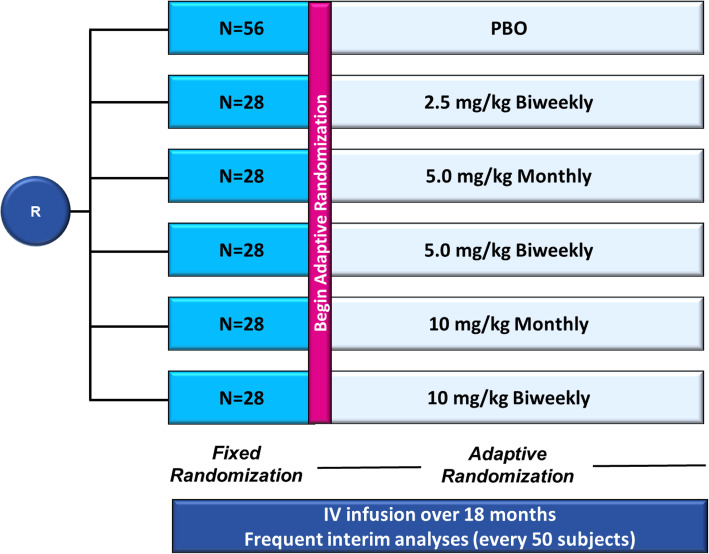
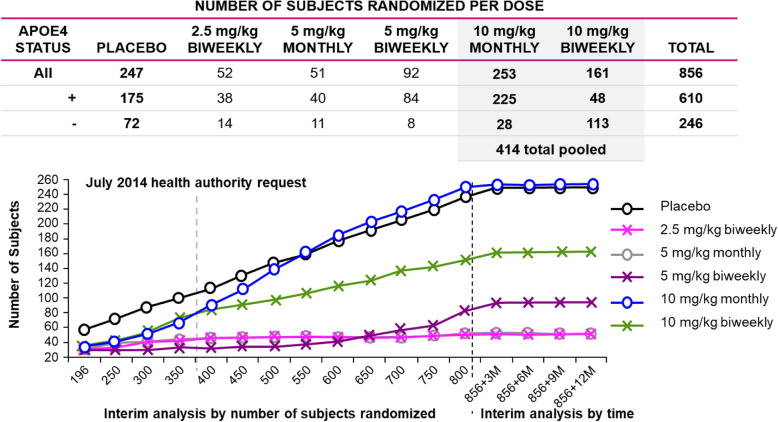
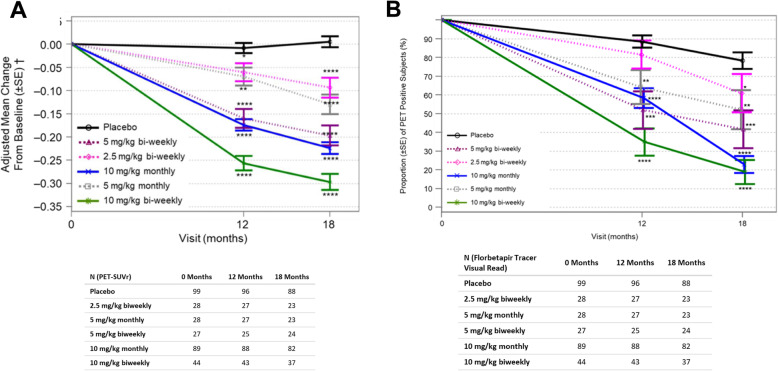
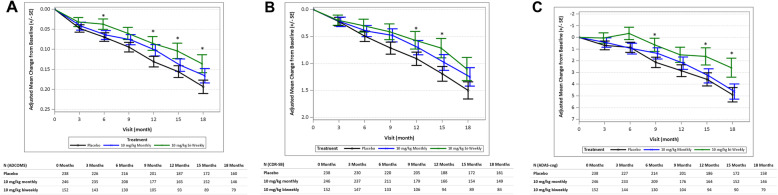
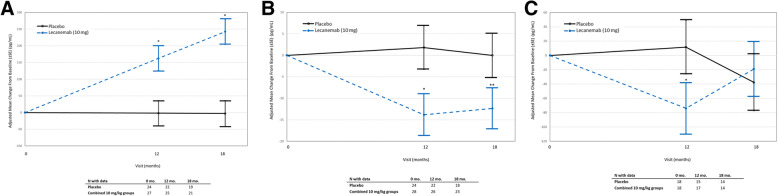
BACKGROUND: Lecanemab (BAN2401), an IgG1 monoclonal antibody, preferentially targets soluble aggregated amyloid beta (Aβ), with activity across oligomers, protofibrils, and insoluble fibrils. BAN2401-G000-201, a randomized double-blind clinical trial, utilized a Bayesian design with response-adaptive randomization to assess 3 doses across 2 regimens of lecanemab versus placebo in early Alzheimer's disease, mild cognitive impairment due to Alzheimer's disease (AD) and mild AD dementia. METHODS: BAN2401-G000-201 aimed to establish the effective dose 90% (ED90), defined as the simplest dose that achieves ≥90% of the maximum treatment effect. The primary endpoint was Bayesian analysis of 12-month clinical change on the Alzheimer's Disease Composite Score (ADCOMS) for the ED90 dose, which required an 80% probability of ≥25% clinical reduction in decline versus placebo. Key secondary endpoints included 18-month Bayesian and frequentist analyses of brain amyloid reduction using positron emission tomography; clinical decline on ADCOMS, Clinical Dementia Rating-Sum-of-Boxes (CDR-SB), and Alzheimer's Disease Assessment Scale-Cognitive Subscale (ADAS-Cog14); changes in CSF core biomarkers; and total hippocampal volume (HV) using volumetric magnetic resonance imaging. RESULTS: A total of 854 randomized subjects were treated (lecanemab, 609; placebo, 245). At 12 months, the 10-mg/kg biweekly ED90 dose showed a 64% probability to be better than placebo by 25% on ADCOMS, which missed the 80% threshold for the primary outcome. At 18 months, 10-mg/kg biweekly lecanemab reduced brain amyloid (-0.306 SUVr units) while showing a drug-placebo difference in favor of active treatment by 27% and 30% on ADCOMS, 56% and 47% on ADAS-Cog14, and 33% and 26% on CDR-SB versus placebo according to Bayesian and frequentist analyses, respectively. CSF biomarkers were supportive of a treatment effect. Lecanemab was well-tolerated with 9.9% incidence of amyloid-related imaging abnormalities-edema/effusion at 10 mg/kg biweekly. CONCLUSIONS: BAN2401-G000-201 did not meet the 12-month primary endpoint. However, prespecified 18-month Bayesian and frequentist analyses demonstrated reduction in brain amyloid accompanied by a consistent reduction of clinical decline across several clinical and biomarker endpoints. A phase 3 study (Clarity AD) in early Alzheimer's disease is underway. TRIAL REGISTRATION: Clinical Trials.gov NCT01767311 .
Overview
The claims and statistics of this paper haven’t been checked yet.
Run the check — free, no account needed. It reads the open-access text and checks the sources it cites.
Integrity signals
Registry
Cites
Statistics
Figures
Verification
Claims the paper makes
The claims and statistics of this paper haven’t been checked yet.
Run the check — free, no account needed. It reads the open-access text and checks the sources it cites.
Claims other papers make about this one
Each is checked against this paper’s own text: does it say what the citing paper says it does?
The cited source says what the claim attributes to it.
In the citing paper
“After 79 weeks, lecanemab was found to have a lower total brain amyloid plaque burden than a placebo (Study 201).”
From Recent Advances in Therapeutics for the Treatment of Alzheimer’s Disease (2024) · cites this paper as [188]
In the citing paper
“In particular, a mean difference of −73.5 centiloides and −0.31 standardized uptake value ratio (SUVR) units was found between the lecanemab and placebo treatment groups.”
From Recent Advances in Therapeutics for the Treatment of Alzheimer’s Disease (2024) · cites this paper as [188]
In the citing paper
“Lecanemab’s capacity to lower the amount of amyloid in the brain, as shown by PET scans, has led to its submission for expedited approval for the treatment of AD.”
From Recent Advances in Therapeutics for the Treatment of Alzheimer’s Disease (2024) · cites this paper as [188]
In the citing paper
“The study also suggested at week 79 that a risk reduction of 20% to 40% be applied to the advancement of clinical symptoms [187,188].”
From Recent Advances in Therapeutics for the Treatment of Alzheimer’s Disease (2024) · cites this paper as [188]
In the citing paper
“Additionally, the treatment impact increased in a dose- and exposure-dependent manner; a 25% AUC therapy was probably superior to a placebo by >0.64.”
From Recent Advances in Therapeutics for the Treatment of Alzheimer’s Disease (2024) · cites this paper as [188]
In the citing paper
“The results revealed a significant and dose-dependent reduction of amyloid plaques in the lecanemab group (10 mg/kg, intravenous infusion every 2 weeks) from baseline to week 79 compared with the placebo group.”
From Clinical trials of new drugs for Alzheimer disease: a 2020–2023 update (2023) · cites this paper as [42]
In the citing paper
“A double-blind, placebo-controlled phase 2 trial recruited 856 patients with AD with mild cognitive impairment (MCI) or mild dementia and verified amyloid pathology through amyloid PET or CSF Aβ1-42 [42].”
From Clinical trials of new drugs for Alzheimer disease: a 2020–2023 update (2023) · cites this paper as [42]
In the citing paper
“In the Phase 2 trial, it had been identified to successfully reduce brain amyloid and improved cognitive decline in the highest-dose group (twice-monthly 10 mg/kg).351”
From Amyloid β-based therapy for Alzheimer’s disease: Challenges, successes and future (2023) · cites this paper as [351]
Self-check
Percentages, sums and reported differences re-computed from the paper’s own numbers.
The self-check needs the paper’s full text.
Citations
Cites
Neurofilaments as biomarkers in neurological disorders
Khalil, M., Teunissen, C. E., Otto, M., Piehl, F., Sormani, M. P., Gattringer, T., Barro, C., Kappos, L., Comabella, M., Fazekas, F., et al. (2018) · Nature Reviews Neurology · doi:10.1038/s41582-018-0058-z · Cited by 1,988 · cited 1×
“AD diagnosis is associated with increased plaque burden in the brain and a decrease in Aβ1–42 monomers in CSF due to sequestration of monomeric Aβ1–42 into amyloid plaques [26].”
BackgroundRevising the definition of Alzheimer's disease: a new lexicon
Dubois, B., Feldman, H. H., Jacova, C., Cummings, J. L., DeKosky, S. T., Barberger-Gateau, P., Delacourte, A., Frisoni, G., Fox, N. C., Galasko, D., et al. (2010) · The Lancet Neurology · doi:10.1016/s1474-4422(10)70223-4 · Cited by 1,869
Masters, C. L., Bateman, R., Blennow, K., Rowe, C. C., Sperling, R. A., & Cummings, J. L. (2015) · Nature Reviews Disease Primers · doi:10.1038/nrdp.2015.56 · Cited by 1,853
The 'Arctic' APP mutation (E693G) causes Alzheimer's disease by enhanced Aβ protofibril formation
Nilsberth, C., Westlind-Danielsson, A., Eckman, C. B., Condron, M. M., Axelman, K., Forsell, C., Stenh, C., Luthman, J., Teplow, D. B., Younkin, S. G., et al. (2001) · Nature Neuroscience · doi:10.1038/nn0901-887 · Cited by 1,209
Self-citationDeciphering the Molecular Basis of Memory Failure in Alzheimer's Disease
Walsh, D. M., & Selkoe, D. J. (2004) · Neuron · doi:10.1016/j.neuron.2004.09.010 · Cited by 1,207
Molecular structural basis for polymorphism in Alzheimer's β-amyloid fibrils
Paravastu, A. K., Leapman, R. D., Yau, W., & Tycko, R. (2008) · Proceedings of the National Academy of Sciences · doi:10.1073/pnas.0806270105 · Cited by 1,165
Synaptic Targeting by Alzheimer's-Related Amyloid β Oligomers
Lacor, P. N., Buniel, M. C., Chang, L., Fernandez, S. J., Gong, Y., Viola, K. L., Lambert, M. P., Velasco, P. T., Bigio, E. H., Finch, C. E., et al. (2004) · The Journal of Neuroscience · doi:10.1523/jneurosci.3432-04.2004 · Cited by 954 · cited 1×
“Soluble Aβ aggregates have been shown to be more toxic than monomers or insoluble fibrils [4, 6–10], and we hypothesized that reducing these soluble Aβ aggregates could represent an effective treatment approach in early stages of AD [4, 11, 12].”
BackgroundBurns, A., & Iliffe, S. (2009) · BMJ · doi:10.1136/bmj.b158 · Cited by 859
Alzheimer's disease drug development pipeline: 2018
Cummings, J., Lee, G., Ritter, A., & Zhong, K. (2018) · Alzheimer's & Dementia: Translational Research & Clinical Interventions · doi:10.1016/j.trci.2018.03.009 · Cited by 697 · cited 1×
“Most previously published studies using other putative disease-modifying agents for AD did not show appreciable clinical efficacy in phase 3 [19, 31].”
ResultSelf-citationA phase III randomized trial of gantenerumab in prodromal Alzheimer’s disease
for the SCarlet RoAD Investigators, Ostrowitzki, S., Lasser, R. A., Dorflinger, E., Scheltens, P., Barkhof, F., Nikolcheva, T., Ashford, E., Retout, S., Hofmann, C., et al. (2017) · Alzheimer's Research & Therapy · doi:10.1186/s13195-017-0318-y · Cited by 567
Cited by
Sorted by citations
Items 301–400 of 846
Neuroimaging Biomarkers for Drug Discovery and Development in Schizophrenia
Preller, K. H., Scholpp, J., Wunder, A., & Rosenbrock, H. (2024) · Biological Psychiatry · doi:10.1016/j.biopsych.2024.01.009 · Cited by 22
Tolar, M., Hey, J. A., Power, A., & Abushakra, S. R. (2024) · International Journal of Molecular Sciences · doi:10.3390/ijms25052727 · Cited by 23
Xiao, Y., Hou, Y., Zhou, H., Diallo, G., Marcelo Fiszman, B., Wolfson, J. A., Zhou, L., Halil Kilicoglu, B., Chen, Y., Su, C., et al. (2024) · Scientific Reports · doi:10.1038/s41598-024-58604-8 · Cited by 25
Han, X., Zhang, Y., Zhang, L., Zhang, L., & Wang, Y. (2024) · European Journal of Medicinal Chemistry · doi:10.1016/j.ejmech.2024.117144 · Cited by 24
The role of the FKBP51–Hsp90 complex in Alzheimer’s disease: An emerging new drug target
Jeanne, X., Török, Z., Vígh, L., & Prodromou, C. (2024) · Cell Stress and Chaperones · doi:10.1016/j.cstres.2024.11.006 · Cited by 23
Hsu, C., Hsu, T., Kao, Y., Lin, Y., Thompson, T., Carvalho, A. F., Stubbs, B., Tseng, P., Yang, F., Tsai, C., et al. (2025) · The Journal of Prevention of Alzheimer s Disease · doi:10.1016/j.tjpad.2025.100195 · Cited by 24
Gut Microbiota and Immunotherapy for Alzheimer’s Disease
Dai, C., Liu, F., Iqbal, K., & Gong, C. (2022) · International Journal of Molecular Sciences · doi:10.3390/ijms232315230 · Cited by 22
Drug trial for Alzheimer’s disease is a game changer
Reiman, E. M. (2023) · Nature · doi:10.1038/d41586-023-00393-7 · Cited by 20
Chhabra, A., Solanki, S., Saravanabawan, P., Venkiteswaran, A., Nimmathota, N., & Modi, N. M. (2024) · Expert Opinion on Biological Therapy · doi:10.1080/14712598.2024.2416947 · Cited by 22
“Lecanemab is also a humanized IgG1 antibody that targets protofibrils of the Aβ plaques [28] which, when administered intravenously at increasing dosages, reached T-Max at approximately 1.8 to 2.2 h after the start of the infusion and displayed first order elimination kinetics [29].”
InfluentialAducanumab and the “post-amyloid” era of Alzheimer research?
Musiek, E. S., & Bennett, D. A. (2021) · Neuron · doi:10.1016/j.neuron.2021.09.007 · Cited by 20
Impact of New Drugs for Therapeutic Intervention in Alzheimer’s Disease
Olloquequi, J., Ettcheto, M., Cano, A. C., Sánchez‐López, E., Carrasco, M., Espinosa-Jiménez, T., Beas‐Zárate, C., Gudiño‐Cabrera, G., Ureña‐Guerrero, M. E., Verdaguer, E., et al. (2022) · Frontiers in Bioscience-Landmark · doi:10.31083/j.fbl2705146 · Cited by 25
“Swanson and colleagues reported that lecanemab treatment resulted in an effective dose-dependent reduction in clinical deterioration when compared to placebo [20].”
ResultAndrén, K., Wikkelsø, C., Laurell, K., Kollén, L., Hellström, P., & Tullberg, M. (2024) · Journal of Neurology · doi:10.1007/s00415-024-12248-w · Cited by 19
“In light of recent reports on AD treatment aimed at slowing down disease progression with e.g. lecanemab, where researchers describe findings of a 64% probability of active treatment being better than placebo [46], one is inclined to consider shunt surgery for iNPH a remarkable treatment.”
BackgroundImmune Modulation in Alzheimer’s Disease: From Pathogenesis to Immunotherapy
Balkhi, S., Spirito, A. D., Poggi, A. D., & Mortara, L. (2025) · Cells · doi:10.3390/cells14040264 · Cited by 21
“Although ARIA-E incidence was noted at 9.9%, with higher rates in APOE4 carriers (14.3%), lecanemab was generally well tolerated [136].”
InfluentialChen, S., Ou, R., Wei, Q., Li, C., Wei, S., Zhao, B., Yang, H. J., Fu, J., Ma, Y., Liu, J., et al. (2025) · Alzheimer s & Dementia · doi:10.1002/alz.70750 · Cited by 19
“12,13 Notably, Asian patients in the Phase III Clarity-AD trial exhibited better tolerability and therapeutic response compared to the overall study population, suggesting potential regional or ethnic variability in treatment outcomes.”
Therapeutic Advances in Targeting the Amyloid-β Pathway for Alzheimer’s Disease
Zhang, B., Li, Y., Li, H., Shen, X., & Zhu, Z. (2025) · Brain Sciences · doi:10.3390/brainsci15101101 · Cited by 20
“ARIA-E occurred in 9.9% of high-dose patients and in 14.3% of APOE ε 4 carriers [128].”
InfluentialPET Imaging in Preclinical Anti-Aβ Drug Development
Syvänen, S., Meier, S. R., Roshanbin, S., Xiong, M., Faresjö, R., Gustavsson, T., Bonvicini, G., Schlein, E., Aguilar, X., Julku, U. H., et al. (2022) · Pharmaceutical Research · doi:10.1007/s11095-022-03277-z · Cited by 20
“In parallel to the development of bispecific therapeutic antibodies that target both TfR and their primary brain target, a few different bispecific antibody-based radioligands engineered to enter the brain via TfR transcytosis have also been described based on either antibody mAb158 (33) or 3D6 (9), which are the muri…”
BackgroundThe Immune System as a Therapeutic Target for Alzheimer’s Disease
Zieneldien, T., Kim, J., Sawmiller, D. R., & Cao, C. (2022) · Life · doi:10.3390/life12091440 · Cited by 19
Amyloidogenesis: What Do We Know So Far?
Alraawi, Z., Banerjee, N., Mohanty, S., & Kumar, T. K. S. (2022) · International Journal of Molecular Sciences · doi:10.3390/ijms232213970 · Cited by 22
Rojsajjakul, T., Wu, L., Grady, C. B., Hwang, W., Mesaros, C., Lynch, D. R., & Blair, I. A. (2023) · Analytical Chemistry · doi:10.1021/acs.analchem.3c00091 · Cited by 19
Lozupone, M., Dibello, V., Sardone, R., Castellana, F., Zupo, R., Lampignano, L., Bortone, I., Stallone, R., Altamura, M., Bellomo, A., et al. (2024) · Expert Opinion on Drug Discovery · doi:10.1080/17460441.2024.2348142 · Cited by 19
“While lecane-mab was initially designed to target Aβ protofibrils, a Phase IIb RCT on this drug demonstrated significant clearance of brain Aβ plaques on positron emission tomography (PET) scan which led to its initial approval by the U.S. FDA [14].”
BackgroundHoffmann, T., Rahfeld, J., Schenk, M., Ponath, F., Makioka, K., Hutter‐Paier, B., Lues, I., Lemere, C. A., & Schilling, S. (2021) · International Journal of Molecular Sciences · doi:10.3390/ijms222111791 · Cited by 23
Swanson, C. J., Zhang, Y., Dhadda, S., Wang, J., Kaplow, J. M., Lai, R. Y. K., Lannfelt, L., Bradley, H., Rabe, M. P., Koyama, A., et al. (2022) · Alzheimer s Research & Therapy · doi:10.1186/s13195-022-00995-9 · Cited by 19
Wu, Y., Yang, L., Jiang, W., Zhang, X., & Yao, Z. (2024) · Neural Regeneration Research · doi:10.4103/nrr.nrr-d-24-00190 · Cited by 19
Alzheimer's Disease Biomarker Analysis Using Targeted Mass Spectrometry
Gobom, J., Brinkmalm, A., Brinkmalm, G., Blennow, K., & Zetterberg, H. (2024) · Molecular & Cellular Proteomics · doi:10.1016/j.mcpro.2024.100721 · Cited by 20
Leow, Y. J., Soo, S. A., Kumar, D., Zailan, F. Z., Sandhu, G. K., Vipin, A., Lee, F. P. H. E., Ghildiyal, S., Liew, S. Y., Dang, C., et al. (2024) · Journal of Alzheimer s Disease · doi:10.3233/jad-230898 · Cited by 18
Abdelazim, K., Allam, A. A., Afifi, B., Abdulazeem, H. M., & Elbehiry, A. I. (2024) · Neurological Sciences · doi:10.1007/s10072-024-07477-w · Cited by 18
“Several clinical trials have produced positive findings about lecanemab, also known by its generic name BAN2401, regarding its safety and possible efficacy [4, 5].”
BackgroundInfluentialLecanemab: A Second in Class Therapy for the Management of Early Alzheimer’s Disease
Yoon, C. H., Groff, C., & Criss, O. (2024) · INNOVATIONS in pharmacy · doi:10.24926/iip.v15i1.5787 · Cited by 18
Verma, A., Waiker, D. K., Singh, N., Singh, A., Saraf, P., Bhardwaj, B., Kumar, P., Krishnamurthy, S., Srikrishna, S., & Shrivastava, S. K. (2024) · European Journal of Medicinal Chemistry · doi:10.1016/j.ejmech.2024.116450 · Cited by 18
Garibotto, V., Albert, N. L., Barthel, H., van Berckel, B. N. M., Boellaard, R., Brendel, M., Cecchin, D., Ekmekçioğlu, Ö., van de Giessen, E., Guedj, É., et al. (2021) · European Journal of Nuclear Medicine and Molecular Imaging · doi:10.1007/s00259-021-05485-y · Cited by 18
Role of Pharmacogenomics in Individualizing Treatment for Alzheimer’s Disease
Argueta, N., Notari, E., & Szigeti, K. (2022) · CNS Drugs · doi:10.1007/s40263-022-00915-3 · Cited by 18
Alzheimer’s disease basics: we all should know
Das, S. K. (2025) · Neurological Research · doi:10.1080/01616412.2025.2529560 · Cited by 19
“Afterward, in phase II (NCT01767311) for 18 months, 856 patients with early AD treated with antibodies (lecanemab and donanemab) together demonstrated the reduction of amyloid burden and delaying of disease development linked with an Aβ-clearing treatment [357,358].”
TMAO promotes dementia progression by mediating the PI3K/Akt/mTOR pathway
Hu, X., Zhang, Y., Gu, C., Gu, C., Yao, Y., Yao, Y., Luo, L., & Zhang, Y. (2023) · Tissue and Cell · doi:10.1016/j.tice.2023.102034 · Cited by 20
Monfared, A. A. T., Ye, W., Sardesai, A., Folse, H., Chavan, A., Kang, K., & Zhang, Q. (2023) · Neurology and Therapy · doi:10.1007/s40120-023-00460-1 · Cited by 17
Igarashi, A., Azuma, M. K., Zhang, Q., Ye, W., Sardesai, A., Folse, H., Chavan, A., Tomita, K., & Monfared, A. A. T. (2023) · Neurology and Therapy · doi:10.1007/s40120-023-00492-7 · Cited by 18
Advanced brain imaging for the diagnosis of Alzheimer disease
Wang, Y.-T. T., Rosa‐Neto, P., & Gauthier, S. G. (2023) · Current Opinion in Neurology · doi:10.1097/wco.0000000000001198 · Cited by 16
Ginkgo biloba and Its Chemical Components in the Management of Alzheimer’s Disease
Peng, Y., Chen, Q., Xue, Y.-H., Jin, H., Liu, S., Du, M., & Yao, S. (2024) · The American Journal of Chinese Medicine · doi:10.1142/s0192415x24500277 · Cited by 21
REAL AD—Validation of a realistic screening approach for early Alzheimer's disease
Leuzy, A., Heeman, F., Bosch, I., Lenér, F., Dottori, M. G., Quitz, K., Moscoso, A., Kern, S., Zetterberg, H., Blennow, K., et al. (2024) · Alzheimer s & Dementia · doi:10.1002/alz.14219 · Cited by 15
Wang, Q., Chen, S., Wang, J., Shang, H., & Chen, X. (2024) · Brain Sciences · doi:10.3390/brainsci14100990 · Cited by 18
Sanotra, M. R., Huang, W., Silver, S. D., Lin, C., Chang, T.-C., Nguyen, D. P. Q., Lee, C., Kao, S., Shieh, J. C.-C., & Lin, Y. (2021) · Clinical Biochemistry · doi:10.1016/j.clinbiochem.2021.12.005 · Cited by 19
Aldea, R., Grimm, H. P., Gieschke, R., Hofmann, C., Lott, D., Bullain, S., Delmar, P., Klein, G., Lyons, M., Piazza, F., et al. (2022) · Alzheimer s & Dementia Translational Research & Clinical Interventions · doi:10.1002/trc2.12306 · Cited by 15
Alzheimer’s drugs: Does reducing amyloid work?
Thambisetty, M., Howard, R. J., Glymour, M. M., & Schneider, L. S. (2021) · Science · doi:10.1126/science.abl8366 · Cited by 17
Identifying progression-specific Alzheimer’s subtypes using multimodal transformer
Machado Reyes, D., Chao, H., Hahn, J., Shen, L., Yan, P., & Initiative, F. T. A. D. N. (2024) · Journal of Personalized Medicine · doi:10.3390/jpm14040421 · Cited by 17
Do microglia metabolize fructose in Alzheimer’s disease?
Sturno, A. M., Hassell, J. E., Lanaspa, M. A., & Bruce, K. D. (2025) · Journal of Neuroinflammation · doi:10.1186/s12974-025-03401-x · Cited by 20
Chundu, U. C., Thiriveedhi, S. R., Bhatti, C., Mupparaju, J. S., Otinashvili, N., & Gelishvili, E. (2025) · Cureus · doi:10.7759/cureus.85377 · Cited by 17
Evaluating Plasma p-tau217 as an Endpoint for Alzheimer Disease Clinical Trials
Ferreira, P. C. L., Bellaver, B., Povala, G., Bauer‐Negrini, G., Aguzzoli, C. S., Ferrari‐Souza, J. P., Leffa, D. T., Soares, C., Lussier, F. Z., Medeiros, M. S., et al. (2025) · Neurology · doi:10.1212/wnl.0000000000214441 · Cited by 18
Siddique, Y. H., Naz, F., Rahul, & Varshney, H. (2022) · Current Research in Pharmacology and Drug Discovery · doi:10.1016/j.crphar.2022.100120 · Cited by 19
Boustani, M. A., Doty, E. G., Garrison, L. P., Smolen, L. J., Belger, M. A., Klein, T. M., Murphy, D. R., Burge, R. T., Wall, J. K., & Johnston, J. A. (2022) · Clinical Therapeutics · doi:10.1016/j.clinthera.2022.09.008 · Cited by 17
Comparing ARIA‐E severity scales and effects of treatment management thresholds
Klein, G., Scelsi, M. A., Barakos, J. A., Fiebach, J. B., Bracoud, L., Suhy, J., Delmar, P., Lyons, M., Wojtowicz, J., Bullain, S., et al. (2022) · Alzheimer s & Dementia Diagnosis Assessment & Disease Monitoring · doi:10.1002/dad2.12376 · Cited by 15
Pharmacogenomics of Dementia: Personalizing the Treatment of Cognitive and Neuropsychiatric Symptoms
Vuić, B., Milos, T., Tudor, L., Perković, M. N., Konjevod, M., Erjavec, G. N., Farkaš, V., Uzun, S., Mimica, N., & Štrac, D. Š. (2023) · Genes · doi:10.3390/genes14112048 · Cited by 17
Development of disease‐modifying therapies against Alzheimer's disease
Iwatsubo, T. (2024) · Psychiatry and Clinical Neurosciences · doi:10.1111/pcn.13681 · Cited by 20
Engineered Antibodies to Improve Efficacy against Neurodegenerative Disorders
Niazi, S. K., Mariam, Z., & Magoola, M. (2024) · International Journal of Molecular Sciences · doi:10.3390/ijms25126683 · Cited by 16
“The approval was based on phase 2 clinical data that lecanemab reduced A β -plaque load [35].”
MethodGehlot, P., Pathak, R., Kumar, S., Choudhary, N. K., & Vyas, V. K. (2024) · Bioorganic & Medicinal Chemistry · doi:10.1016/j.bmc.2024.117925 · Cited by 18
Gladen-Kolarsky, N., Monestime, O., Bollen, M., Choi, J., Yang, L., Magaña, A. A., Maier, C. S., Soumyanath, A., & Gray, N. E. (2024) · Antioxidants · doi:10.3390/antiox13101164 · Cited by 18
“Because neuroinflammation and oxidative stress accompany cognitive impairment, anxiety and depression in other conditions beyond AD, the results presented here suggest the potential for a broader application of WSAq to other neurodegenerative conditions as well as to support healthy aging.”
BackgroundAmyloid-β Clearance with Monoclonal Antibodies: Transforming Alzheimer’s Treatment
Fatima, R., Khan, Y., Maqbool, M., Ramalingam, P. S., Khan, M. G., Bisht, A. S., & Hussain, M. S. (2025) · Current Protein and Peptide Science · doi:10.2174/0113892037362037250205143911 · Cited by 18
The Role of Immunity in Alzheimer's Disease
McManus, R. M. (2022) · Advanced Biology · doi:10.1002/adbi.202101166 · Cited by 16
Immunotherapeutic approaches for Alzheimer’s disease: Exploring active and passive vaccine progress
Bhadane, P., Roul, K., Belemkar, S., & Kumar, D. (2024) · Brain Research · doi:10.1016/j.brainres.2024.149018 · Cited by 15
Brain-targeted intranasal delivery of biologics: a perspective for Alzheimer's disease treatment
Li, H., Shen, X., Zhang, B., Li, Y., Alexander, C., Harvey, P., & Zhu, Z. (2025) · RSC Pharmaceutics · doi:10.1039/d5pm00148j · Cited by 18
Stern, A. M., Liu, L., Jin, S., Liu, W., Meunier, A. L., Ericsson, M., Miller, M. B., Batson, M., Sun, T., Kathuria, S. V., et al. (2022) · Brain · doi:10.1093/brain/awac023 · Cited by 18
“Finally, we have not yet defined whether the unique properties of B24 render it a promising immunotherapeutic compared to existing oAβ-directed antibodies such as lecanemab.(36) We plan to test B24 as an oAβ-neutralizing and -clearing antibody in mouse models and determine whether Ca2+-bound oAβ is a particularly neur…”
BackgroundLyu, D., Lyu, X., Huang, L. T., & Fang, B. (2023) · Ageing Research Reviews · doi:10.1016/j.arr.2023.101959 · Cited by 14
ten Kate, M., Barkhof, F., & Schwarz, A. J. (2023) · The Journal of Prevention of Alzheimer s Disease · doi:10.14283/jpad.2023.92 · Cited by 15
Costa, T., Premi, E., Liloia, D., Cauda, F., & Manuello, J. (2023) · Journal of Alzheimer s Disease · doi:10.3233/jad-230589 · Cited by 15
Spitz, S., Schobesberger, S., Brandauer, K., & Ertl, P. (2023) · Bioengineering & Translational Medicine · doi:10.1002/btm2.10604 · Cited by 17
The several ways to authentically cure Alzheimer’s dementia
Fessel, J. (2023) · Ageing Research Reviews · doi:10.1016/j.arr.2023.102093 · Cited by 15
“…’ s Disease Composite Score (ADCOMS) for the ED90 dose, which required an 80 % probability of ≥ 25 % clinical reduction in decline versus placebo ’ (Swanson et al., 2021); that the primary endpoint of the trial of aducanumab was stated as a ‘change from baseline to week 78 on the Clinical…”
BackgroundBuchholz, A. S., Deme, P., Betz, J., Brandt, J., Haughey, N. J., & Cervenka, M. C. (2024) · Frontiers in Endocrinology · doi:10.3389/fendo.2024.1182519 · Cited by 19
Therapeutic plasma exchange with albumin: a new approach to treat Alzheimer’s disease
Boada, M., Martínez‐Lage, P., Serrano-Castro, P. J., Costa, M., & Páez, A. (2021) · Expert Review of Neurotherapeutics · doi:10.1080/14737175.2021.1960823 · Cited by 15
Promise of Nucleic Acid Therapeutics for Amyotrophic Lateral Sclerosis
Ito, D. (2021) · Annals of Neurology · doi:10.1002/ana.26259 · Cited by 15
Amyloid-beta Targeted Therapeutic Approaches for Alzheimer’s Disease: Long Road Ahead
Dai, Y., Lei, C., Zhang, Z., Qi, Y., Lao, K., & Gou, X. (2022) · Current Drug Targets · doi:10.2174/1389450123666220421124030 · Cited by 15
Gregory, S., Saunders, S., & Ritchie, C. W. (2022) · The Lancet Healthy Longevity · doi:10.1016/s2666-7568(22)00219-7 · Cited by 16
“Previous trials 41–43 of these compounds have shown their effects on disease biomarkers included as secondary endpoints, and it is encouraging that these compounds are now being tested against primary biomarker endpoints.”
BackgroundFDG PET (and MRI) for Monitoring Immunotherapy in Alzheimer Disease
Høilund‐Carlsen, P. F., Revheim, M.-E. R., Alavi, A. A., & Barrio, J. R. (2023) · Clinical Nuclear Medicine · doi:10.1097/rlu.0000000000004710 · Cited by 16
Anti-amyloid monoclonal antibody therapies in Alzheimer’s disease – a scoping review
Elamin, S. A., Shibli, A. N. A., Shaito, A. A., Al-Maadhadi, M., Zolezzi, M., & Pedersen, S. (2025) · Neuroscience · doi:10.1016/j.neuroscience.2025.10.011 · Cited by 15
Zhang, Y. C., Li, Z., Guan, H., Qiu, Z., & Zou, C. (2025) · Clinical and Translational Medicine · doi:10.1002/ctm2.70548 · Cited by 17
Habashi, M., Chauhan, P. S., Vutla, S., Senapati, S., Diachkov, M., El‐Husseini, A., Guérin, B., Lubell, W. D., & Rahimipour, S. (2023) · Journal of Medicinal Chemistry · doi:10.1021/acs.jmedchem.2c02049 · Cited by 14
Apolipoprotein ε in Brain and Retinal Neurodegenerative Diseases
Abyadeh, M., Gupta, V., Paulo, J. A., Sheriff, S., Shadfar, S., Fitzhenry, M. J., Amirkhani, A., Gupta, V. B., Salekdeh, G. H., Haynes, P. A., et al. (2023) · Aging and Disease · doi:10.14336/ad.2023.0312-1 · Cited by 15
MRI in the new era of antiamyloid mAbs for the treatment of Alzheimer's disease
Filippi, M., Cecchetti, G., & Agosta, F. (2023) · Current Opinion in Neurology · doi:10.1097/wco.0000000000001177 · Cited by 14
Critical thinking of Alzheimer’s transgenic mouse model: current research and future perspective
Li, X., Quan, M., Wei, Y., Wang, W., Xu, L., Wang, Q., & Jia, J. (2023) · Science China Life Sciences · doi:10.1007/s11427-022-2357-x · Cited by 14
“In J20 mice, tumor necrosis factor receptor 2 stimulation, adult neurogenesis modulation and mTOR attenuation were found to be potential treatments for AD (Ortí-Casañ et al., 2022; Van Skike et al., 2021; Zhang et al., 2021).”
BackgroundUpdates on pharmacological treatment for Alzheimer’s disease
Tipton, P. W. (2023) · Neurologia i Neurochirurgia Polska · doi:10.5603/pjnns.96286 · Cited by 16
Weiner, S., Blennow, K., Zetterberg, H., & Gobom, J. (2023) · Expert Review of Proteomics · doi:10.1080/14789450.2023.2255752 · Cited by 15
Lu, O., Kouser, T., & Skylar‐Scott, I. A. (2023) · Frontiers in Neurology · doi:10.3389/fneur.2023.1241339 · Cited by 14
Disease-modifying drugs for Alzheimer disease: implications for people in Canada
Watt, J. A., Isaranuwatchai, W., Grossman, L., & Straus, S. E. (2023) · Canadian Medical Association Journal · doi:10.1503/cmaj.230595 · Cited by 14
“9,13,15 Clarity AD, a phase 3 randomized trial, provided evidence for the FDA to convert lecanemab’s approval from accelerated to full approval.”
BackgroundRamírez, S., Koerich, S., Astudillo, N., Gregorio, N. D., Al‐Lahham, R., Allison, T., Rocha, N. P., Wang, F., & Soto, C. A. (2023) · International Journal of Molecular Sciences · doi:10.3390/ijms242317087 · Cited by 14
Miteva, D., Vasilev, G., & Velikova, T. V. (2023) · Antibodies · doi:10.3390/antib12040081 · Cited by 14
A case for seeking sex-specific treatments in Alzheimer’s disease
Lynch, M. A. (2024) · Frontiers in Aging Neuroscience · doi:10.3389/fnagi.2024.1346621 · Cited by 16
mRNA Vaccine for Alzheimer’s Disease: Pilot Study
Hovakimyan, A., Chilingaryan, G., King, O., Capocchi, J. K., Chadarevian, J. P., Davtyan, H., Kniazev, R., Agadjanyan, M. G., & Ghochikyan, A. (2024) · Vaccines · doi:10.3390/vaccines12060659 · Cited by 15
“A preventive AD vaccine developed through this strategy could stimulate long-lasting antibodies in individuals at risk of AD, potentially inhibiting the aggregation/accumulation of pathological A β and tau proteins and delaying the onset of dementia.”
BackgroundNam, Y., Kim, S., Park, Y., Kim, B., Shin, S. J., Leem, S. H., Park, H. H., Jung, G., Lee, J., Kim, H., et al. (2024) · Aging Cell · doi:10.1111/acel.14231 · Cited by 14
Advances of therapy for Alzheimer's disease: An updated review
Mei, C., Zhan, J., Zhu, S., Zhang, Y., Xiong, C., Wang, J., Xu, Y. J., Zhong, H., & Cheng, J. (2024) · Brain‐X · doi:10.1002/brx2.68 · Cited by 15
Passive Anti-amyloid Beta Monoclonal Antibodies: Lessons Learned over Past 20 Years
Wicker, A., Shriram, J., Decourt, B., & Sabbagh, M. N. (2024) · Neurology and Therapy · doi:10.1007/s40120-024-00664-z · Cited by 15
Jeremic, D., Navarro‐López, J. D., & Jiménez‐Díaz, L. (2025) · Journal of Medical Internet Research · doi:10.2196/68454 · Cited by 18
Cuberas‐Borrós, G., Roca, I., Castell‐Conesa, J., Núñez, L., Boada, M., López, O. L., Grifols, C., Barceló, M., Pareto, D., & Páez, A. (2022) · European Journal of Nuclear Medicine and Molecular Imaging · doi:10.1007/s00259-022-05915-5 · Cited by 14
Dranitsaris, G., Zhang, Q., Mu, L., Weyrer, C., Drysdale, E., Neumann, P. J., Atri, A., & Monfared, A. A. T. (2023) · Alzheimer s Research & Therapy · doi:10.1186/s13195-023-01207-8 · Cited by 14
Dhruva, S. S., Kesselheim, A. S., Woloshin, S., Ji, R. Z., Lu, Z., Darrow, J. J., & Redberg, R. F. (2023) · Clinical Pharmacology & Therapeutics · doi:10.1002/cpt.2954 · Cited by 13
Lou, I. X., Chen, J., Ali, K., Shaikh, A. L., & Chen, Q. (2023) · Frontiers in Pharmacology · doi:10.3389/fphar.2023.1190604 · Cited by 13
“However, given that the available evidence is still limited, further studies are needed to fully evaluate its efficacy and safety (Swanson et al., 2021; Dhadda et al., 2022).”
BackgroundADSS: A Composite Score to Detect Disease Progression in Alzheimer’s Disease
Shan, G., Lu, X., Li, Z., Caldwell, J., Bernick, C. B., & Cummings, J. L. (2024) · Journal of Alzheimer s Disease Reports · doi:10.3233/adr-230043 · Cited by 13
Chandler, J., Ye, W., Mi, X., Doty, E. G., & Johnston, J. A. (2024) · Journal of Alzheimer s Disease · doi:10.3233/jad-231166 · Cited by 16
Use of lecanemab for the treatment of Alzheimer's disease: A systematic review
Hossain, M. F., Husna, A. U., & Kharel, M. (2024) · Brain and Behavior · doi:10.1002/brb3.3592 · Cited by 13
“But there are some important adverse effects that can happen along with its use (Swanson et al., 2021).”
BackgroundThussu, S., Naidu, A., Manivannan, S., & Grossberg, G. T. (2024) · Expert Review of Neurotherapeutics · doi:10.1080/14737175.2024.2402058 · Cited by 14
“Additionally, a dose-dependent reduction in Aβ plaques was observed, as identified on Positron Emission Tomography (PET) and cerebrospinal fluid (CSF) markers [10].”
O’Callaghan, C., Michaelian, J. C., Aihara, Y., Anlacan, V. M. M., Chen, C., Cheung, G., Ma’u, E., Nguyen, T. A., Pai, M., Palagyi, A., et al. (2024) · The Lancet Regional Health - Western Pacific · doi:10.1016/j.lanwpc.2024.101183 · Cited by 13
Immunotherapy in Alzheimer’s Disease: Current Status and Future Directions
Vashisth, K., Sharma, S., Ghosh, S., Babu, M. A., Ghosh, S., Iqbal, D., Kamal, M., Almutary, A. G., Jha, S. K., Ojha, S. K., et al. (2024) · Journal of Alzheimer s Disease · doi:10.3233/jad-230603 · Cited by 13
PET/CT/MRI in Clinical Trials of Alzheimer’s Disease
Høilund‐Carlsen, P. F., Alavi, A. A., & Barrio, J. R. (2024) · Journal of Alzheimer s Disease · doi:10.3233/jad-240206 · Cited by 12
Plasma S100β is a predictor for pathology and cognitive decline in Alzheimer’s disease
Nehra, G., Maloney, B. J., Smith, R. R., Chumboatong, W., Abner, E. L., Nelson, P. T., Bauer, B., & Hartz, A. M. S. (2025) · Fluids and Barriers of the CNS · doi:10.1186/s12987-024-00615-8 · Cited by 13
Amyloid solutions: lecanemab, gantenerumab, and donanemab in the treatment of Alzheimer's disease
Ameen, T. B., Ali, U., Salma, O., Samee, M. A., Abbas, S. M. I., Kashif, S. N., Arifi, M. A., Ali, M., Khowaja, M., Ali, S. M. S., et al. (2025) · The Egyptian Journal of Neurology Psychiatry and Neurosurgery · doi:10.1186/s41983-025-00968-3 · Cited by 20
“…in individuals with mild Alzheimer’s pathology, characterized by early signs of memory decline and neurodegenerative changes in approximately 900 individuals with mild Alzheimer’s pathology, characterized by prodromal cognitive impairment and mild neurodegenerative dementia symptoms [145, 153].”
Influential
Metadata
- Authors
- Swanson, C. J., Zhang, Y., Dhadda, S., Wang, J., Kaplow, J., Lai, R. Y. K., Lannfelt, L., Bradley, H., Rabe, M., Koyama, A., Reyderman, L., Berry, D. A., Berry, S., Gordon, R., Kramer, L. D., & Cummings, J. L.
- Affiliations
- Eisai (United States) (US)
- Eisai (United Kingdom) (GB)
- Uppsala University (SE)
- Berry Consultants, LLC (United States) (US)
- University of Nevada, Las Vegas (US)
- Corresponding author
- Cummings, Jeffrey L.
- ORCID
- Venue
- Alzheimer's Research & Therapy
- Published
- 2021-04-17
- Volume
- 13
- Issue
- 1
- Pages
- 80-80
- ISSN
- 1758-9193 (ISSN-L)
- PMC
- PMC8053280
- OpenAlex
- W3152692563
- Cited by
- 847
- References
- 34
- Citations by year
- 2026: 123 · 2025: 158 · 2024: 194 · 2023: 196 · 2022: 132 · 2021: 42
- FWCI
- 88.37
- Type
- journal article
- Language
- en
- Update notices
- correction (2022-05-21)
- Open access
- gold
- doi.org
- Locations
- Alzheimer s Research & Therapy (publishedVersion, cc-by)
- PubMed Central (publishedVersion, cc-by)
- PubMed (publishedVersion)
- Digital Scholarship - UNLV (University of Nevada Reno) (submittedVersion, cc-by)
- KTH Publication Database DiVA (KTH Royal Institute of Technology) (submittedVersion, other-oa)
- DOAJ (DOAJ: Directory of Open Access Journals) (submittedVersion, cc-by-sa)
- Funders
- National Institute of General Medical Sciences (P20GM109025)
- National Institute of Neurological Disorders and Stroke (U01NS093334)
- National Institute on Aging (R01AG053798, P20AG068053)
- Topics
- Life Sciences › Neuroscience › Cellular and Molecular Neuroscience › Alzheimer's disease research and treatments
- Health Sciences › Medicine › Psychiatry and Mental health › Dementia and Cognitive Impairment Research
- Life Sciences › Neuroscience › Neurology › Neuroinflammation and Neurodegeneration Mechanisms
- Keywords
- lecanemab, anti-amyloid monoclonal antibodies, early Alzheimer's disease, amyloid protofibrils, amyloid oligomers, cerebrospinal fluid biomarkers, hippocampal volume, cognitive decline, mild cognitive impairment, mild dementia, treatment safety, dose escalation
- MeSH terms
- Alzheimer Disease, Bayes Theorem, Brain, Double-Blind Method, Humans, Amyloid beta-Peptides
About these checks
Registry, retraction, Cites and statistics results are computed, not judged, with one exception: a printed reference that no index lists is read once by a model before it counts as a citation error. Claims are extracted by a model and kept only when their quote appears verbatim in the text; each cited source is then checked, with a model’s help, for whether it says what the claim relies on. Those verdicts can be wrong — read the claim’s quote and the cited source before relying on one.
Statistics and arithmetic are recomputed, not judged.
Confidence bands are shown only for fields calibrated on our annotated test set. None is calibrated yet, so no band is shown.
What counts as a claim ›How we measure confidence ›How we check this ›
Are you an author, or do you see a problem with this page? Request a review
