

The DOI matches its Crossref record; 34 of the 34 references it cites were found in a registry or an index.
A randomized, double-blind, phase 2b proof-of-concept clinical trial in early Alzheimer’s disease with lecanemab, an anti-Aβ protofibril antibody
Open accessAbstract
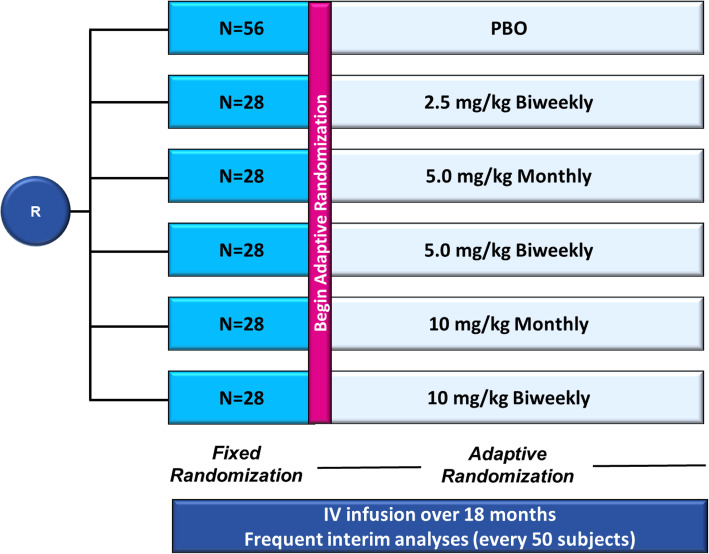
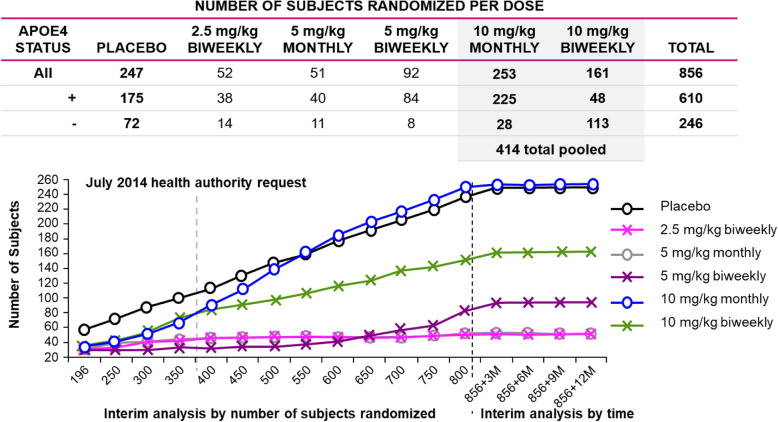
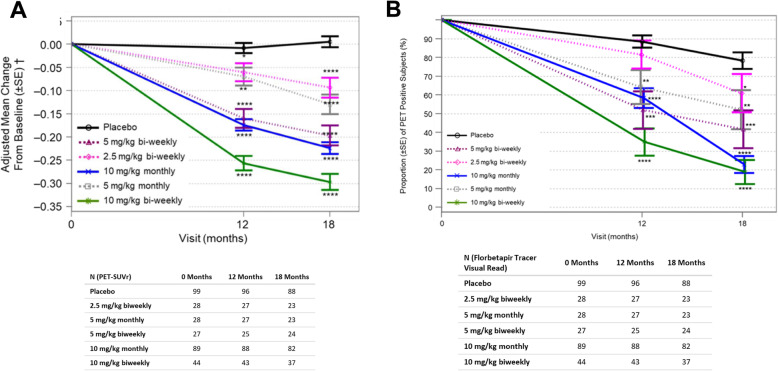
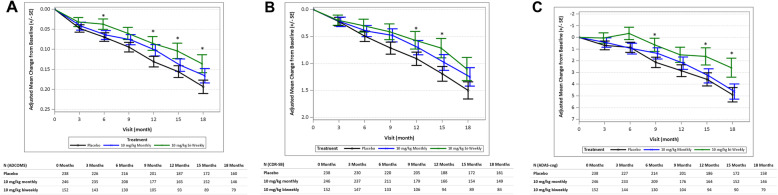
BACKGROUND: Lecanemab (BAN2401), an IgG1 monoclonal antibody, preferentially targets soluble aggregated amyloid beta (Aβ), with activity across oligomers, protofibrils, and insoluble fibrils. BAN2401-G000-201, a randomized double-blind clinical trial, utilized a Bayesian design with response-adaptive randomization to assess 3 doses across 2 regimens of lecanemab versus placebo in early Alzheimer's disease, mild cognitive impairment due to Alzheimer's disease (AD) and mild AD dementia. METHODS: BAN2401-G000-201 aimed to establish the effective dose 90% (ED90), defined as the simplest dose that achieves ≥90% of the maximum treatment effect. The primary endpoint was Bayesian analysis of 12-month clinical change on the Alzheimer's Disease Composite Score (ADCOMS) for the ED90 dose, which required an 80% probability of ≥25% clinical reduction in decline versus placebo. Key secondary endpoints included 18-month Bayesian and frequentist analyses of brain amyloid reduction using positron emission tomography; clinical decline on ADCOMS, Clinical Dementia Rating-Sum-of-Boxes (CDR-SB), and Alzheimer's Disease Assessment Scale-Cognitive Subscale (ADAS-Cog14); changes in CSF core biomarkers; and total hippocampal volume (HV) using volumetric magnetic resonance imaging. RESULTS: A total of 854 randomized subjects were treated (lecanemab, 609; placebo, 245). At 12 months, the 10-mg/kg biweekly ED90 dose showed a 64% probability to be better than placebo by 25% on ADCOMS, which missed the 80% threshold for the primary outcome. At 18 months, 10-mg/kg biweekly lecanemab reduced brain amyloid (-0.306 SUVr units) while showing a drug-placebo difference in favor of active treatment by 27% and 30% on ADCOMS, 56% and 47% on ADAS-Cog14, and 33% and 26% on CDR-SB versus placebo according to Bayesian and frequentist analyses, respectively. CSF biomarkers were supportive of a treatment effect. Lecanemab was well-tolerated with 9.9% incidence of amyloid-related imaging abnormalities-edema/effusion at 10 mg/kg biweekly. CONCLUSIONS: BAN2401-G000-201 did not meet the 12-month primary endpoint. However, prespecified 18-month Bayesian and frequentist analyses demonstrated reduction in brain amyloid accompanied by a consistent reduction of clinical decline across several clinical and biomarker endpoints. A phase 3 study (Clarity AD) in early Alzheimer's disease is underway. TRIAL REGISTRATION: Clinical Trials.gov NCT01767311 .
Overview
The claims and statistics of this paper haven’t been checked yet.
Run the check — free, no account needed. It reads the open-access text and checks the sources it cites.
Integrity signals
Registry
Cites
Statistics
Figures
Verification
Claims the paper makes
The claims and statistics of this paper haven’t been checked yet.
Run the check — free, no account needed. It reads the open-access text and checks the sources it cites.
Claims other papers make about this one
Each is checked against this paper’s own text: does it say what the citing paper says it does?
The cited source says what the claim attributes to it.
In the citing paper
“After 79 weeks, lecanemab was found to have a lower total brain amyloid plaque burden than a placebo (Study 201).”
From Recent Advances in Therapeutics for the Treatment of Alzheimer’s Disease (2024) · cites this paper as [188]
In the citing paper
“In particular, a mean difference of −73.5 centiloides and −0.31 standardized uptake value ratio (SUVR) units was found between the lecanemab and placebo treatment groups.”
From Recent Advances in Therapeutics for the Treatment of Alzheimer’s Disease (2024) · cites this paper as [188]
In the citing paper
“Lecanemab’s capacity to lower the amount of amyloid in the brain, as shown by PET scans, has led to its submission for expedited approval for the treatment of AD.”
From Recent Advances in Therapeutics for the Treatment of Alzheimer’s Disease (2024) · cites this paper as [188]
In the citing paper
“The study also suggested at week 79 that a risk reduction of 20% to 40% be applied to the advancement of clinical symptoms [187,188].”
From Recent Advances in Therapeutics for the Treatment of Alzheimer’s Disease (2024) · cites this paper as [188]
In the citing paper
“Additionally, the treatment impact increased in a dose- and exposure-dependent manner; a 25% AUC therapy was probably superior to a placebo by >0.64.”
From Recent Advances in Therapeutics for the Treatment of Alzheimer’s Disease (2024) · cites this paper as [188]
In the citing paper
“The results revealed a significant and dose-dependent reduction of amyloid plaques in the lecanemab group (10 mg/kg, intravenous infusion every 2 weeks) from baseline to week 79 compared with the placebo group.”
From Clinical trials of new drugs for Alzheimer disease: a 2020–2023 update (2023) · cites this paper as [42]
In the citing paper
“A double-blind, placebo-controlled phase 2 trial recruited 856 patients with AD with mild cognitive impairment (MCI) or mild dementia and verified amyloid pathology through amyloid PET or CSF Aβ1-42 [42].”
From Clinical trials of new drugs for Alzheimer disease: a 2020–2023 update (2023) · cites this paper as [42]
In the citing paper
“In the Phase 2 trial, it had been identified to successfully reduce brain amyloid and improved cognitive decline in the highest-dose group (twice-monthly 10 mg/kg).351”
From Amyloid β-based therapy for Alzheimer’s disease: Challenges, successes and future (2023) · cites this paper as [351]
Self-check
Percentages, sums and reported differences re-computed from the paper’s own numbers.
The self-check needs the paper’s full text.
Citations
Cites
Neurofilaments as biomarkers in neurological disorders
Khalil, M., Teunissen, C. E., Otto, M., Piehl, F., Sormani, M. P., Gattringer, T., Barro, C., Kappos, L., Comabella, M., Fazekas, F., et al. (2018) · Nature Reviews Neurology · doi:10.1038/s41582-018-0058-z · Cited by 1,988 · cited 1×
“AD diagnosis is associated with increased plaque burden in the brain and a decrease in Aβ1–42 monomers in CSF due to sequestration of monomeric Aβ1–42 into amyloid plaques [26].”
BackgroundRevising the definition of Alzheimer's disease: a new lexicon
Dubois, B., Feldman, H. H., Jacova, C., Cummings, J. L., DeKosky, S. T., Barberger-Gateau, P., Delacourte, A., Frisoni, G., Fox, N. C., Galasko, D., et al. (2010) · The Lancet Neurology · doi:10.1016/s1474-4422(10)70223-4 · Cited by 1,869
Masters, C. L., Bateman, R., Blennow, K., Rowe, C. C., Sperling, R. A., & Cummings, J. L. (2015) · Nature Reviews Disease Primers · doi:10.1038/nrdp.2015.56 · Cited by 1,853
The 'Arctic' APP mutation (E693G) causes Alzheimer's disease by enhanced Aβ protofibril formation
Nilsberth, C., Westlind-Danielsson, A., Eckman, C. B., Condron, M. M., Axelman, K., Forsell, C., Stenh, C., Luthman, J., Teplow, D. B., Younkin, S. G., et al. (2001) · Nature Neuroscience · doi:10.1038/nn0901-887 · Cited by 1,209
Self-citationDeciphering the Molecular Basis of Memory Failure in Alzheimer's Disease
Walsh, D. M., & Selkoe, D. J. (2004) · Neuron · doi:10.1016/j.neuron.2004.09.010 · Cited by 1,207
Molecular structural basis for polymorphism in Alzheimer's β-amyloid fibrils
Paravastu, A. K., Leapman, R. D., Yau, W., & Tycko, R. (2008) · Proceedings of the National Academy of Sciences · doi:10.1073/pnas.0806270105 · Cited by 1,165
Synaptic Targeting by Alzheimer's-Related Amyloid β Oligomers
Lacor, P. N., Buniel, M. C., Chang, L., Fernandez, S. J., Gong, Y., Viola, K. L., Lambert, M. P., Velasco, P. T., Bigio, E. H., Finch, C. E., et al. (2004) · The Journal of Neuroscience · doi:10.1523/jneurosci.3432-04.2004 · Cited by 954 · cited 1×
“Soluble Aβ aggregates have been shown to be more toxic than monomers or insoluble fibrils [4, 6–10], and we hypothesized that reducing these soluble Aβ aggregates could represent an effective treatment approach in early stages of AD [4, 11, 12].”
BackgroundBurns, A., & Iliffe, S. (2009) · BMJ · doi:10.1136/bmj.b158 · Cited by 859
Alzheimer's disease drug development pipeline: 2018
Cummings, J., Lee, G., Ritter, A., & Zhong, K. (2018) · Alzheimer's & Dementia: Translational Research & Clinical Interventions · doi:10.1016/j.trci.2018.03.009 · Cited by 697 · cited 1×
“Most previously published studies using other putative disease-modifying agents for AD did not show appreciable clinical efficacy in phase 3 [19, 31].”
ResultSelf-citationA phase III randomized trial of gantenerumab in prodromal Alzheimer’s disease
for the SCarlet RoAD Investigators, Ostrowitzki, S., Lasser, R. A., Dorflinger, E., Scheltens, P., Barkhof, F., Nikolcheva, T., Ashford, E., Retout, S., Hofmann, C., et al. (2017) · Alzheimer's Research & Therapy · doi:10.1186/s13195-017-0318-y · Cited by 567
Cited by
Sorted by citations
Items 701–800 of 846
Lecanemab in Alzheimer’s disease: a profile of its use
Blair, H. A. (2024) · Drugs & Therapy Perspectives · doi:10.1007/s40267-024-01108-2 · Cited by 1
“Lecanemab is associated with less decline in cognition and function than placebo in patients with early Alzheimer’s disease [12, 14].”
InfluentialNelson, D. W., Scire, G. M., Cheung, C. H., Varude, V. R., Quinones, G. B., Bentley, M., Zha, R. H., & Gilbert, R. J. (2025) · Journal of Drug Delivery Science and Technology · doi:10.1016/j.jddst.2025.107119 · Cited by 1
Shan, G., Zhang, Y., & Wang, G. (2025) · Journal of Alzheimer s Disease Reports · doi:10.1177/25424823251349242 · Cited by 1
Maliukova, P., & Karelina, T. (2025) · CPT Pharmacometrics & Systems Pharmacology · doi:10.1002/psp4.70062 · Cited by 3
Wojcieszak, J. (2023) · Farmacja Polska · doi:10.32383/farmpol/166243 · Cited by 1
Petersen, R. C. (2022) · The Journal of Prevention of Alzheimer s Disease · doi:10.14283/jpad.2022.35 · Cited by 1
“The other monoclonal antibodies against amyloid that lower amyloid plaque levels currently under investigation are reporting congruent results of similar magnitude supporting the aducanumab data (2-4).”
BackgroundResultIndependent Generation of Amyloid-β via Novel APP TranscriptsPreprint
Gustavsson, E., Abel, E., Macpherson, H., Brinkmalm, G., Piotrowska, D., Wagen, A. Z., Montgomery, K., Villegas-Llerena, C. N., Giovannucci, T. A., de Silva, R., et al. (2025) · bioRxiv · doi:10.1101/2025.05.13.651054
Strategies for Neuroprotection in Alzheimer's Disease
Jasutkar, H. G. (2025) · Wiley eBooks · doi:10.1002/9783527844678.ch5 · Cited by 1
Bathini, P., Schilling, S., Rahfeld, J., Holtzman, D. M., Saido, T. C., & Lemere, C. A. (2026) · bioRxiv (Cold Spring Harbor Laboratory) · doi:10.64898/2026.03.04.709591 · Cited by 1
Serious doubts about amyloid-β (Aβ) biomarkers and anti-Aβ immunotherapy
Høilund‐Carlsen, P. F., Alavi, A., Costa, T., Neve, R. L., Revheim, M.-E. R., & Barrio, J. R. (2026) · Journal of Alzheimer s Disease · doi:10.1177/13872877261417548 · Cited by 1
Cui, B., Ding, Y., & Li, C. (2025) · Discovery Medicine · doi:10.24976/discov.med.202537203.245 · Cited by 1
Reply to “Letter Concerning Moghavem, Henderson, and Greicius Article”
Moghavem, N., Henderson, V. W., & Greicius, M. D. (2021) · Annals of Neurology · doi:10.1002/ana.26255
“As a result, only 30% of subjects receiving this dose were APOE4 carriers, compared to 71% of placebo subjects.(4) The plotted trial with the largest drug–placebo CDR-SB difference is an earlier, shorter, smaller phase 1b aducanumab trial (NCT01677572), which was plagued by high rates of study withdrawal and treatment…”
ResultSecond Amyloid Antibody Data Rollout Begins for Alzheimer's Disease
Samson, K. (2021) · Neurology Today · doi:10.1097/01.nt.0000801596.37775.81
Bernabé de Garamendi, un escultor bilbaíno 1833-1898
Cantera, M. J. R. (1999) · Boletín del Seminario de Estudios de Arte y Arqueología: BSAA
Customer Loyalty in E-Business.
Raggad, B. G., & Lawler, J. E. (2003) · International Conference on Enterprise Information Systems
Medikamentöse Therapie der Demenz
Kirsch, M., & Arnim, C. A. F. V. (2022) · DMW - Deutsche Medizinische Wochenschrift · doi:10.1055/a-1593-8205
Cummings, J. L. (2021) · touchREVIEWS in Neurology · doi:10.17925/usn.2021.17.2.70
Reply to A Letter Concerning “Aducanumab: What About the Patient?”
Petersen, R. C. (2022) · Annals of Neurology · doi:10.1002/ana.26344
Presenilin/γ-Secretase in the Pathogenesis of Alzheimer’s Disease
Tomita, T. (2022) · Springer eBooks · doi:10.1007/978-981-16-7977-3_20
Experimental Medicine Approaches in Early-Phase CNS Drug Development
English, B. A., & Ereshefsky, L. (2023) · Advances in neurobiology · doi:10.1007/978-3-031-21054-9_17
Advances in Comprehensive Treatment of the Alzheimer's Disease
Jiang, W. (2023) · Highlights in Science Engineering and Technology · doi:10.54097/hset.v36i.5793
Management of Alzheimer’s disease in the next ten years
Sani, I. (2023) · University of Toronto Medical Journal · doi:10.33137/utmj.v100i1.39014
Dong, M., Xie, L., Das, S. R., Wang, J., Wisse, L. E. M., de Florès, R., Wolk, D. A., & Yushkevich, P. A. (2023) · PubMed · doi:10.48550/arxiv.2304.04673
Piecing Together the Alzheimer’s Puzzle: Lecanemab’s Role in Treatment
Ashraf, D. A., Tariq, H., Hassan, F. S., Kamran, F., Khosa, W. M., & Khosa, M. M. (2023) · Neurodegenerative Disease Management · doi:10.2217/nmt-2023-0026
CUIDADOS PALIATIVOS NA DOENÇA DE ALZHEIMER: RELATO DE EXPERIÊNCIA
Moura, C. A. D., & Lopes, G. D. S. (2023) · Revista Contemporânea · doi:10.56083/rcv3n12-151
Gibbs, D. (2024) · Cambridge University Press eBooks · doi:10.1017/9781009430067.019
Médicaments modificateurs de la maladie d’Alzheimer: implications pour la population canadienne
Watt, J. A., Isaranuwatchai, W., Grossman, L., & Straus, S. E. (2024) · Canadian Medical Association Journal · doi:10.1503/cmaj.230595-f
Blood-brain Transportable Peptides
Matsui, T. (2024) · Nippon Eiyo Shokuryo Gakkaishi · doi:10.4327/jsnfs.77.29
Petri, S., & Seifert, R. (2023) · Springer eBooks · doi:10.1007/978-3-662-68371-2_28
Zhang, M., Wang, W., Ye, Q., Fu, Y., Li, X., Yang, K., Gao, F., Zhou, A., Wei, Y., Tian, S., et al. (2024) · Figshare · doi:10.6084/m9.figshare.25036293
Recent Advances on Early Diagnosis and Immunotherapy Drug for Alzheimer's Disease
Cui, X., & Lin, H. L. (2024) · MEDS Basic Medicine · doi:10.23977/medbm.2024.020117
Die Behandlung der Alzheimer-Krankheit mit Amyloid-Antikörpern
Adler, G. (2024) · Nervenheilkunde · doi:10.1055/a-2318-5718
Chapter 43. Agents for Neurocognitive Disorders
Ayers, G. M., & Brown, F. W. (2024) · American Psychiatric Association Publishing eBooks · doi:10.1176/appi.books.9781615375523.as43
In silico screening of multi-target drugs against Alzheimer's Disease: a repurposing approachPreprint
Amato, M. B., Martinez, D. P., Dias, R. S., Höfs, F. N., & Kremer, F. S. (2024) · Research Square · doi:10.21203/rs.3.rs-4774275/v1
3T sodium-MRI as predictor of neurocognition in nondemented older adults: a cross sectional study
LUI, E. H., Venkatraman, V. K., Finch, S. J., Chua, M., Li, T., Sutton, B. P., Steward, C. E., Moffat, B. A., Cyarto, E., Ellis, K. A., et al. (2024) · Brain Communications · doi:10.1093/braincomms/fcae307
Erichsen, P. A. (2024) · Adverse Drug Reaction Bulletin · doi:10.1097/fad.0000000000000077
Naini, S. M., Thompson, R. C., Rossetti, M. A., Gallagher, V. T., Manning, C. A., Fuchs, K. L., D’Abreu, A., Prachar, T. L., & Reilly, S. (2024) · Archives of Clinical Neuropsychology · doi:10.1093/arclin/acae111
Immunotherapy for Alzheimer's disease: advances in adaptive immunity
Zhi, T. (2025) · New discovery. · doi:10.61958/ndfs3904
HEBE: A novel chimeric chronokine for ameliorating memory deficits in Alzheimer’s disease
Esandi, J., Renault, P., Capilla-López, M. D., Blanch, R., Edo, Á., Ramirez-Gómez, D., Bosch, A., Almolda, B., Saura, C. A., Giraldo, J., et al. (2025) · Biomedicine & Pharmacotherapy · doi:10.1016/j.biopha.2025.117815
An, D., Li, X., & Xu, Y. Y. (2025) · Medical Hypotheses · doi:10.1016/j.mehy.2025.111576
5. Advances in Alzheimer's Therapeutics
Iwatsubo, T. (2024) · Nihon Naika Gakkai Zasshi · doi:10.2169/naika.113.92a
Lecanemab como tratamiento en el deterioro cognitivo de pacientes con Alzheimer
Durán, S. H., & Ceja, M. J. G. (2025) · Acta Médica Grupo Ángeles · doi:10.35366/119479
Gregory, S., Saunders, S., & Ritchie, C. W. (2025) · Elsevier eBooks · doi:10.1016/b978-0-12-822240-9.00016-8
Villamediana-Pérez, A., & Ruiz‐Riquelme, A. (2025) · Revista Científica de la Sociedad Española de Enfermería Neurológica · doi:10.1016/j.sedene.2025.500190
Petri, S., & Seifert, R. (2025) · Springer eBooks · doi:10.1007/978-3-662-70594-0_28
Rohatgi, S., Ford, J. N., Zhu, S., Kozak, B. M., Jahromi, M. V., Griffin, H. R., Chagui, O. G., Dua, A., Calle, E., Farzaneh, H., et al. (2025) · Cureus · doi:10.7759/cureus.85832
“Recent advances in anti-amyloid monoclonal antibodies, such as lecanemab, have been shown to reduce brain fibrillar amyloid and slow clinical decline in early-stage AD [3,4].”
Li, T., Zhang, B., Chen, Z., Xu, L., Yang, S., Shen, H., & Wei, X. (2025) · Research Square · doi:10.21203/rs.3.rs-6906760/v1
Høilund‐Carlsen, P. F., & Barrio, J. R. (2025) · Journal of Alzheimer s Disease · doi:10.1177/13872877251350295
Xu, Z., Zhu, Y. Z., Liu, L., Liu, C., Zhang, Z., li, M., Yao, L., Wang, F., Dong, Z., Gao, S., et al. (2025) · Metabolic Brain Disease · doi:10.1007/s11011-025-01661-3
“…parenchyma and the blood-cerebrospinal fluid barrier in the CP, CPECs play substantial roles in regulating inflam - mation, immunological responses, and physiological processes, thereby influencing memory and learning capacity, as well as behaviour and cognitive functions (Swanson et al. 2021 ).”
Biomarkers as Outcome Measures in Clinical Trials of Alzheimer Disease
Tarawneh, R. M. (2025) · Springer eBooks · doi:10.1007/978-3-031-80849-4_15
Mori, M., Nakano, H., Hikishima, S., Minamikawa, J., Muramatsu, D., Sakashita, Y., Ikeda, T., Noguchi‐Shinohara, M., & Ono, K. (2025) · Biomedicines · doi:10.3390/biomedicines13071649 · Cited by 1
“Currently, oligomeric species are regarded as the most neurotoxic species in the amyloid cascade, and A β protofibrils—which constitute a sub-type of high-molecular-weight oligomers—have been recognized as therapeutic targets for patients with AD [10].”
Positron Emission Tomography ( PET ) and Magnetic Resonance Imaging ( MRI ) in CNS Drug Discovery
Bang‐Andersen, B., & Hansen, H. D. (2025) · doi:10.1002/9783527844678.ch8
Beckmann, N. (2025) · Journal of Magnetic Resonance Imaging · doi:10.1002/jmri.70104
“MRI-based brain volumetry has been widely used in clinical trials to evaluate the efficacy of disease-modifying therapies at the group level [2].”
Napolitano, L., Vadukul, D. M., Bigi, A., Cecchi, C., Chiti, F., Cascella, R., & Aprile, F. A. (2025) · bioRxiv (Cold Spring Harbor Laboratory) · doi:10.1101/2025.08.29.672921
EFFECTIVENESS OF LECANEMAB AND DONANEMAB TREATMENT FOR EARLY ALZHEIMER’S DISEASE
Ufniarska, M., Ufniarski, T., Piech, A., Pasierb, K., Poplicha, K., Grodzińska, M., Siuzdak, B., Moszkowicz, J., Sobkiewicz, P., Kardasz, P., et al. (2025) · International Journal of Innovative Technologies in Social Science · doi:10.31435/ijitss.3(47).2025.3751
5. Advances in Alzheimer's Therapeutics
Iwatsubo, T. (2024) · Nihon Naika Gakkai Zasshi · doi:10.2169/naika.113.1544
Wang, P., Sun, X., Sun, J., & Deng, F. (2025) · Pharmacognosy Magazine · doi:10.1177/09731296251362995
“Alzheimer’s disease (AD) is partly caused by the deposition of β-amyloid peptide, which causes neuronal death and cognitive decline (Swanson et al., 2021).”
Lecanemab: A novel treatment for Alzheimer’s disease – A mini-review
Ueda-Martinez, E., & Ding, Y. (2025) · Environmental Disease · doi:10.4103/ed.ed_10_25
[11C]MODAG 005 – a PET tracer targeting alpha-synuclein aggregates in the brainPreprint
Saw, R. S., Buss, S., Schmidt, F., Ryazanov, S., Leonov, A., Bleher, D., Grotegerd, A.-K., Kuebler, L., Röben, B., Schmidt, F. P., et al. (2025) · Research Square · doi:10.21203/rs.3.rs-2189800/v2
Treatment of Alzheimer’s Disease
Cummings, J. L. (2025) · Cambridge University Press eBooks · doi:10.1017/9781108985055.021
Mild Cognitive Impairment across the Dementias
Petersen, R. C. (2025) · Cambridge University Press eBooks · doi:10.1017/9781108985055.014
Apoe genotype knowledge and its impact on cognitive beliefs and performance
Barber, S. J., Menon, M., Shoemaker, K. J., Mather, M., Langbaum, J. B. S., & Karlawish, J. H. (2025) · Aging Neuropsychology and Cognition · doi:10.1080/13825585.2025.2587702
“Currently there are two FDA-approved mAb therapies that have demonstrated efficacy in reducing amyloid deposits in the brain and slowing cognitive decline: lecanemab ( Leqembi; McDade et al., 2022; Swanson et al., 2021; Van Dyck et al., 2023) and donanemab ( Kisunla; Sims et al., 2023).”
Structural heterogeneity reveals distinct amyloidopathies in Alzheimer’s diseasePreprint
Novotný, J., Čarná, M., Lyburn, I. D., Kuruvilla, T., Stokin, G. B., & Initiative, T. A. D. N. (2025) · medRxiv · doi:10.1101/2025.11.17.25340406
Modeling amyloid plaque turnover dynamics improves characterization of drug effects
van Maanen, E., Robey, S., Bennacef, I., Duffull, S. B., Egan, M. F., Kennedy, M. E., & Stone, J. A. (2025) · Alzheimer s & Dementia Translational Research & Clinical Interventions · doi:10.1002/trc2.70169
Gustavsson, T., Metzendorf, N. G., Wik, E., Roshanbin, S., Julku, U. H., Chourlia, A., Nilsson, P., Andersson, K. G., Laudon, H., Hultqvist, G., et al. (2023) · Figshare · doi:10.6084/m9.figshare.22735597
Faresjö, R., Sehlin, D., & Syvänen, S. (2024) · Figshare · doi:10.6084/m9.figshare.26588739
Dranitsaris, G., Zhang, Q., Mu, L., Weyrer, C., Drysdale, E., Neumann, P., Atri, A., & Monfared, A. A. T. (2024) · Figshare · doi:10.6084/m9.figshare.26577374
Gao, Y. (2021) · Journal of High School Science · doi:10.64336/001c.29109
Prins, S., Zhuparris, A., Hart, E. P., Doll, R.-J., & Groeneveld, G. J. (2021) · Figshare · doi:10.6084/m9.figshare.15000164
Benedet, A. L., Brum, W. S., Hansson, O., Karikari, T. K., Zimmer, E. R., Zetterberg, H., Blennow, K., & Ashton, N. J. (2022) · Figshare · doi:10.6084/m9.figshare.19135820
Faresjö, R., Sehlin, D., & Syvänen, S. (2024) · Figshare · doi:10.6084/m9.figshare.26588742
McDade, E., Cummings, J. L., Dhadda, S., Swanson, C. J., Reyderman, L., Kanekiyo, M., Koyama, A., Irizarry, M. C., Kramer, L. D., & Bateman, R. J. (2023) · Figshare · doi:10.6084/m9.figshare.22603849
Yamashita, K., Miura, M., Watanabe, S., Ishiki, K., Arimatsu, Y., Kawahira, J., Kubo, T., Sasaki, K., Arai, T., Hagino, K., et al. (2022) · Figshare · doi:10.6084/m9.figshare.20141125
Gustavsson, T., Metzendorf, N. G., Wik, E., Roshanbin, S., Julku, U. H., Chourlia, A., Nilsson, P., Andersson, K. G., Laudon, H., Hultqvist, G., et al. (2023) · Figshare · doi:10.6084/m9.figshare.22735600
Mechanistic Insights into ARIA: Lessons from Mouse Models of Anti-Amyloid Immunotherapy
Kim, J. (2026) · KOBRA Reports · doi:10.64066/kobrareports.25.0007
Avances en el tratamiento de la enfermedad de Alzheimer
Segura, J. M. G. (2026) · FMC - Formación Médica Continuada en Atención Primaria · doi:10.1016/j.fmc.2025.08.001
Cost‐effectiveness and impact at scale of collaborative care and lecanemab for Alzheimer's disease
Atkins, K. J., Kahn, J. G., & Possin, K. L. (2026) · Alzheimer s & Dementia Behavior & Socioeconomics of Aging · doi:10.1002/bsa3.70054
Evaluation of lecanemab immunotherapy for Alzheimer's disease: A systematic review
Villamediana-Pérez, A., & Ruiz‐Riquelme, A. (2026) · Revista Científica de la Sociedad de Enfermería Neurológica (English ed ) · doi:10.1016/j.sedeng.2026.500190
Pereira, F. S. D. O., Viçozzi, G. P., Plissão, L. E. B., Teixeira, F. E. G., Barbosa, F. A. R., Canto, R. F. S., Braga, A. L., de Azeredo, J. B., Haas, S. E., & Ávila, D. S. (2026) · Phosphorus, sulfur, and silicon and the related elements · doi:10.1080/10426507.2026.2633262
Petri, S., & Seifert, R. (2026) · Springer eBooks · doi:10.1007/978-3-662-72738-6_28
Thacker, A., Parks, A. L., Dohan, D. P., Gomez, L. A. R., Ritchie, C. S., Shah, S., Gale, S. A., & Paladino, J. (2026) · Journal of Alzheimer s Disease · doi:10.1177/13872877261422486 · Cited by 1
Zhang, J.-W., Li, R., Niu, Y.-X., Liu, S., Li, C.-H., Hao, X., Wang, S., Chen, S., & Wang, F. (2026) · Alzheimer s Research & Therapy · doi:10.1186/s13195-026-02016-5
“The limited magnitude of change on cognitive scales is also consistent with existing evidence [37].”
Dangpiaei, S., Kamal, K. M., Shoair, O. A., & Al-Mamun, M. A. (2026) · Journal of Managed Care & Specialty Pharmacy · doi:10.18553/jmcp.2026.32.4.470 · Cited by 1
NEW DISEASE-MODIFYING THERAPIES IN ALZHEIMER’S DISEASE: A CLINICAL REVIEW OF LECANEMAB AND DONANEMAB
Ollik, K., Harenza, K., Taranowicz, M., Kowalczyk, O., Zdobylak, D., Kowalska, M., Zieba, A., Domin, M., Całka, J., & Ścibisz, K. (2026) · International Journal of Innovative Technologies in Social Science · doi:10.31435/ijitss.1(49).2026.4885
The Pharmacology and Dual Role of Proteostasis in Amyloidoses
Albanese, A., Natu, M. M., & Seidler, P. M. (2026) · Biophysica · doi:10.3390/biophysica6020031
Lee, C., Hsu, T. L., Kao, Y., Tseng, P., Hsu, C., Lin, Y., & Liang, C. (2026) · Geriatrics and gerontology international/Geriatrics & gerontology international · doi:10.1111/ggi.70492
Various Immunotherapy and Targeted Therapeutics for Managing Alzheimer’s Disease
Verma, M., & Singh, N. K. (2026) · BENTHAM SCIENCE PUBLISHERS eBooks · doi:10.2174/9798898814953126010010
Yang, B., Earnest, T., Bilgel, M., Albert, M., Johnson, S. C., Davatzikos, C. A., Erus, G., Masters, C. L., Resnick, S. M., Miller, M. I., et al. (2026) · Neurobiology of Aging · doi:10.1016/j.neurobiolaging.2026.04.005
Ugwah-Oguejiofor, C. J., Okechukwu, P. N., Mathias, S. N., Ofokansi, M. N., & Janakiraman, A. K. (2026) · Studies in natural products chemistry · doi:10.1016/b978-0-443-49144-3.00007-1
Khan, M. A., & Shaibah, H. S. (2026) · International Journal of Molecular Sciences · doi:10.3390/ijms27093978
“It was found to effectively lower brain amyloid and improve cognitive decline in the highest dose group during the phase 2 trial [112].”
Gillet, J.-N. (2026) · Journal of Biomolecular Structure and Dynamics · doi:10.1080/07391102.2026.2668024
“By contrast, anti-A b mAbs used in AD – including lecanemab (Honig et al., 2024; Swanson et al., 2021; van Dyck et al., 2023) and donanemab (Mintun et al., 2021; Sims et al., 2023) – typically bind compact, localized epitopes embedded within the more compact periodic cross-b framework of A b…”
Neri, L., Anderson, C. A., Fallot, L. B., Mannini, B., & Limbocker, R. (2026) · Elsevier eBooks · doi:10.1016/b978-0-323-99507-8.00045-7
Wu, F., Yang, C., Wu, F., & Sun, Z. (2026) · Dementia and Geriatric Cognitive Disorders · doi:10.1159/000552507 · Cited by 1
Gonzalez, A. I., Martinez, J. E., Giudicessi, A., Rowe, M., Ku, V., Tristão‐Pereira, C., He, B., Malotaux, V., & Quiroz, Y. T. (2026) · The Journal of Prevention of Alzheimer s Disease · doi:10.1016/j.tjpad.2026.100604
Zedde, M., Basso, G., Piazza, F., & Pascarella, R. (2026) · Springer eBooks · doi:10.1007/978-3-032-23618-0_7
Lin, H., Zhang, Y., Ni, R., Wang, M., Men, J., Ge, J., Lu, J., Wang, J., Zhang, H., Yang, Y., et al. (2026) · Alzheimer s Research & Therapy · doi:10.1186/s13195-026-02098-1
Naini, S. M., Mantyh, W. G., Waldron, E. J., Satin, D. J., Basso, M. R., Garland, M. M., McManimen, S. L., & Whiteside, D. M. (2026) · Journal of Clinical and Experimental Neuropsychology · doi:10.1080/13803395.2026.2681010
“Although clinical trials have demonstrated clearance of amyloid burden (Swanson et al., 2021; van Dyck et al., 2023), reductions in clinical decline have been modest, showing approximately 30% slowing of disease progression over the course of 18 months (Petersen et al., 2023; Sims et al., 2023; van…”
Giorelli, M., Fazio, P. D., & Dimatteo, T. (2026) · Journal of Aging Research and Lifestyle · doi:10.1016/j.jarlif.2026.100076
Ito, F., Konishi, M., Nakamura, R., & Akizawa, T. (2026) · bioRxiv (Cold Spring Harbor Laboratory) · doi:10.64898/2026.06.03.729455
“Clinical Potential Beyond Antibody Therapies —Compared to monoclonal antibody therapies (e.g., lecanemab)[31], which target specific aggregate surfaces and suffer from limited brain penetration, small catalytic peptides offer significant advantages in tissue permeability, delivery, and…”
Metadata
- Authors
- Swanson, C. J., Zhang, Y., Dhadda, S., Wang, J., Kaplow, J., Lai, R. Y. K., Lannfelt, L., Bradley, H., Rabe, M., Koyama, A., Reyderman, L., Berry, D. A., Berry, S., Gordon, R., Kramer, L. D., & Cummings, J. L.
- Affiliations
- Eisai (United States) (US)
- Eisai (United Kingdom) (GB)
- Uppsala University (SE)
- Berry Consultants, LLC (United States) (US)
- University of Nevada, Las Vegas (US)
- Corresponding author
- Cummings, Jeffrey L.
- ORCID
- Venue
- Alzheimer's Research & Therapy
- Published
- 2021-04-17
- Volume
- 13
- Issue
- 1
- Pages
- 80-80
- ISSN
- 1758-9193 (ISSN-L)
- PMC
- PMC8053280
- OpenAlex
- W3152692563
- Cited by
- 847
- References
- 34
- Citations by year
- 2026: 123 · 2025: 158 · 2024: 194 · 2023: 196 · 2022: 132 · 2021: 42
- FWCI
- 88.37
- Type
- journal article
- Language
- en
- Update notices
- correction (2022-05-21)
- Open access
- gold
- doi.org
- Locations
- Alzheimer s Research & Therapy (publishedVersion, cc-by)
- PubMed Central (publishedVersion, cc-by)
- PubMed (publishedVersion)
- Digital Scholarship - UNLV (University of Nevada Reno) (submittedVersion, cc-by)
- KTH Publication Database DiVA (KTH Royal Institute of Technology) (submittedVersion, other-oa)
- DOAJ (DOAJ: Directory of Open Access Journals) (submittedVersion, cc-by-sa)
- Funders
- National Institute of General Medical Sciences (P20GM109025)
- National Institute of Neurological Disorders and Stroke (U01NS093334)
- National Institute on Aging (R01AG053798, P20AG068053)
- Topics
- Life Sciences › Neuroscience › Cellular and Molecular Neuroscience › Alzheimer's disease research and treatments
- Health Sciences › Medicine › Psychiatry and Mental health › Dementia and Cognitive Impairment Research
- Life Sciences › Neuroscience › Neurology › Neuroinflammation and Neurodegeneration Mechanisms
- Keywords
- lecanemab, anti-amyloid monoclonal antibodies, early Alzheimer's disease, amyloid protofibrils, amyloid oligomers, cerebrospinal fluid biomarkers, hippocampal volume, cognitive decline, mild cognitive impairment, mild dementia, treatment safety, dose escalation
- MeSH terms
- Alzheimer Disease, Bayes Theorem, Brain, Double-Blind Method, Humans, Amyloid beta-Peptides
About these checks
Registry, retraction, Cites and statistics results are computed, not judged, with one exception: a printed reference that no index lists is read once by a model before it counts as a citation error. Claims are extracted by a model and kept only when their quote appears verbatim in the text; each cited source is then checked, with a model’s help, for whether it says what the claim relies on. Those verdicts can be wrong — read the claim’s quote and the cited source before relying on one.
Statistics and arithmetic are recomputed, not judged.
Confidence bands are shown only for fields calibrated on our annotated test set. None is calibrated yet, so no band is shown.
What counts as a claim ›How we measure confidence ›How we check this ›
Are you an author, or do you see a problem with this page? Request a review
