

Neural stem cell-derived exosomes and regeneration: cell-free therapeutic strategies for traumatic brain injury
Open accessThe DOI matches its Crossref record; 119 of the 119 references it cites were found in a registry or an index.
Abstract
Regenerative repair of the brain after traumatic brain injury (TBI) remains an extensive clinical challenge, inspiring intensified interest in therapeutic approaches to explore superior repair strategies. Exosome therapy is another research hotspot following stem cell alternative therapy. Prior research verified that exosomes produced by neural stem cells can participate in the physiological and pathological changes associated with TBI and have potential neuroregulatory and repair functions. In comparison with their parental stem cells, exosomes have superior stability and immune tolerance and lower tumorigenic risk. In addition, they can readily penetrate the blood‒brain barrier, which makes their treatment efficiency superior to that of transplanted stem cells. Exosomes secreted by neural stem cells present a promising strategy for the development of novel regenerative therapies. Their tissue regeneration and immunomodulatory potential have made them encouraging candidates for TBI repair. The present review addresses the challenges, applications and potential mechanisms of neural stem cell exosomes in regenerating damaged brains.
Overview
The claims and statistics of this paper haven’t been checked yet.
Free: it reads the open-access text and checks the first 5 claims that cite a source we can check. Create a free account to check every claim.
Integrity signals
Registry
Cites
Statistics
Figures
Verification
Claims the paper makes
The claims and statistics of this paper haven’t been checked yet.
Free: it reads the open-access text and checks the first 5 claims that cite a source we can check. Create a free account to check every claim.
Claims other papers make about this one
Each is checked against this paper’s own text: does it say what the citing paper says it does?
The source backs part of the claim, not all of it — or backs it for a different population, condition or comparison.
In the citing paper
“EVs have gained significant attention in CNS injuries, specifically traumatic brain injuries (TBI) and spinal cord injuries (SCI), due to their intricate involvement in injury response, repair processes, and their potential applications as therapeutic agents and biomarkers [175–177].”
From Extracellular vesicles as nanotheranostic platforms for targeted neurological disorder interventions (2024) · cites this paper as [175]
Experimental — accuracy not yet measured
Self-check
Percentages, sums and reported differences re-computed from the paper’s own numbers.
The self-check needs the paper’s full text.
Citations
Cites
The biology , function , and biomedical applications of exosomes
Kalluri, R., & LeBleu, V. S. (2020) · Science · doi:10.1126/science.aau6977 · Cited by 10,770
Biogenesis, Secretion, and Intercellular Interactions of Exosomes and Other Extracellular Vesicles
Colombo, M., Raposo, G., & Théry, C. (2014) · Annual Review of Cell and Developmental Biology · doi:10.1146/annurev-cellbio-101512-122326 · Cited by 6,186 · cited 1×
“Current therapeutic interventions have shown neuroprotective effects of exosomes, which diminish reactive oxygen species (ROS) levels by delivering antioxidants to neurons and alleviating oxidative stress-mediated apoptosis [94, 95].”
BackgroundAstrocyte-endothelial interactions at the blood-brain barrier
Abbott, N. J., Rönnbäck, L., & Hansson, E. (2006) · Nature Reviews Neuroscience · doi:10.1038/nrn1824 · Cited by 5,595 · cited 1×
“As a vital biological barrier of the brain, the BBB is used to maintain biological stability and provide a microenvironment for precise neural regulation [85, 86].”
BackgroundDelivery of siRNA to the mouse brain by systemic injection of targeted exosomes
Alvarez-Erviti, L., Seow, Y., Yin, H., Betts, C., Lakhal, S., & Wood, M. J. A. (2011) · Nature Biotechnology · doi:10.1038/nbt.1807 · Cited by 4,930 · cited 1×
“Alvarez-Erviti et al. [106] discovered that exosomes secreted by dendritic cells transfected with plasmids fused with neuron-specific rabies virus glycoprotein and exosomal lysosomal-associ-ated membrane protein could deliver siRNA to the brain in a targeted manner.”
BackgroundExosomes as drug delivery vehicles for Parkinson’s disease therapy
Haney, M. J., Klyachko, N. L., Zhao, Y., Gupta, R., Plotnikova, E. G., He, Z., Patel, T., Piroyan, A., Sokolsky, M., Kabanov, A. V., et al. (2015) · Journal of Controlled Release · doi:10.1016/j.jconrel.2015.03.033 · Cited by 2,009 · cited 1×
“Neurons could be specifically targeted to receive a functional siRNA by systematically injecting engineered exosomes [114].”
BackgroundProgress in Exosome Isolation Techniques
Li, P., Kaslan, M., Lee, S. H., Yao, J., & Gao, Z. (2017) · Theranostics · doi:10.7150/thno.18133 · Cited by 1,948
Abels, E. R., & Breakefield, X. O. (2016) · Cellular and Molecular Neurobiology · doi:10.1007/s10571-016-0366-z · Cited by 1,678 · cited 1×
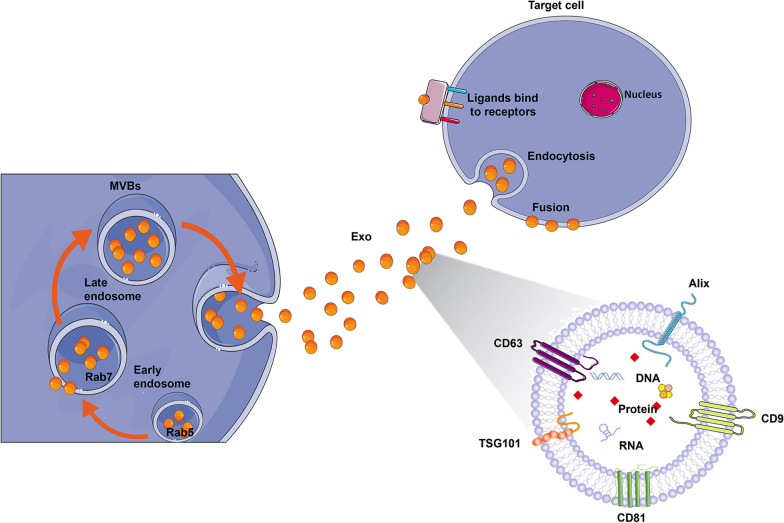
“In addition, exosomes play a critical role in the transport of membrane cells to cytoplasmic proteins, lipids and ribonucleic acid (RNA) [31].”
BackgroundNew Technologies for Analysis of Extracellular Vesicles
Shao, H., Im, H., Castro, C. M., Breakefield, X., Weissleder, R., & Lee, H. (2018) · Chemical Reviews · doi:10.1021/acs.chemrev.7b00534 · Cited by 1,675 · cited 1×
“Common meth-ods for surface marker detection mainly include western blotting, enzyme-linked immunosorbent assay, immuno-fluorescence staining, flow cytometry analysis and mass spectrometry [47].”
MethodEngineering exosomes for targeted drug delivery
Liang, Y., Duan, L., Lu, J., & Xia, J. (2021) · Theranostics · doi:10.7150/thno.52570 · Cited by 1,547 · cited 1×
“cell exosomes targeting brain injury Due to their unique nanostructure, lack of immunogenicity [99, 100], low toxicity [101, 102], and good permeability, with the ability to cross the BBB [103, 104], coupled with their important role in tissue regeneration, immune regulation and disease recognition, exosomes have grea…”
BackgroundEndothelial Cells Stimulate Self-Renewal and Expand Neurogenesis of Neural Stem Cells
Shen, Q., Goderie, S. K., Jin, L., Karanth, N., Sun, Y., Abramova, N., Vincent, P., Pumiglia, K., & Temple, S. (2004) · Science · doi:10.1126/science.1095505 · Cited by 1,542 · cited 1×
“Angiogenesis and neurogenesis are interdependent in the neurovascular unit and endothelial cells involved in angiogenesis provide growth factors that regulate NSC self-renewal and neurogenesis [90].”
Background
Cited by
Exosome-powered neuropharmaceutics: unlocking the blood-brain barrier for next-gen therapies
Mehdizadeh, S., Mamaghani, M., Hassanikia, S., Pilehvar‐Soltanahmadi, Y., & Ertaş, Y. N. (2025) · Journal of Nanobiotechnology · doi:10.1186/s12951-025-03352-8 · Cited by 150
“These exosomes were primarily taken up by microglia/macrophages, inhibiting their activation through NFκB and P38 mitogen-activated protein kinase pathways, ultimately facilitating brain repair and recovery [182].”
Sanadgol, N., Abedi, M., Hashemzaei, M., Kamran, Z., Khalseh, R., Beyer, C., & Voelz, C. (2025) · Journal of Nanobiotechnology · doi:10.1186/s12951-025-03528-2 · Cited by 124
“Further research indicates that NSCs-derived exosomes can promote angiogenesis, stimulate neurogenesis, and reduce apoptosis in experimental TBI models, offering another promising therapeutic approach [192].”
Lim, S. H., Yee, G. T., & Khang, D. (2024) · International Journal of Nanomedicine · doi:10.2147/ijn.s450853 · Cited by 107
“111 In addition to their potential as drug delivery vehicles, exosomes derived from various cell types have also been shown to have intrinsic anti-tumor effects.”
BackgroundExosome-mediated delivery and regulation in neurological disease progression
Singh, G., Mehra, A., Arora, S., Gugulothu, D. B., Vora, L. K., Prasad, R., & Khatri, D. K. (2024) · International Journal of Biological Macromolecules · doi:10.1016/j.ijbiomac.2024.130728 · Cited by 90
Exosomes: a promising avenue for cancer diagnosis beyond treatment
Wang, Z., Wang, Q., Qin, F., & Chen, J. (2024) · Frontiers in Cell and Developmental Biology · doi:10.3389/fcell.2024.1344705 · Cited by 66
“…but also contributes to the fi ne-tuning of neural circuits, highlighting the profound impact of exosomes on neurological function and giving potential therapeutic applications in neurodegenerative diseases and neurological disorders (Hu T et al., 2023; Liu et al., 2023; Zhong et al., 2023).”
BackgroundSelf-citationExosome Source Matters: A Comprehensive Review from the Perspective of Diverse Cellular Origins
Chen, Y., Qi, W., Wang, Z., & Niu, F. (2025) · Pharmaceutics · doi:10.3390/pharmaceutics17020147 · Cited by 61
“Nevertheless, establishing a stable amplification system without heterologous components and defining a method for single-exosome NSC analysis are still needed to improve NSC-Exos application [143].”
Liang, X., Miao, Y., Tong, X., Chen, J., Liu, H., He, Z., Liu, A., & Hu, Z. (2024) · Journal of Nanobiotechnology · doi:10.1186/s12951-024-02708-w · Cited by 55
“They offer several unique advantages and are being increasingly used in the treat-ment of neurological diseases such as stroke, intracerebral hemorrhage, and brain trauma [59–61].”
BackgroundSelf-citationHaroon, K., Zheng, H., Wu, S., Liu, Z., Tang, Y., Yang, G.-Y., Liu, Y., & Zhang, Z. (2024) · International Journal of Pharmaceutics · doi:10.1016/j.ijpharm.2023.123656 · Cited by 48
Breaking barriers in targeted Therapy: Advancing exosome Isolation, Engineering, and imaging
Kostyusheva, A. P., Romano, E., Yan, N., Lopus, M., Zamyatnin, A. A., & Parodi, A. (2025) · Advanced Drug Delivery Reviews · doi:10.1016/j.addr.2025.115522 · Cited by 50
Extracellular vesicle therapy in neurological disorders
Putthanbut, N., Lee, J.-Y., & Borlongan, C. V. (2024) · Journal of Biomedical Science · doi:10.1186/s12929-024-01075-w · Cited by 48
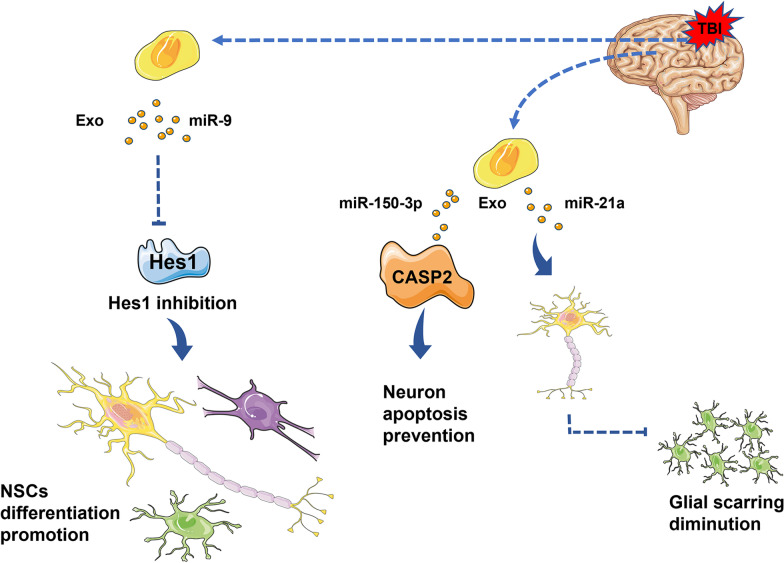
“Neural stem cell-derived EVs (NSC-EVs) increase neurogenesis through miR-320-5p, miR-210, miR-21a, and miR-9 [218–221].”
BackgroundClinical Management in Traumatic Brain Injury
Yan, A., Torpey, A. P., Morrisroe, E., Andraous, W., Costa, A., & Bergese, S. D. (2024) · Biomedicines · doi:10.3390/biomedicines12040781 · Cited by 51
“Exosome therapy from neural stem cells are viewed as a promising alternative to stem cells as they readily traverse the BBB, are more stable, are immune tolerant, and have a lower tumorigenic risk [157].”
BackgroundChen, C., Chang, Z., Yao, B., Liu, X., Zhang, X., Liang, J., Wang, J., Bao, S., Chen, M., Zhu, P., et al. (2024) · Bioactive Materials · doi:10.1016/j.bioactmat.2024.05.026 · Cited by 60
“Therefore, the key to functional recovery after TBI lies in promoting neural regeneration and creating an appropriate microenvironment [7 – 9].”
BackgroundSelf-citationKvistad, C. E., Kråkenes, T., Gavasso, S., & Bø, L. (2024) · Frontiers in Neurology · doi:10.3389/fneur.2024.1398089 · Cited by 42
“…include gene editing with CRISPR-based technology to modulate the genetic machinery following neural injury (188), the use of artificial or stem cell-derived exosomes to deliver miRNA for immunemodulation and promotion of regeneration (189) as well as electric stimulation for remyelination (190).”
BackgroundYang, Y., Nicol, C. J. B., & Chiang, M. (2025) · International Journal of Molecular Sciences · doi:10.3390/ijms26083915 · Cited by 38
“The SC-Exos components may exert therapeutic effects by influencing gene expression, reducing inflammation, and promoting cell survival and growth [4,19].”
InfluentialLiu, M.-W., Li, H., Xiong, G.-F., Zhang, B., Zhang, Q., Gao, S.-J., Zhu, Y., & Zhang, L.-M. (2025) · Journal of Translational Medicine · doi:10.1186/s12967-025-06445-y · Cited by 37
“MSC-EXOs have demonstrated efficacy in facilitating the repair of TBI, improving neuronal function, and improving patient prognosis, making them a promising therapeutic option [7].”
Kršek, A., Jagodic, A., & Batičić, L. (2024) · Medicina · doi:10.3390/medicina60091384 · Cited by 38
“Moreover, they could be complexed with other drug-loaded NPs, which may extend their therapeutic potential and make them more promising therapeutic agents [232].”
BackgroundDelshad, M., Sanaei, M., Mohammadi, M. H., Sadeghi, A., & Bashash, D. (2025) · Biomolecules · doi:10.3390/biom15040587 · Cited by 32
Traumatic brain injury: Bridging pathophysiological insights and precision treatment strategies
Lu, Y., Jin, J., Zhang, H., Lu, Q., Zhang, Y., Liu, C., Liang, Y., Tian, S., Zhao, Y., & Fan, H. (2025) · Neural Regeneration Research · doi:10.4103/nrr.nrr-d-24-01398 · Cited by 32
Chiang, M.-C., Yang, Y., Nicol, C. J. B., Chiang, T., & Yen, C. (2025) · Life · doi:10.3390/life15020294 · Cited by 33
“Recent studies have demonstrated that Exos derived from hNSCs can promote neuronal survival, enhance mitochondrial function, and reduce inflammation in various models of neurodegeneration [15,17].”
Extracellular vesicles as nanotheranostic platforms for targeted neurological disorder interventions
Choi, H. K., Chen, M., Goldston, L. L., & Lee, K.-B. (2024) · Nano Convergence · doi:10.1186/s40580-024-00426-5 · Cited by 26
Exosomes: Traversing the blood-brain barrier and their therapeutic potential in brain cancer
Zhang, X., Artz, N., Steindler, D. A., Hingtgen, S., & Satterlee, A. (2025) · Biochimica et Biophysica Acta (BBA) - Reviews on Cancer · doi:10.1016/j.bbcan.2025.189300 · Cited by 27
Zhu, Z., Zhang, Q., Feng, J., Dongmo, S. Z., Zhang, Q., Huang, S., Liu, X., Zhang, G., & Chen, L. (2024) · International Journal of Nanomedicine · doi:10.2147/ijn.s451642 · Cited by 24
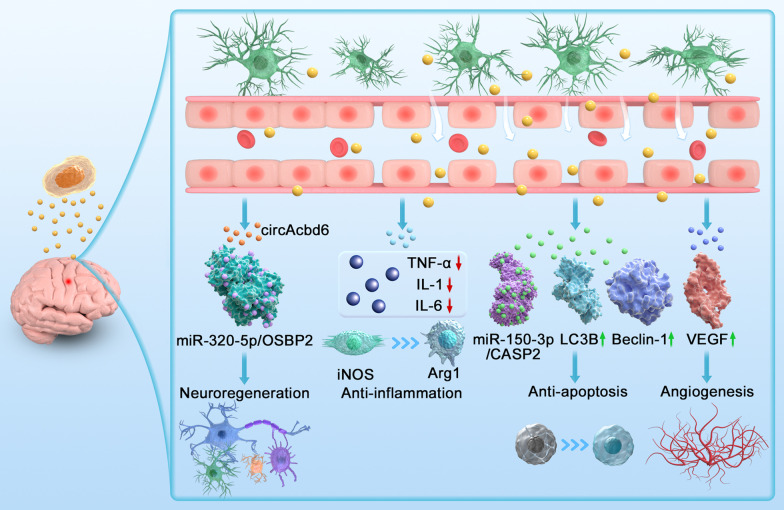
“65,66 As illustrated in Figure 4, 67–69 the administration of NSC-sEVs has been shown to facilitate the process of angiogenesis, neurogenesis, and axonal development while simultaneously suppressing inflammatory reactions.”
BackgroundSelf-citationȘerban, M., Toader, C., & Covache-Busuioc, R.-A. (2025) · International Journal of Molecular Sciences · doi:10.3390/ijms26157223 · Cited by 25
Zhang, Q., Liu, J., Wang, W., Lin, W., Waqas, A., Duan, W., Huang, S., Zhu, Z., & Chen, L. (2024) · Experimental Neurology · doi:10.1016/j.expneurol.2024.114882 · Cited by 21
Aldali, F., Yang, Y., Deng, C., Li, X., Cao, X., Xu, J. M., Li, Y., Ding, J., & Chen, H. (2025) · Cells · doi:10.3390/cells14070529 · Cited by 22
“Their properties, such as stability, immune tolerance, and ability to pass through the blood-brain barrier, make them superior to traditional stem cell therapies [76].”
Mohak, S., & Fábián, Z. (2025) · Pharmaceutics · doi:10.3390/pharmaceutics17050641 · Cited by 19
“…also appealing for neuro-pharmaceutical applications because they generate EVs (NSC-EV) that exhibit innate CNS and blood–brain barrier (BBB) affinity via internalization by the BBB-endothelial cells through a heparan sulfate proteoglycan-mediated and dynamin-dependent endocytic pathway [55–58].”
Xu, F., Zhang, Q., Liu, Y., Tang, R., Li, H., Yang, H., & Lin, L. (2025) · Pharmacological Research · doi:10.1016/j.phrs.2025.107753 · Cited by 18
Digital Lasing Biochip for Tumor-Derived Exosome Analysis
Zhou, T., Fang, G., Wang, Z., Qiao, Z., Nie, N., Fu, B., Tseng, P.-H., Sun, X., & Chen, Y. (2025) · Analytical Chemistry · doi:10.1021/acs.analchem.4c06172 · Cited by 17
Engineering Exosomes for CNS Disorders: Advances, Challenges, and Therapeutic Potential
Lee, E. C., Choi, D., Lee, D.-H., & Oh, J. S. (2025) · International Journal of Molecular Sciences · doi:10.3390/ijms26073137 · Cited by 18
“In the CNS, exosomes can spread throughout the brain via cerebrospinal fluid (CSF) as well as short distances within cells [69].”
Chen, J., Ni, X., Yang, J. M., Yang, H., Liu, X., Chen, M., Sun, C., & Wang, Y. (2024) · Journal of Cellular and Molecular Medicine · doi:10.1111/jcmm.18327 · Cited by 17
Self-citationRepair mechanisms of the central nervous system: From axon sprouting to remyelination
Gluck, L., Gerstein, B., & Kaunzner, U. W. (2025) · Neurotherapeutics · doi:10.1016/j.neurot.2025.e00583 · Cited by 17
“In addition to direct stem cell transplantation, exosomes, which are tiny vesicles secreted by stem cells, are being investigated for their potential in CNS repair such as in stroke and TBI [119 – 121].”
Nishimura, K., Sanchez‐Molano, J., Kerr, N. A., Pressman, Y., Silvera, R., Khan, A., Gajavelli, S., Bramlett, H. M., & Dietrich, W. D. (2024) · Journal of Neurotrauma · doi:10.1089/neu.2023.0650 · Cited by 15
“19,29,30 In the peripheral nervous system, Schwann cells promote axonal dedifferentiation and proliferation after injury and remove myelin and axonal fragments.”
Shirani, N., Abdi, N., Chehelgerdi, M., Yaghoobi, H., & Chehelgerdi, M. (2025) · Frontiers in Cell and Developmental Biology · doi:10.3389/fcell.2025.1485422 · Cited by 15
Subbarayan, R., Girija, D. M., Raja, S. T. K., Krishnamoorthy, A., Srinivasan, D., Shrestha, R., Srivastava, N., & Rao, S. R. (2024) · Molecular Biology Reports · doi:10.1007/s11033-024-09503-8 · Cited by 14
Endogenous Extracellular Vesicles Participate in Brain Remodeling after Ischemic Stroke
Álvarez, M. M., Salazar, F. E., Rodriguez, T., D’Egidio, F., Borlongan, C. V., & Lee, J.-Y. (2023) · International Journal of Molecular Sciences · doi:10.3390/ijms242316857 · Cited by 13
“…the secretome released into the extracellular space [17–19], where they contain components of cellular signaling, cytokines that can modify the extracellular matrix, as well as influence cell differentiation and proliferation, growth factors, and, in recent studies, gene modifications [20–24].”
BackgroundWang, M., Chen, D., Pan, R., Sun, Y., He, X., Qiu, Y.-Y., Hu, Y., Wu, X., Xi, X., Hu, R., et al. (2025) · Frontiers in Immunology · doi:10.3389/fimmu.2025.1548206 · Cited by 14
Advancements in extracellular vesicle therapy for neurodegenerative diseases
Hu, N., Chen, L., Hu, G., & Ma, R. (2025) · Exploration of Neuroprotective Therapy · doi:10.37349/ent.2025.1004104 · Cited by 15
Chennamsetty, S., Keerikkadu, M., Shetty, A., Bangera, P. D., Tippavajhala, V. K., & Rathnanand, M. (2025) · International Journal of Pharmaceutics · doi:10.1016/j.ijpharm.2025.126400 · Cited by 15
Engineered PDGFA-ligand-modified exosomes delivery T3 for demyelinating disease targeted therapy
Wang, L., Liao, B.-Y., Li, Y., Wang, Z., Yu, Y., Li, X., & Zhang, Q. (2024) · Experimental Neurology · doi:10.1016/j.expneurol.2024.114730 · Cited by 12
The Recent Applications of Stem Cell-Derived Exosomes and Hydrogels in Neurological Disorders
Ajwad, N., Mustapha, M., Idris, Z., & Lee, S. (2025) · Tissue Engineering Part B Reviews · doi:10.1089/ten.teb.2024.0353 · Cited by 14
“25,26 By releasing speci fi c neurotrophic factors, microRNAs, and proteins that regulate neuroin fl ammation and promote neuronal survival, synaptic plasticity, synaptic remodeling, neural differentiation, and axonal growth, the SC-Exos have been found to signi fi cantly contribute to neuronal…”
Exosomes as a Nanotheranostic Platform in Brain Diseases
Kudpaje, M., Joghee, S., & Kumar, R. M. R. (2025) · European Journal of Neuroscience · doi:10.1111/ejn.70215 · Cited by 11
“…studies have demonstrated that exosomes derived from MSCs, neural stem cells (NSC-Exos), and ectomesenchymal MSCs (eMSC-Exos) exert significant therapeutic effects in TBI models by modulating neuroinflammation, promoting neuronal survival, and facilitating synaptic plasticity (Zhong et al. 2023).”
Blood-brain barrier repair: potential and challenges of stem cells and exosomes in stroke treatment
Fu, X., Li, J., Yang, S., Jing, J., Zheng, Q., Zhang, T., & Xu, Z. F. (2025) · Frontiers in Cellular Neuroscience · doi:10.3389/fncel.2025.1536028 · Cited by 12
Chen, J., Liu, S., Zou, J., Wang, Y., Ge, H., Hui, Y., Huang, S., Li, W., Na, W., Huang, X., et al. (2025) · Frontiers in Pediatrics · doi:10.3389/fped.2025.1560915 · Cited by 9
“Compared to traditional cell therapies, exosomes offer advantages in stability, ef fi cacy, non-immunogenicity, and lack of microvascular occlusion risk, with proven safety (10 – 13).”
Self-citationZhong, W., Xu, L., Jiang, G., Gao, Y., Song, J., Ma, Y., Wang, G., Fan, J., Li, W., Zhou, S., et al. (2025) · Journal of Translational Medicine · doi:10.1186/s12967-025-06331-7 · Cited by 8
“They secrete neurotrophic factors via autocrine or paracrine actions to support neuronal survival [40–42].”
Exosomal peptides and proteins in wound healing and skin regeneration
Porwal, S., Malviya, R., Warsi, M. H., Zafar, A., Khalid, M., Alsaidan, O. A., Sridhar, S. B., Shareef, J., & Wadhwa, T. (2025) · Naunyn-Schmiedeberg s Archives of Pharmacology · doi:10.1007/s00210-025-04426-y · Cited by 9
“NSC-Exos offer a one-of-a-kind non-cellular management method which reproduces stem cell advantages while avoiding the risks that come with transplantation procedures (Zhong et al. 2023).”
Challenges and strategies for nose-to-brain delivery in treating neurological disorders
Li, X., Wang, X., Tong, F., Li, H., Gao, H., & Liu, T. (2025) · Expert Opinion on Drug Delivery · doi:10.1080/17425247.2025.2583254 · Cited by 9
“Meanwhile, exosomes also play important roles in intercellular communication [118].”
Mushtaq, M., Zineldeen, D. H., Mateen, M. A., & Haider, K. H. (2024) · World Journal of Stem Cells · doi:10.4252/wjsc.v16.i5.467 · Cited by 8
Guo, W., Shu, Q., Gao, L., Gao, N., Wang, Z., Wei, W., Zhang, Y., Huyan, T., & Li, Q. (2024) · Extracellular Vesicle · doi:10.1016/j.vesic.2024.100051 · Cited by 9
Ke, L., Cao, Y., Lü, Z., & Hallajzadeh, J. (2024) · Frontiers in Cell and Developmental Biology · doi:10.3389/fcell.2024.1459246 · Cited by 8
“…of nervous system diseases by neuroprotection (Zhang L. et al., 2024),anti-apoptosis (Cheng et al., 2024), neuroplasticity and regeneration (Zhong et al., 2023), immunomodulation and anti-in fl ammation (Shan et al., 2023), epigenetic regulation and intercellular communication (Dragomir et…”
BackgroundInfluentialWu, X., Jin, S., Pan, Y., Zhen, W., Yu, S., Zhang, Y., Xu, F. Y., Wang, R., Wu, M., Sun, W., et al. (2026) · Stem Cell Research & Therapy · doi:10.1186/s13287-026-04997-4 · Cited by 7
“Exosome-based therapies offer advantages in scalability and storage. iPSCs provide a renewable and standardized source of extracellular vesicles, facilitating large-scale production and regulatory approval [202, 203].”
Satheeshan, G., Kumar, A., Rutta, J., & Venkatesh, T. (2024) · Functional & Integrative Genomics · doi:10.1007/s10142-024-01404-0 · Cited by 7
“Neural stem cell exosomes upregulate VEGF levels, which speeds up the process of angiogenesis promotion (Zhong et al. 2023).”
Nabity, T. S., & Ransom, J. T. (2025) · Brain Injury · doi:10.1080/02699052.2024.2432967 · Cited by 7
“Specifically, like intact MSCs, MSC EVs are active in promoting recovery from TBI injury in multiple models (20,22–35).”
Traumatic brain injury and neurodegenerative diseases: the role of axonal injury and amyloid-β
Bi, D., Gao, B., Shen, Y., Dai, Z., Yang, S., & Wang, L. (2025) · Brain Research · doi:10.1016/j.brainres.2025.149873 · Cited by 6
Microfluidic assessment of corticosterone-induced mitochondrial dysfunction in neuronal cells
Song, H.-J., Son, H., Hua, H., Kim, J. S., Lee, J. H., Pack, S. P., & Lee, C. (2024) · Biochemical Engineering Journal · doi:10.1016/j.bej.2024.109607 · Cited by 6
Nie, W., Hou, X., Sun, S., Zhang, M., Zou, X., Su, K., Li, Z., Li, J., Yu, Q., Huang, X., et al. (2025) · Advanced Healthcare Materials · doi:10.1002/adhm.202502075 · Cited by 5
Yang, A. E., Yang, A., Shu, J., Wu, X., & Zhu, Z. (2025) · Advanced technology in neuroscience . · doi:10.4103/atn.atn-d-25-00012 · Cited by 7
Cha, Z., Yu, L., Pu, J., Zhang, Y., Lu, Q., Huang, W., Li, T., & Lu, X. (2025) · Frontiers in Neurology · doi:10.3389/fneur.2025.1645457 · Cited by 6
Wu, C., Chen, Z., Li, J., Li, R., Zhang, W., Zhang, Y., Li, G., Liu, P., Hu, F., Ding, K., et al. (2025) · Nano Today · doi:10.1016/j.nantod.2025.102932 · Cited by 5
Self-citationCorraliza-Gómez, M., Ianni, M., Nogueira, D. E. S., Salvador, W. O. S., Migueis, M., García-Alloza, M., Rodrigues, C. A. V., Cabral, J. M. S., & Brites, D. M. T. O. (2026) · Journal of Biological Engineering · doi:10.1186/s13036-025-00597-7 · Cited by 5
“The advantage of using exosomes from NSCs reside in their own neuroregenerative potential [32], due to their cargo in growth factors [33] and in miRNAs with renewing potential [34].”
Marei, H. E. S., & Cenciarelli, C. (2026) · Stem Cell Reviews and Reports · doi:10.1007/s12015-026-11129-1 · Cited by 7
“Because they deliver concentrated bioactive cargo (proteins, lipids, mRNAs, and regulatory miRNAs) to neurons, endothelial cells, astrocytes, and immune cells, NSC-EVs are an emerging, cell-free treatment for ischemic stroke and traumatic brain injury (TBI) [ 66].”
InfluentialBalic, N., Perković, M. N., Milos, T., Vuić, B., Kodzoman, M. K., Štrac, D. Š., & Erjavec, G. N. (2025) · Progress in Neuro-Psychopharmacology and Biological Psychiatry · doi:10.1016/j.pnpbp.2025.111393 · Cited by 5
Wu, L., Zhu, Y., & Meng, Q. (2026) · Journal of Materials Science Materials in Medicine · doi:10.1007/s10856-025-06931-1 · Cited by 5
“The direct role of NSCs in spinal cord repair processes gives their EVs signi fi cant potential for SCI treatment applications [77].”
Huang, Y., Zhong, C.-Y., Burley, G., Shi, Y., & Lin, S. (2026) · Metabolites · doi:10.3390/metabo16030148 · Cited by 5
“Neural stem/progenitor cell-derived sEVs can deliver pro-angiogenic factors (e.g., VEGF) and regulatory RNAs, promoting vascular repair and reducing neuronal apoptosis, further supporting CNS regeneration in TBI [44].”
Lu, D., Sun, H., Fan, H., Li, N., Li, Y., Yin, X., Fan, Y., Sun, H., Wang, S., & Xin, T. (2024) · Neuroscience · doi:10.1016/j.neuroscience.2024.11.011 · Cited by 4
Du, J., Pan, S., Qiu, S., Cheng, N., Chen, L., Hu, Y., Wei, Y., Zhang, Y., Yang, J., Cao, W., et al. (2026) · International Journal of Nanomedicine · doi:10.2147/ijn.s577963 · Cited by 4
“59,60 Research indicates that astrocyte-derived exosomes can enhance neuronal viability and functional integrity through the delivery of protective miRNAs and neurotrophic factors.”
Zhou, P., Liu, X., Li, L., Du, Y., Liu, J., Deng, X., Chen, Z., Chen, S., Li, Z., Li, Z., et al. (2026) · Materials Today Bio · doi:10.1016/j.mtbio.2026.102961 · Cited by 9
“In recent years, cell-free exosome therapy has gained considerable attention in regenerative medicine, as exosomes offer advantages such as low immunogenicity, high stability, and absence of tumorigenicity compared to stem cell transplantation [19, 44].”
Self-citationLong, S., Wang, B., Tian, S., Tang, H., Wu, H., Yang, X., & Zhang, C. (2026) · Pharmaceuticals · doi:10.3390/ph19050672 · Cited by 5
“In this context, exosomes, as the “messengers” through which stem cells exert their paracrine functions, are spearheading a paradigm shift towards “cell-free therapy” [1–4].”
Self-citationRole of exosomes in nerve regeneration: Systematic review
Amalakanti, S., Eppalapally, A. K., Attuluri, S. K., Avula, V. C. R., & Jillella, J. P. (2025) · American Journal of Pharmacotherapy and Pharmaceutical Sciences · doi:10.25259/ajpps_2025_009 · Cited by 3
Căpitănescu, B., Hermann, D. M., Surugiu, R., Guzman, R. G., Olaru, D. G., & Popa‐Wagner, A. (2025) · Biogerontology · doi:10.1007/s10522-025-10282-3 · Cited by 3
“…highlights the potential of EVs, particularly exosomes derived from stem cells, as they carry bioactive molecules like microRNAs and proteins that enhance neurogenesis, reduce inflammation, and promote vascular repair without the risk of cellular grafting (Gregorius et al. 2021; Zhong et al. 2023).”
The bibliometric analysis on neural stem cells in the treatment of traumatic brain injury
Ling-Ling, R. (2024) · New medicine. · doi:10.61958/nmdq2107 · Cited by 2
Fallahi, S., Zangbar, H. S., Ghiasi, R., Mohaddes, G., & Farajdokht, F. (2025) · Neuropharmacology · doi:10.1016/j.neuropharm.2025.110790 · Cited by 3
Exosomal Cargoes Derived from Neural Stem Cell: A New Strategy of Parkinson's Disease Treatment
Tarbali, S., Dadkhah, M., & Payandeh, Z. (2026) · Molecular Neurobiology · doi:10.1007/s12035-025-05637-3 · Cited by 2
Ley, M. B. R. G., Galoian, K. A., Martinez, D. A., Patel, A., Thomas, R., Parker, T. R., Friedman, L. R., Andryski, A. L., Hornicek, F. J., Best, T. M., et al. (2026) · Biomolecules · doi:10.3390/biom16020243 · Cited by 2
Fazli, F., Davoody, S., Vissers, N., Bordbar, S., Rahbarghazi, R., Karimipour, M., & Nasrabadi, H. T. (2026) · Molecular and Cellular Probes · doi:10.1016/j.mcp.2026.102066 · Cited by 2
Azhar, M. A., Alshehri, E., Assiri, A. M., Broering, D. C., Yaqinuddin, A., & Mir, T. A. (2026) · BioMedical Engineering OnLine · doi:10.1186/s12938-026-01557-y · Cited by 3
“…of immunomodulatory proteins like transforming growth factor-beta (TGF-β), galactin-1, programmed death-ligand 1 (PD-L1), and heat shock protein 70 (Hsp70) influences the polarization of the macrophages as well as the resolution of inflammatory responses—vital processes in tissue repairs [37].”
Zhang, C., Liu, X., Zhao, B., Luo, J., Liu, W., Hao, Y., 胡付恒, Li, S., Jin, L., Huang, W., et al. (2026) · Journal of Materials Chemistry B · doi:10.1039/d6tb01356b · Cited by 2
Self-citationShevela, Е. Y., Loginova, T. A., Munkuev, A. S., Volskaya, T. E., Sergeeva, S. A., Ращупкин, И. М., Kafanova, M. Y., Degtyareva, V. G., Sosnovskaya, A. V., Ostanin, A. A., et al. (2024) · Journal of Clinical Medicine · doi:10.3390/jcm13113079 · Cited by 2
“Notably, the therapeutic potential of the macrophage-conditioned medium may be mediated not only by soluble factors, but also by microvesicles and exosomes, which play an important role in cell-to-cell communication [37,38].”
BackgroundCui, G., Guo, W., Li, M., Chen, S., Shao, X., Liao, J., & Fan, X. (2025) · Current Neuropharmacology · doi:10.2174/011570159x388985250711064325 · Cited by 1
“In vivo [118, 119] M2 Microglia miR-124 Neuroprotection Attenuates ischemic brain injury and promotes neuronal survival.”
Ishaque, A., Qazi, R., Salim, A., Malick, T. S., & Asif, Z. (2026) · Stem Cell Reviews and Reports · doi:10.1007/s12015-026-11071-2 · Cited by 1
Intranasal exosome therapy in Coffin–Siris syndrome: Clinical evaluation of three children
Ekici, B., İnce, T., Kamer, İ., Turgut, A., Altuğ, A. S., Demir, S., & Tatlı, B. (2026) · Surgical Neurology International · doi:10.25259/sni_1198_2025 · Cited by 1
Li, Y.-J., Chen, X., Luo, Y., Chang, J., Liu, S.-Z., Shan, X., Song, J.-J., Hao, N., Yan, X.-H., Gao, W.-L., et al. (2026) · World Journal of Stem Cells · doi:10.4252/wjsc.v18.i3.114929 · Cited by 1
Wang, Z., Yuan, W., Li, J., & Qin, M. (2026) · Pharmaceutics · doi:10.3390/pharmaceutics18040477 · Cited by 1
“…(e.g., polyethylene glycol) can serve as carriers for stem cells, providing a three-dimensional growth environment and mimicking the mechanical and biochemical signals of the natural extracellular matrix, thereby promoting stem cell engraftment and neural differentiation [17,100,126,132,134].”
Global Trends and Advances in Traumatic Brain Injury
Zhuang, Y., Liao, X., Jiang, J., & Gao, G. (2026) · Brain Health · doi:10.1002/brh2.70007 · Cited by 1
Yu, R., Bai, H., Mo, Y., Liu, G., Zhou, Z., Xu, L., Deng, B., Li, X., Li, J., Zhang, H., et al. (2026) · Naunyn-Schmiedeberg s Archives of Pharmacology · doi:10.1007/s00210-026-05452-0 · Cited by 1
“It is also noteworthy that empty NSCs-EV (EV group) conferred a modest protective effect, consistent with reports that EV carry endogenous neurotrophic factors and miRNAs (Li et al. 2023; Madhu et al. 2024; Zhong et al. 2023).”
Engineered exosomes as natural nanocarriers for precision drug and gene delivery in cancer therapy
Fitriyah, I. J., Saputro, S., & Pamungkas, Z. S. (2026) · Cancer Nanotechnology · doi:10.1186/s12645-026-00392-z · Cited by 2
Zhang, X., Wang, J., Lu, Y., Xu, F., Cheng, X., Qin, J., Tian, M., Jin, G., Zhang, L., & Li, W. (2026) · Brain Research Bulletin · doi:10.1016/j.brainresbull.2026.112015 · Cited by 1
Self-citationYuan, Z., Gao, J., Wang, L., Zhang, Y., Liu, H. Q., Wang, H.-Y., Chen, Y., Qiu, J., Wang, S., Wang, Y., et al. (2026) · Nano Today · doi:10.1016/j.nantod.2026.103116 · Cited by 1
Autonomous intranasal delivery systems for central nervous system therapeutics
Shen, H., Srivastava, S. K., Aggarwal, N., & Chang, M. W. (2026) · Experimental & Molecular Medicine · doi:10.1038/s12276-026-01781-5 · Cited by 2
“…applications targeting the CNS. Owing to their neural lineage, NSC-derived EVs are intrinsically adapted to the CNS microenvir-onment and carry brain-enriched surface markers and signalling molecules that may enhance cellular uptake by neurons, astrocytes, oligodendrocytes and microglia 101 .”
Editorial: Immune therapies in neurological disorders
Pan, J. (2025) · Frontiers in Neuroscience · doi:10.3389/fnins.2025.1615808
“Furthermore, recent advances have explored coating surgical implants with immunomodulatory agents or incorporating stem-cell-derived exosomes to promote neurorepair (Tomycz et al., 2020; Zhong et al., 2023).”
Potential therapeutic effect of stem cells on sensorineural hearing loss
Liu, K., Huang, Z., & Chen, X. (2025) · Biophysics Reports · doi:10.52601/bpr.2025.240017
Traumatic brain injury: basic cellular mechanisms and new approaches to therapy
Sudina, A. K., Grinchevskaia, L. R., Goldshtein, D. V., Fatkhudinov, T., & Salikhova, D. I. (2024) · RUDN Journal of Medicine · doi:10.22363/2313-0245-2024-28-1-246-255
Liang, X., Miao, Y., Tong, X., Chen, J., Liu, H., He, Z., Liu, A., & Hu, Z. (2024) · Figshare · doi:10.6084/m9.figshare.26339913
Self-citationLiang, X., Miao, Y., Tong, X., Chen, J., Liu, H., He, Z., Liu, A., & Hu, Z. (2024) · Figshare · doi:10.6084/m9.figshare.26340135
Self-citationLiang, X., Miao, Y., Tong, X., Chen, J., Liu, H., He, Z., Liu, A., & Hu, Z. (2024) · Figshare · doi:10.6084/m9.figshare.26751559
Self-citationLiang, X., Miao, Y., Tong, X., Chen, J., Liu, H., He, Z., Liu, A., & Hu, Z. (2024) · Figshare · doi:10.6084/m9.figshare.26751550
Self-citationLiang, X., Miao, Y., Tong, X., Chen, J., Liu, H., He, Z., Liu, A., & Hu, Z. (2024) · Figshare · doi:10.6084/m9.figshare.26751562
Self-citationLiang, X., Miao, Y., Tong, X., Chen, J., Liu, H., He, Z., Liu, A., & Hu, Z. (2024) · Figshare · doi:10.6084/m9.figshare.26751553
Self-citationLiang, X., Miao, Y., Tong, X., Chen, J., Liu, H., He, Z., Liu, A., & Hu, Z. (2024) · Figshare · doi:10.6084/m9.figshare.26751547
Self-citationLiang, X., Miao, Y., Tong, X., Chen, J., Liu, H., He, Z., Liu, A., & Hu, Z. (2024) · Figshare · doi:10.6084/m9.figshare.26751565
Self-citationLiang, X., Miao, Y., Tong, X., Chen, J., Liu, H., He, Z., Liu, A., & Hu, Z. (2024) · Figshare · doi:10.6084/m9.figshare.26751571
Self-citation
Metadata
- Authors
- Zhong, L., Wang, J., Wang, P., Liu, X., Liu, P., Cheng, X., Cao, L., Wu, H., Chen, J., & Zhou, L.
- Affiliations
- First Affiliated Hospital of Chengdu Medical College (CN)
- Tianjin Hospital (CN)
- Sichuan University (CN)
- Chengdu Medical College (CN)
- Corresponding author
- Wu, Hongwei
- Chen, Jing
- Zhou, Liangxue
- Venue
- Stem Cell Research & Therapy
- Published
- 2023-08-08
- Volume
- 14
- Issue
- 1
- Pages
- 198-198
- ISSN
- 1757-6512 (ISSN-L)
- PMC
- PMC10408078
- OpenAlex
- W4385664550
- Cited by
- 110
- References
- 119
- Citations by year
- 2026: 34 · 2025: 40 · 2024: 34 · 2023: 2
- FWCI
- 2.96
- Type
- journal article
- Language
- en
- Open access
- gold
- doi.org
- Licence
- cc-by
- creativecommons.org/licenses/by/4.0 (tdm)
- creativecommons.org/licenses/by/4.0 (vor)
- Locations
- Stem Cell Research & Therapy (publishedVersion, cc-by)
- PubMed Central (publishedVersion, cc-by)
- PubMed (publishedVersion)
- DOAJ (DOAJ: Directory of Open Access Journals) (submittedVersion, cc-by-sa)
- Funders
- the National Major Scientific and Technological Special Project for Significant New Drugs Development (2019ZX09301-147)
- Topics
- Life Sciences › Biochemistry, Genetics and Molecular Biology › Molecular Biology › Extracellular vesicles in disease
- Health Sciences › Medicine › Clinical Neurology › Traumatic Brain Injury and Neurovascular Disturbances
- Life Sciences › Biochemistry, Genetics and Molecular Biology › Cell Biology › Mesenchymal stem cell research
- Keywords
- traumatic brain injury, cell-free therapy, nerve regeneration, blood-brain barrier penetration, immunomodulation, exosome stability, tumorigenicity, regenerative medicine
- MeSH terms
- Brain Injuries, Traumatic, Brain, Brain Injuries, Humans, Exosomes, Neural Stem Cells
About these checks
Registry, retraction, Cites and statistics results are computed, not judged, with one exception: a printed reference that no index lists is read once by a model before it counts as a citation error. Claims are extracted by a model and kept only when their quote appears verbatim in the text; each cited source is then checked, with a model’s help, for whether it says what the claim relies on. Those verdicts can be wrong — read the claim’s quote and the cited source before relying on one.
Statistics and arithmetic are recomputed, not judged.
Confidence bands are shown only for fields calibrated on our annotated test set. None is calibrated yet, so no band is shown.
What counts as a claim ›How we measure confidence ›How we check this ›
Are you an author, or do you see a problem with this page? Request a review
Data sources
Bibliographic data: Semantic Scholar, OpenAlex, Crossref.
Contains information from the Semantic Scholar Academic Graph Datasets, made available under the ODC Attribution License (ODC-BY 1.0).
Semantic Scholar’s data is described in: Kinney, R., et al. (2023). The Semantic Scholar Open Data Platform. arXiv:2301.10140.
