

Neural stem cell-derived exosomes and regeneration: cell-free therapeutic strategies for traumatic brain injury
Open accessThe DOI matches its Crossref record; 119 of the 119 references it cites were found in a registry or an index.
Abstract
Regenerative repair of the brain after traumatic brain injury (TBI) remains an extensive clinical challenge, inspiring intensified interest in therapeutic approaches to explore superior repair strategies. Exosome therapy is another research hotspot following stem cell alternative therapy. Prior research verified that exosomes produced by neural stem cells can participate in the physiological and pathological changes associated with TBI and have potential neuroregulatory and repair functions. In comparison with their parental stem cells, exosomes have superior stability and immune tolerance and lower tumorigenic risk. In addition, they can readily penetrate the blood‒brain barrier, which makes their treatment efficiency superior to that of transplanted stem cells. Exosomes secreted by neural stem cells present a promising strategy for the development of novel regenerative therapies. Their tissue regeneration and immunomodulatory potential have made them encouraging candidates for TBI repair. The present review addresses the challenges, applications and potential mechanisms of neural stem cell exosomes in regenerating damaged brains.
Overview
The claims and statistics of this paper haven’t been checked yet.
Free: it reads the open-access text and checks the first 5 claims that cite a source we can check. Create a free account to check every claim.
Integrity signals
Registry
Cites
Statistics
Figures
Verification
Claims the paper makes
The claims and statistics of this paper haven’t been checked yet.
Free: it reads the open-access text and checks the first 5 claims that cite a source we can check. Create a free account to check every claim.
Claims other papers make about this one
Each is checked against this paper’s own text: does it say what the citing paper says it does?
The source backs part of the claim, not all of it — or backs it for a different population, condition or comparison.
In the citing paper
“EVs have gained significant attention in CNS injuries, specifically traumatic brain injuries (TBI) and spinal cord injuries (SCI), due to their intricate involvement in injury response, repair processes, and their potential applications as therapeutic agents and biomarkers [175–177].”
From Extracellular vesicles as nanotheranostic platforms for targeted neurological disorder interventions (2024) · cites this paper as [175]
Experimental — accuracy not yet measured
Self-check
Percentages, sums and reported differences re-computed from the paper’s own numbers.
The self-check needs the paper’s full text.
Citations
Cites
The biology , function , and biomedical applications of exosomes
Kalluri, R., & LeBleu, V. S. (2020) · Science · doi:10.1126/science.aau6977 · Cited by 10,770
Biogenesis, Secretion, and Intercellular Interactions of Exosomes and Other Extracellular Vesicles
Colombo, M., Raposo, G., & Théry, C. (2014) · Annual Review of Cell and Developmental Biology · doi:10.1146/annurev-cellbio-101512-122326 · Cited by 6,186 · cited 1×
“Current therapeutic interventions have shown neuroprotective effects of exosomes, which diminish reactive oxygen species (ROS) levels by delivering antioxidants to neurons and alleviating oxidative stress-mediated apoptosis [94, 95].”
BackgroundAstrocyte-endothelial interactions at the blood-brain barrier
Abbott, N. J., Rönnbäck, L., & Hansson, E. (2006) · Nature Reviews Neuroscience · doi:10.1038/nrn1824 · Cited by 5,595 · cited 1×
“As a vital biological barrier of the brain, the BBB is used to maintain biological stability and provide a microenvironment for precise neural regulation [85, 86].”
BackgroundDelivery of siRNA to the mouse brain by systemic injection of targeted exosomes
Alvarez-Erviti, L., Seow, Y., Yin, H., Betts, C., Lakhal, S., & Wood, M. J. A. (2011) · Nature Biotechnology · doi:10.1038/nbt.1807 · Cited by 4,930 · cited 1×
“Alvarez-Erviti et al. [106] discovered that exosomes secreted by dendritic cells transfected with plasmids fused with neuron-specific rabies virus glycoprotein and exosomal lysosomal-associ-ated membrane protein could deliver siRNA to the brain in a targeted manner.”
BackgroundExosomes as drug delivery vehicles for Parkinson’s disease therapy
Haney, M. J., Klyachko, N. L., Zhao, Y., Gupta, R., Plotnikova, E. G., He, Z., Patel, T., Piroyan, A., Sokolsky, M., Kabanov, A. V., et al. (2015) · Journal of Controlled Release · doi:10.1016/j.jconrel.2015.03.033 · Cited by 2,009 · cited 1×
“Neurons could be specifically targeted to receive a functional siRNA by systematically injecting engineered exosomes [114].”
BackgroundProgress in Exosome Isolation Techniques
Li, P., Kaslan, M., Lee, S. H., Yao, J., & Gao, Z. (2017) · Theranostics · doi:10.7150/thno.18133 · Cited by 1,948
Abels, E. R., & Breakefield, X. O. (2016) · Cellular and Molecular Neurobiology · doi:10.1007/s10571-016-0366-z · Cited by 1,678 · cited 1×
“In addition, exosomes play a critical role in the transport of membrane cells to cytoplasmic proteins, lipids and ribonucleic acid (RNA) [31].”
BackgroundNew Technologies for Analysis of Extracellular Vesicles
Shao, H., Im, H., Castro, C. M., Breakefield, X., Weissleder, R., & Lee, H. (2018) · Chemical Reviews · doi:10.1021/acs.chemrev.7b00534 · Cited by 1,675 · cited 1×
“Common meth-ods for surface marker detection mainly include western blotting, enzyme-linked immunosorbent assay, immuno-fluorescence staining, flow cytometry analysis and mass spectrometry [47].”
MethodEngineering exosomes for targeted drug delivery
Liang, Y., Duan, L., Lu, J., & Xia, J. (2021) · Theranostics · doi:10.7150/thno.52570 · Cited by 1,547 · cited 1×
“cell exosomes targeting brain injury Due to their unique nanostructure, lack of immunogenicity [99, 100], low toxicity [101, 102], and good permeability, with the ability to cross the BBB [103, 104], coupled with their important role in tissue regeneration, immune regulation and disease recognition, exosomes have grea…”
BackgroundEndothelial Cells Stimulate Self-Renewal and Expand Neurogenesis of Neural Stem Cells
Shen, Q., Goderie, S. K., Jin, L., Karanth, N., Sun, Y., Abramova, N., Vincent, P., Pumiglia, K., & Temple, S. (2004) · Science · doi:10.1126/science.1095505 · Cited by 1,542 · cited 1×
“Angiogenesis and neurogenesis are interdependent in the neurovascular unit and endothelial cells involved in angiogenesis provide growth factors that regulate NSC self-renewal and neurogenesis [90].”
BackgroundMechanism of transfer of functional microRNAs between mouse dendritic cells via exosomes.
Montecalvo, A., Larregina, A. T., Shufesky, W. J., Beer Stolz, D., Sullivan, M. L. G., Karlsson, J. M., Baty, C. J., Gibson, G. A., Erdos, G., Wang, Z., et al. (2012) · Blood · doi:10.1182/blood-2011-02-338004 · Cited by 1,429 · cited 1×
“…material is also contained in exosomes, such as mRNAs, miRNAs, lncRNAs and other noncoding RNAs, which are transmitted to receptor cells through exosomes to regulate proteins or serve as protein templates to regulate target cell differentiation, migration and other biological processes [42].”
BackgroundImmunoregulatory mechanisms of mesenchymal stem and stromal cells in inflammatory diseases
Shi, Y., Wang, Y., Li, Q., Liu, K., Hou, J., Shao, C., & Wang, Y. (2018) · Nature Reviews Nephrology · doi:10.1038/s41581-018-0023-5 · Cited by 1,223
Surface functionalized exosomes as targeted drug delivery vehicles for cerebral ischemia therapy
Tian, T., Zhang, H.-X., He, C.-P., Fan, S., Zhu, Y.-L., Qi, C., Huang, N.-P., Xiao, Z.-D., Lu, Z.-H., Tannous, B. A., et al. (2018) · Biomaterials · doi:10.1016/j.biomaterials.2017.10.012 · Cited by 1,154 · cited 1×
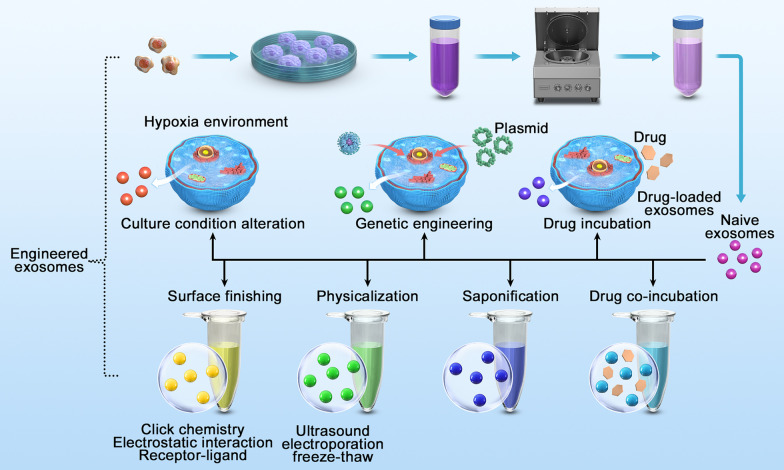
“…is exosome engineering, that is, the modification of the surface proteins or contents of purified exosomes using specific techniques under appropriate conditions, which is mainly divided into incubation [108], physical methods [109], saponification [110, 111] and surface modification [112, 113].”
MethodExoCarta 2012: database of exosomal proteins, RNA and lipids
Mathivanan, S., Fahner, C. J., Reid, G. E., & Simpson, R. J. (2012) · Nucleic Acids Research · doi:10.1093/nar/gkr828 · Cited by 1,094 · cited 1×
“Exosomes have been identified as containing 4563 proteins, 764 miRNAs, 1639 mRNAs and 194 lipids [34].”
BackgroundMicroglia Regulate the Number of Neural Precursor Cells in the Developing Cerebral Cortex
Cunningham, C. L., Martínez-Cerdeño, V., & Noctor, S. C. (2013) · The Journal of Neuroscience · doi:10.1523/jneurosci.3441-12.2013 · Cited by 976 · cited 1×
“Furthermore, recent research has proven that exosomes derived from NSCs in the subventricular region of mice are rich in the miRNAs let-7, miR-9, miR26 and miR-181, which specifically target microglia and affect their morphology, function and proliferation in the nervous system after regeneration [64, 65].”
BackgroundMalignant effusions and immunogenic tumour-derived exosomes
Andre, F., Schartz, N. E., Movassagh, M., Flament, C., Pautier, P., Morice, P., Pomel, C., Lhomme, C., Escudier, B., Le Chevalier, T., et al. (2002) · The Lancet · doi:10.1016/s0140-6736(02)09552-1 · Cited by 953 · cited 1×
“In addition, there are costimulatory molecules such as CD86 and adhesion molecules such as CD54 and CD11b on the surface of exosomes [40].”
BackgroundExosomes and Ectosomes in Intercellular Communication
Meldolesi, J. (2018) · Current Biology · doi:10.1016/j.cub.2018.01.059 · Cited by 944
Extracellular vesicle isolation and characterization: toward clinical application
Xu, R., Greening, D. W., Zhu, H.-J., Takahashi, N., & Simpson, R. J. (2016) · Journal of Clinical Investigation · doi:10.1172/jci81129 · Cited by 882 · cited 1×
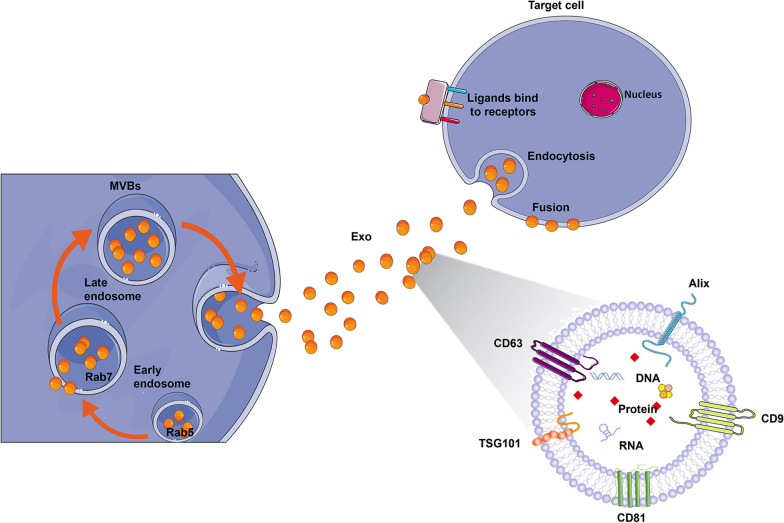
“Studies [35–37] have demonstrated that exosomes produced by different cells contain some of the same proteins, including three transmembrane proteins (CD9, CD81, CD63), polycystic synthe-sis-related proteins (Alix, TSG101), heat shock proteins (Hsp60, Hsp70, Hsp90), membrane transport and membrane…”
BackgroundExosomes in cancer development, metastasis, and immunity
Zhang, L., & Yu, D. (2019) · Biochimica et Biophysica Acta (BBA) - Reviews on Cancer · doi:10.1016/j.bbcan.2019.04.004 · Cited by 870 · cited 1×
“…reports have shown that exosomes are involved in the operation of vital cellular physiological activities, especially involving the immune response [7–9], apoptosis [10–12], angiogenesis [13–16] and the inflammatory response [17–20], and they have become potential substitutes for cell-based…”
BackgroundLu, P., Jones, L. L., Snyder, E. Y., & Tuszynski, M. H. (2003) · Experimental Neurology · doi:10.1016/s0014-4886(03)00037-2 · Cited by 867 · cited 1×
“NSCs release many neurotrophic factors through paracrine pathways[27, 28], including brain-derived neurotrophic factors (BDNF), glial cell line-derived neurotrophic factors (GDNF), neuronutrient-3, bioactive lipids and other paracrine factors, as well as extracellular vesicles, of which exosomes are the most represent…”
BackgroundProteomic profiling of exosomes: Current perspectives
Simpson, R. J., Jensen, S. S., & Lim, J. W. E. (2008) · PROTEOMICS · doi:10.1002/pmic.200800109 · Cited by 857 · cited 1×
“Studies [35–37] have demonstrated that exosomes produced by different cells contain some of the same proteins, including three transmembrane proteins (CD9, CD81, CD63), polycystic synthe-sis-related proteins (Alix, TSG101), heat shock proteins (Hsp60, Hsp70, Hsp90), membrane transport and membrane…”
BackgroundSokolova, V., Ludwig, A.-K., Hornung, S., Rotan, O., Horn, P. A., Epple, M., & Giebel, B. (2011) · Colloids and Surfaces B: Biointerfaces · doi:10.1016/j.colsurfb.2011.05.013 · Cited by 851 · cited 1×
“Interestingly, the morphology and size of exosomes can be maintained for one month when stored at − 20 °C [56].”
BackgroundPascucci, L., Coccè, V., Bonomi, A., Ami, D., Ceccarelli, P., Ciusani, E., Viganò, L., Locatelli, A., Sisto, F., Doglia, S. M., et al. (2014) · Journal of Controlled Release · doi:10.1016/j.jconrel.2014.07.042 · Cited by 846 · cited 1×
“For the first time, paclitaxel was directly incubated with bone marrow mesenchymal stem cells to target the proliferation of pancreatic cancer cells through exosome packaging and delivery of active drugs in vitro [107].”
BackgroundMolecular mechanism of multivesicular body biogenesis by ESCRT complexes
Wollert, T., & Hurley, J. H. (2010) · Nature · doi:10.1038/nature08849 · Cited by 804 · cited 1×
“The ESCRT-dependent mechanism to generate MVBs requires four steps: cargo aggregation, membrane invagination, cargo transport to newborn vesicles and vesicle neck splitting, and ESCRT is involved in the whole process [51].”
BackgroundKojima, R., Bojar, D., Rizzi, G., Hamri, G. C.-E., El-Baba, M. D., Saxena, P., Ausländer, S., Tan, K. R., & Fussenegger, M. (2018) · Nature Communications · doi:10.1038/s41467-018-03733-8 · Cited by 748 · cited 1×
“…exosomes, indicating that NSC-derived exosomes carry their cargo across the BBB. NSCs have also been engineered to continually generate exosomes containing therapeutic cargo at a high dose using a booster plasmid, providing a continuous therapeutic source following intracerebral implantation [117].”
BackgroundExtracellular Vesicles in Angiogenesis
Todorova, D., Simoncini, S., Lacroix, R., Sabatier, F., & Dignat-George, F. (2017) · Circulation Research · doi:10.1161/circresaha.117.309681 · Cited by 650
Exosome lipidomics unravels lipid sorting at the level of multivesicular bodies
Subra, C., Laulagnier, K., Perret, B., & Record, M. (2007) · Biochimie · doi:10.1016/j.biochi.2006.10.014 · Cited by 619 · cited 1×
“These lipids can maintain structural stiffness, protect the contents, maintain the stability of exosomes and facilitate long-distance transport [41].”
BackgroundMesenchymal Stem Cell-Derived Exosomes: Applications in Regenerative Medicine
Hade, M. D., Suire, C. N., & Suo, Z. (2021) · Cells · doi:10.3390/cells10081959 · Cited by 607 · cited 1×
“Due to their unique nanostructure, lack of immunogenicity [99, 100], low toxicity [101, 102], and good permeability, with the ability to cross the BBB [103, 104], coupled with their important role in tissue regeneration, immune regulation and disease recognition, exosomes have great therapeutic…”
BackgroundMeng, W., He, C., Hao, Y., Wang, L., Li, L., & Zhu, G. (2020) · Drug Delivery · doi:10.1080/10717544.2020.1748758 · Cited by 592 · cited 1×
“Due to their unique nanostructure, lack of immunogenicity [99, 100], low toxicity [101, 102], and good permeability, with the ability to cross the BBB [103, 104], coupled with their important role in tissue regeneration, immune regulation and disease recognition, exosomes have great therapeutic…”
BackgroundReview on Strategies and Technologies for Exosome Isolation and Purification
Chen, J., Li, P., Zhang, T., Xu, Z., Huang, X., Wang, R., & Du, L. (2022) · Frontiers in Bioengineering and Biotechnology · doi:10.3389/fbioe.2021.811971 · Cited by 585 · cited 1×
“Common separation methods of exosomes secreted by NSCs and other cells mainly include ultracentrifugation, ultrafiltration and size exclusion chromatography, polymer precipitation, immunoaffinity capture chromatography and microfluidic chip separation [52–54].”
MethodSelf-citationNeural stem cells: origin, heterogeneity and regulation in the adult mammalian brain
Obernier, K., & Alvarez-Buylla, A. (2019) · Development · doi:10.1242/dev.156059 · Cited by 578 · cited 1×
“The first includes endogenous neural stem cells that are mainly distributed in the subventracular zone (SVZ) of the lateral ventricle and subgranular zone (SGZ) of the dentate gyrus of the hippocampus [25] and the second includes exogenous NSCs evolved from embryonic tissue.”
BackgroundMesenchymal stem cell exosomes
Lai, R. C., Yeo, R. W. Y., & Lim, S. K. (2015) · Seminars in Cell & Developmental Biology · doi:10.1016/j.semcdb.2015.03.001 · Cited by 570 · cited 1×
“NSCs release many neurotrophic factors through paracrine pathways[27, 28], including brain-derived neurotrophic factors (BDNF), glial cell line-derived neurotrophic factors (GDNF), neuronutrient-3, bioactive lipids and other paracrine factors, as well as extracellular vesicles, of which exosomes…”
BackgroundHypothalamic stem cells control ageing speed partly through exosomal miRNAs
Zhang, Y., Kim, M. S., Jia, B., Yan, J., Zuniga-Hertz, J. P., Han, C., & Cai, D. (2017) · Nature · doi:10.1038/nature23282 · Cited by 564 · cited 1×
“applied immunofluorescence staining, transmission electron microscopy and nanoparticle tracking analysis to identify exosomes derived from hypothalamic stem cells [49].”
MethodExosomes for targeted siRNA delivery across biological barriers
EL Andaloussi, S., Lakhal, S., Mäger, I., & Wood, M. J. A. (2013) · Advanced Drug Delivery Reviews · doi:10.1016/j.addr.2012.08.008 · Cited by 539 · cited 2×
“Third, with low immunogenicity, exosomes secreted by NSCs provide a cell-free therapy for neurological diseases without significant side effects [118].”
BackgroundTherapeutic Applications of Extracellular Vesicles: Clinical Promise and Open Questions
György, B., Hung, M. E., Breakefield, X. O., & Leonard, J. N. (2015) · Annual Review of Pharmacology and Toxicology · doi:10.1146/annurev-pharmtox-010814-124630 · Cited by 515 · cited 1×
“Exosomes can contain quite a few biologically active components such as lipids proteins and nucleic acids and are able to mediate long-distance communication from cell to cell, exchange genetic information, transmit immune signals and even function as a completely independent metabolic unit [4–6].”
BackgroundMesenchymal‐stem‐cell‐derived exosomes accelerate skeletal muscle regeneration
Nakamura, Y., Miyaki, S., Ishitobi, H., Matsuyama, S., Nakasa, T., Kamei, N., Akimoto, T., Higashi, Y., & Ochi, M. (2015) · FEBS Letters · doi:10.1016/j.febslet.2015.03.031 · Cited by 511 · cited 1×
“As one of the highly expressed miRNAs of hNSCs, miR-4488 also exists in mesenchymal stem cells (MSCs) and participates in accelerating skeletal muscle regeneration [60].”
BackgroundExosomes — beyond stem cells for restorative therapy in stroke and neurological injury
Zhang, Z. G., Buller, B., & Chopp, M. (2019) · Nature Reviews Neurology · doi:10.1038/s41582-018-0126-4 · Cited by 503 · cited 1×
“First, exosomes are nanosized vesicles that can cross the BBB smoothly and are easily absorbed, with a very low likelihood of small vessel occlusion following intravenous injection [118, 119].”
BackgroundSalunkhe, S., Dheeraj, Basak, M., Chitkara, D., & Mittal, A. (2020) · Journal of Controlled Release · doi:10.1016/j.jconrel.2020.07.042 · Cited by 497 · cited 1×
“Initially, researchers believed that exosomes are waste products released by cells, but subsequent studies found that information exchange between cells is closely related to exosomes [1–3].”
BackgroundMolecular Mechanisms of the Membrane Sculpting ESCRT Pathway
Henne, W. M., Stenmark, H., & Emr, S. D. (2013) · Cold Spring Harbor Perspectives in Biology · doi:10.1101/cshperspect.a016766 · Cited by 442 · cited 1×
“ESCRT, an essential machinery, comprises four various protein complexes: ESCRT-0, ESCRT-I, ESCRT-II, ESCRT-III and the associated AAA ATPase Vps4 complex [50].”
BackgroundExosomes: new molecular targets of diseases
Samanta, S., Rajasingh, S., Drosos, N., Zhou, Z., Dawn, B., & Rajasingh, J. (2018) · Acta Pharmacologica Sinica · doi:10.1038/aps.2017.162 · Cited by 425 · cited 1×
“Due to their unique nanostructure, lack of immunogenicity [99, 100], low toxicity [101, 102], and good permeability, with the ability to cross the BBB [103, 104], coupled with their important role in tissue regeneration, immune regulation and disease recognition, exosomes have great therapeutic…”
BackgroundApoptosis After Traumatic Brain Injury
RAGHUPATHI, R., GRAHAM, D. I., & McINTOSH, T. K. (2000) · Journal of Neurotrauma · doi:10.1089/neu.2000.17.927 · Cited by 412 · cited 1×
“Studies have suggested that excessive apoptosis of nerve cells can further exacerbate inflammatory responses, vascular leakage, cerebral oedema, cerebral haemorrhage and hypoxia [92].”
BackgroundWitcher, K. G., Bray, C. E., Chunchai, T., Zhao, F., O'Neil, S. M., Gordillo, A. J., Campbell, W. A., McKim, D. B., Liu, X., Dziabis, J. E., et al. (2021) · The Journal of Neuroscience · doi:10.1523/jneurosci.2469-20.2020 · Cited by 387 · cited 1×
“and anti-inflammatory microglia (M2) [77].”
Self-citationMicroglia: Agents of the CNS Pro-Inflammatory Response
Rodríguez-Gómez, J. A., Kavanagh, E., Engskog-Vlachos, P., Engskog, M. K. R., Herrera, A. J., Espinosa-Oliva, A. M., Joseph, B., Hajji, N., Venero, J. L., & Burguillos, M. A. (2020) · Cells · doi:10.3390/cells9071717 · Cited by 365
Cell-to-cell Communication by Extracellular Vesicles: Focus on Microglia
Paolicelli, R. C., Bergamini, G., & Rajendran, L. (2019) · Neuroscience · doi:10.1016/j.neuroscience.2018.04.003 · Cited by 338 · cited 2×
“Research has revealed that exosomes secreted by NSCs are involved in a wide range of interactions between neurons and microglia in the CNS and participate in brain injury repair [58].”
BackgroundNew insights into the function of Rab GTPases in the context of exosomal secretion
Blanc, L., & Vidal, M. (2018) · Small GTPases · doi:10.1080/21541248.2016.1264352 · Cited by 332 · cited 1×
“Annexins and Rab proteins (Rab11, Rab27a, Rab27b) on exosomes might promote MVB fusion with cell membranes and secretion of exosomes [39].”
BackgroundExosomal noncoding RNAs in Glioma: biological functions and potential clinical applications
Cheng, J., Meng, J., Zhu, L., & Peng, Y. (2020) · Molecular Cancer · doi:10.1186/s12943-020-01189-3 · Cited by 319 · cited 1×
“…unique nanostructure, lack of immunogenicity [99, 100], low toxicity [101, 102], and good permeability, with the ability to cross the BBB [103, 104], coupled with their important role in tissue regeneration, immune regulation and disease recognition, exosomes have great therapeutic potential…”
BackgroundCossetti, C., Iraci, N., Mercer, T. R., Leonardi, T., Alpi, E., Drago, D., Alfaro-Cervello, C., Saini, H. K., Davis, M. P., Schaeffer, J., et al. (2014) · Molecular Cell · doi:10.1016/j.molcel.2014.08.020 · Cited by 299 · cited 1×
“Cossetti [61] et al. revealed that NSC exosomes mediate communication with the microenvironment and that proinflammatory factors activate the interferon gamma (IFN-γ) signal transduction pathway in NSCs, resulting in specific components of the IFN-γ pathway acting on target cells via exosomes.”
BackgroundJohnstone, R., Bianchini, A., & Teng, K. (1989) · Blood · doi:10.1182/blood.v74.5.1844.1844 · Cited by 289
Exosomes regulate neurogenesis and circuit assembly
Sharma, P., Mesci, P., Carromeu, C., McClatchy, D. R., Schiapparelli, L., Yates, J. R., Muotri, A. R., & Cline, H. T. (2019) · Proceedings of the National Academy of Sciences · doi:10.1073/pnas.1902513116 · Cited by 278 · cited 1×
“Exosomes produced by NSCs can enhance neuroplasticity, facilitate neuroregeneration and motor functional recovery after brain injury and provide therapeutic effects by modulating the function of neurons and glial cells in the local microenvironment and distant target cells [30].”
BackgroundPaone, S., Baxter, A. A., Hulett, M. D., & Poon, I. K. H. (2019) · Cellular and Molecular Life Sciences · doi:10.1007/s00018-018-2983-9 · Cited by 277 · cited 1×
“…that exosomes are involved in the operation of vital cellular physiological activities, especially involving the immune response [7–9], apoptosis [10–12], angiogenesis [13–16] and the inflammatory response [17–20], and they have become potential substitutes for cell-based therapies for various…”
BackgroundHead Injury: Recent Past, Present, and Future
Marshall, L. F. (2000) · Neurosurgery · doi:10.1097/00006123-200009000-00002 · Cited by 257 · cited 1×
“[84] found that 90% of TBI patients who died had ischaemic changes.”
BackgroundNeuroinflammation in animal models of traumatic brain injury
Chiu, C.-C., Liao, Y.-E., Yang, L.-Y., Wang, J.-Y., Tweedie, D., Karnati, H. K., Greig, N. H., & Wang, J.-Y. (2016) · Journal of Neuroscience Methods · doi:10.1016/j.jneumeth.2016.06.018 · Cited by 248 · cited 1×
“Various types of quiescent glial cells are activated including initiating microglial activation and continuing astrocytic activation after TBI [76].”
BackgroundSelf-citationNew insight into isolation, identification techniques and medical applications of exosomes
Yang, X.-X., Sun, C., Wang, L., & Guo, X.-L. (2019) · Journal of Controlled Release · doi:10.1016/j.jconrel.2019.07.021 · Cited by 239
Xu, M., Feng, T., Liu, B., Qiu, F., Xu, Y., Zhao, Y., & Zheng, Y. (2021) · Theranostics · doi:10.7150/thno.62330 · Cited by 229
Exosomes in stroke pathogenesis and therapy
Zhang, Z. G., & Chopp, M. (2016) · Journal of Clinical Investigation · doi:10.1172/jci81133 · Cited by 225
Role of Exosomes in Central Nervous System Diseases
Liu, W., Bai, X., Zhang, A., Huang, J., Xu, S., & Zhang, J. (2019) · Frontiers in Molecular Neuroscience · doi:10.3389/fnmol.2019.00240 · Cited by 221 · cited 1×
“Growing evidence has proven that the use of stem cell-derived exosomes can confer more benefits in treating TBI than directly transplanting stem cells, creating new therapeutic pathways for nerve regeneration [21, 22].”
BackgroundWen, S., Dooner, M., Cheng, Y., Papa, E., Del Tatto, M., Pereira, M., Deng, Y., Goldberg, L., Aliotta, J., Chatterjee, D., et al. (2016) · Leukemia · doi:10.1038/leu.2016.107 · Cited by 217
Neural stem cell therapies and hypoxic-ischemic brain injury
Huang, L., & Zhang, L. (2019) · Progress in Neurobiology · doi:10.1016/j.pneurobio.2018.05.004 · Cited by 211 · cited 1×
“Extensive research has found that NSC transplantation can significantly regenerate damaged tissues [32, 33].”
BackgroundThe role of macrophage subtypes and exosomes in immunomodulation
Gharavi, A. T., Hanjani, N. A., Movahed, E., & Doroudian, M. (2022) · Cellular & Molecular Biology Letters · doi:10.1186/s11658-022-00384-y · Cited by 207 · cited 1×
“…have shown that exosomes are involved in the operation of vital cellular physiological activities, especially involving the immune response [7–9], apoptosis [10–12], angiogenesis [13–16] and the inflammatory response [17–20], and they have become potential substitutes for cell-based…”
BackgroundNeural stem cell therapy for subacute and chronic ischemic stroke
Boese, A. C., Le, Q.-S. E., Pham, D., Hamblin, M. H., & Lee, J.-P. (2018) · Stem Cell Research & Therapy · doi:10.1186/s13287-018-0913-2 · Cited by 205 · cited 1×
“It has been demonstrated that NSC transplantation can serve as a promising therapy for brain injury and especially exhibits proangiogenic and proregenerative effects [87].”
BackgroundMaumus, M., Rozier, P., Boulestreau, J., Jorgensen, C., & Noël, D. (2020) · Frontiers in Bioengineering and Biotechnology · doi:10.3389/fbioe.2020.00997 · Cited by 203 · cited 1×
“…is exosome engineering, that is, the modification of the surface proteins or contents of purified exosomes using specific techniques under appropriate conditions, which is mainly divided into incubation [108], physical methods [109], saponification [110, 111] and surface modification [112, 113].”
MethodGet on the exosome bus with ALIX
Hurley, J. H., & Odorizzi, G. (2012) · Nature Cell Biology · doi:10.1038/ncb2530 · Cited by 196
Cell Death and Recovery in Traumatic Brain Injury
Akamatsu, Y., & Hanafy, K. A. (2020) · Neurotherapeutics · doi:10.1007/s13311-020-00840-7 · Cited by 184 · cited 1×
“The cascade after TBI can cause apoptosis of nerve cells [91].”
BackgroundVogel, A. D., Upadhya, R., & Shetty, A. K. (2018) · eBioMedicine · doi:10.1016/j.ebiom.2018.11.026 · Cited by 180 · cited 1×
“NSC-derived exosomes are rich in specific miRNAs that can communicate with the microenvironment, mediate viral entry into cells and function as independent metabolic units [59].”
BackgroundUpadhya, R., Madhu, L. N., Attaluri, S., Gitaí, D. L. G., Pinson, M. R., Kodali, M., Shetty, G., Zanirati, G., Kumar, S., Shuai, B., et al. (2020) · Journal of Extracellular Vesicles · doi:10.1080/20013078.2020.1809064 · Cited by 180 · cited 1×
“Studies of the anti-inflammatory activity of exosomes derived from hiPSC-NSCs have shown that they suppress the expression of a proinflammatory cytokine [83].”
BackgroundResidual matrix from different separation techniques impacts exosome biological activity
Paolini, L., Zendrini, A., Noto, G. D., Busatto, S., Lottini, E., Radeghieri, A., Dossi, A., Caneschi, A., Ricotta, D., & Bergese, P. (2016) · Scientific Reports · doi:10.1038/srep23550 · Cited by 178 · cited 1×
“Among these methods, ultracentrifugation is the most generally used method and is currently Moreover, different isolation techniques can also influence exosome bioactivity [55].”
MethodNeurorestorative Therapy for Stroke
Chen, J., Venkat, P., Zacharek, A., & Chopp, M. (2014) · Frontiers in Human Neuroscience · doi:10.3389/fnhum.2014.00382 · Cited by 168 · cited 1×
“Recently, studies have proven that systemic administration of cell-free exosomes generated by NSCs could promote microglial polarization from M1 to M2 phenotypes, which in turn reduces chronic inflammation [80].”
BackgroundSelf-citationEmerging potential of exosomes for treatment of traumatic brain injury
Xiong, Y., Mahmood, A., & Chopp, M. (2017) · Neural Regeneration Research · doi:10.4103/1673-5374.198966 · Cited by 165 · cited 1×
“Growing evidence has proven that the use of stem cell-derived exosomes can confer more benefits in treating TBI than directly transplanting stem cells, creating new therapeutic pathways for nerve regeneration [21, 22].”
BackgroundExosomes: A new delivery system for tumor antigens in cancer immunotherapy
Cho, J., Yeo, D., Son, H., Kim, H., Jung, D., Ko, J., Koh, J. S., Kim, Y., & Kim, C. (2005) · International Journal of Cancer · doi:10.1002/ijc.20757 · Cited by 160 · cited 1×
“Common proteins in exosomes involved in accelerating antigen entry into major histocompatibility complex (MHC) molecules are heat shock proteins (such as HSP70 and HSP90), which also act as assistants to help protein folding and intracellular transport [38].”
BackgroundStevanato, L., Thanabalasundaram, L., Vysokov, N., & Sinden, J. D. (2016) · PLOS ONE · doi:10.1371/journal.pone.0146353 · Cited by 149 · cited 1×
“There were 113 kinds of miRNAs secreted by hNSCs, among which five kinds of miRNAs, including hsa-miR-1246, hsa-miR-4488, hsa-miR-4508, hsa-miR-4492 and hsa-miR-4516, were highly expressed [43].”
Backgroundp53 downregulates Down syndrome‐associated DYRK1A through miR‐1246
Zhang, Y., Liao, J., Zeng, S. X., & Lu, H. (2011) · EMBO reports · doi:10.1038/embor.2011.98 · Cited by 146 · cited 1×
“As one of the highly expressed miRNAs, miR-1246 is a p53-targeting miRNA [44] that plays a crucial role in regulating cell development and apoptosis [45].”
BackgroundExtracellular vesicles are independent metabolic units with asparaginase activity
Iraci, N., Gaude, E., Leonardi, T., Costa, A. S. H., Cossetti, C., Peruzzotti-Jametti, L., Bernstock, J. D., Saini, H. K., Gelati, M., Vescovi, A. L., et al. (2017) · Nature Chemical Biology · doi:10.1038/nchembio.2422 · Cited by 134 · cited 1×
“NSC exosomes can also serve as independent metabolic units, altering the concentration of key nutrients in the microenvironment and thereby affecting the physiological function of surrounding cells [63].”
BackgroundZhu, Z.-H., Jia, F., Ahmed, W., Zhang, G.-L., Wang, H., Lin, C.-Q., Chen, W.-H., & Chen, L.-K. (2023) · Neural Regeneration Research · doi:10.4103/1673-5374.346466 · Cited by 132 · cited 1×
“[115] demonstrated that engineered exosome BDNFhNSC-Exos can increase the survival rate of neural stem cells in a hypoxic environment and promote the differentiation of neural stem cells into neurons.”
BackgroundLi, L., Mu, J., Zhang, Y., Zhang, C., Ma, T., Chen, L., Huang, T., Wu, J., Cao, J., Feng, S., et al. (2022) · ACS Nano · doi:10.1021/acsnano.2c02898 · Cited by 131
Xiong, Y., Gong, Z., Tang, R., & Yang, Y. (2020) · Theranostics · doi:10.7150/thno.53326 · Cited by 130
Morton, M. C., Neckles, V. N., Seluzicki, C. M., Holmberg, J. C., & Feliciano, D. M. (2018) · Cell Reports · doi:10.1016/j.celrep.2018.03.037 · Cited by 122 · cited 2×
“NSCderived exosomes can serve as microglial morphogens, which might influence neuroinflammation in the adult brain [65].”
BackgroundZhang, G., Zhu, Z., Wang, H., Yu, Y., Chen, W., Waqas, A., Wang, Y., & Chen, L. (2020) · Journal of Advanced Research · doi:10.1016/j.jare.2020.05.017 · Cited by 116 · cited 3×
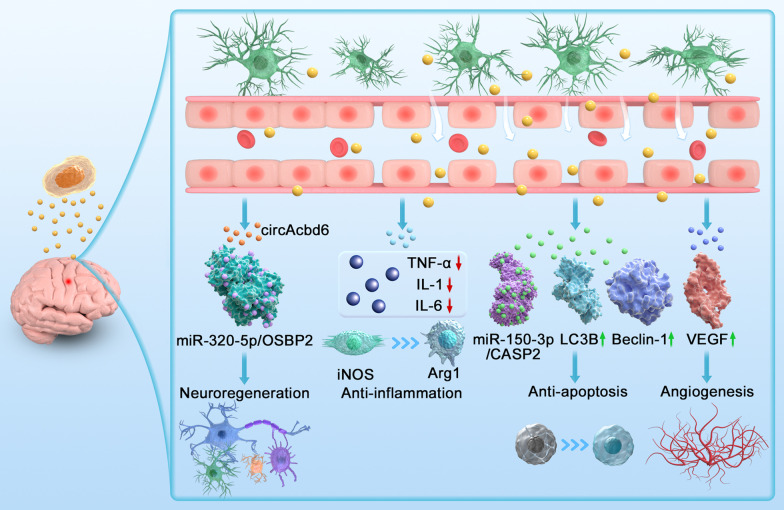
“Moreover, NSC exosome especially the proinflammatory factor interferon gamma treated exosomes showed increased microvascular density at the site of the cortex and striatum regions in brain ischemic injury model [48].”
BackgroundInfluentialThe neural stem cell secretome and its role in brain repair
Willis, C. M., Nicaise, A. M., Peruzzotti-Jametti, L., & Pluchino, S. (2020) · Brain Research · doi:10.1016/j.brainres.2019.146615 · Cited by 114 · cited 1×
“Because of the continuous deepening of stem cell research, growing evidence has demonstrated that cell substitution is not the primary mechanism of NSCs, but relies on the paracrine utility of NSCs [26].”
BackgroundThe vascular niche in adult neurogenesis
Licht, T., & Keshet, E. (2015) · Mechanisms of Development · doi:10.1016/j.mod.2015.06.001 · Cited by 113 · cited 1×
“A series of cross-reactions with neural stem cells occur between neurovascular units and neural stem cells, which can carry out endogenous brain repair after TBI, including neurogenesis and vascular regeneration [70, 71].”
BackgroundKang, Y., Song, Y., Luo, Y., Song, J. T., Li, C., Yang, S., Guo, J., Yu, J. M., & Zhang, X. (2022) · Free Radical Biology and Medicine · doi:10.1016/j.freeradbiomed.2022.08.037 · Cited by 112 · cited 1×
“…physiological activities, especially involving the immune response [7–9], apoptosis [10–12], angiogenesis [13–16] and the inflammatory response [17–20], and they have become potential substitutes for cell-based therapies for various diseases, early diagnostic markers and targeted drug carriers.”
BackgroundMu, J., Li, L., Wu, J., Huang, T., Zhang, Y., Cao, J., Ma, T., Chen, J., Zhang, C., Zhang, X., et al. (2022) · Biomaterials Science · doi:10.1039/d1bm01722e · Cited by 107 · cited 1×
“…in the operation of vital cellular physiological activities, especially involving the immune response [7–9], apoptosis [10–12], angiogenesis [13–16] and the inflammatory response [17–20], and they have become potential substitutes for cell-based therapies for various diseases, early diagnostic…”
BackgroundSelf-citationHettich, B. F., Bader, J. J., & Leroux, J. (2022) · Advanced Healthcare Materials · doi:10.1002/adhm.202100047 · Cited by 106 · cited 1×
“Another strategy for engineering exosomes is exosome engineering, that is, the modification of the surface proteins or contents of purified exosomes using specific techniques under appropriate conditions, which is mainly divided into incubation [108], physical methods [109], saponification [110, 111] and surface modif…”
BackgroundMa, Y., Li, C., Huang, Y., Wang, Y., Xia, X., & Zheng, J. C. (2019) · Cell Communication and Signaling · doi:10.1186/s12964-019-0418-3 · Cited by 104 · cited 2×
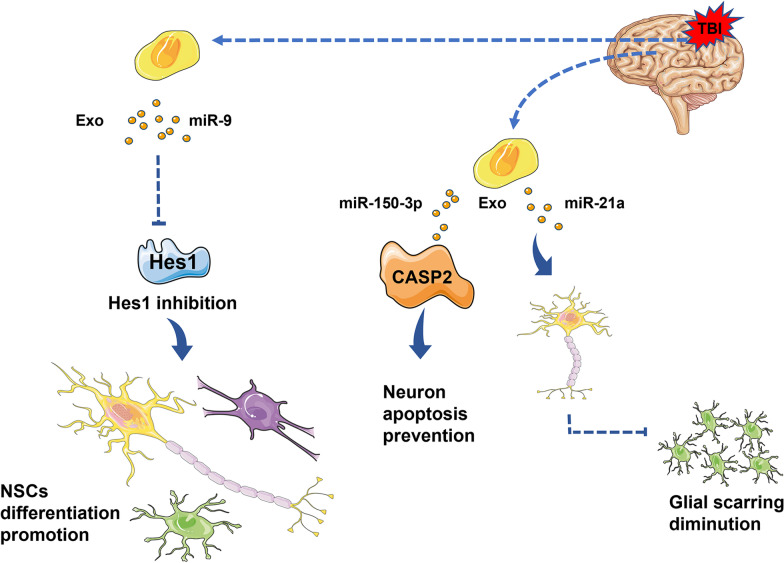
“In addition, other studies have shown that miR-21a is highly expressed in exosomes secreted by NSCs, which can promote nerve cell differentiation and regeneration [46].”
BackgroundPathophysiology of Preeclampsia: The Role of Exosomes
Matsubara, K., Matsubara, Y., Uchikura, Y., & Sugiyama, T. (2021) · International Journal of Molecular Sciences · doi:10.3390/ijms22052572 · Cited by 104
NSC-derived exosomes enhance therapeutic effects of NSC transplantation on cerebral ischemia in mice
Zhang, R., Mao, W., Niu, L., Bao, W., Wang, Y., Wang, Y., Zhu, Y., Yang, Z., Chen, J., Dong, J., et al. (2023) · eLife · doi:10.7554/elife.84493 · Cited by 102
Self-citationJoshi, B. S., & Zuhorn, I. S. (2021) · European Journal of Neuroscience · doi:10.1111/ejn.14974 · Cited by 99 · cited 1×
“Another study revealed that NSC-derived exosomes could be engineered for drug delivery to the brain [116].”
BackgroundNeural Stem Cell-Derived Exosomes Regulate Neural Stem Cell Differentiation Through miR-9-Hes1 Axis
Yuan, P., Ding, L., Chen, H., Wang, Y., Li, C., Zhao, S., Yang, X., Ma, Y., Zhu, J., Qi, X., et al. (2021) · Frontiers in Cell and Developmental Biology · doi:10.3389/fcell.2021.601600 · Cited by 92 · cited 1×
“Another study also showed that NSC-derived exosomes regulate and control NSC differentiation through the miR-9-Hes1 axis, which unveils a possible mechanism of exosome (Exo)-mediated NSC differentiation [74].”
BackgroundAstrocyte–Endotheliocyte Axis in the Regulation of the Blood–Brain Barrier
Pivoriūnas, A., & Verkhratsky, A. (2021) · Neurochemical Research · doi:10.1007/s11064-021-03338-6 · Cited by 91 · cited 1×
“As a vital biological barrier of the brain, the BBB is used to maintain biological stability and provide a microenvironment for precise neural regulation [85, 86].”
BackgroundPotential of Exosomes for the Treatment of Stroke
Hong, S., Yang, H., Manaenko, A., Lu, J., Mei, Q., & Hu, Q. (2018) · Cell Transplantation · doi:10.1177/0963689718816990 · Cited by 84 · cited 1×
“…to their unique nanostructure, lack of immunogenicity [99, 100], low toxicity [101, 102], and good permeability, with the ability to cross the BBB [103, 104], coupled with their important role in tissue regeneration, immune regulation and disease recognition, exosomes have great therapeutic…”
BackgroundTakahashi, S. (2020) · Neuropathology · doi:10.1111/neup.12639 · Cited by 81 · cited 1×
“In the brain, neurons, astrocytes, microglia, vascular endothelial cells, vascular perivascular cells, the basement membrane and the extracellular matrix make up the neuronal vascular units [69].”
BackgroundRaghav, A., & Jeong, G. (2021) · Journal of Nanobiotechnology · doi:10.1186/s12951-021-01219-2 · Cited by 77 · cited 1×
“…is exosome engineering, that is, the modification of the surface proteins or contents of purified exosomes using specific techniques under appropriate conditions, which is mainly divided into incubation [108], physical methods [109], saponification [110, 111] and surface modification [112, 113].”
MethodZhang, L., Liu, H., Jia, L., Lyu, J., Sun, Y., Yu, H., Li, H., Liu, W., Weng, Y., & Yu, W. (2019) · Oxidative Medicine and Cellular Longevity · doi:10.1155/2019/3753485 · Cited by 73 · cited 1×
“Current therapeutic interventions have shown neuroprotective effects of exosomes, which diminish reactive oxygen species (ROS) levels by delivering antioxidants to neurons and alleviating oxidative stress-mediated apoptosis [94, 95].”
BackgroundExtracellular Vesicles Mediate Neuroprotection and Functional Recovery after Traumatic Brain Injury
Sun, M. K., Passaro, A. P., Latchoumane, C.-F., Spellicy, S. E., Bowler, M., Goeden, M., Martin, W. J., Holmes, P. V., Stice, S. L., & Karumbaiah, L. (2020) · Journal of Neurotrauma · doi:10.1089/neu.2019.6443 · Cited by 71 · cited 1×
“Sun et al. [89] suggested that exosomes derived from hNSCs could improve motor function and reduce lesion area of male rats, along with increased migration of endogenous NSC to the lesion site.”
BackgroundPan, B. T., & Johnstone, R. (1984) · Journal of Biological Chemistry · doi:10.1016/s0021-9258(17)42767-0 · Cited by 68 · cited 1×
“Current cell-free therapeutic strategies for brain regeneration have been developed since exosomes were first discovered in sheep reticulocytes and named “exosomes” by Johnstone in 1987 [23, 24].”
BackgroundLuo, H., Ye, G., Liu, Y., Huang, D., Luo, Q., Chen, W., & Qi, Z. (2022) · Neuroscience Letters · doi:10.1016/j.neulet.2022.136635 · Cited by 65
Non-Autophagic GFP-LC3 Puncta Induced by Saponin and Other Detergents
Ciechomska, I. A., & Tolkovsky, A. M. (2007) · Autophagy · doi:10.4161/auto.4843 · Cited by 58 · cited 1×
“…is exosome engineering, that is, the modification of the surface proteins or contents of purified exosomes using specific techniques under appropriate conditions, which is mainly divided into incubation [108], physical methods [109], saponification [110, 111] and surface modification [112, 113].”
MethodAnti-inflammatory Effects of Extracellular Cyclosporins Are Exclusively Mediated by CD147
Malešević, M., Gutknecht, D., Prell, E., Klein, C., Schümann, M., Nowak, R. A., Simon, J. C., Schiene‐Fischer, C., & Saalbach, A. (2013) · Journal of Medicinal Chemistry · doi:10.1021/jm4007577 · Cited by 55 · cited 1×
“…physiological activities, especially involving the immune response [7–9], apoptosis [10–12], angiogenesis [13–16] and the inflammatory response [17–20], and they have become potential substitutes for cell-based therapies for various diseases, early diagnostic markers and targeted drug carriers.”
BackgroundMicroparticles: A New Perspective in Central Nervous System Disorders
Schindler, S. M., Little, J. P., & Klegeris, A. (2014) · BioMed Research International · doi:10.1155/2014/756327 · Cited by 54 · cited 1×
“…factors through paracrine pathways[27, 28], including brain-derived neurotrophic factors (BDNF), glial cell line-derived neurotrophic factors (GDNF), neuronutrient-3, bioactive lipids and other paracrine factors, as well as extracellular vesicles, of which exosomes are the most representative [29].”
BackgroundNeural stem cell-derived exosomes mediate viral entry
Sims, B., Gu, L., Krendelchtchikov, A., & Matthews, Q. (2014) · International Journal of Nanomedicine · doi:10.2147/ijn.s70999 · Cited by 53 · cited 1×
“The addition of NSC exosomes to coxsackie-adenovirus receptor (CAR)-deficient cells and adenovirus type 5 (Ad5) can transport Ad5 into CAR-deficient cells [62].”
BackgroundTherapeutic angiogenesis of exosomes for ischemic stroke.
Manuel, G., Johnson, T. K., & Liu, D. (2017) · PubMed Central · Cited by 53
Cell-Based Therapies for Traumatic Brain Injury: Therapeutic Treatments and Clinical Trials
Bonilla, C., & Zurita, M. (2021) · Biomedicines · doi:10.3390/biomedicines9060669 · Cited by 50 · cited 1×
“A previous study demonstrated that NSCs are expected to become an efficient strategy for TBI treatment in both experimental models and clinical practice [66, 67].”
BackgroundHering, C., & Shetty, A. K. (2023) · Stem Cells Translational Medicine · doi:10.1093/stcltm/szad004 · Cited by 50 · cited 1×
“Nevertheless, it has recently been proven that the main mechanisms by which NSCs are related to brain remodelling and functional recovery after TBI are not dependent on cell substitution utility but may rely on paracrine effects such as exosomes secreted from NSCs [68].”
BackgroundRestoring Neuronal Function After Stroke by Cell Replacement: Anatomic and Functional Considerations
Dihné, M., Hartung, H., & Seitz, R. J. (2011) · Stroke · doi:10.1161/strokeaha.111.613422 · Cited by 48 · cited 1×
“These factors promote endogenous neurogenesis, angiogenesis and the formation of new vascular networks, minimizing apoptosis and inflammation-induced damage [88].”
BackgroundLiu, Q., Tan, Y., Qu, T., Zhang, J., Duan, X., Xu, H., Mu, Y., Ma, H., & Wang, F. (2020) · Life Sciences · doi:10.1016/j.lfs.2020.117772 · Cited by 46 · cited 1×
“Additional studies have demonstrated that hNSC exosomes could inhibit neuronal apoptosis and enhance the nuclear transfer of Nrf2 in response to oxidative stress, in addition to promoting neuronal axon elongation and human umbilical vein endothelial cell (HUVEC) angiogenesis [98].”
BackgroundMahdavipour, M., Hassanzadeh, G., Seifali, E., Mortezaee, K., Aligholi, H., Shekari, F., Sarkoohi, P., Zeraatpisheh, Z., Nazari, A., Movassaghi, S., et al. (2019) · Cell Biochemistry and Function · doi:10.1002/cbf.3484 · Cited by 44 · cited 1×
“Previous research has shown that neural stem cell-derived exosome administration can effectively reduce microglial density and neuronal apoptosis, thereby steadily improving functional recovery after middle cerebral artery occlusion [96].”
BackgroundMetabolic Control of Smoldering Neuroinflammation
Peruzzotti-Jametti, L., Willis, C. M., Hamel, R., Krzak, G., & Pluchino, S. (2021) · Frontiers in Immunology · doi:10.3389/fimmu.2021.705920 · Cited by 39 · cited 1×
“Its pathological changes mainly include glial cell activation, upregulation of proinflammatory cytokines, increased inflammatory cell infiltration and increased blood and brain barrier permeability [75].”
BackgroundXu, L., Jiang, T., Zhao, W., Han, J., Liu, J., Deng, Y., Zhu, S.-Y., Li, Y.-X., Nian, Q.-G., Zhang, Y., et al. (2014) · PLoS ONE · doi:10.1371/journal.pone.0095272 · Cited by 38 · cited 1×
“As one of the highly expressed miRNAs, miR-1246 is a p53-targeting miRNA [44] that plays a crucial role in regulating cell development and apoptosis [45].”
BackgroundExosome-mediated crosstalk between microglia and neural stem cells in the repair of brain injury
Hou, B.-R., Jiang, C., Wang, Z.-N., & Ren, H. (2019) · Neural Regeneration Research · doi:10.4103/1673-5374.270302 · Cited by 38 · cited 1×
“Microglia-derived exosomes affect NSC proliferation and differentiation through encapsulated proteins and miRNAs after brain injury [78].”
BackgroundAbedi, M., Hajinejad, M., Atabi, F., & Negah, S. S. (2022) · BioMed Research International · doi:10.1155/2022/6409346 · Cited by 37 · cited 1×
“Research has confirmed that exosomes derived from hNSCs can significantly promote the recovery of motor function in TBI rats by inhibiting the expression of reactive astrocytes and enhancing the expression of doublecortin, thereby regulating neuroinflammation and promoting neurogenesis [79].”
BackgroundKaddour, H., Panzner, T. D., Welch, J. L., Shouman, N., Mohan, M., Stapleton, J. T., & Okeoma, C. M. (2020) · Viruses · doi:10.3390/v12101117 · Cited by 36 · cited 1×
“Another strategy for engineering exosomes is exosome engineering, that is, the modification of the surface proteins or contents of purified exosomes using specific techniques under appropriate conditions, which is mainly divided into incubation [108], physical methods [109], saponification [110, 111] and surface modif…”
BackgroundMoeinabadi‐Bidgoli, K., Rezaee, M., Rismanchi, H., Mohammadi, M. M., & Babajani, A. (2022) · Frontiers in Cell and Developmental Biology · doi:10.3389/fcell.2022.900418 · Cited by 36 · cited 1×
“…exosomes are involved in the operation of vital cellular physiological activities, especially involving the immune response [7–9], apoptosis [10–12], angiogenesis [13–16] and the inflammatory response [17–20], and they have become potential substitutes for cell-based therapies for various…”
BackgroundNagarajah, S. (2016) · Journal of Circulating Biomarkers · doi:10.5772/62975 · Cited by 35 · cited 1×
“Initially, researchers believed that exosomes are waste products released by cells, but subsequent studies found that information exchange between cells is closely related to exosomes [1–3].”
BackgroundHajinejad, M., Ebrahimzadeh, M. H., Ebrahimzadeh‑bideskan, A., Rajabian, A., Gorji, A., & Sahab Negah, S. (2023) · Stem Cell Reviews and Reports · doi:10.1007/s12015-022-10483-0 · Cited by 31 · cited 2×
“[81] proposed that hNSCs can downregulate the expression of Toll-like receptor 4 and its downstream signalling pathway, including NF-kβ and proinflammatory factors such as interleukin-1β.”
BackgroundPathology of traumatic brain injury
Finnie, J. W. (2014) · Veterinary Research Communications · doi:10.1007/s11259-014-9616-z · Cited by 27 · cited 1×
“Oxidative stress and neuronal apoptosis are closely related to neurological impairment and cognitive dysfunction after TBI [93].”
BackgroundBadner, A., Reinhardt, E. K., Nguyen, T. V., Midani, N., Marshall, A. T., Lepe, C. A., Echeverria-Rosario, K., Lepe, J. J., Torrecampo, V., Bertan, S. H., et al. (2021) · Journal of Neurotrauma · doi:10.1089/neu.2021.0045 · Cited by 24
Hongjin, W., Chen, H., Baoxiang, J., Shiqi, Y., & Xu, X. (2019) · Reviews in the Neurosciences · doi:10.1515/revneuro-2019-0023 · Cited by 23 · cited 1×
“A series of cross-reactions with neural stem cells occur between neurovascular units and neural stem cells, which can carry out endogenous brain repair after TBI, including neurogenesis and vascular regeneration [70, 71].”
BackgroundLi, W., Shan, B., Cheng, X., He, H., Qin, J., Zhao, H., Tian, M., Zhang, X., & Jin, G. (2022) · Journal of Biological Chemistry · doi:10.1016/j.jbc.2022.101828 · Cited by 23 · cited 1×
“The study suggested that circRNA Acbd6 (containing acyl-CoA binding domain 6) upregulated in exosomes of hippocampal NSCs promotes differentiation of NSCs into cholinergic neurons via the miR-320-5p/oxysterol-binding protein-related protein 2 axis and is targeted to mediate neurogenesis [72].”
BackgroundSelf-citationEnduring Neuroprotective Effect of Subacute Neural Stem Cell Transplantation After Penetrating TBI
Kassi, A., Mahavadi, A. K., Clavijo, A., Caliz, D., Lee, S. W., Ahmed, A. I., Yokobori, S., Hu, Z., Spurlock, M. S., Wasserman, J. M., et al. (2019) · Frontiers in Neurology · doi:10.3389/fneur.2018.01097 · Cited by 21 · cited 1×
“Extensive research has found that NSC transplantation can significantly regenerate damaged tissues [32, 33].”
BackgroundNeural progenitor cells-secreted exosomal miR-210 induced by hypoxia influences cell viability
Zhao, M., Gao, Y., Wang, F., Cheng, X., Zhao, T., Zhao, Y., Fan, M., & Zhu, L. (2020) · Neuroreport · doi:10.1097/wnr.0000000000001490 · Cited by 14 · cited 1×
“As reported in the study, the exosomal miR-210 produced by neural progenitor cells induced by hypoxia has a significant effect on cell proliferation [73].”
ResultSelf-citation
Cited by
Exosome-powered neuropharmaceutics: unlocking the blood-brain barrier for next-gen therapies
Mehdizadeh, S., Mamaghani, M., Hassanikia, S., Pilehvar‐Soltanahmadi, Y., & Ertaş, Y. N. (2025) · Journal of Nanobiotechnology · doi:10.1186/s12951-025-03352-8 · Cited by 150
“These exosomes were primarily taken up by microglia/macrophages, inhibiting their activation through NFκB and P38 mitogen-activated protein kinase pathways, ultimately facilitating brain repair and recovery [182].”
Sanadgol, N., Abedi, M., Hashemzaei, M., Kamran, Z., Khalseh, R., Beyer, C., & Voelz, C. (2025) · Journal of Nanobiotechnology · doi:10.1186/s12951-025-03528-2 · Cited by 124
“Further research indicates that NSCs-derived exosomes can promote angiogenesis, stimulate neurogenesis, and reduce apoptosis in experimental TBI models, offering another promising therapeutic approach [192].”
Lim, S. H., Yee, G. T., & Khang, D. (2024) · International Journal of Nanomedicine · doi:10.2147/ijn.s450853 · Cited by 107
“111 In addition to their potential as drug delivery vehicles, exosomes derived from various cell types have also been shown to have intrinsic anti-tumor effects.”
BackgroundExosome-mediated delivery and regulation in neurological disease progression
Singh, G., Mehra, A., Arora, S., Gugulothu, D. B., Vora, L. K., Prasad, R., & Khatri, D. K. (2024) · International Journal of Biological Macromolecules · doi:10.1016/j.ijbiomac.2024.130728 · Cited by 90
Exosomes: a promising avenue for cancer diagnosis beyond treatment
Wang, Z., Wang, Q., Qin, F., & Chen, J. (2024) · Frontiers in Cell and Developmental Biology · doi:10.3389/fcell.2024.1344705 · Cited by 66
“…but also contributes to the fi ne-tuning of neural circuits, highlighting the profound impact of exosomes on neurological function and giving potential therapeutic applications in neurodegenerative diseases and neurological disorders (Hu T et al., 2023; Liu et al., 2023; Zhong et al., 2023).”
BackgroundSelf-citation
Metadata
- Authors
- Zhong, L., Wang, J., Wang, P., Liu, X., Liu, P., Cheng, X., Cao, L., Wu, H., Chen, J., & Zhou, L.
- Affiliations
- First Affiliated Hospital of Chengdu Medical College (CN)
- Tianjin Hospital (CN)
- Sichuan University (CN)
- Chengdu Medical College (CN)
- Corresponding author
- Wu, Hongwei
- Chen, Jing
- Zhou, Liangxue
- Venue
- Stem Cell Research & Therapy
- Published
- 2023-08-08
- Volume
- 14
- Issue
- 1
- Pages
- 198-198
- ISSN
- 1757-6512 (ISSN-L)
- PMC
- PMC10408078
- OpenAlex
- W4385664550
- Semantic Scholar
- 80c14eabdd601c19e65a3f846a84bb8cf5c94fc6
- Cited by
- 110
- References
- 119
- Citations by year
- 2026: 34 · 2025: 40 · 2024: 34 · 2023: 2
- FWCI
- 2.96
- Type
- journal article
- Language
- en
- Open access
- gold
- doi.org
- Licence
- cc-by
- creativecommons.org/licenses/by/4.0 (tdm)
- creativecommons.org/licenses/by/4.0 (vor)
- Locations
- Stem Cell Research & Therapy (publishedVersion, cc-by)
- PubMed Central (publishedVersion, cc-by)
- PubMed (publishedVersion)
- DOAJ (DOAJ: Directory of Open Access Journals) (submittedVersion, cc-by-sa)
- Funders
- the National Major Scientific and Technological Special Project for Significant New Drugs Development (2019ZX09301-147)
- Topics
- Life Sciences › Biochemistry, Genetics and Molecular Biology › Molecular Biology › Extracellular vesicles in disease
- Health Sciences › Medicine › Clinical Neurology › Traumatic Brain Injury and Neurovascular Disturbances
- Life Sciences › Biochemistry, Genetics and Molecular Biology › Cell Biology › Mesenchymal stem cell research
- Keywords
- traumatic brain injury, cell-free therapy, nerve regeneration, blood-brain barrier penetration, immunomodulation, exosome stability, tumorigenicity, regenerative medicine
- MeSH terms
- Brain Injuries, Traumatic, Brain, Brain Injuries, Humans, Exosomes, Neural Stem Cells
About these checks
Registry, retraction, Cites and statistics results are computed, not judged, with one exception: a printed reference that no index lists is read once by a model before it counts as a citation error. Claims are extracted by a model and kept only when their quote appears verbatim in the text; each cited source is then checked, with a model’s help, for whether it says what the claim relies on. Those verdicts can be wrong — read the claim’s quote and the cited source before relying on one.
Statistics and arithmetic are recomputed, not judged.
Confidence bands are shown only for fields calibrated on our annotated test set. None is calibrated yet, so no band is shown.
What counts as a claim ›How we measure confidence ›How we check this ›
Are you an author, or do you see a problem with this page? Request a review
Data sources
Bibliographic data: Semantic Scholar, OpenAlex, Crossref.
Contains information from the Semantic Scholar Academic Graph Datasets, made available under the ODC Attribution License (ODC-BY 1.0).
Semantic Scholar’s data is described in: Kinney, R., et al. (2023). The Semantic Scholar Open Data Platform. arXiv:2301.10140.
